News
Gallery 1
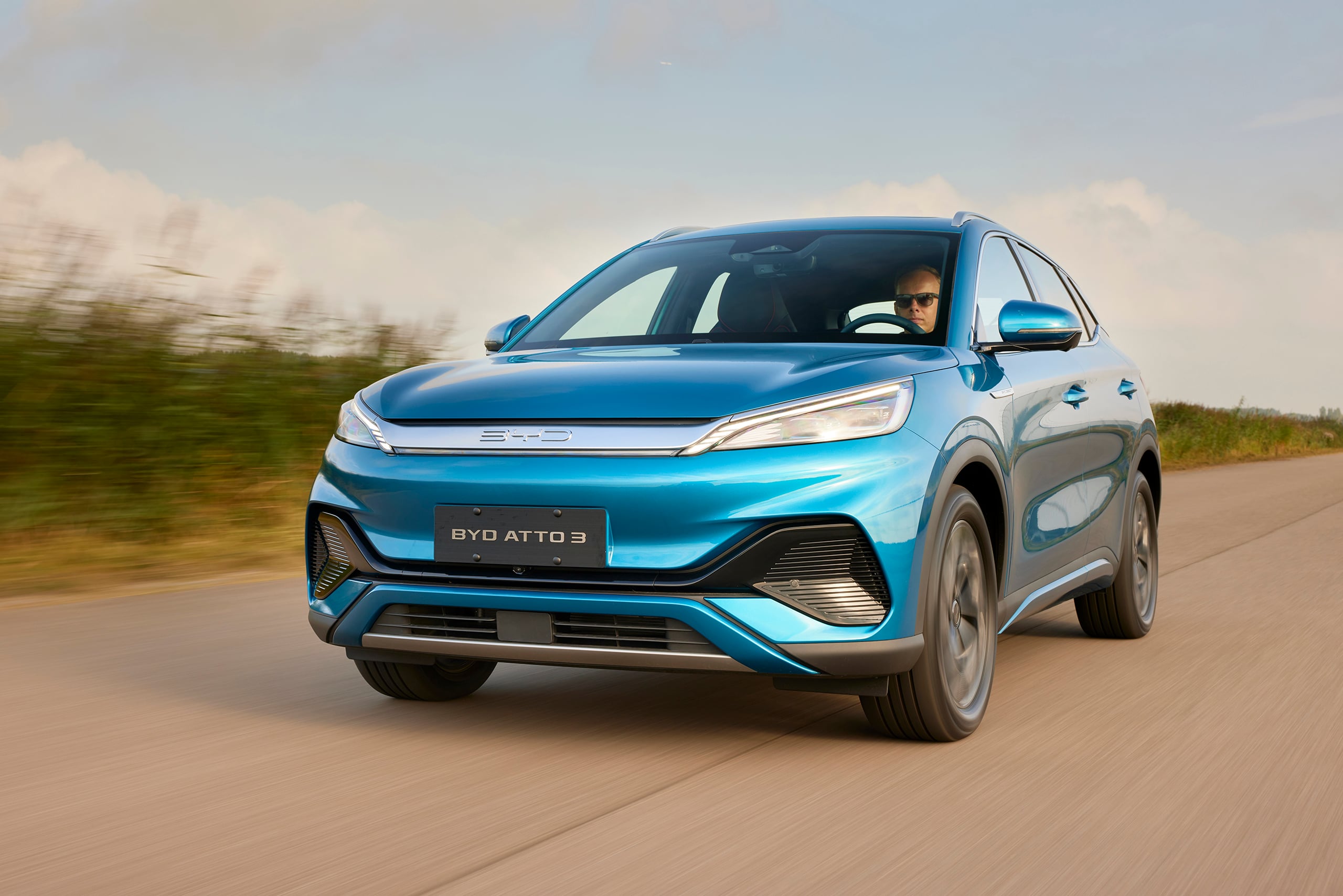
A new national survey suggests Australia’s Electric Car Discount is playing a critical role in helping cost-conscious households transition to electric vehicles, particularly among outer-suburban and blue-collar buyers.
Polling conducted by RedBridge Group between March and April 2026, based on responses from more than 2,200 novated leaseholders, found the incentive is a decisive factor in whether many Australians can afford to make the switch.
According to the research, conducted for the National Automotive Leasing and Salary Packaging Association (NALSPA), 84 per cent of respondents said the discount was “very important” in their decision to purchase an electric vehicle, with the figure rising to 93 per cent among financially stressed households. Strong support was also recorded among blue-collar workers (87 per cent), outer-suburban residents (86 per cent) and households where a language other than English is spoken (90 per cent).
1
The findings challenge perceptions that EV incentives primarily benefit wealthier inner-city buyers, said Redbridge. Instead, the data indicates the policy is being used most heavily by Australians looking to reduce everyday costs, particularly fuel expenses.
Cost savings emerged as the primary motivation for switching to electric vehicles, with more than half of respondents ranking the discount among their top three reasons for purchasing.
RedBridge analysis also found that 60 per cent of respondents would not have bought an EV without the incentive. That figure climbs to 72 per cent among financially stretched households and 65 per cent for blue-collar workers, suggesting the policy is central to current adoption rates.
The survey indicates that removing the discount could significantly slow EV uptake. Nearly half of respondents said they would delay their next vehicle purchase, while almost a quarter would revert to petrol or diesel vehicles – rising to more than a third among lower-income groups.
“Most Australians who bought an EV with the help of the Electric Car Discount wouldn’t have made the switch without it,” said NALSPA CEO Rohan Martin. “And if the EV Discount ended, it’s the blue-collar workers and those under financial pressure who are more likely to switch back to a petrol or diesel car.”

1
A RedBridge spokesperson said the results show the discount is functioning primarily as a cost-of-living measure rather than a luxury incentive, helping households manage both upfront vehicle costs and ongoing fuel expenses.
Support for the policy appears to cut across political lines, with more than 90 per cent of respondents agreeing that government assistance is important in helping Australians transition to electric vehicles.
The findings come amid ongoing debate about the future of EV incentives in Australia, with policymakers weighing their role in reducing emissions while addressing affordability concerns.
Overall, the data suggests that for many Australians, particularly those under financial pressure, the Electric Car Discount remains a key factor in making electric vehicle ownership viable.
Follow WhichCar/Wheels on Google
Click the button below to make WhichCar by Wheels a preferred source for your news.


We recommend
-
 News
NewsWhat EV incentives are still available in my state?
Although incentives to buy electric vehicles aren’t as generous as they have been in the past, some states still offer bonuses to make buying one less expensive. Here’s the WhichCar guide…
-
 News
NewsAussies split on extra incentives to drive more EVs
New research shows that nearly a quarter of Australians believe car insurers should offer additional discounts or incentives for electric vehicle drivers – but almost half also oppose the idea.
-
 News
NewsAustralia’s EV boom is in full swing – here are the top 10 cars people are buying
As fuel prices continue to surge amid the Middle East conflict, Australian new car buyers are gravitating to EVs in ever-increasing numbers.