News

Gallery 1
We recently covered one of the biggest hurdles to overcome for buyers considering an electric
vehicle for their next car purchase: range anxiety. But another big factor remains cost. While EVs are
getting less expensive, most models still cost significantly more than their petrol, hybrid or diesel-
fuelled equivalents thanks to factors such as battery cost.
For those considering an EV, various state and federal incentives remain in place in in Australia, aimed at promoting the adoption of electric vehicles (EVs) by lessening their cost. These include rebates, stamp duty exemptions, fringe benefits tax (FBT) exemptions, and higher luxury car tax (LCT) thresholds for fuel-efficient vehicles. Some states also offer free registration or reduced registration fees for EVs.
Nationwide
The biggest incentive by far to own an electric vehicle in the whole of Australia is the Electric Car Discount, which is removal of fringe benefits tax (FBT) for leased and company vehicles. That makes EVs significantly less expensive to buy, often at similar or lesser pricing than equivalent ICE vehicles.
For EVs priced underneath the $91,387 luxury car tax threshold for fuel efficient vehicles, the FBT removal allows the cost of an EV to be at parity with an equivalent petrol or diesel vehicle if novated leasing, according to the Electric Vehicle Council.
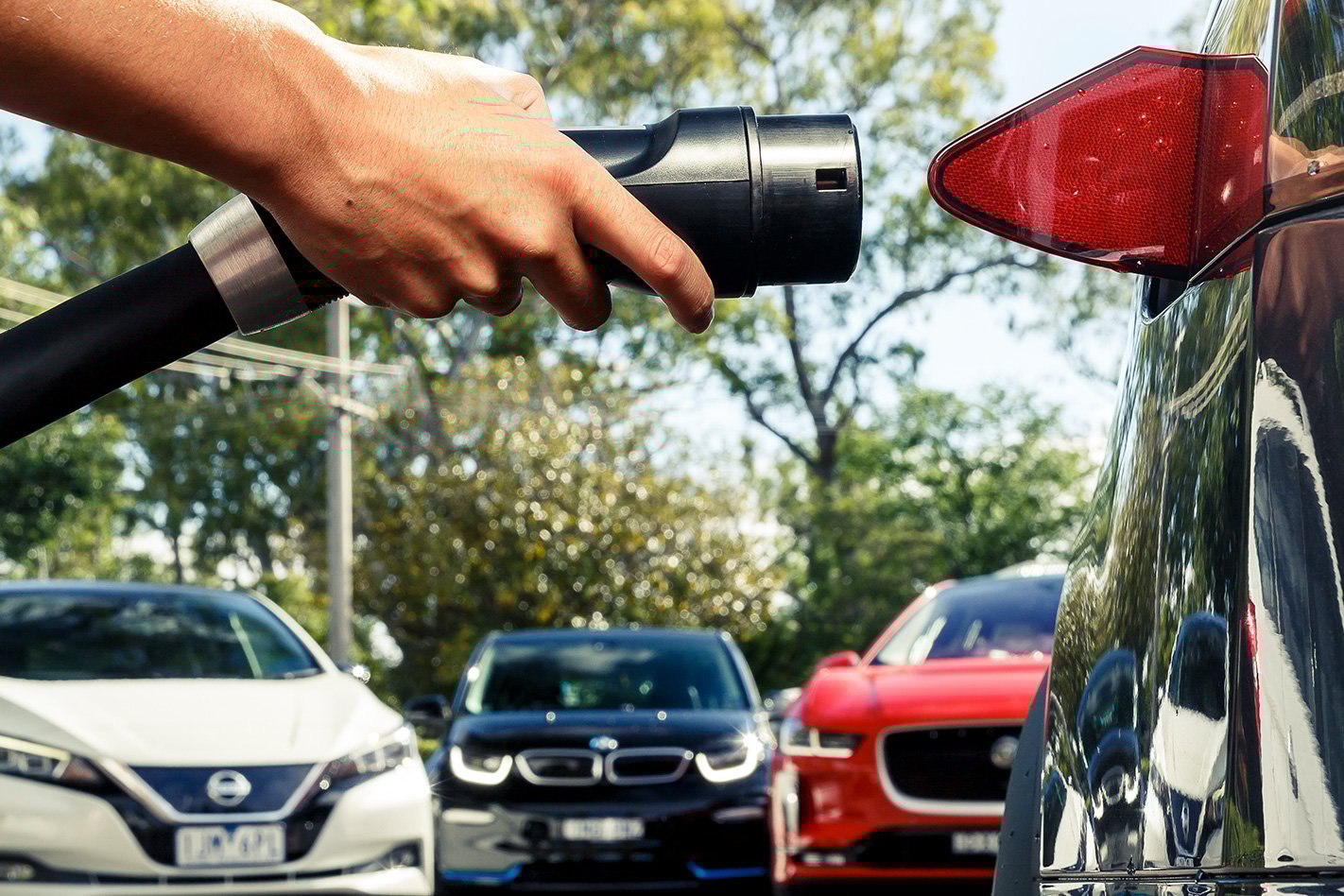
EVs priced under the LCT threshold are also exempt from import duties, reducing the cost to import them. The FBT exemption was also available on plug-in hybrid (PHEV) vehicles until April 1st 2025 to gain traction for PHEV sales.
While not directly related to the vehicle purchase itself, federal battery and solar power incentives also exist, including the Cheaper Home Batteries Program that provides a rebate of around 30 per cent off the cost of a home battery system, helping to reduce impact on the electricity grid.
New South Wales
New South Wales no longer provides any financial incentives with the purchase of an EV. Prior to
January 1st 2024, no stamp duty was applied to EV purchases under $78,000.
Victoria
Victoria was the first state to remove the stamp duty exemption from July 1st 2023, and was also the first state to charge a road user charge for EVs (a levy per kilometre) in 2021 – the first in Australia – but it was ruled unconstitutional by the High Court in 2023 and subsequently scrapped.
Incentives for EV buyers now include a $100 discount from the annual registration fee, while there are also grants available for solar power that can be used to charge an EV.
Queensland
Queensland previously offered some of the most generous EV incentives, but like most other states, has finished most with the only left discounted annual registration, saving a minimum of $500.
South Australia
As of 1 July 2025, South Australia no longer offers an EV incentives, though three years of no registration cost is still available for EVs valued below $68,70 and first registered between 28 October 2021 and 30 June 2025.
Western Australia
WA state government incentives to buy an EV are no longer offered.
Tasmania
EV buyers can access an interest-free loan scheme for installing EV chargers.
Northern Territory
From 1 July 2022 to 30 June 2027, the Northern Territory will waive both the stamp duty (up to $1500) and registration fee for new EV registrations, providing a potential saving of up to almost $1600.
In addition, the Electric Vehicle Charger (Residential and Business) Grants Scheme is available to EV owners to buy and install EV chargers.
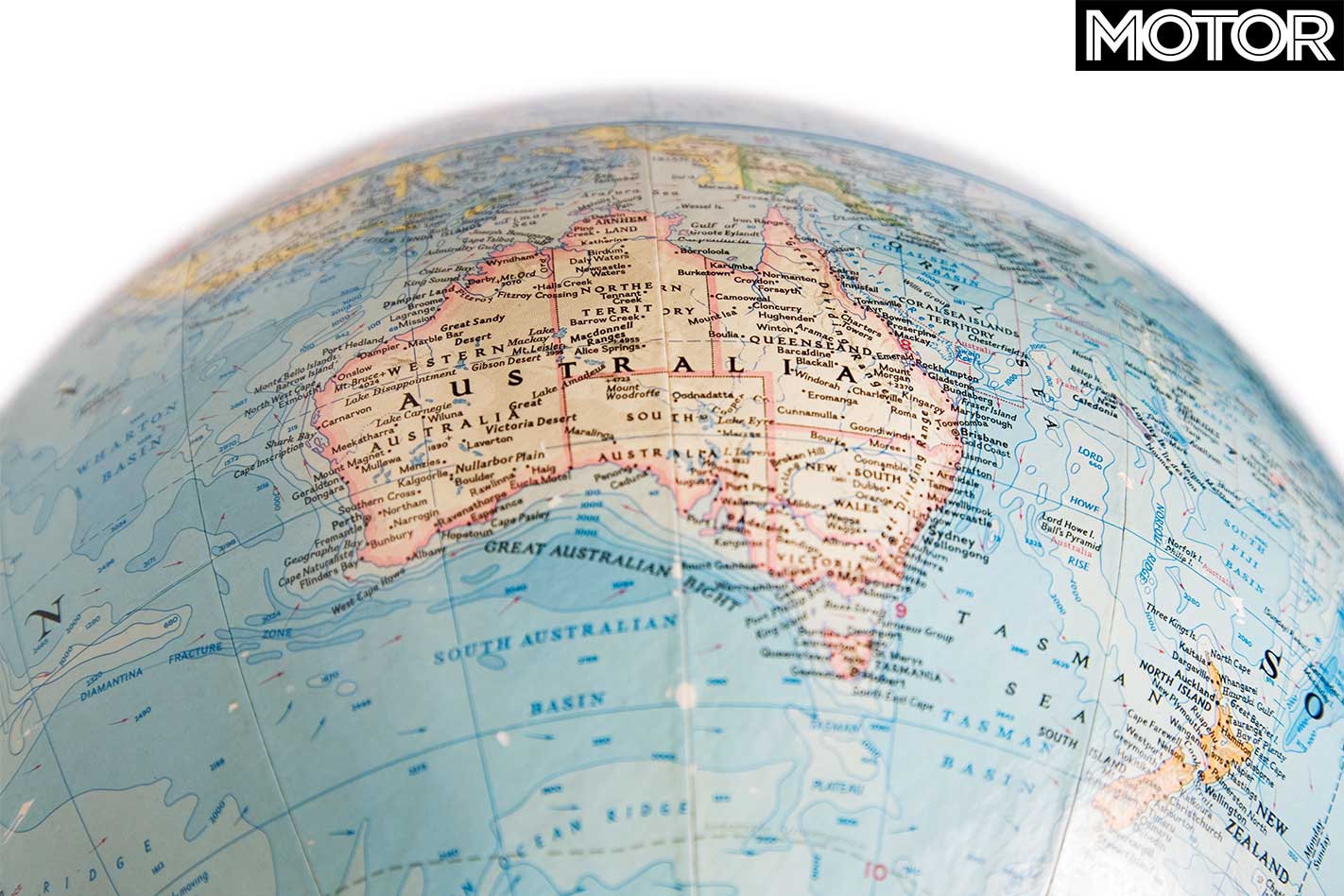
Australian Capital Territory
From 1 July 2024, the ACT moved to emissions-based registration costs, which means that EV owners pay the least to register their vehicles.
New and used EVs registered before 1 September 2025 are also eligible for a full stamp duty exemption, while EVs underneath a $84,916 subtotal are eligible for a 0% interest rate for up to $15,000 of the total price when financing as part of the ACT Sustainable Household Scheme.
As we can see, most states no longer offer any form of EV incentives, with the federal government FBT exemption the biggest discount available for potential EV buyers.
Follow WhichCar/Wheels on Google
Click the button below to make WhichCar by Wheels a preferred source for your news.

We recommend
-
 News
NewsMajority of Australians open to going electric – but prefer hybrids for now
New survey finds price and battery concerns slowing BEV uptake.
-
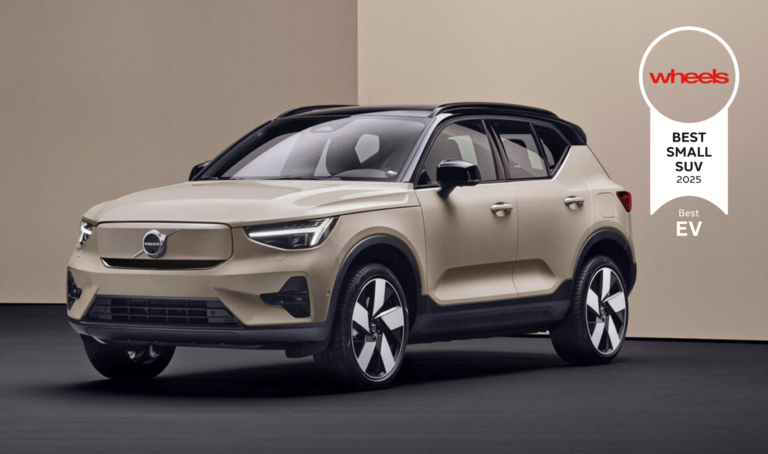 Best Small SUVs
Best Small SUVs 2025: Electric
Ratings and reviews of the Best Small SUVs with an all-electric powertrain on the Australian market... plus our category winner.