News

Gallery 1
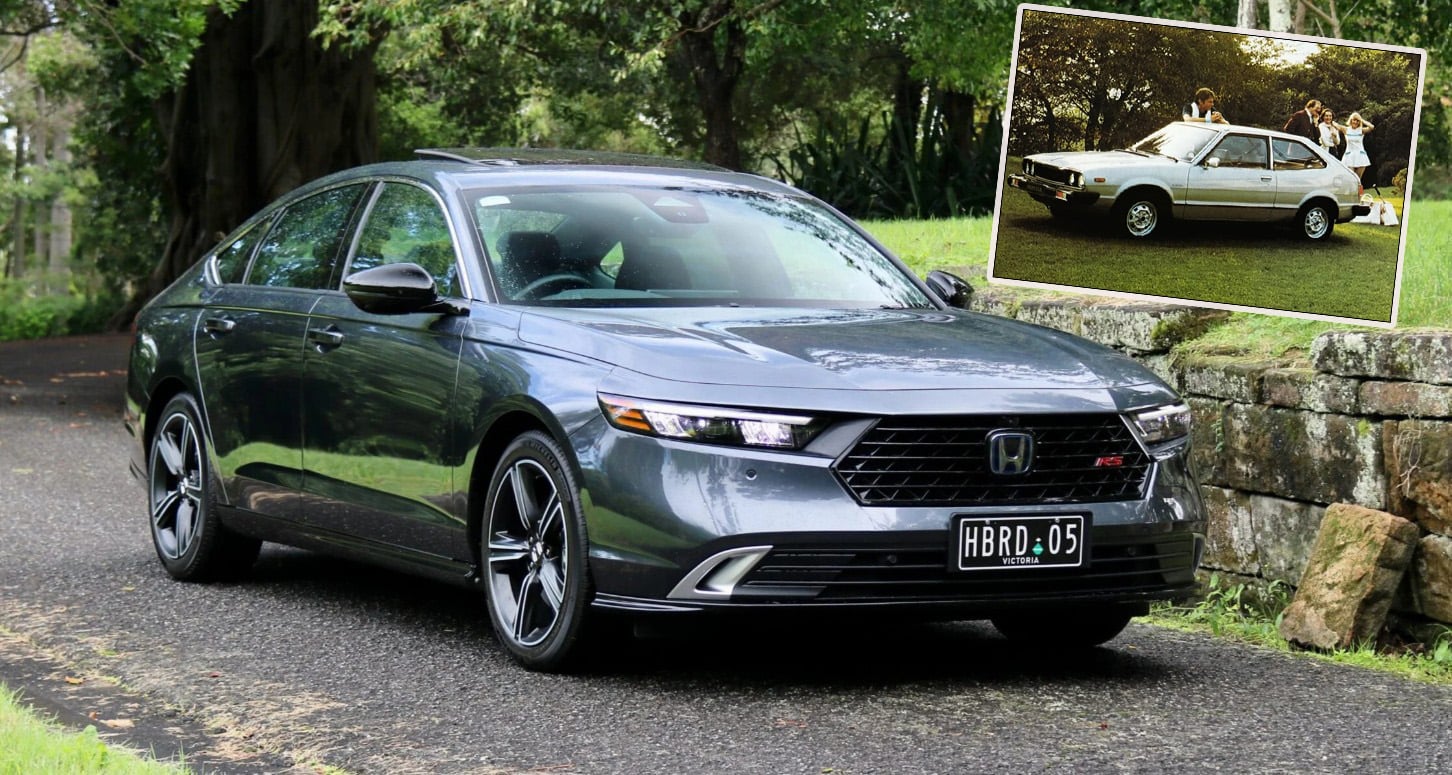
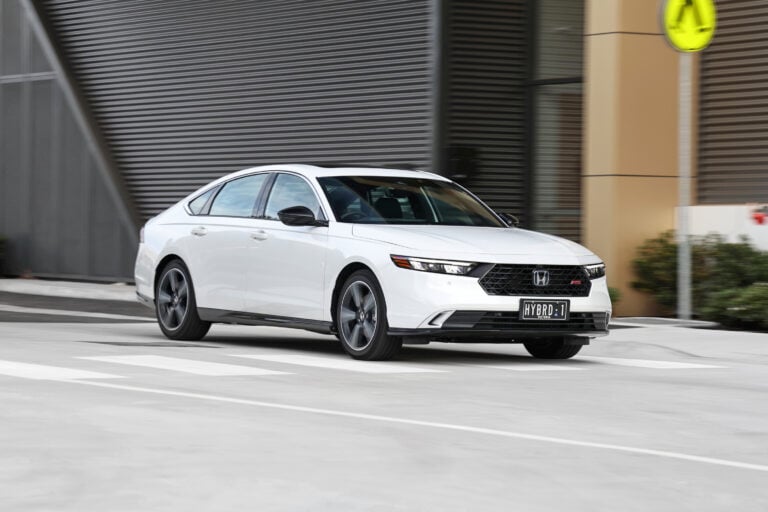
It’s Golden Jubilee time for the Honda Accord, which is celebrating 50 years of production this month. Production for the brand’s iconic mid-sizer began on May 8, 1976 and 11 generations later and two Wheels Car of the Year awards later, it’s hit its 50th birthday. Total global sales of the nameplate since its introduction total over 25 million, making it one of the world’s best-ever selling cars.
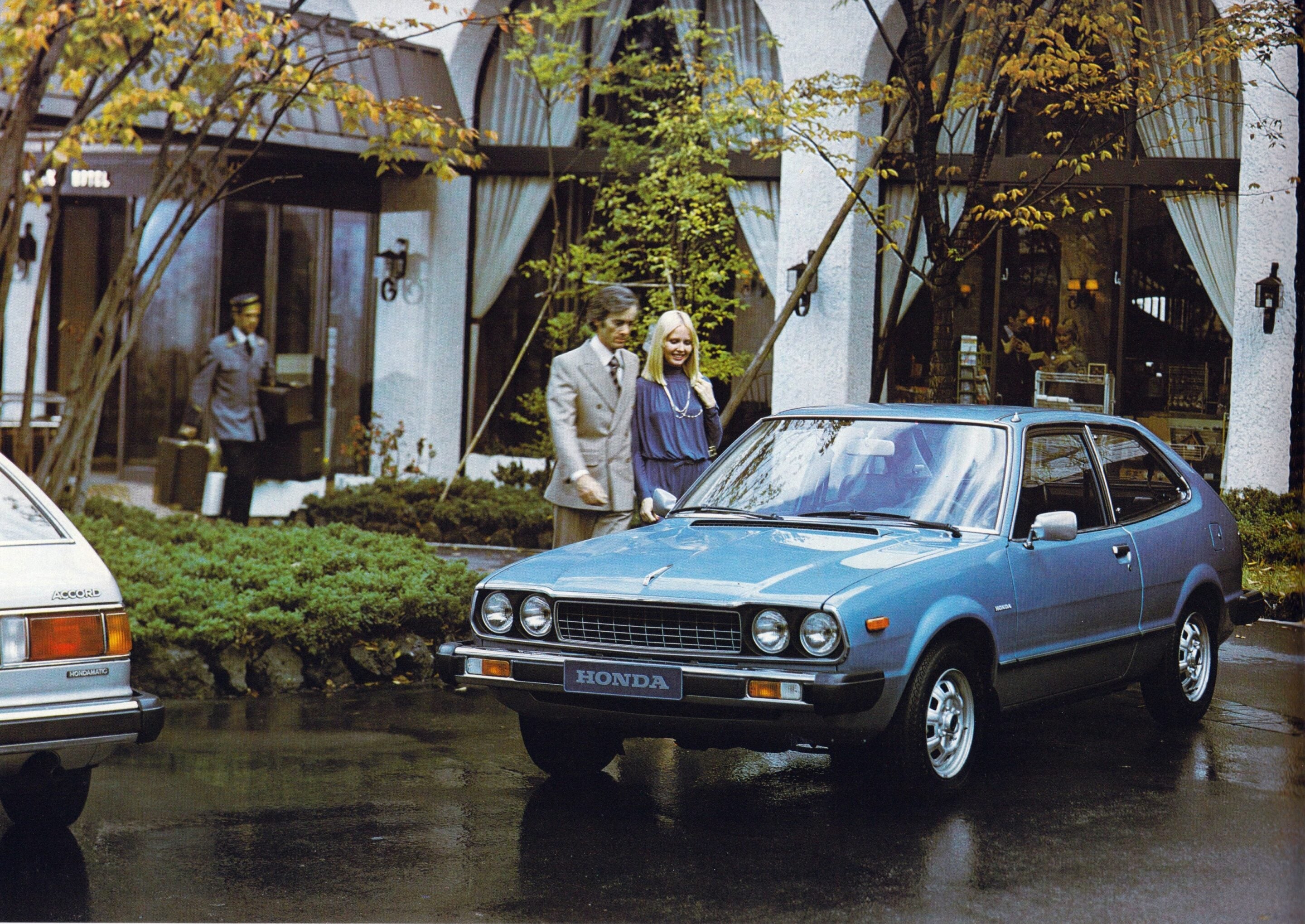
The very first Accord was actually a compact hatchback, sitting above the Civic in the brand’s line-up as it does today, and was actually the first Japanese car to win Wheels Car of the Year, which it did in 1977 and later in 2008 with the second-generation Accord Euro. In 1989, when the Accord became one of North America’s best-selling cars (still true today), the line-up expanded to include a sedan bodystyle, as well as a coupe and even a wagon.
By the time the mid-1990s came along, the Accord had grown notably in size and was actually almost as large as the first-generation Legend that sat above it. In 1994, Honda‘s iconic VTEC (Variable Valve Timing & Lift Electronic Control) system made it to the Accord line-up with a new 2.2-litre petrol engine, and eventually expanded to larger 2.7-litre and 3.0-litre V6 engines.
6
The fifth-generation Accord was actually the first where two separate models were developed globally to suit different tastes, a trend which continued until the mid-2010s when the last European Accord (badged Accord Euro locally) ended production. Australia received the North American Accord, while a separate European model was developed and twinned with the Rover 600, like the larger Honda Legend and Rover 800.
The sixth-generation Accord actually spawned three different models: One for Japan, one for North America and Australasia, and one for Europe, with each featuring different styling and sizing. As with the previous model, Australia only received the American model and only as a sedan, with the coupe left overseas. That also meant that we missed out on the first Type R and Euro R performance versions.
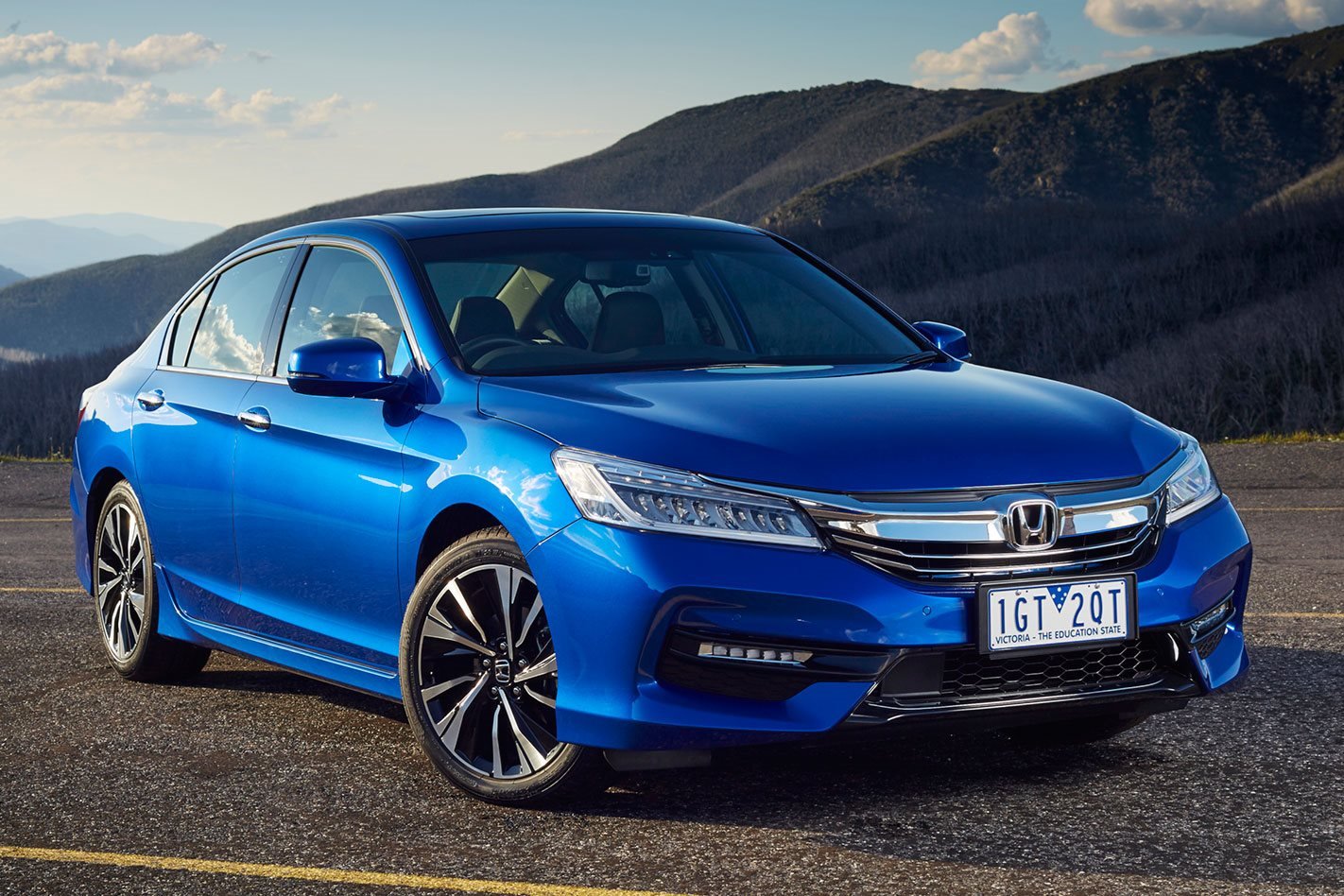
For its seventh generation, the Accord reverted to two global versions and for the first time, Australia received both models: the larger Thai-built North American Accord and the smaller Japanese-built model destined for Japan and Europe, with both sedan and wagon bodystyles, available with Honda’s first diesel engines. In North America, the first hybrid drivetrain in the Accord was released in 2004, coinciding with the smaller Civic Hybrid, in response to the Toyota Prius’ huge success.
Despite Australia again missing out again on the hot Euro R version, the first-generation Accord Euro sold quite well locally, with over 45,000 units sold from its debut in 2003 until the next model landed in 2008.

4
Notably, the seventh-generation European Accord’s “Cog” advertisement is regarded as one of the most influential car advertisements of all time. It follows the convention of a Rube Goldberg Machine utilising a chain of colliding parts taken from a disassembled Accord, and ends up with a full-sized model at the end with the line, “Isn’t it nice when things just work?” In the UK, where it was filmed, it’s still one of the most well received and highest-awarded advertisements of all time.
The eight-generation models grew significantly in size, and were again offered in both smaller Euro and larger American forms. The eight-generation car was the last Accord model to be sold in Europe thanks to dwindling large sedan sales on the continent, and since then, there has only been one form of each Accord.
Over its history, the Accord has often been one of the first cars with new technologies in the market – the first model was the car in Japan to feature a tachometer and intermittent wipers, the second-generation model optionally featured the world’s first automatic in-car navigation system, and the third-generation was the first Honda product to feature double wishbone rear suspension to aid both ride and handling. It also early was early in the adoption of airbags, anti‑lock braking, and the Honda Sensing driver‑assist technologies.
8
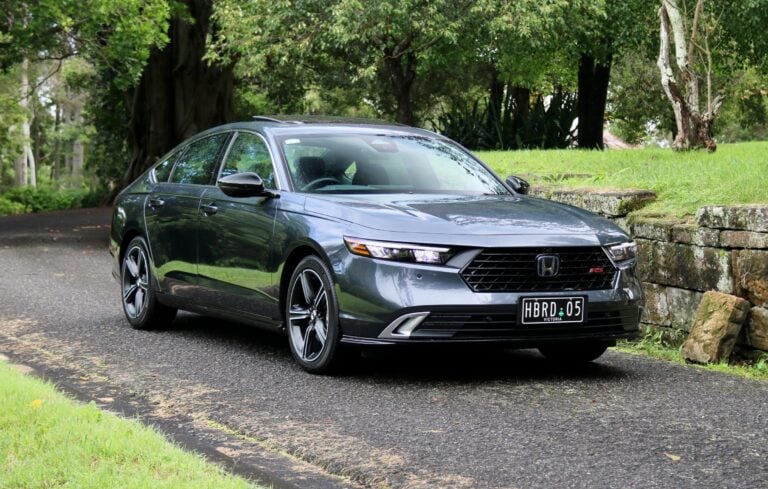
In Australia, the current Accord is currently offered in a single e:HEV RS specification, and priced at $64,900 driveaway. Standard features include a panoramic sunroof, 12.3-inch touchscreen with inbuilt Google features like Google Maps, a 360-degree camera and the full suite of the Honda Sensing active safety features.
The next-generation Accord is not expected until at least 2030, and at this stage, it’s known yet known if it will remain a hybrid or be available in fully electric form as well. But regardless, the Honda Accord has been a massive success for its maker over half-a-century. While Australian sales have been modest for the past few generations, it remains an important model as the head of the Honda line-up and still one of the best medium sedans around.
Follow WhichCar/Wheels on Google
Click the button below to make WhichCar by Wheels a preferred source for your news.

We recommend
-
 Reviews
2025 Honda Accord: Camry rival restores faith in the sedan
In a world of ever more SUVs, the Honda Accord stands tall as an accessibly priced sedan option for those who still need and want one.
-
 News
News2024 Honda Accord pricing and features: Hybrid-only Toyota Camry rival dearer than before
Hybrid-only, 11th-generation Honda Accord medium sedan arrives in Australia with more standard equipment than before – at a higher price
-
 Reviews
2015 Honda Accord Sport Hybrid review
Honda attempts to reassert its technological prowess with a new-generation ‘i-MMD’ hybrid drivetrain headlining a new range-topping Accord variant