News
Gallery 1
Hydrogen fuel cell vehicles could be poised to make a return as automakers retreat from battery electric vehicles in some markets.
A report by Autoblog reveals that a number of brands have restarted their investment in hydrogen fuel cell vehicles (FCEVs) in the follow-up from cancelled or delayed battery electric vehicle (BEV) programs.
The move doesn’t come as a straight swap for passenger car BEV programs, however, with a focus on FCEV applications for commercial vehicles. The ability to build infrastructure at ‘return to base’ depots, and the fixed-route nature of commercial vehicle applications, make the adoption simpler than for regular consumer use.
1
The latest round of investment sees Toyota and Isuzu partnering on a light-duty FCEV truck, which could avoid the weight penalties of a battery large enough to suit a trucking application, and deliver much lower recharge times than current battery tech allows.
Honda is about to end a collaborative program with General Motors in favour of its own independently developed FCEV system for commercial and passenger applications, set to launch in 2027. The move comes after Honda cancelled its new-generation BEV models earlier in 2026.
Honda’s history with FCEVs stretches back to 2008, when it launched the FCX Clarity in Japan and California. Currently, the brand sells a version of the CR-V SUV with a ‘plug-in fuel cell’ powertrain, combining a short-range electric vehicle battery with an onboard fuel cell to provide a combined driving range of 434km, and a battery-only range of 46km.
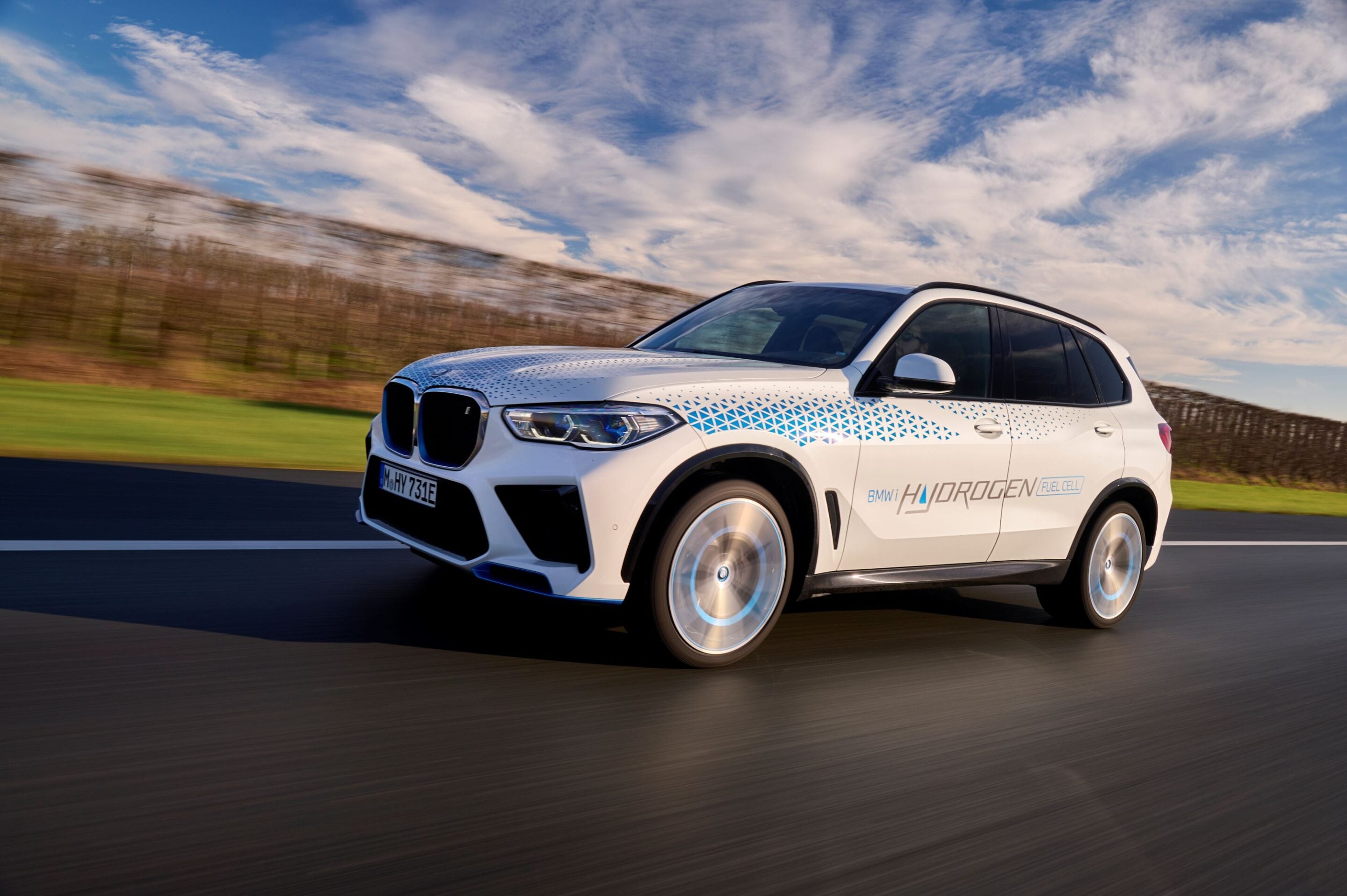
Away from commercial vehicle applications, Toyota and BMW (above) have a joint hydrogen program that will see BMW launch a new mass-market FCEV based on Toyota’s existing hydrogen fuel cell technology.
1
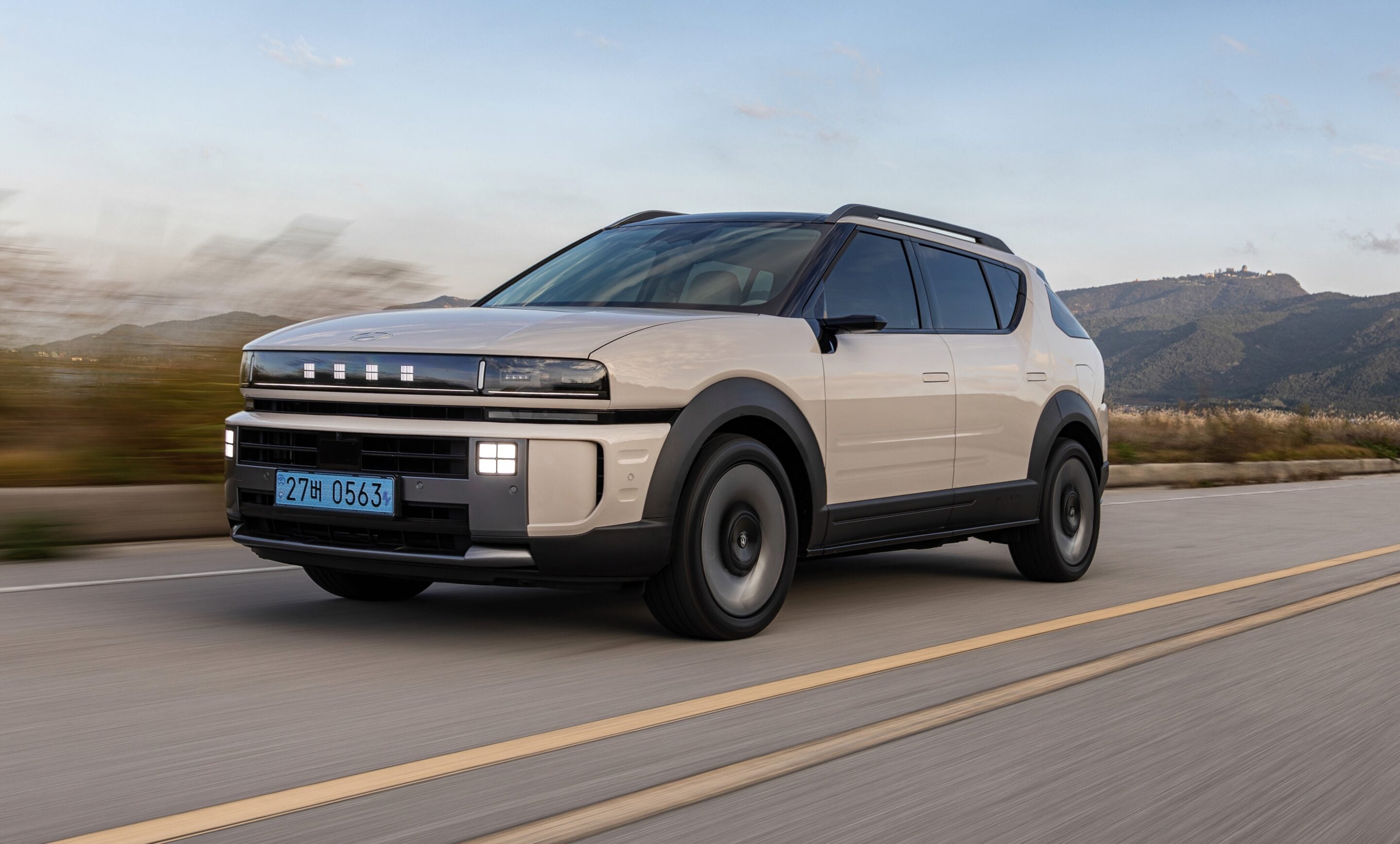
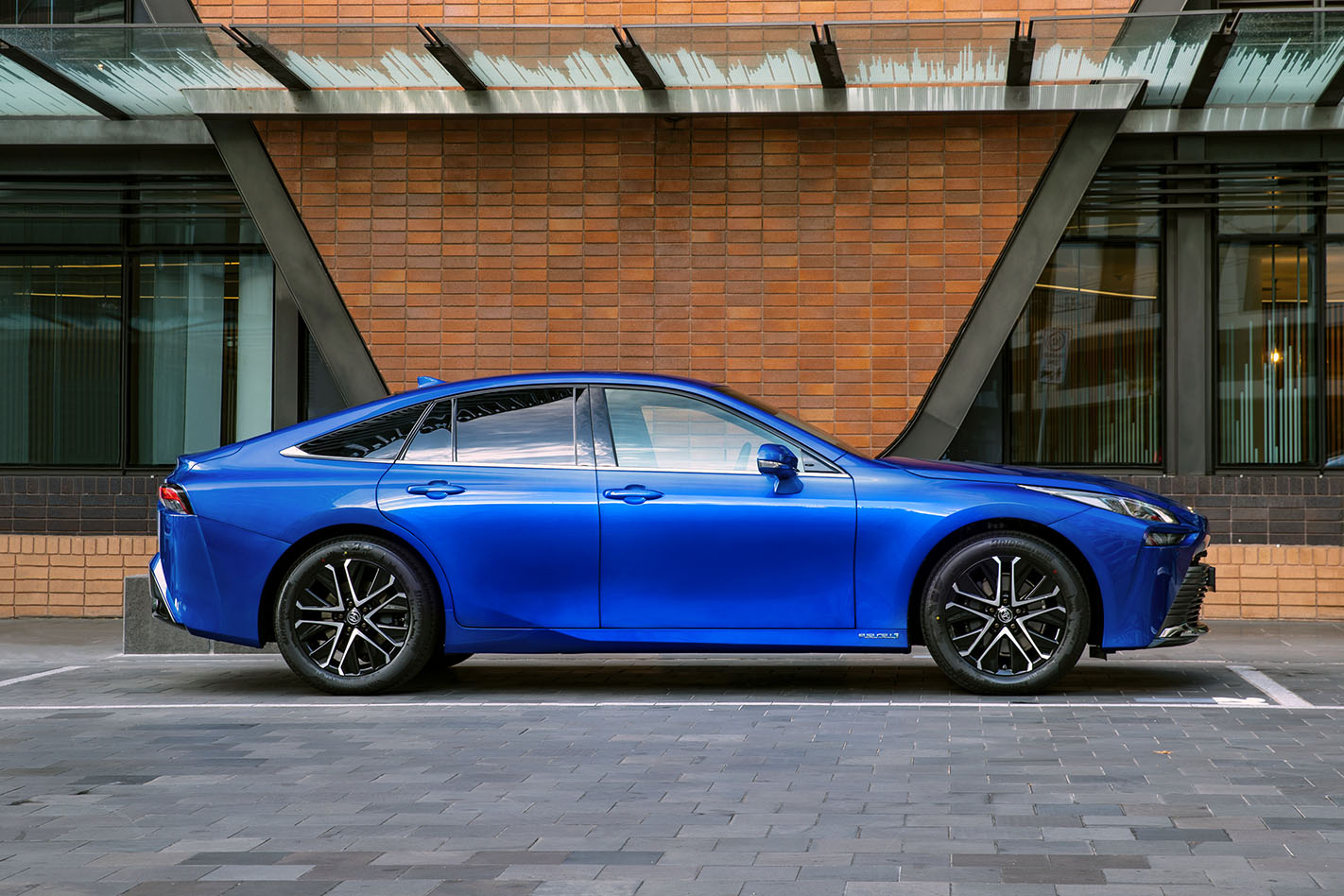
In Australia, so far, only Toyota and Hyundai have made FCEV cars available in limited numbers at a consumer-facing level. The Toyota Mirai (above) and Hyundai Nexo (main) are mass-produced FCEVs sold in Australia, but largely as demonstration vehicles for the tech, hampered by limited refuelling infrastructure.
Despite the low-volume role, Hyundai has pledged to introduce an all-new Nexo to the Australian market in 2026.
With smaller on-board batteries, FCEVs are seen as a way to cut costs on the large, expensive long-range batteries typically found in BEVs, but have faced criticism for poor energy efficiency, energy-intensive hydrogen production and storage, and resulting high fuel costs.
While North American EV sales have dropped by over 25 per cent so far in 2026, markets in other parts of the world have seen BEV and plug-in hybrid (PHEV) sales increase, particularly in the face of rising fuel costs triggered by the ongoing Iran war.
Follow WhichCar/Wheels on Google
Click the button below to make WhichCar by Wheels a preferred source for your news.


We recommend
-
 News
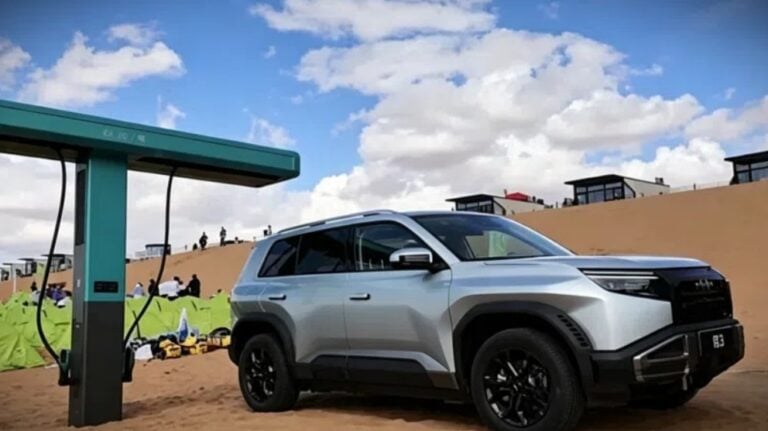
NewsBYD’s desert Flash Charging demonstration hints at Australian suitability
BYD offered a ‘real world’ demonstration of its 1500kW charging tech in a remote part of the Mongolian desert, suggesting the super-fast charging tech could be a natural fit for Australia.
-
 News
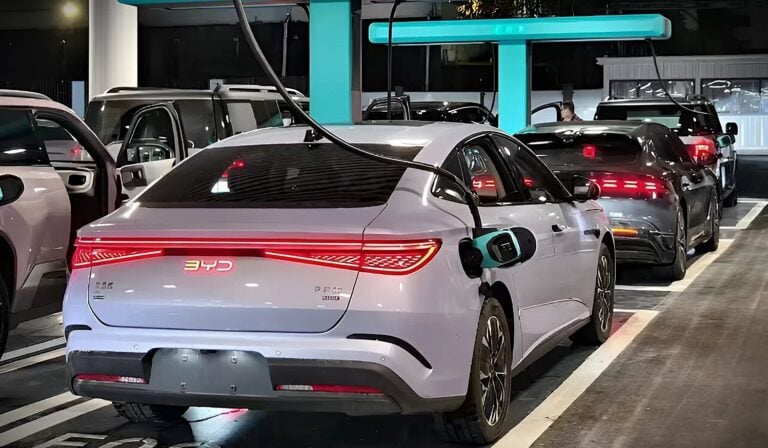
NewsMeanwhile... in China, BYD is rolling out super fast EV charging stations
The rise of EV infrastructure in China has reached another level, with BYD testing new 1500kW chargers that can fully recharge its cars in just nine minutes.
-
 News
NewsAmbitious eFuels project in Australia stalls as Porsche wavers...
Tasmanian eFuels project stalls amid shifting plans, regulatory hurdles and muted Porsche backing, raising fresh doubts over timelines and investment certainty.