News
Gallery 1
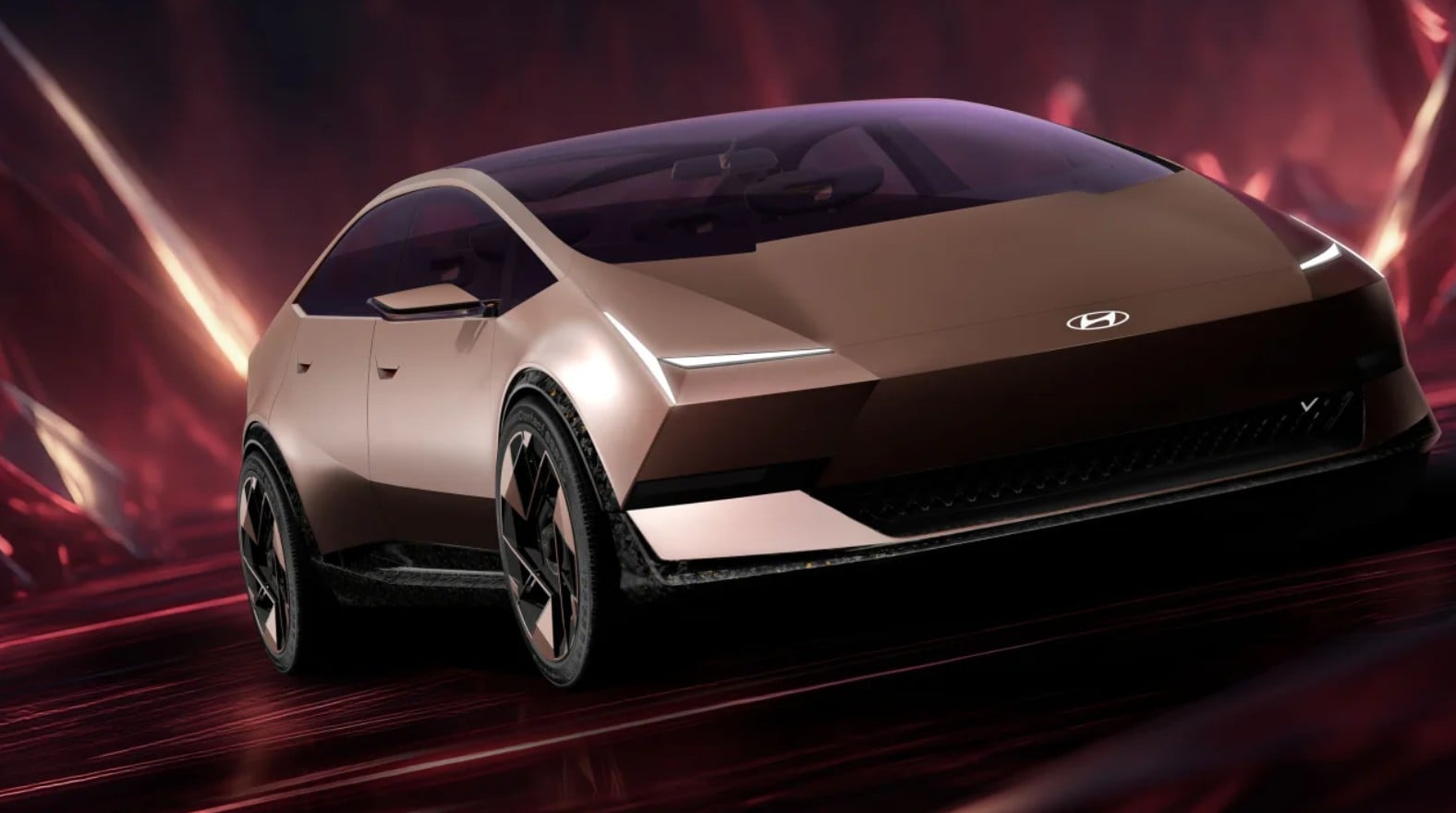
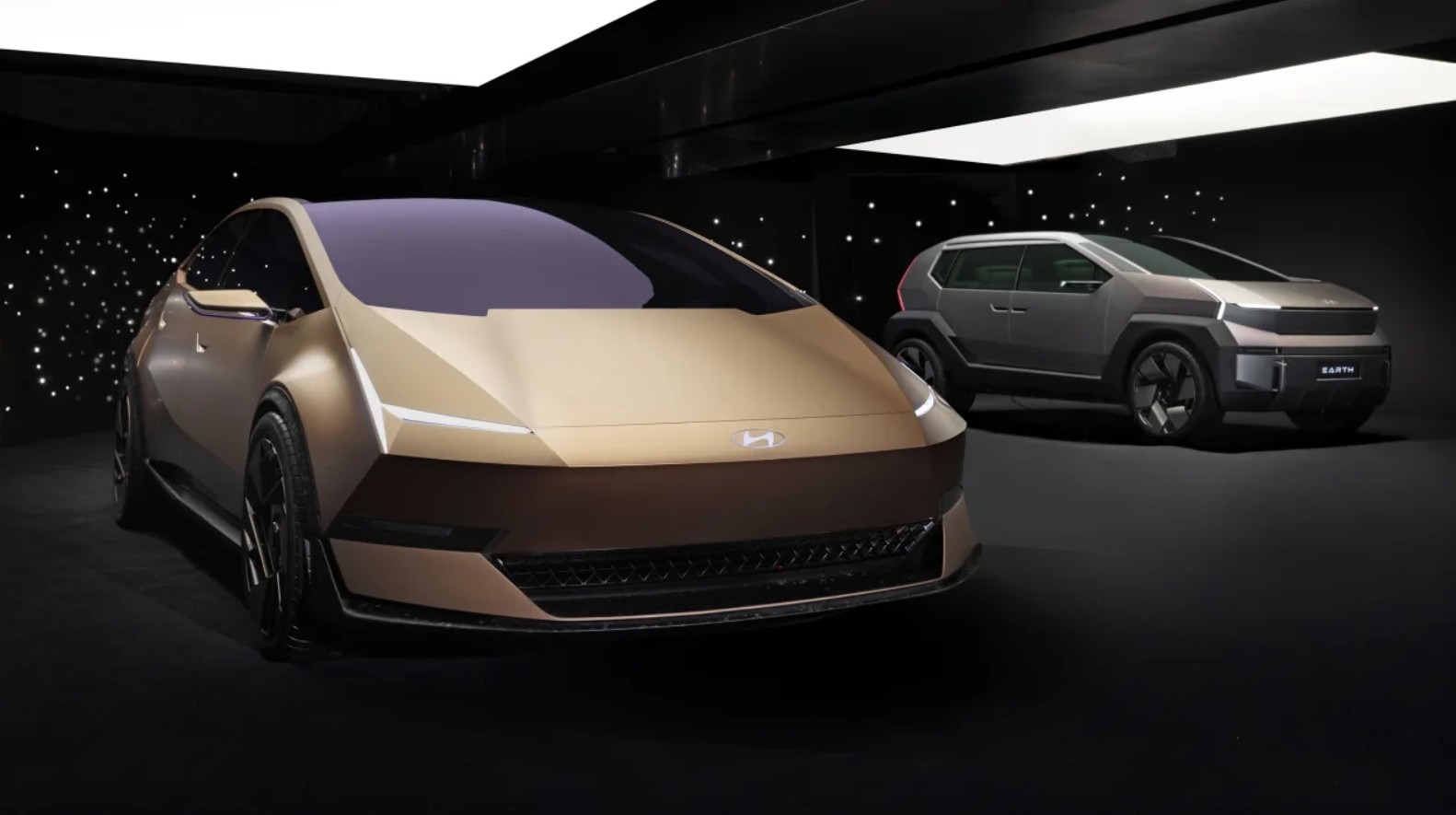
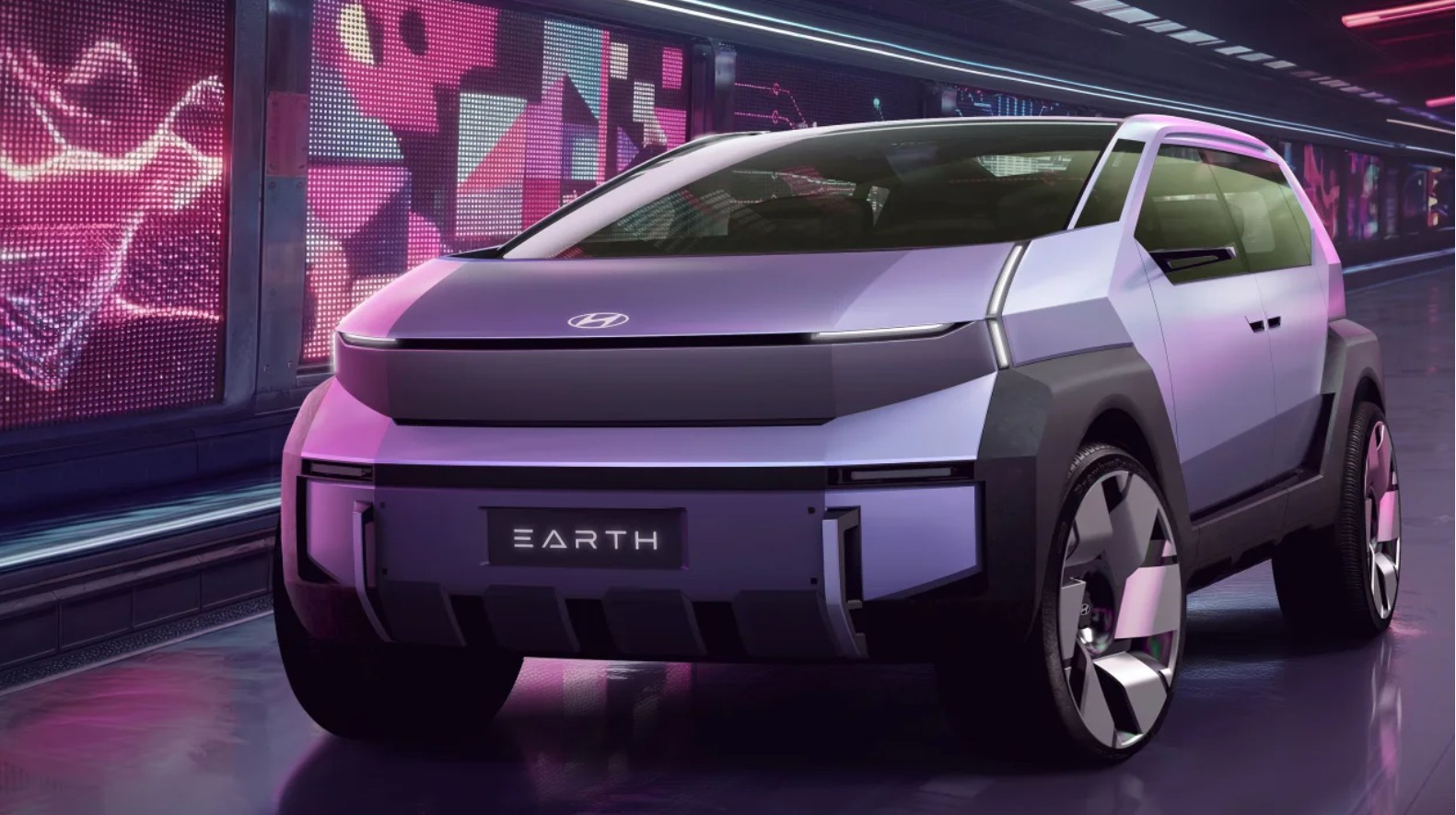
Hyundai has revealed plans to spin off its Ioniq electric vehicle line into a dedicated sub-brand for China, marking a significant shift in its global strategy. The move will debut with two concept cars, the Venus and Earth, developed specifically for Chinese buyers and unlikely to be sold in markets such as Australia or Europe.
While these models are region-specific, they are expected to preview design and technology that could influence future Hyundai vehicles globally.
Both concepts share a new technical platform offering pure electric and range-extender hybrid powertrains – an important change for Ioniq, which until now has been exclusively battery-electric. The inclusion of range-extender technology reflects local market preferences, where flexibility and extended driving range remain key considerations.
1
Hyundai has also confirmed that the new models will incorporate advanced autonomous driving systems developed in partnership with Chinese technology firms, underlining the brand’s focus on local collaboration.
The Venus and Earth concepts introduce a fresh design language tailored for China. Hyundai has moved away from the pixel-inspired styling seen on global Ioniq models, replacing it with cleaner, more cohesive forms aimed at improving brand recognition in a highly competitive market.
The Venus concept takes the form of a low, driver-focused sedan, though its proportions are far from traditional. A short front end and sweeping roofline give it a more contemporary silhouette, while the interior adopts a minimalist, tech-heavy layout with a wide digital display spanning much of the dashboard.
1
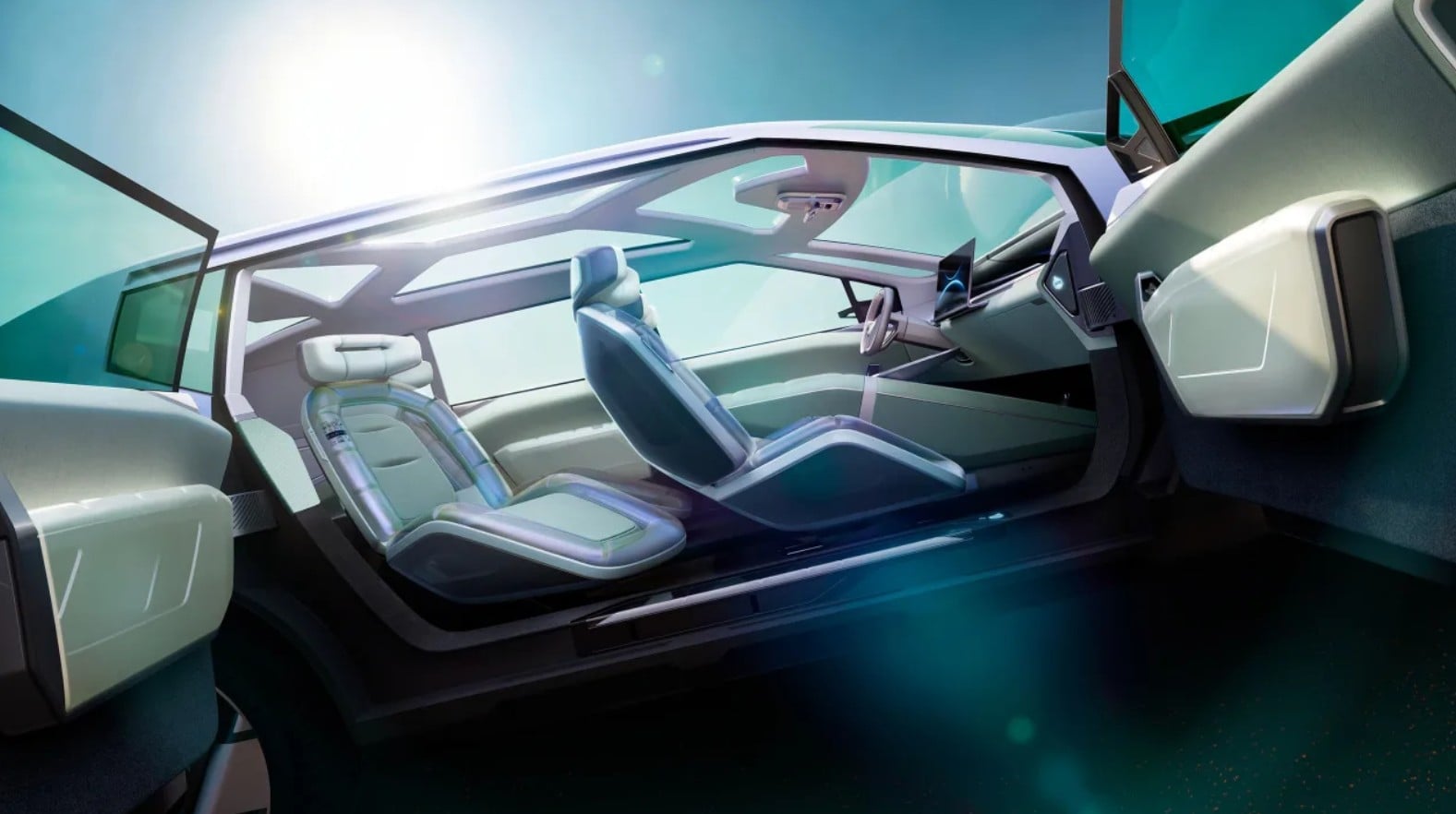
By contrast, the Earth concept is a more upright SUV, designed with practicality in mind. Its cab-forward layout maximises interior space, creating a more open, lounge-like cabin suited to family use. The design suggests a balance between urban usability and light off-road capability, aligning with current SUV trends in China.
Hyundai’s decision to create a China-specific Ioniq brand highlights the importance of tailoring products to local tastes. The new models will compete directly with established domestic players such as BYD, Geely and Chery, all of which have rapidly expanded their presence in the electric vehicle segment.
No technical specifications have been released for either concept, but Hyundai has confirmed that future models in the Chinese Ioniq line-up will adopt a new naming convention based on planets, starting with Venus and Earth.
3
As Hyundai strengthens its position in China, these concepts signal a broader shift in how global manufacturers approach regional markets – developing vehicles not just for worldwide appeal, but for specific customer expectations.
Follow WhichCar/Wheels on Google
Click the button below to make WhichCar by Wheels a preferred source for your news.

We recommend
-
 Reviews
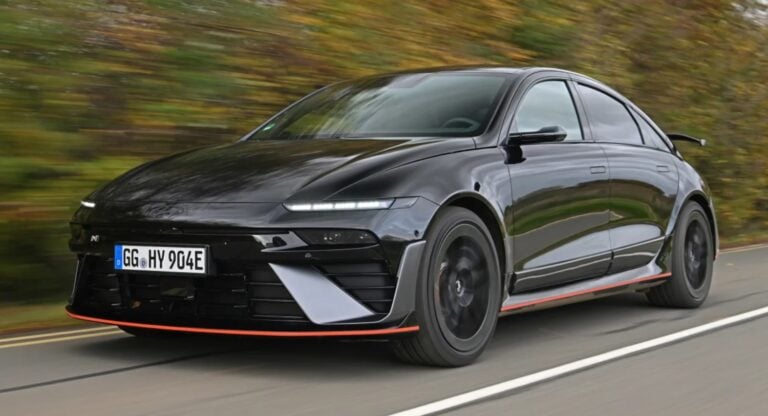
2026 Hyundai Ioniq 6 N pushes performance EV formula further
Sharper dynamics, improved refinement and clever tech elevate Hyundai’s second N-badged electric car, blending serious pace with everyday usability.
-
 Comparisons
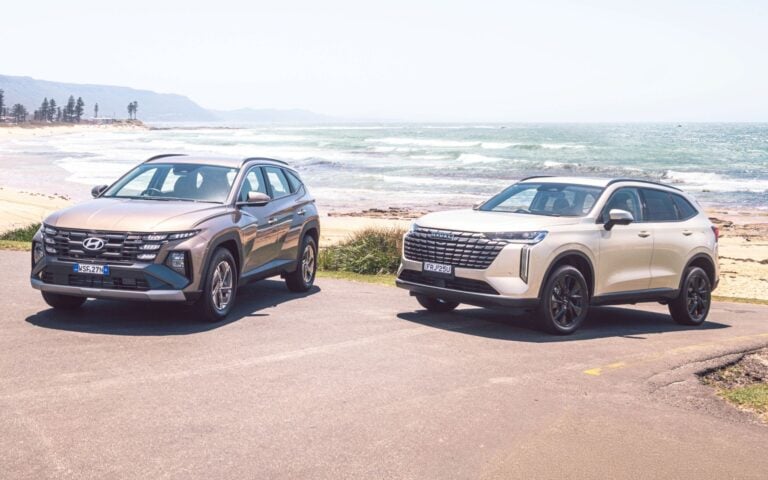
Hyundai Tucson Hybrid v GWM Haval H6 Ultra Hybrid: Front-wheel drive SUV showdown
Medium SUVs are Australia’s favourite way to move a family around, get to and from work, or head off on a road trip. That’s why every manufacturer wants a piece of the pie. If you want a medium SUV though, do you need AWD and all the extras? Wheels looks at two of the more affordable hybrid FWD models on the market.
-
 Reviews
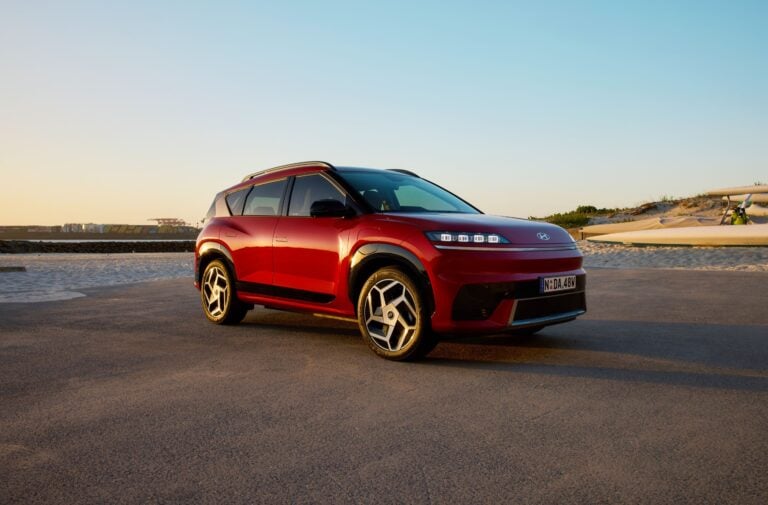
2026 Hyundai Elexio review: New electric mid-size SUV joins the fray
The 2026 Hyundai Elexio might be the most important electric vehicle Hyundai has ever sold in Australia