News

Gallery 1
Hyundai has already sold more electric vehicles in 2026 in Australia than it did over the whole of last year.
Sales of EVs have surged in Australia, amid the ongoing Middle East conflict that’s caused energy shock around the world resulting in disruptions to supply and escalating fuel prices.
In March alone, Australians bought over 15,000 new EVs to account for almost 15 per cent of all new car sales, effectively doubling market share when compared with March 2025.
1
April new car sales to be released next week are expected to see continued growth in battery electric vehicle sales as more and more buyers look to minimise the impacts of price rises at the bowser.
Hyundai Australia has experienced significant sales growth across its electric vehicle portfolio, its total projected sales of 2144 EVs (according to Hyundai data seen by WhichCar by Wheels) to the end of April already eclipsing its 2025 total of 1882. That’s off the back of surging demand in March and April, Hyundai claiming an increase of 368 per cent for the period compared with January-February.
“It’s extremely healthy and kind of an unprecedented growth in the market,” a Hyundai spokesperson told WhichCar by Wheels. “When you look at a certain type of vehicle or powertrain, I don’t think we’ve seen anything like it.
“It just goes to show, there must have been a lot of people who had been considering EVs for some time, and when the need is there, and when there’s an extra benefit – or a very real benefit – they were always ready to take that step.”
1
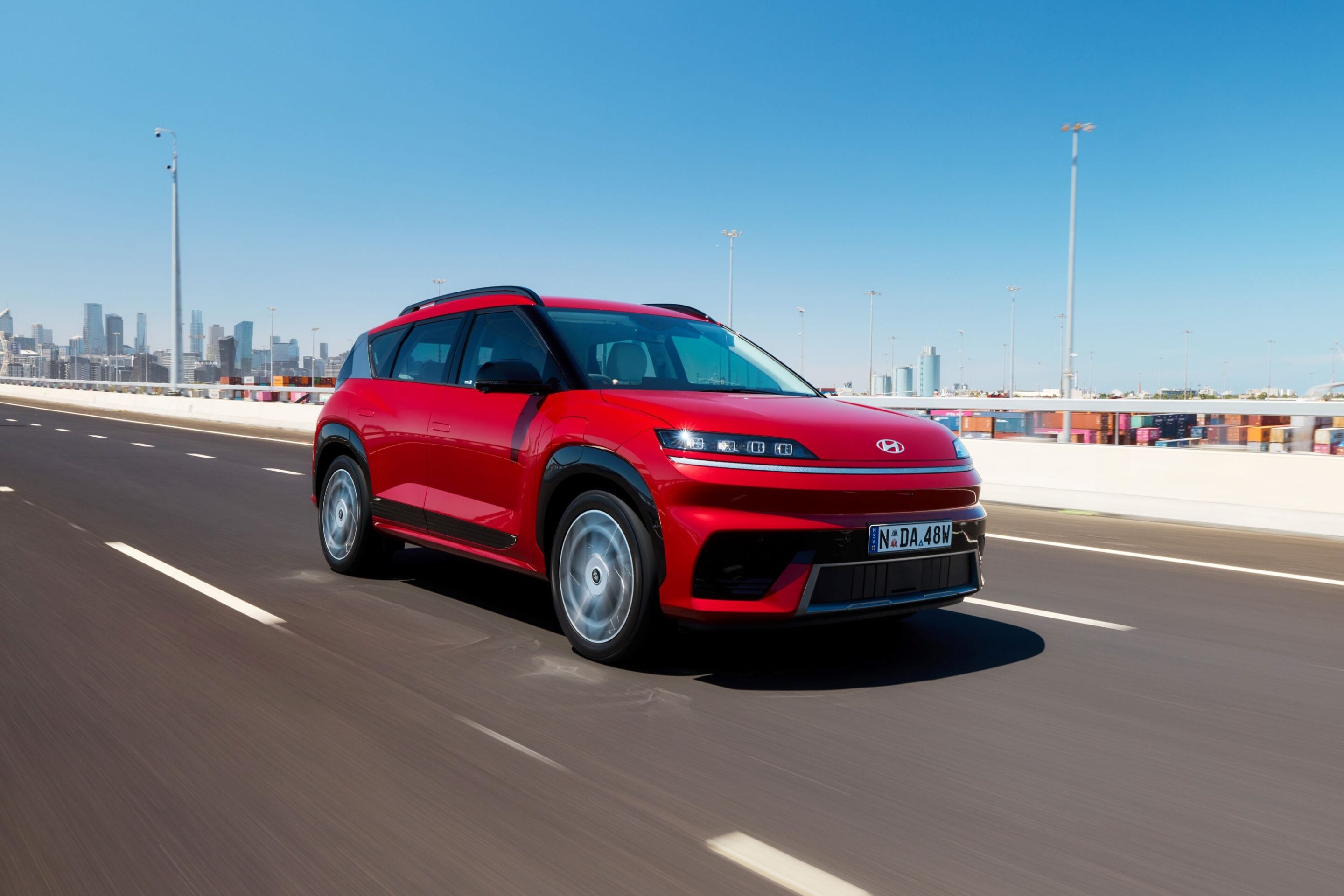
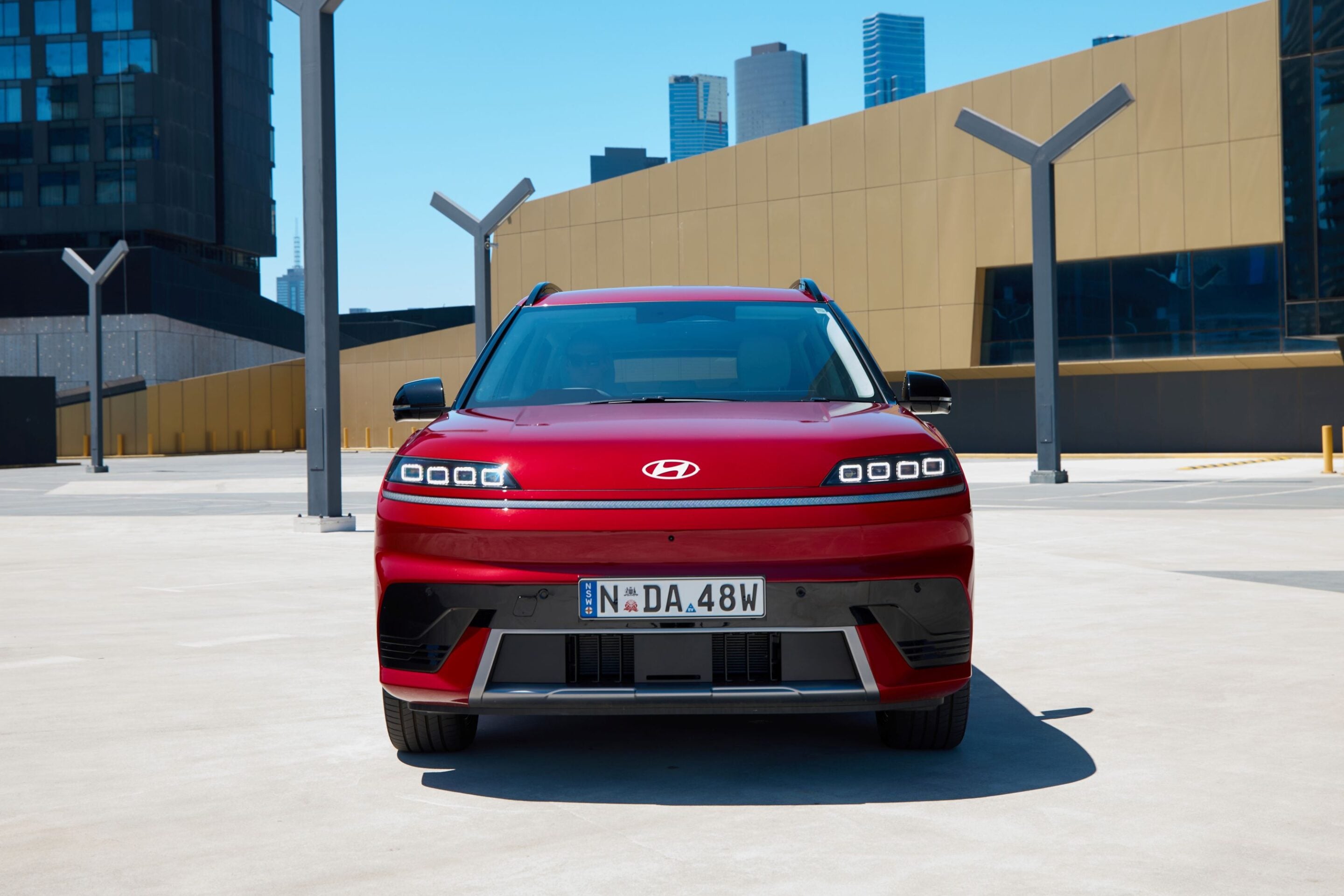
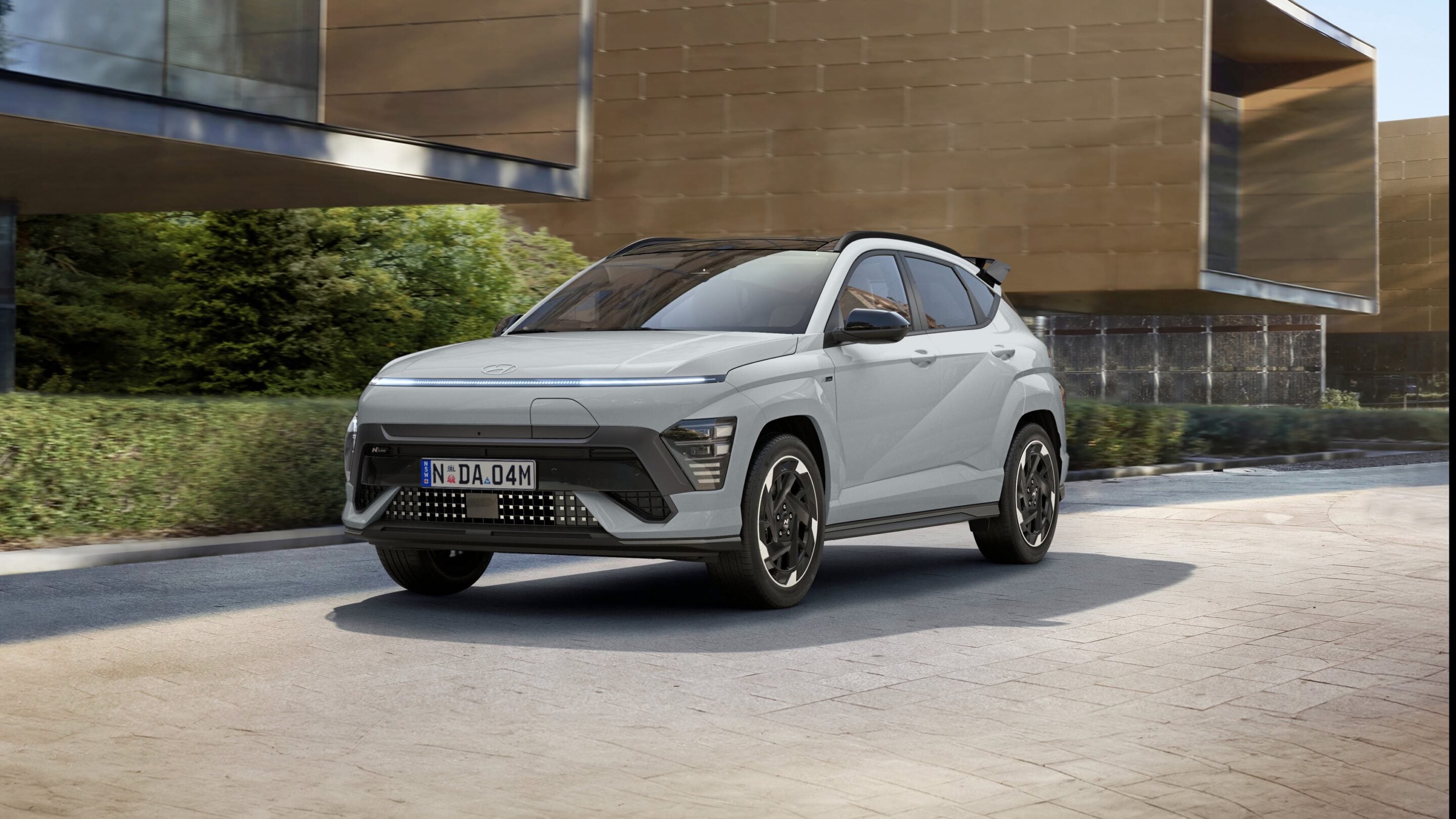
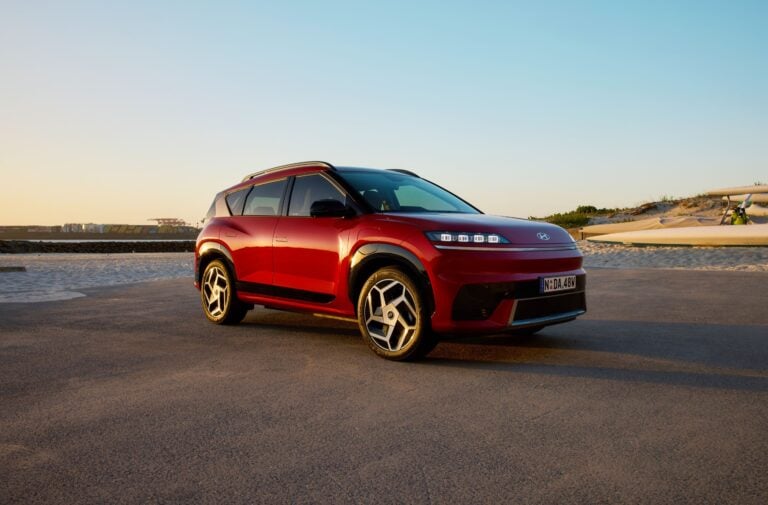
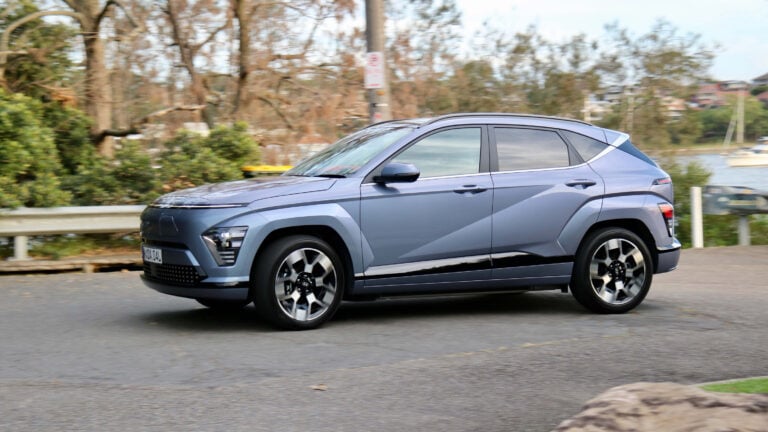
Leading the sales charge are two SUVs, the Kona small SUV (up 298 per cent) and the all-new Elexio which has racked up 525 sales over the last two months.
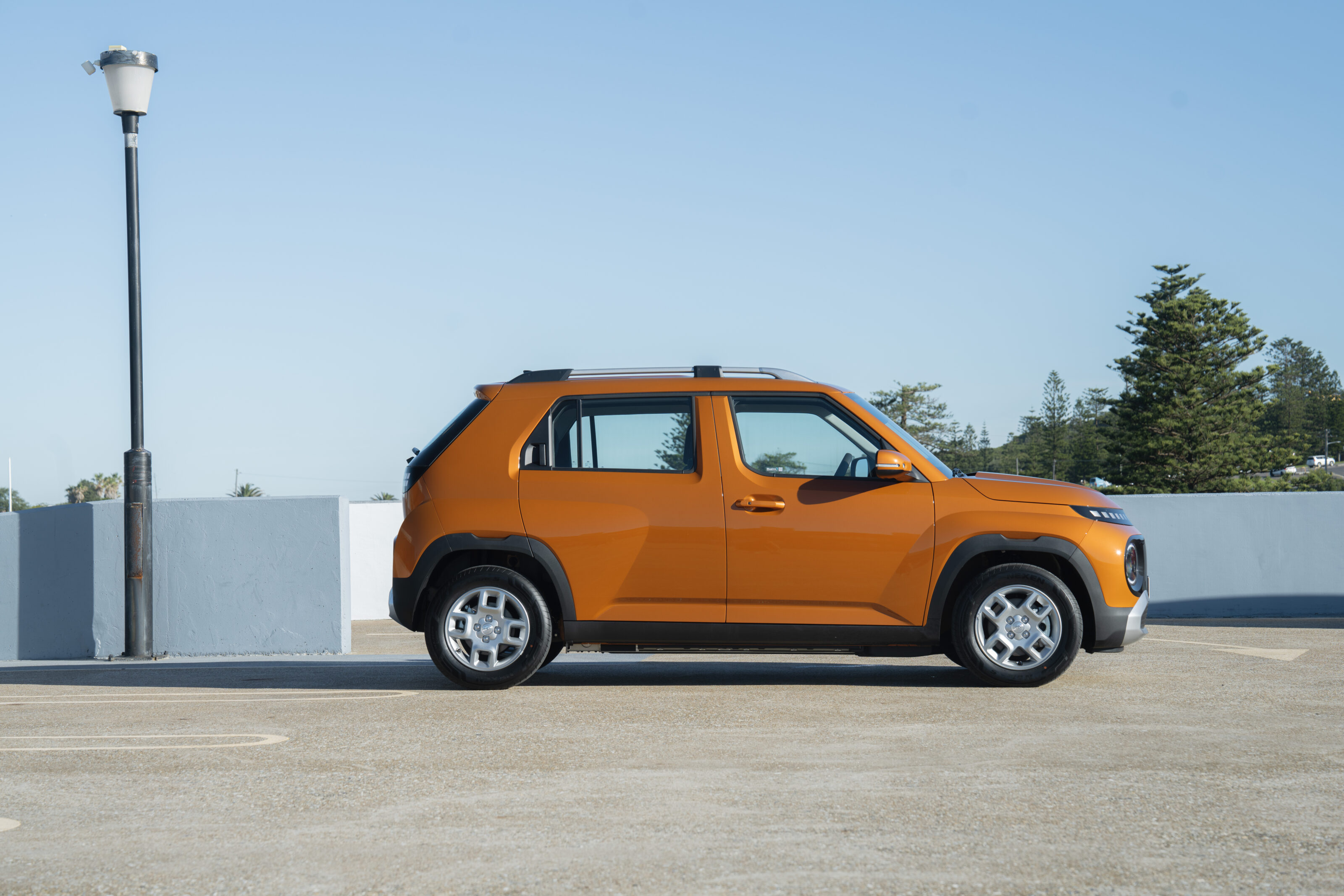
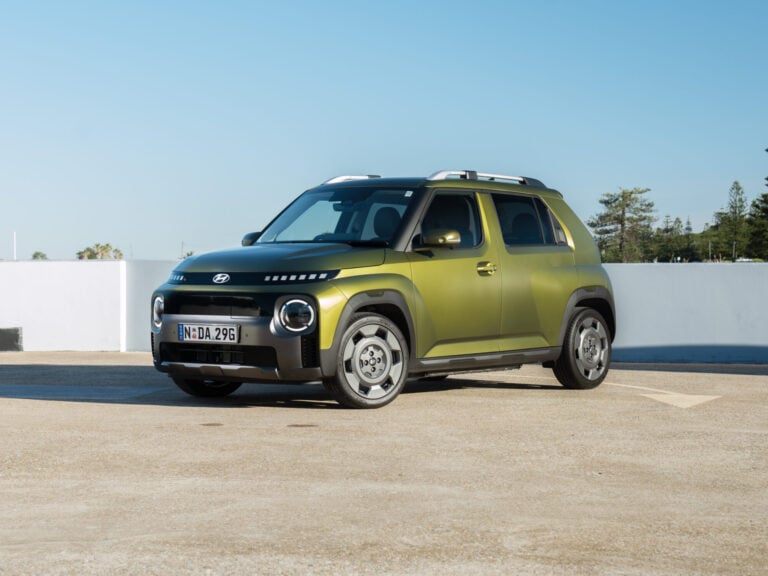
The diminutive Hyundai Inster city car has struggled to attract buyers since launching here in early 2025. But with expected sales of 445 to the end of April, is close to overhauling last year’s total of 467. That strong result prompted Hyundai’s spokesperson to respond “Yeah, absolutely,” when asked if the future of Hyundai’s smallest EV was secure in Australia, adding that he was aware of the difficulty faced by Inster in an increasingly competitive market dominated largely by challenger brands from China.
“If you look at it on paper, it doesn’t really stack up in all sorts of ways, including cost,” he said. “It’s one of those cars where, if you had the budget already, and you were looking at various choices and you thought ‘I want to go with a more established brand and I want something a little bit different that works in the city’.”
1
It’s a well-made point, with the majority of the top 10 selling electric vehicles in March dominated by challenger brands. Of the established brands, only Tesla (Model Y and Model 3) and Kia EV5 feature on the list of Australia’s most popular EVs. But if Hyundai’s April forecast is correct, there’s a good chance that both Kona EV and the all-new Elexio could surge up the charts into the top 10.
New car sales data from the Federal Chamber of Automotive Industries and the Electric Vehicle Council is due to be released this week.
Follow WhichCar/Wheels on Google
Click the button below to make WhichCar by Wheels a preferred source for your news.

We recommend
-
 Reviews
2026 Hyundai Elexio review: New electric mid-size SUV joins the fray
The 2026 Hyundai Elexio might be the most important electric vehicle Hyundai has ever sold in Australia
-
 Reviews
Hyundai Kona Electric: Need to know on the full range
Hyundai’s small electric SUV has had a growth spurt, its second generation introducing greater range and more variants.
-
 Reviews
Hyundai Inster: First local drive of the sub-compact EV aimed at city dwellers
Hyundai's smallest EV has had a strange genesis, but the results are well worthwhile.