News
Gallery 1
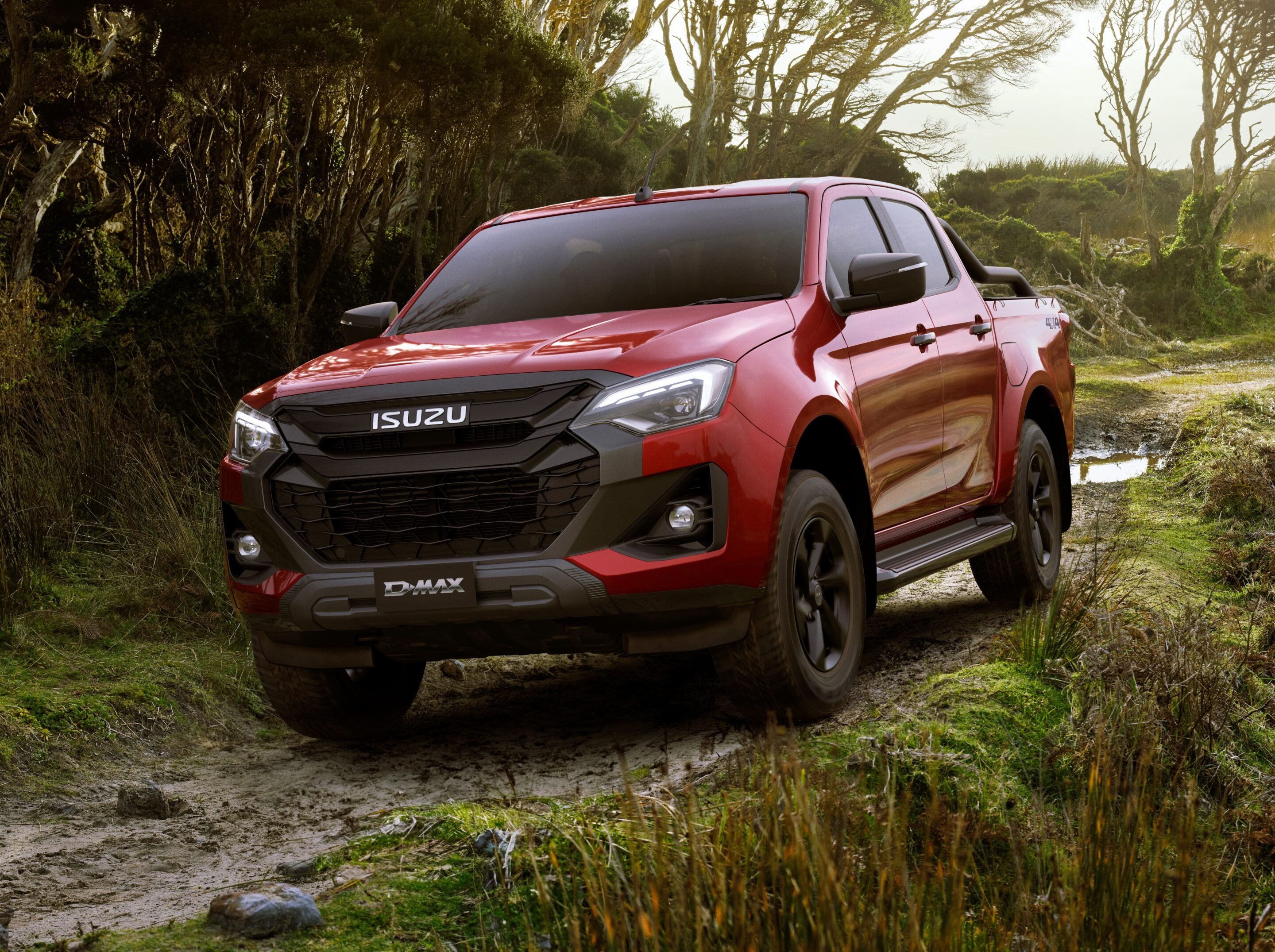
A class action launched against Isuzu Motors Limited in the Federal Court of Australia in 2024 is reaching a significant stage, with a deadline for group members who wish to opt out approaching.
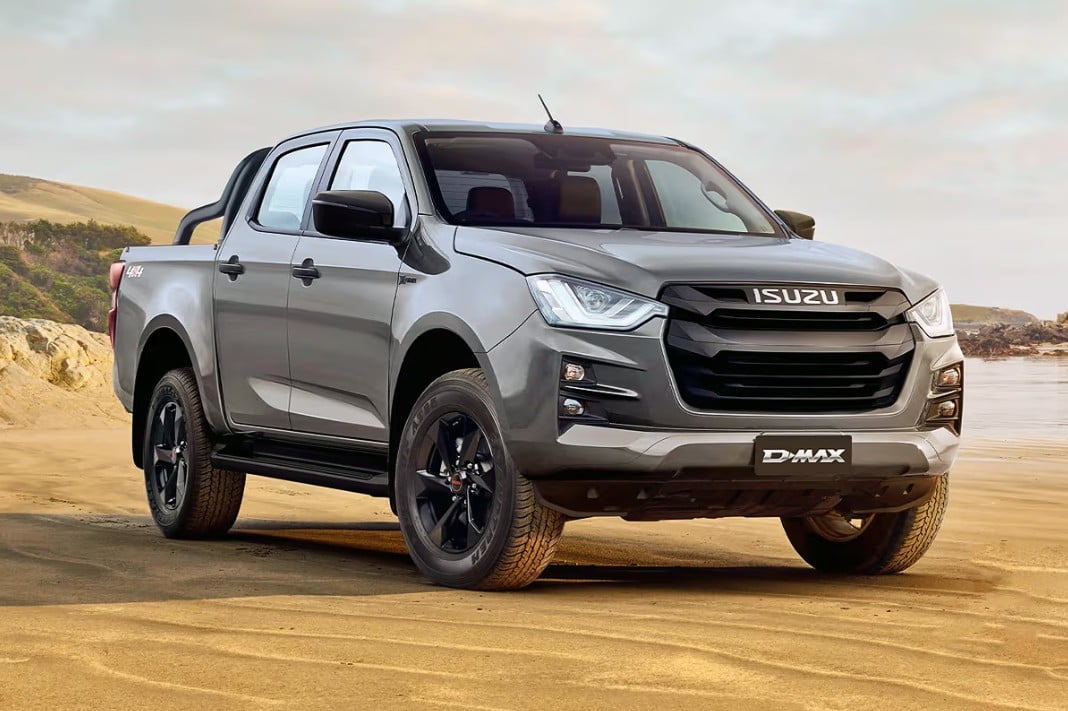
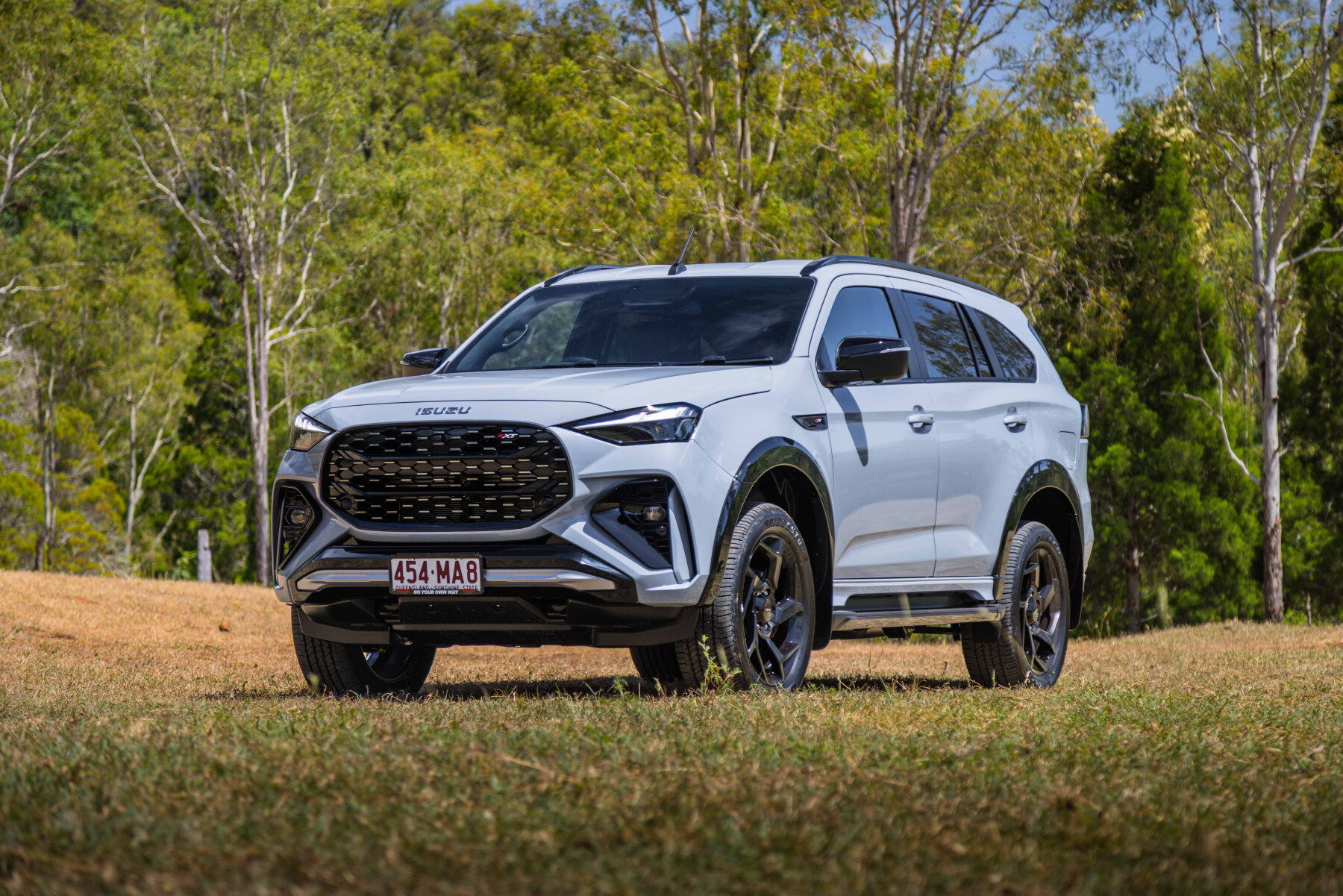
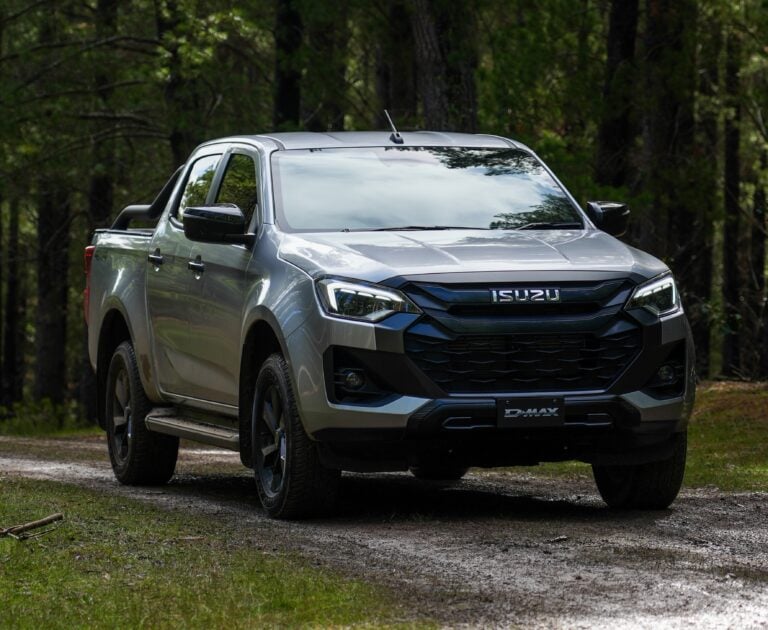
Owners of popular Isuzu D-Max utes and MU-X SUVs allege in the statement of claim that the vehicles were fitted with so-called “defeat devices” that allowed them to emit nitrogen oxides (NOx) at levels above regulatory limits during normal driving.
The legal move, filed by law firm Piper Alderman on behalf of Geoffrey Fisher and CDR Geotechnical & Environmental Services Pty Ltd, represents people who acquired certain 2017 or later Isuzu D-Max vehicles and 2016 (MY16.5) or later MU-X models between January 1, 2016 and August 14, 2024. The claim argues that these vehicles, sold through Isuzu Ute Australia and its dealers, contained software or hardware that affected emissions performance outside official test conditions.
1
The applicants contend that Isuzu misled consumers by representing the vehicles as complying with Australia’s emissions standards when, they say, they did not. They also allege breaches of statutory guarantees under the Australian Consumer Law and claim Isuzu engaged in unconscionable conduct. The central claim is that the presence of defeat devices led to excessive NOx emissions, which can be harmful to health and the environment.
Piper Alderman and litigation funder Woodsford are seeking compensation – including both reduction-in-value and compensatory damages – for group members. Reduction-in-value damages could be significant where vehicles retain their original owners at the time of any court judgment or settlement.
Isuzu has filed defences to both the original and amended statements of claim, disputing the allegations and saying, among other things, that applicable technical regulatory provisions are met, and contesting claims about the operation and effect of the vehicles’ emission control systems.
1
The proceeding began with a statement of claim lodged in the Federal Court on August 14, 2024. Isuzu filed its first defence in February 2025, followed by an amended claim from the applicants and a further defence from Isuzu. The applicants filed a reply in August 2025. Critical documents disclosed by Isuzu are now under review by the claimants’ legal team, who may seek further discovery.
The Federal Court has scheduled the next case management hearing before Justice Owens for March 5, 2026. Group members have until April 8, 2026 to opt out of the class action if they choose, with opt-out notices being distributed by court-approved channels.
Owners of affected D-Max utes and MU-X SUVs are being encouraged to register their interest in the class action to stay informed about developments, with the potential for significant legal and financial outcomes depending on the court’s findings.
Follow WhichCar/Wheels on Google
Click the button below to make WhichCar by Wheels a preferred source for your news.

We recommend
-
 News
NewsTakata lawsuits in NSW settled by major car companies for $52 million
Toyota, Subaru, Honda, BMW, Nissan, and Mazda have agreed to settle cases before the NSW Supreme Court related to the deadly Takata airbags
-
 Reviews
2026 Isuzu D-Max and MU-X 2.2-litre first drive: Is the new engine upgrade worth the money?
Long synonymous with the venerable 3.0-litre turbo diesel four-cylinder, the Isuzu D-Max and MU-X ranges has replaced the workhorse 1.9-litre engine lower down in the range with a 2.2-litre and eight-speed automatic. But will Aussie buyers look at something other than the tough-as-nails 3.0-litre engine?
-
 COTY
COTY2025-26 Wheels Car of the Year Contender: Isuzu MU-X
Isuzu’s MU-X SUV delivers rugged, old-school diesel durability and true go-anywhere ability, but its agricultural manners and dated refinement make it feel trapped in another era.