
News
Gallery 1
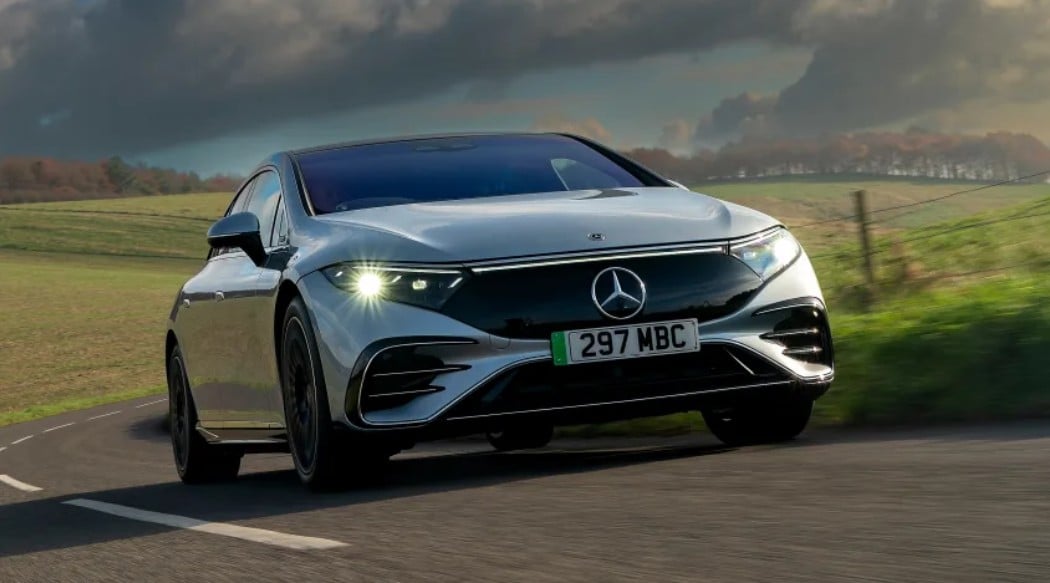
Mercedes-Benz has confirmed that a fully electric version of the S-Class is in development, set to replace the EQS and mark a significant shift in the brand’s luxury EV approach after the flagship electric sedan failed to meet expectations.
Officially to be known as the S-Class with EQ Technology, the zero-emissions limousine remains several years away from showrooms. A senior Mercedes source has indicated the electric S-Class will not arrive until late in the decade, despite growing speculation following the EQS’s underwhelming commercial and critical reception.
In the meantime, the current S-Class is due to receive a substantial mid-cycle facelift in early 2026. Mercedes-Benz CEO Ola Källenius has previously said the company has invested far more heavily than usual in this update, underlining the importance of the combustion-powered S-Class during the transition to electrification.
1
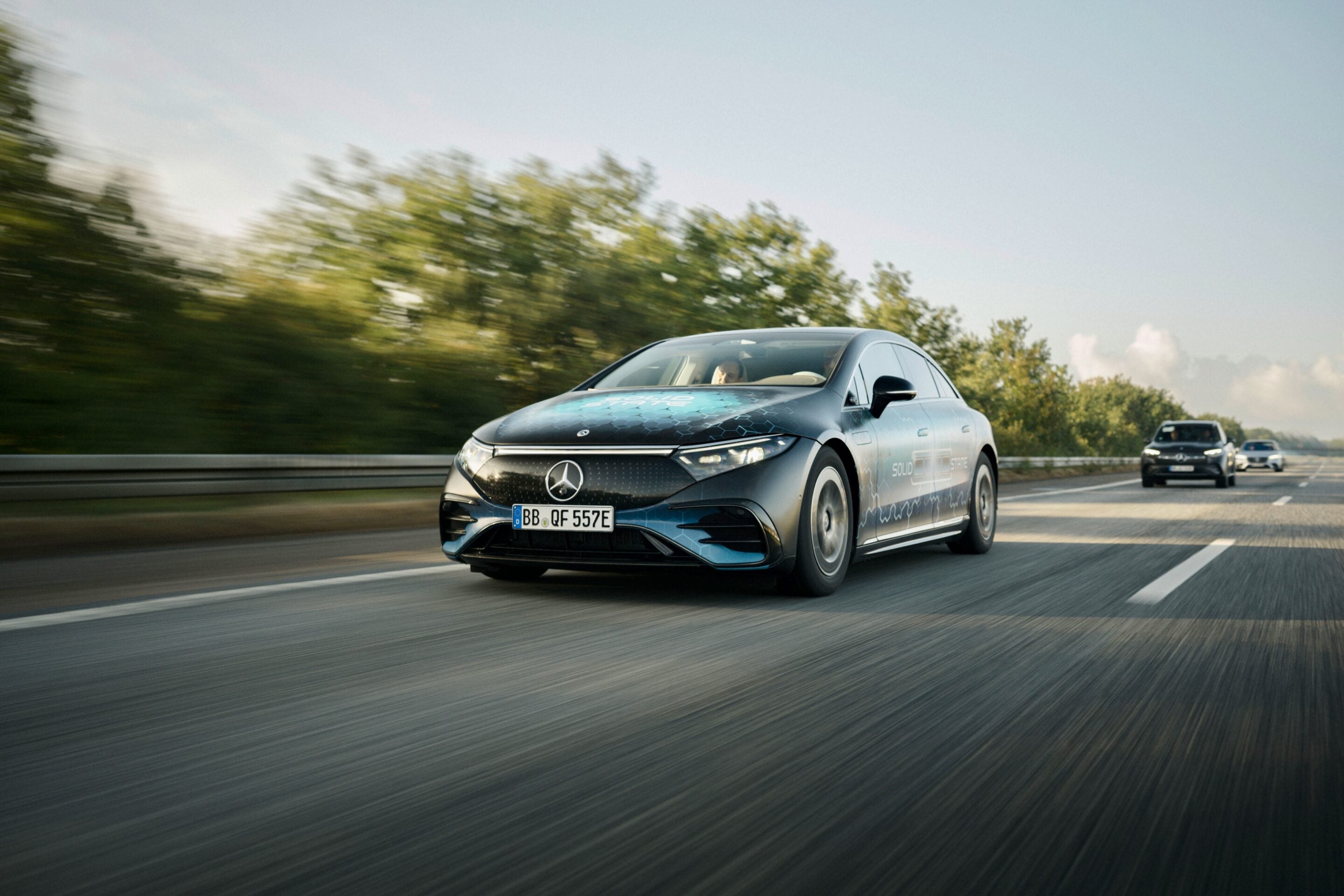
The all-new eighth-generation S-Class will be the first to offer both combustion and fully electric powertrains from launch. Unlike the EQS, which was positioned as a standalone electric alternative, the next S-Class will follow a dual-platform strategy. Petrol and hybrid models will continue on an internal-combustion architecture, while the electric version will ride on Mercedes’ new MB.EA platform designed specifically for EVs.
Källenius has acknowledged that Mercedes learned valuable lessons from its first wave of electric vehicles. Rather than forcing customers into a single powertrain choice, the brand now believes flexibility is essential at the top end of the market.
“If you don’t believe the market will be 100 per cent electric when the next S-Class arrives, you have to offer both,” Källenius said previously. “You need the electric and the high-tech electrified combustion version, without compromise.”
That philosophy extends to interior space and performance. Mercedes is determined not to repeat the EQS’s packaging compromises, instead ensuring the electric S-Class matches – or exceeds – the rear-seat comfort and luxury benchmarks long associated with the nameplate, including Maybach variants.
While running two platforms inevitably increases development costs, Mercedes believes careful engineering will keep additional investment under control.
Design-wise, the two versions of the S-Class are expected to look almost identical, retaining a traditional three-box saloon shape rather than the EQS’s aerodynamic “one-bow” profile. This shift follows the departure of former design chief Gorden Wagener and signals a return to classic luxury proportions.
Regardless of powertrain, Mercedes says the next S-Class will showcase its most advanced infotainment, driver-assistance and autonomous technologies, reinforcing its role as the brand’s ultimate technological flagship.
Follow WhichCar/Wheels on Google
Click the button below to make WhichCar by Wheels a preferred source for your news.

We recommend
-
 Reviews
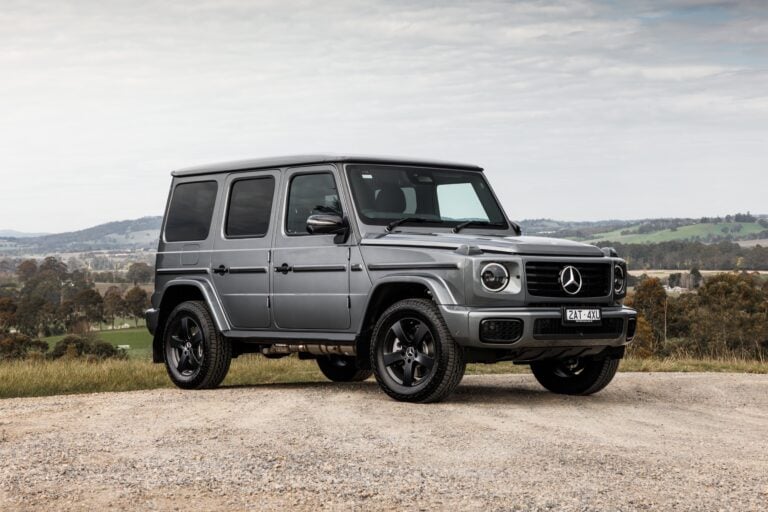
Mercedes-Benz G 450 d review: New inline six diesel adds gruntier off-road appeal
The Mercedes-Benz G 450 d adds a new inline six turbo-diesel option and more off-road attitude to the G-Wagen range. Is the G 450 d the G to buy?
-
 Reviews
2025 Mercedes-Benz GLC 350e review: Strong performing SUV now boasts clever hybrid powertrain
Mercedes-Benz expands its top-selling GLC range with the new GLC 350e plug-in hybrid, combining impressive performance and over 130km of electric range.
-
 Reviews
2025 Mercedes-Benz C 350e review: Plug-in hybrid mk II offers up a ‘seductive’ package
As plug-in hybrid sales surge in Australia, Mercedes-Benz re-enters the fray with its new C 350e — a refined, efficient sedan that blends luxury, performance and everyday electric practicality.
