Reviews


Gallery 1
8.5
/10
Score
Score breakdown
8.5
Safety, value and features
8.5
Comfort and space
8.5
Engine and gearbox
8.0
Ride and handling
8.5
Technology
Things we like
- Ride quality is excellent
- Hybrid system is beautifully smooth
- No sports sedan, but it's quick off the mark
- Standard Burmester stereo system and augmented reality HUD
Not so much
- Boot is now a bit tight
- No specific 'charge' mode to replenish battery from engine
- HUD housing reflects in the windscreen
- Rear seats could use some more passenger functionality
Plug-in hybrids represent one of the hottest niches in the Australian car market at the moment. Sales of PHEVs are up 144 percent against last year, with many of those sales coming at the expense of pure battery-electric cars. Doesn’t it seem a bit strange, then, that Mercedes-Benz, a company with some track record with plug-in hybrids, has only been able to offer the massively expensive AMG C63 S E performance for those that want the ability to charge overnight?
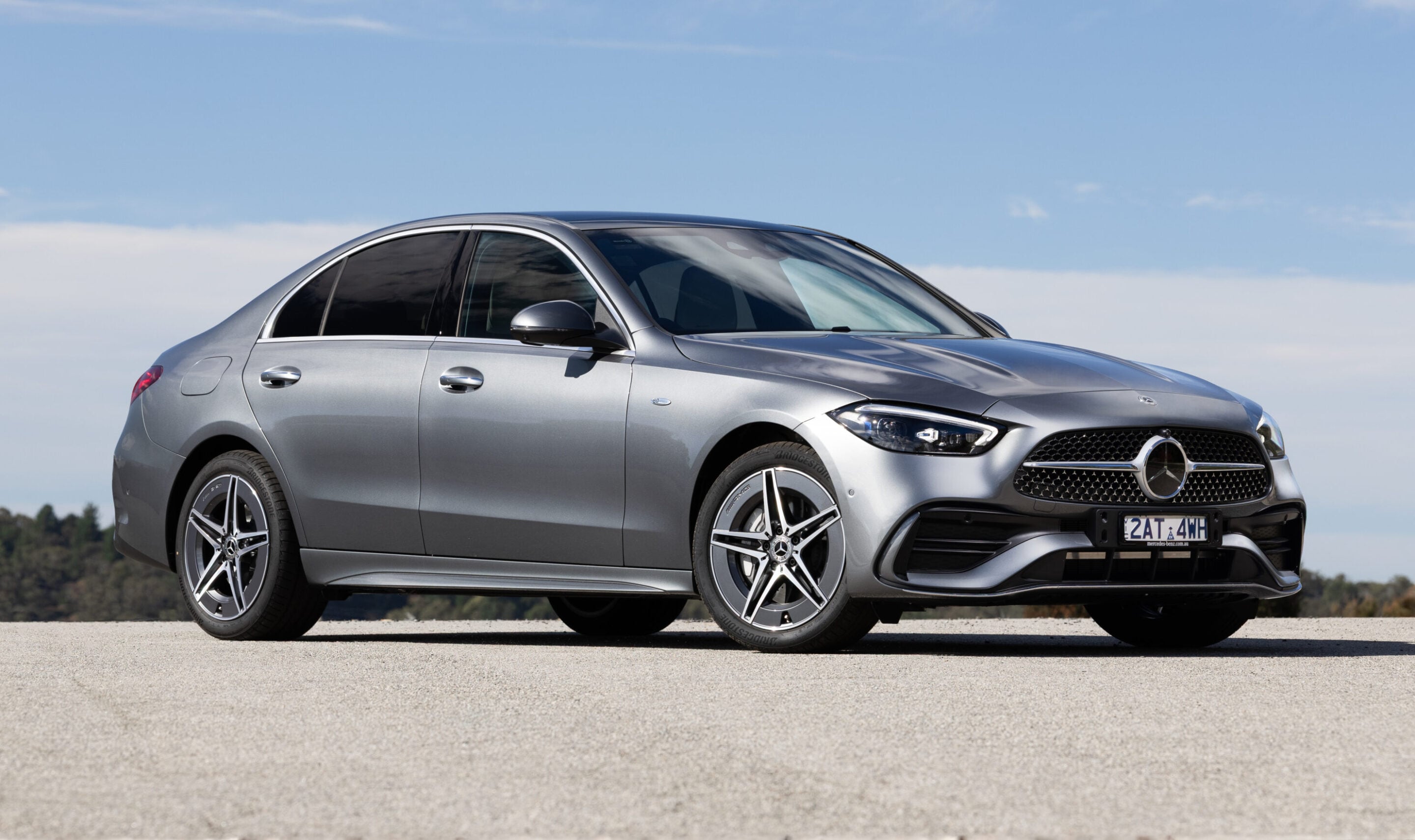
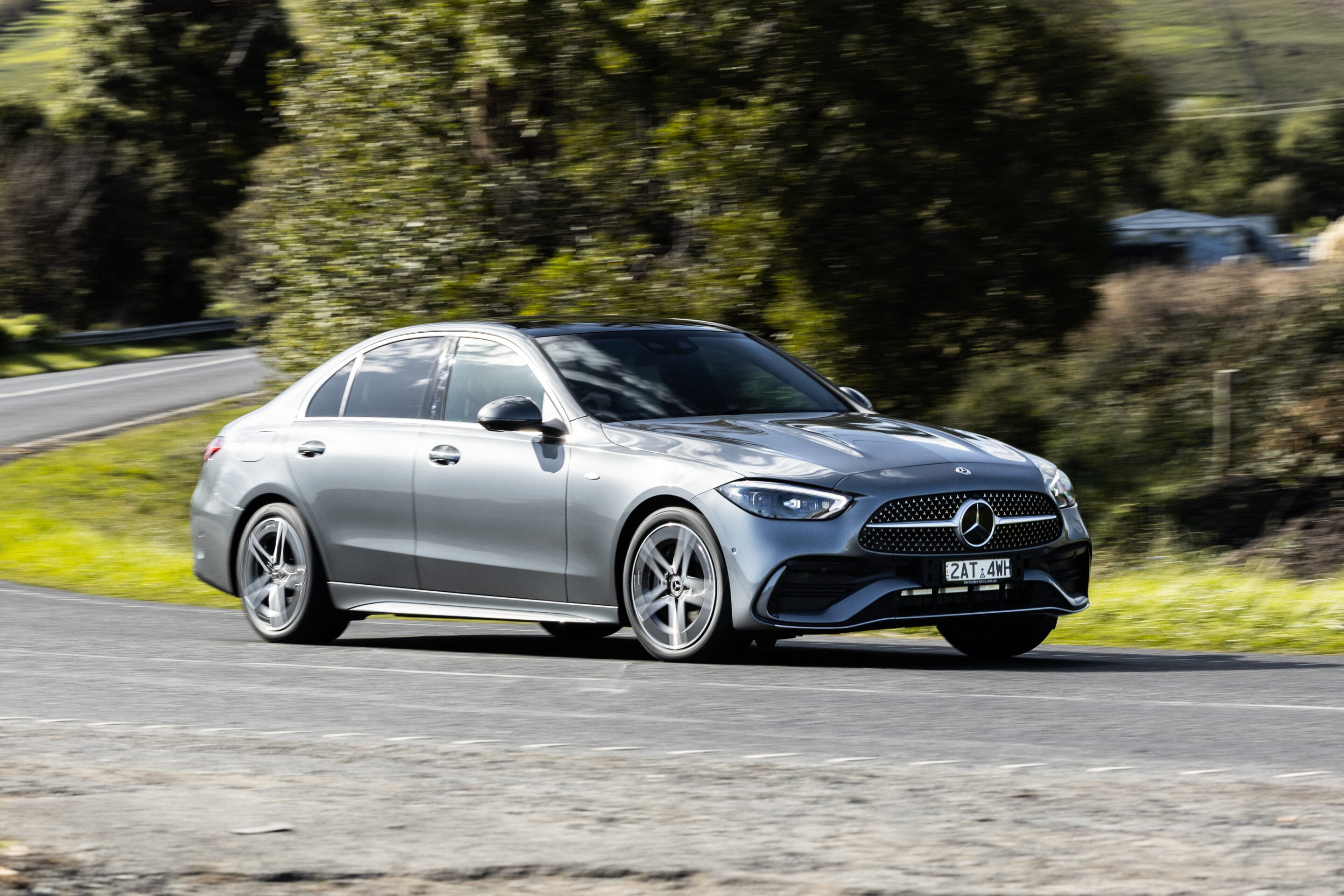
Until 2021, you could buy the previous generation C 300e but, in a case of history repeating, Mercedes was probably some way ahead of its customers in its push to electrification. Thankfully some measure of rectification has arrived in the shape of the new Mercedes-Benz C 350e. Priced at $98,200 plus on-roads, it’s a mere $100 more than the standard C 300 which performed well in a recent Wheels group test versus the BMW 330i and the Audi S5.
The timing actually works beautifully for Mercedes, given that there’s no Audi A5 on offer right now with plug-in capability, and BMW Australia has quietly deleted the 330e PHEV from its rationalised line-up in order to concentrate on the fully electric i4 eDrive 35. In other words, it’s as if the two biggest rivals have rolled out a red carpet and invited Mercedes to have at it, for the time being at least.
4
Those with longer memories might well recall that Mercedes have offered a C 350e plug-in hybrid in Australia before. That car arrived in 2015, and didn’t do particularly well, largely due to the fact that it had a claimed electric-only range of 31km, with real-world use hovering around the 25km mark. It was also quite underpowered, the 60kW electric motor struggle to heave 1705kg of car up the road. It’s instructive to see how far the tech has developed over the course of a decade.
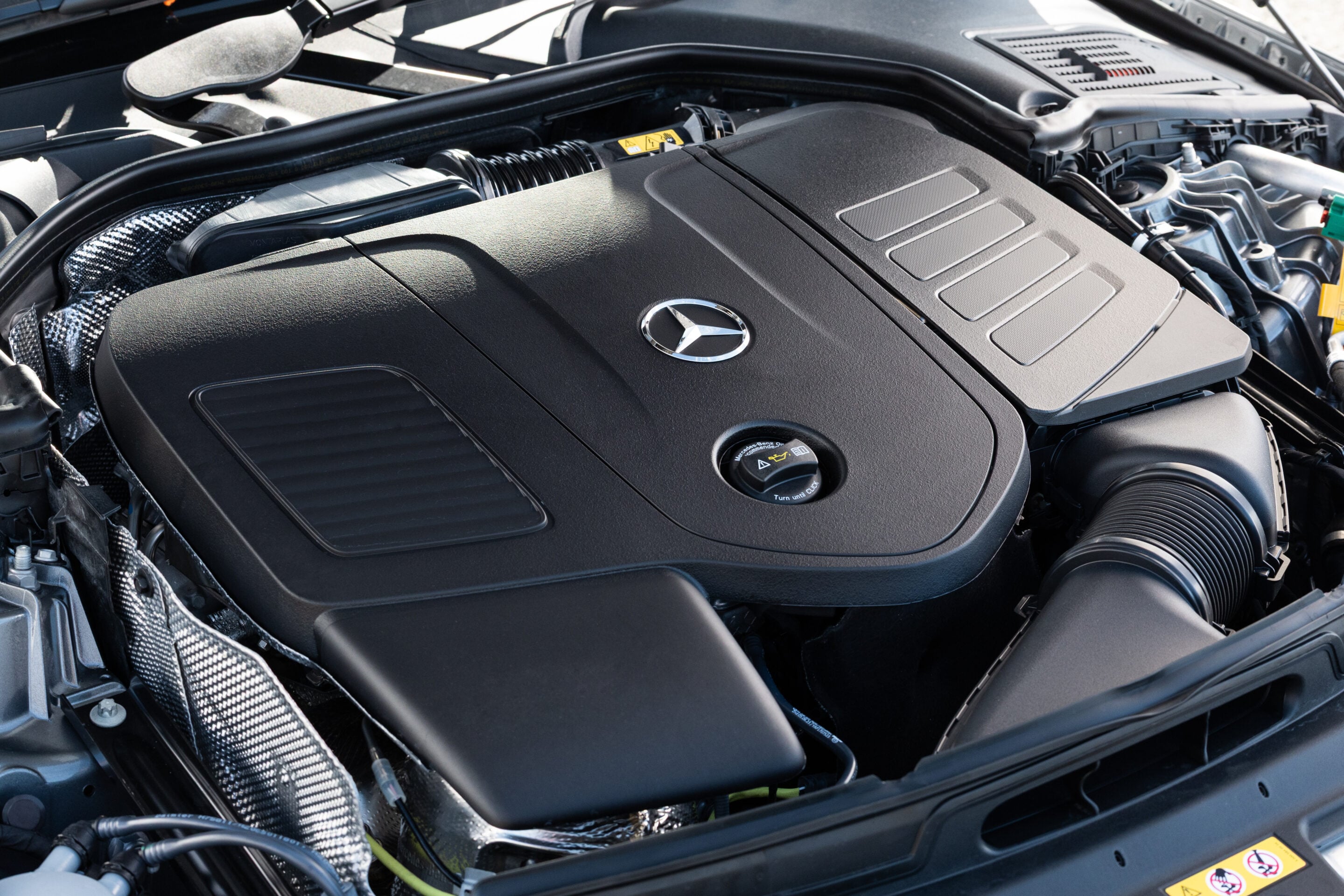
Whereas the current petrol-engined C 300 makes 190kW and 400Nm from its 2.0-litre four-cylinder engine, that additional $100 outlay nets you 230kW and 550Nm from the new C 350e. Its 2.0-litre internal combustion engine fronts up with a relatively understressed 150kW and 320Nm while an electric motor chimes in with up to 95kW and 440Nm, both of these power sources combining to drive solely the rear axle.
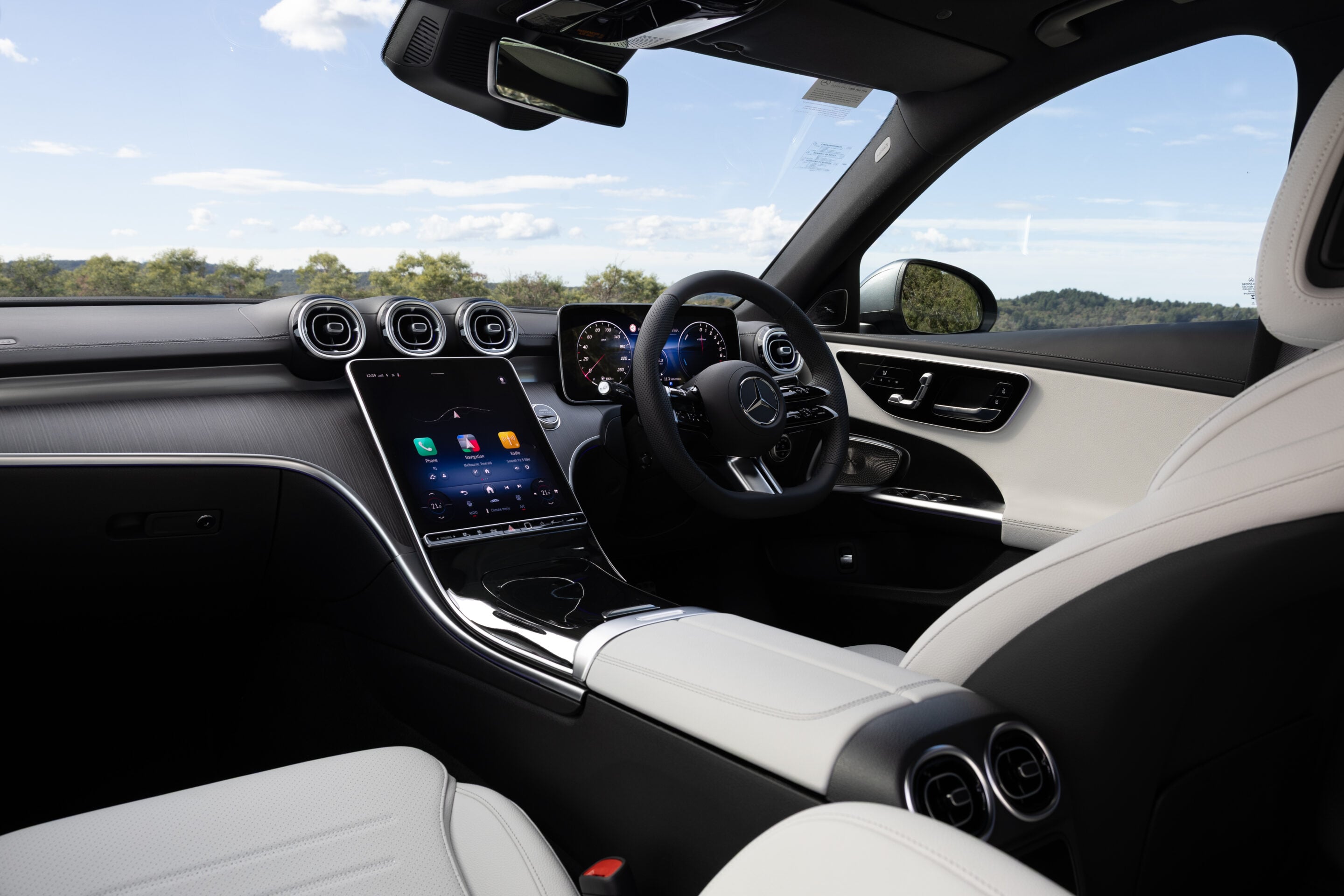
In terms of equipment, the C 350e mirrors the provision of the C 300, which means AMG Line styling, heated sports front seats with memory function, a flat-bottomed steering wheel, head-up display, Artico trim and ambient lighting for the cabin, a panoramic sunroof and keyless start. It also features as standard a 15-speaker, 710-watt Burmester stereo, Digital Light projector LED headlights (including Ultra Range high beam) and comfort suspension with rear self-levelling. Driving Assistance Package Plus, which promises ‘partially automated driving’, is also standard, as is augmented reality satellite navigation.
There’s also a couple of welcome features on this plug-in model that you might not expect to find. The first is self-levelling air suspension on the rear axle, which keeps the body (and lights) level even with a heavy load in the back. The other is pre-entry climate control which means that you’ll never have to get into a freezing or baking car again. Simply set it to activate five minutes before you’re due to leave and the cabin will be at your perfect temperature.
1
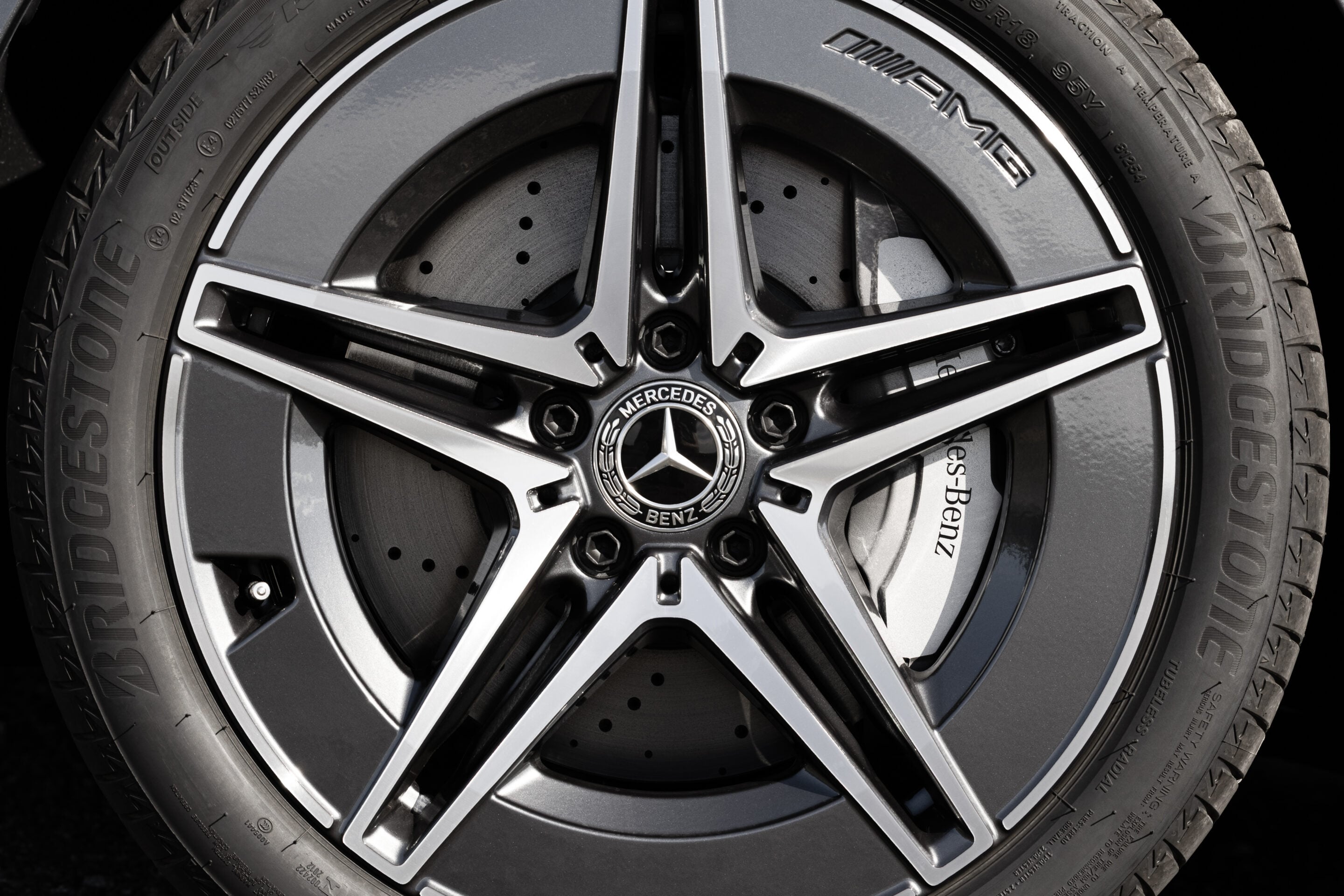
Perhaps the wisest decisions on the C 350e’s spec sheet are the eighteen-inch wheels and the Comfort suspension setup, which together deliver a beautifully polished ride quality. If you’re particular about a smooth ride and haven’t quite decided whether you ought to get the C 350e and the C 300, get the plug-in hybrid. It’s noticeably better. It’s also significantly more cossetting than its SUV sibling; the GLC 350e. If you miss the days when a Mercedes-Benz rode with maturity and an imperious disdain for surface imperfections, then this C 350e emerges as a very welcome throwback.
In certain regards it’s a little bit off that it does, because the C 300 will stay in the range. Mercedes admits that the PHEV might not appeal to older buyers, but should they choose the mechanically more conservative C 300 instead, they’ll be buying a firmer riding car, albeit still not one that feels like a trolley jack on poor roads.
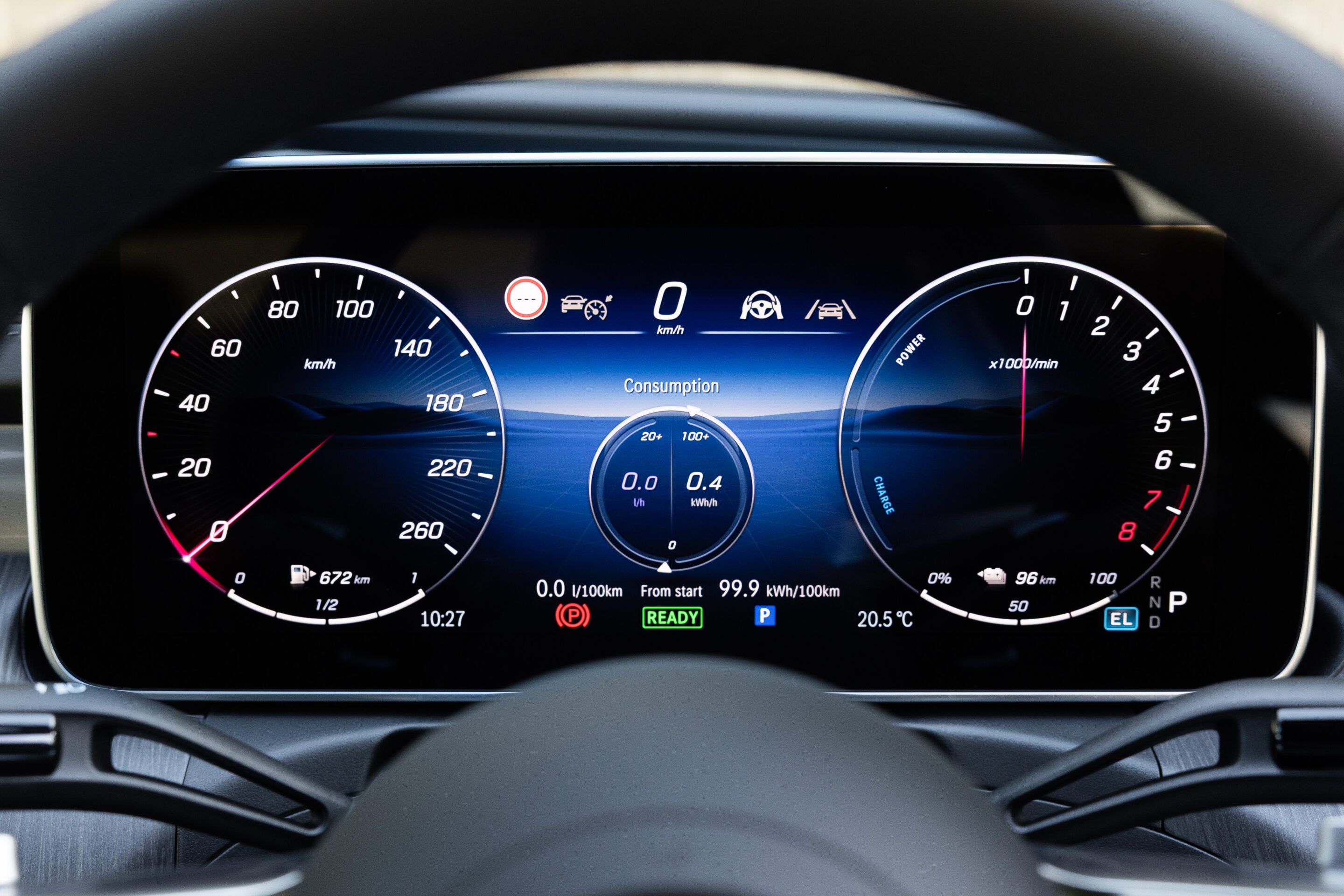
The hybrid system is beautifully polished, offering a trio of PHEV-specific drive modes. Battery Hold retains the charge you have in the 96-cell pouch-type lithium ion battery. Switch to Electric and you can drive on pure electric power at speeds of up to 140km/h. Hybrid mode does exactly what you expect, blending electricity and fossil fuel where required and recuperating smartly to keep adding juice to the 19.53kWh (net) battery pack where possible.
2
The way the wheel-mounted paddles are calibrated is so smart it needs to become industry standard for PHEVs. When in Sport mode, they function as sequential gear shifters, allowing you to ping up and down the nine-speed transmission at will. In any other mode, their functionality changes to adjustable electric recuperation. Click the left-hand paddle to enter D- mode, which offers maximum re-gen. It’s a great way of keeping speed in check on downhill grades while feeding the battery and acts as a near one-pedal mode, without quite having the ability to bring the car to a dead stop. There’s also a balanced D setting and a more freewheeling D+ mode.
It’s effective too. We set out on our drive loop with 100km of electric range showing. After 86km of driving across a mixture of urban and country roads, it was still registering 66km of range remaining. When fully charged, Mercedes claims an NEDC range of 104km, and given how clever the recuperation system is, that seems achievable. As is always the way with plug-in hybrids, the NEDC fuel consumption figure is almost meaningless, in this case being quoted as 1.5L/100km. The C 350e also requires 95RON fuel and the fuel tank is also a little smaller than that fitted to the rest of the C-Class range, measuring 50 litres versus the usual 66L.
The M254 2.0-litre internal combustion engine is refined enough for the most part, and engages smoothly when under way. It only sounds a bit gravelly when it kicks in at idle. When both the engine and the 95kW electric motor are entrained together, the C 350e accelerates strongly. The factory claims a 6.1-second 0-100km/h time and full throttle will have the 225/40 R18 Bridgestone Turanza T005 tyres at the limit of their available traction.
The steering is well-geared and accurate, in-car refinement is excellent, and the Artico-upholstered sports seats offer decent support when cornering. At times, the engine can hold a gear too high in hybrid mode which can be momentarily annoying, and the first part of the brake pedal’s travel, as it begins to engage the electric motor’s re-gen, doesn’t feel entirely natural. The box that houses the head-up display could also be upholstered in something less reflective, as on sunny days it can cast a reflection on the windscreen right where the driver’s eyes are typically trained.
2
Accommodation in the vehicle is respectable for this class of car, with the C-Class’s 2865mm wheelbase being 14mm longer than a BMW 3 Series but 37mm shorter than an Audi A5. There’s more space in the rear than both, however, although the back seats feel a little austere with just a set of vents and no USB ports, coupled with a chunky transmission tunnel.
The boot opens electronically and features a set of buttons to automatically drop the rear seats. Unfortunately, the battery is packaged beneath the boot floor, which robs about 40L of space. Normally cutting the available space by less than 10 percent wouldn’t be a make or break issue, but in the case of the C-Class sedan, the boot was already quite long but not very high. Making its height lower still will mean that many typical holiday hardshell suitcases just won’t fit. This is probably the car’s biggest practical shortcoming. Fitting the battery there also means that there’s no spare wheel, so the C 350e relies on the sidewalls of its run-flat tyres to get you out of a spot.
The C 350e is also rechargeable from either an AC home setup or a DC fast charger, although the latter capability represents a $1500 option. At home, using an 11kW wallbox, it’ll charge from empty to full in two hours. On a public DC charger, it’ll recharge at a peak rate of 55kW, which will get you from 10-80 percent in 20 minutes. The Mercedes me Charge Public system also allows you to find and navigate to a Chargefox charger, start the session and pay using either the infotainment system, the Mercedes me Charge RFID card or the Mercedes me phone app.
1
It’s easy to be seduced by the idea of the Mercedes-Benz C 350e. Refined, relatively inexpensive to run, well equipped, possessed of genuine accelerative punch and yet agreeably discreet, it’s a strong package. The tight boot is the only real demerit point, but if you’re not in the habit of loading your sedan to the gunwales, it’s otherwise hard to fault.
It also serves to remind us how good cars of this type can be. Sales of the C-Class are down by 31.2 percent year on year, with the 3 Series and A4 faring even worse. Registrations of heavier, less efficient SUVs have grown correspondingly. After driving the C 350e, not needing to own an SUV seems a privilege. Try it. You’ll see.
2
Specifications
| Model | Mercedes-Benz C350e |
|---|---|
| Price | $98,200 before on-roads |
| Engine | 1999cc 4-cylinder, DOHC, 16v, turbo, plug-in hybrid |
| Peak power | 230 kW |
| Peak torque | 550 Nm |
| Transmission | Nine-speed automatic |
| 0-100 km/h | 6.1 seconds |
| Battery size | 25.4kWh (gross) 19.53kWh (net) |
| Electric range | 104km (NEDC) |
| Fuel consumption | 1.5L/100km (NEDC combined) |
| Fuel tank | 50L |
| L/W/H/WB | 4755/1820/1450/2865mm |
| Warranty | 5yrs/unlimited km |
| Available | Now |
8.5
/10
Score
Score breakdown
8.5
Safety, value and features
8.5
Comfort and space
8.5
Engine and gearbox
8.0
Ride and handling
8.5
Technology
Things we like
- Ride quality is excellent
- Hybrid system is beautifully smooth
- No sports sedan, but it's quick off the mark
- Standard Burmester stereo system and augmented reality HUD
Not so much
- Boot is now a bit tight
- No specific 'charge' mode to replenish battery from engine
- HUD housing reflects in the windscreen
- Rear seats could use some more passenger functionality
Follow WhichCar/Wheels on Google
Click the button below to make WhichCar by Wheels a preferred source for your news.

We recommend
-
 News
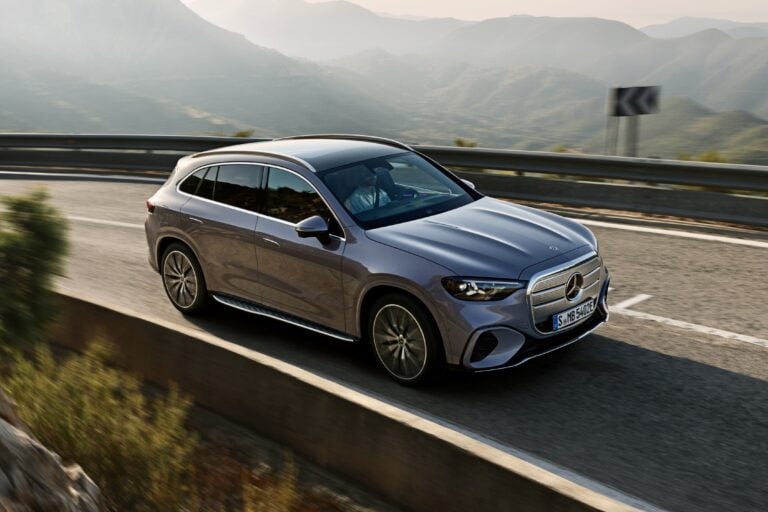
NewsMercedes-Benz GLC with EQ Technology revealed as electric version of brand’s best seller
Mercedes has unveiled the electric version of its best-selling car with a one square metre touchscreen, a new AI-powered ‘superbrain’ and up to 713km of range.
-
 News
NewsMercedes-Benz on why its next ICE and EV products will use different platforms... but look the same
New electric GLC the start of a new styling era at Mercedes-Benz where future ICE and EV variants will share styling but sit on different platforms.