News
Gallery 1
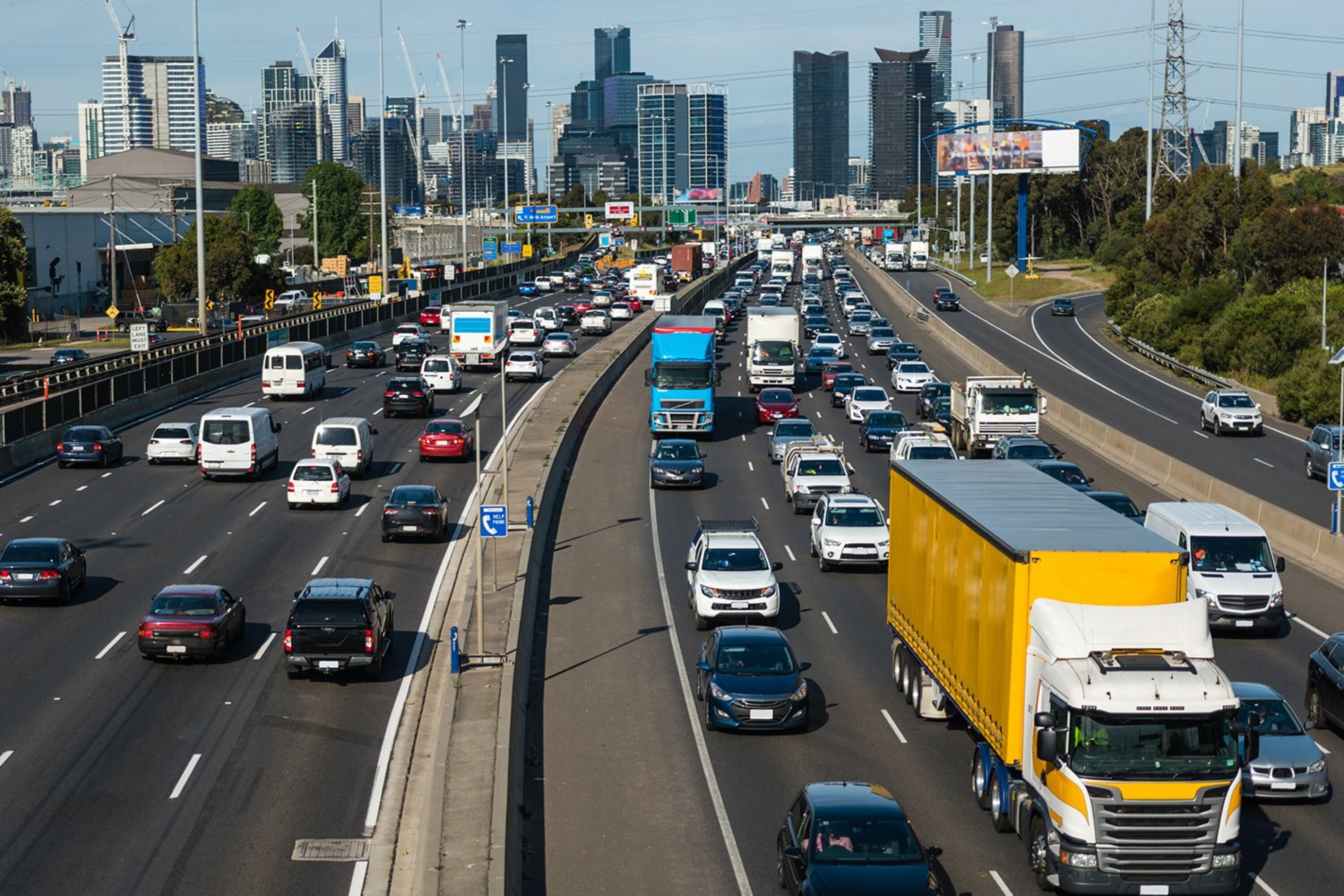
Victorian motorists are set to receive a one-off 20 per cent rebate on car registration as part of a broader push to ease cost-of-living pressures linked to rising fuel prices.
As reported by AAP, the rebate will return up to $186 per vehicle, or as much as $372 for households with two eligible cars, with the measure to be confirmed in the upcoming state budget. The discount applies to light vehicles under 4.5 tonnes, including cars and utes, and can be claimed on up to two vehicles registered in an individual’s name.
The move comes as global oil markets remain volatile following escalating conflict in the Middle East, which has disrupted supply and driven up prices at the bowser. With households under pressure, the Victorian government has turned to registration costs as a way to deliver direct financial relief ahead of the November election.
1
Annual registration fees in Victoria are currently about $930, meaning the rebate offers a modest but immediate saving. The measure is expected to cost around $750 million in foregone revenue and follows earlier cost-of-living initiatives such as reduced public transport fares.
Premier Jacinta Allan said the policy was designed as short-term support. “This won’t fix everything, but it’s immediate action I can take to make a difference,” she said.
The rebate comes alongside broader federal efforts to ease pressure on motorists. In 2026, the federal government moved to temporarily cut fuel excise as part of a package of measures responding to the same global price shocks. The reduction was aimed at lowering pump prices in the short term, helping offset the impact of surging oil costs driven by instability in the Middle East.
That decision followed a sharp escalation in the conflict, including disruption to key shipping routes such as the Strait of Hormuz, which plays a critical role in global fuel supply.
In parallel, the federal government has worked to secure additional fuel shipments and strengthen domestic reserves, including extra diesel supplies for regional areas.
Together, the state rebate and federal excise cut reflect a coordinated response to rising transport costs, as governments seek to cushion motorists from ongoing global energy volatility.
Follow WhichCar/Wheels on Google
Click the button below to make WhichCar by Wheels a preferred source for your news.

We recommend
-
 News
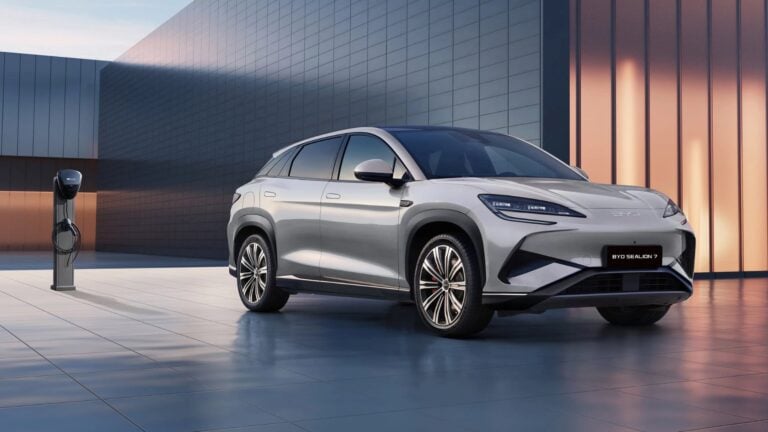
NewsAustralia’s EV boom is in full swing – here are the top 10 cars people are buying
As fuel prices continue to surge amid the Middle East conflict, Australian new car buyers are gravitating to EVs in ever-increasing numbers.
-
 News
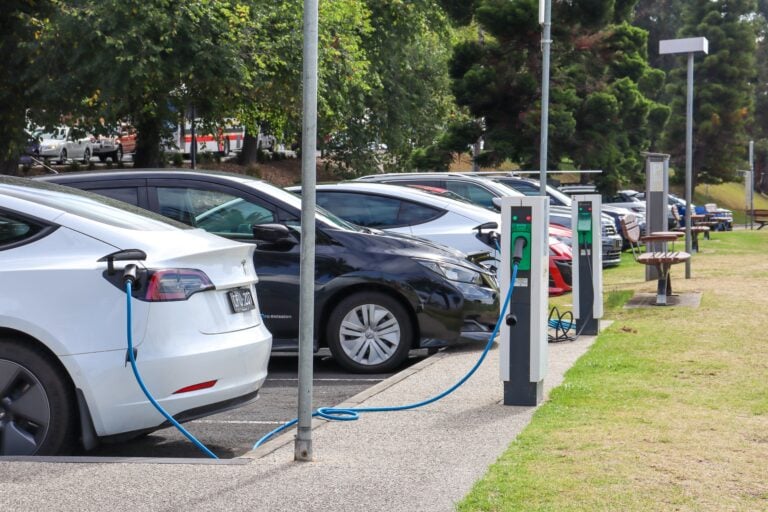
NewsCan Australia’s EV charging network possibly hope to replace the humble petrol station?
With sales of EVs expected to surge thanks to the conflict in the Middle East, is Australia's charging infrastructure ready to meet increased demand?
-
 Advice
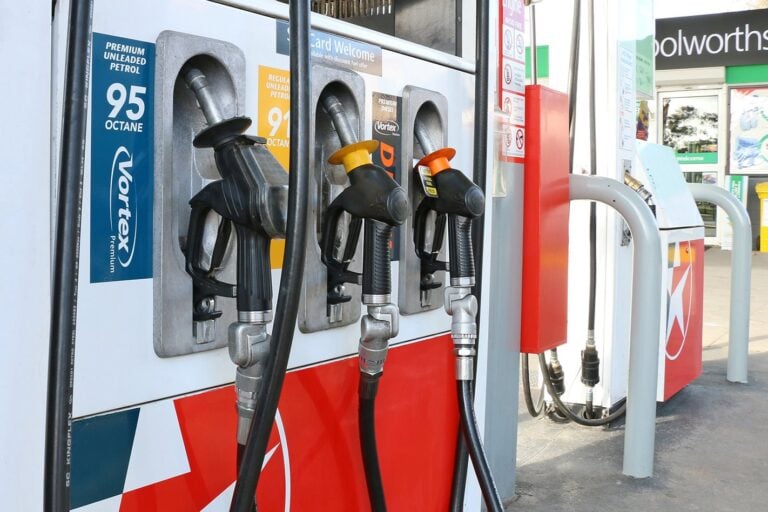
The best ways to save fuel as prices rise and supply tightens
As fuel prices reach record highs around the country thanks to the Iran conflict, there are plenty of ways to try and reduce fuel usage that don't involve buying a new car.