News
Gallery 1
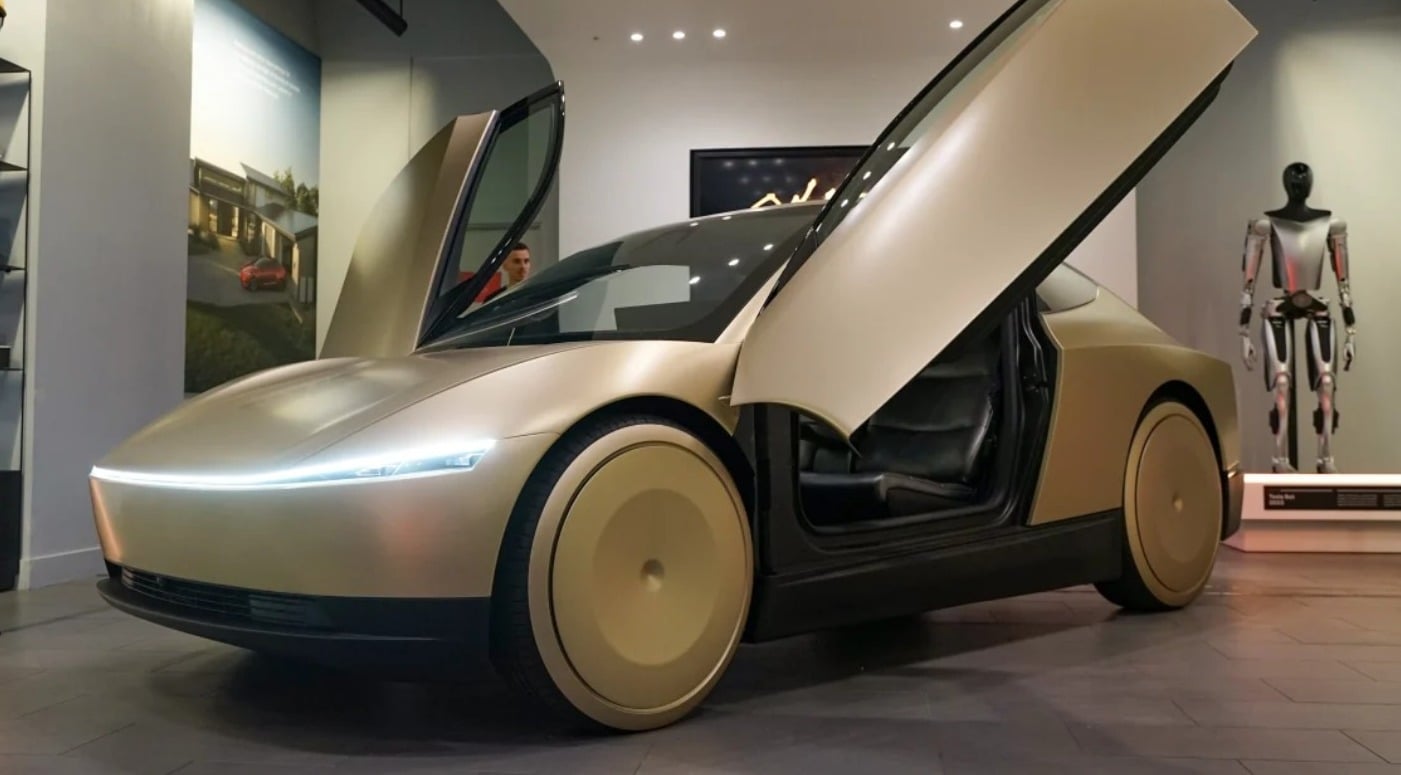
The full and final details of Tesla’s next new model are yet to be revealed, but information supplied to the US Environmental Protection Agency (EPA) gives a preview of the mechanical and battery tech included.
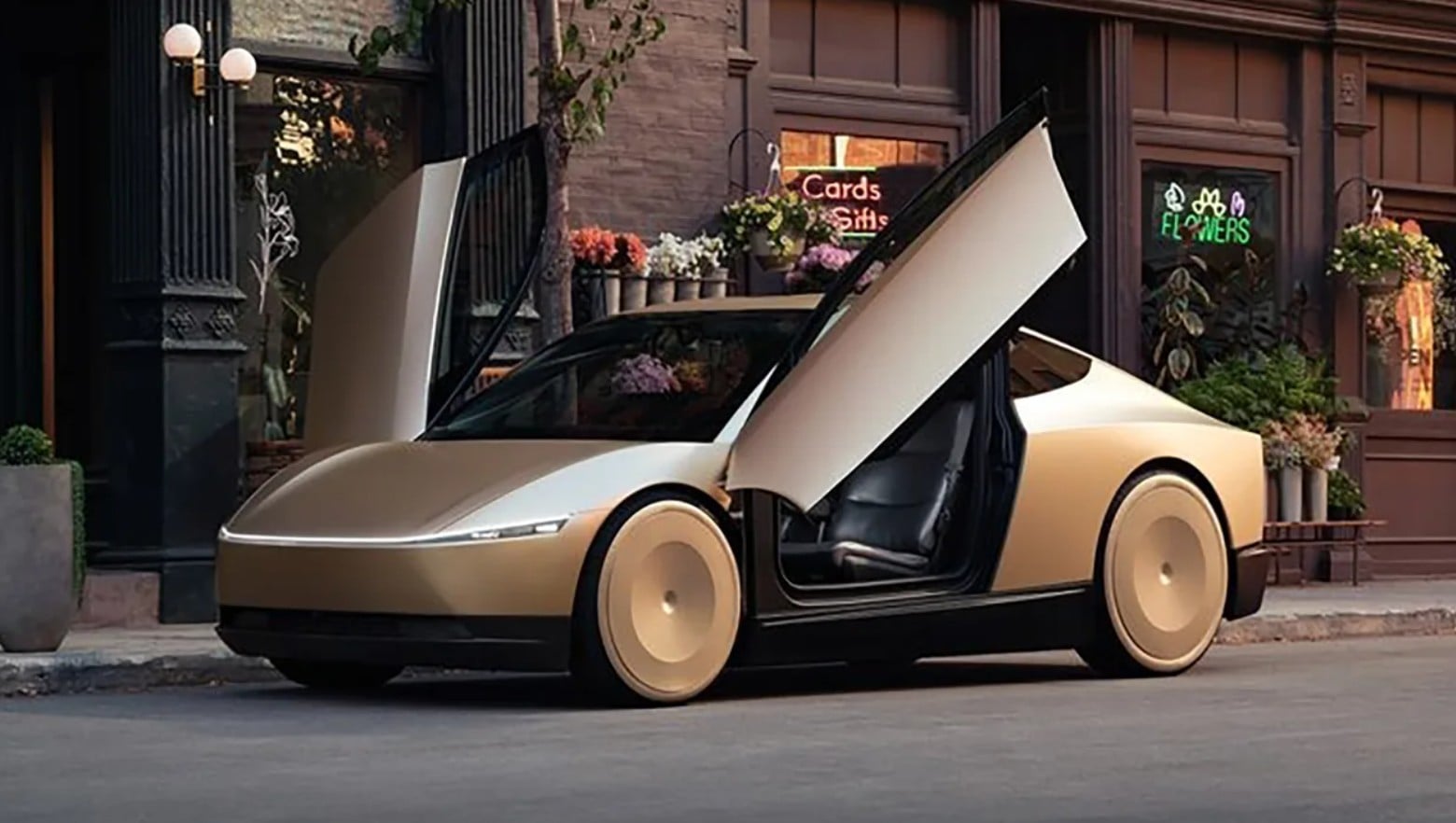
First revealed in October 2024, the Tesla Cybercab promised to arrive as a fully autonomous two-seat coupe. Despite its swoopy profile, the new model is intended as a self-driving taxi, rather than a sports car, and is claimed to operate without a steering wheel or pedals.
Whether or not the production version delivers on that self-driving claim remains to be seen, but information filed with the EPA reveals what to expect from the drivetrain of the new model.
2
The Cybercab will be the first Tesla model powered solely by a front motor, with a 162kW output listed. Conflicting information presented by the EPA does list the drive mode for testing as ‘all-wheel drive’, but this inconsistency is widely regarded as an input error.
Up to this point, Tesla models have been either rear-wheel drive or all-wheel drive.
Gross battery capacity for the Cybercab is listed at 53.3kWh, resulting in an EPA lab-tested maximum range of 673km (418.2 miles). To represent a more accurate real-world figure, the EPA applies a 30 per cent estimate reduction to account for elevation changes, weather, headwinds and the like, bringing the expected range closer to 471km.
4
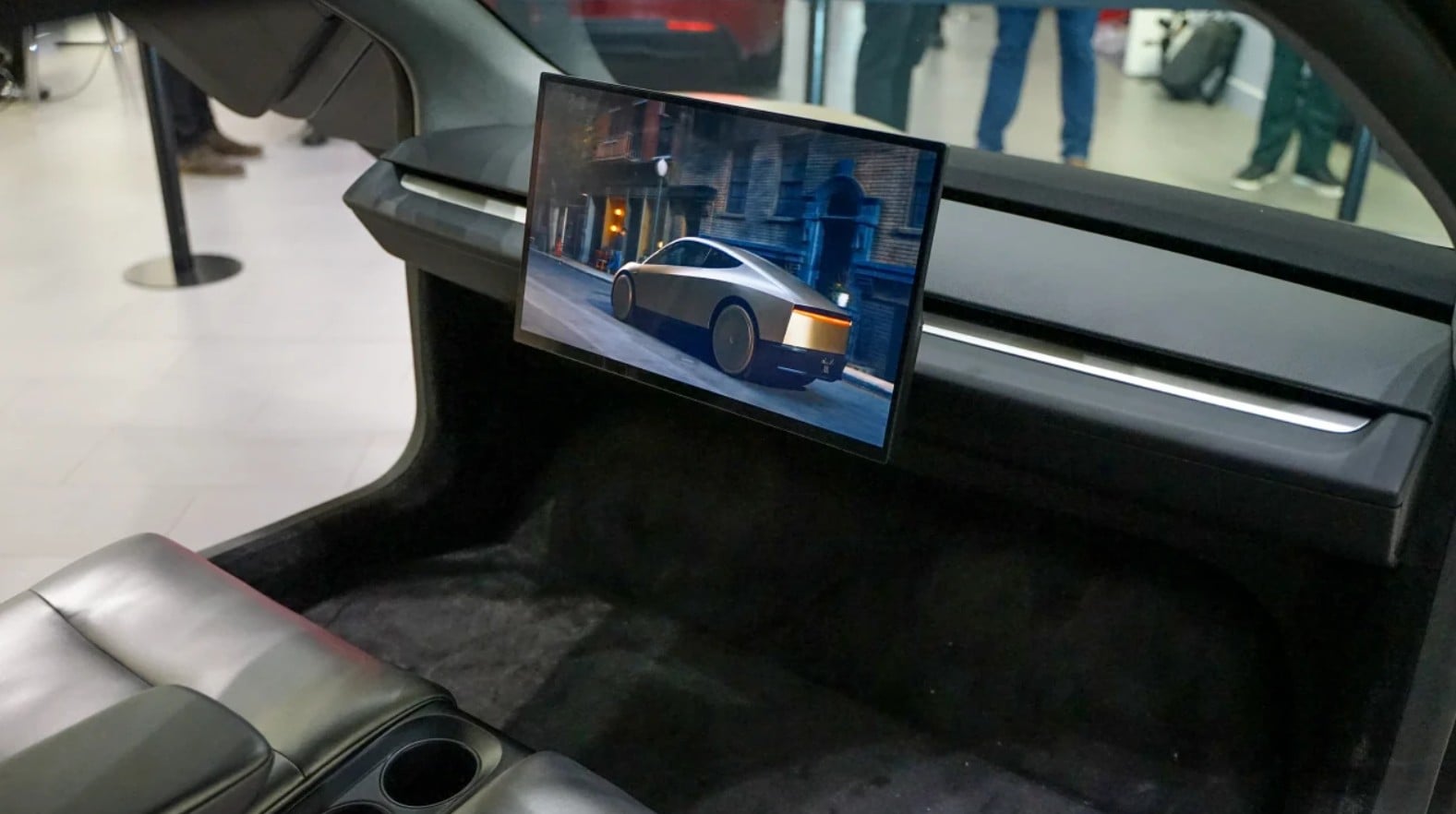
Details on charging speeds and recharge times have not yet been revealed, but at the model’s 2024 preview, the Cybercab was promised with wireless charging, to allow it to be used without operator input, and shown without a charge port that would give it access to Tesla’s high-speed Supercharger network.
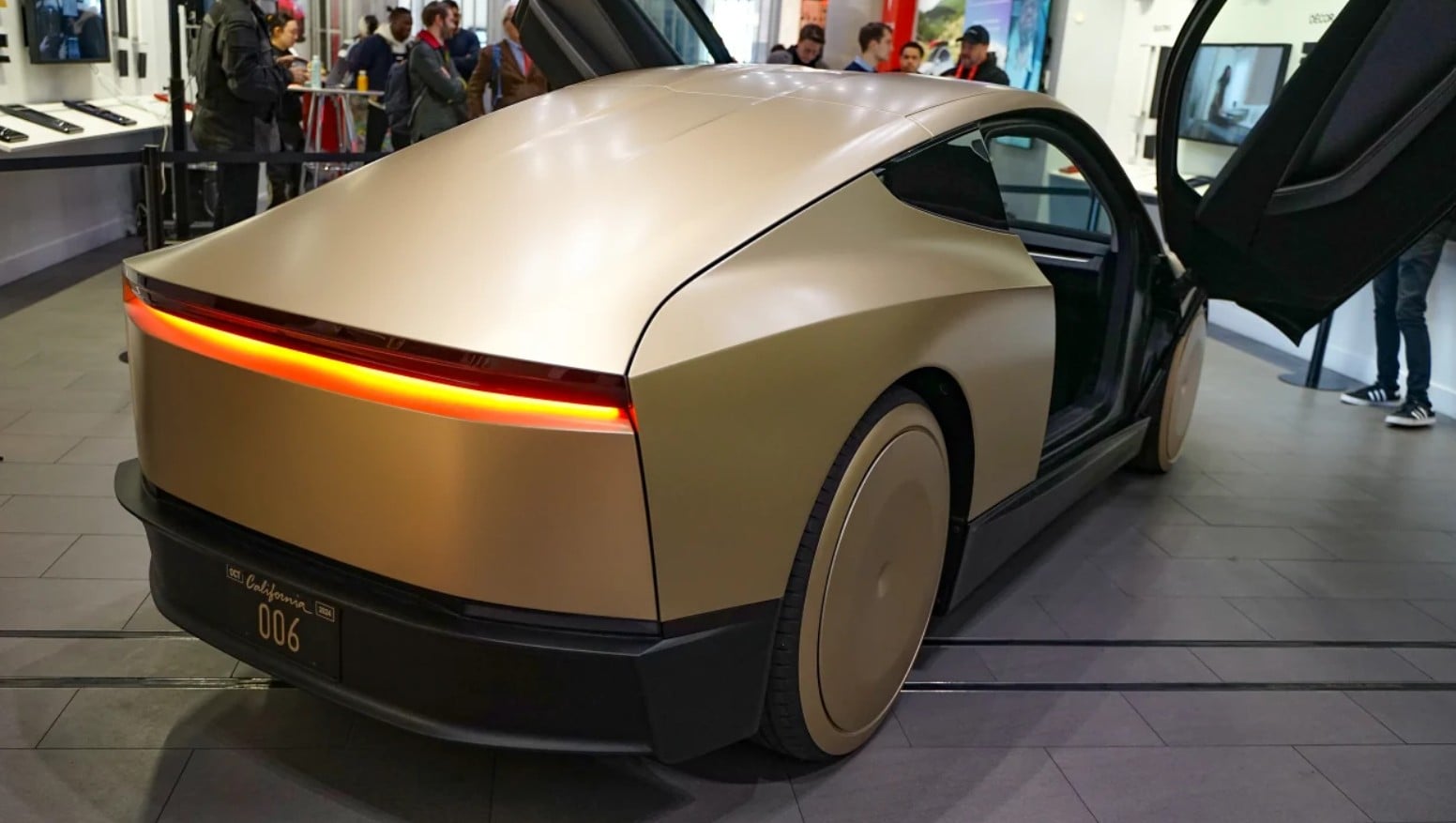
Despite the emphasis on its purpose as a self-driving taxi, the Cybercab, estimated to be slightly more than 4.4 metres in length, or slightly shorter than a Toyota Corolla Cross, only includes seating for two but has a rear hatch that covers a large cargo hold. Tesla appears to have prioritised aero efficiency over utility with the coupe design.
Kerb weight is light, reported to the EPA at 1412kg, making it about the same weight as a base model Mazda 3 hatch in Australia (1418kg). Tesla’s current lightest model is the Model 3 Premium RWD sedan, which lists a 1761kg weight.
3
This latest information suggests that the Cybercab may be on track to launch by 2027, in line with Tesla CEO Elon Musk’s statement when the model was first presented. An expected starting price of US$30,000 (A$42,760) was announced in 2024, but as with other Tesla presentations, the final figure may change before the model reaches production.
Follow WhichCar/Wheels on Google
Click the button below to make WhichCar by Wheels a preferred source for your news.

We recommend
-
 News
NewsTesla's sunroofs are often derided for letting in too much Aussie sun – but now they may have a solution
From pass-through perforations to hot-air extraction, Tesla keeps trying to make its glass roof work like an opaque one.
-
 Reviews
Tesla Model Y Performance review: If only all mid-life facelifts were this good
The Performance variant of the hugely successful Tesla Model Y has landed in Australia with even more power and attitude. Will it appeal to Tesla fans and the Tesla-curious?
-
 Comparisons
Powertrain battle! Nissan X-Trail v Tesla Model Y v MG HS Hybrid+
Australian buyers love medium and large SUVs – and the choices have never been more broad than they are right now. The question is, which powertrain suits you? best? Regular hybrid, petrol generator electric, or full electric? Three very different combatants duke it out