
News

Gallery 1
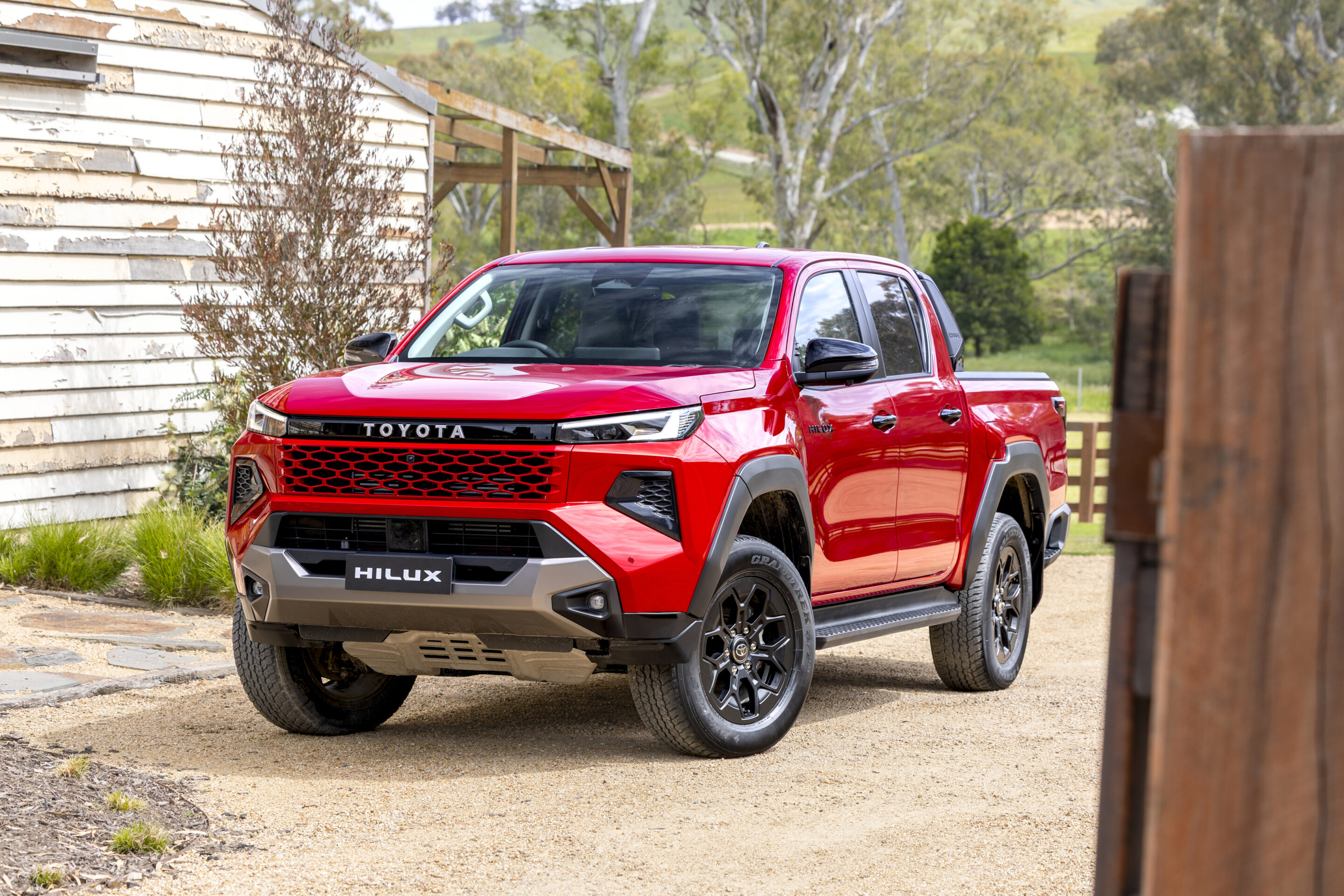
Toyota Australia has announced that it’s exploring the use of low-carbon liquid fuels (LCLFs) as part of its multi-pathway approach to decarbonisation. Both it and energy company Ampol are currently undergoing a trial using 100 per cent hydrotreated vegetable oil (HVO100) biofuel, which is compatible for use in all HiLux vehicles built from mid-2015 equipped with either the ‘1GD’ or ‘2GD’ turbo-diesel engine.
According to Toyota, there are more than 500,000 N80 and N90-generation HiLux vehicles on Australian roads and switching from diesel to LCLF can have a meaningful impact in reducing emissions.
All existing Toyota diesel models are capable of running on a 20 per cent LCLF blend today, while the company says that it’s also studying the expansion of other models to be compatible with HVO100. This means that many Toyota models could eventually be cleared to run on a renewable fuel, with no fossil diesel required for propulsion.
HVO100 is sourced from renewable sources including vegetable oil and recycled cooking oil and has a higher cetane number than traditional diesel, providing much higher ignition quality for more stable combustion. It also offers a much lower sulfur and aromatic levels compared to regular diesel.
5
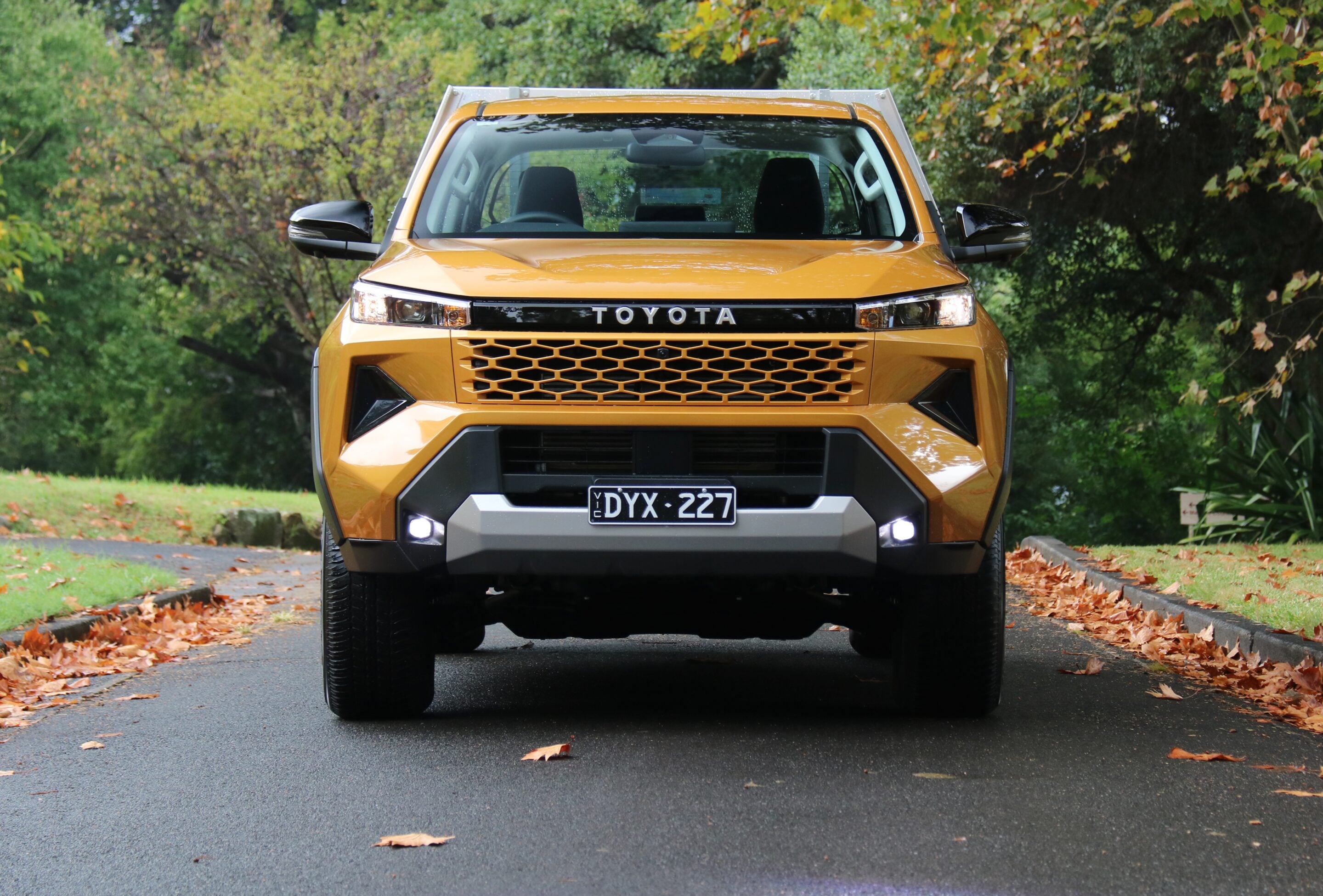
Importantly, no modification is needed for existing HiLux models to be able to run on HVO100. Speaking of money, the cost of HVO100 itself is yet to be revealed, leaving its chances of becoming a success as a viable alternative to diesel up in the air.
Toyota says LCLF provides a practical solution for regional customers who want to switch to a lower-emission powertrain technology but require the practicality, towing capability, driving range and performance diesel engines provide.
As part of Toyota’s exploration of LCLFs, a HiLux powered by HVO100 successfully completed a 3000km roadtrip through regional Queensland, New South Wales, Victoria and South Australia in conjunction with the National Bush Summit.
Toyota Motor Corporation Australia CEO & President Matthew Callachor welcomed the announcement and stressed real-world impact that LCLFs can deliver: “At Toyota, we believe decarbonisation requires a multi-pathway approach that gives customers practical choices while supporting Australia’s transition to a lower-emissions future. We are excited to work with the industry to explore the potential of alternative and low-carbon fuels to support decarbonisation in the automotive industry.”
Follow WhichCar/Wheels on Google
Click the button below to make WhichCar by Wheels a preferred source for your news.


We recommend
-
 News
NewsAustralia’s first renewable hydrogen refuelling station opens
Viva Energy has partnered with trucking and water companies before opening Australia's first hydrogen refuelling station at Geelong, in Victoria.
-
 Advice
Essential fuel-saving tips and tricks during current Middle East conflict
Small changes behind the wheel and beyond could make a bigger difference than you think, as rising fuel costs force drivers to rethink everyday habits and routines.
