News

Gallery 1
After selling more than two million examples worldwide, the Volkswagen T-Roc has cemented itself as a cornerstone of the brand’s line-up. Eight years after the first model debuted, VW has finally unveiled a second-generation T-Roc in Europe, which brings more space, new technology, and the company’s first-ever full-hybrid system.
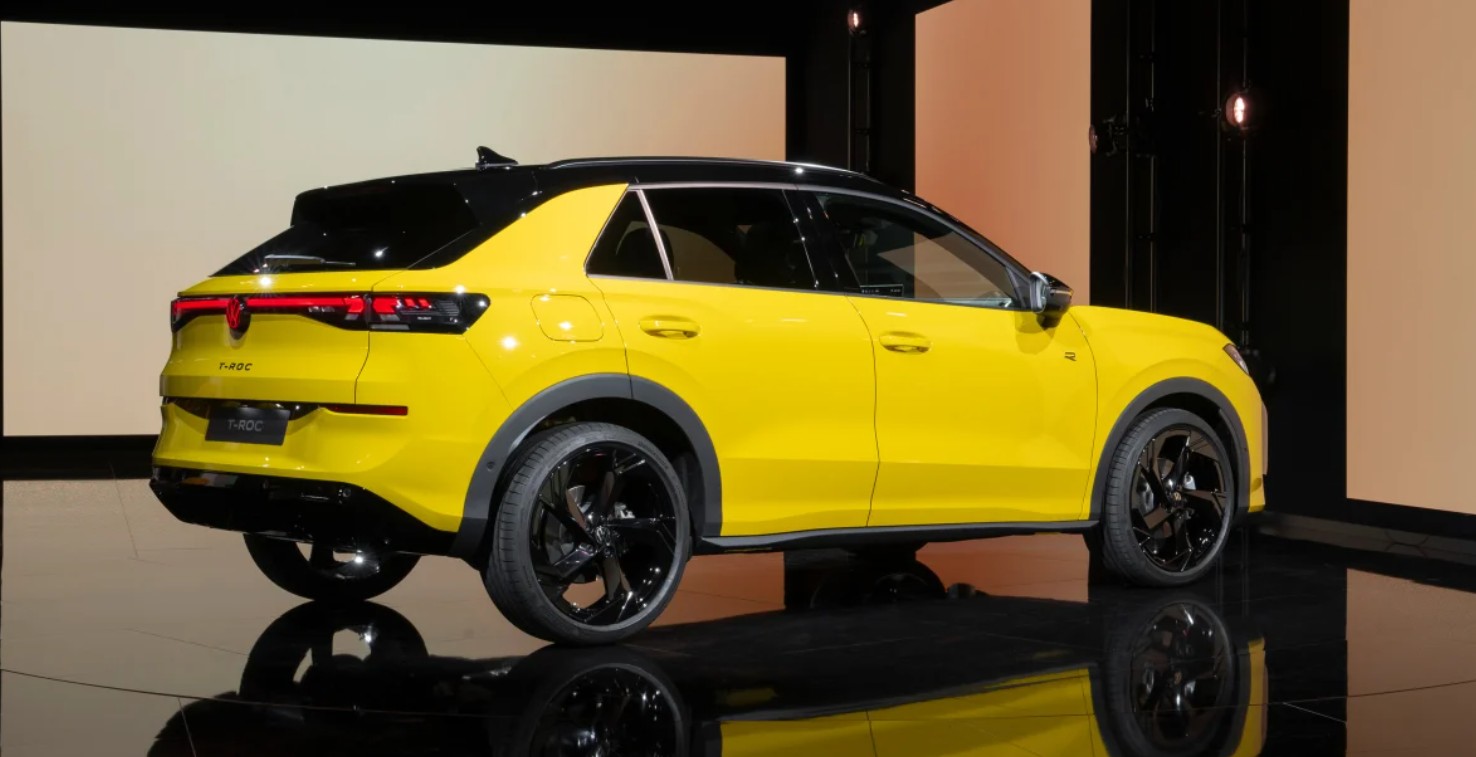
Still sitting between the T-Cross and Tiguan in VW’s SUV family, the new T-Roc is larger than before. Length has increased by 122 mm to 4,373 mm, while its wheelbase is up by 28 mm. Width and height also grow slightly, but VW has achieved a drag coefficient of 0.29, making the new model around 10 per cent more aerodynamic than its predecessor.
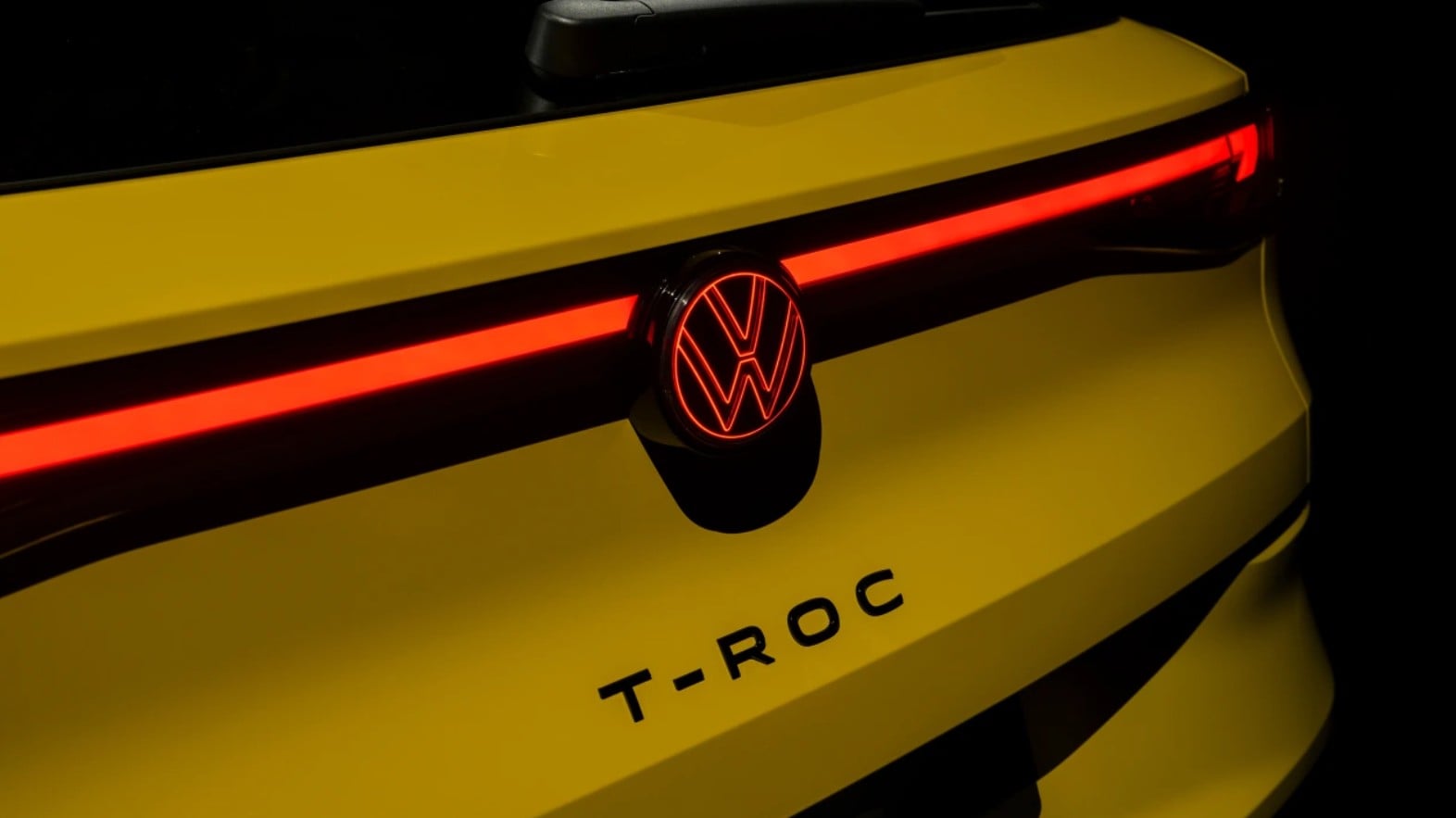
Design changes include slimmer IQ.Light LED headlights flowing into an illuminated VW badge, plus familiar cues like the ‘hockey stick’ side trim. Sportier R-Line grades add a bolder bodykit, 20-inch alloys and rear light bar.
3
For the first time, the T-Roc will be offered with full-hybrid drivetrains, set to launch globally by mid-2026. Two options are planned: one producing 100 kW and the other 125 kW, both using a 1.5-litre turbo four-cylinder paired with an electric motor. The set-up allows short bursts of electric-only driving at any speed. VW expects around a 15 per cent efficiency gain over mild hybrids, with CO₂ emissions near 100 g/km.
At launch, buyers will find mild-hybrid versions of the 1.5-litre petrol available with either 85 kW or 110 kW, both front-wheel drive with seven-speed DSG automatic transmissions. A 2.0-litre mild-hybrid all-wheel-drive version and the high-performance T-Roc R will follow in 2026. Unlike the Golf, there are no plans for a plug-in hybrid.
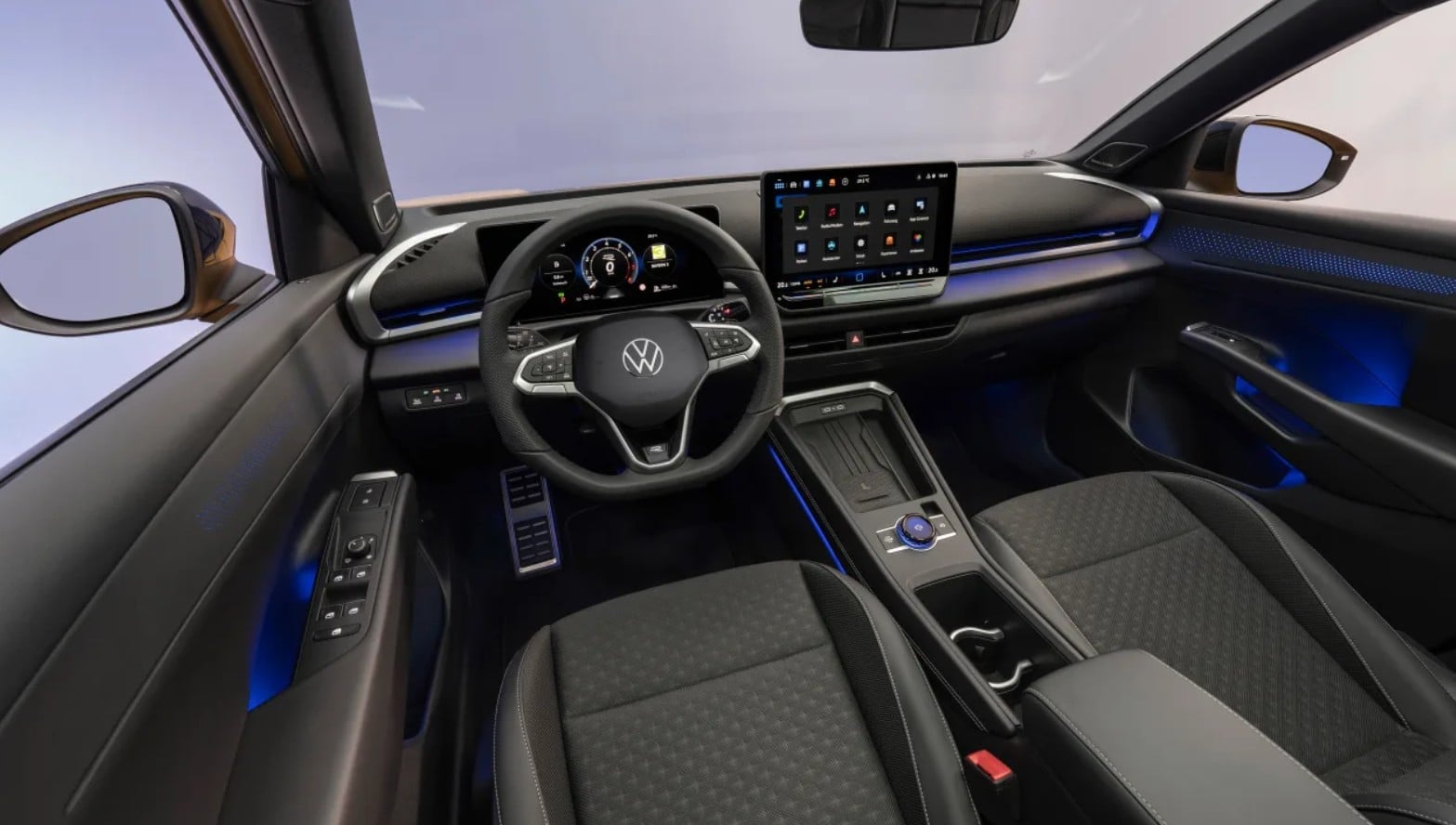
Inside, the new T-Roc borrows heavily from the latest Passat and Tiguan. Entry versions feature a 10.2-inch infotainment screen, while upper trims gain a 12.9-inch unit running VW’s new MIB4 software and ChatGPT-powered IDA voice assistant. A 10-inch digital cockpit is standard, joined for the first time by an optional head-up display. R-Line and Style trims introduce 14-way power seats with massage functions and upgraded cabin materials.
4
A new rotary dial on the centre console acts as a “driving experience control,” switching between audio functions, drive modes, and even ambient lighting themes. Cabin space is improved thanks to the longer wheelbase, with more rear legroom and a boot now measuring 465 litres, up by 20 litres.
All versions except the base Life grade include adaptive suspension with VW’s Dynamic Chassis Control, offering Eco, Comfort, Sport and Individual modes – or 15 levels of manual damping adjustment. Safety technology includes autonomous emergency braking, lane keep assist, driver monitoring, and road sign recognition as standard. Options extend to Travel Assist, adaptive cruise and automated parking.
Australian pricing has yet to be confirmed, though increases are expected over the current car, which starts from around AU$58,000 and stretches to AU$87,000 for the outgoing T-Roc R.
1
Follow WhichCar/Wheels on Google
Click the button below to make WhichCar by Wheels a preferred source for your news.