News


Gallery 1
Snapshot
- Waze testing out road accident prediction beta feature
- Notifies drivers if a road section has a frequent accident history
- 1165 people died on Australian roads in 2022
Google-owned car navigation app Waze is testing out a feature which predicts whether roads have a high accident risk for drivers.
Geektime reports its latest beta version shows red lines and a pop-up on road sections where there have been historically frequently reported accidents based on crowdsourced data.
It’s designed to make drivers more alert, but users can opt out of the warnings.

1
Notably, it’s the first new feature rolled out by Waze since its team was merged into the Google Maps group.
According to the ABC, 1165 people died on our roads in 2022, with the Northern Territory, Tasmania and Queensland leading the fatality rate by population.
Police authorities say the ‘Fatal Five’ are key contributors to the road toll, which includes; speeding, drink- or drug-driving, driving whilst distracted, no seatbelts fastened, and driving while tired.
1
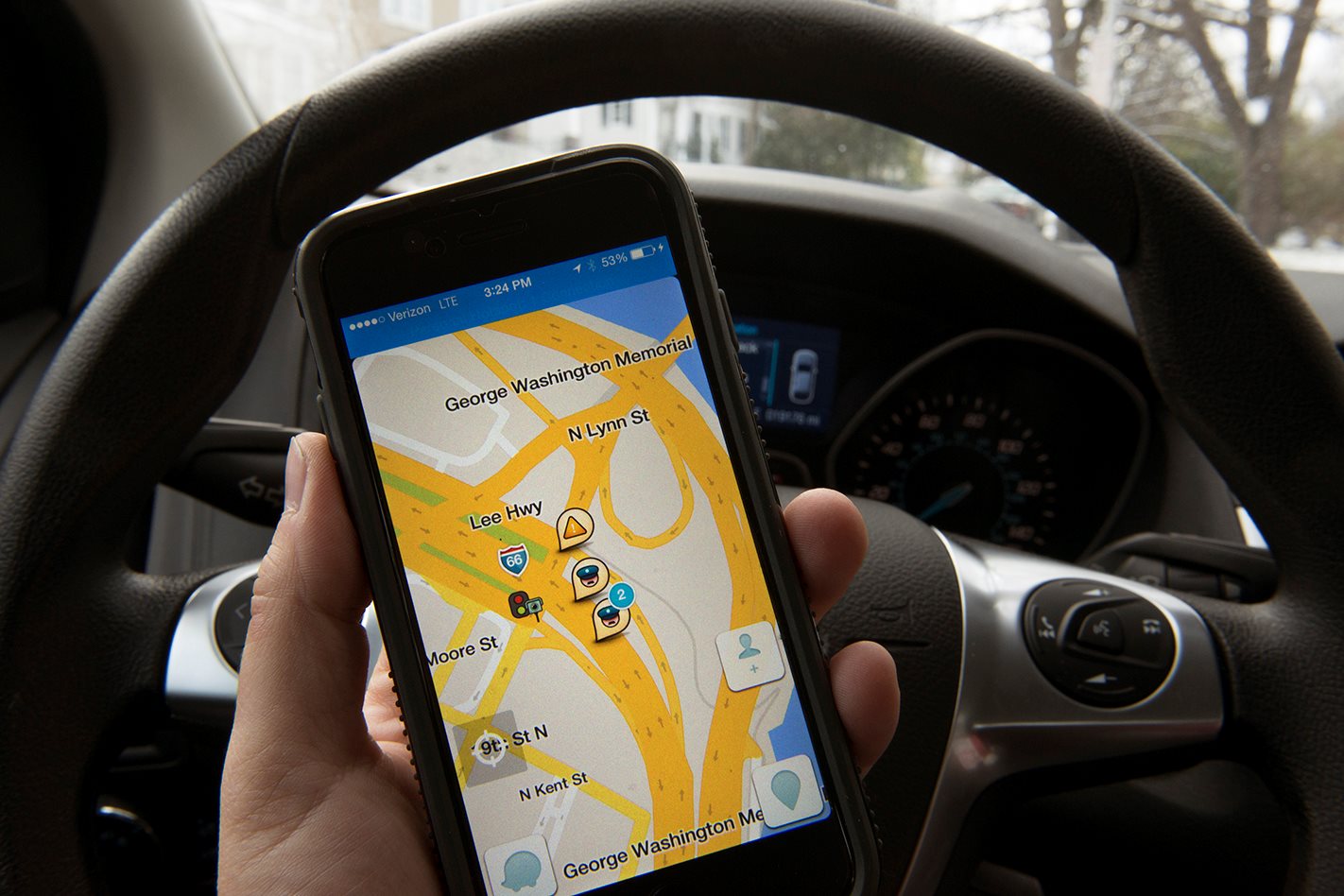
Waze is a community-based navigation app that allows drivers to report accidents, stopped vehicles and mobile speed cameras to notify other users. A GPS speedometer function is also built-in.
It’s available on Apple iOS and Android smartphones, and on Apple CarPlay and Android Auto in-car projection systems.
Waze will also soon be available for newer overseas Renaults using the Android Automotive infotainment operating system.
MORE
Technology stories
Follow WhichCar/Wheels on Google
Click the button below to make WhichCar by Wheels a preferred source for your news.


We recommend
-
 News
NewsWaze launches on Android Automotive…but for Renaults only
Five years after Android Automotive launched, the Waze navigation app will finally be available – but it’ll only be for Renaults
-
News
Using Waze app to avoid police is “just stupid,” says police
Mobile phone app allows road users to alert other drivers of police stops and speed camera traps, but Police Minister says they could be breaking the law when using it
-
 News
NewsAussie police unfazed by cop-dodging Wayz map app
New York police reckon crowd-sourced mapping app dabbles in ‘criminal conduct’, but local forces aren't concerned