News
Gallery 1
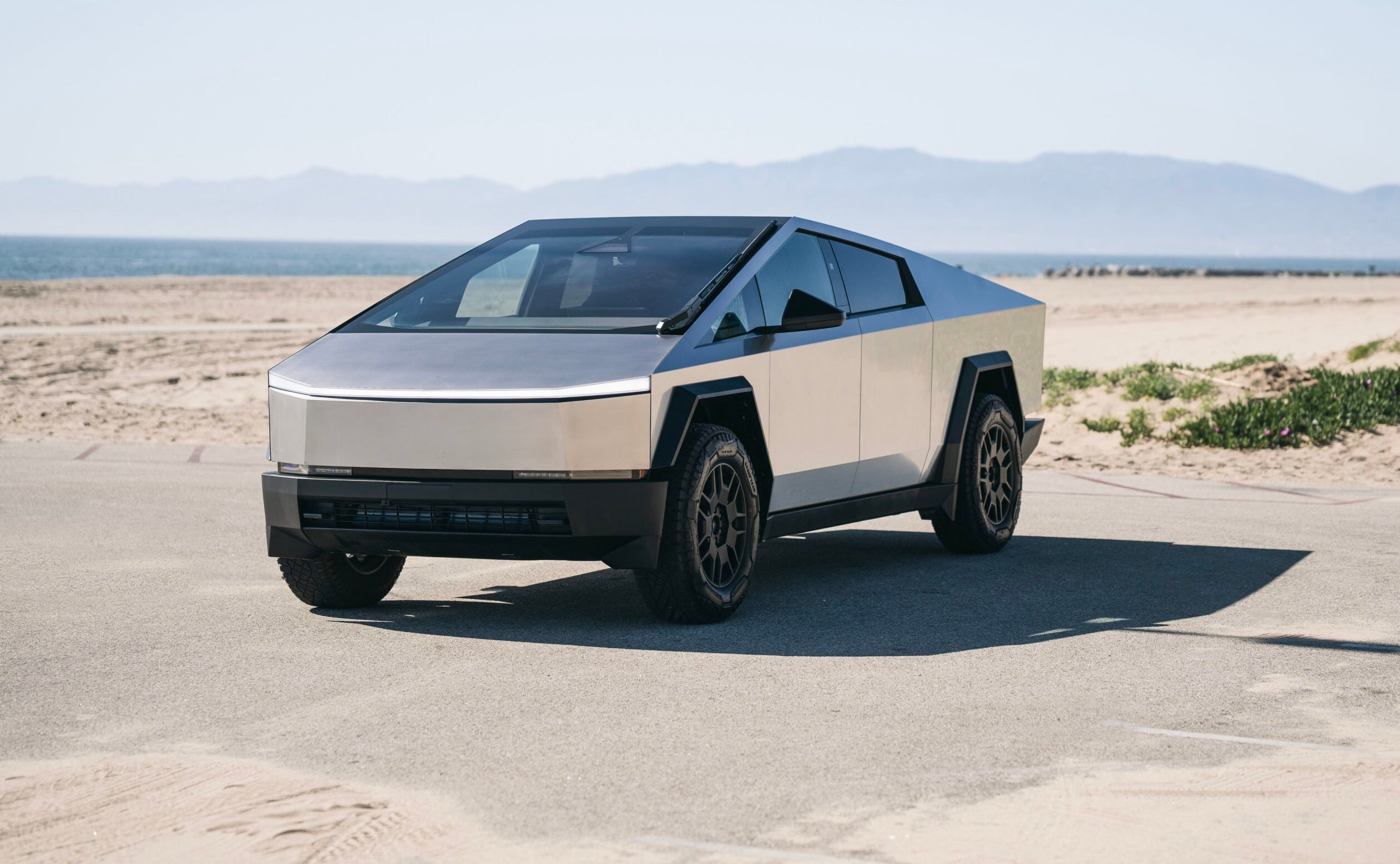
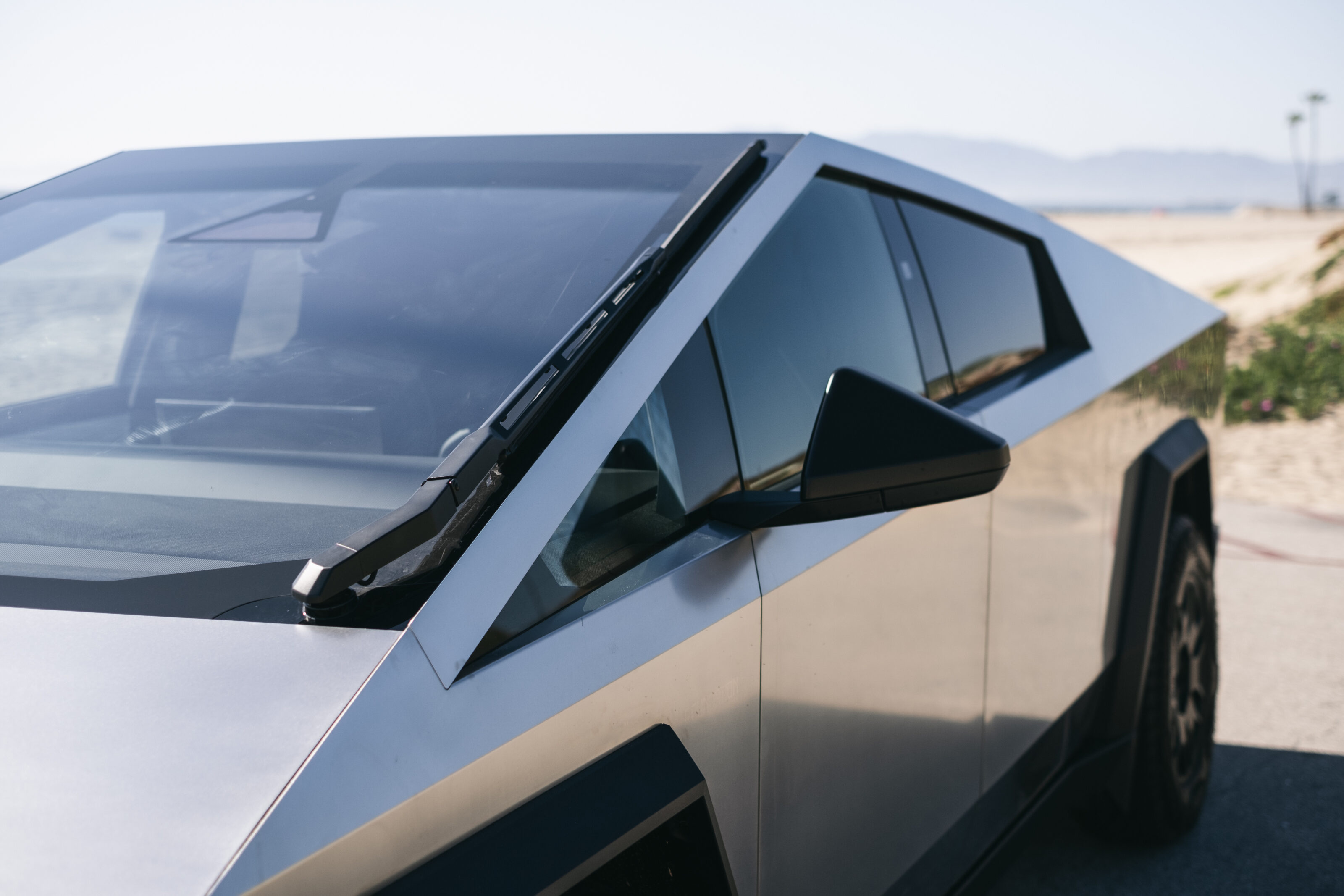
When Tesla unveiled the Cybertruck in 2019, it was pitched as a game-changing, all-electric pick-up designed to redefine utility and design. With over 250,000 units planned for annual production, the expectations were nothing short of astronomical.
But in 2025, the reality looks grim. Over 10,000 Cybertrucks remain unsold in U.S. lots – amounting to nearly $800 million in inventory. Once a symbol of innovation, the Cybertruck now symbolizes Tesla’s waning influence and deepening troubles.
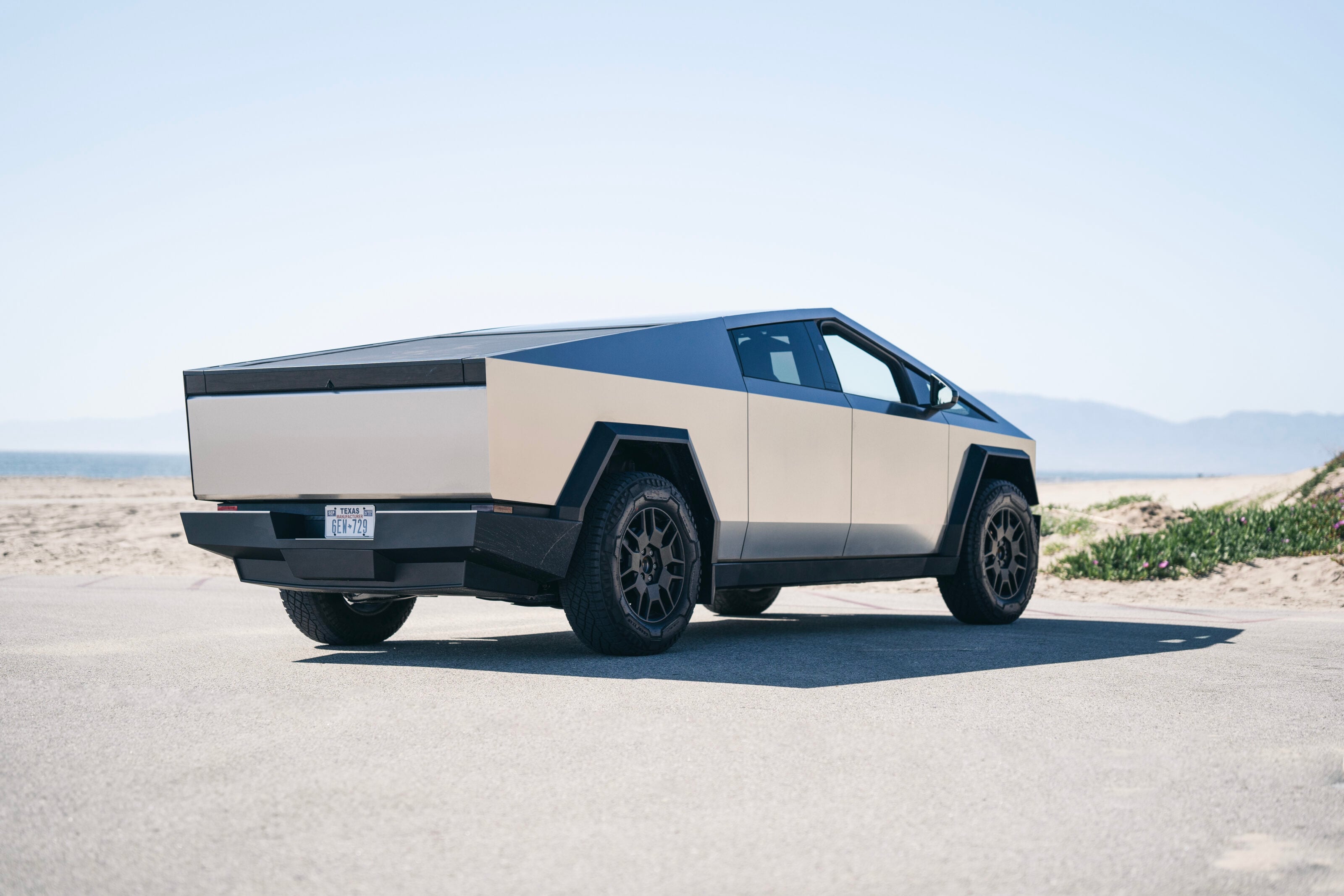
Several factors are converging to bring the Cybertruck – and Tesla itself – to a standstill. Elon Musk’s increasingly controversial political affiliations, including open support for Donald Trump and Germany’s far-right AfD party, have alienated large portions of the consumer base. Combined with erratic behavior involving cryptocurrencies like DOGE, Musk’s persona has turned from visionary to volatile, tarnishing Tesla’s once-untouchable brand image. As a result, sales are faltering worldwide, prompting serious discussions in major outlets about Tesla’s long-term viability.
International sales figures are stark. In the Netherlands, Tesla sales plummeted 75 per cent compared with April 2024, while the U.K. saw a 62 per cent decline. Germany, once receptive to Tesla’s gigafactory dreams, is seeing the brand lose ground to BYD and VW.
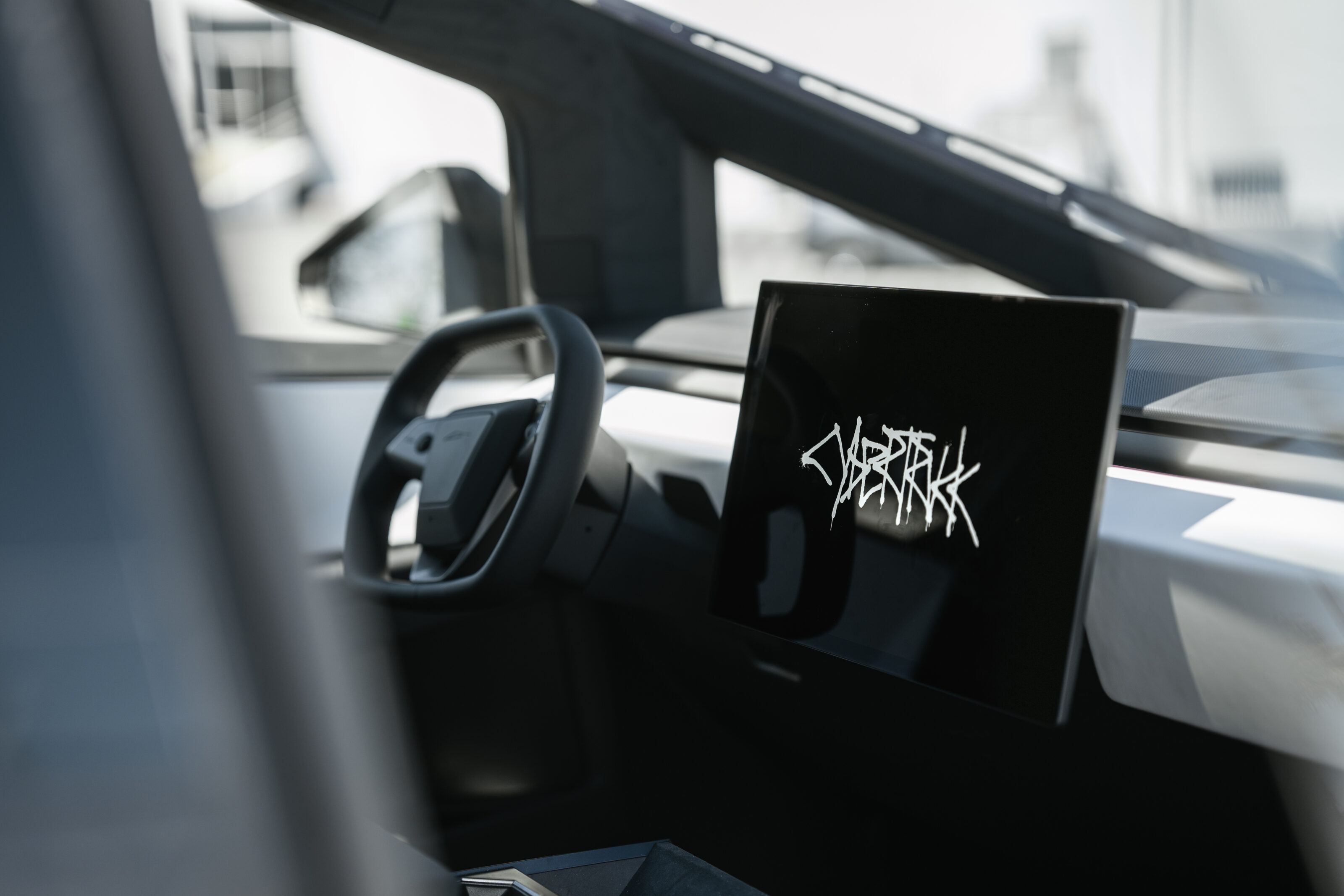
In a symbolic blow, a privately imported Cybertruck was even impounded in Britain, reinforcing regulatory and design concerns – its size, weight, and sharp exterior edges were flagged as safety issues. Even in China, Tesla’s most vital international market, year-over-year sales have dipped 6 per cent – a worrying trend given the country’s size and importance.
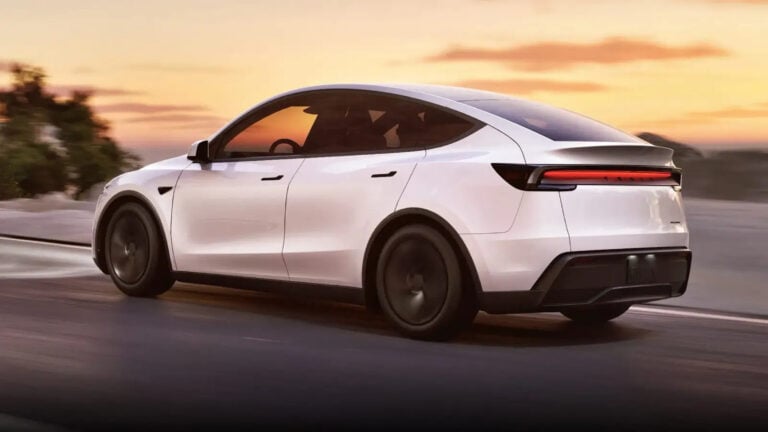
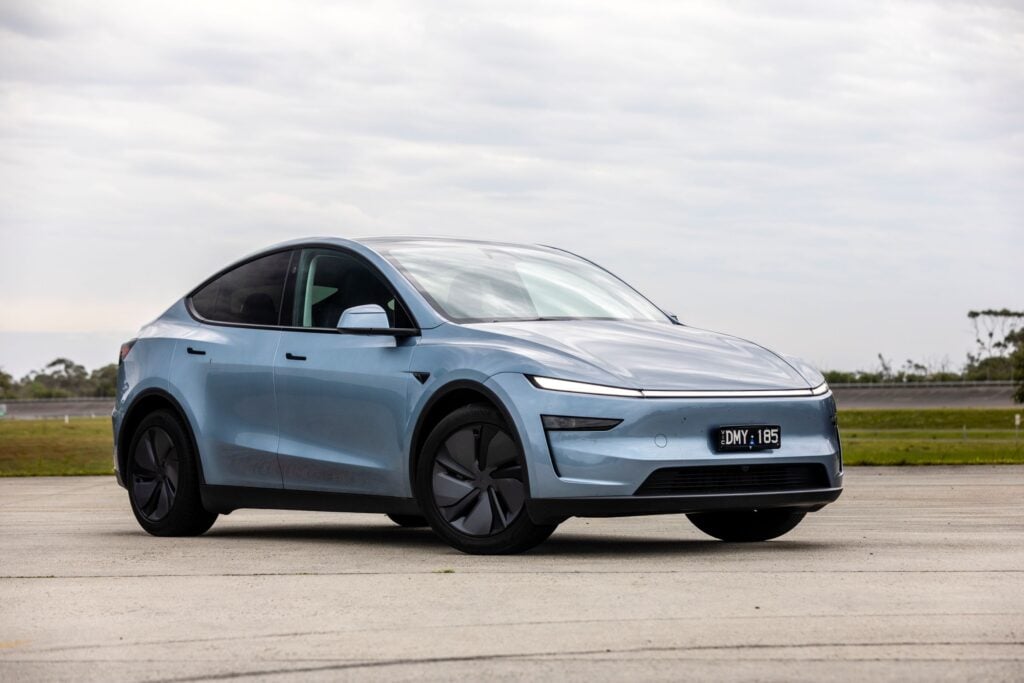
Domestically, Tesla hoped the facelifted Model Y would reverse its fortunes. Instead, it’s gathering dust on dealer lots. The Launch Edition failed to generate the expected hype, and anti-Musk sentiment continues to dampen demand.
Compounding Tesla’s challenges is fierce competition. The Kia EV3 undercuts the Model 3 in price and offers superior interior quality and comparable charging speed. Others have opted for cheaper, better-specced cars such as the XPeng G6. Chinese EV manufacturers have reverse-engineered Tesla vehicles and delivered better performance and value at lower prices.
In Australia, Tesla’s Model Y was most recently bested by the BYD Sealion 7 as Australia’s best-selling EV. The brand has recently launched two variants of the Model Y – a Rear-Wheel Drive and Long Rang AWD – as part of its ‘Juniper’ refresh, with deliveries beginning this month.
The Cybertruck’s design missteps, regulatory hurdles, and poor reception are just the tip of the iceberg. Unless Tesla swiftly confronts its price-quality gap and distances itself from the divisive antics of its CEO, the company risks ceding the EV crown to more agile, consumer-focused rivals. The Cybertruck isn’t just a sales disappointment – it’s a warning sign.
Follow WhichCar/Wheels on Google
Click the button below to make WhichCar by Wheels a preferred source for your news.