News
Gallery 1
Chinese automaker BYD has revealed it will assume full liability for its L4-level autonomous parking system in a bold statement about its confidence in the technology.
The announcement, shared via BYD’s official Weibo and a press release, and reported by CarNewsChina, confirmed that the company’s ‘God’s Eye’ ADAS (Advanced Driver Assistance System) will soon receive its largest over-the-air (OTA) update yet. The update will enhance parking capabilities through new “three-speed parking” modes and improved situational awareness for complex parking scenarios.
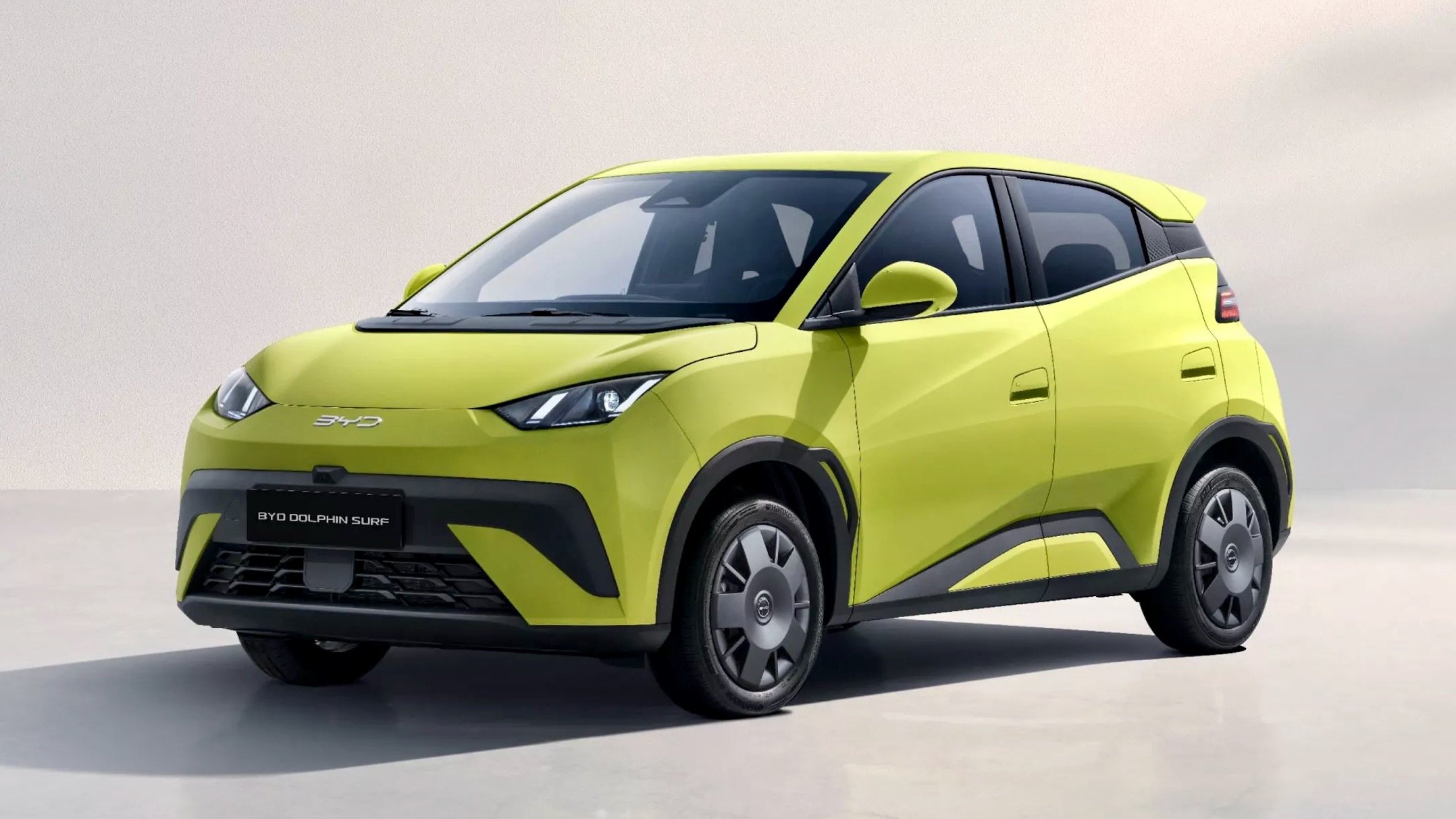
The God’s Eye system, launched in February 2025, has already been deployed in more than one million BYD vehicles across China, including entry-level models like the BYD Seagull, priced at just 69,800 yuan (approx. A$14,875). BYD claims this rollout represents a major step toward “democratising autonomous driving”.
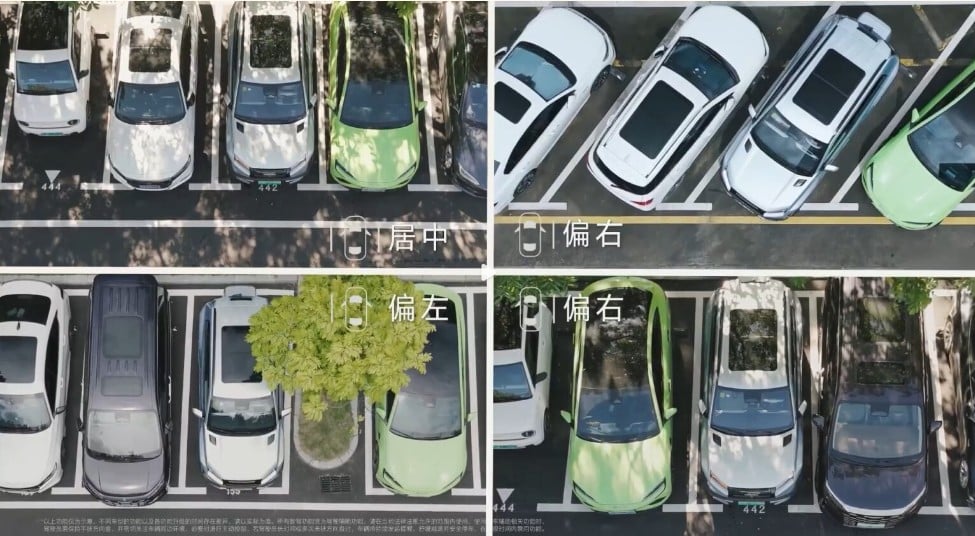
The standout feature of this update is the system’s Level 4 (L4) parking autonomy. Under the SAE-defined L4 classification, vehicles are capable of operating independently without human input under specific conditions – in this case, parking. BYD claims its L4 parking system complies with global standards and can execute fully autonomous parking manoeuvres.
What sets BYD apart in the automotive world is its commitment to assume full legal and financial responsibility for any incidents occurring due to faults in the autonomous parking system. If a malfunction results in property damage, personal injury, or vehicle damage, BYD pledges to cover all related costs – bypassing insurance claims and protecting drivers from premium hikes. It’s not clear as yet whether the commitment will apply outside of China.
“When accidents happen during parking, owners can report the incident directly to BYD. There’s no need to lodge an insurance claim,” the company said, adding that the aim is to shield drivers from higher future premiums.
BYD’s move is unprecedented, but it aligns with the growing race among automakers to deliver safer, smarter, and more autonomous driving systems. Globally, manufacturers such as Tesla, BMW, Mercedes-Benz, and Hyundai have integrated increasingly sophisticated driver-assist and automated parking functions into their vehicles.
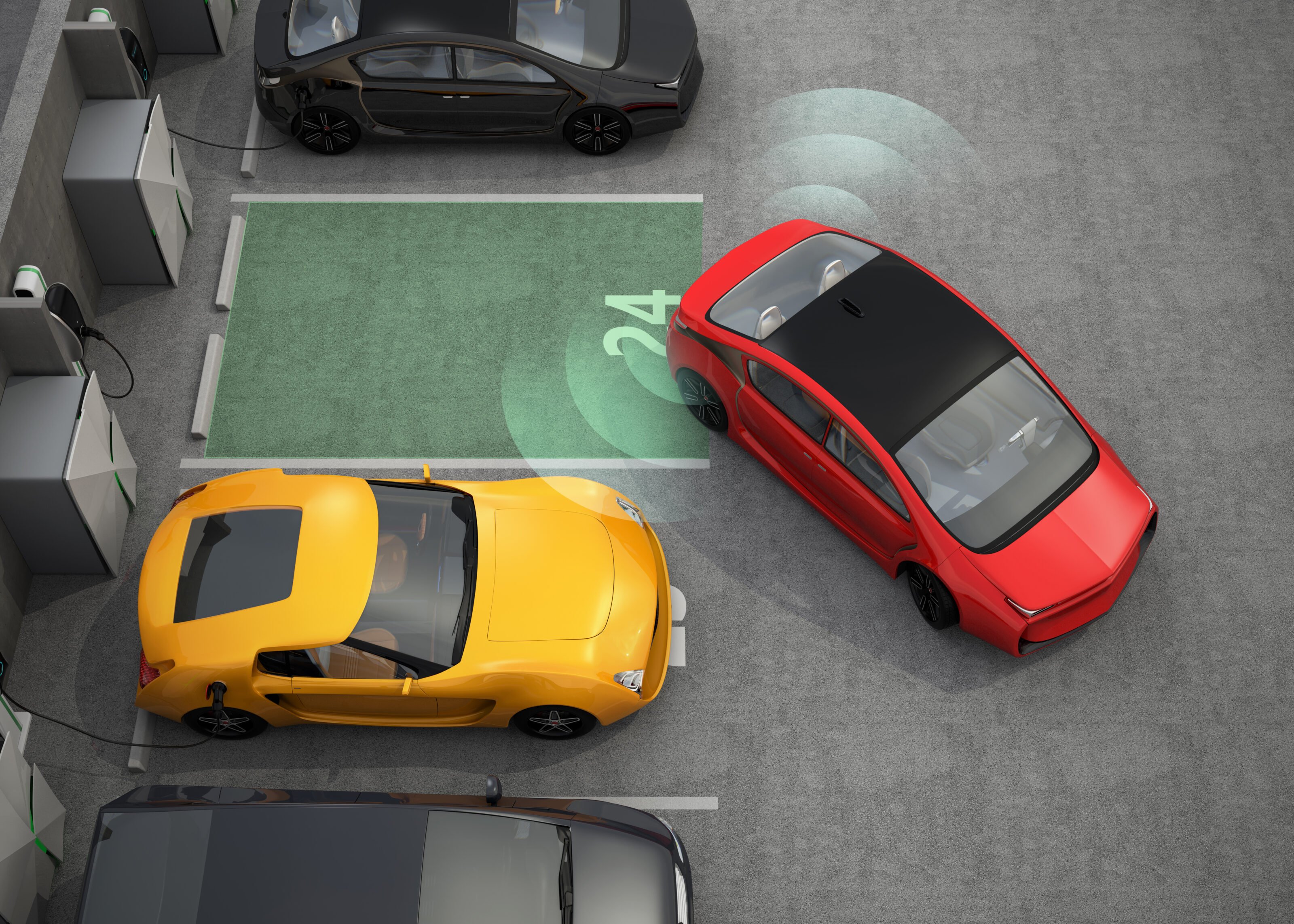
Notable examples include:
- Mercedes-Benz has introduced its Drive Pilot system (Level 3) and Intelligent Park Pilot, which can autonomously park in designated areas if pre-mapped.
- Tesla’s Full Self-Driving (FSD) package includes Smart Summon, allowing cars to navigate parking lots without driver input, though Tesla continues to describe its system as Level 2, requiring supervision.
- Hyundai’s Remote Smart Parking Assist enables drivers to step out and let the vehicle park itself — though still with human oversight.
As OTA updates roll out to BYD’s God’s Eye B and C platforms, the company says improvements will also extend to general driving and safety features. The move could set a new standard for transparency and accountability in the age of autonomous mobility, particularly as more automakers look to expand L3 and L4 offerings worldwide.
In a competitive EV market increasingly driven by software, BYD’s willingness to assume liability may prove to be as disruptive as its pricing strategy – and could well influence global regulation and insurance models in the future.
Follow WhichCar/Wheels on Google
Click the button below to make WhichCar by Wheels a preferred source for your news.