Comparisons

Gallery 1
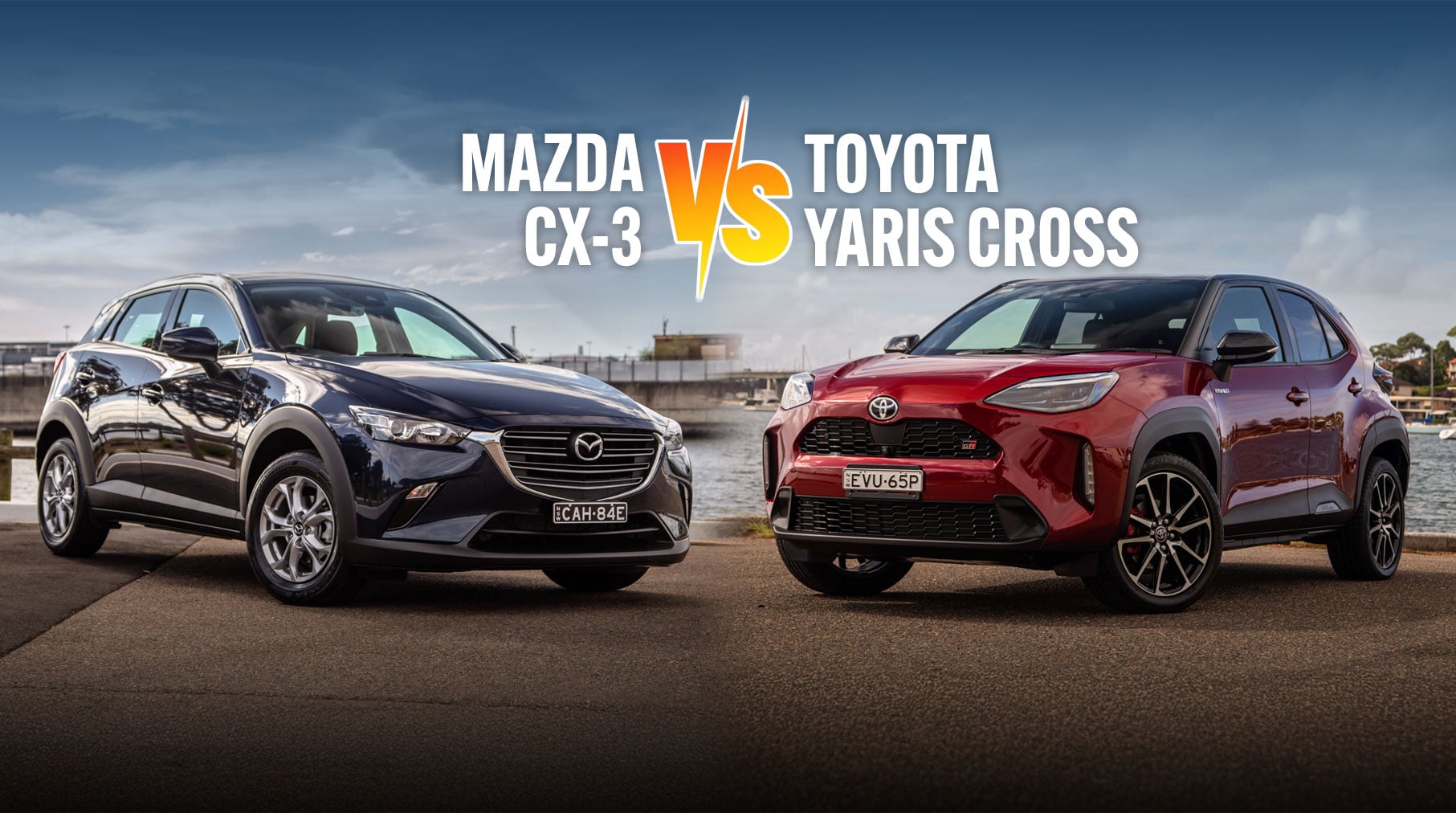
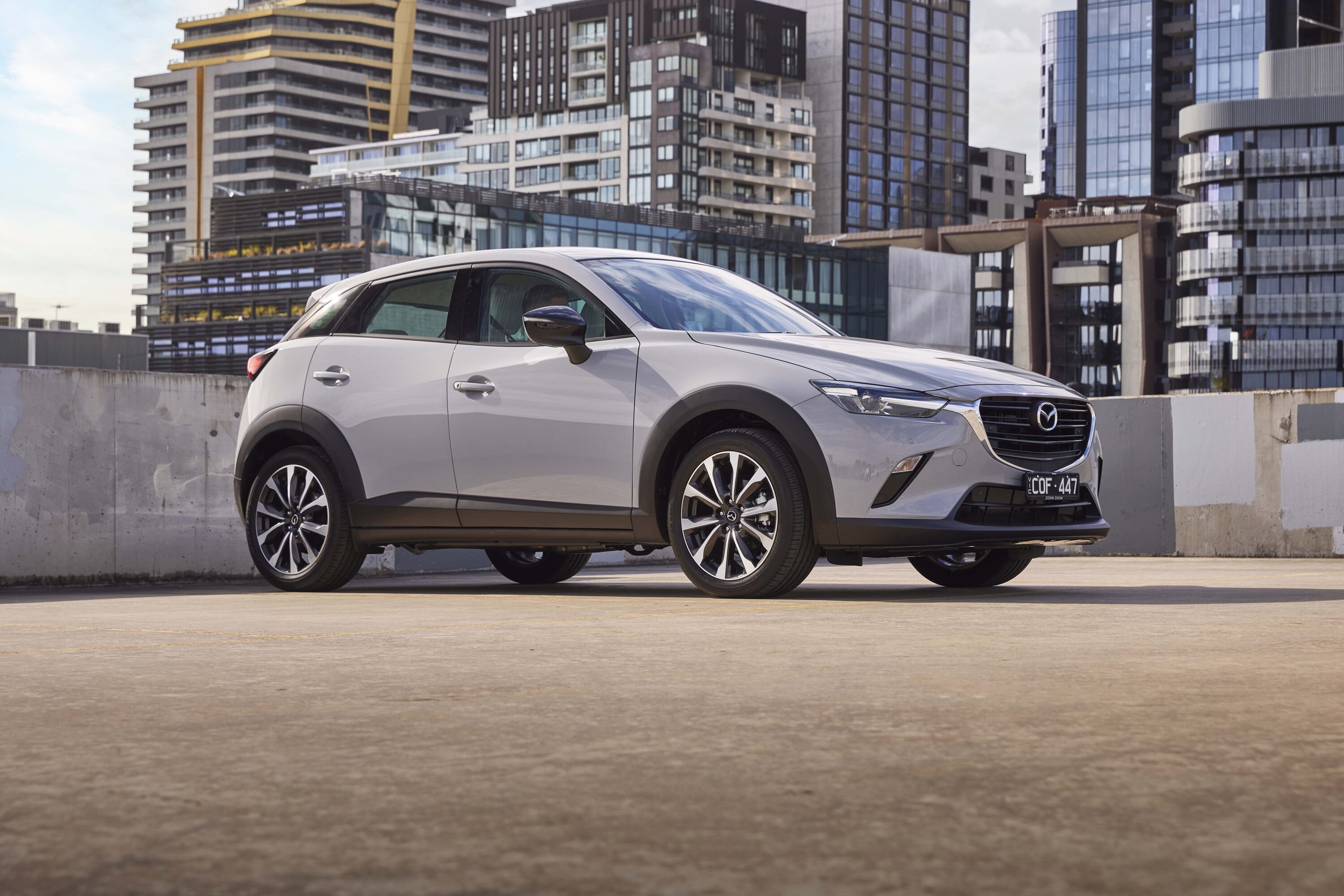
Age cannot weary the Mazda CX-3. Despite the current generation now having been on sale for a decade, it continues to dominate the light SUV segment – in 2024 it sold almost twice its nearest challenger which was, oddly, the Suzuki Jimny.
Closing the gap in 2025 is the facelifted Toyota Yaris Cross. For many years Toyota had no representative in this increasingly popular segment, but the introduction of its smallest SUV has further bolstered its overall market dominance.
Now all that’s left to answer is how well the two stack up against one another.
Pricing
Both the Mazda CX-3 and Toyota Yaris Cross ranges start at just over $30,000 and end just shy of $40,000 before taking into account on-road costs.
Mazda used to offer what seemed like 100 different versions of the CX-3, but this has been slashed to a much more manageable four for MY25.
It’s a little more complex in Toyota-land, the choice of front- or all-wheel drive meaning there is some crossover between variants – for instance, just $70 separates the GXL Hybrid AWD, GR Sport Hybrid and Urban Hybrid.
1
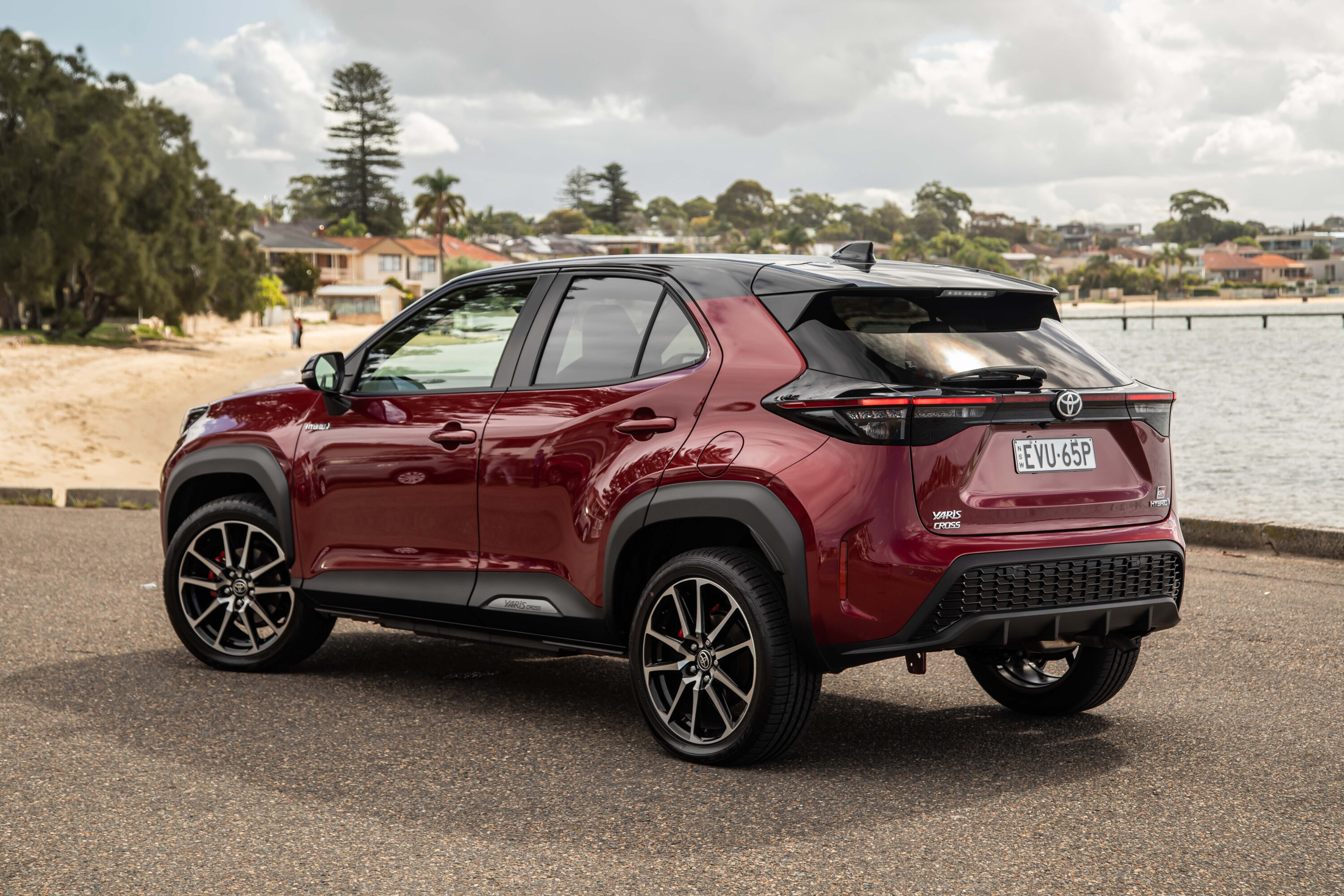
For the purposes of this spec battle, we’ll use the CX-3 G20 GT SP and Yaris Cross GR Sport Hybrid for those that want a bit of sporting flavor in their small SUV.
Mazda offers warranty and roadside assistance coverage for five years and unlimited kilometres and servicing will set you back $2247 over the first five visits, required every 12 months or 15,000km.
Over at Toyota there’s five years of warranty coverage, though seven for the powertrain and driveline if you stick to the servicing schedule, but roadside assistance costs between $99-139/year depending on the level of coverage.
While the Yaris Cross also needs attention every 12 months or 15,000km, its capped price servicing schedule costs just $1275 over the first five visits.
| Mazda CX-3 | Pricing* | Toyota Yaris Cross | Pricing* |
|---|---|---|---|
| G20 Pure | $30,370 | GX Hybrid | $30,900 |
| G20 Evolve | $32,100 | GX Hybrid AWD | $33,900 |
| G20 GT SP | $35,330 | GLX Hybrid | $33,950 |
| G20 Akari | $38,890 | GXL Hybrid AWD | $36,950 |
| GR Sport Hybrid | $36,930 | ||
| Urban Hybrid | $36,880 | ||
| Urban Hybrid AWD | $39,880 |
*plus on-road costs
Dimensions
If we dig into the numbers, there are some surprising differences between the Mazda CX-3 and Toyota Yaris Cross. On the face of it, the Toyota is a packaging marvel as it’s 90mm shorter in length than the Mazda yet offers a whopping 159 litres more luggage space.
Not so fast. In practice there isn’t that much difference between the two, or at least not as much as the disparity in figures suggests. However, luggage space is definitely one reason to go for the front-drive Yaris Cross, as it offers 76 litres more than the AWD. There are other reasons, which we’ll get to shortly.
The Toyota’s shorter length does make it easier to park, though the CX-3 isn’t exactly unwieldy. Possibly the most important thing to mention is that both cars’ relatively small statures make them quite tight in the back, forcing front occupants to make some compromises to fit baby seats or larger passengers behind.
1
Another point worth mentioning, though not often a priority in this segment, is towing. The Yaris Cross is limited to a maximum of 400kg (braked or unbraked), whereas the Mazda can haul up to 1200kg (braked), though be aware the maximum downball load is 50kg.
| Dimensions | Mazda CX-3 | Toyota Yaris Cross |
|---|---|---|
| Length | 4275mm | 4185mm |
| Width | 1765mm | 1765mm |
| Height | 1535mm | 1580mm |
| Wheelbase | 2570mm | 2560mm |
| Weight | 1294kg | 1235kg |
| Luggage space | 231 litres | 390 litres |
Equipment
Sitting towards the top of their respective ranges, the Mazda CX-3 GT SP and Toyota Yaris Cross GR Sport score larger 18-inch wheels, keyless entry and start, LED headlights and flashier upholstery materials than your typical cloth.
From here it’s an edge to the Mazda, with its powered driver’s seat, heated front seats and seven-speaker Bose-branded stereo. The Toyota has comfortable and supportive front sports seats, but they are manually adjustable.
Also unique to the Yaris Cross GR Sport is plenty of Gazoo Racing badging and a unique sports suspension setup. Toyota charges an extra $575 for premium paint (anything other than black) and $1350 for two-tone, whereas the Mazda has a contrasting black roof as standard, with grey and the beige-like Platinum Quartz standard and red and dark grey an extra $595.
| Mazda CX-3 | Toyota Yaris Cross | |
|---|---|---|
| Wheels | 18-inch | 18-inch |
| Headlights | LED | LED |
| Wipers | Rain-sensing | X |
| Seat adjustment | Six-way powered driver, four-way manual passenger | Six-way manual driver, four-way manual passenger |
| Upholstery | Leather/Synthetic suede | Ultrasuede with leather accents |
| Heated seats | Front | X |
| Push button start | Yes | Yes |
| Climate control | Single-zone | Single-zone |
| Stereo | Seven-speaker Bose | Six-speaker |
| USB ports | 2 x USB-A | 2 x USB-C |
| Rear air vents | X | X |
Powertrains
Here is where the Mazda CX-3 and Toyota Yaris Cross diverge. There’s a degree of ‘old school’ and ‘new school’ here, which gives each different strengths and weaknesses.
In the Mazda you’ll find a relatively large (for this segment) 2.0-litre petrol engine producing 110kW/195Nm, almost double that offered by the 67kW/120Nm 1.5-litre three-cylinder petrol in the Toyota.
However, the Yaris Cross also has an electric motor providing assistance improving performance and economy, its 3.8L/100km combined fuel consumption claim much better than the CX-3’s 6.3L/100km.
The hybrid Toyota is actually even more frugal in town than on the open road, but its paucity of power means sustained running at higher speeds isn’t its forte. If you cover plenty of highway kilometres, you’re likely to be more comfortable in the CX-3 for its greater performance and the fuel economy gap closes (5.5L/100km vs 4.2L/100km extra-urban claims). Both cars are happy using 91 RON fuel.
We mentioned more reasons to go for the front-wheel drive Yaris Cross. Aside from the larger boot and saving $3000, the front-driver is also lighter, more economical and has a space-saver spare instead of an inflation kit.
| Powertrains | Mazda CX-3 | Toyota Yaris Cross |
|---|---|---|
| Engine | 2.0-litre four-cylinder petrol | 1.5-litre three-cylinder petrol-hybrid |
| Outputs | 110kW/195Nm | 85kW |
| Transmission | 6-speed automatic | CVT |
| Fuel consumption | 6.3L/100km* | 3.8L/100km* |
Safety
The Mazda CX-3’s age means it is currently unrated by ANCAP and while it scored five stars back in 2015, a decade is a long time in the automotive world. Nevertheless, continual updates mean that it has plenty of current safety gear such as adaptive cruise control with stop and go traffic function, blind-spot monitoring, lane departure warning, autonomous emergency braking (AEB) in forward and reverse, rear cross-traffic alert but there are only the six airbags.
Being a more modern vehicle at its core, the Toyota boasts eight airbags as well as all the active safety features found on the Mazda. It wears a five-star ANCAP rating from 2021 with scores of 86 per cent for adult and child occupant protection, 78 per cent for vulnerable road user protection and 82 per cent for safety assist.
Both cars have parking sensors front and rear and a reversing camera.
Technology
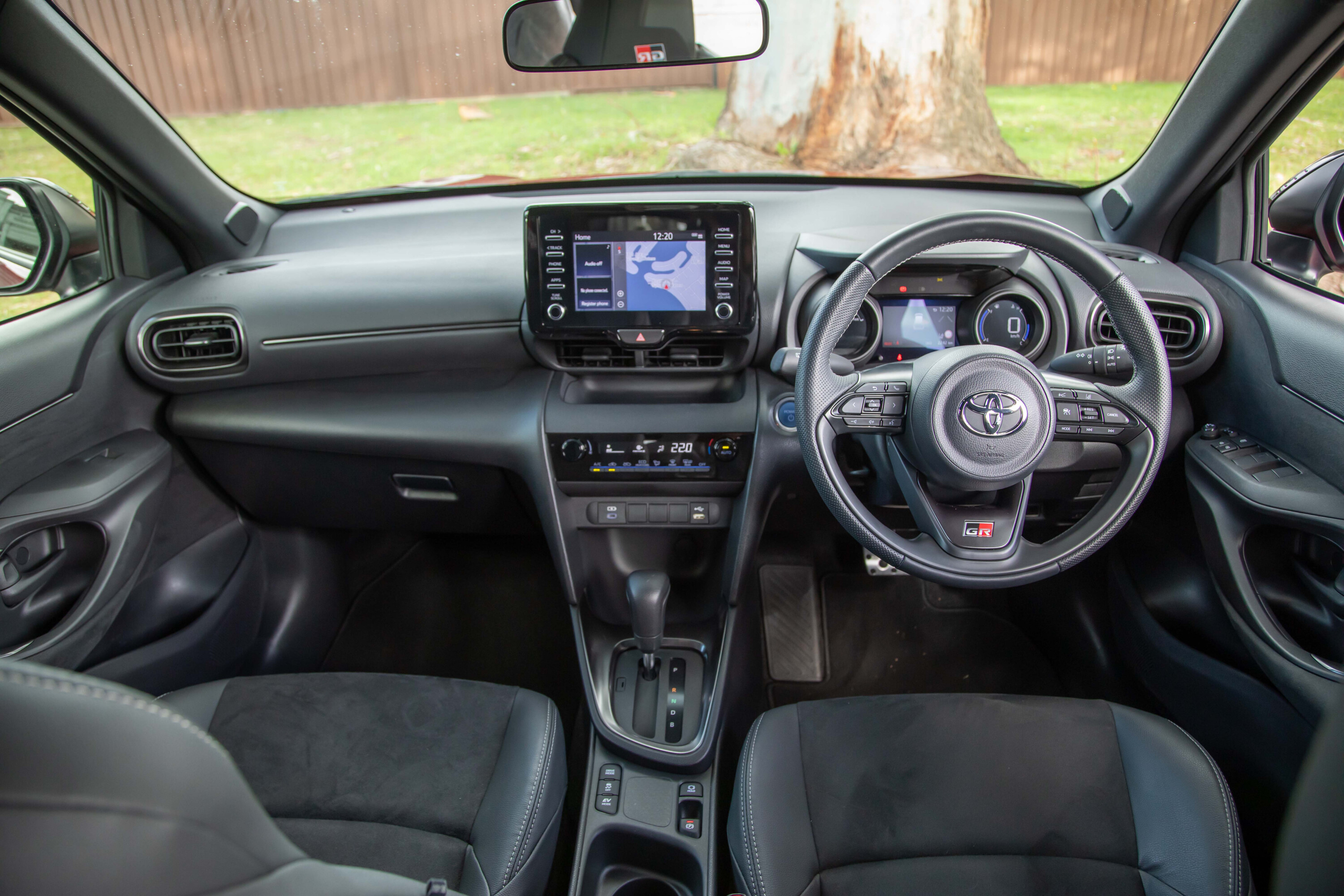
A recent facelift for the Toyota Yaris Cross has improved its technology offering, the central infotainment screen growing from 7.0 to 8.0 inches and incorporating wireless Apple CarPlay and Android Auto.
1
This is in addition to AM/FM/DAB+ radio but oddly there is no embedded satellite navigation despite it being present in the GXL and Urban variants.
Another new feature is the digital instrument display which helps make the Yaris Cross feel a bit more modern and buyers get one year’s complimentary access to Toyota Connected Services, allowing you to keep an eye on your car’s location and vitals via Toyota’s smartphone app.
1
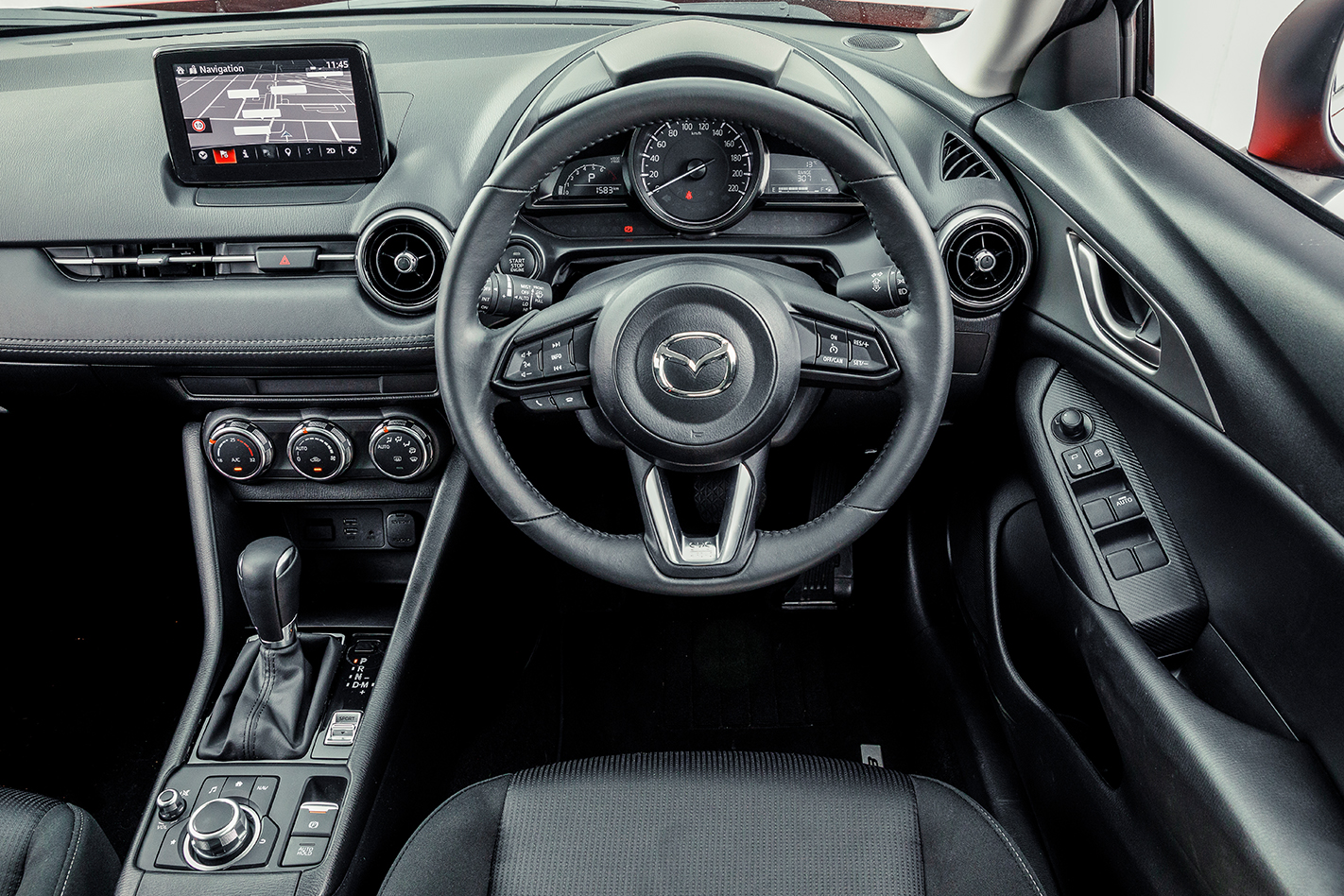
Despite its age, continual updates to the Mazda CX-3 have kept it somewhat competitive, the 8.0-inch infotainment screen offers wireless Apple CarPlay and wired Android Auto, along with AM/FM/DAB+ radio and in-built sat-nav.
There are two small digital screens flanking the central analogue tachometer, but a head-up display helps drivers keep their eyes on the road.
Long story short, neither of these contenders are cutting edge but both have the basics covered and then some.
Conclusion
There is a degree of ‘horses for courses’ here, albeit each horse might suit a different course. For urban duties the Toyota Yaris Cross’s excellent fuel economy and larger boot are definite advantages, though for the same money we’d recommend the, well, Urban Hybrid as it’s better equipped with a softer ride than the sportier GR Sport.
As mentioned at the beginning, the Mazda CX-3 is the exact opposite of the new kid on the block, but there’s a reason it continues to be so popular – clearly it answers the questions that light SUV buyers are asking and regular refreshes have stopped it feeling too far out of date.
For its cheaper running costs and newly updated technology offering, we’ll give the nod to the Toyota by a fraction.
Follow WhichCar/Wheels on Google
Click the button below to make WhichCar by Wheels a preferred source for your news.

We recommend
-
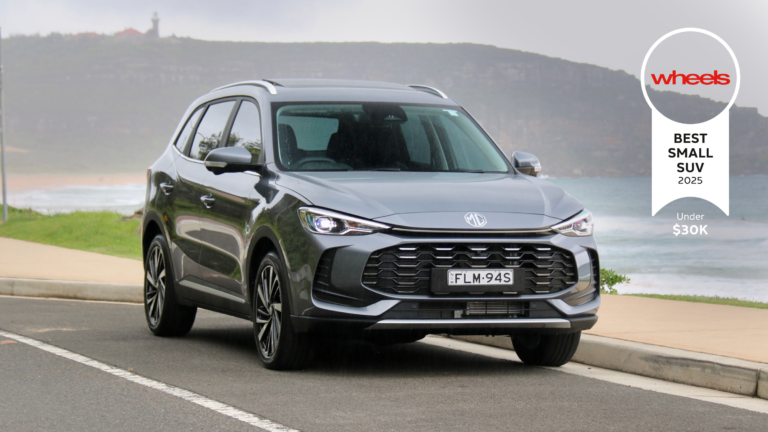 Best Small SUVs
Best Small SUVs 2025: Under $30K
Ratings and reviews of the Best Small SUVs priced under $30K on the Australian market... plus our category winner.
-
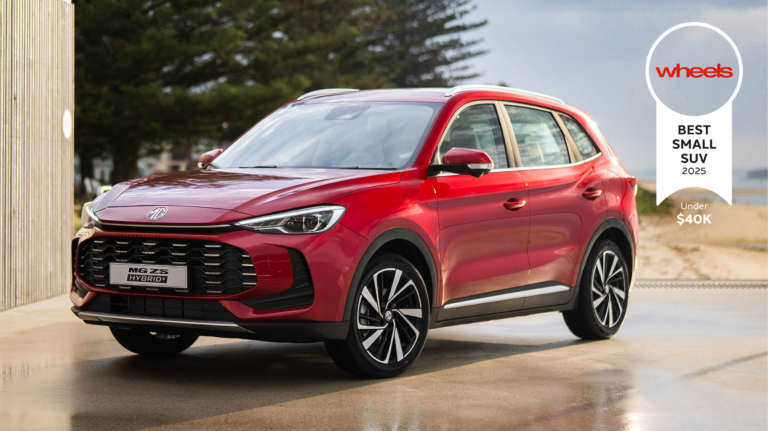 Best Small SUVs
Best Small SUVs 2025: Under $40K
Ratings and reviews of the Best Small SUVs priced under $40K on the Australian market... plus our category winner.
-
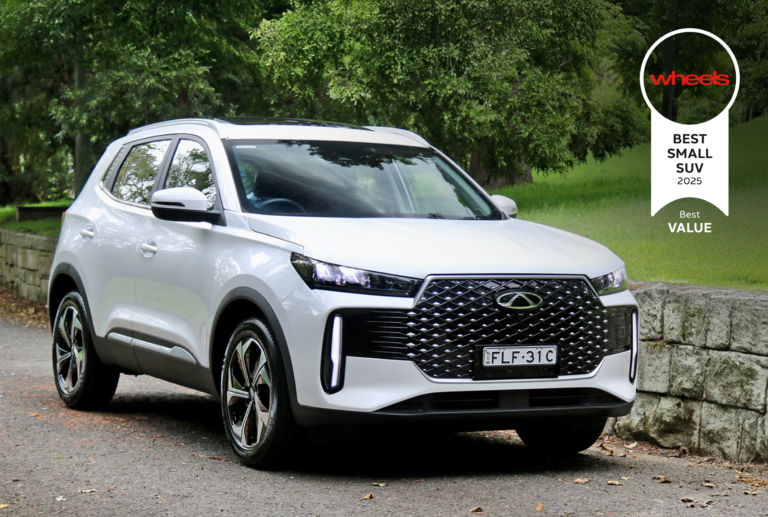 Best Small SUVs
Best Small SUVs 2025: Best Value
Ratings and reviews of the Best Small SUVs with the best all-round value on the Australian market... plus our category winner.