News

Gallery 1
Ferrari’s first EV was always going to be something of an engineering masterpiece, and the initial specification detail revealed at its new electric headquarters in Maranello indicate just that. Named ‘Elettrica’ which is – somewhat unsurprisingly – Italian for ‘Electric’, the technical details and performance figures point to a car that will deliver the crucial touchpoints demanded by a Ferrari buyer.
Electric vehicles lack the soul and soundtrack of an internal combustion-engined vehicle, and for brands like Ferrari, the transition to full EV was always going to be fraught with danger. However, with a commitment to ongoing availability of internal combustion engines and hybrid powertrains, the Italian manufacturer believes it can add an EV to the fleet without compromising its core values.
1
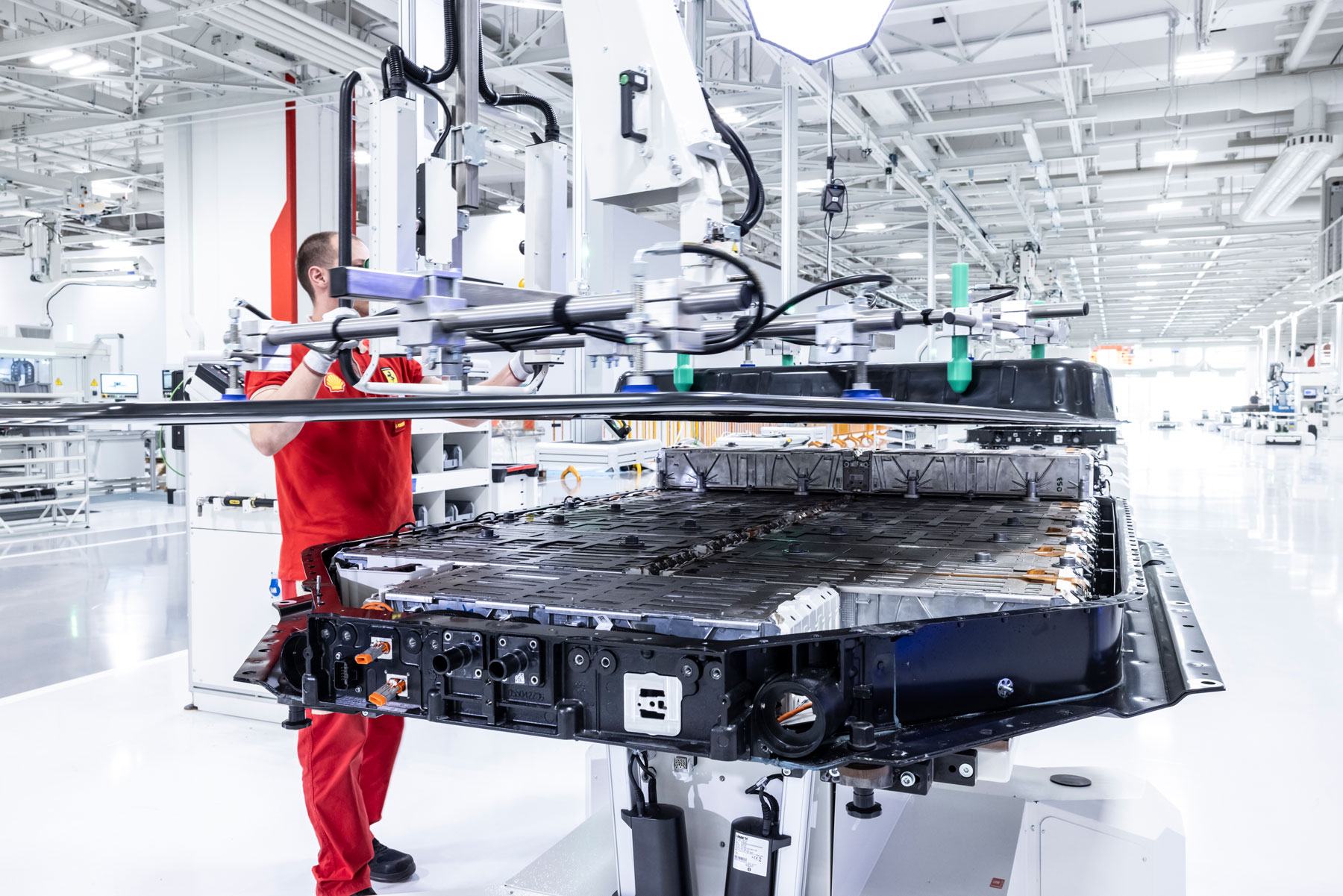
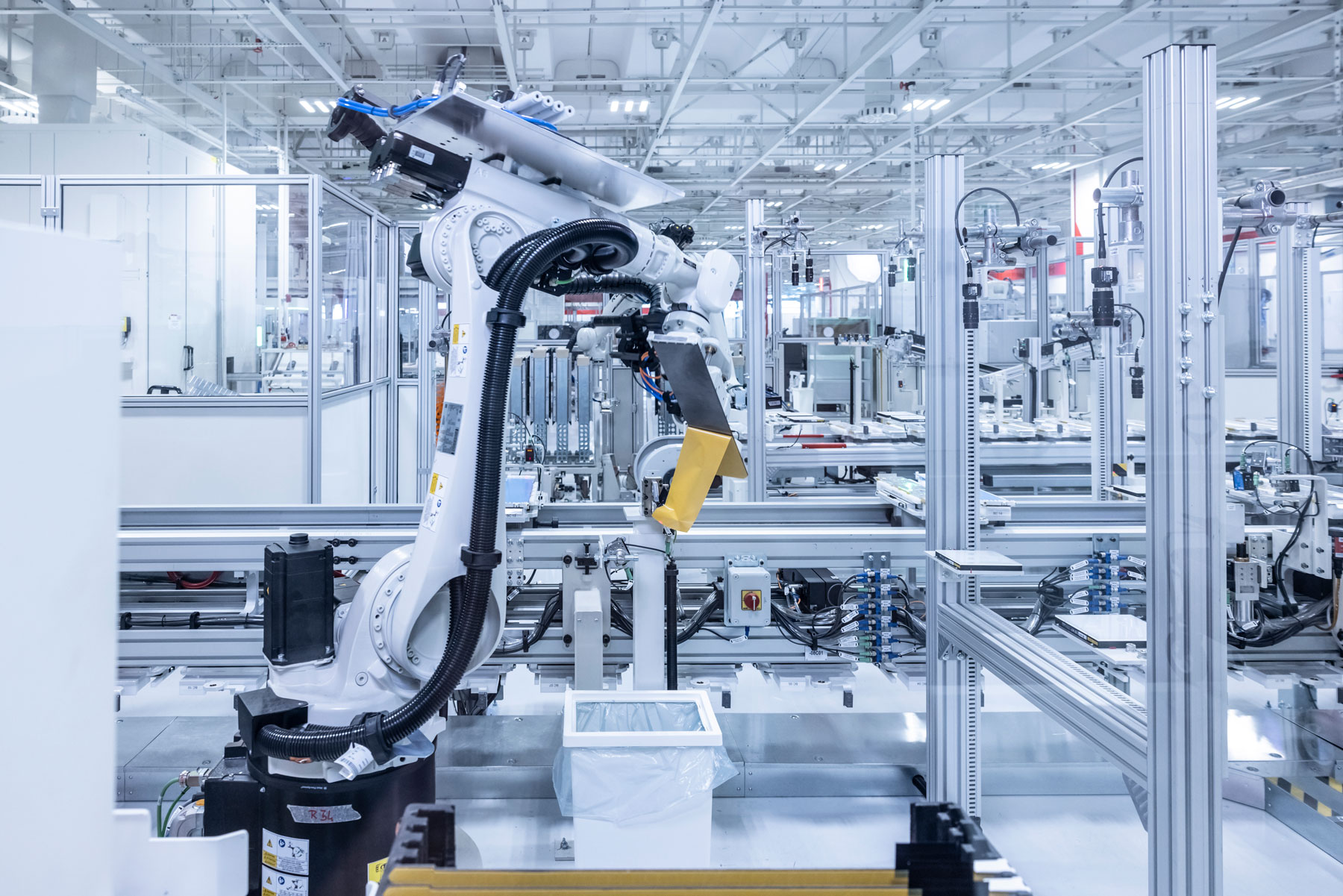
Revealed to the world press today in Maranello, the initial specification information is underpinned by nearly all development being undertaken by Ferrari itself, at the factory, in Italy. According to Gianmaria Fulgenzi, Chief Product Development Officer, keeping as much development in-house as possible was crucial.
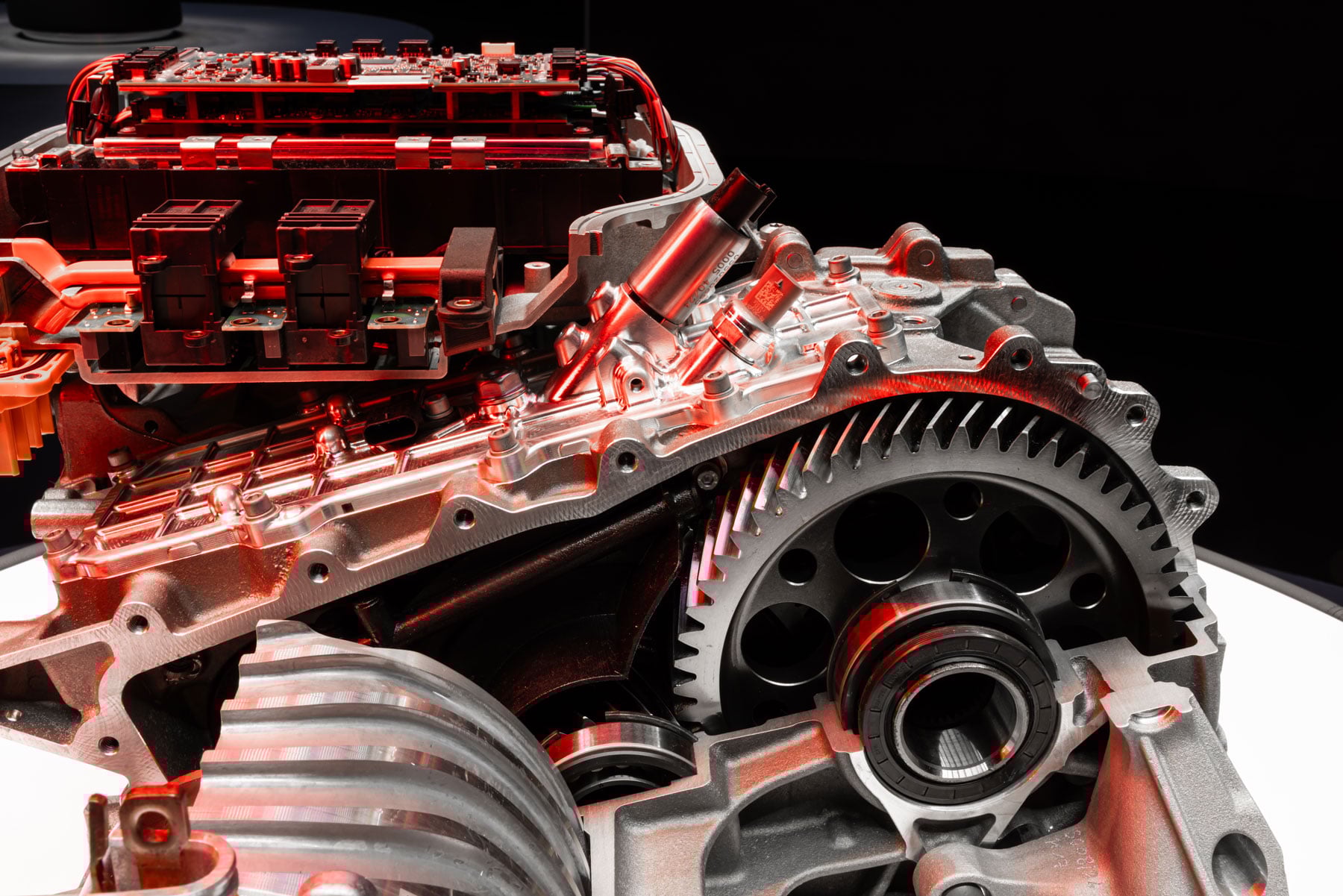
“Keeping the manufacturing in house, allows us to control development and scale as needed,” Fulgenzi said. “Even the inverter is designed in-house.”
Ferrari’s new ‘E Building’, which was completed six months ahead of schedule is a pointer to the future of its vehicle manufacturing, despite the huge legacy and history that exists in every corner of the Ferrari factory. “We do what we say we will do,” Benedetto Vigna, CEO of Ferrari, told the world’s motoring press. “What we do in this company is unique, and we are learning the electric vehicle space, but we will deliver something unique.”
While Ferrari’s transition to the release of a full EV has been slower than some, the level of development that has gone into ensuring it’s the right car at the right time is impressive. “A true leader has the ability to harness any technology, so that the client can enjoy maximum driving enjoyment,” Vigna said.
1
Ferrari’s electrification journey started back in 2009 in Formula 1, then transitioned through the 2013 LaFerrari, the 2019 SF90 and 296, the 2024 F80, and culminates in the fully-electric Ferrari Elettrica. Elements crucial to motorsport – weight, packaging, cooling and efficiency – have all played a direct role in the development of the components for the first road going Ferrari EV.
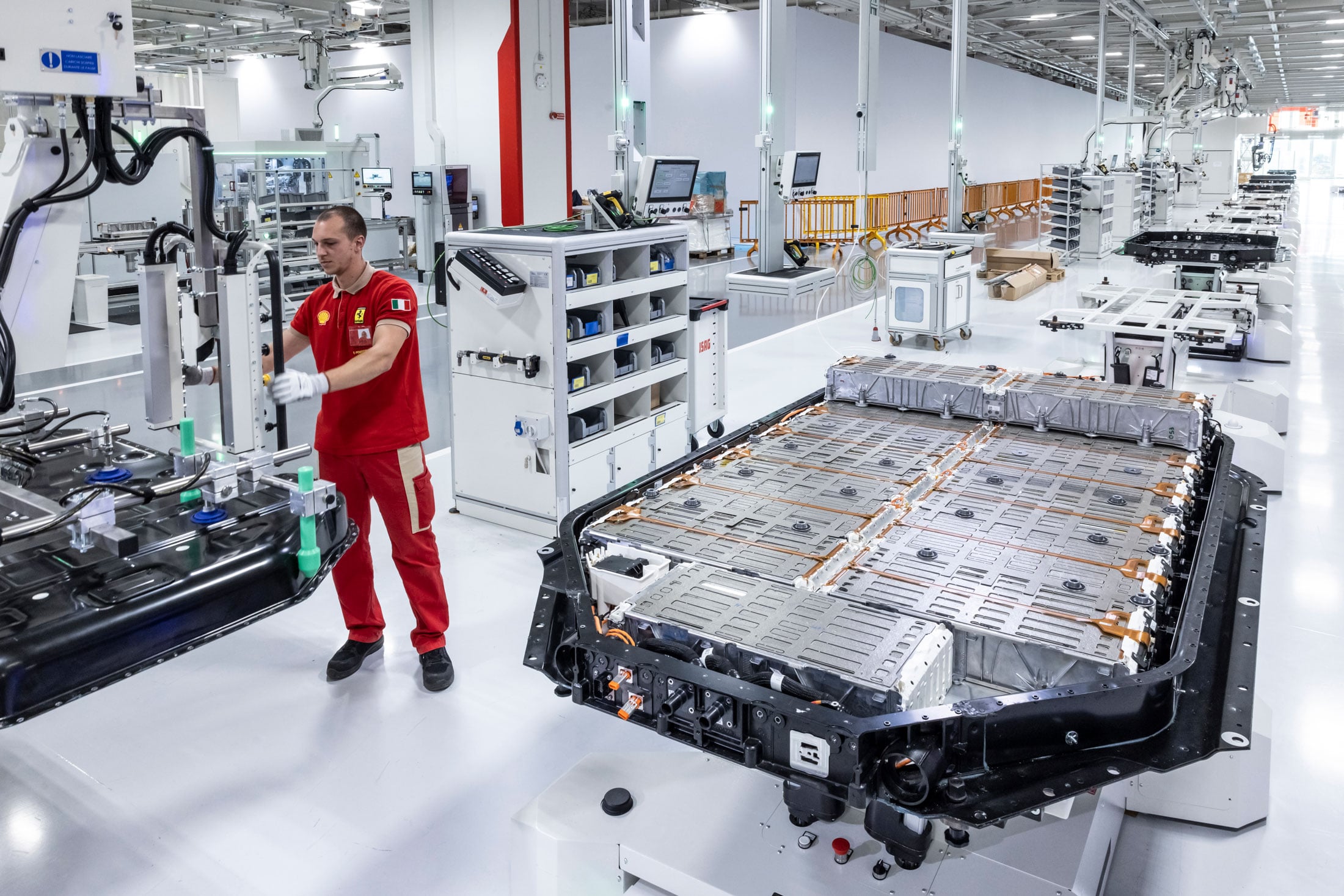
Battery cells are imported and then assembled into the complete battery pack in-house inside the E Building. The electric motors, inverter, chassis and suspension components are all made by Ferrari, leaning heavily on its racing nous as well as knowledge gained from previous hybrid systems in road going cars.
Vigna explained that driving thrills – for a Ferrari customer – are based on five key principles. Longitudinal acceleration, lateral acceleration, sound, braking and gear change. It was non-negotiable, then, that the Elettrica deliver on all five and while we don’t know exactly what the finished car will look like, speculation and spy shots indicate it will be more SUV than performance car. That would make sense, given the demands of the Ferrari sportscar buyer.
Crucially, there will be no synthesised, fake engine sound, designed to mimic a classic Ferrari petrol engine. Rather, the sound generated by the electric motors will be harnessed and amplified. What that sound is exactly, we don’t know yet, but Ferrari assured us the sound will be commensurate with the performance and emotion of the Elettrica.
1
The technical details are impressive. A combined power figure around the 750kW mark (in boost mode), with independent figures of 620kW at the rear axle and 210kW at the front axle, along with 355Nm at the rear axle and 140Nm at the front axle, while the front engine can spin to 30,000rpm and the rear at 25,000rpm, an 800-volt battery, third-generation 48V suspension architecture, and a much higher regenerative braking capacity than Ferrari hybrid models, indicates that the Elettrica will be as efficient as it is fast.
85 percent of the battery is below the floorpan, ensuring a low centre of gravity, with Ferrari claiming range up to 530km/h and charging up to 350kW. 210 cells are made up of 15 modules with 14 cells each, mounted in a way that they can be replaced when needed, without difficulty. Ferrari engineers were adamant that serviceability and repair must be as easy as possible. Wheels will have more details on the Elettrica as they are revealed.
MORE
Everything Ferrari
Follow WhichCar/Wheels on Google
Click the button below to make WhichCar by Wheels a preferred source for your news.

We recommend
-
 Reviews
Ferrari 12Cilindri Spider review
We get under the skin of Maranello's GT flagship to discover whether all is quite as it seems
-
 Reviews
2023 Ferrari SF90 XX review – Wings, power & speed
Ferrari’s fastest road car ever, in the wet, at Fiorano. What could go wrong?
-
 Features
Top 10 fast wagons: Much loved... but now endangered
Dearly loved but also now fast disappearing thanks to the rise and rise of the SUV.