Comparisons

Gallery 1
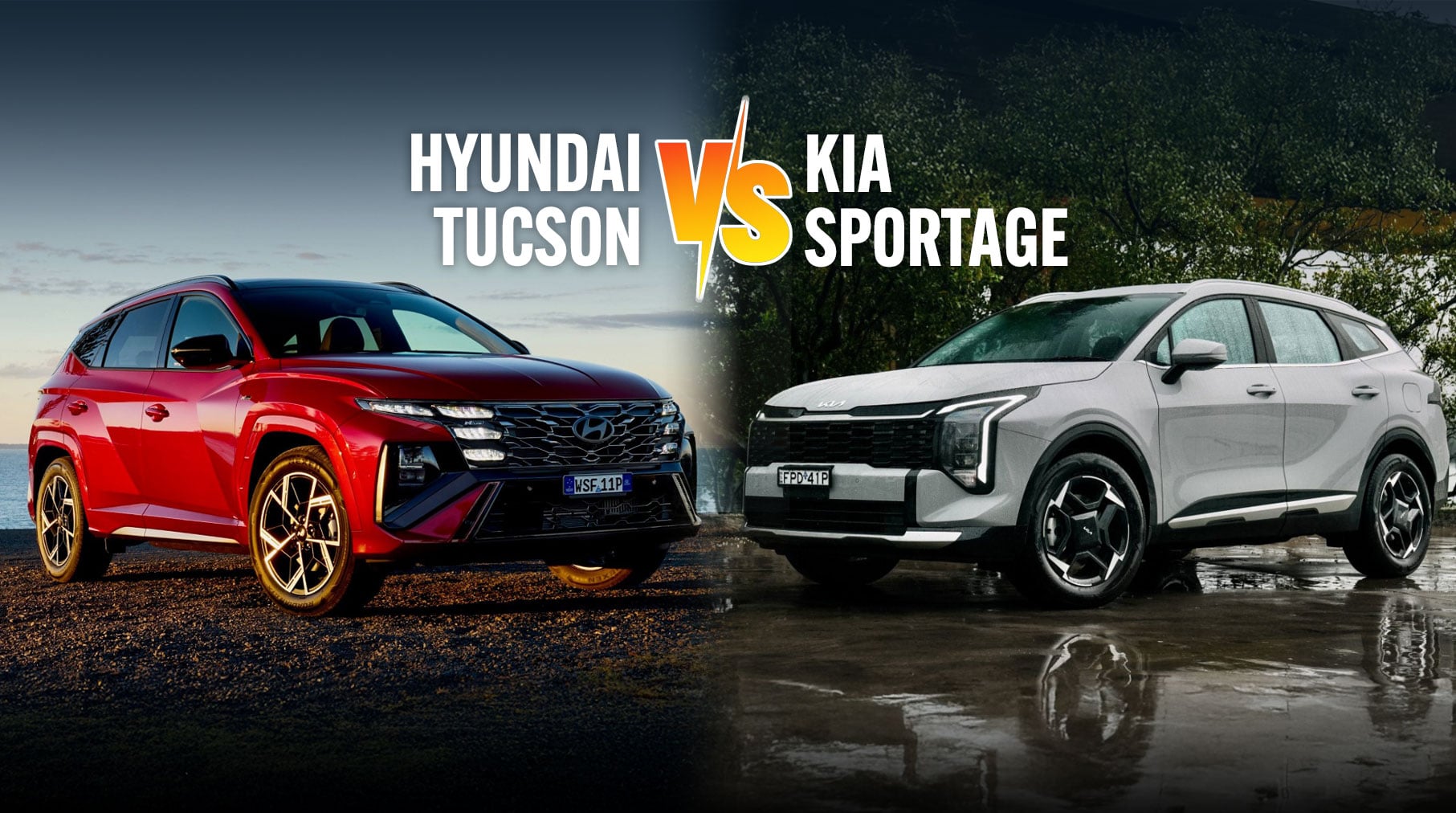
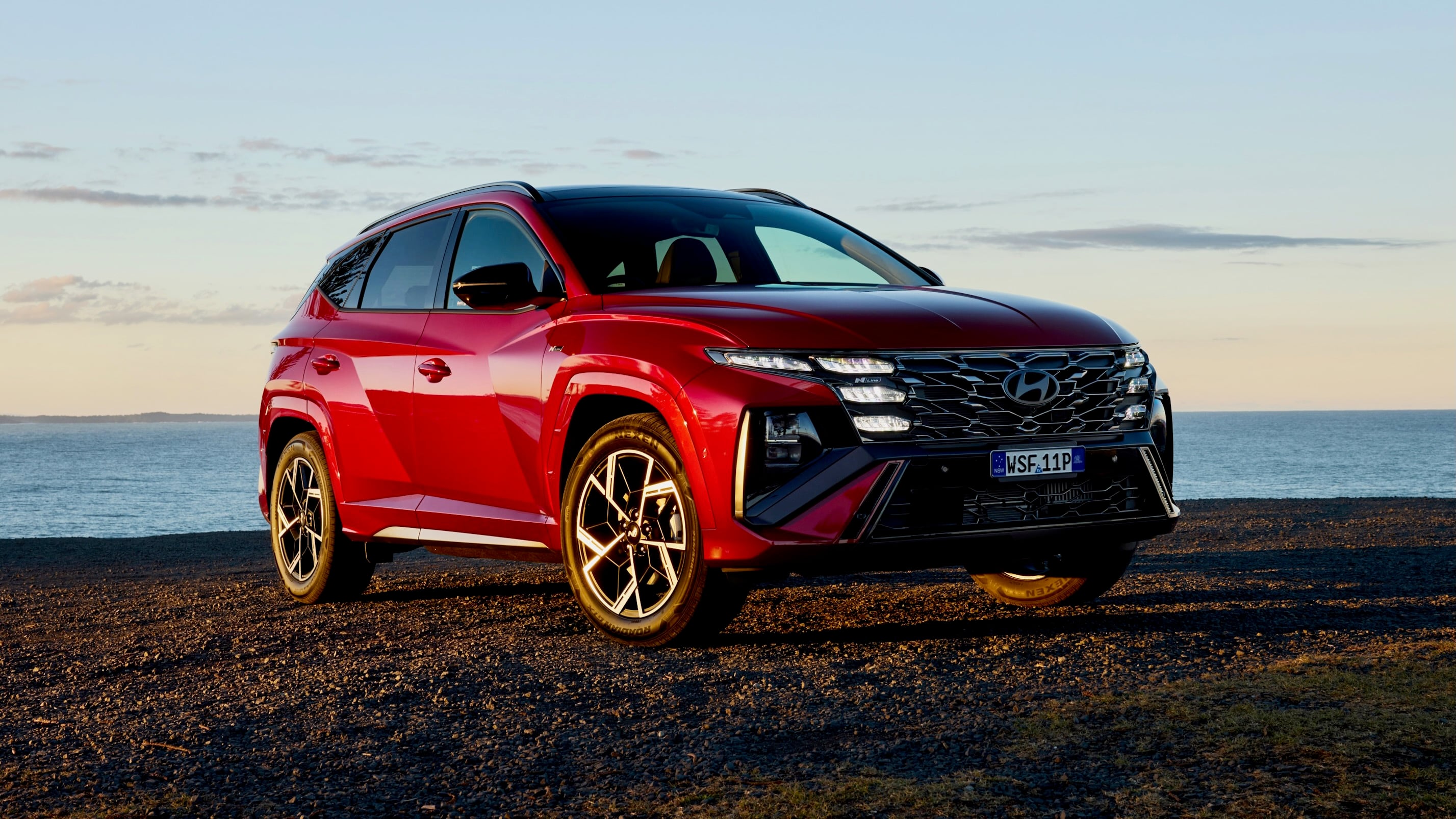
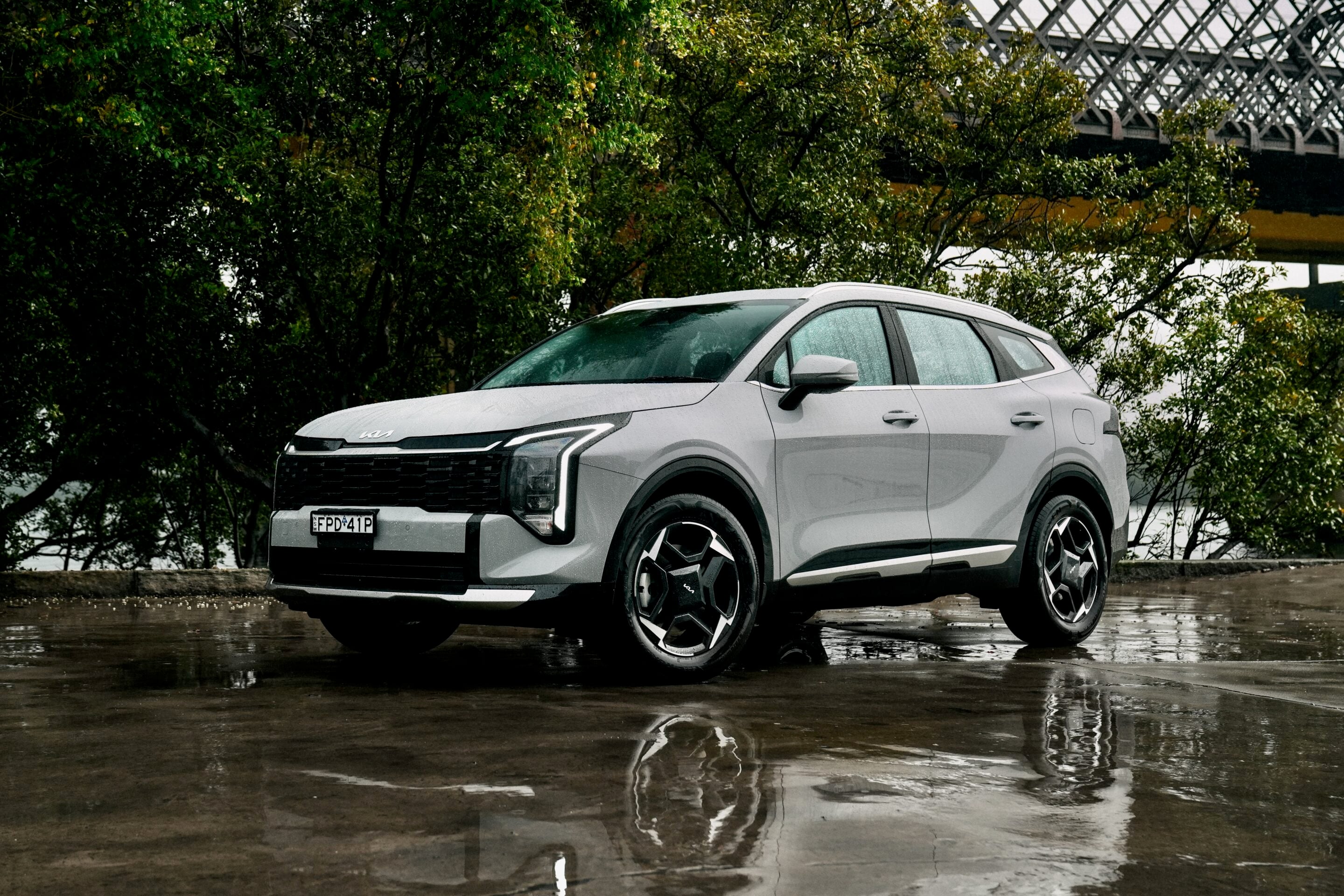
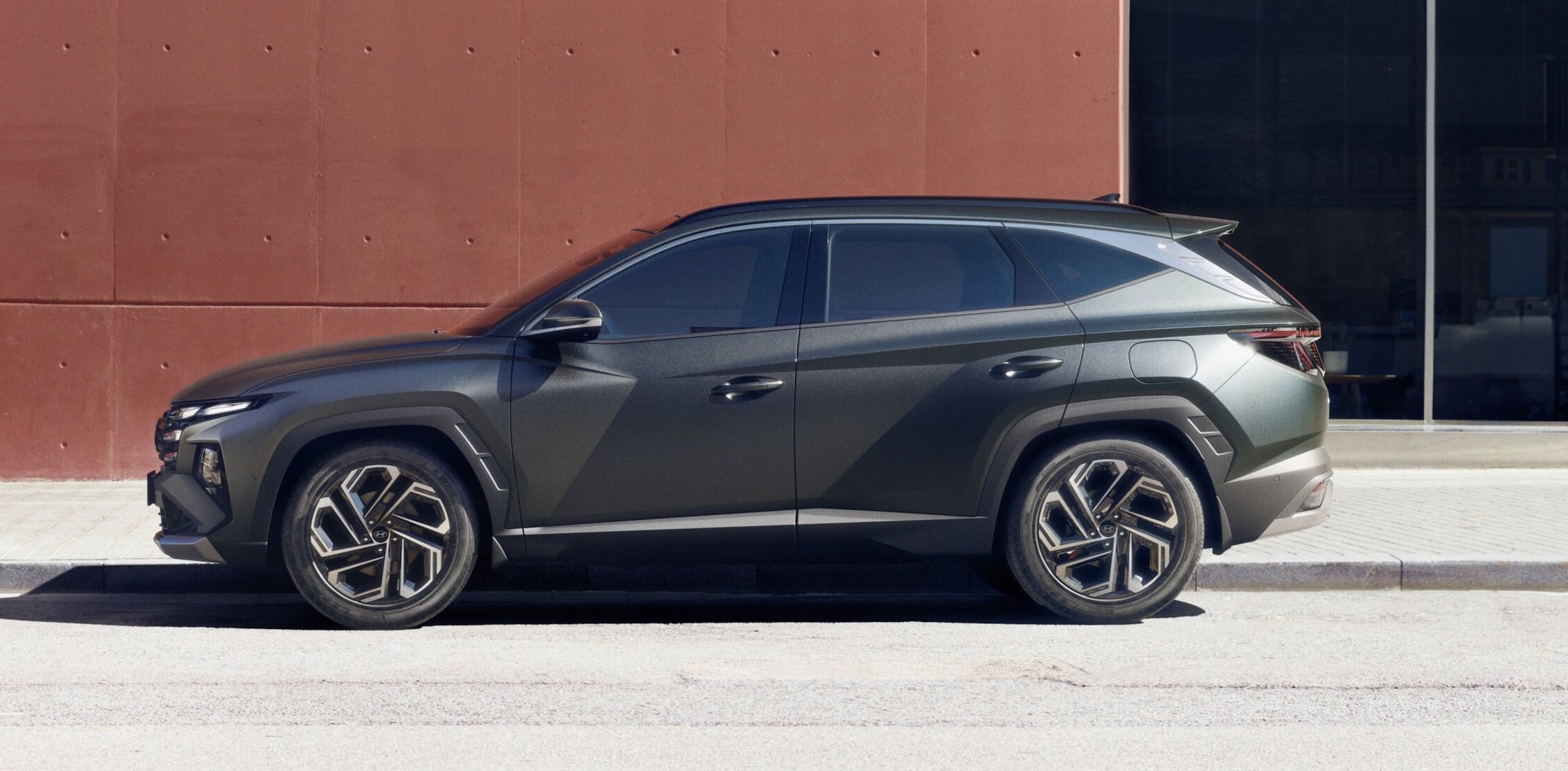
Few cars are as closely related as the Hyundai Tucson and Kia Sportage mid-size SUVs. They share platforms, powertrains and equipment, and prices are virtually lineball across their entire ranges.
It seems the Australian buying public can’t split them, either, as the Tucson and Sportage have sold 16,662 and 16,621 examples respectively as of October 202, so to see if there’s a clear case for one over the other, let’s run through their specifications with a fine-tooth comb.
Pricing
Those who suffer from paralysis in the face of choice might struggle with the Hyundai Tucson and Kia Sportage price lists. Hyundai offers three trim levels, each with a range of powertrains, while Kia one-ups this with four trim levels and even more powertrain options.
What’s more, the cost associated with the more advanced powertrains means there is plenty of overlap between lower variants thus equipped and higher variants with a more basic engine – sheesh.
1
In terms of pricing, the Sportage starts and ends a fraction higher, but for the purposes of this article we’ll throw a dart in the middle and compare the Tucson Hybrid Elite AWD (all-wheel drive) and the Sportage SX+ Diesel AWD, which are separated by just $130 at $50,850 and $50,980 respectively, both prices before on-road costs.
While comparing hybrid and diesel might sound odd, it’ll give us a chance to see how the running costs of these differing powertrains stack up in cars that are otherwise very similar.
For a long time Kia’s seven-year/unlimited-kilometre warranty was a real USP, but Hyundai recently matched it, with the stipulation that you must service at an authorised Hyundai dealer.
1
Hyundai also offers roadside assistance for the lifetime of the vehicle, extended by 12 months every time it’s serviced, while Kia offers a similar level of cover up to eight years.
Being hybrid, the Hyundai’s service intervals are shorter at 12 months or 10,000km with a five-year prepaid service plan costing $2042. The diesel Kia only requires attention every 12 months or 15,000km but will set you back $2708 over the same five-year period.
| Hyundai Tucson | Pricing* | Kia Sportage | Pricing* |
|---|---|---|---|
| 2.0L FWD | $38,350 | S 2.0L FWD | $38,490 |
| Hybrid FWD | $42,850 | S Diesel AWD | $43,890 |
| Elite 2.0 FWD | $43,350 | SX 2.0L FWD | $40,980 |
| Hybrid Elite FWD | $48,350 | SX Diesel AWD | $46,380 |
| Hybrid Elite AWD | $50,850 | SX Hybrid FWD | $46,450 |
| Hybrid Elite FWD N-Line | $50,850 | SX Hybrid AWD | $49,450 |
| Hybrid Elite AWD N-Line | $53,350 | SX+ 2.0L FWD | $45,580 |
| Hybrid Premium AWD | $58,350 | SX+ 1.6T AWD | $47,580 |
| Hybrid Premium AWD N-Line | $59,850 | SX+ Diesel AWD | $50,980 |
| GT-Line 1.6T AWD | $54,990 | ||
| GT-Line Diesel AWD | $56,900 | ||
| GT-Line Hybrid FWD | $57,370 | ||
| GT-Line Hybrid AWD | $60,370 |
*plus on-road costs
Dimensions
Unsurprisingly given their similarities under the skin, there isn’t much between the Hyundai Tucson and Kia Sportage in terms of size. The two are identical in width, height and wheelbase, though the Kia has an extra 45mm in length.
The hybrid Tucson is fractionally heavier but has more storage space thanks to using a space-saver rather than a full-size spare, though it’s the same situation in the hybrid version of the Sportage. Like-for-like, there’s a sheet of paper between them.
| Dimensions | Hyundai Tucson | Kia Sportage |
|---|---|---|
| Length | 4640mm | 4685mm |
| Width | 1865mm | 1865mm |
| Height | 1665mm | 1665mm |
| Wheelbase | 2755mm | 2755mm |
| Weight | 1806kg | 1764kg |
| Luggage space | 582 litres | 543 litres |
1
Equipment
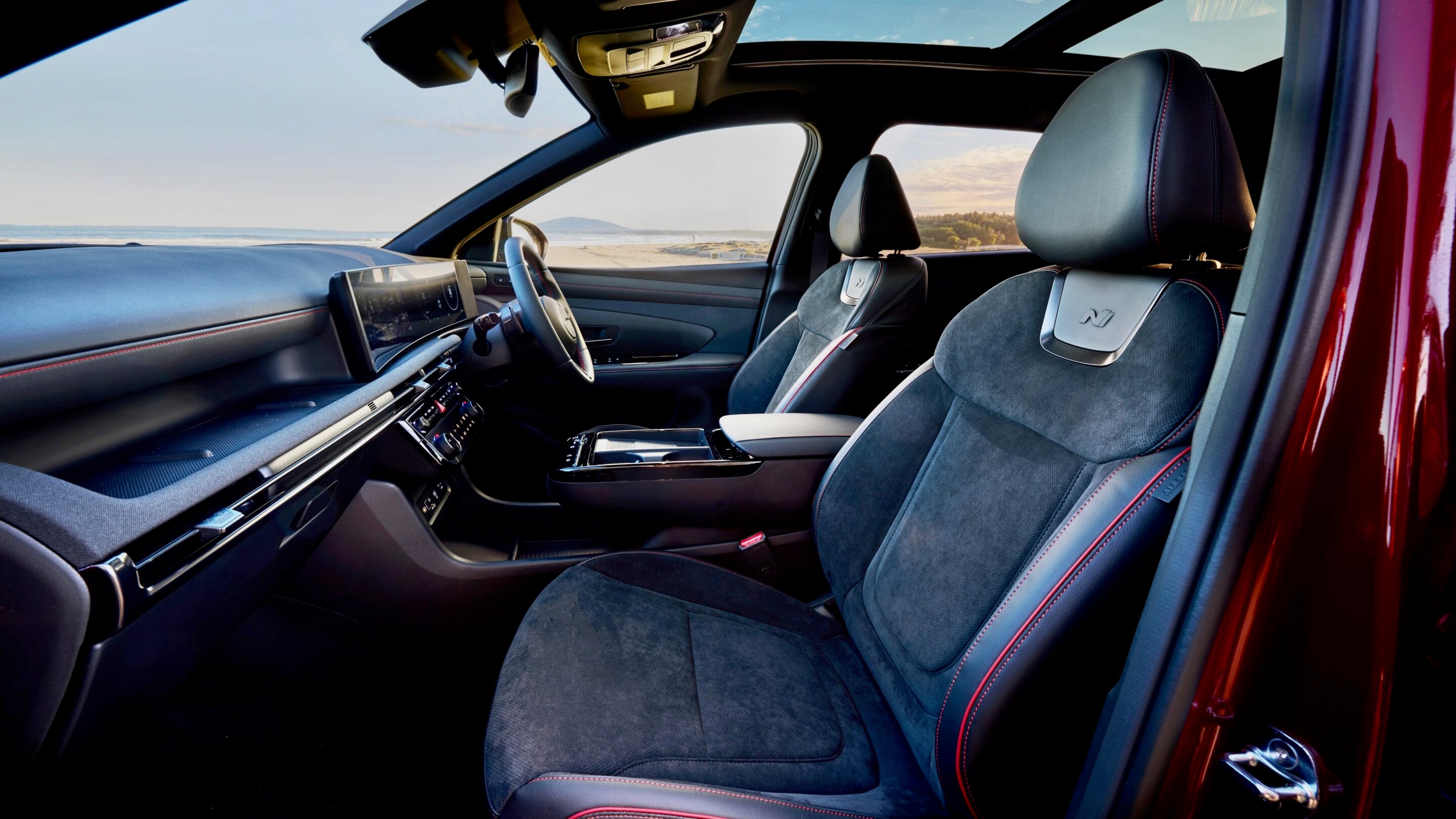
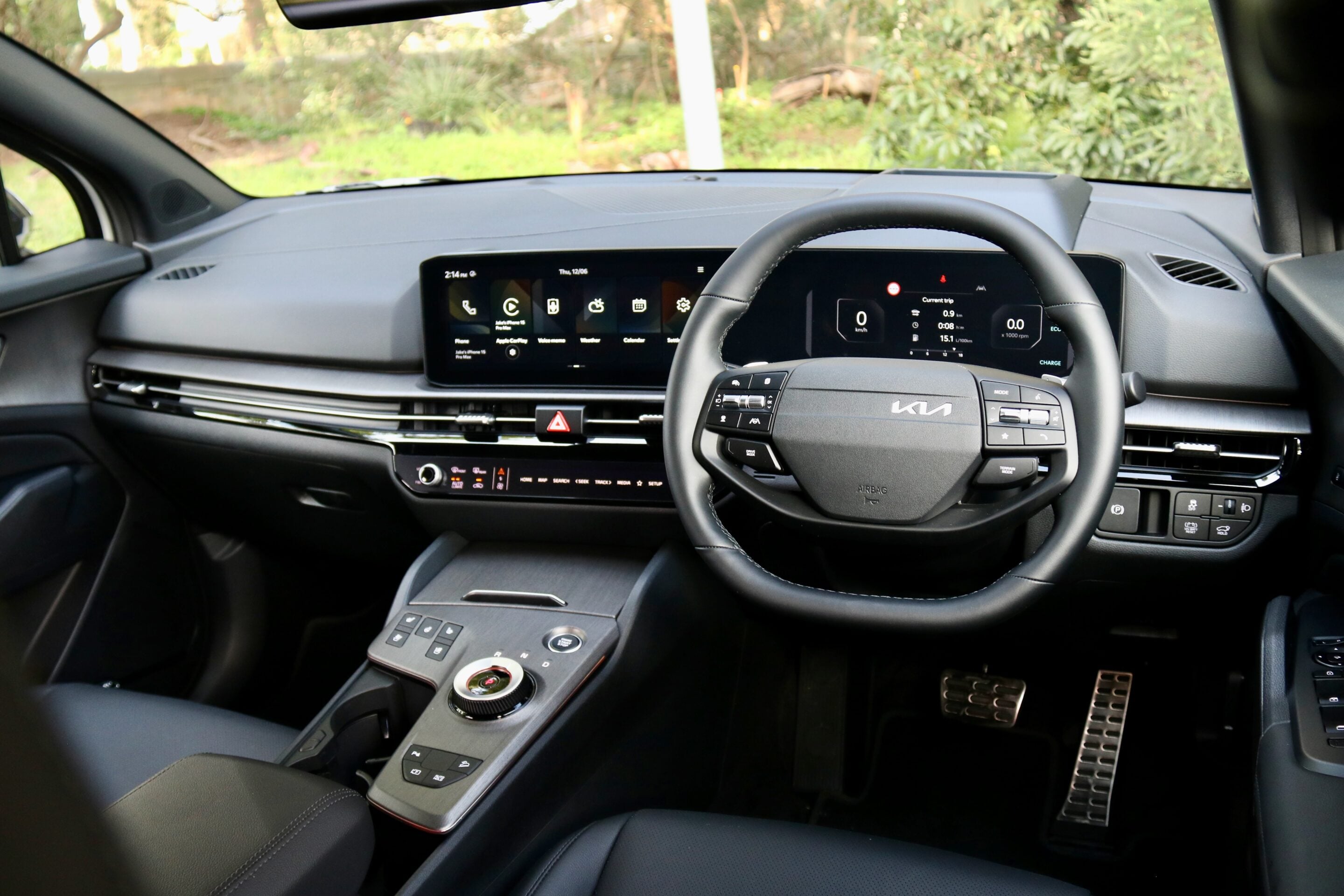
While none of the model grades are an exact match, the Hyundai Tucson Elite and Kia Sportage SX+ line up very, very similarly across the board. There are slight differences – the Hyundai has full LED headlights, the Kia has a heated steering wheel – but in general they have all the equipment buyers would want.
Heated front seats, powered driver’s seats (though the passengers’ are DIY), dual-zone climate control, keyless entry and start, auto lights and wipers, power tailgates and plenty of USB-C ports.
Both manufacturers charge extra for a colour other than white, Hyundai offering six other options at $750 while Kia has another eight choices at $600.
| Hyundai Tucson Elite | Kia Sportage SX+ | |
|---|---|---|
| Wheels | 18-inch | 18-inch |
| Headlights | LED | Semi-LED |
| Wipers | Rain-sensing | Rain-sensing |
| Seat adjustment | 10-way powered driver, four-way manual passenger | Eight-way powered driver, four-way manual passenger |
| Upholstery | Leather | Leather |
| Heated seats | Front | Front |
| Heated steering wheel | No | Yes |
| Push button start | Yes | Yes |
| Climate control | Dual-zone | Dual-zone |
| Stereo | Six-speaker | Eight-speaker |
| USB ports | 4 x USB-C | 4 x USB-C |
| Rear air vents | Yes | Yes |
| Power tailgate | Yes | Yes |
5
Powertrains
On paper this is a clear victory for the hybrid Hyundai, which offers more power (though a little less torque) and a clear fuel efficiency advantage, but there’s a little more nuance to it than that.
Digging into the fuel consumption numbers further, the diesel Kia claims 7.7L/100km in urban use and 5.4L/100km in extra-urban (eg highway) use, whereas the Hyundai claims 3.6L/100km and 6.5L/100km respectively.
Put simply, the stop-start nature of urban traffic plays to the strengths of the hybrid Tucson, whereas the Sportage is at its most efficient at a steady-state cruise, something to consider when making your choice.
Both cars can tow a maximum of 1900kg braked, but the downball limit is only 100kg.
| Powertrains | Hyundai Tucson | Kia Sportage |
|---|---|---|
| Engine | 1.6-litre four-cylinder turbo-petrol hybrid | 2.0-litre four-cylinder turbo-diesel |
| Outputs | 172kW/367Nm | 137kW/416Nm |
| Transmission | 6-speed automatic | 8-speed automatic |
| Fuel consumption | 5.3L/100km* | 6.3L/100km* |
Safety
Both the Hyundai Tucson and Kia Sportage carry five-star ANCAP safety ratings, the former from 2021 and the latter from 2022. Once again, given the two cars’ similarities it should come as no surprise that they scored almost identically.
The Hyundai scored 86 per cent for adult occupant protection, 87 per cent for child occupant protection, 66 per cent for vulnerable road user protection and 70 per cent for safety assist, while for the same metrics the Kia scored 87 per cent, 87 per cent, 66 per cent and 74 per cent respectively.
While undoubtedly safe, it’s worth noting that Hyundai and Kia have some of the more annoying safety nannies on the market, with regular bing and bongs and lane-assist systems that love to wrestle the steering wheel in your hands.
| Safety | Hyundai Tucson Elite | Kia Sportage SX+ |
|---|---|---|
| Airbags | Seven | Seven |
| Adaptive cruise control | Yes | Yes |
| Autonomous emergency braking | Yes w/pedestrian, cyclist and junction assist | Yes w/pedestrian, cyclist and junction assist |
| Lane-keep assist | Yes | Yes |
| Blind-spot monitoring | Yes | Yes |
| Rear cross-traffic alert | Yes | Yes |
| Safe exit warning | Yes | Yes |
| Driver attention monitoring | Yes | Yes |
| Parking sensors | Front and rear | Front and rear |
| ISOFIX | Rear outboard seats | Rear outboard seats |
1
Technology
It’s tit-for-tat in terms of tech, with both the Hyundai Tucson and Kia Sportage having sizeable infotainment screens with wireless smartphone mirroring, digital radio, app connectivity and sat-nav with live traffic information.
The only real difference between the two is the digital instrument display, the Hyundai using the full-width 12.3-inch unit and the Kia the basic 4.0-inch version. But then, the Sportage has an eight-speaker premium stereo compared to the Tucson’s six.
| Technology | Hyundai Tucson Elite | Kia Sportage SX+ |
|---|---|---|
| Screen size | 12.3-inch | 12.3-inch |
| Apple CarPlay | Wireless | Wireless |
| Android Auto | Wireless | Wireless |
| Satellite navigation | Yes | Yes with 10 years of updates |
| AM/FM/DAB radio | Yes | Yes |
| Wireless charging | Yes | Yes |
| App connectivity | Yes | Yes |
| Digital instrument display | 12.3-inch LCD | 4.0-inch LCD |
Conclusion
There’s no wrong choice here. The Hyundai Tucson and Kia Sportage are so similar in terms of price, size and equipment that whichever one you choose will provide comfortable and frugal family transportation.
Kia Sportage
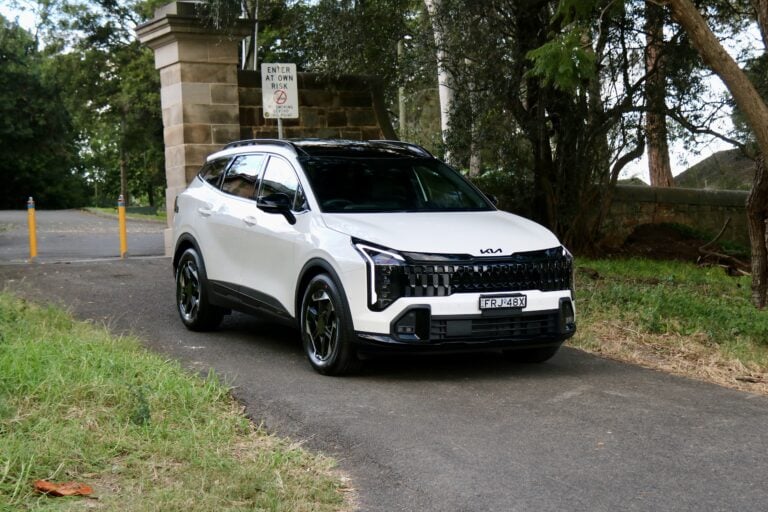
Kia’s retention of the diesel engine will probably make it the pick for regional buyers, where its highway fuel economy and longer service intervals will be an advantage, even with the slightly higher servicing costs. The SX+ is a sweet spot in the range in terms of price vs equipment, too.
Hyundai Tucson
For urbanites the Tucson is the better choice, with more equipment than the closest equivalent hybrid Sportage (the SX), though if you’re remaining within the city confines, you’re probably better off saving $2500 and opting for the front-wheel drive Tucson Hybrid Elite.
Follow WhichCar/Wheels on Google
Click the button below to make WhichCar by Wheels a preferred source for your news.

We recommend
-
 Best Medium SUVs
Best Medium SUV 2025: Overall winner, Hyundai Tucson
Hyundai’s fourth-generation Tucson takes out Wheels’ Best Medium SUV 2025, combining hybrid-focused efficiency, family-friendly comfort, advanced tech and strong value to secure its place among Australia’s top-selling SUVs.
-
 Reviews
2025 Kia Sportage: What's new after the hybrid mid-size SUV's facelift?
Kia gives its best-selling car both globally and in Australia a mid-life update with revised styling, added features and new hybrid grades. Here's the detail...