Features

Gallery 1
If you’re an enthusiast, launching a new car is an exciting time. A new model is almost always cause for celebration – what has the manufacturer cooked up for this hyped up new model? What does it look like, how fast does it go, how much stuff can you fit in it, and so on. But what if the model is overhyped and it’s a disappointment, or worse, a sales failure?
Here are five cars that didn’t live up to their hype:
Nissan Z
4
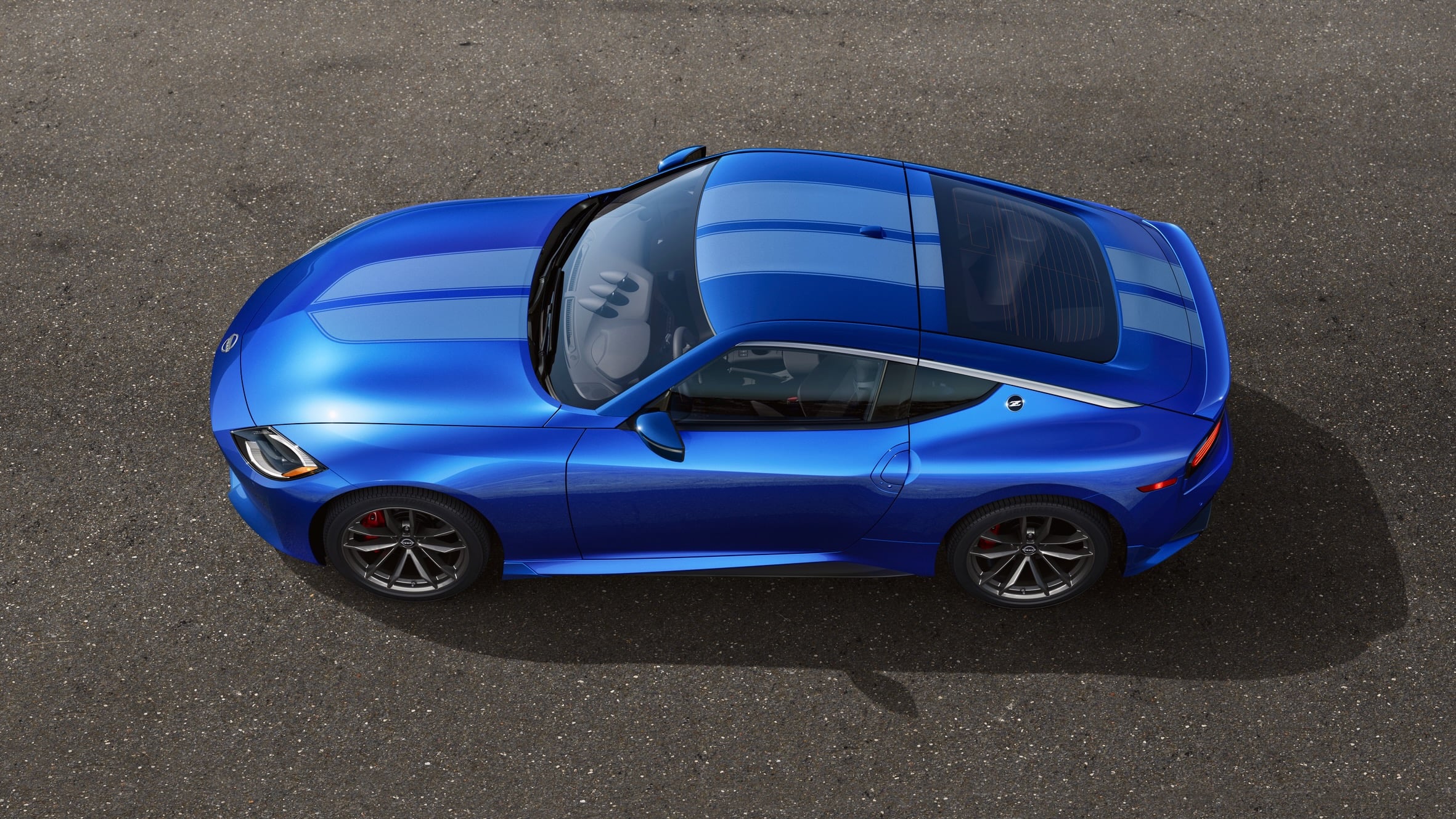
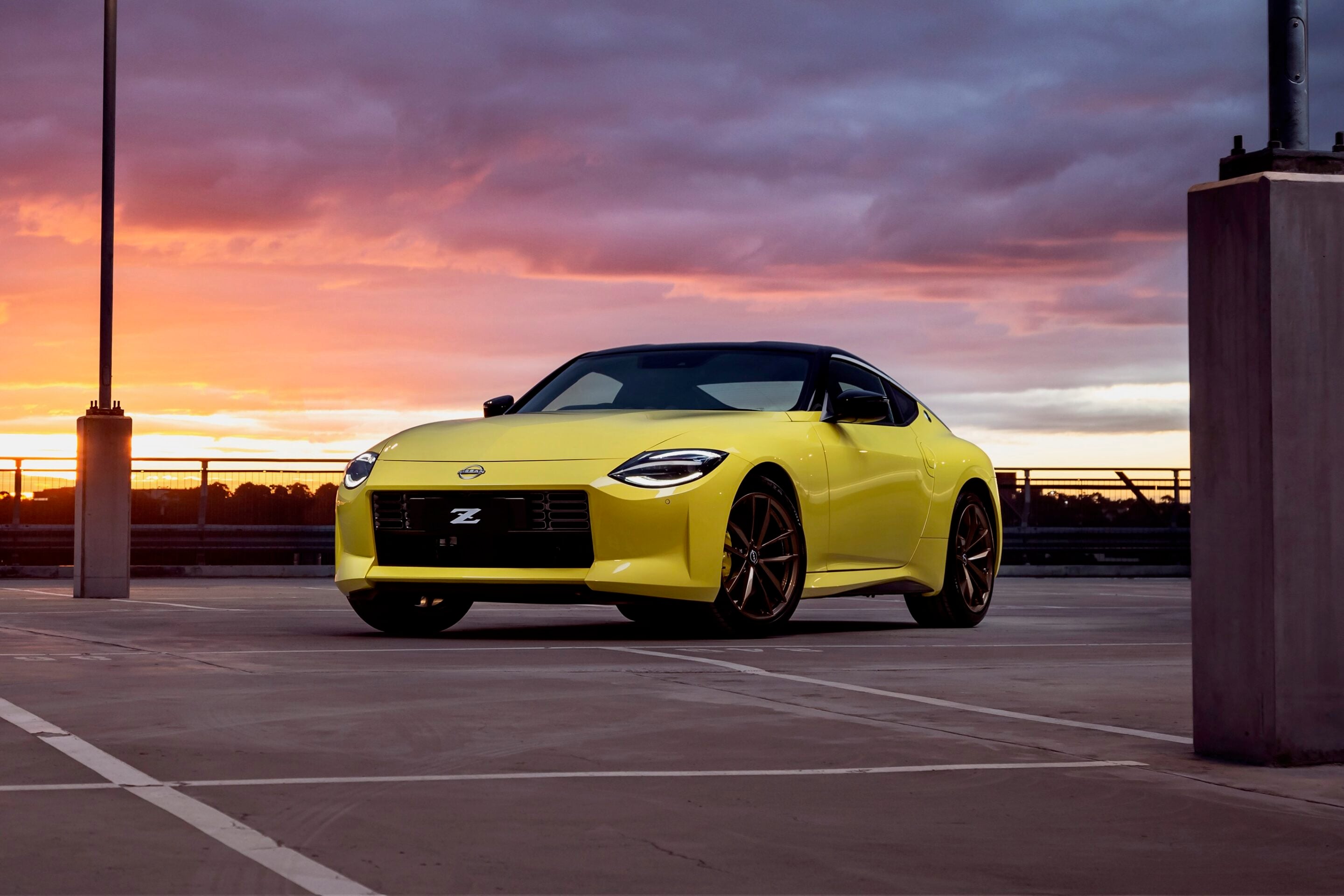
The Nissan Z is a legendary sports car that’s currently in its seventh generation and the current shape Z uses the same rear-wheel drive recipe that made its predecessors so fun to drive. Except, this time around it uses a twin-turbocharged 3.0-litre V6 engine making 298kW of power and 475Nm of torque, making it comfortably the most powerful Z ever built.
But the sales of the Z haven’t lived up to its hype with around just 1040 sold in Australia since it went on sale in mid-2022. Part of that is likely pricing, as the Z starts at $76,160 plus on-road costs, which is a lot higher than the $59,990 +ORC price that its 350Z predecessor – which the Z borrows a lot of parts from, including the platform and a lot of the interior – was priced from. The affordable part of the legendary Z lineage is not so affordable any longer, unfortunately.
BMW XM
5
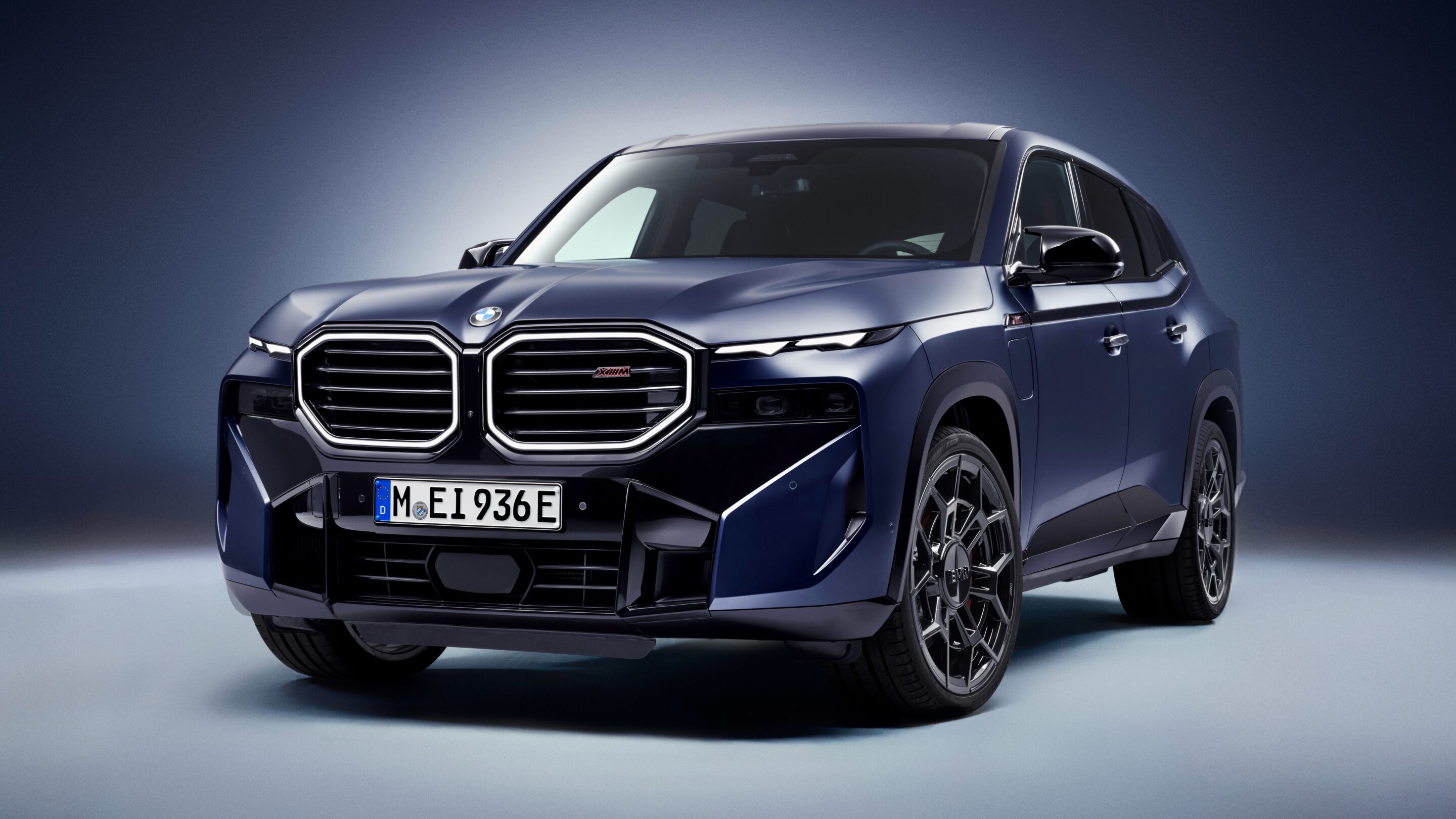
The BMW XM, the M division’s bespoke and brutish super SUV, isn’t short on aggression or performance – but it is short on sales. Perhaps it’s too aggressive or too expensive, but in 2024, BMW only sold 7813 units globally, which is well short on the Mercedes-Benz G-Wagen that it was conceived to compete mainly against – it sold 10,987 units in the USA alone in 2024.
It’s not that the XM is a bad car, far from it actually thanks to its very powerful drivetrain, luxurious interior and great dynamics for such a big and heavy product. But according to the sales figures, BMW purists know what they want and a plug-in hybrid super SUV is not it. BMW continues to sell the XM, with just a single specification available in Australia, for around $30,000 less than it used to cost. Will that boost sales? That’s unknown as yet, but the XM is not likely to receive a second generation model.
Kia Stinger
4
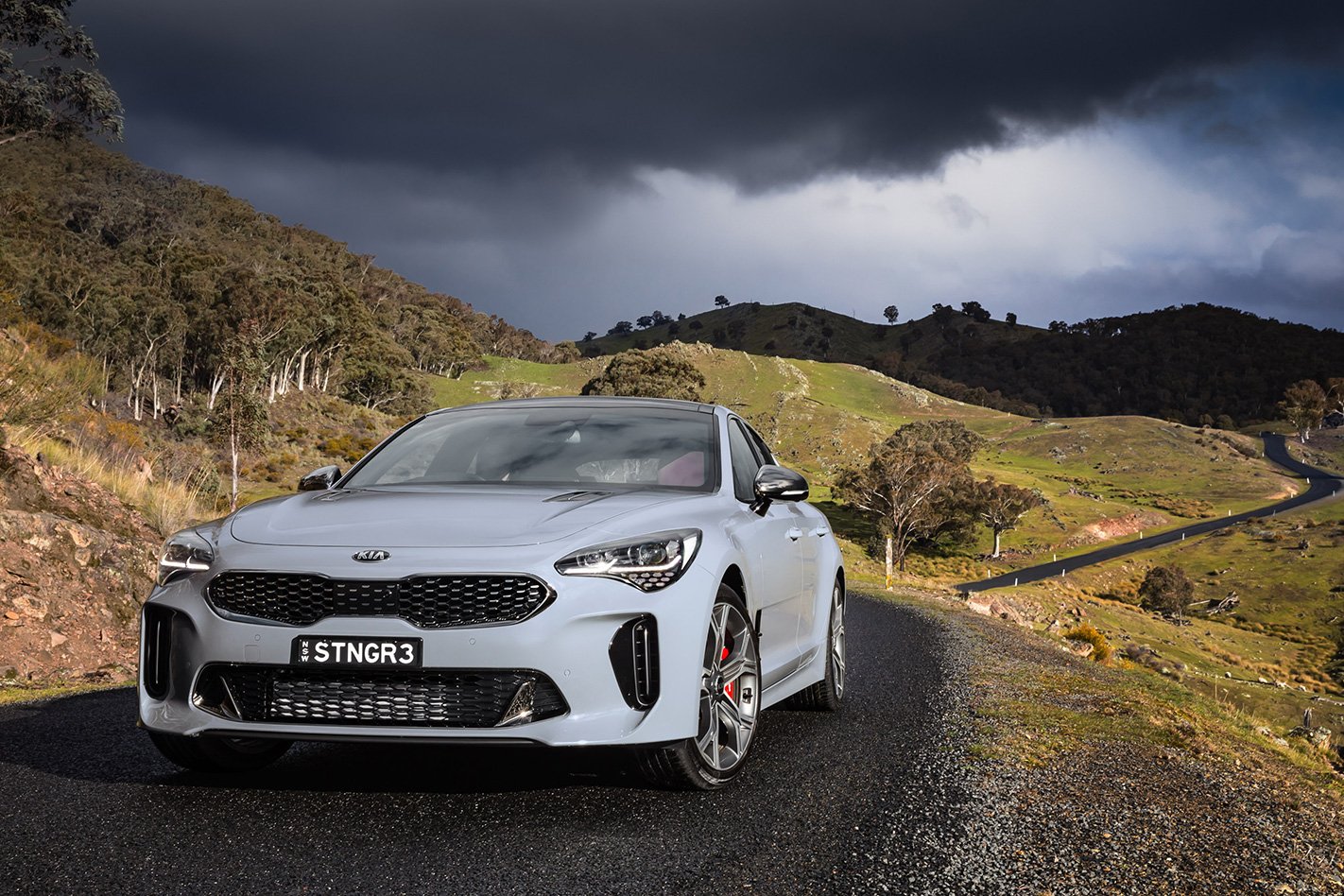
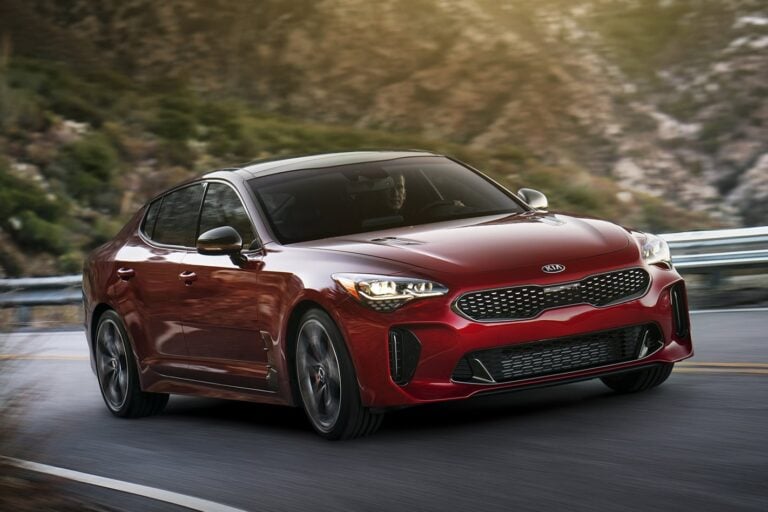
The ingredients for the Kia Stinger were tasty: a twin-turbo V6 engine, eight-speed automatic transmission, rear-wheel drive chassis, Brembo brakes and Michelin tyres and truthfully, it did a lot of positive work for Kia’s brand image. Its value positioning was strong too: it wasn’t cheap, but it was good value for money at $66,490 for the top-spec GT in 2023 (its last year in production). It was hyped up as a replacement for the V8 Holden Commodores and Ford Falcons and its 2018 release was well timed considering that production for those heroes had just ended.
But unfortunately for Kia, sales of the Stinger never lived up to its full potential. Globally, just over 138,000 units of the Stinger were produced over its life, or just over 17,000 per year, and a second-generation model was not produced. It’s a big shame because the Stinger was a great car – but for whatever reason, buyers just didn’t agree.
Honda NSX

3
The first-generation Ayrton Senna-honed Honda NSX is a legendary car, so making a follow up was always going to be difficult for Honda. Before production of the first NSX ended in 2006, Honda (and its North American luxury offshoot Acura, which sold the NXS in the US) had confirmed that another generation was in development for release in 2010, but that project was paused due to the Global Financial Crisis. But by the time the second-generation model had gone on sale in 2016, or 10 long years since it was first confirmed, many buyers had gotten fed up with waiting and gone elsewhere to brands such as McLaren.
The other big problem with NSX generation two was its pricing. In Australia, it was priced at $420,000 plus on-road costs, which made it more expensive than other supercars like the McLaren MP4-12C. The NSX wasn’t a bad car either, in fact, it was quite good – fast, communicative and fun, but against a McLaren? Honda had its work cut out and Australian total sales never reached double figures.
Mercedes-Benz X-Class
4
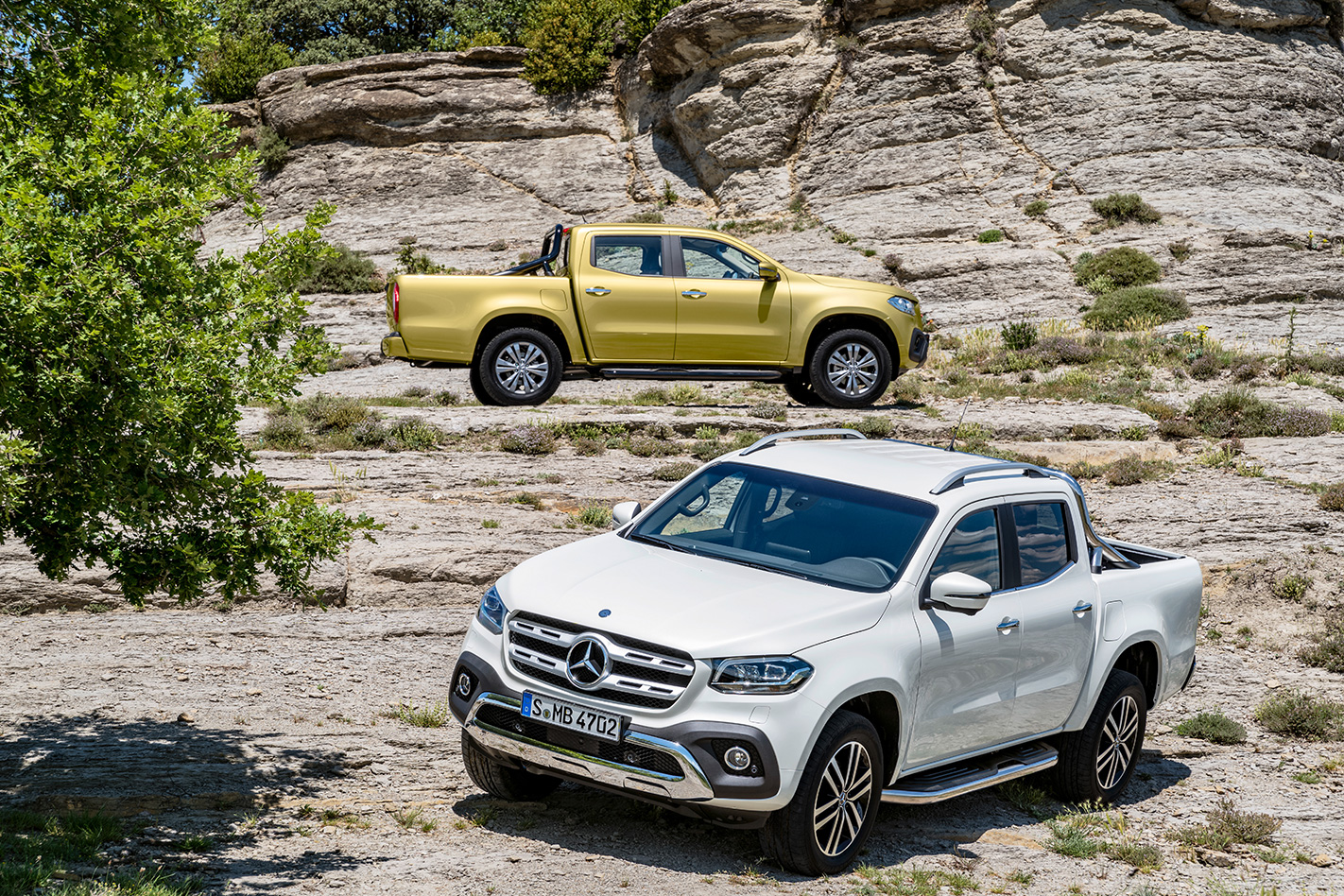
A rare mis-step from Mercedes-Benz is the X-Class ute, which had big hype from confirmation of its existence in 2015 to its 2017 on-sale date. Mercedes had seen how successful more luxurious utes like the Volkswagen Amarok and Ford Ranger Wildtrak were and wanted a piece of its own. Fair enough too, as there are thousands of both on our roads. Mercedes also has a strong commercial heritage, so everybody was expecting big things from the X-Class.
Except that the production X-Class didn’t borrow from Mercedes’ commercial heritage, it actually borrow a lot from Nissan. Yep, thanks to a deal between the two, the Nissan Navara was chosen as the basis of the X-Class. Even though the X-Class was promised as a proper Mercedes, it used the Nissan’s chassis, mechanicals, seats… basically the only Mercedes parts were the infotainment system, styling and later on, optional diesel V6 engine. Buyers noticed and just 16,700 were sold globally in its first full year on sale, and didn’t improve. X-Class production was cancelled in May 2020.
Bonus: Tata Nano
1
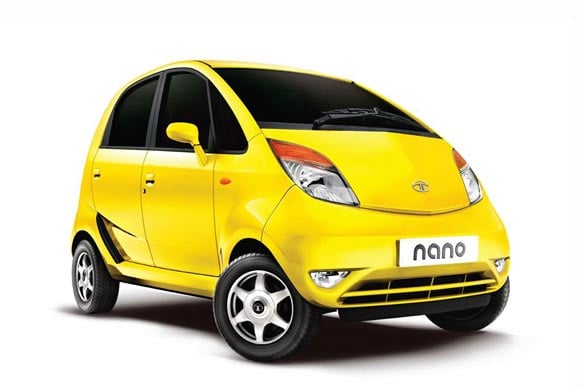
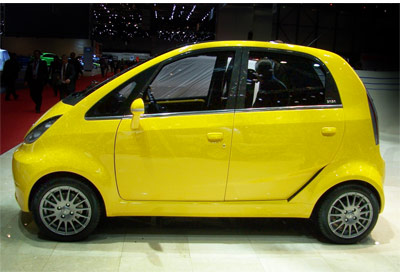
There was massive buzz around the car when it launched in India in 2009 because it was the first brand new car available in India for ₹100,000 (US $2000 at the time). Compared with used cars and motorbikes that the Nano was priced against, it was a revelation: it could carry four people dryly and with air-conditioning, and it opened many Indians to the option of buying a brand new car for the first time.
Unfortunately for Tata, buyers largely forgot about the Nano or were scared away by initial reports of fires and poor quality. The company had predicted annual sales of 250,000 units but its best year was in 2012 with a result of 75,000 units. By the Nano’s end in 2017, it was selling just 7500 units on average and Tata actually lost money on the project by the time production finished.
Follow WhichCar/Wheels on Google
Click the button below to make WhichCar by Wheels a preferred source for your news.

We recommend
-
 Reviews
Mercedes-Benz G 450 d review: New inline six diesel adds gruntier off-road appeal
The Mercedes-Benz G 450 d adds a new inline six turbo-diesel option and more off-road attitude to the G-Wagen range. Is the G 450 d the G to buy?
-
 Events
2009 Geneva Show - Tata Nano Europa
It's as small as the Lotus of the same name, but this upspec Nano can fit a little bit more in - for a lot less.
-
 News
News2017 Detroit Motor Show: Kia Stinger GT revealed
Korea unveils its first performance sedan, due in Oz in September 2017