News
Gallery 1
Victorians renewing or applying for a driver’s licence could soon notice a new step in the process: a prompt asking whether they want to join the Australian Organ Donor Register. The change is part of a broad state push to lift donor participation, after Victoria was flagged as having one of the lowest sign-up rates in the country.
Right now, just 23 per cent of Victorians are registered organ donors, and young people make up only a small slice of that figure. Concerned by the gap, the Victorian Government has backed a slate of reforms drawn from a parliamentary inquiry into donation rates, agreeing to adopt all 41 recommendations in full or in part.
A key focus is education before eligibility. Under the plan, 15- and 16-year-olds will be taught about organ donation before they’re old enough to register or apply for a licence. Donation information will also be built into both primary and secondary school curricula, with the idea that awareness should start early, not at the counter on licence day.
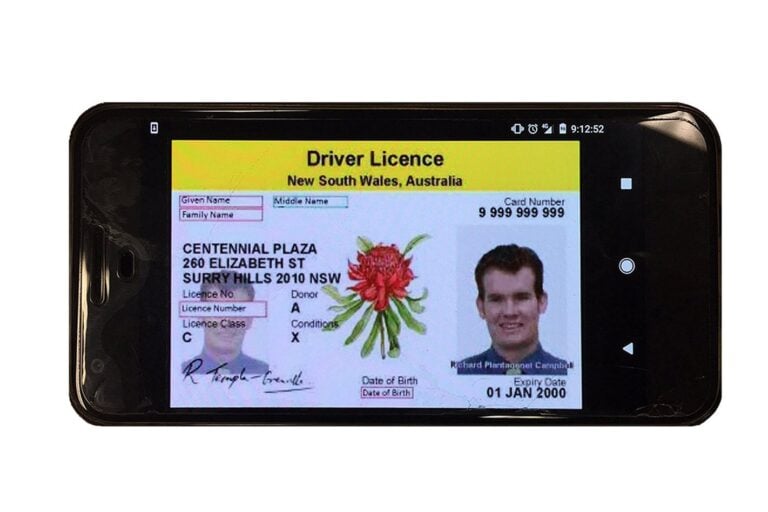
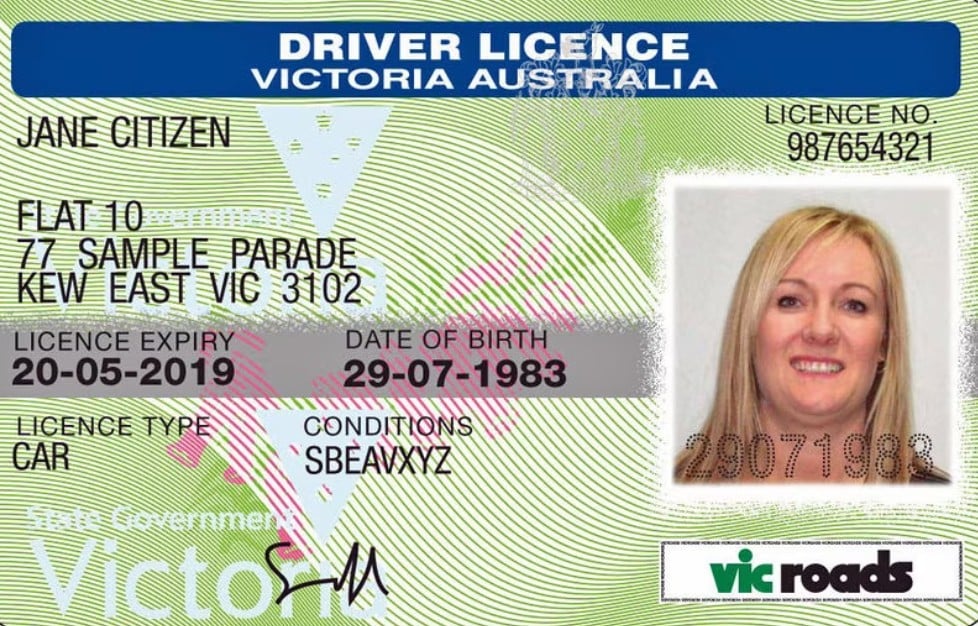
The licence link is not new territory for Victoria. For years, drivers could tick a box indicating they were willing to be an organ donor, and licences were marked “Potential organ donor” beside the photo. But that system was removed in the early 2000s, leaving many people unsure whether their earlier choice still counted. The inquiry found records didn’t always transfer cleanly to the national register, meaning some drivers assumed they were listed when they weren’t. Victorians can confirm their status through Medicare on myGov or via the Medicare app.
South Australia shows why governments are revisiting this approach. It remains the only state or territory where a donation decision can be recorded through a driver’s licence, and its registration rate is the nation’s highest at 72 per cent. The Victorian inquiry cited that contrast as evidence a simple, high-reach sign-up point can shift the numbers quickly.
So what happens next? The state will move to reintroduce organ donor registration into the licence system for new applicants and renewals. A separate online pathway will also be strengthened, including a clear call-to-action button on the Service Victoria website, making it easier to sign up without waiting for a renewal cycle. A major public awareness campaign is planned across TV, radio, outdoor billboards and digital channels.
Schools will play a supporting role, not only encouraging students to register once eligible, but prompting conversations at home. The inquiry stressed that family discussion is crucial: when someone’s wishes are known in advance, it reduces stress for loved ones during grief and makes consent more likely to be honoured.
“Nearly every eligible Victorian holds a driver licence,” the inquiry summary noted, pointing out that the licensing system offers a rare chance to reach almost the entire adult population in one consistent place. In other words, if you want a mass-scale lift in registrations, the licence desk is where you find it.
Alongside organ donation, the reforms also highlight another shortage: stem cell donors. Australia’s low numbers mean about three-quarters of stem cell donations currently come from overseas. The Australian Bone Marrow Donor Registry is particularly seeking more young, male and ethnically diverse donors, and the registration process is described as comparable to signing up to donate blood or plasma.
For those who want to register or learn more, the national organ donor information hub is donatelife.gov.au, while stem cell donor details are available through strengthtogive.org.au.
Follow WhichCar/Wheels on Google
Click the button below to make WhichCar by Wheels a preferred source for your news.