News
Gallery 1
Ford has revealed further details of its planned low-cost electric pick-up, outlining how it intends to make the ambitious program profitable as competition intensifies from Chinese manufacturers.
The new model, expected to be priced from around US$30,000 (about A$45,000 at current exchange rates), forms part of a multi-billion-dollar investment in Ford’s next generation of electric vehicles. CEO Jim Farley has previously said legacy carmakers must fundamentally rethink how they design and build vehicles to remain competitive, particularly against fast-moving Chinese brands.
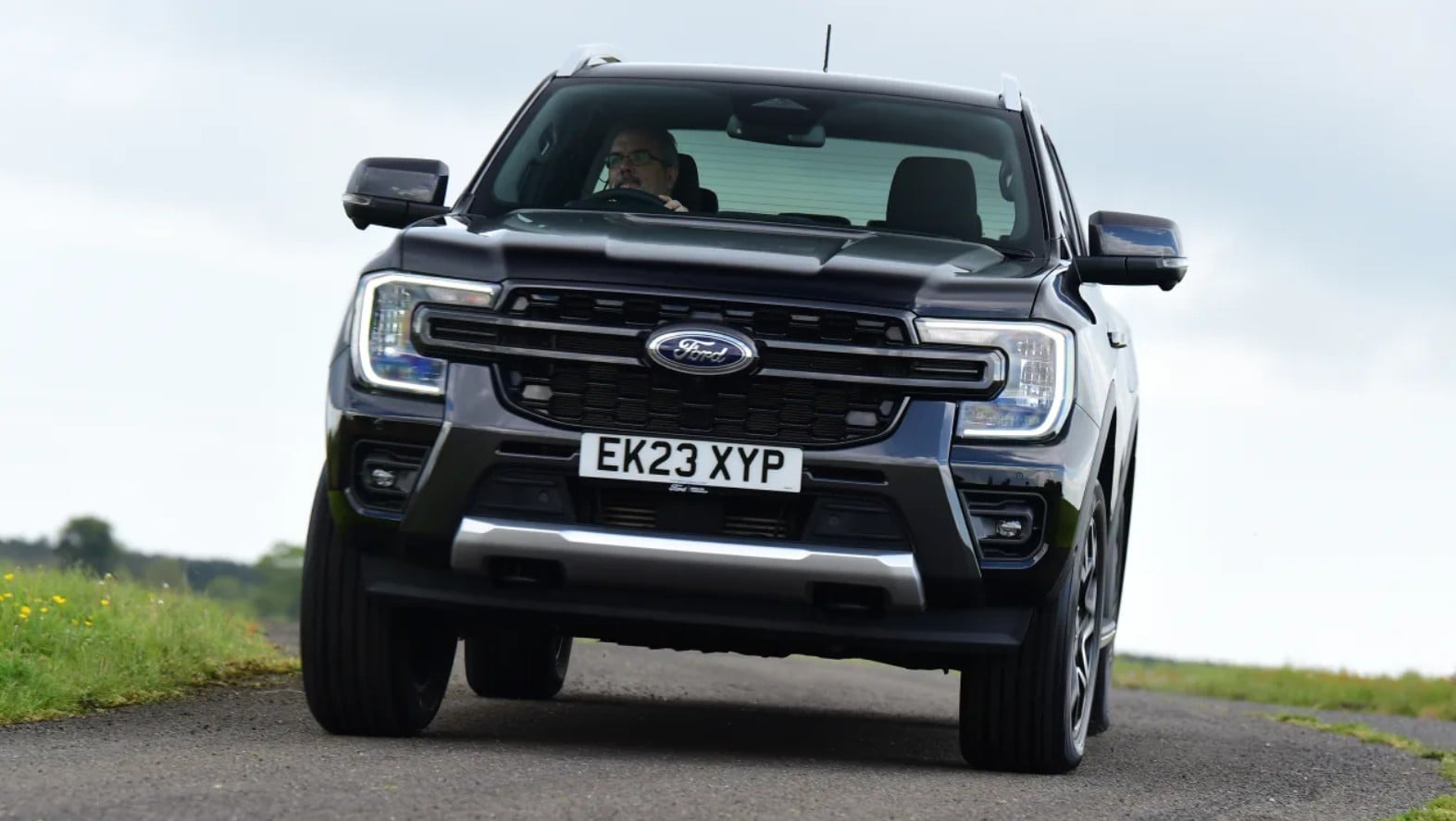
The new electric pick-up will initially launch in North America and is expected to be similar in size to a Ford Ranger, though it will sit on a completely different, dedicated EV platform.
1
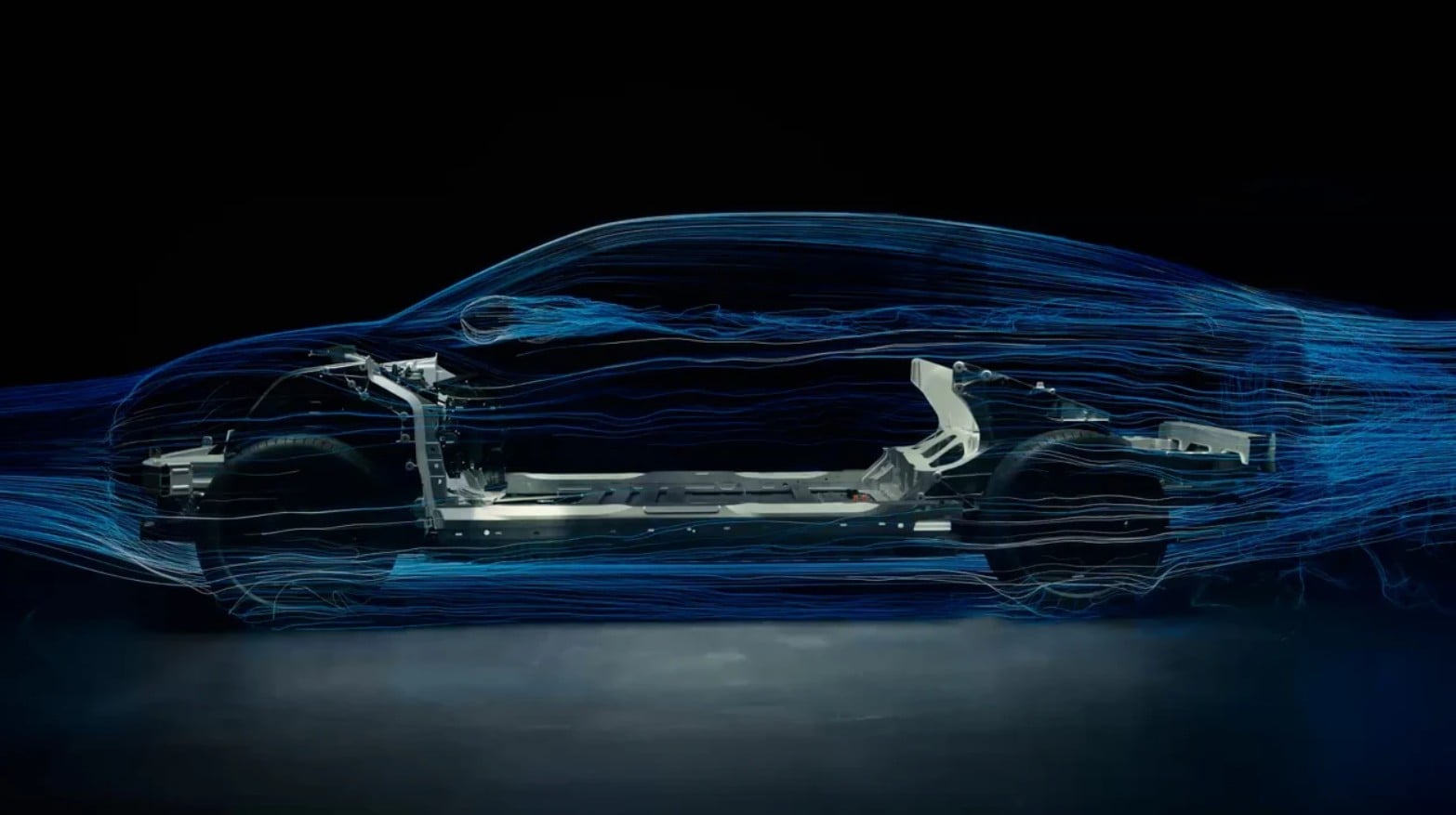
A major focus of development has been efficiency. Ford engineers are targeting aerodynamic gains not only to improve driving range but to reduce battery size and cost. A teardrop-shaped bed cover, slimmer door mirrors and revised underbody fastenings are among the changes aimed at reducing drag. Air deflectors around the rear wheels and flush-mounted underbody components also contribute to efficiency improvements.
Ford says these incremental changes allow the company to achieve the same usable range with a smaller lithium iron phosphate (LFP) battery pack. The batteries will be produced at a new facility in Detroit, with the company claiming the design will deliver equivalent range with significantly less capacity than current systems, cutting weight and material costs.
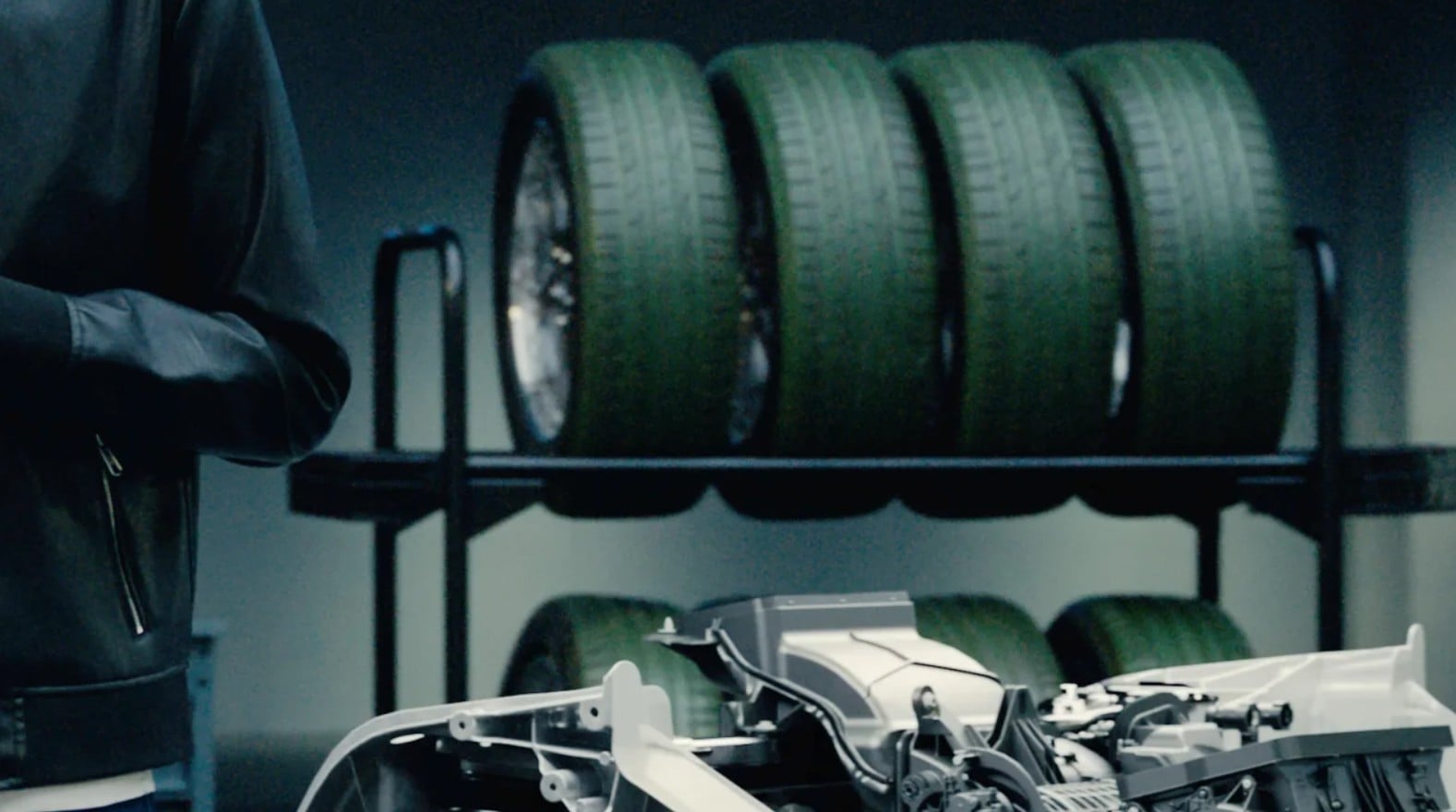
Manufacturing will also change. Borrowing from Tesla’s “megacasting” approach, Ford plans to dramatically reduce the number of structural components in key chassis areas. For example, where an existing mid-size ute platform uses more than 160 structural parts in one section, the new EV platform will require just two large castings.
2
Production will follow a “tree-like” assembly process, with major sub-assemblies built separately before being brought together at final assembly.
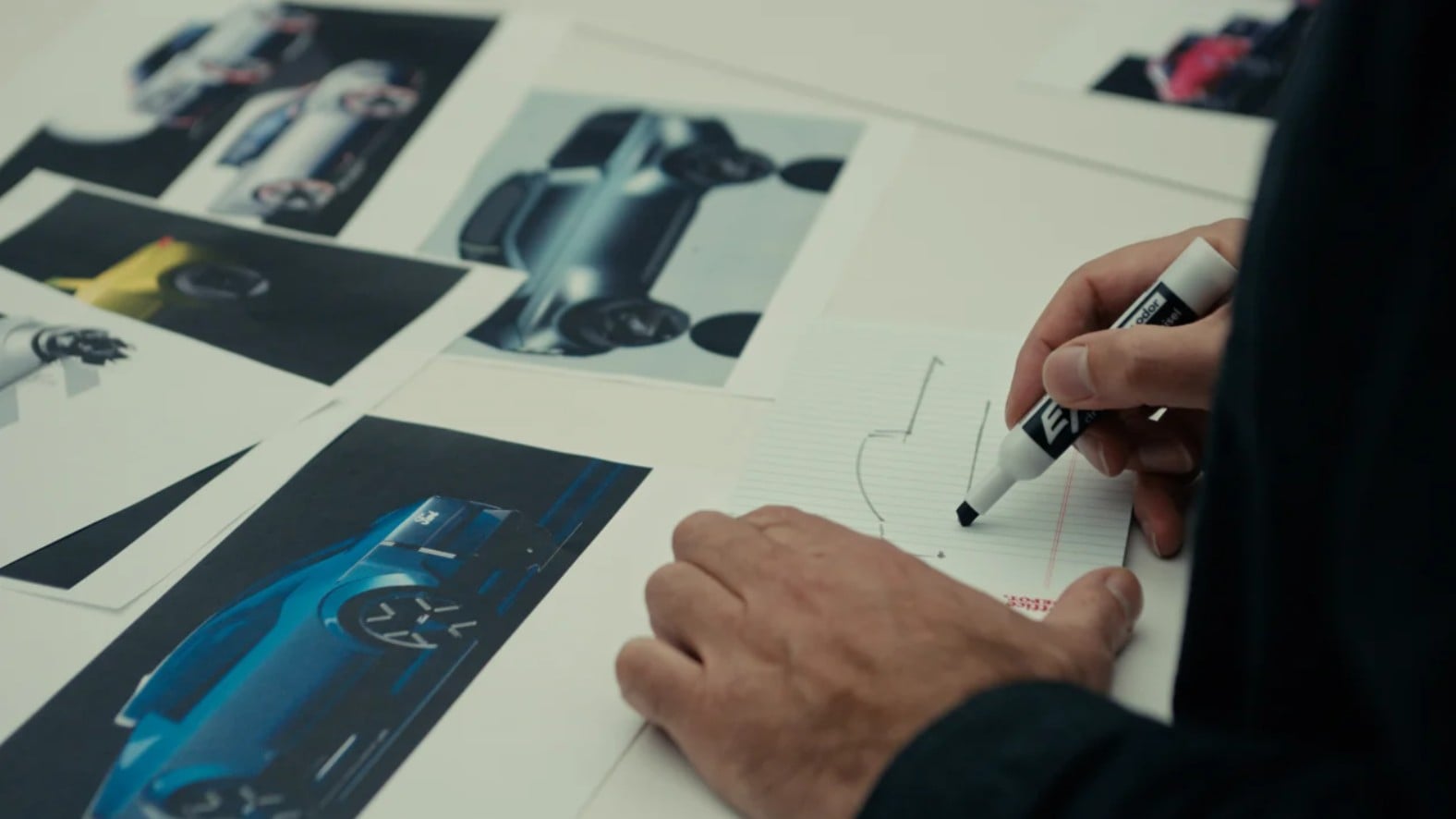
Early design sketches suggest a shorter bonnet, higher windscreen base and more upright front end than Ford’s current petrol and diesel models. Slim vertical headlights and simplified badging point to a more contemporary look.
The platform will underpin additional SUVs and commercial vehicles, and will support vehicle-to-home (V2H) functionality, allowing owners to power a home during outages.
Ford has not confirmed Australian availability, but the technology developed for this model is likely to influence the brand’s broader EV line-up globally.
2
Follow WhichCar/Wheels on Google
Click the button below to make WhichCar by Wheels a preferred source for your news.

We recommend
-
 News
NewsFord posts biggest loss since GFC; EVs and Trump's tariffs to blame
Stalled EV production, a warehouse fire and President Trump's tariffs have impacted the bottom line at Ford Motor Company.
-
 Features
The Wheels Interview: Ford exec Jim Baumbick, the man who helped make the Ranger a roaring success
Ford exec Jim Baumbick found his feet at Victoria’s Broadmeadows HQ before his rise through the ranks, from Ranger mastermind to European boss, testament to Australia’s influence on global strategy and future Blue Oval trucks...
-
 Reviews
2026 Ford Ranger Super Duty: Wheels’ in-depth review of the Blue Oval’s hardcore work truck
Ford’s Ranger has dominated sales charts as objectively the best dual-cab ute available. Now, in an appeal to fleet and rural buyers looking for the ultimate work truck, there’s a new big dog in town...