News
Gallery 1
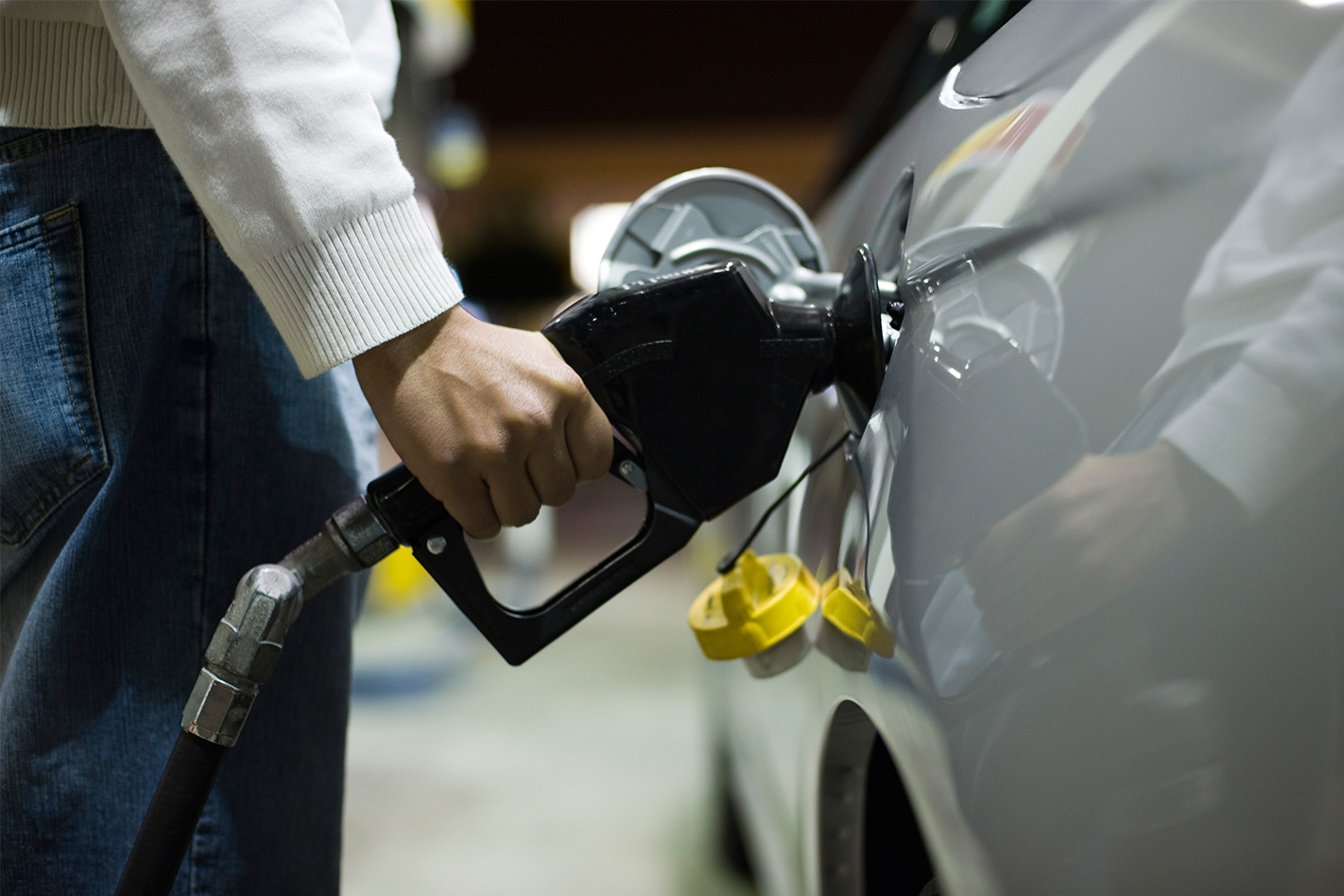
New testing by the Australian Automobile Association (AAA) has found most petrol, diesel and hybrid vehicles assessed under its real-world program use more fuel on Australian roads than indicated by official laboratory results.
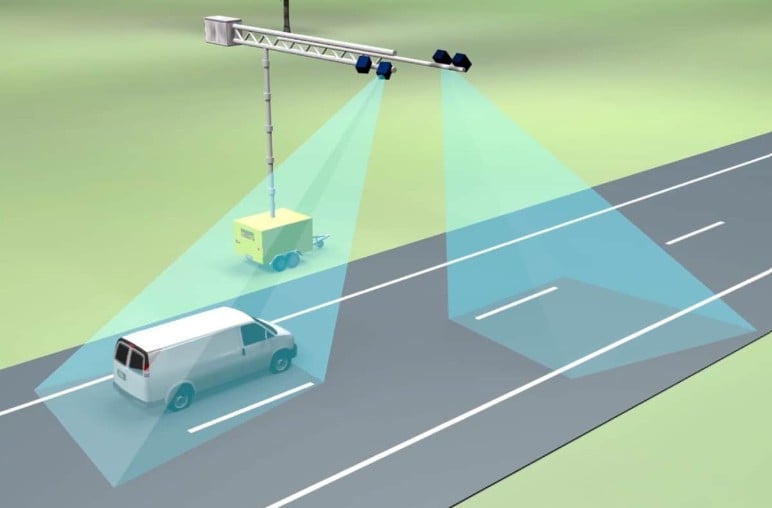
The Commonwealth-funded Real-World Testing Program compares fuel consumption and emissions recorded in local driving conditions with the mandatory laboratory figures displayed on new car windscreen labels.
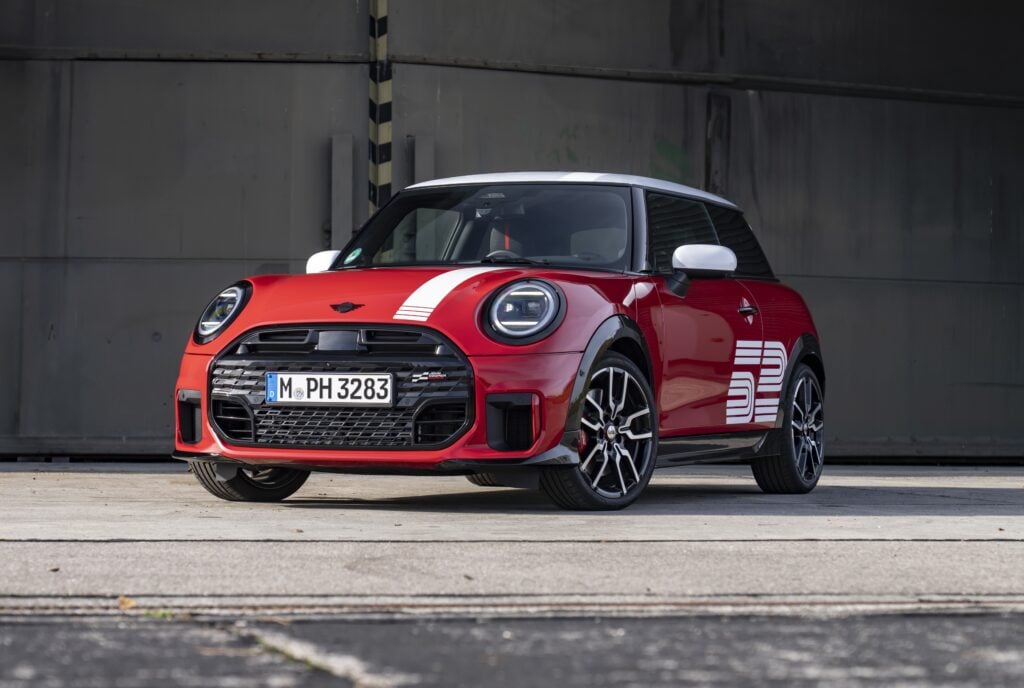
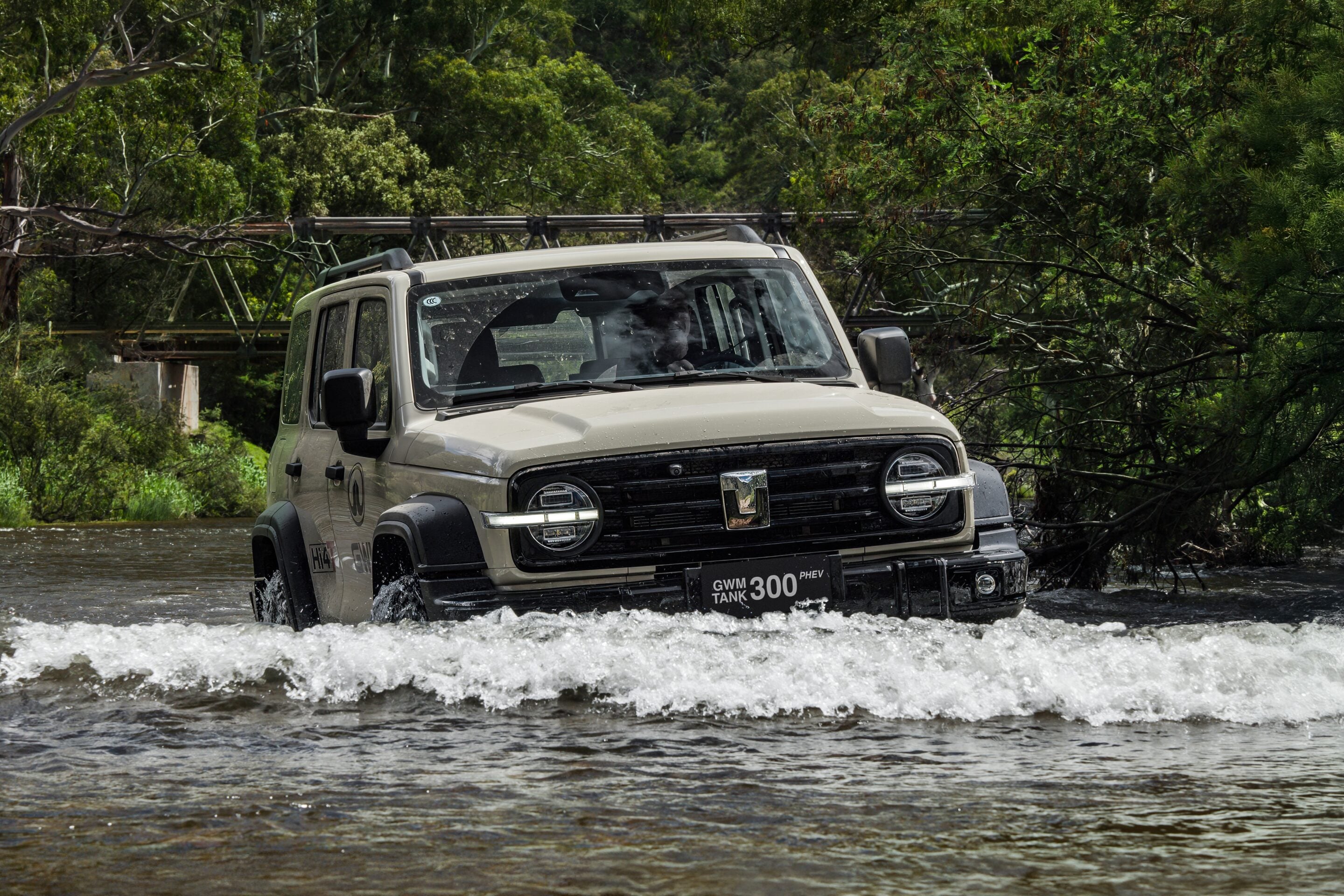
In its latest round of results, eight of the 10 internal combustion engine vehicles tested exceeded their advertised fuel consumption. The largest gap was recorded by the GWM Tank 300, which used 25 per cent more fuel on-road than its laboratory figure suggests.
1
Since the program began, 141 petrol, diesel and hybrid vehicles have been tested. Of those, 76 per cent returned higher fuel consumption in real-world driving than in controlled lab conditions.
The latest results also included two battery electric vehicles. The BMW iX1 delivered a driving range 10 per cent below its official figure, while the BYD Seal fell short by 25 per cent. Across the 11 electric vehicles assessed so far, none has matched its laboratory-tested range, with shortfalls ranging from three to 31 per cent.
AAA Managing Director Michael Bradley said the findings were particularly relevant for consumers considering an electric vehicle, citing polling that shows 60 per cent of prospective EV buyers nominate range anxiety as their main concern.
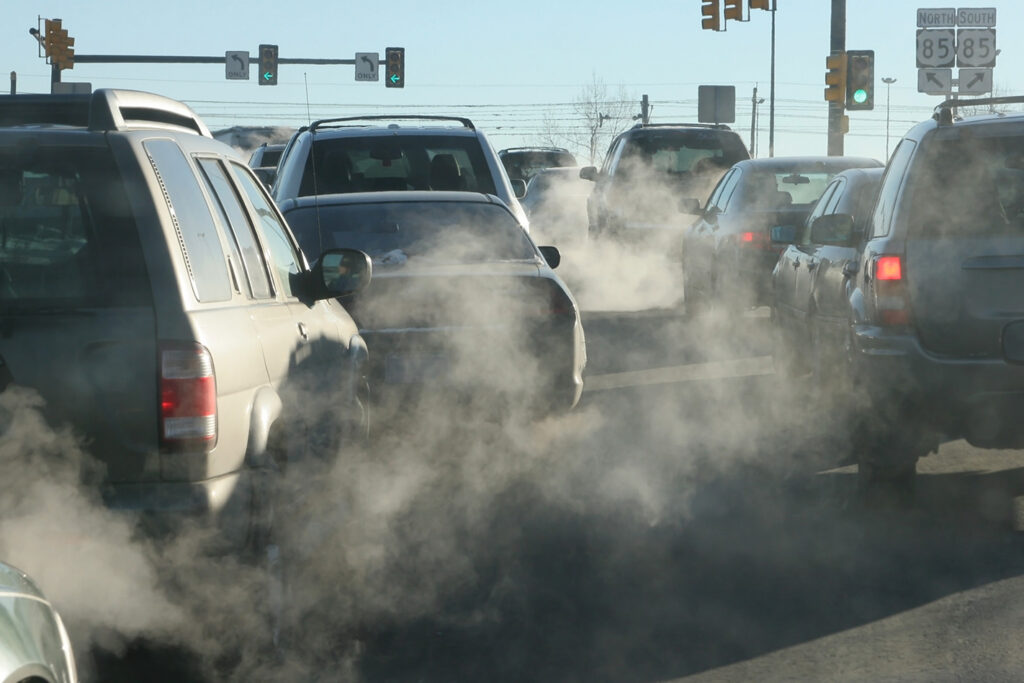
The results come shortly after the Federal Government released the first compliance data under its New Vehicle Efficiency Standard (NVES), which is designed to reduce average vehicle emissions by placing limits on manufacturers’ fleet-wide outputs. Emissions and fuel consumption performance under the NVES is assessed using laboratory testing.
Mr Bradley said the AAA supports tighter emissions standards but argues that real-world verification is necessary to ensure improvements translate beyond test conditions. The association established the program following the 2015 Volkswagen emissions scandal, which exposed the manipulation of laboratory testing in overseas markets.
By publishing independent on-road data, the AAA says the program is intended to provide consumers and regulators with a clearer picture of how vehicles perform outside laboratory environments, and whether emissions reductions claimed under regulatory frameworks are being reflected in everyday driving.
Follow WhichCar/Wheels on Google
Click the button below to make WhichCar by Wheels a preferred source for your news.

We recommend
-
 Reviews
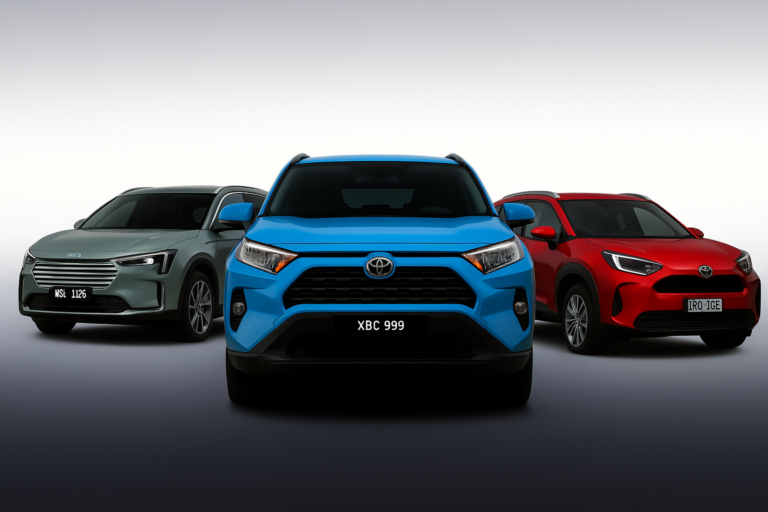
Australia’s top 10 most fuel efficient SUVs
SUVs continue to grow as a percentage of total vehicle sales in Australia but with a cost of living crisis, environmental considerations and a volatile fuel price, which are the 10 most fuel efficient vehicles in the segment?
-
 Advice
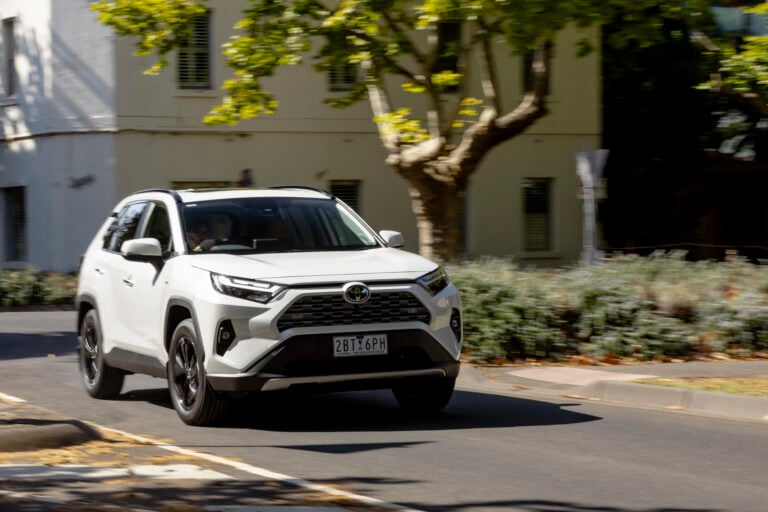
Who makes the most fuel efficient mid-size SUV?
Mid-size SUVs are all the rage globally, continuing to sell in huge numbers. So who makes the most fuel efficient non-plug-in hybrid mid-size SUV?