
News
Gallery 1
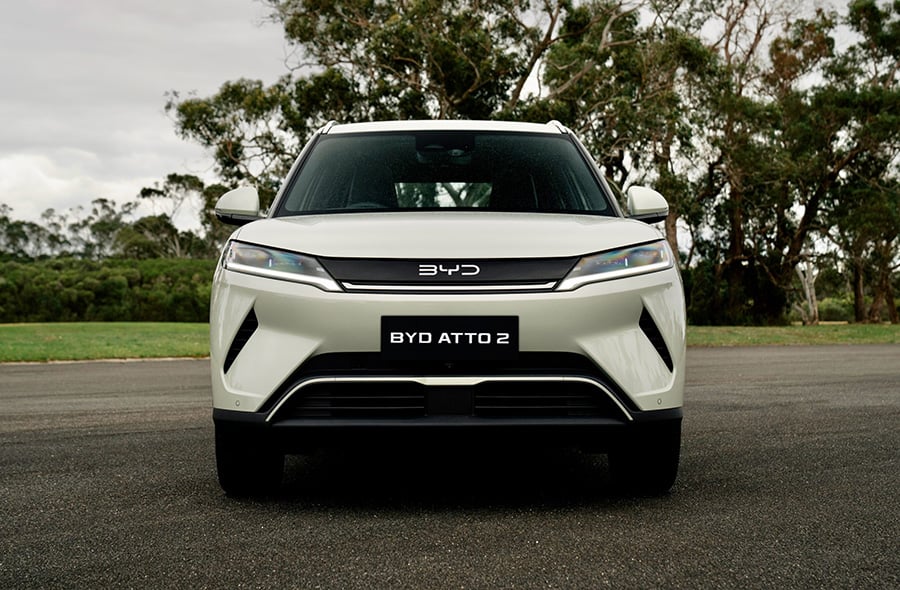
China has become Australia’s largest source of new vehicles for the first time in a single month, according to the latest sales figures released by the Federal Chamber of Automotive Industries (FCAI).
In February 2026, 22,362 vehicles sourced from China were sold in Australia, surpassing Japan with 21,671 units. Thailand followed with 19,493 vehicles and South Korea with 11,913.
Japan had been Australia’s leading source of vehicles since 1998, making the February result the first time in 28 years that another country has taken the top spot in a single month.
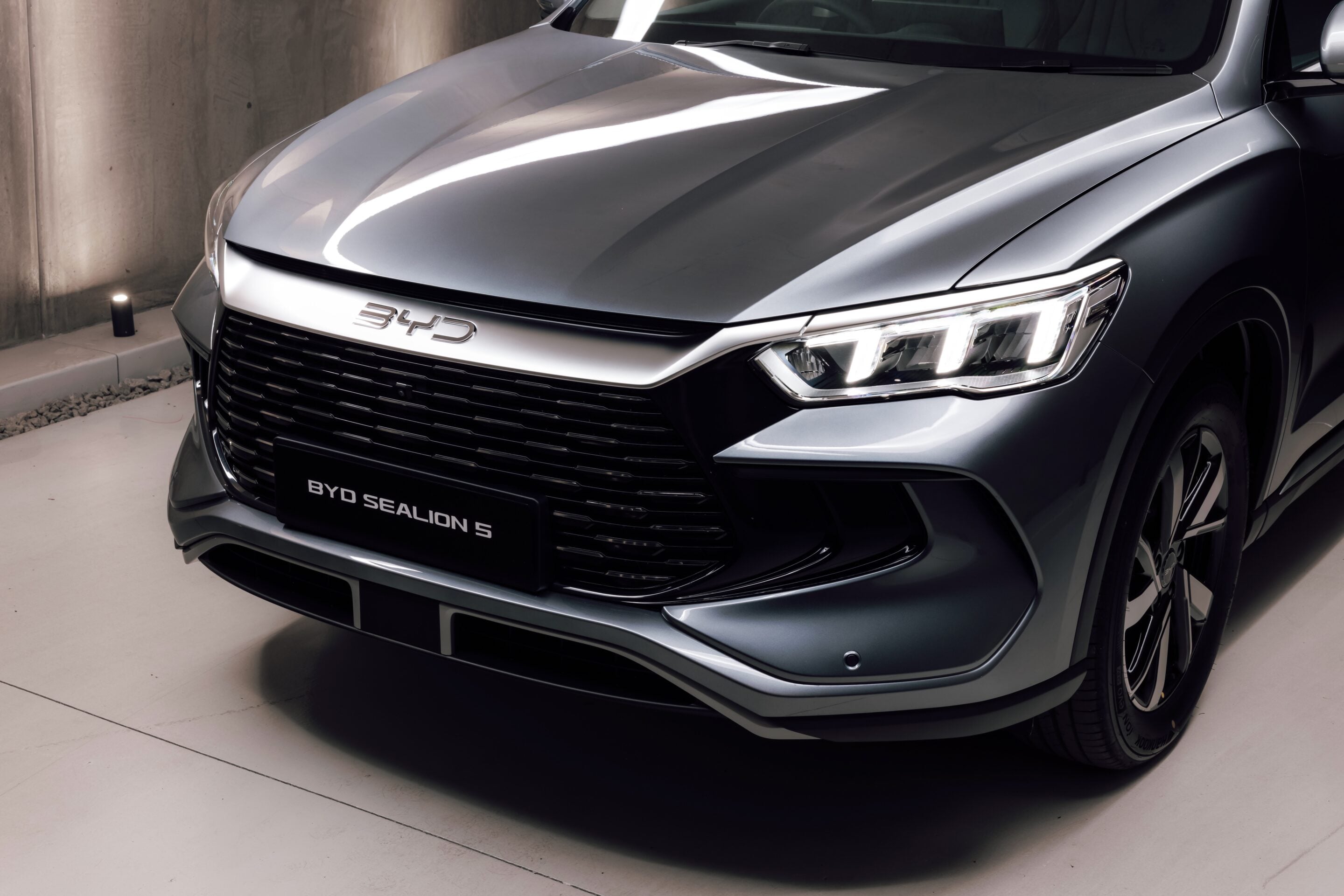
The shift reflects broader changes in the Australian car market, including the arrival of new brands in recent years. Since 2020, 10 new automotive brands have entered the Australian market, six of them within the past two years. Nine of the 10 new entrants manufacture their vehicles in China.
1
FCAI chief executive Tony Weber said Australia’s open and competitive market had allowed new manufacturers to establish themselves quickly.
“After 28 years, Japan has been overtaken by China as the largest source of vehicles for the Australian market in a single month,” Weber said.
“The Australian market is one of the most open and competitive in the world. New brands can enter, establish dealer networks and compete on price, technology and design. Consumers are the beneficiaries of that competition.”
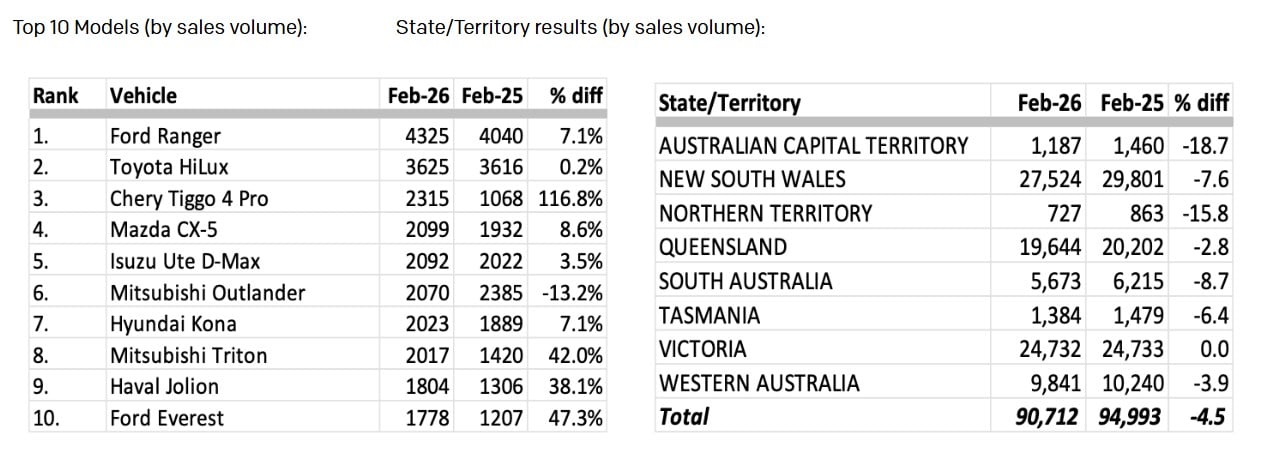
Overall, the Australian new vehicle market recorded 90,712 sales in February, a decline of 4281 vehicles or 4.5 per cent compared with the 94,993 vehicles sold in February last year. With 24 selling days in both months, this equated to an average drop of about 178 vehicle sales per day.
1
Sales fell across most segments. Passenger vehicles were down 1.1 per cent year-on-year, while the sports utility vehicle market – the largest segment – declined 6.2 per cent. Light commercial vehicle sales slipped 0.7 per cent, and heavy commercial vehicles recorded the largest fall, down 12.9 per cent compared with February 2025.
Battery electric vehicles accounted for 11.8 per cent of total sales in February, representing a record monthly share.
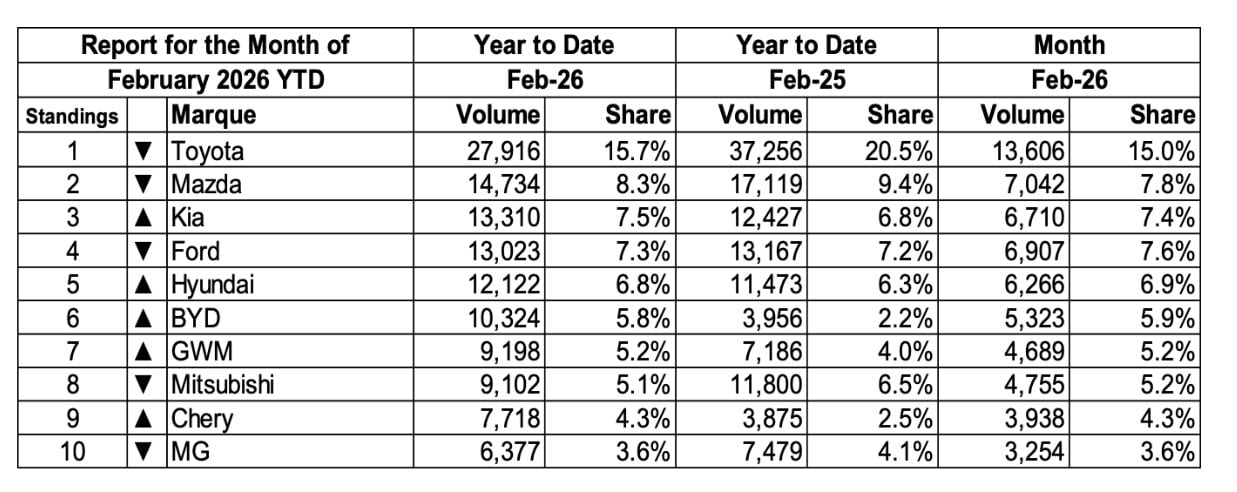
Toyota remained Australia’s top-selling brand with 13,606 vehicles sold, well ahead of Mazda with 7042 and Ford with 6907. Kia and Hyundai rounded out the top five brands.
The Ford Ranger was the best-selling model with 4325 sales, followed by the Toyota HiLux (3625), Chery Tiggo 4 Pro (2315), Mazda CX-5 (2099) and Isuzu D-Max (2092).
1
1
Additional data from the Electric Vehicle Council also pointed to strong growth among some electric-vehicle brands. Tesla and Polestar recorded a combined 3419 new vehicle sales in February 2026, representing a 99 per cent increase compared with the same month last year.
Tesla accounted for the majority of those deliveries, with 3274 vehicles sold during the month – more than double the 1592 vehicles delivered in February 2025. Polestar recorded 145 sales, up from 125 vehicles in the same period last year.
Year-to-date figures also show continued momentum for the two brands. Across January and February 2026, Tesla and Polestar have recorded combined sales that are 61 per cent higher than during the same period in 2025, reflecting continued growth in demand for battery-electric vehicles in the Australian market.
Follow WhichCar/Wheels on Google
Click the button below to make WhichCar by Wheels a preferred source for your news.

We recommend
-
 News
NewsVFACTS January 2026: Electrified vehicles continue to surge as petrol, diesel sales decline
Sales of petrol- and diesel-powered vehicles continue their sales decline as more and more Australians embrace electrified options.
-
 News
NewsVFACTS December 2025: Australian new-car sales hold firm over the year, as hybrids grow and SUVs dominate
Total vehicle sales topped 1.2 million last year, with plug-in hybrids posting record growth and China strengthening its role in the local market.
