Classic Wheels

Gallery 1
First published in the February 1974 issue of Wheels magazine, Australia’s best car mag since 1953. Subscribe here and gain access to 12 issues for $109 plus online access to every Wheels issue since 1953.
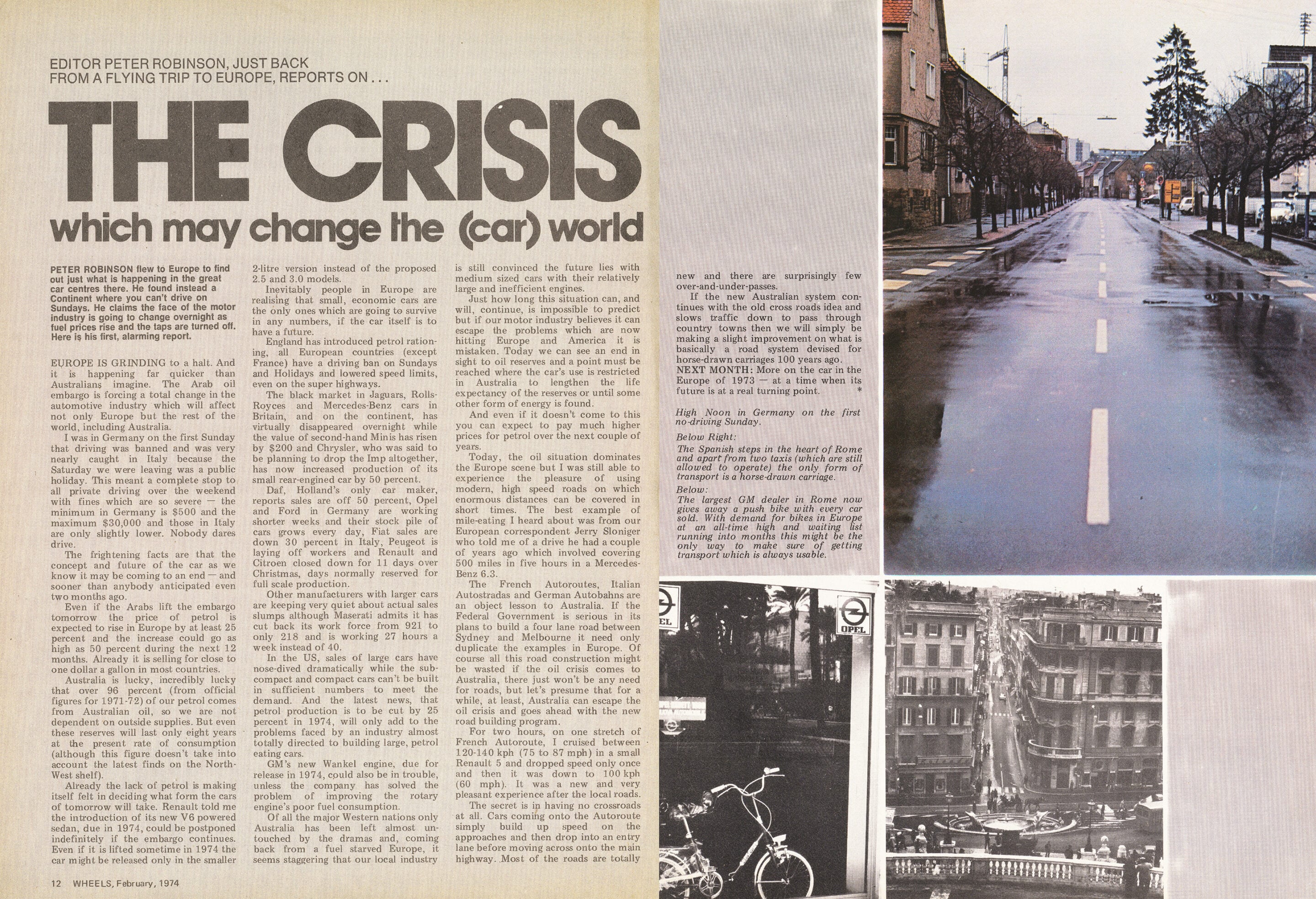
Peter Robinson flew to Europe to find out just what is happening in the great car centres there. He found instead a Continent where you can’t drive on Sundays. He claims the face of the motor industry is going to change overnight as fuel prices rise and the taps are turned off. Here is his first, alarming report.
Europe is grinding to a halt. And it is happening far quicker than Australians imagine. The Arab oil embargo is forcing a total change in the automotive industry which will affect not only Europe but the rest of the world, including Australia.
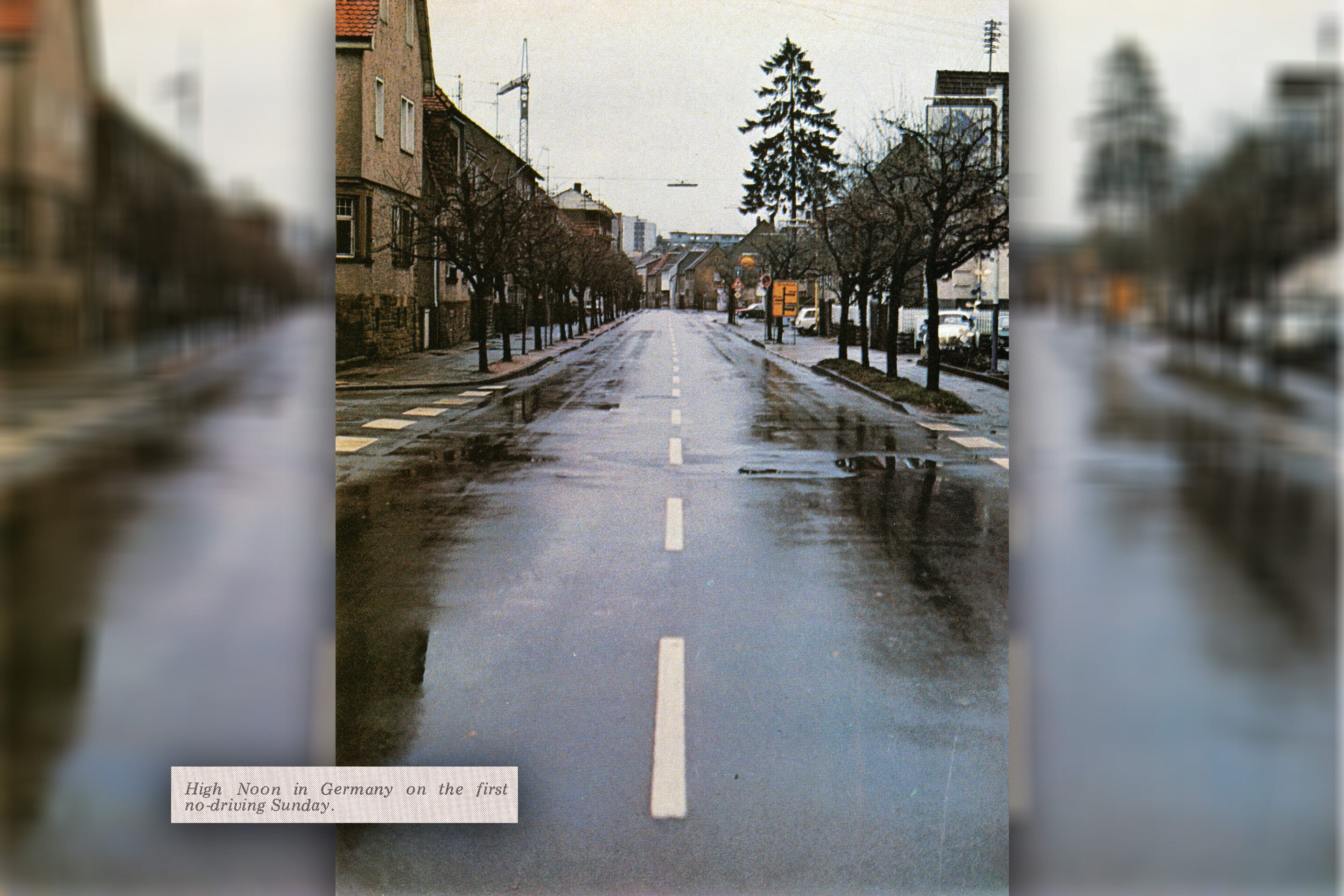
I was in Germany on the first Sunday that driving was banned and was very nearly caught in Italy because the Saturday we were leaving was a public holiday. This meant a complete stop to all private driving over the weekend with fines which are so severe – the minimum in Germany is $500 and the maximum $30,000 and those in Italy are only slightly lower. Nobody dares drive.
1
The frightening facts are that the concept and future of the car as we know it may be coming to an end and sooner than anybody anticipated even two months ago.
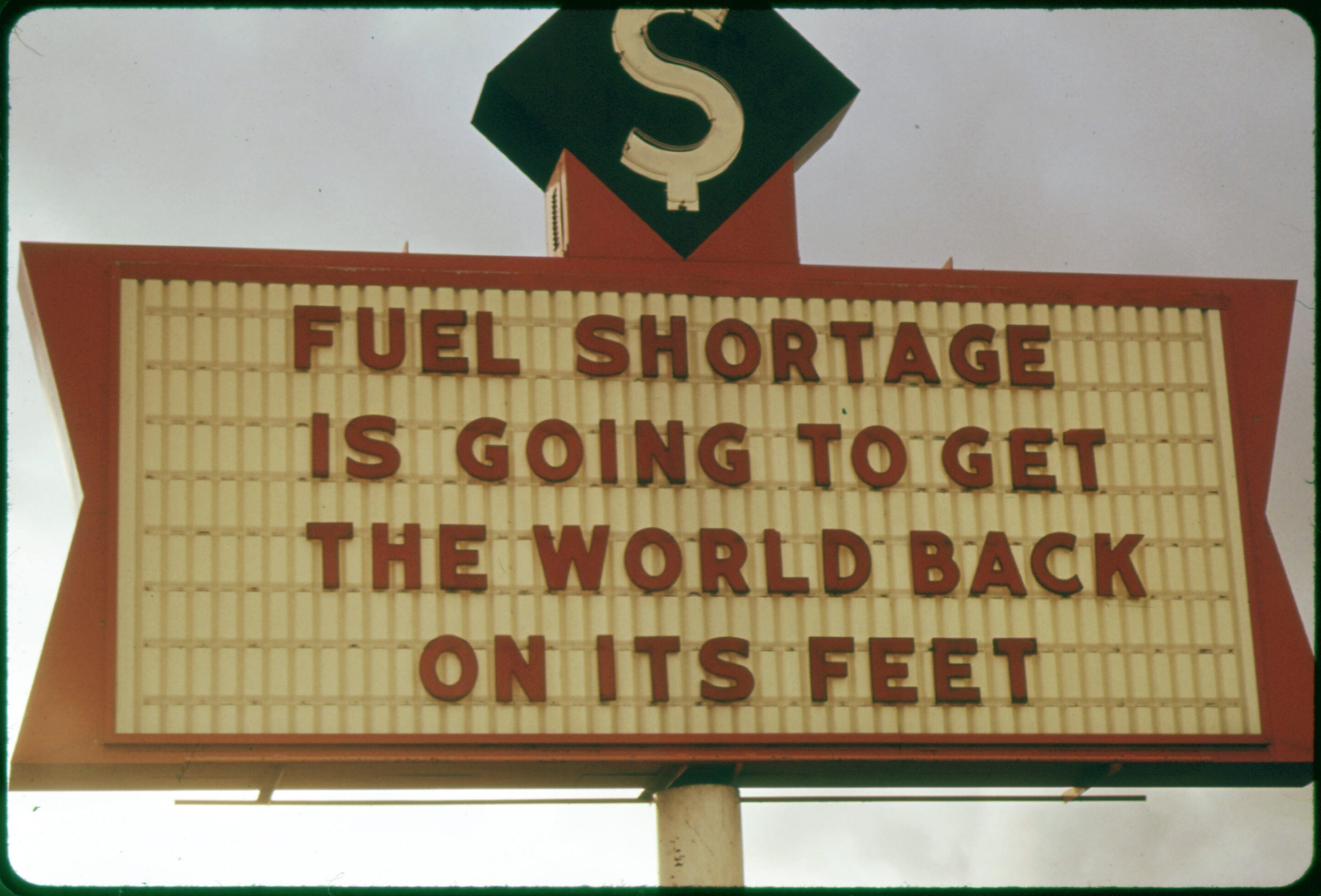
Even if the Arabs lift the embargo the price of petrol is expected to rise in Europe by at least 25 per cent and the increase could go as high as 50 per cent during the next 12 months. Already it is selling for close to one dollar a gallon in most countries.
Australia is lucky, incredibly lucky that over 96 per cent (from official figures for 1971-72) of our petrol comes from Australian oil, so we are not dependent on outside supplies. But even these reserves will last only eight years at the present rate of consumption (although this figure doesn’t take into account the latest finds on the North-West shelf).
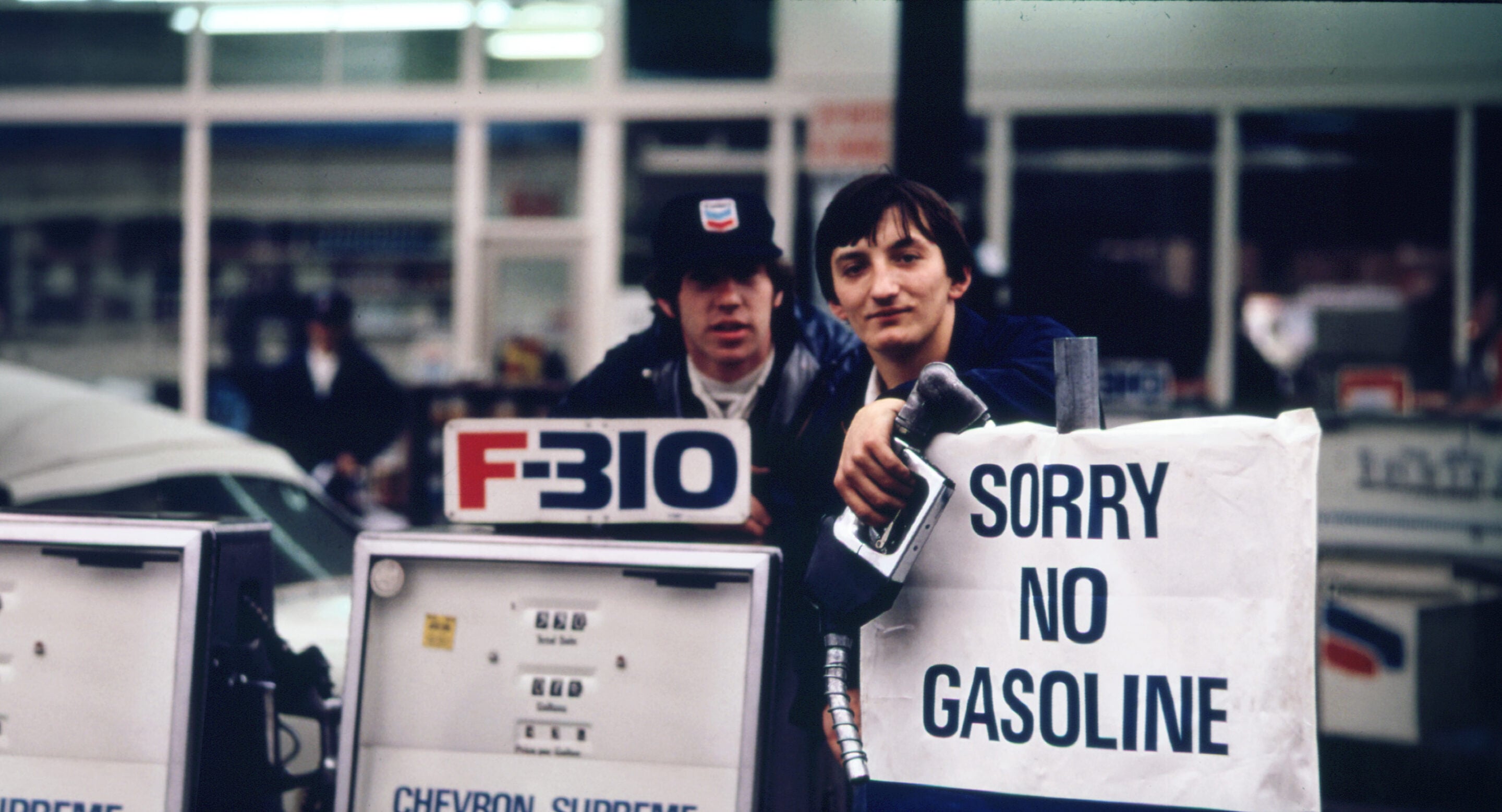
Already the lack of petrol is making itself felt in deciding what form the cars of tomorrow will take. Renault told me the introduction of its new V6 powered sedan, due in 1974, could be postponed indefinitely if the embargo continues. Even if it is lifted sometime in 1974 the car might be released only in the smaller 2-litre version instead of the proposed 2.5 and 3.0 models.
Inevitably people in Europe are realising that small, economy cars are the only ones which are going to survive in any numbers, if the car itself is to have a future.
England has introduced petrol rationing, all European countries (except France) have a driving ban on Sundays and Holidays and lowered speed limits, even on the super highways.
The black market in Jaguars, Rolls-Royces and Mercedes-Benz cars in Britain, and on the continent, has virtually disappeared overnight while the value of second-hand Minis has risen by $200 and Chrysler, who was said to be planning to drop the Imp altogether, has now increased production of its small rear-engined car by 50 per cent.
1
Daf, Holland’s only car maker, reports sales are off 50 per cent, Opel and Ford in Germany are working shorter weeks and their stock pile of cars grows every day, Fiat sales down 30 per cent in Italy, Peugeot is laying off workers and Renault and Citroen closed down for 11 days over Christmas, days normally reserved for full scale production.
Other manufacturers with larger cars are keeping very quiet about actual sales slumps although Maserati admits it has cut back its work force from 921 to only 218 and is working 27 hours a week instead of 40.
In the US, sales of large cars have nose-dived dramatically while the sub- compact and compact cars can’t be built in sufficient numbers to meet the demand.
And the latest news, that petrol production is to be cut by 25 per cent in 1974, will only add to the problems faced by an industry almost totally directed to building large, petrol eating cars.
GM’s new Wankel engine, due for release in 1974, could also be in trouble, unless the company has solved the problem of improving the rotary engine’s poor fuel consumption.
Of all the major Western nations only Australia has been left almost untouched by the dramas and, coming back from a fuel starved Europe, it seems staggering that our local industry is still convinced the future lies with medium sized cars with their relatively large and inefficient engines.
Just how long this situation can, and will, continue, is impossible to predict but if our motor industry believes it can escape the problems which are now hitting Europe and America it is mistaken. Today we can see an end in sight to oil reserves and a point must be reached where the car’s use is restricted in Australia to lengthen the life expectancy of the reserves or until some other form of energy is found.
And even if it doesn’t come to this you can expect to pay much higher prices for petrol over the next couple of years.
1
Today, the oil situation dominates the Europe scene but I was still able to experience the modern pleasure of using high speed roads on which enormous distances can be covered in short times. The best example of mile-eating I heard about was from our European correspondent Jerry Sloniger who told me of a drive he had a couple of years ago which involved covering 500 miles in five hours in a Mercedes Benz 6.3.
The French Autoroutes, Italian Autostradas and German Autobahns are an object lesson to Australia.
If the Federal Government is serious in its plans to build a four lane road between Sydney and Melbourne it need only duplicate the examples in Europe.
Of course all this road construction might be wasted if the oil crisis comes to Australia, there just won’t be any need for roads, but let’s presume that for a while, at least, Australia can escape the oil crisis and goes ahead with the new road building program.
For two hours on one stretch of French Autoroute, I cruised between 120-140 kph (75 to 87 mph) in a small Renault 5 and dropped speed only once and then it was down to 100 kph (60 mph). It was a new and very pleasant experience after the local roads.
The secret is in having no crossroads at all. Cars coming onto the Autoroute simply build up speed on the approaches and then drop into an entry lane before moving across onto the main highway. Most of the roads are totally new and there are surprisingly few over-and-under-passes.
If the new Australian system continues with the old cross roads idea and slows traffic down to pass through country towns then we will simply be making a slight improvement on what is basically a road system devised for horse-drawn carriages 100 years ago.
Follow WhichCar/Wheels on Google
Click the button below to make WhichCar by Wheels a preferred source for your news.

We recommend
-
 News
NewsIt’s been almost 50 years since Australia last rationed fuel… are we about to go there again?
Australia last rationed petrol in 1979 but the federal government has reassured the public rationing is off the table... for now.
-
 Features
Hybrid vehicles can reduce fuel use during record high prices – so which are the best options?
The latest conflict in the Middle East has seen fuel prices spike and the possibility of further rises to come, so what are the best hybrid vehicles to lessen your spend on filling your car?
-
 Advice
The best ways to save fuel as prices rise and supply tightens
As fuel prices reach record highs around the country thanks to the Iran conflict, there are plenty of ways to try and reduce fuel usage that don't involve buying a new car.