Features

Gallery 1
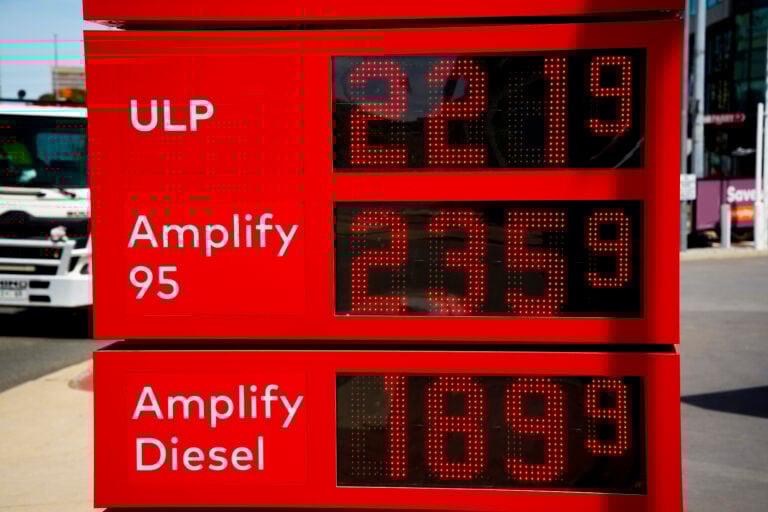
Thanks to the US-Israeli war on Iran causing havoc to global fuel supplies, fuel prices in Australia are at an all-time high. As of today, 91 RON is sitting at most fuel stations in Sydney at around $2.20 per litre, with fuels like 95 RON and 98 RON premium unleaded priced closer to $2.50 per litre and above. That development obviously adds significantly to the transport costs of Australians, so how can you reduce your use? We’ve already covered the best EVs to switch to, but if electric cars aren’t the answer for you, the answer is a hybrid.
Hybrid drivetrains combine the best of both internal combustion and electric power, and can significantly lessen your fuel consumption as a result. While regular hybrids are unable to drive far on electric-only power, plug-in hybrids can thanks to their larger batteries, with some offering an EV range of up to 152km. Here’s the WhichCar by Wheels guide to the best hybrid vehicles on the market to dramatically cut fuel costs:
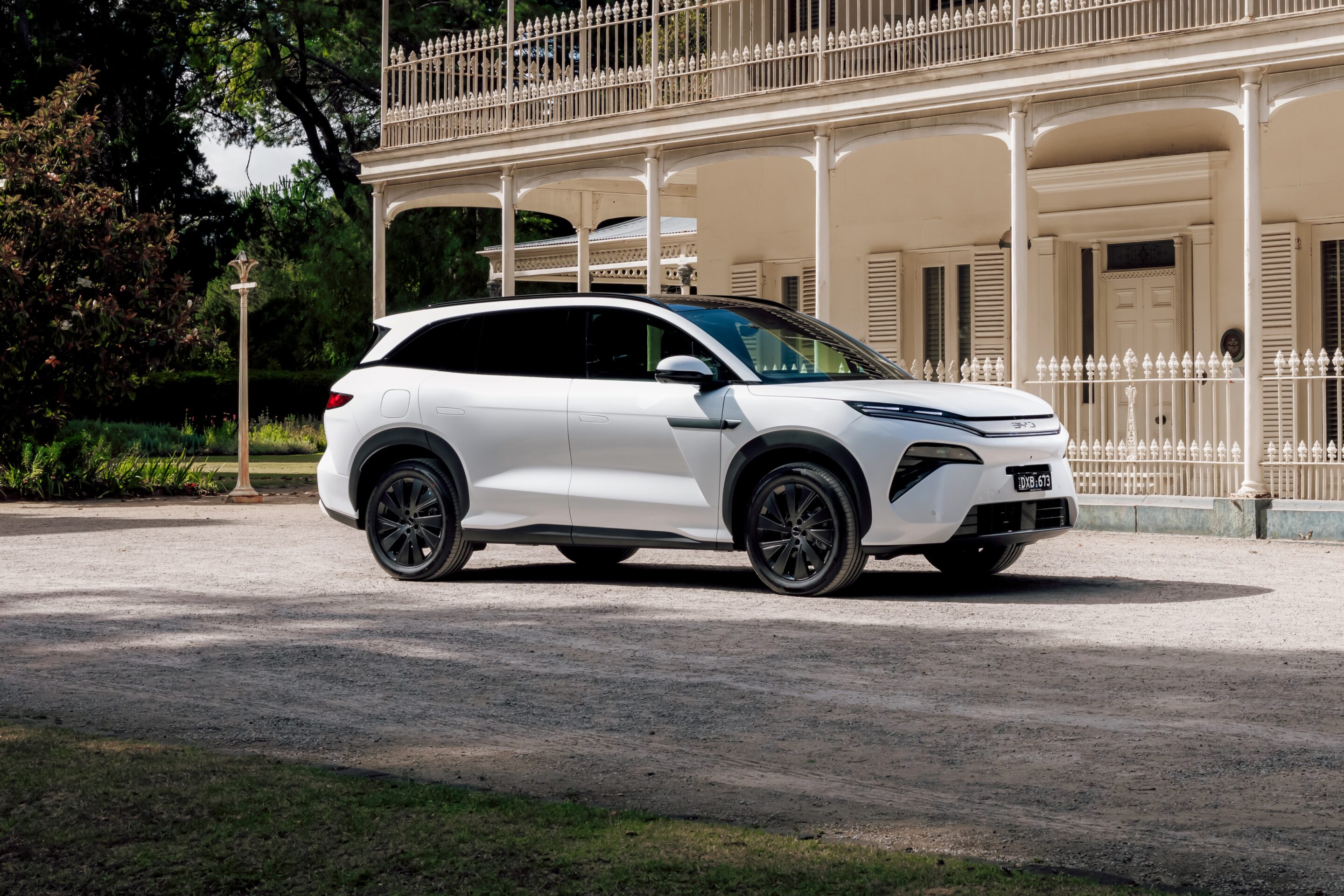
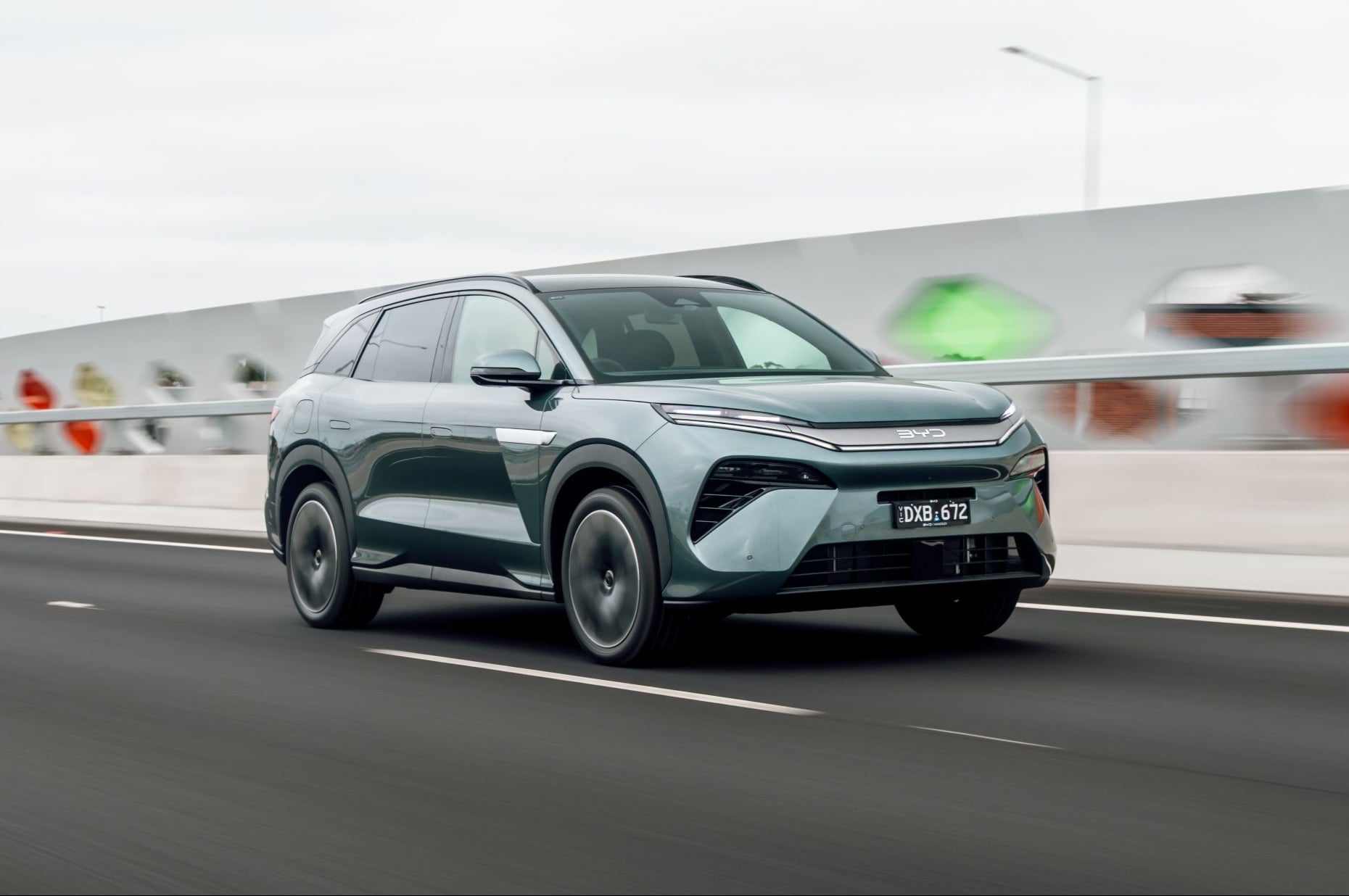
BYD Sealion 8
3
Price: From $56,990 plus on-road costs
Drivetrain: 1.5-litre turbo plug-in hybrid, up to 359kW/675Nm, 35.6kWh battery
Claimed combined fuel consumption: 1.0L/100km
EV range: Up to 152km (NEDC)
BYD‘s first seven-seater SUV in Australia is the Sealion 8 and it’s priced from $56,990 plus on-road costs, making it relatively inexpensive for a large seven-seat SUV. But the Sealion 8 is also a plug-in hybrid making up to a massive 359kW of power and can also travel up to 152km on electric power alone. Fully charged, it should use just 1.0L/100km of fuel. Add in its roomy cabin with quality materials, seating for up to seven, long standard equipment list and pleasant driving experience and we think it’s a great option to reduce fuel costs for those seeking a large family SUV.
Chery Tiggo 7 Super Hybrid

3
Price: From $39,990 driveaway
Drivetrain: 1.5-litre turbo plug-in hybrid, up to 255kW/525Nm, 18.4kWh battery
Claimed combined fuel consumption: 1.4L/100km
EV range: 93km (NEDC)
When the Chery Tiggo 7 SHS launched in 2025, Chery‘s 1200km total range claim was impressive and now that fuel prices are higher and efficiency is an even greater consideration for buyers, it’s come into sharper focus. Using a 1.5-litre turbocharged plug-in hybrid drivetrain making up to 255kW of power, the Tiggo 7 SHS’s 18.4kWh gives a claimed electric driving range of 93km and combined fuel consumption of just 1.4L/100km (if charged). Pricing starts at just $39,990 driveaway, though Chery has it available for just $34,990 at the time of writing, making it one to consider to lessen costs.
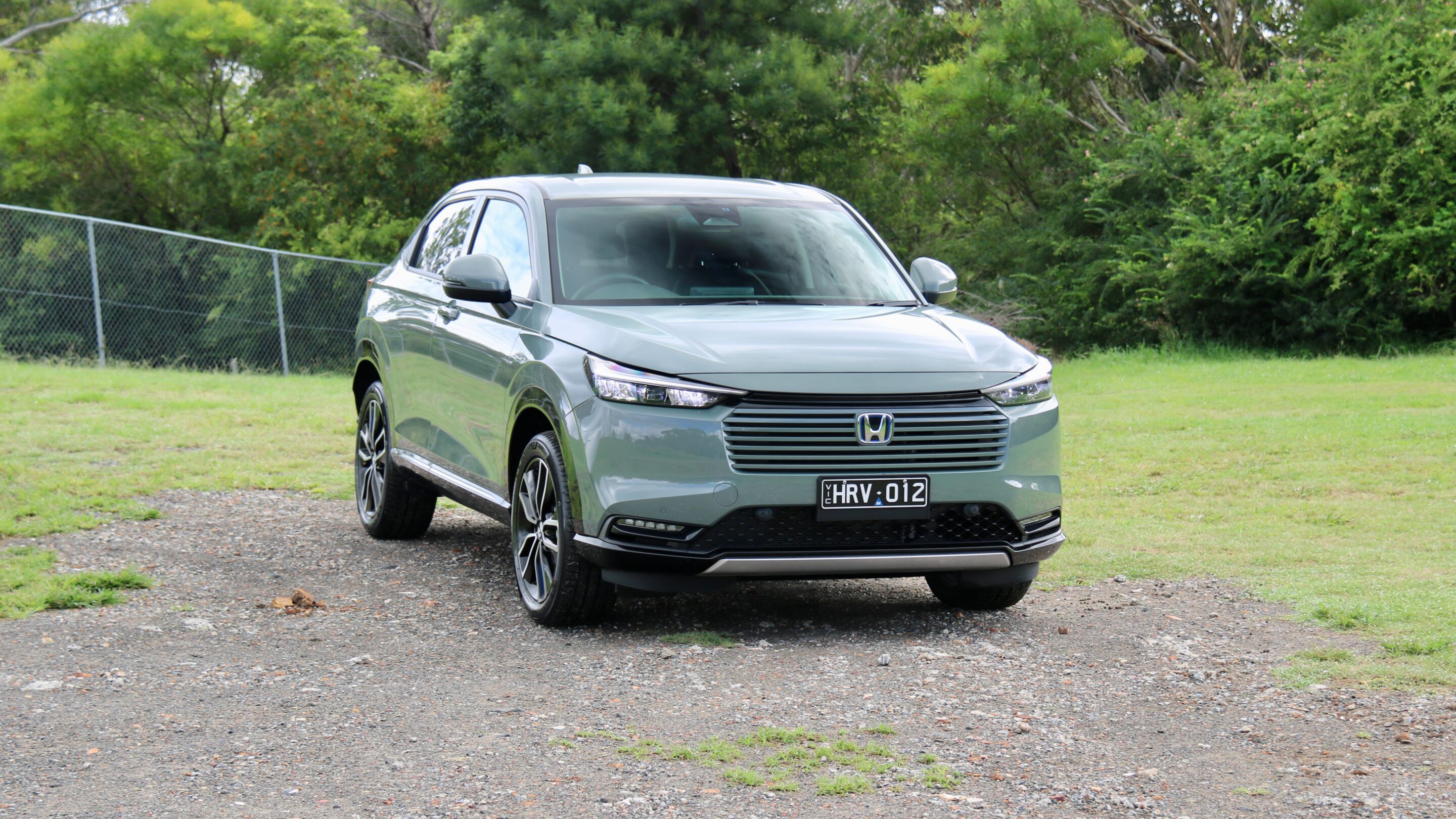
Honda HR-V e:HEV
3
Price: From $39,900 driveaway
Drivetrain: 1.5-litre hybrid, 96kW/253Nm
Claimed combined fuel consumption: 4.3L/100km
The Honda HR-V e:HEV hybrid is one of the best small SUVs you can buy, and with combined fuel consumption of just 4.3L/100km, it’s also one of the cheapest to run. Using a peppy 1.5-litre hybrid drivetrain making 96kW of power, the HR-V hybrid is also more than grunty enough for city driving. It’s also extremely practical thanks to Honda‘s Magic Seats system, drives well and is also well equipped with quality materials.
Honda Civic
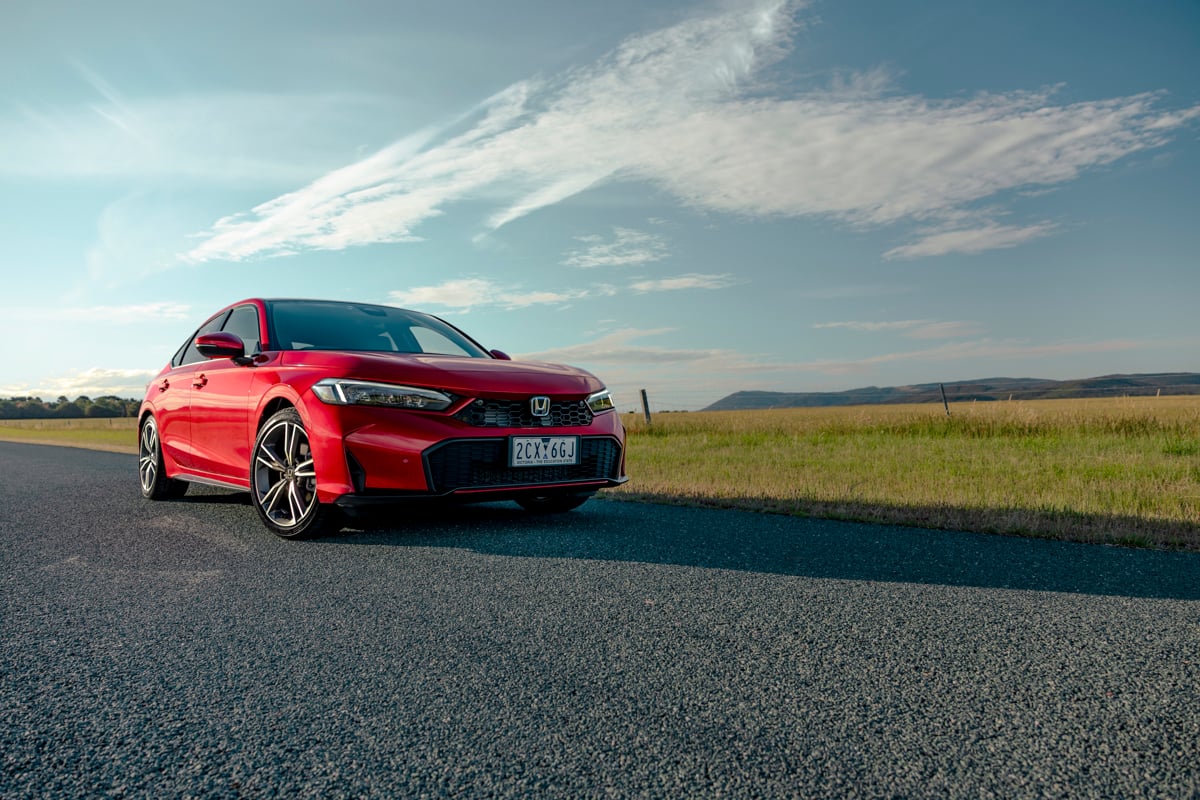
3
Price: From $49,900 driveaway
Drivetrain: 2.0-litre hybrid, 135kW/335Nm
Claimed combined fuel consumption: 4.2L/100km
A roomy cabin, huge boot, punchy 2.0-litre hybrid capable of just 4.2L/100km combined fuel consumption and an excellent driving experience sum up the Honda Civic, going some way to explaining why it won 2025-26 Wheels Car of the Year. It’s a truly great car and in this context, has more than enough potential to cut your fuel bills significantly. In purely urban driving, the hybrid system uses under 4L/100km of fuel, but it’s also got more than enough grunt for all scenarios.
Kia Sportage
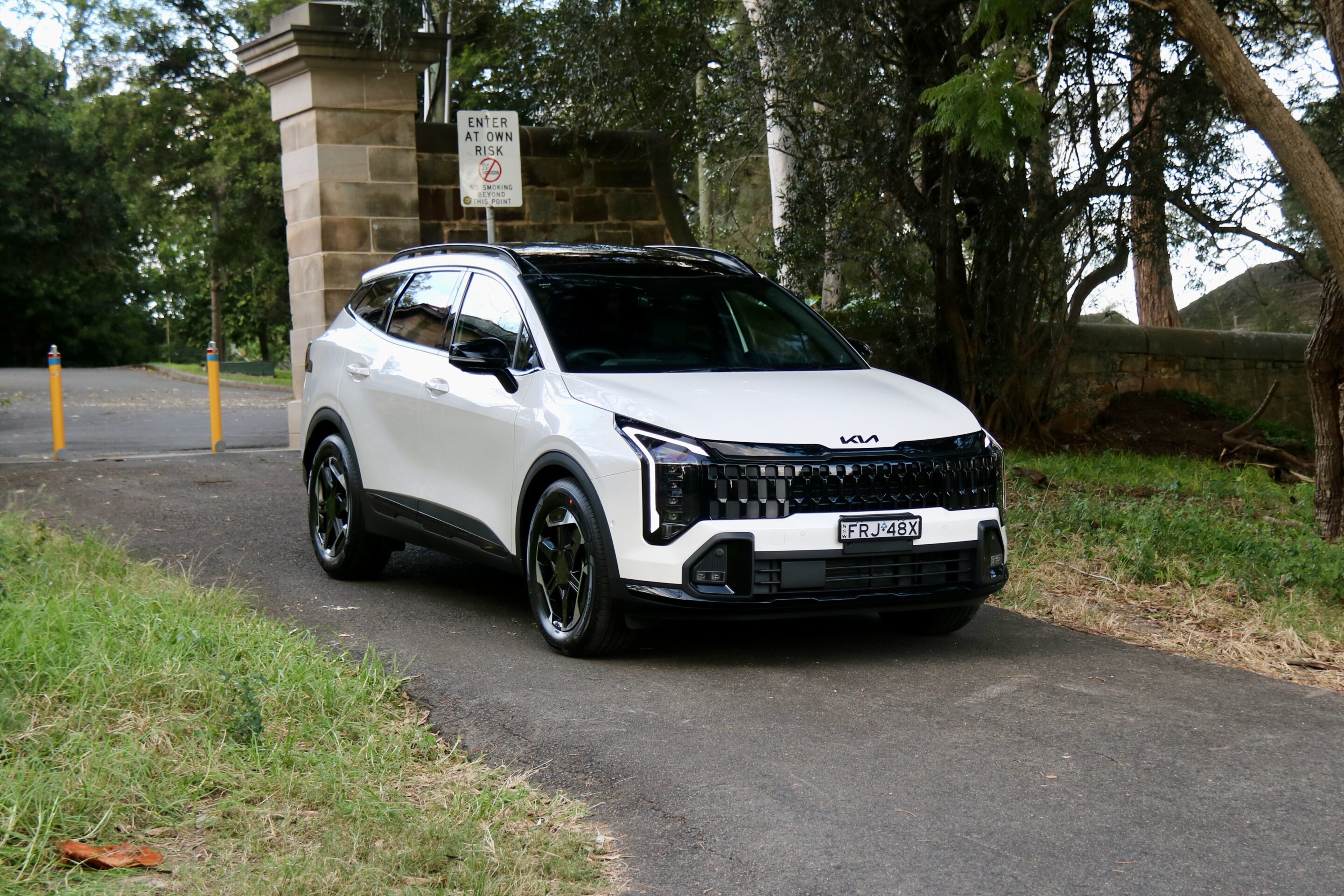
3
Price: From $44,450 plus on-road costs
Drivetrain: 1.6-litre turbo-hybrid, 173kW/367Nm
Claimed combined fuel consumption: 4.9L/100km (2WD) – 5.3L/100km (AWD)
You may not know it, but the Kia Sportage actually offers the widest range of drivetrains in the mid-size SUV segment with petrol, turbo-petrol, turbo-diesel and turbo-hybrids on offer, but we think the hybrid is the best of the bunch. Rated from just 4.9L/100km on the combined cycle, the Sportage hybrid is quite fuel efficient, but making 173kW of power, it’s also quite punchy. That’s in addition to the Sportage’s usual traits like sold value for money, long equipment lists and a great driving experience.
Kia Sorento
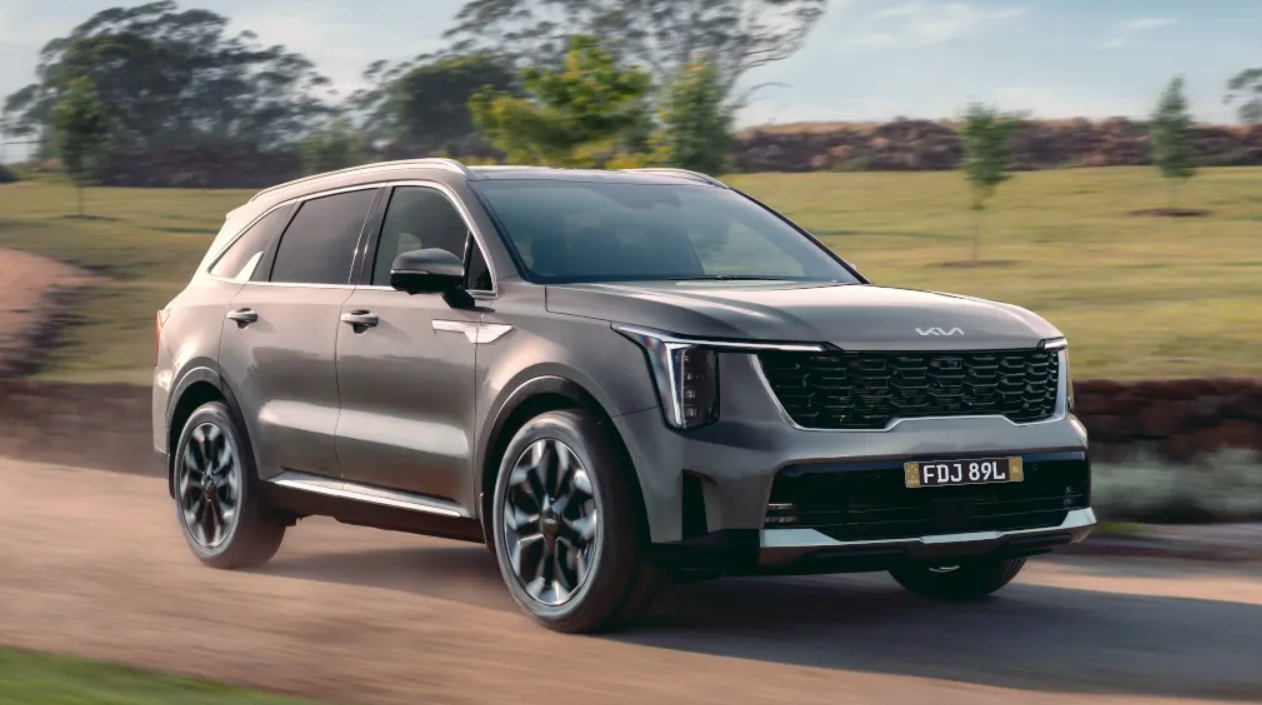
3
Price: $56,630 plus on-road costs (hybrid), $71,130 plus on-road costs (plug-in hybrid)
Drivetrain: 1.6-litre turbo-hybrid, 169kW/350Nm – 1.6-litre turbo plug-in hybrid, 195kW/350Nm
Claimed combined fuel consumption: 1.6L/100km (PHEV), 5.4L/100km (hybrid 2WD), 5.6L/100km (hybrid AWD)
EV range (PHEV): 68km (NEDC)
We’re big fans of the Kia Sorento and that’s because it’s a really great large SUV thanks to its keen value, excellent driving dynamics, spacious cabin and availability of not just one, but two hybrid drivetrains. The 169kW 1.6-litre turbo-hybrid is a big seller in the Sorento range offering combined fuel consumption from just 5.4L/100km, but there’s also the plug-in hybrid that’s capable of travelling 68km electrically and combined fuel consumption of just 1.6L/100km (if charged).
Geely Starray EM-i
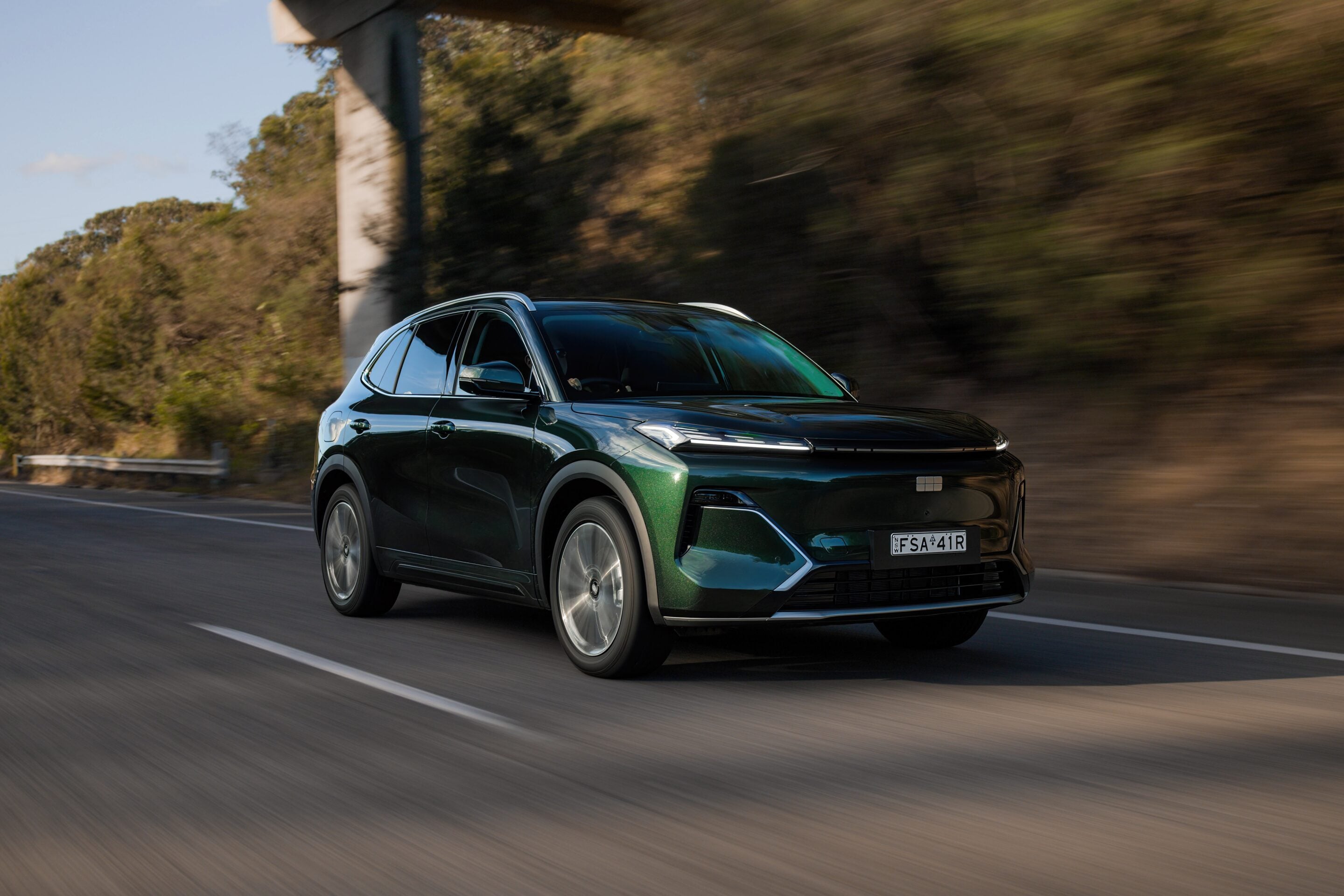
3
Price: From $37,490 plus on-road costs
Drivetrain: 1.5-litre plug-in hybrid, 193kW, 18.4kWh battery
Claimed combined fuel consumption: 2.4L/100km
EV range: 83km
Geely’s Starray only entered the Australian market in 2025 but it’s already selling well, and that’s because of its excellent value equation but also its impressive 83km electric-only range and combined fuel consumption of only 2.4L/100km (if fully charged). The Starray is also very well equipped, practical, handsome to look at and its cabin quality is excellent, too. Like all PHEVs, if you charge the Starray regularly, it has the potential to significantly lessen your fuel bills.
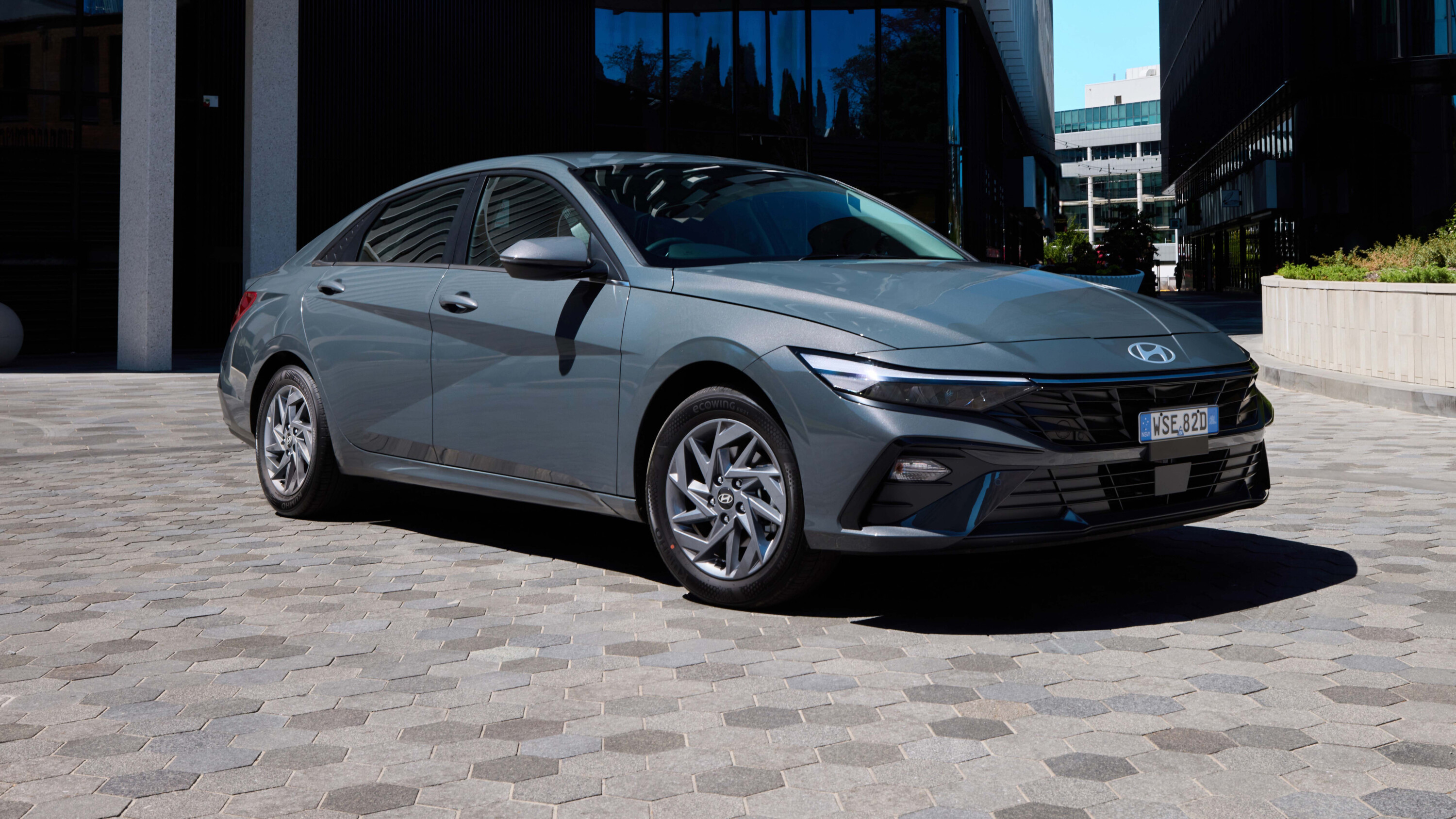
Hyundai i30 Sedan Hybrid
3
Price: From $33,250 plus on-road costs
Drivetrain: 1.6-litre hybrid, 104kW/265Nm
Claimed combined fuel consumption: 3.9L/100km
Like the Civic, the Hyundai i30 Sedan hybrid proves that you don’t need an SUV for a practical family car. Prices start at just $33,250 +ORC, which is less than the equivalent Kona hybrid small SUV, and the i30 Sedan hybrid is also very fuel efficient, rated at just 3.9L/100km. In addition to that, it’s very roomy for a small sedan, and it’s also quite well equipped across the range.
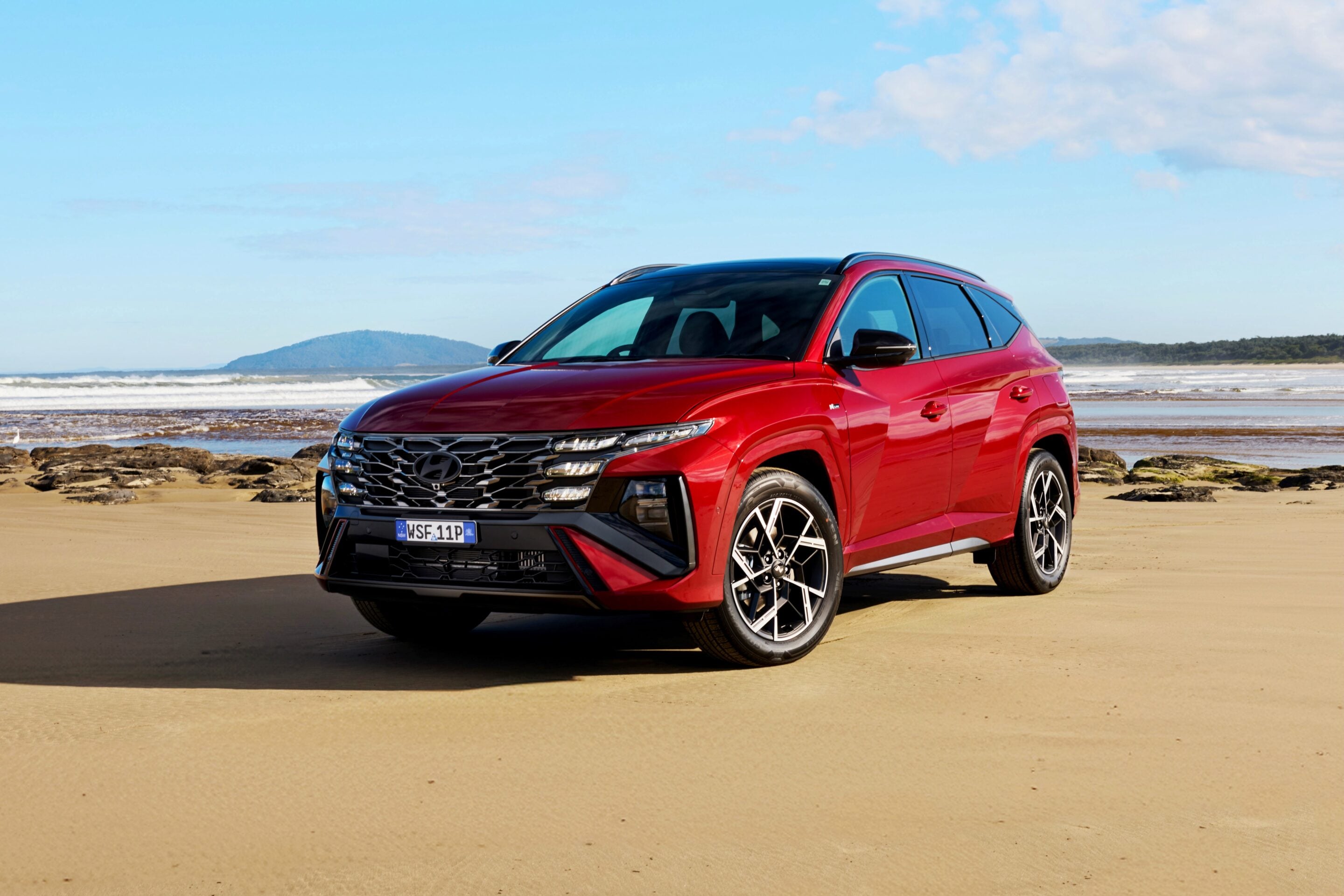
Hyundai Tucson Hybrid
3
Price: From $42,850 plus on-road costs
Drivetrain: 1.6-litre turbo-hybrid, 172kW/367Nm
Claimed combined fuel consumption: 5.3L/100km
The Hyundai Tucson won the 2025 Wheels’ Best Medium SUV award and it’s still a strong all-rounder that’s capable of lessening your fuel bills significantly. Both excellent 1.6-litre turbo-hybrid and underwhelming 2.0-litre petrol drivetrains are on offer in the Tucson range, but the hybrid is undoubtedly the better choice in the range. Rated at just 5.3L/100km on the combined cycle, the hybrid is not only a lot more efficient, but it’s also far gruntier than the petrol engine also offered. The Tucson hybrid is one of the best medium SUVs currently available.
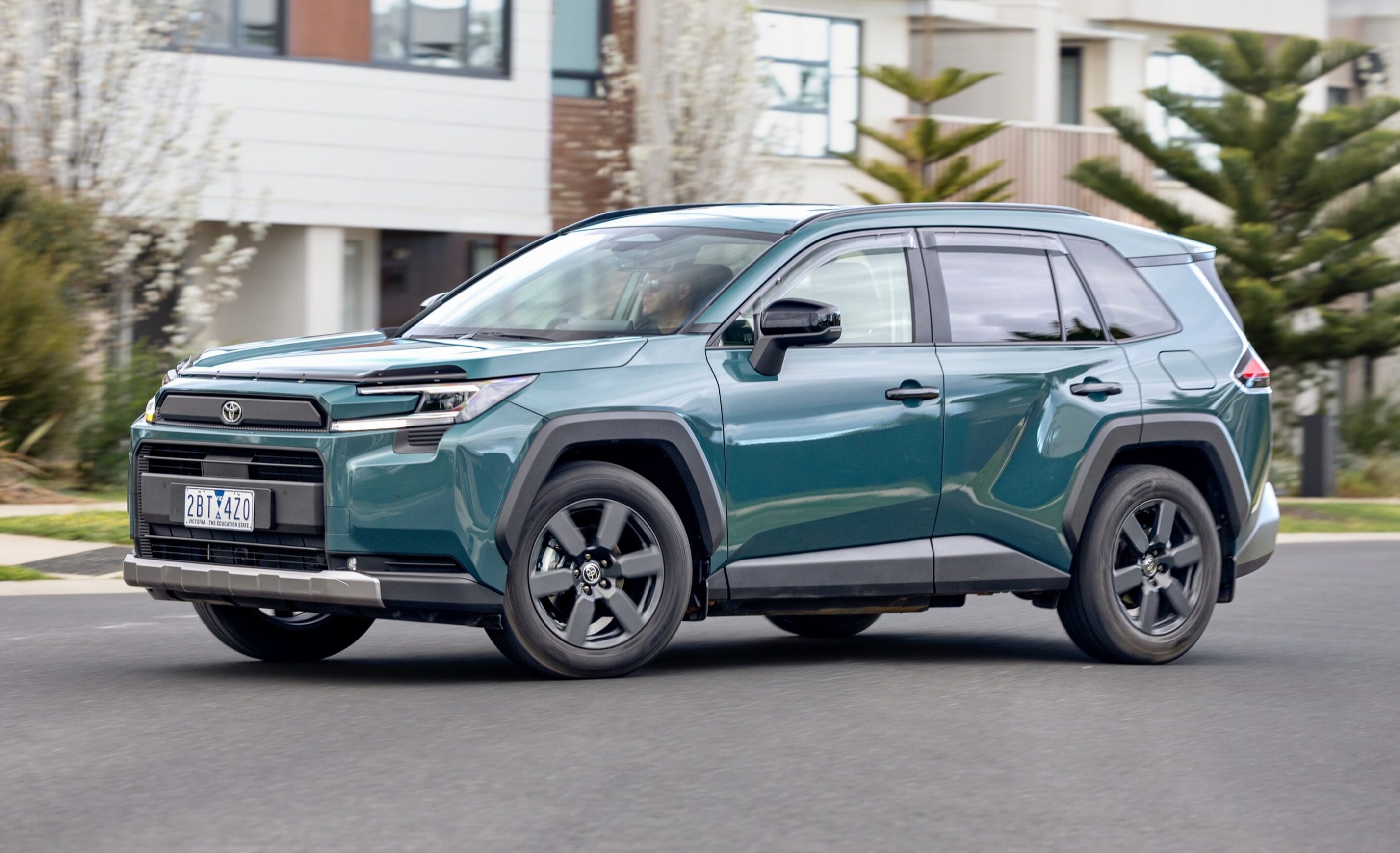
Toyota RAV4 Hybrid and Plug-in Hybrid
3
Price: From $45,990 plus on-road costs (PHEV from $58,840 +ORC)
Drivetrain: 143kW 2.5-litre hybrid or 200kW (2WD)/227kW (AWD) plug-in hybrid, 22.7kWh battery (PHEV)
Claimed combined fuel consumption: TBC, but expected to be under 5L/100km
EV range (PHEV): 100km (est.)
Last but not least, a vehicle you should be considering to lessen your fuel costs is the new Toyota RAV4. Over 50,000 people in 2025 in Australia alone bought one as its excellent fuel efficiency is a big drawcard for mid-size SUV shoppers. For the first time in Australia, the plug-in hybrid will be offered from the third quarter of 2026 offering a “targeted” range of 100km, with full specifications yet to be confirmed. Pricing for the new model is higher, starting at $45,990 +ORC and from $58,840 +ORC for the PHEV, but it’s received a big boost in in-car technology compared to the old model.
Follow WhichCar/Wheels on Google
Click the button below to make WhichCar by Wheels a preferred source for your news.


We recommend
-
 News
NewsACCC warns fuel retailers as petrol prices surge
Consumer watchdog meets major suppliers amid rising prices and supply concerns, vowing action against any signs of price gouging.
-
 News
NewsHonda CR-V facelift adds new features, more hybrid grades
Honda has facelifted its CR-V mid-sizer SUV with new tech across the range, mild styling tweaks and a revised model line-up with more hybrid grades.
-
 Comparisons
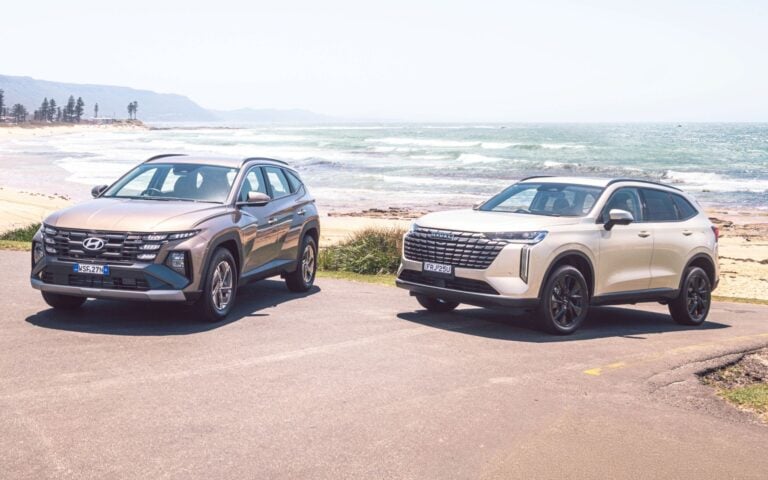
Hyundai Tucson Hybrid v GWM Haval H6 Ultra Hybrid: Front-wheel drive SUV showdown
Medium SUVs are Australia’s favourite way to move a family around, get to and from work, or head off on a road trip. That’s why every manufacturer wants a piece of the pie. If you want a medium SUV though, do you need AWD and all the extras? Wheels looks at two of the more affordable hybrid FWD models on the market.