Features


Gallery 1
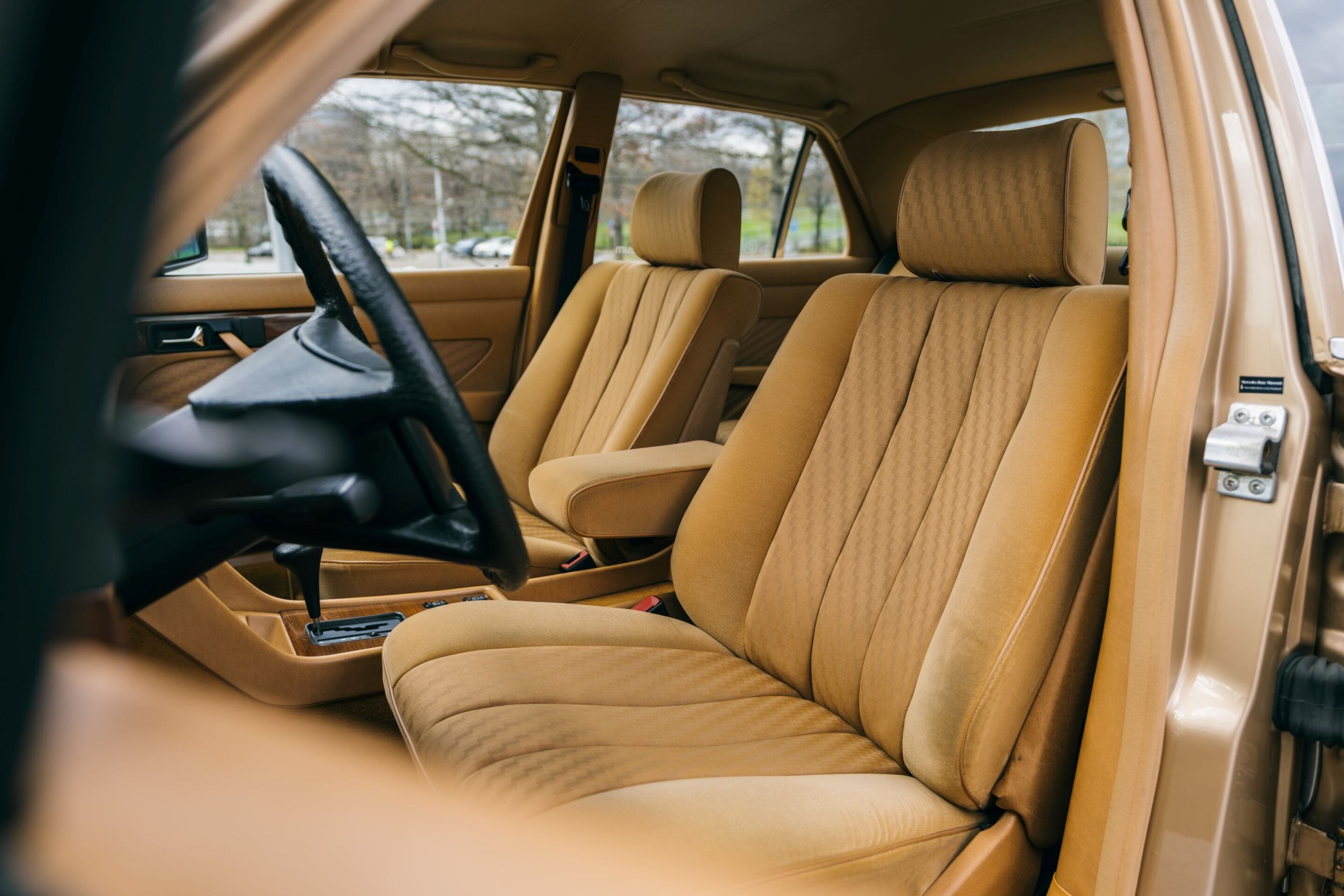
To close the door of the Mercedes-Benz S-Class is to experience a satisfaction almost unlike any other in the world of cars. Yes, there’s the reassuring ‘thunk’ of the door as it catches the latch, but it’s immediately followed by a hush, as if the very act of closing that solid, dependable and heavy door has sucked all the sound out of the cabin.
Outside, the world howls with wind and snarls with traffic as people scurry streets and footpaths on their way to work on this chilly spring day in Stuttgart, Germany.
Inside, a quiet hush, as if someone has slipped the world’s best noise-cancelling headphones over your ears without you noticing. It’s the sound of unashamed prestige, of a vehicle that was, in its heyday, dubbed ‘the best car in the world’.
2
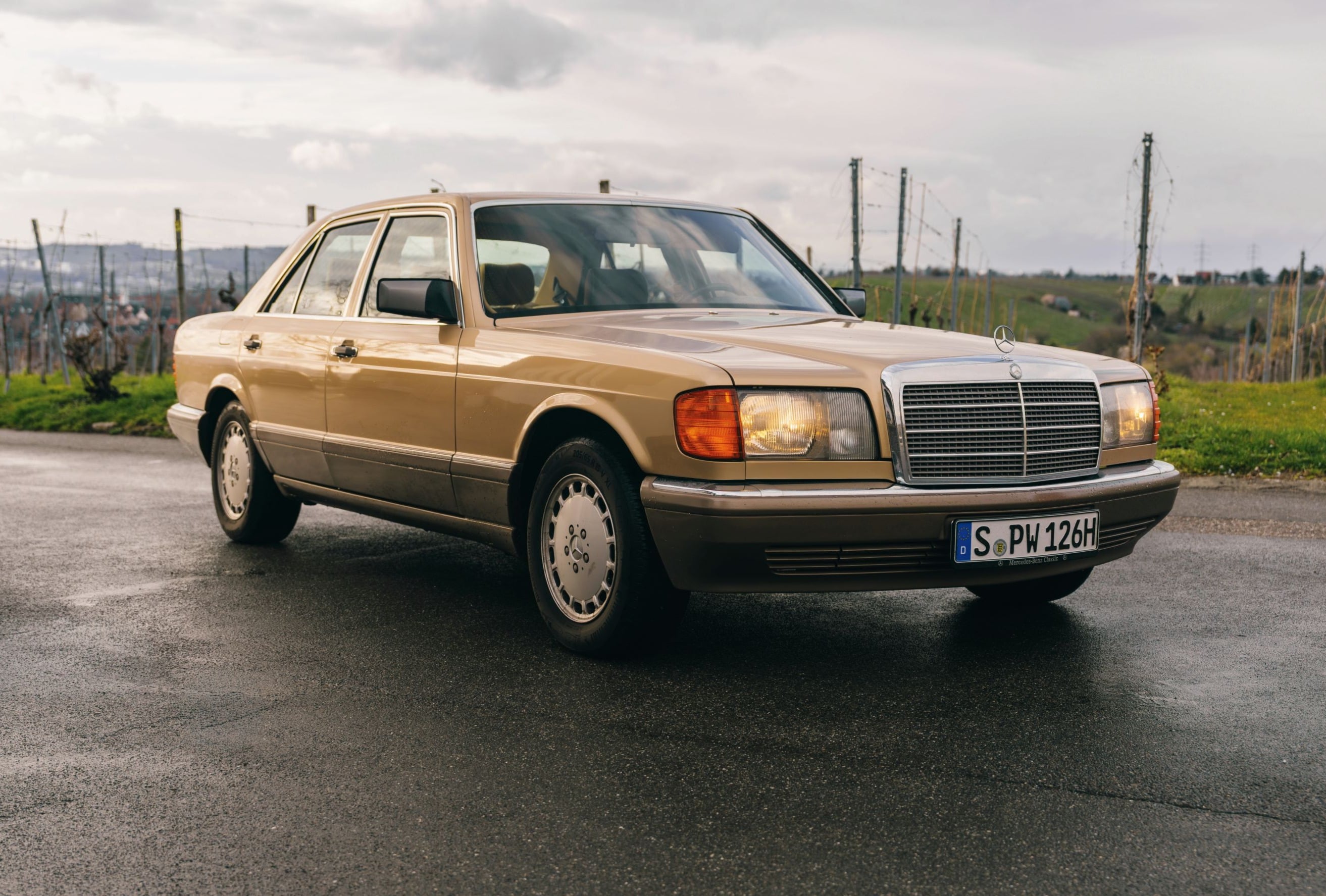
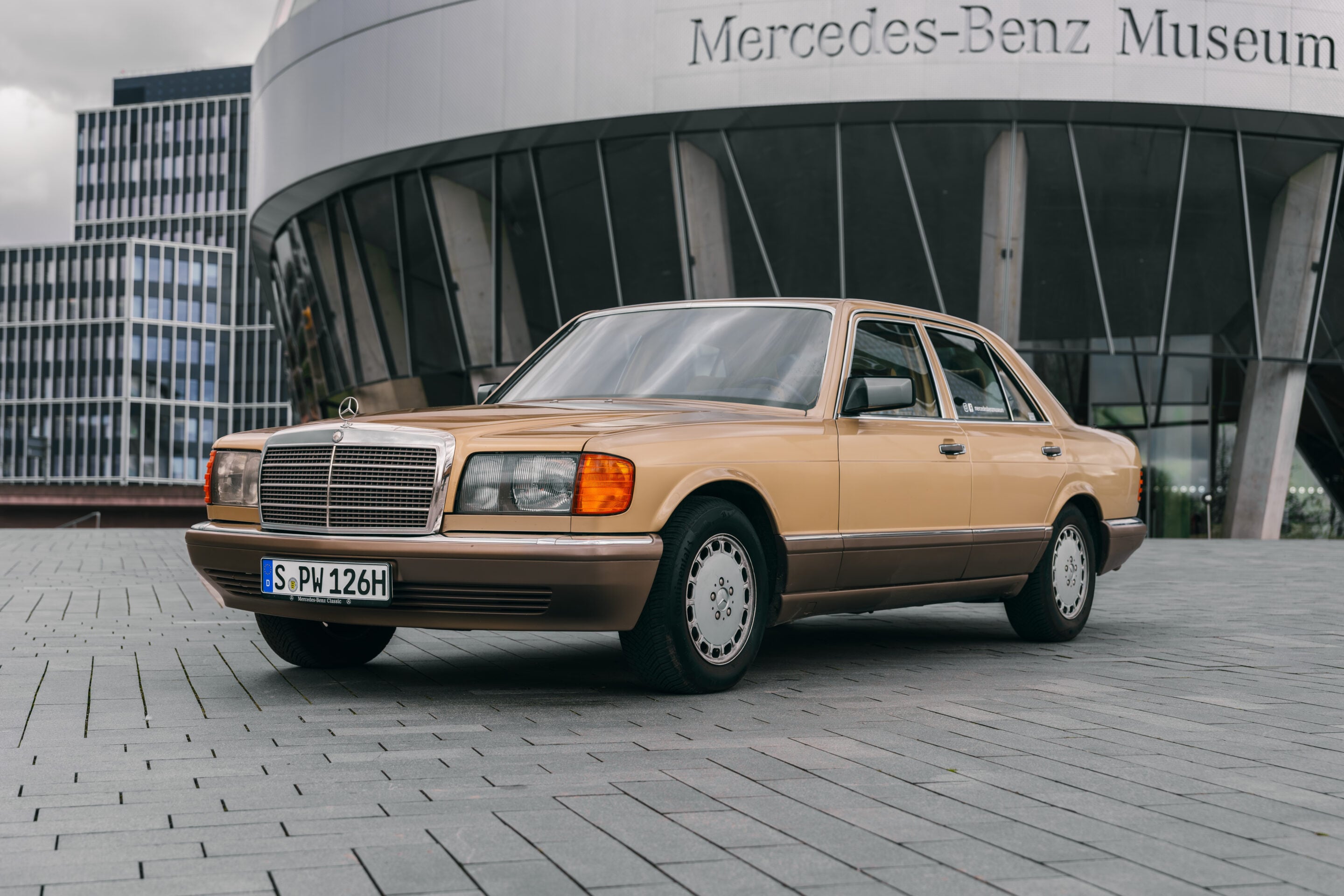
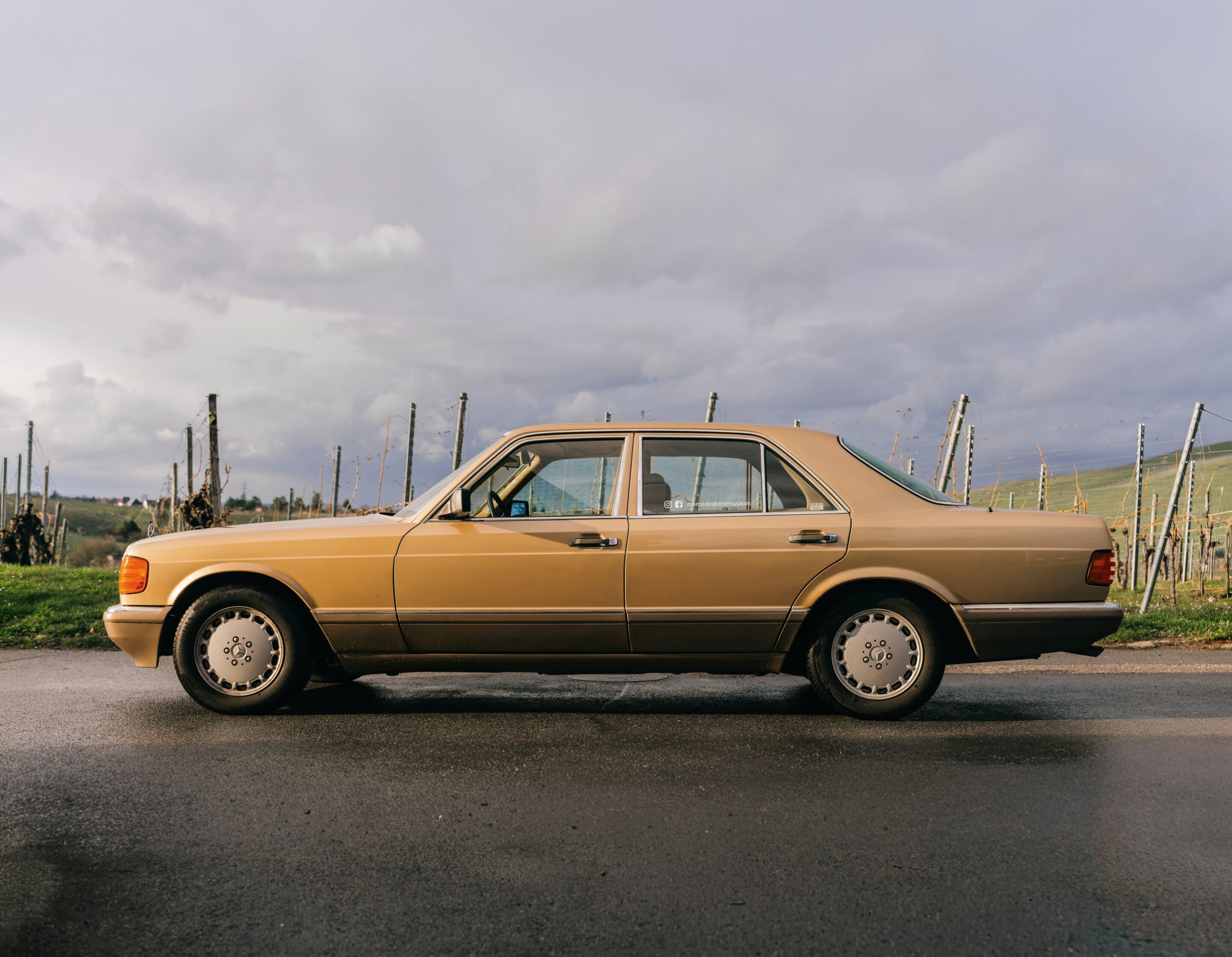
It’s hard to believe the W126 series Mercedes-Benz S-Class is turning 47 this year, such are the graceful lines of Bruno Sacco’s enduring and timeless design. Yet here we are in 2026, and the car in front of me still looks as fresh as the day it rolled off Merc’s Sindelfingen production line.
The W126 is the quintessential Mercedes-Benz, the most Sonderklasse of all S-Classes, its imposing, yet elegant command of the road defining not just the badge, but the brand itself, for an entire generation.
Only the second model from the German brand to officially wear the Sonderklasse (Special Class, or S-Class) designation, the W126 arrived at a time when the world was changing, and changing fast.
Amidst a world of political upheaval and instability, OPEC’s crippling oil embargoes of 1973 and 1979 had forced car makers to re-evaluate their model line-ups, shifting engineering focus to improving fuel economy.
It’s worth looking back to move forward. The W116 S-Class served as the glitzy flagship for the German brand from 1972-1980, bringing Mercedes-Benz into the modern age with its long profile and acres of chrome that gave the first car to wear the S-Class name a daunting presence on the road. Here was a car that spoke to the success of its owner, a glittering and powerful behemoth that dwarfed all-comers in a way that only a flagship luxury sedan can.
This was no demure shrinking violet of a car. Instead, its presence spoke volumes, an in-your-face statement of power and prestige, of both the long sedan itself and those lucky enough to be counted amongst its owners.
1
But big cars need big engines and in the case of the W116, the powertrain catalogue ran the full gamut of what was then considered prestige motoring. From cast-iron inline sixes to an ever-increasing range of V8s including the grand-daddy of them all, the 6834cc M100 V8 powering the undisputed flagship of the S-Class range, the 450SEL 6.9.
But the 1973 oil crisis had other ideas and as the world descended into fuel rationing (West Germany mandated ‘No-Drive’ Sundays, with punitive fines for those who dared to hit the road on the Sabbath), a different future was needed.
Work for what would become the W116’s successor got underway in the early ’70s with two clear aims. One, it had to be ‘the best car in the world’, and two, it needed to be more efficient and lighter than the W116 it was to replace.
The core principles of what would become the W126 were set down by Werner Breitschwerdt, Mercedes’ then director of passenger cars. Efficiency and lightness were paramount but crucially, not at the expense of Mercedes-Benz’s core values of luxury, comfort and safety. The new S-Class needed to meet the challenges of a world in change without diluting the essence of what it means to be a Mercedes-Benz.
Bruno Sacco, not yet head of design at Mercedes (that position would come later, in 1975) led the W126 design team, the first time the Italian-German had enjoyed full control over a Mercedes production car. Sacco needs little introduction today, the legendary designer who spent almost his entire working life with Mercedes responsible for some of the greatest cars to ever roll out of Stuttgart-Untertürkheim.
Sacco adhered to a simple philosophy when designing his cars: “The development cycle of a new vehicle is typically three to five years, which is then followed by a production life of about eight years,” Sacco said. “The last car off the assembly line of that model will have an average life expectancy of 20 years. That adds up to a product lifecycle of approximately 30 years.”
1
Certainly, when looking at the W126 today, Sacco’s ethos is clearly visible, the big Benz still a masterclass in restrained elegance, and yet undeniably potent. The word ‘iconic’ is bandied about a little too freely today, but in the case of Sacco’s W126 S-Class, it rings true. It’s almost as if the word itself was coined just for the W126.
Meeting Breitschwerdt’s strict parameters for the W126 was no easy task, but with engineers (not accountants) running the show, no corners were cut in the search for excellence. To help improve fuel consumption, Mercedes-Benz focussed on using lightweight materials and improvements to aerodynamic efficiency.
High-strength low-alloy (HSLA) steel was used extensively for body panels and reinforcements while lightweight alloy-block engines replaced the old cast iron units that, while serving its W116 predecessor so well, weren’t exactly the last word in fuel efficiency.
A focus on aerodynamic efficiency also paid dividends, resulting in a 14 per cent improvement to the W126’s drag coefficient compared to the older W116 S-Class.
Simple yet effective measures like hiding the windscreen wipers under the gently-raised trailing edge of W126’s imposing bonnet helped here. So too integrating lightweight polyurethane deformable bumpers into the bodywork, replacing the W116’s heavy and glitzy chrome steel bumpers.
Mercedes-Benz’s pioneering work in the field of occupant safety took giant strides too in the W126, the first production car in the world to be fitted with a driver’s side airbag. Front passenger airbags would follow with model updates, as would the addition of seatbelt tensioners, which utilised a small explosive charge to tighten the front seatbelts – holding the occupants firmly in place – in the event of a collision.
Under the skin, improved crumple zones further enhanced the W126’s ground-breaking safety credentials while a Bosch-developed electronic anti-lock braking system (ABS), first seen on the W116 S-Class, carried over to the new model.
2
A focus on crash protection set the tone for decades, with the W126 setting new standards in occupant safety, most notably in the field of frontal offset impact where the passenger safety cell could withstand crashes at speeds of up to 55km/h. The W126 was, according to Mercedes-Benz, the “first production vehicle worldwide to meet the criterion of the asymmetric frontal crash”, decades before the frontal-offset impact testing became mandatory.
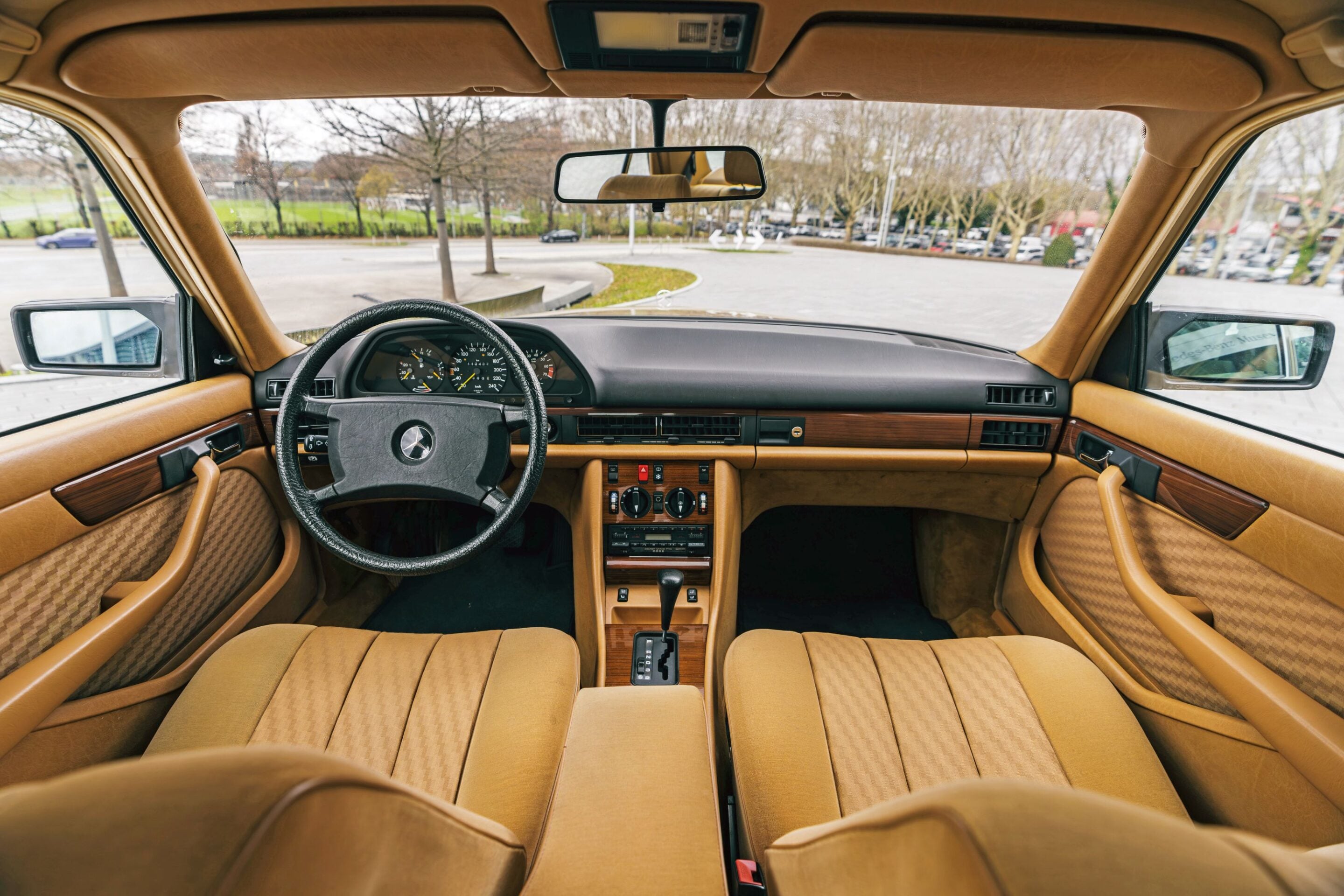
Inside, the W126 retained the understated luxury philosophy so evident on the outside with a functional, yet elegant interior.
Sacco believed in function over form, evidenced by the simple layout of the dashboard and overall ergonomics that prioritised driver comfort over everything else.
Yes, there were some premium flourishes, like the genuine wood veneer trim that adorned the dash, centre console and door cards, but the overall design – and its solid bank vault qualities – showed conservative restraint which, while not as flashy as some of its contemporaries, have stood up well with the passage of time.
Adding to the feeling of luxury inside, the inclusion of power windows, central locking, and automatic climate controls, and even two-stage seat heating, might seem commonplace today in even the most affordable of new cars, but in 1979 it was heady stuff.
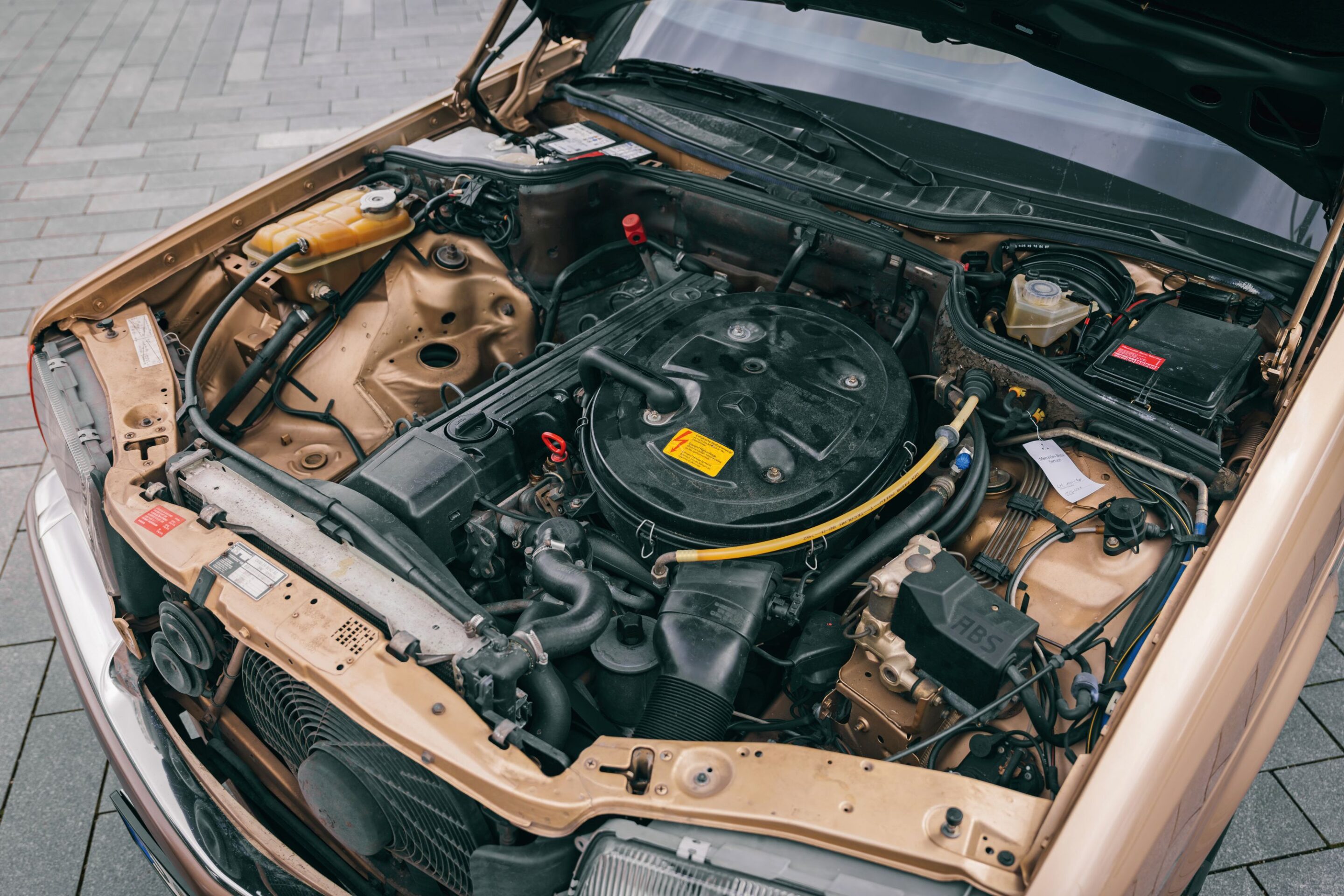
The focus on fuel economy bore fruit with a line-up of three basic engines – the M100 2.8-litre inline-six (carried over from the W116) in both carburetted and injected form, a new lightweight 3.8-litre V8 and a newish 5.0-litre V8 that, while designed for the W126 S-Class, had been let out a year earlier in the R109 450SLC.
The new V8s, with their lightweight alloy blocks, brought significant weight savings, allowing Merc’s engineers to ‘detune’ them for the fuel-chastened times without impacting the performance of its newest flagship.
2
The new 160kW/305Nm 3.8-litre V8 lost a bit in overall outputs when compared with the older W116’s 4.5-litre, but made up for it with a kerb weight of 1595kg, significantly down on its predecessor’s 1740kg. Similarly, the new range-topping 5.0-litre alloy bent-eight and its 177kW and 420Nm couldn’t hold a candle – on paper, at least – to the 210kW/550Nm of the monster 6.9-litre of the flagship W116 S-Class.
But tipping the scales at 1620kg, the new car was lighter by a considerable 365kg allowing it to – almost – match the older car’s performance, 7.7s for the 0-100km/h sprint against the 6.9-litre’s 7.4s. Splitting hairs, really.
The end result of all this modern-day finagling and tinkering by Merc’s designers and boffins was an overall reduction in fuel consumption by 10 per cent without compromising on the S-Class’s performance.
Mercedes unveiled the new W126 to the public at the 1979 Frankfurt motor show to critical acclaim, with tags like ‘World Champion!’ and ‘the best car in the world’, including by us here at Wheels who awarded the W126 with the 1981 Car of the Year honours, praising its “depth of engineering brilliance” in awarding the W126 our COTY trophy.
“There is never any doubting the car’s ability on the road,” we wrote in our February 1982 issue.
“It is a supremely confident car whether turning hard into a corner, cruising at 160km/h or clearing its way through rain soaked gravel roads, the windows clean, the driver content in the knowledge that no other car would cope so magnificently.
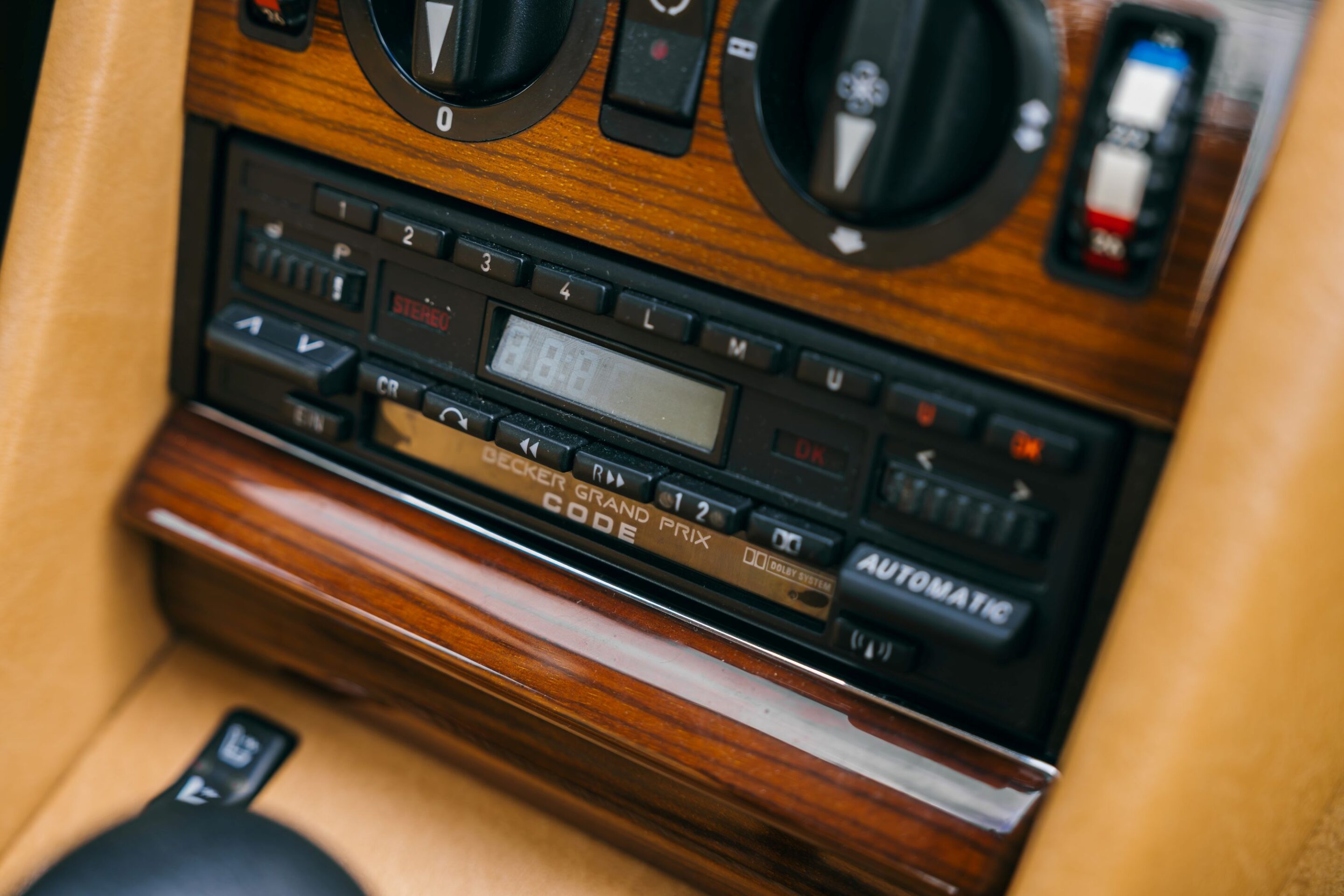
“Inside, all is quiet and comfortable, the interior air temperature kept at a consistent level by the automatic air conditioning unit, the brilliant Becker AM/FM radio/cassette entertaining the passengers while the driver enjoys the magic of the car. In a year which has seen many new cars, the S-Class stands alone, the automobile industry’s state of the art.”
Far from just an award winner, the second-generation S-Class was also a hit with buyers. A starting price in 1979 of around 40,000DM (about €55,000 in today’s money, adjusted for inflation) placed the new S-Class in the upper echelons of the new car market. For context, a brand new Opel Rekord E1 (the car which spawned our very own Holden Commodore) could be had for around 15,000DM (around €20,600 adjusted for inflation).
4
In Australia, Merc’s new flagship started at $41,700 in 1979 dollars while again, for context, the cheapest VB Commodore (manual, 2.8-litre six-cylinder) asked for $7192.
Over the course of its 12-year life-span from 1979-1991, Mercedes-Benz shifted over 900,000 of the W126 generation Sonderklasse, across regular and long-wheelbase versions as well as a stunning range of two-door coupes introduced for the 1982 model year. It remains the most successful S-Class ever.
Viewed through today’s modern car lens, the W126 continues to stand up. Sacco’s ageless design remains true to his overarching ethos that a car needs to live beyond its five-year gestation and eight-year shelf life.
Even today, the sight of a well-sorted W126 on the road brings a sense of comfort. It was, and remains, the archetypal Mercedes-Benz and perhaps the greatest embodiment of Sacco’s guiding philosophy that “a Mercedes-Benz must look like a Mercedes-Benz”.
Mission accomplished.
3
This story first appeared in the May 2026 issue of Wheels magazine, now on sale. Subscribe here and gain access to 12 issues for $109 plus online access to every Wheels issue since 1953.
Follow WhichCar/Wheels on Google
Click the button below to make WhichCar by Wheels a preferred source for your news.

We recommend
-
 Features
Modern Classic: Ferrari F92A, the underperformer that left a lasting legacy
It might not be the best F1 car Ferrari ever built but it did make a mark on the Scuderia's later era.
-
 Features
Modern Classic: Porsche 928, a car ahead of its time
Born of a crisis, the Porsche 928 was engineered to replace the 911, redefining the brand with radical design and grand touring ambition.
-
 Features
Modern Classic: Lamborghini Countach, a masterpiece of style
Born in the ’70s, and a supercar icon of the ’80s which lived into the ’90s, the Countach weaved its own magnificent myths.