News
Gallery 1
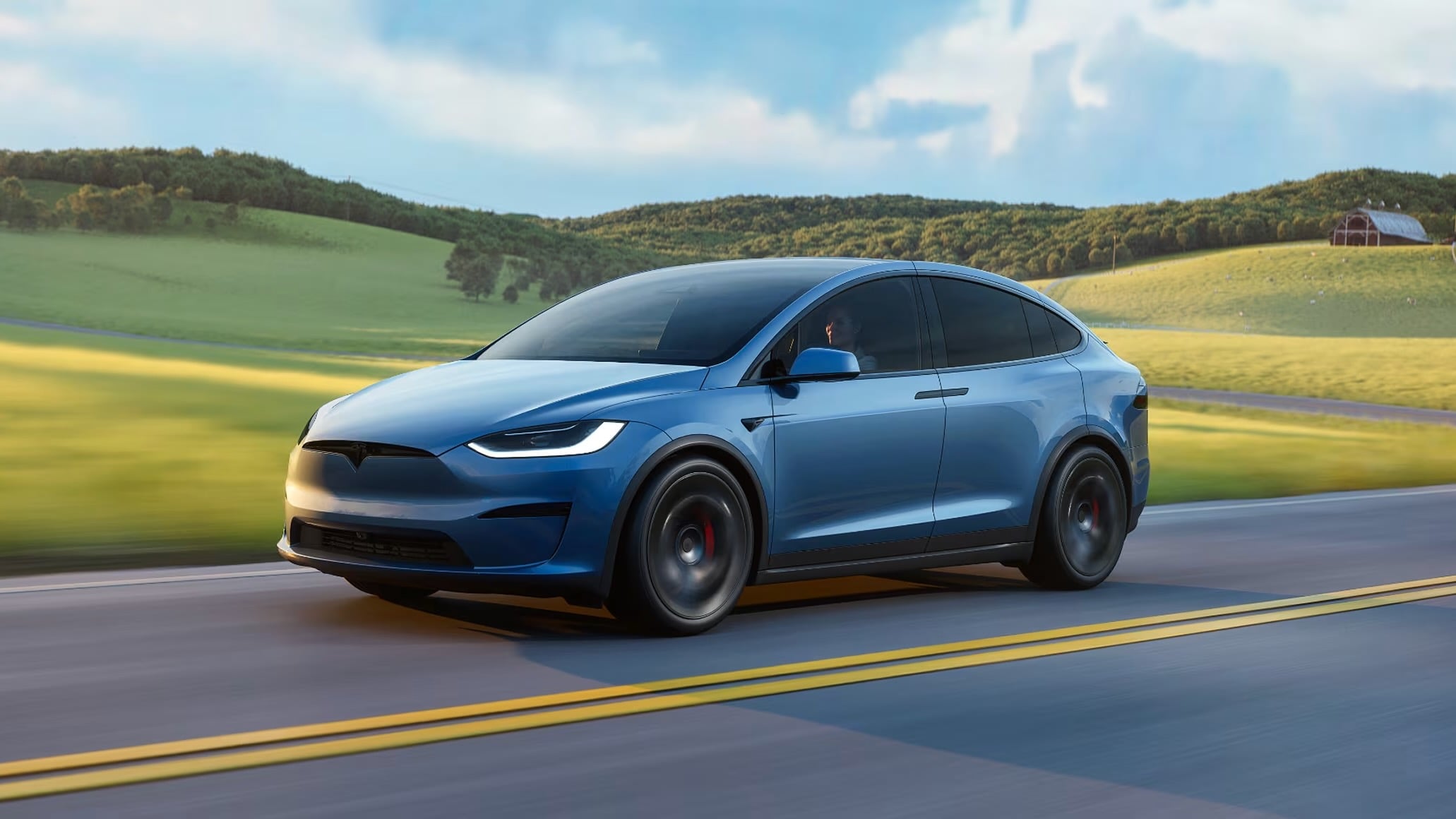
Tesla CEO, Elon Musk, has predicted that driverless vehicles will make up the majority of road traffic within 10 years, leaving human drivers as “quite a niche thing”.
Musk also suggested that his company’s driverless vehicles will be in widespread use across the United States by the end of this year, expanding on trials currently taking place in Texas.
The comments were made during a video link presentation given by Musk at the Smart Mobility Summit in Tel Aviv, and reported by Reuters.
1
Musk’s history of autonomous vehicle predictions reaches back almost 13 years, when he first publicly claimed that 90 per cent of driven miles would be autonomously handled by 2016.
The ‘90 per cent’ claim is a recurring figure touted by Musk, with a report from a CNN Money interview in 2014 including the quote, “A Tesla car next year will probably be 90-per cent capable of autopilot. Like, so 90 per cent of your miles can be on auto.”
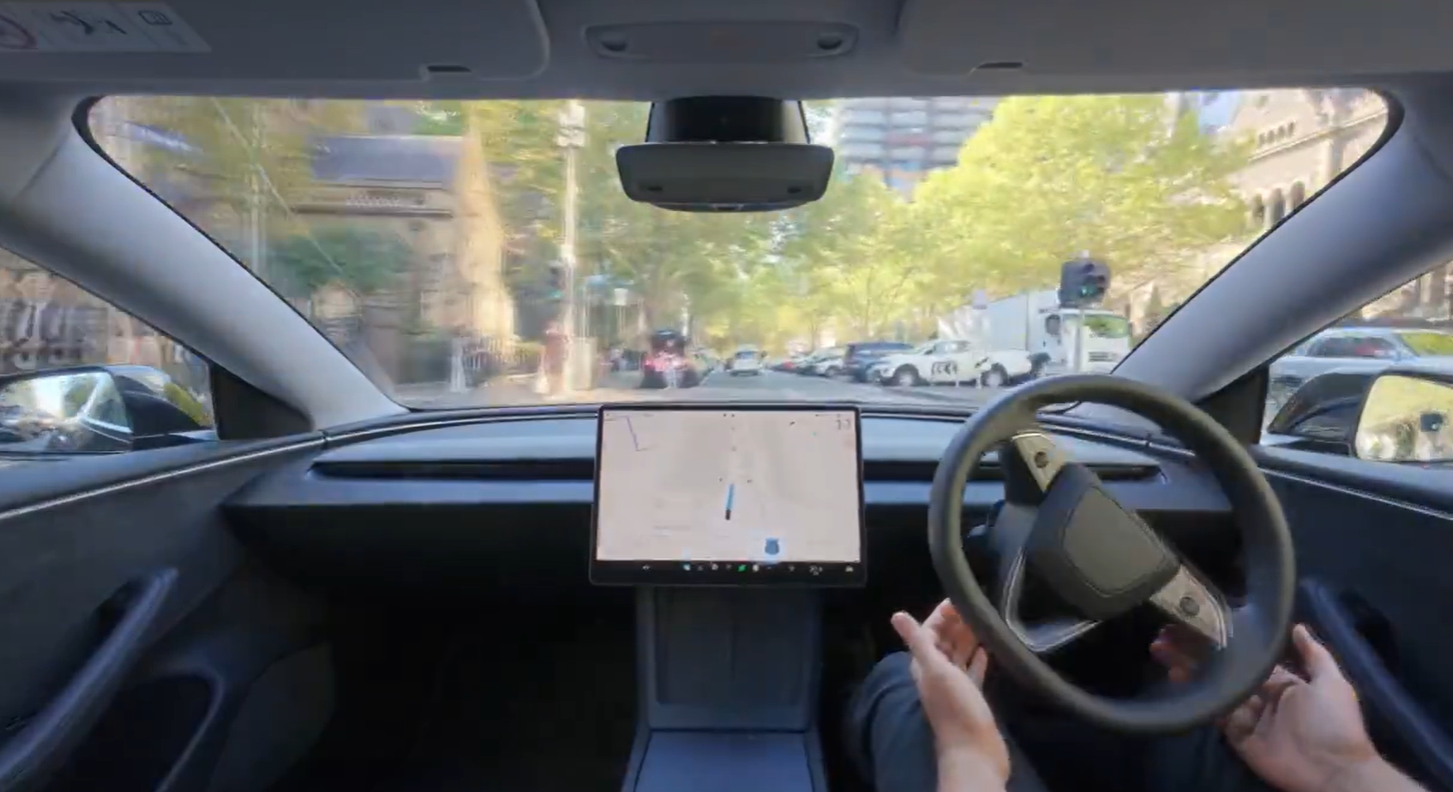
Tesla’s current driverless test program is already in operation in the cities of Austin, Dallas, and Houston in Texas, with a permit granted for a trial program in Arizona that requires vehicles to be supervised by a human driver.
Musk suggest that the driverless test program would expand nationwide by the end of 2026, despite regulations in states like Arizona, Kansas, and Nebraska requiring a licensed driver behind the wheel, and Pennsylvania requiring a driver for all but autonomous ‘work zone vehicles’, while other states have varying regulations on how fully autonomous vehicles can be operated and the level of supervision required.
During his Smart Mobility Summit presentation, Musk repeated his 90 per cent prediction for the take-up of autonomy; “Five years from now and certainly 10 years from now … probably 90 per cent of all distance driven will be driven by the AI in a self-driving car,” he said.
“So overwhelmingly, it’ll be quite a niche thing in 10 years to actually be driving your own car.”
1
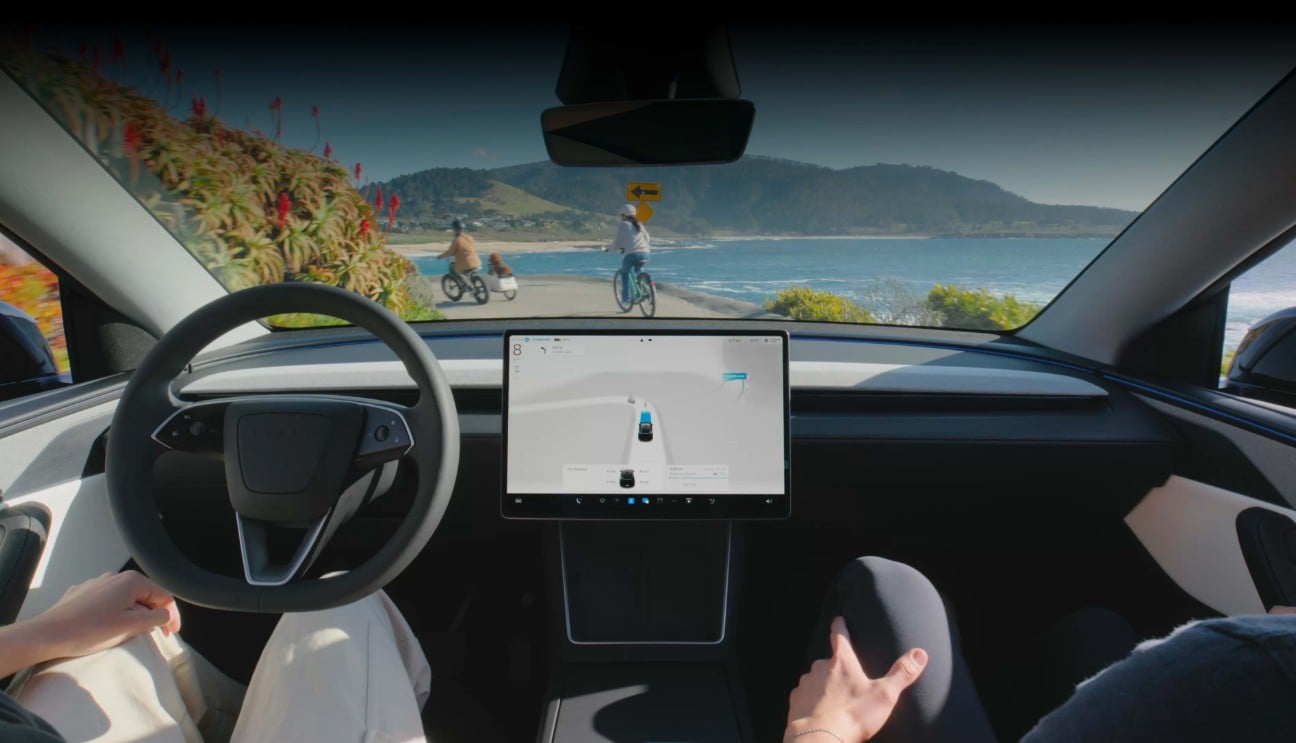
Tesla’s first semi-autonomous Autopilot system launched in 2014 with features including traffic-aware cruise control, lane-keeping assist (dubbed Autosteer) and automatic lane change functions. Expanded capabilities and Enhanced Autopilot and Navigate on Autopilot packages were later added.
In 2022, Tesla launched Full Self Driving, which included the ability to respond to traffic lights and road signs and could drive in a wider range of scenarios away from highways, including on urban streets. In 2024, the system was renamed to ‘Full Self-Driving (Supervised)’, reflecting the need for a human driver to remain attentive with the system in use.
The FSD Supervised system was made available to Australian-delivered vehicles from September 2025.
In 2024, Musk first showed a two-passenger Cybercab, without a steering wheel or pedals, as the first dedicated product of a fully autonomous future for the brand. The Cybercab is currently used in Tesla’s Texas test program, having commenced low-scale production earlier in 2026.
Follow WhichCar/Wheels on Google
Click the button below to make WhichCar by Wheels a preferred source for your news.
We recommend
-
 News
NewsTesla Full-Self Driving approved by first European country
The Netherlands is the first European country to approve the Tesla autonomous driving tech, with more countries expected to follow.
-
 News
NewsAI integration is coming to cars and could change the way you do everything
The stilted voice commands for car control could be replaced by fluid conversations, adaptable interactions, and smarter problem-solving to help you get around.
-
 News
NewsTesla self-driving starts testing in Australia – and even manages a hook turn
The brand’s mission on autonomous driving sees a hands-free Tesla navigating the streets of Melbourne - though the feature is not yet available for use by the public.