Reviews

Gallery 1
7.4
/10
Score
Score breakdown
7.0
Safety, value and features
7.0
Comfort and space
8.0
Engine and gearbox
7.0
Ride and handling
8.0
Technology
Things we like
- 48-volt system adds extra refinement and driveability
- Pleasant cabin with good quality materials and tech
- Well equipped for a mid-spec model
Not so much
- Ride quality a bit rough in SR spec
- Where's a full hybrid drivetrain?
- Not a completely new model, and it feels it
The Toyota HiLux has spent decades earning its reputation as one of Australia’s favourite utes, trusted by tradies, adventurers and families alike. As a result, it’s still one of the best-selling vehicles in the country, although it’s no longer the best-selling model available. There’s tougher competition than ever from newer rivals from all angles, so staying on top is no easy feat.
Updated in late 2025 with improved technology, more safety features and added refinement, does the latest HiLux still have what it takes to justify its long-lasting popularity, or have its competitors finally caught up?
How much does the Toyota HiLux cost to buy?
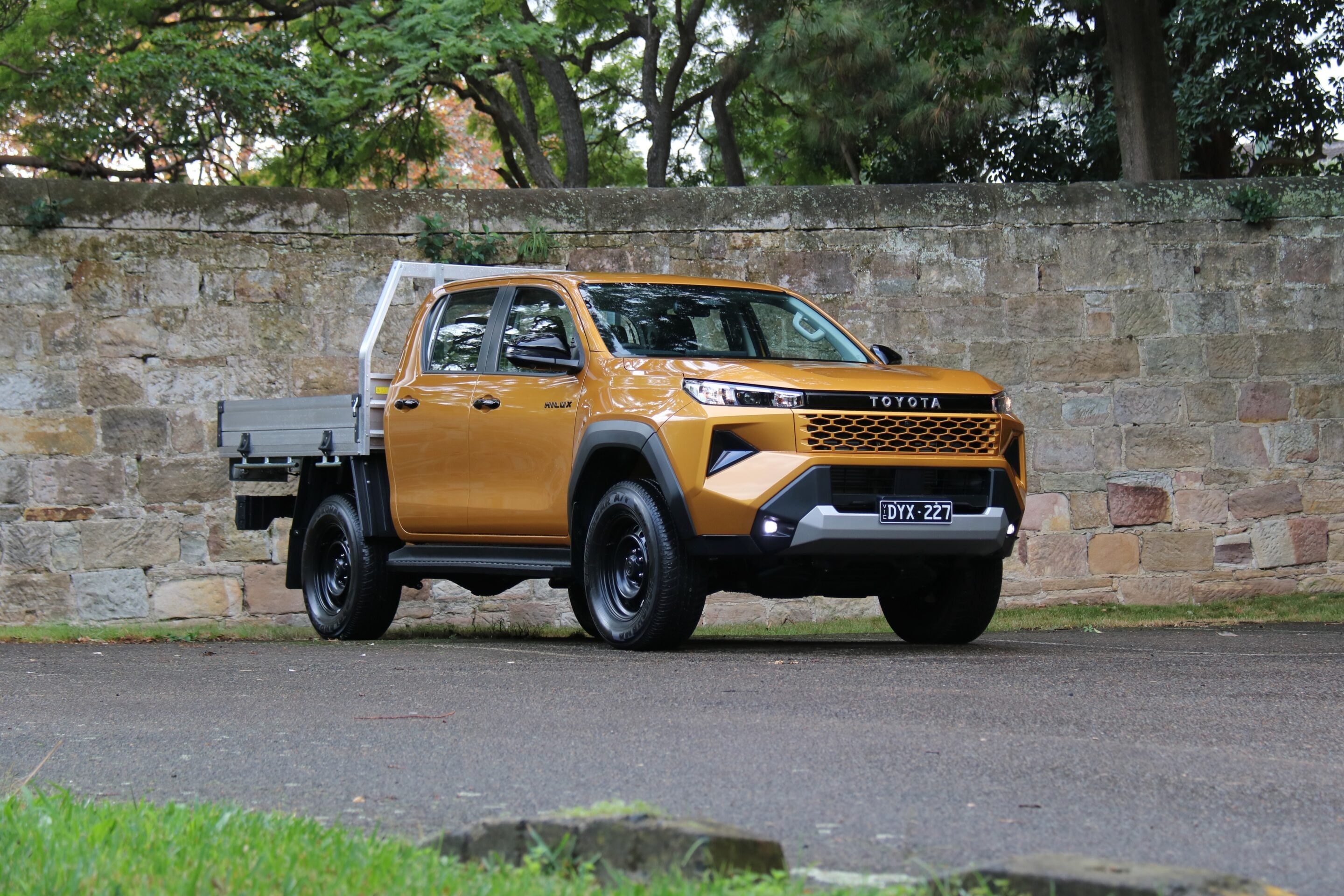
More than before, is the answer. Although the new model isn’t an all-new model, it does feature a lot more tech across the range, as well as a more powerful engine, so prices predictably rose by up to $6260 for the latest-generation model.
The biggest rises were applied to the entry-level Workmate models, which saw the larger diesel engine fitted as standard, as well as a lot more tech than before. For the SR, which is also much better equipped now, price rises were more palatable to the tune of around $3000.
4
2026 Toyota HiLux 4×4 pricing (excluding on-road costs):
| WorkMate auto single-cab/chassis | $45,990 |
|---|---|
| WorkMate auto double-cab/chassis | $52,490 |
| WorkMate auto double-cab pickup | $53,990 |
| SR auto extra cab-chassis | $54,990 |
| SR manual double-cab/chassis | $54,990 |
| SR 48V auto double-cab/chassis | $57,990 (tested for this review) |
| SR 48V auto double-cab pickup | $59,490 |
| SR5 manual double-cab pickup | $63,990 |
| SR5 48V auto double-cab/chassis | $64,490 |
| SR5 48V auto double-cab pickup | $65,990 |
| Rogue 48V auto double-cab pickup | $71,990 |
| Rugged X 48V auto double-cab pickup | $71,990 |
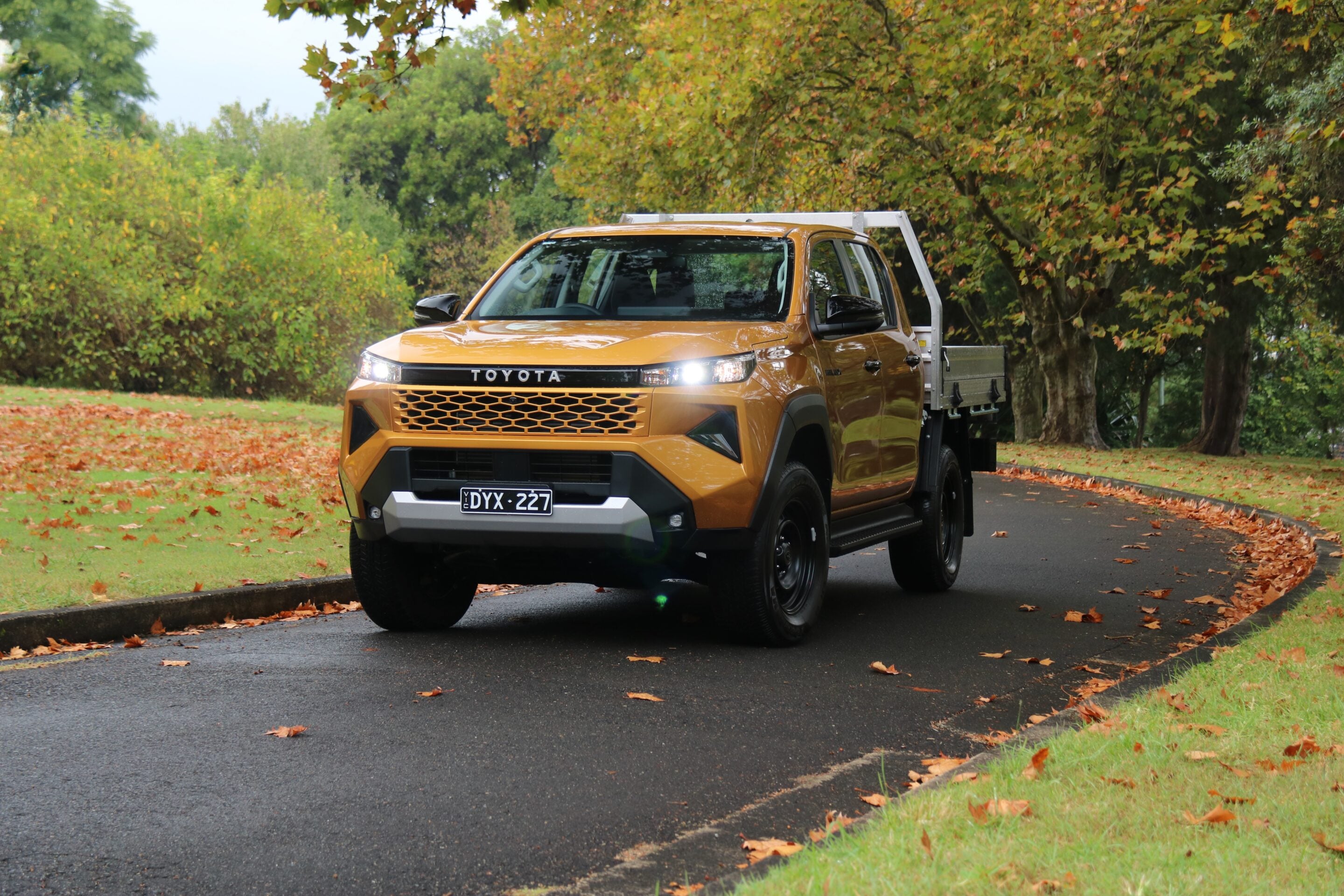
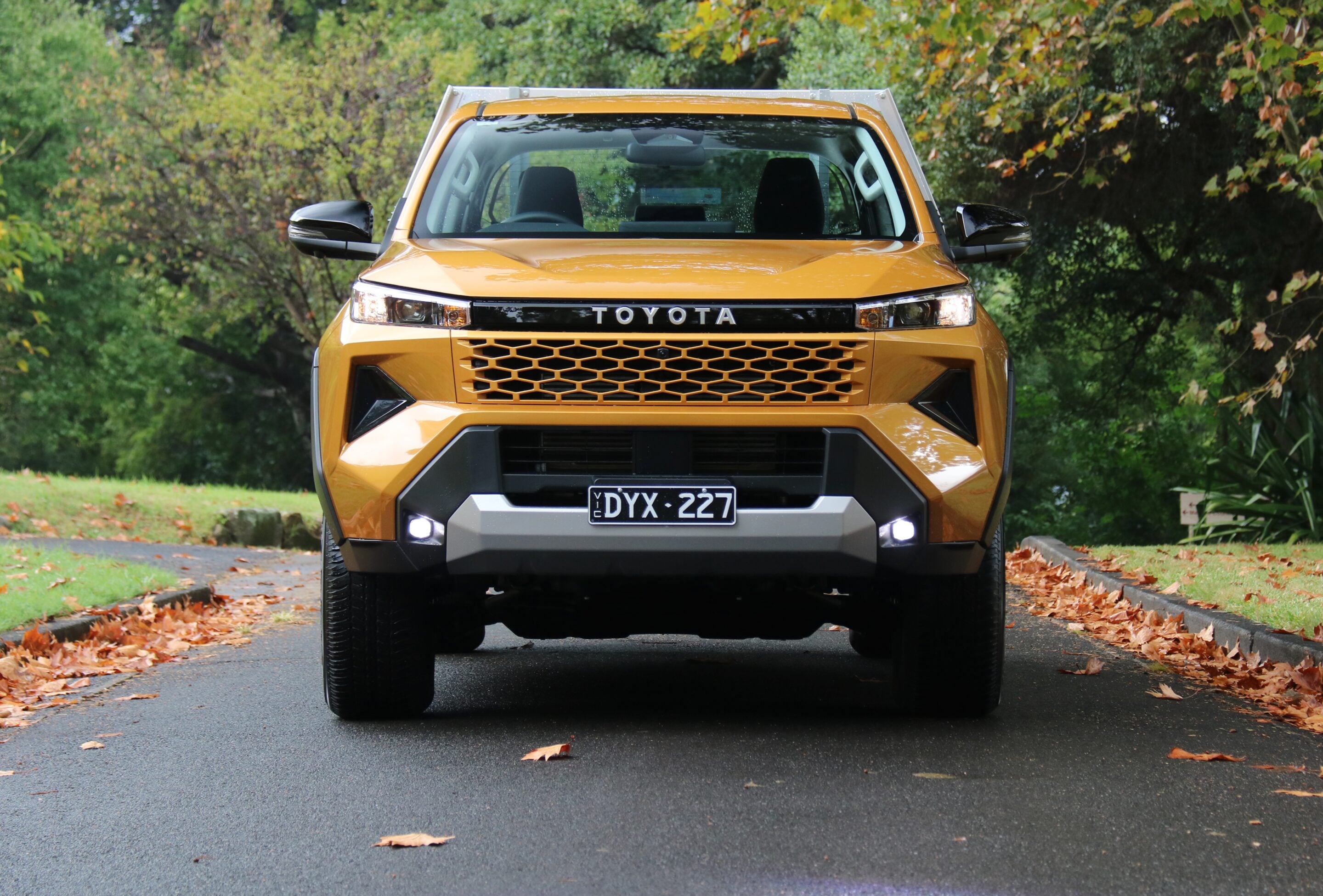
The SR 48V grade tested is priced at $57,990 plus on-road costs (around $66,000 driveaway, depending on location) and is surprisingly well equipped for the money, including dusk-sensing automatic LED headlights, keyless entry with push button start, a 7.0-inch digital driver’s display, a 12.3-inch touchscreen, sat-nav, wireless Apple CarPlay and Android Auto, eight-speaker audio and safety features like eight airbags, adaptive cruise control, adaptive lane guidance and auto high beam.
Chief competition to the HiLux SR5 48V Cab Chassis is its arch rival: The Ford Ranger XLS 3.0L V6 Cab Chassis, which asks $58,450 plus on-road costs. Compared to the HiLux, the Ranger features a more powerful drivetrain (a 184kW/600Nm 3.0-litre V6 turbo-diesel with a 10-speed automatic), as well as generally around the same level of standard features – the Toyota features LED headlights versus the Ford’s halogens, but the Ranger then adds dual-zone automatic climate control with rear air vents to the HiLux’s manual air-conditioning and no rear vents.
How powerful is the Toyota HiLux?
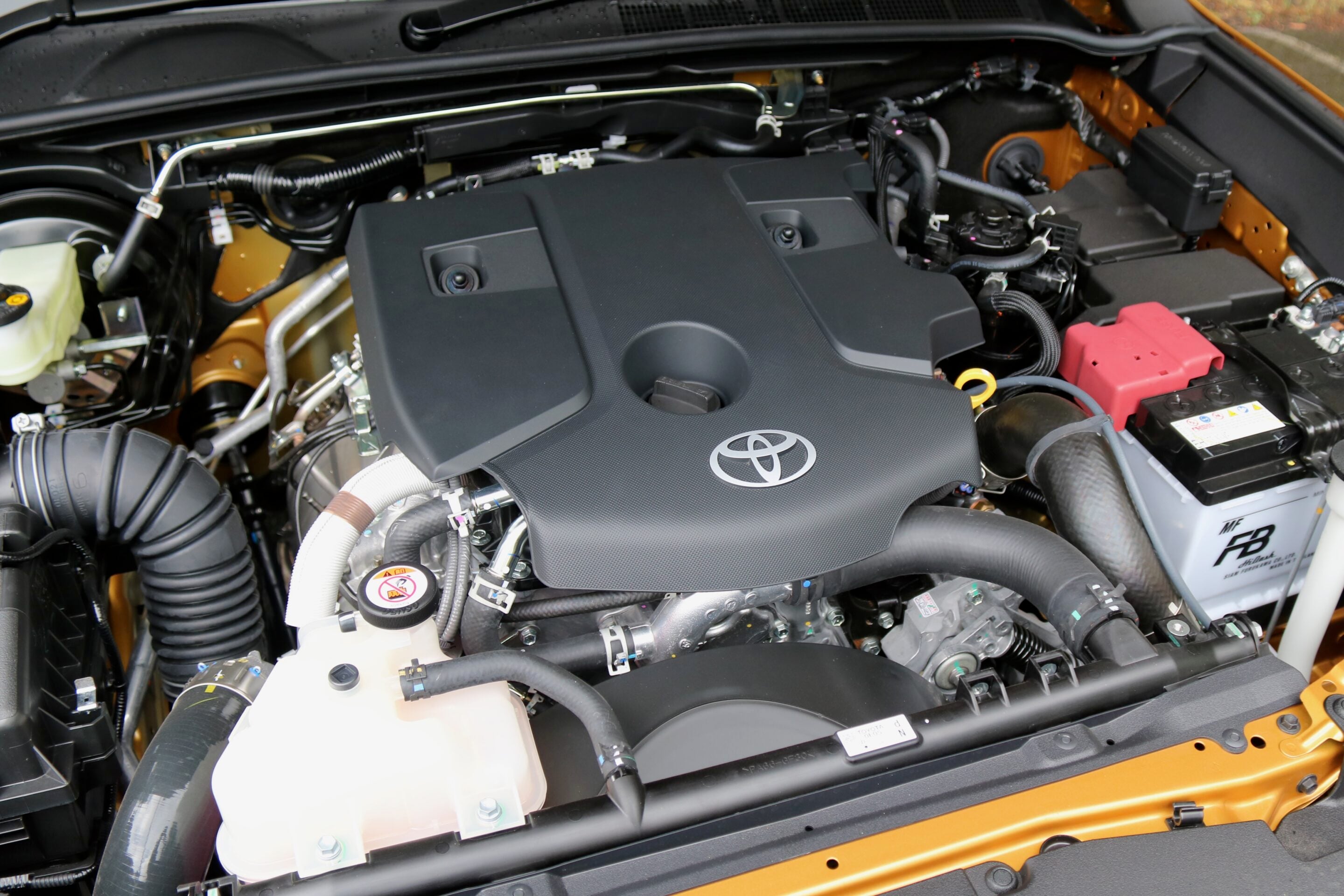
Under the bonnet of the whole HiLux range is a 150kW/500Nm (420Nm with a manual) 2.8-litre four-cylinder turbo-diesel engine. In the previous shape model, both 2.7-litre petrol and 2.4-litre turbo-diesel options were also available in lower-spec models, but Toyota Australia has fitted the more powerful 2.8-litre donk as standard across the range with a fully-electric drivetrain also about to join the ranks.
In an age where there are plug-in hybrid utes that compete with the HiLux making significantly more grunt, we think that was a good decision. Peak 500Nm hits from just 1600rpm and because it’s not weighed down by batteries – its kerb mass is 2125kg, which is around 400kg less than something like a BYD Shark – it actually feels relatively spritely from behind the wheel.
4
Optionally available, and fitted to our test car, is Toyota’s ‘V-Active’ 48-volt mild-hybrid tech, which is so mild that Toyota Australia doesn’t even refer to it as a hybrid. It’s really an extended stop/start system and won’t coast while on the move, but it does enhance its driveability, though the engine is still somewhat unrefined and loud. The V6 diesel in the Ford Ranger is more pleasing to the ears. The six-speed automatic transmission is still a bit dopey at times, but shifts confidently otherwise.
It’s also slightly more fuel efficient with the system, and Toyota claims a combined 7.4L/100km, which is pretty reasonable for such a large vehicle. We achieved 8.8L/100km in mostly urban driving, but our test car had less than 200km on the clock, so it will likely lessen as it covers more distance. As before, the HiLux uses diesel fuel and features a large 80-litre tank, but considering Toyota’s expertise in hybrid tech, we’re surprised that a full hybrid HiLux isn’t yet available.
How comfortable is the Toyota HiLux?
On the road, the new HiLux sees some improvements, though it remains a two steps forward and one step back situation. Firstly, the fitment of newly-electronic power steering has made the new HiLux better to drive. Around town, the rack is far lighter and quicker than the previous model’s, meaning that it’s now easier to manoeuvre. The new rack also means that Toyota has been able to fit proper lane keeping assistance tech to the ‘Lux for the first time, making it safer at highway speeds.
Although it’s a new model, the new HiLux’s active safety tech isn’t anywhere near as annoying as some of the newer arrivals, like a GWM Cannon Alpha. There’s no driver attention monitoring camera to beep at you when you glance away for two seconds, and while there’s traffic sign recognition, it also doesn’t ding at you for if you accidentally stray slightly over the speed limit. The lane keeping assist is accurate and not too sensitive, while the adaptive lane guidance works well when set with the cruise control.
5
On the flip side, the ride quality is still ‘agricultural’ at best. It uses the same underpinnings as the last model and not the ‘TNGA’ platform underneath models the Prado and Landcruiser 300 Series. The SR model uses the more commercial of two available suspension set ups (the upper-spec models use a softer set up as they’re more likely to be used for family duties).
As a result, the SR feels too stiffly sprung in all driving, and while it would hopefully be more comfortable with a big load in the back, a Ranger is definitely more comfortable across all surfaces. Around town on broken pavement or with a long succession of smaller bumps, the HiLux just does not settle. Hopefully the upper-spec models, like the Rogue, are more comfortable.
How practical is the Toyota HiLux?
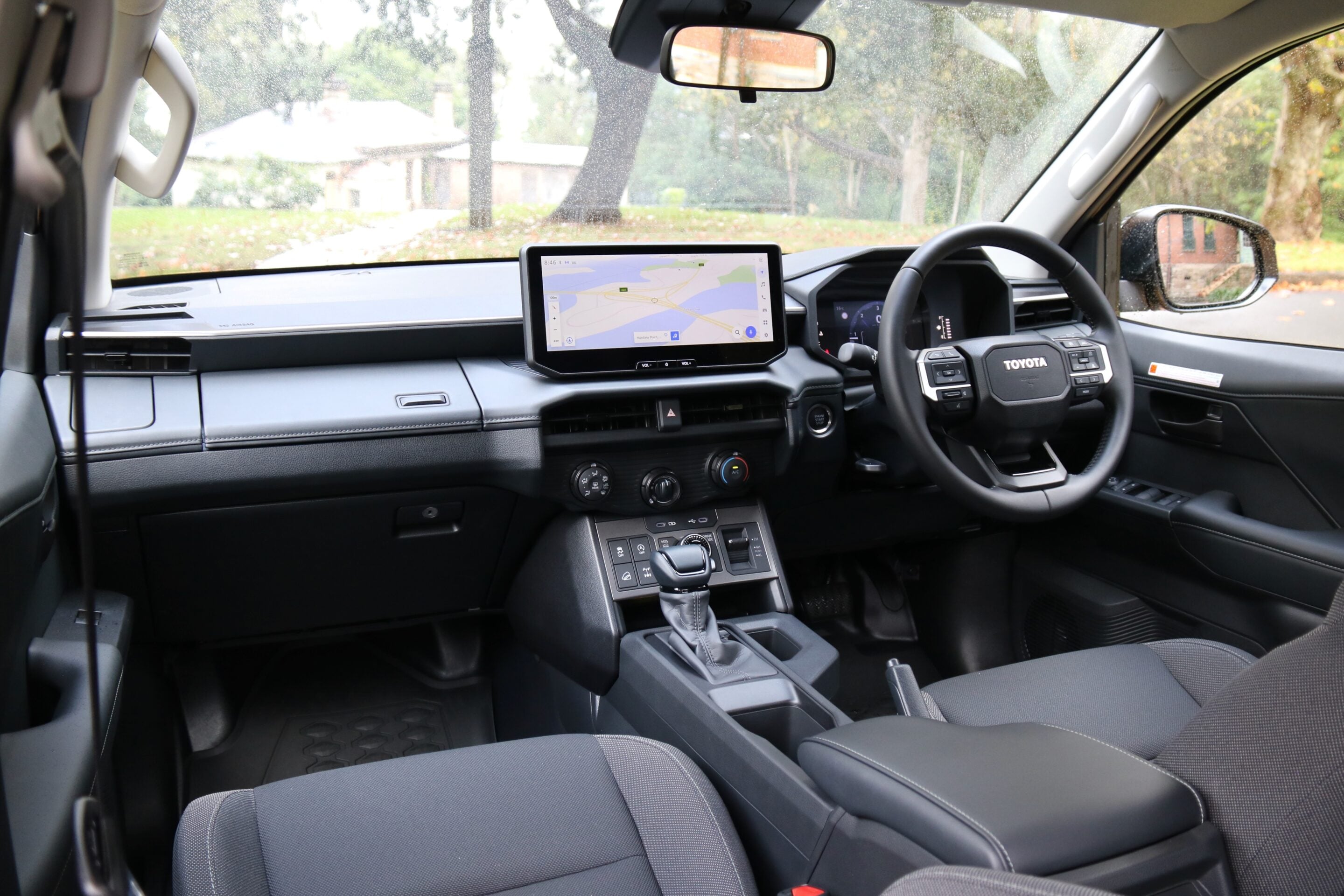
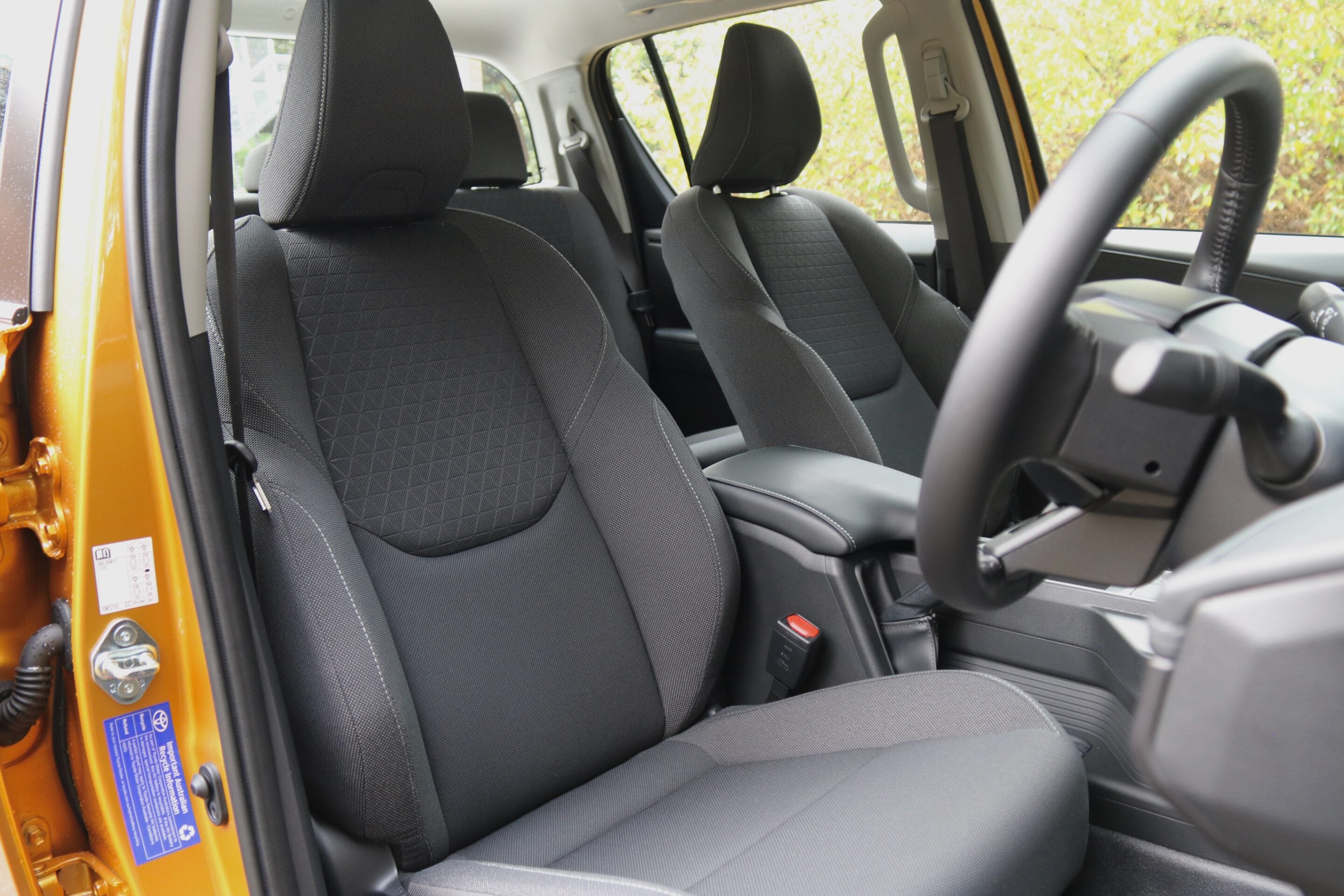
Whereas the old HiLux’s cabin was really feeling its age by the time it was retired, the new model is far more modern in both layout and in-car tech, and better quality as well. The new dashboard is more pleasing to the eye than before with its simple, horizontal layout, and the soft-touch parts using synthetic leather trim make it feel more expensive than before, too. Finally, for quality, the newly-leather steering wheel makes a massive difference in cabin quality, as does the chunky new shifter.
5
A new 12.3-inch touchscreen is standard across the HiLux range, replacing the small 8.0-inch screen on the previous shape model. It’s now better featured with wireless smartphone mirroring, sat-nav and live services, and its software is the same as other current Toyota models like the Corolla. The eight-speaker sound system provides reasonable sound quality, though needs to be cranked to hide the engine noise.
Although it’s an improvement, there’s still no dedicated home screen, the 360-degree camera quality is poor and some of the menus are a bit confusing – for example, adjusting the sound quality isn’t done in vehicle settings, but instead, in the media menu in a screen where the icon is just three dots.
Storage in the new HiLux is better than the previous model too, with the same small-ish door pockets but a large bin under the centre console, a dual-level glovebox, large cupholders and even a thin hole in the centre console that hides a wireless smartphone charger. There are also two cupholders on the side of the dashboard, which is something that many utes have and we find it very useful indeed.
6
Because the new HiLux isn’t an all-new model, the rear cabin is pretty much the same as the before. Two adults will be fine, and headroom is good for taller folk, but kneeroom isn’t so great for even average-height people. There are features like door pockets and map pockets, a hook to hang takeaway bags off, two USB-C charging ports and a central armrest, but no air vents. Two ISOFIX and three top-tether points are available for child seats.
As for the HiLux Cab Chassis’ tray, it measures 1800mm long and 1842mm wide, making it a good size. It also features under-trail rails for tying cables onto, while each side also folds down for easier access.
How much does the Toyota HiLux cost to service?
Toyota covers the HiLux range with a five-year/unlimited km warranty, with a two-year extended mechanical warranty after that period if the vehicle is serviced through a Toyota dealership. There’s no roadside assistance – buyers must pay a minimum of $99 annually if they choose that through Toyota.
4
The HiLux needs servicing once every six months or every 10,000km, which is shorter than the annual/15,000km intervals of many rivals. Five years/100,000km of servicing costs $3450, or $690 per annum, and that’s at least $1500 more than a Ford Ranger over the same time period.
Should I buy a Toyota HiLux?
Overall, there are plenty of reasons to buy the new Toyota HiLux. It’s well equipped, uses a grunty turbo-diesel engine that’s surprisingly driveable, features good quality and more modern features than many ute rivals, and it feels built to last a nuclear bomb (and it probably would). It’s also likely to be endlessly reliable, and Toyota’s huge dealer network across Australia is a big selling point as well.
However, it’s not perfect. In the age where Chinese rivals have come along with high-tech plug-in hybrid utes that feel downright luxurious in comparison, the HiLux feels a bit too commercial. Yep, the SR model is more of a tradie spec than equivalent Chinese models, but it still feels a bit old. Considering its pricing and that it doesn’t feature a proper hybrid drivetrain, the new HiLux’s old underpinnings are its biggest disappointment – it’s still a more than fine ute that’s well worth consideration, but we can’t help but wonder how much better it could’ve been with a brand new design.
HiLux SR 48V standard features:
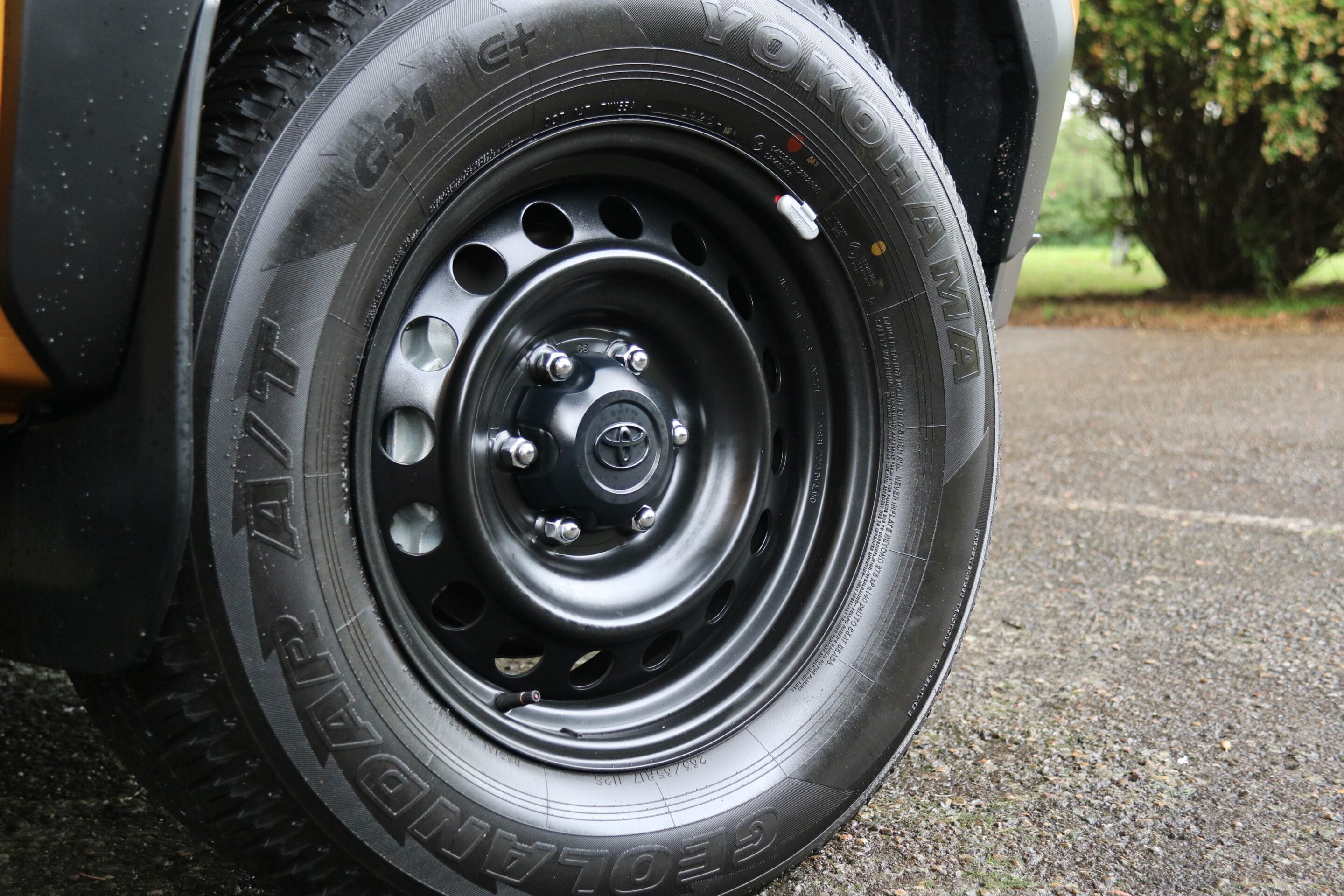
- 17-inch alloy wheels (the steel wheels of our test car are a no-cost option)
- Dusk-sensing automatic LED headlights with halogen daytime running lights
- LED front fog lights
- Intermittent manual wipers
- Keyless entry with push button start
- Manual single-zone air-conditioning
- Cloth seat upholstery
- Leather-wrapped steering wheel
- 7.0-inch digital driver’s display
- 12.3-inch touchscreen with live services
- Wireless Apple CarPlay and Android Auto
- Satellite navigation
- AM/FM/DAB+ digital radio
- Bluetooth calling and audio streaming
- 4x USB-C charging ports
- Wireless phone charger
- Eight-speaker sound system
- Vinyl floor covering with all-weather floor mats
- Eco, normal and sport drive modes
- Rear differential lock
- 8x airbags
- Autonomous emergency braking with pedestrian and cyclist detection
- Adaptive cruise control
- Lane keeping assistance with adaptive lane guidance
- Blind-spot monitoring with rear cross-traffic alert
- Auto high beam
- Driver attention monitoring
- Traffic sign recognition
- 360-degree camera
- Anti-theft alarm
- Tyre pressure monitoring
Toyota HiLux SR 48V 4×4 Cab-Chassis specifications:
| Price | $57,990 plus on-road costs |
|---|---|
| Engine | 2755cc turbocharged four-cylinder diesel |
| Peak power | 150kW (@ 3400rpm) |
| Peak torque | 500Nm (@ 1600 – 2800rpm) |
| Transmission | Six-speed automatic, part-time four-wheel drive |
| Claimed combined fuel consumption | 7.4L/100km |
| Claimed combined CO2 emissions | 96g/km |
| Fuel type/tank size | Diesel, 80 litres |
| Dimensions (L/W/H/WB) | 5380/1875/1880/3085mm |
| Kerb weight | 2125kg |
| Braked towing capacity | 3500kg |
| Gross Vehicle Mass | 3090kg |
| Gross Combination Mass | 6300kg |
| Warranty | Five-year/unlimited km |
| Five-year service cost | $3450 ($690 per year) |
| On sale | Now |
7.4
/10
Score
Score breakdown
7.0
Safety, value and features
7.0
Comfort and space
8.0
Engine and gearbox
7.0
Ride and handling
8.0
Technology
Things we like
- 48-volt system adds extra refinement and driveability
- Pleasant cabin with good quality materials and tech
- Well equipped for a mid-spec model
Not so much
- Ride quality a bit rough in SR spec
- Where's a full hybrid drivetrain?
- Not a completely new model, and it feels it
Follow WhichCar/Wheels on Google
Click the button below to make WhichCar by Wheels a preferred source for your news.

We recommend
-
 Comparisons
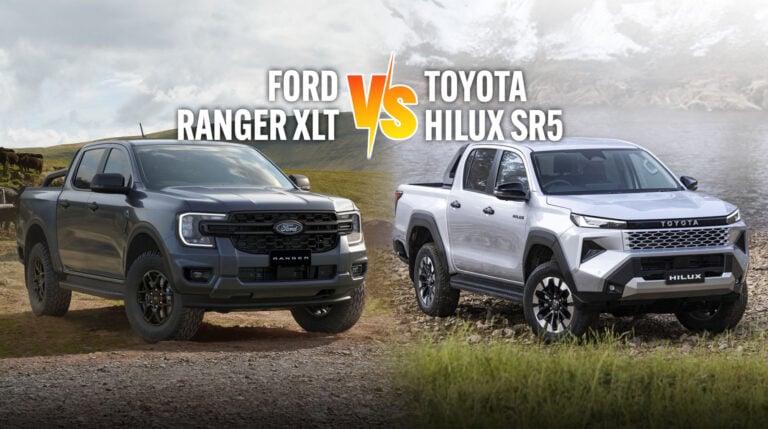
2026 Ford Ranger XLT vs Toyota HiLux SR5: Spec Battle
A deeper dive into the pros and cons of Australia’s two most popular vehicles.
-
 News
NewsHybrid HiLux not completely off the table, says Toyota’s Aussie boss
Toyota Australia boss doesn't completely rule out a hybrid version of its best-selling vehicle of any kind in Australia...
-
 News
NewsAnother major highway hit with speed limit reduction
Great Western Highway joins growing list of regional roads facing lower limits as authorities target crash-prone sections and communities question the approach.