
Motorists in NSW can get a discount of up to $100 on their vehicle registration starting today as the state government follows Victoria’s lead in giving them some cost-of-living relief. The discount runs until August 31 next year, with motorcyclists getting $80 lopped off the cost of their rego.
The discount will be applied automatically when owners are notified that their registration needs to be renewed or when a new vehicle is registered for the first time. It also applies to unregistered vehicles that get re-registered.
The move is a one-off that applies to privately registered light motor vehicles and privately registered motorcycles. Owners who register for six months instead of 12 will get a proportionate saving of $50 for light motor vehicles and $40 for motorbikes.
However, the price cut will not apply to vehicles registered for business, private trailers and caravans, plant vehicles, heavy vehicles, conditionally registered vehicles like historic cars and vehicles that are currently receiving a separate concession or rebate on their rego.
“This registration discount is on top of more than $320 million in toll cap relief paid to drivers who are getting quick help with their home budget,” NSW Minister for Customer Service and Digital Government Jihad Dib said when the measure was announced in the state budget earlier this year.
Victoria announced a similar move in May with a one-off 20 per cent rebate on registrations, again as part of a broader cost-of-living package.
It was expected to save drivers an average of up to $186 on rego during the 2025-26 period. Eligible owners with two registered vehicles could potentially save up to $372 under the scheme.
Eligible vehicle types included passenger cars, four-wheel drives, station wagons, motorcycles, utes, vans and light trucks. According to Service Victoria, the rebate applied to eligible vehicles registered between July 1, 2025 and June 30, 2026.
Hyundai’s Boulder SUV has been revealed in a new patent filing image that offers big clues about how the hardcore 4WD could look in production form. First unveiled as a concept car in April, the body-on-frame model should eventually take on competitors like the Toyota LandCruiser and Land Rover Defender.
The shot comes from a filing that was made to India’s Intellectual Property Office in May, and it shows a detailed rendering of the exterior of the vehicle. In terms of styling, it’s quite close to the concept with very boxy looks that echo the recently unveiled 2027 Tucson SUV.
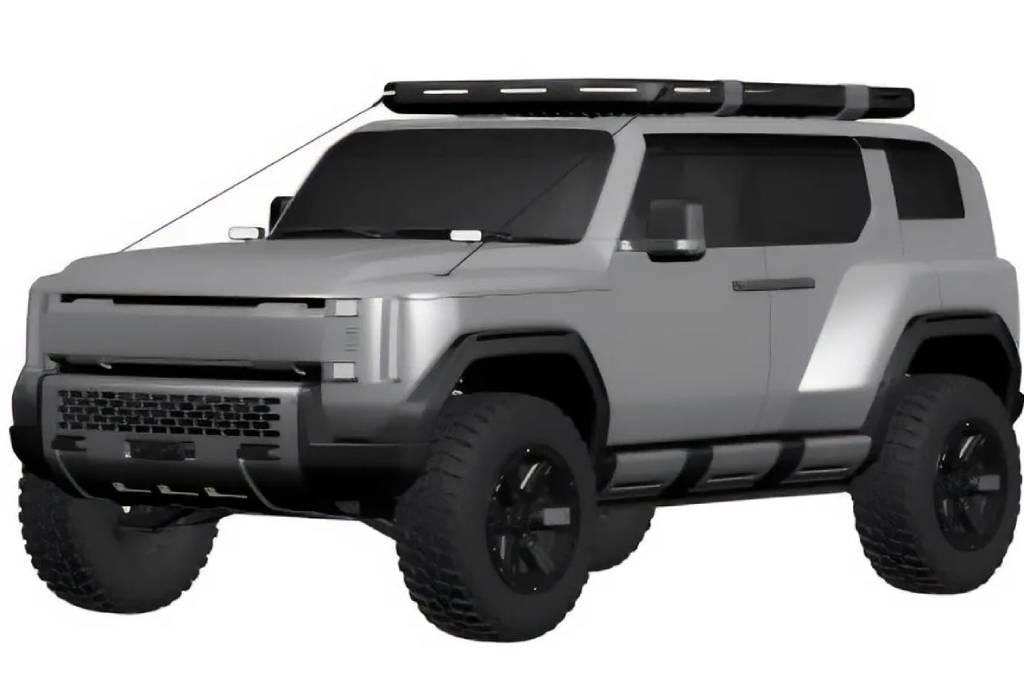
Unlike the concept, however, the rendering shows the Boulder with a roof rack that has straps running down to the bonnet. It also features heavy slabbed sides with boxy wheel arches and a dramatic treatment for the headlights.
As you’d expect from a no-nonsense off-roader, the Boulder gets meaty tyres and elevated suspension. The grille is set low but the light bar on the roof rack in the concept version appears to have been dropped.
The overall feeling you get from the render is that Hyundai hasn’t really diluted the rugged looks of the concept as it heads towards production. The company’s new Art of Steel design language is shining through again, as it did with the upcoming Tucson.
Hyundai’s body-on-frame line-up plans haven’t been fully announced but a pickup using the body-on-frame platform will be built by 2030, with the SUV to follow. That means there’s a good chance the front end of the pickup will look similar to what’s been revealed in the freshly surfaced render. The luxury Genesis brand could also use the platform in an off-road model.
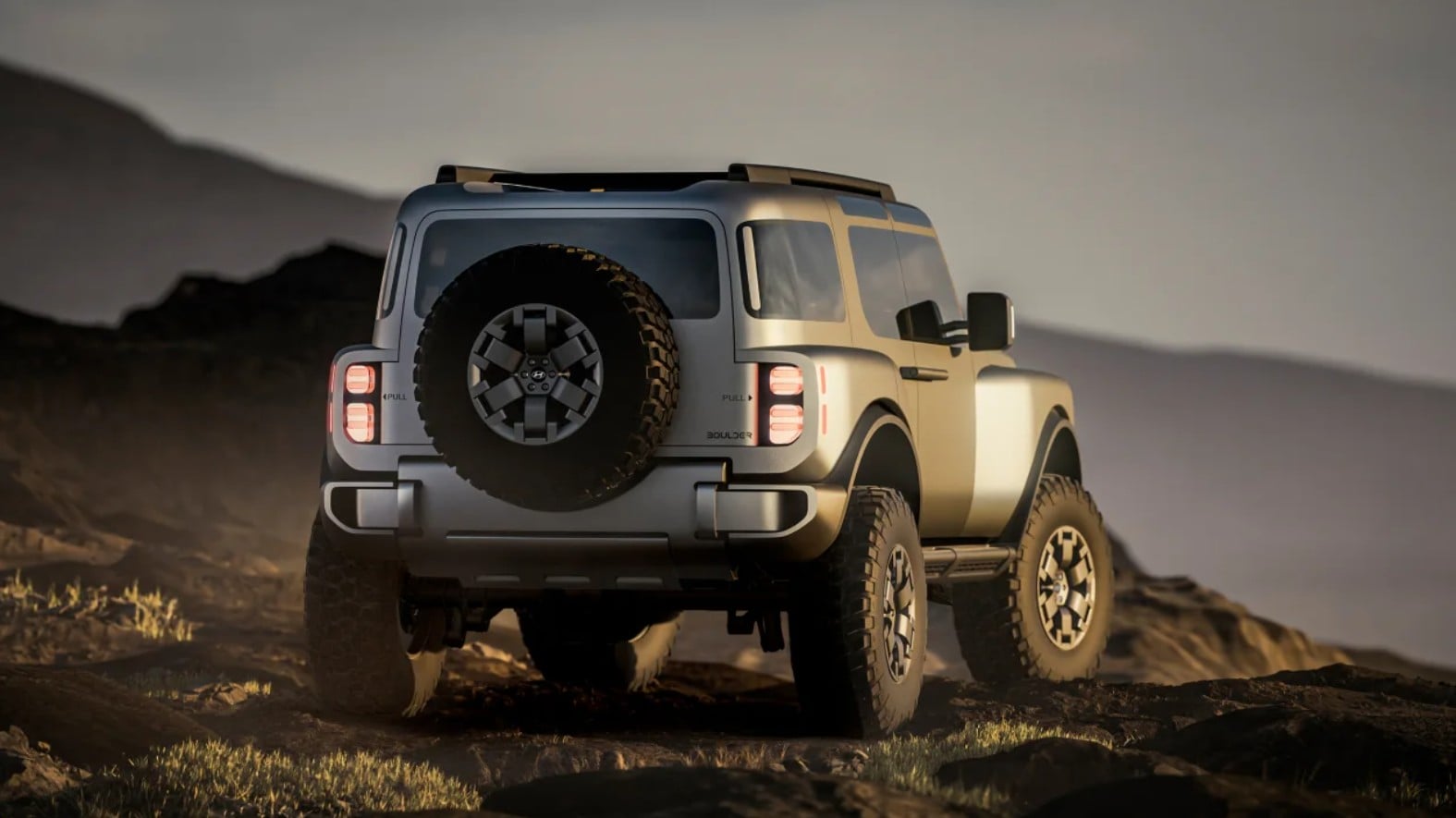
While the new image doesn’t hold any clues about the inside of the Boulder, the concept’s interior featured a minimalist approach. It dropped a traditional instrument cluster in favour of a series of small digital displays placed centrally on the dashboard, with physical controls for functions like differential locks, low-range gearing and four-wheel drive settings in another sign of its serious off-road intent.
There’s been no word on confirmation for markets like Australia, but the huge popularity of off-roaders and utes down under means the Boulder and the pickup should be a good chance of making it into our showrooms.
The Ford Ranger has been topping the sales charts in Australia, but it’s a very different story in the US, where the model could be cut from the Blue Oval’s showroom offerings and replaced by a pickup version of the Bronco.
Ford “currently does not have plans” to build the next generation of Rangers at its factory in Wayne, Michigan, according to a report in Automotive News. Instead, the American giant is predicted to produce petrol and hybrid versions of a new pickup at its Tennessee plant.
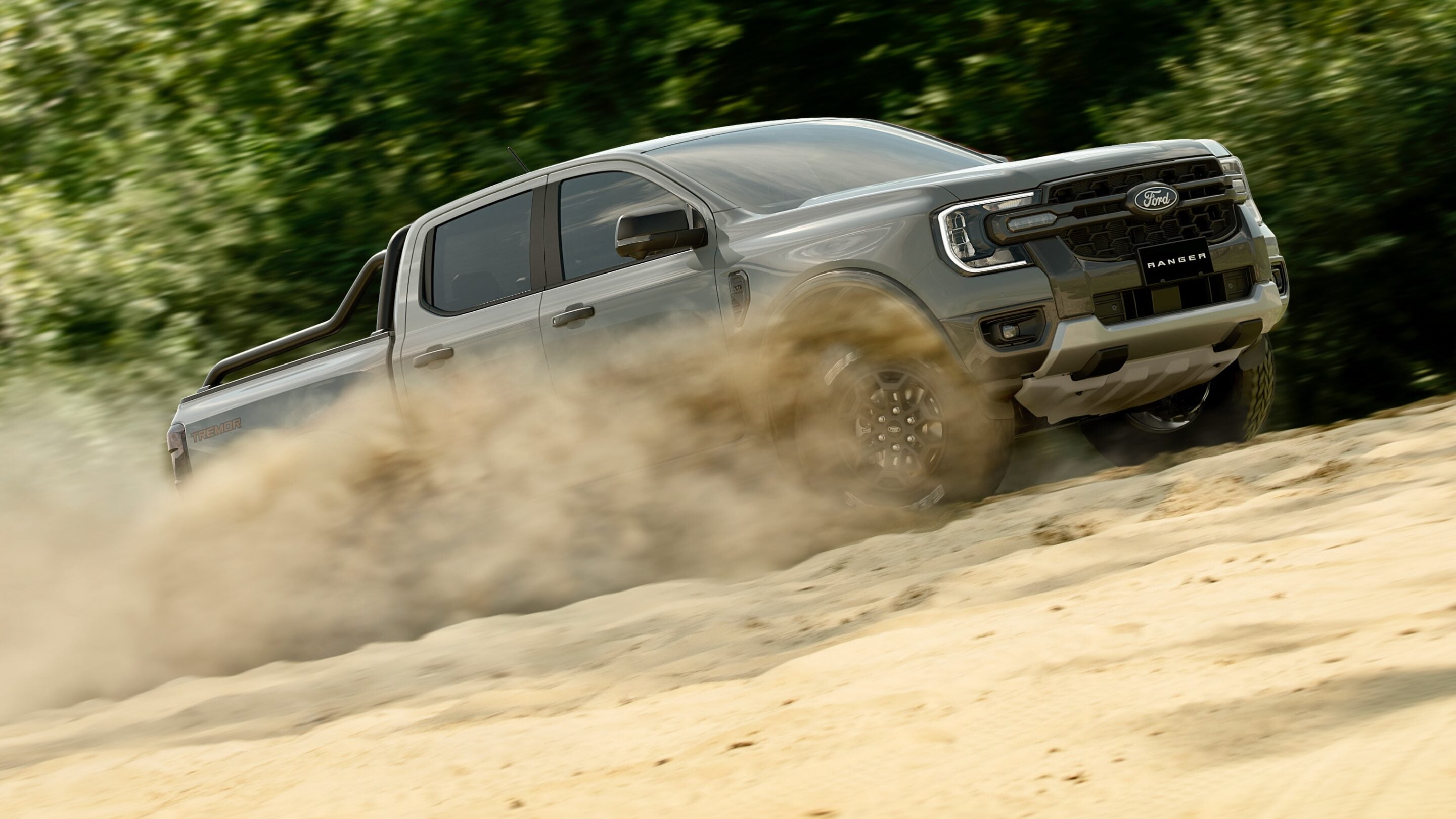
That pickup would be “similar in size to the Ranger” but won’t necessarily sport the Ranger badge. The Michigan factory would instead produce a pickup based on the Bronco, with that vehicle to launch by 2030.
Since coming to Australia in 2022, the current-generation Ranger has blown its rivals out of the water thanks to its class-leading equipment levels, power and huge model line-up. It now faces stiff competition from models like BYD’s Shark but continues to sell in huge numbers.
However, the Ranger has struggled in the USA, selling 70,960 last year, far behind the Toyota Tacoma’s mark of 274,638 sales. It also lags behind the Chevrolet Colorado and the Nissan Frontier is hot on its heels. The Bronco, on the other hand, had sales of 146,007.
On August 21, WhichCar by Wheels reported that Ford is planning to leverage the goodwill around its most recognisable models by grouping vehicles into sub-brands. The Bronco has been tipped to be one of the focal points of the move as it gets a pickup version that mirrors Jeep’s Wrangler-based Gladiator.
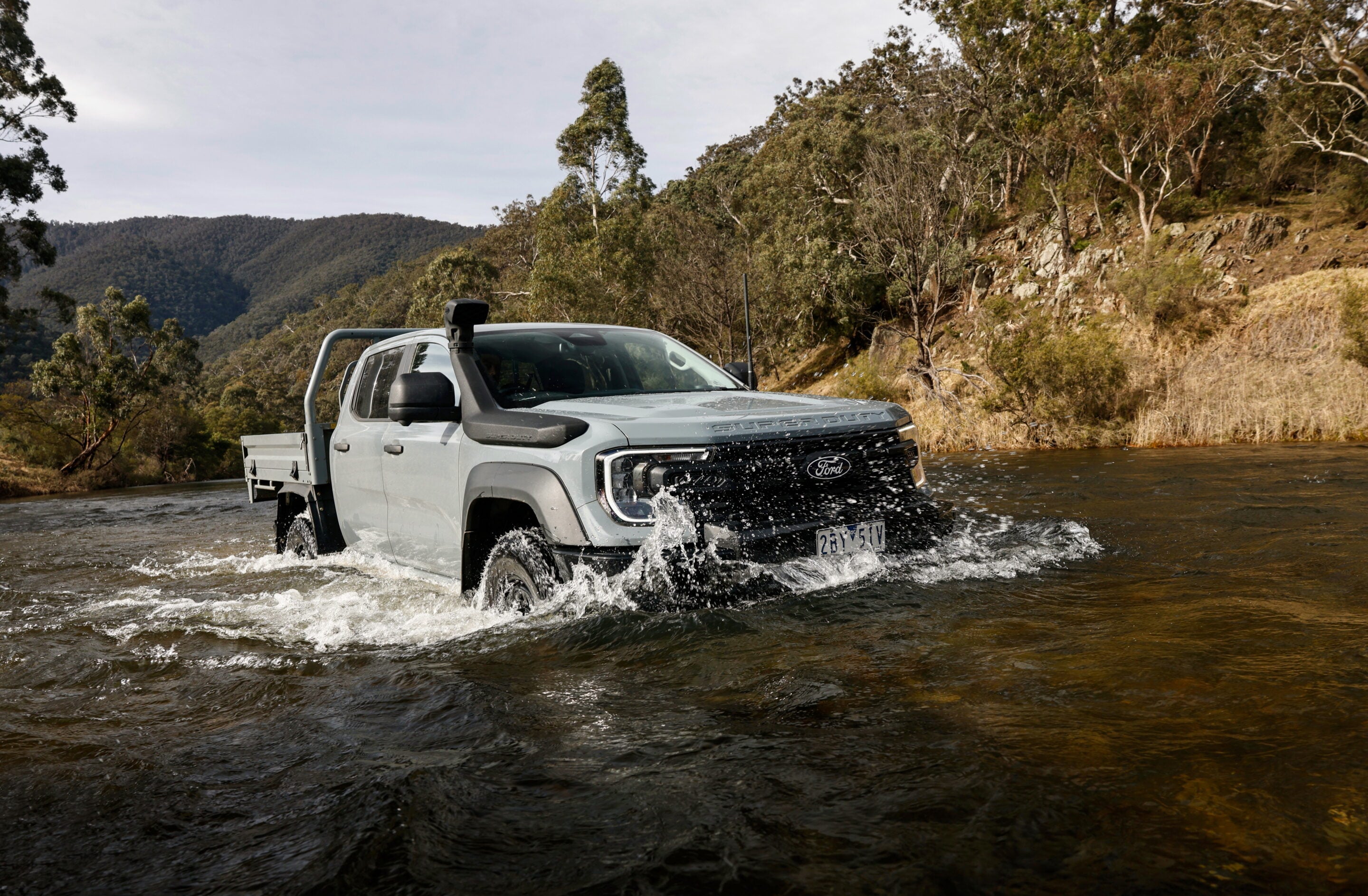
The Bronco three- and five-door off-roader is already available in North America, as is the more road-biased Bronco Sport medium SUV. Overseas markets will get access to the Chinese-made Bronco New Energy extended-range plug-in hybrid, while Europe will receive a Spanish-built multi-energy compact Bronco SUV within the next two years.
A Bronco ute would see Ford’s product plans come full circle, with the ladder-frame chassis underpinning the Bronco originally developed as an offshoot of the T6 chassis used under the previous-generation Ford Ranger.
Nissan’s Australian Qashqai range has been struck by several changes that won’t impress prospective customers. A price rise has hit every grade of the marque’s small SUV in addition to the flagship N-Design model being withdrawn from the lineup down under – and on top of that, some specifications have been scaled back.
All the remaining model grades – the ST-L, Ti and Ti-L e-Power – have been hit with a $210 price rise that widens the gap to Nissan’s competitors. They’ll also be losing some features due to the specs shake-up.
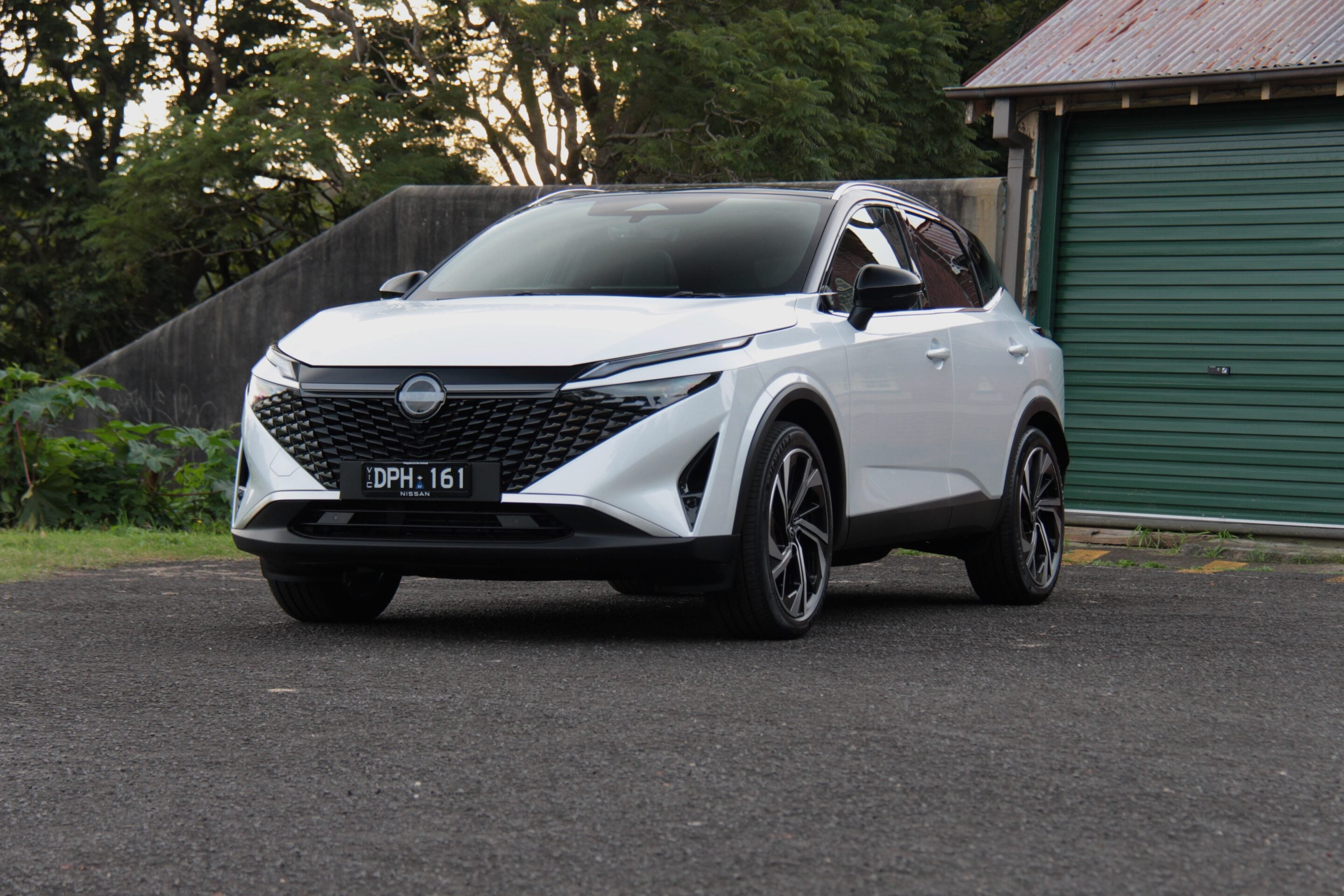
The entry-level ST-L will now set you back $45,850 before on-roads, leaving it at a noticeable disadvantage to two of its competitors, Toyota’s Corolla Cross ($37,440) and the Hyundai Kona Hybrid ($36,950). While the ST-L will now get a 12.3-inch digital instrument cluster and new-look dashboard trim, it loses its power lumbar support for the driver’s seat and the wireless phone charger. The adjustability of the front passenger seat is reduced as well.
The spec changes mean the Ti and Ti-L will no longer have adaptive headlights and front sequential indicator lights, and the leather on the steering wheels is being downgraded to a leather-like synthetic material.
Part of the N-Design’s DNA remains in the form of the 20-inch alloy wheels, which are now coming to the Ti-L, but that is offset by the loss of the Platinum exterior paint option and black roof headlining. The Ti is also losing its dynamic rear indicators.
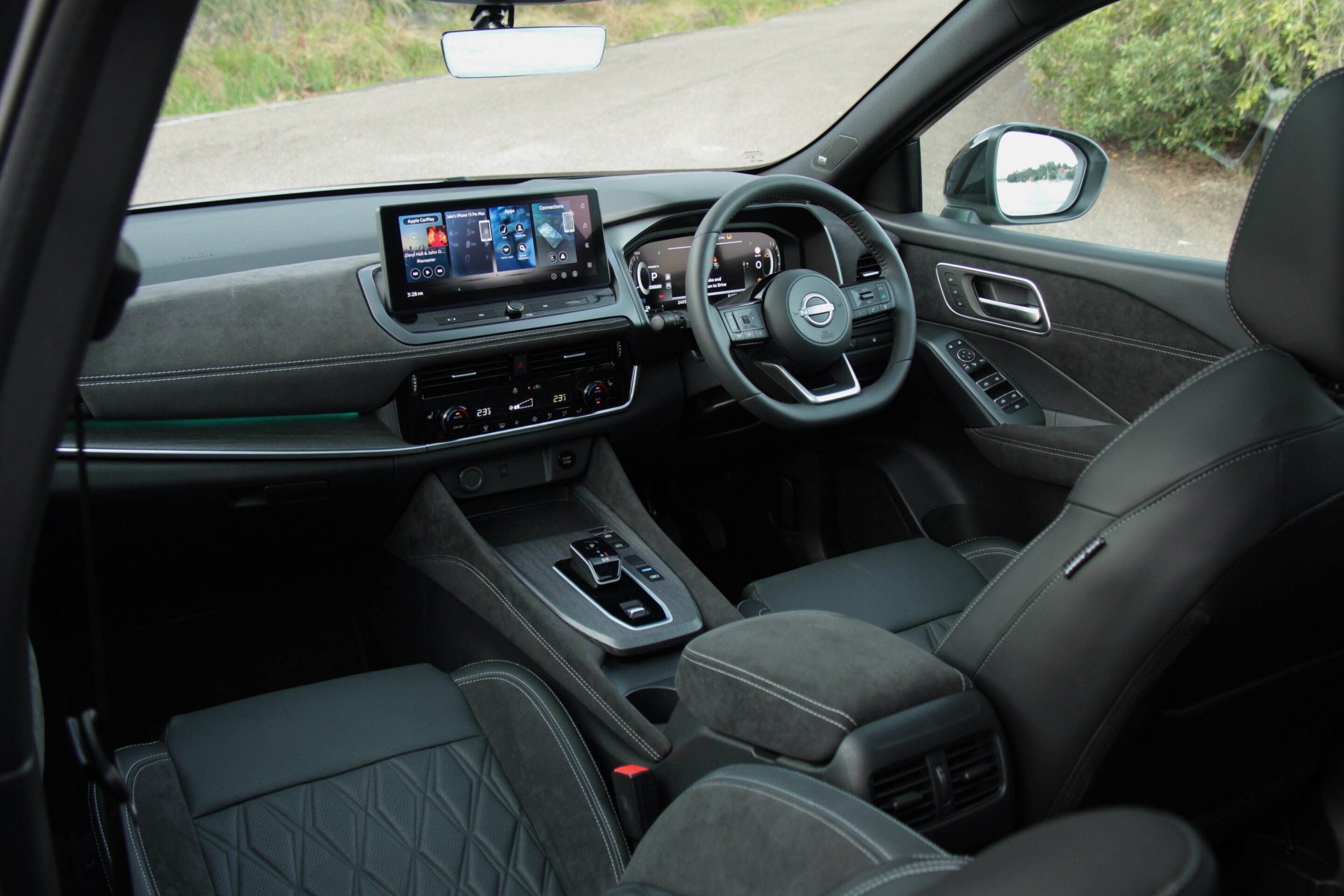
The Qashqai range went hybrid-only down under earlier this year and there’s no change to that powertrain. It features a 1.5-litre three-cylinder petrol engine that generates electricity for the 140kW, 311Nm electric motor. Improvements to the e-Power system have given it a rating of just 4.1L/100km, which beats the Corolla Cross and is just a fraction above the Kona Hybrid, which doesn’t have as much grunt.
New of the pricing and specs changes comes with the Qashqai needing a major lift in sales, which crashed from January to July – a drop of almost 75 per cent compared to the same period last year.
When Acura took the covers off its beautiful and tech-heavy Nexera Vision concept at Monterey Car Week earlier this month, you wouldn’t have been blamed if you saw it as another pipe dream with no chance of making its way to a showroom. But according to one of the most powerful figures at Honda, you might well be wrong.
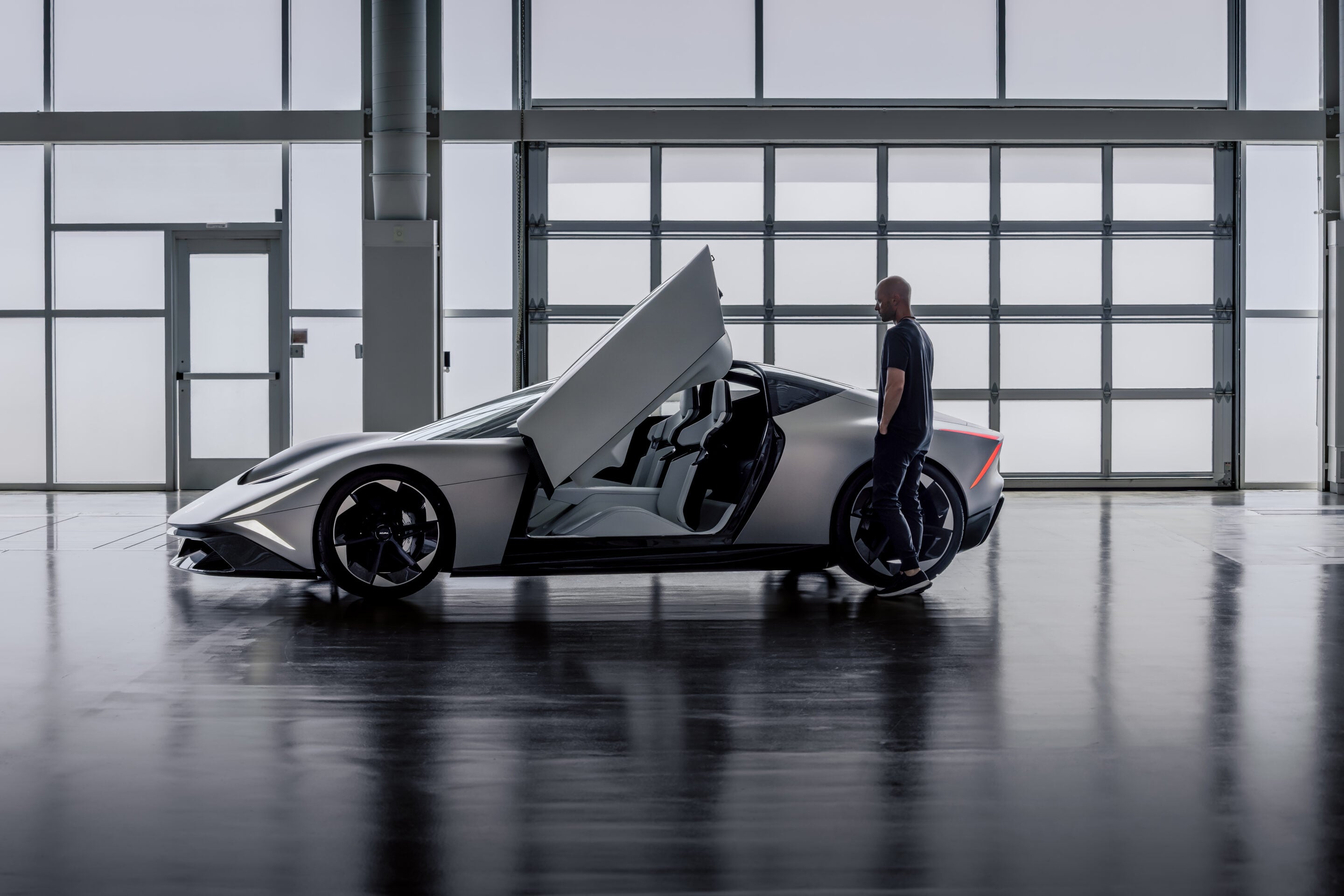
The coupe stunned with its smooth but muscular design, which featured head and tail-lights that glow through the bodywork and completely disappear when they’re not in use. Dramatic butterfly doors, Acura’s first centre-lock wheels and a retractable rear spoiler add to the design language that’s intended to filter down to other, far more mainstream products.
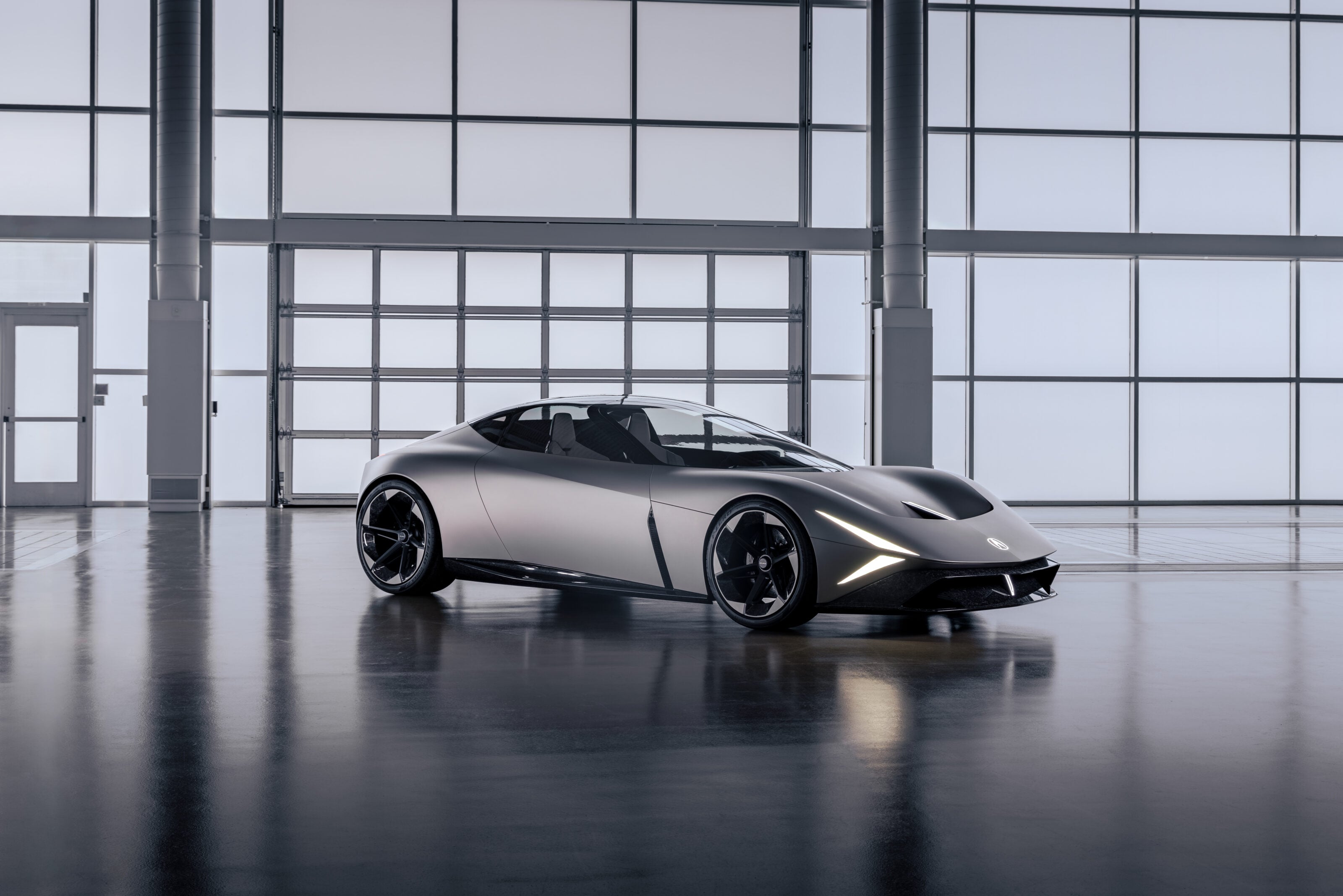
But judging by remarks from two powerful figures within Honda, the Nexera Vision is a chance of making it into production. Acura creative director Yasutake Tsuchida was asked if he wants to create a sports car based on the concept and replied with a simple “yes”, according to Motor Trend.
Honda’s American CEO Eiji Fujimura backed that up, saying, “I would like to do this car. I would like to do it with an engine, personally, but we will do what the customer wants, if that’s engine or hybrid or EV.”
Judging by the sharply sloped front of the Nexera and its very compact dimensions, which appear to leave little room for an internal combustion engine, electrification would be the way to go if a production version stays true to the eye-catching design of the concept. The Vision unveiled for Monterey also didn’t feature a visible exhaust pipe, and Car and Driver saw it move slowly under electric power.
Clad in Matte Titanium paint, the Nexera sports dramatic butterfly doors, with the angle of the sloping windscreen melding straight into the line of the front end. In addition to that retractable rear spoiler, the Nexera gets a large rear diffuser, plus vents behind the front wheels and a forged carbon aero-channel fascia up front. Forged carbon has also been used on the rocker panels, inner door structures and rear diffuser.
The news on the Nexera comes hot on the heels of Honda announcing a five-year plan that includes a massive brand refresh which could see most of its models replaced or renewed. The vice president of automobile sales for Honda America, Lance Woelfer, said: “We’ve got the capability of making significant changes without what we would call a platform change.”
That indicates Honda’s plan could use existing vehicle architectures that will be modernised to suit newer applications with a focus on electrified powertrains. The first wave of revised models will be new-generation versions of the Accord and CR-V, both of which could switch to all-hybrid power.
Aussie Holden fanatics have been left awestruck by a new clip of a VF Commodore being put through its paces around the Nürburgring Nordschleife as it hit speeds of up to 230km/h on the famously taxing circuit.
The vision comes from racing driver turned Nürburgring instructor and automotive content creator Misha Charoudin, who has attracted more than two million followers to his YouTube channel as he throws cars of all types around the 20km stretch of tarmac known as the ‘Green Hell’.
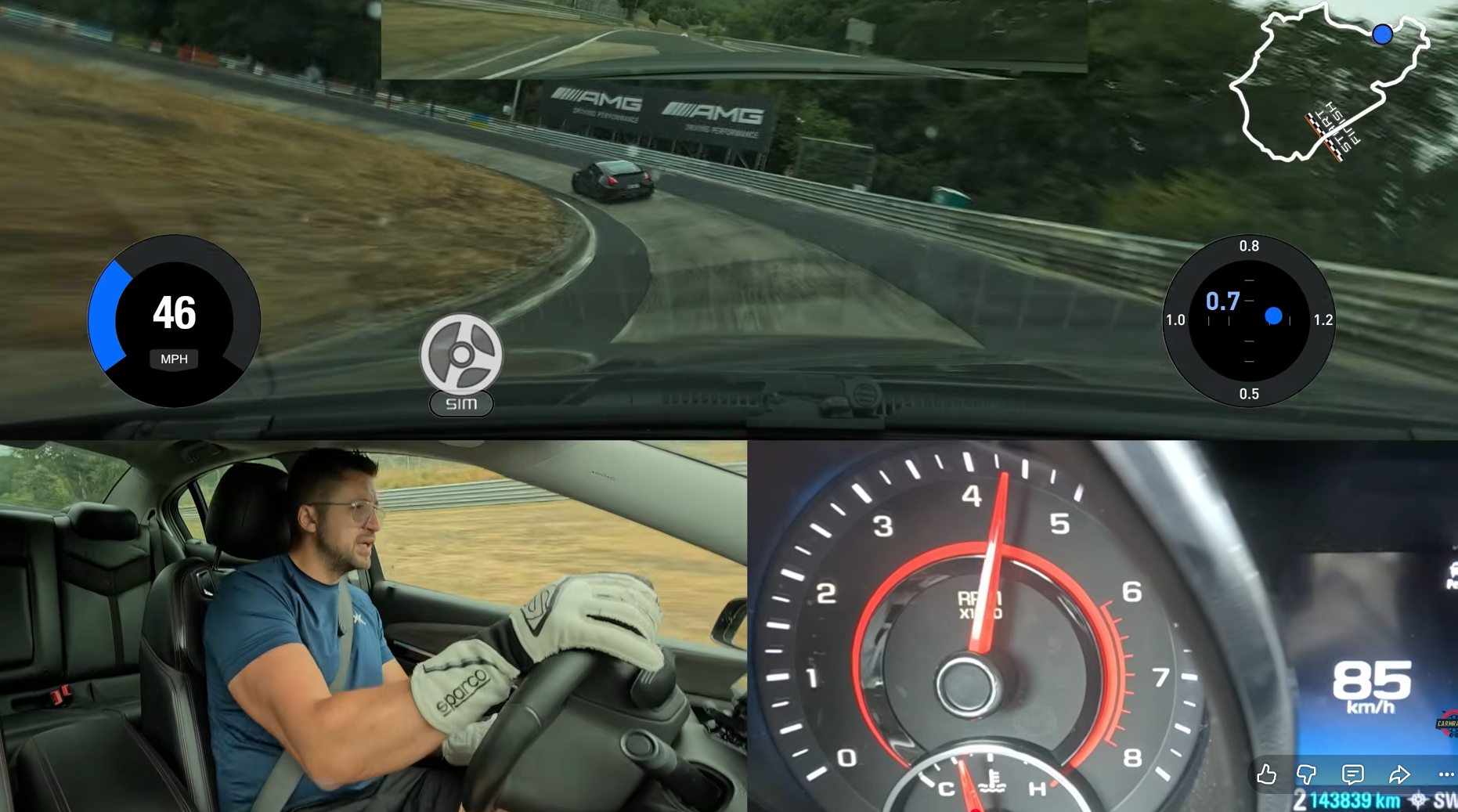
“In a world of 7-Series and E36s, this is freaking awesome,” he tells viewers at the start of the clip as he examines the US-spec, left-hand-drive, Chevy-badged sedan (pictured above). It’s a 2014 model running the LS3 V8 with slight modifications to the air intake and exhaust, but with stock mufflers. New sway bars had also been added front and rear.
After revealing that he “always had a soft spot for Commodores” and has driven a Holden V8 Supercar on a previous trip to Australia, Charoudin praises the VF’s rear end for being “nice and twitchy but really controllable”. He wasn’t as pleased with the “really understeery” front, however.
Conditions were a little wet when Charoudin began his lap by announcing that he loves the engine’s “amazing” growl. The all-season tyres fitted to the VF are soon being worked to their limit as he jokes, “We’re doing Bathurst! We need to escape the roos, the skippies – and the black widows and stuff.”
The Russian-Dutch ‘Ring expert quickly finds the limits of the stock brakes – “there’s not a lot happening there” – and at one stage passes a new Mustang like the Ford is standing still. The Commodore easily powers to 230km/h on the straights but the understeer rears its head frequently, as does power oversteer, which Charoudin absolutely laps up.
Speed, g-forces and the tachometer are all there to see in the clip, but viewers can’t get a clear idea of Charoudin’s lap time, which isn’t displayed and would have been harmed when he had to slow down for marshals and yellow flags during the lap. For what it’s worth, a VF Commodore SS ute steered by test driver Rob Trubiani recorded a lap of 8m 19.47 seconds in 2013.
Charoudin throws the VF into the famous banked Carousel corner instead of taking the outside line around the bend, and he frequently eats Audis, Mercedes-Benzs and BMWs for breakfast thanks to that thumping bent eight.
“I really loved it,” he says at the end of the lap. “Honestly, even though it’s on all-season tyres and you have no grip, it was nice to play a bit … it’s a great daily [driver]. Like, I still have a silly dream, I really want to buy a ute, a Holden Commodore ute with an LS7. Frigging good car.”
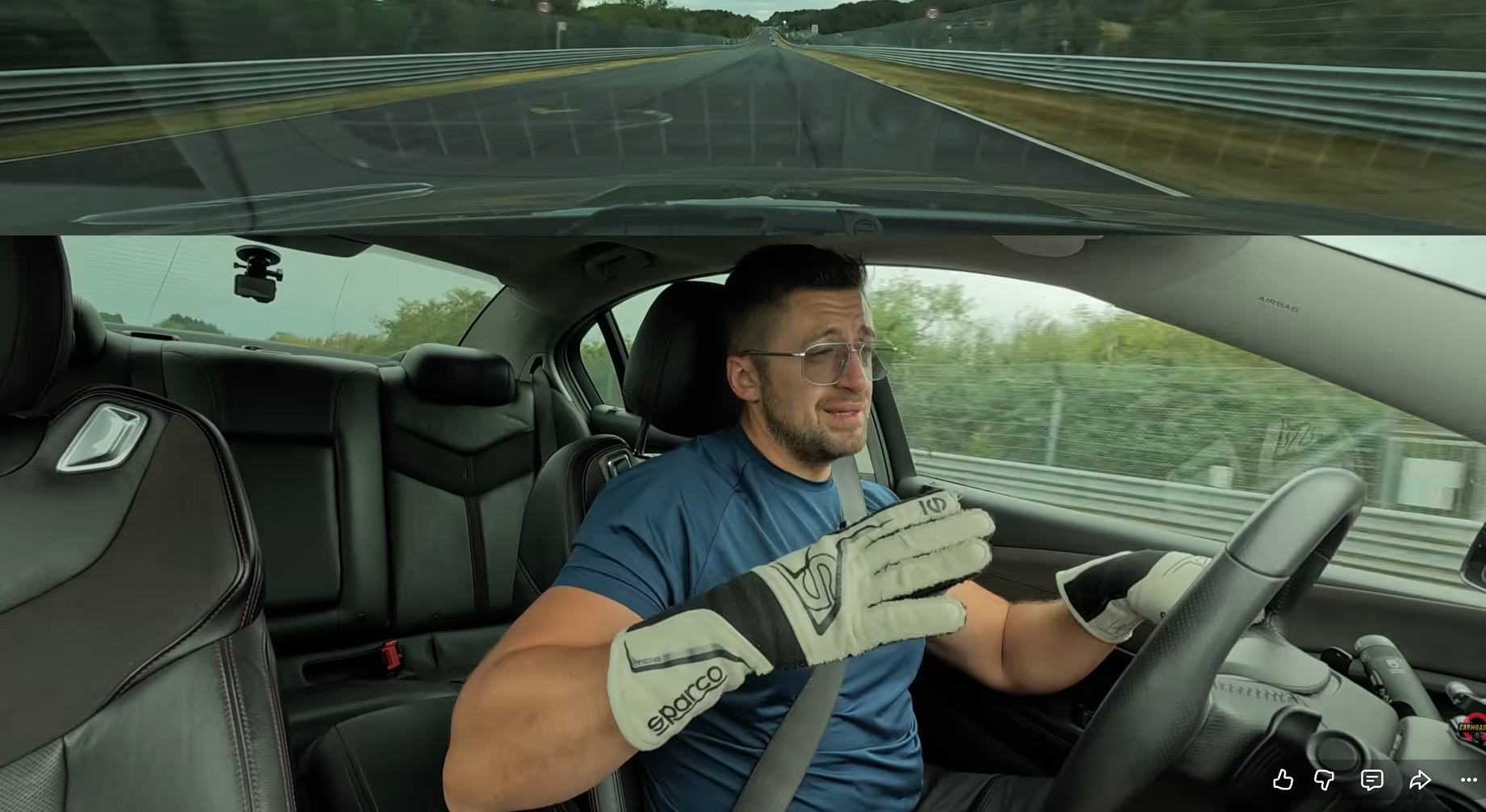
“I freaking love Australia. And hate it for killing Holden. What a fun car,” he added when he posted an abridged version of the lap to Instagram.
Aussie petrolheads were just as happy and nostalgic after watching the clip, which has clocked up close to 600,000 views on YouTube.
“Still can’t believe we don’t build cars here anymore,” one commenter said on YouTube. Another wrote, “Proud Aussie bogan here, so good to see you in one of these even if I’m struggling seeing it in left-hand drive.”
But not all the applause came from Down Under. One American fan wrote, “I wish I never got rid of my [Pontiac] GTO. Aussies know how to build a car. I want this car.”
Victoria will double the number of potholes it plans to repair this year under a $352 million funding boost aimed at improving some of the state’s most heavily damaged roads.
The State Government says the additional spending will increase its repair target from 250,000 to 500,000 potholes, with much of the work scheduled for the second half of the year and into January when warmer, drier conditions are more suitable for road repairs.
Major routes including the Princes Highway, Western Highway, Calder Highway and Geelong Ring Road will be among those targeted, alongside regional roads suffering from deteriorating surfaces.

The announcement follows several incidents involving potholes damaging vehicles, including one on the Princes Highway near Bunyip, about 75km southeast of Melbourne.
At least 23 vehicles reportedly struck the Bunyip pothole during wet conditions, according to 3AW, leaving motorists stopped beside the highway with damaged wheels and tyres.
Another Princes Highway pothole near Nar Nar Goon reportedly damaged more than 20 vehicles in November 2025, while motorists around Warrnambool have also reported significant repair bills after encountering damaged roads.
Premier Ben Carroll acknowledged the condition of parts of Victoria’s road network was “not good enough”, describing road repairs as a spending priority for his government.
Part of the additional funding will come from delaying the completion of three Melbourne level crossing removals by a year. Projects at Highett Road and Wickham Road in Highett and Latrobe Street in Mentone will be pushed back, a move the government says will save $112 million across the forward estimates.
The government has also identified $2 billion in savings associated with the Suburban Rail Loop and $70 million from reduced spending on consultants.
Labor has also announced plans for a new online system allowing motorists to report potholes and track their repair. Under the proposal, drivers would be able to upload photographs of damaged roads and monitor when repairs are scheduled, giving motorists greater visibility over how quickly reported problems are addressed.
In another element of the plan, minimum-security prisoners could be used for roadside maintenance if Labor is returned at the November state election. Supervised inmates would undertake basic jobs including mowing, weed control, graffiti removal and rubbish collection, freeing qualified road crews to concentrate on potholes and other skilled repair work. The government says the program would supplement rather than replace paid workers and would be developed with Corrections Victoria.
The $352 million package comes on top of $1.04 billion in road funding announced in June, with 70 per cent of that investment earmarked for regional Victoria.
Road conditions have become a growing safety issue as well as a financial concern for motorists. RACV has previously warned that badly deteriorated surfaces can create additional hazards when drivers brake suddenly or swerve to avoid potholes.
The CEO of Eagers Automotive has revealed that electric vehicle ownership is a “one-way street” for drivers down under as hardly any of them switch back to internal combustion once they’ve had a taste of what EVs bring to the table.
Keith Thornton, the head of the nation’s biggest car dealership network, made the comments at the company’s results briefing last week, during which it was announced that plug-in EVs have accounted for 25 per cent of the group’s sales over the last six months.
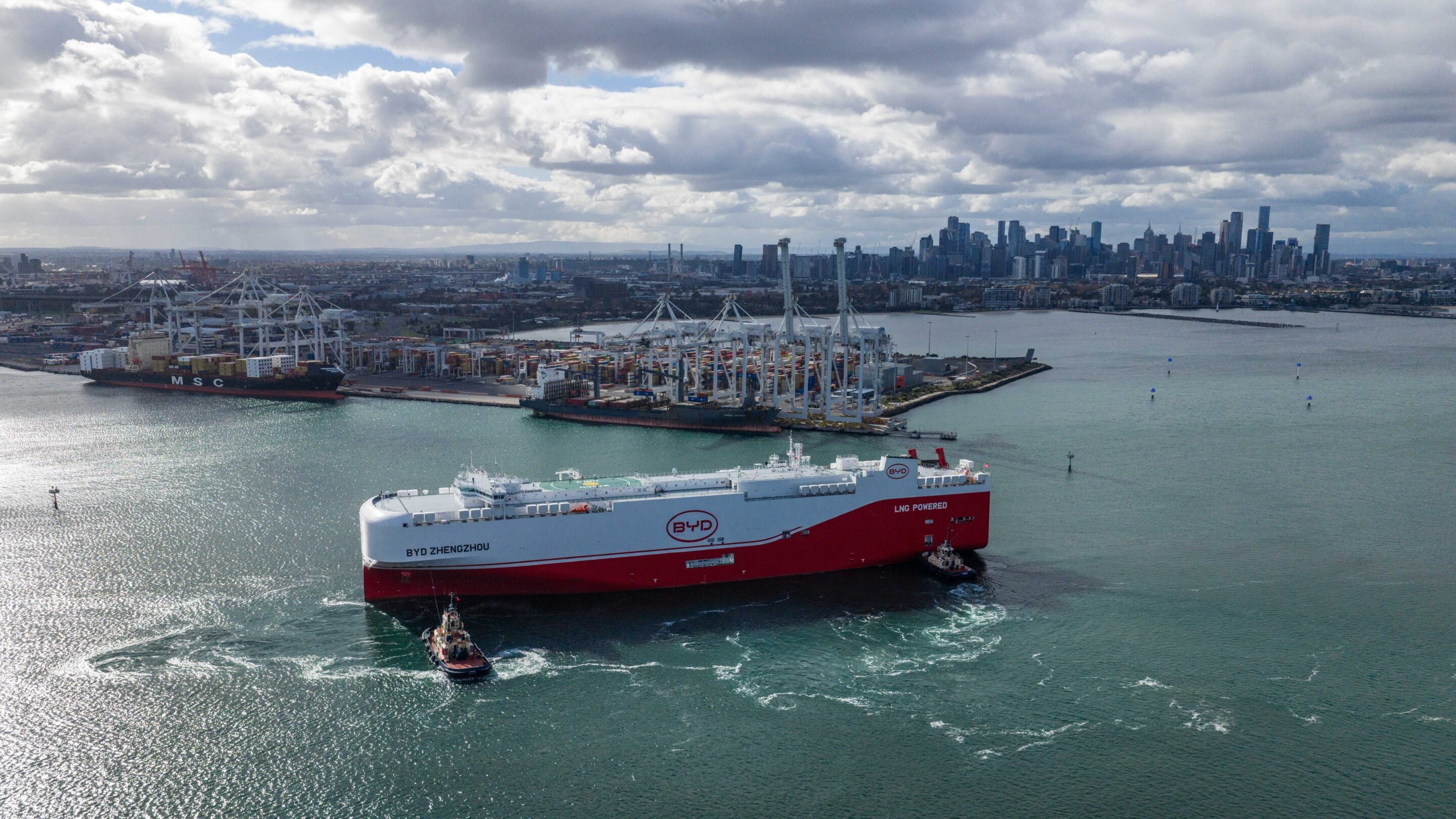
The spike can be at least partly put down to Aussies making the switch amid a sharp rise in petrol and diesel prices caused by the Iran war, and Thornton said the remarkable leap makes it difficult to predict future demand.
“It’s a little bit hard to use what happened over March and April and the fuel crisis period when the Iran conflict first occurred as any sort of extrapolated demand, because it was so extraordinary. We’ve never seen anything like it,” he said.
“The one thing we have observed, though, is that the transition from a fully combustion-engine car to a full electric vehicle – and that transition might include a hybrid vehicle, a plug-in hybrid vehicle, and ultimately, a full battery-electric vehicle – is a one-way street.
“Once you take a big step change, like [what] has occurred in 2026, along that path towards a more plugged-in or lower-emission powertrain, people have sort of started the journey and it will only be a small fraction that come back the other way.”
Thornton said Eagers is well placed to keep riding the EV uptake wave down under thanks to its efforts to form bonds with Chinese manufacturers. However, he did point out one facet of the rapidly growing market that could act as something of a handbrake.
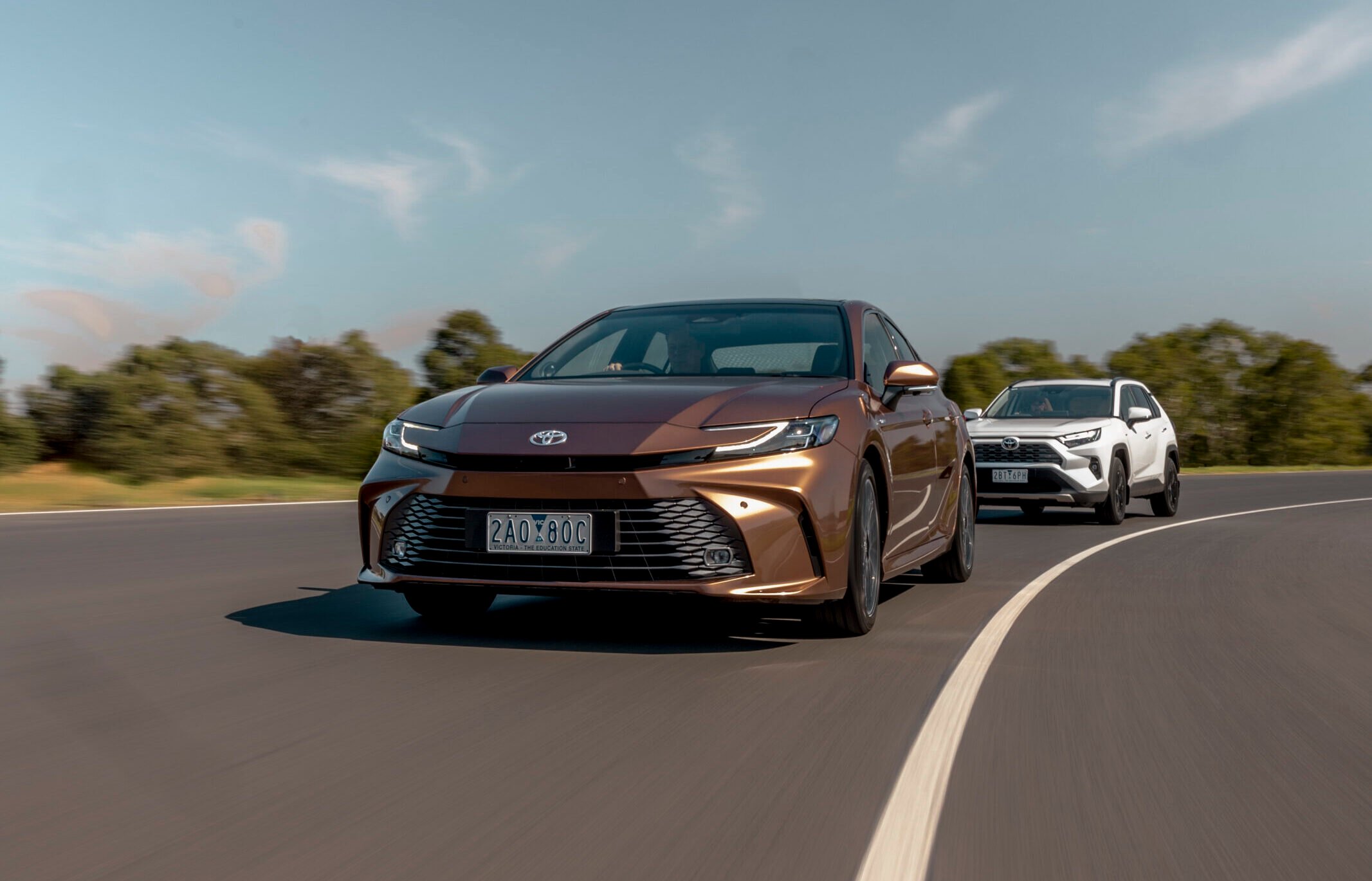
“One of the drags on the opportunity – not on our performance, but on the opportunity – is at the moment, NEV [new energy vehicles] still has had an overweight percentage of sales through the Novated channels, and the Novated channels are less conducive to allowing trade-ins to be captured,” he said.
VFACTS figures showed a total of 108,577 new vehicles were delivered during July (including FCAI and Electric Vehicle Council figures), edging past the previous July record of 104,244 set in 2025 and following an all-time monthly sales record in June. It also marked the second consecutive month in which battery-electric vehicles (BEVs) accounted for more than one in every five new vehicles sold.
Cole Trickle is returning from retirement to star in another big-screen blockbuster.
The fictitious NASCAR racer created by Tom Cruise in the 1990s will be the headliner again in a second edition of Days of Thunder in 2028.
The project has just been announced with the news that Anne Hathaway will be the female lead.
Cruise confirmed the project at Daytona, home of the legendary 500-mile centrepiece of the NASCAR championship, with a social media post alongside Hathaway.
Early information on the upcoming film includes filming in IMAX and a release date of June 2, 2028 in the USA, according to Variety.
Cruise will be one of the producers, alongside his action collaborator Jerry Bruckheimer – from Top Gun and the original Thunder project – with Jonathan Levine as the director. The plot is believed to put Trickle back in the driving seat with Hathaway as a team owner.
The original Days of Thunder was made on a budget of $83 million and grossed $220 million from its release in 1990.
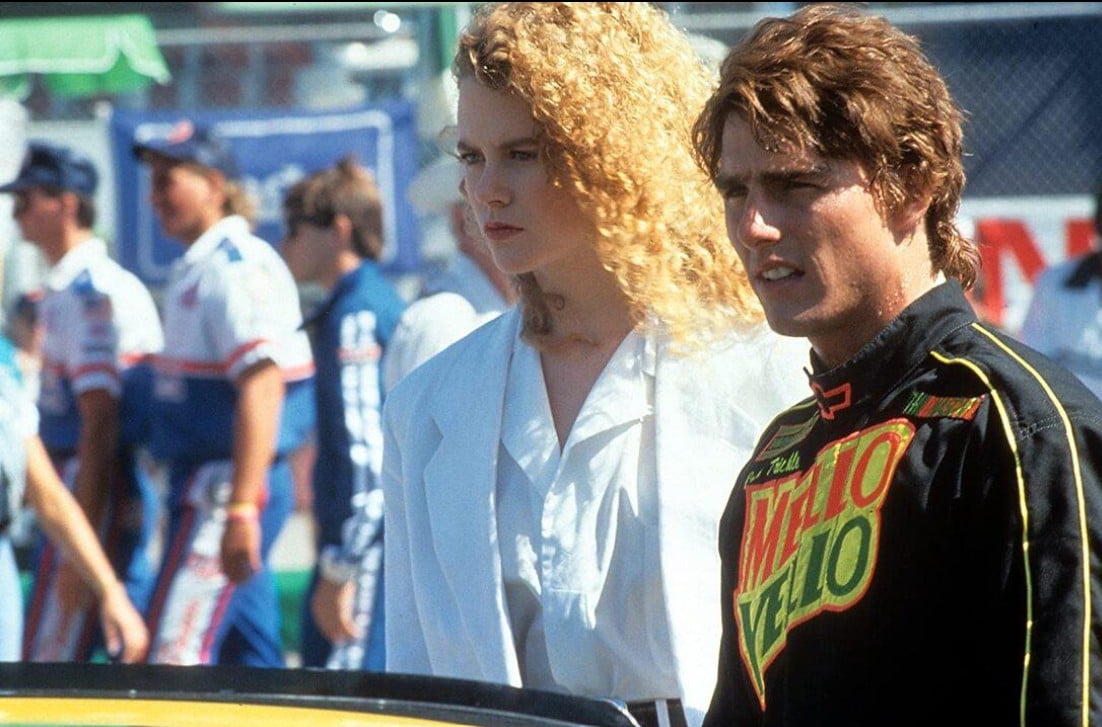
It also led to the marriage of Cruise and Nicole Kidman (above), who was hand-picked by Cruise as a (unlikely) brain surgeon.
There will need to be extensive cast changes for the re-boot as Robert Duval, the crusty mentor for Trickle, died in 1995.
Plans for the new movie come as Hollywood shows growing interest in motorsport in the Drive to Survive era, where new motorsport fans are eager for big screen entertainment.
The F1 movie, headlined by Brad Pitt, cost an estimated $350 million to make but grossed more than $800 million at the box office.
GWM has become one of Australia’s fastest-growing car makers, but don’t assume that it’s taking its foot off the accelerator. It already makes a range of products from small SUVs and electric cars to plug-in hybrid off-roaders and dual-cab utes, but GWM Australia will expand its range even further over the next 12 or so months.
There are new engines, new-generation models and even an entirely new premium sub-brand on the way. Here’s what Australian buyers can expect from GWM in the months ahead…
Tank 500 3.0-litre diesel: Next month
Diesel power is coming to the GWM Tank 500 large SUV for the first time, with Australia set to become one of the first markets to receive the brand’s new 3.0-litre four-cylinder turbo-diesel engine making keen outputs of 170kW and 620Nm.
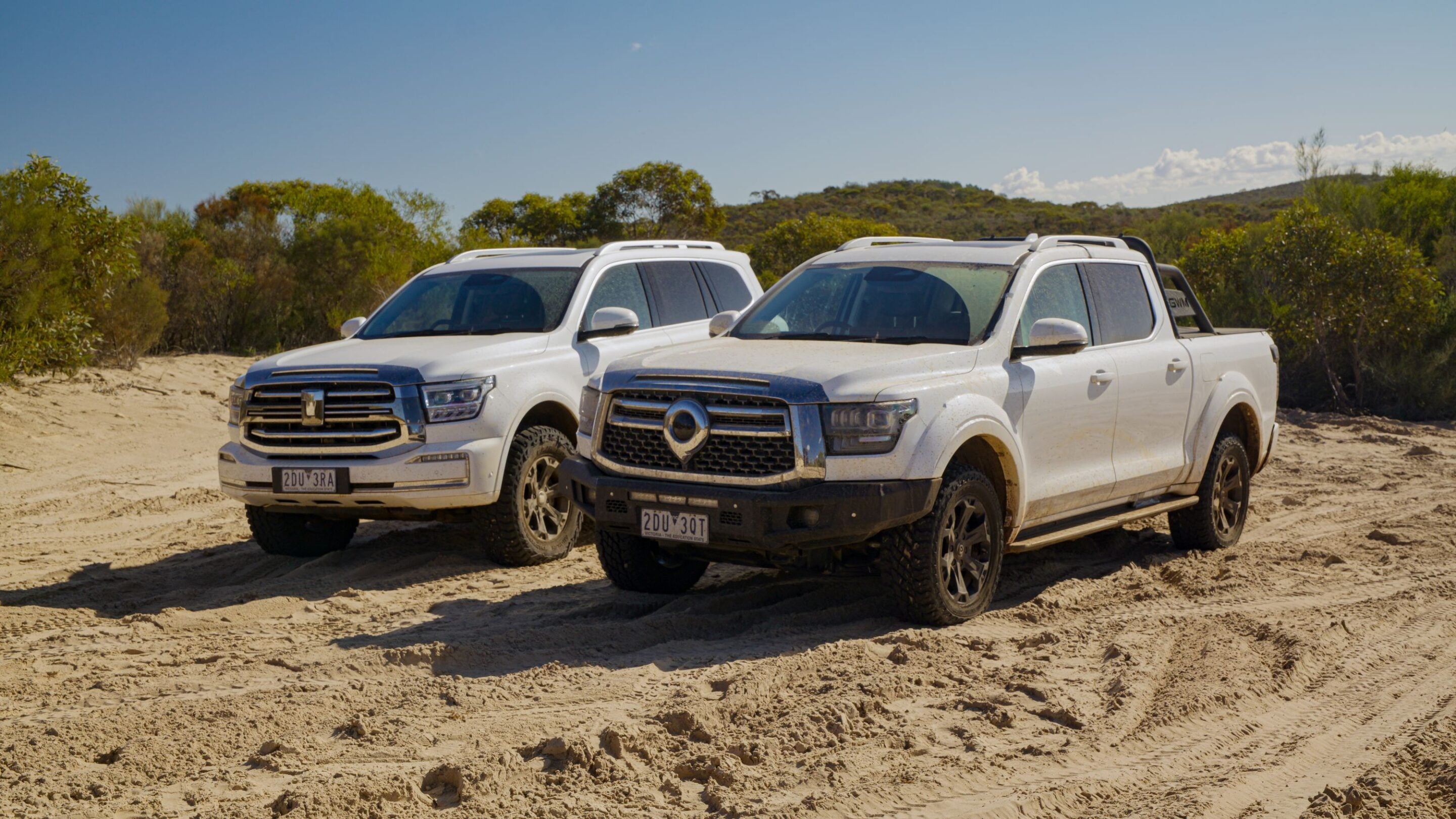
Previously available with both hybrid and plug-in hybrid powertrains, the new diesel variant will open up the Tank 500 to a larger range of buyers and promises to make the workhorse even more capable, particularly for drivers who want to tow or travel long distances.
Cannon Alpha 3.0-litre diesel: Next month
The same new 3.0-litre turbo-diesel will also find a home beneath the bonnet of the Cannon Alpha ute. It’s not the first time diesel power has graced the model, which is currently available with a smaller 2.4-litre unit, but the new engine now gives it Ford Ranger-rivalling grunt.
Diesel is still the dominant fuel choice for dual-cab utes in Australia, particularly for those wanting to tow. In that regard, the Cannon Alpha 3.0L is impressive with its ability to haul a 3500kg braked trailer. Even better, when unladen its combined fuel consumption is just 7.3L/100km.
Cannon Plug-in Hybrid: Third quarter
GWM already offers plug-in hybrid variants of many of its products, and the latest to receive one is the Cannon ute. Using the same ‘Hi4-T’ drivetrain that’s found in other GWM products like the Tank 300, the Cannon plug-in hybrid will offer an electric driving range of 84km (WLTP).
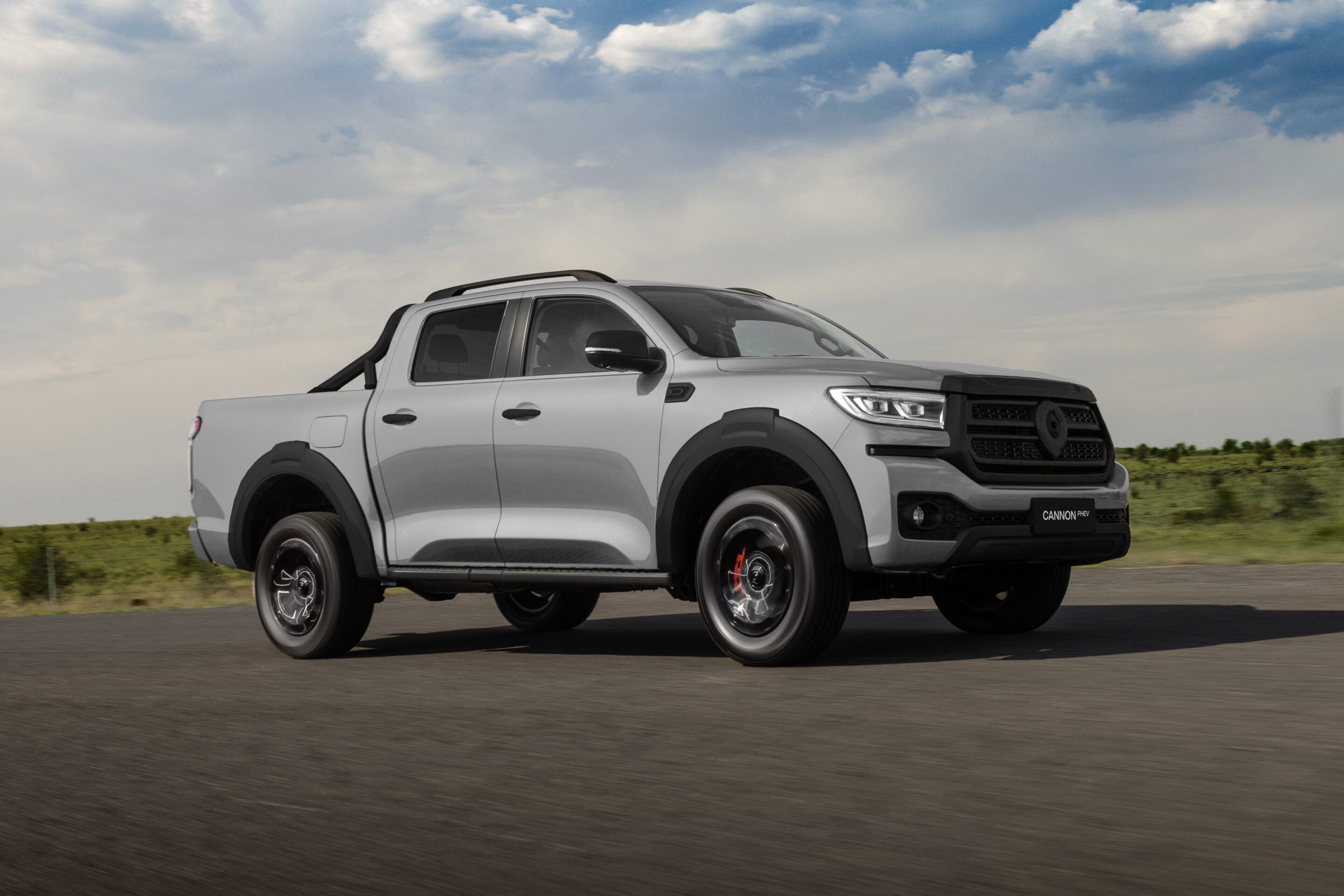
Because it’s a plug-in hybrid combining a turbocharged 2.0-litre petrol engine and an electric motor, the Cannon PHEV delivers a strong 310kW of power and 750Nm of torque, making it the gruntiest Cannon by far. More details about the Cannon PHEV are due to be shared soon ahead of its on-sale date in just a few weeks.
Wey G9: Late 2026
Perhaps the biggest change to GWM’s Australian operation will be the introduction of Wey, which will become the company’s fifth local sub-brand alongside Haval, Tank, Ora and Cannon. Already offered in many global markets, Wey will first sell the G9 luxury plug-in hybrid people mover, which will be aimed at rivals like the Denza D9 and Zeekr 009.
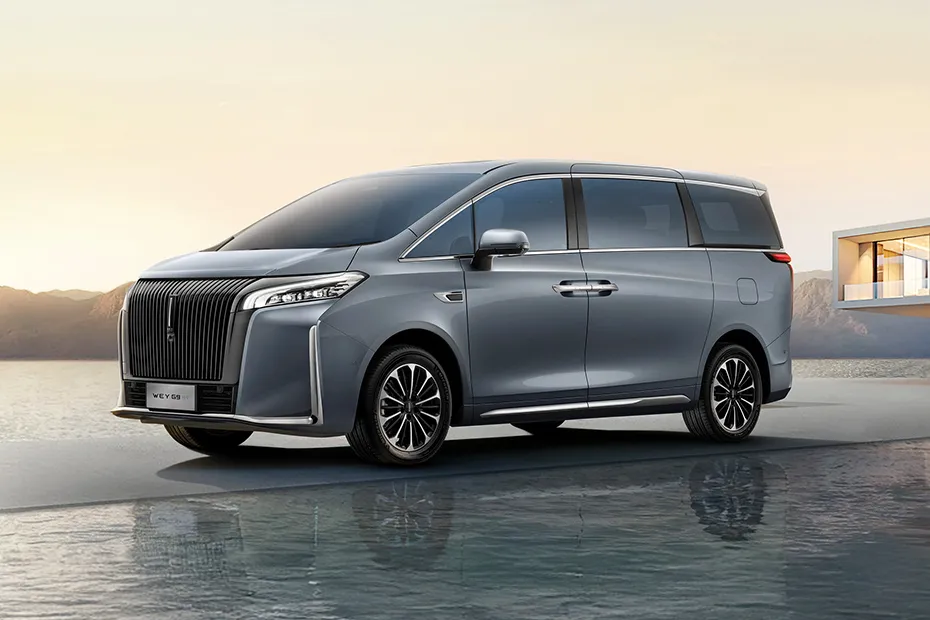
Not much is yet known about its Australian pricing or positioning, but we’re expecting a lavish interior, with seven seats, second-row captain’s chairs and a very long equipment list, which will do a good hob of showcasing GWM’s increasingly ambitious premium sub-brand.
Ora 5 Touring: Late 2026
GWM Australia will move beyond selling just SUVs and utes with the arrival of the Ora 5 Touring wagon. Expected to arrive around the end of 2026, the Touring stretches the Ora 5 formula into a considerably larger and more practical package. At 4758mm in length, it’s almost 300mm longer than the Ora 5 SUV, while a larger 71.1kWh battery will also feature in the electric version.
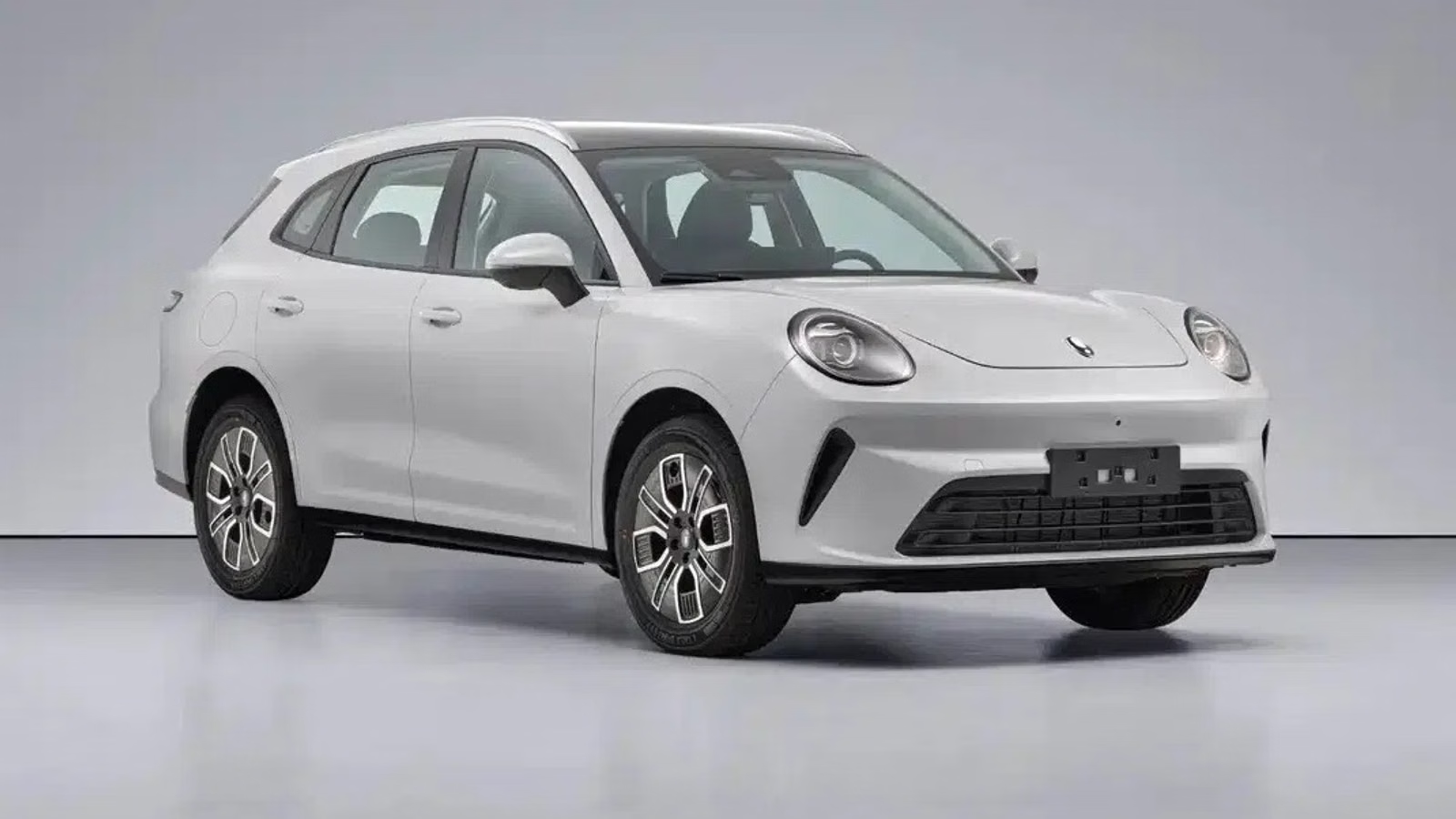
Full specifications, pricing and driving range are yet to be announced, but GWM has confirmed that the battery-electric model is definitely headed our way. It’ll also be a rare beast in the local market as affordable wagons remain thin on the ground, potentially giving the Ora 5 Touring an interesting niche when it arrives.
Wey SUVs: Early 2027
The Wey G9 won’t be alone for long. GWM has confirmed another two Wey products are due to reach Australia in early 2027, broadening the premium brand beyond the people-mover segment. SUVs will play a key role in Wey’s Australian expansion, with models including the large V9X giving an indication of where the brand could head next. More Australian details are expected soon.
Haval Jolion Max: Early 2027
GWM’s hugely popular Haval Jolion is also set to grow with the new, larger Jolion Max. As its name suggests, the Jolion Max will provide a larger alternative to the existing Jolion and help bridge the gap to the H6, giving GWM yet another entrant in Australia’s booming SUV market.
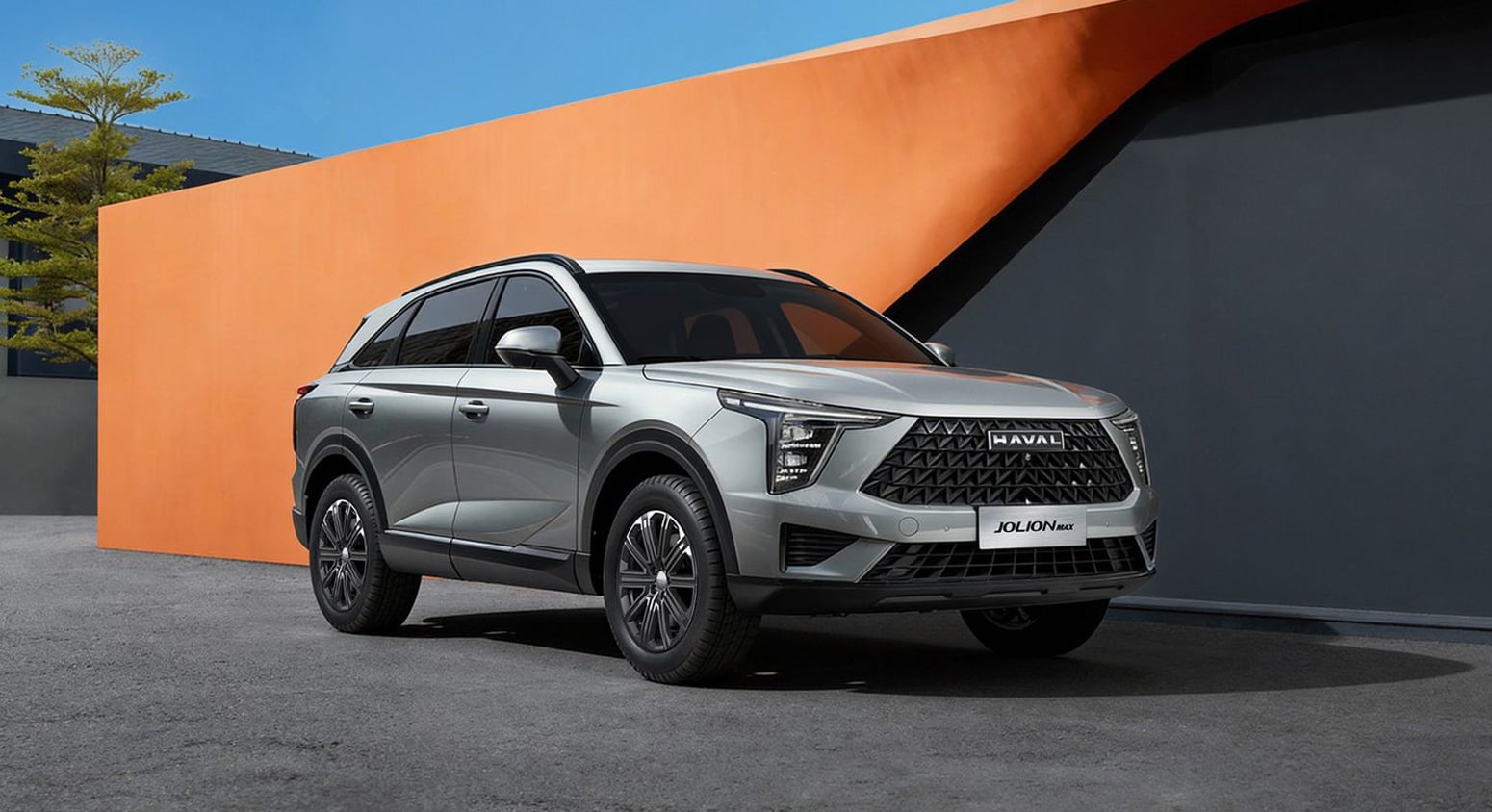
We expect electrification to feature prominently for the Jolion Max, in keeping with GWM’s increasingly hybrid-heavy Australian line-up to meet NVES compliance.
Next-generation Haval H6: First half of 2027
One of GWM’s most important Australian models is also heading for a major overhaul, with the next-generation Haval H6 due in the first half of 2027. It’s already been revealed in China, with a larger body, fresher styling and more in-car tech that will no doubt prove popular with buyers as the current model also does.
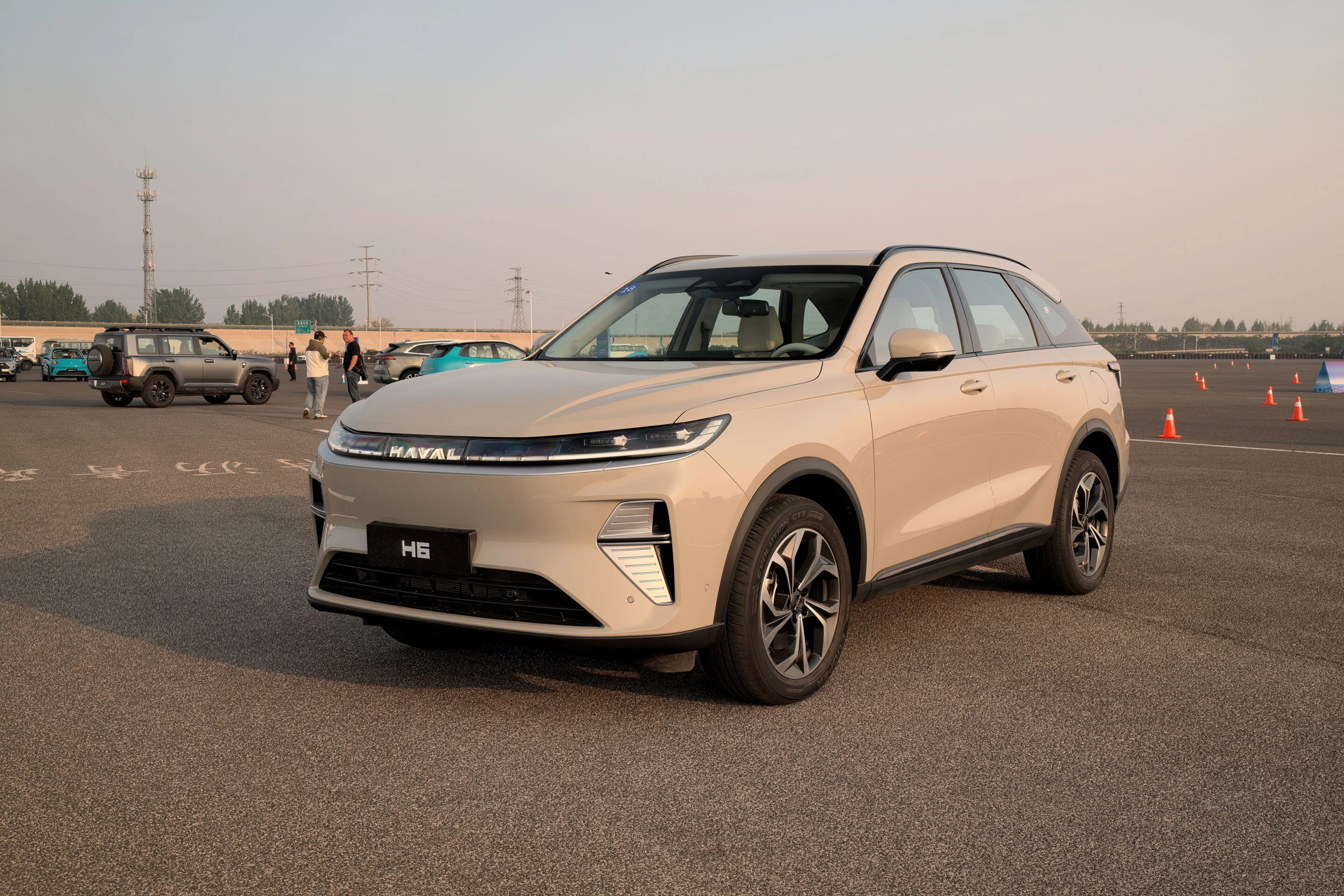
Both hybrid and plug-in hybrid powertrains are planned for Australia, with the new-generation model set to build on the strong value and extensive equipment that have helped make the current H6 one of GWM’s biggest sellers.
Given the speed with which GWM is expanding in Australia, we’re expecting far more models to be introduced locally in the next 12 months. More models – including the flagship Tank 700, as well as the brand’s first V8 drivetrain – remain under consideration as GWM continues its push in growing Australian sales even further.
