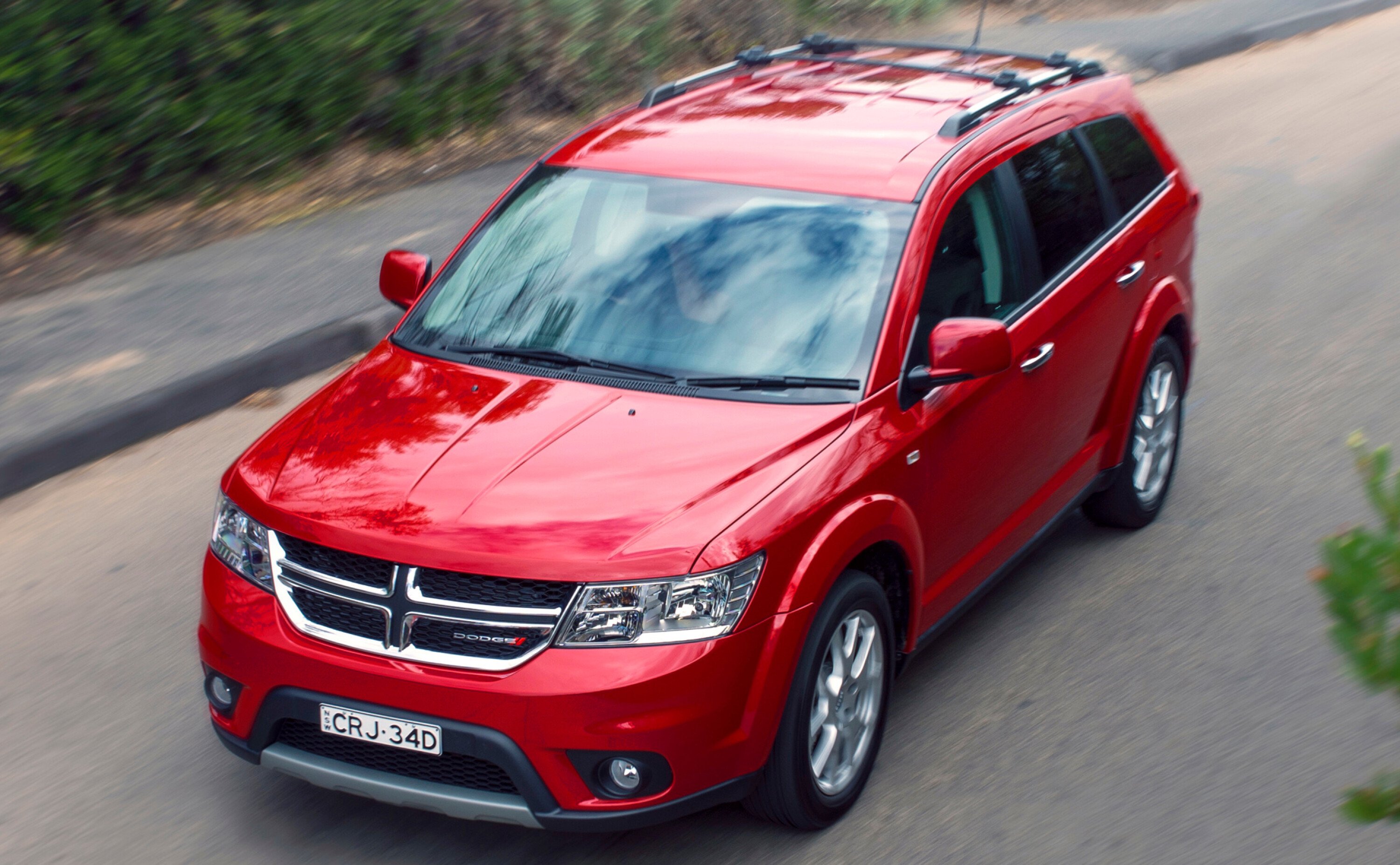
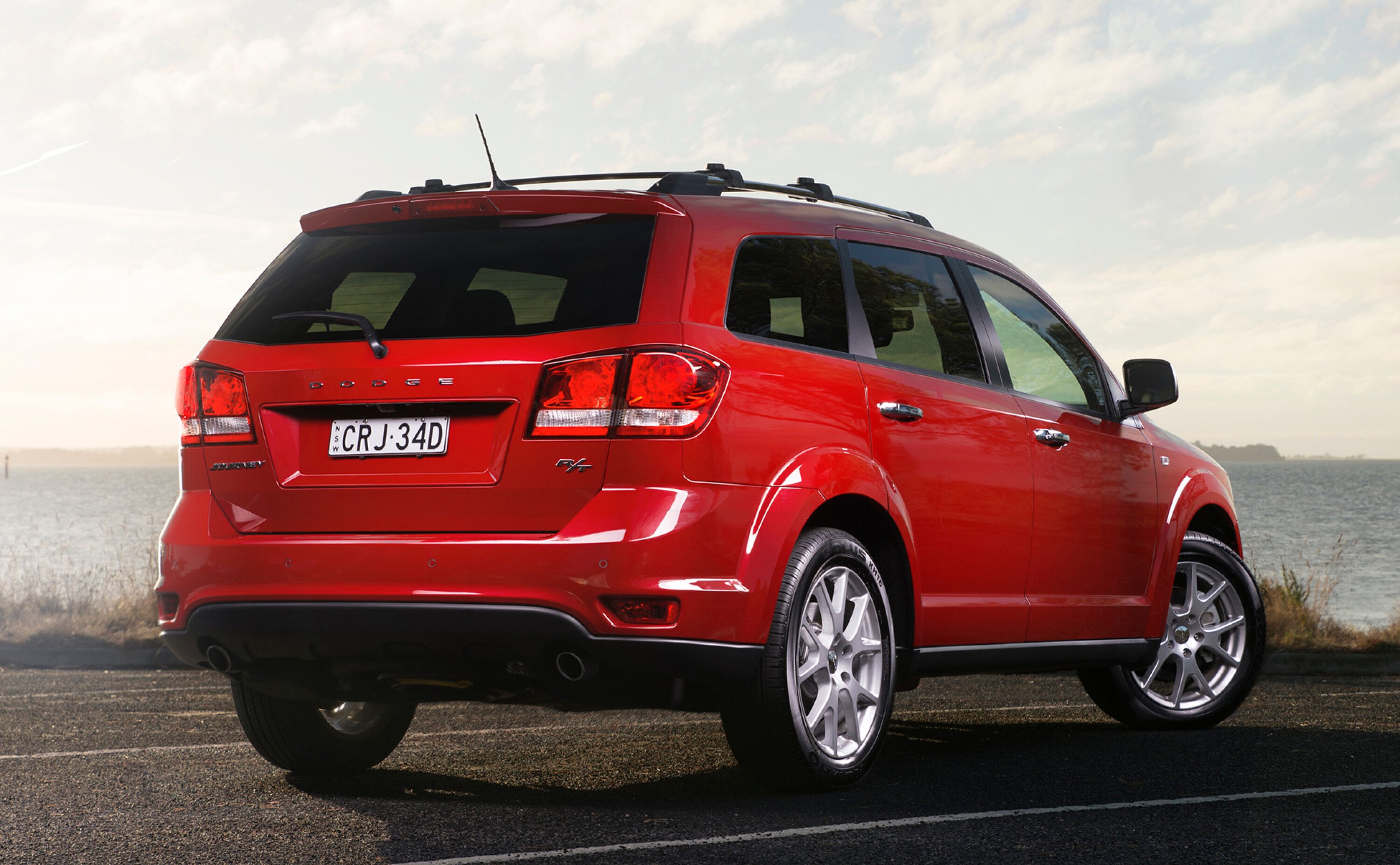
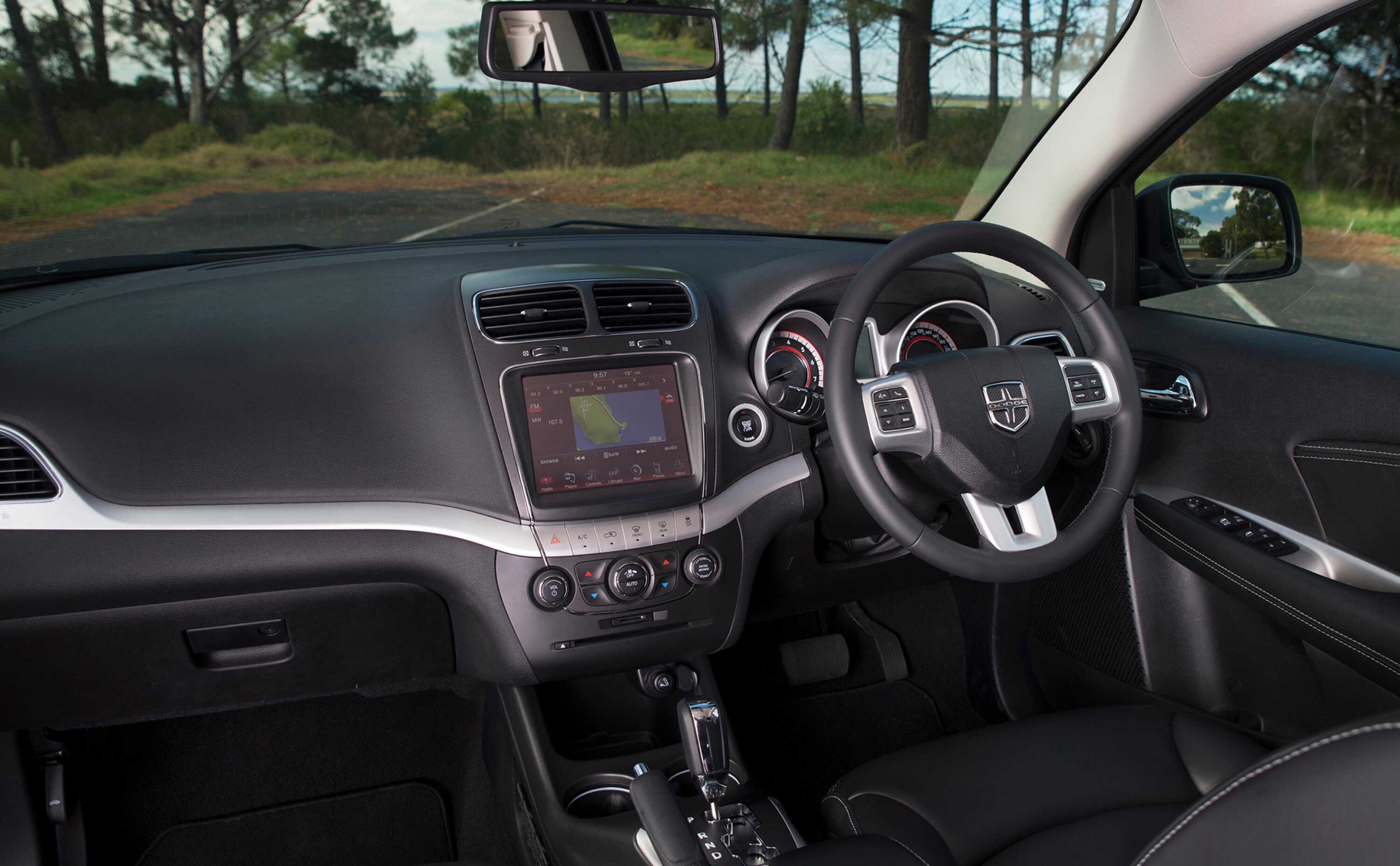
The Citroën brand registered seven brand-new vehicles in Australia in January, just one more than Dodge.
The Dodge Journey was offered in Australia between 2008 and 2016, with the last units sold in 2017. As it was the only vehicle sold by Dodge in Australia at the time, the American brand was placed into ‘hibernation’ by Fiat-Chrysler Australia – now known as Stellantis.
A Stellantis Australia spokesperson said the six Dodge Journeys were used head-office vehicles and have now been on-sold to dealers, likely at a significant discount.
1
The 2016 Dodge Journey was priced between $35,000 and $40,000 before on-road costs – equivalent to between $43,150 and $49,300 today when adjusted for inflation.
All variants featured a 3.6-litre naturally-aspirated petrol V6, a six-speed torque-converter automatic, a 10.4L/100km combined fuel consumption, and front-wheel drive.
While Dodge remains in hibernation for Australia, it continues in North America with sports cars and SUVs on offer.
1
The electric Dodge Charger Daytona muscle car, a replacement for the two-door Challenger, will be unveiled on March 5.
The Dodge Journey is the latest long-discontinued car to be listed in VFACTS sales data, with two examples of the Toyota FJ Cruiser axed in 2016 and one Lexus LFAbuilt in 2011 or 2012 registered as ‘sold’ in June 2023.
Seventy Mitsubishi Pajero off-roaders were sold in 2023 after it was discontinued in 2021.
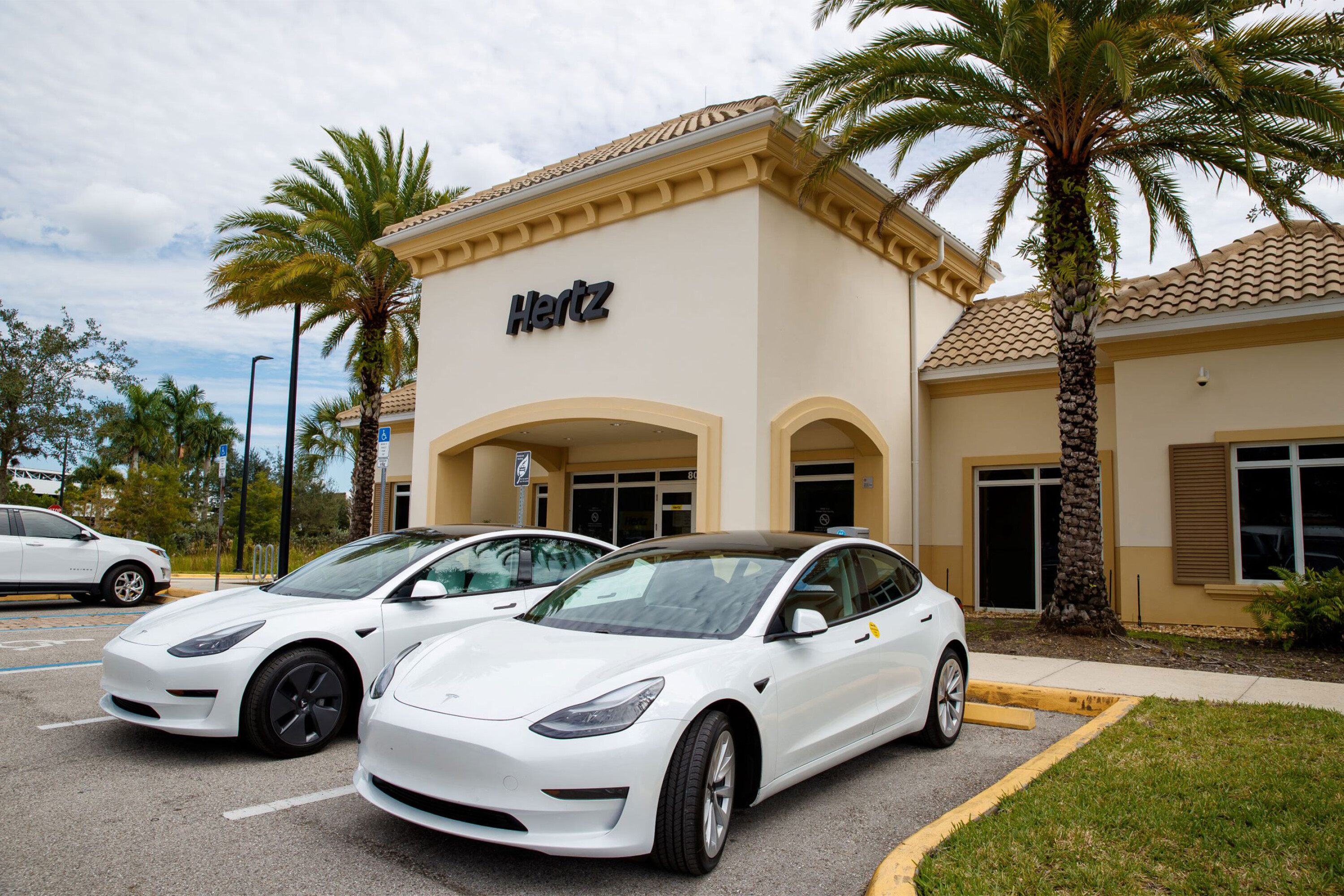
Rental giant Hertz made headlines when it ordered 65,000 Polestars in an investment worth $4.5 billion, adding to its 2021 order of 100,000 Teslas.
Hertz’s big EV spend has been lauded by pundits and enthusiasts as a big step towards getting more people into electric vehicles, whether as a rental car ‘test drive’ experience or later in the used market.
However, despite the program proving popular with customers, a rash of costly repairs has moved Hertz’s American office to sell off around 20,000 of its 48,000-strong fleet of Model 3s and Model Ys at rock-bottom prices, all to be replaced with conventional combustion cars.
1
Now, Polestar has agreed to pause orders for 2024 – on the condition that Hertz does not sell its existing Polestar cars this year, which could harm new-car sales and used-car values.
In a statement given to Wheels Media today through its Australian arm, a Polestar global spokesperson said: “In return, and in order to maintain our long-term agreement, through 2025, we have also agreed not to push deliveries to them during 2024.”
1
As for Hertz’s troubling repair bills, Polestar’s comments suggest it may be more of a Tesla problem.
“With respect to recent Hertz comments about high expenses relating to collision and damage, primarily associated with EVs, we have asked Hertz for some further background to this and have so far received nothing to suggest that Polestar vehicles are contributing to these high expenses,” the spokesperson said.
Australia: Business as usual
Hertz’s Australian customers will continue to have access to EVs, and the company currently lists 22 locations across the country for the Polestar 2.
The Model 3 and Model Y are likewise still on the Hertz fleet in Australia, although it does not list any specific locations.
LDV is aiming to rattle the cages of the big-name van brands, with a new circa-$60K electric van about the size of a HiAce, Staria Load or Transit Custom – but it undercuts the electric Merc Vito by about $30K.
When LDV launched here, the idea of a circa-$60K mid-size van from the brand seemed crazy.
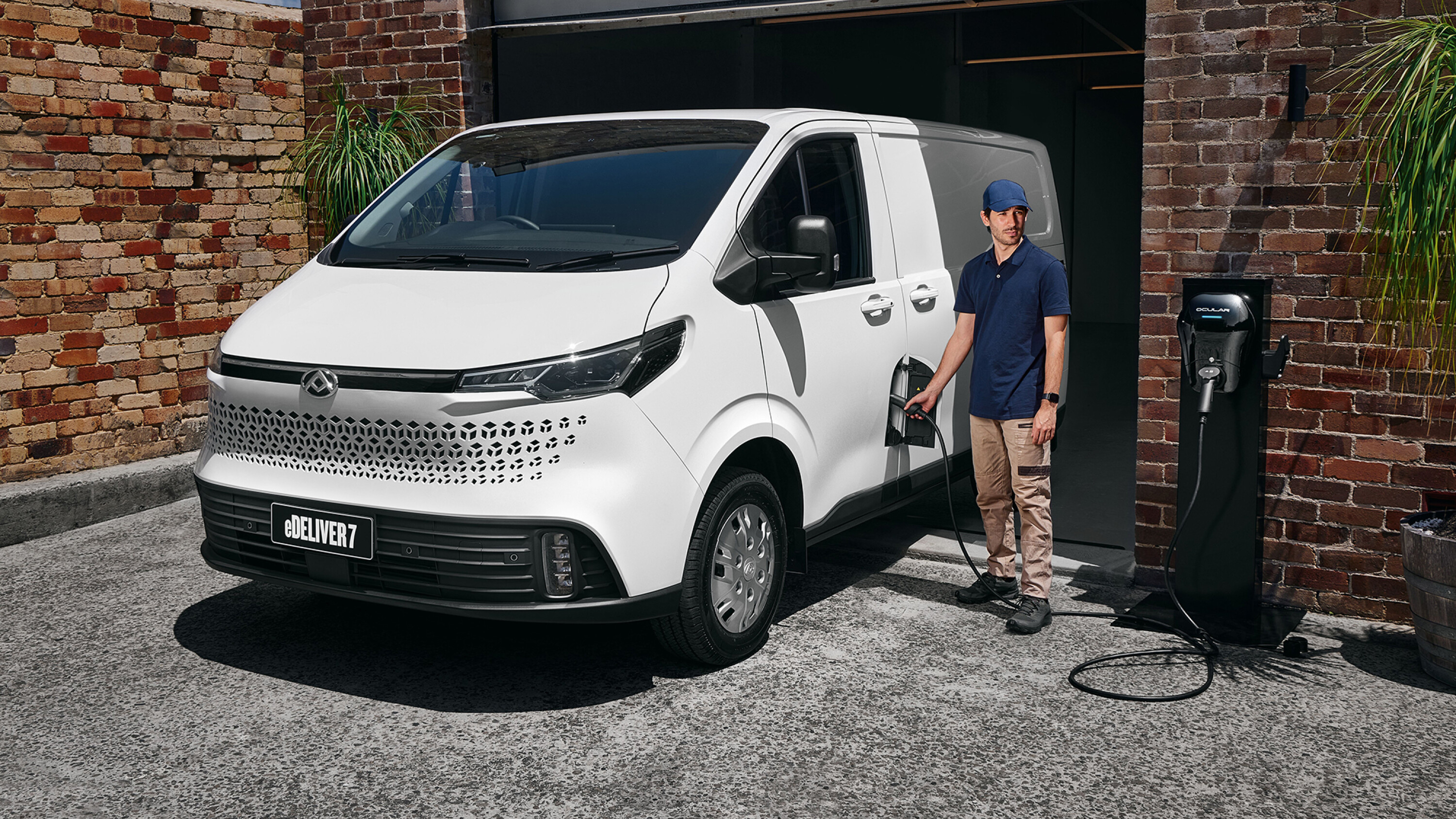
However, with prices for diesel rivals always rising, LDV has taken an aggressive approach that will appeal to small businesses and big fleets alike, with a range of four different styles of eDeliver 7 van on offer – including two body heights and two battery capacities, listed below.
2024 LDV eDeliver 7 pricing for Australia
eDeliver 7 SWB Low Roof
$59,990
eDeliver 7 LWB Low Roof
$61,990
eDeliver 7 LWB Low Roof
$64,990
eDeliver 7 LWB High Roof
$66,990
ABN prices, excluding on-road costs
1
All have 11kW AC charging (between 8.0 and 9.5 hours to charge from 5-100%), and the 77kWh models can be recharged on DC at 78kW, while 88kWh models can suck down 90kW DC.
Both will take about 43 mins to charge from 20-80%, LDV says.
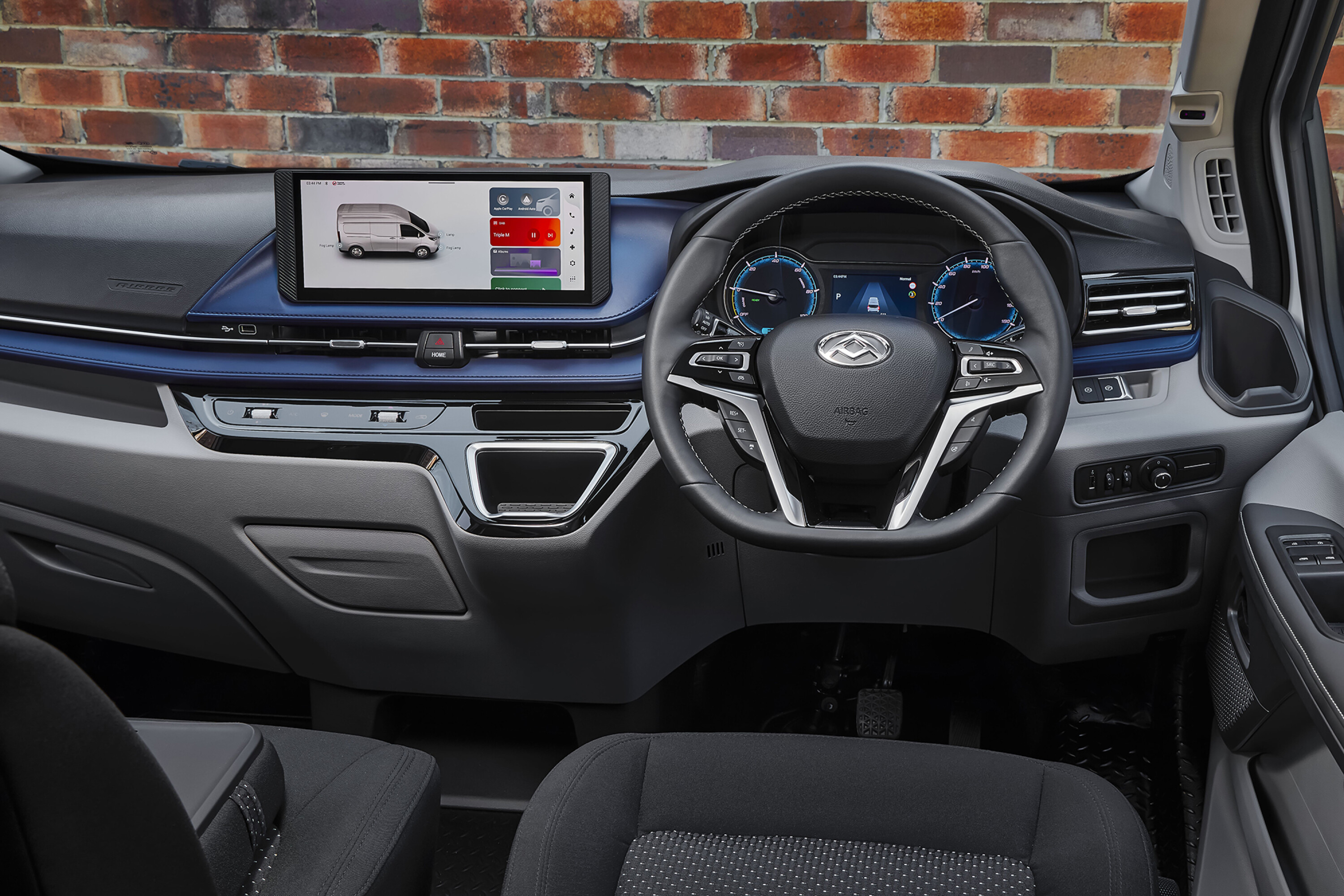
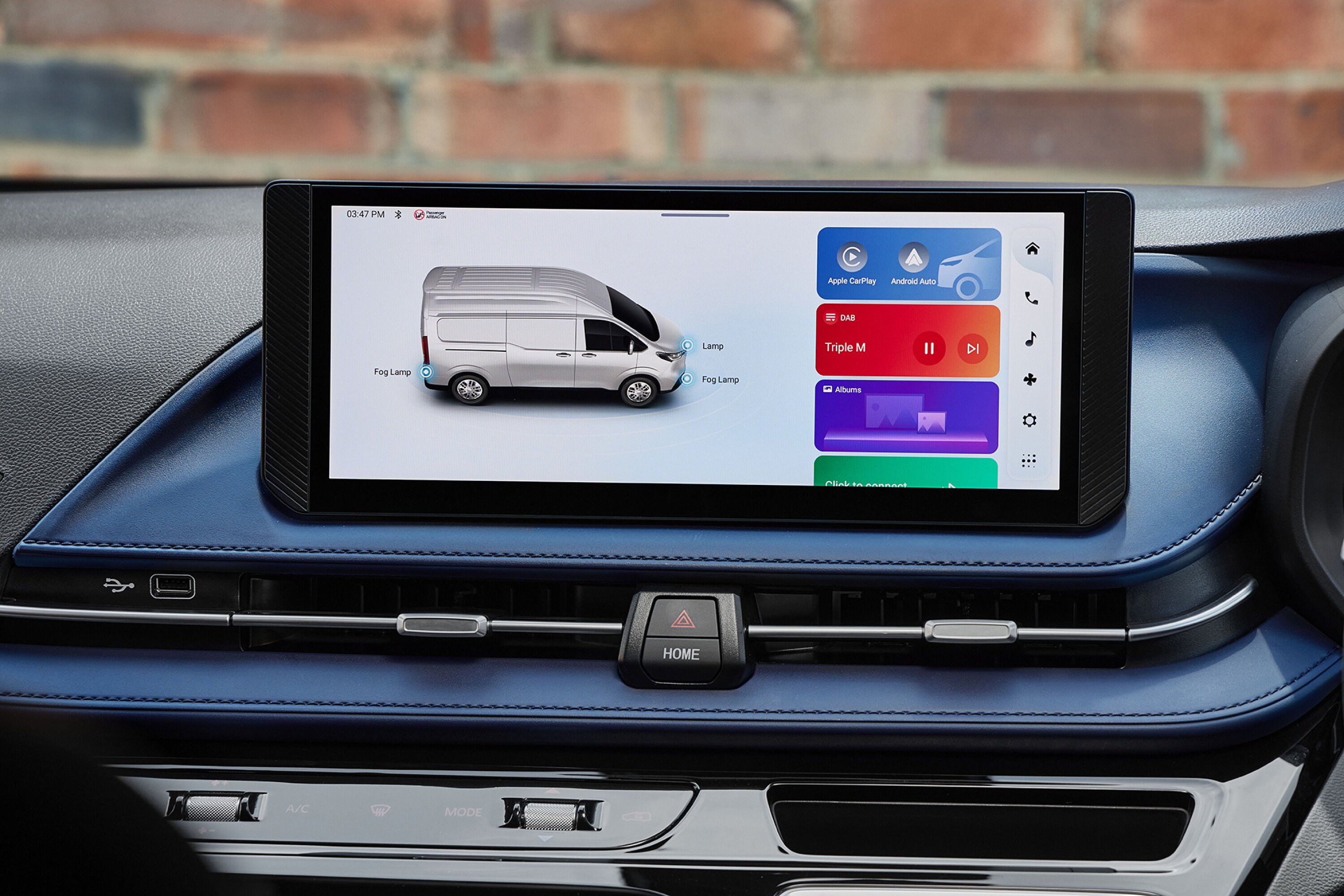
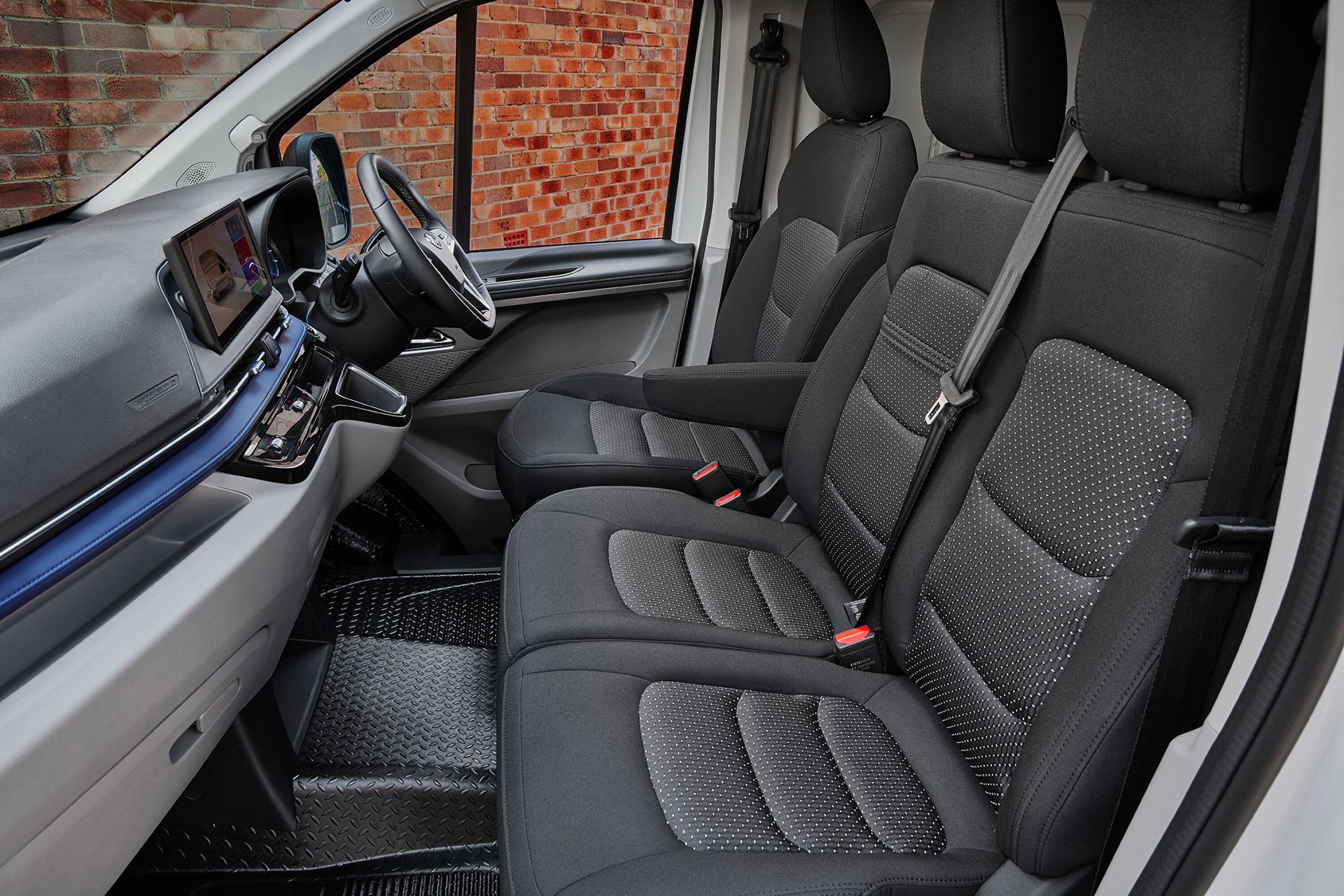
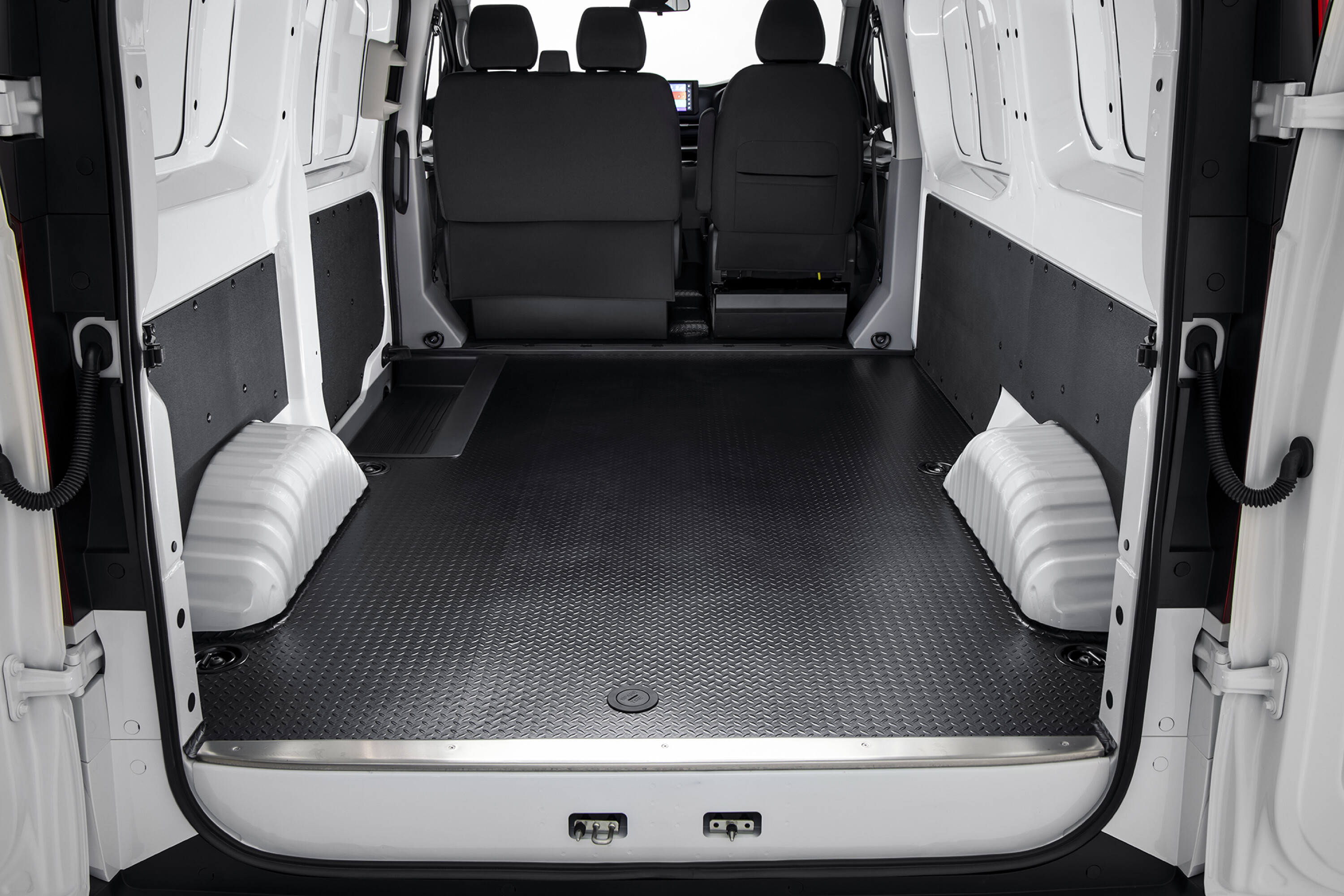
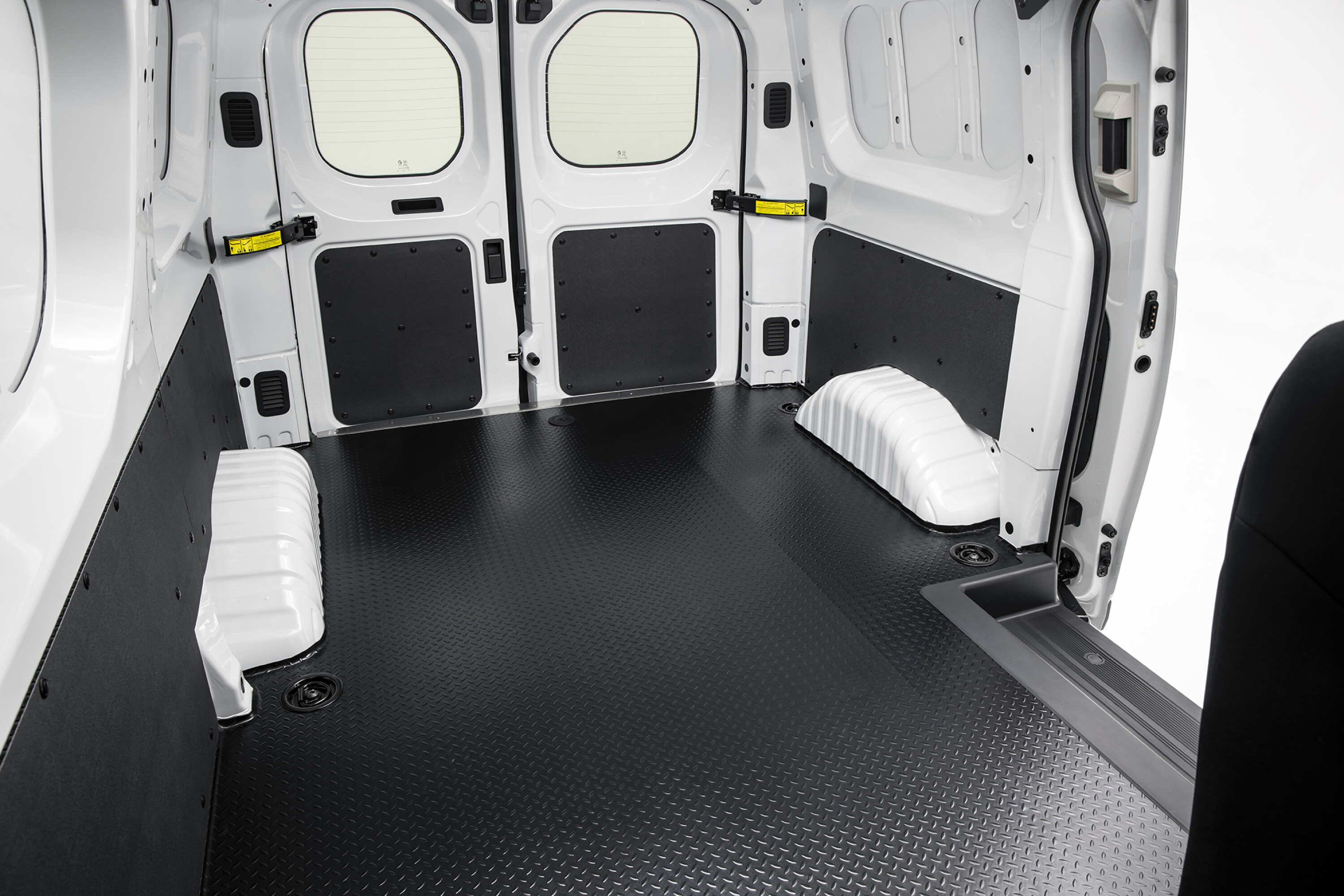
Standard equipment highlights include auto LED headlights, daytime running lights and tail-lights, 16-inch steel wheels with a full-size spare and tyre pressure monitoring, rain-sensing wipers, vinyl flooring (rubber floor in cargo area) cloth seat trim, heated front outboard seats, heated steering wheel, 12.3-inch touchscreen media system with Apple CarPlay and Android Auto, keyless entry and push-button start, and more.
1
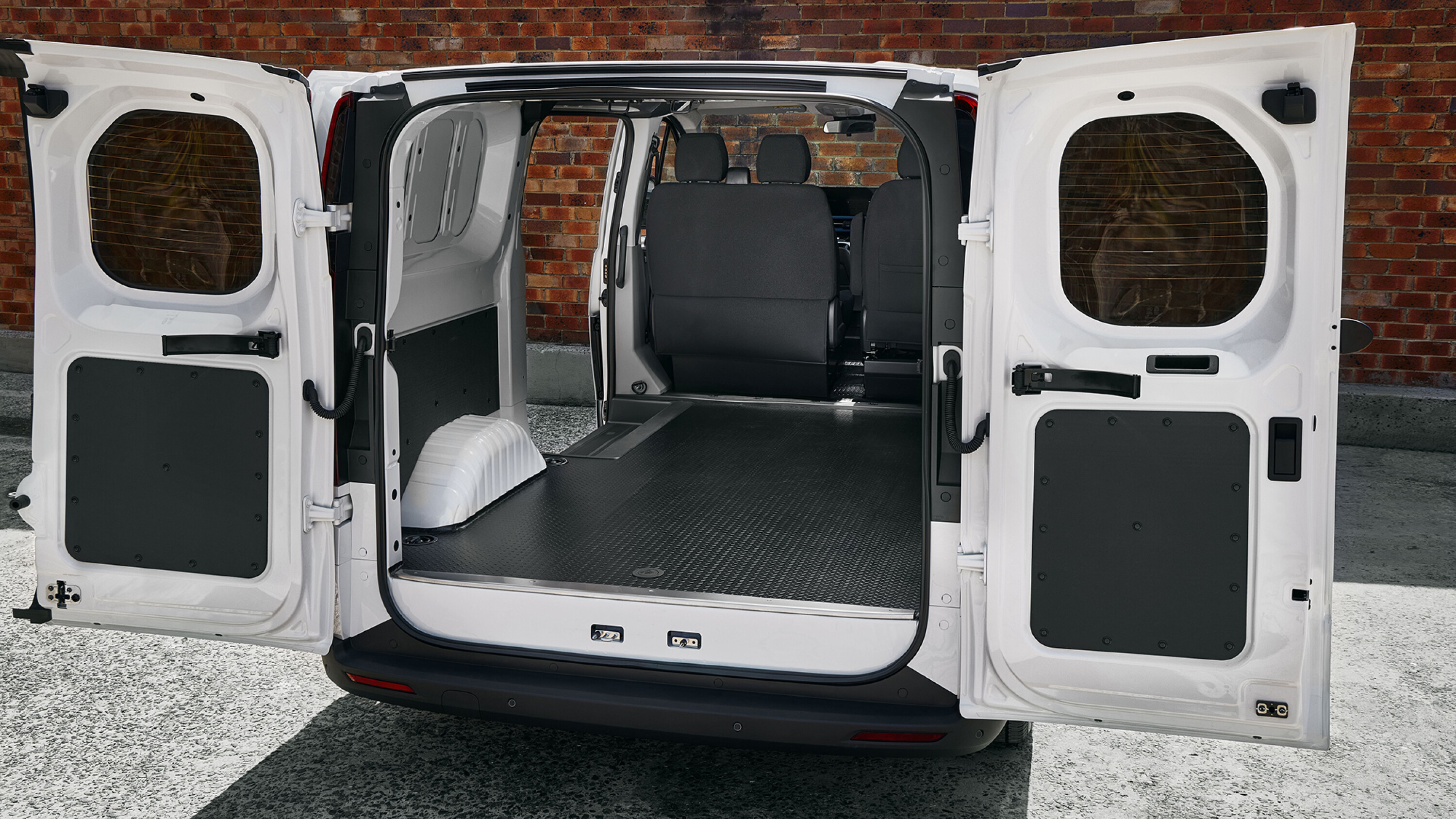
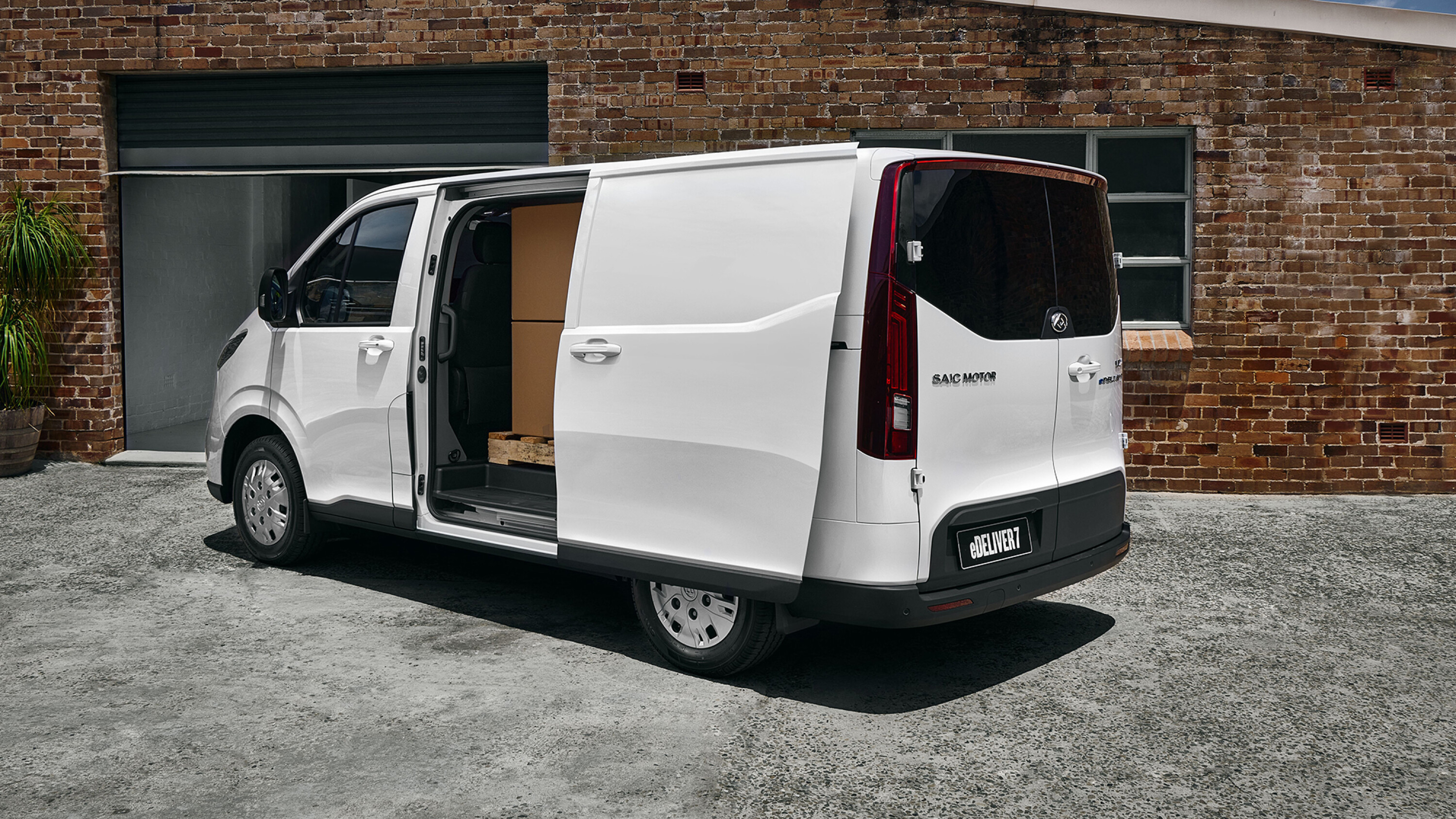
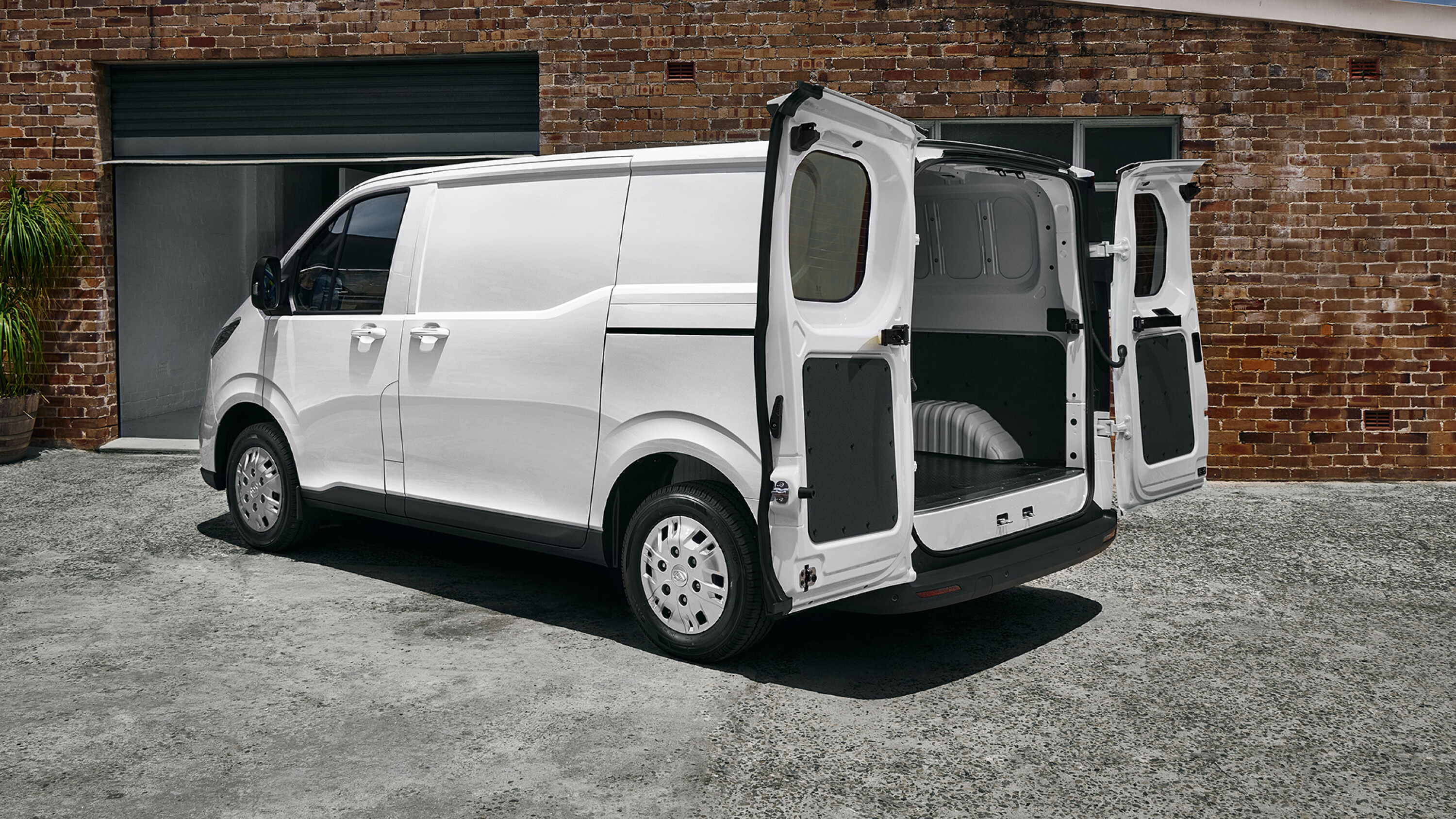
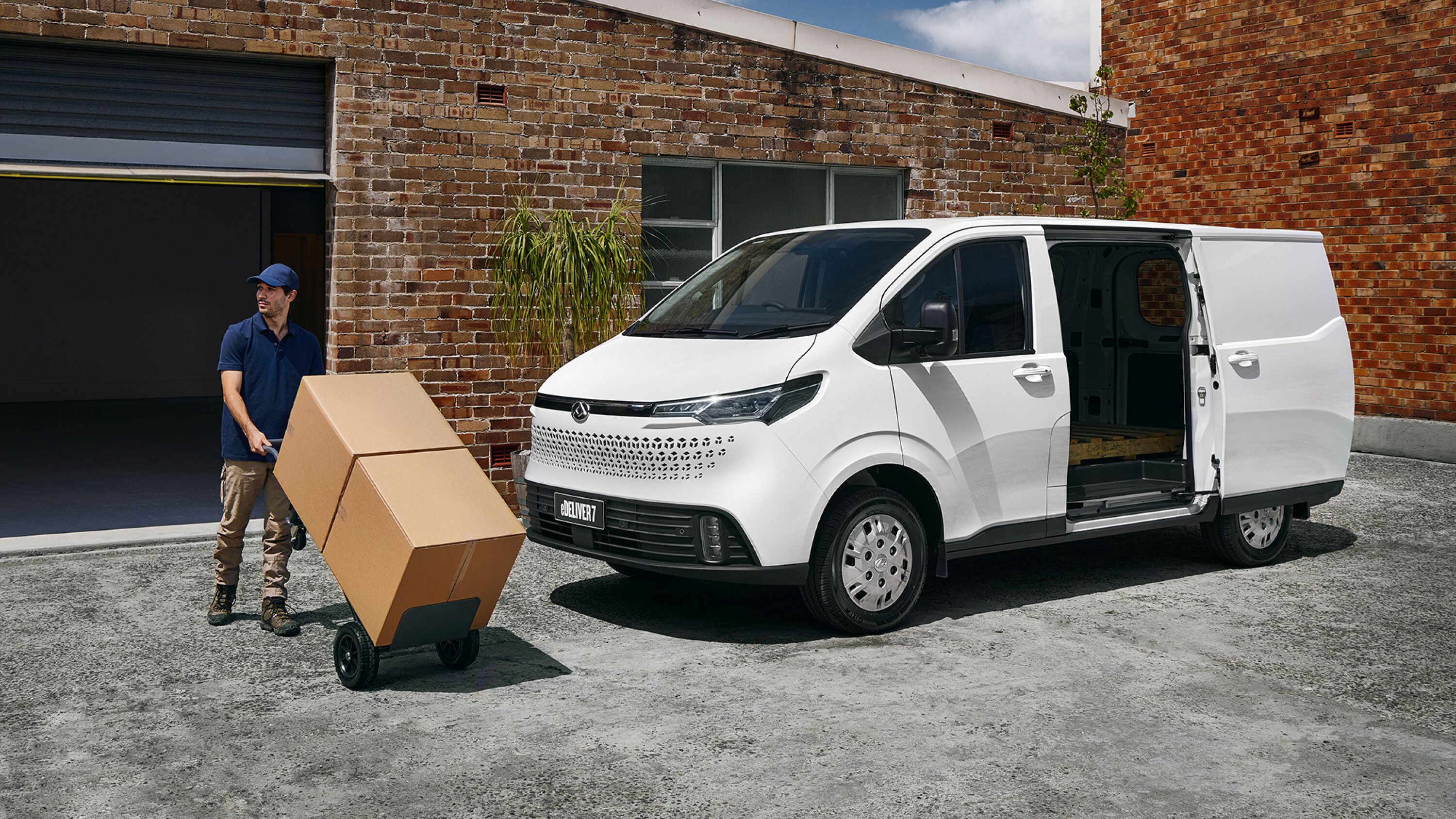
All versions sold here at launch have just a kerbside sliding door (no option for second slider), and barn doors at the rear.
Rear glazing is not available, and you can’t have it with a tailgate instead. There’s also no bulkhead option, but an accessory cargo barrier is available.
LDV eDeliver 7 warranty & servicing
Buyers get a five-year / 160,000km warranty, plus an eight-year / 250,000km battery warranty.
Capped price servicing is $1165 for six years / 90,000km of cover with 24-month / 30,000km intervals.
No safety rating yet, but LDV is confident of a decent result, given the list of standard safety tech.
That includes autonomous emergency braking, adaptive cruise control, lane keep (inc emergency lane-keeping), blind-spot monitoring, rear cross-traffic alert, a reverse camera and parking sensors front and rear. It has six airbags (dual front, front side, curtain).
Other safety systems include a driver fatigue monitoring camera, and speed sign recognition and warning. But, weirdly, no digital speedo!
Airbags (6) u2013 Driver and front passenger airbags (2), side airbags (2), curtain airbags (2)
Lane Keep Assist (LKA)
Autonomous Emergency Braking (AEB)
Emergency Lane Keep Assist (ELKA)
Adaptive Cruise Control (ACC) with Stop & Go
Lane Change Assist (LCA)
Blind Spot Monitoring
Rear Cross Traffic Alert (RCTA)
Front Collision Warning (FCW)
Door Opening Warning (DOW)
Lane Departure Warning (LDW)
Speed Limit Sign Identification
Intelligent Headlight Control
Anti-Lock Braking System (ABS)
Fatigue Reminder
Electronic Brake Assist (EBA)
Electronic Brake-force Distribution (EBD)
Electronic Stability Program (ESP)
Hill Hold Control (HHC)
Roll Movement Intervention (RMI)
Traction Control System (TCS)
Vehicle Dynamics Control (VDC)
Front and Rear Parking Sensors
Reverse Camera
Tyre Pressure Monitoring System (TPMS)
Adjustable Overspeed Alarm
1
On the road
This test was mainly conducted in urban scenarios, with no load. So, some elements of this test might be irrelevant.
The expected good bits include effortless pulling power and urgency when you suddenly thump the throttle, even in the sedate Eco mode. Normal is quicker, and Power is damn-near zesty in its response.
No engine vibration or noise, of course, and that will be music to the ears of drivers who spend all day in their van. No transmission quirks, either, as the single-speed auto delivers predictable propulsion. Only real concern here is the shifter placement, which is where you might be used to indicating, not reversing.
1
The load-free drive showcased that this is a van that designed for dealing with weight, with a firm ride in both the SWB and LWB models.
The latter was a bit more settled over little bumps, but both would undoubtedly be more comfortable with a payload onboard.
Its steering is nicely accurate for parking moves and for negotiating roundabouts and the like, and it feels stable and controlled at higher pace in straighter lines. Upgrading away from the Giti Van tyres might be an easy place for the keener courier to start with improvements, as they aren’t the grippiest.
1
The eDeliver 7 has front and rear parking sensors and a reversing camera as standard, but it’s surprising to learn there is no surround-view system.
It would be a huge advantage, and it’s standard in UK-spec models. The absence of a surround camera means those panels in the back make parking a bit of a guessing game in some situations.
An electric van that’s about this size? There’s only the Mercedes eVito at this point, and it’s $91,051 (MSRP). Ford will add an e-Transit Custom in 2024, but pricing is TBC.
from $59,990 to $66,990 plus on-road costs for ABN holders
Dimensions
Specification
SWB Low Roof 77kWh
LWB Low Roof 77kWh
LWB Low Roof 88kWh
LWB High Roof 88kWh
Cargo Volume (mu00b3)
5.9
6.7
6.7
8.7
Length (mm)
4998
5364
5364
5364
Width – inc mirrors (mm)
2323
2323
2323
N/A
Width – exc mirrors (mm)
2118
2118
2118
N/A
Height (mm)
1990
1990
1990
2390
Wheelbase (mm)
3000
3366
3366
3366
Ground Clearance (mm)
150
147
147
167
Cargo Area Length (mm)
2547
2913
2913
N/A
Cargo Area Width (mm)
1800
1800
1800
N/A
Cargo Area Height (mm)
1328
1328
1328
1693
Width Between Wheel Arches (mm)
1390
1390
1390
N/A
Rear Door Opening Width (mm)
1242
1425
1425
1494
Rear Door Opening Height (mm)
N/A
N/A
N/A
N/A
Side Door Opening Width (mm)
990
990
990
N/A
Side Door Opening Height (mm)
1200
1200
1200
N/A
Front Axle Capacity (kg)
1830
1830
1830
N/A
Rear Axle Capacity (kg)
2050
2050
2050
N/A
GTW (kg)
4250
4250
4250
4250
GVW (kg)
3650
3650
3650
3650
CVW (kg)
2300
2365
2445
2475
Payload (kg)
1350
1285
1205
1175
Braked Towing Capacity (kg)
1500
1500
1500
1500
Unbraked Towing Capacity (kg)
750
750
750
750
Two up: Ahead of its impending facelift, Wheels Media product manager Michael Fisher and analytics master Tim Kenington split custody of a hot Octavia wagon to give us their regular-bloke “I’m no journalist” take.
The car
2023 Skoda Octavia RS
Price
$58,490 drive-away
Pricing for the Skoda Octavia range starts at $42,490 drive-away for the Style 110TSI sedan, up to $58,490 drive-away for the range-topping RS 180TSI Wagon tested here.
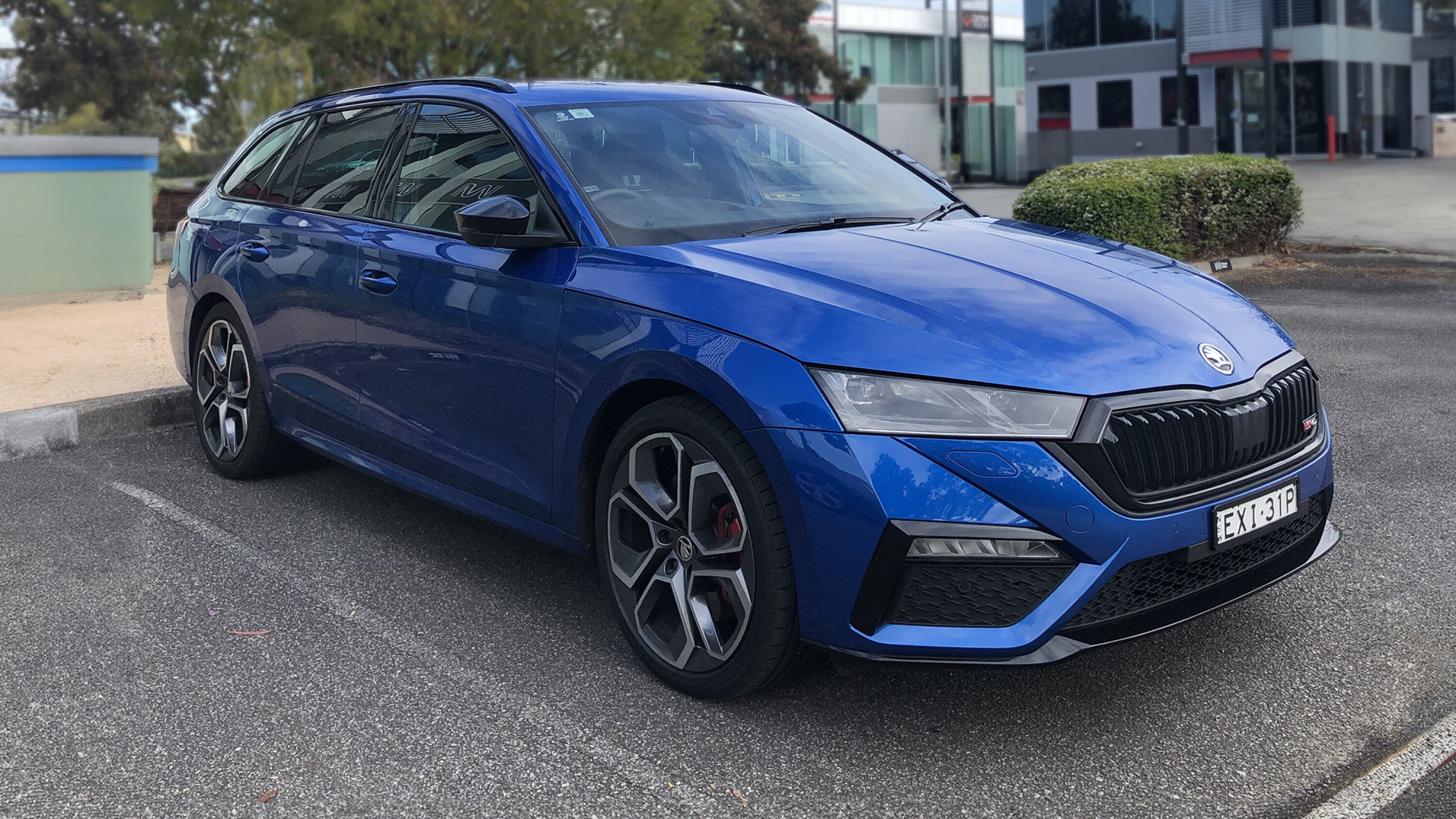
From its dynamic road presence to its practicality for family needs, the Skoda Octavia RS Wagon looks like the definition of a ‘Dad Weekender’ – a car that blends safety, usability, and driving pleasure.
This top-of-the-range wagon, packing a 2.0-litre turbo-petrol engine with a stout 180kW and 370Nm, promises a fun-filled week of balancing family schedules with spirited driving.
Is the 2023 Skoda Octavia RS Wagon comfortable?
1
Absolutely. The designers of the Octavia RS seem to have taken comfort seriously.
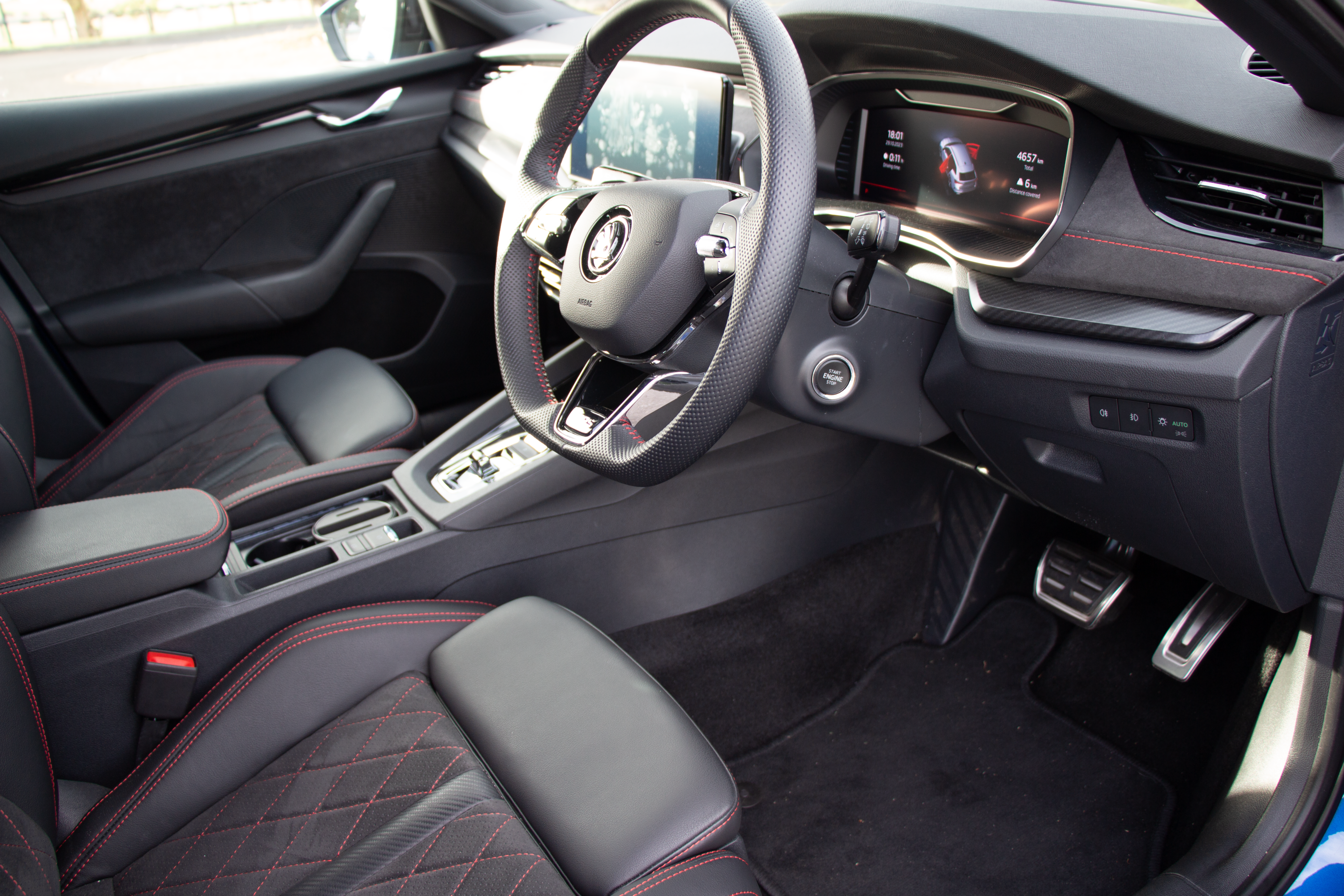
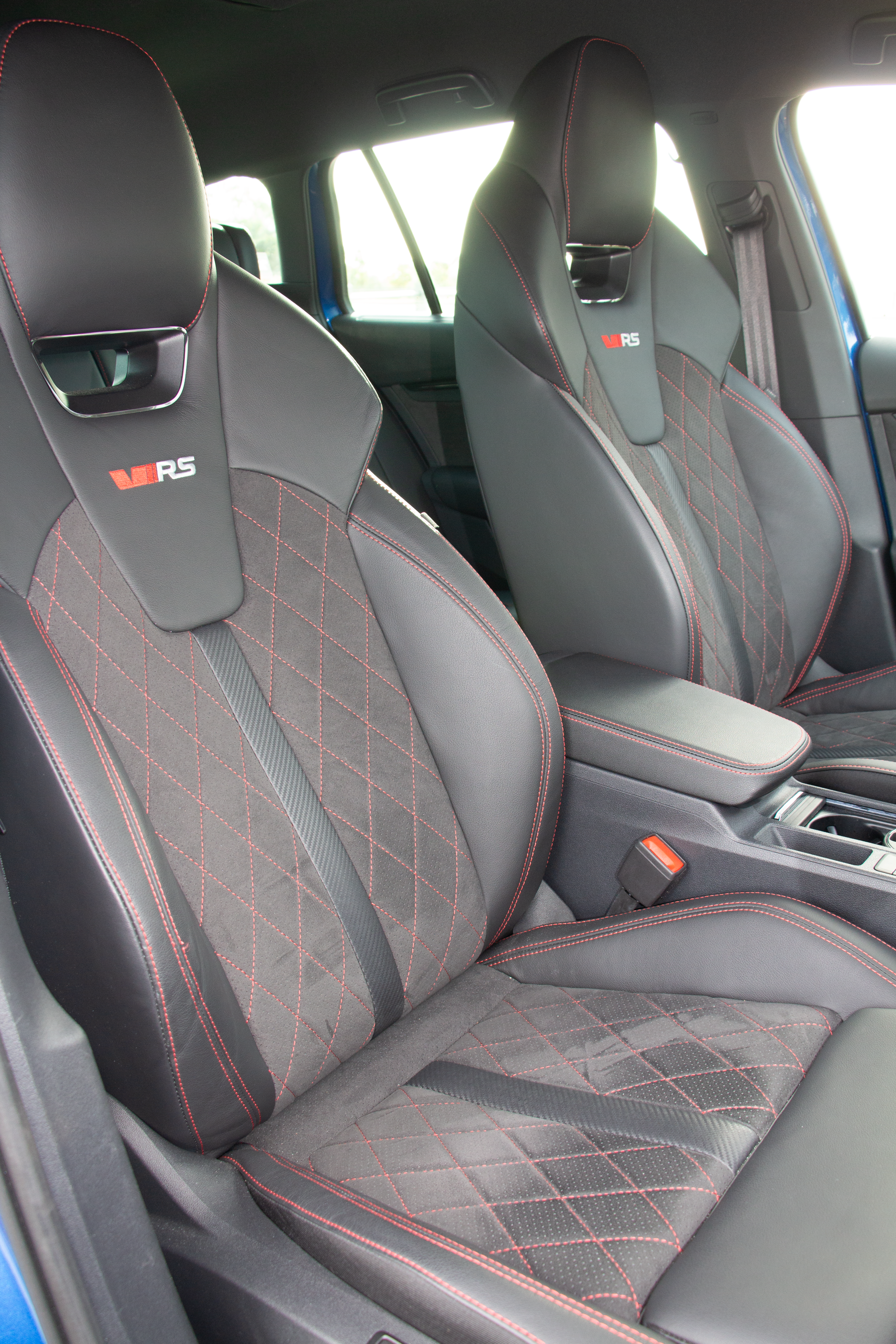
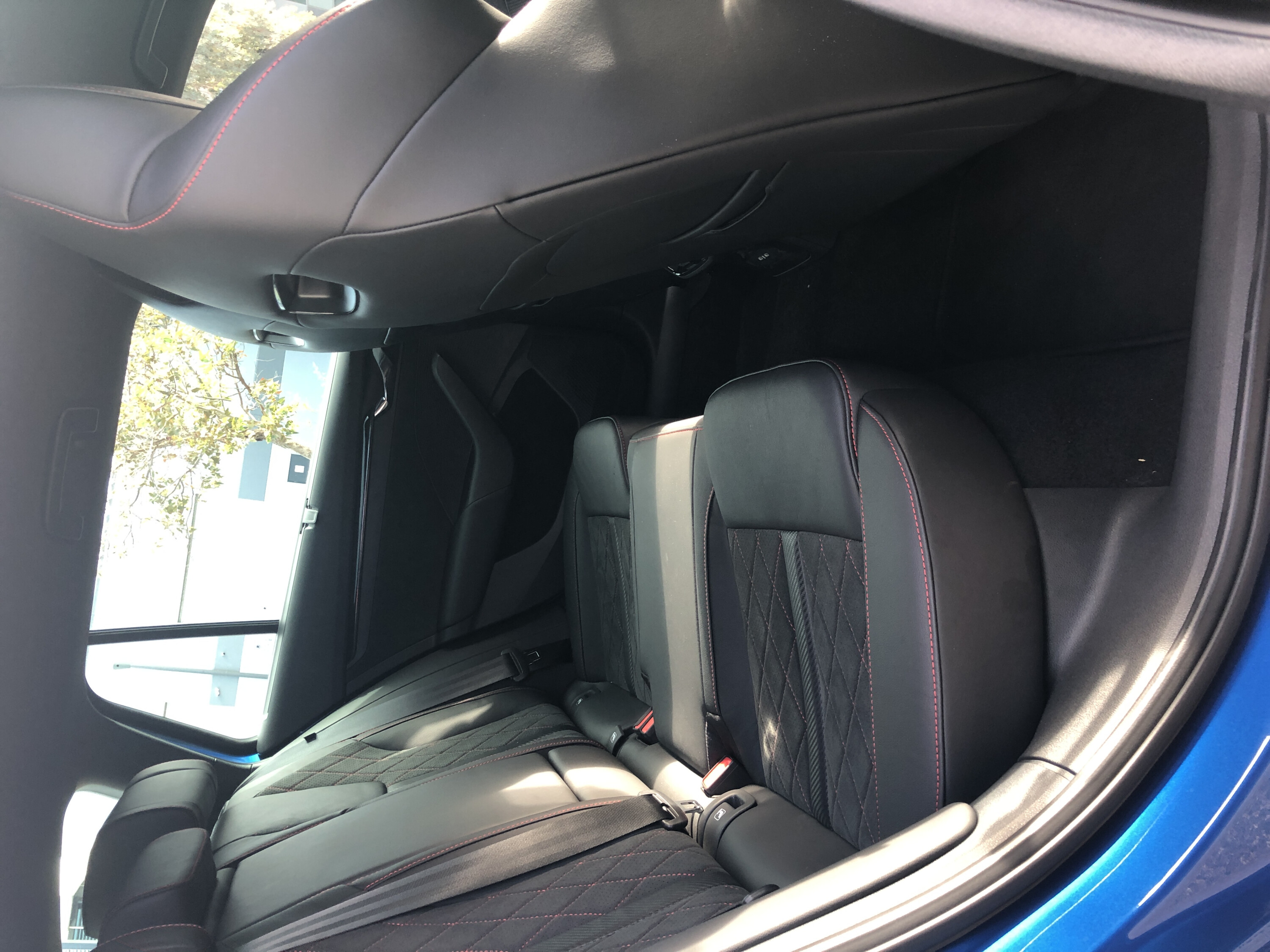
Step inside and you’re greeted with seats that are both supportive during spirited drives and cushy enough for long hauls. Its cabin ambience strikes a balance between sporty and luxurious, with quality materials throughout and plenty of legroom for everyone.
Road noise? Barely there. The RS Wagon does a stellar job of insulating you from the tedium of travel.
The Octavia RS comes with a bevy of technology aimed at making life easier and journeys more enjoyable.
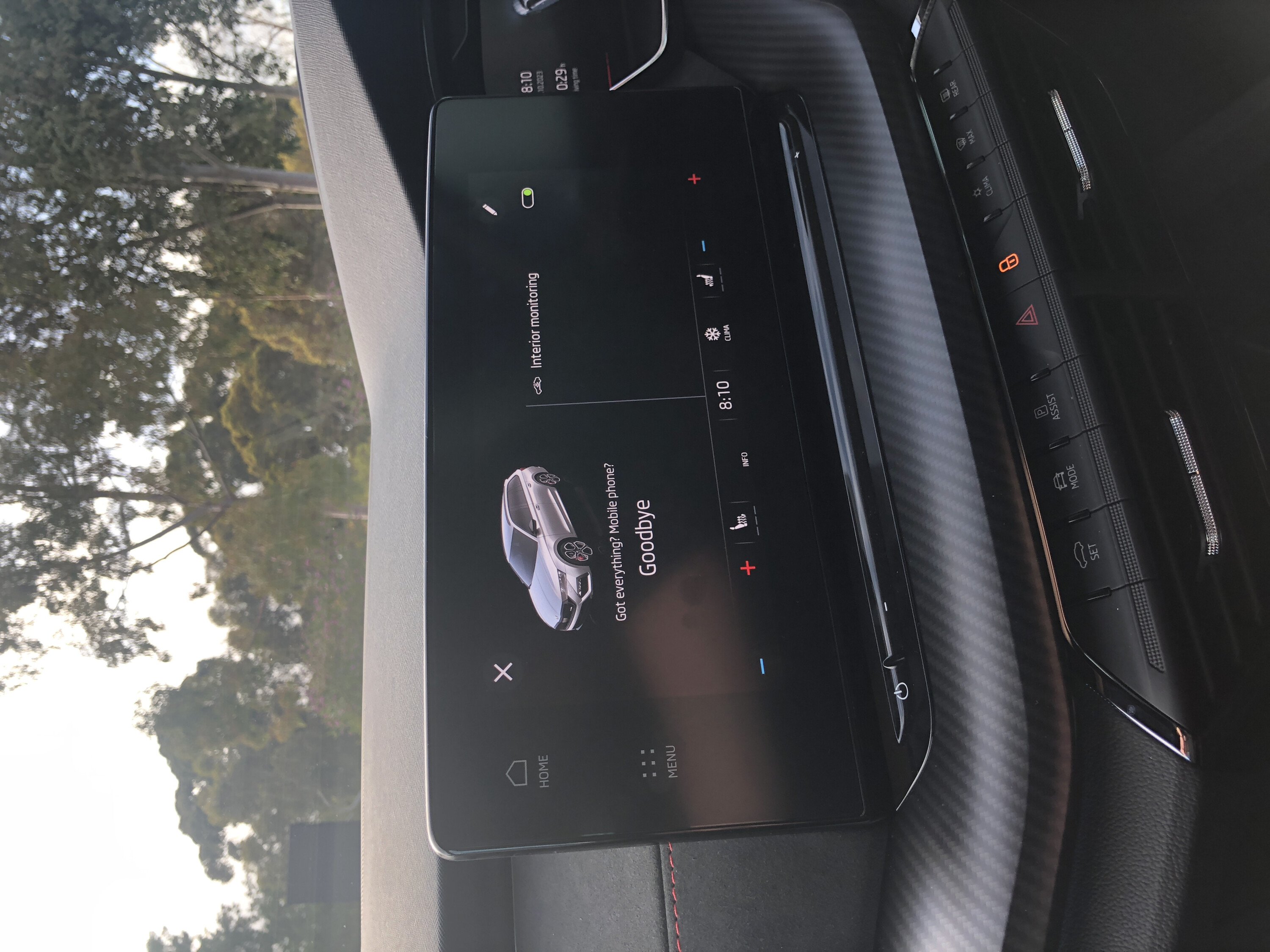
Serving as a centrepiece is the sleek infotainment system that does a pretty seamless job of connecting wirelessly with your devices, surrounded by a constellation of tech treats, from the digital instrument cluster to ambient lighting.
There’s also a suite of connectivity features and the head-up display enables you to monitor key details such as speed and navigation directions while keeping your eyes on the road; it’s a great complement to the comprehensive information available through the excellent digital instrumentation.
On the move, the Octavia RS Wagon strikes a fine balance between dynamic fun and everyday usability.
Precise handling and responsive steering give drivers the confidence to tackle twisty roads with gusto, yet the suspension is forgiving enough to absorb bumps and imperfections with aplomb.
The powertrain is a harmonious match of eager acceleration and effortless mid-range punch, culminating in a drive that’s as engaging on a spirited sprint as it is relaxing on a long cruise.
A suite of active and passive safety features works silently in the background, keeping an electronic eye on the road and ready to step in when needed.
The blind-spot monitoring lights are cleverly positioned on the inside of each side mirror and are quite large, providing at-a-glance alerts to the driver without being visible from outside the vehicle.
Considering its performance credentials, the Octavia RS is surprisingly frugal, so your thrills at the wheel aren’t punished at the pump.
It has a couple of smart features such as idle-stop that help maximise every drop of fuel, making the RS both economical and exciting. The official combined highway and urban fuel-use figure is 6.8L/100km and we managed to get close to that claim with consumption of 7.2L/100km during our week with the car.
Parking the Octavia RS is a breeze. Its parking assist tech really reduces the stress of squeezing into a tight spot.
The wagon’s reversing camera and sensors give you a clear view of the surroundings, and the steering input required for parallel or bay parking is calculated precisely, making it almost like playing a video game – simple and somewhat enjoyable.
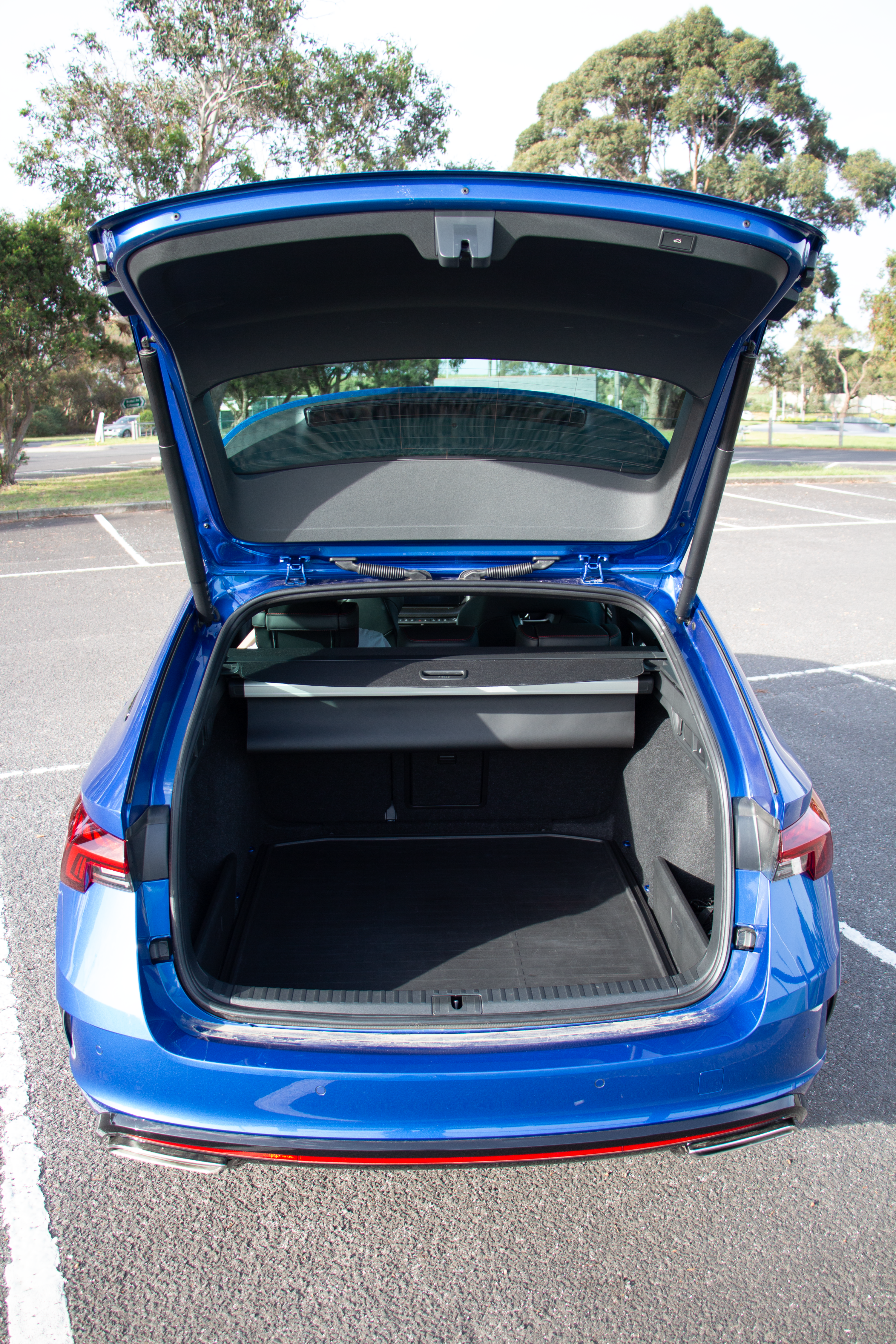
The Skoda Octavia RS Wagon is a family car with an edge. It delivers the practicality needed for everyday family life – spacious boot, ample cabin space, and safety features in spades – while also satisfying those who haven’t forgotten the joy of driving.
Clever little touches can be found everywhere, such as a little light coming on when you open the mirror in the passenger side sun visor. The double-sided mat lining the boot floor means you’ll never need to worry about dirtying the carpet again – carry as much mess around as you like with the vinyl.
It’s a car that caters to the needs of a modern family that appreciates the finer aspects of motoring while keeping the realities of parental logistics front and centre.
February 2024: Is a Lexus RZ F electric hero heading our way?
Following last year’s reveal of its RZ ‘Sport’ concept at the Monterey car show, Lexus may have just confirmed plans for a performance flagship.
Firstly, though, let’s stem any overly enthusiastic speculation: trademarking a model name is usually described by brands as a common step in protecting its rights to a badge, and not necessarily indicative of actual product plans.
Nonetheless, Lexus has made no secret of its plan to deliver compelling performance models in its future EV line-up.
That plan could kick off with the electric RZ SUV, but given it’s built on a 400V electrical architecture rather than 800V, it isn’t the most ideal candidate for a performance focus.
Context: The former head of Hyundai’s N division, Albert Biermann, has said a number of times that 400V is not suited to EVs that can’t run as efficiently or charge as quickly as those with an 800V system. That’s why the first electric N car is based on the 800V Ioniq 5, and Porsche’s Taycan is likewise an 800V design.
Lexus has confirmed it has an 800V system ready for future models, although it will reportedly keep it exclusively for models with battery packs larger than 100kWh. [↗]
We could, however, see a sporty-enough model come out of Lexus’s new F Performance tier, recently introduced between the F Sport and full F grades.
Beyond that, buyers can likely expect ‘proper’ F models to feature in the anticipated production versions of last year’s LF-ZC and LF-ZL concepts.
When it comes to performance in the Lexus range, that badge often comes with a few asterisks to caveat its plans, intentions and capabilities. So, watch for more on future F*** models to come in the months – or years – ahead.
August 2023: Lexus RZ ‘Sport’ concept bound for Monterey show
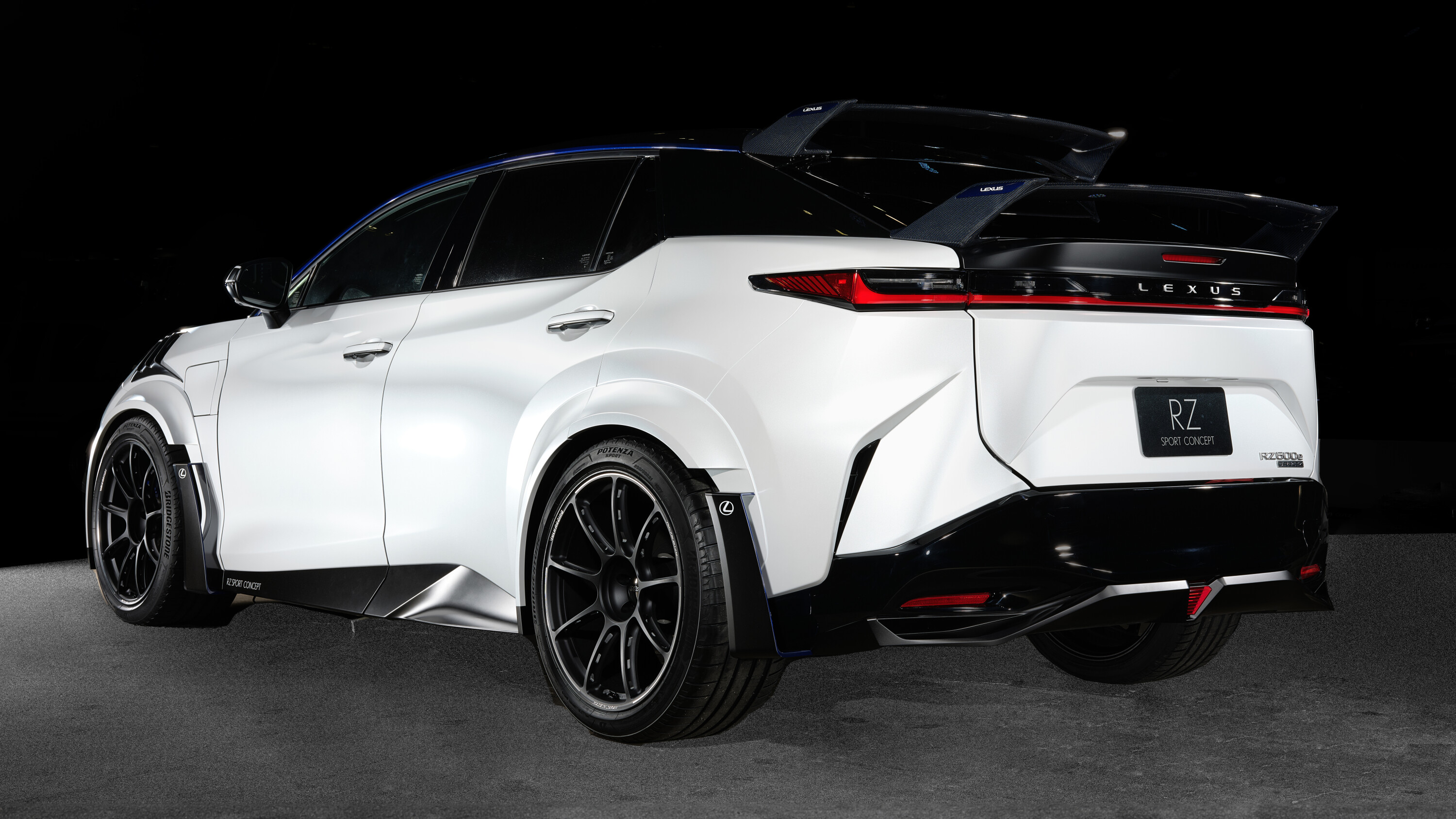
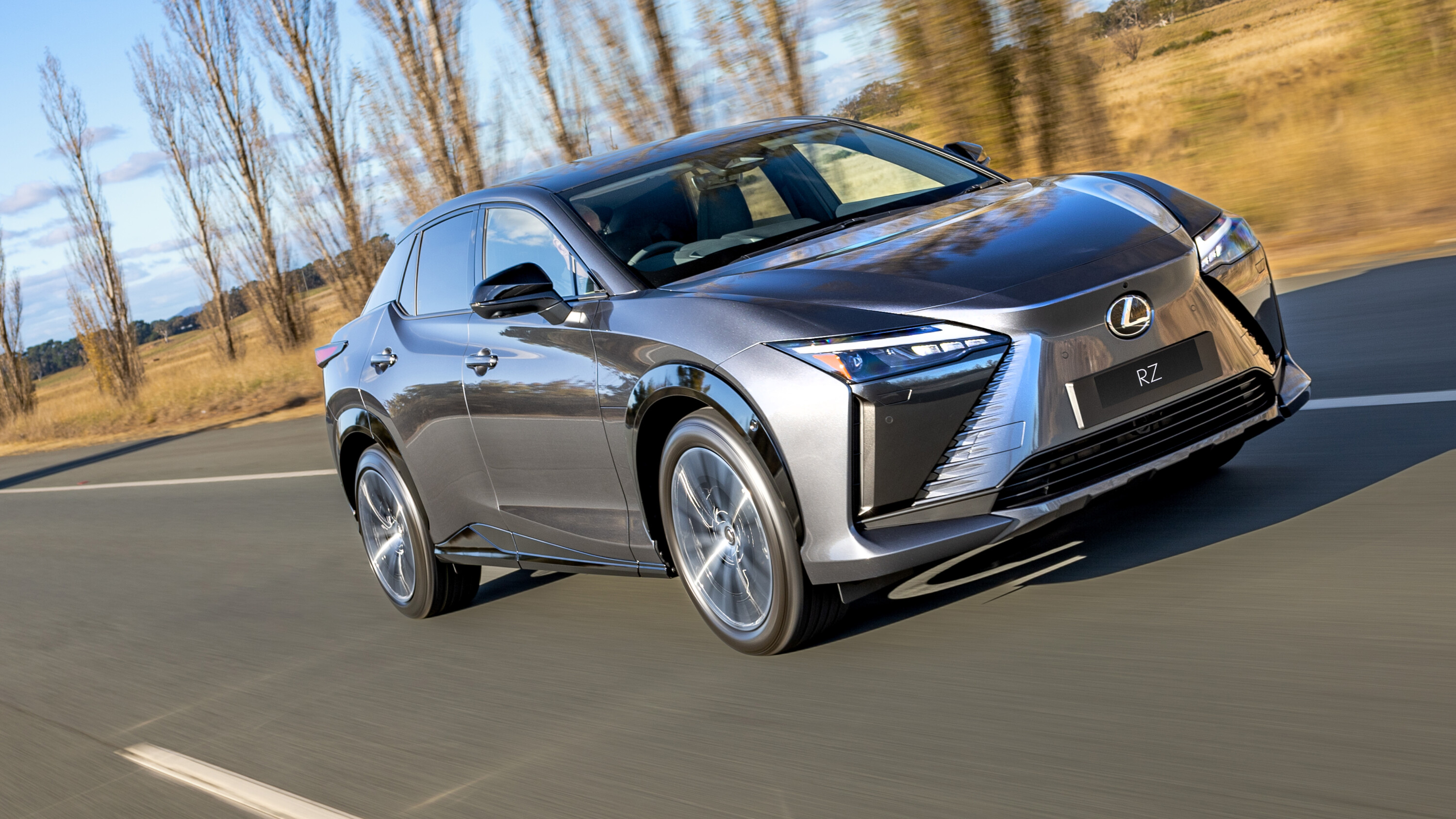
Later this week, Lexus will debut a racey new show car dubbed the RZ Sport Concept, based on the newly launched RZ electric SUV.
It appears to be a style-first concept, however, with the existing RZ 450e’s standard 150kW motors on board (one at each axle), and no word of any performance enhancing plugs from the engineering team.
Think of those as the sub-halo BMW M Performance models of the Lexus world. There’s already an RX F Sport Performance model, but it’s not yet clear if we can expect similar enhancements for the electric RZ.
Are you into the RZ Sport Concept, or is it a bit on the ‘boy racer’ side..?
4
Media release
Lexus will showcase its newest lineup at Monterey Car Week 2023, highlighting the latest in bold design, electrified powertrains, intuitive technology and Lexus Driving Signature that has come to define the brand.
Monterey Car Week 2023 takes place from Thursday, August 17 through to Sunday, August 20, in Pebble Beach, California; and has become a must-attend event for automotive aficionados.
The Lexus display at The Quail, A Motorsports Gathering, takes on performance with Lexus highlighting the Lexus RZ Sport Concept and the 2024 Lexus LC 500 Inspiration Series.
Making its first U.S. appearance, the Lexus RZ Sport Concept is based on the recently launched Lexus RZ 450e battery electric vehicle (BEV). Equipped with high-output 150 kW motors in the front and rear, the concept also features a lower suspension (by 35 mm), 21-inch wheels, custom aero parts and bucket seats front and rear.
In celebrating its 25th year as a sponsor of the Pebble Beach Concours d ‘Elegance®1, Lexus will have the all-new 2024 Lexus GX and first-ever 2024 Lexus TX on display at the Pebble Beach Golf Links®1.
The Lexus GX is a genuine off-roader capable of providing new experiences by conquering any terrain, whether it be on or off-road. The Lexus TX is a three-row SUV newly added to the Lexus lineup that, offers high-quality mobility for every passenger, and is a model exclusive to North America.
Adjacent to the Lexus display at Pebble Beach, the Lexus Drive Experience returns from Thursday, August 17 through to Saturday, August 19. Guests have the opportunity to participate in immersive 20-minute drives through the scenic Pebble Beach Resorts community. Vehicles available to drive include the LC 500 Convertible, IS 500, RZ 450e, NX 350h, LX 600 and LS 500h.
Concluding the weekend, Lexus will give back to the local community for the fourth year in a row, supporting the annual Pebble Beach Concours d ‘Elegance®1 Charity.
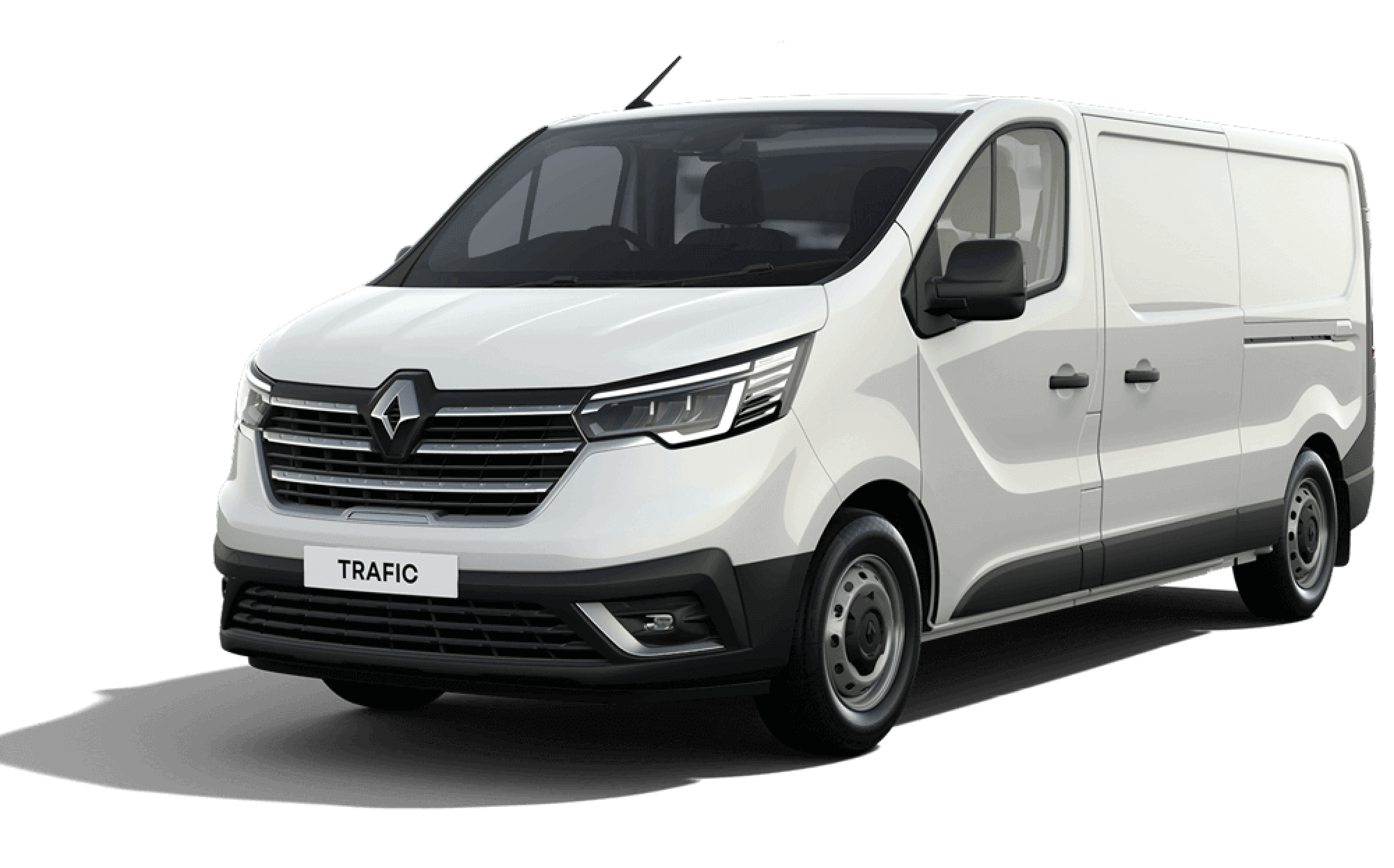
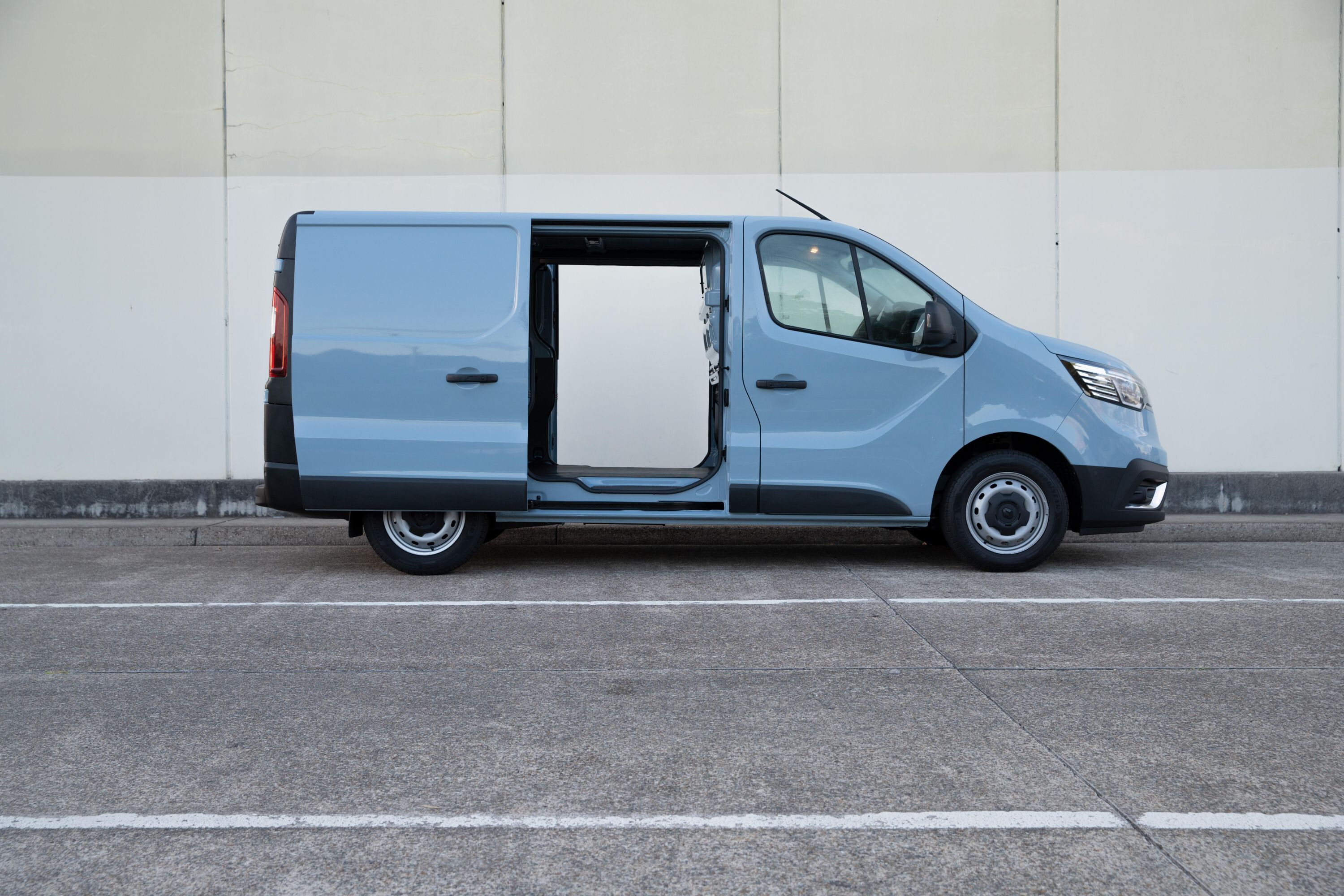
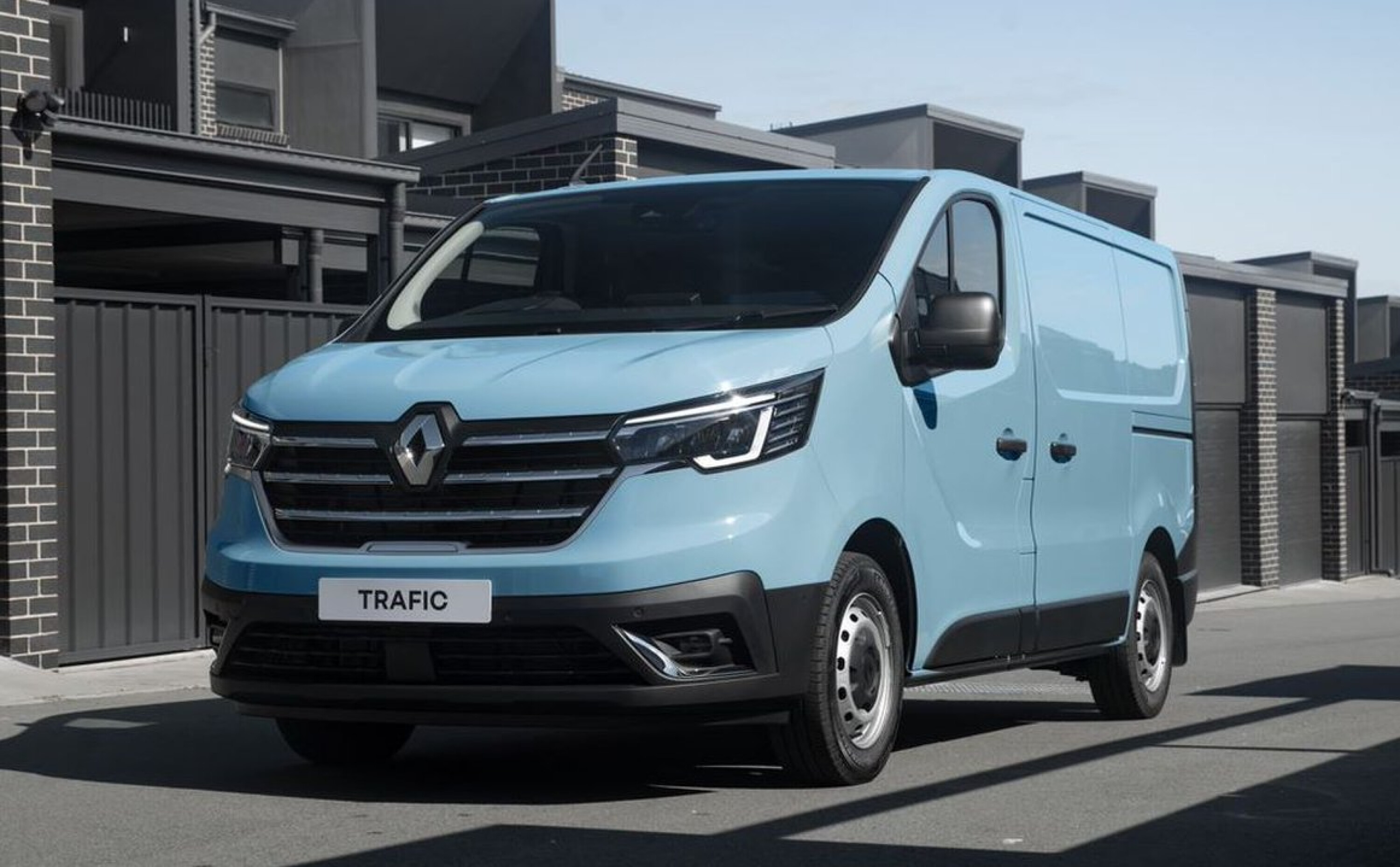
The Renault Trafic has consistently been a go-to choice for businesses in need of a dependable, efficient, and flexible commercial van.
With its 2024 Long Wheel Base (LWB) Pro model, Renault continues to enhance its reputation, incorporating an updated design and improved safety features in the latest update.
Aimed at fulfilling the varied demands of contemporary professionals, the Trafic LWB Pro offers a blend of extra utility and performance in a neatly packaged design.
However, the question remains: How does it compare to the established contenders within the commercial van market?
1
Pricing and features
The Long Wheel Base (LWB) Premium is the top-tier variant of the commercial Trafic range, besides from the Crew versions with additional rear seats which top the line-up.
It is priced at $56,000 before-on road costs, and $2000 lower than its shorter counterpart.
All versions of the Trafic share the same economical 2.0-litre diesel engine outputting 125kW and a torquey 380Nm. On a combined cycle, automatic variants have a claimed fuel economy of 6.5L/100km.
1
The exterior of the Trafic LWB Pro merges practicality with a contemporary aesthetic, with its Long Wheel Base design enabling the transport of larger volumes, perfectly suited for bustling urban areas and packed worksites.
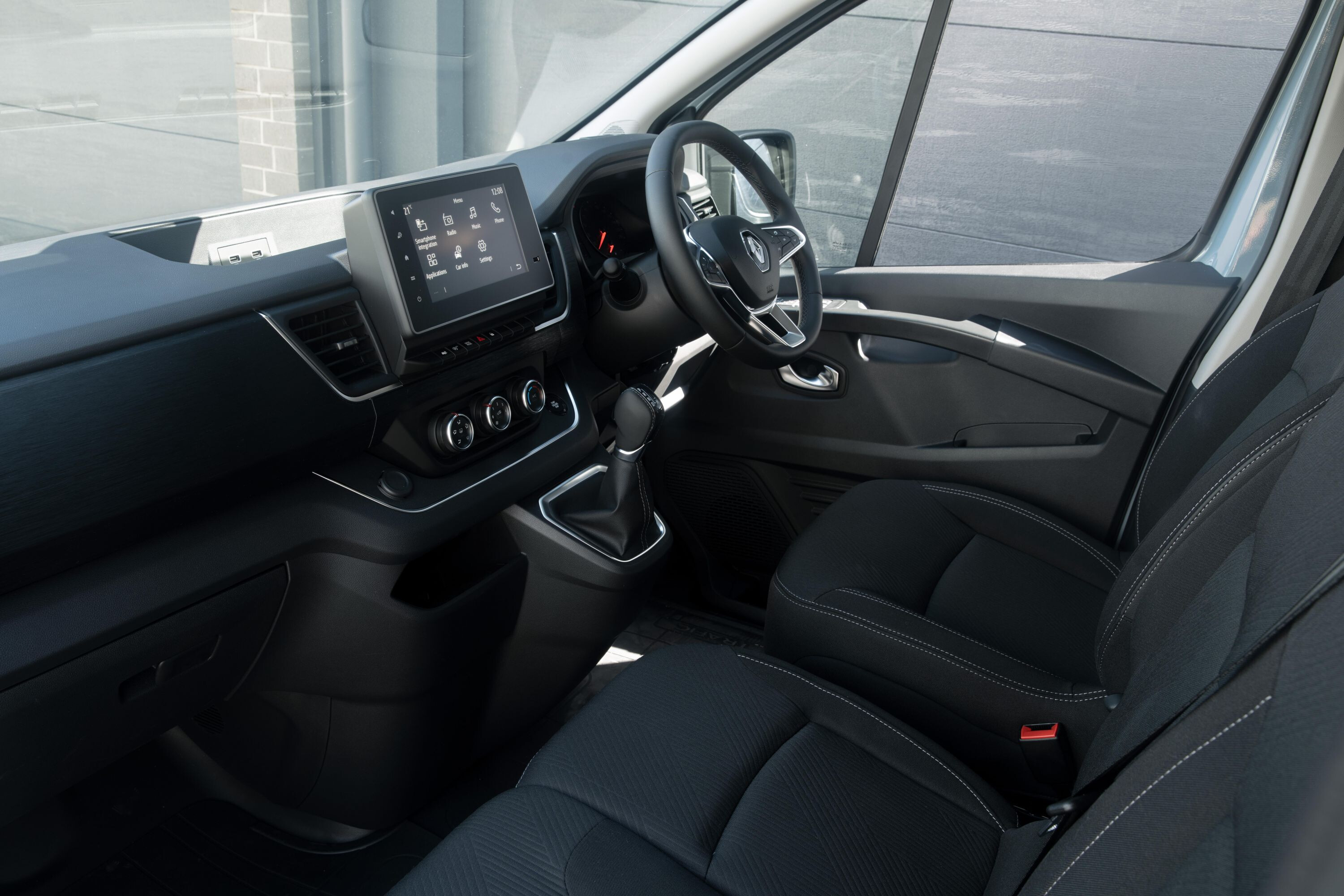
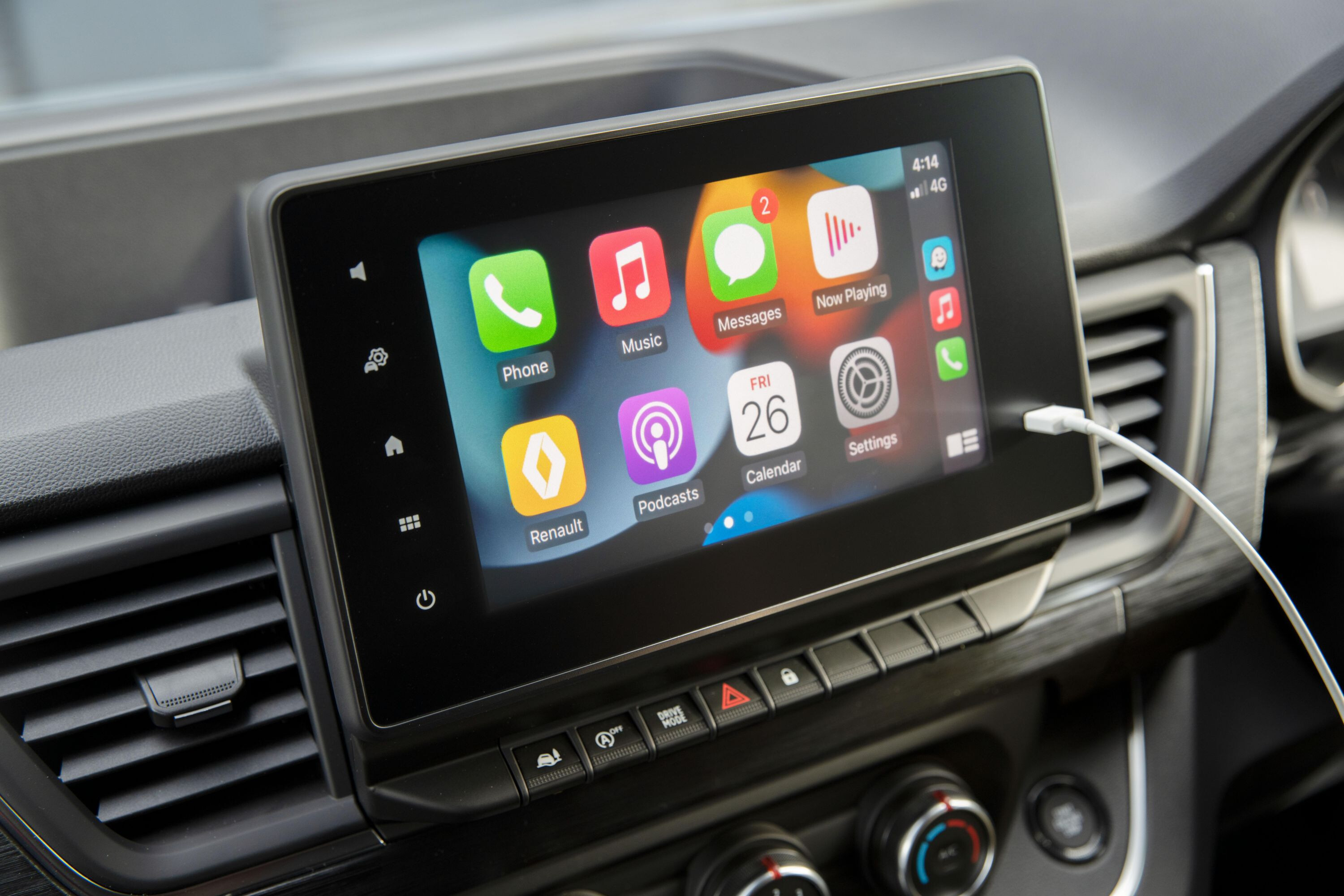
Inside, the entire Trafic range comes standard with an 8-inch touchscreen, a 4.2-inch display for the driver, Bluetooth connectivity, wireless charging, and compatibility with Apple CarPlay and Android Auto.
The Premium variant adds tyre pressure monitoring, adaptive cruise control, front and side parking sensors, front fog lights, smart key card with keyless entry, electric heated & foldable door mirrors, premium upholstery, glazed side door glass
Highlighting its cargo capacity, the Long Wheel Base (LWB) model offers an impressive load length of up to 4.15 meters, thanks to a load-through hatch situated in the passenger seat’s footwell.
The LWB model provides a substantial cargo volume of 6.7 cubic meters and supports a maximum payload of up to 1243 kilograms. It is equipped with a whopping 16 anchorage points for secure transport of a wide array of freight.
1
Safety
The Renault Trafic has not been evaluated by ANCAP, the independent crash testing organisation in Australia. Nevertheless, it is built on the same platform as a model that was awarded three stars by Euro NCAP, the European safety assessment authority.
The vehicle comes standard with safety features such as autonomous emergency braking, lane departure warning, and airbags for both driver and passenger.
The Premium variant, enhances safety with the inclusion of adaptive cruise control, sensors for parking at both the front and rear, blind-spot monitoring and traffic sign recognition.
1
Warranty is a standard five years/200,000lm warranty across the board.
Key rivals
The Renault Trafic LWB Pro faces competition from:
Businesses and professionals seeking a commercial vehicle that is both compact and proficient will find the 2024 Renault Trafic LWB Premium an attractive choice.
Despite being more expensive than its rivals, the Trafic excels in addressing the challenges of urban logistics and more. Available in either manual or automatic transmission, the Trafic LWB Premium is equipped to fulfil your business requirements with dependability and a bit of flair.
We’ve now driven LDV’s new electric van. Is it worth your attention? To get our assessment, hit the featured story link below.
January: eDeliver 7 pricing announced
The electric LDV eDeliver 7 is now available in Australia with short-wheelbase low-roof, medium-wheelbase low-roof, and medium-wheelbase high-roof forms.
Known as the Maxus V70 in its home market of China, the eDeliver 7 arrives as LDV’s second electric work vehicle, joining the larger eDeliver 9 that launched in late 2022.
1
Pricing
ABN-holder pricing for the eDeliver 7 starts at $59,990 for the 77kWh SWB low-roof model and goes up to $66,990 for the 88kWh LWB high roof model.
2024 LDV eDeliver 7 pricing for Australia
eDeliver 7 SWB Low Roof
$59,990
eDeliver 7 LWB Low Roof
$61,990
eDeliver 7 LWB Low Roof
$64,990
eDeliver 7 LWB High Roof
$66,990
ABN prices, excluding on-road costs
1
Power, battery and range
Available in four variants, the eDeliver 7 comes with either a 77kWh or an 88kWh lithium-ion battery, offering a range of up to 362km (WLTP).
All models are front-wheel drive with 150kW of power and 330Nm of torque.
The four variants vary in size, with the smallest in the form of the short-wheelbase low-roof version and the largest being the long-wheelbase high-roof variant.
1
Charging times for the batteries are around 8-9.3 hours on AC power, with DC rapid charging taking approximately 43 minutes.
The eDeliver 7 boasts a load volume ranging from 5.9m³ to 8.7m³, depending on the model, and a payload capacity between 1175kg to 1350kg.
The basics
Model
eDeliver 7 SWB Low Roof
eDeliver 7 LWB Low Roof
eDeliver 7 LWB Low Roof
eDeliver 7 LWB High Roof
Load volume
5.9m3
6.7m3
6.7m3
8.7m3
Pay load
1,350kg
1,285kg
1,205kg
1,175kg
Dimensions (LxWxH)
4998 x 2323 x 1990
5364 x 2323 x 1990
5364 x 2323 x 1990
5364 x 2323 x 2390
Driving range (WLTP)
Up to 318km
Up to 310km
Up to 362km
Up to 328km
For more detail, see our full specs table at the bottom of this story
A note on WLTP-defined driving range
During WLTP testing for electric vans, the vehicles are assessed without any additional payload.
This standard procedure does not account for extra weight that could be present during typical usage. The actual driving range of electric vans in everyday use can be substantially influenced by a variety of factors, including the weight of the cargo, driver behaviour, and environmental conditions like ambient temperature.
Stakeholders in the fleet sector have raised concerns [↗] that the range figures obtained from WLTP may not truly represent the ranges achievable in real-world scenarios, particularly when the vans are fully loaded or during the colder months.
1
Safety & features
Highlights for the eDeliver 7 include Autonomous Emergency Braking, Adaptive Cruise Control, and a 12.3-inch touchscreen with Apple CarPlay and Android Auto.
2024 LDV eDeliver 7 features u2013u00a0all models
Air Conditioning
Steering Wheel u2013 Height adjustable
Power Windows u2013 Front
Column Shift Gear Lever
Keyless Entry and Start with Proximity Smart Key
Rear View Mirror u2013 Anti-glare Manual
Electronic Park Brake
Cup Holders x 4
Rain Sensing Auto Wipers
12V Power Outlet x 1
Dusk Sensing Auto Lights
Driveru2018s Seat u2013 Height adjustable with manual slide, recline, lumbar support with driveru2019s armrest
Leatherette Multifunction Steering Wheel with Heating Function
Front Two (2) Seat Passenger Bench with folding console
Heated Seats u2013 Front outboard seats only
Upholstery u2013 Black Cloth Trim
Heated Rear Window
12.3u201d Touch Screen Infotainment Display with DAB Radio & Bluetooth
Apple CarPlay
4.2u201d LCD instrument cluster
Android Auto
USB Port x 2
4 Speaker Sound System
1
2024 LDV eDeliver 7 safety u2013u00a0all models
Airbags (6) u2013 Driver and front passenger airbags (2), side airbags (2), curtain airbags (2)
Lane Keep Assist (LKA)
Autonomous Emergency Braking (AEB)
Emergency Lane Keep Assist (ELKA)
Adaptive Cruise Control (ACC) with Stop & Go
Lane Change Assist (LCA)
Blind Spot Monitoring
Rear Cross Traffic Alert (RCTA)
Front Collision Warning (FCW)
Door Opening Warning (DOW)
Lane Departure Warning (LDW)
Speed Limit Sign Identification
Intelligent Headlight Control
Anti-Lock Braking System (ABS)
Fatigue Reminder
Electronic Brake Assist (EBA)
Electronic Brake-force Distribution (EBD)
Electronic Stability Program (ESP)
Hill Hold Control (HHC)
Roll Movement Intervention (RMI)
Traction Control System (TCS)
Vehicle Dynamics Control (VDC)
Front and Rear Parking Sensors
Reverse Camera
Tyre Pressure Monitoring System (TPMS)
Adjustable Overspeed Alarm
1
Warranty
LDV sells the eDeliver 7 with a five-year / 160,000km vehicle warranty and an 8-year / 250,000km battery warranty, along with a five-year / unlimited-kilometres roadside assistance program.
Puma is best-selling vehicle in UK but has struggled in Australia
Facelifted Puma revealed but EV variant to be sold locally still yet to be seen
Follows recent axing of Escape medium SUV
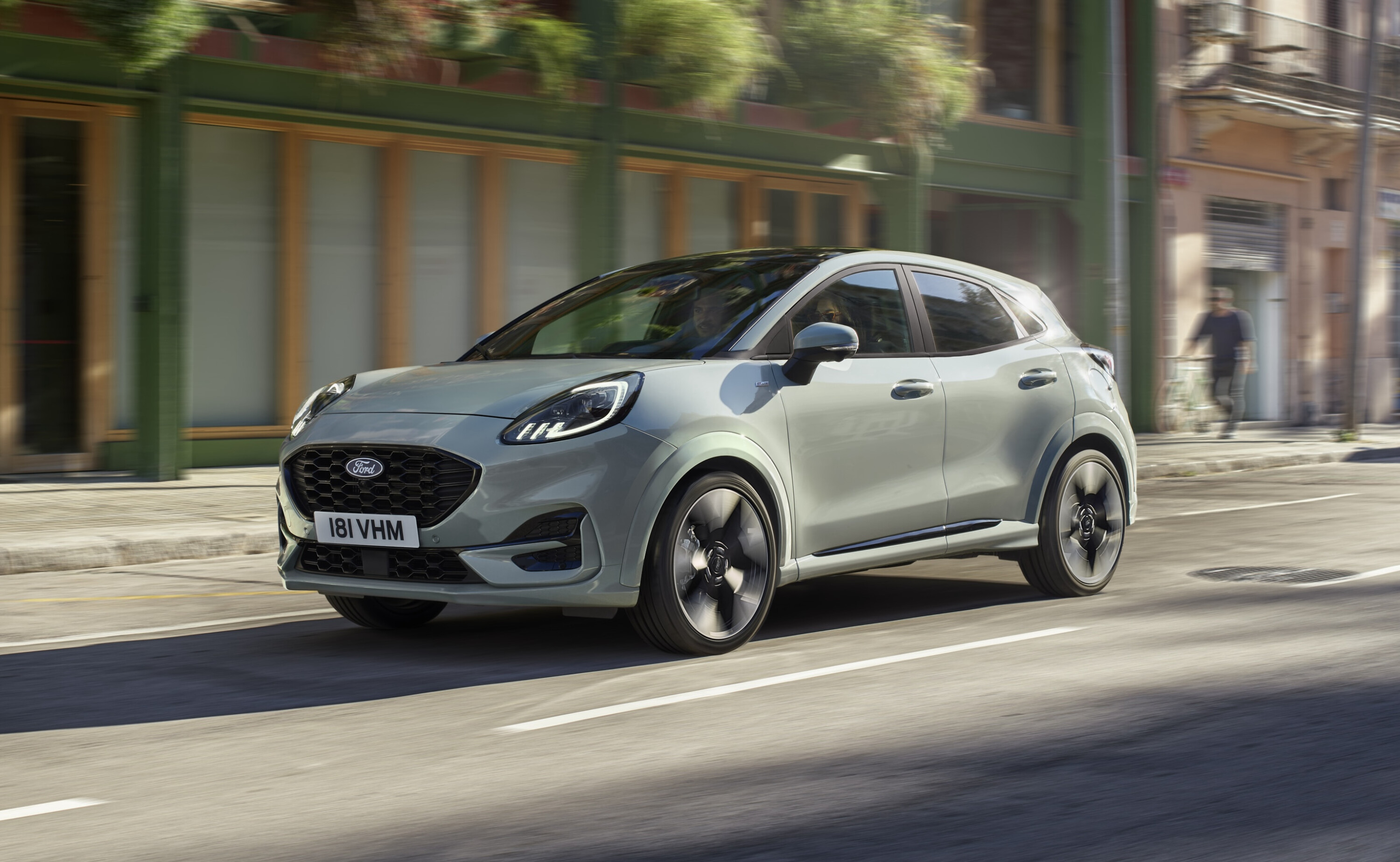
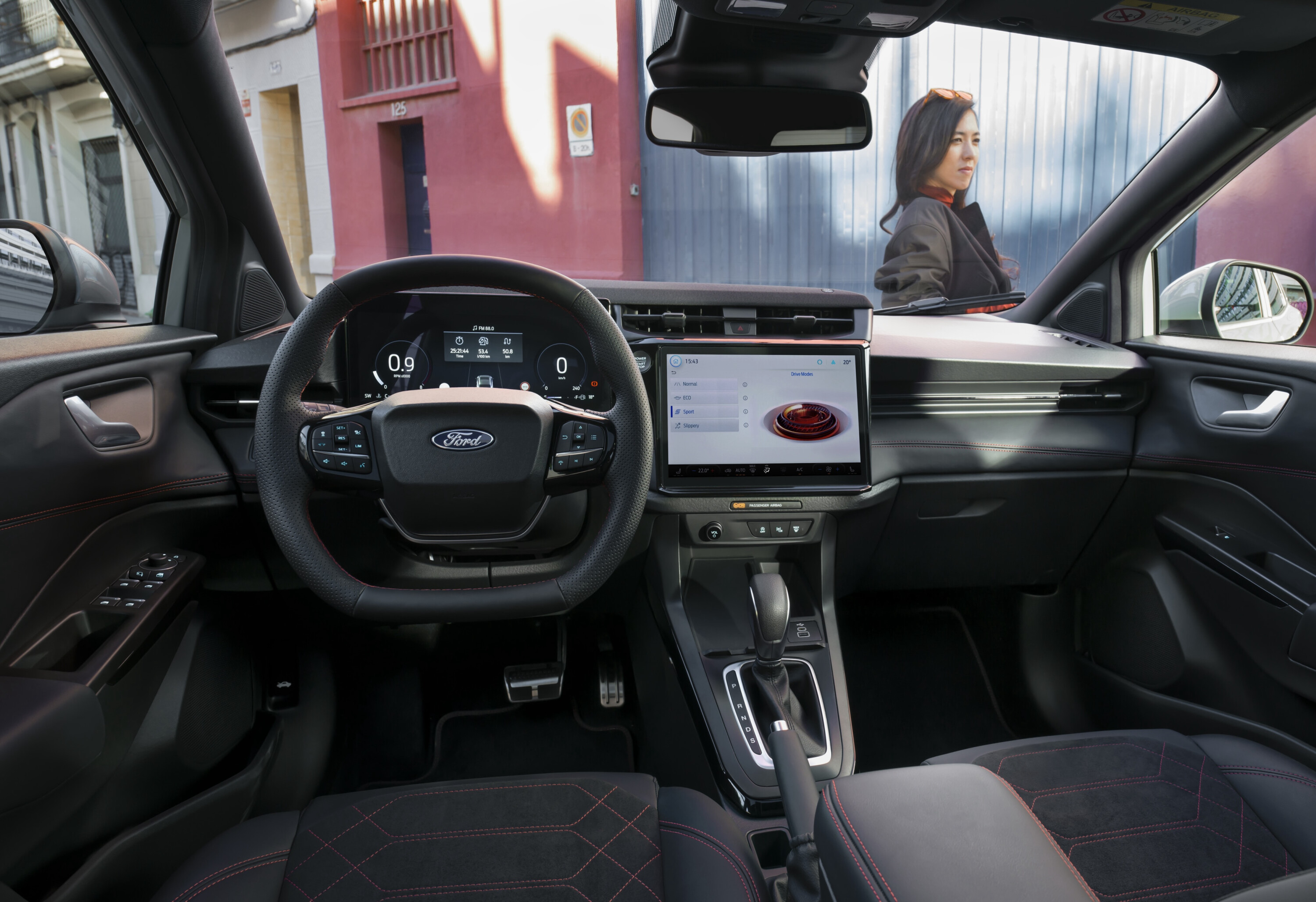
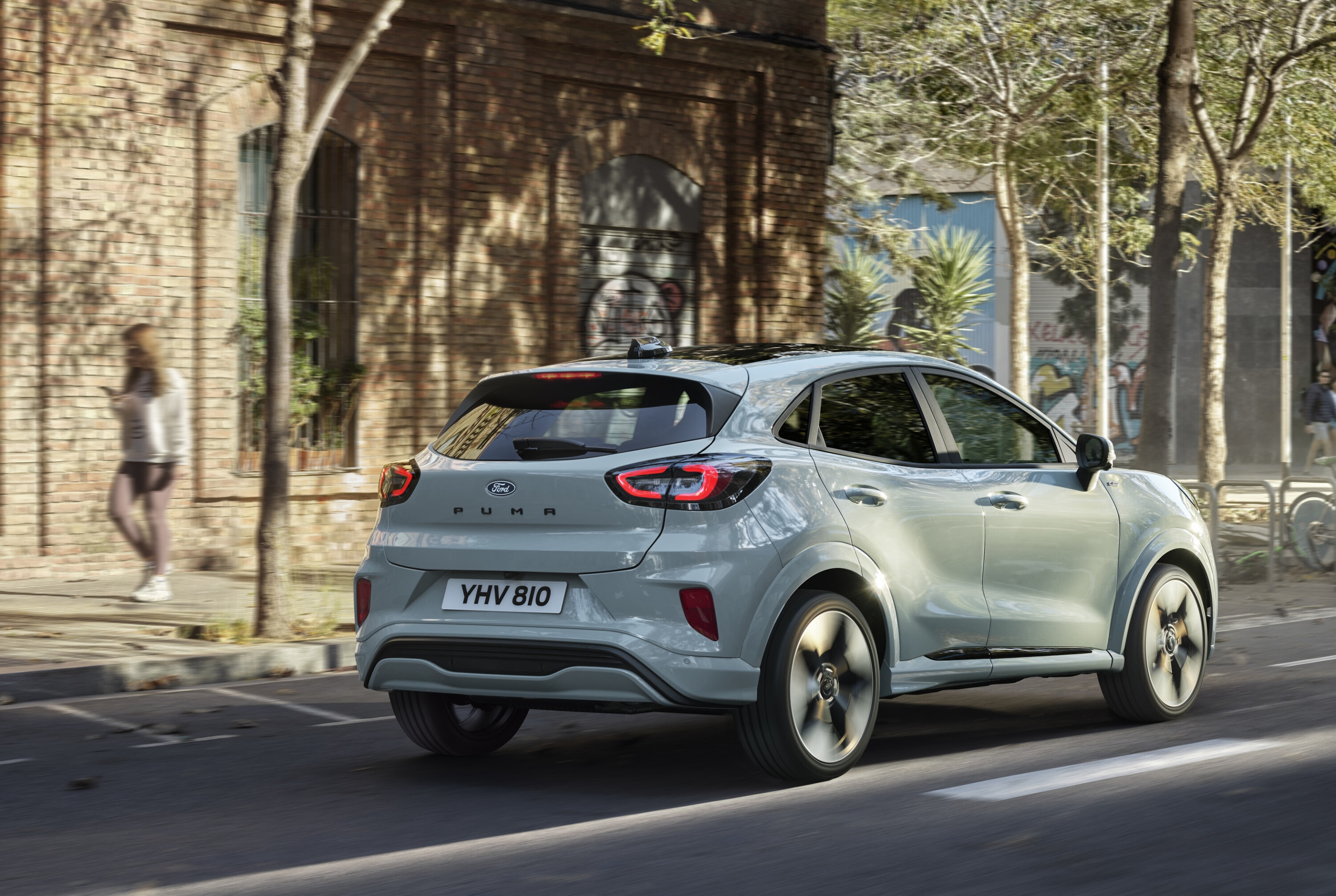
Petrol versions of the Ford Puma compact crossover will be axed in Australia from mid-2024.
Ford Australia has chosen to import only the all-electric version of the newly unveiled facelifted model, which is due in local showrooms in late 2024 or early 2025.
The move will leave the Ranger-based Everest as the only combustion SUV available from local Ford showrooms, with the company also phasing out the Escape midsize SUV in 2023.
The electric Puma, which will be called the ‘Puma Gen-E’, will join the larger Mustang Mach-E as another electric SUV offering.
1
The Gen-E wasn’t included in Ford’s reveal of the facelifted Puma in Europe today.
The Puma is hugely popular in Europe and was the best-selling vehicle in the UK last year, yet the crossover based on the Fiesta city car has curiously struggled in Australia – as with many well-praised European-sourced Fords.
Puma sales in Australia peaked at 3218 units in 2021, its first full year in showrooms, which wasn’t sufficient to get the high-riding hatchback into the Top 15 best-selling small SUVs list.
Ford Australia shifted 2408 Pumas in 2022 before sales dropped again, to 2027, last year.
1
All Puma models sold locally were powered by a 1.0-litre turbocharged three-cylinder petrol engine, with mild-hybrid variants and an ST performance version available elsewhere but excluded for this market.
Ford Australia said its strategy going forward was to focus on its utes, vans, performance models, and increasing range of EVs, including “a renewed emphasis on vehicles that help customers do the things they love”.
“We have not taken this decision lightly and thank the many loyal customers who have chosen Puma over the years,” said Ford Australia CEO Andrew Birkic.
The company says current Puma customer orders will be fulfilled, with final deliveries due in May.
Ford Australia has yet to confirm when the electric Puma Gen-E will arrive.
The Renault Trafic has long been a staple for businesses requiring a reliable, efficient and versatile commercial van.
The 2024 Short Wheel Base (SWB) Pro variant, available in both manual and automatic transmissions, builds on this legacy with an update last year that brought in a fresh look and additional safety technology.
Designed to meet the diverse needs of modern professionals, the Trafic SWB Pro combines practicality with performance in a compact package.
But how does it fare against the solidified competition in the commercial van sector?
1
Pricing and features
The Trafic line-up starts from $49,000 (before on-road costs) for the manual version of the Short Wheel Base Pro option. An extra $2000 moves you into a Long Wheel Base version of the entry-level variant.
Next in line are the Premium grades which add more specification, followed by Crew versions that add three rear seats to the van.
All versions of the Trafic share the same economical 2.0-litre diesel engine outputting 125kW and a torquey 380Nm. On a combined cycle, automatic variants have a claimed fuel economy of 6.5L/100km.
1
Its exterior design is both functional and modern, with the SWB configuration making it a perfect fit for tight city streets and crowded job sites.
The interior of the Trafic SWB Pro is designed with the driver in mind, featuring an 8-inch touchscreen, 4.2-inch driver cluster display, Bluetooth connectivity and Apple CarPlay and Android Auto.
Featuring a leading load length of up to 4.15 meters via a load-through bulkhead hatch located in the passenger seat footwell of the Long Wheel Base (LWB) model, and 3.35 meters in the Short Wheel Base (SWB) versions, this vehicle stands out for its capacity.
The SWB offers a total load space of 5.8 cubic meters, supporting a maximum payload of up to 1279 kilograms for the MT variant, which can be secured with the 10 tie-down points to accommodate various types of freight securely.
1
Safety
The Renault Trafic is currently not rated by ANCAP, Australia’s independent crash test authority. However the current model shares the same platform which received three stars when assessed by Europe’s safety authority– Euro NCAP.
Standard safety equipment includes autonomous emergency braking, lane departure warning and driver and passenger airbags.
The next variant in the range – Premium – adds adaptive cruise control, front and side parking sensors, blind spot monitors and traffic sign recognition.
1
Key rivals
The Renault Trafic SWB Pro faces competition from:
For businesses and professionals in search of a compact yet capable commercial vehicle, the 2024 Renault Trafic SWB Pro presents a compelling option.
Although pricier than competitors, the Trafic is well-suited to meet the demands of urban logistics and beyond. Whether in manual or automatic transmission, the Trafic SWB Pro is ready to support your business needs with reliability and style.
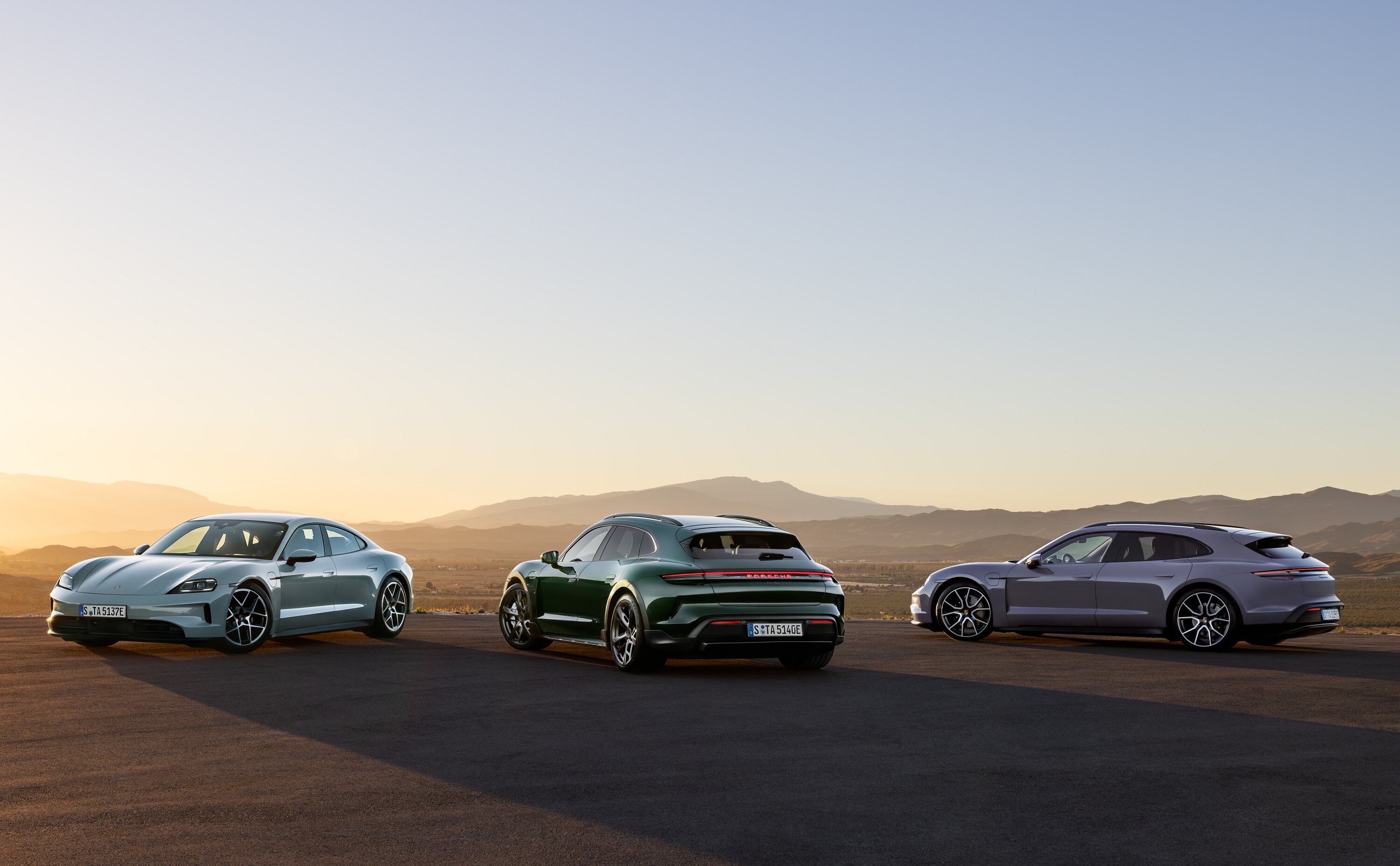
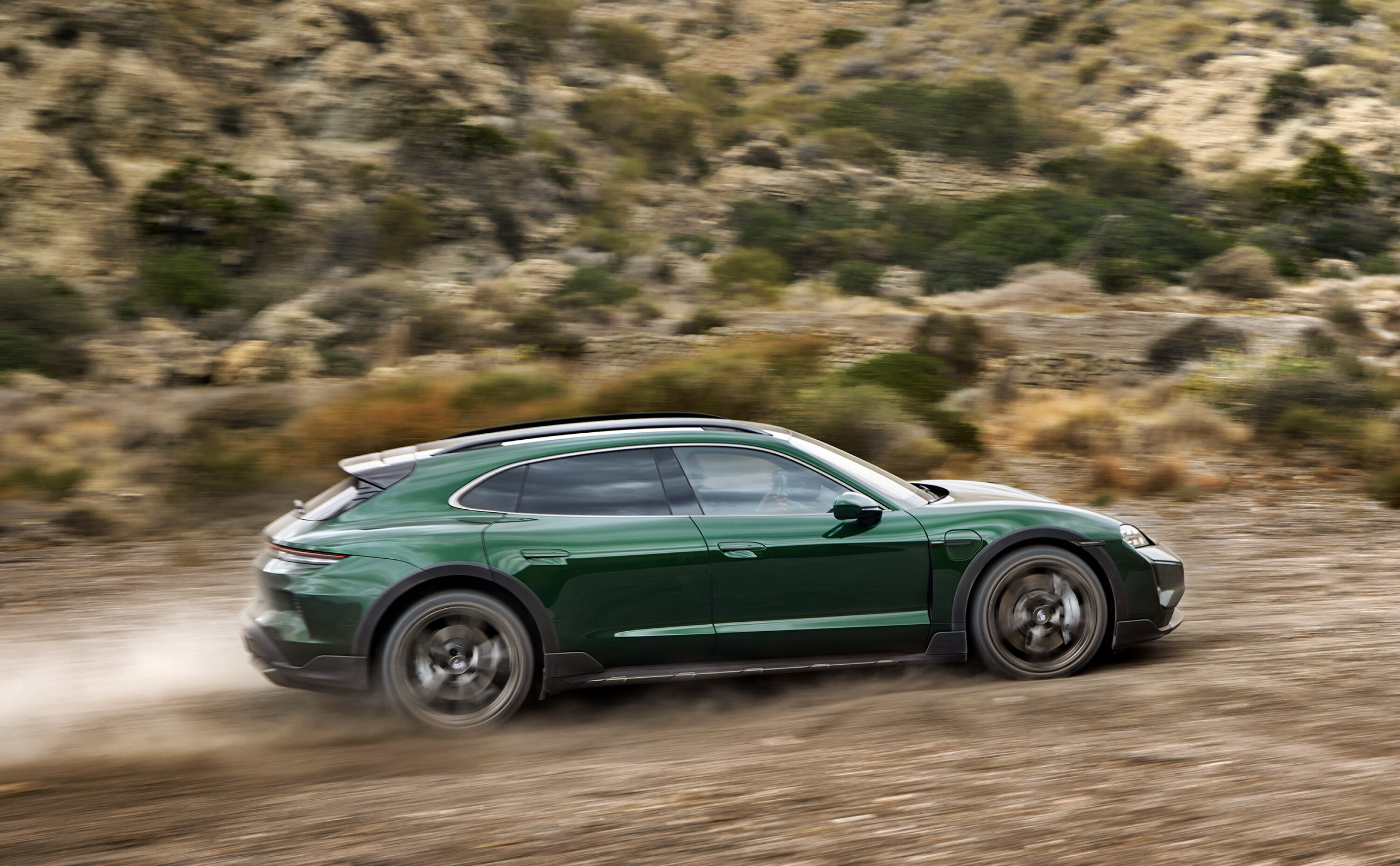
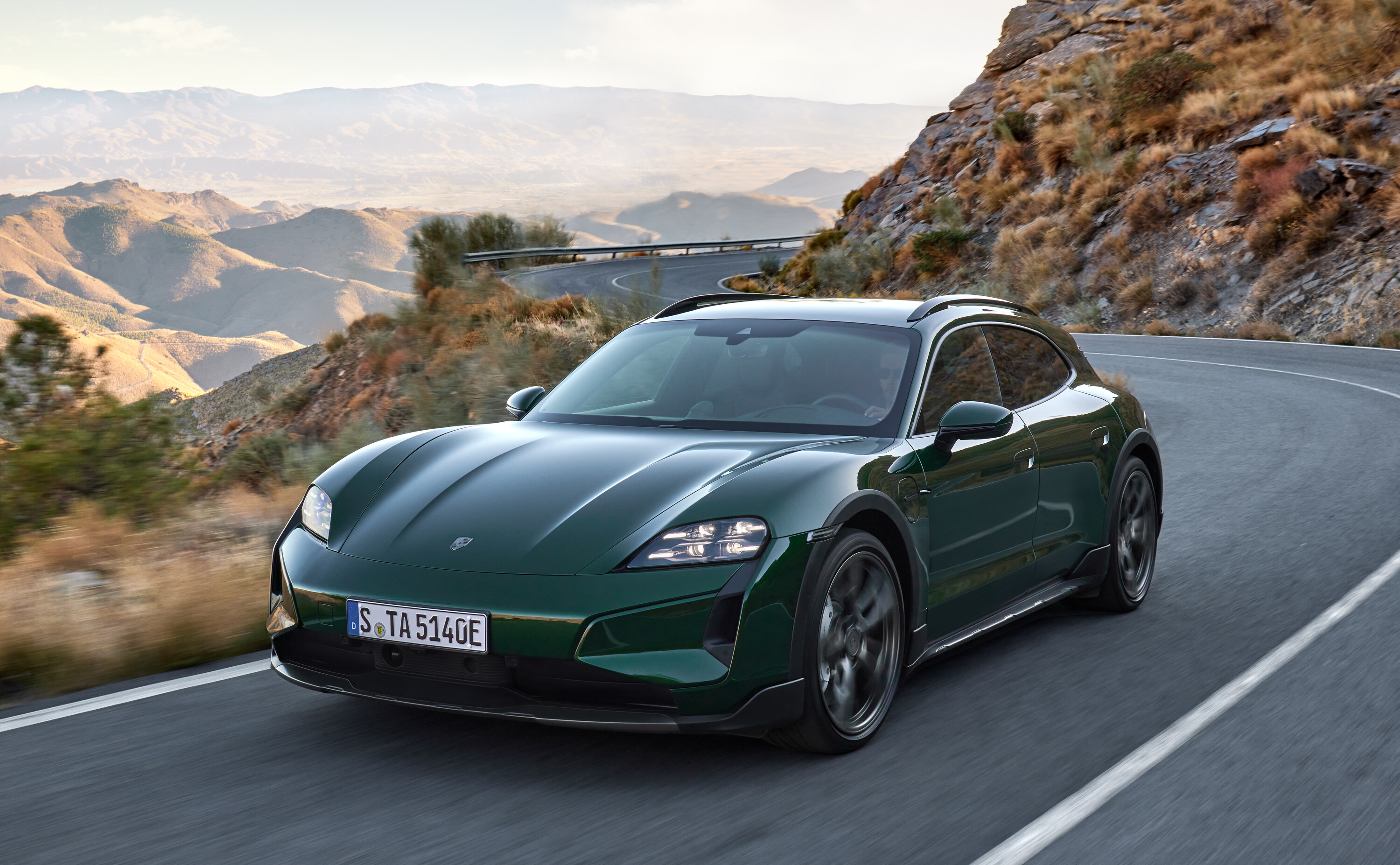
The facelifted 2024 Porsche Taycan electric car has debuted ahead of its Australian launch around June or July.
Snapshot
2024 Porsche Taycan facelift revealed
More power, faster charging, increased driving range, and a revised look
Updated EV due in Australia in mid-2024, price rises of up to $15,100
Prices for the updated model have increased between $7800 and $15,100, with the Taycan now priced between $175,100 and $374,200 before on-road costs.
Porsche claims revisions to the Taycan have improved it in “almost every discipline” with more power, faster charge rates, added battery capacity, and increased driving range.
More than 150,000 examples of the Porsche Taycan electric car have been built in Stuttgart, Germany since it launched in late 2019.
1
Every updated Taycan variant is more powerful than before, with the entry-level Taycan sedan up 60kW to 300kW with a 4.8-second 0-100km/h sprint time – a 0.6sec improvement.
At the other end, the flagship Taycan Turbo S is up 140kW with launch control (now 700kW), allowing for a 0-100km/h sprint in 2.4 seconds – a 0.4s improvement – bringing it closer to the 2.1-second Tesla Model S Plaid.
Recent testing of a pre-series Taycan Turbo S at the Nürburgring saw a record lap time of 7:07.55 minutes for an EV, which is 26 seconds faster than the last time of 7:33 set by the previous Taycan Turbo S with performance package in 2022. The Model S Plaid lapped the Nordschleife in 7:30.909 in 2021, according to Tesla CEO Elon Musk.
A new ‘push-to-pass’ function is included in the Sport Chrono package which can provide a 70kW boost, depending on the variant, for up to 10 seconds.
1
According to Porsche, more than 3.6 million kilometres of testing has been conducted worldwide for the updated Taycan.
Under the skin, the Taycan is fitted with new rear-axle motor with up to 80kW more power, a modified pulse inverter with optimised software, more-powerful batteries, revised thermal management, and a new heat pump.
All Taycans can now fast charge from 10 to 80 per cent in 18 minutes at 15 degrees Celsius, thanks to a 50kW faster rate (now 320kW) on an 800-volt charger. Porsche claims this would take 37 minutes under the same conditions in the pre-update Taycan.
It also has an expanded fast-charging window, with 300kW able to be sustained for up to five minutes and “very high charging” being possible more quickly, even at low temperatures.
1
The maximum energy recuperation during high-speed deceleration has increased by more than 30 per cent from 290kW to “up to” 400kW.
Taycan variants fitted with the ‘performance battery plus’ have a larger 105kW gross capacity, up from 93kWh – but the updated battery weighs less than the previous model despite the added capacity.
Porsche says it has shaved up to 15 kilograms from all Taycan models.
The rear-wheel-drive Taycan with the ‘performance battery plus’ has a WLTP-rated driving range of 678 kilometres – up 175km – which is more than a Polestar 2, Mercedes-Benz EQS and Tesla Model 3.
Active ride suspension with single-chamber air springs, first introduced in the latest Panamera, is available as an option for all-wheel drive Taycan variants.
It aims to improve comfort and dynamics, and keep the Taycan level “at all times” during dynamic braking, steering and acceleration manoeuvres, absorb bumps “almost completely”, and compensate for pitching and rolling motions to reduce acceleration forces for occupants.
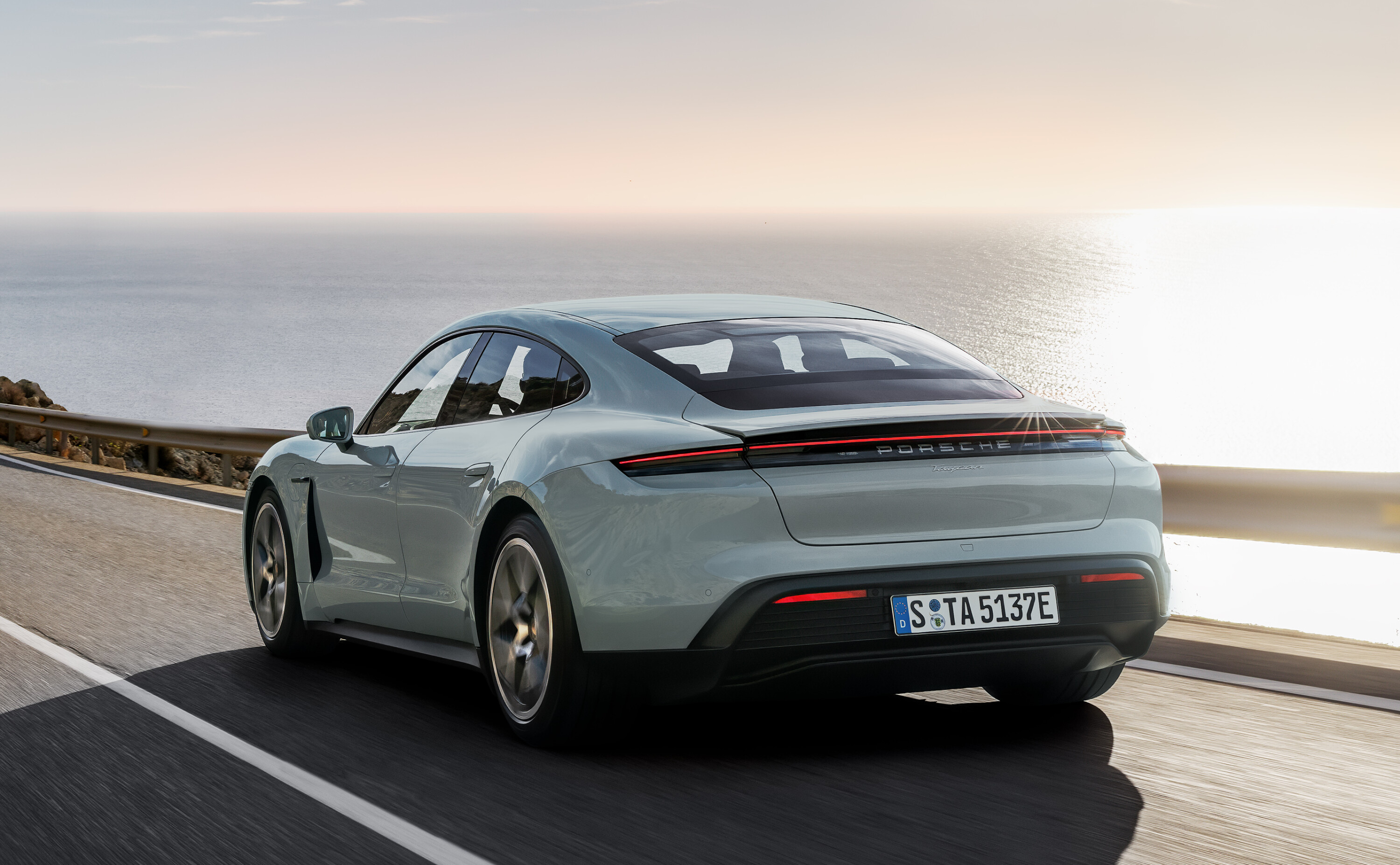
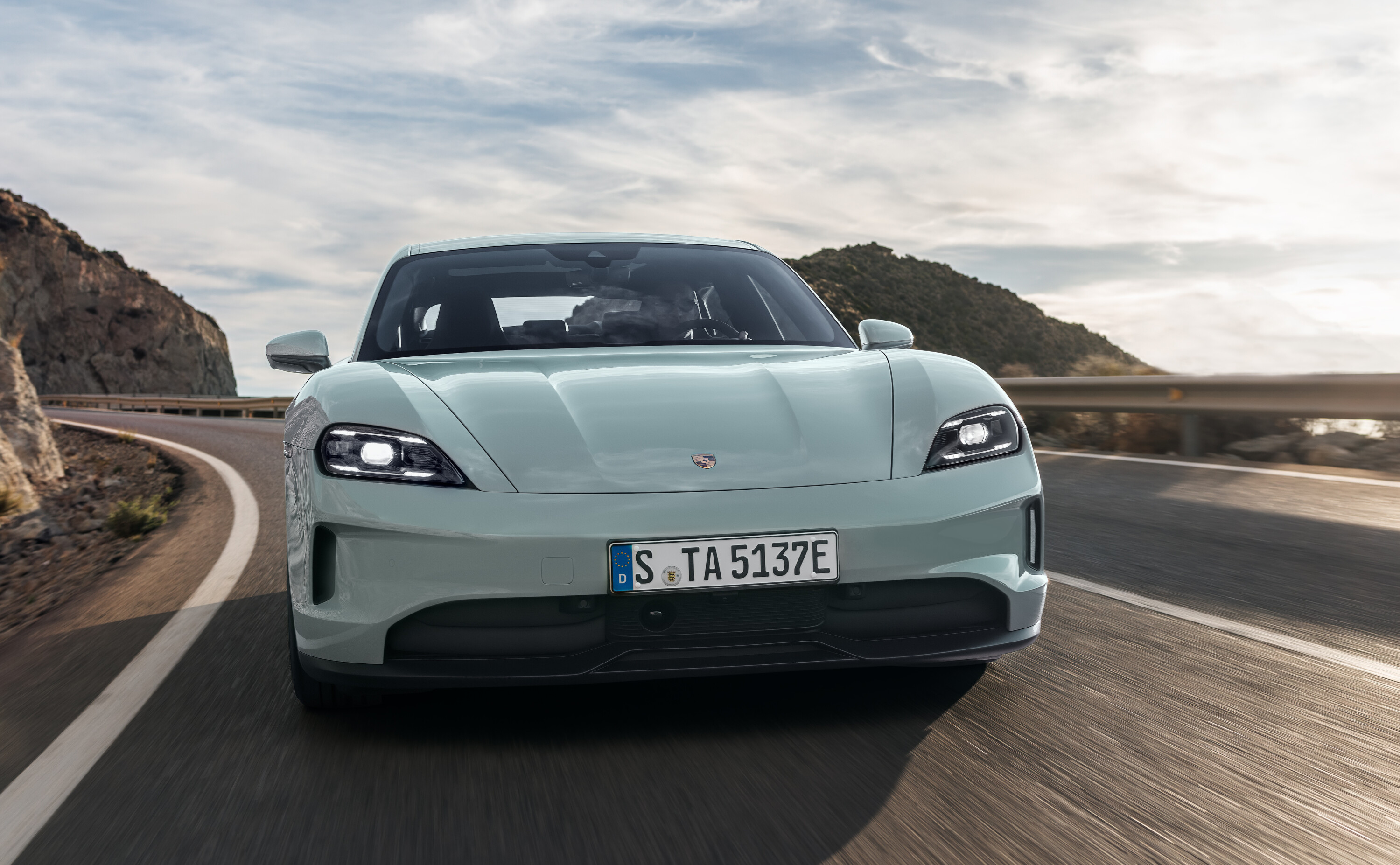
Design revisions include flatter headlights, revised tail-lights, an illuminated rear Porsche logo, and a cleaner front bumper with the vents below the headlights moved lower.
High-resolution matrix headlights with more detailed optics are now standard on the Taycan Turbo and Turbo S.
1
All models have new aerodynamically-optimised wheels and reduced-rolling-resistance tyres.
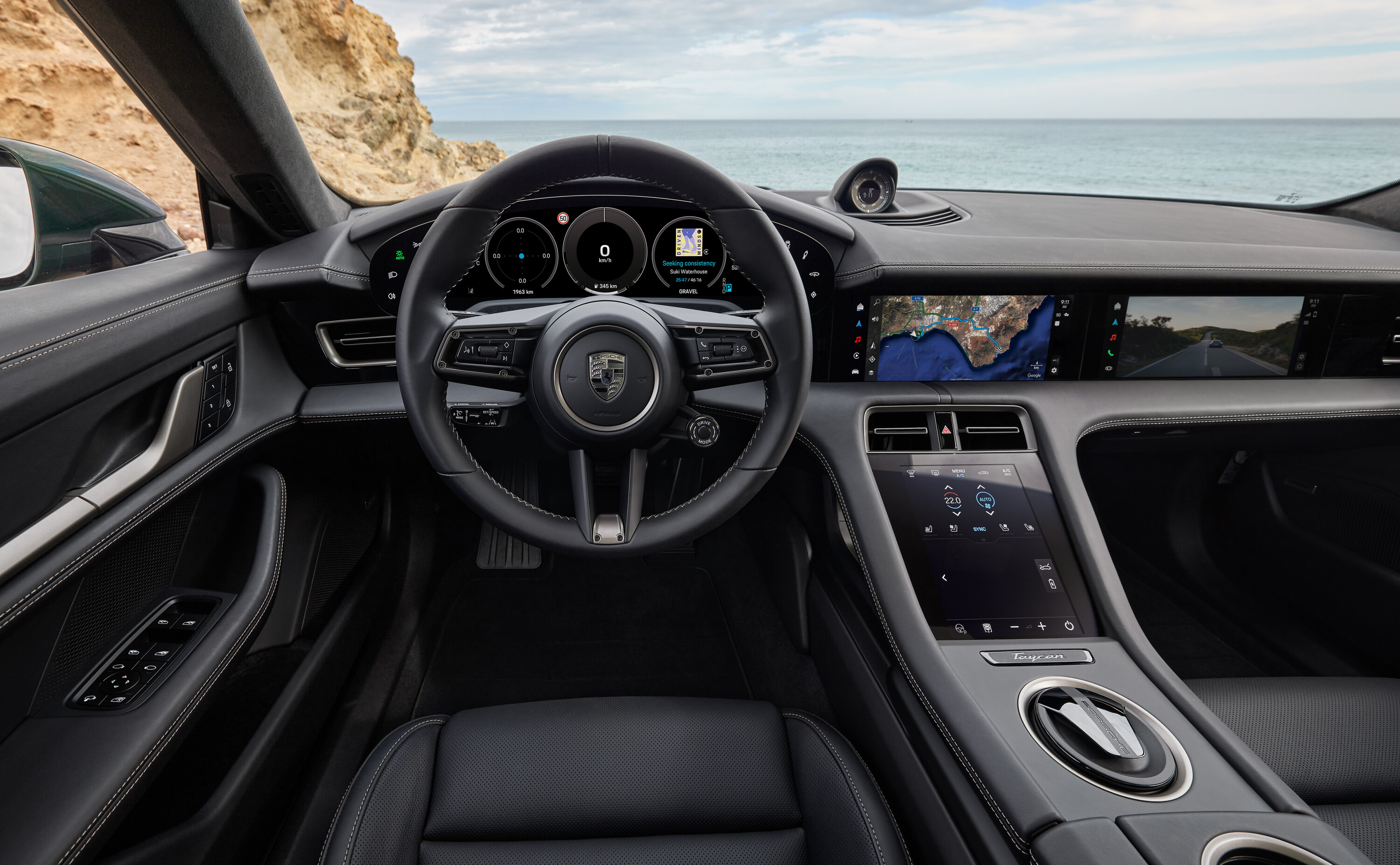
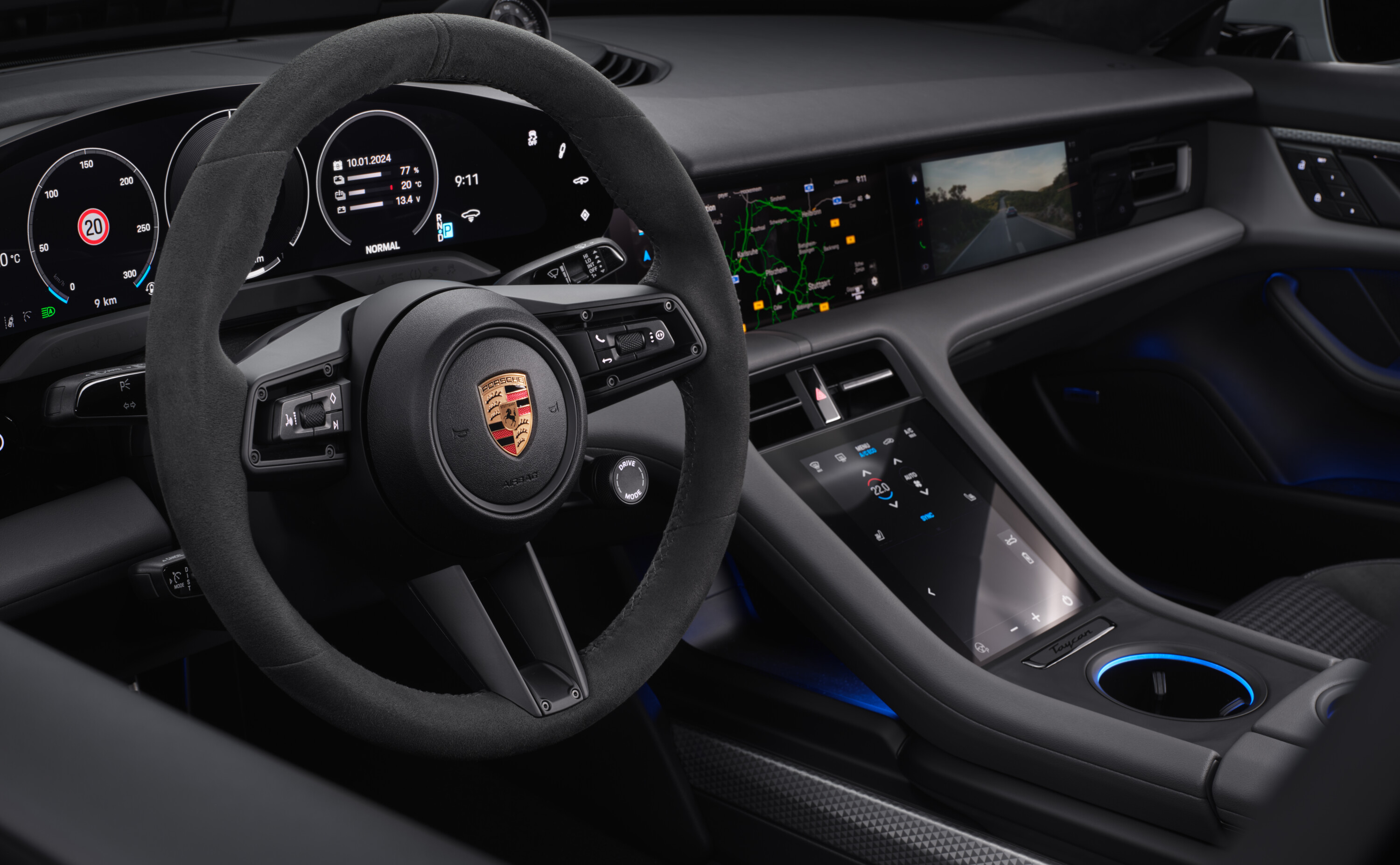
Inside, the latest Taycan features an updated infotainment system first seen in the updated Panamera and Cayenne, which includes deeper integration of Apple CarPlay into the vehicle and the ability to stream videos.
There’s also a new control lever on the left behind the steering wheel to control the driver assistance systems and a steering wheel-mounted drive mode selector for all variants.
Additional standard equipment for the updated Taycan includes adaptive air suspension, interior ambient lighting, an intelligent range monitor, a heat pump with a new cooling system, a wireless phone charge, dual electric charge ports on either side of the vehicle, and aluminium door sill protectors.
1
Availability
The updated 2024 Porsche Taycan is due in Australian showrooms mid-year.
The Taycan GTS has been dropped from the launch line-up but will likely be re-introduced later, while the rear-drive Sport Turismo wagon remains off-limits for Australia.