
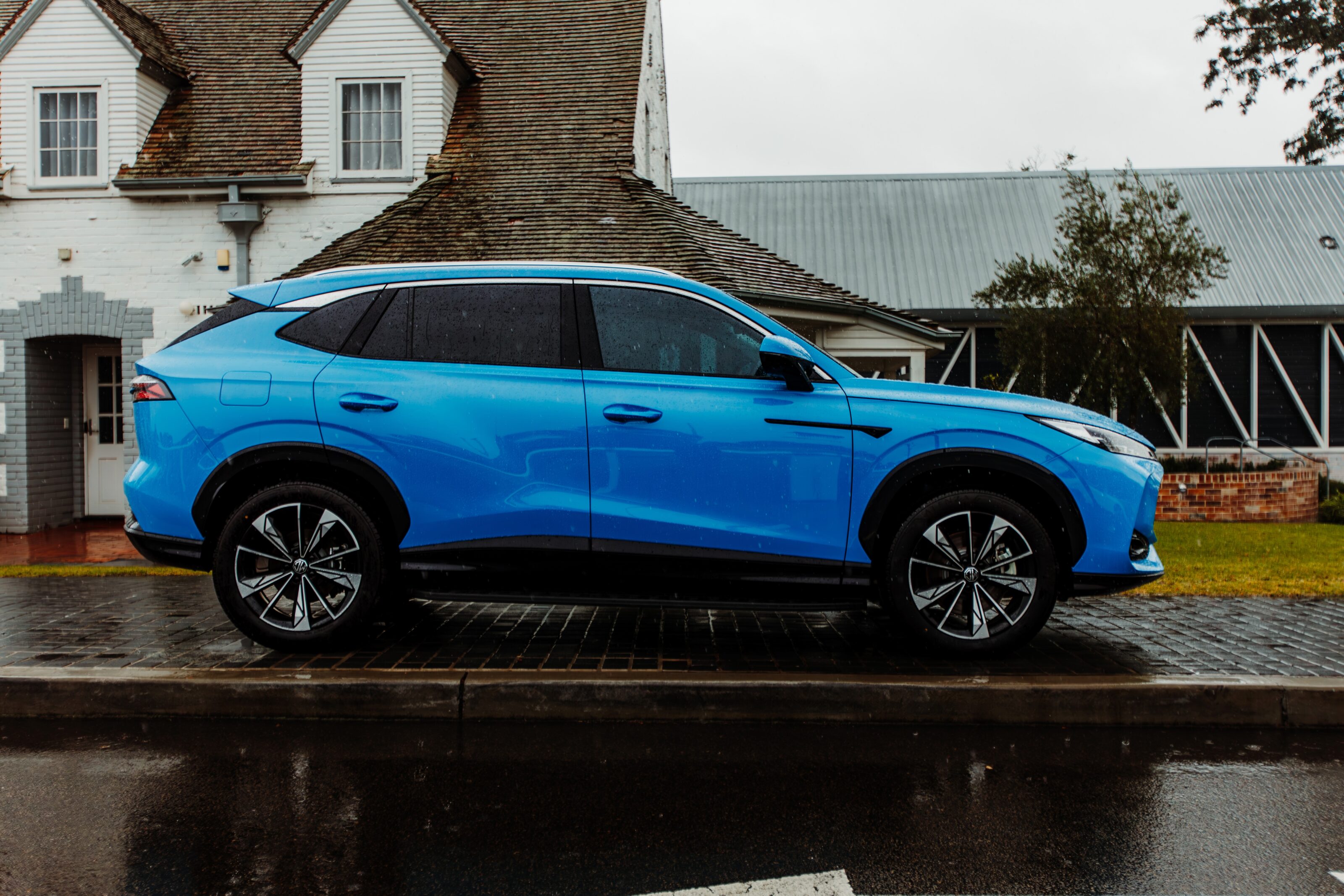
MG Motor Australia has announced local pricing and specifications for the new HS Super Hybrid, which is a plug-in hybrid variant of the HS mid-size SUV. Priced from $52,990 drive away, the Super Hybrid system is the first hybrid variant of the new HS range, with the non-plug-in Hybrid+ also due to join sometime in 2025.
Under the bonnet of the HS Super Hybrid is a 105kW/230Nm turbocharged 1.5-litre four-cylinder petrol engine that’s paired with a 154kW/340Nm electric motor for combined outputs of 220kW of power and 350Nm of torque. The electric motor draws power from a 24.7kWh battery for a WLTP-rated electric-only driving range of 120km.
The HS Super Hybrid is rated at 0.7L/100km for combined fuel consumption, with CO2 emissions of 17g/km when fully charged. But with the battery depleted and in regular hybrid mode, the company says that it will still use under 5.0L/100km and it’s reportedly capable of driving more than 1000km from a full tank of fuel and a fully charged battery.
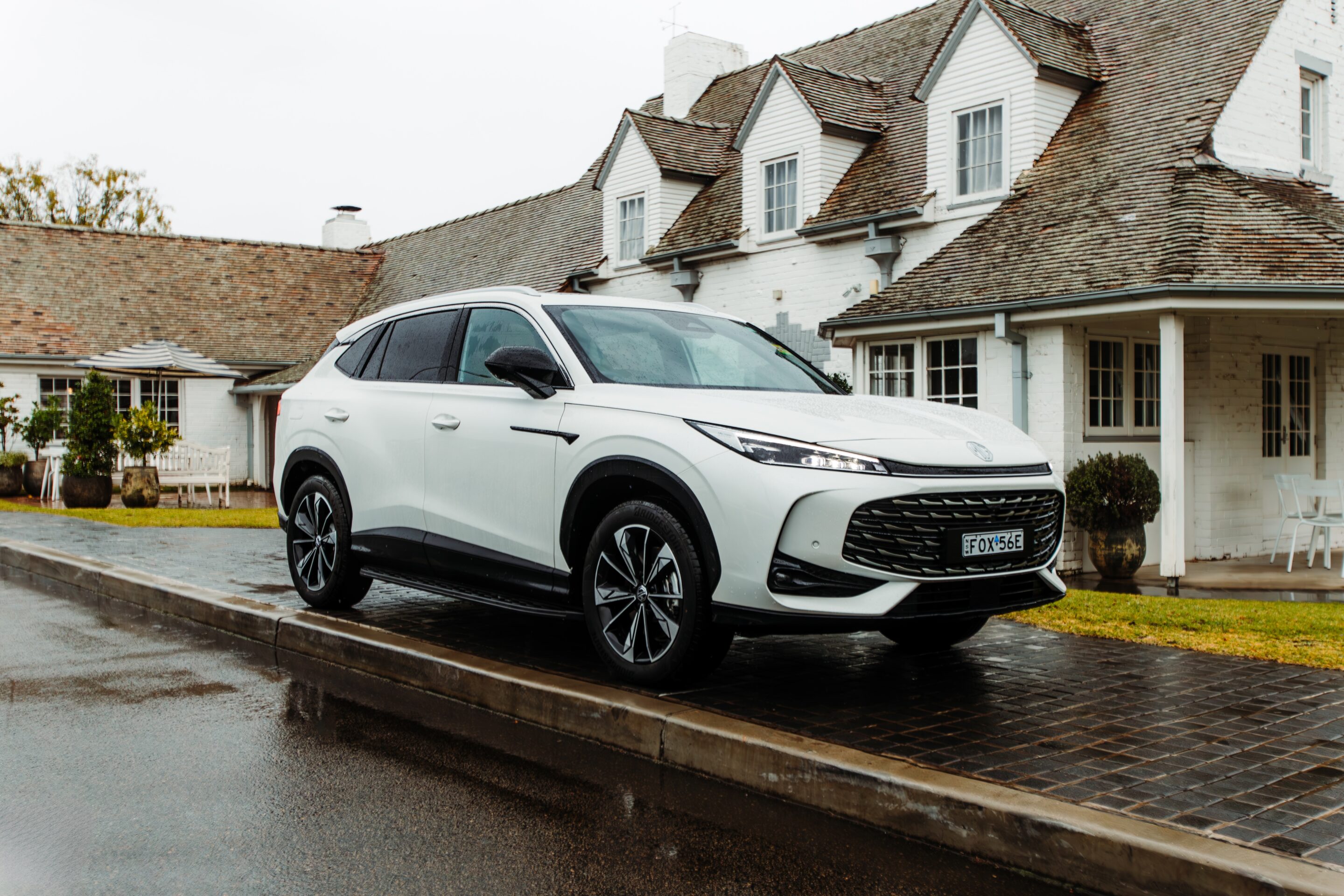
The HS Super Hybrid’s battery can be charged using a type two connection and a full charge using a 7kW charger occurs in four hours, or just over seven hours using a 10-amp charger.
Unlike the petrol HS, which offers a base model Vibe, the Super Hybrid range starts at the mid-level Excite and pricing starts at $52,990 drive away with the top-spec Essence priced at $55,990 drive away.
MG HS Super Hybrid pricing (drive away):
| Excite: | $52,990 |
|---|---|
| Essence | $55,990 |
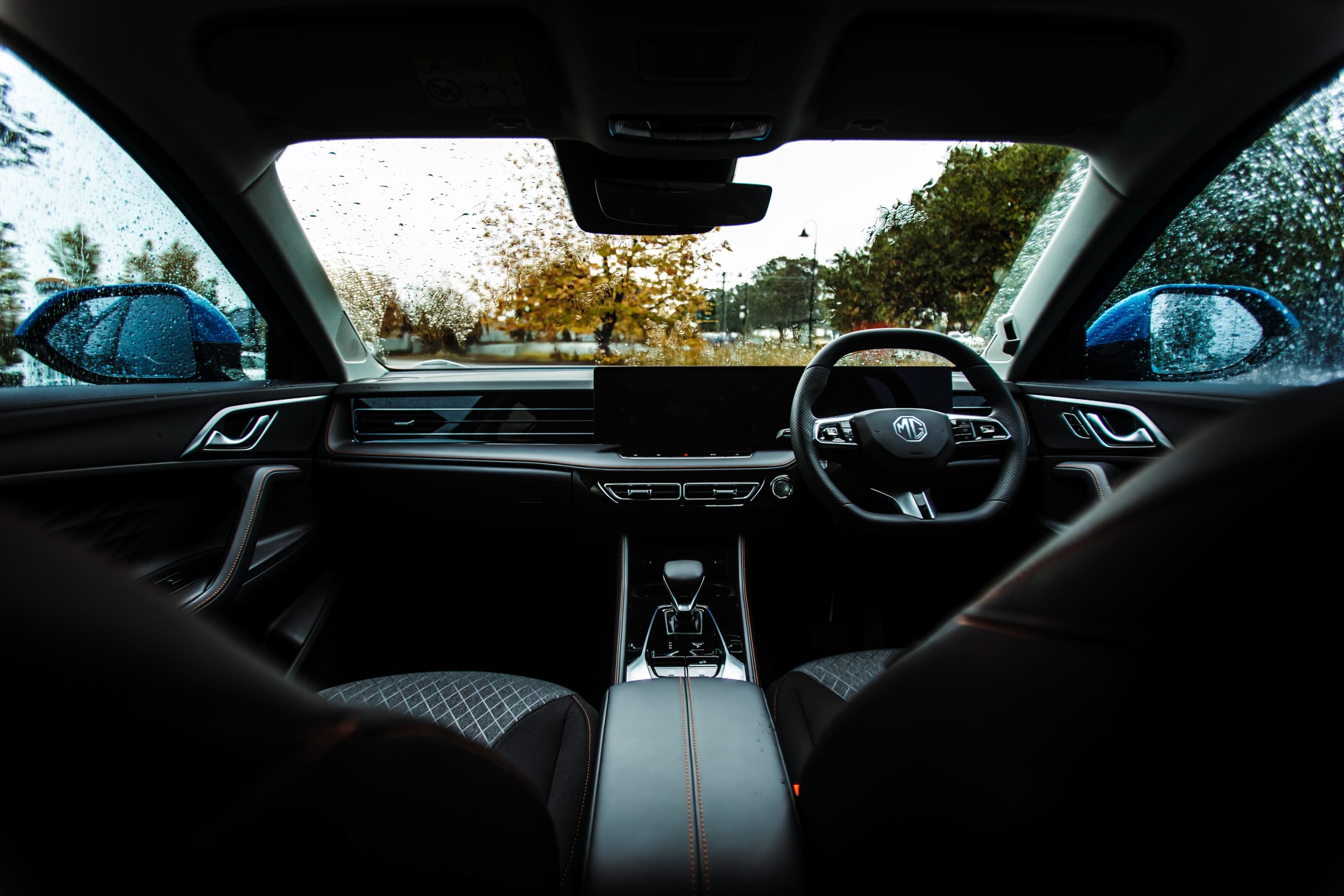
MG HS Super Hybrid Excite standard equipment:
- 19-inch alloy wheels with a tyre repair kit
- Dusk-sensing automatic LED exterior lighting
- LED front and rear daytime running lights
- Rain-sensing automatic wipers
- Roof rails
- Rear privacy glass
- Side steps
- Keyless entry with push button start
- Heated door mirrors
- Cloth seat upholstery
- Six-way electric driver’s seat
- Single-zone automatic climate control with rear air vents
- PM2.5 dust filter
- 12.3-inch digital driver’s display
- 12.3-inch touchscreen with live services
- 12 months of access to the MG iSmart app
- Wireless Apple CarPlay and Android Auto
- 4x USB ports
- Six-speaker sound system
- Satellite navigation
- AM/FM/DAB+ digital radio
- Driving modes
- 7x airbags
- Autonomous emergency braking
- Adaptive cruise control
- Lane keeping assistance with adaptive lane guidance
- Auto high beam
- Traffic sign recognition
- Driver attention monitoring
- Blind-spot monitoring
- Front and rear cross-traffic alert (with braking)
- Door open warning
- Tyre pressure monitoring
- Rear parking sensors
- Reversing camera
- Alarm
- Pedestrian warning sound
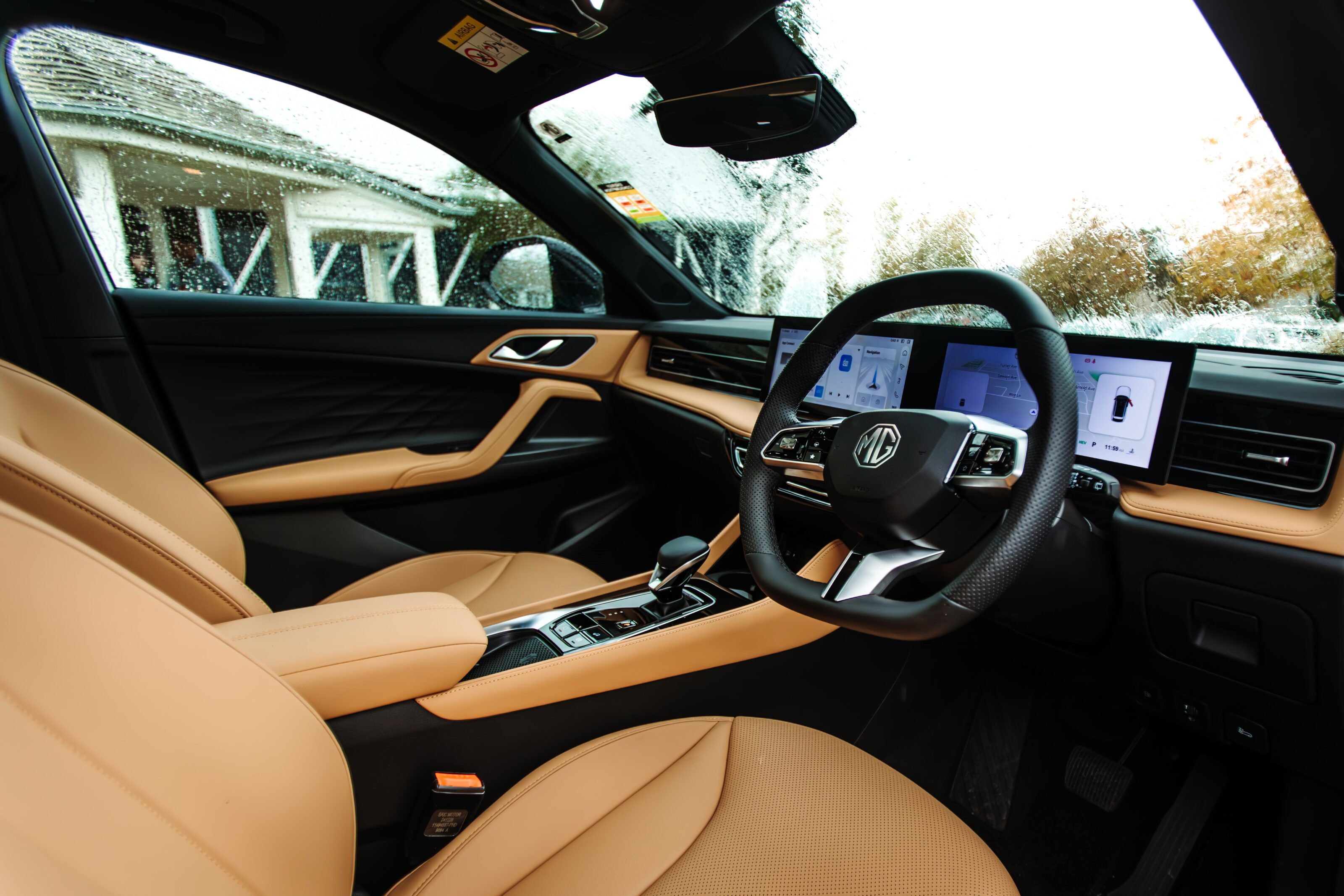
HS Super Hybrid Essence model adds:
- Panoramic sunroof
- Eight-speaker sound system
- Auto-folding mirrors
- Front parking sensors
- Dual-zone automatic climate control
- Synthetic leather upholstery
- 4-way driver’s seat lumbar
- Driver seat and mirror memory
- 4-way electric front passenger seat
- Heated front seats
- Power tailgate
- 360-degree camera
- Wireless phone charger
The first MG HS Super Hybrids will land in Australia in September.
French sports car maker Alpine has unveiled the A390 electric sports SUV, which it will use to relaunch in Australia.
Last seen in 2022, Alpine’s then only product – the A110 coupe – had to be cut from Australia because of local side impact regulations and it’s not been seen since.
Now with the reveal of the A390, Renault’s local distributor Ateco Group has announced that the Alpine brand will be reintroduced to Australia, likely sometime in 2026.
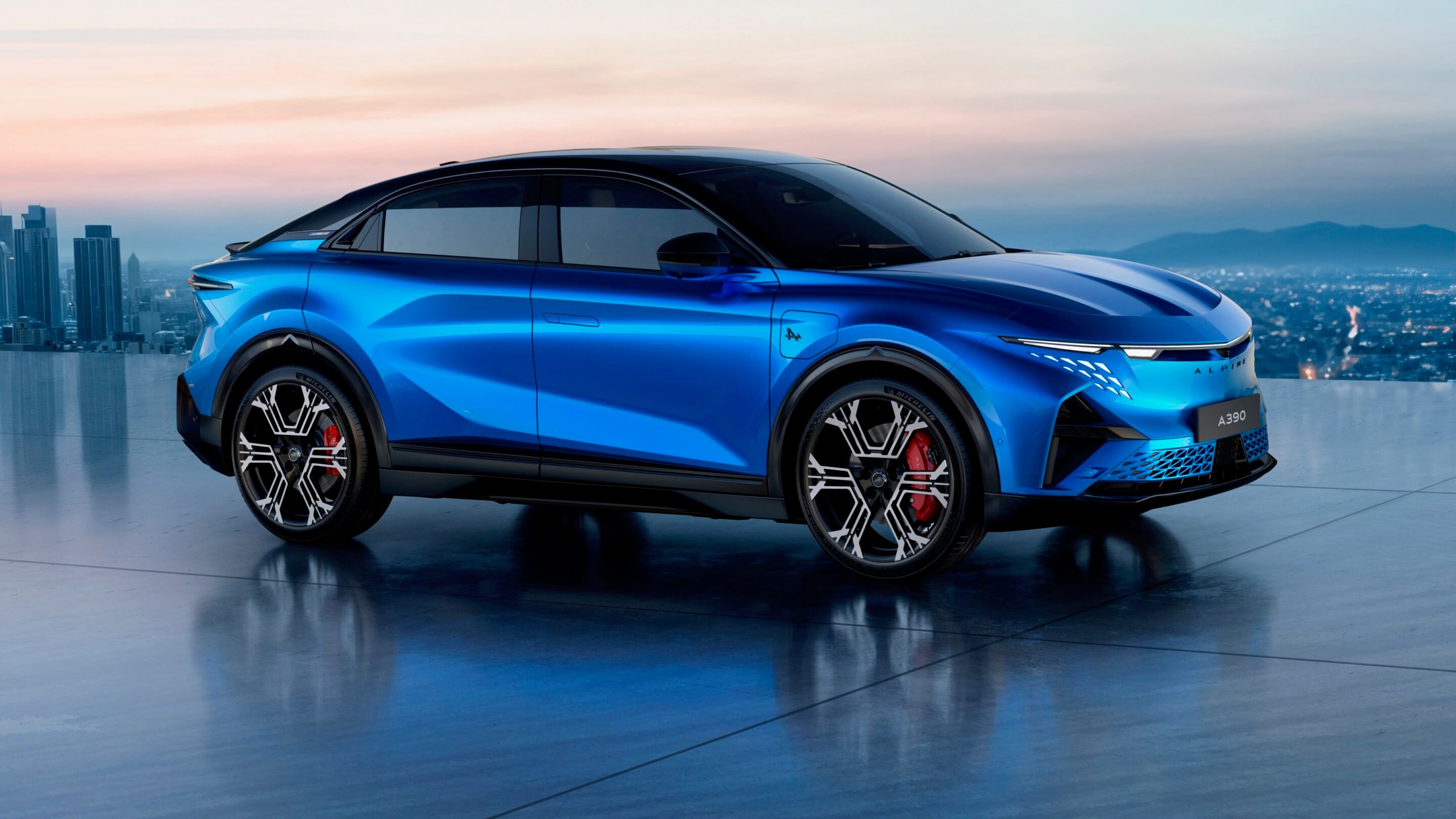
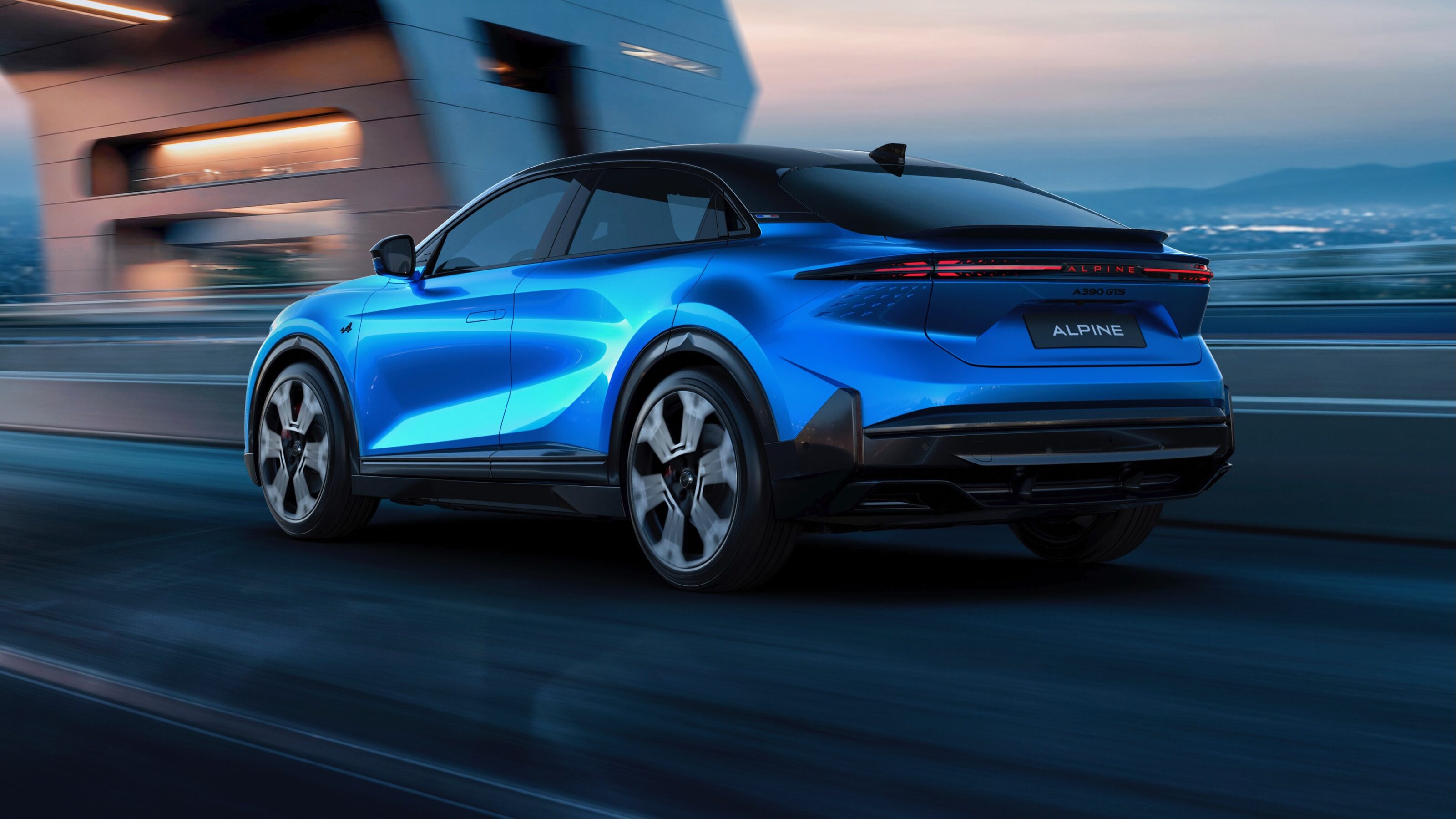
Revealed as a performance fastback SUV, the Alpine A390 uses the same ‘AmpR’ Medium platform as cars such as the Renault Megane E-Tech and measures 4615mm long, 1885mm wide, 1532mm tall and rides on a 2708mm long wheelbase. That makes it 15mm longer and 30mm wider, though 153mm lower than a Toyota RAV4, while its 532-litre boot is almost identical in size.
For now, just an 89kWh lithium-ion battery will be available in the A390, enabling an estimated range of up to 555km (WLTP). Using a 400V architecture, the A390 can be DC fast charged at up to 190kW, with 11kW (/optional 22kW) AC charging also available.
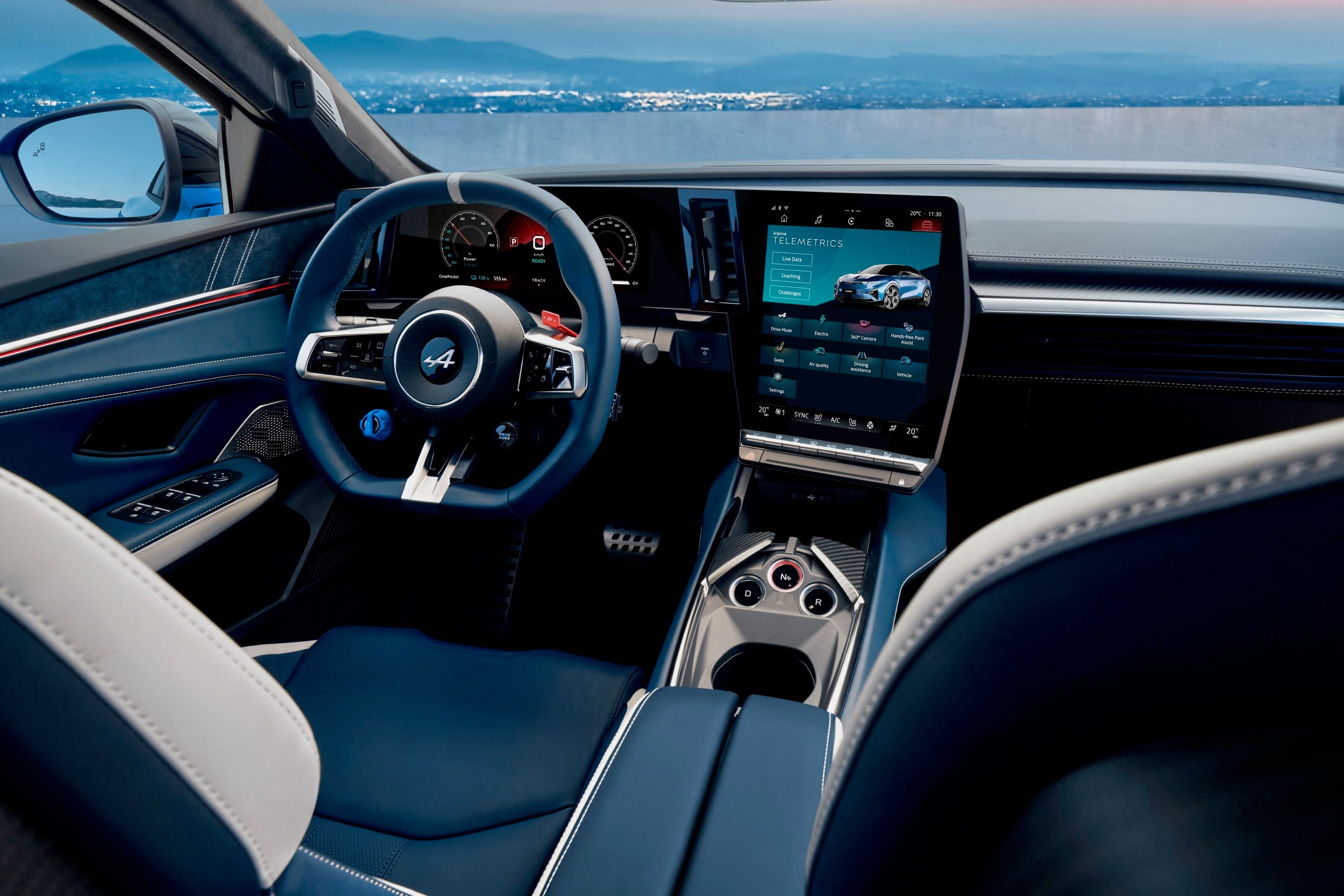
Two A390 models will be available – GT and GTS – and both use a tri-motor drivetrain with active torque vectoring. The GT makes 295kW/650Nm for a claimed 4.8 second 0-100km/h time and the higher-performance GTS boosts outputs to 345kW/808Nm, dropping the 0-100km/h time to just 3.9 seconds.
Standard features on the A390 GT include 20-inch alloy wheels with Michelin EV tyres, a Nappa leather steering wheel, a 12.3-inch digital driver’s display, a 12-inch portrait touchscreen with inbuilt Google software, an 850-watt 13-speaker Devialet sound system and electric front sports seats.
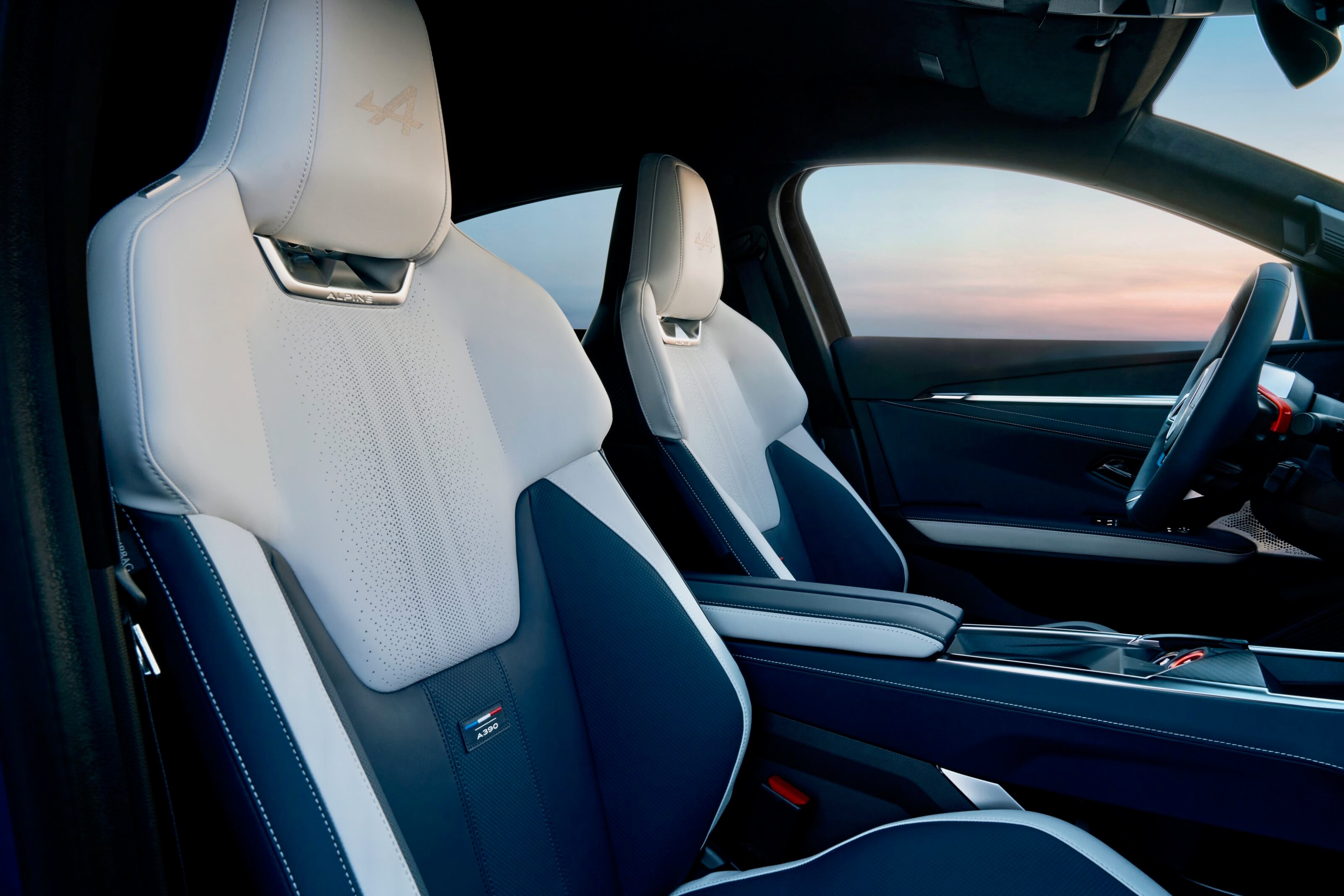
The GTS further adds larger 21-inch wheels with Michelin Pilot Sport 4S tyres, Nappa leather upholstery, Sabelt front sports seats with massaging, semi-autonomous driving functionality and an upgraded ‘XtremeSound’ audio system again from Devialet.
Australian details for the Alpine A390 are yet to be announced.
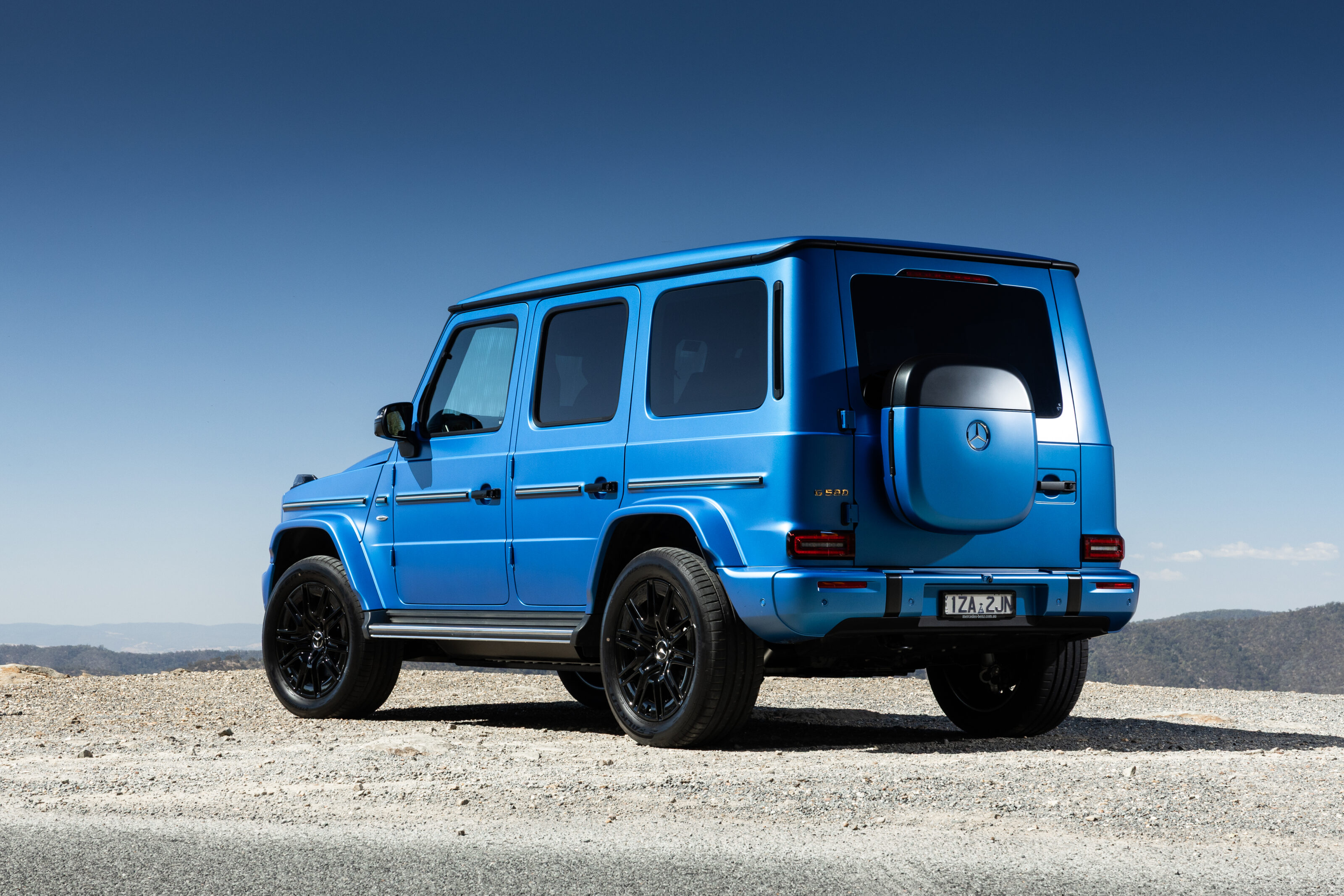
It’s incumbent on us to usually make some sort of proclamation at some point in a review on whether the vehicle in question represents good value or not. It’s rarely a very difficult process to arrive at that conclusion based on pricing and relative merits or otherwise. The reason I temper my words here is that I’ve just driven the new Mercedes-Benz G 580 and I’m torn as to whether this is a quarter of a million dollars well spent or whether it’s a very artful grift. I don’t think there’s a middle ground either.
Over the last few years, we’ve become accustomed to Mercedes asking a huge amount for a G-Class. It’s one of those vehicles that seems to transcend the normal rules on pricing and occupy a space where Mercedes could conceivably charge double and not see much in the way of fluctuation in demand.
You could almost imagine Professor Brian Cox explaining it as a place in the automotive universe where the normal mathematics of pricing and demand fold in on themselves and disappear. Right there, teetering on this event horizon of unfathomability is the $365,900 G63 AMG. It’s now been joined by the all-electric G 580, priced at $249,900 for the standard car and $299,900 if you want to go all-in on the Edition One version.
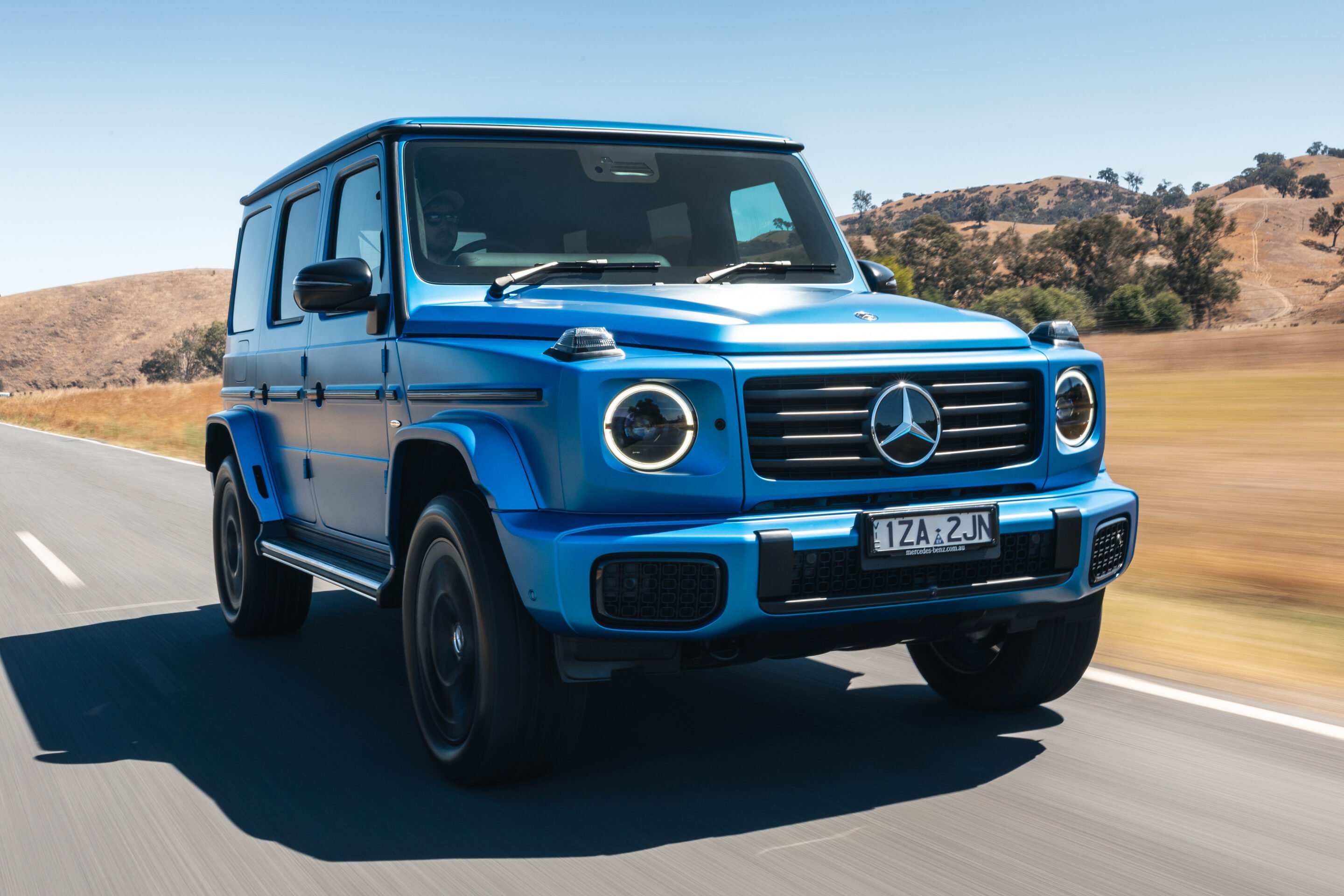
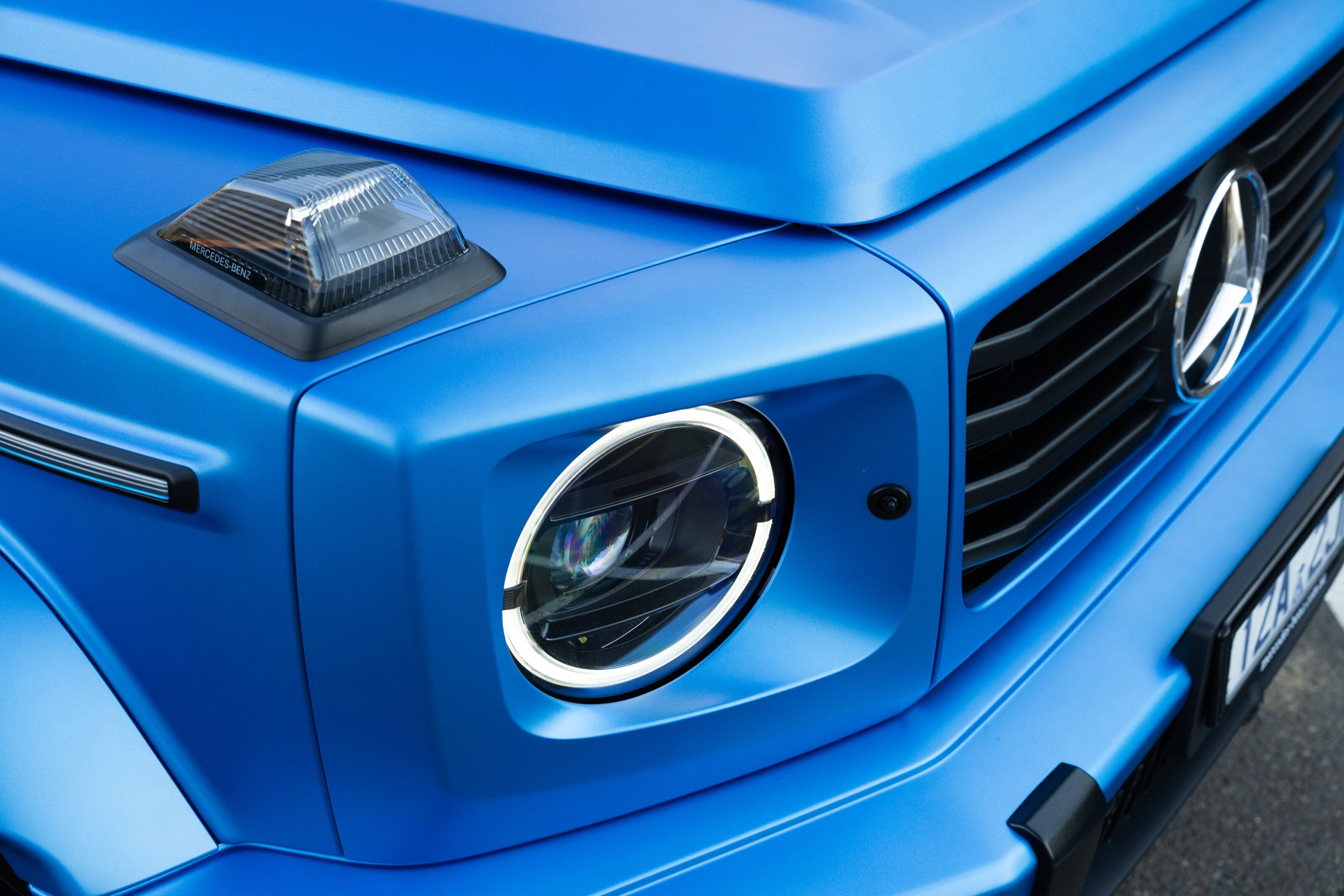
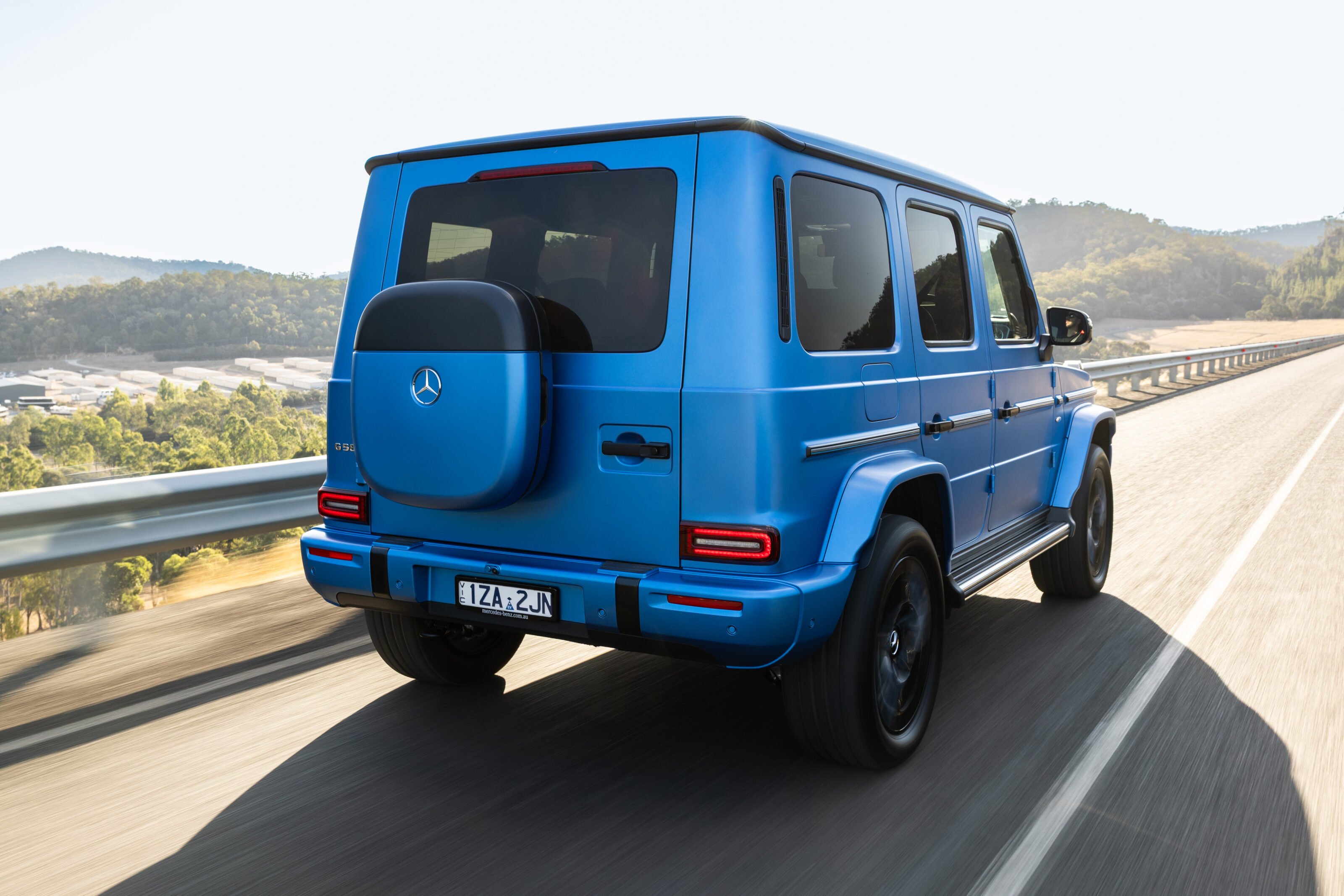
Look beyond the lurid Manufaktur South Seas Blue Magno paintwork aside – most G-Class buyers still choose base Obsidian Black – and this appears for all the world like the G-Class that we’ve grown up with since 1979. Think about that for a minute. Over 46 years the block-like shape has barely changed. 46 years after Porsche launched the very first 911, 991-series prototypes were driving around in Zuffenhausen. There’s tradition and there’s G-Class tradition.
So you still get the side opening rear hatch, the boxy wing-mounted front turn signals and the metal door strikers that mean the G 580’s doors still slam shut with a pronounced clack. The windscreen pillars still stand almost vertical and the aerodynamics are still more akin to a commission housing block than a modern passenger vehicle. Heck, it’s even built in a ladder frame in the same Steyr plant as the originals.
But while there’s clearly more than a nod to tradition, the G 580 is radically different beneath the slab-sided sheetmetal. There’s a massive double-stacked 124kWh battery under the floor, of which 116kWh is useable. You get independent suspension up front and a solid rear axle, and four independently controlled electric motors and a low-range gearset for each one. Yes, it really does have a 108kW/291Nm motor and gearset for each wheel.
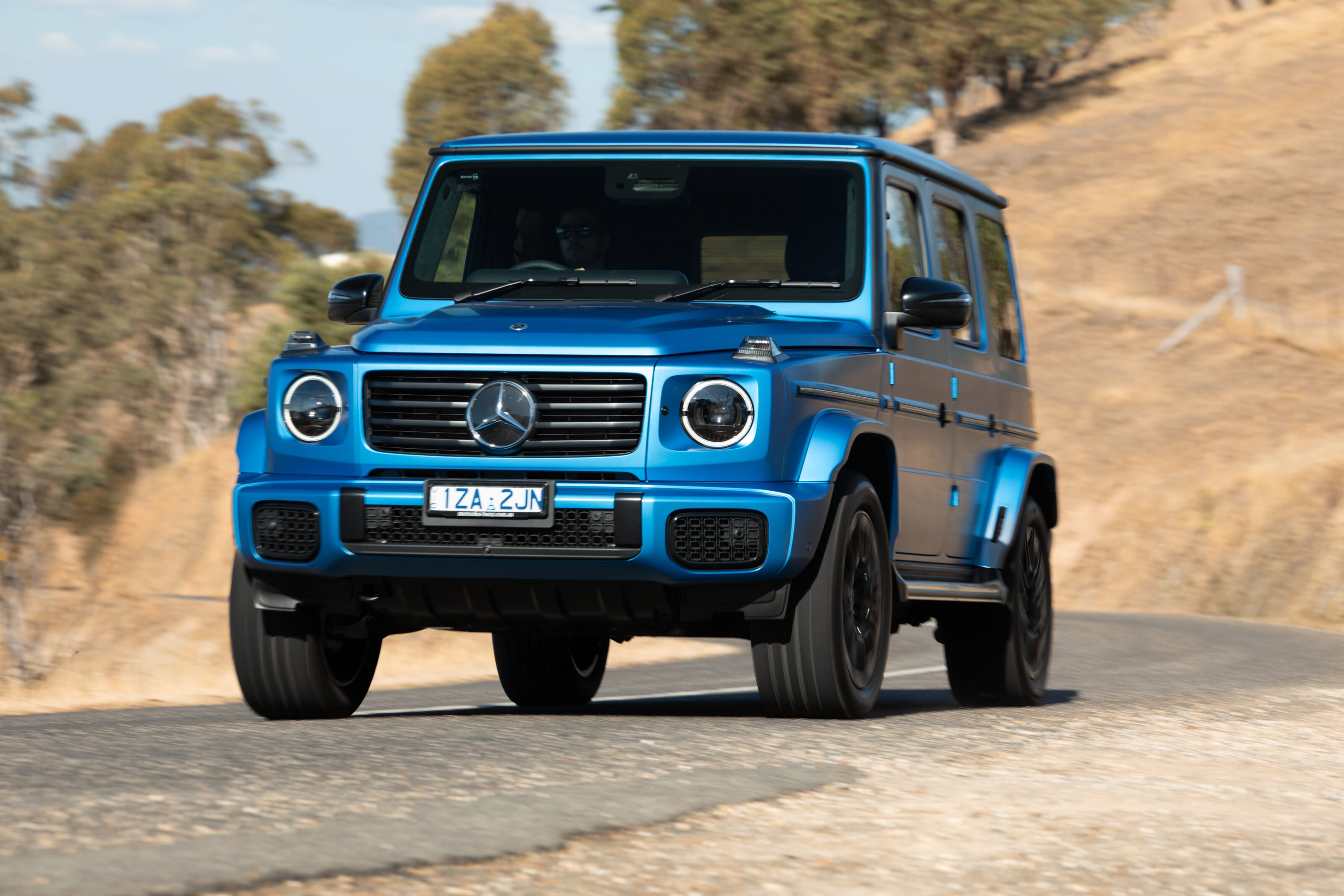
This allows it do some fairly remarkable things. You’ve probably seen footage already of the G 580 performing the G-Turn, in effect pirouetting in its own length. It can also perform a manoeuvre called G-Steer, which reverses the inside rear wheel in a turn, effectively causing the whole vehicle to pivot around that point. From behind the wheel, it feels like a slow-motion drift that you need to counter-steer against, but it allows you to very quickly reduce the turning circle of the G 580 in tight off-road spots.
It’s easy for these party pieces to give the impression that the G 580 is a bit of a superficial attention seeker, but that would be doing it a disservice. Despite packing 432kW and 1164Nm, Mercedes doesn’t want it compared with the petrol G63 AMG. It’s not that sort of car. Instead, it’s been designed to offer unparalleled ability in the rough stuff. And you don’t need a trio of locking differentials if you can instantly and minutely control what each wheel is doing in software. Mercedes makes the point that it’s the only car it builds that can be one-wheel drive.
Open the charging flap and there’s a neat little rubber diaphragm, designed to waterproof the female part of the charging apparatus, necessary because the G 580’s 850mm wading depth is 150mm more than any of the combustion-engined variants sold worldwide. It features beefier underbody protection, with a 26mm-thick carbon composite plate to keep that battery pack clear of any shark’s teeth in the track, which is just as well as the kerb weight of 3085kg means it’s not the nimblest car you’ll ever have driven.
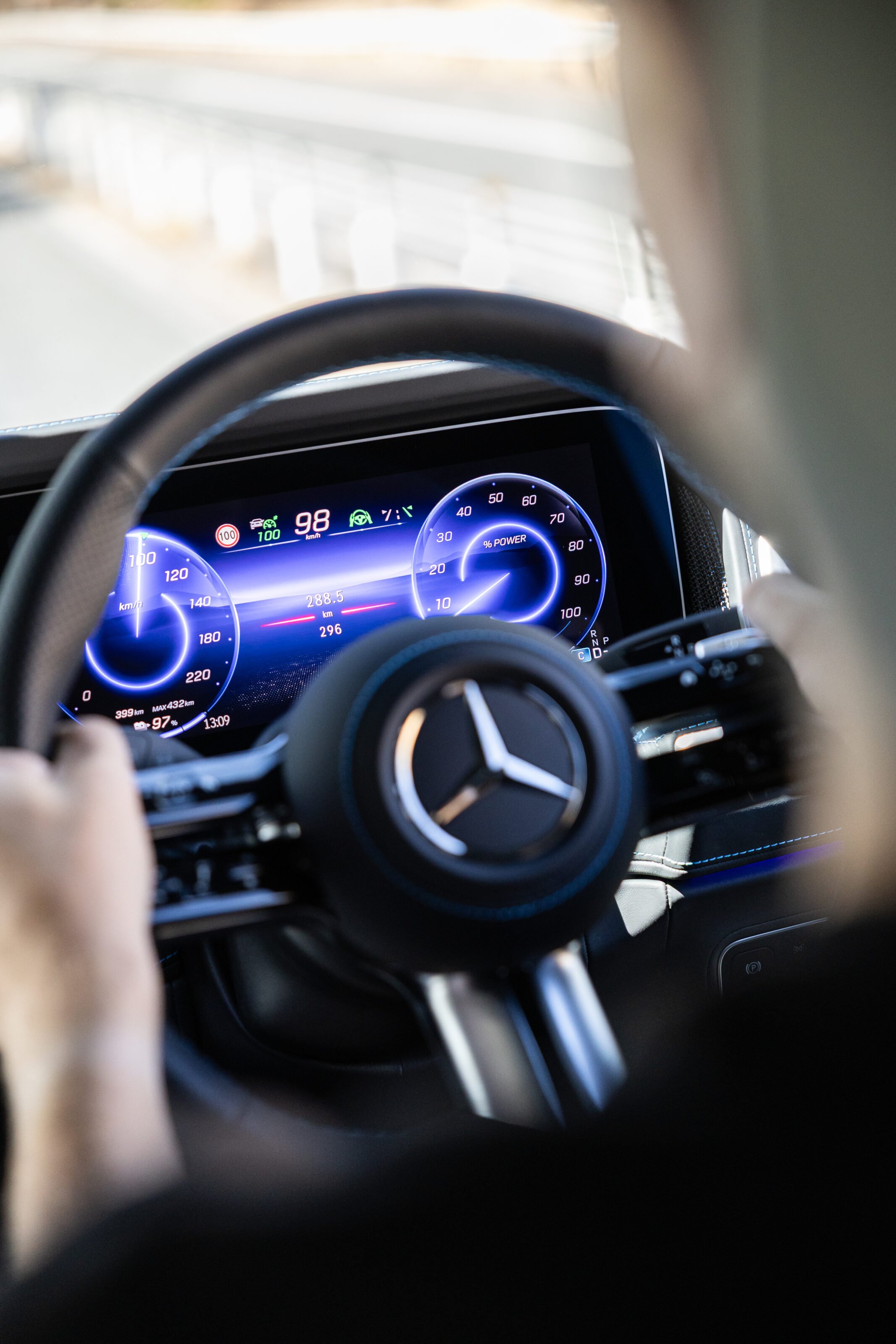
It’ll accelerate through 100km/h in just 4.7 seconds and, like almost every other G-Wagen, it feels imperious at first and then feels a proper handful once you fool yourself into thinking straight line speed equals sportiness. The body control is fairly languid and even with adaptive dampers, the ride is a little unsettled, with slow steering. Tradition, you see?
It even has a digital sound signature, courtesy of the G-Roar sound symposer. It’s a little meek on startup, but if you plonked someone who wasn’t hugely car literate in the passenger seat of the G 580, there’s enough of a background rumble that they’d probably never twig that it was powered by batteries and not petrol.
This makes it possibly the easiest sell of an EV to an owner moving from a petrol version. The WLTP-mandated range of 473km gives it some legs, it’s better off road than any of its combustion-engined siblings and it still absolutely looks and feels the part. It’ll even charge at up to 200kW if you can find a DC fast charger.
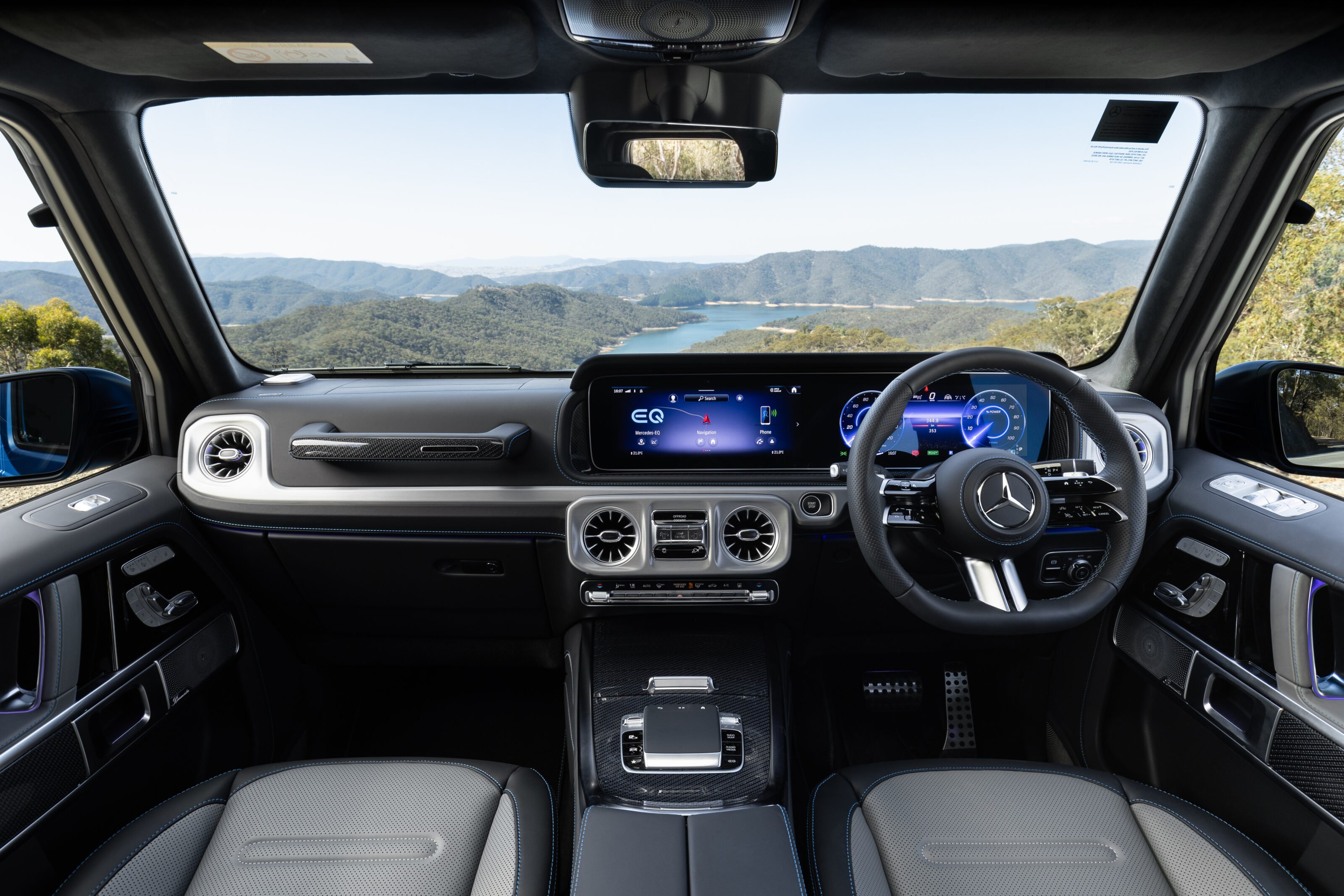
Is all of this worth $250,000? That’s a tough one. A diesel LandCruiser will have the range to get to places the G 580 could never be able to countenance here in Australia. For weekend warriors, it probably has more than enough capability to get you out, soak up as much off-road challenge as you’re able to handle and get you home again, but it’s an expensive SUV to be out mud-plugging in. Chances are it’ll be more of an urban flex, a toy chosen by those who are merely reassured by the depth of its ability. How these people perceive the value proposition seems initially opaque. Look at the order books, however and it all becomes significantly clearer. As Mercedes and many other European manufacturers are rapidly realising in this increasingly electric era, history, it would appear, is bank.
Specifications
| Model | Mercedes-Benz G580 with EQ Technology |
| Motors | Quad permanent magnet synchronous |
| Transmission | 1 speed plus low-range reduction gearset |
| Battery size | 124kWh (gross) 116kWh (net) |
| Max power | 432kW |
| Max torque | 1164Nm |
| Kerb weight | 3085kg |
| L/W/H/WB | 4624/1931/1986/2890mm |
| 0-100km/h | 4.7sec |
| Range | 473km (WLTP) |
| Price | ($299,900 Edition One) |
| On sale | Now |
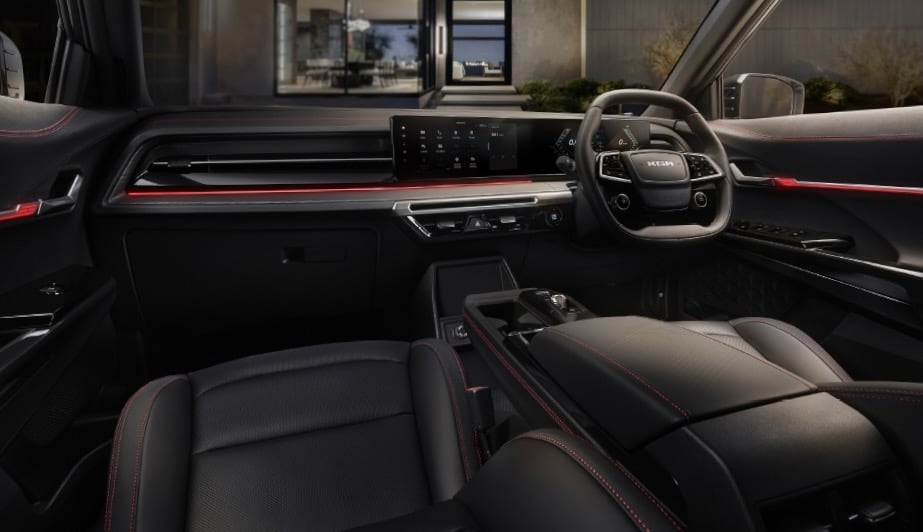
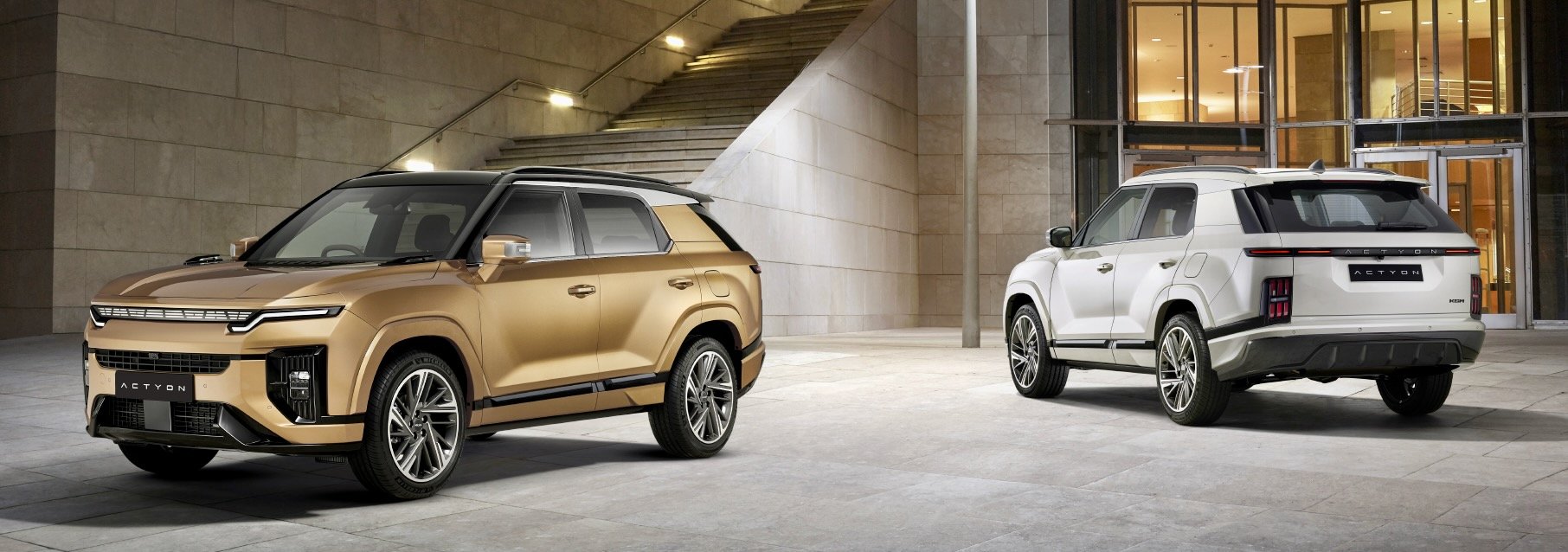
KGM Australia has announced that its new Actyon SUV will be launched on June 1, 2025, which is also the date that KGM SsangYong Australia will become KGM Australia. Following in the footsteps of its global parent, the SsangYong name will be retired.
Joseph Lee, managing director of KGM Australia, commented: “It’s timely we fully embrace the KGM branding here in Australia and celebrate the latest vehicle design language with a brand logo re-fresh, to align with KGM’s global identity and better reflect our commitment to design excellence.”
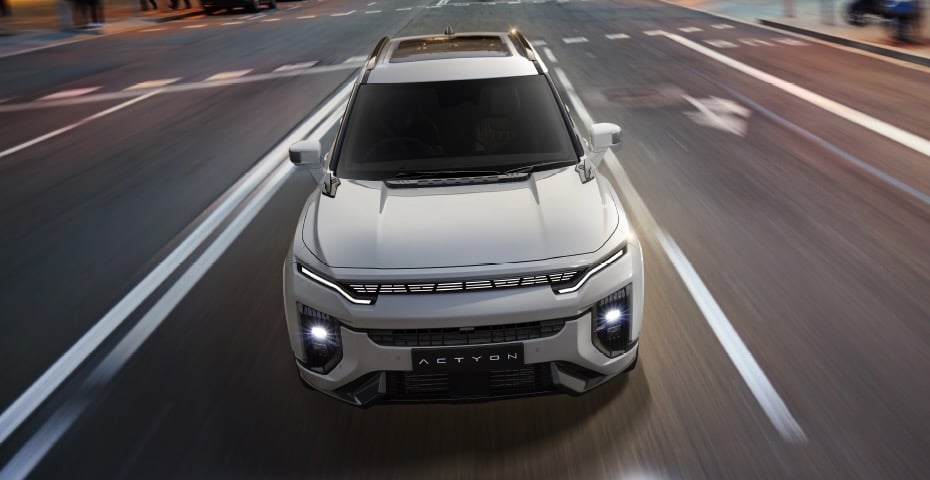
Under the bonnet of the KGM Actyon is a turbocharged 1.5-litre four-cylinder petrol engine making 120kW of power and 280Nm of torque. A six-speed automatic transmission is standard across the range, while the Actyon is rated at 7.6L/100km for combined fuel consumption and 174g/km of CO2.
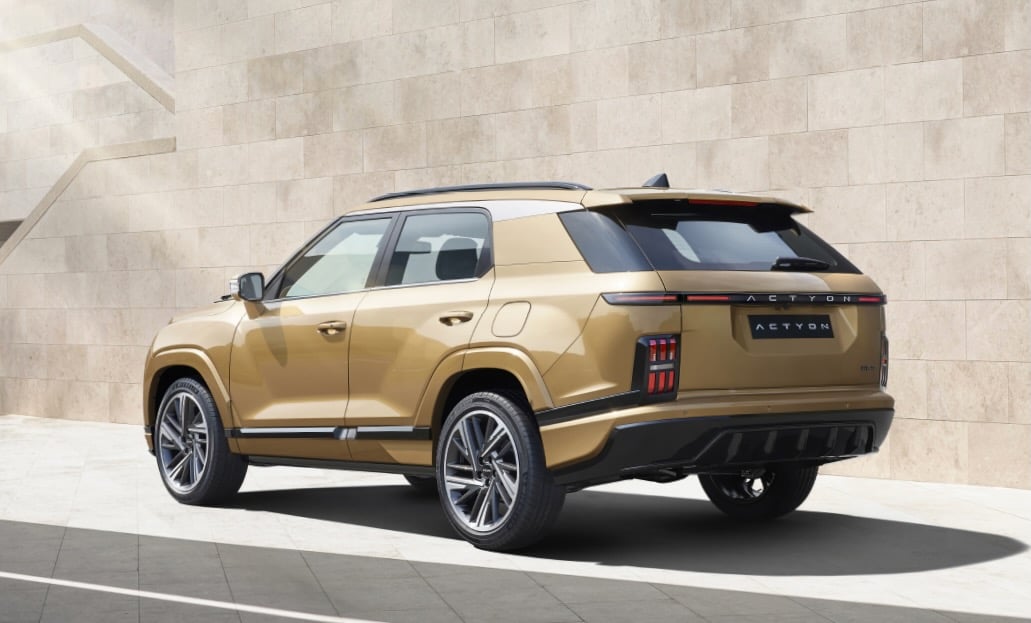
Measuring 4740mm long, 1920mm wide, 1680mm tall and riding on a 2680mm long wheelbase, the KGM Actyon. That makes it 140mm longer than a Toyota RAV4, while the Actyon’s 668-litre bootspace (which opens to 1568L with the rear seats folded) is large for the segment and 126L larger than a RAV4.
Five exterior colours will be offered: ‘Grand White’, ‘Space Black’, ‘Iron Metal’, ‘Latte Greige’ and ‘Royal Copper’, with all but the white hue attracting an extra $700 charge. The interior is only available with black leather.
KGM Actyon pricing (drive away):
| K50 | $47,000 |
|---|---|
| K60 | $50,000 |
KGM Actyon standard equipment:
- 20-inch diamond cut alloy wheels
- Dusk-sensing automatic LED headlights
- Front and rear LED daytime running lights
- Power tailgate with hands-free operation
- Heated, power adjustable and folding mirrors
- Rear privacy glass
- Panoramic dual 12.3-inch digital display screens
- Black leather upholstery
- 8-way power adjustable front seats and driver’s lumbar
- Heated front seats
- Heated rear outer seats
- Ventilated front seats
- Heated steering wheel
- Interior mood lighting
- Dual-zone climate control
- Apple CarPlay and Android Auto
- Reversing camera
- Front and rear parking sensors
- 8 Airbags
- Adaptive cruise control
- Autonomous emergency braking
- Lane keeping assist
- Blind spot warning
- Rear cross-traffic warning
- Auto high beam
- Tyre pressure monitoring
Actyon K60 model adds:
- 360-degree camera
- Panoramic sunroof
- Rear sun blinds
- Wireless phone charger
As with KGM SsangYong, the KGM Actyon will be covered by a seven-year/unlimited km warranty with five years of roadside assistance.
The KGM Actyon will go on sale on June 1, with first deliveries to commence from that date.
Price: From $40,000 drive away
Drivetrain/economy/CO2 emissions: 2.2L turbo-diesel, 133kW/400Nm, 6-speed auto, 4WD, 8.6-9.0L/100km, 226-236g/km
Dimensions: Up to 5409mm long, 1950mm wide, 1855mm tall, 3210mm long wheelbase
Towing capacity/GVM/GCM: 3500kg/2880-2980kg/6380-6480kg
Warranty/roadside assistance/service intervals: Seven-year/unlimited km, five years of roadside assistance, annual/every 15,000km
Five-year service cost: $2298 ($459 per year)
| Rating |
|---|
Things we like
- Excellent value for money
- Optional XLV pack adds further capability
- Great warranty and service package
Not so much
- More grunt would be appreciated
- No more manual transmission option
- Outdated lap-only rear middle seatbelt
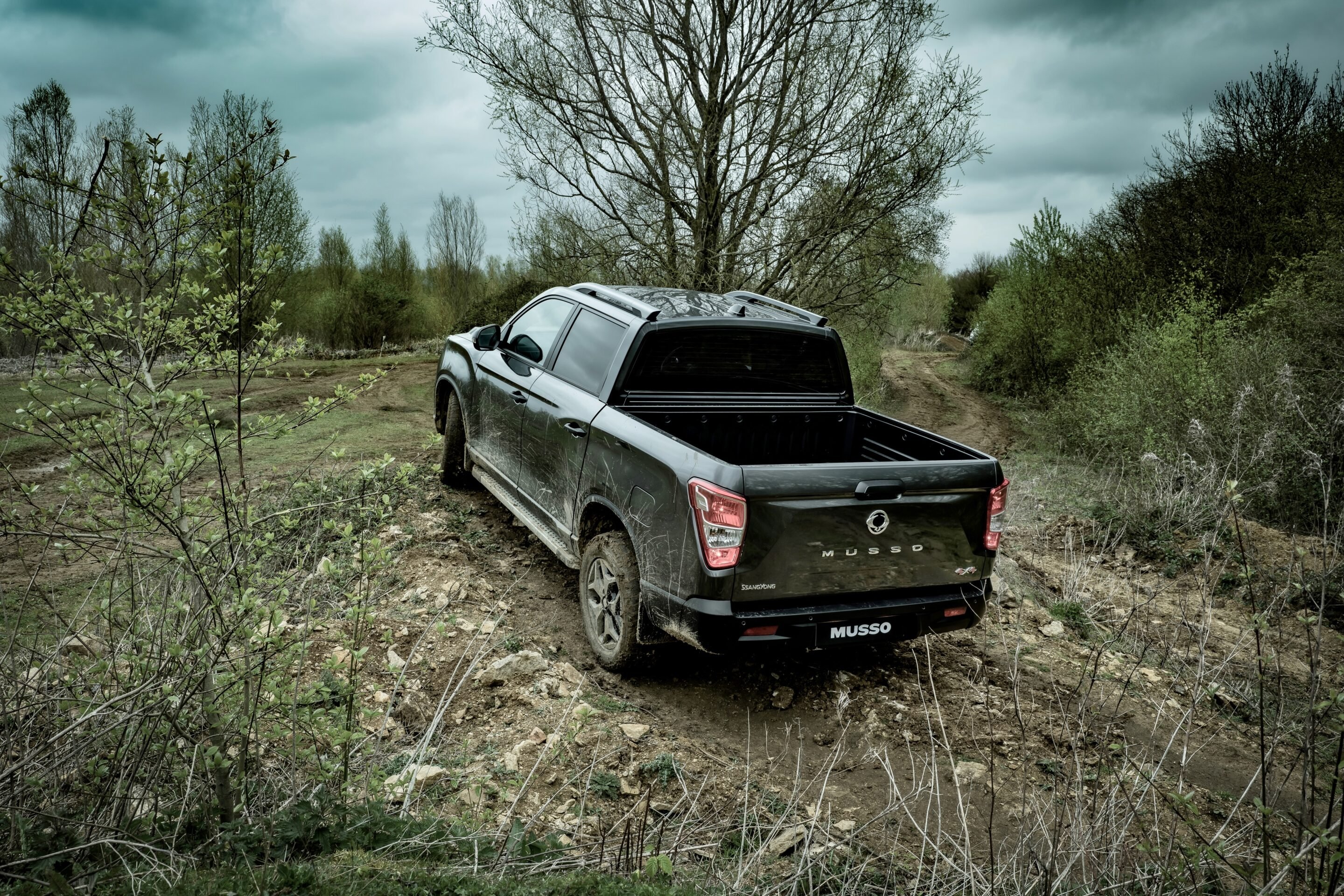
The dual-cab ute market in Australia is one of the more fiercely competitive segments in the world, with over 20 entrants from a wide range of car makers and even more due to arrive later this year.
One of the best value entrants is the KGM SsangYong Musso, which starts from just $40,000 drive away. In a market where most base model utes easily hit the $50,000 mark, that’s very refreshing. But is there more to the Musso than its value equation?
Price and equipment
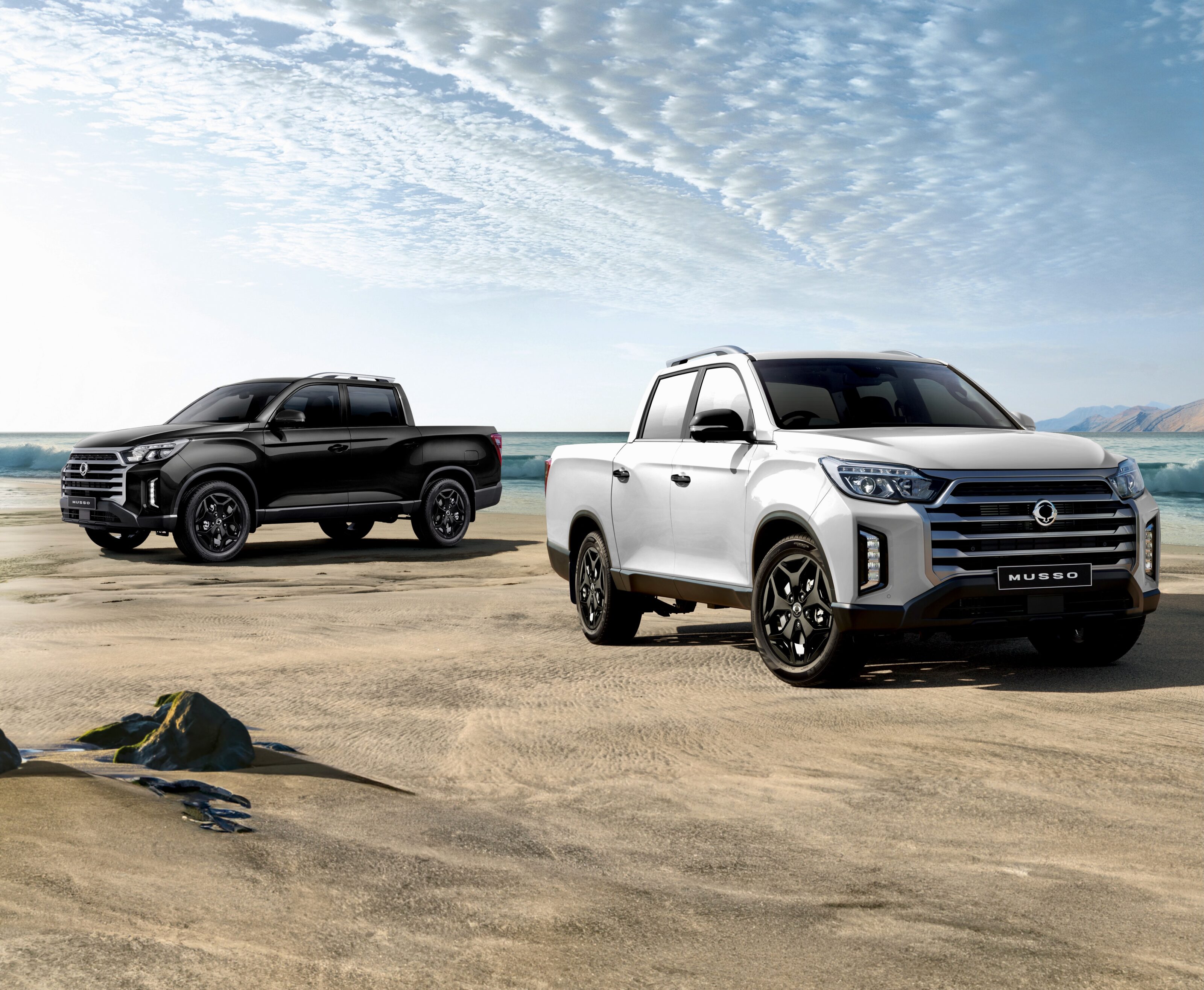
Under the recently rebranded KGM SsangYong brand (KGM SsangYong has also announced it will become KGM Australia from June 1, 2025), the Musso offers three grades in Australia: base ELX, mid-spec Adventure and top-spec Ultimate. Each grade is also available in either standard form, or as the XLV, which increases the length for more capacity.
2025 KGM SsangYong Musso pricing (drive away):
| ELX | $40,000 |
|---|---|
| ELX XLV | $41,500 |
| Adventure | $43,500 |
| Adventure XLV | $45,000 |
| Ultimate | $46,000 |
| Ultimate XLV | $47,500 |
Musso ELX standard features:
- 17-inch alloy wheels
- Dusk-sensing automatic halogen headlights
- Rain-sensing automatic wipers
- Cruise control
- Autonomous emergency braking with forward collision warning
- Lane departure warning
- 12.3-inch digital LCD instrument cluster
- 12.3-inch touchscreen
- Apple CarPlay and Android Auto
- Leather steering wheel with height adjustment
- LED front and rear daytime running lights
- Front and rear fog lights
- Reversing camera
- Front and rear parking sensors
- Heated and power-folding mirrors
- Assisted tailgate operation
XLV adds:
- Extended length
- 20Nm extra torque (420Nm versus 400Nm)
Musso Adventure adds:
- 18-inch black alloy wheels
- LED front fog lights
- Reach-adjustable steering wheel
- Leather look seats
- Heated and cool vented front seats
- Tyre pressure monitoring
Musso Ultimate model adds:
- Blind-spot monitoring
- Rear cross-traffic alert
- Lane change-collision warning
- Safety exit warning
- 360-degree camera
- HID headlights
- Heated steering wheel
- Walk-up welcome system
- Touch-sensing front door locks with walk-away auto-door locking
Ultimate Luxury Pack (+$3000) adds:
- Dual-zone climate control
- Sunroof
- Leather upholstery
- Powered front seats with driver’s lumbar adjustment
- Heated rear outboard seats
Interior and practicality
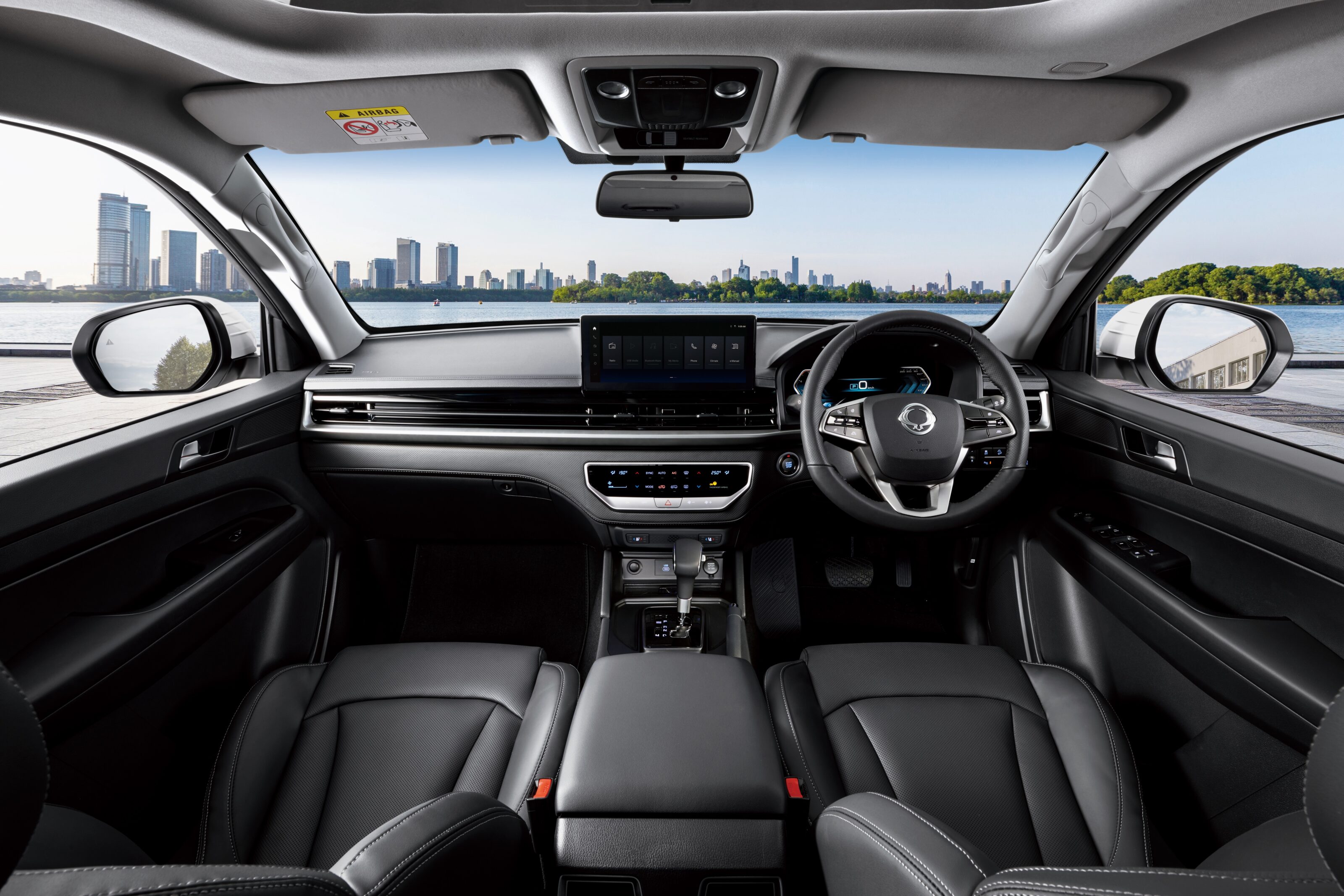
The interior of the Musso is a very comfortable and well finished place to spend time, and features quality that’s above a lot of the competition. While there aren’t soft touch materials everywhere, it still has a soft touch dashboard and lower trim, and it’s quite well screwed together. It really feels more like an SUV than a ute – not a surprise given that it shares so much with its Rexton SUV sibling.
Centre of the cabin is a new 12.3-inch touchscreen with features such as wired Apple CarPlay and Android Auto. It’s a really easy system to use and screen quality is also good. It would, however, be good to see features such as satellite navigation added to it. The digital driver’s display also measures 12.3-inches and looks good.
The Musso’s cabin offers good visibility, and its front seats are quite comfortable. Annoyingly, the base ELX doesn’t feature reach adjustment for the steering wheel, but the driving position is otherwise well featured with a good amount of adjustment.
The rear of the Musso is quite spacious for the segment and two tall adults will be quite comfortable. Even the base ELX features air vents, while stepping up to the Ultimate with the optional luxury pack even adds heated outboard rear seats. Unfortunately, all Musso models still use a lap sash rear centre belt.
The Musso’s tray is large and also has four tie down points. But if you need more space, the XLV adds a 300mm longer tub for an extra 251 litres of capacity, as well as a 110mm-longer wheelbase for extra interior space. Handily, even the ELX features an assisted tailgate.
Performance and economy
The KGM SsangYong Musso range uses a 2.2-litre four-cylinder turbo-diesel engine that’s mated to a six-speed automatic transmission and a part-time four-wheel drive system with high and low range. In the standard car, it makes 133kW and 400Nm, with the XLV adding 20Nm more torque.
KGM SsangYong claims combined fuel consumption of 8.6L/100km (9.0L/100km for XLVs) and CO2 emissions of 226g/km (XLV: 236g/km). All Mussos feature a 75-litre fuel tank.
On the road
Based on the same body-on-frame platform as the seven-seat Rexton SUV, the Musso drives well. While it’s not as keen a handler as the Ford Ranger is, it’s comfortable and entirely pleasant to drive. Part of that pleasantness is due to a coil spring rear suspension set-up, which is still quite rare in the ute segment.
While the engine’s outputs aren’t amazing, the Musso’s secret weapon is just how quiet it is. The sound deadening used is fantastic and only under full acceleration is the engine really heard – it is far quieter than rivals like the Triton, BT-50 and D-Max.
Service and warranty
The KGM SsangYong Musso is covered by a seven-year/unlimited km warranty with five years of
roadside assistance.
Its service intervals are once-yearly/every 15,000km and a five-year/75,000km service cost is
$2298 ($459 annually).
Verdict: should I buy a KGM SsangYong Musso?
While it could be more powerful and offer more up-to-date safety features such as adaptive cruise control, the KGM SsangYong Musso is definitely a product that you shouldn’t overlook. Its chief drawcard is its amazing value equation – that you can get a well rounded and well equipped dual cab 4×4 diesel automatic ute for under $40,000 drive away is amazing in this day and age.
But unlike some rivals, the Musso isn’t rough around the edges – it’s actually relatively refined and nice to drive. Its cabin is good quality, its warranty is long, it’s practical and offers good payload and towing capability. On the checklist for a well-rounded dual-cab ute, it ticks an awful lot of boxes.
Subaru Australia has revealed pricing and specs for the sixth generation Forester mid-sized SUV.
Set to arrive in local showrooms from July 2025, the new Forester range brings enhanced performance, efficiency, and technology to one of Subaru’s most popular nameplates.
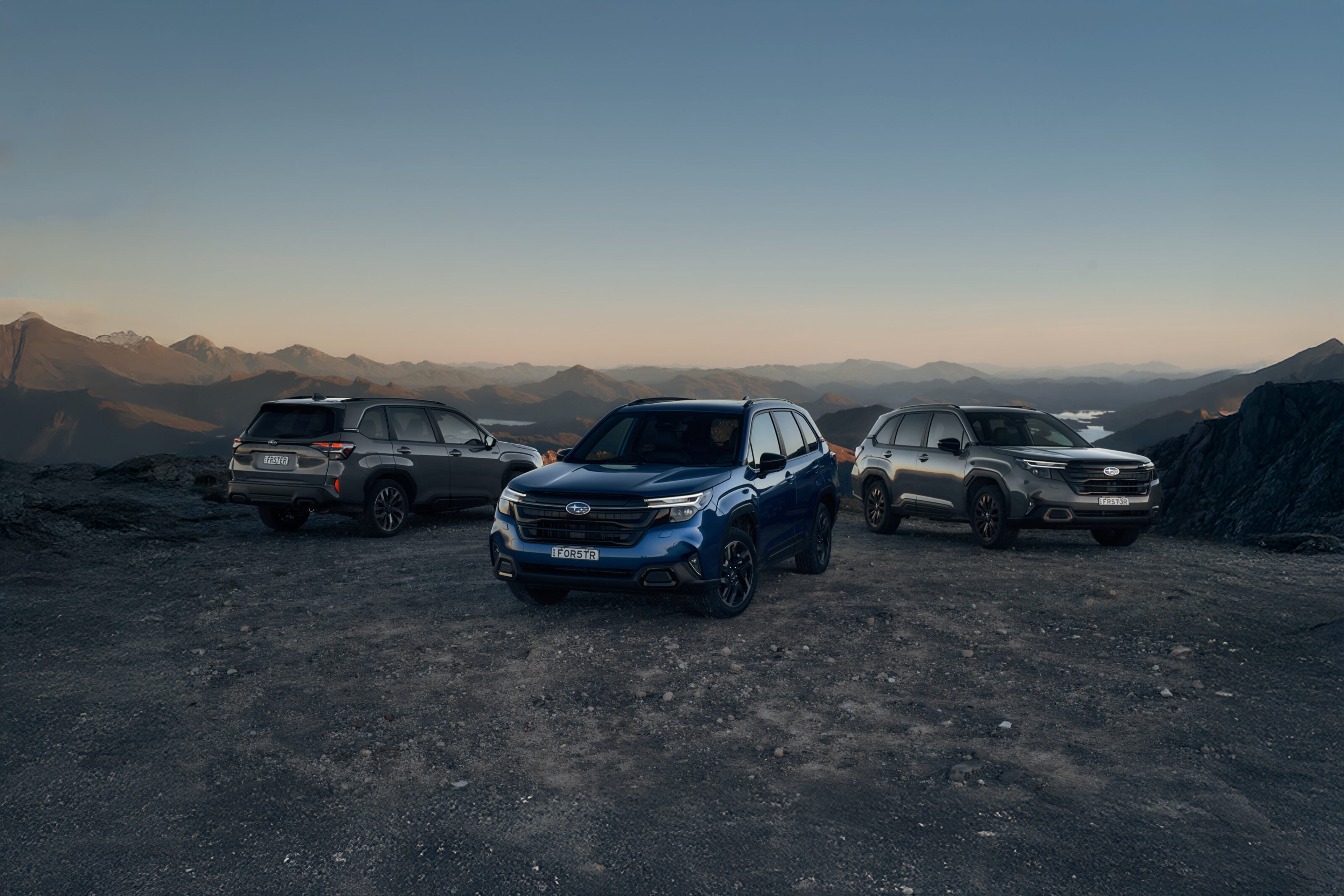
Unveiled to the public at the recent Melbourne Motor Show, the latest Forester is available in seven variants, including four petrol-only models and three featuring Subaru’s new strong Hybrid e-Boxer system. Pricing begins at $43,490, with all models built around Subaru’s renowned Symmetrical All-Wheel Drive platform, with dependable grip and handling in all conditions.
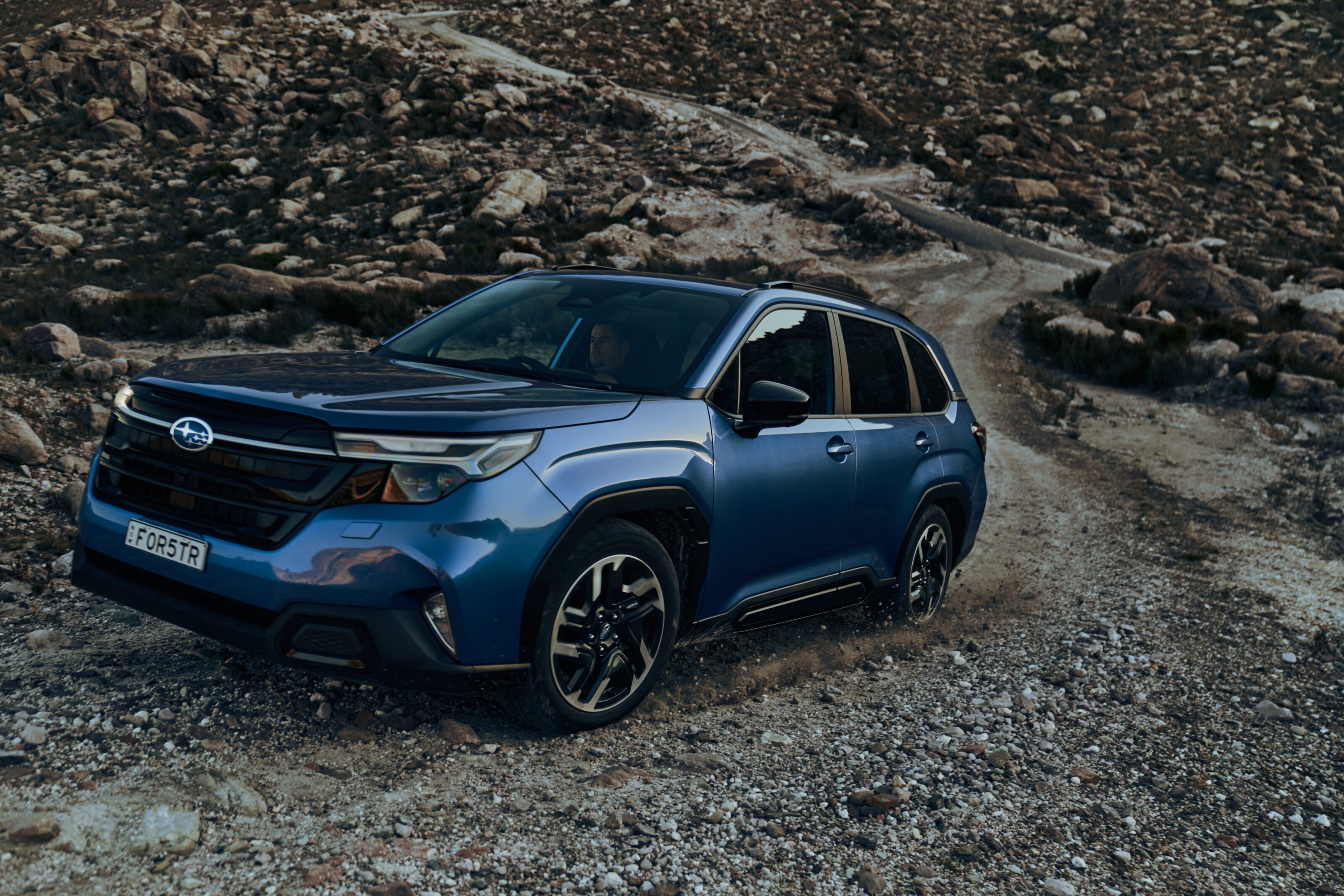
The big headline is the debut of the next-generation Hybrid e-Boxer powertrain, which combines a 2.5-litre Boxer petrol engine with a 90kW electric motor and 1.1kWh battery. This system offers smoother, quieter acceleration, instant torque delivery, and an impressive driving range of over 1000km per tank. Unlike mild hybrids, Subaru’s strong hybrid seamlessly transitions between petrol and electric power depending on driving conditions, enhancing both performance and fuel economy.
For ICE devotees, Subaru has also refined its familiar 2.5-litre direct-injection petrol engine, now delivering 136kW and 247Nm, with improved responsiveness and reduced noise, vibration, and harshness. All variants, petrol and hybrid alike, offer 220mm ground clearance, X-Mode off-road assist, and newly tuned suspension and steering for greater on- and off-road control.
Pricing
| Subaru Forester AWD | $43,490 |
|---|---|
| Subaru Forester AWD Premium | $46,490 |
| Subaru Forester AWD Sport | $48,490 |
| Subaru Forester AWD Touring | $50,990 |
| Subaru Forester AWD Hybrid | $46,490 |
| Subaru Forester AWD Hybrid Sport | $54,990 |
| Subaru Forester AWD Hybrid Touring | $55,990 |
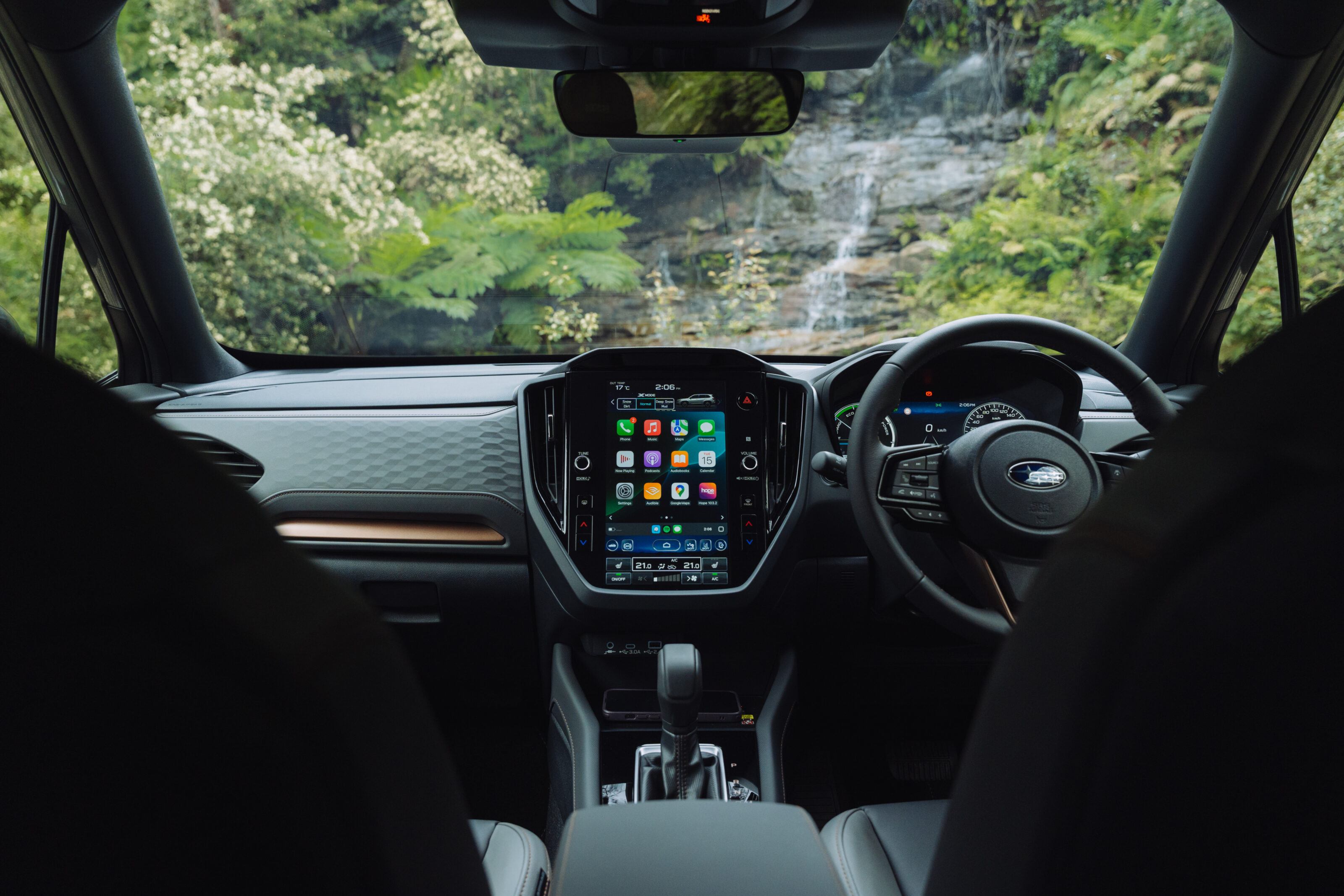
Inside, the updated Forester features a 11.6-inch HD infotainment touchscreen with wireless Apple CarPlay and Android Auto, a Qi wireless phone charging pad, and in select hybrid models, a 12.3-inch digital driver display and 360° Surround View Monitor. Enhanced sound insulation and ergonomic seating add to the cabin’s comfort.
Safety remains a focus of the new models, with all equipped with Subaru’s latest EyeSight® Driver Assist system, featuring a wide-angle camera and emergency driving stop function, along with nine airbags, Subaru Vision Assist, and a Driver Monitoring System.
Customers can pre-order the all-new Forester now through Subaru Australia’s website or at local retailers.
Specifications
Petrol
Forester AWD
- Cloth seat trim
- Dual-zone, climate-control air-conditioning with rear vents
- Leather steering wheel – silver stitching
- Auto-dimming rear view mirror
- Heated seats – driver and front passenger
- Central information display with 11.6-inch touchscreen
- Wireless Apple CarPlay® and Android AutoTM connectivity
- USB ports – USB-A and USB-C connection (front and rear)
- Wireless Qi charger
- 6-speaker audio
- Multi-Information Display Unit featuring 4.2-inch LCD screen
- Nine SRS airbags – dual front, dual front side, dual curtain, driver’s knee, far side,
and front passenger seat cushion - One touch electronic folding rear seats
- 60/40 split folding rear seats
- 18-inch gloss finish alloy wheels (new design)
- Dusk-sensing self-levelling LED headlights with auto off
- Door mirrors – heated & power-folding
- Front cornering lamps
- Front and rear wipers with front de-icer
- Front LED fog lights
- Rear LED fog light
- FORESTER embossed on rear garnish
- Roof rails – ladder style
- Rear spoiler
- Steering Responsive Headlights (SRH)
- Horizontally-opposed Boxer 4-cylinder, petrol engine
- New Lineartronic® CVT with 8-speed manual mode
- Symmetrical All-Wheel Drive
- Auto Stop Start
- Smart key and push-start ignition
- Subaru Intelligent Drive (SI-Drive) with two modes (Intelligent and Sport)
- X-Mode with hill decent control
- Vehicle Dynamics Control System (VDC)
- Tyre Pressure Monitoring System (TPMS)
Forester AWD Premium adds:
- Door mirrors – auto-dipping (passenger side) and auto-folding with position memory
- Hands-free kick sensor powered tailgate
- 8-way power seat with lumbar support – driver
- 8-way power front passenger seat
- Dual seat memory positions – driver
- Satellite Navigation
- Driver Monitoring System – Driver Focus featuring auto-door mirror adjustment
- Auto driver seat adjustment
Forester AWD Sport adds:
- 2 Mode X-Mode
- 18-inch alloy wheels (Dark metallic finish)
- Electric sunroof
- Exterior grade badge
- Water repellent in grey & black seat trim
- Premium style instrument cluster
- Leather steering wheel – green stitching
- Multi-Information Display Unit features navigation summary display
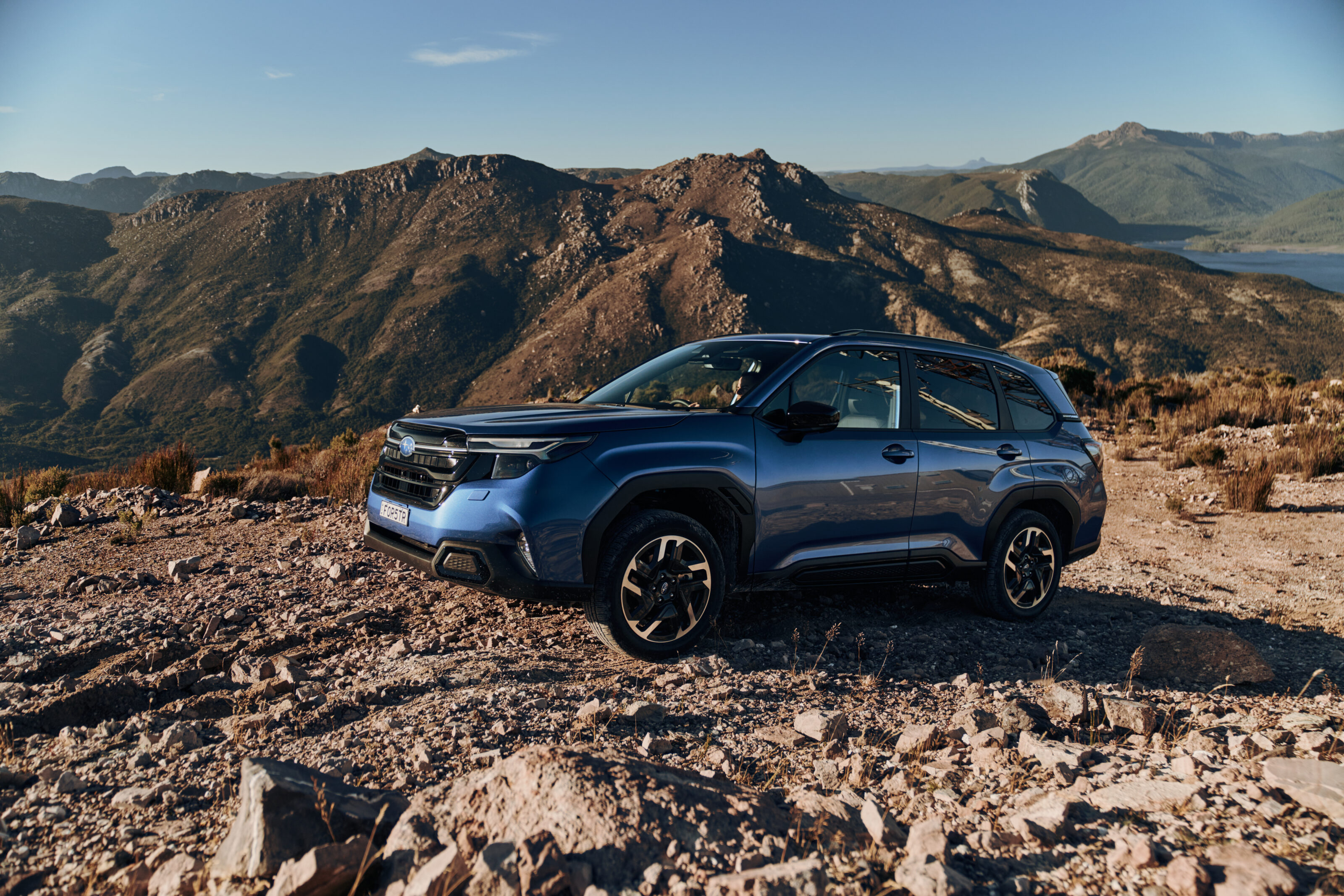
Forester AWD Touring adds:
- Low profile roof rails
- Leather accented and Ultrasuede seat trim
- Leather gear shift
- Leather steering wheel – brown stitching
- Ventilated front seats
- 10 Harman Kardon® speakers, subwoofer and amplifier
Hybrid
Forester AWD Hybrid:
- Next-generation strong Hybrid e-Boxer, combining 2.5-litre Boxer engine with a
- 90kW electric motor and 1.1kWh battery
- New Lineartronic® CVT
- Symmetrical All-Wheel Drive
- Auto Stop Start
- Smart key and push-start ignition
- Subaru Intelligent Drive (SI-Drive) with two modes (Intelligent and Sport)
- Dual Mode X-Mode with hill decent control
- Vehicle Dynamics Control System (VDC)
- Tyre Pressure Monitoring System (TPMS)
- 18-inch gloss finish alloy wheels (new design)
- Dusk-sensing self-levelling LED headlights with auto off
- Door mirrors – heated & power-folding
- Front cornering lamps
- Front and rear wipers with front de-icer
- Front LED fog lights
- Rear LED fog light
- FORESTER embossed on rear garnish
- Roof rails – ladder style
- Rear spoiler
- Steering Responsive Headlights (SRH)
- Cloth seat trim
- Dual-zone, climate-control air-conditioning with rear vents
- Leather steering wheel – silver stitching
- Premium style instrument cluster
- Auto-dimming rear view mirror
- Heated seats – driver and front passenger
- One touch electronic folding rear seats
- 60/40 split folding rear seats
- Central information display with 11.6-inch touchscreen
- Wireless Apple CarPlay® and Android AutoTM connectivity
- USB ports – USB-A and USB-C connection (front and rear)
- Wireless Qi charger
- 6-speaker audio
- Multi-Information Display Unit featuring 4.2-inch LCD screen
- Sports Regeneration paddles
- Nine SRS airbags – dual front, dual front side, dual curtain, driver’s knee, far side,
and front passenger seat cushion - EyeSight® Driver Assist system
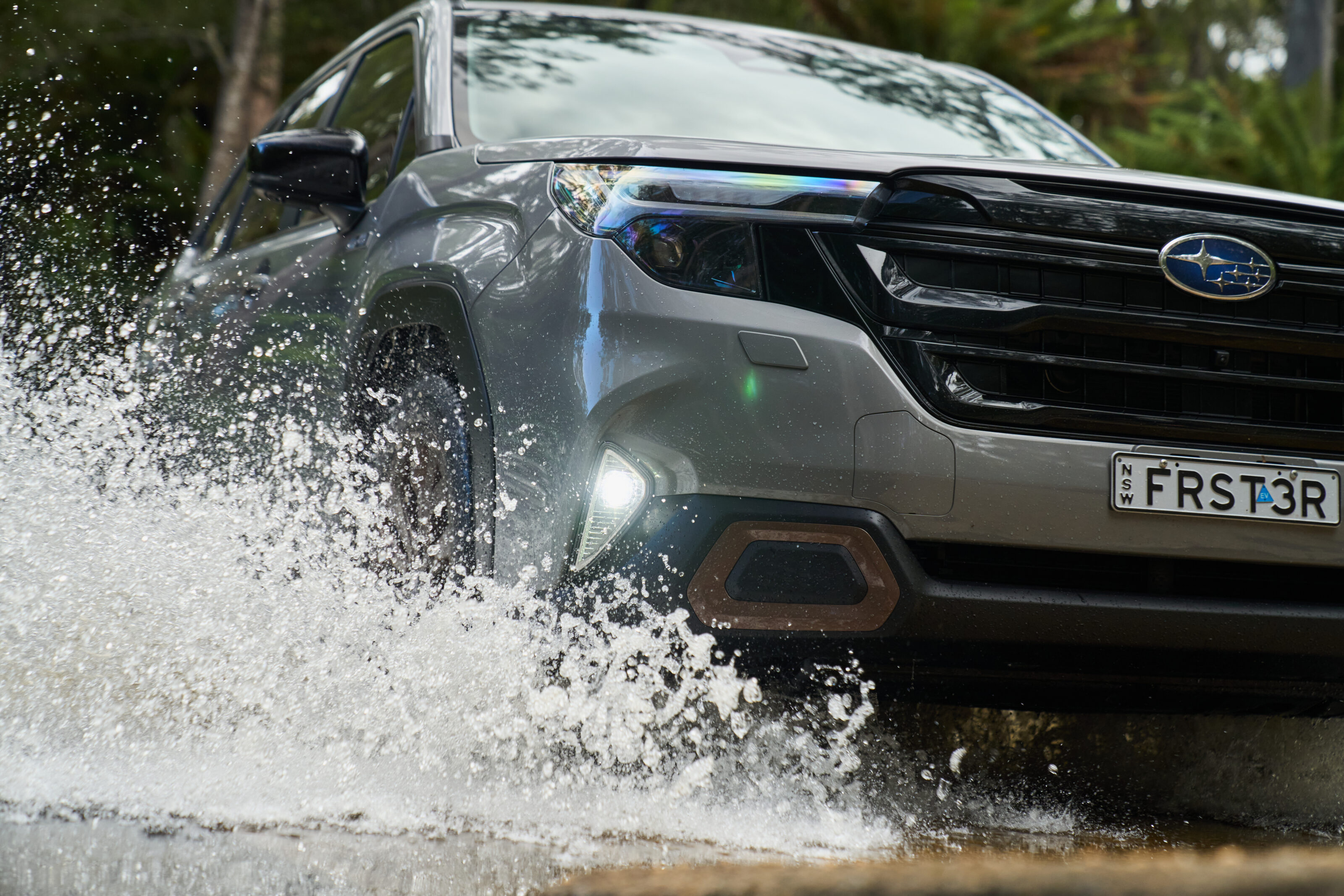
Forester AWD Hybrid Sport adds:
- Low profile roof rails
- Electric sunroof
- 19-inch alloy wheels (Bronze finish)
- Water repellent seat trim
- Bronze instrument panel finish
- 8-way power seat with lumbar support – driver
- 8-way power front passenger seat
- Dual seat memory positions – driver
- Satellite navigation
- 10 Harman Kardon® speakers, amplifier and subwoofer
- 12.3-inch full LCD instrument cluster
Forester AWD Hybrid Touring adds:
- 19-inch alloy wheels (Gloss finish)
- Leather gear shift
- Ventilated front seats
- Leather accented and Ultrasuede seat trim
We recently brought you the early European reveal of the BMW M2 CS but ahead of late 2025 first Australian deliveries, BMW has unveiled further details about its higher performance variant of its M2 sports coupe.
For starters, the new M2 CS makes more power and is both stiffer and lighter compared to the regular M2. Under the bonnet of the M2 CS is an upgraded version of the standard M2’s turbocharged 3.0-litre petrol inline six engine, matching the outputs of the current M3 and M4 Competition.
Making 390kW of power and 650Nm of torque, the M2 CS’s outputs are 37kW/50Nm stronger than the regular M2 and power is sent to only the rear wheels through an eight-speed automatic transmission.
The M2 CS’ claimed 0-100km/h sprint of 3.8 seconds is 0.2-seconds quicker compared to the M2, while its 0-200km/h time of 11.7 seconds is a 1.2-second improvement as well. Its top speed is an electronically limited 302km/h.
BMW has upgraded the M2’s chassis for the CS makeover, including an 8mm-lower ride height, stiffer springs and dampers and additional settings for the stability control and driving modes specifically for track driving.
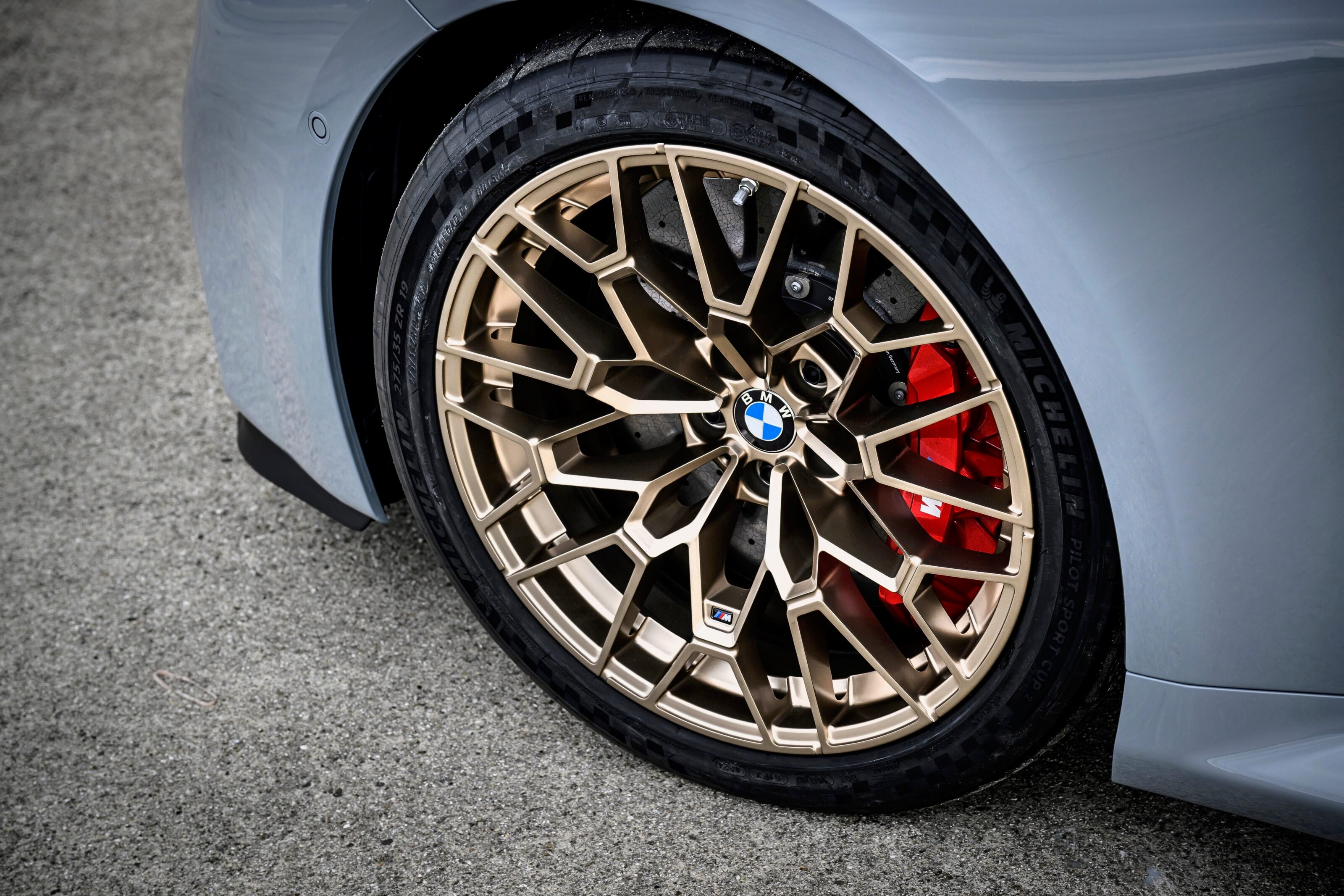
While BMW has given the M2 CS more power and enhanced its dynamics, it’s also made it lighter compared with the M2. According to BMW, it’s approximately 30kg lighter thanks to the use of carbon-fibre-reinforced plastic parts, as well as forged alloy wheels.
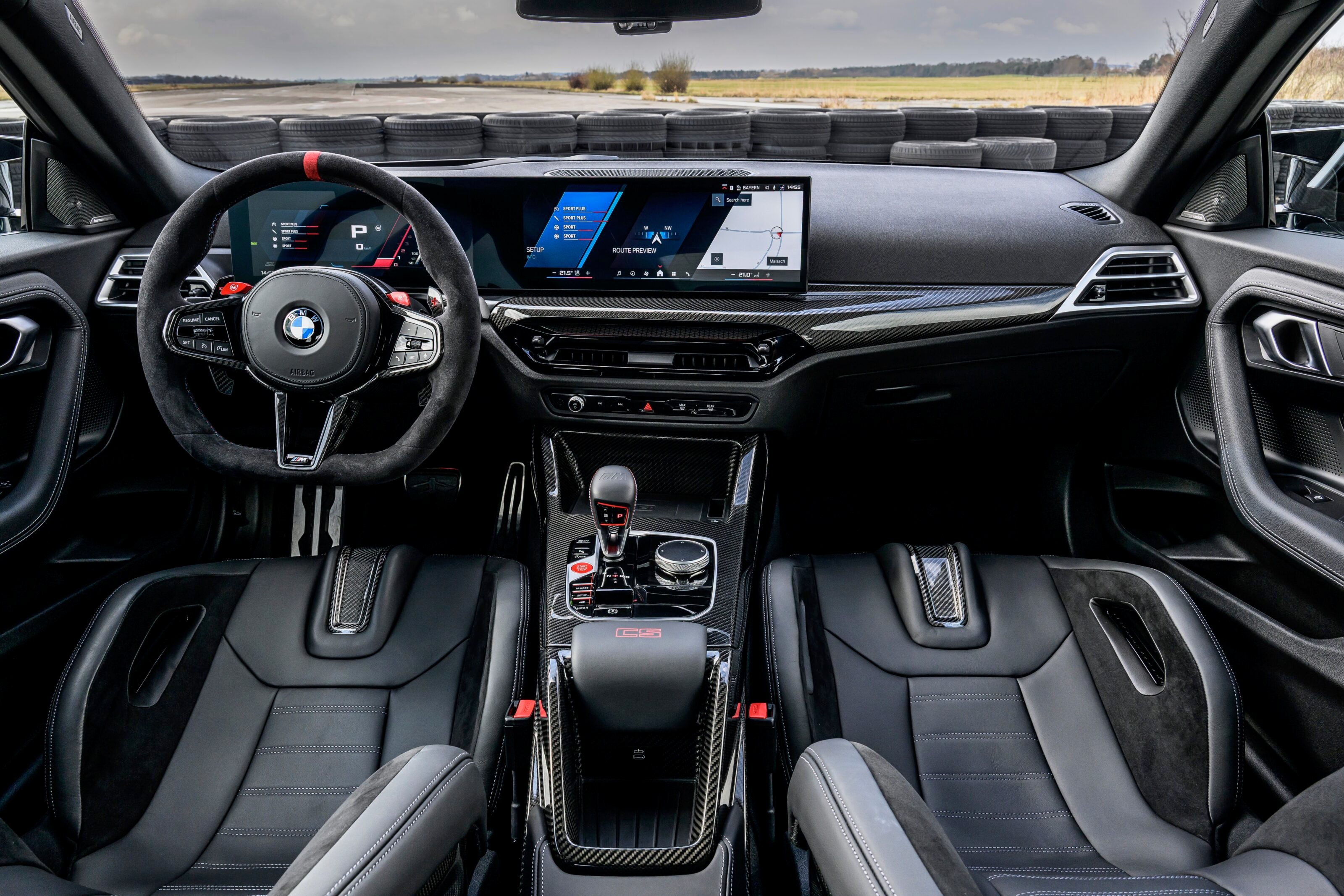
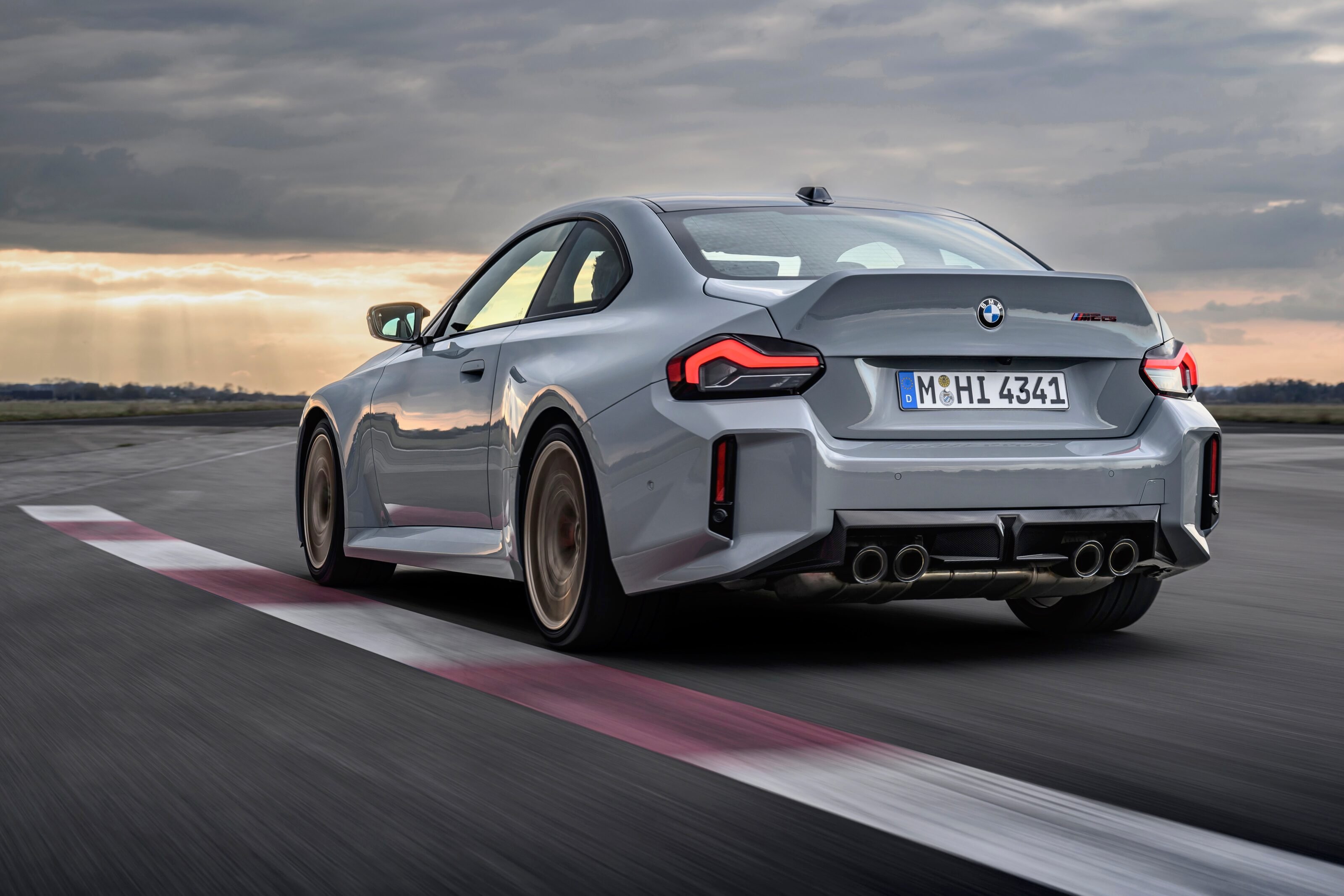
The exterior and interior of the M2 CS have also seen light upgrades with more aggressive exterior styling, including a new rear diffuser and ducktail spoiler, while the interior features M bucket seats and more carbon fibre trim.
Four exterior paint finishes are available for the Australian market: ‘Black Sapphire metallic’, ‘BMW Individual Velvet Blue metallic’, ‘M Brooklyn Grey metallic’ and ‘M Portimao Blue metallic’.
BMW M2 CS pricing (plus on-road costs):
| M2 CS | $172,900 |
|---|---|
CS-specific standard equipment:
- CS model specific Full Leather Merino upholstery
- M Carbon bucket seats, electric and heated
- M Compound brake system with red high-gloss callipers
- M Alcantara steering wheel
- Carbon fibre mirror caps
- Carbon fibre boot lid with integrated ducktail
- Carbon rear diffuser
- Carbon fibre centre console
- Illuminated CS lettering in front door panels
- Black front splitter
- 19-inch front/20-inch rear M light alloy wheels painted in gold bronze
- M Driver’s Package – 302km/h VMAX and BMW M Advance 2 Driving Experience course
- CS specific engine mount
The first Australian deliveries of the BMW M2 CS will commence in late 2025.
The Royal Automobile Club of Victoria (RACV) has made an urgent call for Victorians to wear their seatbelts every time they enter a vehicle after fresh data revealed a disturbing spike in seatbelt violations and road deaths.
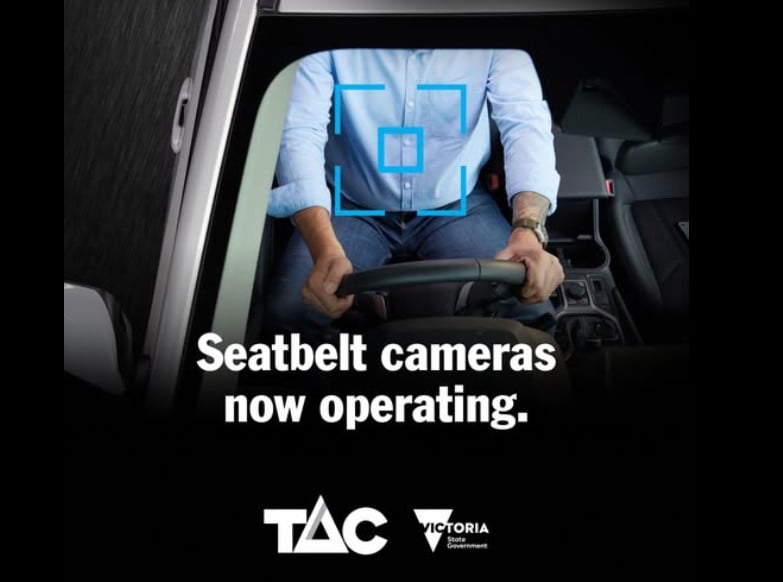
In the first quarter of the 2024–25 financial year alone, more than 8,500 motorists were caught not wearing seatbelts – resulting in over $3.3 million in fines. This surge suggests that Victoria could surpass last financial year’s total of 34,744 seatbelt offences, according to Victoria Police statistics.
The spike in non-compliance comes amid an increase in road fatalities. As of midnight on May 20, 2025, 118 lives have been lost on Victorian roads this year – an 8.3 per cent rise from the same period last year. Over the past five years, 130 people who died in crashes were not wearing seatbelts at the time of the incident.
RACV Head of Policy James Williams said the figures underscore the critical importance of buckling up. “Failing to wear a seatbelt is a simple, but deadly mistake,” he said. “Seatbelts save lives. Choosing not to wear one puts you, your passengers, and other road users at risk.”
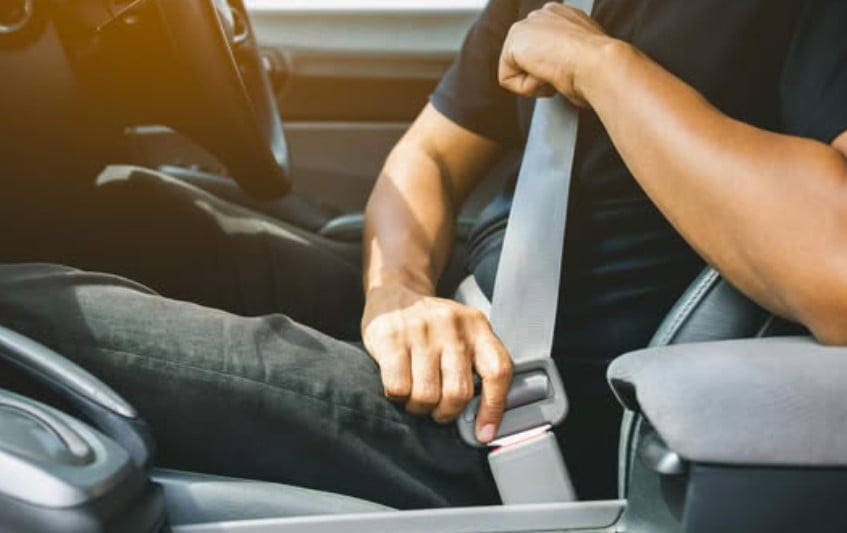
Victorian law mandates that seatbelts must be worn correctly at all times, with offenders facing a $395 fine and three demerit points. Williams emphasised that accidents can occur anytime, making seatbelt use non-negotiable for safety.
RACV is urging all drivers and passengers to take the following actions to protect themselves:
- Always wear a seatbelt, and ensure every occupant in the vehicle does the same.
- Adjust seatbelts to fit securely across the chest and lap.
- Make sure children are properly restrained using age-appropriate safety seats.
“Wearing a seatbelt is one of the simplest actions we can take to reduce road trauma,” Williams said. “It takes just seconds to click in – and it could save your life.”
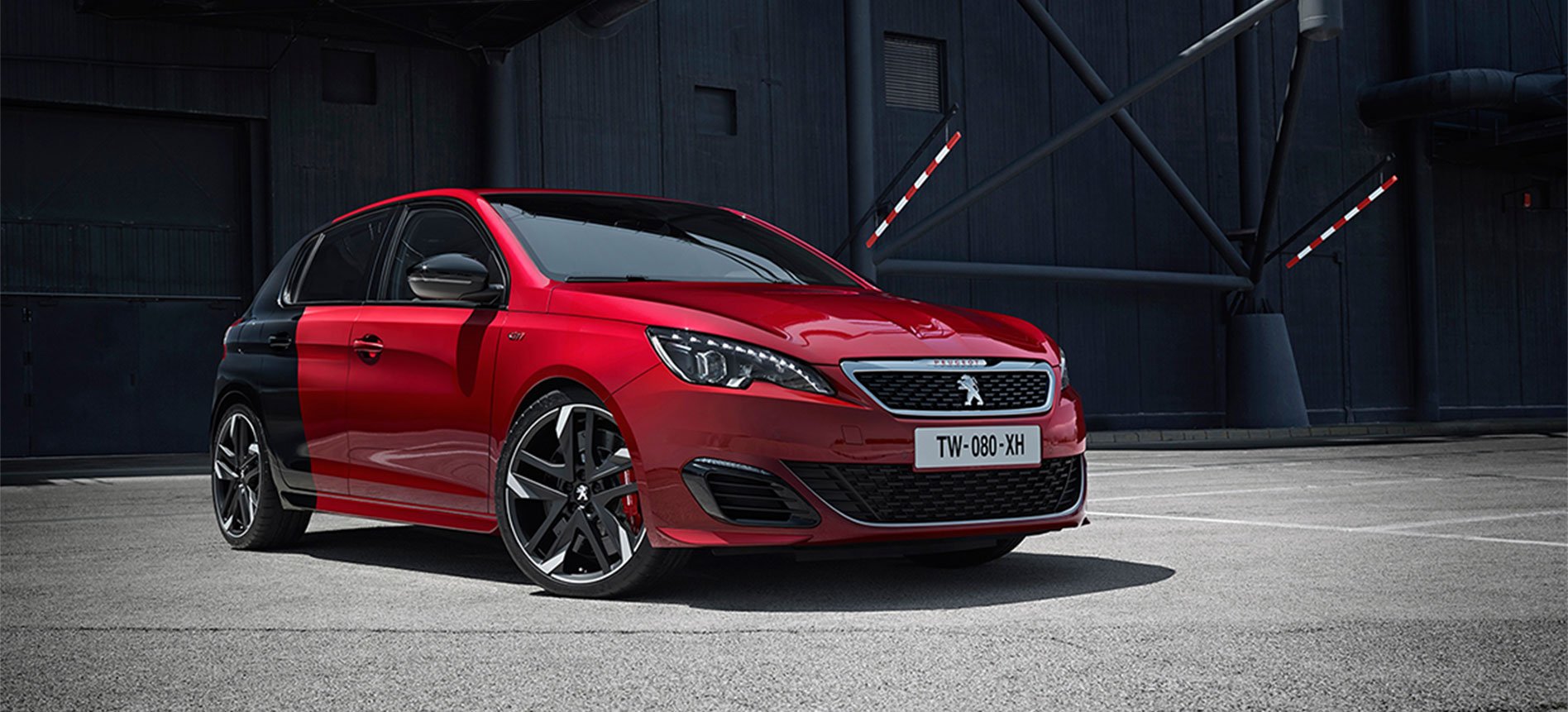
Peugeot has officially announced plans to revive its iconic GTi badge with the unveiling of a hot performance version of the all-electric e-208 supermini. Set for a global debut on 13 June, the reveal will take place on the eve of the legendary Le Mans 24 Hour race, underlining the French marque’s renewed commitment to performance motoring.
This marks Peugeot’s first GTi model since the previous-generation 308 GTi was discontinued in 2021, and significantly, its first-ever purely electric hot hatch. The move signals a bold return to the sporty roots of the brand, with Peugeot CEO Alain Favey confirming the decision earlier this year and reiterating the company’s commitment in recent comments to the press.
Favey described the upcoming e-208 GTi as a “fun to drive, agile, powerful” car designed to offer “an unforgettable driving experience.” He highlighted the return of the GTi as a symbolic gesture connecting Peugeot’s heritage with its contemporary motorsport endeavours – most notably its participation in the World Endurance Championship with the 9X8 hypercar.
“This is about reconnecting with our history,” said Favey. “We want to reinforce Peugeot’s identity through thrilling driving sensations, whether you’re behind the wheel or in the passenger seat.”
While specific technical details remain under wraps, it’s widely expected that the e-208 GTi will share its underpinnings with the Abarth 600e, built on the same e-CMP platform. That car boasts a 237bhp front-mounted motor with a Torsen limited-slip differential, enabling a 0-62mph sprint in just 6.2 seconds. Given the e-208’s lighter and lower profile, performance could be even sharper, potentially dipping below six seconds.

Favey left the door open for a broader GTi line-up depending on consumer response, but for now, the focus remains firmly on the 208. The announcement also raises the prospect of a high-performance Vauxhall Corsa Electric variant, which shares its platform with the e-208, as well as potential future Peugeot Sport editions with uprated motors.
Peugeot is clearly using the GTi’s return as a statement of intent – melding electric innovation with a revered performance legacy.
We’re making a few changes on whichcar.com.au and in Wheels magazine, and need the services of an experienced, knowledgeable and dedicated automotive news journalist.
Knowledge of – and passion for – cars and motoring is a given, but equally important is an evolved news-gathering ability, an eye for original and exclusive stories, and an ability to produce fast, accurate and engaging copy to appear both on whichcar.com.au and in Australia’s longest-running and most famous motoring magazine, Wheels.
News gathering and writing for whichcar.com.au will be your primary responsibility but there is also the opportunity to drive cars and write reviews to appear both in print and online. That may sometimes involve some travel.
Better yet, we don’t mind where you’re based as long as you are reliable and hard-working. We would also encourage those not already ‘in’ the industry to apply, though you will need to provide some writing samples with your application. Familiarity with WordPress is a bonus.
Salary commensurate with experience.
If interested please email us at [email protected] with ‘Application – Automotive News Journalist’ in the subject line.
