Australia has a new fastest racing category, and you should be excited.
Why? Well, because it’s exactly what racing fans have been baying for in numbers, with big power, big rubber, and an old-school ethos.
The category is called S5000, and is intended to be a retro-inspired modern interpretation of the classic Formula 5000 category.
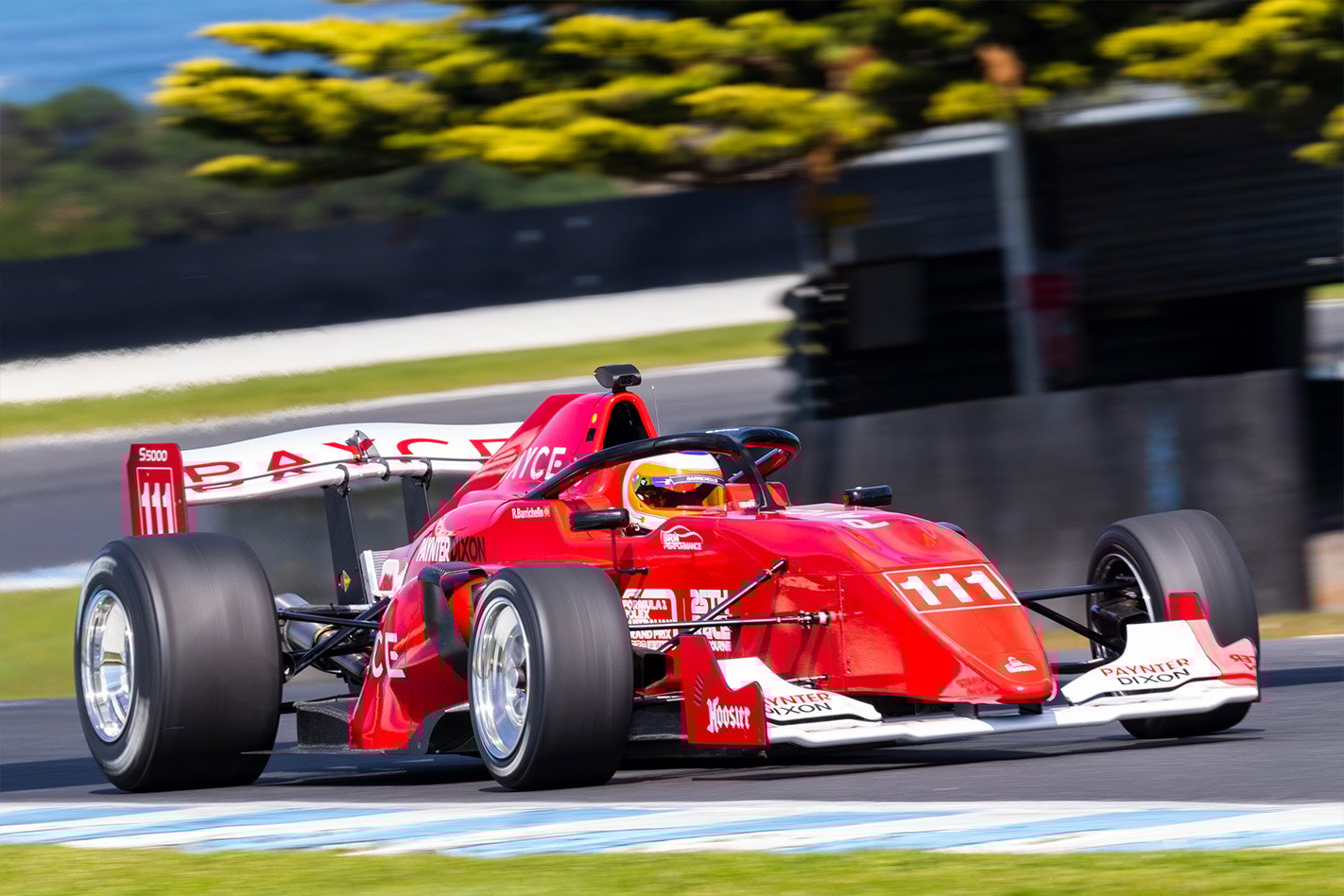
Formula 5000 was a type of open-wheel race category that ran around the world between 1968 and 1982, as a low-cost alternative for cars that no longer fit elsewhere. The recipe was simple, with big wings and slicks, and 5.0-litre V8 powertrains.
S5000 reignites this formula with modern tech. Powered by a 5.0-litre naturally aspirated Coyote V8 crate motor, modified by InnoV8, S5000 cars have official outputs of 420kW and 620Nm. Power is delivered via a six-speed Hollinger gearbox, with the same company also supplying the transaxle.
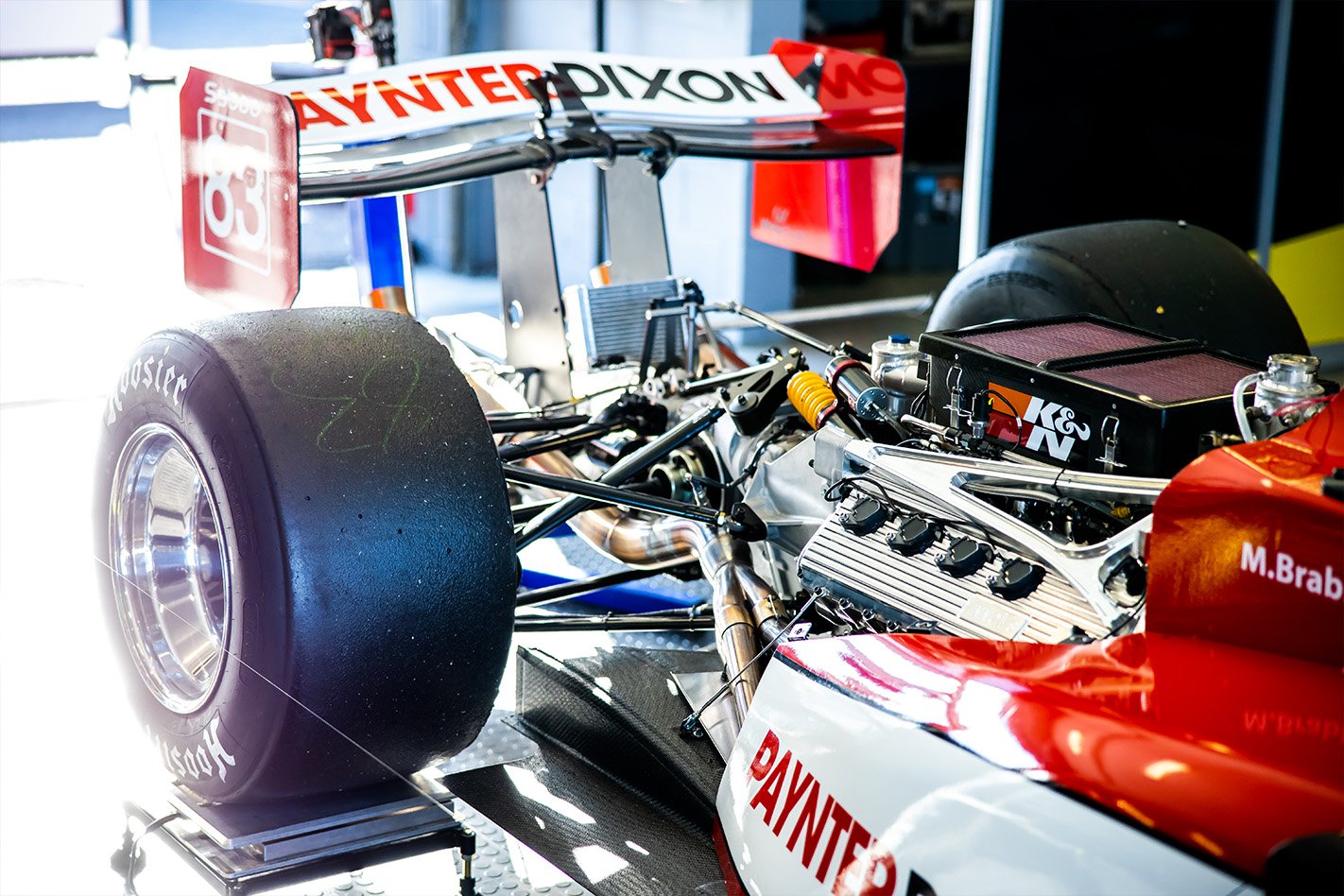
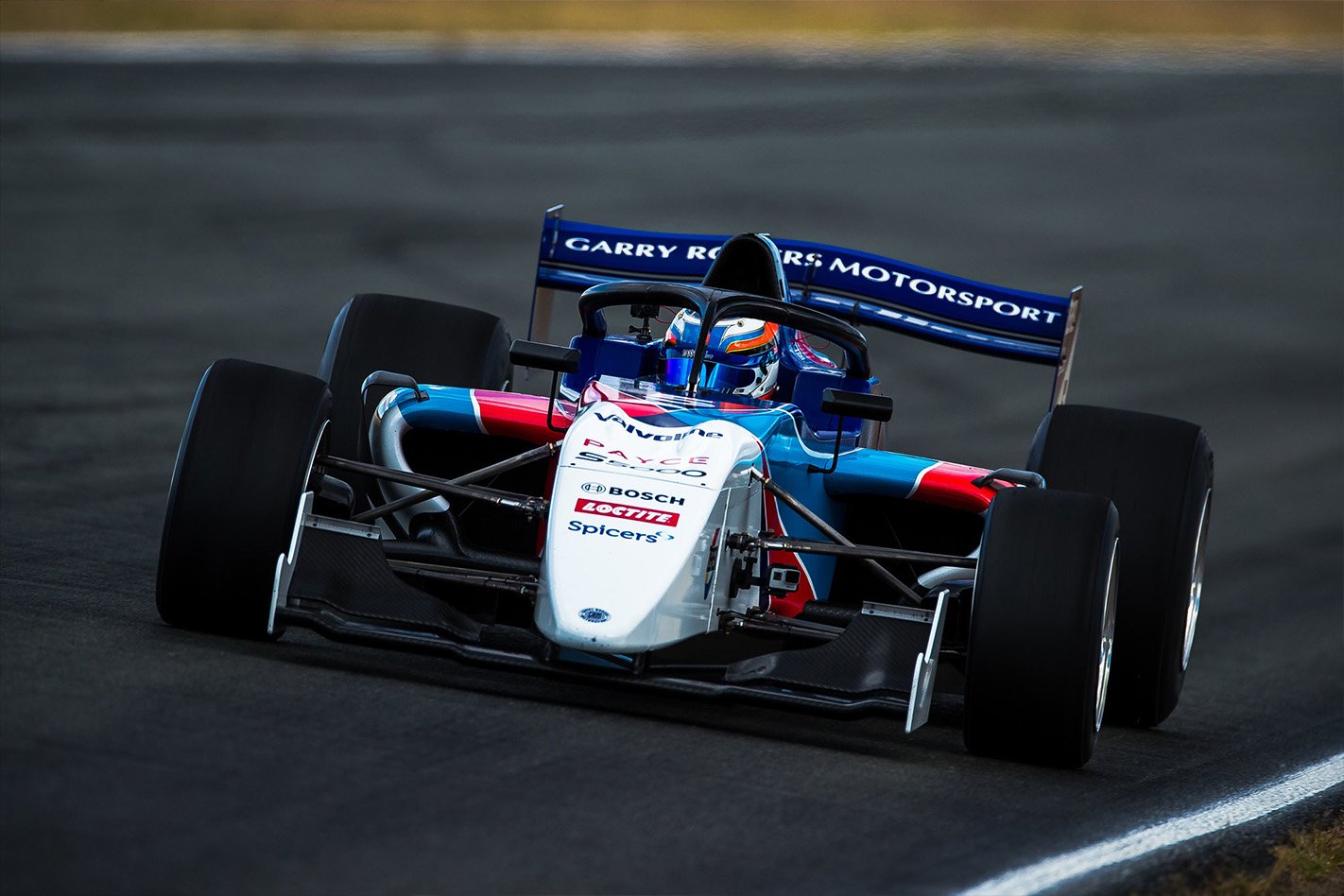
The chassis is a bespoke unit built to FIA Formula 3 standards by French company Onroak-Ligier, while suspension and aero is supplied by Borland Racing Developments, before everything is fabricated and assembled by Garry Rogers Motorsport in Australia.
The launch of the series has been delayed firstly by political manoeuvring, with a Supercars attempting to launch a rival series, then supply issues from the United States, but it made its debut at Sandown last year. A debut season in 2020 has been delayed by the global COVID-19 pandemic.
Something that should excite all Australian motorsport fans is S5000’s plan to bring wings’n’slicks racing back to Mount Panorama! Expect the lap record to get a good beating.
An ‘old’ Formula 5000 car – the category that S5000 pays tribute to – holds the current lap record at Sandown, with Tom Tweedie driving a Chevrolet-powered Chevron B24/28 to a 1:05.7669. For a bit of context, Chaz Mostert holds the Supercars record with a 1:09.0987 lap in 2017. It’s highly likely the S5000 cars will eclipse this time.
In fact, it’s likely that S5000 will reset the lap records at most, if not all, the tracks they visit, including Bathurst.
Traditional race fans have been demanding a race category with a similar ethos to S5000 for years, and now it is finally here, despite the best efforts of a select few to see it killed off.
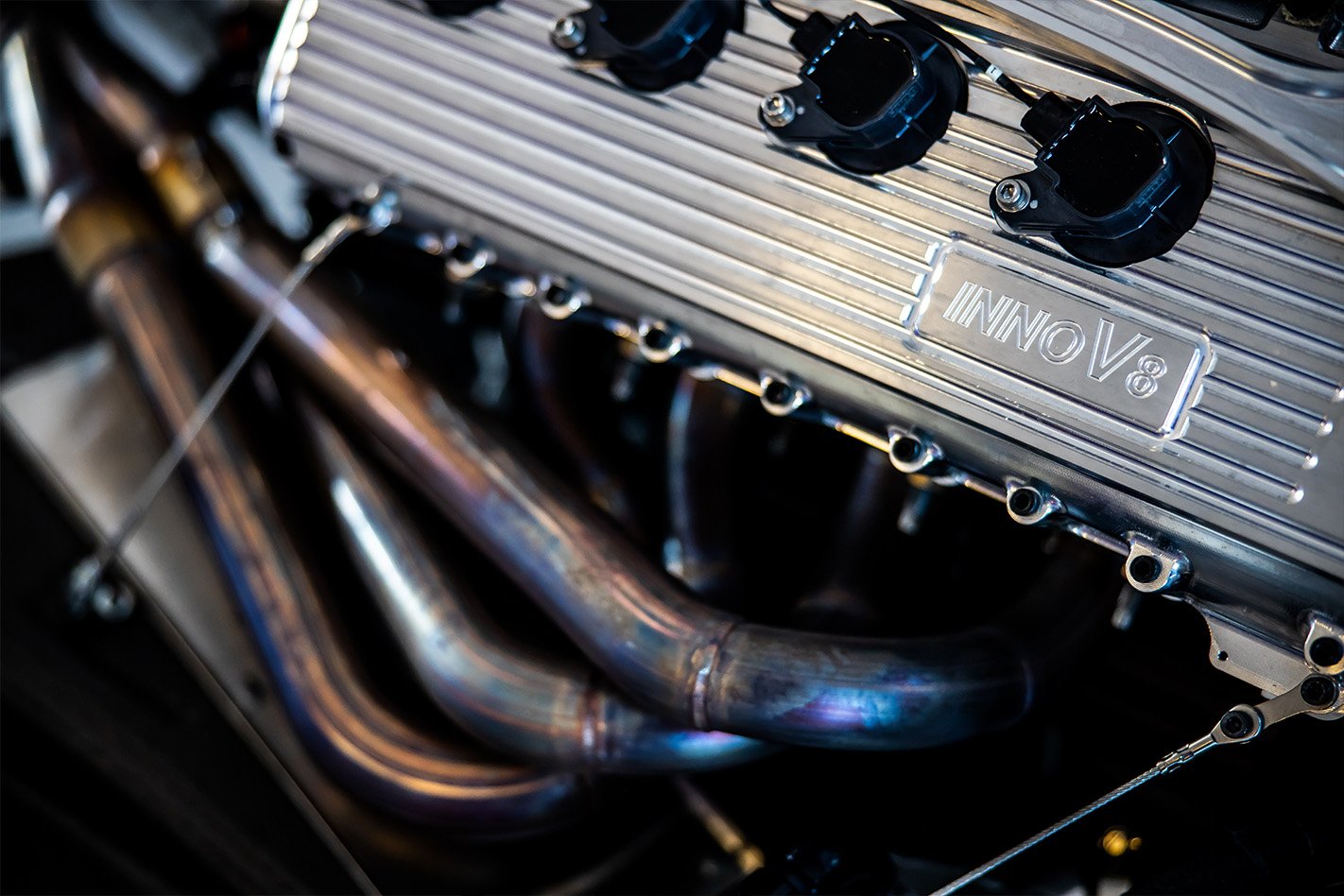
Its future looks bright, with Australian Racing Group managing the series – the same group that’s behind TCR Australia. Modern tech, like the halo safety device, will help ensure it remains safe, despite the massive speeds the cars are likely to achieve.
Owners of Volkswagens, Audis and Skodas affected by the diesel emissions cheating scandal of 2015 may be entitled to compensation as a result of class actions brought by law firms Maurice Blackburn and Bannister Law.
While the settlement reached with Volkswagen is subject to Federal Court approval, about 100,000 owners could expect an average of $1400 each.
Money Magazine did the digging to tell you everything you need to know about the proposed compensation.
Why is Volkswagen paying compensation?
In a statement Volkswagen says the settlement “is a significant step towards fully resolving the diesel lawsuits in Australia”.
Julian Schimmel, the principal lawyer at Maurice Blackburn, says “it is an important step in providing a measure of justice and redress to the thousands of Australian motorists who claim they were financially impacted by the diesel emissions issue”.
Is compensation guaranteed?
It’s officially an “in-principle settlement” agreed to by the law firms that commenced the class actions and Volkswagen.
Approval needs to be granted by the Federal Court, but there’s no reason to think the final boxes won’t be ticked.
Who is entitled to compensation?
Those who owned or “had an interest in” an affected vehicle when the diesel emissions cheating scandal became public in September 2015. You didn’t have to buy the car new, just own it on the nominated dates – and it doesn’t matter if you’ve since sold it.
There are two key dates. Bannister Law nominates September 18, 2015, the date the ‘Dieselgate’ emissions cheating scandal was exposed globally. Maurice Blackburn stipulates October 3, 2015, when it was confirmed Australian cars were affected.
How much compensation will I get?
Volkswagen has up to $127 million to be distributed to about 100,000 owners. The company estimates owners will on average receive $1400.
But there are other factors that have not been determined yet. That includes how many people claim and the type of vehicle; logically owners of cheaper cars would receive less and owners of more expensive vehicles more.
How do I register?
If you owned one of the affected vehicles on the nominated dates (see full list below) you are automatically included in the class action. But you need to register to receive a payment.
The easiest way is to contact one of the law firms that commenced the class actions. Visit the websites of Bannister Law and Maurice Blackburn.
Why wouldn’t I claim compensation?
Because you can’t be bothered or don’t want to deal with the paperwork.
Those who voluntarily opted out before October 18, 2017, may also be able to pursue compensation independently, something that comes with its own costs and risks.
How much will it cost me?
With either Maurice Blackburn or Bannister Law there is no cost to register.
Each law firm plans to recoup legal costs directly from Volkswagen, something to be determined by a court.
Bannister also engaged a litigation funder which is seeking a contribution from claimants. A court will determine whether those funds are taken from claimants registered with Bannister Law or whether a mechanism is used to equalise payments across all claimants.
When will compensation be paid?
The expectation is that payments will be made in 2020, but there are no details on when and how; that will be determined by a court.
Maurice Blackburn says it will put a distribution proposal to the court with the view to distributing funds to its clients.
This article first appeared at Moneymag.com.au
Affected vehicles
Volkswagen
- Amarok (model years 2011 – 2012)
- Caddy (model years 2010 – 2016)
- Eos (model years 2009 – 2014)
- Golf (including Golf Wagon) (model years 2009 – 2013)
- Jetta (model years 2009 – 2016)
- Passat (model years 2009 – 2015)
- Passat CC (model years 2009 – 2012)
- Polo (model years 2010 – 2014)
- Tiguan (model years 2008 – 2016)
- Volkswagen CC (model years 2012 – 2016)
- A1 (model years 2010 – 2015)
- A3 (1.6L) (model years 2009 – 2013)
- A3 (2.0L) (model years 2011 – 2013)
- A4 (model years 2008 – 2015)
- A5 (model years 2012 – 2016)
- A6 (model years 2009 – 2015)
- Q3 (model years 2012 – 2014)
- Q5 (CAH Engine) (model years 2009 – 2011)
- Q5 (CGL Engine) (model years 2009 – 2016)
- TT (model years 2009 – 2014)
- Octavia (model years 2008 – 2013)
- Superb (model years 2009 – 2015)
- Yeti (model years 2012 – 2016)
No one who has driven a Jeep Grand Cherokee Trackhawk has climbed out of the hot seat and thought ‘Gee, this thing really needs more power!’.
With a supercharged 6.2-litre Hemi V8 lifted from the Dodge Charger and Challenger Hellcat twins sending 522kW and 868Nm to all four wheels, the Trackhawk is a masterclass in American excess.

Thing is, parent company Fiat Chrysler Automobiles could be cooking up something even more extreme.
Spy shots taken near one of FCA’s testing facilities hint at a Grand Cherokee with the frankly ridiculous engine from the Dodge Demon slotted behind its snout.

The Dodge Demon has the same size 6.2-litre V8 block as the Trackhawk/Hellcat models, but with a larger supercharger ensuring it makes 603kW and 972Nm on ‘regular’ premium fuel, with power levels stepping up to 626kW and 1040Nm with 100RON octane juice.
The tip-off that this is a bigger, badder Grand Cherokee is the bonnet. While the ‘regular’ Trackhawk has some subtle bonnet cut-outs, the spy shots show a Jeep with a much larger bonnet bulge and air scoop, mimicking that of the Demon.
Even if the more powerful 626kW tune isn’t available for the Grand Cherokee Demon, 606kW and 972Nm is a hell of a lot of power to push through an all-wheel-drive transmission.
With ‘just’ 522kW, the Trackhawk is capable of cracking 100km/h in 3.7 seconds when independently performance tested by our sister mag, Motor.

The Challenger Demon is not available from the factory in Australia, however private companies are importing and converting the strip weapon for a princely sum of approximately $300,000.
If the harder Grand Cherokee is built, Australian customers would surely be lining up around the block to get their hands on it.
Currently, the next most powerful purely combustion-powered SUV after the Trackhawk is the Lamborghini Urus, with 478W from a VW-family twin-turbocharged 4.0-litre V8. The hybrid Porsche Cayenne Turbo S E-Hybrid has 500kW by combining the same engine of the Urus, with a battery and electric motor.
The Jeep Grand Cherokee is getting long in the tooth, and a replacement has been on the cards for some time. A 626kW farewell would be fitting for the V8 SUV icon.
Audi Sport’s first performance version of the range-topping Q8 will arrive here in the first half of next year. Like the firm’s other recent S-brand additions, the Audi SQ8 TDI is diesel-only for now, with the same 4.0-litre 320kW V8 engine as in the related SQ7.
Petrol fans will have to wait for the even more angry and powerful RS Q8 rumoured to be in the works to answer the apparently pressing need for 500kW (!) fireworks.
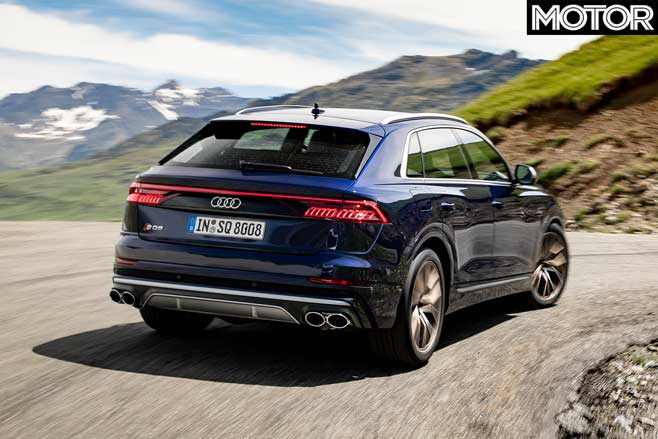
In this top-of-the-line ‘Vorsprung’ trim, the SQ8 gets plenty of electronic trickery like four-wheel steering, adaptive air suspension (capable of adjusting ride height through 90mm of travel), active anti-roll bars and an actively locking rear diff in addition to the centre Torsen diff. It therefore has the ability to switch between surprising handling agility and driver engagement to luxurious, refined touring comfort.
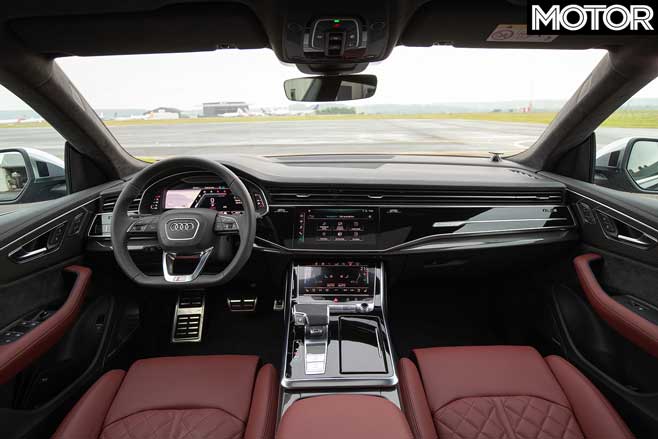
Identified externally by a wider, chromier grille surround, unique alloy wheel design and quad exhausts, the SQ8 has a cabin that differs from an S Line-spec Q8 only in the details, so it remains a very agreeable, comfortable place in which to travel.
The driving position and seats are first rate, and Audi now thankfully offers a round steering wheel in a move away from fitting only flat-bottomed ones in cars like this – many S and RS customers advised they don’t like them.
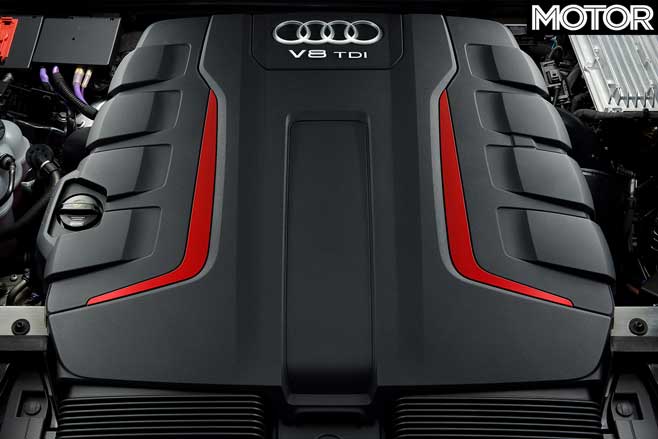
That electric-assisted engine has real versatility of character, being refined, relaxing and long-striding, then taking on greater responsiveness and aural drama when you select Dynamic driving mode, where noise enhancers inside both the exhaust and the cabin enrich the V8’s sound. It then sounds sweeter and more tuneful than you expect, but isn’t dialled up to ridiculous volumes or made to seem unnatural.
The car’s power delivery is always smooth and quite cultured, but leaves a little to be desired on high-range potency and outright linearity. You don’t begin to get peak torque until the bigger of the two turbos comes on stream just under 3000rpm, but above 3500rpm your rate of gain tails away.
Ride and handling mirrors the adaptability of the powertrain. The adaptive suspension stops well short of loping along in Comfort, but it still rides very well indeed considering how good the car’s body control is, how strong its grip level and how keenly it can change direction in Dynamic.
This is the sort of car for someone who’s been around the block with fast SUVs before. Someone who would value its just-so compromise of pace and space; of cruising range, ride comfort and driver appeal; of off-road capability, onboard technology and luxury; and the status it implies and desirability it reflects, blended with an understated performance aesthetic.
Those looking for the biggest, loudest, fastest, most exciting or most bombastic luxury SUV for the money should probably apply elsewhere.
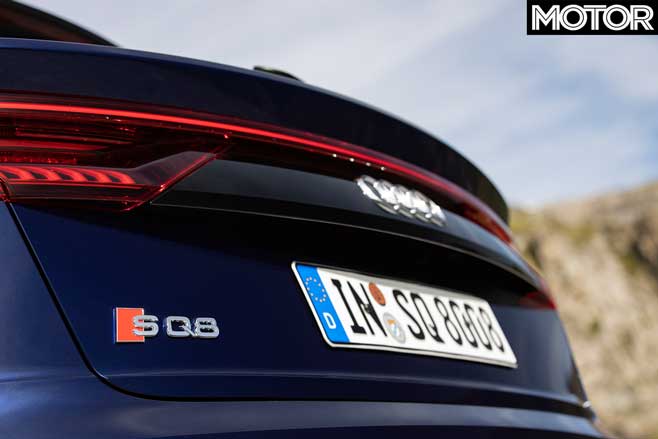
2019 AUDI SQ8 TDI SPECS Engine: 3956cc V8 turbodiesel, DOHC, 32v Power: 320kW @ 3750-4750rpm Torque: 900Nm @ 1250-3250rpm Weight: 2365kg 0-100km/h: 4.8sec (claimed) Price: $180,000 (est)
Like: Brisk, quiet, smart and spacious; technologically rich; excellent ergonomics Dislike: Fussy ride around town in Dynamic mode; hefty size and price
Rating: 4 out of 5 stars
If you’re wondering why this week’s picture is a selfie then it’s because the guy who normally takes our podcast pictures is actually in it for once. The WhichCar Weekly team welcomes staff photographer and fellow car nut Nathan to the studio.
In today’s chat, Nathan tells us about the pressure and pleasure of shooting cars for both magazine and web and the challenges that come with this significant responsibility. He also reveals his strange and completely unrelated background in photography.
Later, the team discusses the inexplicable phenomenon of cars that everyone loves but you can’t stand. Of course, they are all wrong as Dan explains, but why some designs divide opinion is an interesting debate that the team tries to digest through suggestions of their own polarising vehicles.
We also find out another of the numerous cars that Andy has narrowly avoided meeting an untimely end in as well as an interesting condition he suffers from.
Finally, find out what this picture of a New Supra is all about. Or can you work it out without having to tune into this week’s episode?

If you’re on the go, you can find WhichCar Weekly on all manner of podcast apps including iTunes and Podbean. Please rate, subscribe and leave a review! You can also follow the day-to-day happenings of the WhichCar team on Facebook, Twitter and Instagram @whichcarau.
Listened to the show? Help us out:
- Leave a note in the comment section below.
- Leave a review on Apple Podcasts/iTunes
- Subscribe to our podcast
The Wheels Verdict: The Venue is the cheapest SUV that we can recommend someone go out and spend money on and not feel guilty. While there are foibles, notably the gutless atmo engine, there is much to like about the Venue. Add the affordable price point, and Hyundai could be onto a real winner. Cheap and cheerful? You bet.
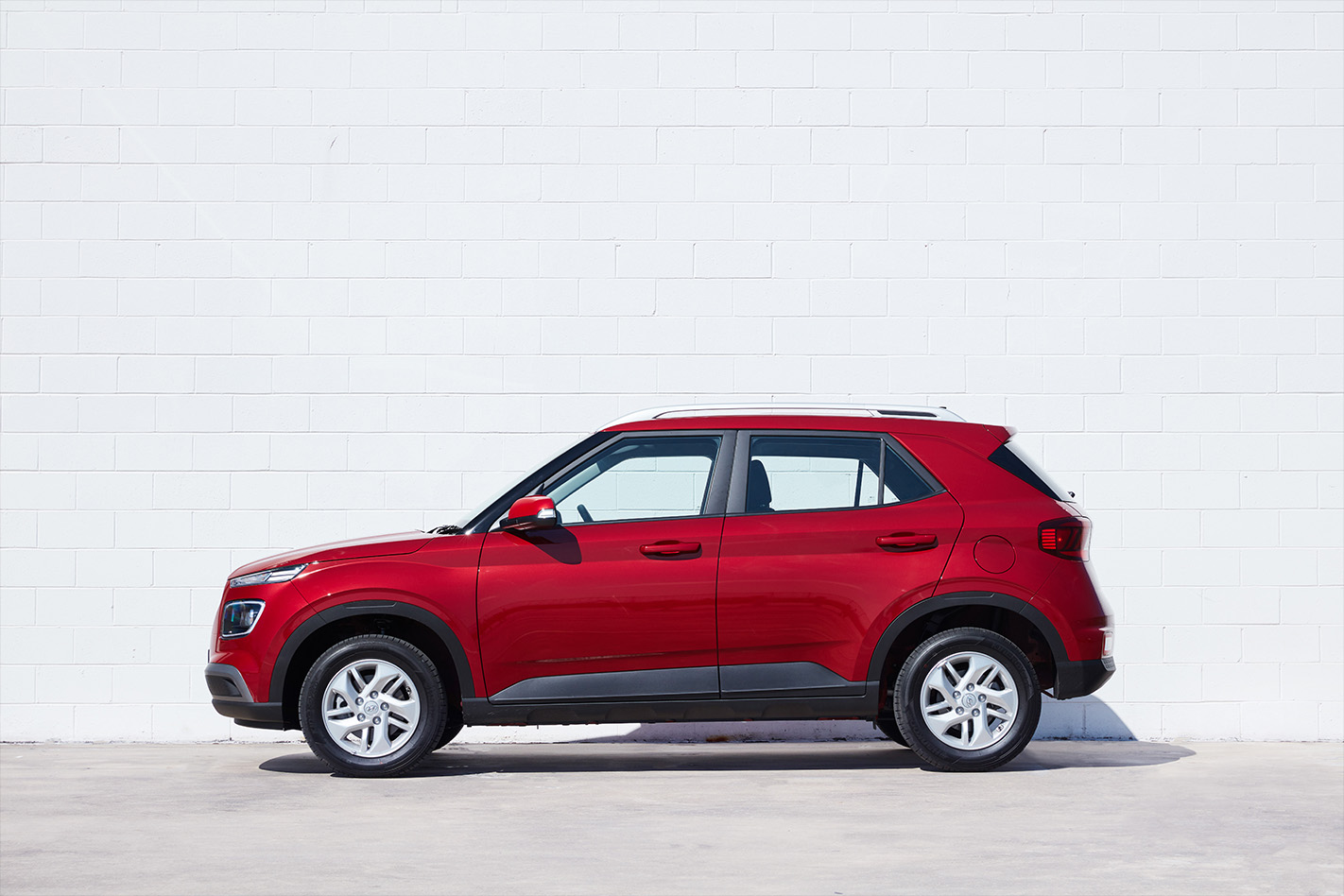
WHAT IS IT?
The new entry-level model for Hyundai. It’s smaller than showroom sibling the Kona, but competes in the same small SUV segment. It starts below $20,000 (just), and will be the cheapest Hyundai on sale in Australia once the Accent shuffles off its mortal coil. Powered by a 1.6-litre atmo four-pot across the range, performance is, ah, eventual. However there is plenty to like, from the bold styling, to a well-sorted cabin design, and capable chassis.
WHY WE’RE TESTING IT
The small SUV segment booming, with growth of 58 percent since 2014 (light car sales have dropped 37 percent in the same period), so it’s vital that Hyundai get the Venue right. If they nail the brief, this could be a sales winner, however, in a crowded segment, and against proven and tough competition, it’s not going to be easy. We headed to the Australian launch to drive the all-new baby SUV on some of Queensland’s more challenging roads.
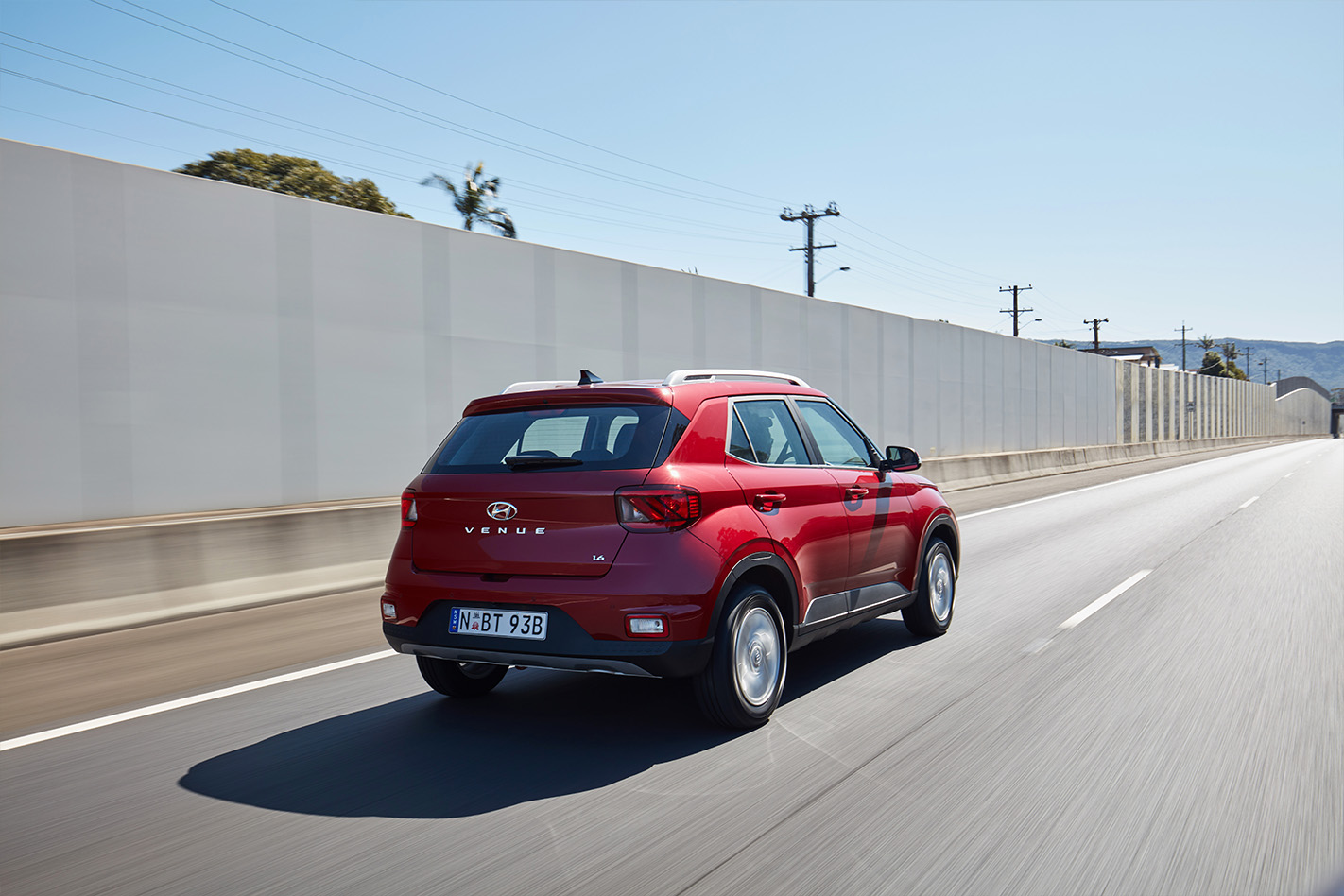
THE WHEELS REVIEW
The Accent has long been the cheapest model offered by Hyundai in Australia. Originally sold as the Excel, its prime responsibility was to bring people into showrooms, and shift in big numbers. It did so with ease, as the X3 was one of the best sales successes for an imported model in Australia’s history.
However, times, and the market, have changed, and now the Accent has ceased production, with no replacement in sight. Enter the Hyundai Venue, which will be picking up the mantle as the most affordable vehicle sold by the Korean giant in Australia.
Thing is, Hyundai never intended for the Venue to be an Accent replacement. Senior figures from Hyundai attempted to temper expectations for the Venue at the local launch, noting that the Venue isn’t a like-for-like replacement for the outgoing price leader. Well, they needn’t worry, because the Venue is a solid thing, and buyers of small SUVs would be justified in wanting to park one in their driveway.
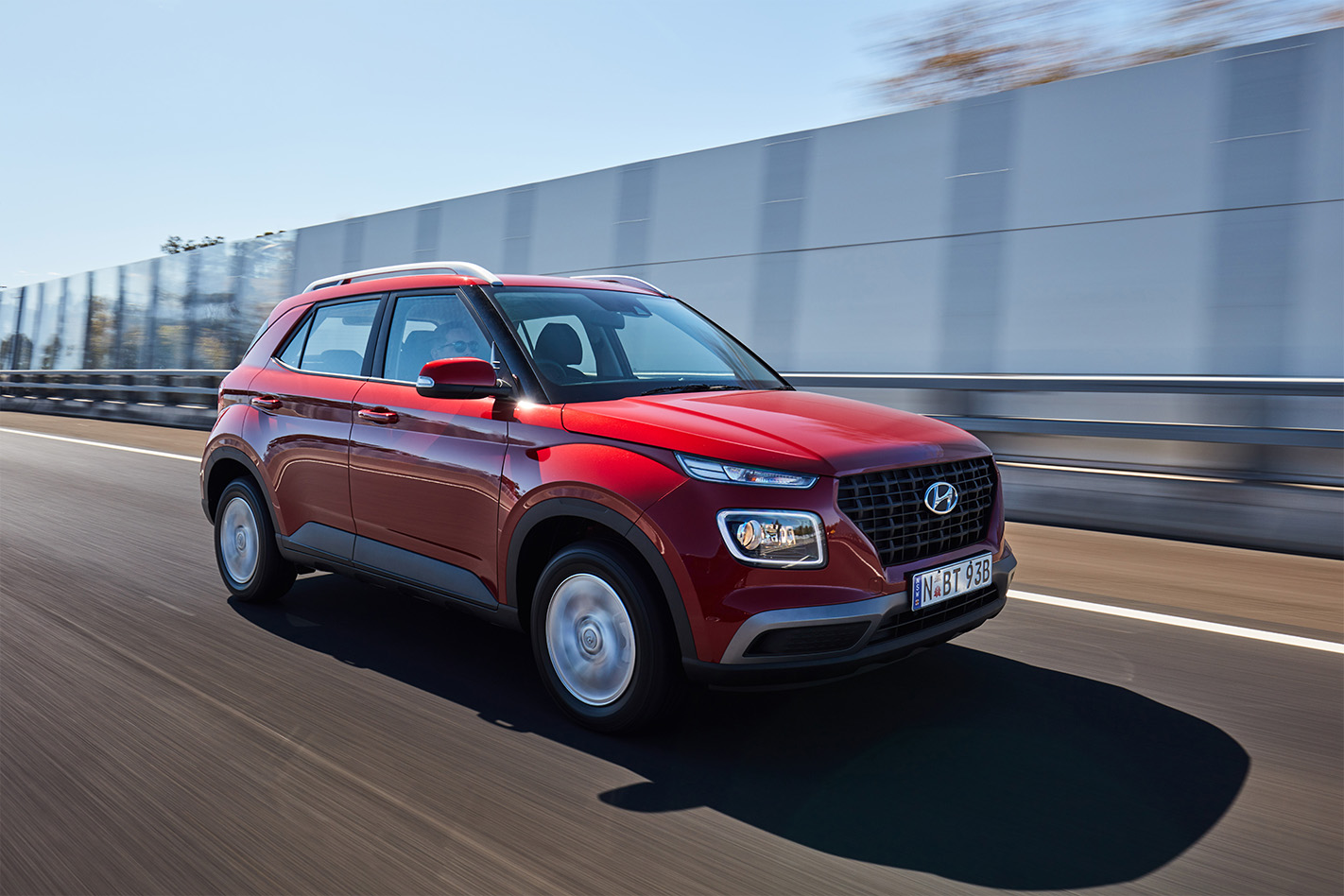
Three variants are available (Go, Active, and Elite) and all are powered by a 1.6-litre naturally aspirated four-cylinder engine, sending 90kW and 151Nm to the front wheels. In the Go and Active this is via either a six-speed automatic or manual transmission, while the flagship Elite is only available with the automatic gearbox.
First off, yes, it’s more expensive than the Accent, with entry costs jumping $4500 to $19,990 for the entry-level Go. Importantly, that’s a cheaper sticker price than can be found in the Mazda CX-3, Subaru XV, Toyota C-HR, Mitsubishi ASX, and Honda HR-V ranges. Automatic variants are $2000 more expensive than a manual. The mid-level Active is likely to sell in the biggest numbers, starting at $21,490, while the range-topping Elite wears a $25,490 pricetag.
Read next: Hyundai Venue range price and specsThe cheap pricing doesn’t mean Hyundai has turned the features list into a barren wasteland either. Every model gets an 8.0-inch touchscreen infotainment unit, fitted with Apple CarPlay and Android Auto. The unit is well integrated into the dash design, ditching the ‘my first iPad’ feel of other Hyundai models. The brand’s SmartSense active safety suite is also standard on every model, with a camera-based forward collision assist that works at speeds up to 60km/h, along with lane-keep assist, driver attention warning, high-beam assist, and tyre-pressure monitors.
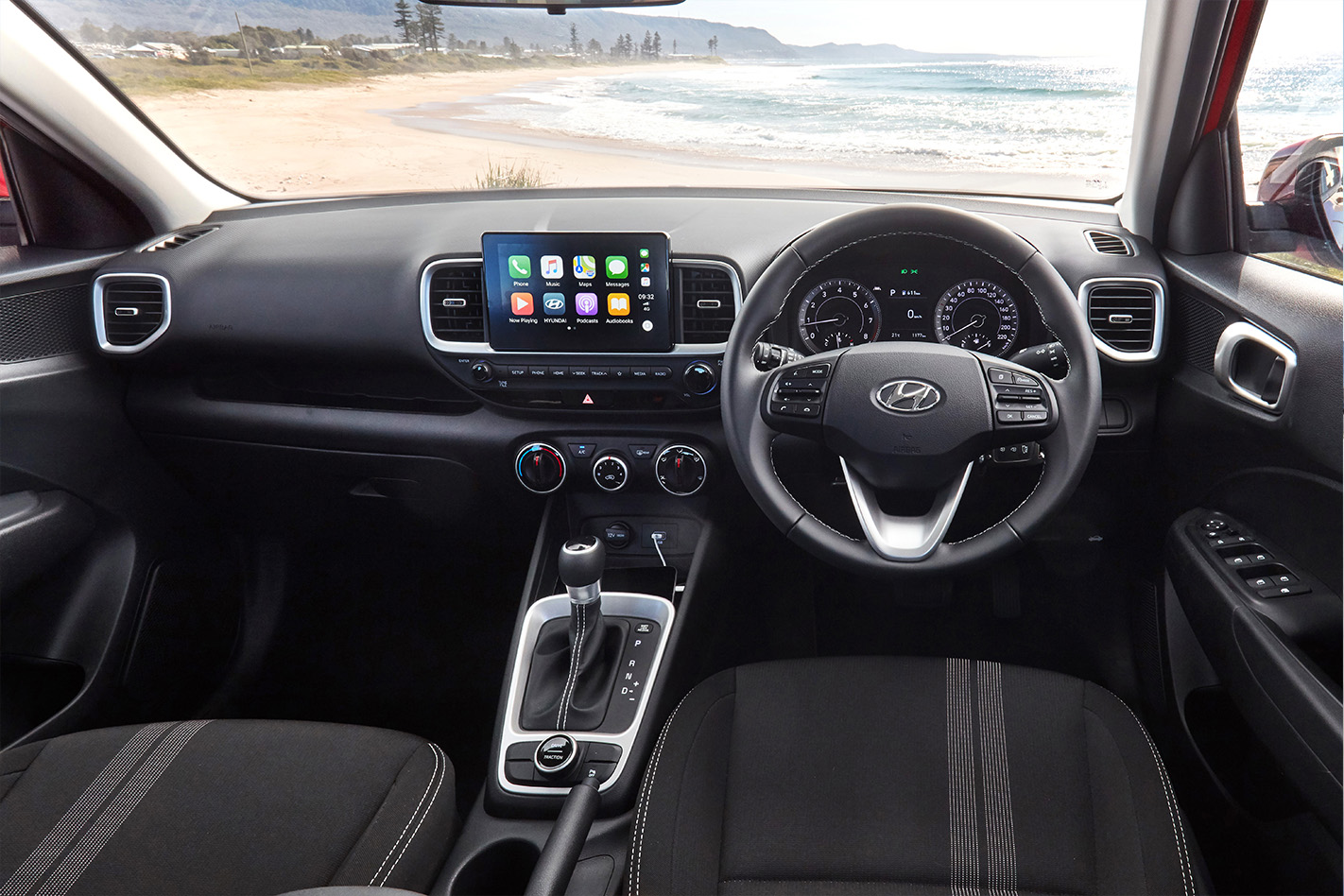
The Go has halogen daytime running lights (Active and Elite variants have LED DRLs) and rolls on 15-inch steel rims with occupants accommodated with cloth seats.
Stepping up to the Active from the Go adds $1500, bringing with it 15-inch alloy wheels, a front centre console armrest and storage box, leather steering wheel and gear knob, a four-sensor parking distance warning system, and six-speaker audio system (up from four speakers).
Elite rolls on 17-inch alloys, with chrome inserts in the front grille, LED tail-lights, two-tone roof and side mirrors, painted inserts in the bumpers, wheelarches, and side moulding, and rear privacy glass. Sat-nav also becomes standard on the flagship, along with live traffic updates, DAB radio, single-zone climate control, and an additional fast-charging USB socket. For the safety-conscious, blind-spot collision warning and rear cross-traffic collision warning is added.The Venue’s designers nailed a trick with the interior of this small SUV. It feels larger inside than expected, and rear legroom is more generous than many of its rivals, while vision in the second row of seats isn’t hampered by rising waist lines. There’s plenty of headroom front and rear, thanks to the Venue’s 1592mm height, making it taller than all rivals bar the Honda HR-V.
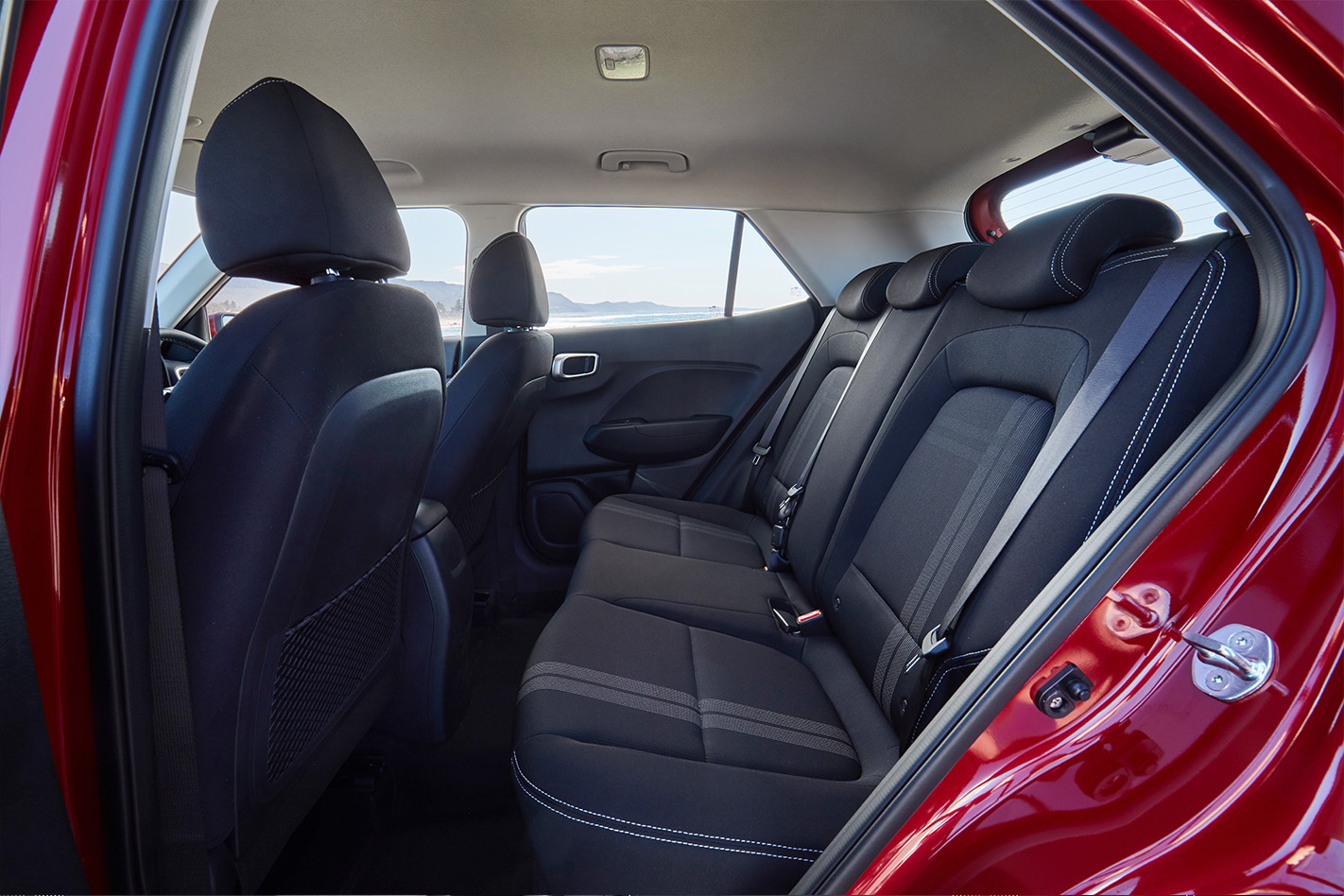
It’s also short, really short, with an overall length of just 4040mm. This is less than the Accent, and all other SUV rivals. Only the Toyota Yaris is shorter. Add a 10.2-metre turning circle, and the Venue is perfectly suited to inner-city life. Unfortunately, there is a lot of road and wind noise that intrudes into the cabin, which could make long drives more tiresome than ideal.
The 355-litre boot capacity is larger than usual for the segment. The impressive figure is no doubt helped by the two-stage boot floor which can be lowered. The parcel shelf can also be tucked away neatly behind the rear seats with ease.
Hyundai didn’t just want to make the entry cost cheap, it also wanted to ensure running costs were low as well. Servicing costs after five years, or 72,000km, add up to $1575.
This is in part thanks to the 1.6-litre naturally aspirated four-cylinder engine, which was chosen for its public perception as being more affordable to run. However, that same unit is the Venue’s biggest weakness. Its lacklustre performance means you won’t be getting anywhere in a great hurry on the open road, and it becomes rather thrashy near the top of the rev range, particularly when it approaches 5000rpm as peak torque is delivered.
This is exacerbated by the calibration of the automatic gearbox, which is eager to shift down multiple ratios at the slightest request for more power. Moderating this criticism somewhat is the fact that most Venue owners will be based in urban environments, where the engine is more than adequate for the job at hand, and will rarely venture into the upper reaches of its rev range.
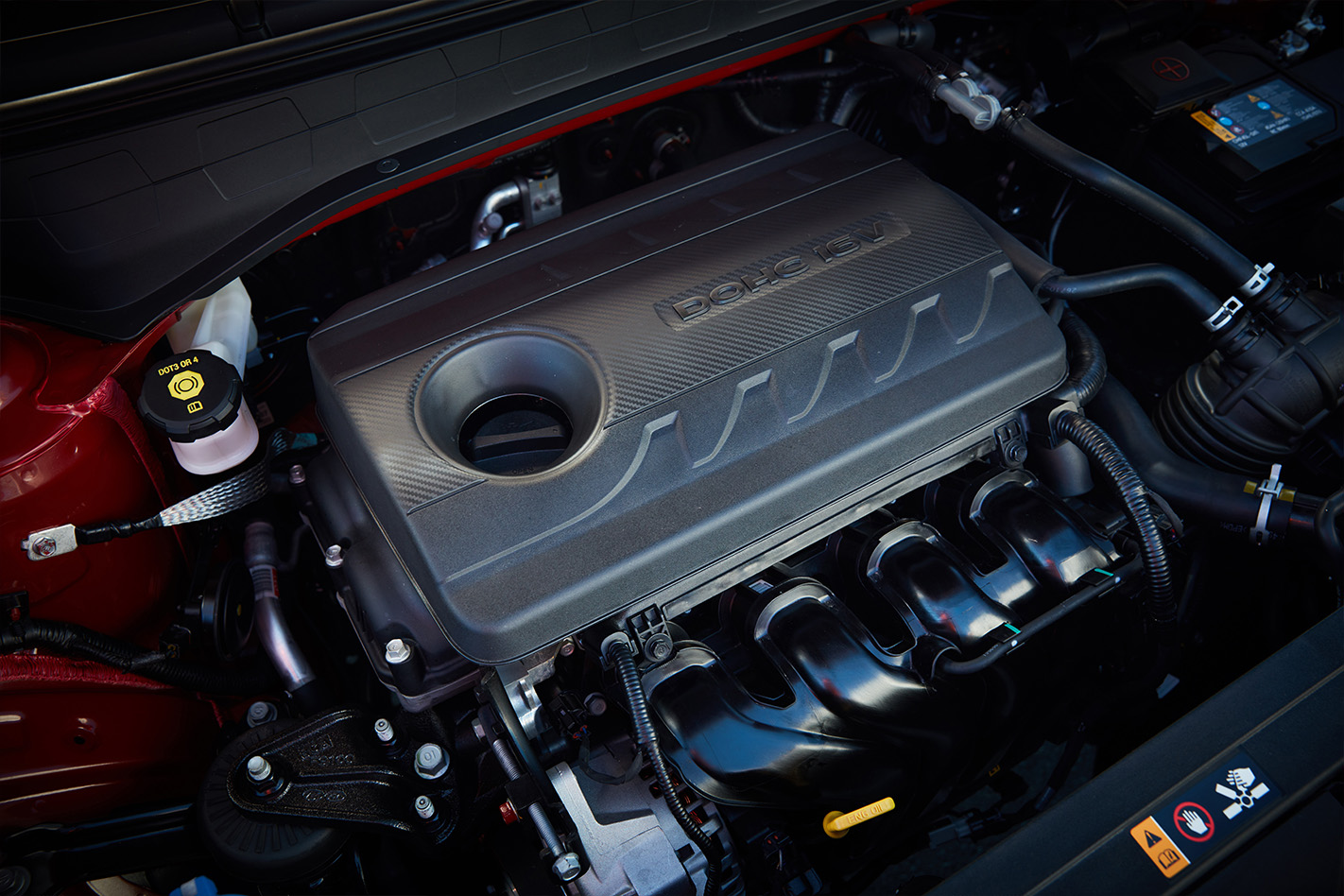
The 1.0-litre 88kW/172Nm ‘Kappa II’ turbocharged three-cylinder is offered in international markets, paired with a six-speed manual or seven-speed dual-clutch transmission. Importantly for that engine, peak torque arrives between 1500-4000rpm, while the Australian-delivered car doesn’t deliver its 154Nm to the front tyres until 4850rpm. Can we get this in future updates, please?
Hyundai is standing by the manual transmission; despite the fact that it’s likely to be fitted to just a fraction of Venues sold. Those that opt for the three-pedal set-up will be treated to a smooth and slick gear shift action, with a light clutch. It’s perfectly amicable.
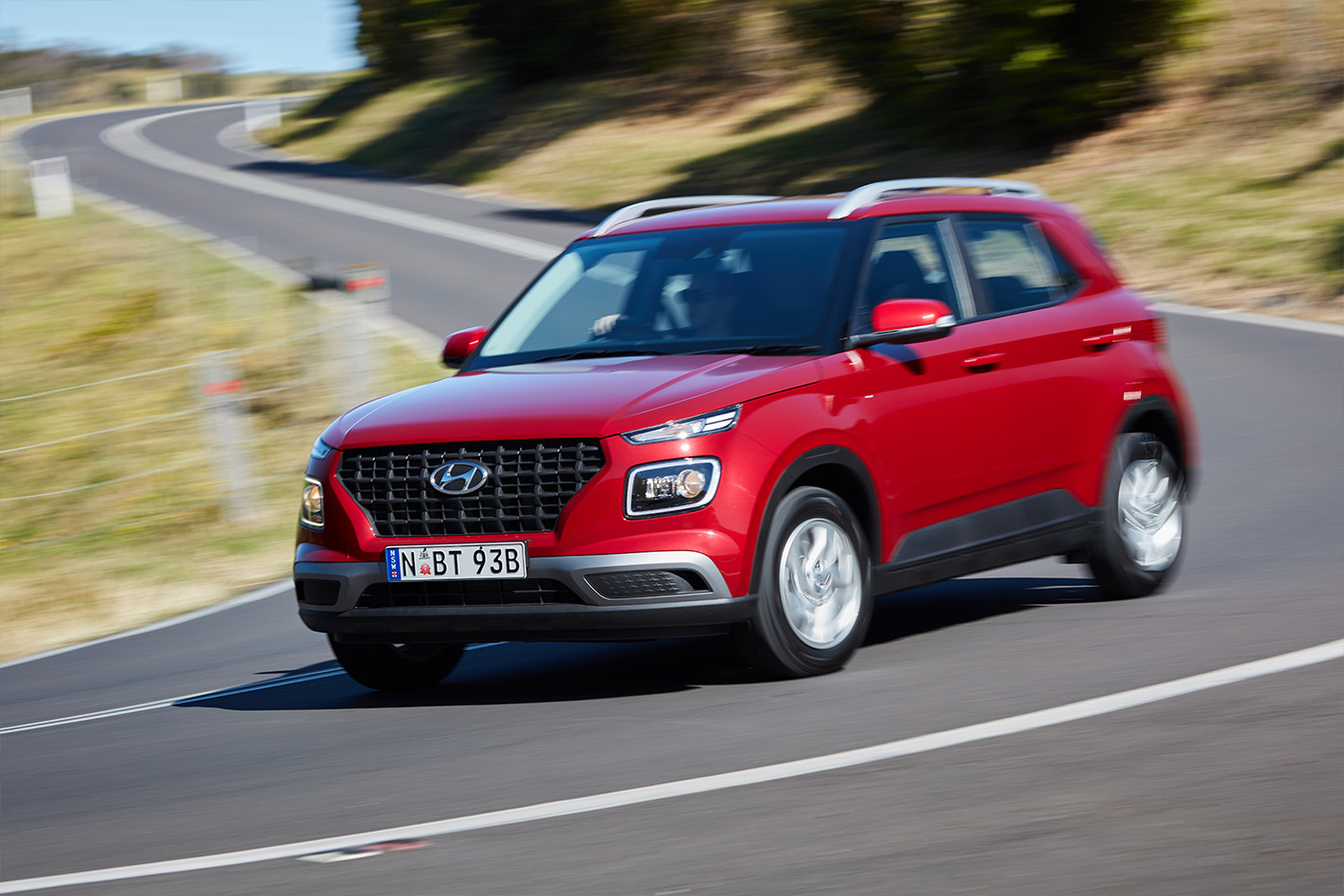
As is now traditional for Hyundai, the Venue is given a specific Australian suspension tune, which is well suited to local roads. The ride is well sorted, and absorbent of bigger bumps, despite the inherent flaws of a torsion beam rear suspension set-up (with MacPherson strut up front). Steering is weightier than you would expect in a vehicle of this size, but once you get past that initial mental recalibration, you realise the rack is delightfully direct, with 2.6 turns lock-to-lock. It’s keen to turn into corners, and the chassis could even be described as playful.
The good work done with the chassis is undersold by the economy rubber that is fitted to the Venue. On the Go and Active variants Hankook Kinergy Eco2 tyres are used in 185/65/R15 specifications, which results in the front end washing out at only modest provocation. It’s slightly better on the Elite, despite it running Nexan N Fera SU1 rubber sized at 205/55/R17.
There are a trio of drive modes (normal, eco, and sport), that change the throttle and transmission mapping as desired, and do exactly what they say on the box. You’re best keeping the Venue in normal though, as sport results in the gearbox becoming as hyperactive as a rabbit on Adderall, and eco slips everything a heavy dose of Valium. Three traction modes of snow, mud, and sand are also standard, which seems a tad redundant for a front-drive soft-roader.
Despite these slight performance pitfalls, the Venue is a convincing small SUV. Its keen pricing, roomy cabin, generous equipment and affordable running costs should see it become a winner with Aussie buyers.
MAIN RIVALS
Direct segment rivals include the Mazda CX-3, Honda HR-V, Toyota C-HR, Mitsubishi ASX, and Subaru XV, as well as stablemate the Kona. However, the reality is that it’s also competing against light cars like the Toyota Yaris, Mazda2, and Suzuki Swift.
PRICE AND SPECS
- Model: Hyundai Venue Active
- Engine: 1591cc 4cyl, dohc, 16v
- Max power: 90kW @ 6300rpm
- Max torque: 151Nm @ 4850rpm
- Transmission: 6-speed automatic
- Weight: 1225kg
- 0-100km/h: 11.4sec (claimed)
- Economy: 7.2L/100km (claimed)
- Price: $23,490
- On sale: Now
The Wheels Verdict: The final piece of Peugeot’s range falls into place with a satisfying click. This a mid-sizer with plenty to recommend it, from the exterior design, to the practically of the Fastback’s wide-opening hatch, the Sportwagon’s load-lugging style, the inviting, well-equipped interior of both, and the five-year warranty. It’s also a fine drive, with a smooth, quiet, peppy turbo four, and eager dynamics courtesy of the light weight. Road noise on coarse-chip could be better, and there are a few operational quirks, but it still makes a strong case for itself.
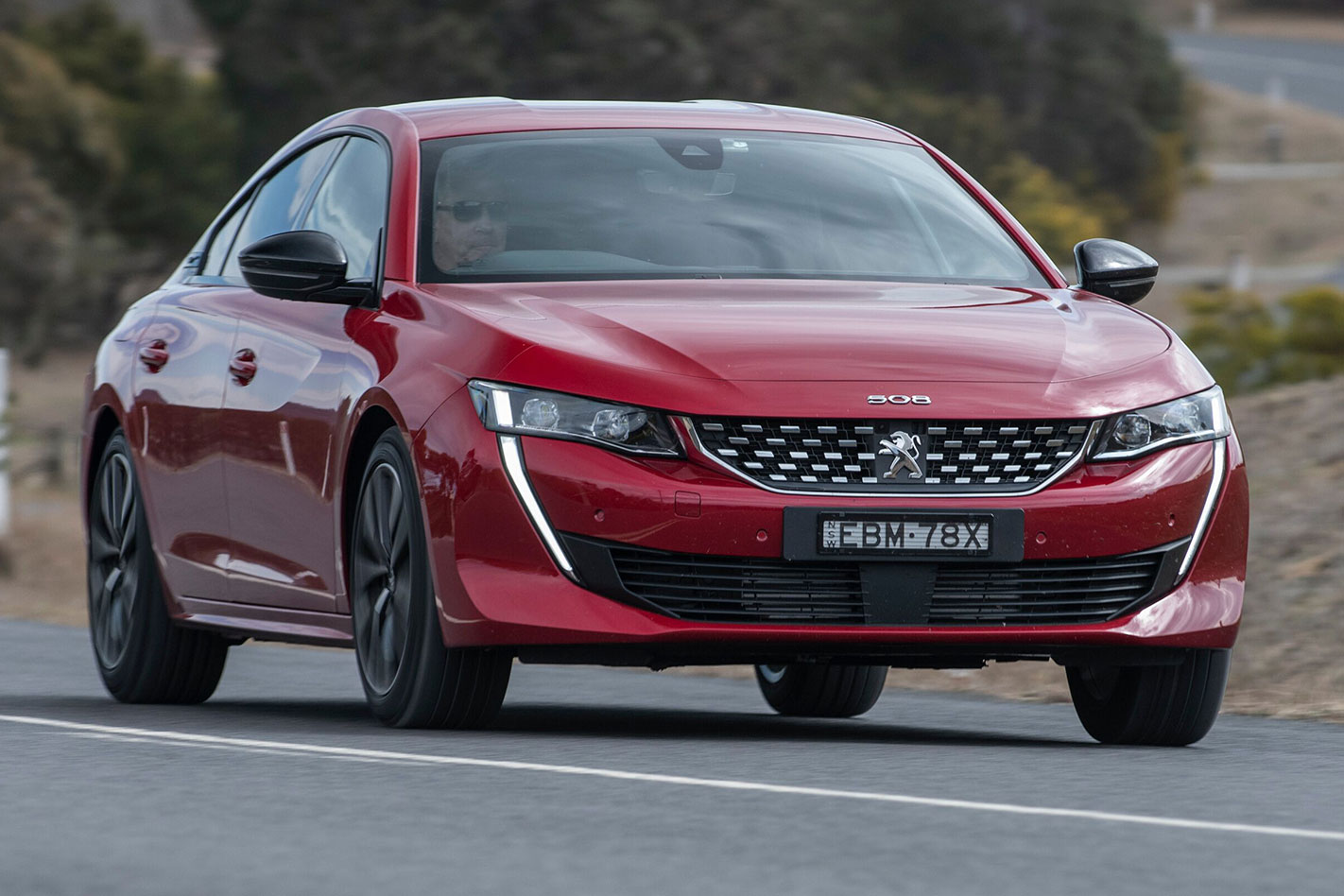
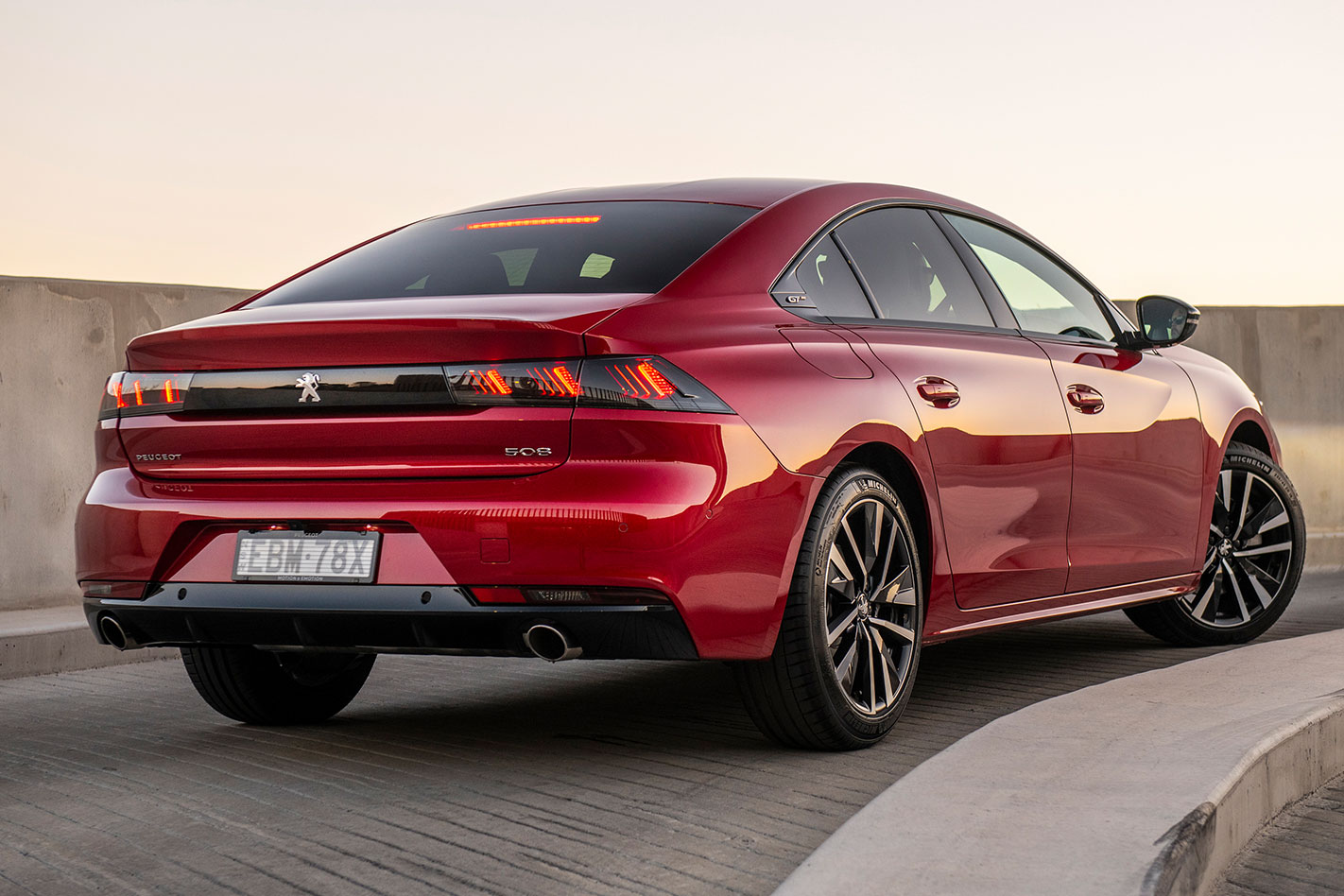
The new flagship of Peugeot’s Australian range. A midsize liftback and wagon offered in just one (high) spec level and with just a single powertrain; a 1.6-litre turbo-petrol with eight-speed auto driving the front wheels.
WHY WE’RE TESTING IT
Dep-ed Andy Enright first drove the 508 GT Fastback in France as part of his assault on Alpe d’Huez on both two wheels and four (Wheels, February 2019), and he came away enthused by the car, and with more of a bitter hatred for the bicycle. This is our first opportunity to drive both Fastback and Sportwagon, in Aussie spec and with confirmed pricing, on local roads.
THE WHEELS REVIEW
It’s a strange visual association, I admit, but as I take my first look at Peugeot’s 508 Liftback and Sportwagon on Australian soil, all I can think of is vomit.
It’s nothing to do with a personal gut reaction to this pair of French range-toppers for the Australia line-up; on the contrary, I think that the exterior design of both is crisp, contemporary and cohesive. No, what’s making me think of ejected stomach contents is the fact it was dep-ed Enright who first drove the 508 in France (Wheels, February 2019); a drive which took him to the formidable Alpe d’Huez with a Peugeot bicycle strapped to the roof. Our intrepid staffer would go on to have a brave rolling chunder while still grimily turning the pedals of that bike up the brutal, near-14km ascent.
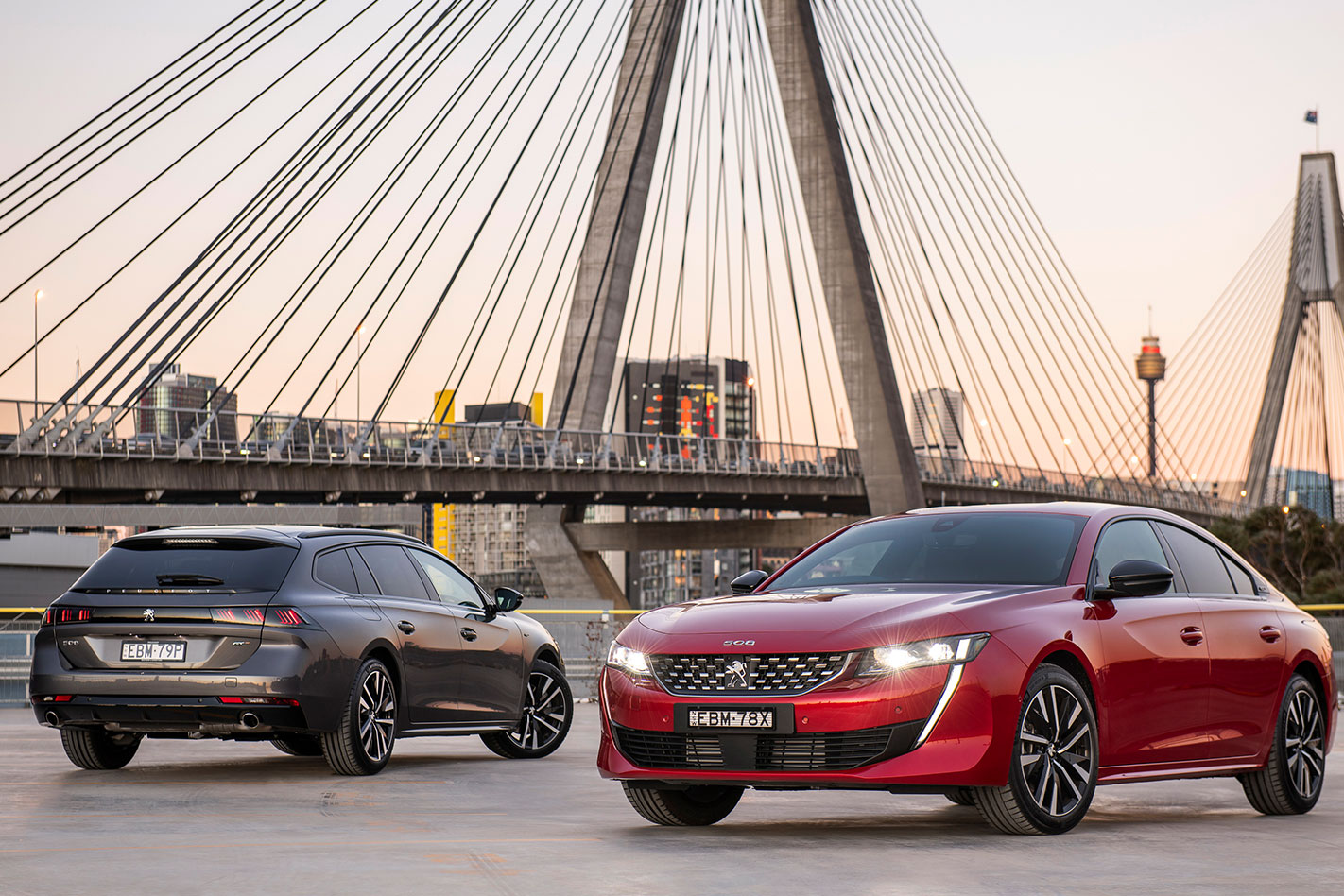
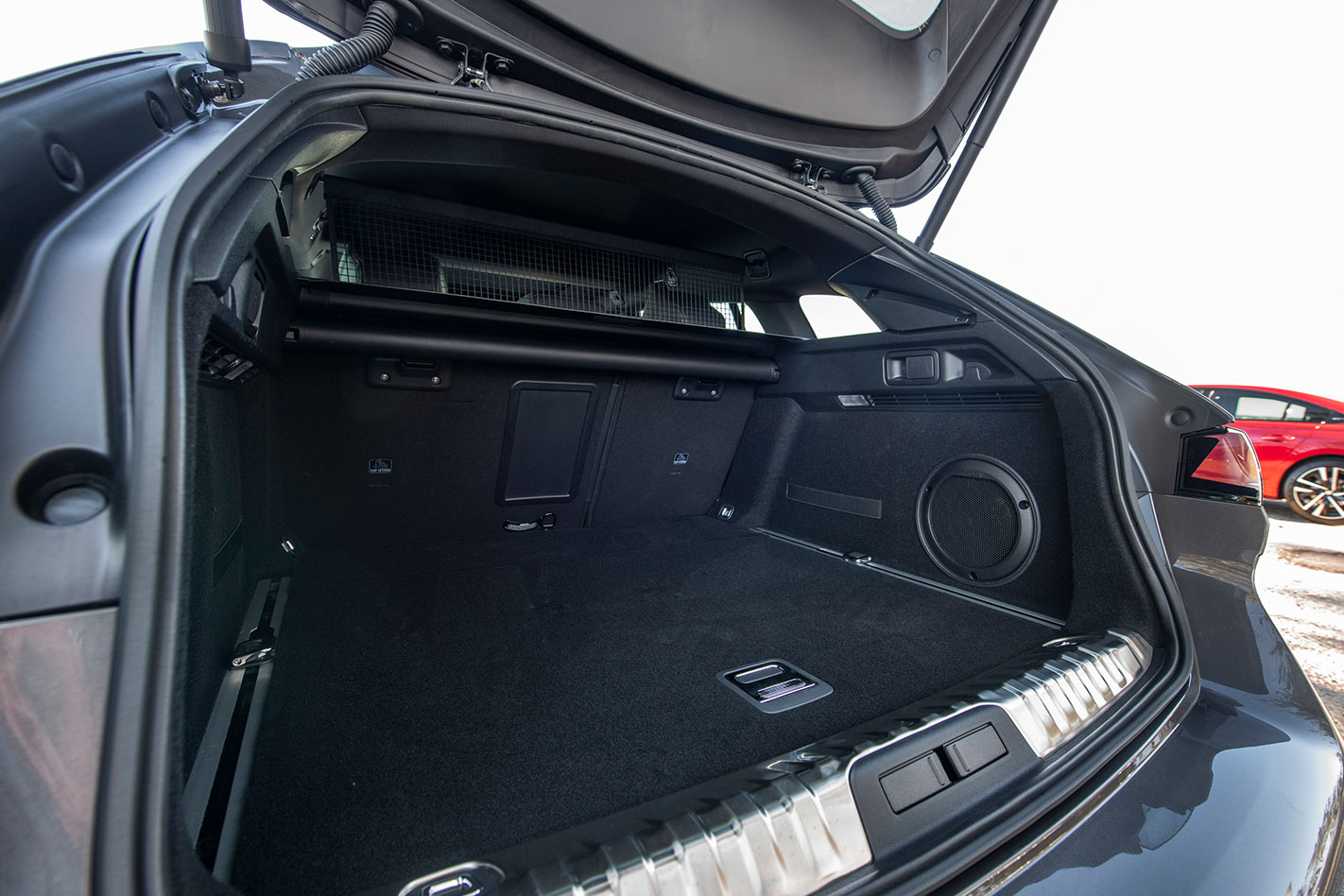
Now we’ve had a chance to drive the local-spec Fastback and Sportwagon, does that verdict still hold up? To cut to the chase: absolutely. Both bodystyles are (identically) specced to one high level, competitively priced ($54K and $56K respectively), feel suitably premium, and are superbly practical. Crucially, they both drive very, very well. But will that be enough to shift even the modest volume Peugeot’s local operation is aiming for?
The decision to offer just one rich GT spec and a single powertrain for both bodystyles is a bold one that highlights the intention to position this model as an image restorer, numbers be damned.
Read next: Pedal to the mental: man vs bike vs car in the 2019 Peugeot 508
The petrol engine, at just 1.6 litres with turbo, may seem underdone for this class, and its outputs of 165kW/300Nm are nothing startling. But the 508, on the fresh EMP2 platform, is light (1450kg Fastback, 1470kg wagon), and combined with the new eight-speed automatic, performance feels sufficiently zesty, if short of properly sizzling. Curiously, the official 0-100km/h figure climbs to 8.1sec, rather than the 7.3 Enright was quoted in Europe for the same car, but happily, it doesn’t object to being worked hard, sounding agreeable and contained up at the 6000rpm redline.
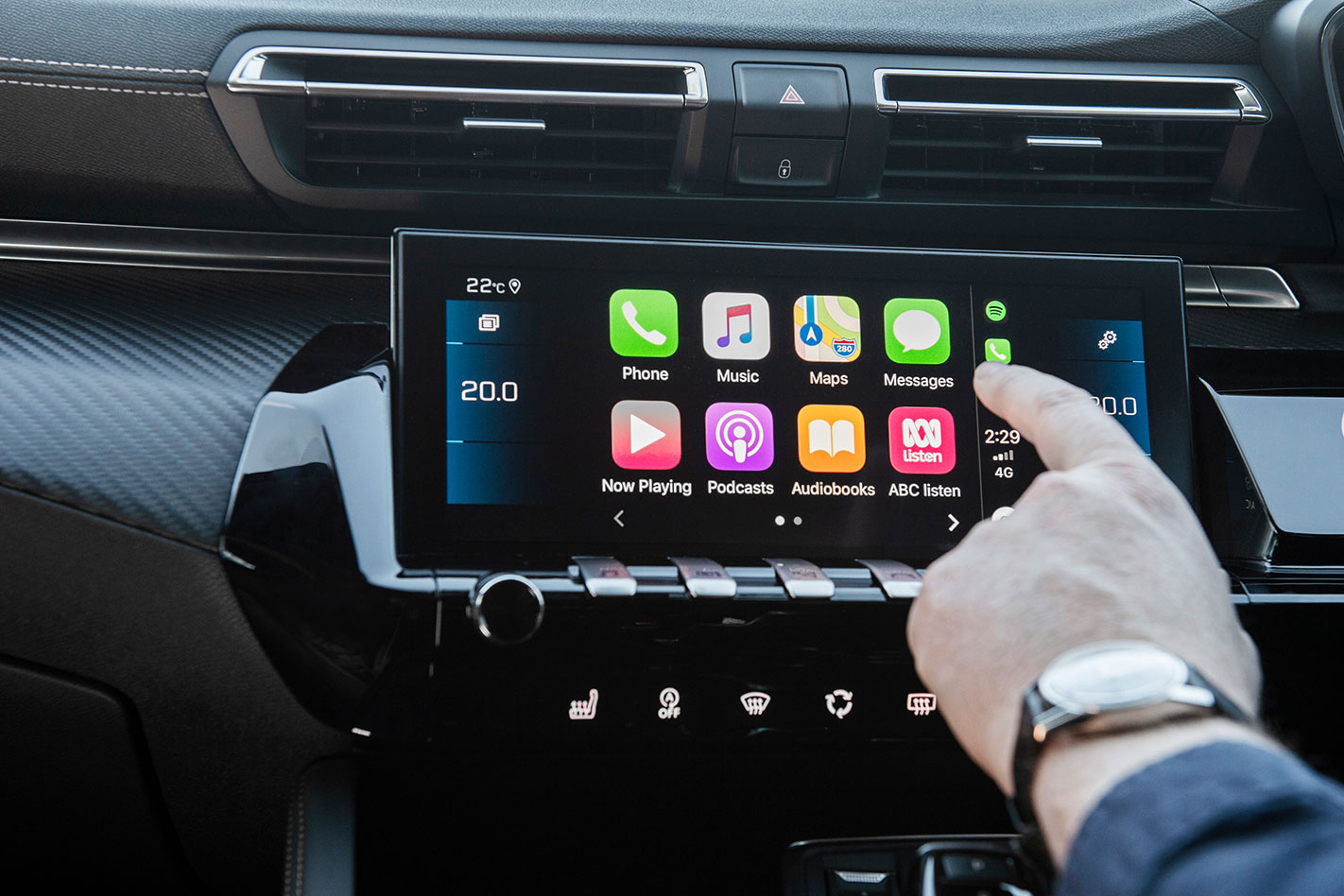
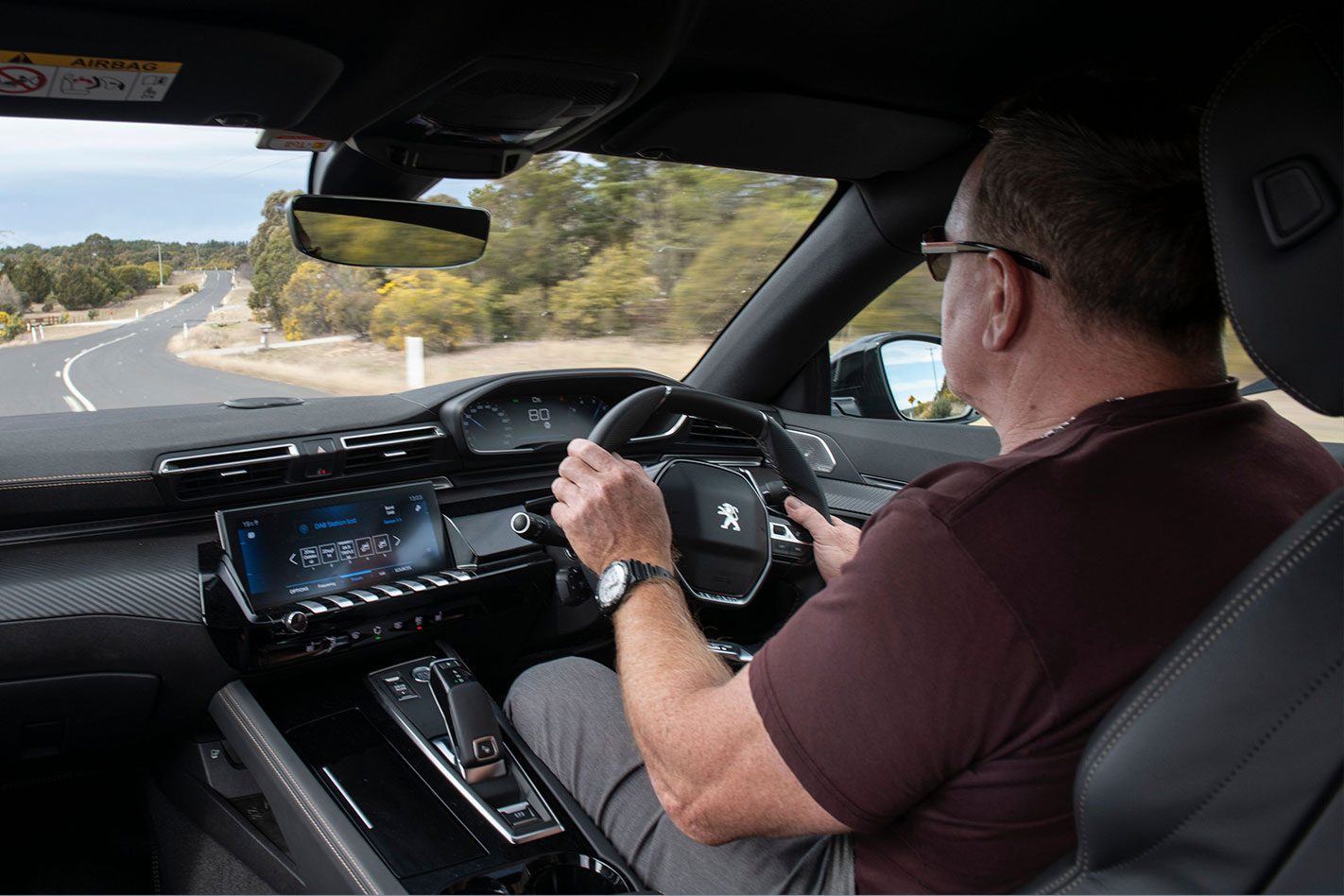
But what’s more likely to grab prospective buyers’ attention is the lush interior presentation and depth of standard equipment. The quilted leather trim, screens and general surfacing look inviting, and unlike its Euro competitors, Peugeot rejects expensive option bundles, instead loading the GT with pretty much every safety and convenience feature in the modern playbook. Only premium paint, a sunroof and dealer-fit 19s occupy space on the options list. Rather than listing it all, it’s simpler to say that the only notable omissions I could spot were front seat cooling (but they are heated, feature massage function, and are beautifully supportive) as well as a head-up display. On the latter, Peugeot would argue the polarising i-Cockpit instrument/wheel design negates this. Otherwise the kit list and active safety is all there.
Dynamically, both 508 variants feel like solid achievers on Aussie roads, rather than really blowing you away with either ride-comfort genius or corner-carving heroism. The steering is middling for rack speed, at 2.6 turns lock to lock, and while agreeable weighting can be found in one of the three assist levels, it’s always on the synthetic side of the feel spectrum, rather than offering any real tactility. But the nose always feels eager and alert, the grip level of the sensible 18s is plentiful, and in Normal mode, the chassis tune feels willing to be flung through mid-corner bumps without getting flustered. Overall, there’s an inherent agility and general responsiveness that only comes when overall weight is well contained, which it is here.
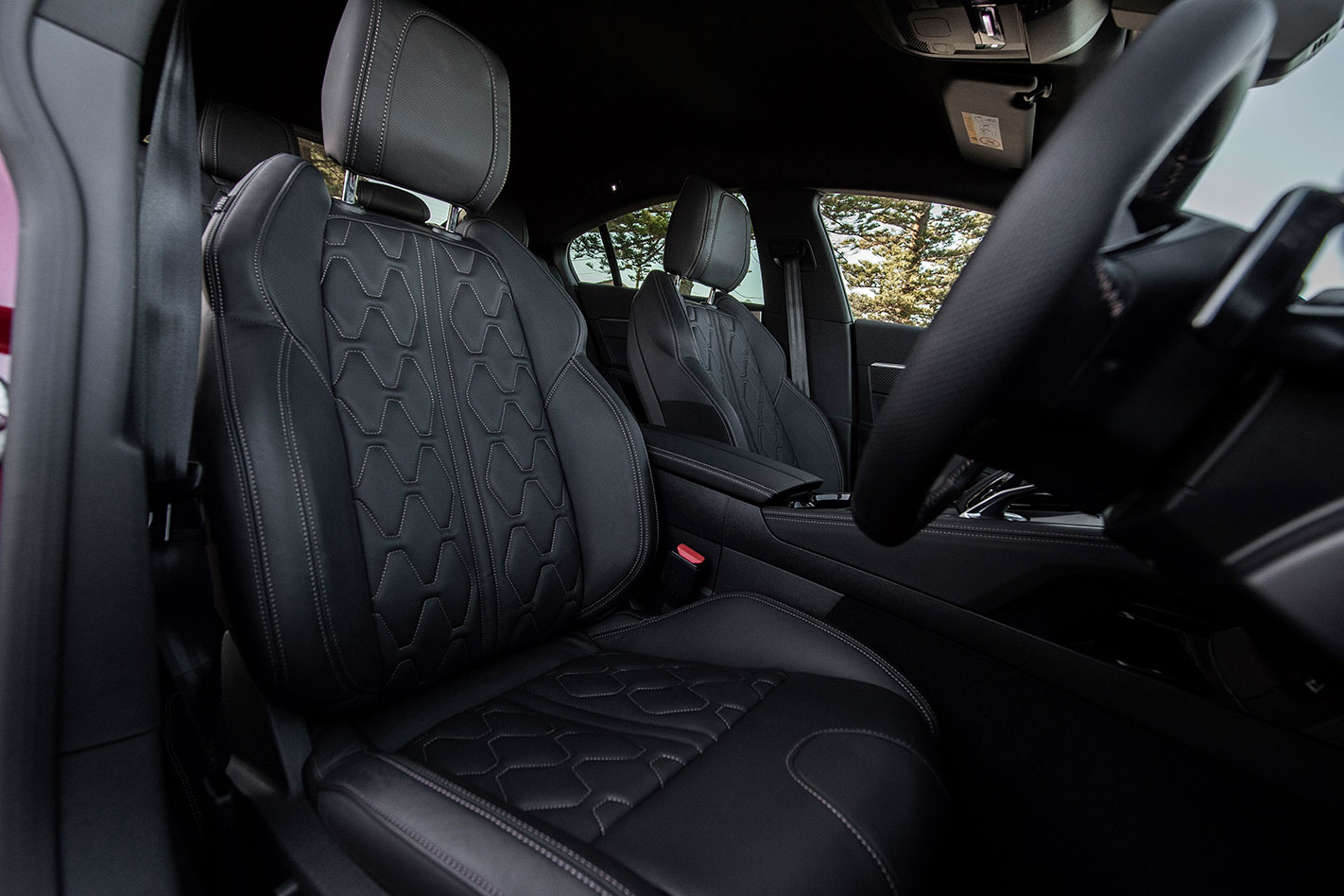
The transmission mapping is fine in normal driving and responds crisply to the paddles when you’re having a bit of a go. My only whinge was the inability to hold gears via the paddles for more than five seconds. I later learned there is a manual mode, but it’s inexplicably buried in the infotainment menu.
Never mind. As a statement of upper-end renewal for Peugeot, and as a desirable alternative to an entry-level Genesis, or perhaps a less austere alternative to a VW Passat, the 508 emerges triumphant. It deserves better than to go ignored here in the land of the SUV.
RIVALS
Audi A4 35 TSI; Infiniti Q50; Lexus IS; Genesis G70; Mazda 6 Atenza, Volvo V60/S60, VW Passat
PRICE AND SPECS
- Engine: 1598cc 4cyl, dohc, 16v, turbo
- Max power: 165kW @ 5500rpm
- Max torque: 300Nm @ 2500rpm
- Transmission: 8-speed automatic
- Weight: 1450kg
- 0-100km/h: 8.1sec (claimed)
- Economy: 6.3L/100km
- Price: $53,990
- On sale: Now
Is Toyota reconsidering launching the Corolla wagon in Australia?
Toyota’s official line is a hard no, and has been so since the latest, E210-series Corolla Touring was unveiled a year ago at the Paris Motor Show, citing its expensive, British-only sourcing and prohibitively high pricing that would result.
However, for the 2020 model year, the handsome European-market focused estate has recently joined the pert five-door hatch on the production line in Japan, opening up the possibility of a much more economical and viable business case for the Corolla wagon.
“We have no plans for the Corolla wagon at this stage,” according to Toyota Australia’s senior public affairs specialist for passenger vehicles, James Wang. “It’s not something we’d rule out for the future, and as with all new models, we have to look at each car on a case-by-case basis, but there are no plans at this stage.”
Whether Toyota would follow the lead of European small wagon manufacturers such as Ford, Volkswagen, Peugeot and Renault by only importing up-spec and/or sportier versions to Australia is unknown, but Holden’s decision back in June to axe the slow-selling Astra wagon due to high import costs from the United Kingdom may prompt a similar strategy.
On the other hand, with the sub-$30,000 small wagon void left by the departing Astra wagon (and the previous-generation Hyundai i30 wagon’s demise in 2017), a sizeable niche opportunity may open up with an entry-level Corolla Ascent Sport or SX Touring variants at that more-affordable price point.
Another factor that may work in the wagon’s favour in Oz is the resistance that the latest hatch has faced due to its meagre 217-litre cargo capacity with a space-saver spare, or 333L with a tyre-repair kit. In contrast, the Corolla Touring’s load area measures in at a volumous 598L.
As with all 12th-generation (E210-series) Corollas, the Touring benefits from the longer, lower and far stronger Toyota New Global Architecture platform dubbed TNGA GA-C for this application, and employs a double-wishbone rear suspension set-up. The engine choices include a 1.2-litre turbo (related to the C-HR), 1.8-litre petrol and 1.8-litre petrol-electric hybrid powertrains – the latter as seen in the latest Corolla hatch.
The Corolla wagon has had a patchy presence in Australia over the nameplate’s 52-year history here, arriving with the KE10 original in the late 1960s through to the cessation of the rear-drive KE70 in 1985. Ignoring the small-volume specialist 4WD crossover models of the late ‘80s through to the mid ‘90s, the company imported the wagon here again from 2001 through to 2006, during the run of the ninth-generation A120 series.
Ford America is set to offer aftermarket Ford Performance suspension upgrades to ‘lesser’ Ranger models – and we want them, too.
While not quite as focused and extreme as the Baja-conquering Fox shocks found in the range-topping Raptor, the kits are said provide a significant boost in capability over the standard setup both on- and off-road.
According to the Ford America press release issued out of Dearborn, the off-road levelling kits will be available for US$1495 (AU$2200) before dealer installation.
That outlay affords US customers new aluminium Fox shock bodies that are designed to provide superior resistance to overheating on rough terrain and front coilover springs that deliver a more progressive spring rate.
Additionally, vehicle-specific upper front mounts with polyurethane bushings work to help isolate noise and vibration while a two-inch (51mm) lift at the front axle levels the Ranger front to rear and returns a 10-percent increase in breakover angle.

An improvement to approach (21 percent) and departure angles has also been realised and the overall ground clearance has been increased – perfect for Ranger owners who actually leave the latte-sippers consigned to the CBD.
High-speed off-road testing was conducted in Borrego, California, while the low-speed rock-crawling ability got a workout in Arizona.
Ford says the kit will make lower-rung Rangers a unique offering, while the changes can also be fitted to the F-150.
“The secret sauce to this kit is in the Ford Performance tuning. This suspension and this tuning are designed to improve off-road handling and responsiveness, specifically for Ranger and F-150,” the statement read.
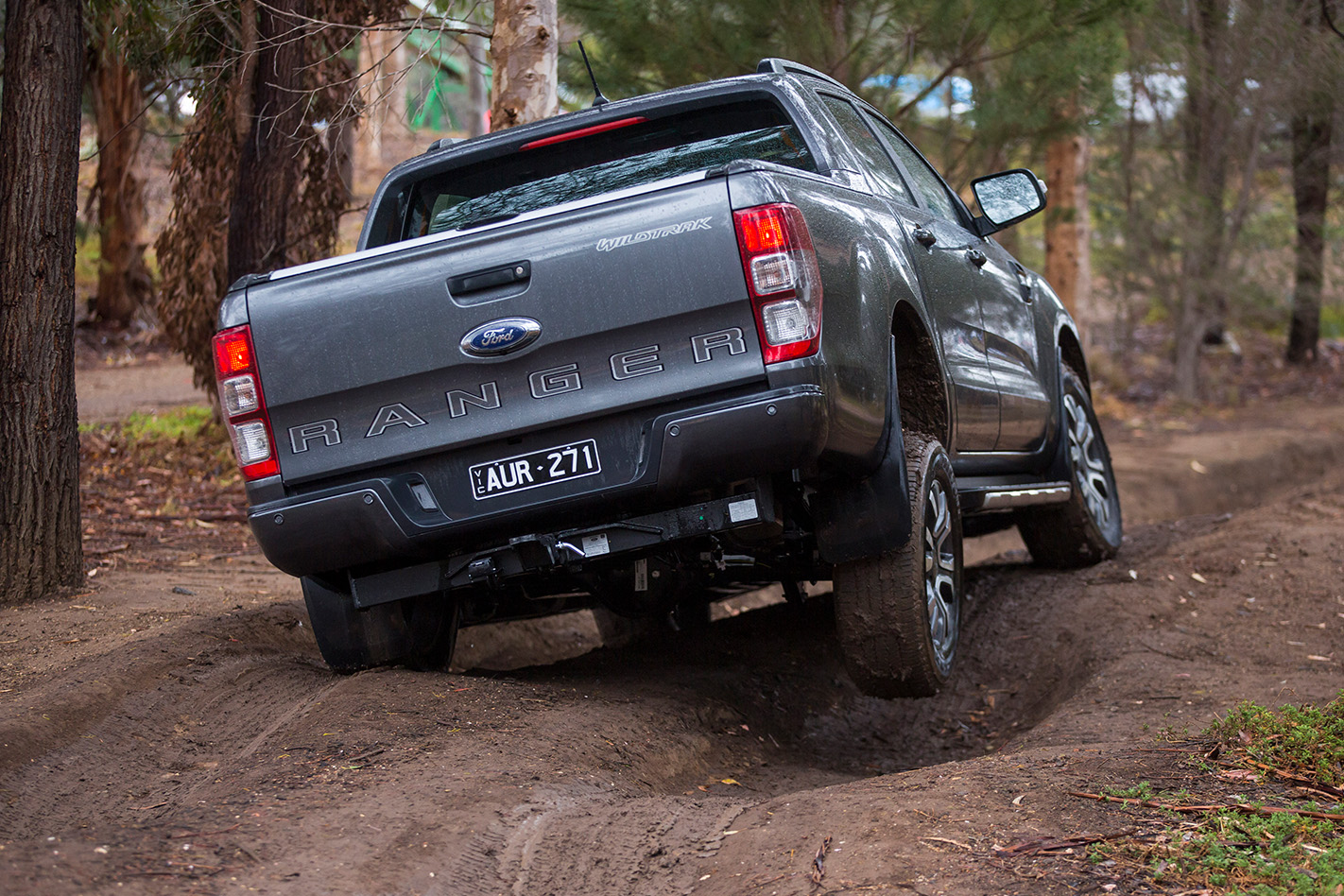
The aftermarket Ford Performance kits are built for four-wheel drive 2019 Ranger variants (or 2015-19 F-150s) and come with a Ford Performance Parts limited warranty in America.
There’s precedent with the Mustang to offer Ford Performance Parts in Australia, so hopefully the Ranger suspension tweaks are considered for the local market.
Ford Australia was contacted regarding possible availability down under, but is yet to comment.
What do you think? Would you buy this Ford Performance kit for your Ranger?
This month MOTOR is packed with tales of beasts and legends, from the modern iteration of Porsche’s ‘Moby Dick’ 935, to the battle between the Dodge Demon and the Camaro tuned by Hennessey to exorcise it.
Take a look at what else we’ve go in store for you in the preview of the October 2019 MOTOR issue below!
You can find MOTOR at retailers around Australia. Or you can subscribe and save yourself some cash, there’s even a (cheaper!) digital subscription option.
Subscribers often receive their mags earlier, so you’ll get to see what MOTOR has to offer before anyone else.
Follow us on Facebook, Twitter, and Instagram to interact with us, give us feedback, and get a peek behind the scenes.
RESIDENT EVIL: Dodge Demon vs Hennessey Exorcist Camaro
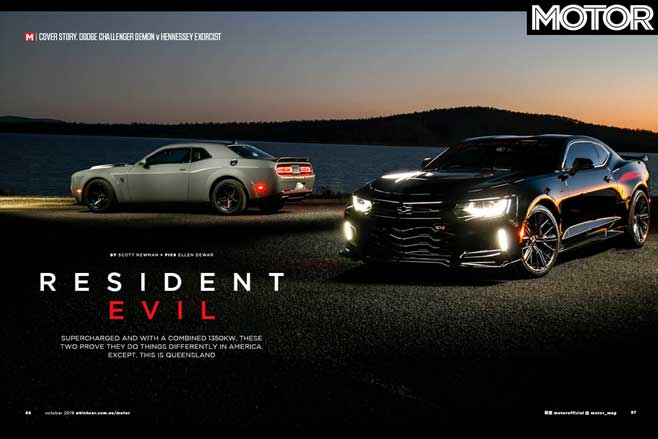
Is this Hell or the Deep North? With a combined 1349kW and 2169Nm, this will be a fight to the end.
WHALE TALE: 2019 Porsche 911 935 track test
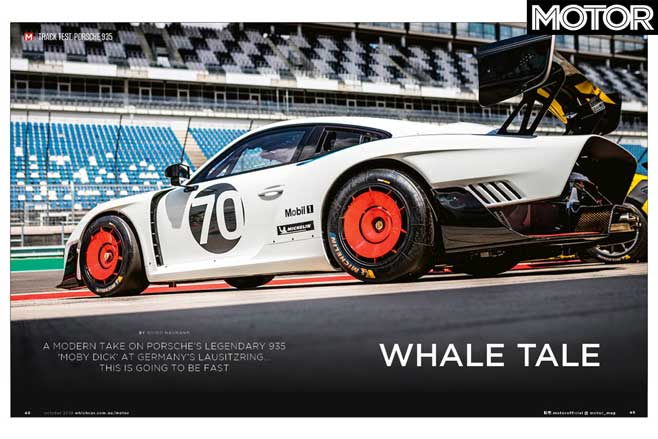
From its Martini livery to the turbo flat-six in the back, this is every inch a modern-day Moby Dick.
GRAND DESIGNS: Porsche 992 911 Carrera 4s vs BMW M850i vs Jaguar F-Type SVR
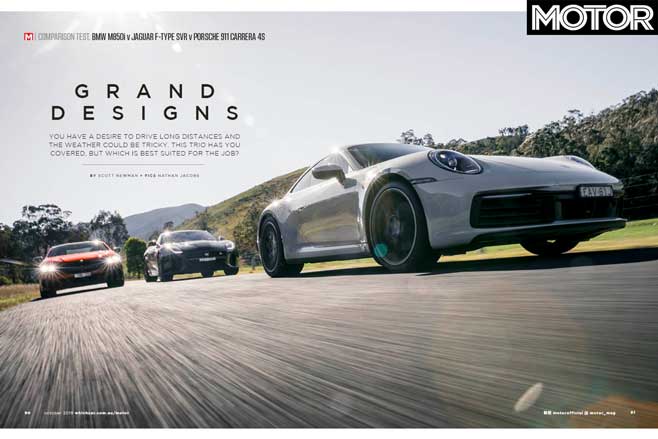
Three highly credentialed luxury sports coupes on a long-distance showdown.
ROAD WARRIOR: Lotus Exige Sport 410 driven
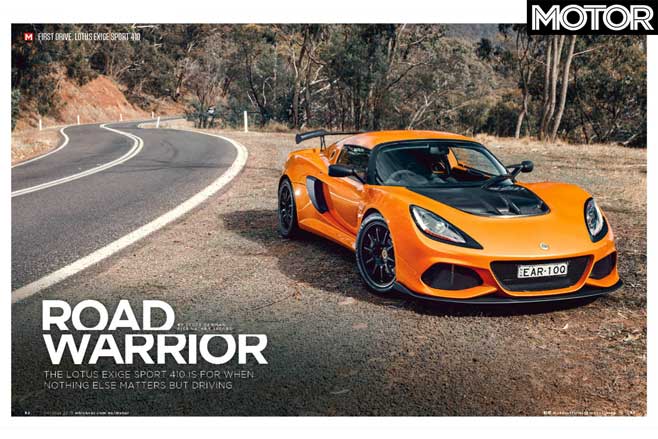
When only driving matters, it’s a harder, faster version of a harder, faster sports car.
MEETING OF THE MINDS: Mike Cross, Andreas Preuninger, and Matt Becker interviewed
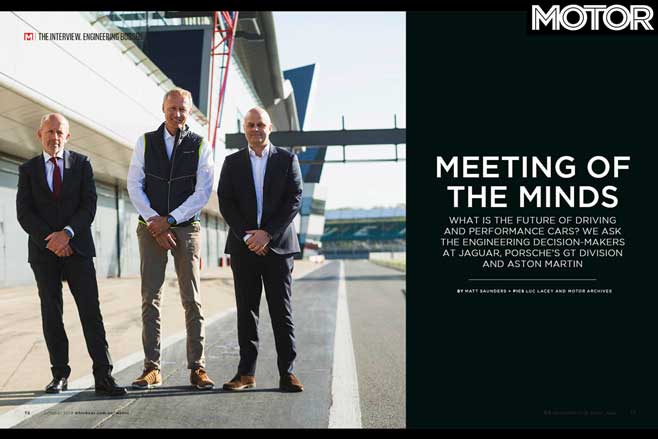
Jaguar, Porsche, and Aston Martin’s technical leaders hint at the future of performance cars.
FUTURE VISION: BMW Vision M Next Concept

M Division presents its vision for the future, and promises its ideals haven’t changed.
UBER MORGAN: Morgan Speed Six driven
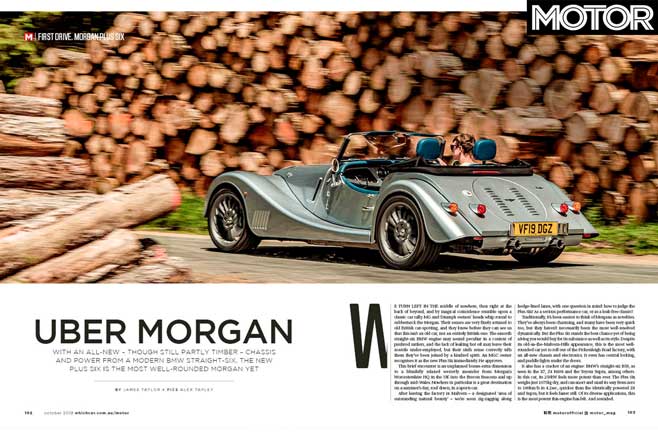
There’s still wood in the chassis, but a BMW six-pot turbo brings life to the saying ‘modern classic’
ICON BUYER: Mazda 6 MPS buyer’s guide
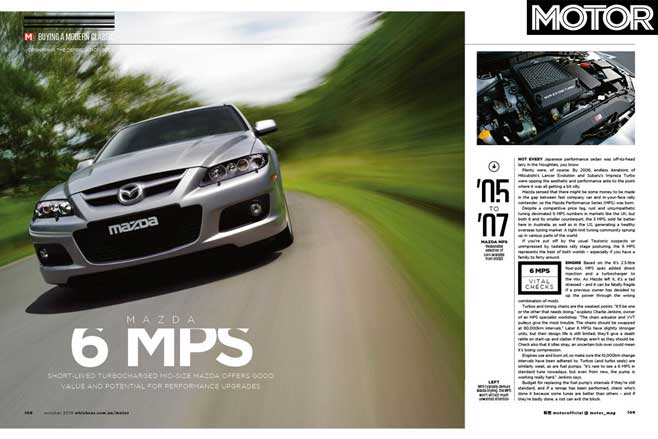
Speaking of modern classics… we help you with what you’d need to look for when buying one!
GARAGE: 2019 Peugeot 308 GTi 270 arrives
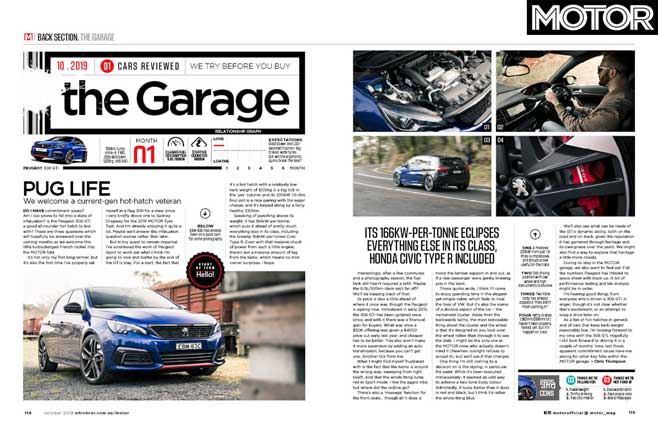
MOTOR’s digital journo gets his hands on a 200kW, diff-equipped Pug for a few months
NEWS & FIRST DRIVES: The Taycan revealed, plus we steer the Supra in Oz, and more!