
Some news that came out of the recent Geneva Motor Show had a surprising effect on me, as it just might on you too. There’s plenty to think about in the sale of a majority stake in the Morgan Motor Company to an Italian venture capital firm.
Yeah – Morgan, the 110-year-old British company that still builds cars with wooden floorboards, wooden body frames, some kind of weird dunny-plunger front suspension … and that’s their newer models. They also still build a three-wheeler, and another model, the 4/4, that’s the longest-running production car in the world, little changed from its 1936 launch version.
For context, in 1936 a prototype known as the Kraft durch Freude wagen was still two years away from its intended launch date. The ubiquitous Volkswagen ceased production more than 15 years ago, but the Morgan 4/4 is still plodding on at its elf-inhabited workshop in Bonking-Upon-Ethel, Chundershire.
Okay, I made up some of that last part.
But plodding is about right. The factory (actually in Malvern, Worcestershire) builds up to 850 cars per year, its 170-or-so workers still doing nearly everything by hand. A Morgan is basically a steel ladder-type chassis, on top of which is mounted a laboriously crafted skeleton of ash timber, skinned in hand-formed aluminium panels. There’s no assembly line; the cars are built on wooden trestles, then on their wheels.
A mate once told me about a British television series in the early-1990s, a sort of Shark Tank thing wherein some genius entrepreneur told various ma-and-pa Pommy businesses how to shape up. Morgan – then still literally a family business, with Charles Morgan, the grandson’s founder, as managing director – had a nine-year waiting list at the time. The entrepreneur shouted at them to ramp up production, adopt just-in-time technology. Morgan shrugged and went back to its tea and Malvern pudding.
Of course, a few years later the Global Financial Crisis struck. Car makers’ order banks were slashed. Which, at Morgan, meant maybe only a three-year waiting list. They just kept on building cars. So what’s this got to do with me, or you? Maybe very little. And a lot.
I can’t recall ever having driven a Morgan. I’ve certainly never imagined myself owning one. But I would really like to – in the same way I’d like to own an Eames chair, a Rolex Cosmograph Daytona, a Harley-Davidson motorcycle and plenty of other things that I don’t really have any use for and in some cases don’t even like very much, but that are so iconic, I just revel in the fact of their ongoing existence.
The Morgan family hasn’t directly run the business since Charles was punted by the company’s board in 2013, but he and other family members have maintained shareholdings. And so they will under the new owner.
Investindustrial is a venture capital group headed by the Benetton and Bonomi families, names that roll like Agnelli and Pirelli when talking about Italian industrial dynasties. Benetton you’d know via its ownership of the F1 team that brought Michael Schumacher the first two of his seven world championships, in 1994 and 1995, or perhaps through its global fashion brand. It’s also the biggest operator of Italy’s autostrade tollways.
Working in partnership with Alessandro Benetton is Andrea Bonomi, a former offshore powerboat racing champion. In 2006, Investindustrial bought motorcycle maker Ducati and further perpetuated a turnaround already well under way by its previous venture capital owner. When, in 2012, Ducati was sold on to Audi/Volkswagen (at a reported $1.58bn), its market share had doubled and profit margins increased by 40 percent. Investindustrial then turned its attentions to Aston Martin, taking 37.5 percent of the company in 2013.
So along with its money, Morgan’s new owner also has a heart, and it seems to be in the right place to preserve this living link to motoring’s early history.
The little Suzi is a big fan favourite. As far as small and affordable hot hatchery goes, it’s right up there. It’s also hard to find more smiles per dollar at this end of the market. Although, at north of $25k for the manual Swift you can afford the venerable Mk 7 Volkswagen Golf GTI. It’s a class above in size and a significant leap in performance. But which one would we buy?
SUZUKI SWIFT SPORT
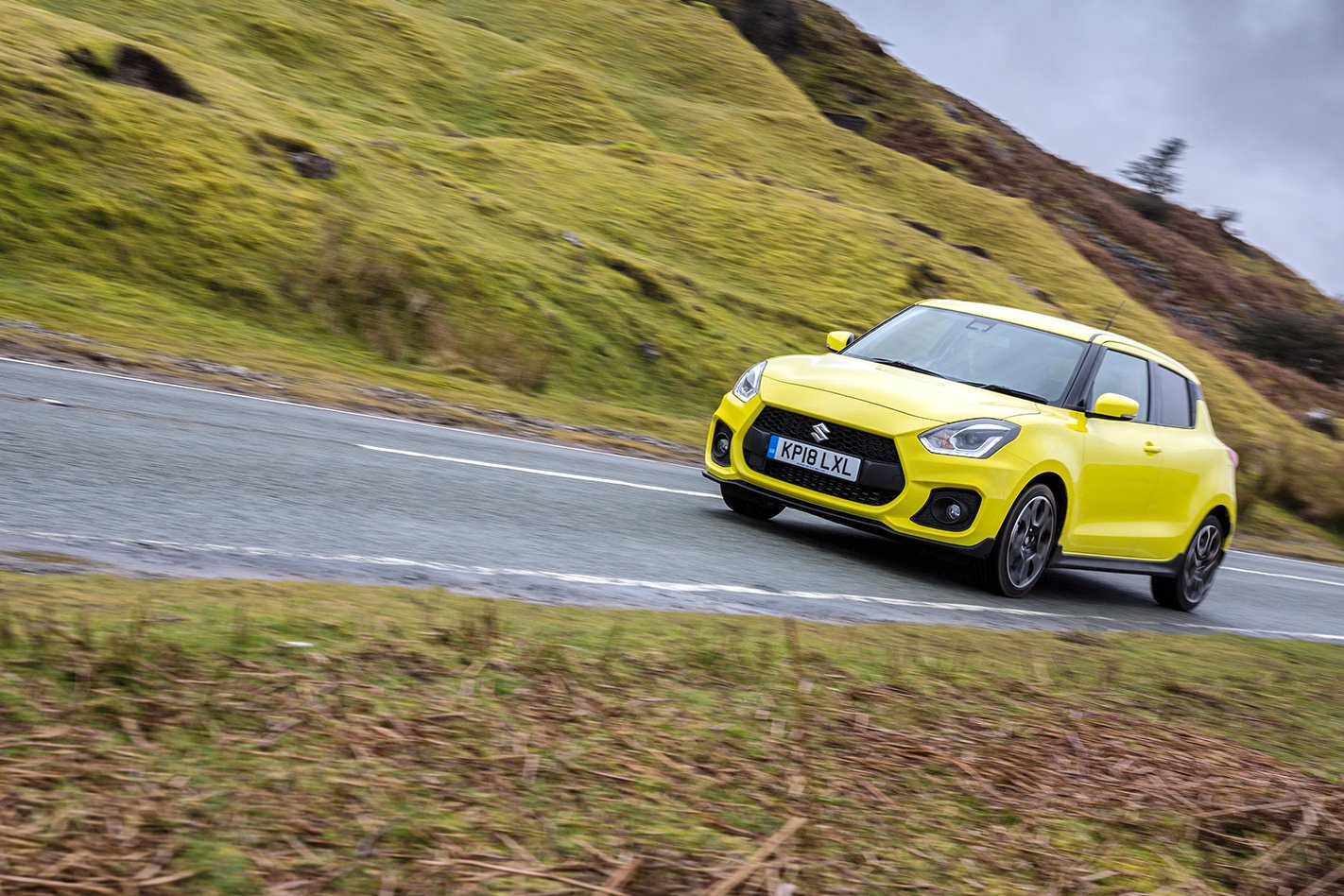
The fourth-generation Suzuki Swift Sport is different. It’s bigger than ever and, for the first time, finds its four-cylinder engine boosted by forced induction. What hasn’t changed is its lithe kerb weight. In fact, in a generation where nearly everything is becoming rather rotund, the Swift Sport has gone on a diet despite needing larger clothes. A sub-tonne total of 970kg for the manual means 80kg has been shed over the previous generation Sport.
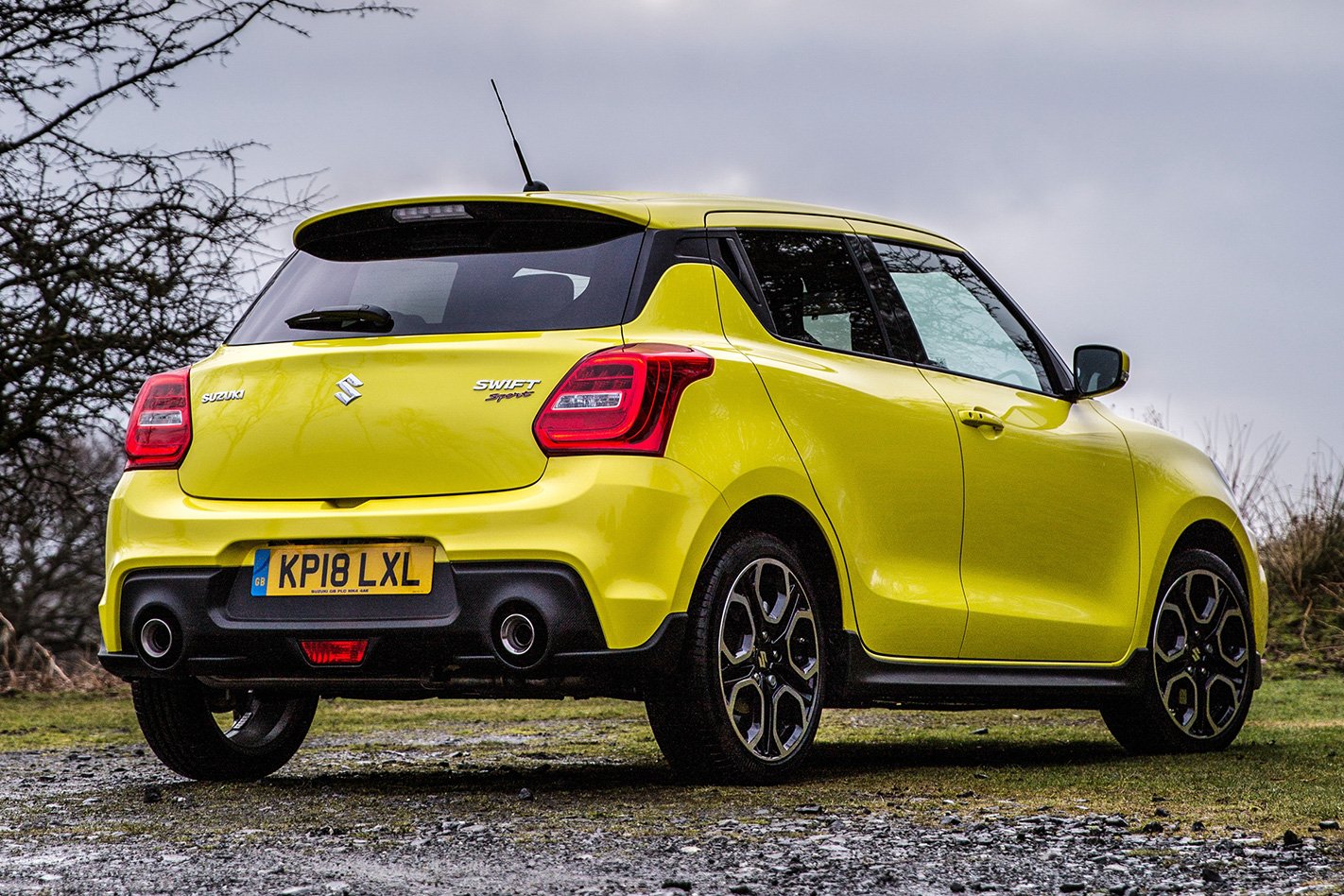
That’s good news given the Boosterjet 1.4-litre four-cylinder endows the Sport with 103kW at 5500rpm and 230Nm at 2500-3000rpm. Not exactly jaw-dropping figures, but the K14C engine produces an extra 3kW and a sizeable 70Nm more than the outgoing Sport. Plus, it has a plucky and perky nature that makes it hard not to love despite going against its traditional rev-happy, atmo grain. Almost more impressive is the fact that the diminutive Swift gains a five-star ANCAP safety rating, while remaining stripped out on the scales.
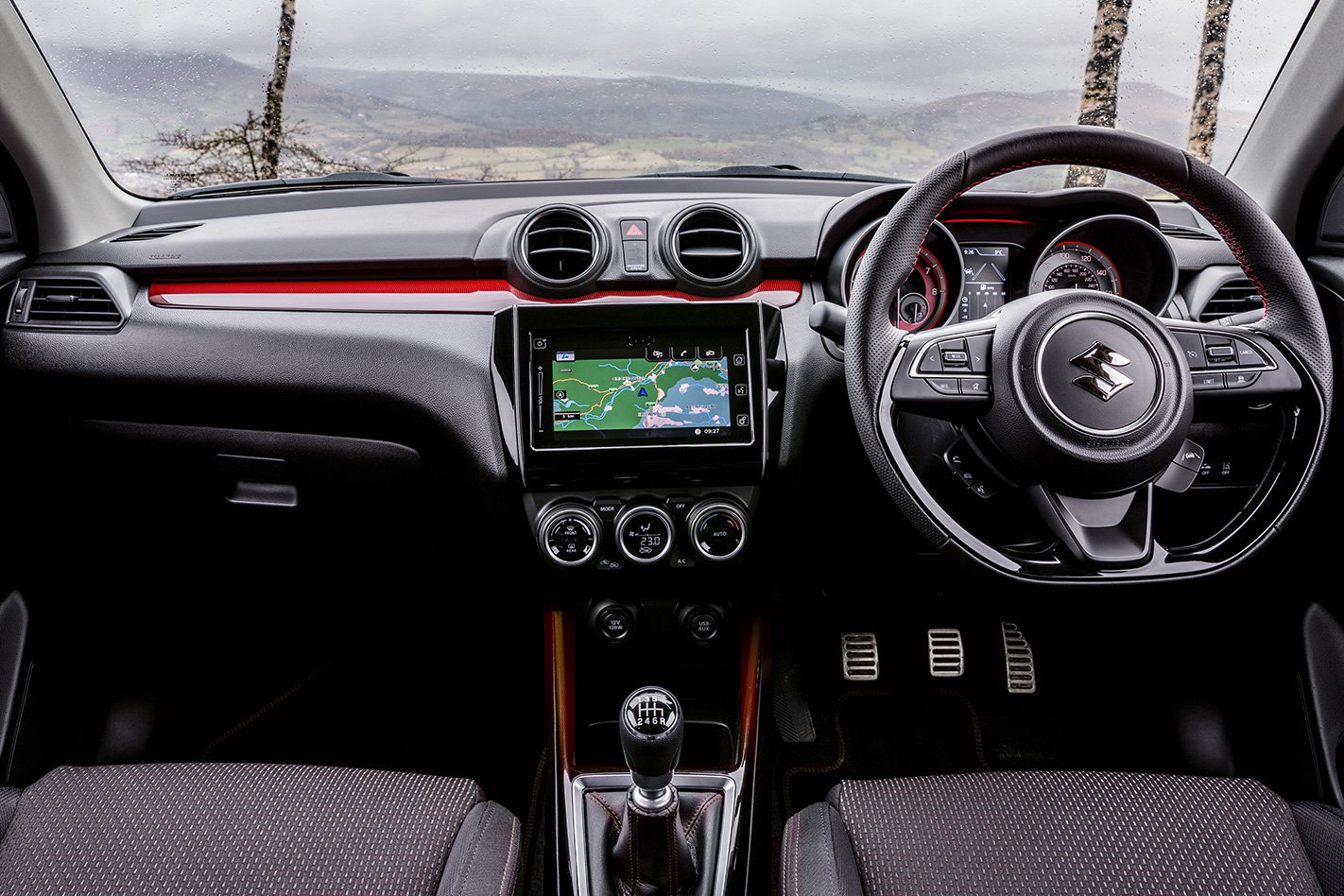
Of course, being built to a price and weight, there has to be a trade-off somewhere. And that’s in terms of sound deadening and the quality of the plastics. Both aren’t great, but you kind of expect that given the price and relative performance on offer. However, the Swift is longer, wider and taller than its Supermini counterparts, meaning you get more interior space and cargo capacity (265L). It’ll even do 6.1L/100km.
It’s also decked out with an infotainment system that supports Apple CarPlay and Android Auto. Keyless entry, lane-departure warning, adaptive cruise control (with AEB) and LED headlights are standard for the manual’s $25,490 price tag. Optioning the auto is a $2000 premium, and isn’t a bad choice if you desire it, but stick with the manual to further tie in with the entertaining dynamics.
VOLKSWAGEN GOLF GTI MK 7
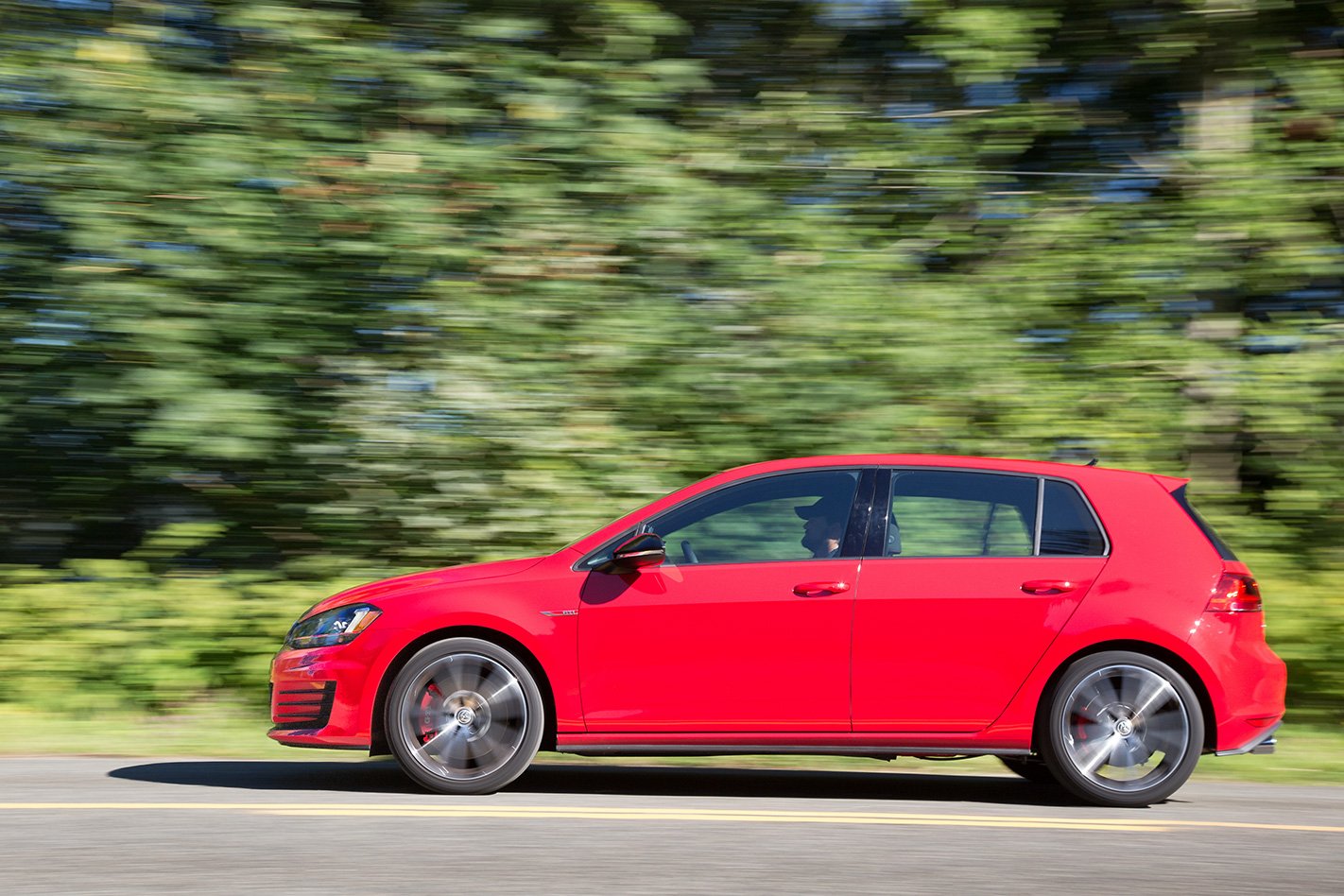
It’s hard not to include the Golf GTI in any hot-hatch conversation. And considering you can now get an early-build seventh-gen example of the front-wheel drive hero for around the same price of the Swift Sport new, it’s an appealing performance car for the pragmatic. Going on sale in 2013, the Mk7 GTI resembles decent used buying, with myriad options available second hand between $25,000 to $30,000 in either manual or DSG guises.
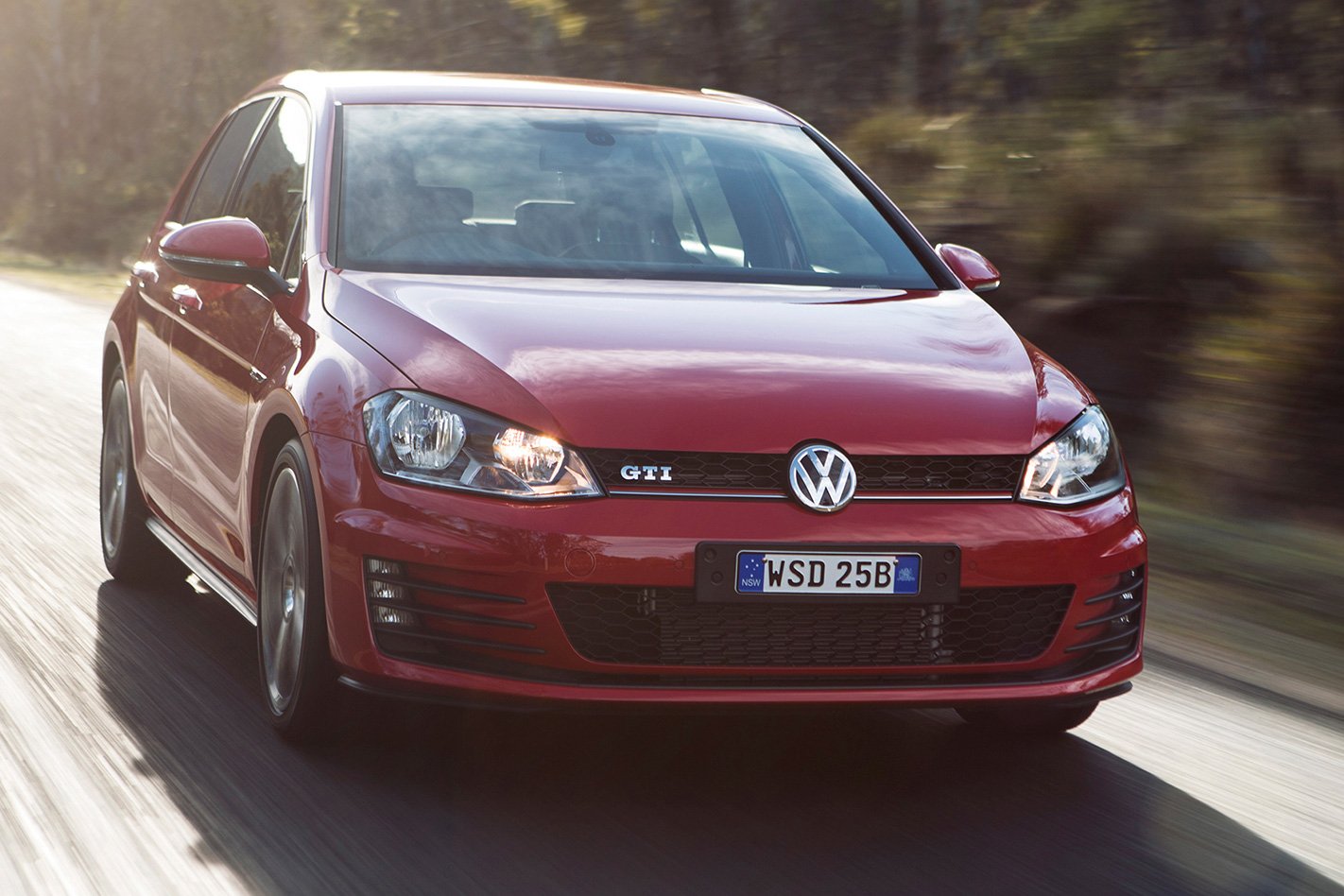
For that price, there’s plenty of poke and far more personality than the Golf is often given credit. With the esteemed EA888 2.0-litre four-cylinder turbo punching out 162kW (6200rpm) and 350Nm (4400rpm), the GTI reaches 100km/h in a claimed 6.5 seconds. It’s a linear unit, producing its power and torque in such a way that you’d almost be forgiven for thinking its naturally aspirated.
The six-speed DSG is an event to use, popping and farting with gear changes and crackling on the overrun. While the rapid-fire nature of the dual-clutch is enticing, it can be jerky at slow speeds. A six-speed manual, with a light action can be had if you prefer to shift gears yourself. Dynamically the GTI is competent, even fun as you push the limits, but overall it’s a very liveable hot hatch.
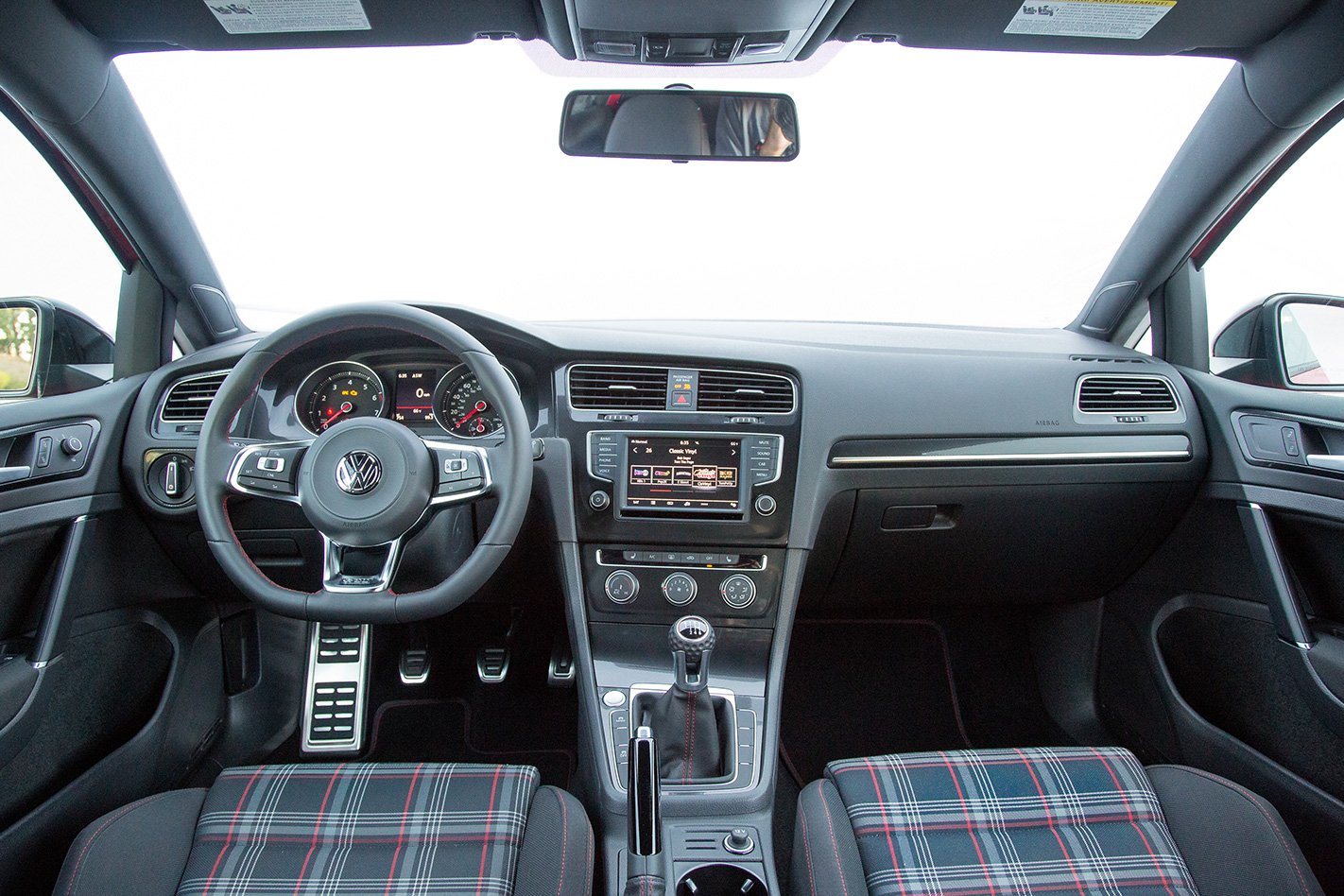
Being only half a generation behind, the Mk7 GTI also gains up-to-date infotainment and high levels of on-road refinement. The interior quality is impeccable for a hatchback and the materials used are pleasingly tactile. The damping of the controls is first rate and it’s practical, too, with enough space for five along with a 380-litre boot.
Specs comparison
| Suzuki Swift Sport | Volkswagen Golf GTI |
Price (new) | $25,490 | $41,990 |
Engine | 1373cc 4cyl, dohc, 16v, turbo | 1984cc 4cyl, dohc, 16v, turbo |
Output | 103kW/230Nm | 162kW/350Nm |
Transmission | 6-speed manual | 6-speed dual-clutch |
0-100km/h | 7.2sec | 6.5sec |
Efficiency (combined) | 6.1L/100km | 6.6L/100km |
Drivetrain | FWD | FWD |
Doors | 5 | 5 |
Seats | 5 | 5 |
Wheel size | 17-inch | 18-inch |
Boot size | 265L | 380 litres |
Country of origin | Japan | Germany |
Wheels staff picks

Trent Giunco
Staff Journalist
In just about all measurable metrics, the Golf is the better buy – especially when you consider the fact you can snap up a seventh-gen GTI for the price of a brand-spanking new Swift Sport. Yet, it’s not that black and white. With memories of the one-make Swift series front and centre, the cheeky nature of the Swift is hard to go past. But so is the premium interior and performance of the GTI – search hard enough and you might even nab a 169kW Performance version with the clever electronic front diff. I’d side step potential out-of-warranty issues and grab a well-optioned six-speed manual. Although, there’s no doubt I’d probably regret not buying the reliable Suzi at some point.

Alex Rae
Online Editor
Out of warranty issues relating to a Volkswagen DSG in a performance car is the thing of nightmares, so it comes down to the stick-shift Golf and the brand-spanking new Swift for me. Though the GTI is a fun hatch, newer variants are so slick and refined they miss the old school hot hatch vibe that the Swift Sport still has. Light, softly sprung but dynamically competent, there’s a lot of reward in extracting the best from the Japanese featherweight. Though the five-year warranty is a draw card too, Suzuki has a solid reputation for engineering cars that can last a lifetime.

Andy Enright
Deputy Editor
Being fundamentally lazy, I’m tempted by the DSG version of the Golf GTI but the realist in me has to admit that his own Golf 7 is now on its third DSG clutch pack. So, given that the Vee-dub is out of warranty, it’d have to be a manual version. Whether that car would put a bigger smile on your dial than the Swift is open to question. The Golf is astonishingly competent across the board, but the Swift has something about it. Ultimately, I think I’d still go for the Golf. It’s done the steepest part of its depreciation curve, it still feels modern and, on the right road, it’s properly quick. Where do I sign?
Reckon we’ve got it right? Or are we way off the money (literally)? Find your best and let us know in the comments what you’d buy.
Sheer driving pleasure. It’s a tagline that BMW has sworn by for the last fifteen years. It’s also been code for ‘rear-wheel-drive cars are more fun’, as the German car builder eschewed the push towards front-wheel-drive that started to build up steam in the 1990s.
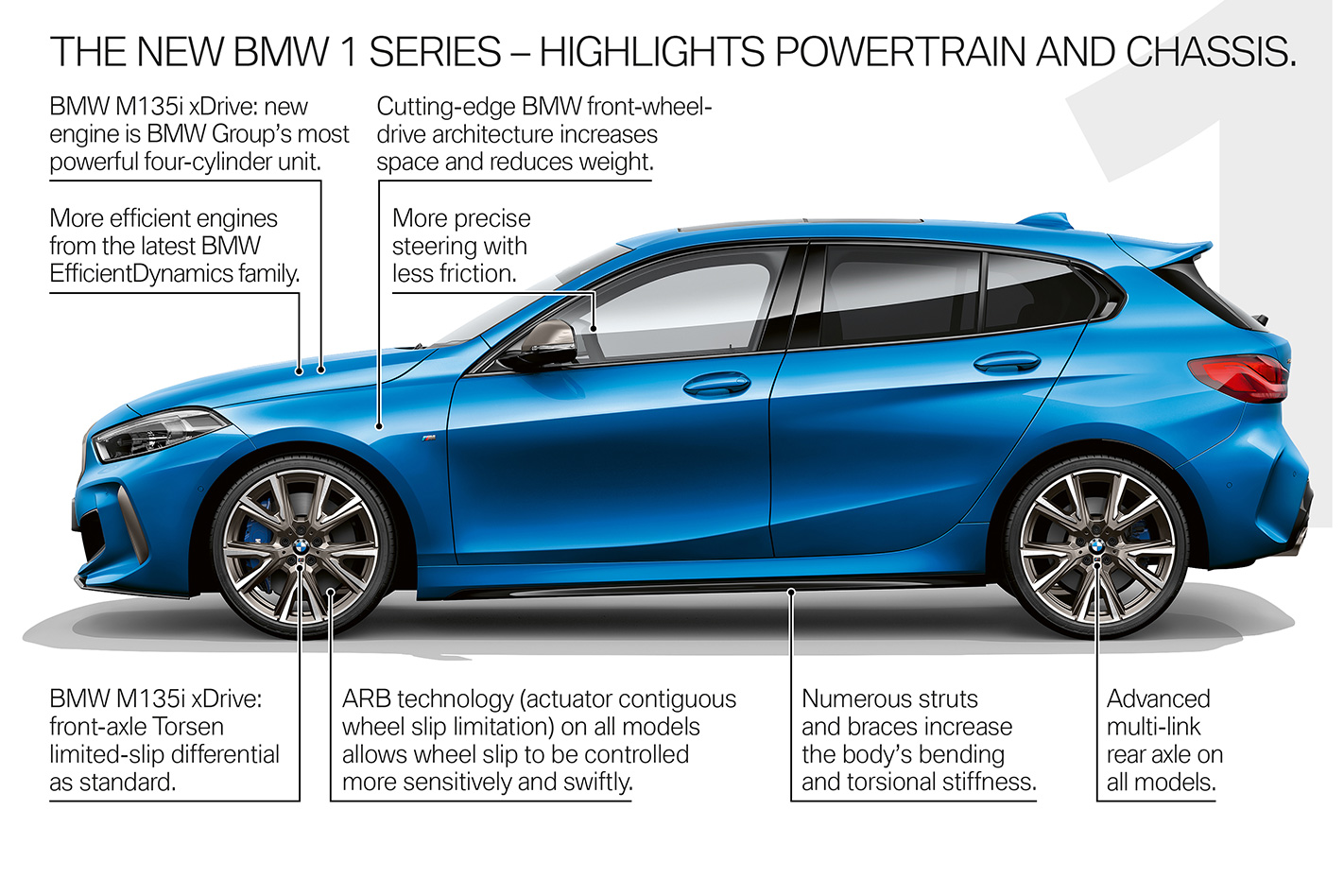
Now, though, the company has developed its first ever front-driver BMW 1 Series. Launched in its home town of Munich this week, the new 1 Series sits at the base of the BMW range, and will arrive in Australia in late 2019.
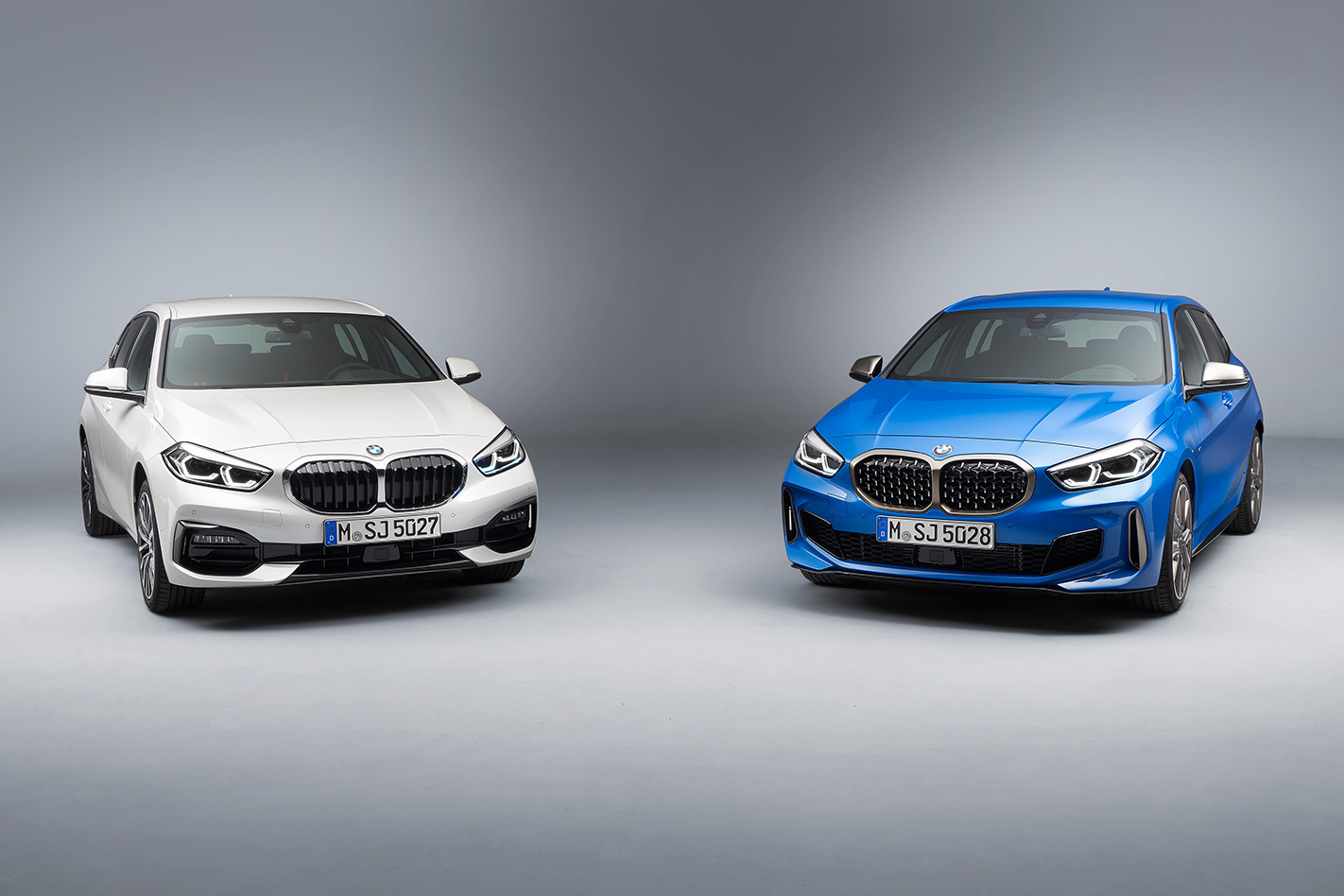
It’s based on the same underpinnings – known internally as UKL2 – that are found underneath cars like the BMW X1 and X2, as well as the Mini Countryman.
While rear-wheel-drive cars have long been a staple for the brand, there are compromises to be made as the size of the car shrinks. A rear-wheel-drive car’s engine, for example, has to be mounted in a longitudinal, or ‘north-south’ orientation so it can line up with the gearbox and driveshaft.
This means that the length of the car’s cabin is compromised in order for it to fall within the same measurement ‘footprint’. The driveshaft, too, necessitates a larger tunnel through the middle of the car, which gobbles up interior space.
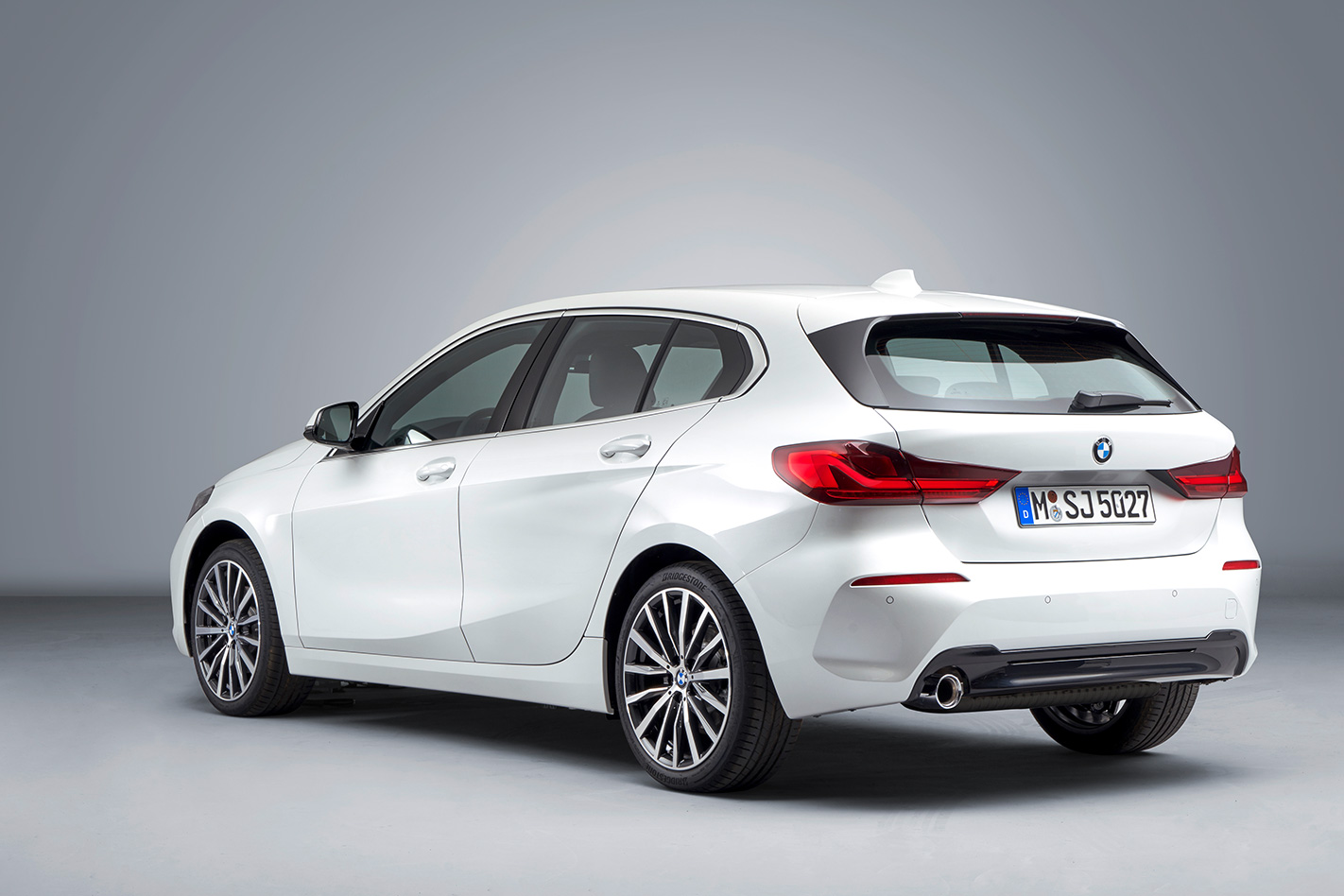
A FWD car, on the other hand, runs its engine ‘sideways’ or transverse in the engine bay, reducing the amount of room needed under the bonnet. Its gearbox and driveshafts, too.
There’s also the question of manufacturing costs and complexity. The UKL2 platform serves the BMW group under its smaller cars, as well as underpinning some of the Mini line-up.
The engines, including both three- and four-cylinder turbocharged petrol units, already exist within the company, so there’s another cost taken care of.
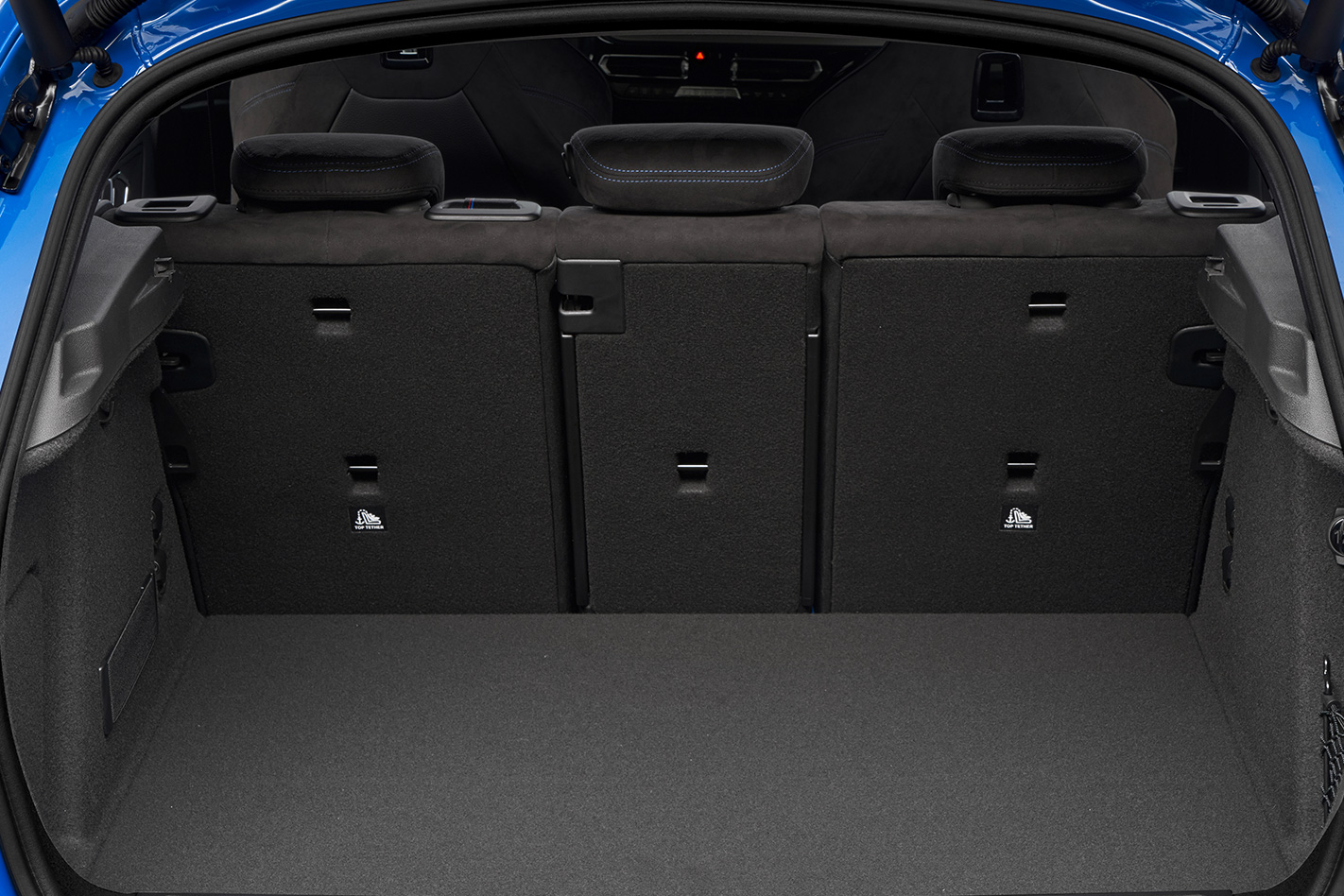
And it means that the new 1 Series is 30kg lighter on average and 20mm shorter overall, but is 34mm wider and has much more interior space.
It’s a big sidestep for the brand, but a necessary one, according to BMW insiders.
“Driving a front-wheel or a rear-wheel drive car now, there is almost no way to tell the differences, not like 15 years ago,” said BMW’s press spokesperson for the 1 series, Florian Moser. “For sure, 15 years ago it was the right way to go, but times have changed.
“Going to FWD has allowed us to make a big step forward in the compact segment, where we fight for every centimetre we can get.”
He’s quick to assure that this isn’t the thin end of a wedge that will see BMW move towards a front-driven future.
“It’s about having the right package for each segment of the market,” he said.
The powertrain project manager for the BMW 1 Series, Christian Bock, said that the company had been naturally evolving towards this point for the last few years and that the pieces were in place to make the transition easier for the new 1 Series.
“When we developed the second-generation (2011-2019) 1 Series, we already had all of the architecture and engines to stay with longitudinal engines and rear wheel drive; it was easy to stay on that path,” he told WhichCar.
“With the new third-generation, we have access to the Mini architecture and engines. It was a natural progression.
“Honestly, this one was the most interesting and the toughest tasks in my business life to make the powertrain of this car even better than this one of the predecessor, which is a very good powertrain, and I think we achieved it.”
We’ll bring you more on the 1 Series next week.
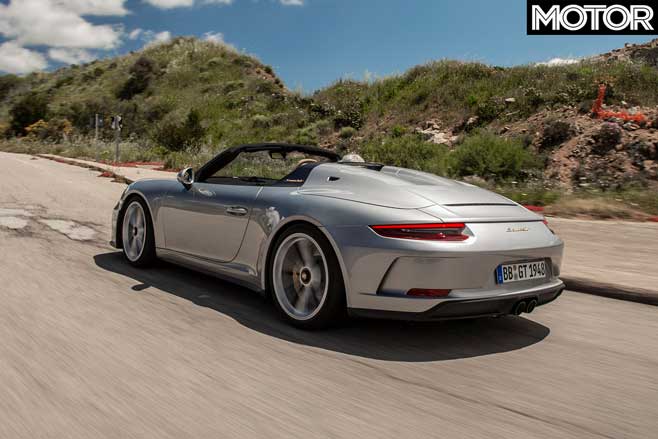
The 991 is dead; long live the 991. And long live the Porsche 911 Speedster.
Before the era of the best-selling 911 to-date comes to an end, Porsche will hand-build 1948 fifth-gen Speedsters in its Zuffenhausen plant. The symbolic build number refers to the year Porsche was born, 71 years ago, and the new Speedsters will share a production line with an extra batch of 2500 991 series GT3 RS fitted with upgraded lower-emission engines.
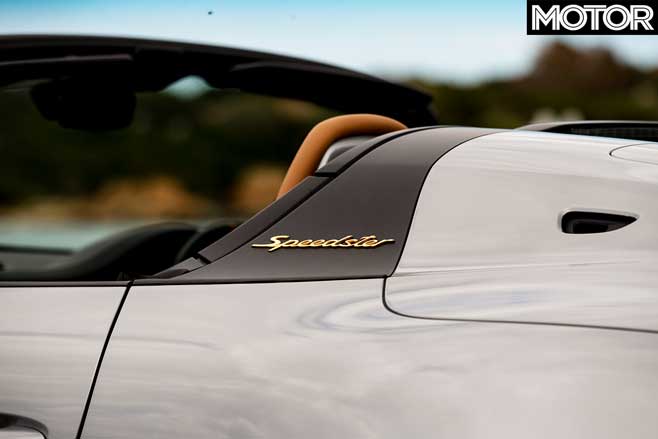
The Speedster will be available with the optional $35,000 Heritage Design pack which is Porsche’s new millennium nod to early Speedsters. Created by Style Porsche, the pack includes a black and Cognac interior with gold details, white racing decals on the doors and bonnet (the buyer can specify a two-digit number), and ’50s and ’60s-style Porsche crests and gold badges. Green and white-on-black instruments hark back to Ferdinand Porsche’s very first cars.
The Heritage Design pack is expected to do for the head-turning Speedster what the Weissach kit did for the GT2 RS and 918: Enhance the car’s appeal and boost resale value. Thankfully the contrasting white paint and matching ‘spears’ on the nose are delete options, as on our test car.
The roof of the first Speedster, the 356 launched in 1954, was neither waterproof nor insulated, but opening and closing it was a breeze. Ever since then, the folding top has become increasingly complex, from the 964’s all-manual G-model (with its solid second-generation double-bubble tonneau), to the overkill 997, which needed a YouTube instruction video to work out how to raise and lower it.
But just because it’s 2019, don’t expect to go from hair-in-the-air to becalmed ‘barnet’ in the single push of a button. No, the new Speedster is once again a jump out, then jump back in affair.
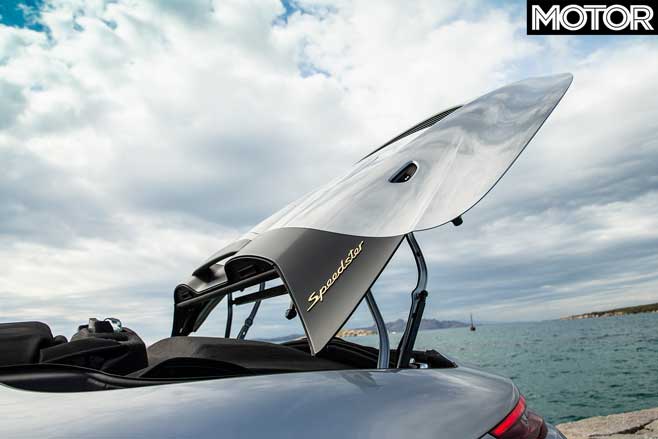
First, you release and lift the roof by pulling the cabriolet button. Next, get out of the car, unlatch the carbon-fibre composite compartment lid and swing the assembly backwards and up before folding two canvas fins inwards. Only then will the soft-top neatly stow away in a square recess between the firewall and the engine.
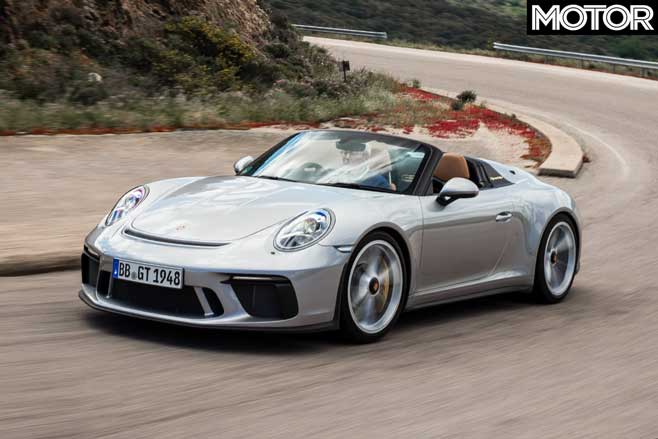
Design-wise, it’s instantly obvious that the cowl and side windows were lowered by 50mm and the fabric headgear pulled further down and back for that coveted retro-look go-faster effect.
While it is allegedly safe to run the newest Speedster through a car wash, wind noise at speed is as deafening as ever, and gale force buffeting can weave dreadlocks into an otherwise conservative hairdo. A wind deflector is conspicuously absent.
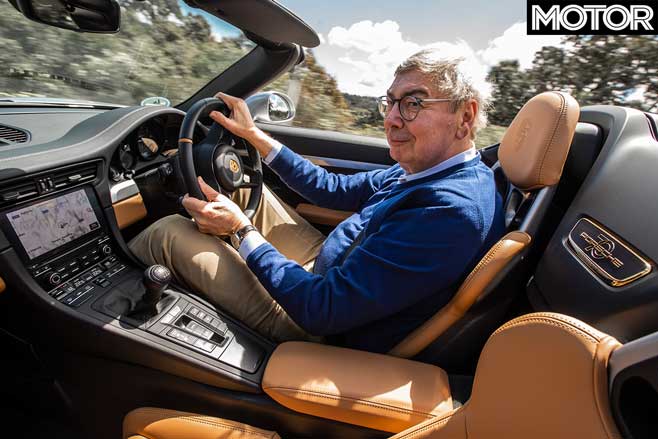
The secondary cargo space behind the seats can only be described as minuscule and behind that, a pop-up roll-over protection system is concealed in the twin ‘speed bumps’.
Masterminded by Porsche’s GT division, the Speedster comes with lightweight quarter panels and lids, magnesium rims, a thinwall exhaust that has shed 10kg, and fabric loops instead of conventional door handles. At 1465kg, it is only 115kg heavier than a 718 Boxster T.
It’s a chilly morning, the wind is blowing, and there is drizzle in the air, so the top stays up as we crank up the cabin temperature by a couple of notches. The Heritage pack is available with air-con, satnav and a 150-Watt sound system but two extras are essential: The lift system that increases the critical front spoiler clearance and adaptive LED headlights.
The pack also comes with carbon-fibre seats which cannot be heated, or adjusted in height, but 18-way sports seats are a sensible no-cost alternative. The driving position is different in that the field of vision is clipped at the top by the lower cowl and visors. The rear-view mirror gives a letter box-slot view of the power domes and a small crossbar that also acts as a high-mount brake light.
Although the Speedster is a tighter fit than any other 911, the cocoon-like packaging is actually part of its appeal.
The revised atmo 4.0-litre six makes 375kW at 8400rpm and 470Nm at 6250rpm, shading the GT3 powerplant by 7.5kW and 10Nm. It does this using high-pressure injectors, a back-to-the-roots valvetrain without hydraulic clearance compensation, seven-stage dry-sump lubrication and, most importantly, six individual instant-response throttle bodies. And it revs to 9000rpm (insert smile emoji).
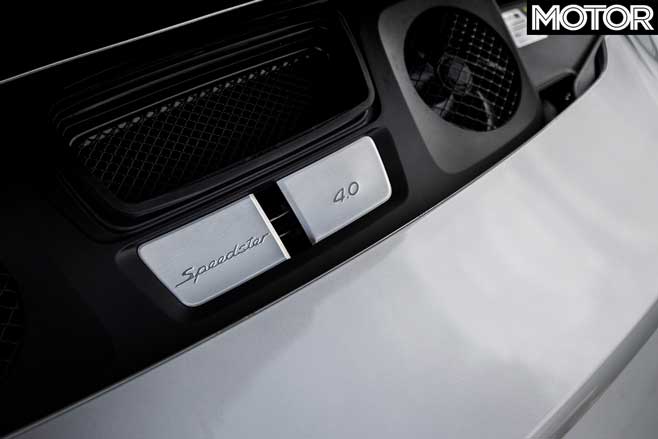
With its redesigned exhaust, which includes two mufflers and particulate filters, it sounds and feels quite different from the pre-EU6d-TEMP (Euro emissions standards) GT3 unit. Kraftwerk sources say the next GT3 will use an even more potent version of this engine. At day’s end, with the tank two thirds empty, consumption worked out at 19.8L/100km.
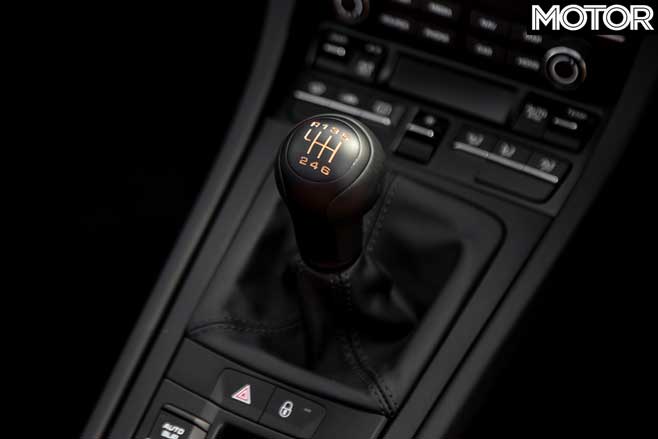
Like the GT3, the final iteration of the 991 family cannot be ordered with the slick PDK transmission, it’s manual only. Thankfully, the standard six-speed is more precise than the rather indifferent and slow seven-speeder fitted to the base model. Accelerating from 0-100km/h in 4.0sec, the Speedster loses just one tenth to the 331kW Carrera S cabriolet and thanks to its smaller frontal area, wins the top speed duel by an equally academic 310 to 307km/h.
Michelin Pilot Sport Cup 2 tyres on centre-lock forged 20-inch alloys are standard and wet tarmac, puddles and aquaplaning grooves should immediately trigger an alarm. While working heat into the rears is not exactly rocket science, the front tyres take longer to warm up and unless tyres are up to temperature, snap oversteer followed by snap understeer or vice versa can be impromptu heart-stoppers.
Once maximum grip is confirmed, the mechanical diff lock aided by torque vectoring and on-demand brake actuation does what it can to immunise the Speedster against less-than-optimum surfaces and treacherous corners. Further assistance is provided by the speed-related triple-phase rear-wheel steering, awesome carbon-ceramic brakes and adjustable dampers with two settings: Normal and Sport.
Luckily the usual active-safety features are also there to step in and prevent disgrace. If you have the reactions of Walter Rohrl (and very few do), deactivating traction control and/or stability control is an option, but bear in mind that breakaway can be sudden, power oversteer can be a tightrope act, and the ability to balance steering and throttle inputs can be the difference between drama and tragedy.
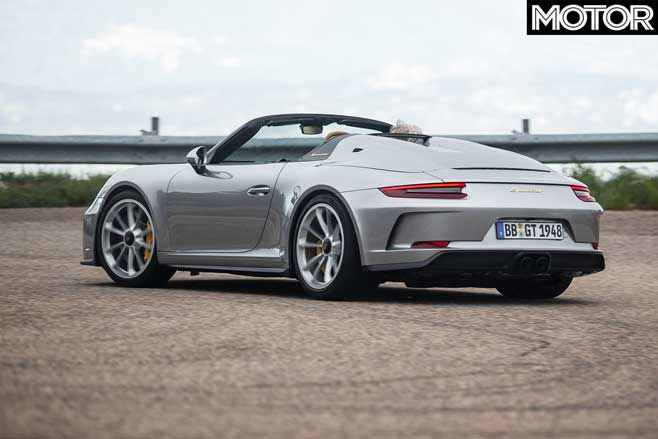
The new Speedster is a strong investment and a natural poseur, but it is too valuable and vulnerable to be used as a track tool or daily driver, and it is too noisy and uncomfortable for long freeway journeys. Like previous iterations, Speedster gen-five prefers the open road, blue skies and enough room to move in case its owner feels like showing off.
In this price bracket, the Speedster is beaten on points by the more sensible 911 Turbo S and the more wicked 911 GT2 RS. As an icon, however, it is credible and desirable and certainly involving enough to provide thrilling fresh-air fun.
Just don’t lose any sleep over the fact that the new Speedster was sold out even before the first production model rolled off the line. Proof that Porsche marketing guys are every bit as good as their R ’n’ D comrades in creating one cool object of desire after the other.
FAST FACTS 2019 Porsche 911 Speedster BODY: 2-door, 2-seat roadster DRIVE: rear-wheel ENGINE: 3996cc flat-six, DOHC, 24v BORE/STROKE: 102.0 x 81.5mm COMPRESSION: 13.3:1 POWER: 375kW @ 8400rpm TORQUE: 470Nm @ 6250rpm WEIGHT: 1465kg POWER-TO- WEIGHT: 250kW/tonne TRANSMISSION: 6-speed manual SUSPENSION: struts, adaptive dampers, anti-roll bar (f); multi-links, electronically-controlled dampers (r) L/W/h: 4562/1852/1250mm WHEELBASE: 2457mm TRACKS: 1551/1555mm (f/r) STEERING: electrically assisted rack-and-pinion; rear-axle steering BRAKES: 410mm ventilated/drilled discs, 6-piston calipers (f); 390mm ventilated/drilled discs, 4-piston calipers (r) WHEELS: 20.0 x 9.0-inch (f); 20.0 x 12.0-inch (r) TYRES: Michelin Pilot Sport Cup 2, 245/35 R20 (f); 305/30 R20 (r) PRICE: $604,800
PROS: Brilliant engine; manual transmission; collectible CONS: Wind buffeting; snappy chassis; twice the price of GT3 RATING: 4.5 out of 5 stars
Initial design sketches and concepts are generally not to be taken as a solid indicator of what the final production car will look like, though in the case of the upcoming Aston Martin DBS GT Zagato, its finalised design elements sound more impressive than how it will look.
Barring the reality abiding higher-profile tyres, less-exaggerated bonnet length and production-spec wing mirrors, the DBS GT Zagato’s final ‘production-intent’ design looks faithful to the original sketch.
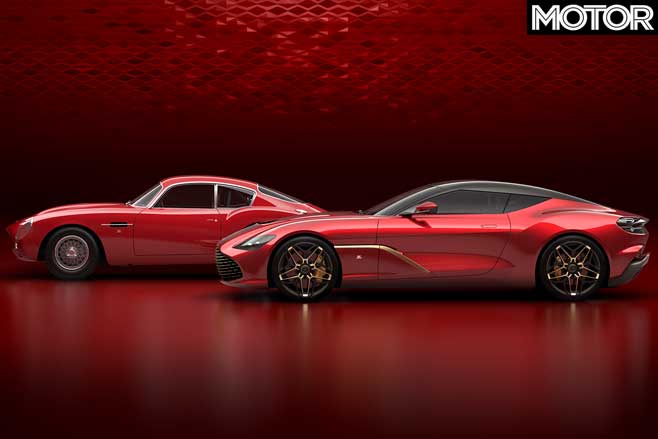
The juicy details, though, are in its design elements. The DBS GT Zagato’s front grille features 108 individual carbon-fibre panels that open and close “dynamically”. Aston Martin says these panels are arranged to look flush with the nose when the car is parked, and programmed to open when the car is started up.
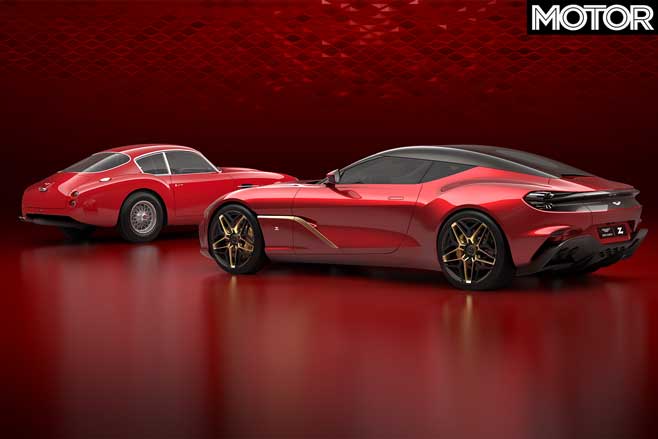
Around the back, Aston Martin has retained the original design concept’s idea of “discarding the traditional rear windscreen in favour of a purer roofline”.
Making it onto the final design is an expansive single-piece carbon-fibre roof, with the Zagato signature double-bubble aesthetic that will stretch from the front windscreen all the way to the back. With no rear window to see out of, the DBS GT Zagato would be supplemented with a camera-operated digital rear-view mirror.
Aside from the design details, Aston Martin has yet to release any information on the sort of performance figures the DBS GT Zagato would be able to extract from the twin-turbo V12 powertrain and chassis it will derive from the DBS Superleggera.
Production of the DBS GT Zagato will commence in 2020, with each of the 19 examples to be paired with the 19 DB4 GT Zagato continuation models that will be built as part of the DBZ Centenary Collection.
Each of the 19 pairs of the DBZ Centenary Collection is priced at £6m.
It seems not a single week passes without having to salute the end of another motoring icon. This week it’s the turn of the Volkswagen Beetle, which ceased production after an astonishing 80 years.
The boys discuss the iconic car’s notable achievements, how VW flogged an incredible 23.5 million of them, what comes next, and the real reason the German car maker killed its bug.
Later, Tony “Cane Toad” O’Kane brings us up to speed on the latest projects from global tyre giant Continental. You may be surprised to hear that rubber is a relatively small part of Continental’s business and its development in the field of advanced electronics is really eye-opening stuff.
Also on the chat this week, Andy explains the principle and purpose of a new car press launch and the associated drive. But more importantly, what happens when it doesn’t go to plan.
It seems most motor journalists have been on a launch where things haven’t gone to plan but does that mean it’s an entirely wasted exercise? Tune in to find out.
If you’re on the go, you can find WhichCar Weekly on all manner of podcast apps including iTunes and Podbean. Please rate, subscribe and leave a review! You can also follow the day-to-day happenings of the WhichCar team on Facebook, Twitter and Instagram @whichcarau.
Listened to the show? Help us out:
- Leave a note in the comment section below.
- Leave a review on Apple Podcasts/iTunes
- Subscribe to our podcast
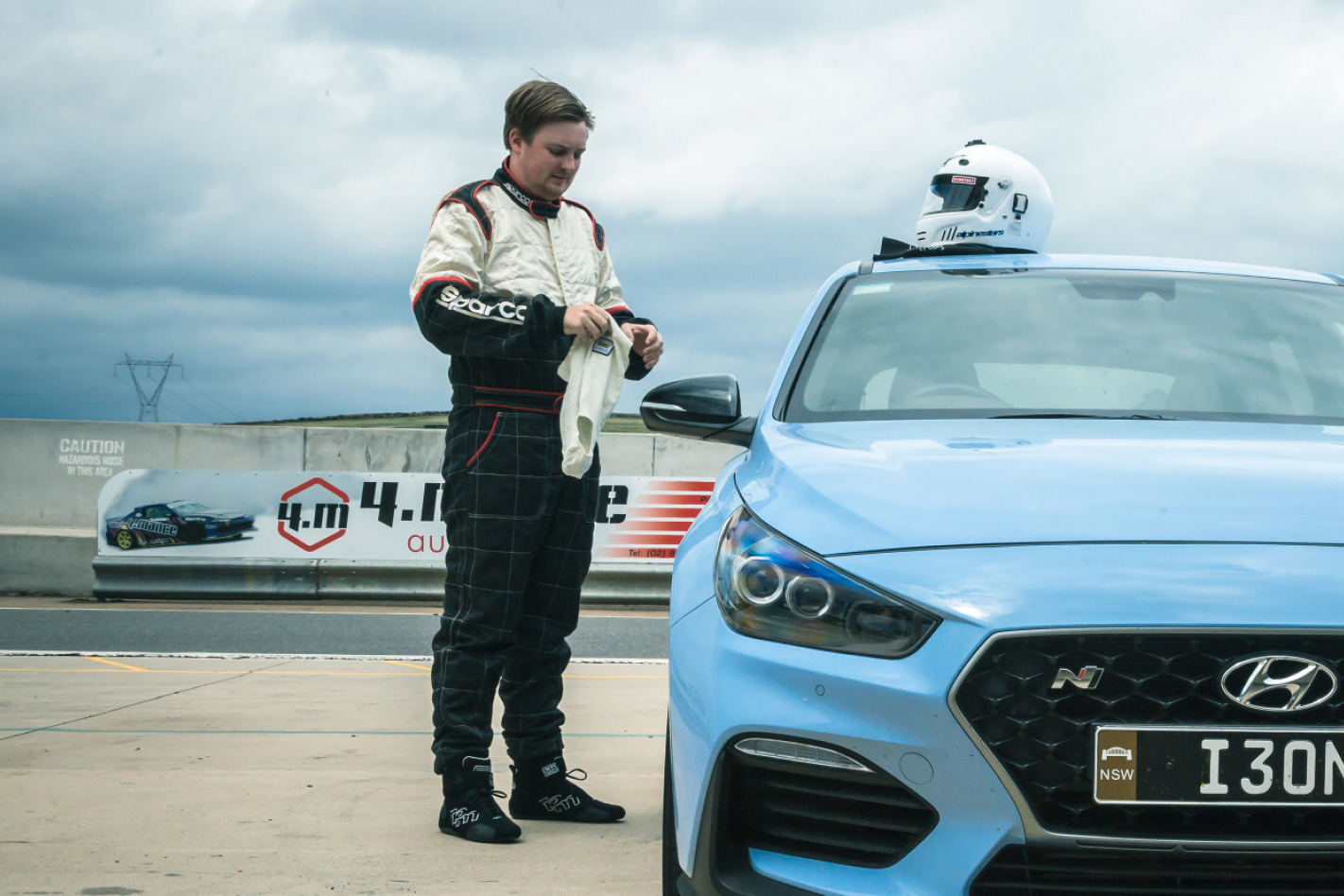
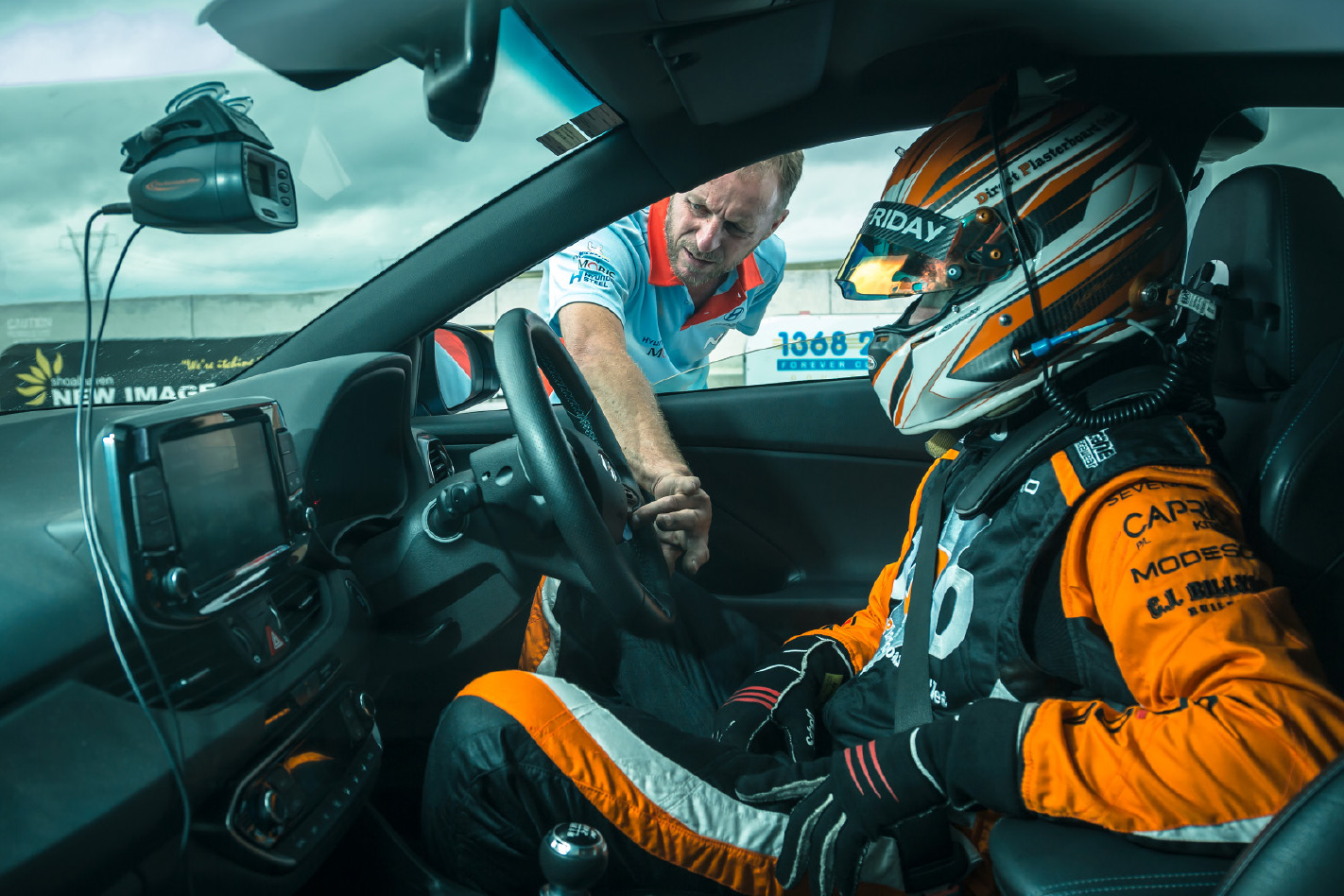
THINK I’m about to lose feeling in my right leg. I’ve been strapped into one of only three Hyundai i30 N TCR cars in the country, and the belt of the racing harness pressing me into the seat feels like a hot iron as it pinches my flesh. I try to hide the pain spreading through my thigh like a flash flood as the engine fires into life, and the door is closed with a solid THUNK.
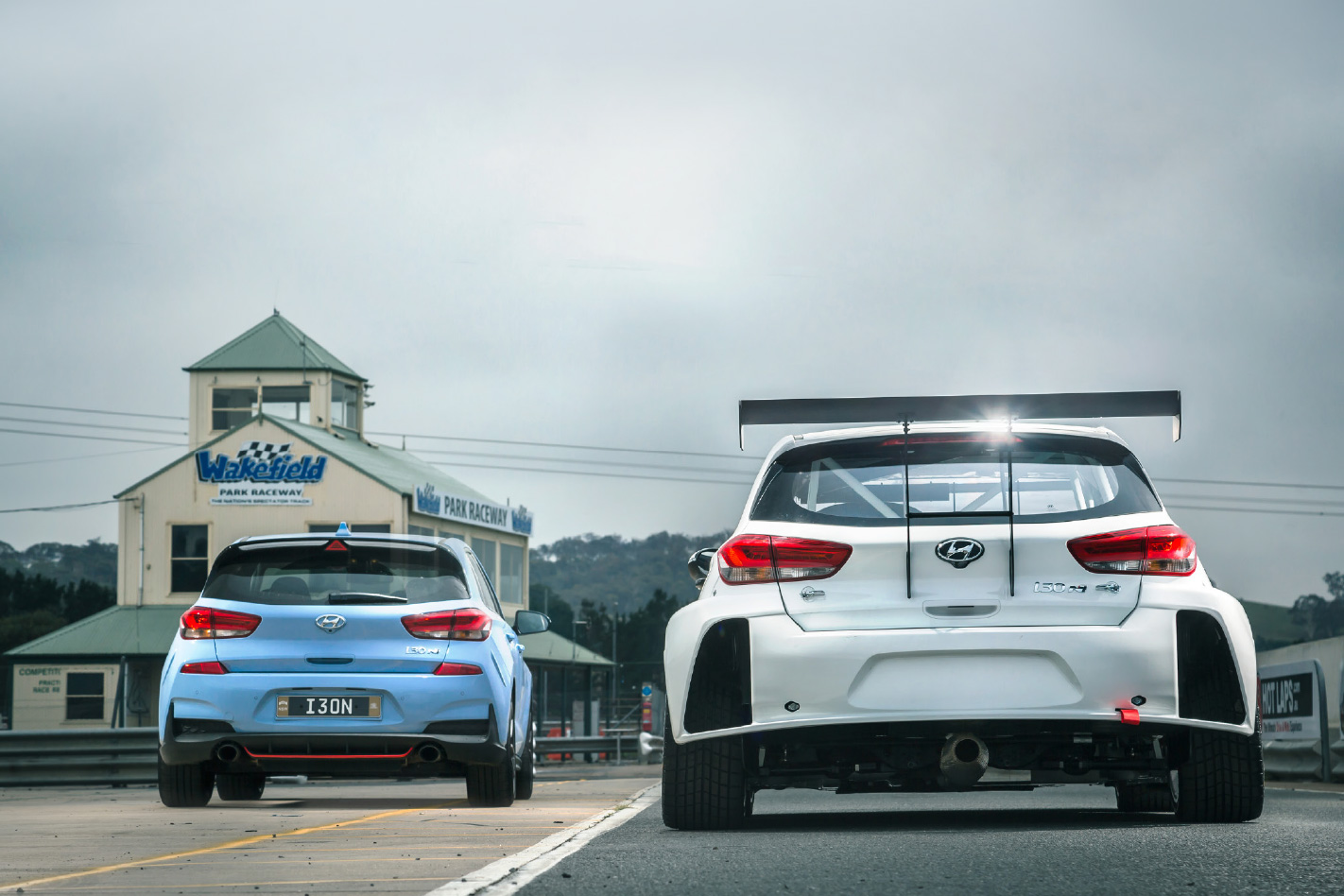
But I’m getting ahead of myself. The reason why circulation is being cut off in my leg is because I’ve convinced HMO Customer Racing to allow me behind the wheel of its box-fresh race car which is based on our hot hatch benchmark, the Hyundai i30 N. Handy, then, that I’ve brought along a road car to join in on the day’s antics.
TOURING car fans of a certain vintage will understandably be sceptical about the introduction of TCR, which harks back to the touring car wars of the 1990s. During that tumultuous time, tin-top racing was divided into two distinct camps, with Super Tourers trying to use European manufacturing might to uproot the V8 muscle of the ATCC. Ultimately, it was the ATCC that won out, clearing a path for the local domination of what we now know as Supercars. While the key plot points have returned in 2019, the players involved this time round are eager to avoid history repeating, on the surface at least.
TCR stands for, rather literally, Touring Car Racing, and is the brainchild of Italian Marcello Lotti, who also founded the World Touring Car Championship. While he may have taken naming lessons from Australian colonisers, Lotti is thought of as a tin-top racing management genius in Europe. He and his right-hand man, Nunzia Corvino, were let go from WTCC following a ‘difference of opinion’ with the commercial rights holder on how the category should be run. Lotti’s latest creation has boomed since its inaugural season in 2015, replacing the WTCC in 2017, and invading Aussie shores in a seven-round championship for this year.
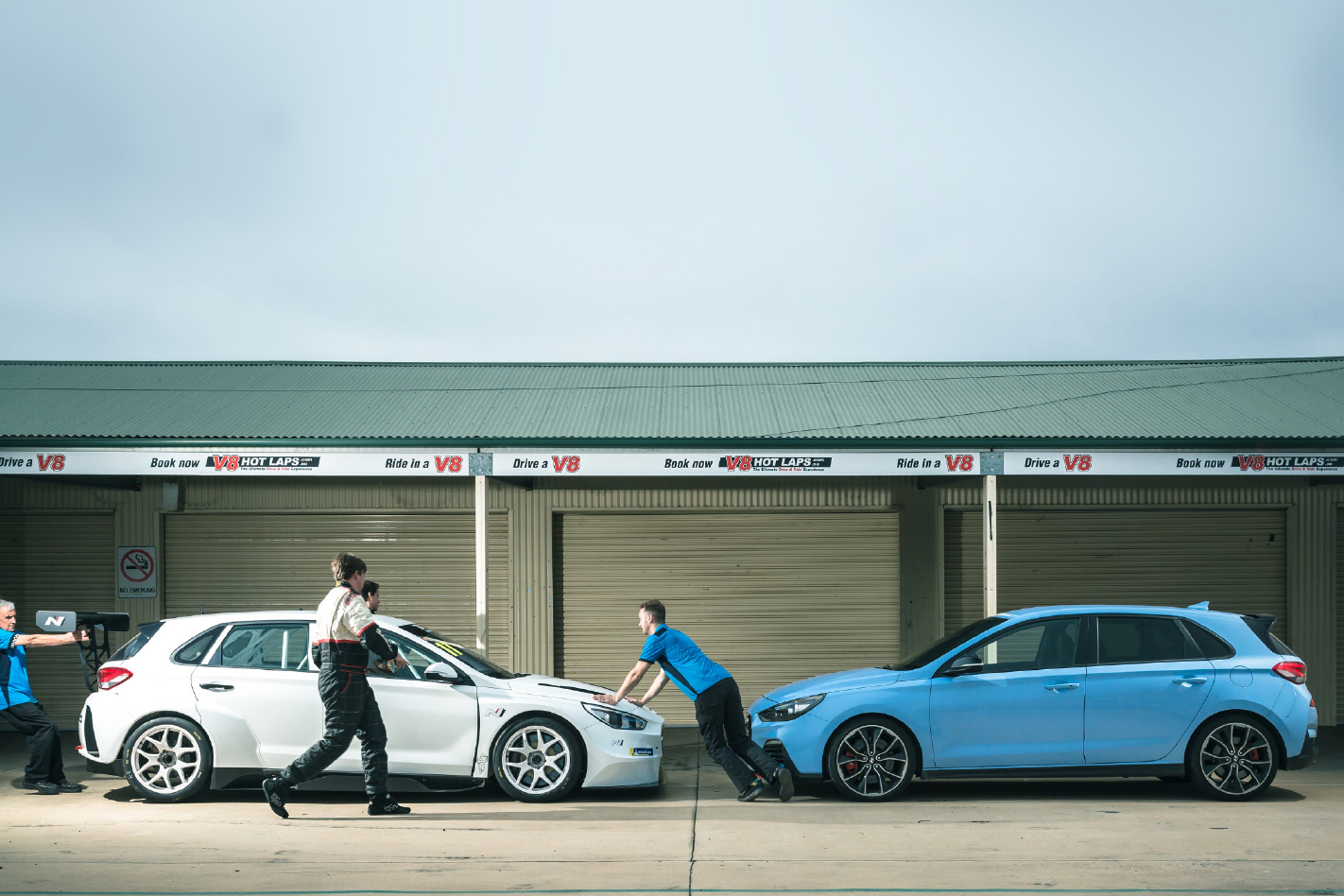
The formula for TCR is simple, with C-segment hatchbacks (and some sedans) the basis for each racer. Starting life as a production chassis, a 2.0-litre turbocharged four-pot sends power to the front wheels via either a production-based or bespoke racing gearbox (the former receive weight concessions). The homologated cars are built by manufacturers and sold to teams and are subject to Balance of Performance testing similar to GT3 racers. The rule book specifically outlaws outright factory entries.
Australian Racing Group (ARG) has been anointed by CAMS to control the commercial and promotional rights to TCR in Australia. ARG is managed by Matt Braid, who was formerly managing director of Volvo Cars Australia and of Supercars. Former Supercars CEO James Warburton joined ARG earlier this year as a non-executive director, adding extra clout to ARG as a category manager, which is also launching the new retro-inspired S5000 open-wheel category.
While Braid is quick to note that TCR doesn’t have ambitions to become a Supercars rival, it’s clear the arrival of the booming series has Australia’s biggest category worried. It’s alleged that pressure has been applied internally at Supercars to prevent star drivers dabbling in the new series, and TCR has been blacklisted as a support category at some of the country’s biggest events.
A total of 17 TCR cars from eight manufacturers are in Australia, with plenty of familiar names running teams and performing driving duties. Garry Rogers Motorsport has a four-car outfit, likewise Kelly Racing. Supercars veteran Jason Bright has started a team, and rally ace Molly Taylor has been lured from dirt to tarmac to compete in a Subaru.
All too often new categories in Australian motorsport are overhyped or underfunded, resulting in disappointingly short half-lives. It seems TCR, with the experienced heads of ARG at the helm, is doing its best to become a legitimate staple of the local racing fan’s diet, inking a free-to-air TV deal which dovetails with live streaming, while becoming a main feature at Shannons Nationals events.
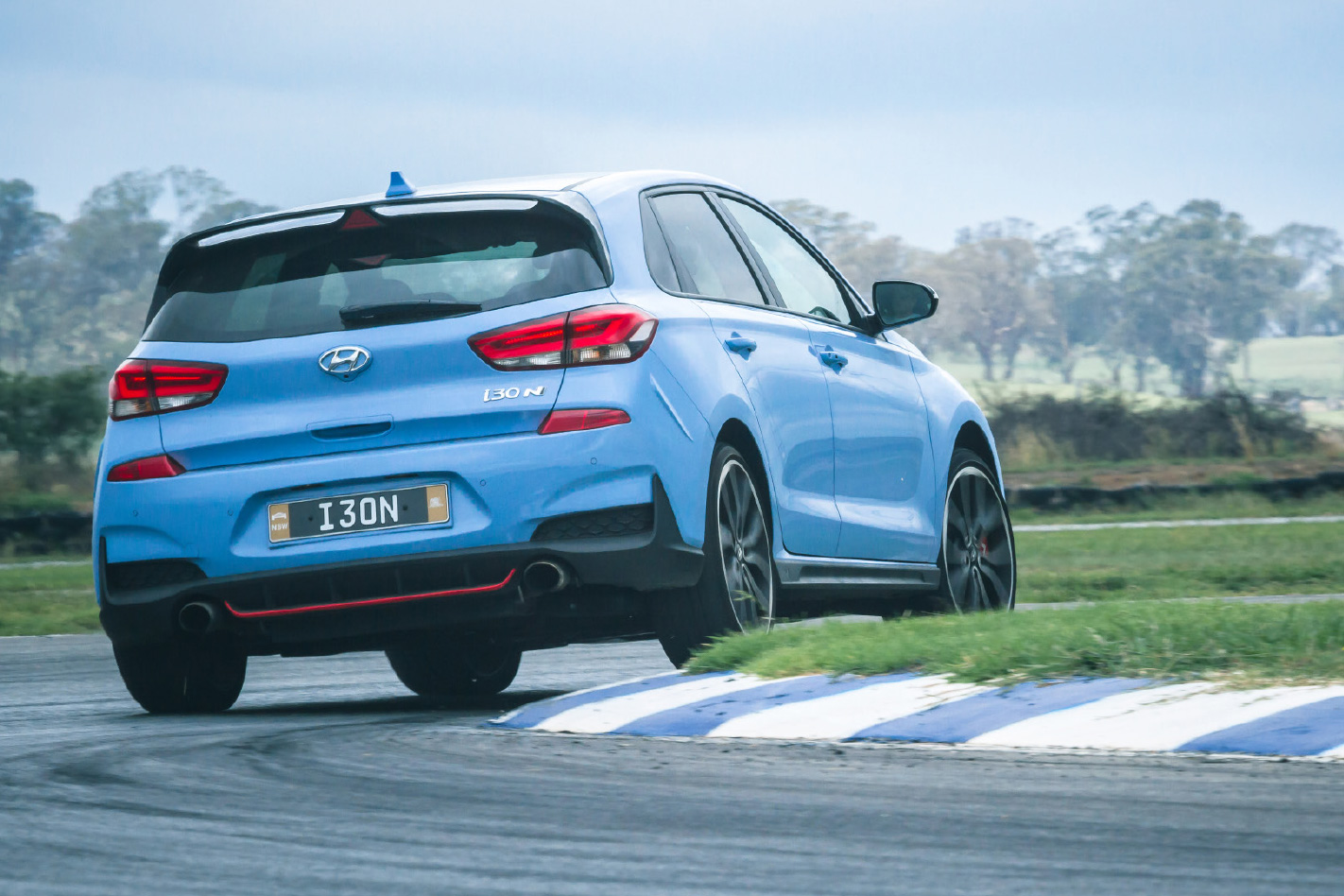
BEFORE I’m unleashed in the TCR car, it’s time to take the Hyundai i30 N road car for a spin on track, and there’s a 911-shaped twist. A number of Porsche Carrera Cup teams are also testing at Wakefield today, meaning I’ll need to keep an eye on the mirror to ensure I don’t return the car to Hyundai’s head office with a Porsche badge embossed on the back bumper.
Hyundai Australia’s official N tech guru Geoff Fear got wind of our plans and has snuck into the garage to watch. He recommends winding all the i30’s drivetrain settings to kill, but keeping suspension in its softest mode. He says the extra compliance will allow the car to roll onto its outer tyre, and get the rubber to ‘hook up’ easier. Fear has overseen countless development and testing miles of the i30 N at this very track, so I’m not about to ignore his advice.
On the road, the i30 N is one of the most accessible and fun performance cars around. I’ve felt more comfortable pushing the Korean hot hatch on public roads than something like a GT-R Nismo. However, when presented with a race track the secret to a quick lap is patience.
On the relatively tight Wakefield Park, the i30 N is a hoot, however like any front-drive hatch speed management is vital to managing the grip on offer. It’s easy to barrel into a corner with more velocity than the front treads are prepared to deal with.
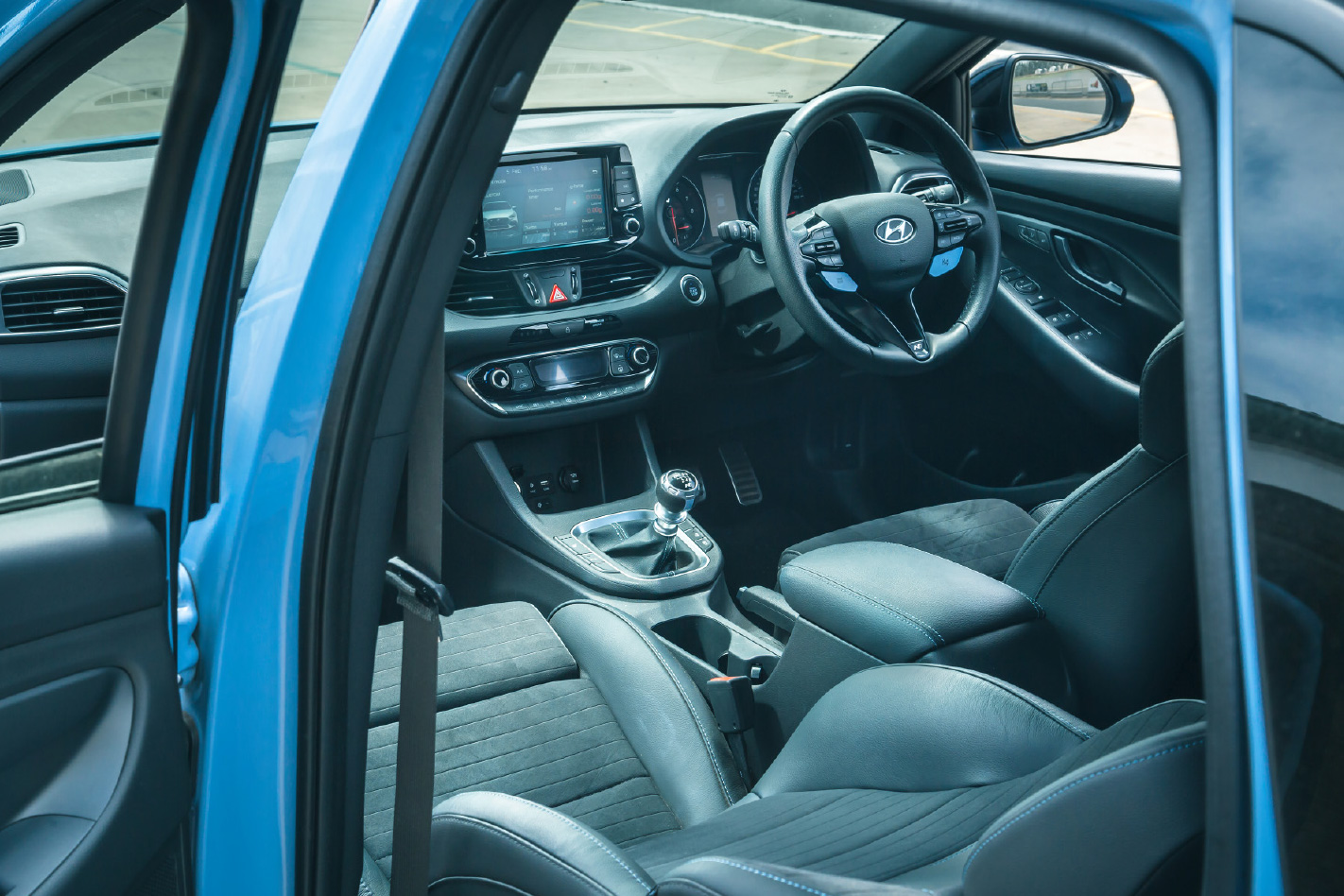
While it’s no porker, the i30 N road car’s 1429kg is much more apparent on the track. Brakes and tyres are punished and past their best after only a handful of laps. Though Hyundai’s five-year warranty for the i30 N covers track use, the car was never intended to suffer extended circuit abuse, so it’s time to give it a breather, peel into pit lane and squeeze into some Nomex.
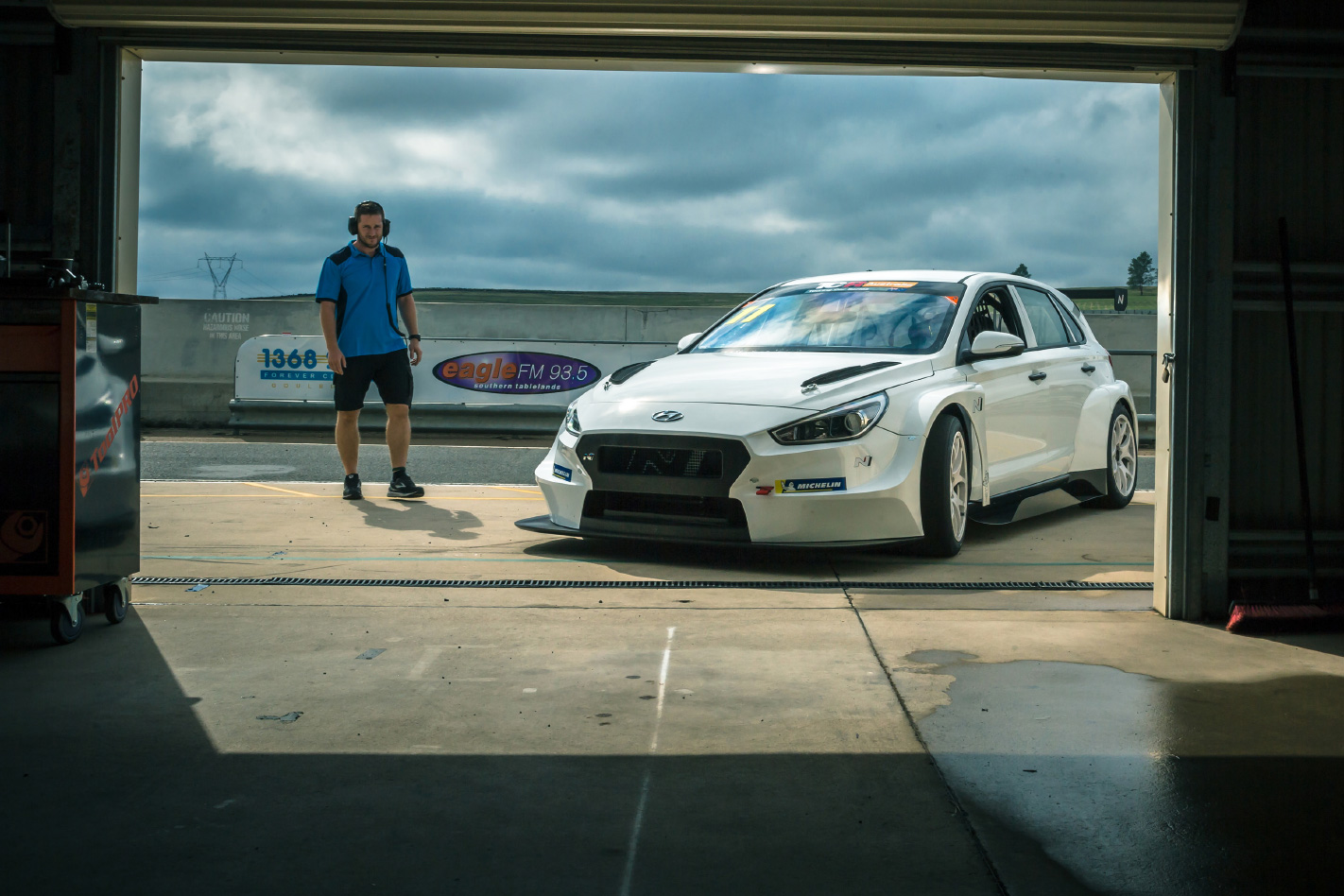
ALTHOUGH it starts life as a basic i30 body-in-white, it’s clear the TCR version is a much tougher beast. A lowered ride height plus the foursquare stance of flared arches cut an intimidating figure even in the stark white paint used for testing. Each wheel is shod with 18×10-inch slick Michelins but unfortunately there are no tyre warmers on hand for the day, so the responsibility for getting the rubber up to working temperature is all mine.
“Don’t worry about weaving, your best friend heating up the tyres will be the brake pedal. Just slam it,” is the advice given by Nathan Morcom, the car’s regular pilot, before sending me out on track.
With visions of spearing off at the first turn running through my mind, I spend my initial lap heeding Morcom’s instruction. Accelerate. Brake. Accelerate. Brake. Gentle at first, but then with increasing ferocity.
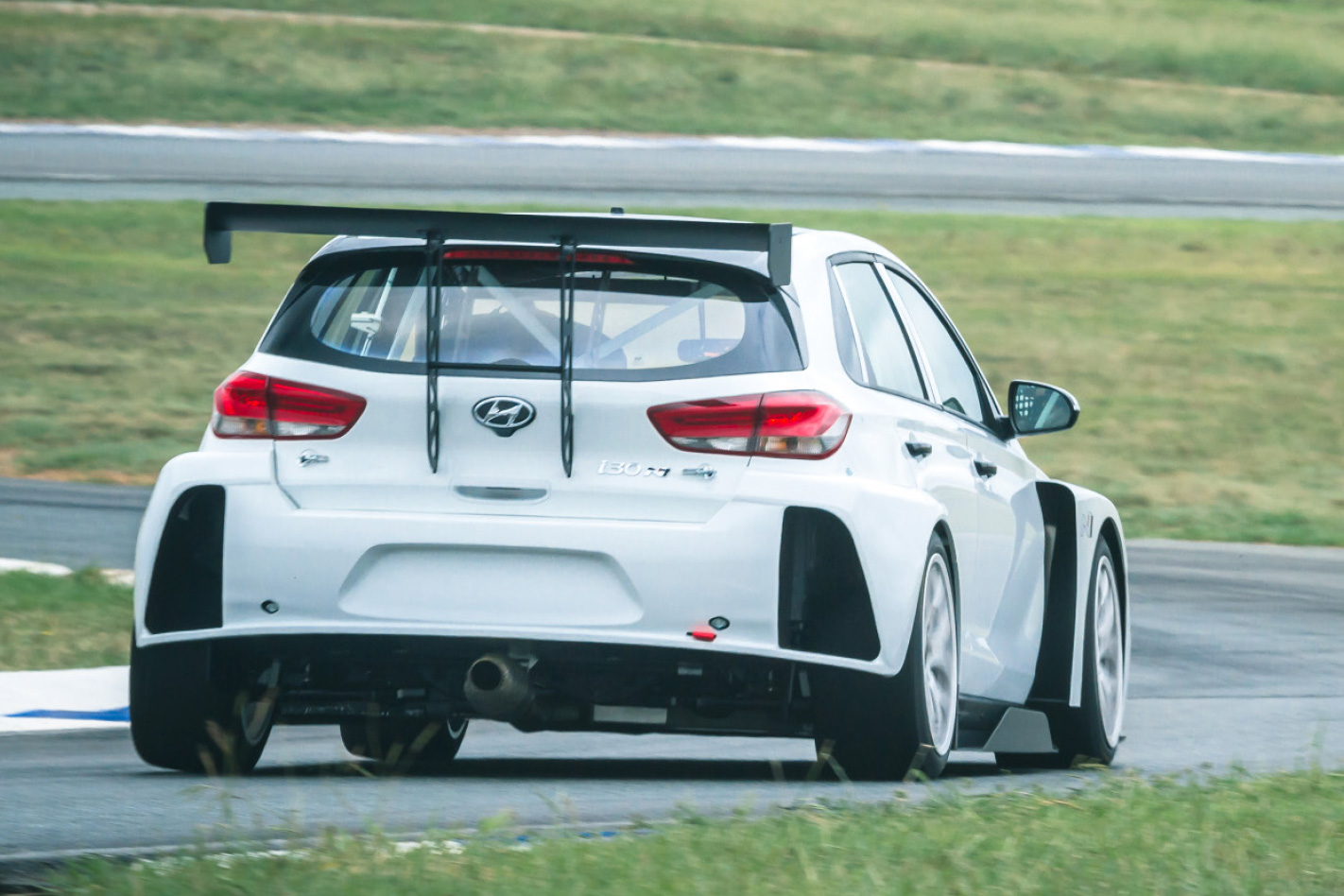
The monotonous process allows me to recalibrate my brain to the brake-pedal force needed to maximise the TCR car’s stopping power.
Discs are enormous: 380mm ventilated steel units up front, clasped by four-piston calipers, while the solid rear discs are 25 percent smaller at 278mm. Morcom, who spent two seasons in Super2 after winning the Australian GT Endurance Championship, likens the TCR car’s braking ability to that of our home-grown Supercars.
As my confidence builds, more committed braking attempts require almost all the force I can muster through my leg. Even with the belts fastened to make it feel like my ribs are cracking, a forceful stop is like the hand of God slapping me on the back, forcing me forward in the seat. Even my most ambitious stomping of the brake pedal can’t cause the front tyres to lock, even despite no ABS.
It’s on my third lap of the Wakefield circuit I realise that something is a bit … off. While there’s nothing mechanically wrong with the car, there’s something my brain can’t quite comprehend. Aren’t race cars meant to be fearsome beasts, ready to bite your head off and spit you out at the smallest provocation, and tamed only by an elite few with rare talent? It seems that cliché doesn’t apply to Hyundai’s racer, which is encouraging me to push harder and carry more speed.
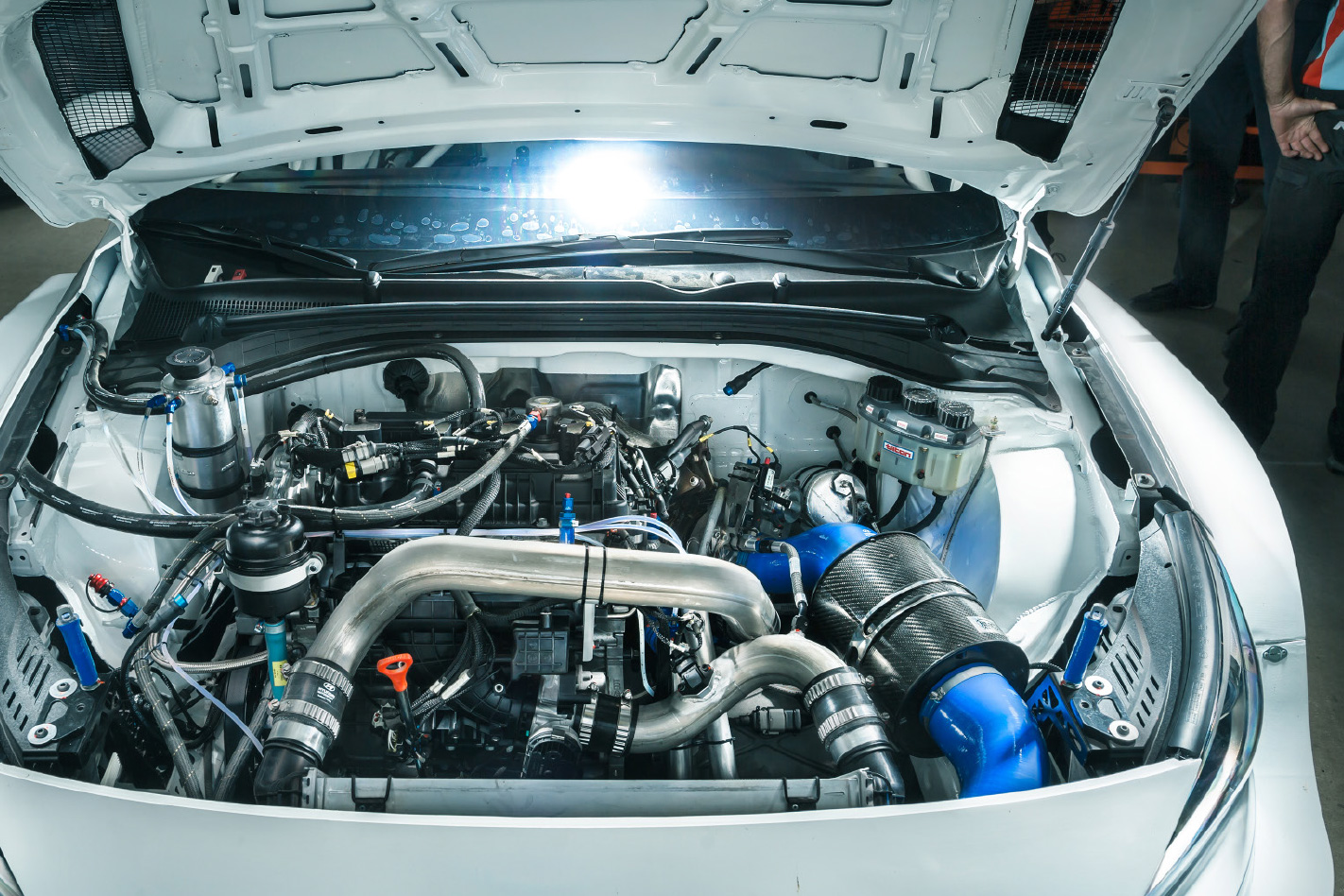
There’s no traction control – this is still a proper racer – but the car supports you in the pursuit of speed, instead of fighting it. Even with 257kW and 460Nm thanks to a larger turbo, beefier internals and a racing ECU, Hyundai’s TCR car is never going to win a power war, but it’s a decent step up from the road car’s 202kW and 353Nm, and certainly potent enough to prompt the slick tyres into wheel spin with a vicious prod of the accelerator.
A more progressive application sees the front-drive racer just grip and go. The front axle is more than capable of performing both power-delivery and steering duties thanks to the fitment of a more aggressive front differential, as the i30 shoots from the apex with no protest from the wheel.
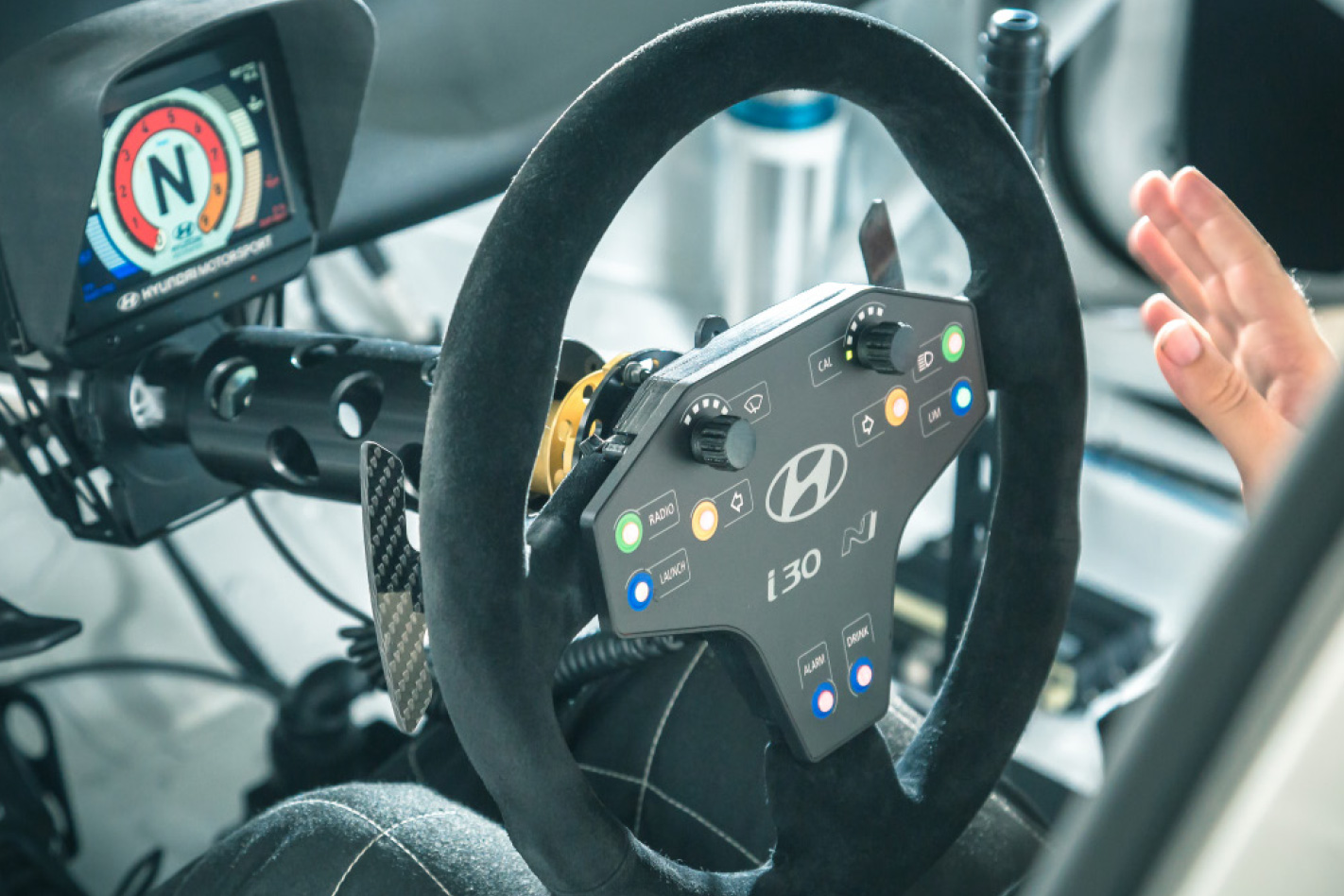
Steering the i30 TCR doesn’t require forearms like tree trunks, due to an electrically assisted rack and pinion set-up which, while mechanically similar to what is found in the road car, features a massive change to the steering ratio. Turn-in is almost neurotic, thanks in part to the ultra-quick rack – just a single turn lock-to-lock – meaning precision and finesse are essential when working the Alcantara-clad wheel. The powerful combination of slick rubber and clearly functional aerodynamics means the car is able to maintain mid-corner speeds the road variant could only dream of. The nose of the car darts towards apexes with manic intent, the large front splitter and rear wing keeping it hunkered down.
In the transformation from road to race, the i30 N’s suspension hard points and layout haven’t been changed, but the components are all beefed up. Under the front arches is a MacPherson strut set-up, with coil springs and gas-filled dampers (the team were testing both Öhlins and Supashock units on the day), while a four-arm multi-link axle combination underpins the rear. Gears in the six-speed Xtrac sequential are shifted without a clutch, using steering wheel-mounted paddles, each change of ratio accompanied by a sharp BANG from the exhaust.
It’s a hot day, so driving the TCR car is a punishing experience. Brilliant, but punishing. Just a couple laps in and I’m dripping with sweat. Time to hand back the reins, and ponder how Hyundai’s German engineers transformed a body-in-white road car chassis into a racer with the most genial attitude.
Acceleration claims are nothing exceptional in race-car terms, but it’s estimated a TCR car will crack 100km/h from a standstill in approximately 5.2 seconds thanks to a fiendishly complex launch process. Wheels performance-tested the i30 N road car last year, measuring a 6.4-second sprint to 100km/h.
Over a single lap of Wakefield Park, with Nathan Morcom driving, there is a 10-second gap between the road car and racer. But perhaps more interestingly, a mere mortal like me is able to get closer to the professional benchmark in the TCR car than the road car.
This largely comes down to the set-up of the TCR car, which just wants you to go faster, encouraging more commitment with every lap, where the road car fights back, waving that white flag named understeer when it isn’t treated with the finesse of a professional.
When the data is downloaded from the car, it’s clear I’m not going to earn a race seat any time soon – Morcom is a full six seconds down the road from me. But for broader context, my best time after a handful of laps is on par with Warren Luff’s benchmark figure in a 997-gen Porsche 911 GT3.
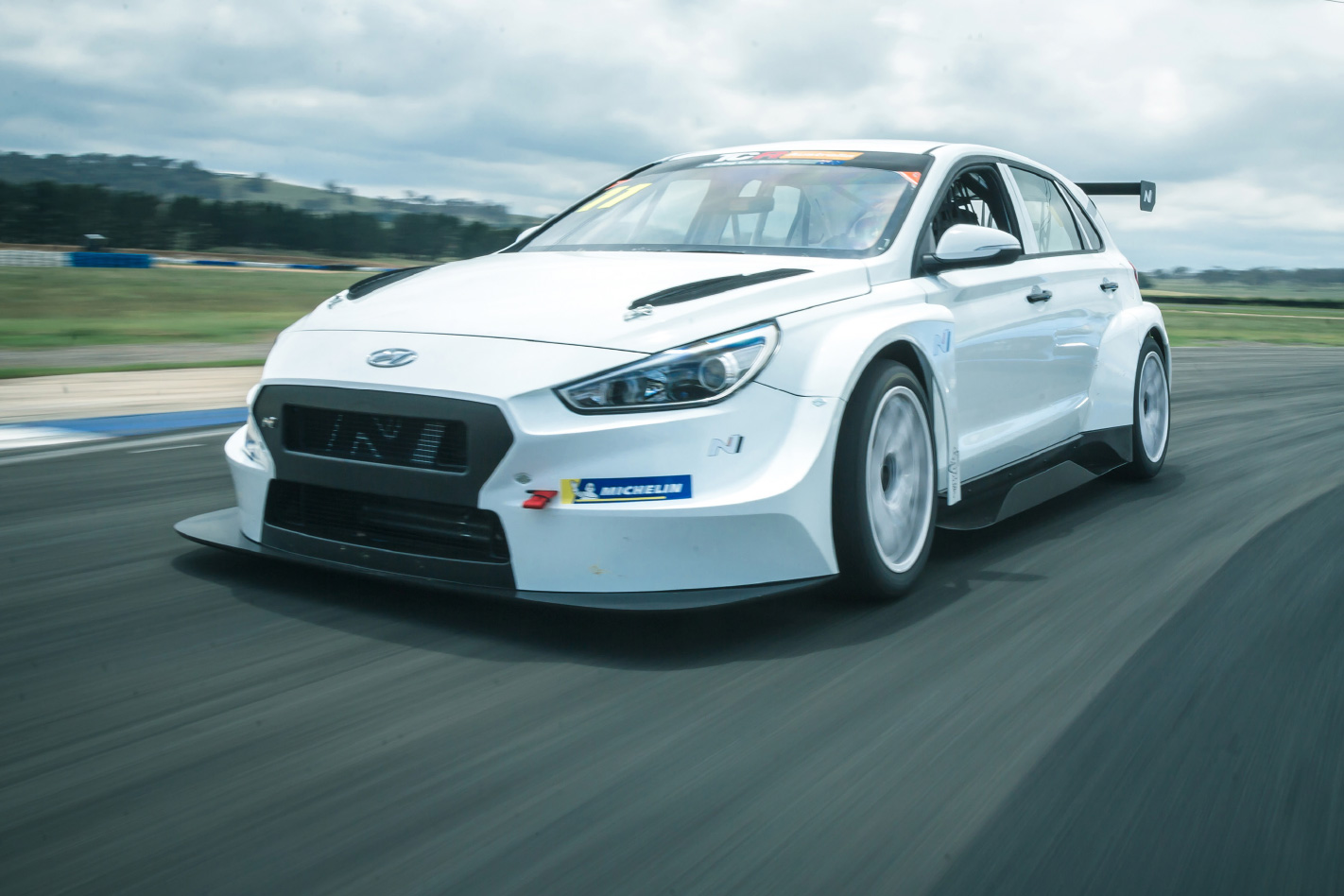
It’s all well and good letting a racing-crazed journo loose for a couple of laps, but the real test for the Hyundai i30 N TCR will be on the track, against a full field of competitors that are all frothing at the mouth in a rabid hunt for victory. As we went to print, HMO Customer Racing’s Will Brown had won two of the three races from the opening round of TCR Australia, and nabbed a podium in the other. Not bad at all.
The wet weather performance of your tyres can mean the difference between a near-miss and an accident.
Aiden Taylor explains the ways in which your driving changes when in the rain, and also highlights why wet weather performance should be considered when shopping for a new set of tyres.
See the video above for more
The 2019 Audi SQ8 TDI is now the top of Audi’s fast SUV food chain, in part thanks to a stonking twin-turbo V8 and a slew of tech to help keep it moving along quickly during dynamic driving.
The 4.0-litre diesel V8 in the snout puts out a healthy 320kW, but it’s the 900Nm figure (peaking between 1250 and 3250rpm) that’s properly impressive.
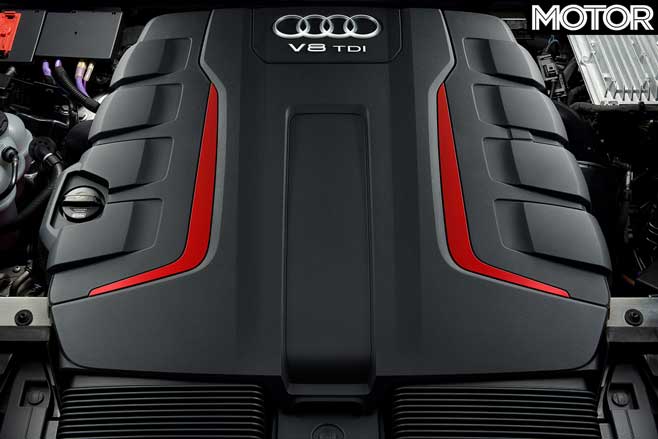
That diesel-induced torque allows the SQ8 to hit 100km/h in just 4.8 seconds, Audi says, with the eight-speed Tiptronic gearbox putting power to, of course, all four wheels thanks to Audi’s quattro permanent all-wheel drive. The SQ8 TDI then goes on to a top speed of 250km/h, given enough runway.
All-wheel steering helps keep the SQ8 stable at such speeds, turning the rear wheels very slightly in the same direction as the fronts for extra stability, providing the same effect as lengthening the wheelbase, while at lower speeds (under 60km/h) they turn slightly opposite for more agility in parking and city driving situations.
Without that steering assistance, agility doesn’t come easily to the SQ8, which weighs in at 2365kg and has a 2996mm wheelbase. It’s also 2190mm wide with mirrors, and the body is 5006mm long.
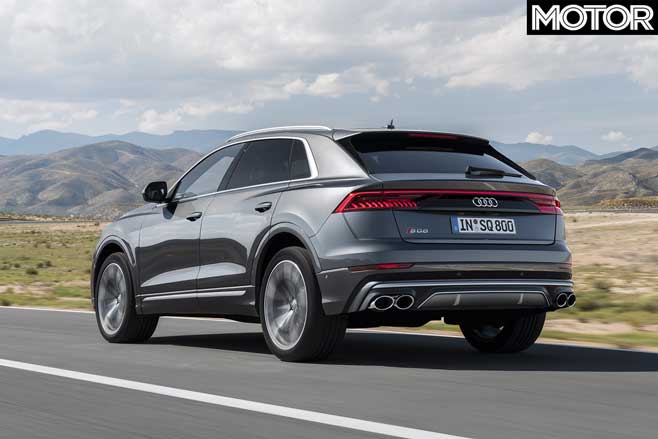
Air suspension is also standard on the SQ8, which allows for a greater degree of adjustability over the steel springs (as in the Q8 not optioned with air suspension), and lets drivers take the SQ8 be driven on different types of terrain with 90mm between its lowest and highest clearance settings.
The SQ8 goes on sale in the third quarter of 2019 internationally, but Australian availability and pricing is yet to be confirmed.
The promise of autonomous cars has no doubt been an exciting and intoxicating one for technophiles everywhere, not to mention those who see driving as a chore that must be endured, rather than enjoyed.
There’s no shortage of autonomy evangelists – Tesla CEO Elon Musk is a famous example, Ford reckons it will have its first truly self-driving car ready by 2021 and BMW and Mercedes have similar timelines – while ridesharing companies and Silicon Valley tech giants like Uber and Google are also bullish on fully-autonomous vehicles.
And why wouldn’t they be? Without a driver taking a cut of fares, profit margins for those businesses would explode, while also giving the public cheaper rides and potentially freeing them from the financial burden of owning a car.
But according to one of the world’s biggest manufacturers of the advanced sensors that make autonomous cars possible, the utopian vision of completely hands-off, point-to-point driving is highly unlikely for the foreseeable.

Speaking at the 2019 Continental TechShow in Hanover this month company CEO Dr. Elmar Degenhart said advanced self-driving cars that can pilot themselves with zero intervention from the driver will only make up a miniscule fraction of the global vehicle fleet by 2030. And even then, they’ll likely mostly be bought up by the aforementioned ridesharing companies.
And it all comes down to cost.
“A new car buyer is willing to spend more for safety and greater convenience,” Dr. Degenhart said.
“At present, as much as €3,000 (AU$4860) more. Those were the findings of our own studies. Systems for highly automated and autonomous driving are substantially more expensive. If they cost much more than €3,000, then the interest of the buyer wanes.”
According to Continental, the cost of equipping a car with a ‘level 2’ or L2 autonomous driving capability, which covers features like active cruise control and lane keep assist and still requires the driver to pay attention and keep at least one hand on the wheel, is just over AU$4000 per vehicle.
Stepping up to a genuine L3 autonomous capability, which allows the driver to go hands-off and safely take their eyes off the road, requires a far bigger spend of around $16,000 per vehicle.

Why? The sensors required to enable a higher level of self-driving are simply more expensive and more numerous, with an L3 car requiring some 30 individual sensor modules versus an L2 car’s 18. While that cost will likely creep down over time, the premium is still a hefty sum for the majority of car buyers.
Though most may like the idea of a car that can drive itself in limited circumstances (L3 is only expected to work well in slow traffic or highway environments), the sheer cost of that capability will likely slow its uptake.
“Our industry is currently putting a huge amount of money into driverless driving,” said Degenhart.
“In many cases, we feel that it is too early, because we are not expecting to see substantial growth in this field for another ten years. An exception is the business with robotaxis, which are driverless taxis. They will probably get started earlier.”
But even with the likes of Uber and Lyft buying fully-autonomous vehicles (either L4 or L5) for their proposed fleets of robotic taxis, Continental sees cars with that level of capability accounting for a minor percentage of overall new car sales in the future.
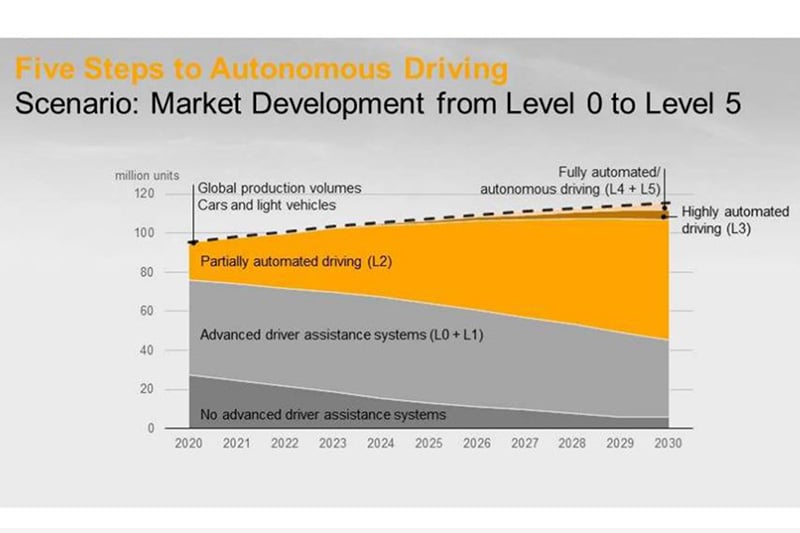
A slide shown by Degenhart at the Continental TechShow in Hanover showed the expected uptake of autonomous cars over the next 11 years, and its prognosis for self-driving tech isn’t good. By the end of 2040, the estimated amount of cars with at least an L3 autonomous capability only accounts for a thin sliver of overall global sales.
The bulk of sales are instead expected to be taken up by cars with a similar level of autonomy to what’s available today – L2. Beyond the ability to guide themselves down highways without much intervention (but constant monitoring), those L2 cars are far from the fully self-driving ideal that many people believe will become widespread by the end of next decade.
L1 cars will account for the majority of the balance, though with L1 covering systems like autonomous emergency braking and blind spot monitoring, it will only be a few short years before L1 cars become the bare minimum in developed countries like Australia.
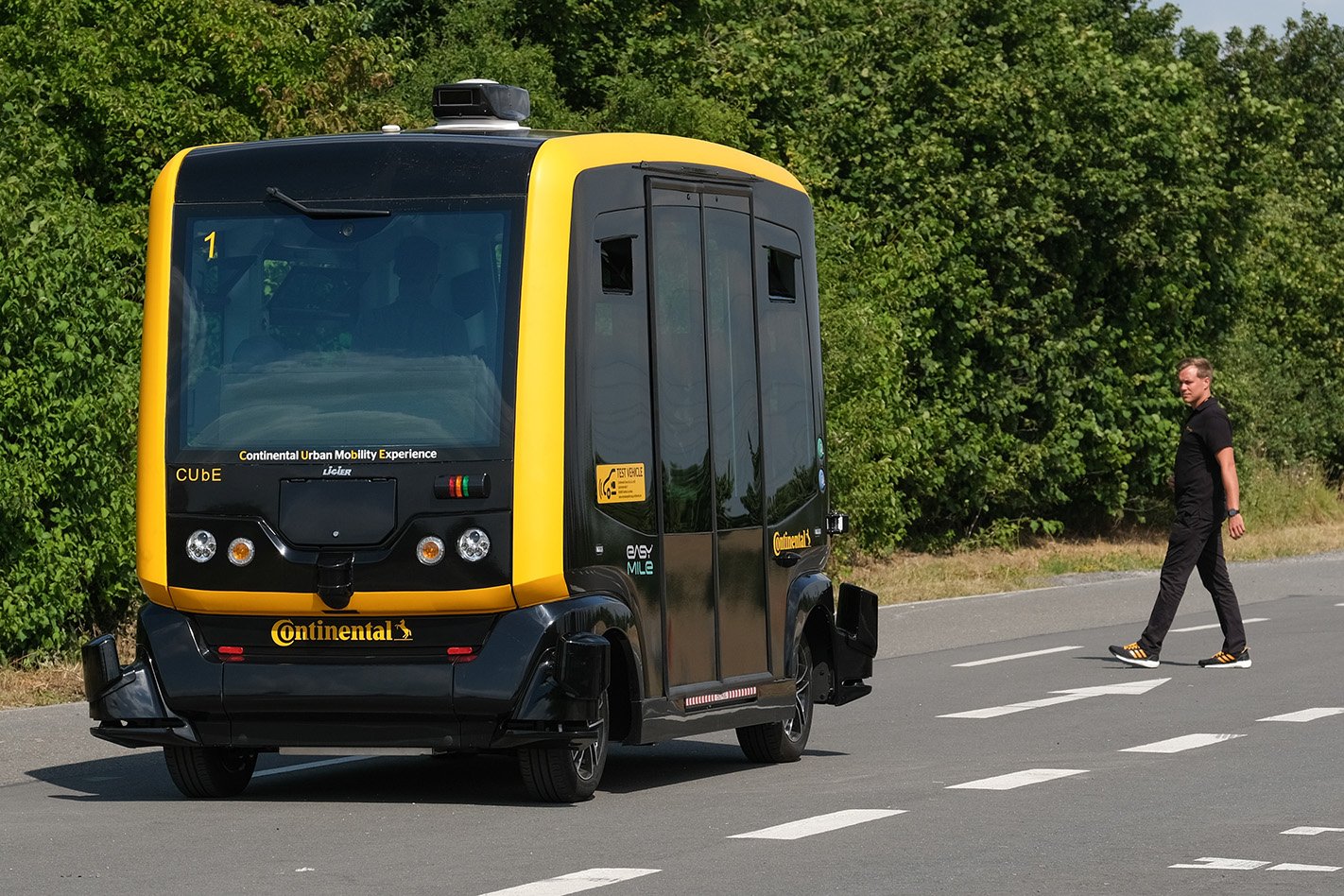
The challenges of making fully self-driving cars a reality became evident when we hitched a ride in one of Continental’s autonomous demonstration vehicles, the Continental Urban moBility Experience.
Equipped with a range of radar, lidar, ultrasonic and optical sensors, the CUbE is able to pilot itself along a regular road and react to obstacles like pedestrians and other vehicles by either stopping or moving out of the way… but it is glacially slow.
Other companies are forging ahead with integrating the tech into cars that move at a far more realistic speed, but questions remain about the ability of computers to correctly identify and react to unexpected threats at those kinds of velocities.
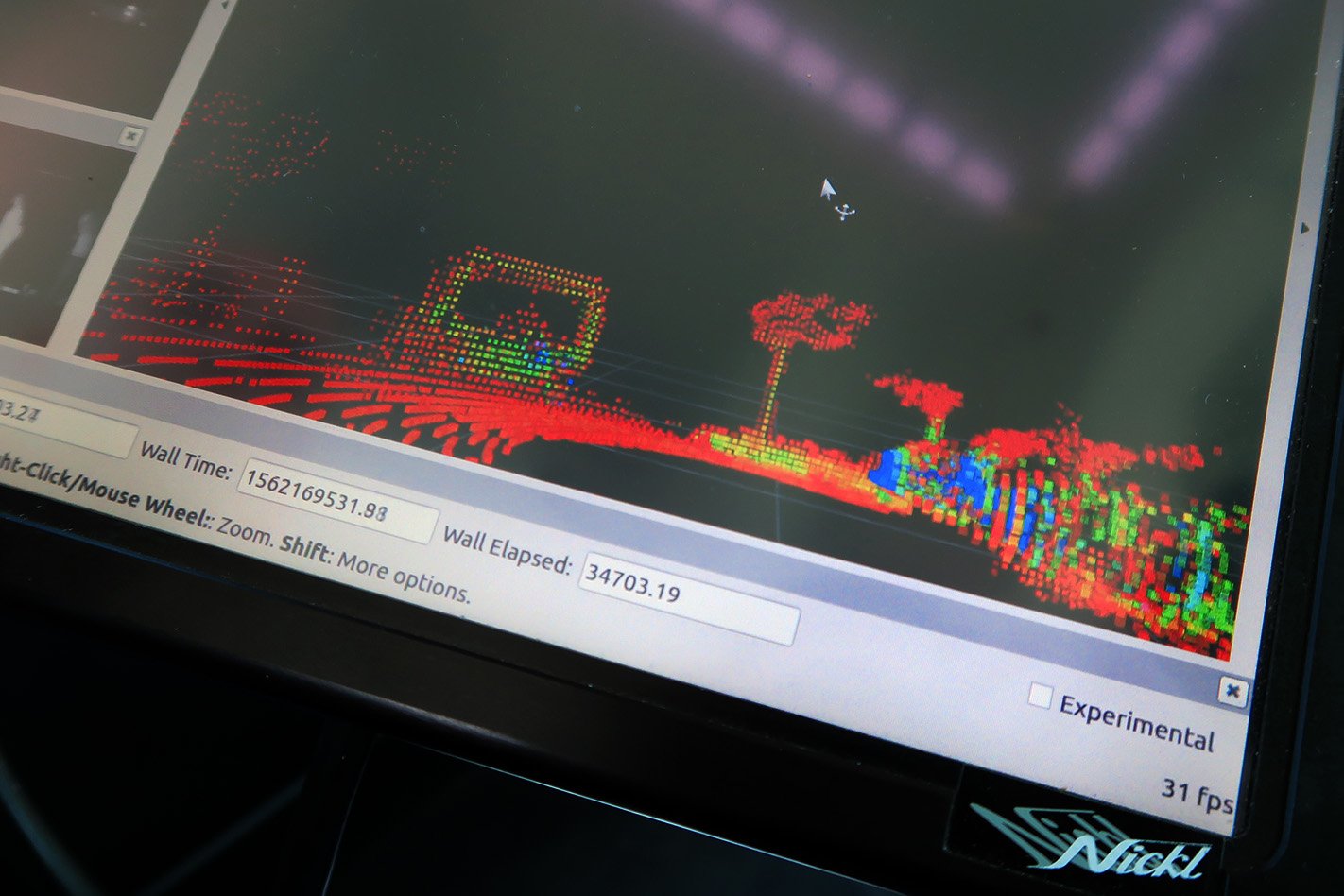
A pedestrian has already been killed by an experimental autonomous vehicle operated by Uber, and debate rages about how much authority should be given to a car’s self-driving software in the first place.
Even Google’s self-driving development division, Waymo, says a true L5 autonomous car will never be realised.
“We know from our own surveys that acceptance for autonomous driving today – and we’re not talking about robotaxis – is relatively low. It’s somewhere around the 30-35 percent mark, depending on the market. It’s highest in China, interestingly enough”.
“That means, it will take time.”
And while Silicon Valley giants might make it seem like a world of on-call autonomous taxis is just a few years away, Degenhart says the ‘move fast and break stuff’ culture of that corner of the tech world is incompatible with the realities of the carmaking business.
“In Silicon Valley, the adage is: Better done than perfect. In contrast, in the automotive industry it is: Better perfect than done. Because only perfect is safe.”
