
Australians are a creative bunch, and history proves this country has the potential to build great things, even with a small team or few resources.
So, when we found out about the Hyper X1 Racer, we were pleased but not incredibly surprised that a couple of Australian engineers were able to put together something that looks so wild.
Aussie Ingenuity: Sports cars of Australia
Father and son duo Jon and Dean Crooke are behind the ‘Hyper Racer’ name, having already created the smaller Pro Racer and Terra Racer models, turned their collective experience as drivers and engineers of differing specialties to creating a car to fill what Jon calls a ‘class gap’ in motorsport.
The ‘Core’ chassis of the three models built by the ‘Hyper’ team are the same, a lightweight space frame built to accommodate a motorcycle engine and one human being, but it’s the X1 that’s the ‘big boy’ of the trio.
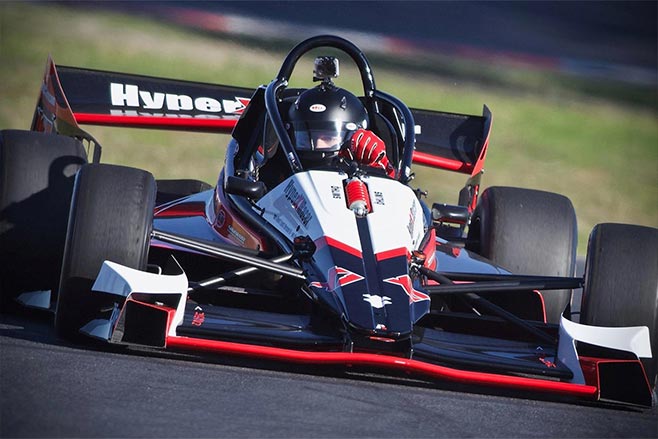
A Suzuki GSXR1000 engine and a dry weight of 350kg has resulted in more than 420kW per tonne, a power-to-weight ratio that rivals… well, pretty much nothing, since it beats the likes of the Porsche 911 GT2 RS and Lamborghini Aventador SVJ – 350kW and 371kW per tonne respectively.
To make the Core chassis so light, Hyper Racer had to keep the material use to a minimum without compromising safety. To do that, the Crookes designed a frame that was reinforced to minimise damage from any impacts with a ‘compressible safety cell structure’ inside.
From Hyper Racer’s own description of its system: “the chrome moly chassis features curved main rails for added lateral impact strength and a unique cross brace in the middle of the chassis for immense crush resistance and torsional strength.
“And in the same way that crash helmet design protects the head, the Hyper Racers seat cell is lined with a ridged compressible foam seat insert.
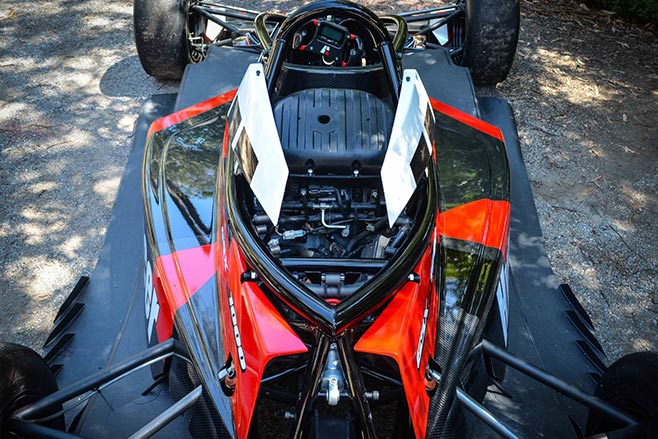
“As added protection the seat cell and head restraint incorporate compressible crush pods at all strategic mounting points.”
Independent wishbone suspension with mono-shock Ohlins coilovers and adjustable swaybars make up the front and rear suspension, while 245mm cross-drilled discs are found all around with four-pot calipers. Brake bias is even adjustable from the driver’s seat.
The body, the small amount there is, is made from carbon fibre and Kevlar.
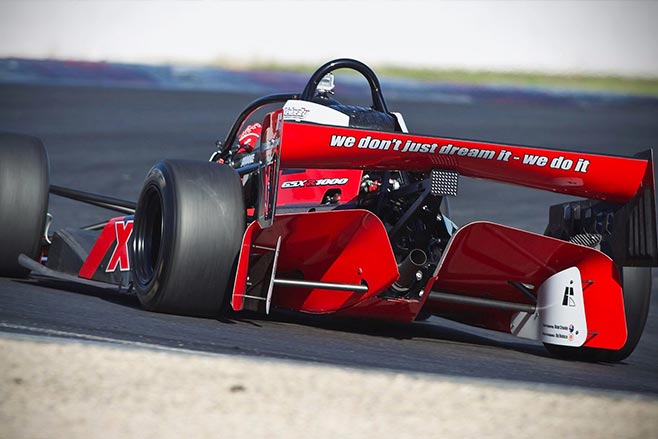
Finally, for that extra racecar bonus point, the six gears are shifted with a sequential lever and a hand-operated clutch.
The Hyper X1 Racer underwent its first proper track test at Winton Raceway on Friday, May 17, and the onboard footage posted by the team suggests the X1 is going to be incredibly potent.
Dean Crooke, the driver on the day and son of the duo (bringing to the table the skills of a race car design engineer and fabricator), was providing feedback to the rest of his team on the day, which suggests this car still has some tweaking left before the Crookes are completely happy with it.
After that, they’re taking orders. But there’s an application form you’d need to fill out so the father and son duo can ensure they’re not going to spend a lot of effort building a car for someone who won’t, or can’t, use it.
There’s no price listed, but the philosophy of filling the ‘class gap’ means the Hyper Racer models are “at the affordable end of motor racing.”
Does the Mazda 3 need any introduction? As the top-selling small hatchback among private buyers – that is, those actually paying their own money for a new car – the Mazda 3 is a household name in Australia. What we’ve got here, the Astina G25, is the range-topper for now.
VALUE
Make no mistake: at $37,990 before on-road costs (subtract $1000 if you’re okay with a manual gearbox), the Mazda 3 Astina G25 is not a cheap option in the small car world. However, when calculating value we need to look not just at what equipment it comes with, but the space, quality and design as well.
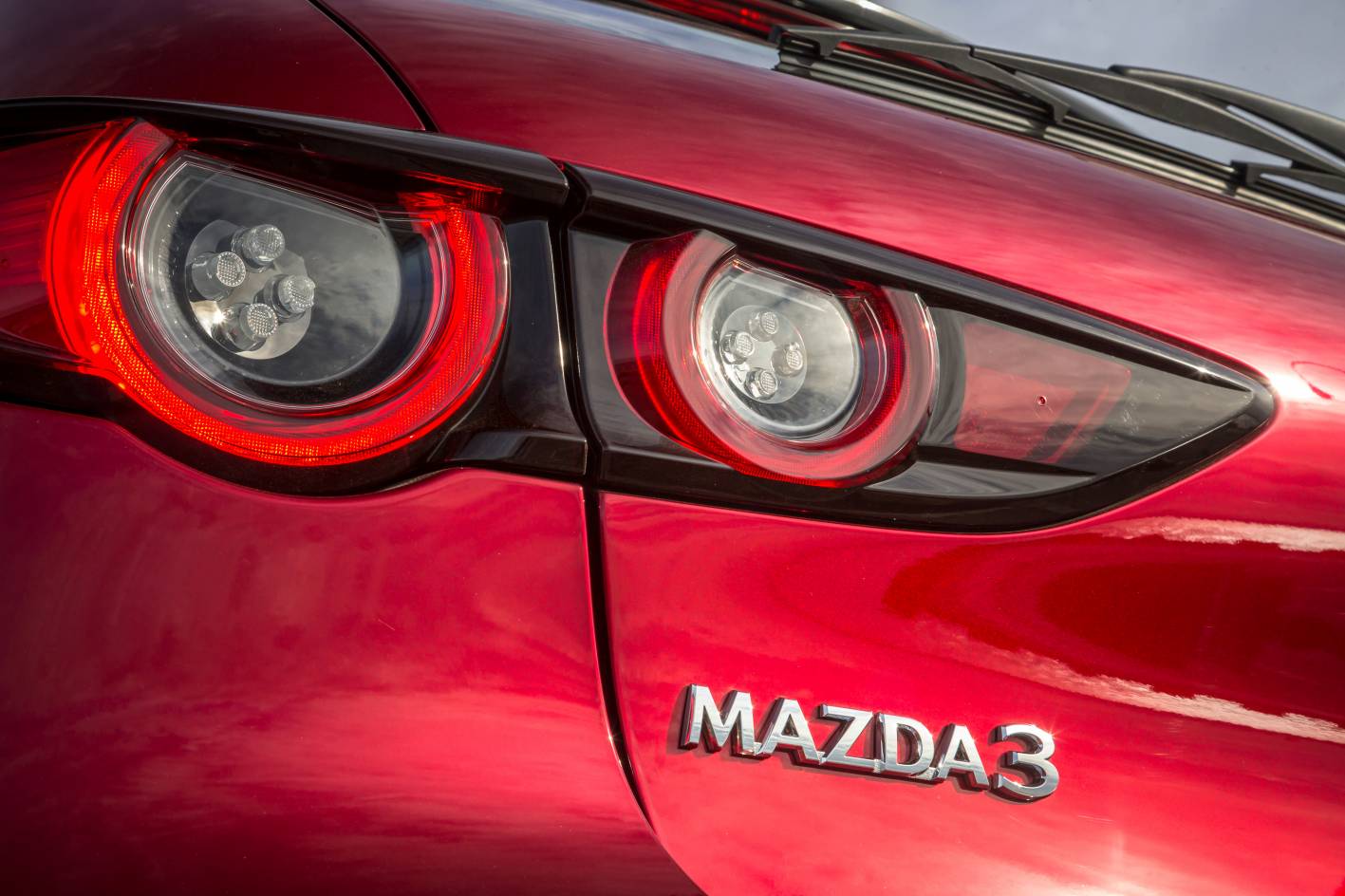
In those last three regards, the Astina actually outdoes some premium brands, meaning that some – if they can look past the mainstream Japanese badge – may regard the Astina to be exceptional value considering its near-luxury proposition. Within its segment, though, it’s well and truly at the top end of town.
STANDARD FEATURES
As the range-topping variant, the Astina naturally comes with the fattest equipment list of its family. And as the newest model to enter Mazda showrooms, that equipment is also the most cutting-edge offered by the brand.
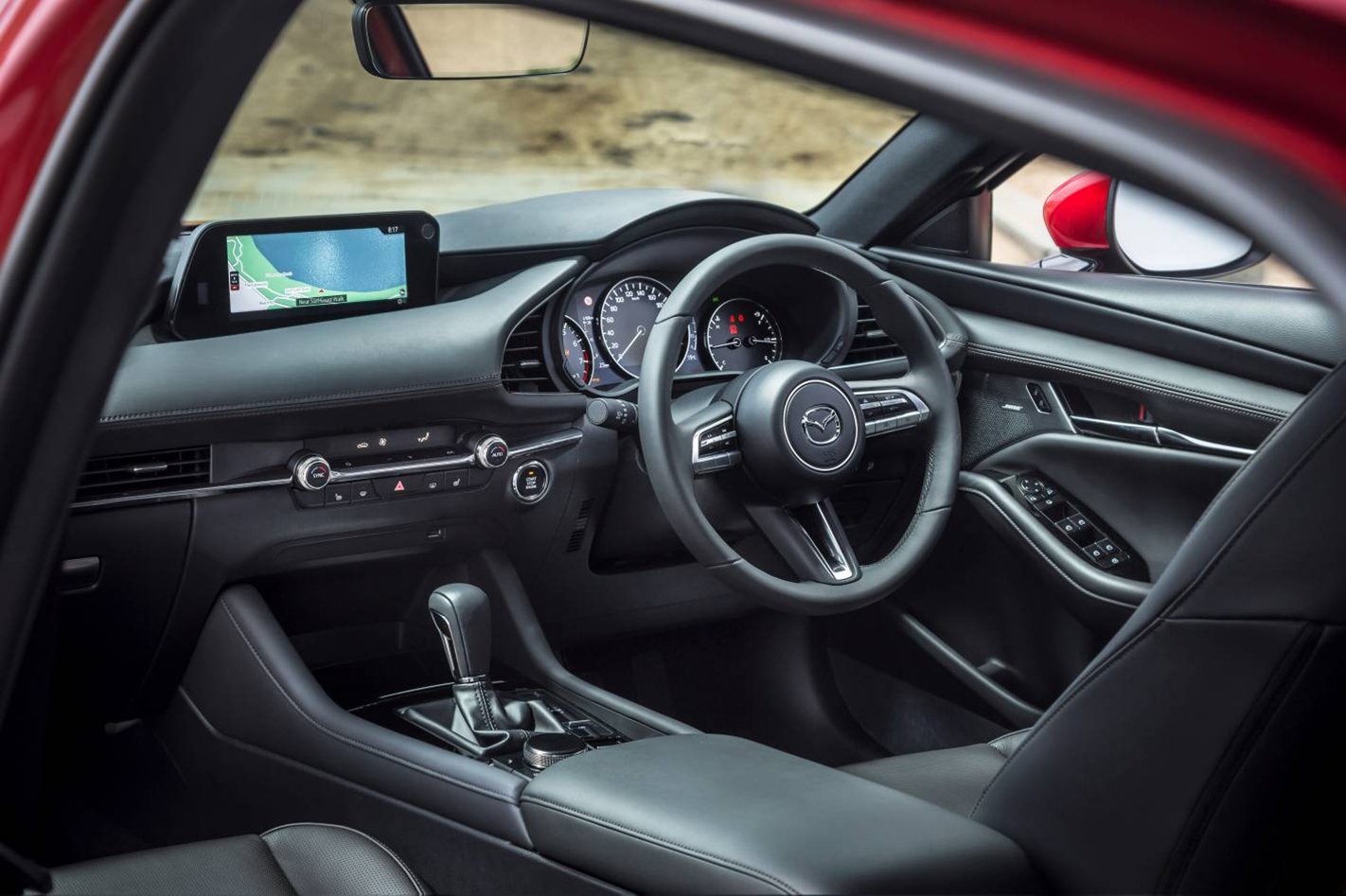
The centrepiece is the large and clear 8.8-inch colour infotainment screen, mounted high on the dash and set far forward to minimise eye strain. It’s a massive step forward from the MZD Connect system that was offered in the previous-gen Mazda 3, and its console-mounted control dial is intuitive and slick to use. Android Auto and Apple CarPlay smartphone mirroring are both standard, as is a digital radio tuner, sat-nav and bluetooth.
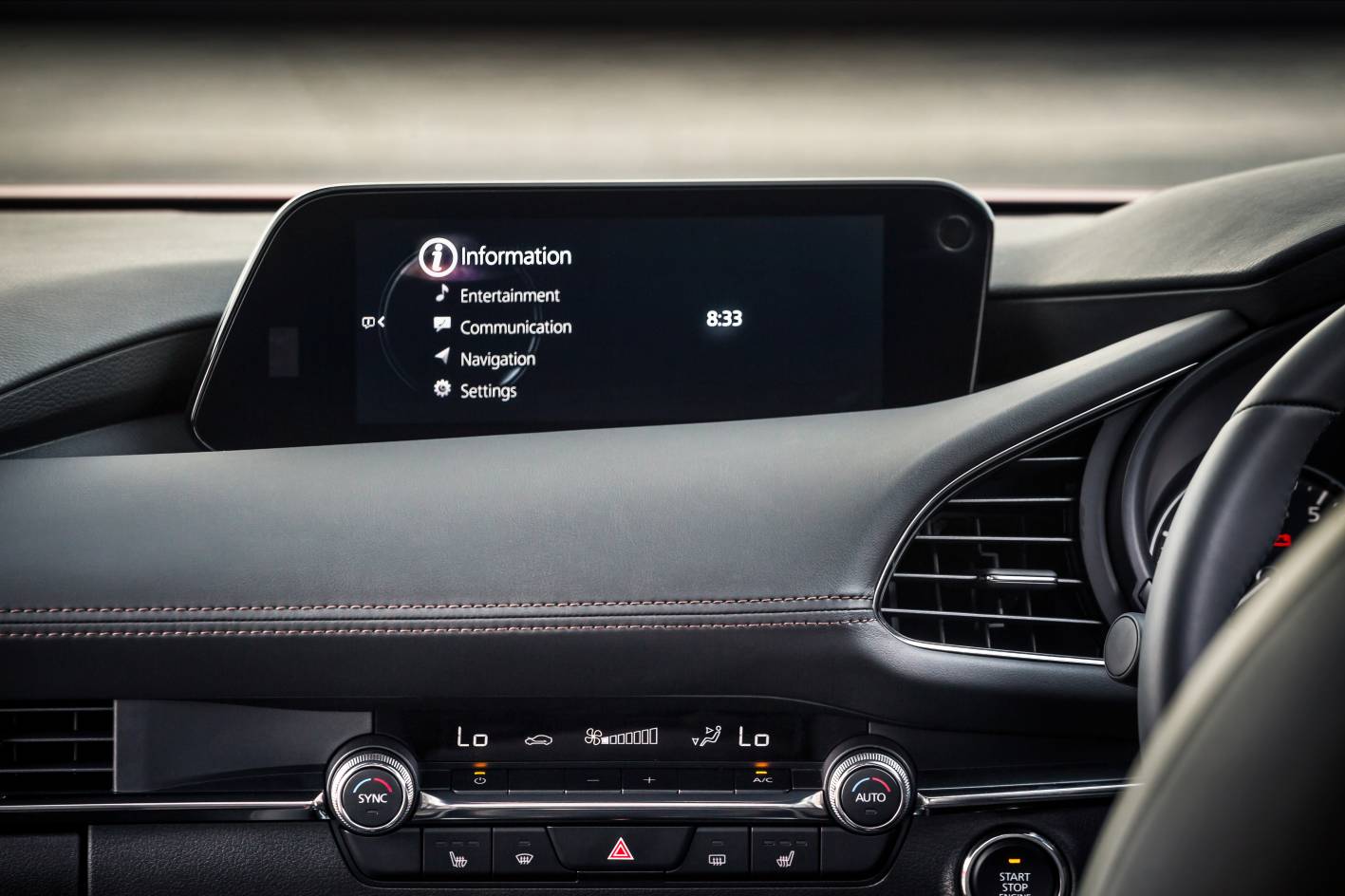
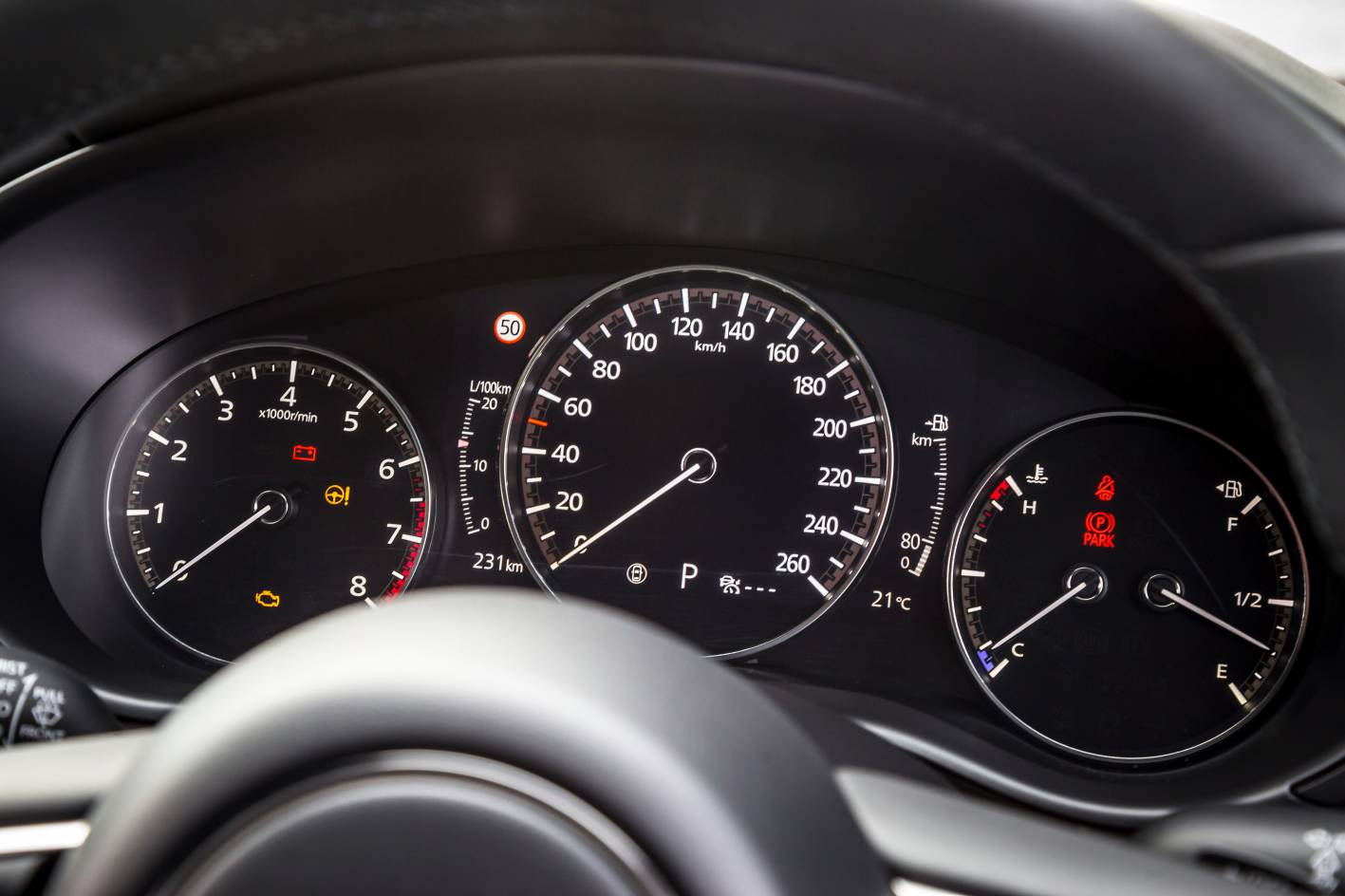
Other standard features on the Astina include adaptive LED headlamps, active cruise control, dual-zone climate control, leather upholstery, a head-up display, keyless entry and ignition, a power-adjustable driver’s seat, heated front seats, a heated steering wheel, 12-speaker Bose audio and a glass sunroof.
SIZE
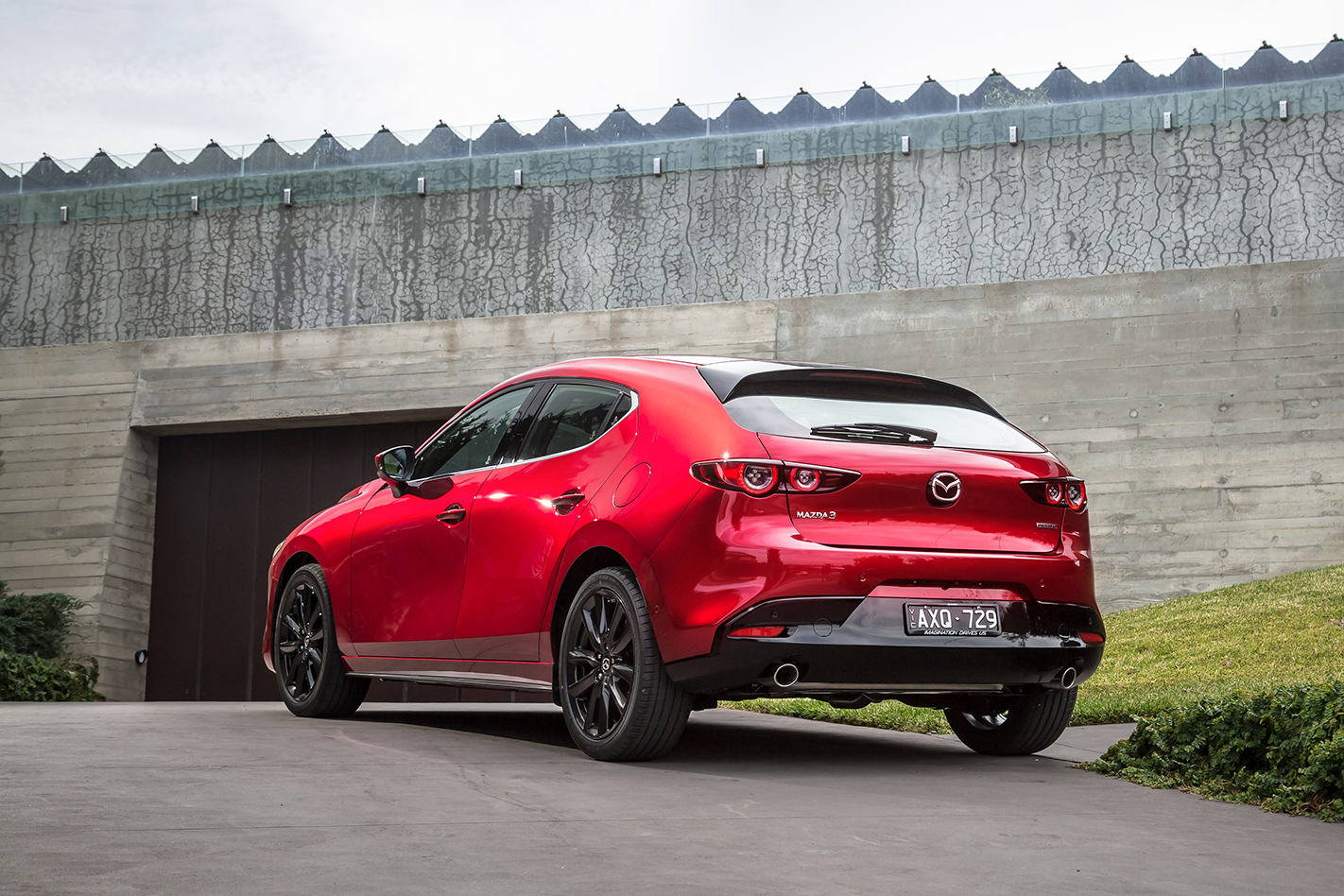
The Mazda 3 hatch resides in one of Australia’s most popular segments – that of the small five-door hatch. Comparable in size to key rivals like the Toyota Corolla and Hyundai i30, the new-generation Mazda 3 hatchback is fractionally shorter and lower-roofed than the car it replaces, but has a slightly longer wheelbase to boost cabin space.
Even so, with just 295L of seats-up boot capacity, the Mazda3’s ability to carry cargo is less than the segment average. The four-door Mazda 3 sedan fares much better, with a luggage volume of 444 litres behind the back seats.
SAFETY
The safety equipment list is just as generous as its feature fit-out. Autonomous emergency braking keeps you out of trouble (and works at all speeds down to zero), as do the front and rear parking sensors, 360-degree parking cameras, lane departure warning, lane keep assist, blind spot monitoring (crucial given the new 3 hatch’s colossal C-pillars), fatigue monitoring and seven airbags.
COMFORT
It’s baffling how upmarket the new Mazda 3’s cabin actually is. Sure, for the $37K range-topper we’ve got here you’d expect some blingy trim and leather-shod chairs, but the basic furniture in the Astina is mostly the same as that found in the base model Pure – a $24K proposition. It’s astonishingly good, and challenges Lexus for overall fit, finish and design.
That’s right, the cabin ambience is that good.
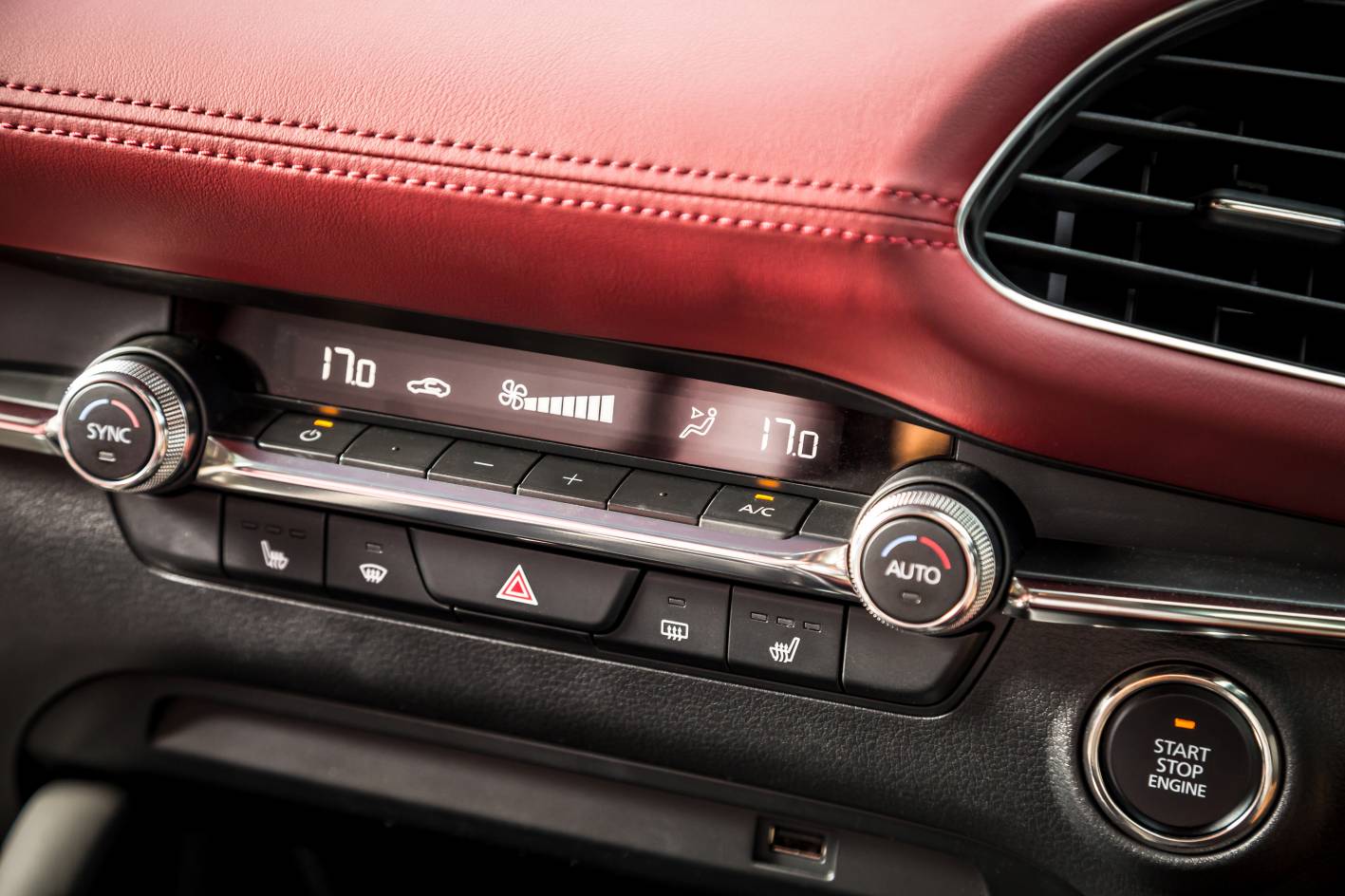
From the neat chrome bar that spans the dash and bisects the ventilation controls, to the soft double-stitched dash trim, to the perforated alloy speaker covers on the doors, to the eye-soothing backlighting of the steering wheel buttons – there’s a sense that this is a car that’s been designed and crafted with great care.
While the Volkswagen Golf was the previous yardstick when it came to small-car cabin quality, the fourth-generation Mazda 3 appears to be the new standard bearer.
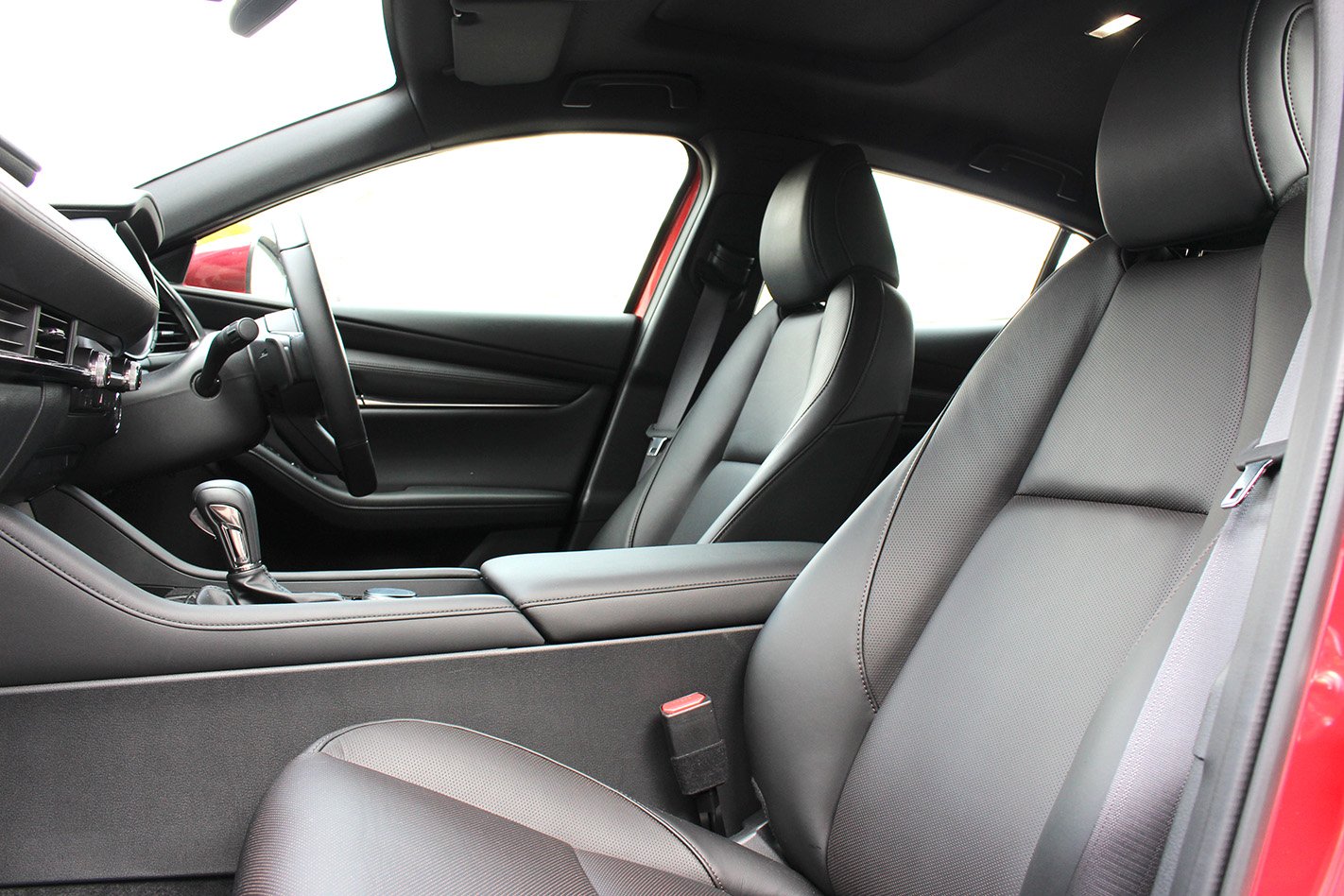
And from the driver’s seat, it feels as comfortable as it feels opulent. There’s a huge range of adjustment to the 10-way power-adjusted seat and the steering column, and the legs-out posture it encourages feels sporty.
Yes, over-the-shoulder vision is terrible thanks to the hatchback’s fat C-pillars and rising beltline, but the mirrors are large and blind-spot monitoring is standard, so keeping tabs on your hindquarters is far from impossible.
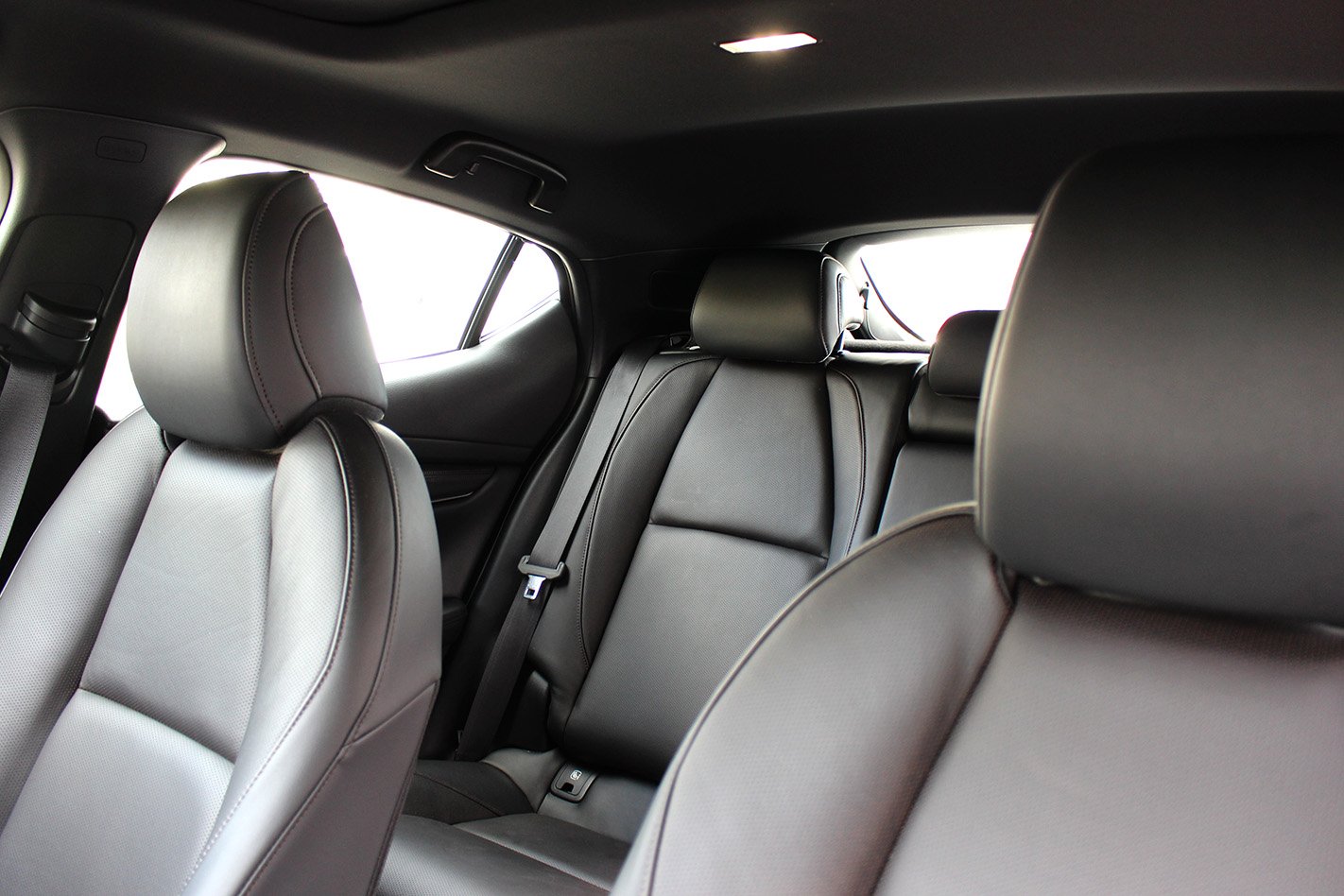
The report card for the back seats is a little less glowing, but still positive. The tapering window opening converges about where an adult’s eyeline is, so outward vision isn’t as obstructed as you may think, however the proximity of lots of dark-coloured fabric, leather and plastic to your head contributes to a claustrophobic feel.
Legroom feels about the same as it was in the previous generation (so not terrible, but not exactly generous), and there are face-level air vents and nicely sculpted seat cushions for the backseaters too. It’s cosy, but comfy.
ON THE ROAD
Just like the cabin, the fourth-gen Mazda 3’s on-road experience can be summed up with just one word: refined.
It’s commendably quiet at all speeds, with engine noise, road noise, suspension shock and ambient sounds all suppressed to a degree that is difficult to find in other mainstream cars. Credit Mazda’s engineers, who responded to years of complaints about noise, vibration and harshness in previous Mazda 3 generations with a concerted effort to eliminate those things. They’ve outdone themselves, in fact.
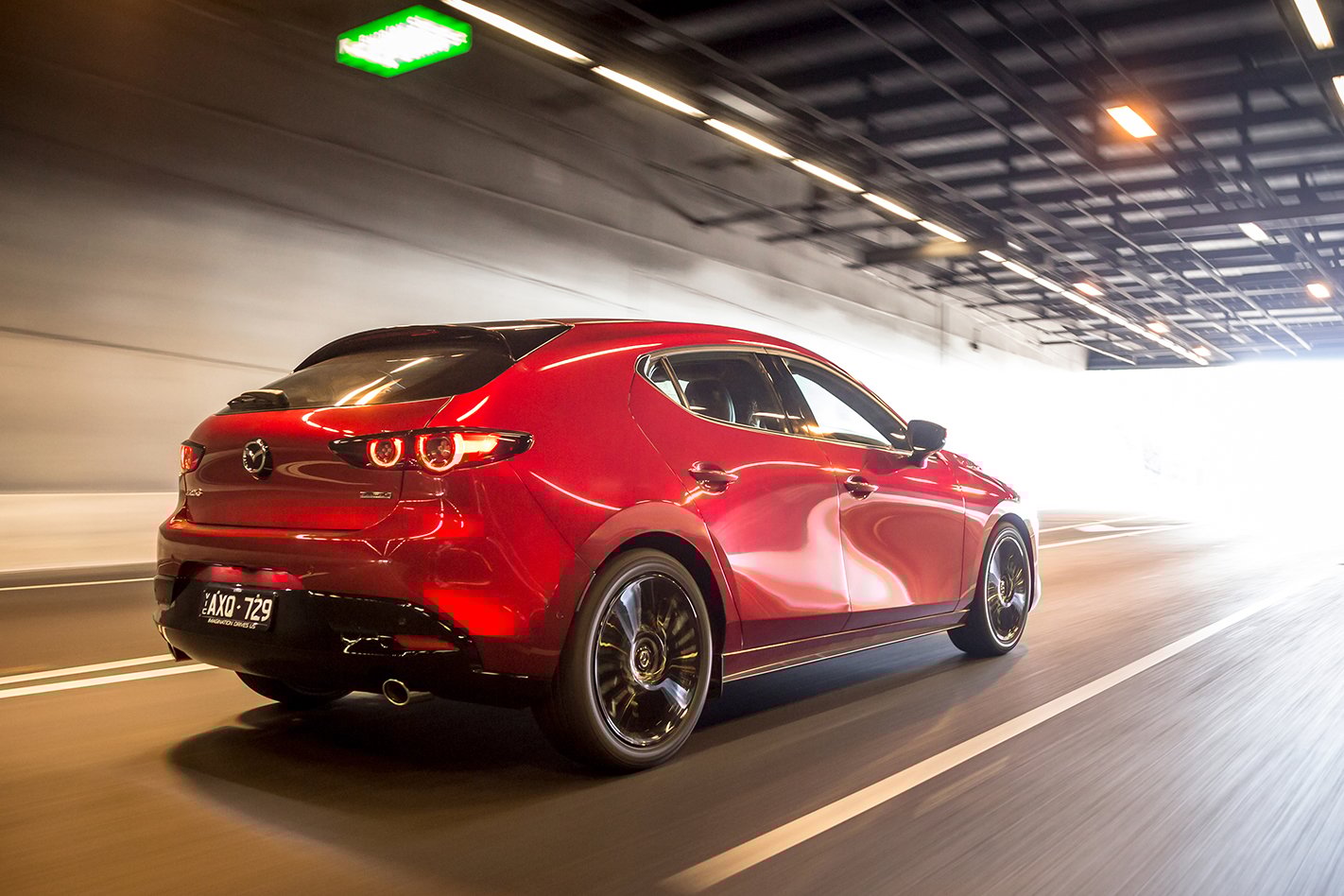
The only blot on refinement is the engine becoming a little bit vibey at idle, so drivers not yet accustomed to fuel-saving idle-stop may want to get used to it now. That aside, it’s a serene and quiet thing.
That’s helped by the general slick nature of the car’s drivetrain, suspension and steering. Everything feels like it’s operated via well-lubed mechanicals, with no unnecessary jolts or thumps to interrupt the transmission of power or the absorption of road imperfections.
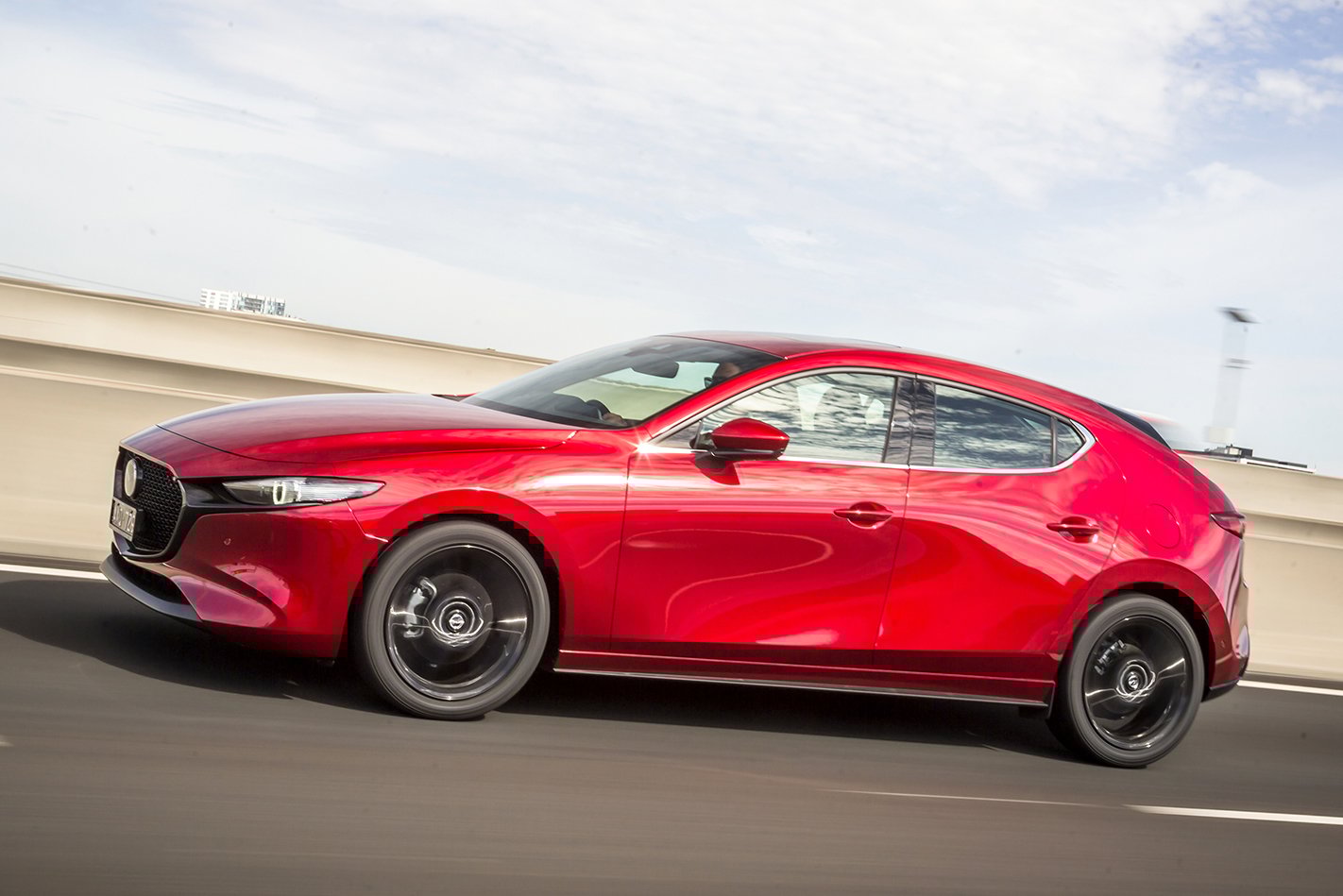
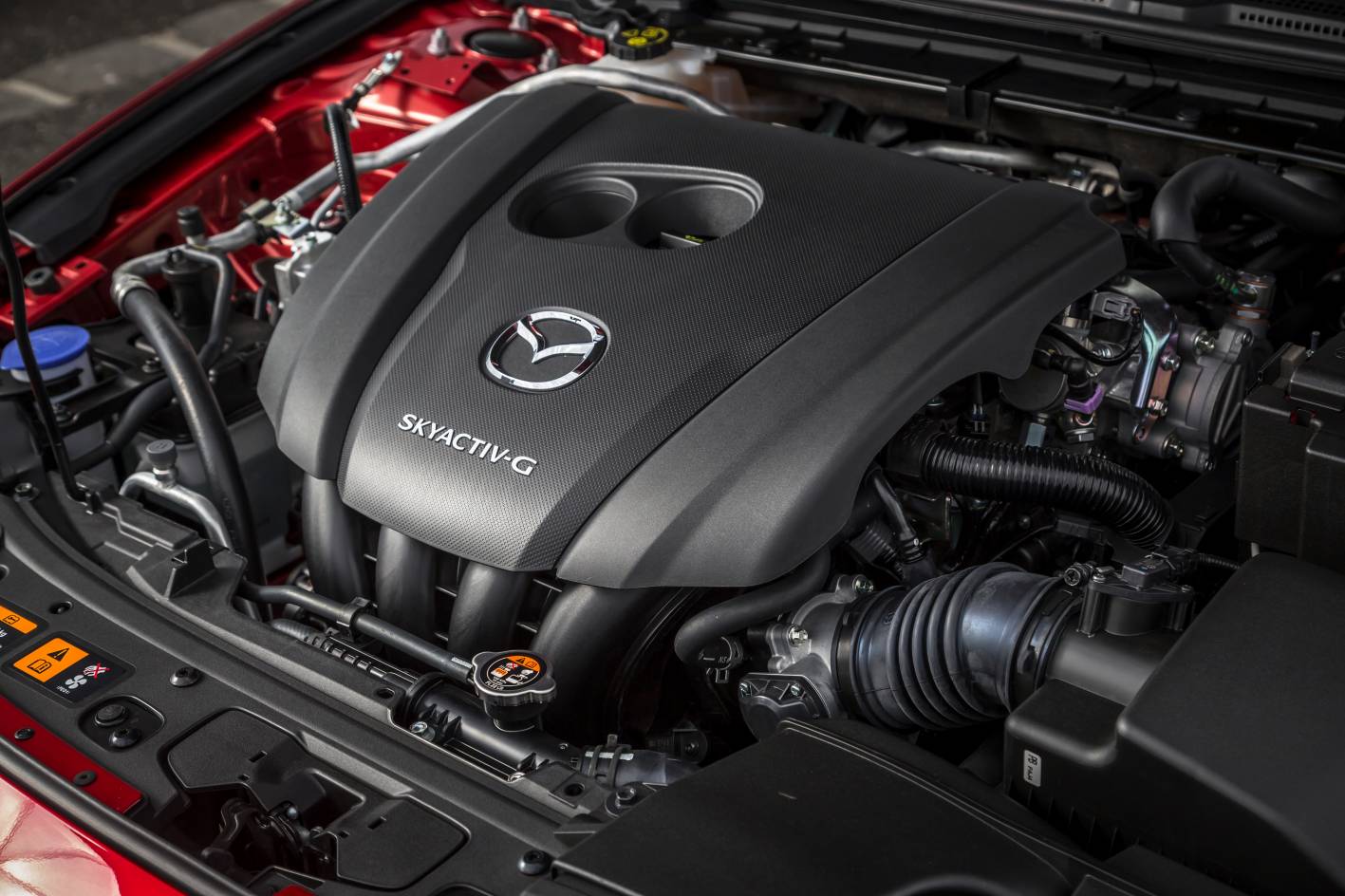
The ride is a touch firmer than some may like for a non-performance hatch, though it’s far from bone-shakingly stiff. Were we to complain about anything at all, it would be the fact that the engine is largely a carry-over unit from the old car, with the ‘G25’-spec 2.5 litre naturally-aspirated petrol four-cylinder making 139kW and 252Nm – middling numbers at this end of the small car segment.
It gets the job done and actually feels quite lively the harder you rev it (as it did in the third-gen model), but some may feel that it lacks the relaxed and effortless nature of turbocharged engines from European rivals.
What it doesn’t lack, is rock-solid roadholding. Much has been said about Mazda’s decision to go from a multi-link rear suspension to a much less sophisticated torsion beam rear, but from the driver’s seat it doesn’t feel like a regressive step.
If anything, the new 3 handles with the same kind of confidence and composure as the model it replaces, and that’s good not just from a driver enjoyment point of view, but from a safety perspective as well.
VERDICT
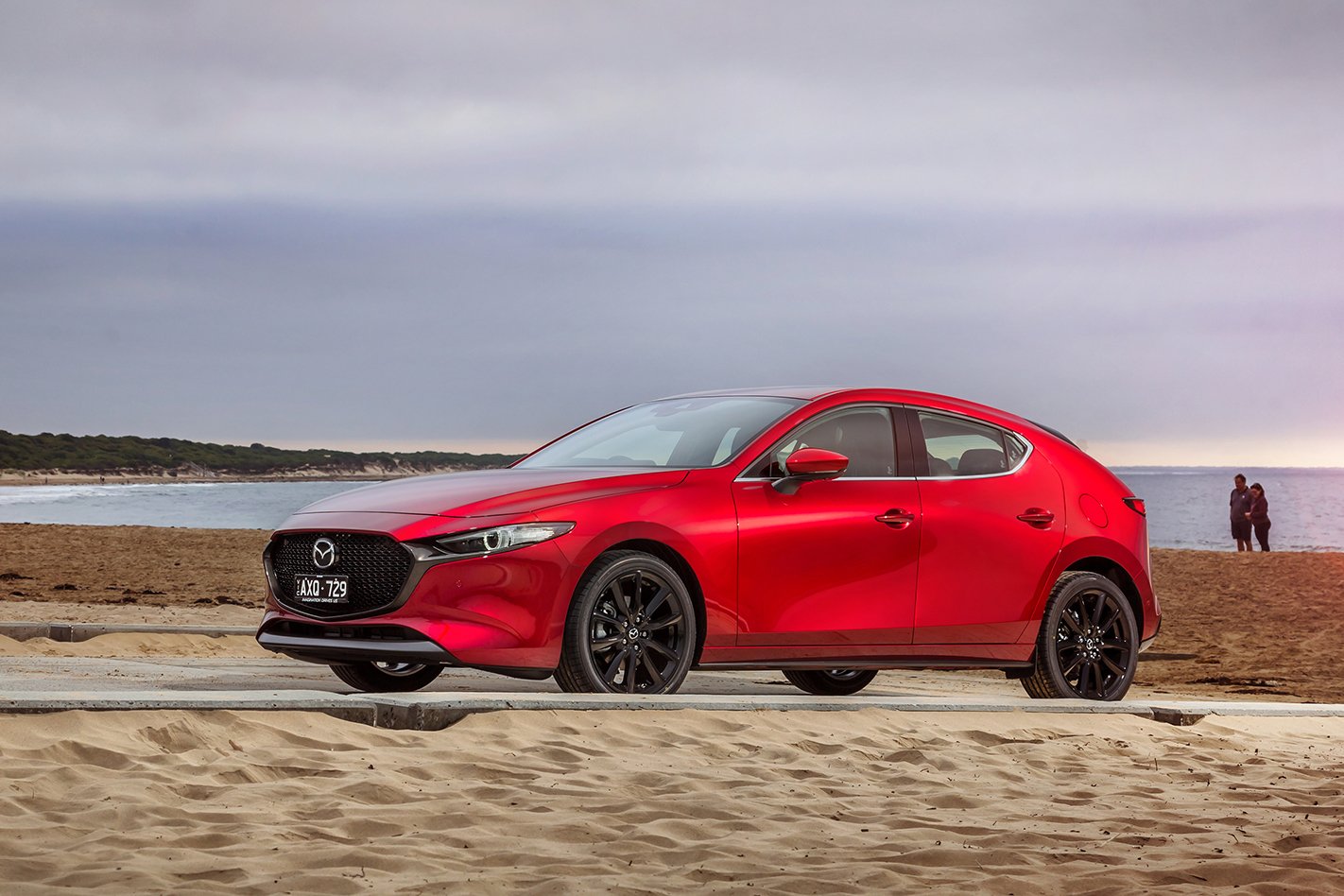
The ‘showroom wow’ factor of the new-gen Mazda3 is immense. Sit in it for just a few seconds and we challenge you to not be blown away by the high-end aura of the thing. Thankfully, that visual and tactile glitz is more than matched by rock-solid underpinnings, a great driving experience and luxury-like refinement, not to mention a standard equipment list that’s as long as your arm.
This car, the G25 Astina, sure isn’t cheap, but you aren’t just getting what you paid for: you’re getting what seems like a whole lot more.
Audi has expanded its plug-in electric hybrid range, revealing the new Audi Q5 55 TFSI e quattro overnight in Europe but there’s no plan for it to land in Australia.
The new mid-size SUV hybrid joins other Audi plug-ins such as the A6, A7 Sportback, A8, and Q7, and brings some new technology to the model range.
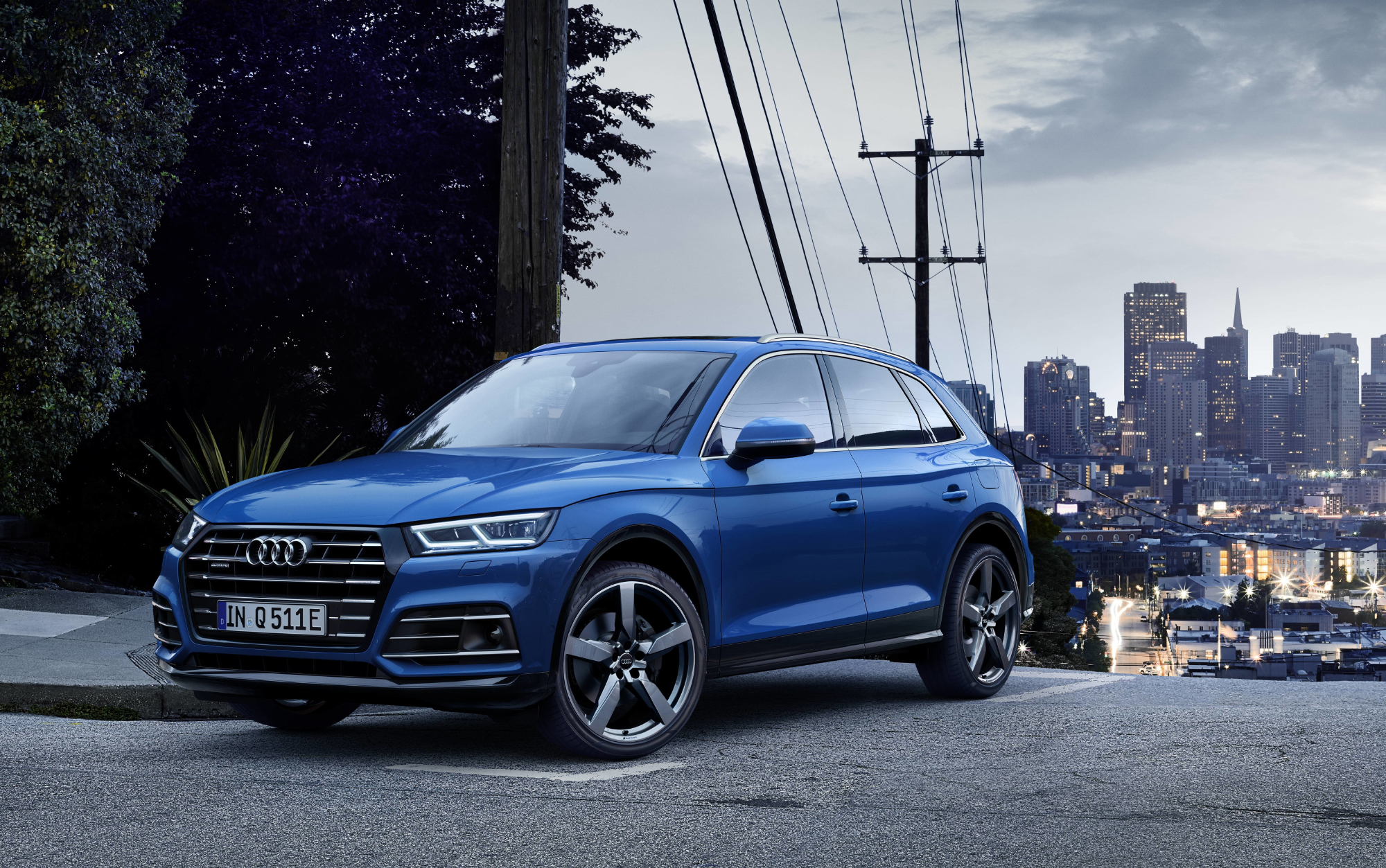
Supplementing its 2.0-litre petrol turbo four-cylinder engine is a 14.1kWh battery and 105kW, 350Nm electric motor. By itself, the petrol motor can develop up to 185kW and 370Nm, however, augmented by the electric motor it produces 270kW and 500Nm. That’s good enough to move the family bus from 0-100km/h in 5.3sec – just 0.2s slower than the fuel-guzzling 3.0-litre V6 turbo-powered SQ5.
But efficiency is its claim to fame, recording a combined fuel consumption figure of 2.1L/100km on the WLTP. It also has a 40km electric-only driving range, tested to the same standard, meaning it should provide enough purely electric range for most urban commutes.
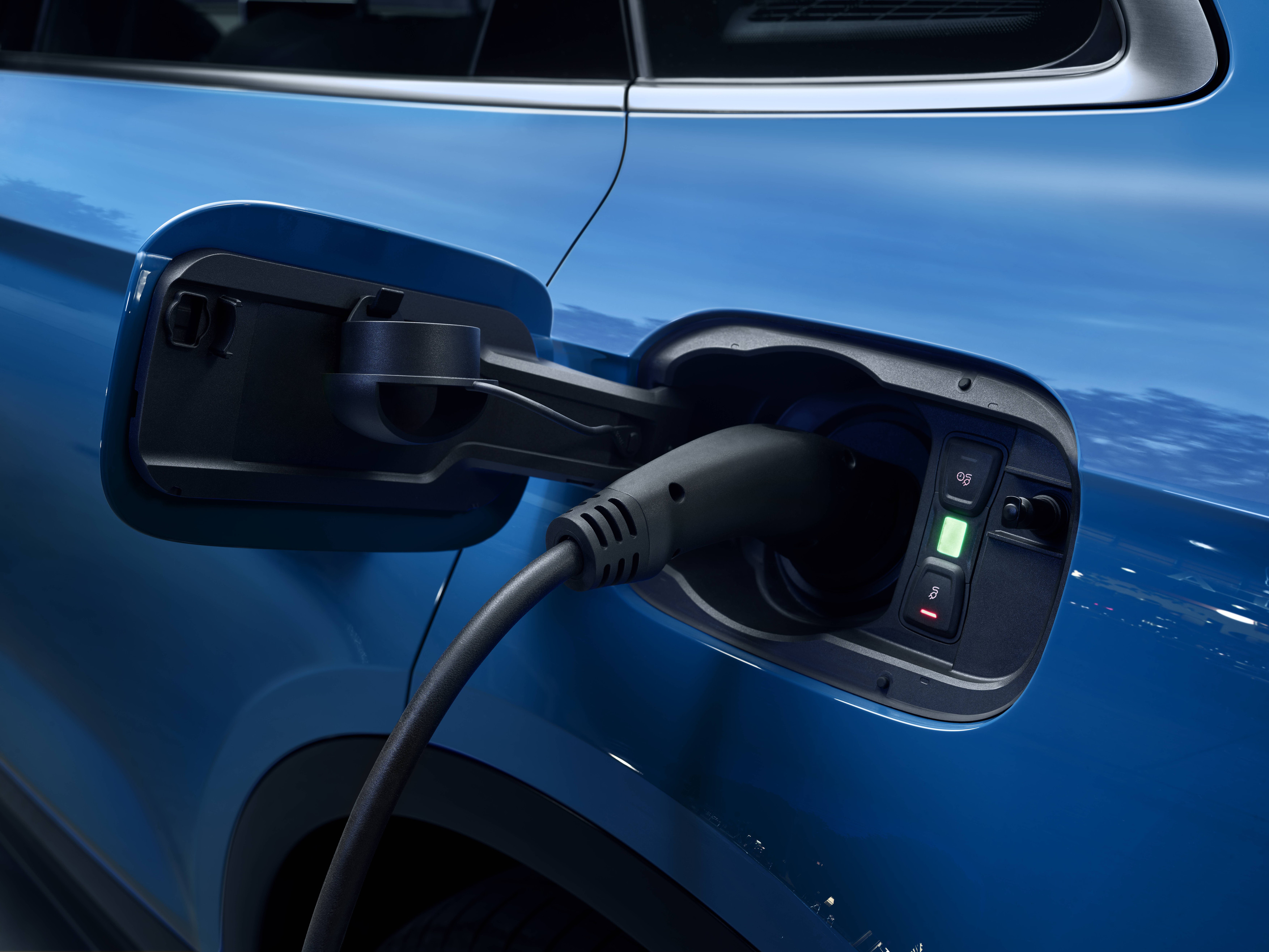
Charging is via either a 400v fast charger plug that energizes the battery to full capacity in 2.5 hours, or from a normal home socket that takes 6 hours. Three driving modes – hybrid, EV and battery hold – dictate how much battery power is used and the climate control system can scoop hot air from the battery pack to make the cabin toasty in winter.
Australians already have access to plug-in hybrid models from premium brands such as BMW and Mercedes-Benz, but Audi Australia says it has put the PHEV range on ice, focusing on the all-electric flagship e-tron that’s due early next year.
“At this stage we have no immediate plans to bring the Q5 55 TFSI e quattro to Australia,” a spokesperson for the company told Wheels.
“While we are evaluating how the expanding Audi PHEV range will best fit into the Australian market, our shorter-term focus remains on the 2020 launch of our first all-electric vehicle: the all-new Audi e-tron SUV.”
THE DEBATE on what is Japan’s greatest ever sports car could take some time. Datsun 240Z? Toyota 2000GT? Nissan GT-R? Rather than demolishing your daily productivity with what could be a long and tedious back-and-forth, allow me to weigh in with a captain’s call. The Honda NSX. Or more specifically, the Honda NSX Type R and NSX-R models.
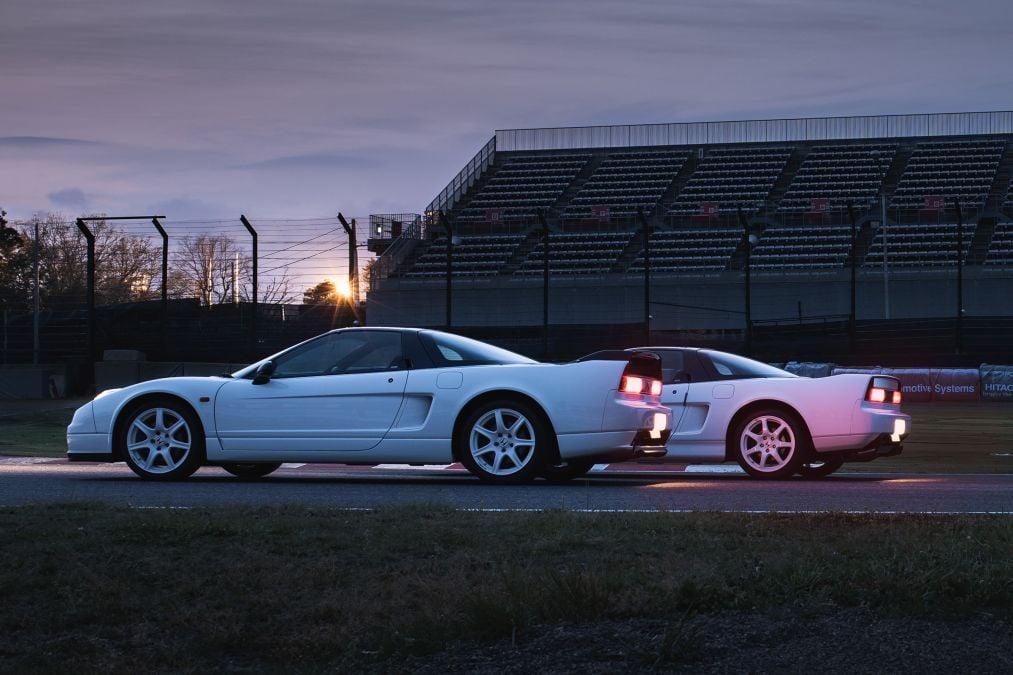
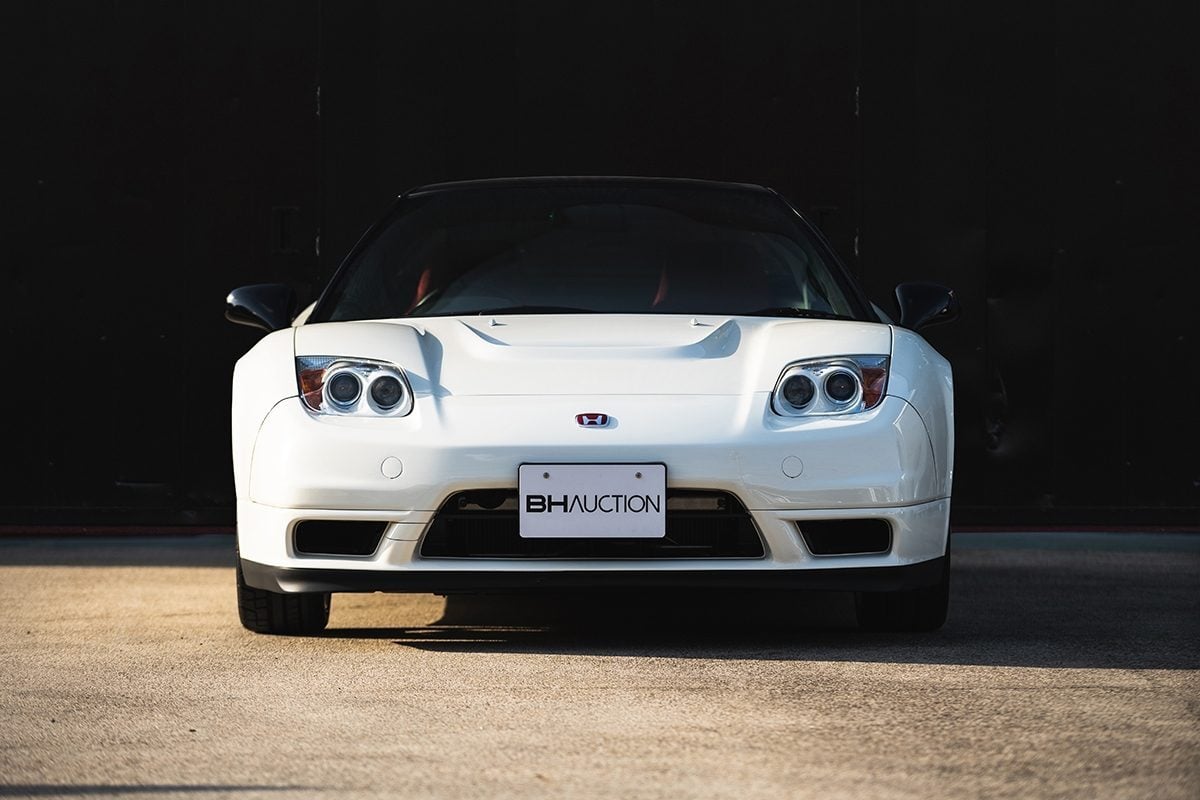
Japanese domestic market specials, the Type R and NSX-R are both on the BH Auctions block in Tokyo. Both are white, both are super-low mileage and both require your immediate attention. While we’re fairly sure you won’t be able to offer a two-fer deal for the pair of them, choosing between them could be tricky. Let’s take a look at each of them and you’ll see why these things are so special.
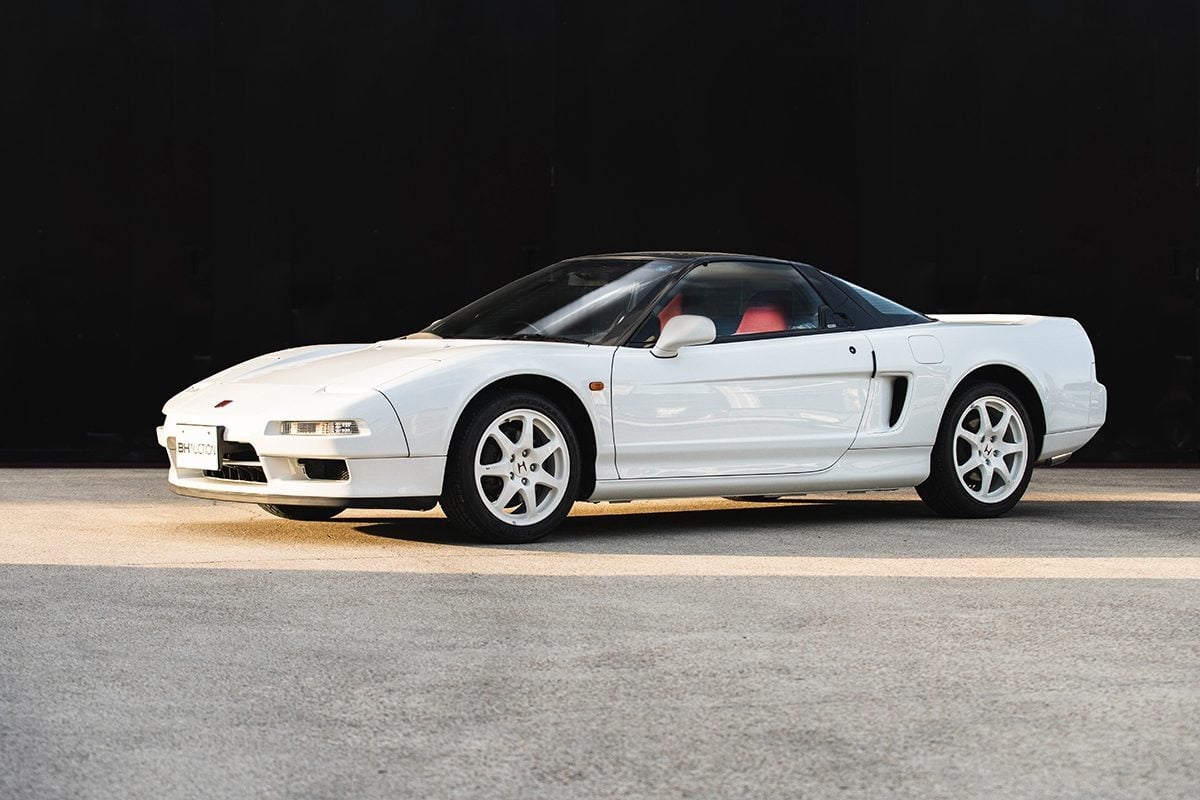
NSX Type R (92R)
While we’re here, can we be frank about the original NSX? Forget all the Ayrton Senna guff. At the limit of grip, it could be an evil thing. The base car had a fundamental mismatch between an overly stiff rear end, a soft front and a sharp ramp-up in VTEC-assisted power. While it had excellent front end bite, it always had eye-widening oversteer characteristics. And when it went, it really went, not helped by glacially slow electrically-assisted steering (3.24 turns lock-to-lock) and a weight distribution of 40 percent front and 60 percent rear, pretty much identical to a contemporary 964-generation Porsche 911 Carrera.
So Honda decided to build a better NSX off the excellent bones of the original. The Type R made its debut in November 1992 as the flagship of the first-gen NA1 Honda NSX range. Sometimes referred to by Honda anoraks as the 92R, the Type R was a revelation. Power came courtesy of a blueprinted version of the C30A 3.0-litre VTEC V6, which Honda stubbornly quoted at the gentleman’s agreement figure of 280PS. Nobody believed them, and the 1230kg Type R blazed to 100km/h in 5.0 seconds. It was something very special.
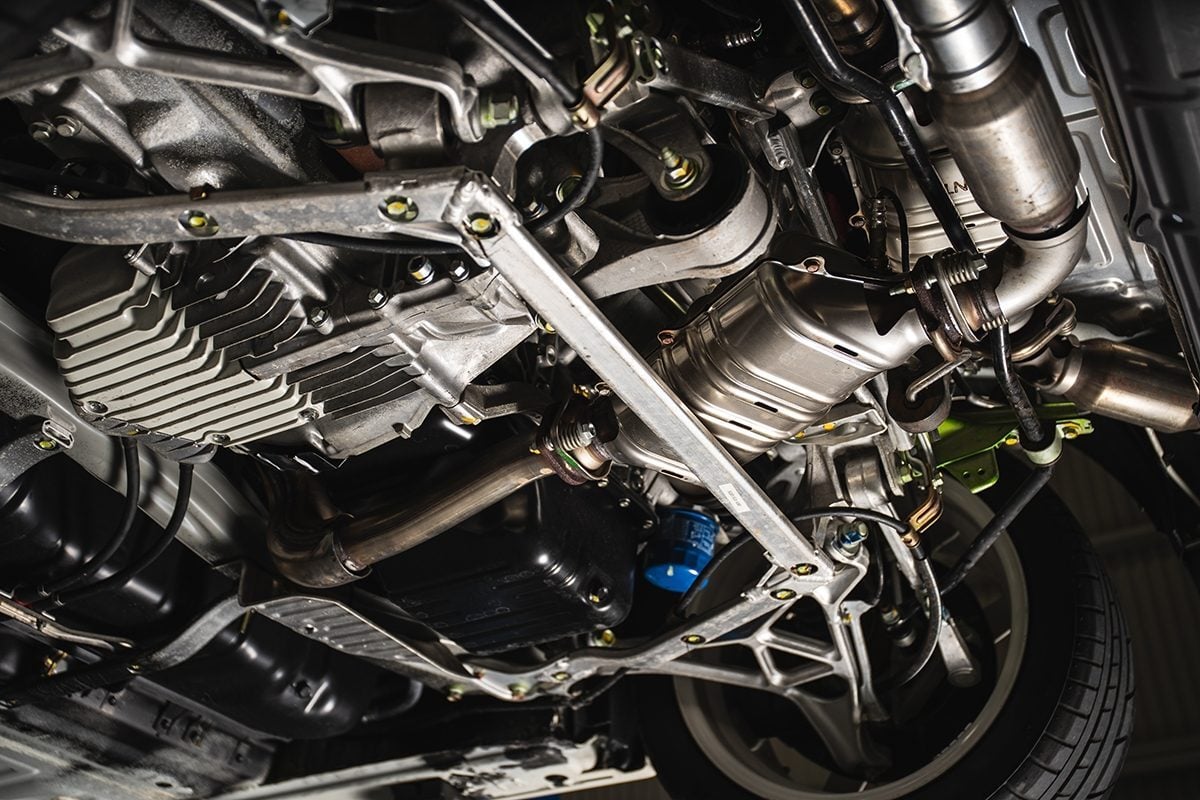
Japan kept it to themselves, with all 483 units being sold into its domestic market. The 120kg weight saving came courtesy of extensive use of aluminium. Bumpers, door beams, and decklid were all aluminium, while lightweight forged Enkei wheels reduced unsprung mass. The Type R also received Recaro seats, a Momo steering wheel, a titanium shift knob and junked a lot of the original car’s sound deadening material. Weight distribution improved a couple of points and reversing the original car’s damper, bushing and spring rates from front to rear tamed the wild rear end. It became an utterly magical driver’s car and a dynamic template for any owners looking to improve the handling balance of their base NSX models.
This particular car is a 1995 model, chassis no. NA1-1300280, and has its body painted Grand Prix White (NH565) with red seats. Best of all, the odometer reads a mere 860km so expect to see something in the region of AUD$330,000 to $395,000 when the auctioneer’s gavel falls on the 8th of June. Or given that it is in Japan, a distant electronic bonging sound.
NSX-R (02R)
Should your pockets be even deeper still, why not aim for the very acme of Honda’s naturally-aspirated output and raise your e-paddle for this stunning NSX-R, or 02R in Honda-speak. Launched in May 2002, some seven years after the 92R finished production, the NSX-R got the C32B 3.2-litre V6. Again, the peak power figure looked unchanged against the standard NSX, but torque crept up by a handful of Newton metres. Again, the VTEC powerplant was balanced and featured lightened internals, the six-speed manual featured a lower final drive ratio and body rigidity was improved.
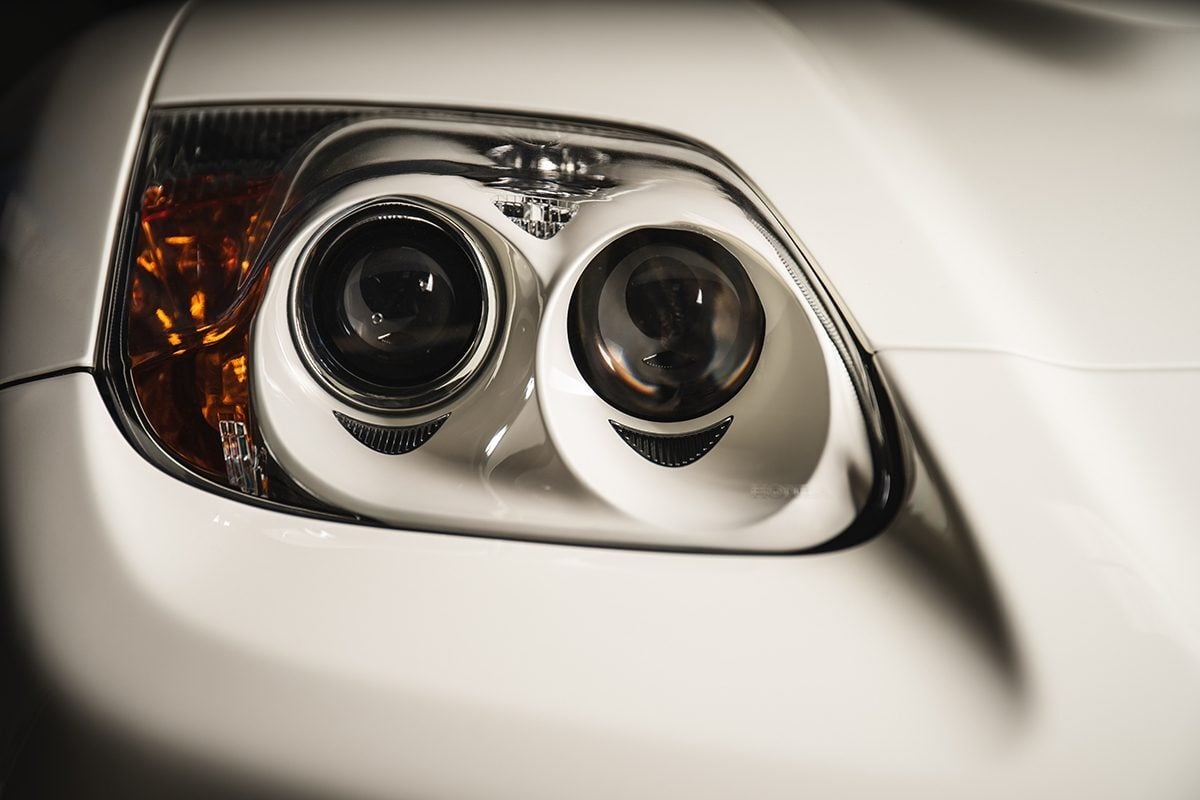
While the facelifted styling was never quite as elegant as the 92R’s clean pop-up lamp front end, there were massive advances in aerodynamics realised with the 02R, Honda claiming it to be the only car in its class that generated functional downforce. Some 70kg was taken out of the base grade NSX courtesy of much the same weight reduction processes as the 92R.
With just 560km on the clock, this is one of only 27 built in 2005 and one of 140 in total. Some measure of this car’s desirability is the fact that some collectors are tipping it to beat the 1973 Porsche Carrera RS 2.7 that’s also up for sale at the BH auction. The pre-sale estimate of AUD$635,000 might well prove conservative.
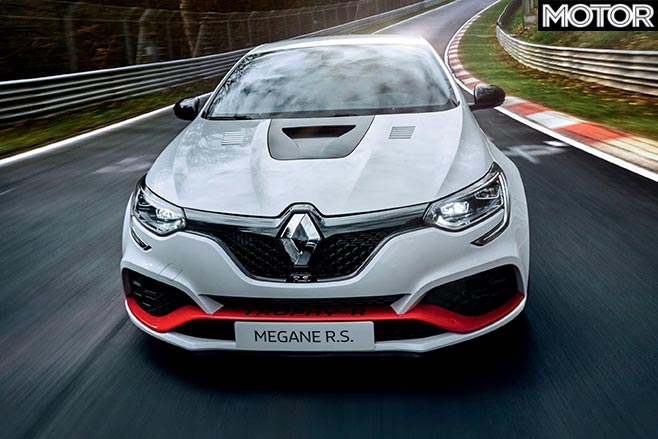
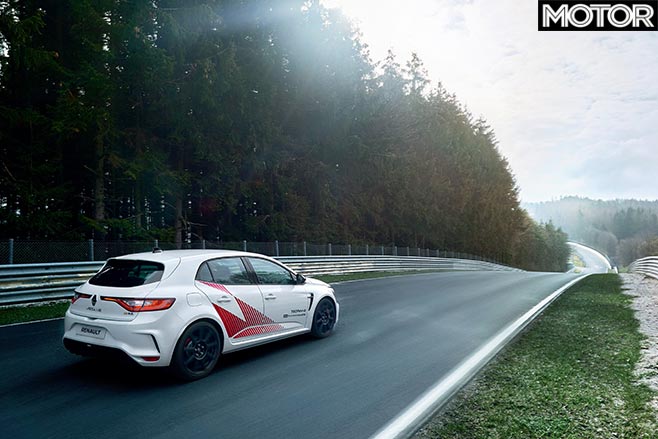
The 2019 Renault Mégane RS Trophy-R has taken the Nürburgring Nordschleife lap record for a production FWD car back from the Honda Civic Type R.
Though not unexpected, as the car had been spied filming at the Green Hell, it wasn’t certain whether the Trophy-R had been successful in its bid to win back the Nordschleife crown.
With a laptime of 7min 40.1sec, the Mégane RS Trophy-R topped the best from Honda’s Type R by more than three and a half seconds (7min 43.8sec for the Civic).
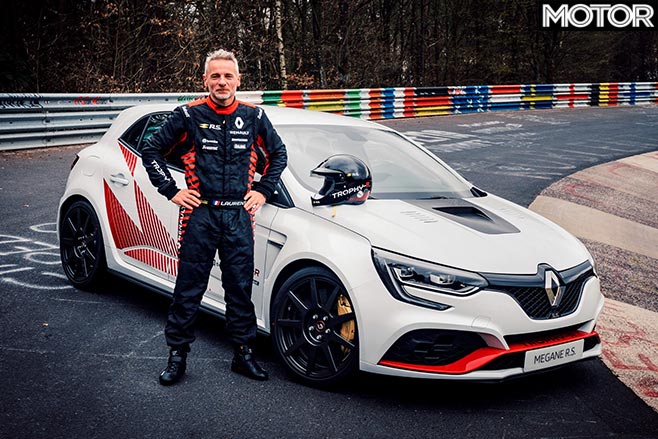
Renault’s vehicle development driver Laurent Hurgon set the lap time, having already done the honours in the second generation Megane RS Trophy, and the Trophy-R version of the Megane III RS.
The latest Trophy-R uses the same 220kW turbo four as the Mégane RS 300 Trophy, but weight about 130kg less and features ‘reworked’ aerodynamics and upgraded front axles.
Oh, and it’s got three pedals. Renault says it will be available later this year in a limited edition run.
The Nürburgring has also changed the way lap times are recorded, now including the ‘start-finish’ straight.
In Renault’s words: “Until this year, most of the lap times and so far unofficial records were registered on the 20.6km course (start of lap time clocking at the end of the Nordschleife start/finish straight at T13, end of lap time clocking at the start/finish line at the beginning of the start/finish straight at T13).
“From 2019, the official course formalized by the Nürburgring is the 20.832km whole lap of the Nordschleife with start and end of lap time clocking at the start/finish line of the Nordschleife track. In this context, the Megane RS Trophy-R time is categorized in the compact cars class.”
This means future efforts will likely be measured against the Trophy-R’s 7:45.389 figure recorded for the full 20.832km distance.
Ferrari’s new mid-engine hybrid hypercar is allegedly capable of cracking triple digit speeds quicker than anything else you can buy today.
The details come thanks to German magazine Auto Motor und Sport that claims to have gotten its hands on a leaked invitation to the new car’s reveal at Maranello on May 31.
Reports suggest that the F173 will be powered by a development of the 3.9-litre twin-turbo V8 that debuted in the 488, however, it will receive help from batteries and a trio of electric motors.
With two electric motors on the front axle, and a third in the transmission, the new performance product will have all-wheel-drive with torque vectoring, and a total system output of 735kW.
All of this is expected to coalesce into a 0-100km/h sprint from a standstill in 2 seconds flat. If the Ferrari F173 can achieve that figure, it will be the quickest accelerating car with a combustion engine you can buy.
Set to sit above the 812 Superfast in the current Ferrari line-up, Maranello has been careful not to describe the F173 as a direct LaFerrari replacement. However, it will be the halo model, and have performance that puts it firmly in hypercar territory.
Interestingly, despite performance to clean the floor with the LaFerrari, Auto Motor und Sport reports that insiders are expecting the F173 to cost €600,000 (A$973,000). This is a relative bargain when compared to the LaFerrari’s price of well over €1 million when it was first released.
Australians can expect to pay around $1 million locally once on-roads and options are factored in – if it comes Down Under at all.
For the full details when the car is revealed at the end of the month, stay tuned to WhichCar.com.au
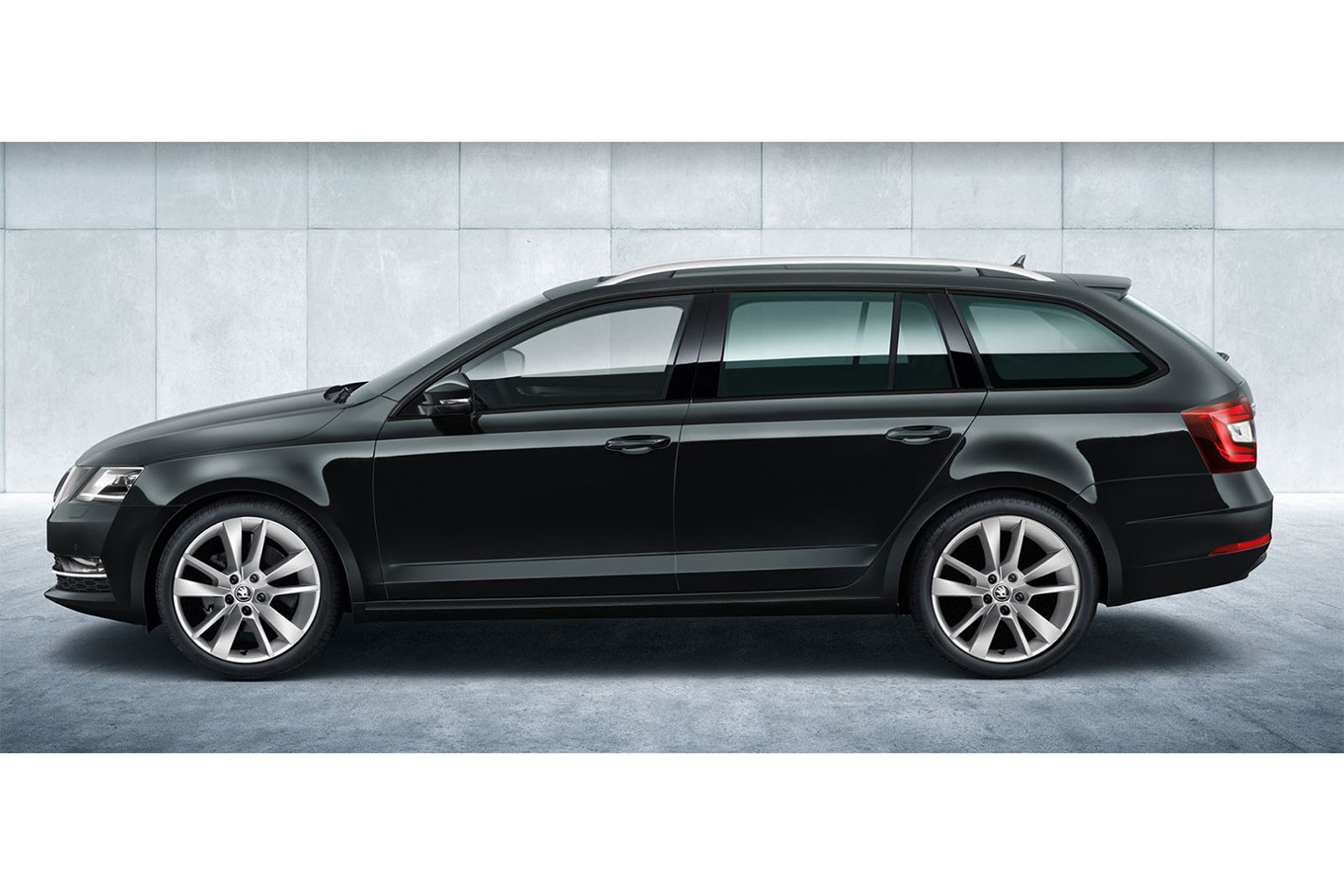
The Czech brand owned by Volkswagen has long prided itself on being the ‘head’ buy; it’s practical, contemporary and functional. Usually, this would also be synonymous with ‘boring’… but the Skoda Octavia sports wagon is happy to challenge this stereotype.
What is it?
Spacious interior and athletic looks meet practicality and straight-edge, modernist styling in the five-seat Skoda Octavia, which is one of the brand’s pillar products along with the Kodiaq SUV.
The Octavia’s rivals include the Mazda 6 and its parent company relative, the Volkswagen Passat.
This is the 110TSI DSG variant, which has the Volkswagen group’s 1.4-litre turbocharged 110TSI engine, as also seen in the 2018 Golf 110TSI.
How much is the Skoda Octavia Sports Wagon 110TSI?
The Octavia 110TSI starts at $27,890 and sits in the middle of the range between the $24,990 six-speed manual wagon, and tops out at $40,390.
In terms of the competition, the Mazda 6 wagon starts at $34,790 and tops out at $49,990, while the Volkswagen Passat kicks off at $37,990. In terms of value, the Octavia ticks the value box.
Our test car was optioned with the $4,200 Luxury Pack which includes leather seats, electronically adjustable driver and passenger seat, lane assist, seat warmers, auto folding door mirrors, side assist blind sport detection and two extra airbags (making it nine in total).
It’s also fitted with a $4,900 Tech Pack which includes a 9.2-inch touch screen satellite nav system (with USB, AUX and a two-SD card slot) and a 10-speaker Canton sound system, LED headlights with adaptive front light system, automatic parking assist, adaptive chassis control, keyless entry, AEB, manoeuvre brake assist, drive mode selection and wireless charging.
There is also an automatic tailgate and Volkswagen’s virtual cockpit, costing $500 and $700 respectively. If it came down to choosing between the two, I’d recommend the Tech Pack as a smarter option.
From a value perspective, you get a lot of creature comforts for $38,190 as well as a five-year warranty.
Who is it for?
Lovers of function who buy with their heads, families needing space but who don’t want an SUV, lovers of all things clean and practical and sporty couples/singles who have champagne (or, *cough*, Audi) taste on a $40,000 budget.
Is the Skoda Octavia 110TSI easy to live with?
Very. In true Skoda form, the Octavia is stacked with tiny yet functional details that are aimed at making life easier. Little things like a ticket holder in the A-pillar for displaying parking tickets, a centre console that is seemingly designed to fit an iPhone just so, an armrest in the rear with two drink holders, modular garbage bin that fits into the side of the door and a reversible rubber mat in the boot are just some of the happy little utilitarian elements.
The cabin is bright and spacious, the seats are well-bolstered and the rear boot capacity is shockingly big for a car that looks this athletic, with 588 litres of space with the seats up and 1718 litres with the seats dropped.
Volkswagen’s infotainment system and virtual cockpit (again, optional with the Tech Pack) is a stellar option, adding that little bit extra sense of luxury (with change out of $40k, don’t forget). It adds Apple CarPlay and Android Auto as well as an impressive German-made Canton sound system.
The optional sat-nav system will learn your most frequented routes, too, which can help to individualise your places and points of interest.
How well does the Skoda Octavia 110TSI drive?
Wagons have come a long way in recent years, and they’re replete with design trickery that helps to hides their size. It’s a cliché in wagon reviews, for sure – but really this is the case with the Skoda 110TSI. It’s big and spacious, but it still feels like a Golf; that’s something that couldn’t be said for an SUV with this kind of space inside, so that’s another tick for the wagon when it comes to the SUV-versus-wagon debate.
Of course, as previously mentioned, the Skoda’s 1.4-litre four-cylinder turbo engine is also found in the Golf, and it also makes an appearance in the Tiguan.
Volkswagen Group’s DSG is always a talking point, but in the case of our test car, hard to fault, even when travelling on the slower side. You also have to keep in mind that the average Skoda buyer won’t be as passionate about the ‘to-DSG or not-to-DSG’ debate, unlike the hot hatch heads of Golf GTIs past.
The Octavia’s ride is firm but fine around bumpy road plates in Sydney’s inner city. The handling is, again, hatch-like. And in terms of fuel economy, we averaged around 6.7L/100km – but keep in mind, that was a lot of driving in Sports mode (again, optional with the Tech Pack). Skoda claims a combined consumption of 5.5L/100km.
Verdict
The Skoda is athletic, spacious and utilitarian, and that is what Skoda does best. But unlike the Kodiaq SUV, it also has a little bit of emotion – which means for a family – and for those that can’t stretch to the amazing RS model – there’s plenty of joy to be had in this wagon.
What stands out?
The sixth-generation BMW 3 Series is an athletic and nicely balanced luxury car that has special appeal for keen drivers. It is a good size, too: easy enough to park but able to carry five in comfort. And there is plenty of diversity, from the modestly powered, three-cylinder 318i to the extravagantly quick twin-turbo M3. You can even have a plug-in petrol-electric hybrid in the 330e.While this model first arrived in 2012 it underwent a series of upgrades including one in 2018 shortly before being replaced. This review focuses on that 2018 model, but can serve as a guide for cars that arrived here after October 2015 should you be looking to buy a used one.
What might bug me?
BMW uses run-flat tyres that do what the name suggests: they allow you to keep driving after a puncture. The catch is, you are not supposed to drive a flat tyre faster than 80km/h, nor further than 80km. So if the flat happens in the boondocks, you’re in strife.The exception among 3 Series models is the M3, which uses regular high-performance tyres but has no spare wheel. BMW supplies a tube of sealant. You squeeze this into the flat tyre, enabling the car to travel a limited distance.Even though 3 Series cars don’t carry a spare wheel, they have no more boot space than obvious alternative cars from other makers.
What body styles are there?
A four-door sedan, and a five-door wagon called Touring.The previous-generation 3 Series coupe and convertible were renamed 4 Series for the latest generation. But that’s another story.The BMW 3 Series is rear-wheel drive and is classed as a medium-sized car, higher priced.
What features does every 3 Series model have?
Large-diameter aluminium alloy wheels (beginning at 18 inches on the 318i, 320i and 320d) with low-profile tyres. Extremely long-lasting LED headlamps and tail-lights. Dual-zone climate control (which allows different temperatures on either side of the cabin).A head-up display, which projects speed and navigation information onto the windscreen (helping you to keep your eyes on the road). Cruise control with speed limiter.An audio system with digital (DAB+) radio reception, MP3 and USB compatibility, Bluetooth connectivity with voice control, and at least six speakers. Controls on the steering wheel for those functions.A rear-view camera that displays a bird’s-eye-view of the car from above, showing obstacles to the rear and each side.A central colour screen (6.5-inch on the 318i, 320i and 320d; 8.8-inch on the 330i, 330e, 340i and M3) with satellite navigation.Front fog-lights, heated exterior mirrors and rain-sensing windscreen wipers.BMW Connected Drive. What BMW calls the Lifestyle version includes a three-year subscription to internet-based services such as BMW Online (news, weather, Google local search, office, and apps) and the BMW Connected app. It also includes Remote Services, which lets you operate various functions from a remote location. For example, you can lock and unlock the doors, control the ventilation, and find the car if you forgot where you parked it.A suite of active safety aids that includes lane-departure warning (to tell you that the car is drifting to either side), and partial automatic emergency braking that works at city speeds. At speeds below 60km/h, the car will sound warnings and if necessary brake itself to maintain a safety gap to the next car or to avoid a pedestrian. (However it will not initiate full emergency braking.)There are six airbags: two directly ahead of the front-seat occupants, two to protect front occupants against side impacts, and a curtain airbag down each side to guard front and rear occupants against head injuries.Automatic Start/Stop, which cuts your engine when you stop, say at traffic lights, without shutting down other systems. The engine comes on as soon as you take your foot off the brake.Electronic stability control, which can help maintain control if the car loses grip on a slippery surface. All new cars must have this feature.The 3 Series is covered by BMW’s three-year/unlimited-kilometre warranty. The battery that powers the electric motor in the BMW 330e carries a six-year warranty.
Which engine uses least fuel, and why wouldn’t I choose it?
BMW offers a big range of engines for the 3 Series, including a plug-in hybrid drivetrain – which teams a petrol engine with an electric motor whose battery can be charged from household power outlets – arrived with the 330e in May 2016.Of the conventionally powered cars, the lone diesel model, the 320d, is the fuel-saving champion, using just 4.4 litres/100km in the official test (city and country combined). This turbocharged engine feels very refined, especially for a diesel. It also provides impressive acceleration and effortless cross-country cruising.One reason you might not choose it is that the 320d costs a lot more than the least costly 3 Series model, the 318i, which borrows its charming three-cylinder, 1.5-litre, turbocharged petrol engine from the Mini Cooper. It uses a bit more fuel than the diesel – 5.4 litres/100km – and does not go quite as hard. Nevertheless a standard eight-speed automatic transmission helps it haul you around.Another reason not to choose the diesel is that you want to enjoy the smoothness and response of BMW’s bigger petrol engines. They start in the 320i, which uses only marginally more fuel than the 318i but has significantly more power. Its new four-cylinder, 2.0-litre turbo engine feels beautifully refined, and has ample performance.Nevertheless, BMW believes most people will choose the even gutsier 330i. This has essentially the same engine as the 320i but retuned to produce about 35 per cent more power. Remarkably, it doesn’t use any more fuel in the official test: 5.8 litres/100km.In a real-world comparison conducted for the April 2016 issue of Wheels magazine, a BMW 330i averaged 9.3 litres/100km, ranking as the most frugal of five mid-size prestige sedans reviewed.Frankly, the 330i has more performance than most people will ever need, but some like that.The 320i and 330i are also available in a stylish Touring (wagon) body, for SUV-beating luggage space and driver-appeal.Some people want even more power, from one of BMW’s revered six-cylinder turbocharged engines.The 340i uses a new 3.0-litre turbo-petrol six. It’s smoother and even more responsive than the 330i, and is for people for whom too much is barely enough.And then there’s the mighty M3, a bonafide supercar with an even more powerful 3.0-litre six, this time with two turbochargers. Unnecessary, but awesome if that’s your thing.Finally, if you believe you will be using your 3 Series mainly for getting around a city and its suburbs, you could have good reason for bypassing all of the conventional diesel and petrol engines and choosing instead the petrol-electric plug-in hybrid model, the 330e. For round trips shorter than about 25km you can drive a 330e using no petrol at all, relying instead on its electric motor and battery, which you can recharge fully at home in about three hours. On long trips in the country, fuel use will approach that of the 320i, whose petrol engine the 330e adopts (albeit in significantly more powerful form).All 3 Series models except for the 330e are available with an excellent six-speed manual gearbox, but this is special-order. Most people prefer BMW’s eight-speed conventional automatic.The M3 offers the same six-speed manual gearbox or a seven-speed computer-controlled dual-clutch manual (called M-DCT), which shifts gears by itself (like an automatic but quicker).
What key features do I get if I spend more?
The first option is a no-cost one – Sport Line package. Available on 318i, 320i, 320d, 330i and 330e, the Sport Line pack is the equivalent of adding red braces to a suit. High-gloss black exterior trim, and the same gloss black on the dashboard (with Coral Red highlights), combine with red detailing on the car key, instruments and the stitching on the sports steering wheel. Sport Line also brings sports front seats with extra bolstering – to hold you in place better around corners.Step past the three-cylinder 318i and spend more for a four-cylinder 320i and you get the more powerful and refined engine and the choice of sedan or wagon (Touring) body styles.You also gain powered front seat adjustment, with memory on the driver’s seat (so that you can restore immediately your settings after a companion has driven the car). There is Adaptive M suspension, which lets you adjust how the car rides over the road – choosing to maximise comfort, or to sacrifice some comfort for sharper handling. And you get a Lights Package that brings LED interior courtesy and reading lights, ambient lighting that illuminates the cabin softly at night, and puddle lights that show you what’s under the doors when you open them.The sedan-only 320d brings you the fuel-sipping diesel engine, and the same equipment as the 320i.Spend more again for a 330i (sedan or wagon) and you get the more powerful of the two four-cylinder petrol engines. Wheel diameter increases to 19 inches and the rear tyres get wider, adding a little extra grip but achieving more in looks. The 330i has leather upholstery (less costly models have man-made Sensatec trim). You can unlock the car without removing the proximity key from your pocket or bag. And you get the 8.8-inch colour screen with a more versatile satellite navigation system, which includes a DVD drive, 3D map view, and 20GB of music storage space.For not much more than a 330i you could have instead the 330e, which brings you the petrol-electric hybrid drivetrain based on the 320i’s engine. Equipment matches the 330i’s, except that the 330e does not have the driver-adjustable adaptive suspension.A Luxury Line package is a no-cost option on the 330i and the 330e. It includes wood-veneer interior panels and a bunch of exterior and interior chrome highlights. (Luxury Line is also a no-cost option on the six-cylinder 340i. It is available at extra cost on the 318i, 320i and 320d, where it also brings you leather upholstery.)Spending considerably more on a 340i brings you the turbocharged inline six-cylinder engine and a container load of extra gear. There is a leather-trimmed instrument panel, a powered blind for the rear window, roller blinds for the rear side windows, extended smartphone connectivity, and a superb 16-speaker Harman/Kardon surround-sound system. The power-adjusted front seats gain an adjustment for lumbar (lower back) support, and heaters. Adaptive LED headlights dip automatically for oncoming drivers, and shine into corners when you turn the wheel. Variable Sport Steering adjusts how directly the front wheels respond to the steering wheel.You also get Active Cruise Control with Stop & Go function. This includes automatic braking that can initiate a full emergency stop at city and highway speeds (up to 210km/h), if it detects an obstacle. It also slows you to the speed of a vehicle ahead, and returns to your set speed when the road is clear. And it can control the car in stop-start traffic, braking and accelerating to maintain your place.(This more sophisticated, radar-based auto braking system is available as an extra-cost option on the 320i, 320d, 330i and 330e.)And you get Connected Drive Freedom, which brings concierge services (any-time call-centre assistance for destinations and points of interest, which are then auto-programmed to your vehicle).The 340i offers an M Sport package as a no-cost add-on. That means front seats that hold you in place better, an excellent M Sport steering wheel, a firmer Adaptive M suspension tune for sharper handling, and a range of interior and exterior window-dressing that includes an M Sport bodykit.The M3 is all about performance and road presence. So it gets its own, lightweight (designed to improve cornering) 19-inch wheels, even wider tyres, and broader bodywork with touches such as four exhaust tips to make sure it doesn’t get ignored. And that thunderous twin-turbo driveline, of course. The M3 Competition lifts the performance profile a further notch, with bigger and wider tyres, stiffer suspension, a marginally more spartan interior, and yet more power.Generally speaking, each model upgrade involves more performance rather than more trinkets. That said, the range of options is complex enough to be confusing. Make sure you ask a salesperson plenty of questions and be absolutely sure you’re getting what you want, rather than merely what he or she wants to sell you from stock on the floor.
Does any upgrade have a down side?
It’s worth noting there isn’t much to distinguish the different 3 Series models visually, so spending more doesn’t necessarily mean more street cred. Nor do they vary greatly for equipment and in-cabin pampering. So if the 318i is fast enough for you, you might be wasting your money on a higher-spec car. That said, the 318i one of only two models without ride comfort adjustment standard, so this may be an option worth investigating. It’s labelled Adaptive M Suspension.The other model that does not have adaptive suspension is the 330e, on which it is not available. The 330e is also heavier than other 3 Series cars, and its 80kg battery is placed over the rear axle, moving the weight balance rearward and cutting boot space by about 25 per cent.One option to avoid is Variable Sport Steering. Standard on 340i (and optional on 318i, 320i, 320d, 330i and 330e), it makes the steering feel very responsive on really twisty roads, where it works as intended. But when cruising on bumpy country roads – the type that don’t exist in Germany, where the set-up was developed – the Variable Sport Steering can feel artificial, as though you are driving in a computer game, which is somewhat disconcerting.The M3 is a serious, hardcore, high-performance vehicle. As such, it won’t be cheap to run or insure. Brakes, tyres and other consumables will be expensive and the servicing required is very specific. It will also drink plenty of fuel if you use its vast performance reserves, though it can be surprisingly economical when driven carefully.Any 3 Series model wearing 19-inch tyres or bigger (330i, 340i, M3) will be expensive to re-shoe when the time comes.
How comfortable is the 3 Series?
BMW has always prided itself on making ergonomically pure interiors. Nothing has changed there with the 3 Series. All the switchgear operates with a tactile, precise action and the instrument gauges are crisp and clear.The front seats on all models are supportive and comfy, while the M3 has brilliant sports seats, which are necessary given the cornering forces it can generate.The four-cylinder engines are slick and refined when working hard, but a little dull-sounding in urban pottering. The three-cylinder 318i is an altogether different beast, with a thrummy note and a personality that’s perky rather than sophisticated.The plug-in hybrid 330e is especially quiet inside, in part because it carries more sound-deadening insulation than other 3 Series cars. When driven on just its electric motor, it is almost silent. The 330e always starts from rest under electric power, cueing the petrol engine seamlessly when needed. In suburban driving, eking out every last metre of electric range and working the regenerative braking to gather more charge is strangely fun. A display on the dash shows where the energy is going.The six-cylinder 340i is incredibly smooth and rapid. The M3’s soundtrack is much angrier, enhanced by a synthesised audio file that pumps through the car’s speakers. It has a fairly loud (and addictive) exhaust bark – especially the manual version: a dramatic contrast from the 340i’s refined manners.The M3s ride quite a bit more firmly than the other models, which are easier to live with day-to-day. Even then, the 3 Series as a whole has suspension aimed at taut handling rather than armchair comfort. And the run-flat tyres, while much better than they used to be, don’t ride as softly as an equivalent conventional tyre, especially on the 18-inch (and bigger) wheels BMW now fits standard.
What about safety in a BMW 3 Series?
Every 3 Series BMW has stability control, six airbags, run-flat tyres, a multi-view reversing camera, a head-up display, lane-departure warning, and city-speed auto-braking. It is a rounded package that emphasises protecting you in a crash, enhancing your control of the car, reducing the hazard to others around you in low-speed manoeuvring, and supplying a safety-net for distraction or inattention.The auto-braking will warn you and, if required, apply the brakes at city speeds to maintain a safe distance from the car in front, or to avoid a pedestrian. That said, it won’t initiate a full emergency stop as some other cars’ systems do.The exception here is the 340i, whose more sophisticated, radar-based auto braking system will do that, and from speeds up to 210km/h. However, you can option that system on the 320i, 320d, 330i and 330e.The lane-departure warning monitors your position in a lane on the highway, alerting you should you begin drifting wide – perhaps dangerously, from fatigue or distraction.Run-flat tyres help you maintain control of the car if a tyre deflates suddenly.The Australasian New Car Assessment Program (ANCAP) rated the current 320d (only) its maximum five stars for safety, in June 2012.
I like driving – will I enjoy this car?
Absolutely. Even the least costly 3 Series models bring an intuitively satisfying relationship between what the driver puts in and what the car gives back. You steer a 3 Series towards 10 o’clock, and it heads for 10 o’clock. Balance is another word for it – something the 3 Series is renowned for.That’s mostly the result of 50/50 front-to-rear weight distribution, and effective suspension tuning that aims to provide a comfortable ride without the trade-off of reluctant cornering and soggy steering.For real thrills, the M3 is the way to go if you can afford the price of admission. It’s a true supercar with eye-watering acceleration and handling limits, clothed in a sensible four-door package that also rides respectably.But it’s the much-cheaper 330i – especially in six-speed manual guise – that nails the sweet spot for somebody who is interested in how a car feels as much as what it does.
How is life in the rear seats?
The 3 Series of today is about as big inside as a 5 Series of a few decades ago, so it’s quite roomy.The rear seat is commendably wide and will cope with three backsides, and there are temperature-controllable rear air-conditioning vents to keep everybody happy.
How is it for carrying stuff?
BMW claims a capacity of 480 litres for the boot in all but one 3 Series sedan, which is about as much as you will get in any similar car. (The exception is the 330e, whose battery reduces boot space to 370 litres.)The Touring swallows heaps of luggage (495 litres below the luggage cover; 1500 litres with the rear seat folded flat). A split tailgate allows you to open just the upper glass section, rather than the entire bootlid.The rear-seat backrest is split 40:20:40, so it’s adaptable for all sorts of long loads while still carrying three or four people.
Where did BMW make this 3 Series?
All Australian-delivered 3 Series sedans except the M3 are made in BMW’s South African plant. The M3 and all Touring (wagon) models are made in Germany.Making part of a range in South Africa is not new for German brands. Mercedes-Benz has been building C-Class sedans there for many years.
What might I miss that similar cars have?
Possibly a broader suite of active safety features, such as you might find in a Mercedes C-Class or Audi A4.Maybe all-wheel drive, also available on an Audi A4.Proximity key entry – where you don’t have to remove the key from your pocket or bag to unlock the car – is standard only from the 330i and above. (Many much less costly cars from other makers have this as standard.)There’s also the Jaguar XE. It places more of an emphasis on exterior styling than the BMW, to the slight detriment of cabin and boot space, but the XE is still plenty roomy enough. Better still, it’s brilliant to drive, with the best handling and steering in this class, as well as the finest turbo-diesel engine. Definitely worth a serious look.You might also consider the Alfa Romeo Giulia – or as a very competent alternative to an M3, a Giulia Quadrifoglio.
I like this car, but I can’t choose which version. Can you help?
Our pick would be the 330i, manual or auto. It delivers plenty of performance, luxury, efficiency and sportiness, without a huge price tag. Its feels playful and it’s smoother than most. In fact, forget that it is ‘only’ a four-cylinder, because it doesn’t go or feel like one. It also has the Adaptive M suspension, which adds greatly to the 3 Series’ athleticism.Make it a 330i wagon and you’ll wonder why anybody buys a compact SUV.
When did BMW replace this 3 Series?
The sixth-generation 3 Series range was comprehensively updated in October 2015 – what BMW calls a ‘Life Cycle Impulse’ (LCI), which is code for a mid-life freshen-up. It brought a lot of extra equipment at some price points, a response to the increased equipment levels and improved value of major competitors. The 330e petrol-electric plug-in hybrid arrived in May 2016, and the M3 Competition a few months later.A less luxurious and costly M3, the M3 Pure, arrived in July 2017. The entire range received a minor upgrade for the 2018 model year, which included an updated infotainment package and some cosmetic tweaks.It was replaced by the seventh-generation BMW 3 Series, which arrived in Australia in March 2019 with two initial variants, the 320d and 330i, both of which are powered by diesel and petrol 2.0-litre turbocharged four-cylinder engines respectively.
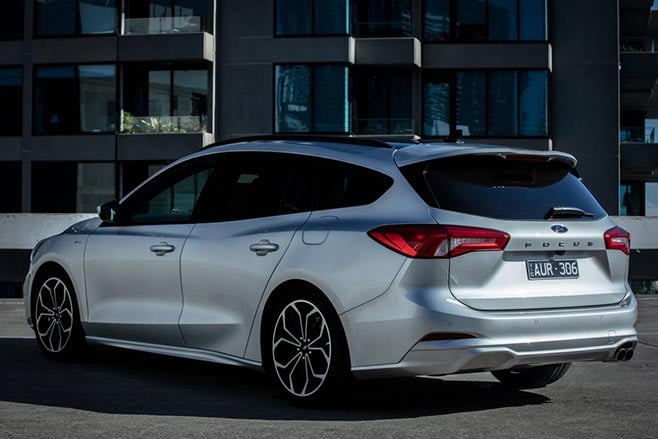
In some ways, you’re looking at Ford’s next generation of ST performance technology. Not literally, of course. The 2019 Ford Focus ST-Line wagon, as well as the hatch, plugs the gap between the range’s civilised variants and its GTI-fighting ST.
The stuff we’re talking about lurks underneath in an embryonic state. Visually, the wagon stretches 4668mm in length, 290mm longer than the hatch, on the same wheelbase. And up back it houses a special rear multi-link suspension arrangement rumoured for the incoming Ford Focus ST.
And then there’s its engine, the new 1497cc turbo three-pot that shares its main measurement’s with the new Fiesta ST’s unit. Although with a higher compression ratio, and probably less boost, it produces a more civilised 134kW and 240Nm.
Unleashed on winding roads it stays planted over the bumpy stuff, absorbing what’s thrown at it with grace and poise. Grip from Michelin Pilot Sport 3s is also good enough to expose a lack of seat bolstering. The rest, though, feels slightly under baked.
The problem is that front-end. The chassis shifts weight on the nose to find turn-in, but while the steering is direct, it needs more feel and a better sense of the front tyres at all speeds.
We get it, though, it’s a warm wagon, not some fire breathing ST model, and the powertrain feels just so. That three-pot moves with some enthusiasm from 3000 to 5000rpm and its eight-speed gearbox dispatches shifts smoothly. We just couldn’t unlock its growl no matter what mode we used. And we could not, after a good look, find a button to switch off the ESP.
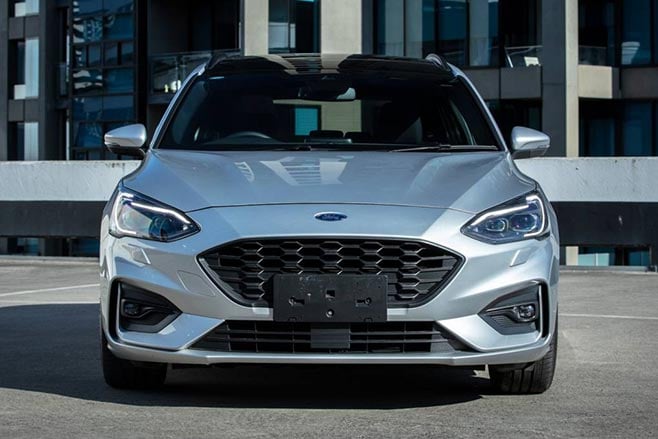
Step back from it and it’s a sharp looking thing along with a refreshing niche among the metal we get to test. And although the Focus ST Wagon will need a big step up in response, power, shift feel and front-end point from this showing, the foundations are at least there.
2019 FORD FOCUS ST-LINE WAGON SPECS:
Engine: 1.5-litre inline-3, turbo
Power: 134kW @ 6000rpm
Torque: 240Nm @ 1750-5000rpm
Transmission: 8-speed automatic with paddle shift
Drive: FWD
Weight: 1388kg
Price: $30,900
Yesterday Toyota Australia announced local pricing for the new 2020 A90 GR Supra at $84,900 for the GT and $94,900 for the GTS, which translates to driveaway figures of $93,730 and $104,379 respectively based on a Western Australian purchase.
Social media has subsequently exploded with comments, the prevailing sentiment seeming to be either surprise or anger that the price is approaching six figures, but realistically Toyota’s new sports car was always going to occupy this space. In fact, the real surprise is that it’s not more expensive than it is.
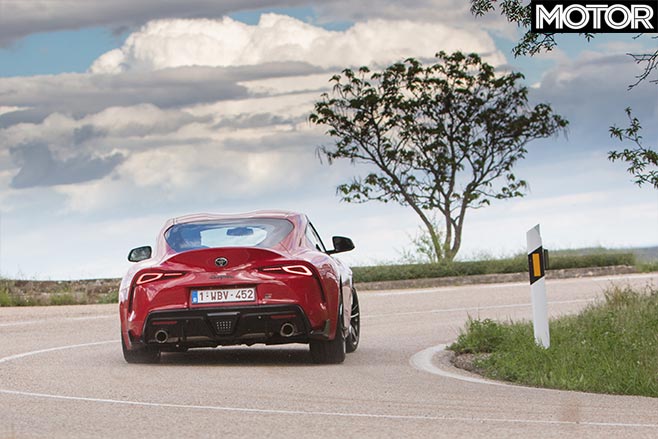
It’s common knowledge that the A90 Supra is closely twinned with the latest BMW Z4, sharing the basic platform – though each was developed independently – powertrain and electrical architecture. The two cars are also built side-by-side by Magna Steyr in Graz, Austria.
BMW lists the Z4 M40i at $124,900, so Toyota is offering essentially the same car, sourced from the same factory, for a $30K discount, or $40K if you include the lower-spec GT. The other key point to remember is that the Supra has never been an affordable car, sitting instead atop Toyota’s sports car line-up above the likes of the Celica and MR2.
In 1993, the last year the Supra was officially offered in Australia, a turbo, manual Coupe cost AUD$65,666. And this wasn’t even the bells and whistles 206kW 1JZ-powered model available in Japan, but the lesser 173kW 3.0 7M-GTE. Converted to 2019 money that’s $124,796, almost exactly equal to the current cost of the Z4.
It was a similar story in other markets. In 1994 the fourth-generation JZA080 Supra (again a turbo, manual Coupe) would set a UK buyer back £40,000 and a US buyer $US42,800. Converted to today’s money that equates to £77,508 and US$72,519, well in excess of the latest Supra’s pricing of £52,695 and US$49,990 respectively.
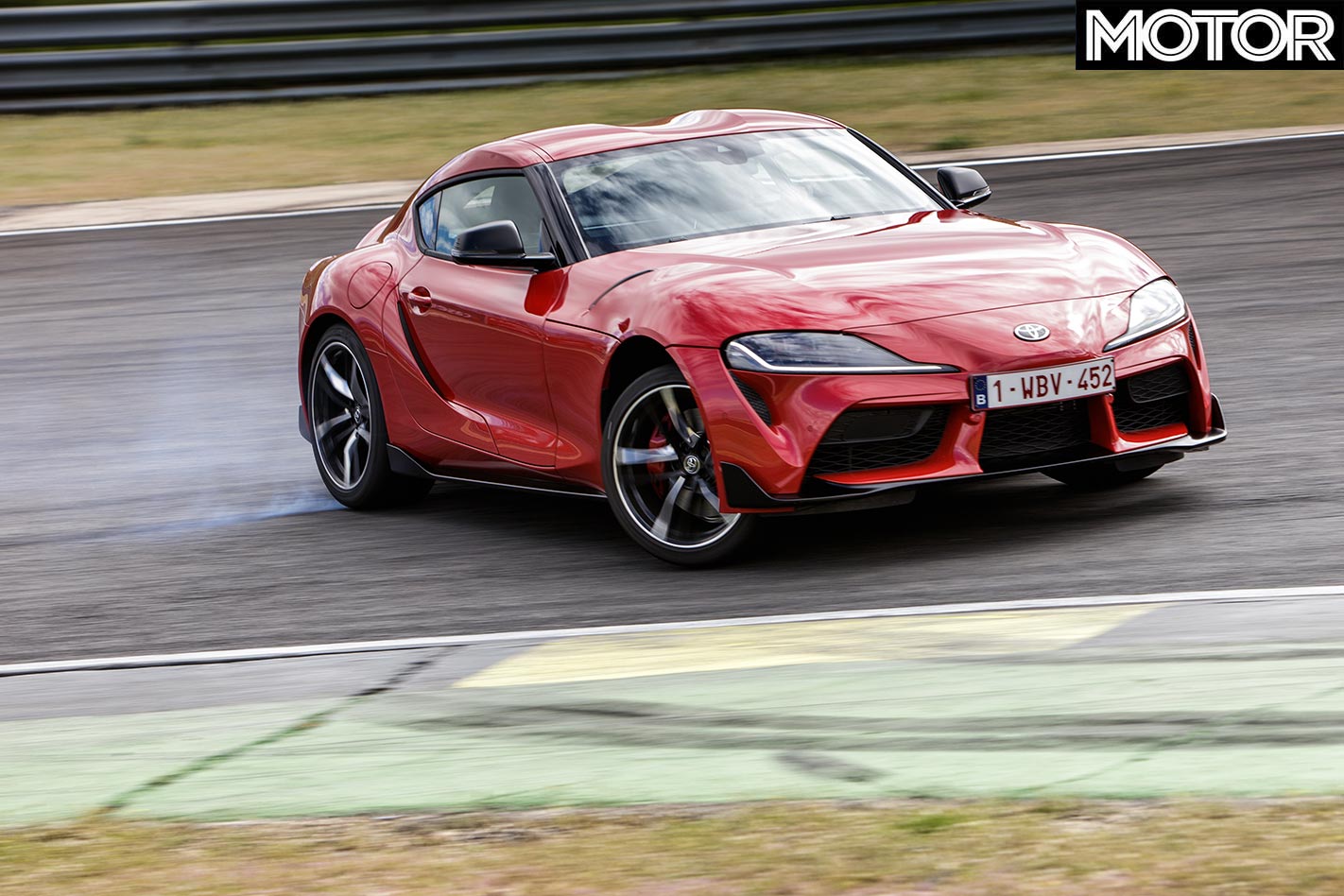
Locally, the Supra was actually by far the cheapest of the high-end Japanese sports car, though as a product of the mid-1980s it was also one of the oldest. In 1994 a Nissan 300ZX (non-turbo) cost $76,230, a Subaru SVX $78,070, Mazda FD RX-7 $80,025 and Mitsubishi 300GT $99,248 (all 1994 figures).
Of course, the price will be much less of an issue if the new Toyota Supra is fantastic to drive, but to answer that we’ll have to wait until its local arrival in Q4 2019.
