
Citroen has revealed details of what it calls its first-ever SUV, the C3 Aircross. In a unique twist, the diminutive French crossover will hit Australian showrooms this week not in a choice-rich multi-variant line-up, but with a single specification and price.
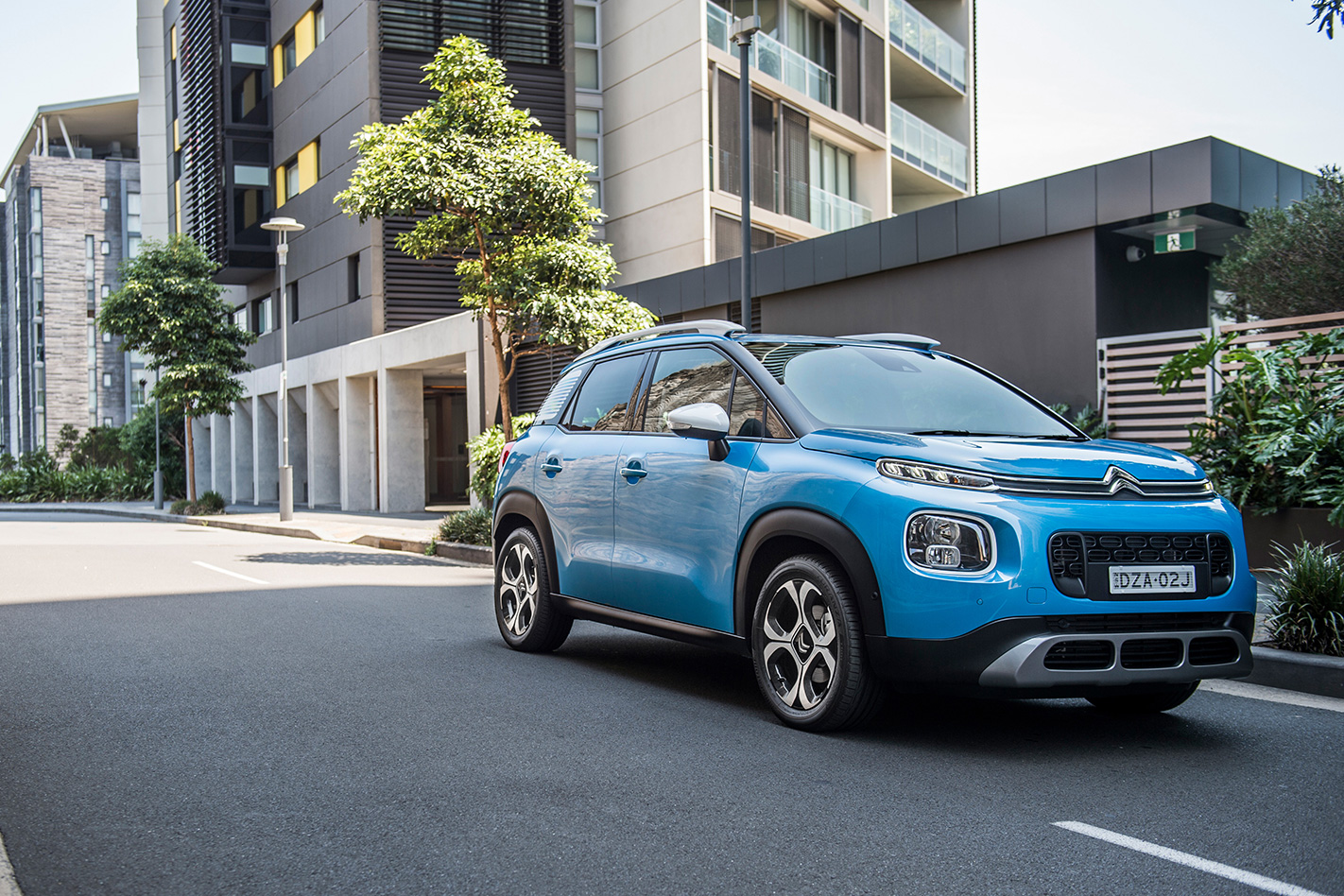
Citroen Australia’s managing director, Ben Farlow, says the arrival of the all-new C3 Aircross marks Citroen’s move into the SUV segment with a car designed around urban motorists.
“The all-new Citroen C3 Aircross arrives at a time when the market is demanding practical, spacious, feature-laden models and the C3 Aircross delivers,” Mr Farlow said.
The single variant will cost $32,990 before on-roads, and includes a comprehensive list of standard inclusions.
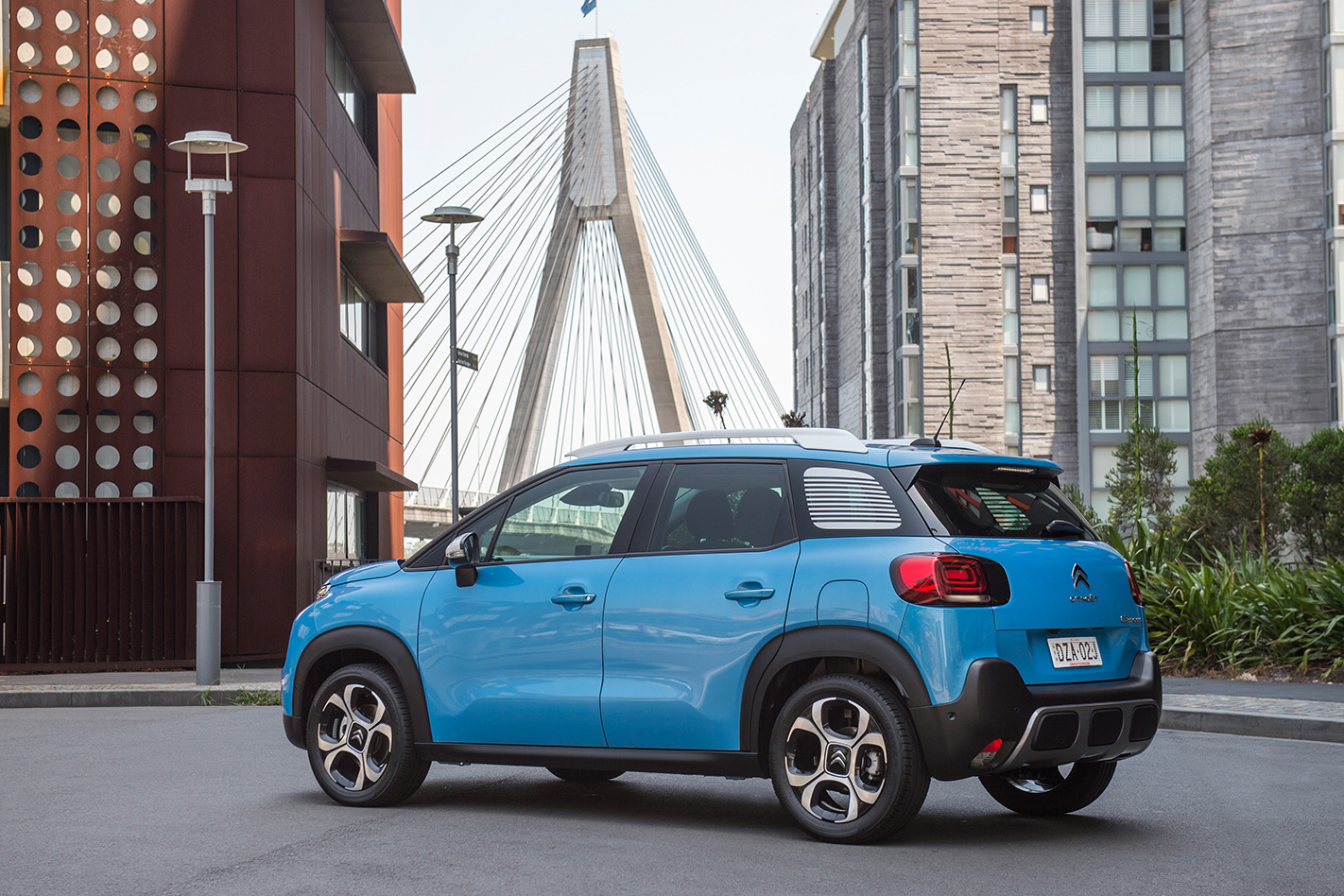
Citroen’s first SUV foray features a novel multi-tone exterior colour scheme that’s available at no extra charge, while 17-inch rims and roof rails are included as standard.
A ‘bitone’ treatment includes an alternatively coloured roof turret, which will combine with a white accent pack for the mirror caps, headlight surrounds and roof rails. The rear three-quarter windows are made of Perspex plastic to save weight, and are inlaid with a venetian blind-style treatment.
Colour choices will be as follows; blue with white roof and highlights ; red with black roof and silver highlights; white with black roof and orange highlights; black with sand-coloured roof and silver accents; and sand with black roof and orange highlights.
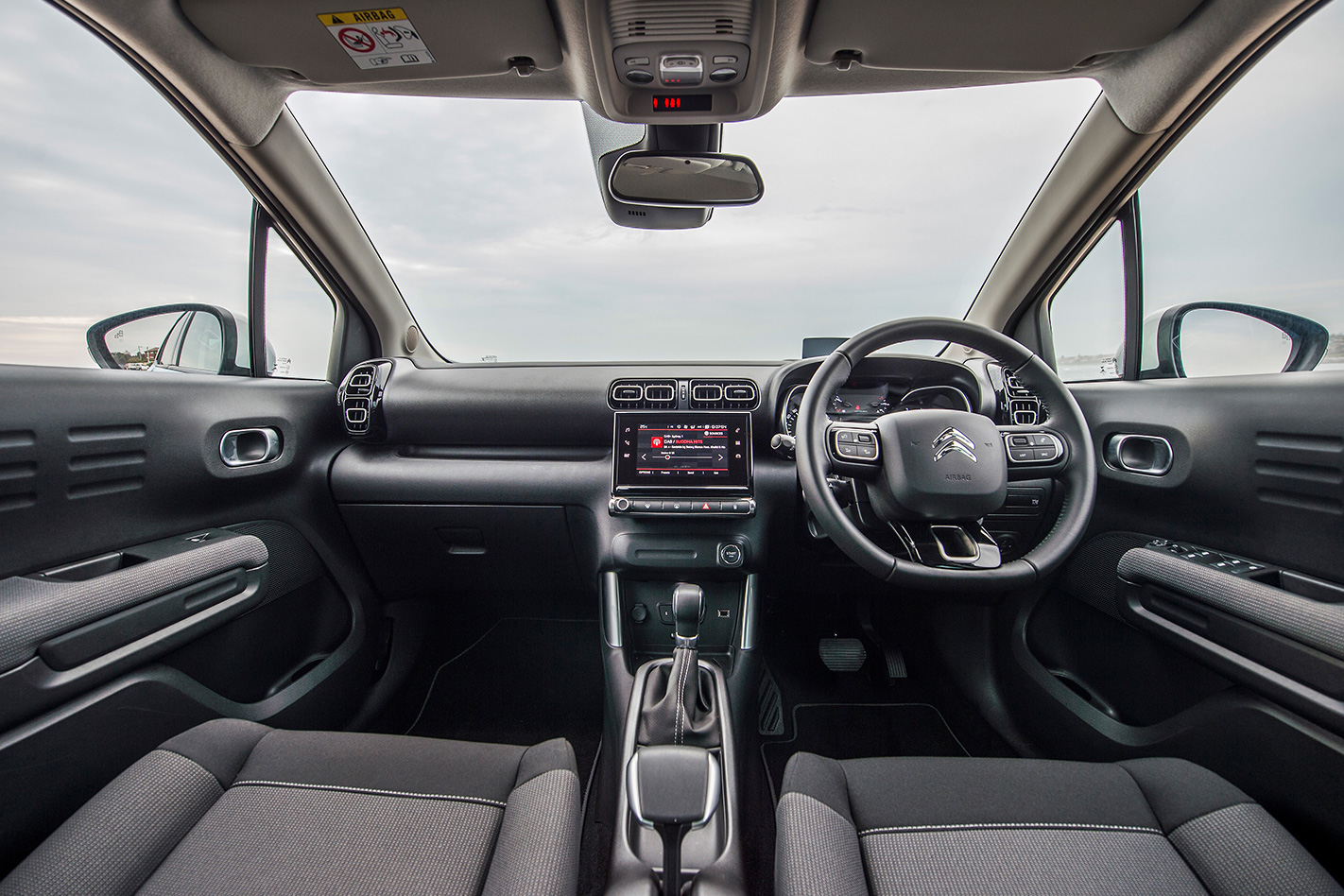
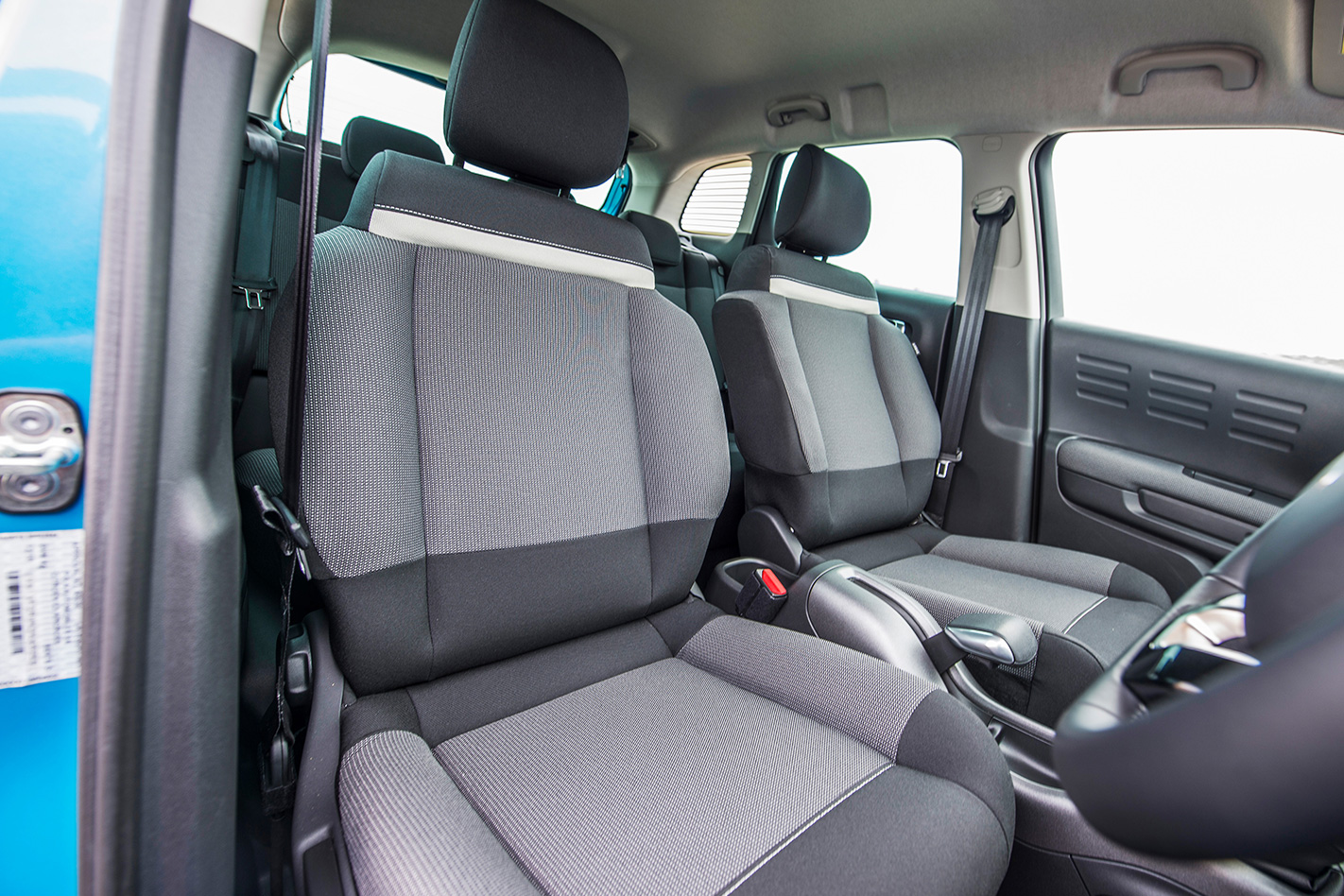
Inside, the C3 Aircross is offered with automatic lights and wipers, a touchscreen multimedia system and keyless entry/push-button start. A cloth interior, electric side mirrors and a powered driver’s seat are all standard as well.
Autonomous braking, blind-spot monitoring, a head-up display, top-view and reversing cameras, and automatic high-beam driver assistance features are all included with the base price, while Android Auto/Apple CarPlay smartphone mirroring, speed sign recognition and driver attention alert are also included.
The C3 Aircross comes with just one powertrain choice. The brand’s popular 1.2-litre three-cylinder turbocharged petrol engine makes 81kW and 205Nm, and drives the front wheels via a new Aisin six-speed automatic transmission. It’s no performance monster, though, taking a leisurely 10.6 seconds to get from rest to 100km/h.
Citroen claims the C3 Aircross will return 6.6L/100km on the combined fuel economy cycle. Its 45-litre fuel tank will need a diet of at least 95 octane fuel.
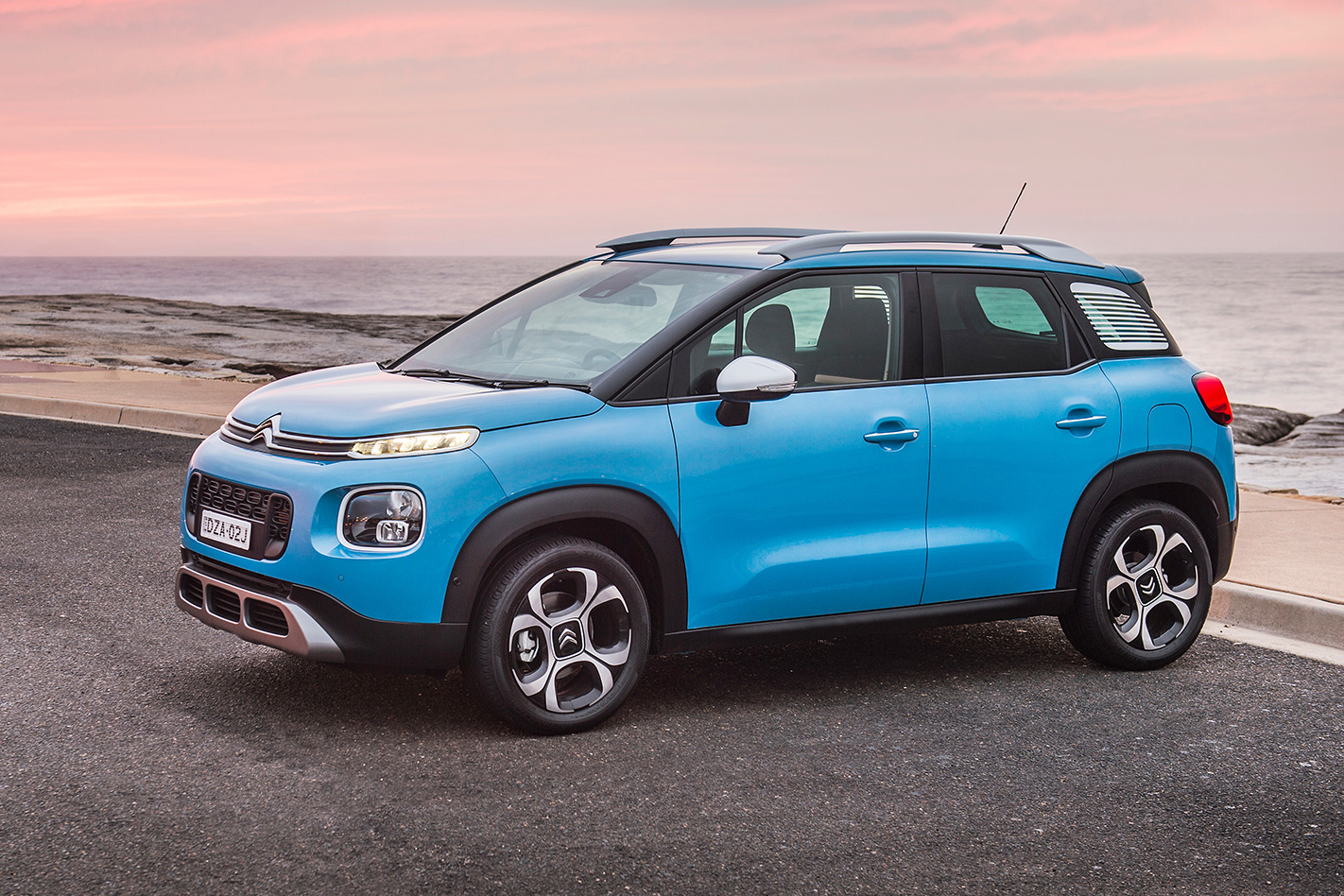
Size-wise, the C3 Aircross is 4154mm long, 1762mm wide and 1637mm high, with ground clearance of 170mm. It weighs just 1204kg, claims Citroen, and offers 410 litres of boot space behind the seats, or 1289L when the rear seats are dropped. A space-saver spare wheel hides under the boot floor.
The C3 will be pitched into the red-hot small SUV class against the ageing but successful Mitsubishi ASX, the popular Mazda CX-3 and the novel Toyota C-HR, among others.
Great Wall says its new-generation Model P pick-up has the potential to outsell the Ford Ranger in international sales, thereby ranking it as a top-three player in the global light ute game.
One of the Chinese carmaker’s top executives made the bullish claim at the unveiling of its next-generation ute at the 2019 Shanghai Motor Show.
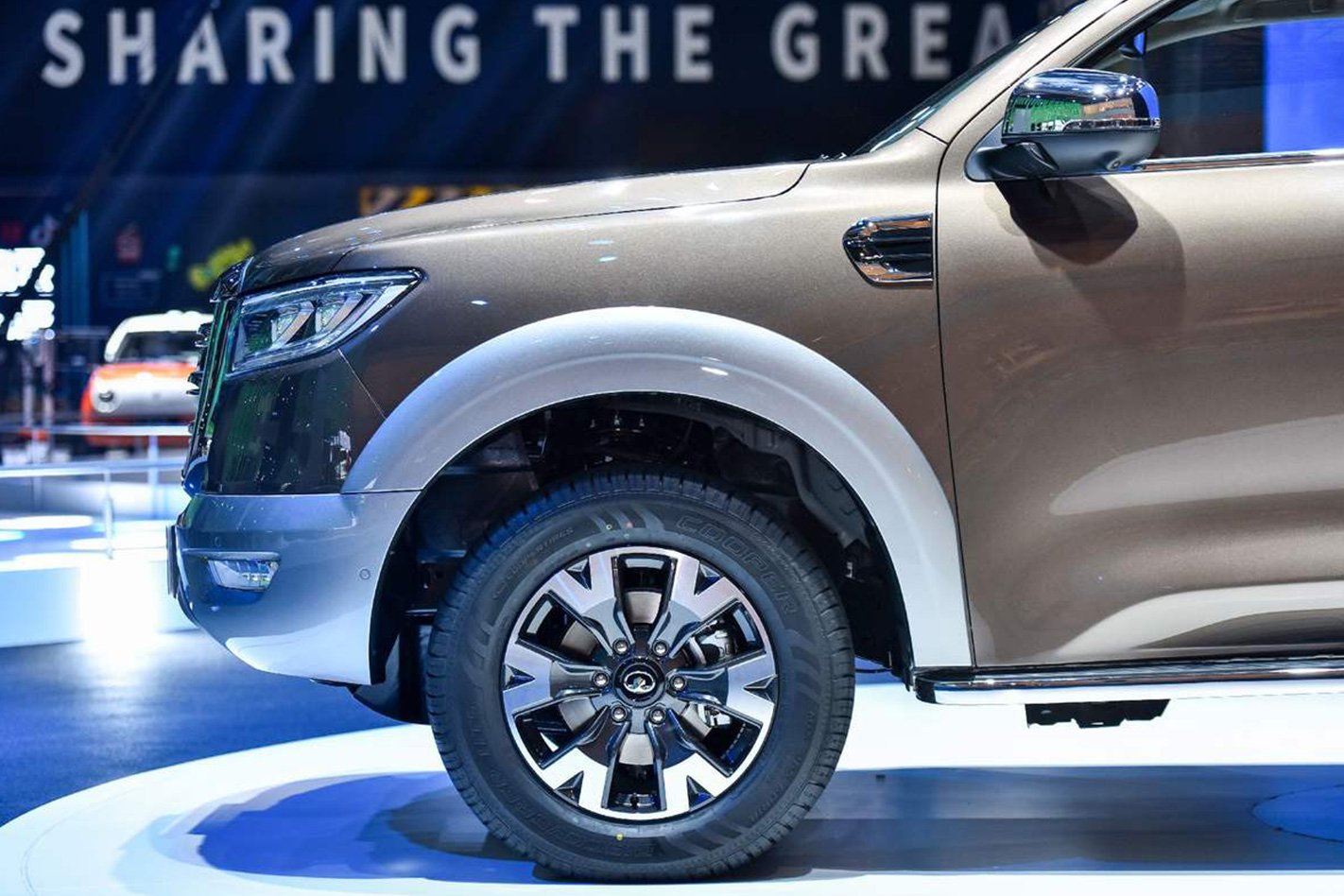
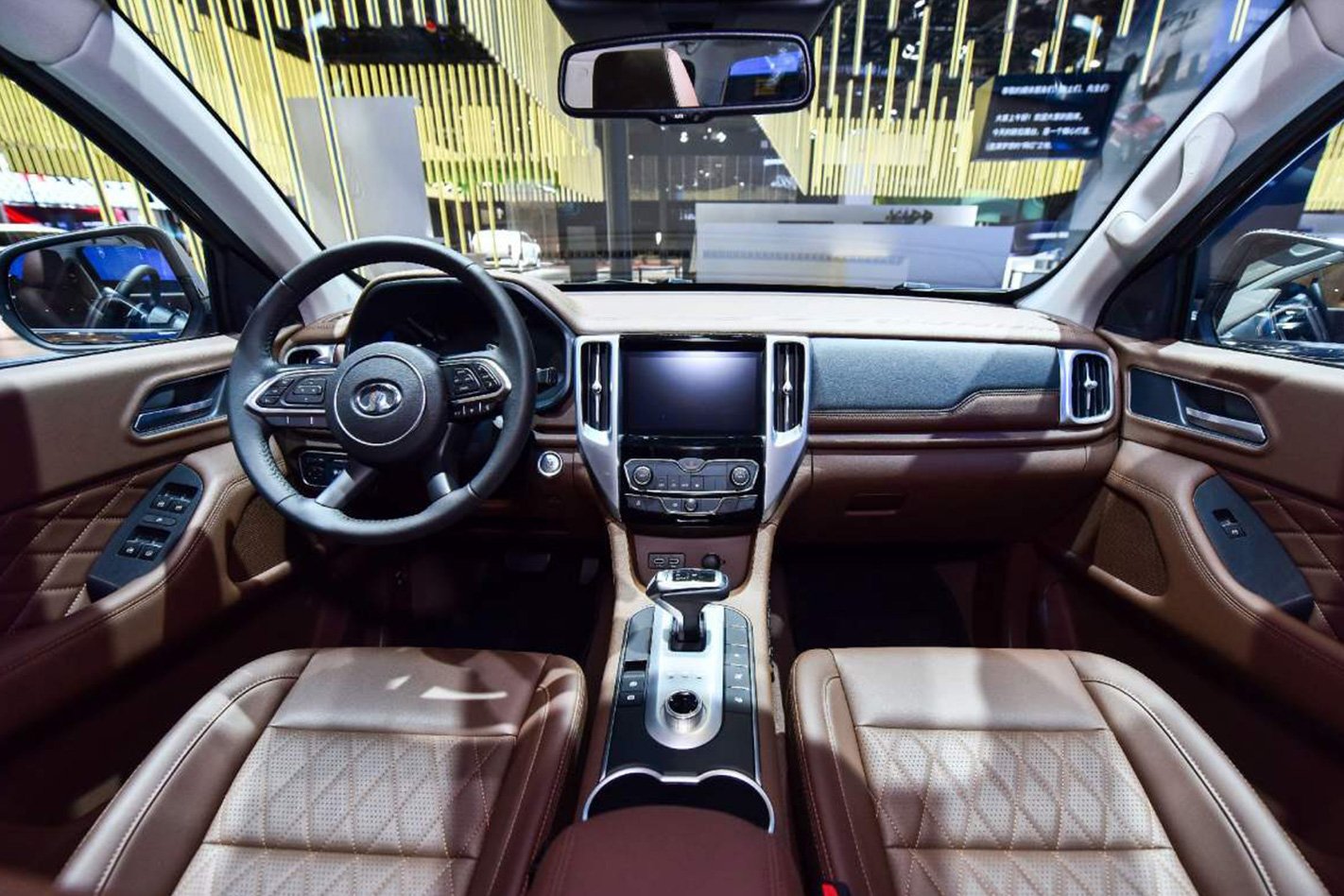
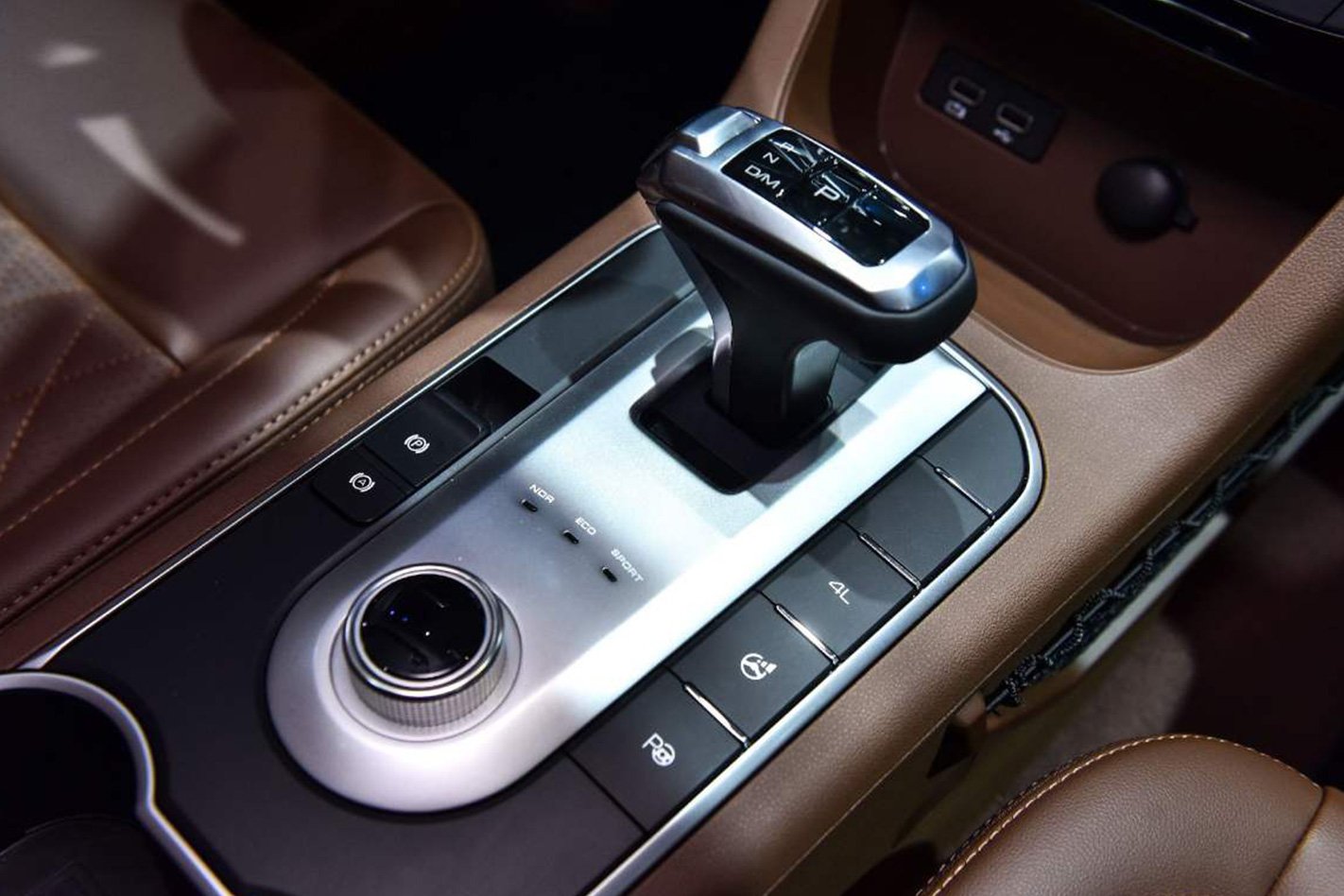
Its Australian market name is yet to be announced, but the new model represents a dramatic improvement over its workmanlike second-generation Steed ute, with SUV levels of comfort and technology not found in many of its rivals.
For a start, the company says it’s the first ute that’s offered with separate variants designed to suit the specific needs of commercial, passenger and recreational users.
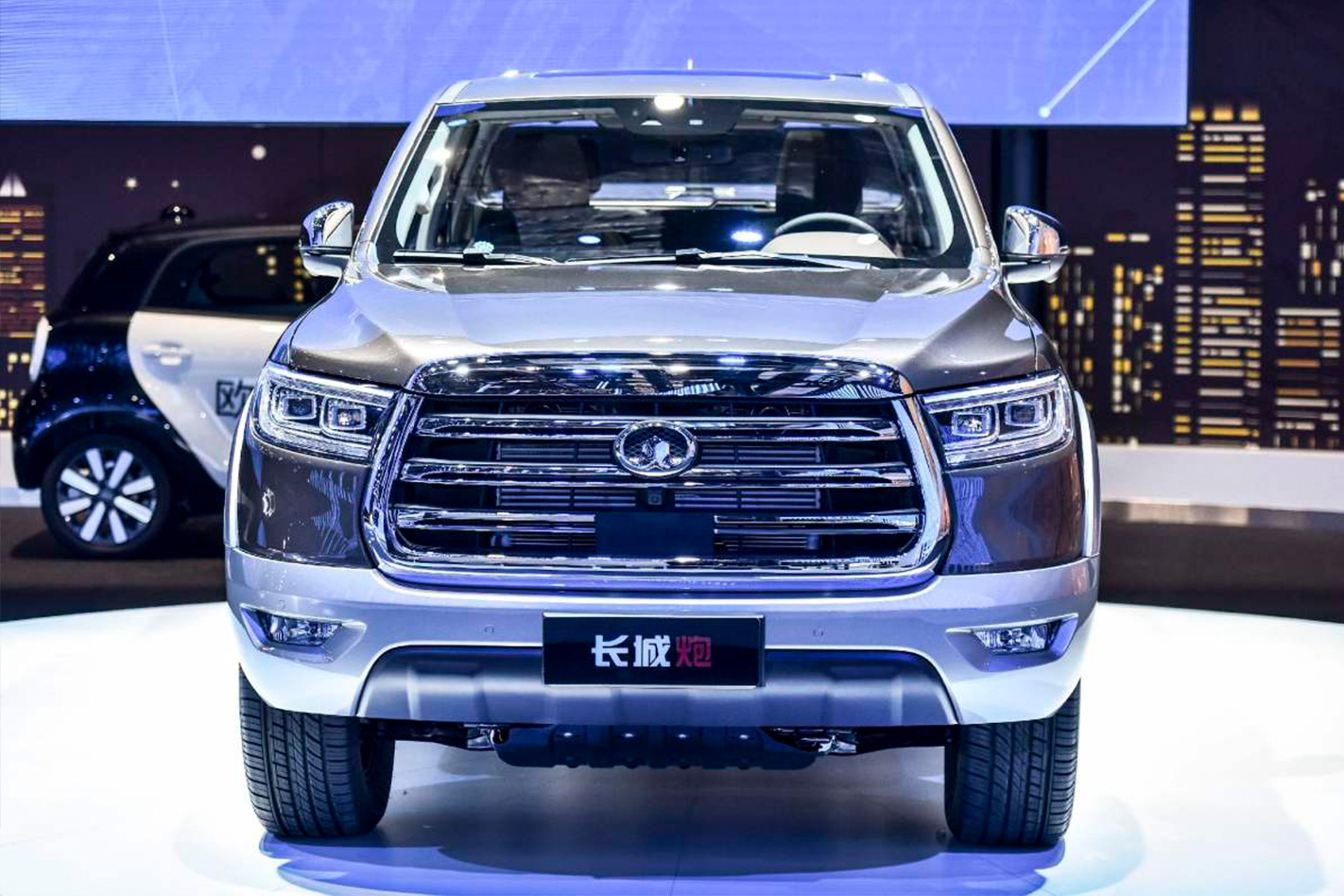
Great Wall brand director Habao Zhang said the company is expecting to see a boost in sales next year after it transitions from the Steed to the Model P range in China.
Steed sales totalled more than 130,000 in 2018, and Great Wall has set a target of 200,000 Model P sales in 2020.
That figure is expected to keep growing through 2021 and beyond as its introduction continues to more than 30 international markets including Australia and New Zealand.
“We will make every endeavour to be the top three compact and mid-size Pick-up in the overseas markets,” Zhang said.
Based on 2018 sales, Great Wall’s target of making the light commercial pickup segment’s top-three global sales list by the middle of its life-cycle seems feasible.
Not surprisingly the segment is led by the ubiquitous Toyota Hilux that, according to the Global Auto Database, racked up 543,313 sales around the world last year, followed by the Isuzu D-Max (301,629) and GMC Sierra (274,198).
Meanwhile 267,153 Ford Rangers were sold globally in 2018, with sales expected to rise this year now it’s available in the US market.
Zhang explained that one way the company is looking to expand its share in each market is by offering a tailored approach to suit their idiocentric requirements.
“The different markets will have different customer studies into the customer needs in those markets. Based on those needs we will have local engineering and testing for those products.”
The Great Wall Model P is expected to go on sale in Australia by the end of 2020. While it’s still too soon to discuss pricing and specifications, it’s believed the mid-tier ‘Passenger’ version, with its plush SUV-like interior, will be priced from about $35,000.
It’s considered one of the smallest shows on the international calendar, but the New York Auto Show has thrown up a brace of very important car launches and previews that far outweighs its modest size.
It provided a balance of the delightfully insane in the radical Kia HabaNiro go-anywhere EV and the stunning Genesis Mint mini EV, as well as the more humble but equally crucial updates to Aussie staples like the Subaru Outback and the Toyota Kluger (known as the Highlander in the US).
Click through the gallery above for pics and info, and we’ll update it during the day.
The quickest four-door production car around the fearsome Nurburgring Nordschleife, the 2019 Jaguar XE SV Project 8, is now available in Australia. But there’s a catch.
All 300 units will be made in left-hand drive, meaning the 441kW/700Nm super sedan can only be driven on private roads or racetracks. Some consolation can be found in the fact that that’s exactly the environment in the which the Project 8, Jaguar’s most powerful ever road car, is designed to excel.
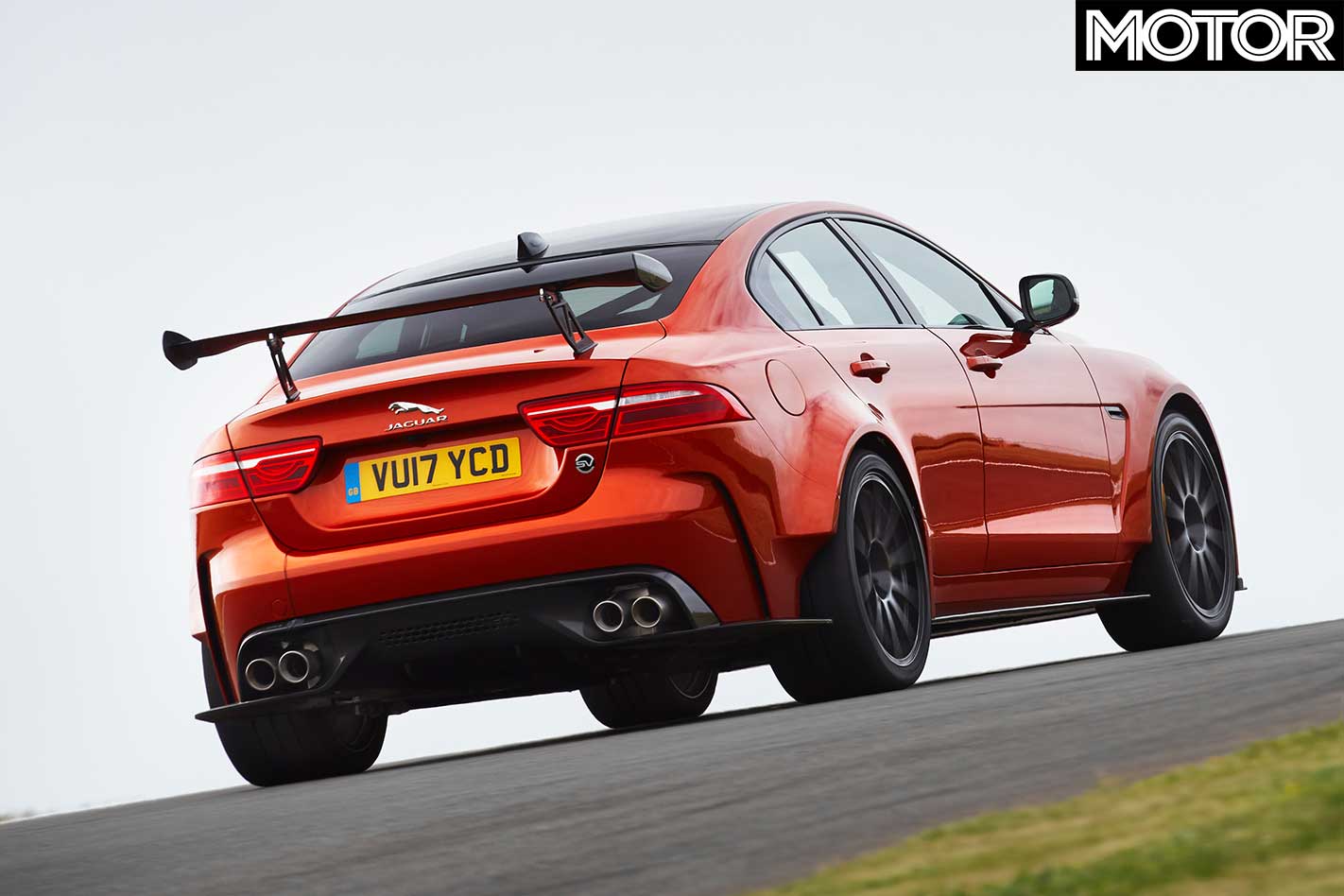
Its 7min21.23sec lap of the Nordschleife cemented it as the quickest four-door production car ever, while further lap records have been set at Laguna Seca and the Dubai Autodrome.
The monster engine, which propels the 1745kg Project 8 to 100km/h in just 3.7sec and on to 322km/h flat-out, is only part of the package. Unusually for a circuit-focused car, an eight-speed automatic is the only gearbox available.
All-wheel drive, incorporating an active rear differential for the first time, puts the grunt to the ground, massive carbon ceramic brakes doing the stopping and the chassis has had a thorough going-over to sharpen its responses.
Stiffer springs and adaptive dampers control the body, which drops 15mm when Track Mode is selected, while 20-inch forged alloys are wrapped in Michelin Pilot Sport Cup 2 tyres measuring 265/35 at the front and a whopping 305/30 at the rear.
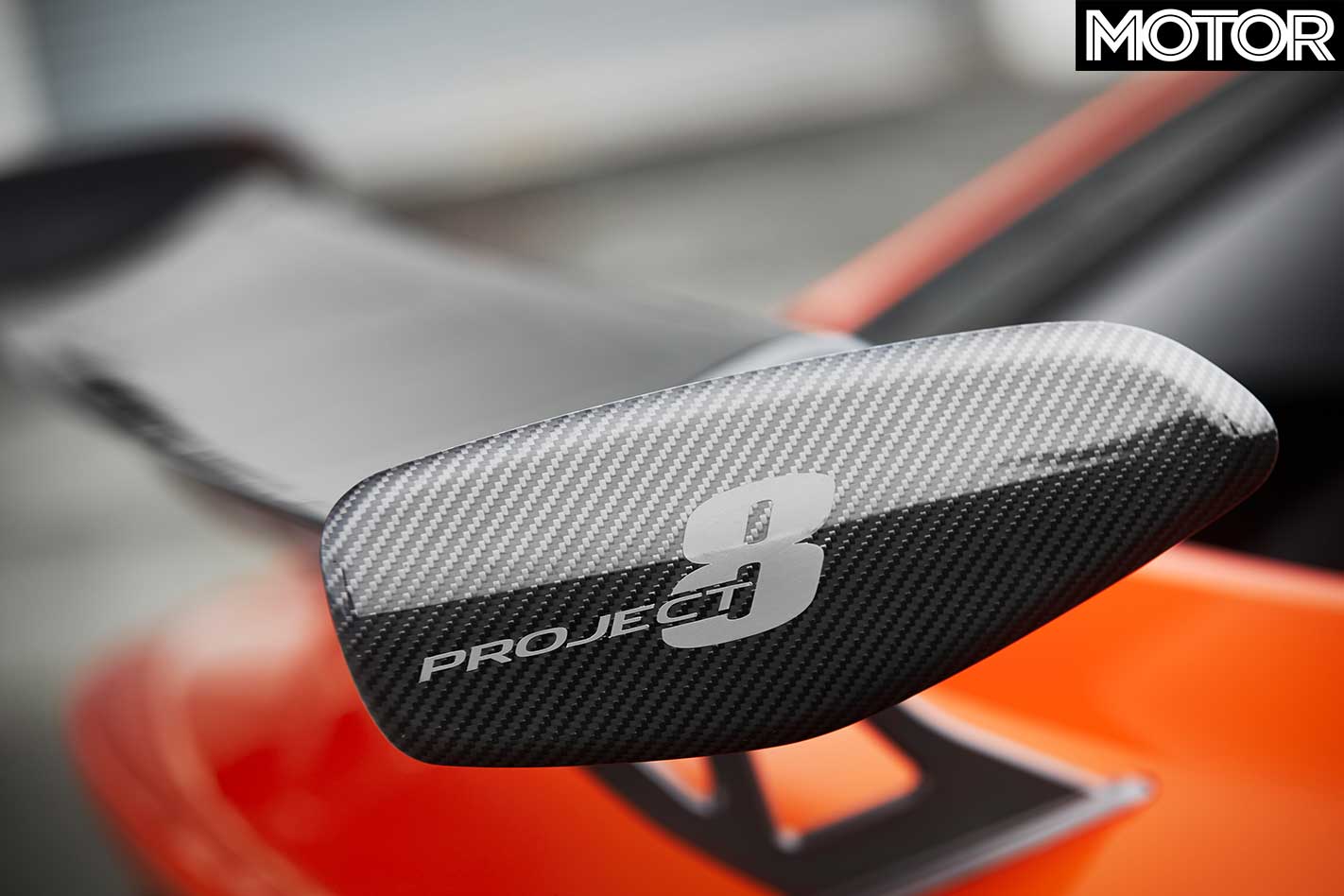
Carbon fibre is used for the front and rear bumpers, bonnet, side skirts and rear wing, which helps develops 122kg of downforce at 300km/h.
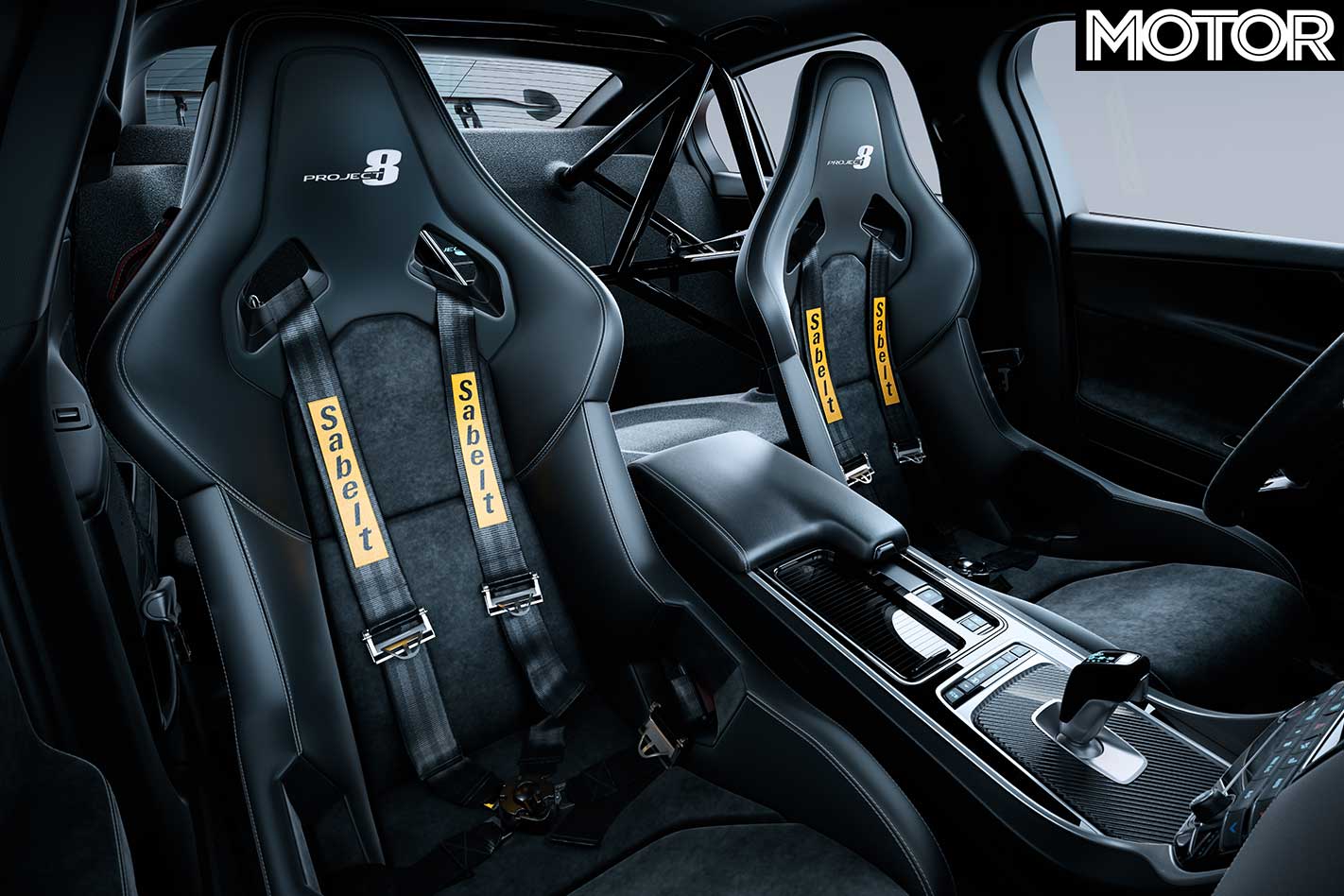
Exclusivity and extensive re-engineering – 75 per cent of the external parts are new – doesn’t come cheap. Two variants of the Project 8 are available, a four-seater for $325,000 and a two-seat ‘Track Pack’, which replaces the rear seats with a half roll cage and the fronts with lightweight race buckets, for $349,000.
Check back for our first drive review of the Jaguar XE SV Project 8 in Australia.
If you had to pick your next automotive adventure location based on the name alone, Death Valley might not be your number-one option, but that didn’t stop Matt. At the wheel of the new Holden Colorado ZR2, he takes on one of the most punishing and unforgiving environments to push the toughened one-tonne ute to its absolute limits – and his.
Continuing the torturous testing, Dave sets out to see if the new Ford Endura can fill the boots of the much-loved Territory with the ultimate function test – can it serve a punk rock band and survive?
Then it’s back to the US where Matt is joined by Telf at the SEMA show – arguably the most prominent aftermarket and modified car showcase on the planet.
This week’s finale revisits the Motor Magazine Performance Car of the Year to set a time to beat at the Bend Motorsport Park. It’s the newest race track in Australia and the Porsche 911 GT2 RS is one of the most exciting new performance cars of the year – a perfect partnership.
On-air: Channel Ten, Apr 21 (AU) / Apr 28 (NZ)
Catch-up: Watch at tenplay.com.au (AU) or primetv.co.nz (NZ)
Five decades since the introduction of its first, Datsun’s venerable 1969 240Z, Nissan gathers the best of the Z lineage to celebrate 50 years of Z sports cars.
Click through the gallery above to view the Zs through time
Porsche’s venerable 911 might be in its 992 iteration, but it isn’t done with the retired 991 just yet, with the production version of the 2019 Porsche 911 Speedster taking the stand at the New York International Auto Show.
Though the production Speedster retains much of the concept’s beautiful proportions, some of the concept’s tasty details, like the bullet-shaped wing mirrors and the centre located bonnet fuel filler cap, got the chop.
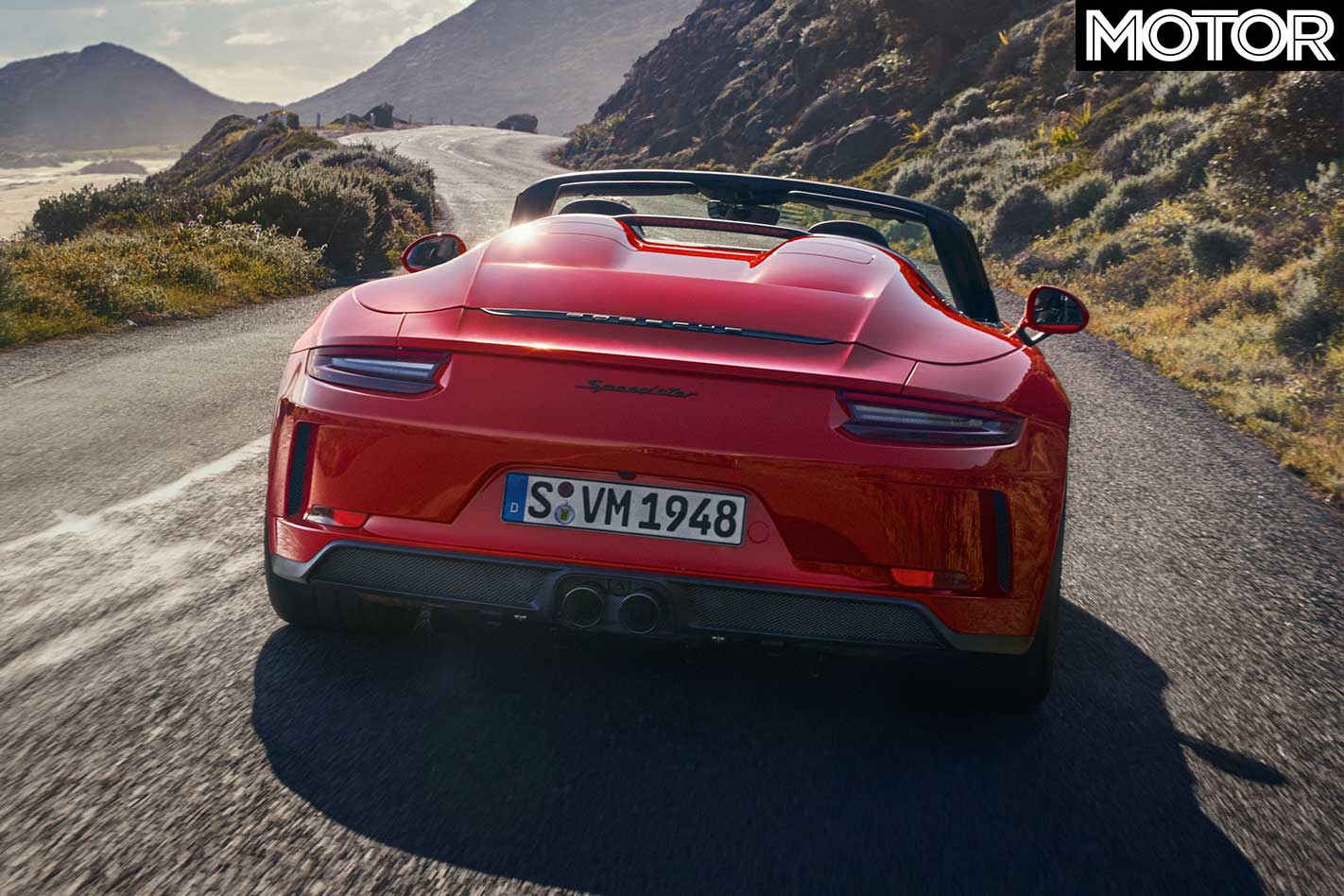
Aesthetic alterations aside, Porsche did follow through on its intent to base the Speedster’s chassis on the 911 GT3. According to Porsche, the Speedster is the first model to be developed by the Porsche Motorsports department.
Underneath its skin, Porsche Motorsports has bestowed the Speedster with the GT3’s 368kW/460Nm 4-litre flat-six as promised, rear-axle steering system, dynamic engine mounts, 20-inch centre lock wheels, and carbon-ceramic discs.
Despite losing the roof – and a portion of its windscreen – the Speedster is far from a boulevard cruiser. For a start the engine has been fitted with individual throttle bodies to give it a response similar to that of the 911 GT3 R race car, its lightened door panels feature storage nets and door pulls, air-conditioning has been relegated to being a no-cost option, and its soft top is completely manually operated save for an electrically-operated latch.
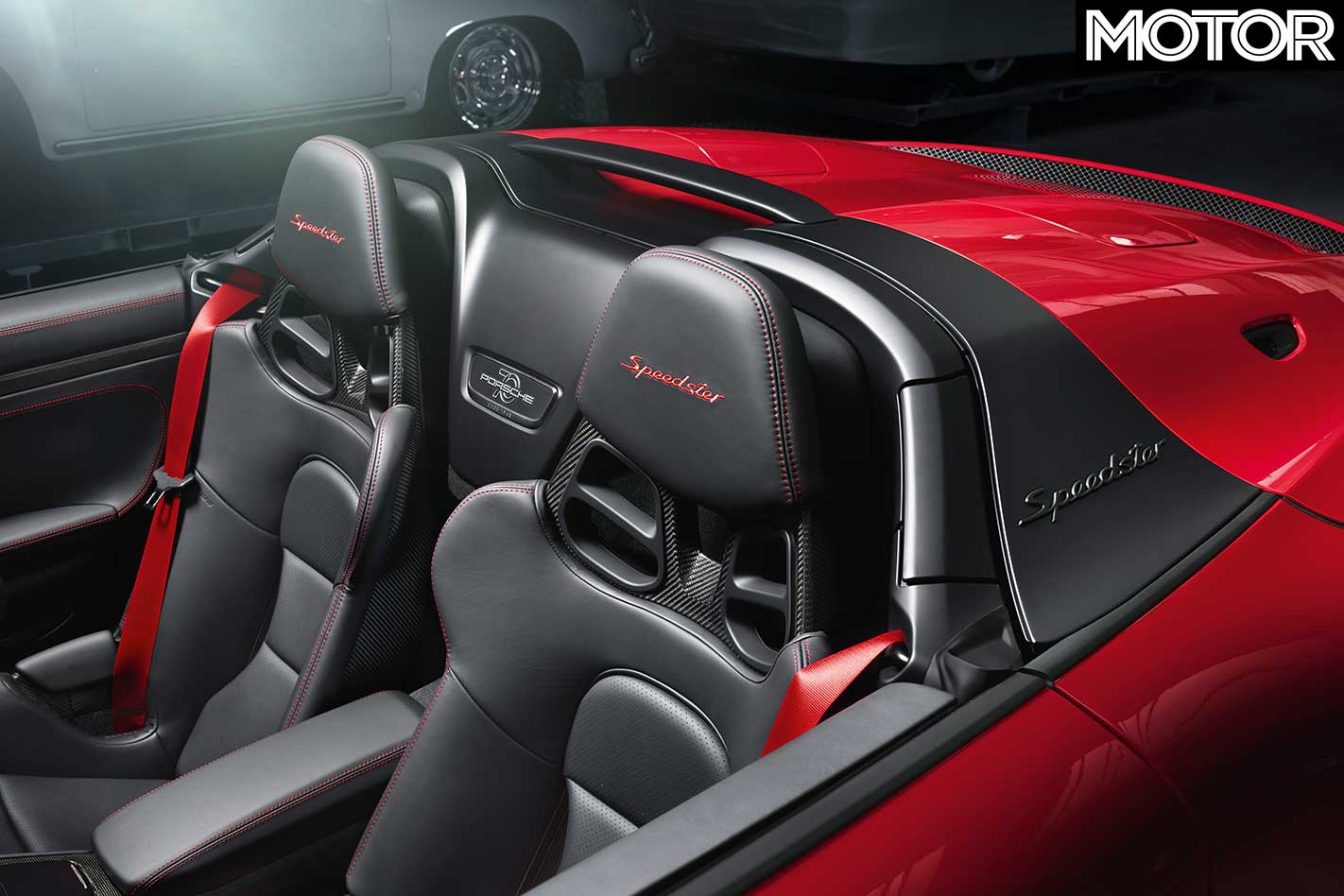
Other weight saving measures done to the Speedster includes having its front bonnet, fenders, and the rear double bubble deck lid made from carbon fibre, and a 4kg lighter GT Sport six-speed manual transmission in place of Porsche’s standard seven-speed manual. Put together, Porsche says the 911 Speedster tips the scales at 1465kg, for comparison, a 991-gen 911 Carrera GTS Cabriolet weighs in at 1520kg.
According to Porsche, the 911 Speedster would get from 0-60mph (0-96km/h) in a manual-equipped 911 GT3-matching 3.8sec and go onto a top whack of 309km/h.
Originally previewed as a concept to celebrate 70 years of Porsche sports cars last year, Porsche will keep to their word of building 1948 examples of the Speedster as a homage to the year of registry of Porsche’s first sports car, the 356 ‘Number 1’. Though the production version might be a year late, with such a package, it is better late than never.
The updated 2020 Nissan GT-R Nismo aims to add another increment of improvement to a car initially introduced more than 10 years ago.
With a slight bump in power, a new pair of turbochargers, less weight, and a plethora of other tweaks, Nissan says the upgrades “maximize its exhilarating performance.”
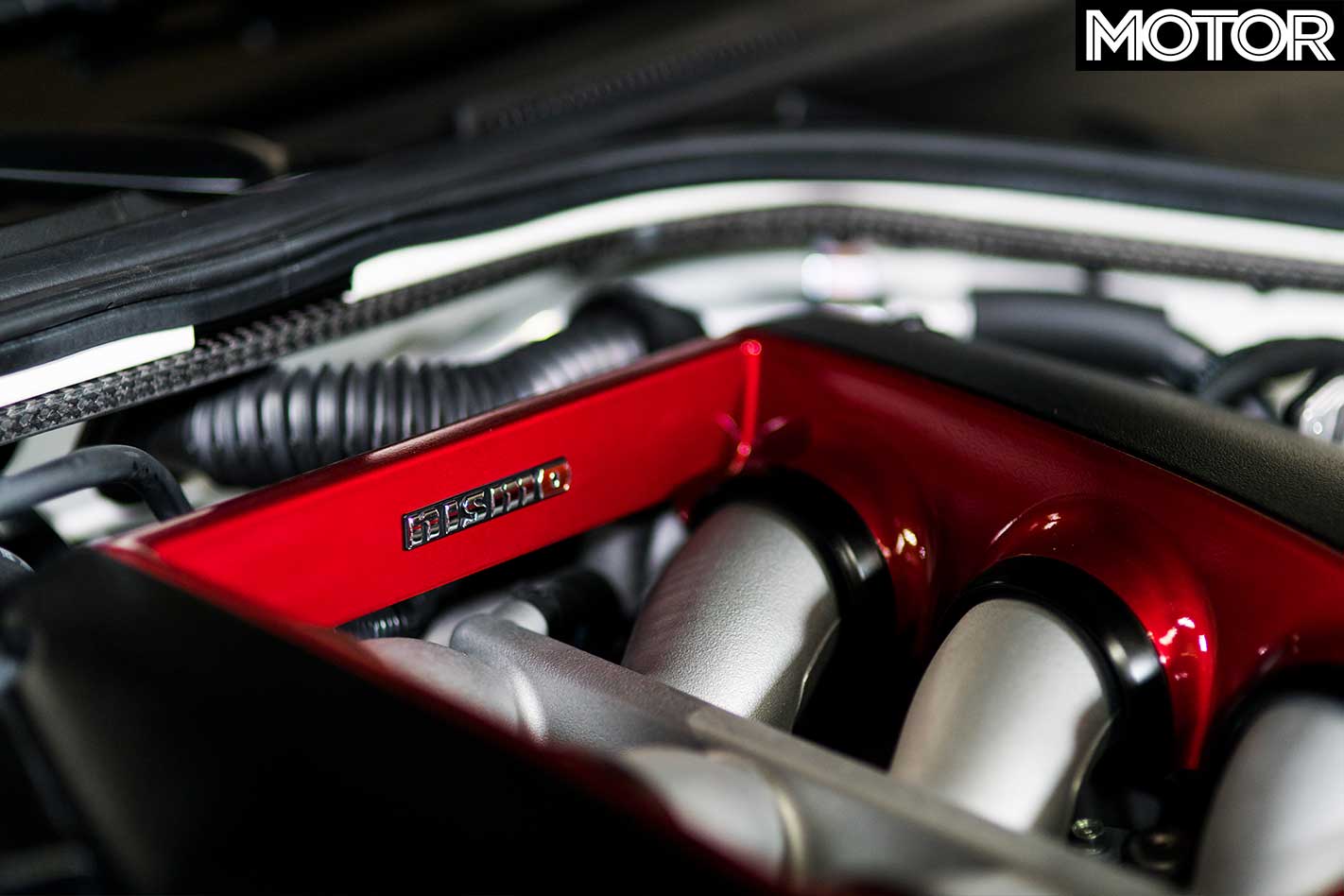
To extract a little more power out of its 3.8-litre twin-turbo V6, the GT-R’s driveline has had several elements improved, as well as a new pair of turbos straight from the GT3 race version.
The new power outputs for the GT-R Nismo sit at 447kW (which is approximate for now, Nissan says) and 652Nm which is available between 3600rpm and 5600rpm.
With “small tweaks to squeeze out as much as possible from the engine and chassis,” the 6-speed dual-clutch now shifts faster, and the titanium exhaust has been reworked – blue tips included.
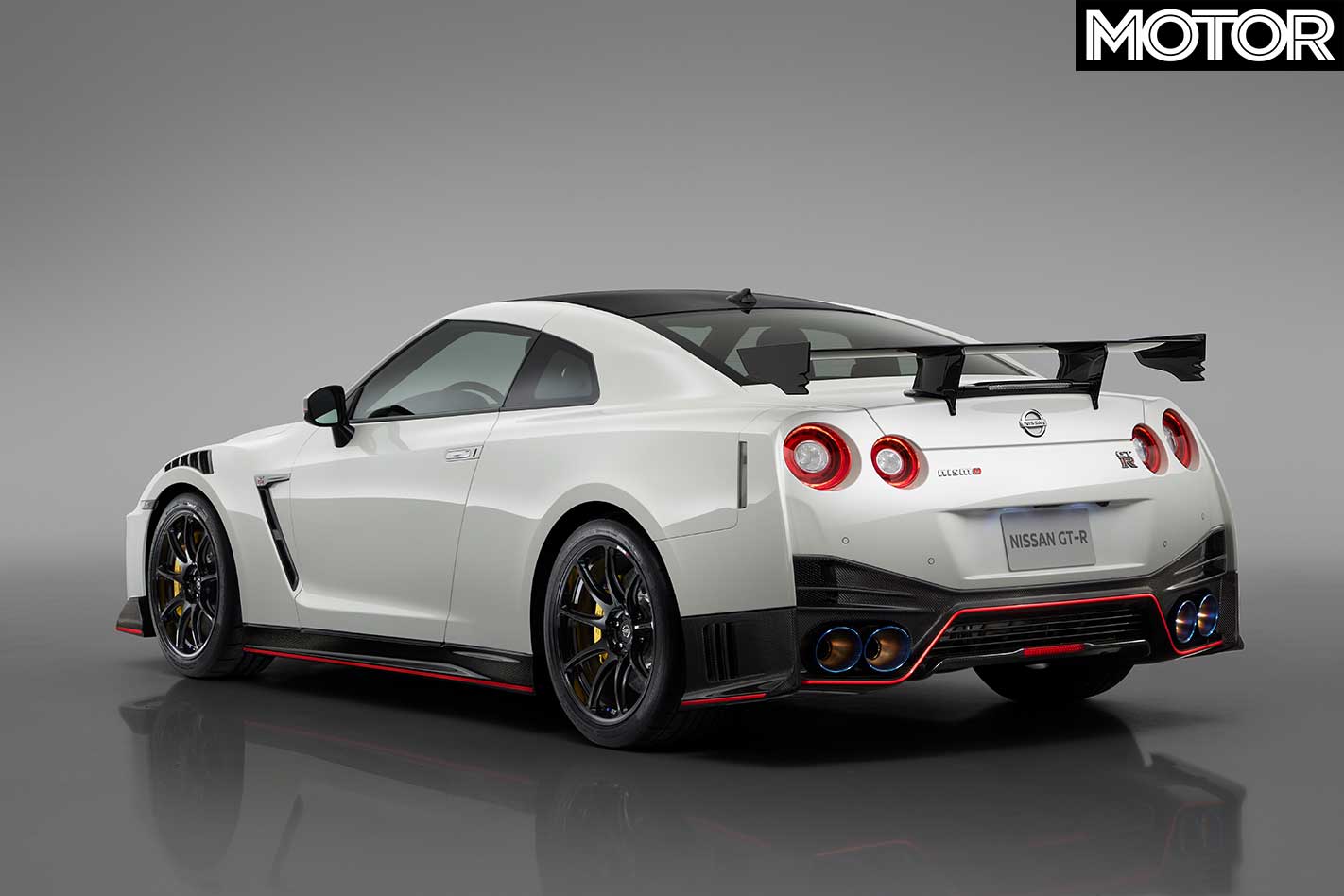
Carbon ceramic brakes – 410mm at the front and 390mm at the rear – provide even more stopping power, plus Nissan has used lighter wheels for lower unspring weight.
New bodywork, including more carbon and restyled GT3-inspired vents, all help to ‘cut weight, increase downforce and enhance aerodynamics.’
Chief product specialist for the GT-R Hiroshi Tamura says over its lifespan, the GT-R has arrived at a point where it can be called its ultimate iteration.
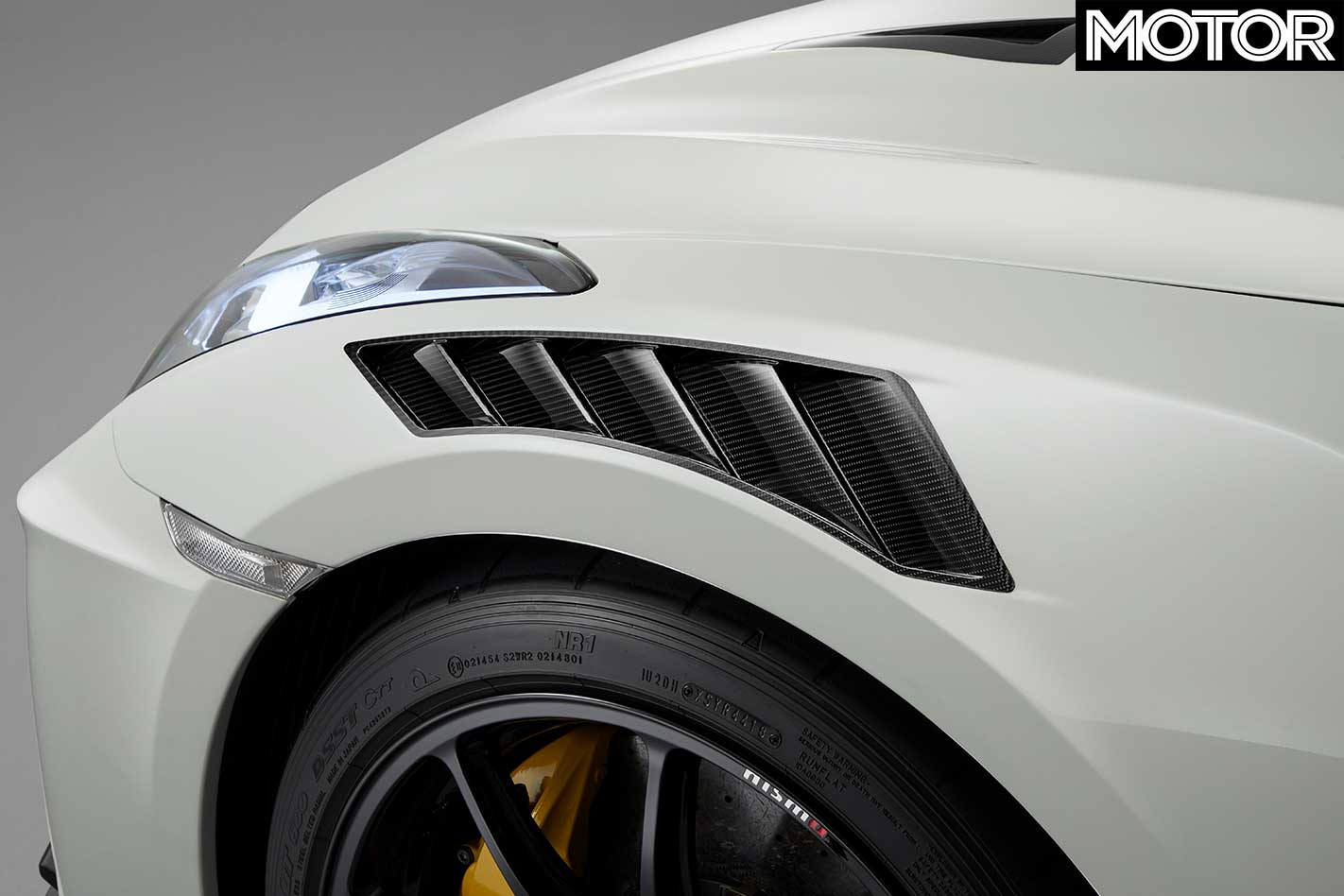
“The 2020 GT-R Nismo has evolved into a balanced, yet extreme, performance car,” says Tamura.
“Pursuing driving pleasure is the most important concept behind GT-R, and the new Nismo’s performance suggests it is a car that belongs on the race track – but is also at home on the open road.
“It is about total balance management, not just chasing power figures. The new Nismo has been brought to a new level, with enhanced engine, handling, braking and aerodynamics.”
Australia will see the 2020 Nissan GT-R Nismo, along with the updated standard GT-R and an Anniversary Edition, in the second half of 2019.
The Shanghai Motor Show champions an emerging Chinese car industry while also serving as a world stage for Western manufacturers to show off new debuts.
Click through the image gallery above to see all the latest from on the ground
Great Wall wants to introduce the first electric ute into the Australian market… and it could happen sooner than you think.
The Chinese vehicle maker yesterday revealed its all-new Model P ute at the Shanghai motor show, including a battery-electric version which will go on sale in China toward the end of this year.
Great Wall also confirmed the EV version would be available to right-hand-drive markets, though it added a caveat about market demand. Great Wall has recently expanded operations to right-hand-drive markets including South Africa and New Zealand.
While uptake of electric vehicles, in general, isn’t at lightning pace in Australia – less than 500 were sold last year, including an estimate of Tesla‘s unreported sales – Great Wall’s local arm sees it as an excellent opportunity to help build brand attention as it introduces its Steed replacement later next year.
Speaking in Shanghai, Great Wall Australia managing director Koma Li said while it was too soon to discuss timing and pricing, being the first brand to introduce an EV pickup in Australia would be a smart marketing move.
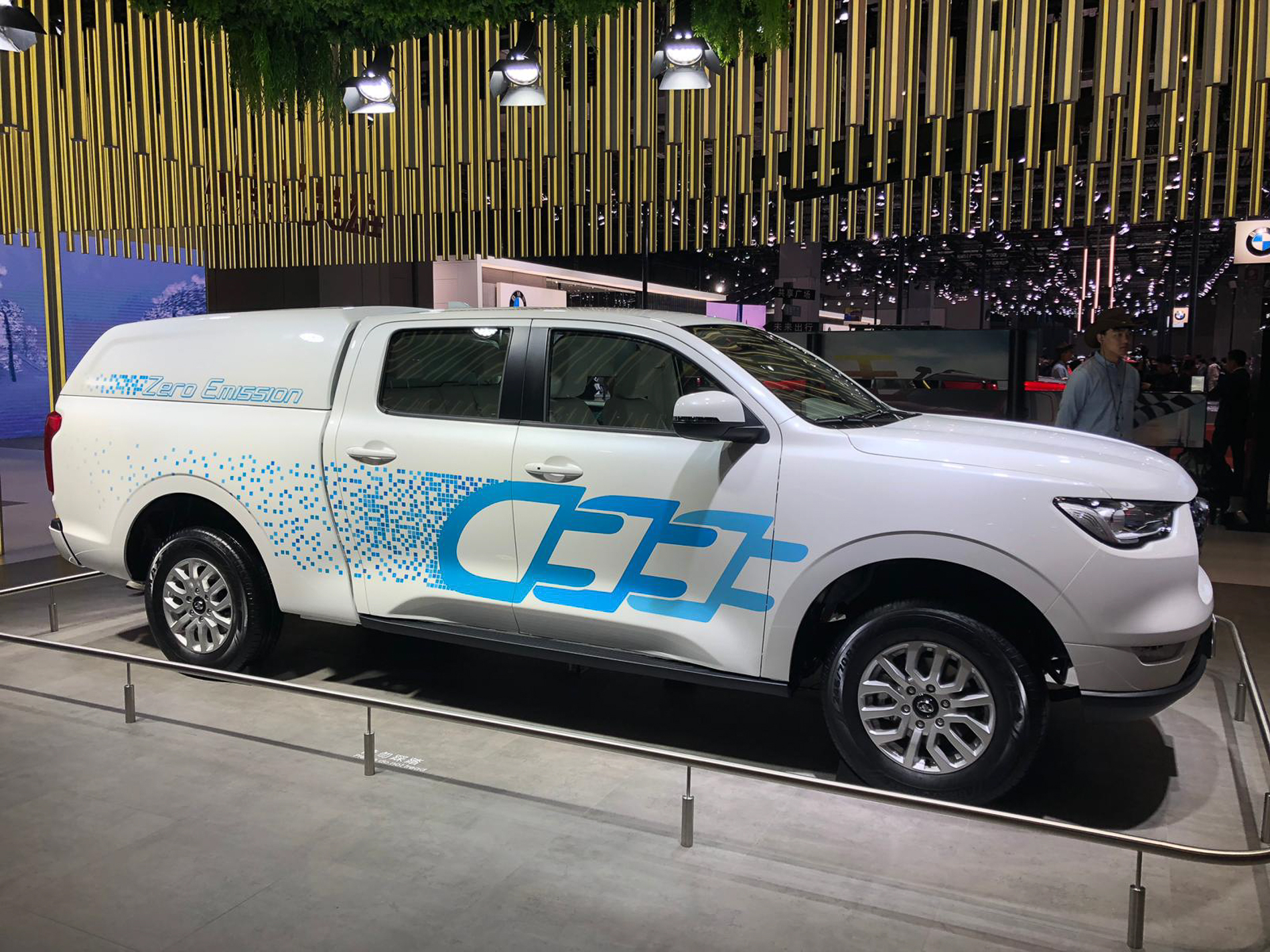
“I agree that sales (of EVs) are very limited now, but in terms of the brand image, I say EVs would position us … so we can capture attention from customers and prepare for the next step for our growth,” he said.
Li’s announcement is timely, given the current political debate over EVs and the spurious claim by Prime Minister Scott Morrison that Labor’s policy of encouraging 50 percent take of EVs is a “war on the weekend” and that Australia’s favourite 4WDs including the Hilux “are out”.
Details about the EV ute are scarce, but we do know it will be a commercial spec vehicle with leaf-spring rear suspension, two-wheel drive, a single motor and a battery range of about 500km.
The company is yet to reveal practical specifications including payload and towing capacity, or whether or not its range is based on tare weight or gross vehicle mass.
Great Wall is also developing a hydrogen fuel cell version of the Model P ute which it intends to launch in the next couple of years.
