
“We get GPS data from all of the teams. If Lewis wants to see the data from the last 50 exits from a corner by Vettel, we can give him that information.”
Think about that for a moment. Now imagine how every F1 team can, in effect, extrapolate exactly how much power its rivals are making, how consistent rival drivers are, and which line through a corner works for any given surface, weather or tyre-wear condition. We’re sitting in Mercedes F1’s race control room in Brackley and the technological overload is staggering.

Outside this glass-walled nerve centre are the biggest brains in the organisation, a whole floor of designers in cubicles, most with PhDs from places like MIT, Harvard and Oxbridge. Their screens show various iterations of suspension components, body panels, hubs, flanges and other things I can’t identify. Inside the control room it’s quiet. Race weekend is next weekend, Hamilton and Bottas having just scored a 1-2 at Bahrain. Brackley is a happy ship at the moment. The data card for ‘Bahrain 5.412km’ and a layout for the track sits on the rows of keyboards and monitors in the control room. In all there are 126 monitors in here.
Our guide explains how this all works on race weekends. “We have 90-100 people going to 21 countries on race weekends. Our travel and logistics department take care of all their visas and vaccinations in-house. It’s a big task. The team take over 40 tonnes of gear per race. FIA rules dictate that we are only allowed 60 people at the track who can affect the performance of the car,” he explains. Hence this place.
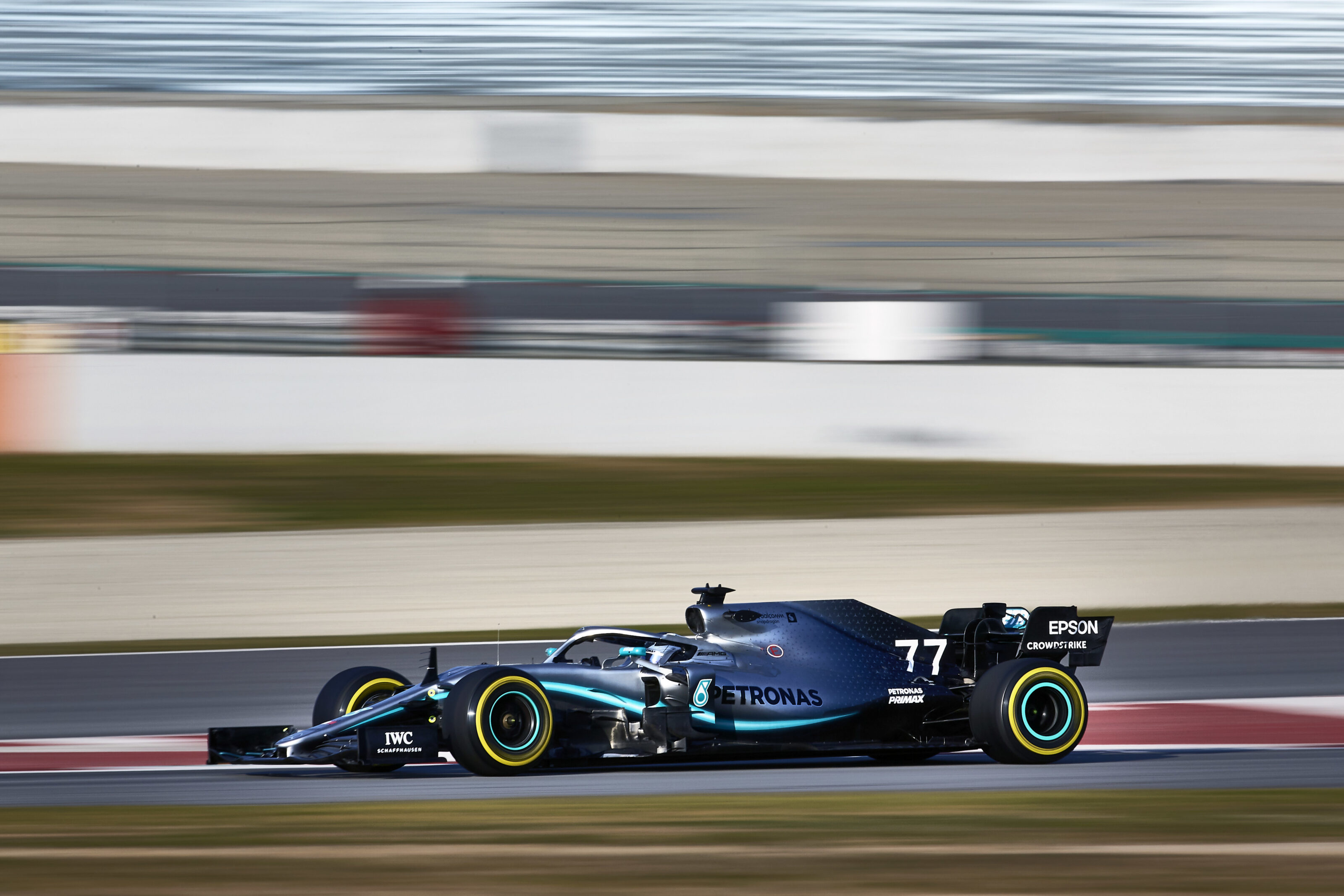
In theory, any of the 20 people in here at race weekends can press a button and communicate directly with the driver, but team protocol dictates that any requests must go through the race engineer on the pit wall. The data transmission rates are incredible. “We use Tata subsea fibre-optic cables to carry the data,” explains our guide. “We’re almost live. We’re 0.1 seconds from any race in the world, except for Australia. That signal takes 0.4 seconds to arrive.” So much for the NBN. Every time the car passes the pits, it wirelessly hands over gigabytes of data that then comes streaming into Brackley, 115km north-west of London, in less time than it takes to blink. There’s a certain exactitude to the engineers here. Woe betide anyone overheard calling the 0.1sec delayed transmission a live stream.
The Brackley site is a legacy of the days of the old Adrian Reynard works. The Mercedes F1 team can trace its lineage from Tyrell to BAR to Honda to Brawn GP and then, in 2010, to the three-pointed star. It’s fair to say that the budgets have stepped up a bit since the virtually penniless Brawn GP days. “Red Bull certainly missed a trick in 2009,” laughs Anderson. “We had such little money as Brawn GP that had they just bumped a few front wings off in free practice, we wouldn’t have had the funding to have replaced them. They’d have taken the title.” Things have certainly changed since then, as evidenced by one designer telling us: “We engineer based on need, not budget.” Imagine how galling that must sound to Haas or Racing Point.
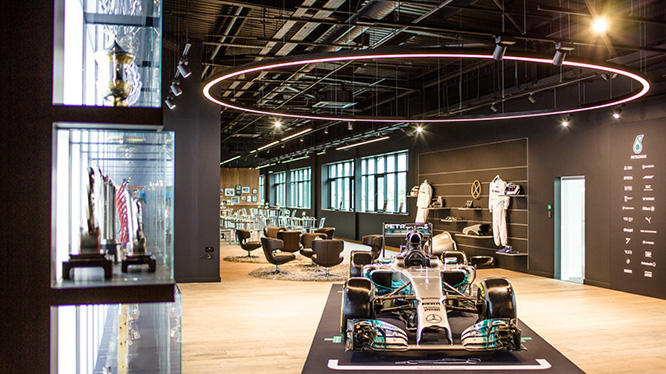
The wind tunnel on site was originally developed by Honda and features a 2.2MW fan that is so powerful that it’s seismically isolated on a sprung concrete block. Without it, the rest of the complex shakes when the tunnel’s in use. Although a full-sized car can fit in the tunnel, FIA rules limit teams to a 60 percent scaled model on the grounds of cost. Wind tunnels are hugely expensive and even Ferrari uses the old Toyota tunnel in Cologne, along with McLaren and, until this week, Racing Point, who have now bought time at Brackley.
The rules are pretty dense, and there’s a huge formula which limits the combined time in tunnels and also computational fluid dynamics (virtual wind tunnel) testing that can be done. Wind tunnel occupancy is filmed by FIA cameras so teams can’t sidestep the rules. The FIA also limits the amount of time teams can work on the cars, imposing a mandatory summer break.
What’s perhaps most dizzying about the process of constructing an F1 car are the things we don’t tend to consider. Sure, it’s amazing that a 1.6-litre petrol engine can develop 635kW+ with another 120kW coming from a battery underneath the driver’s backside. Or that thermal efficiency is better than 50 percent; way better than the best road car powerplant. It’s incredible to look at the titanium gearbox that’s no bigger than a lunchbox, which changes gear in three-thousandths of a second and which, as a stressed member, holds the whole rear crash structure and wing. Drill down further and the level of attention to detail becomes apparent.
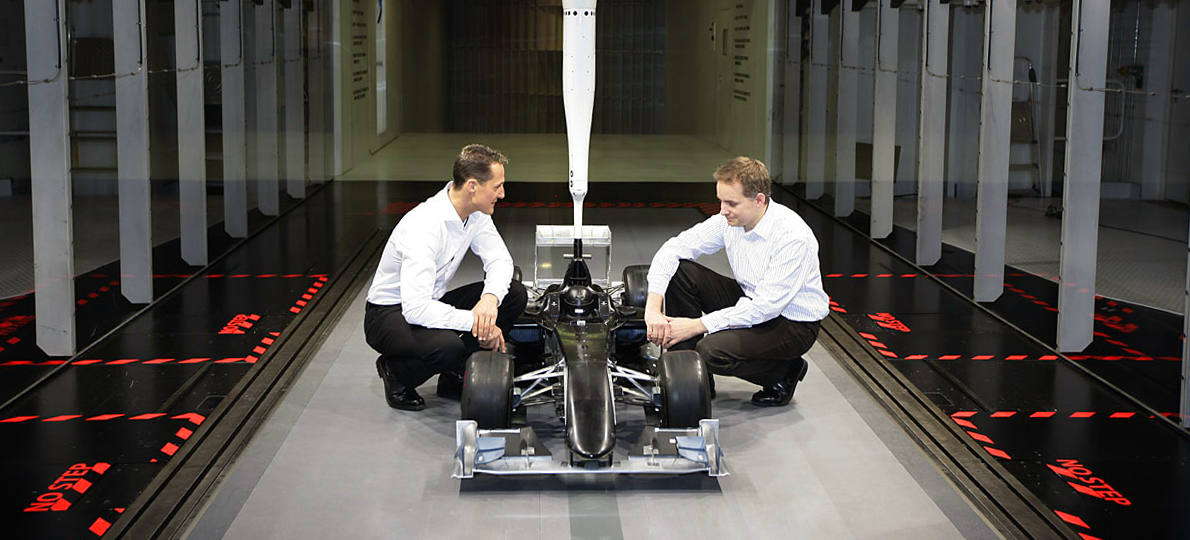
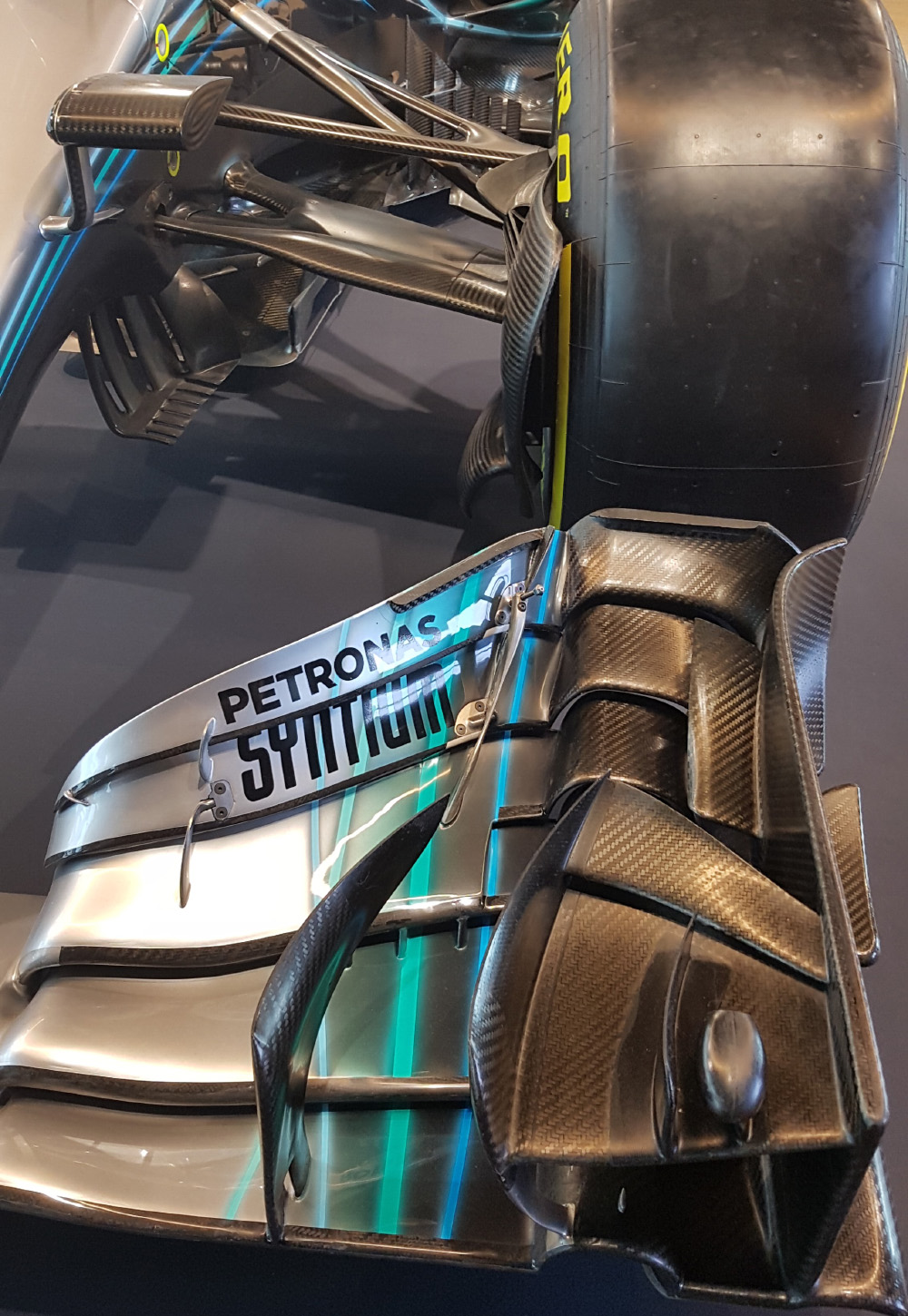
The front wing on Nico Rosberg’s FW07 in which he won the 2016 drivers’ championship consists of 290 separate components. When you see a wing smashed off, bear in mind that it takes 50 man hours just to paint. There are only four airbrush artists in the UK skilled enough to paint the 3D-effect three-pointed star onto the nosecone, and the front wing contains infra-red sensors that scan the front tyres, passing that data to the pits so that tyre degradation can be viewed in (almost) real time. They’re part of a suite of 400 sensors on the car which are used on Friday free practice, the number of sensors then being pared back across the weekend before the car enters parc ferme in its lightest practical guise.
This year’s car features 1100 hand-painted three-pointed stars on its bodywork, each individually coloured to blend with the black-to-silver fade the Mercedes cars have been using since the introduction of hybrid tech in 2014. The paint team travel to each race, and in China and the US they use local Mercedes dealerships as paint shops.
The individual set-ups between Hamilton and Bottas – and, indeed, test driver Esteban Ocon – have to be taken into account. The team generates different seats, but the pedal width and spacing is also customised, and each driver has their own preferences for colour codes on the wheel. Lewis likes purple, apparently. The button set-ups vary, and even esoteric things like the grip preferences and the thumb lengths of each driver are measured to perfectly position the key controls on the wheel, examples of which cost around $100K each. That’s an A45 AMG with some decent options. No wonder the team get ticked off if the drivers throw them in the dirt.
We walk past the simulator building where Ocon spends hours ahead of each race, preparing a briefing sheet based on his findings to the teams. The ‘engine’ for the simulator is rFactor Pro, the industry standard also used by Red Bull, and the tracks are all mapped to millimetre accuracy.
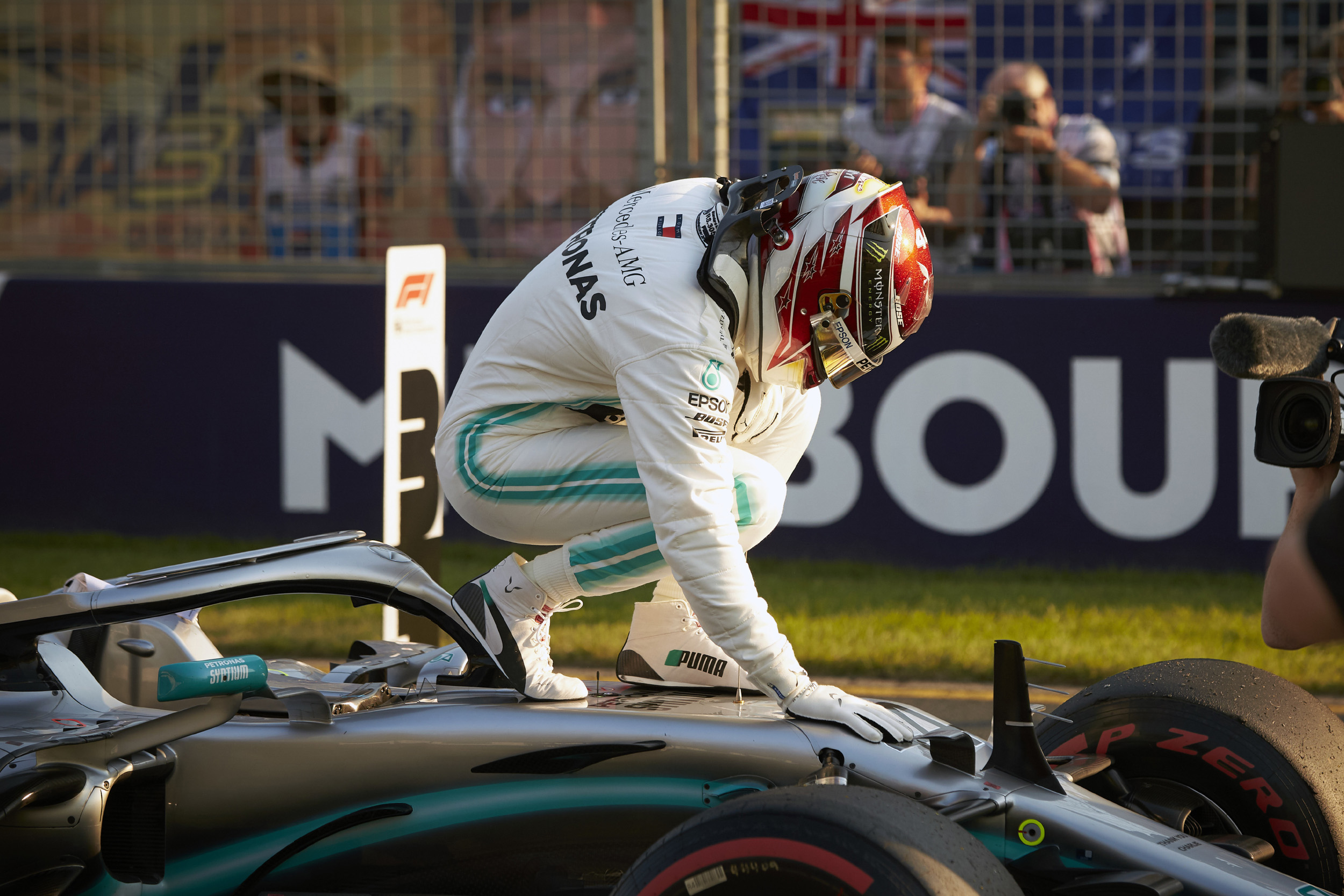
Things get even more techy when we get down into the materials fabrication area. Here there are a set of five replica pit garages. Hamilton and Bottas’ ‘boxes’ sit side by side in the same position as they’d be on track, Lewis to the left, Valtteri to the right as you face them. There’s a titanium halo structure to hand prior to it being wrapped in glossy carbonfibre. We’re told that its bar straight ahead affects driver vision negligibly and that eye tracking demonstrated that drivers are looking obliquely into and through bends at braking, apices and exit points while on straights they’re often consulting the wheel, tuning diffs and checking lights.
The driveshaft responsible for sending all that power to the wheels sits on a workbench. It’s 30mm in diameter, not much wider than a Sharpie marker. There are 70,000 components in the car and Mercedes is moving to RFID tag almost all of them. There’s a parts desk downstairs where engineers can get hold of anything. When the desk is closed there’s a suite of vending machines available that contain the most popular parts. Getting a new front wind endplate or a camera mount blank is as easy as getting a Snickers on a railway station platform.
The CAD plans from the eggheads upstairs can be sent directly to any one of 24 milling machines (11 of them five-axis units) to create metal parts or to the composites department to create the fine layers, or layups, of which carbonfibre parts are composed. Five autoclaves big enough to fit an entire chassis into cure the layups at 90psi and 180 degrees Celsius hum in the background. The team also has X-ray and CT scanners to check carbonfibre parts for microscopic cracks or manufacturing defects. It takes around 50 days to build a chassis and five are usually constructed per year. The team makes around 7000 parts per year in the composites department and there’s an almost surgical cleanliness in there. Vacuum tables take care of splinters, which can injure employees and puncture the airtight bags that are vacuum compresses to bond the layups.
Some parts are bought in, but most are made in-house, especially those with high intellectual property value. The metal parts are particularly beautiful. A steering column gleams like something from a Terminator movie, aluminium billets milled to sub-10 micron accuracy (a human hair is 70 microns across) and we see samples of various steels, aluminium and titanium as well as Densamet, a heavy alloy of nickel and tungsten that’s used for ballast. A 3cm cube of aluminium weighs 148 grams. The same cube in Densamet is almost a kilo – 969g to be exact. It’s also useful for putting to bed the urban myth that teams use depleted uranium as ballast.
We walk past the seven-post rig that’s currently running a simulation of the Shanghai track on a car. Four of the posts support the wheels, the other three replicate gravitational forces on the chassis. It can replicate an entire season’s running in 3.5 hours and subjects new components to a punishing stress test. The cars sit on special balloon tyres supplied by Pirelli for this very purpose. Genuine race tyres would explode given this treatment.
This facility has come a long way since Honda pulled out of F1 in 2008. Everybody who was laid off then has been offered a role back at the expanded plant. Mercedes-AMG Petronas Motorsport has won the past five F1 constructors’ championships on the back of the amazing brains trust at Brackley. F1 might be cyclical, but it’d be hard to bet against a sixth succession.
Introduction
When it comes to quiet, understated performance, Audi’s big-engined Q5 50 TDI is the peak of the Ingolstadt bunch, and it’s based on the same underpinnings as the less popular A4 sedan.
The five-door, five-seat, Q5 sits in the middle of Audi’s growing range of SUVs. Is it the perfect fit for you?
Value and standard features
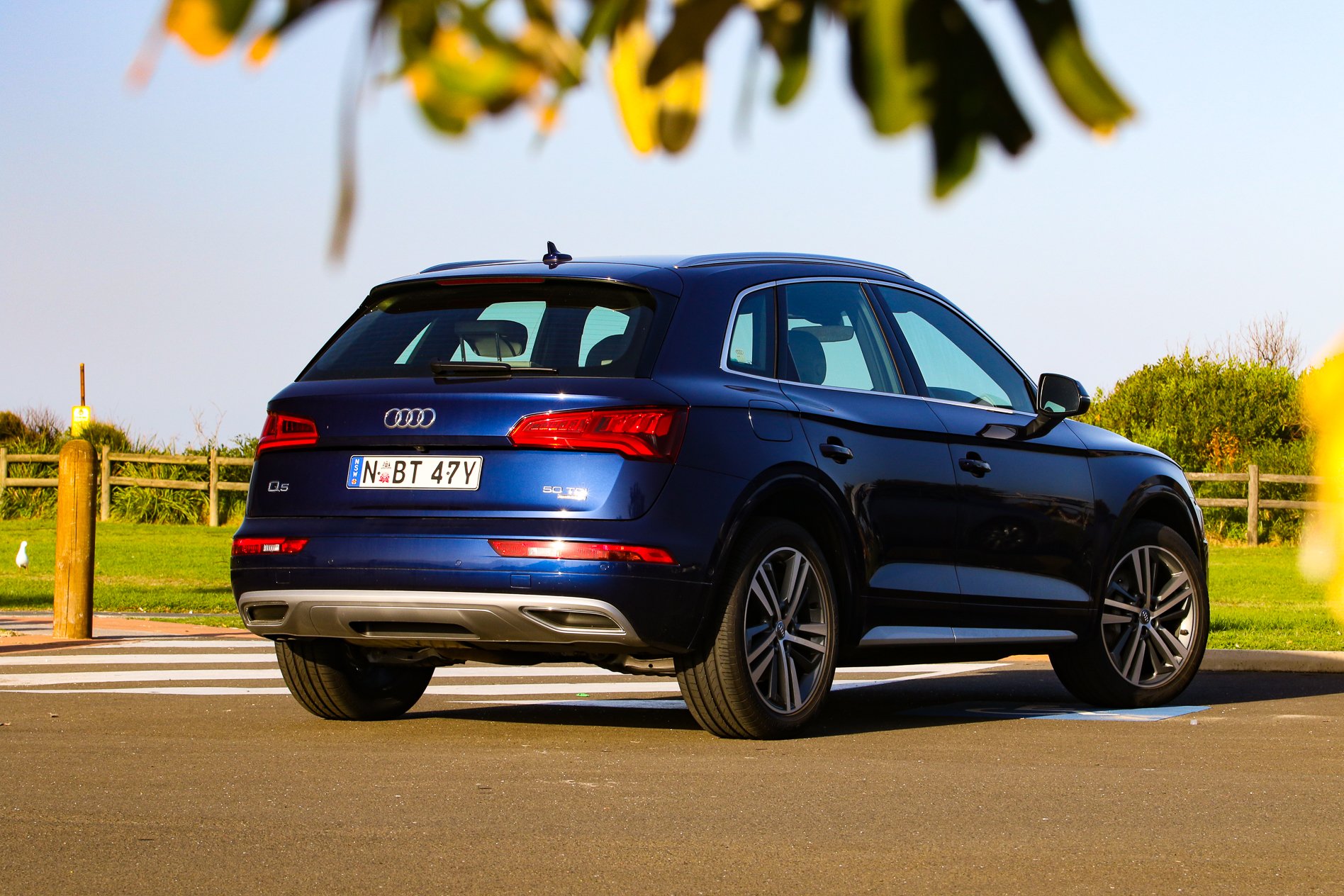
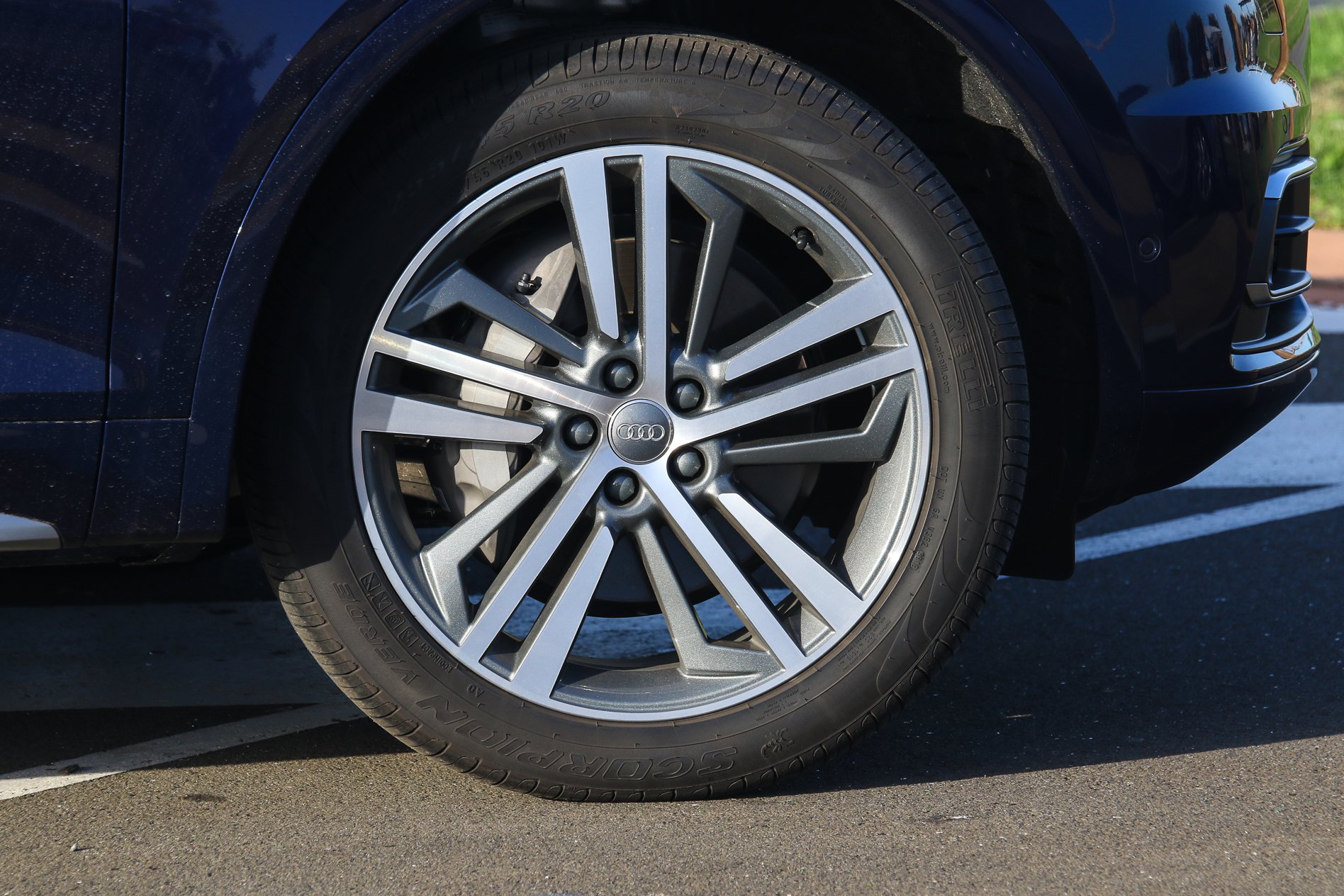
At $84,700, the Audi Q5 50 TDI Quattro sport sits at the top of the price pile. It comes standard with leather trim, heated and powered adjustable front seats, as well as smart key automatic tailgate with a foot opening function.
An 8.3-inch multimedia system with satellite navigation and a handwriting pad for the multimedia system is included, and it’s also equipped as standard with a 12.3-inch digital dash and wireless phone charger.
The steering column is powered, while the exterior features 20-inch wheels, LED headlights and roof rails. A technical package costs $5,600 and includes a 19-speaker Bang and Olufsen stereo system and a heads-up display, as well as other elements. Air suspension is another $4,000, while massage seats cost another $1,300.
In terms of competitors, the Q5 50 TDI goes up against cars like Mercedes Benz GLC 250D and the BMW X3 xDrive30d. It’s interesting to note that all these cars are within $200 of each other at retail.
Size
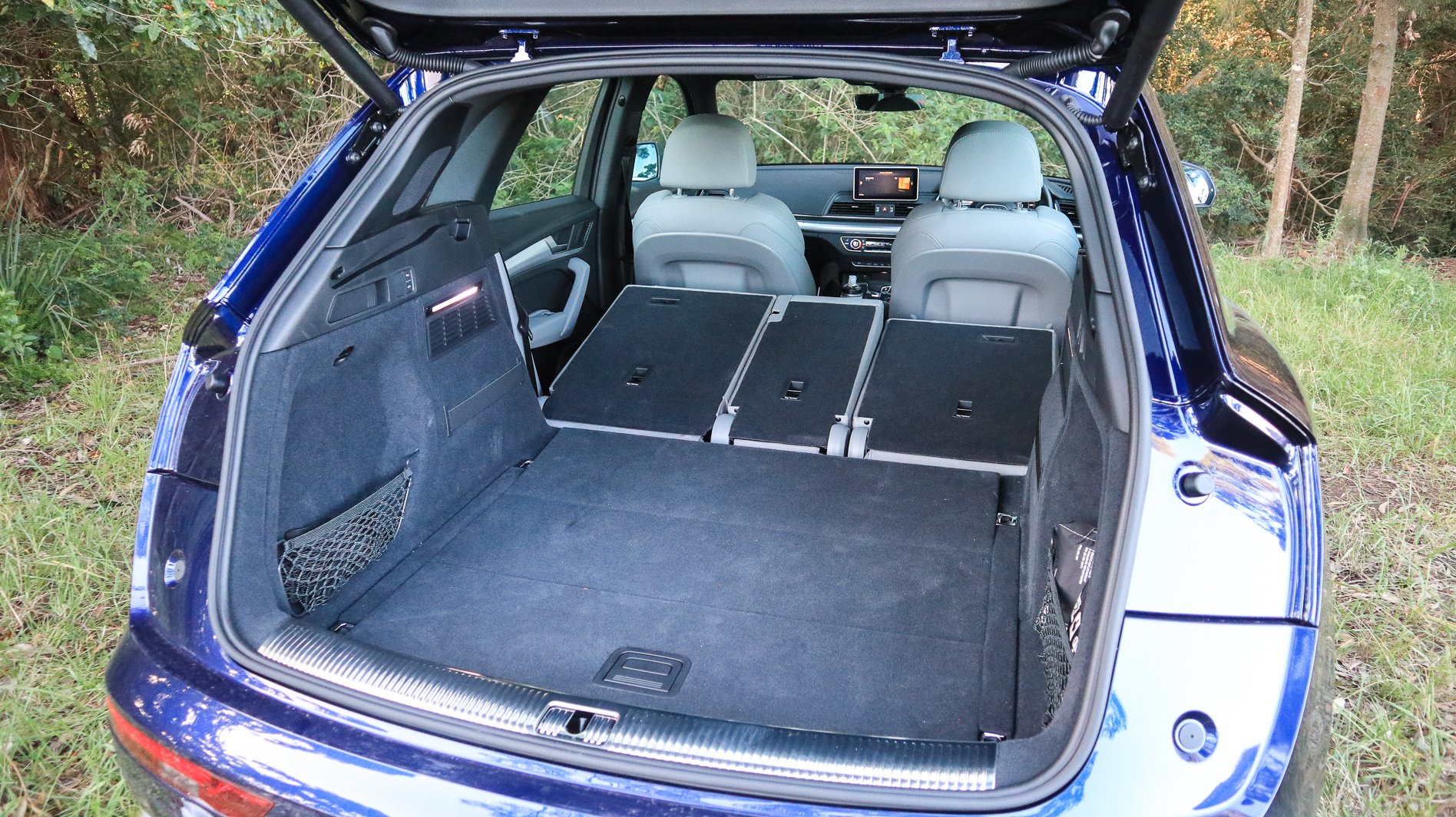
The Q5 sits below the Q7/Q8 and above the Q3/Q4 in Audi’s burgeoning SUV range. In terms of interior space, the rear ends of the car can hold 550 litres of luggage, though if the car is fitted with the optional sliding second row of seats, this increases to 610 litres.
It’ll swallow 1550 litres with all the seats down. You can flip the rear seats down via handles in the cargo area, but the seats will then lock down in position, requiring you to go to the rear passenger doors to unlatch them.
Comfort and practicality
In terms of second-row room, there is plenty even for the tallest of passengers, although it is a more comfortable proposition for two passengers rather than three as the centre seat is awkwardly shaped and more designed for use with the wide armrest that pulls down.
Interestingly, the seats configured in a 40/20/40 style so that the centre seat can be dropped to create an enlarged ski port, which is quite a practical proposition. Front room is excellent. The seats are deep, wide and long while the seat bases can also be extended for more under-thigh support.
The optional massage pack is an expensive option that you may or may not use that often, but the heated seats are a definite perk. The steering wheel feels quite large, but it is well shaped, and there are shift paddles behind the wheel to operate the gearbox.
Speaking of the gearbox, I’m not a massive fan of the trigger style auto shifter, which requires pretty deliberate operation in order to make sure that it’s in gear, but at least it’s easy to get to park simply by pressing the P button. I just prefer the security of the old fashioned style of gear lever that locates more precisely.
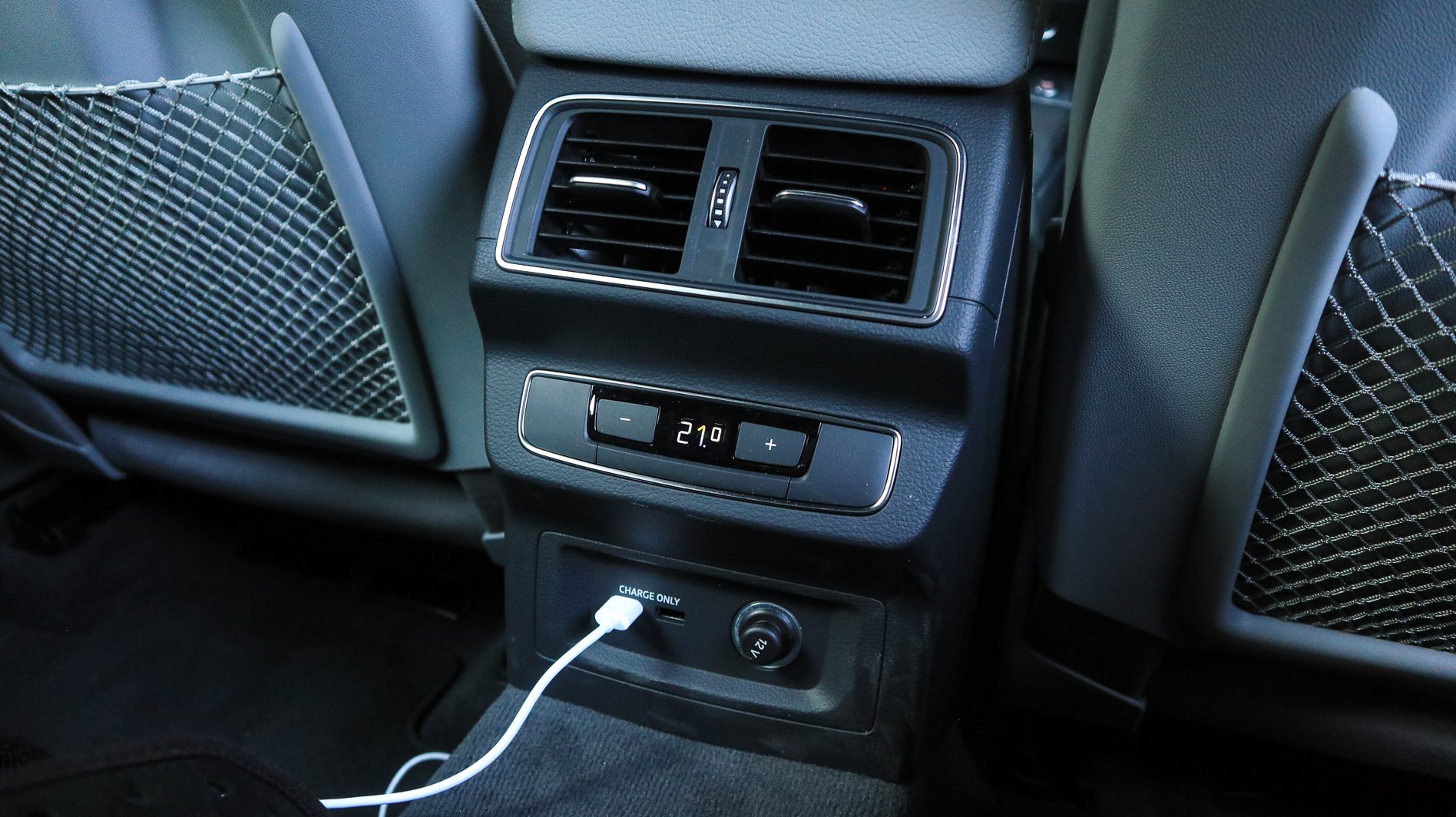
There are two USBs and a 12-volt point in the front of the Q5, as well as the optional inductive charging pad that sits under the centre bin armrest, taking up a chunk of space in the interim.
There are two cup holders up front, as well as large bottle holders in each of the doors. Rear seat passengers can adjust their own temperature and can also plug in their own devices.
With the airbag suspension as well, loading can be made much easier by the use of a novel switch in the cargo area, which deflates the suspension airbags, dropping the car about 30mm. The suspension returns to normal when you start the engine.
It’s a novel feature which, when combined with the load loading lip and the nice square load area, really makes the Q5 a doddle to pack. Add to that features like cargo net with decently sized cargo hooks as well as a plastic bag hook to the rear cargo area to hang your takeaway meal, makes the Q5 a pretty practical proposition.
The tailgate does offer a foot-operated function, which as usual was hard to access in real life.
Safety
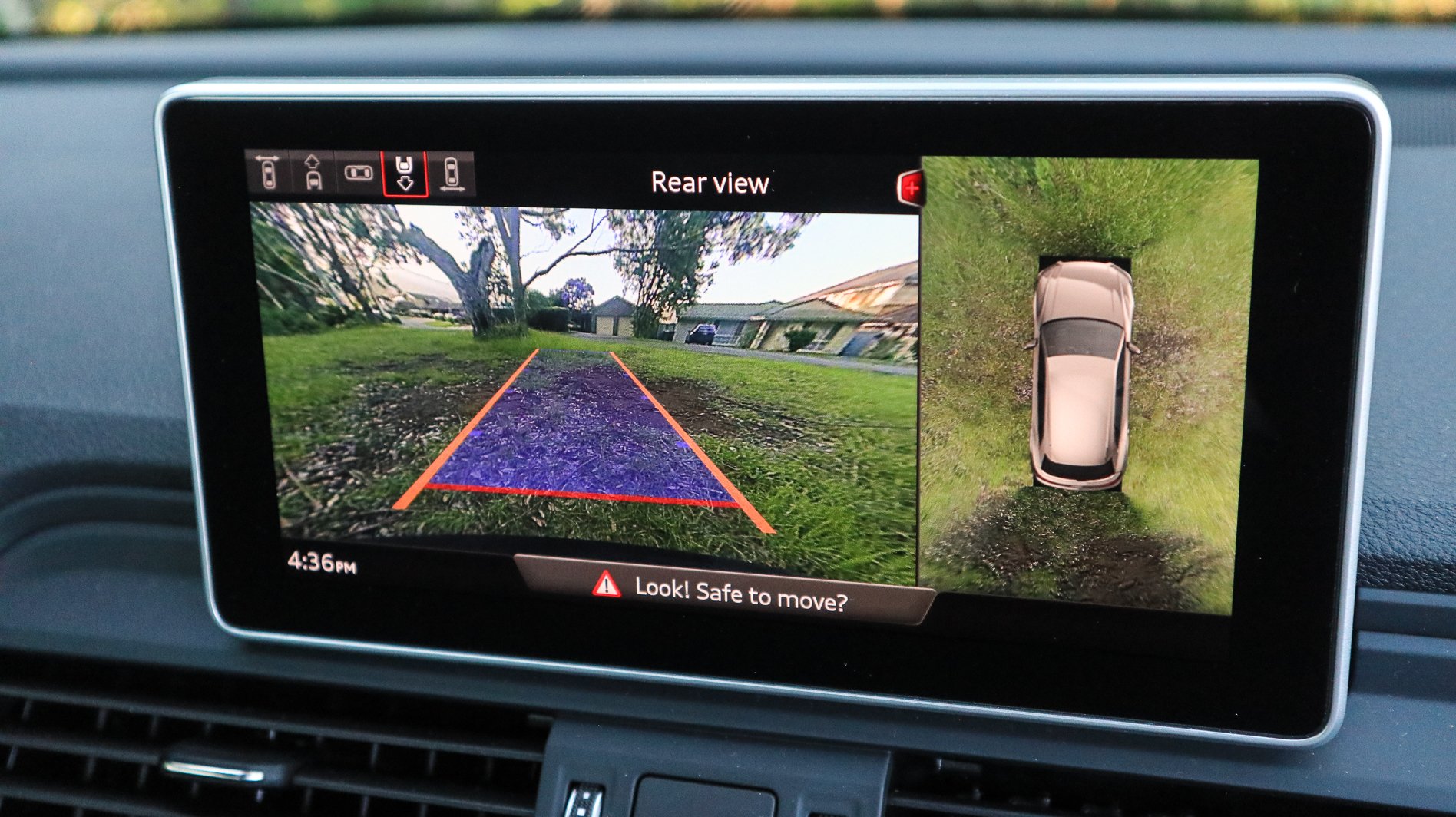
The Q5 comes standard with eight airbags, as well as rear-view camera and a360-degree view camera. It has all manner of driver safety aids including lane departure, adaptive cruise control with traffic jam functionality, as well as rear cross traffic alert and AEB for pedestrian and cyclists.
There are also two ISOFIX baby seat points for younger passengers. The Q5 is strictly a five-seater proposition only.
Running costs
Over 550 kilometres, we recorded a dash-indicated combined fuel economy figure of 8.5 litres per 100km, against Audi’s claim of 6.7L/100km. Its 68-litre tank should waft you about 800km on a single fill, and it will cost you around $100 to top it up.
Audi – along with the other premium brands – still only offers a three-year, unlimited-kilometre warranty, with service intervals suggested at 12 months or 15,000km. A three-year fixed-cost service plan for the Q5 costs $2040, while a five-year plan costs $3070.
On the road
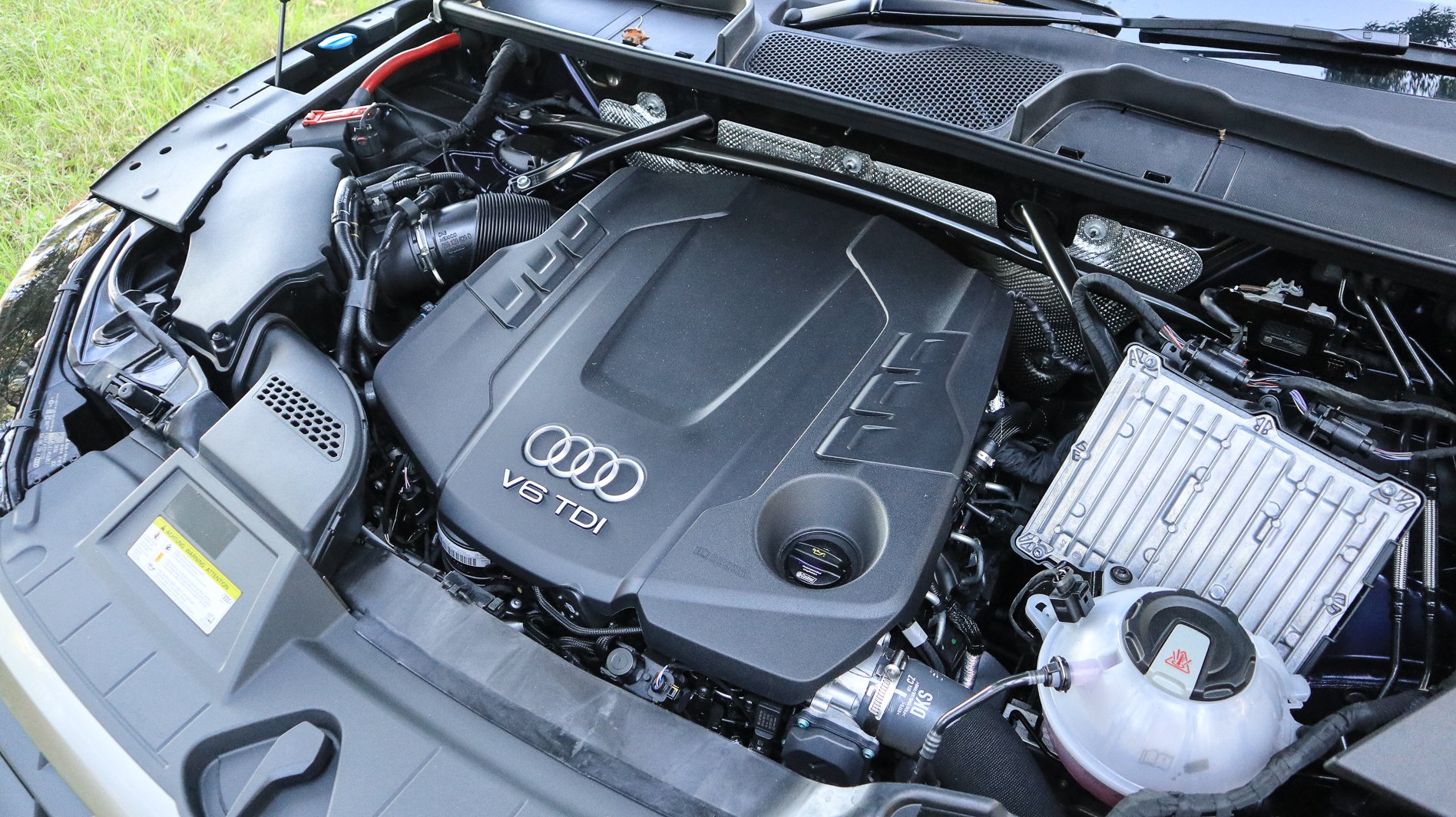
The Q5 50 TDI’s party trick is its Porsche-derived V6 turbo-diesel engine that’s mounted in a traditional north-south orientation. It’s backed by an eight-speed auto that sends drive to all four wheels.
With healthy outputs of 210kW and – more crucially – 620Nm, the Q5 is a strong, calm and quiet highway demolisher. No diesel rattle makes its way into the cabin, while the optional air-sprung suspension does a great job of making bumps disappear.
There is a trade-off, though; the air-sprung suspension isn’t as precise underhand as a more traditional steel-sprung set-up, though you can gain a bit of feeling back by dialling the Q5’s drive mode system to Dynamic. This also sharpens up the gearbox’s shifts, which helps to keep the engine on boost and avoids the slight turbo lag delay from rest. The stiffened air springs are definitely firmer, but not overly so.
The advanced adaptive cruise control systems aboard the Q5 are great, as well, with a big tick for the traffic jam mode. The lane-keeping functionality is also very impressive and can be easily turned off via a button on the indicator stalk if you don’t like the quite pronounced level of steering assistance under your fingers.
The interior of the Q5, too, is terrific. All surfaces within sight of driver and passenger are well rendered, and the dials and switchgear are a step above, as well.
Having tested the new A7, we’re spoilt by Audi’s updated infotainment systems; not having a touchscreen in the Q5 actually feels quite old-school already. Navigating Apple CarPlay, for example, isn’t very straightforward using the central wheel.
Otherwise, the big Audi is a quiet, comfortable companion in and out of the city. Cheap it is not, but the quality shines through everywhere you look.
Verdict
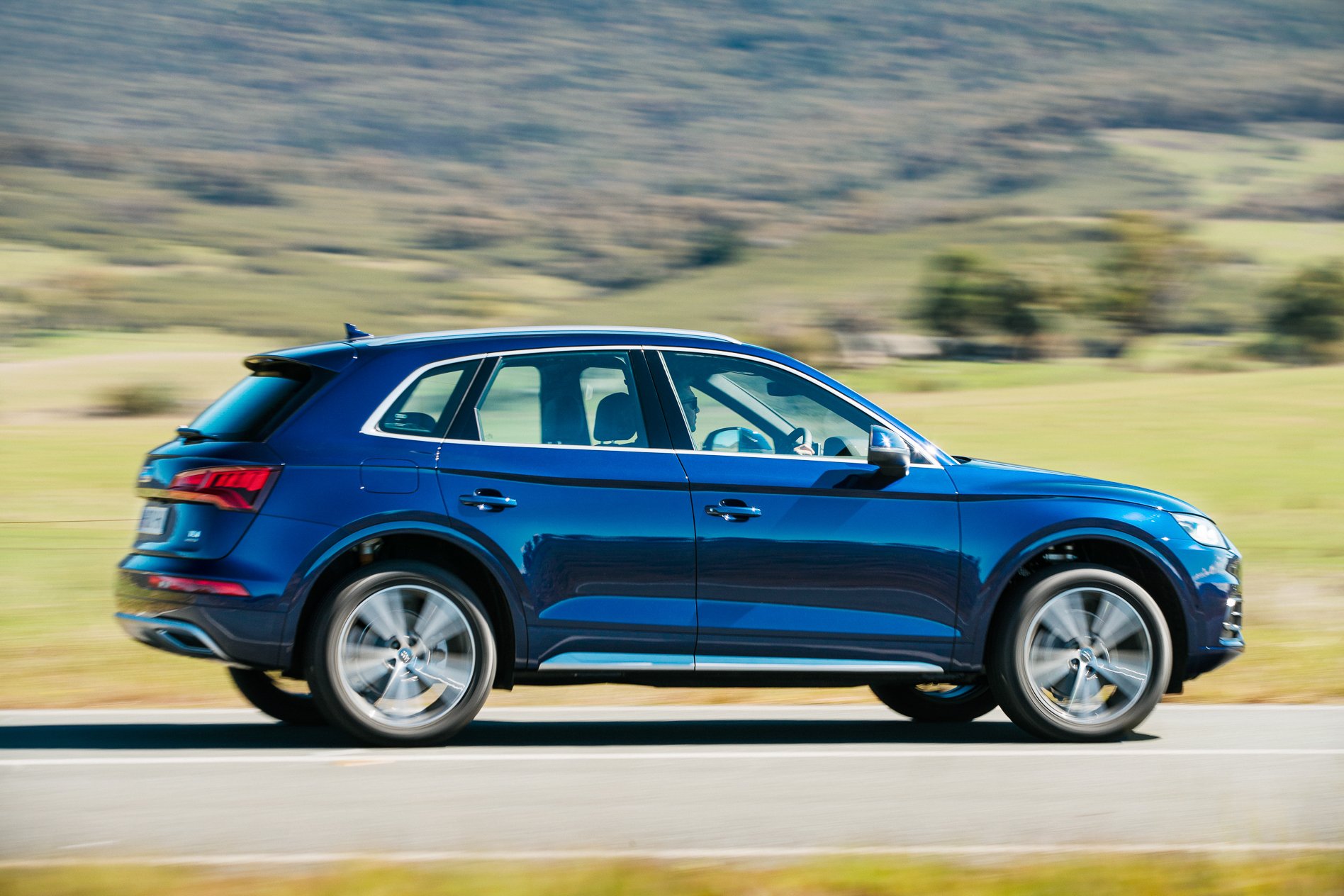
The V6-powered Q5 is the dux of the class, with impeccable, underplayed road manners and a genuine feeling of everyday luxury pervading its cabin. It looks a little plain, perhaps, but it’s very much a case of not judging a book by its cover.
Be careful with the options list, though… you’ll fire the Q5 50 TDI over $100,000 before you know it.
Model: Audi Q5 50 TDI Engine: 2967cc V6 (90°), dohc, 24v, TD Max power: 210kW @ 3000rpm Max torque: 620Nm @ 1500-3000rpm Transmission: 8-speed automatic L/W/H: 4663/1893/1659mm Wheelbase: 2819mm Weight/towing: 1870kg/200kg max 0-100km/h: 5.8sec (claimed) Economy: 6.3L/100km Price: $84,700 On sale: Now
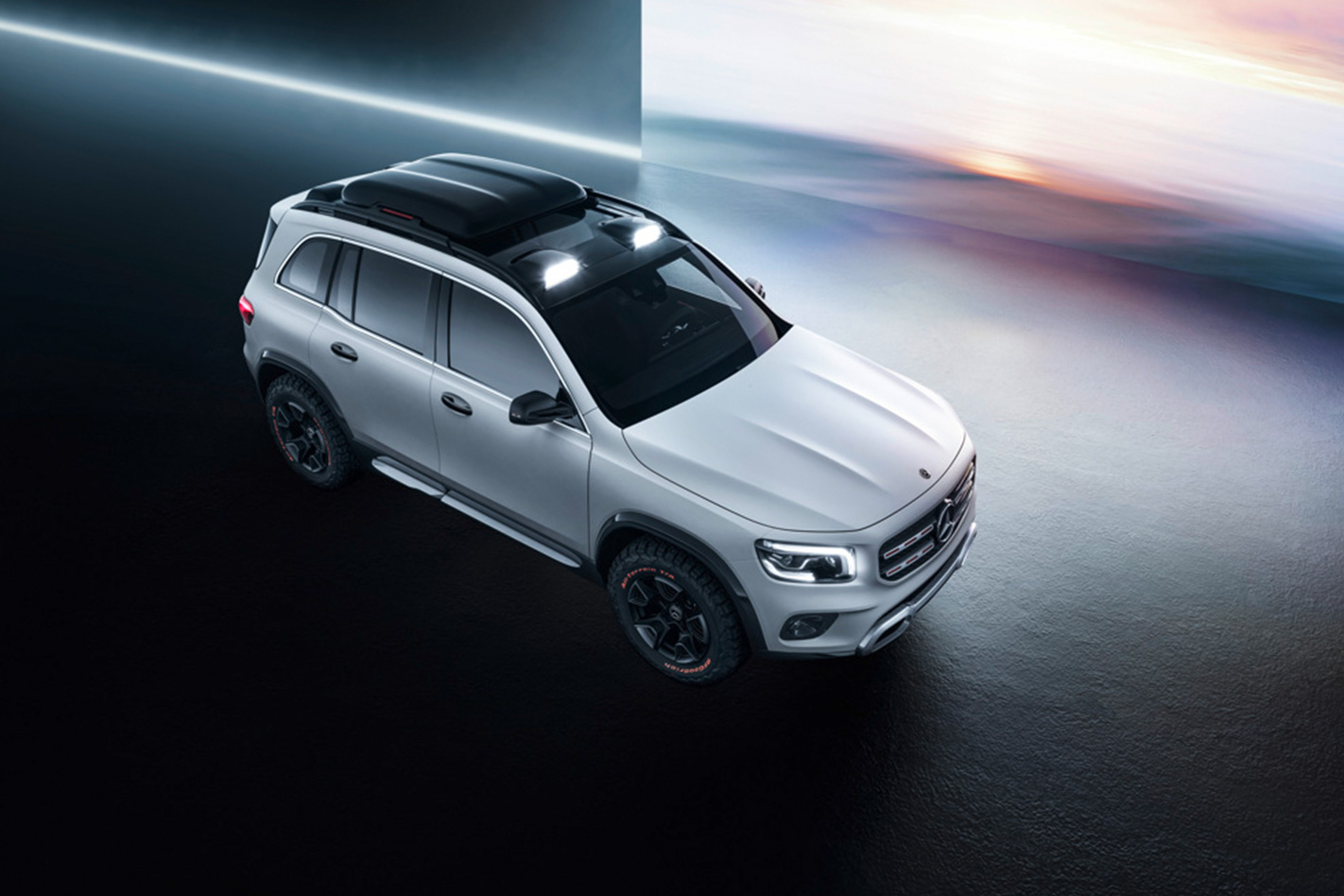
Mercedes-Benz has unveiled a rugged concept of its upcoming GLB SUV at the Shanghai motor show, previewing what we can expect from a production version of the new compact people-mover and its potential as a weekend warrior.
Sitting between the GLA and GLC in Mercedes’ SUV hierarchy, the GLB is a five-seat SUV with optional third-row seating. The concept car measures 4634mm long, 1890mm wide and 1900mm tall, with a 2829mm wheelbase.
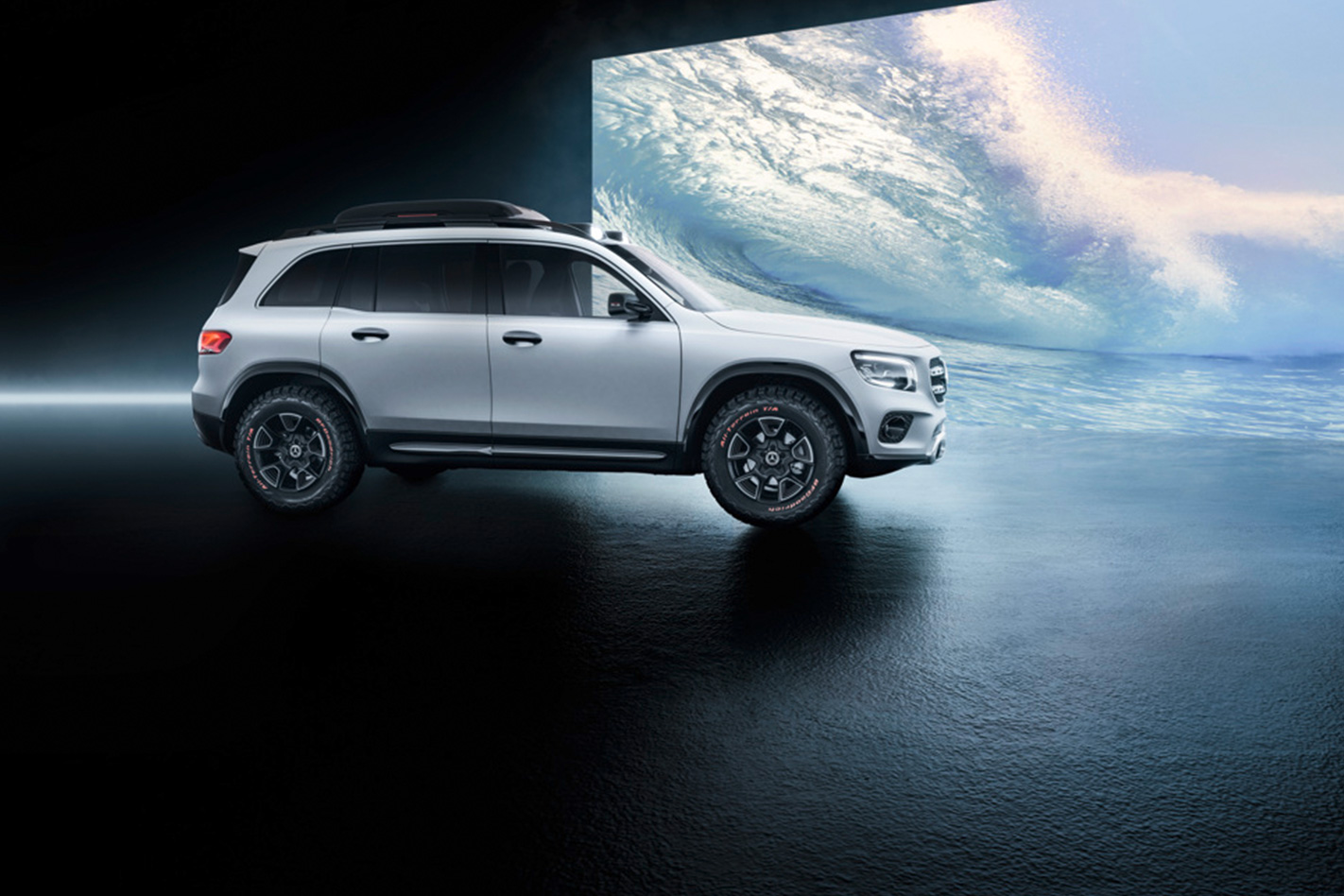
Dimensionally smaller than the five-seat-only BMW X3 and Audi Q5, the GLB occupies a unique space where it could appear as a compact, premium seven-seat SUV. Mercedes-Benz says the two optional seats, which fold flush into the boot floor, “are far more than emergency seats and offer comfortable seating for two medium-sized occupants.”
The GLB Concept revealed in Shanghai is a spin-off based on the production vehicle that is tipped to start hitting roads in the US in late 2019. Sitting on black 17-inch alloys wrapped with burly 265/65 profile BFGoodrich All-Terrain T/A KO2 tyres, the GLB Concept looks like a G-Wagen-lite. It features gloss-black mud flares around each wheel arch, cladding around the lower bumpers, underbody protection for practical off-roading, roof rails, and a storage box with high-lumen LED spotlights.
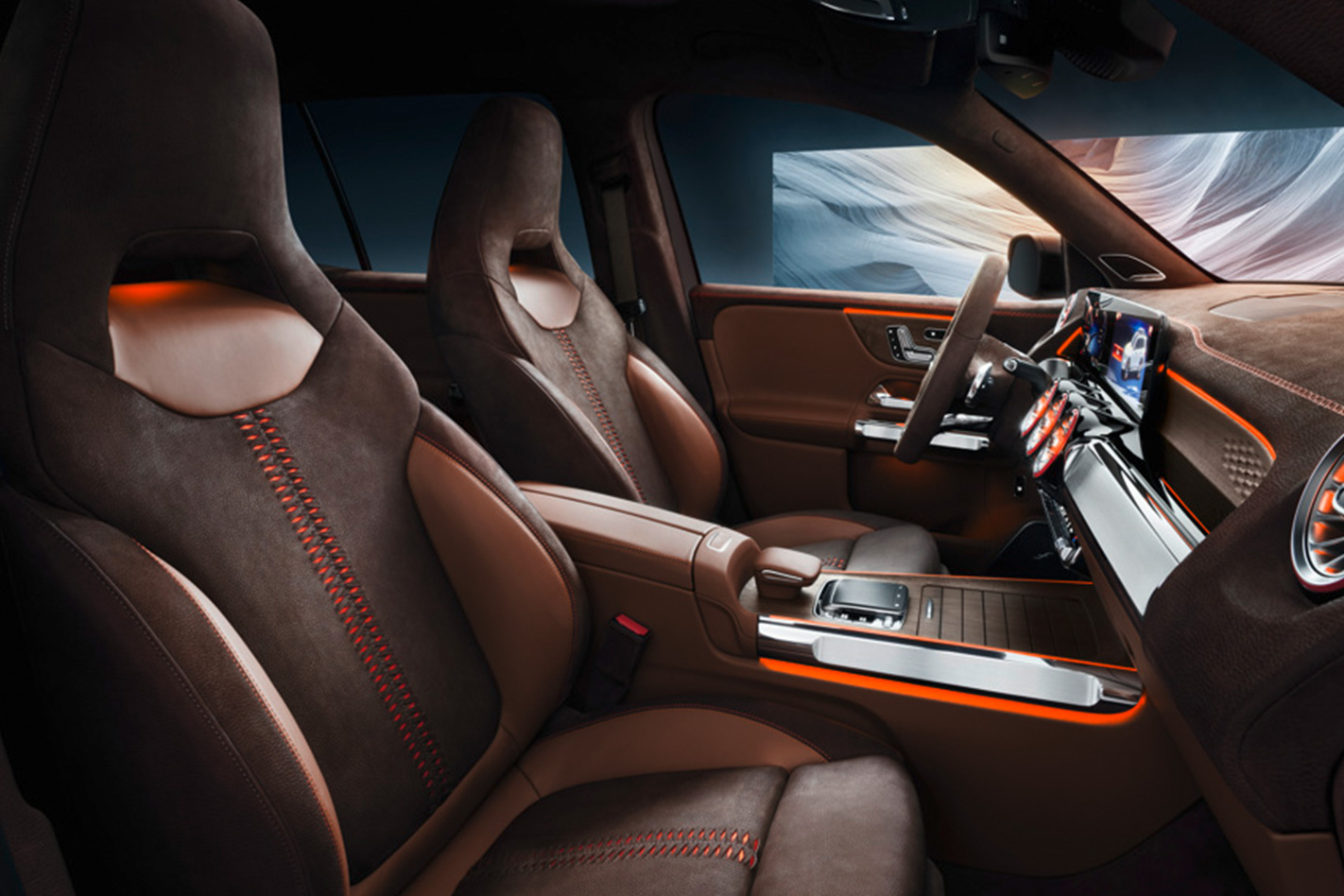
The concept car houses what looks like a 1960s Danish interior design-inspired cabin, with tan napa and nubuck leather stitched around open-pore walnut panels and bright orange highlights.
The three-pointed star says “the Concept GLB feels right at home on rough farm tracks”, giving its off-road-ready SUV the feel of a contender for Land Rover’s upcoming Defender (site link: 4×4 Australia Defender Spy pics story). Mercedes is not giving away any further details yet, but in a dealer preview event held in the US last year, it was reported that the GLB will sit on the new MFA2 platform which underpins the new A-Class hatch and sedan, and with boxy styling that is comparable to the shape seen on the defunct GLK – and which also happened to debut at a Chinese motor show.
“We asked ourselves whether there is still space between the GLA and GLC in our successful SUV range,” said Daimler board member Britta Seeger, responsible for Mercedes-Benz car marketing and sales.
“The Concept GLB is the answer to this question. With it we are demonstrating the creative ideas we have for this segment, too”, she added, hinting that the ‘baby G-Class’ could see reality as a production car.
“The Concept GLB is a durable and practical SUV with nonetheless compact dimensions. Whether it is a generous,seven-seater family vehicle or a versatile leisure time companion: we are certain that this concept will be of great interest to our customers.”
The new Volkswagen ID Roomzz concept car has been unveiled on the eve of the 2019 Auto Shanghai motor show, showing how VW’s electric car range is expanding at a dizzying rate. And this is no flight of fancy; it’s previewing a new type of crossover/MPV mash-up, due to go on sale in 2021.
It’s no accident that the new electric vehicle is being shown in China; this is the world’s biggest zero-emissions market and this week’s car show will be festooned with battery-powered electric cars.
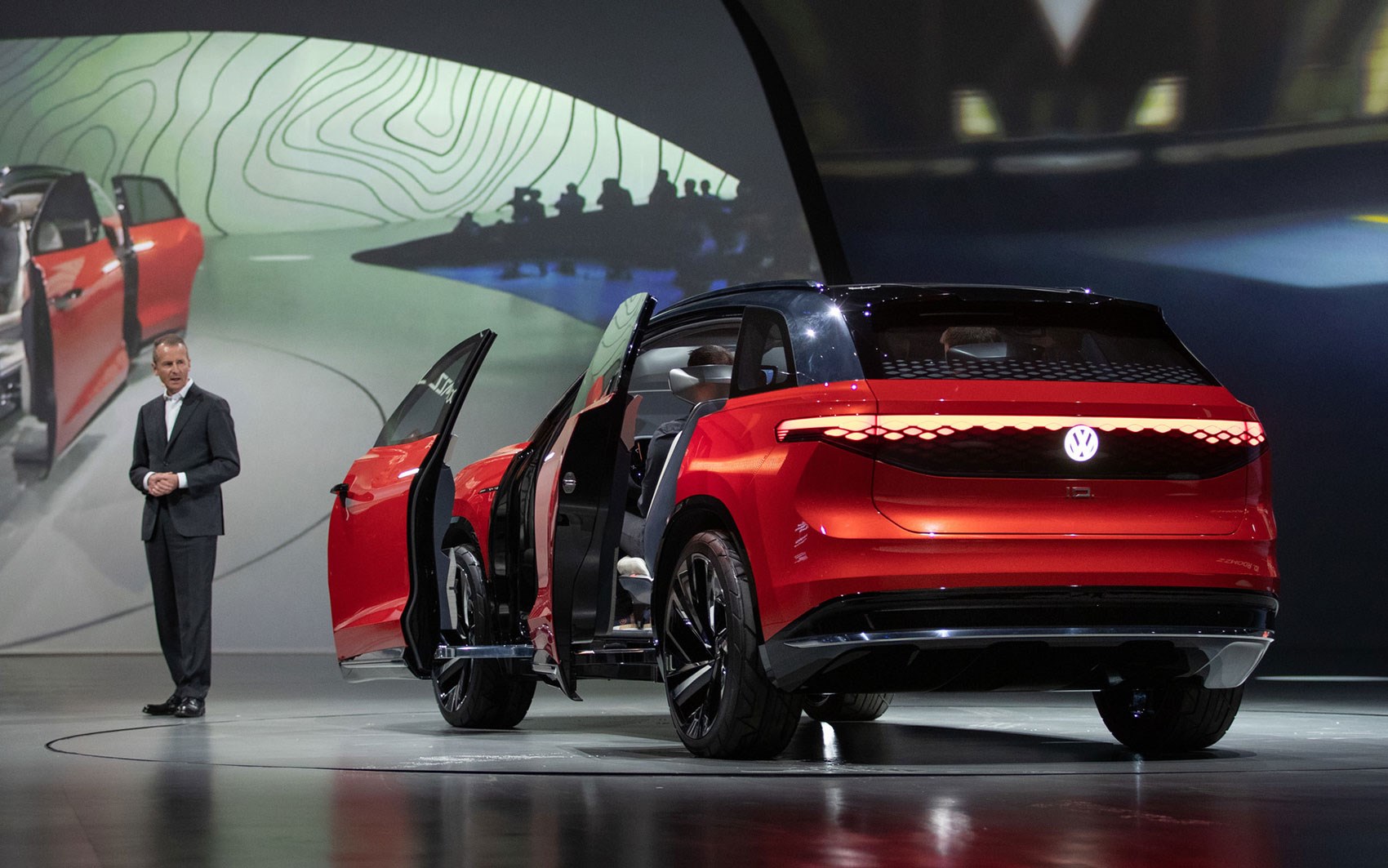
VW ID Roomzz: your essential briefing
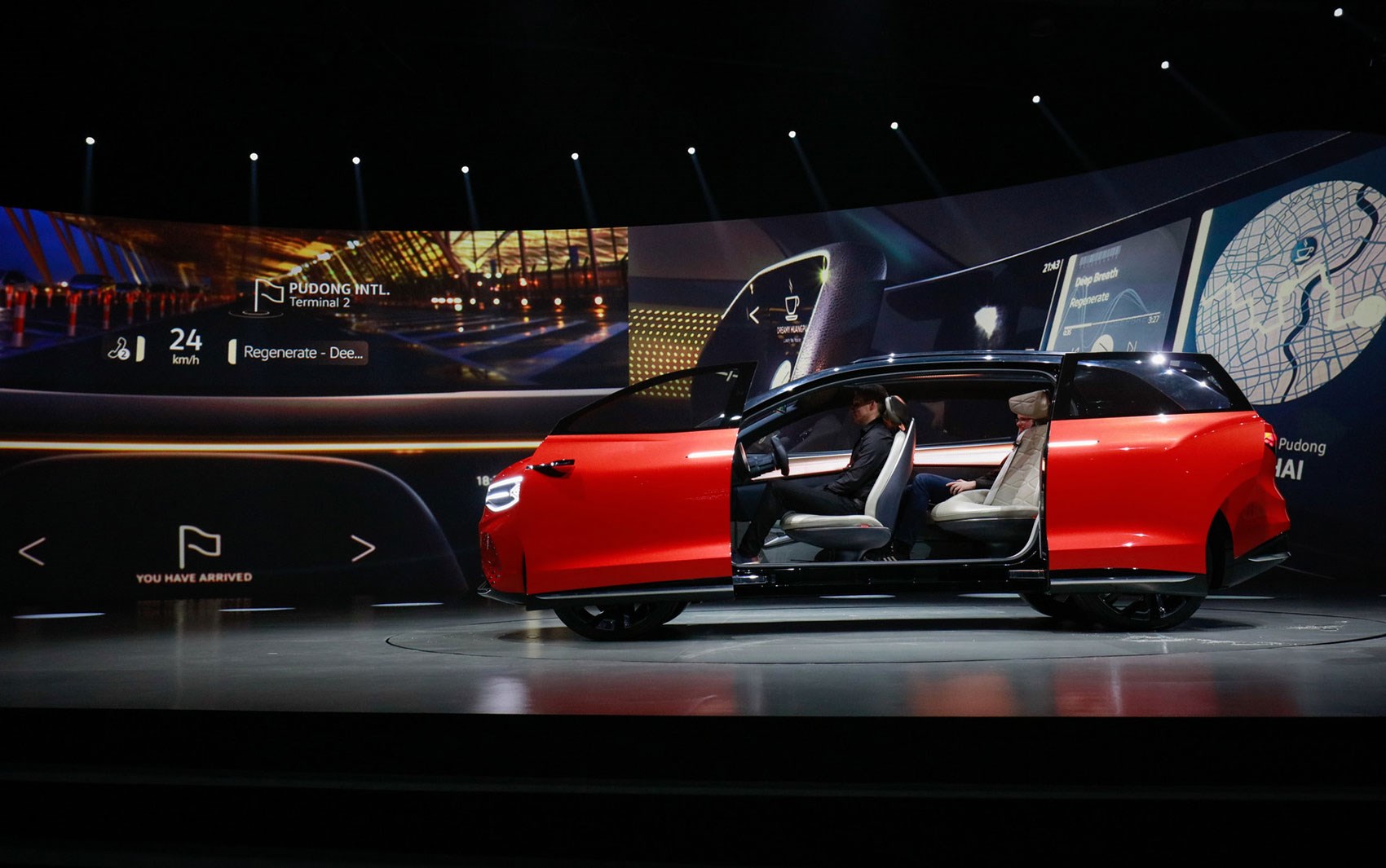
This is a large, five-metre long car, whose focus is on interior space and versatility, hence the four large suicide doors that open like a reverse handclap for ease of access. Unsurprisingly, Volkswagen talks of ‘a lounge on wheels’, as its designers grapple with what the autonomous future looks like. The ID Roomzz features ID Pilot mode, which allows for full hands-off, level 4 driverless mode, you see.
Drivers place their hand on the VW badge on the steering wheel for at least five seconds to enable autonomous mode; the wheel then moves discretely out of the way, freeing up more space for the interior lounge effect.
Electric car tech
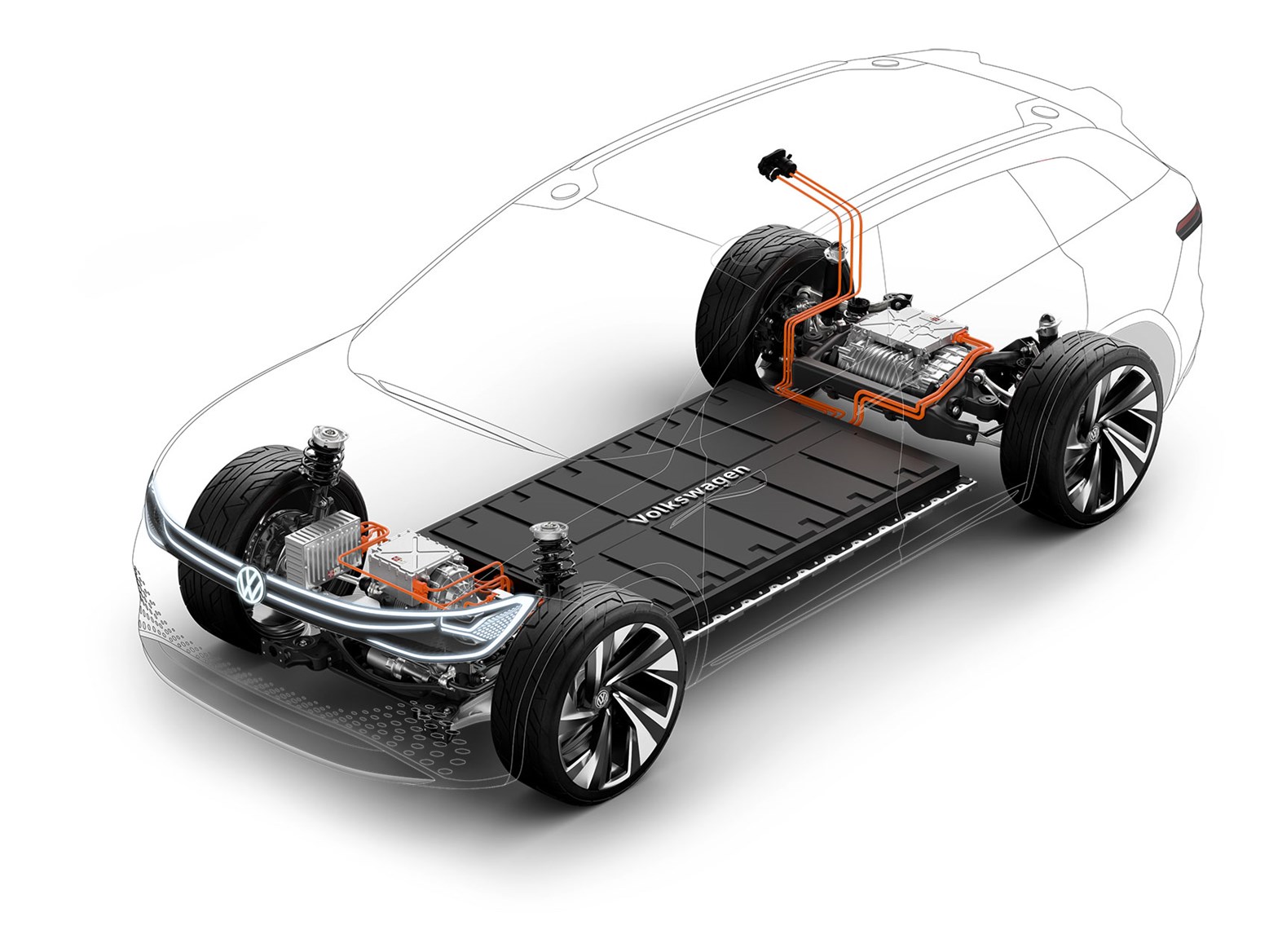
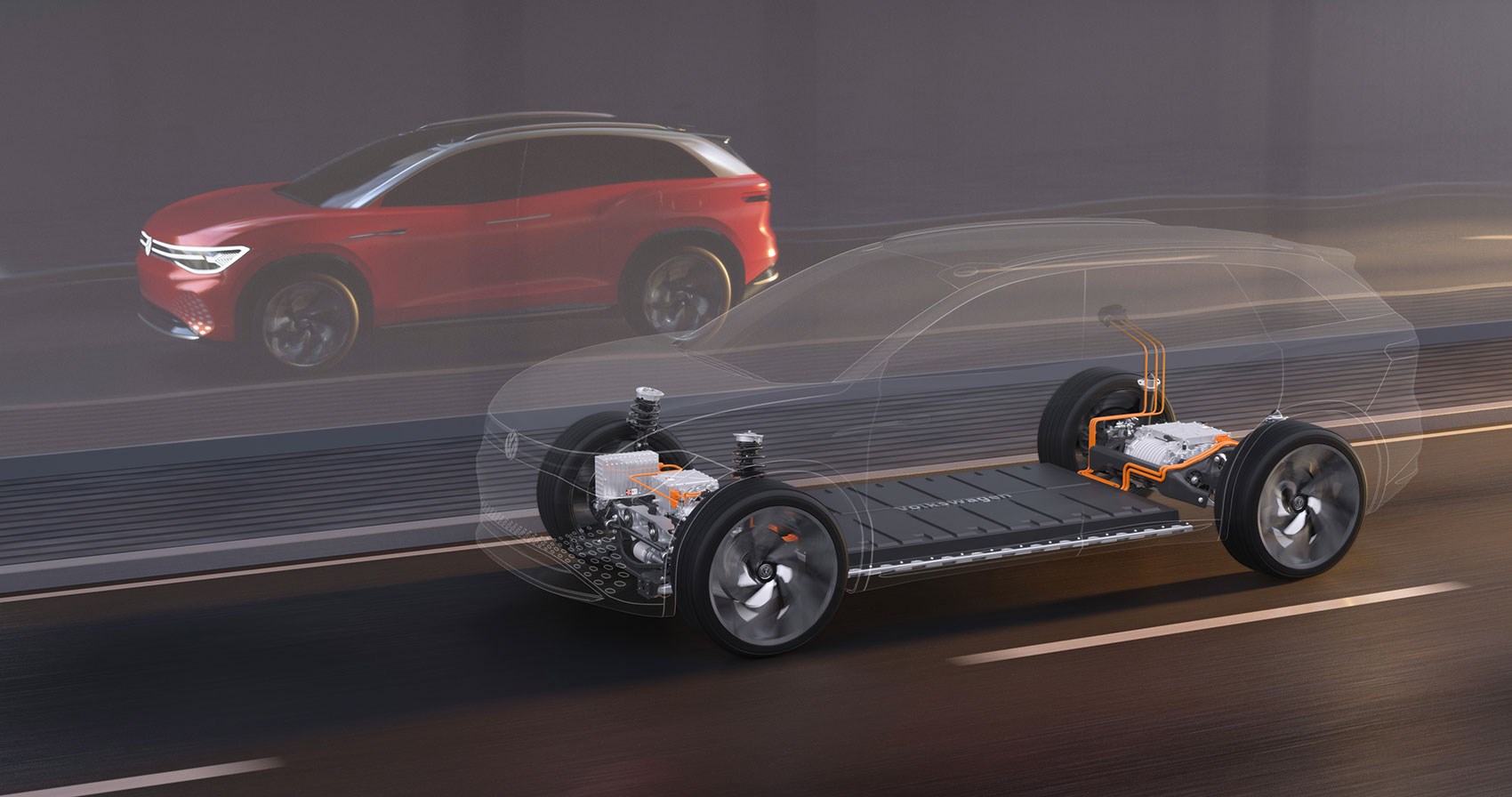
The new VW ID Roomzz is based on Wolfsburg’s new soon-to-be-ubiquitous MEB modular electric architecture – the backbone of most of the first tranche of EVs emerging from VW, Seat, Skoda and Audi in the mainstream branch of Volkswagen’s sprawling empire.
“The ID Roomzz shows us what we can expect from full-size electric SUVs in the future,” said VW design boss Klaus Bischoff. “The puristic look emphasises the clear function and the user experience is intuitive and natural.”
Look no further than the new AppleSkin artificial leather, which contains a fifth vegetable matter. The seats themselves have three different modes: they can be configured in the following layouts:
– ID Drive mode Normal front-facing configuration for regular driving
– ID Pilot mode All seats rotate 25deg towards each other for a more social space
– ID Pilot Relax mode Each seat can be fully adjusted individually
The idea being that the cabin layout can be adjusted to match the driving mode of the car. When in full Level 4 autonomous setting, the seats can swivel to a two-facing-two mode – perfect for a family game of cards or business meeting on the fly.
The concept car is a four-seater with a glass roof. But VW admits the production version will be offered with three rows of seats as a seven-seater. For this concept iteration of the VW ID Roomzz, those electric chairs pivot outwards to make it easier to climb in or out.
VW ID Roomzz tech specs, battery range, performance and more
The new ID Roomzz is a powerful crossover, with two electric motors: the front axle is powered by a 75kW motor, while the rear axle boasts an output of 150kW. Under normal driving conditions, it’s rear-wheel-drive but the front wheels come to life under full throttle or if slip is detected, activating all-wheel-drive 4Motion mode.
With 225kW in total, this large car is impressively fleet of foot. Volkswagen quotes 0-100km/h in 6.6sec and top speed is capped at 180km/h (the limit that’s likely to spread like wildfire across most cars; Volvo has already committed to it across its range).
Of rather more interest, the lithium-ion battery pack has an 82kWh capacity, which brings 450km range on the latest European WLTP combined cycle. VW says the ID Roomzz can charge at up to 150kW DC; on rapid charge, that means the battery can be topped up to 80% in around half an hour.
Augmented reality: head-up displays go high-tech
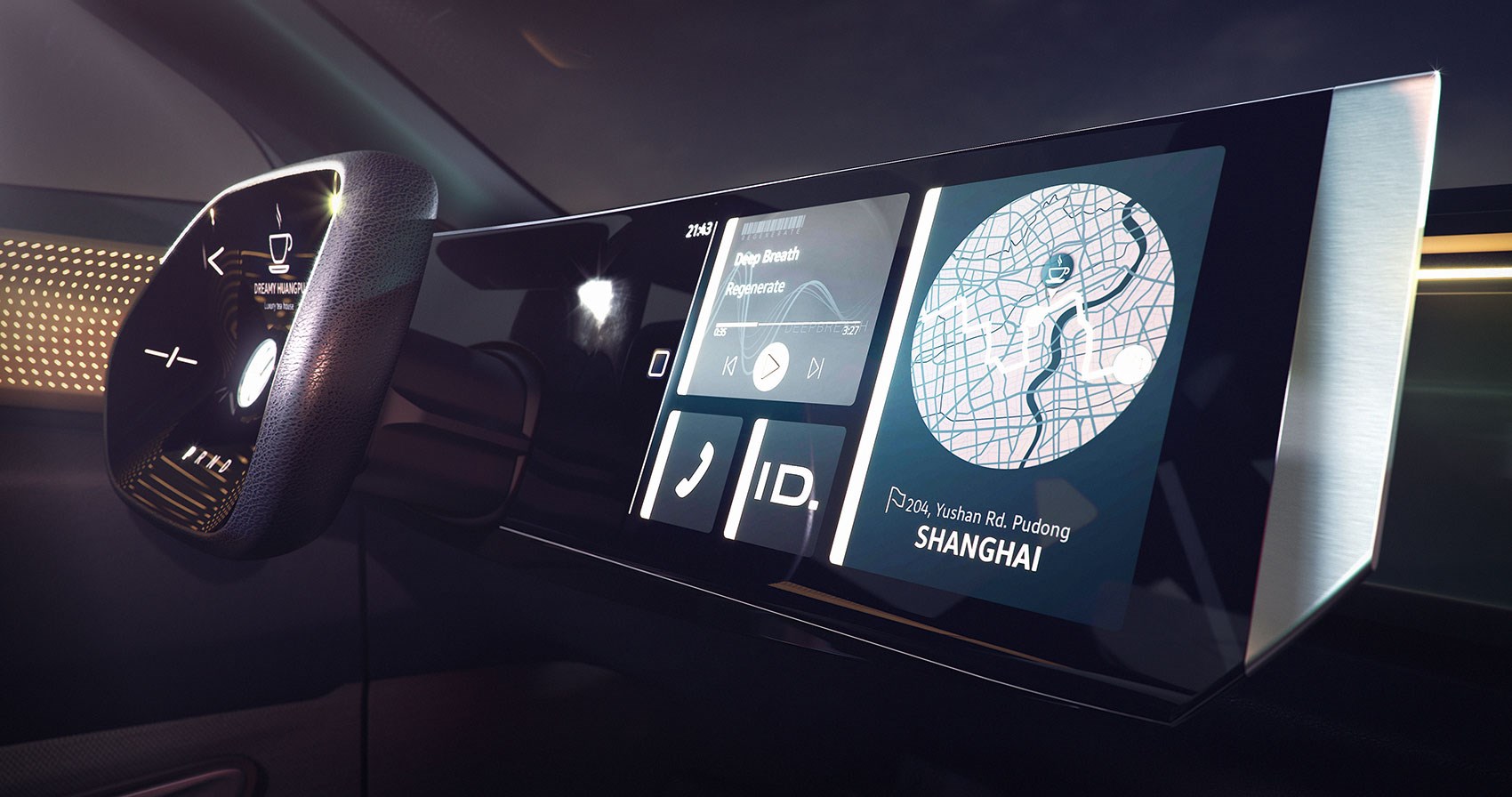
Note also the latest augmented reality (AR) tech which beams nav instructions and other notifications on to the head up display in front of the driver. They’re super-imposed on the view ahead, with arrows indicating the direction of travel, a bit like the latest Mercedes-Benz MBUX system.
We’re meeting the ID Roomzz’s makers in China in the coming days; come back for more first-hand detail soon.
And that ID Roomzz name?
Ah yes. What can we say? Wolfsburg is working the ID family tree hard and the youthful name is just one of those cringe-worthy badges we’ll have to accept for now and hope doesn’t make it to production…
Like all the other VW ID family members, this electric car is based on the group’s important new MEB EV car architecture. It’s the sixth battery-powered car shown so far, following in the silent tyre tracks of the ID, ID Crozz, ID Buzz, ID Vizzion and the ID Buggy.
There’ll soon be an electric Volkswagen for nearly every conceivable niche…
Bit of a mouthful, this one: this is the new, heavily autonomous Audi AI:me electric vehicle, being shown at the 2019 Shanghai motor show this week. And if you ever wondered if Audi could launch a city car below the A1, this is it.
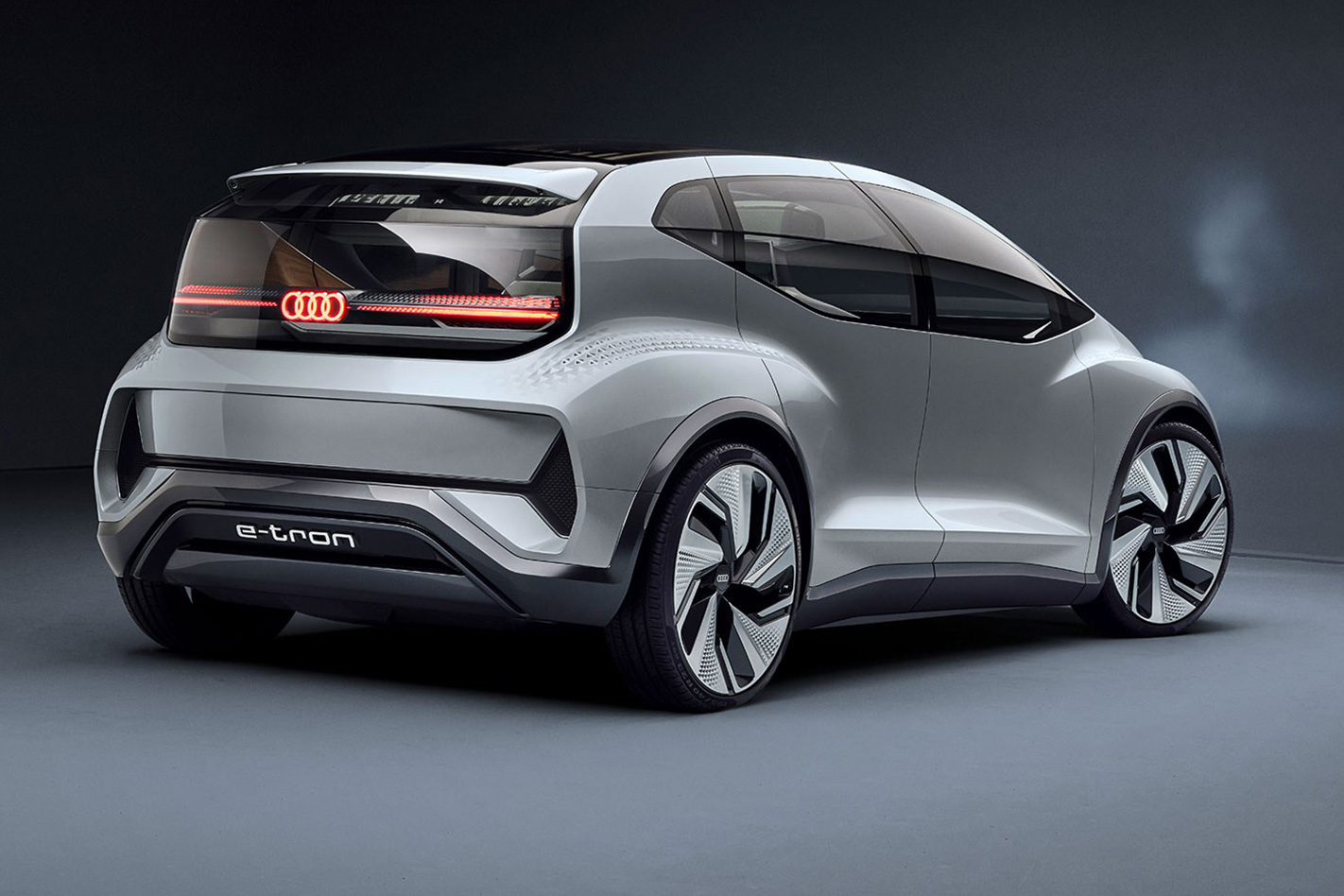
This squat urban runabout is the most stylish small Audi we’ve seen since the original A2. It’s a four-seater that’s designed to conquer megacities such as the Chinese sprawl of its launchpad.
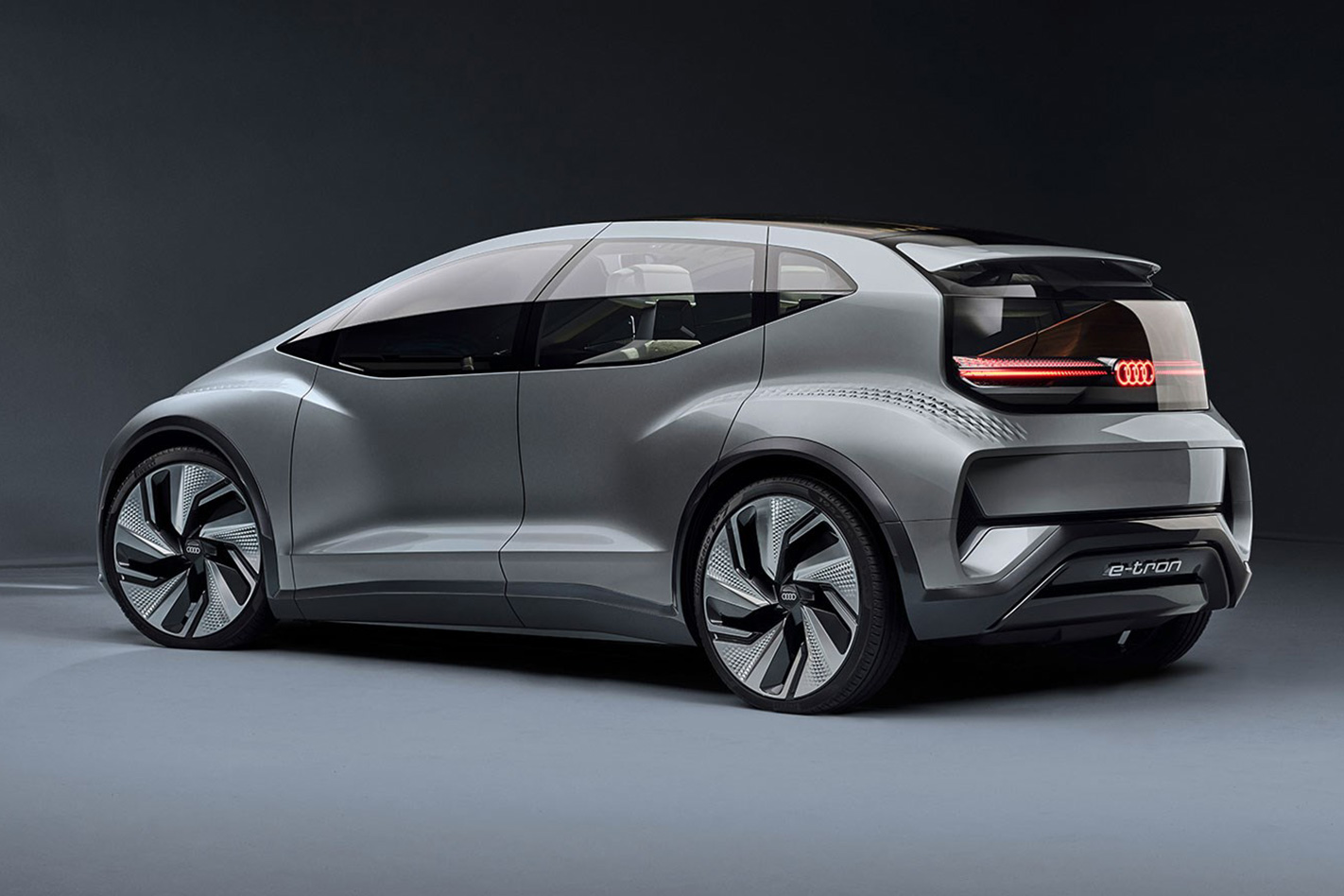
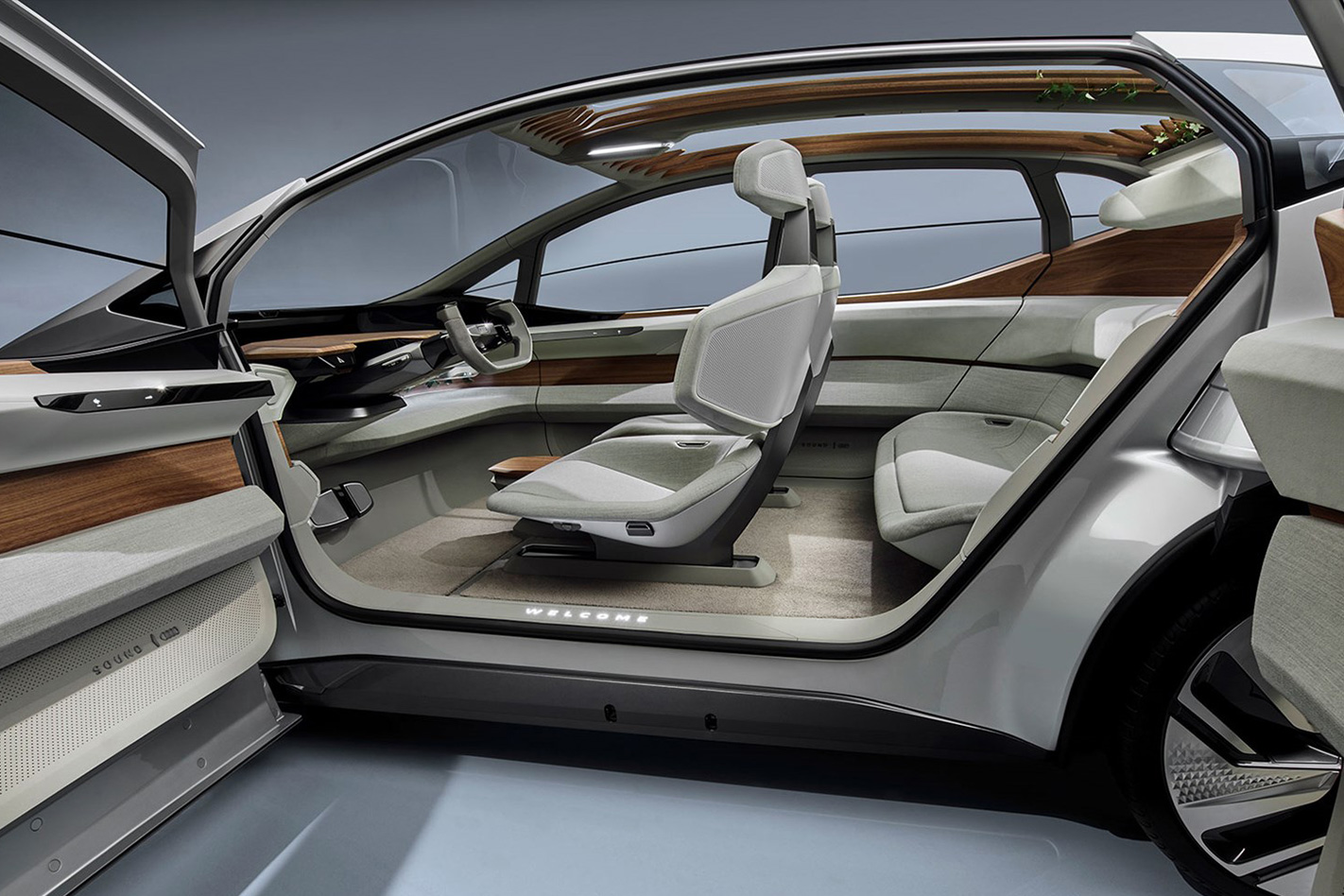
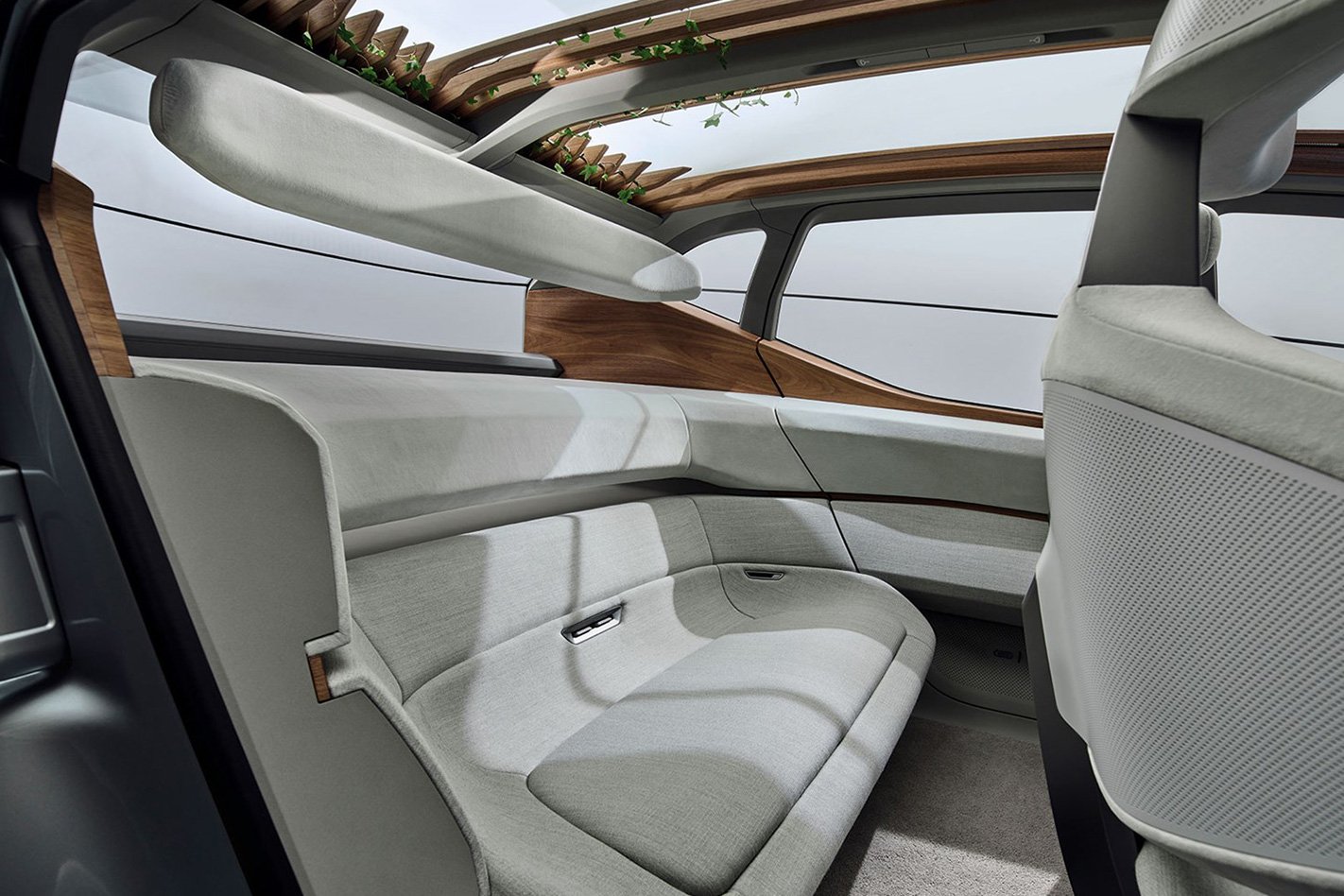
At just 4.3m long, it’s winningly compact, yet is designed to accommodate four in comfort, with plenty of luggage and even plants fitted in the rear bench (see above) to reconnect city dwellers with nature and purify the air they breathe. Yes, really.
She’s electric, obviously…
A 125kW electric motor is fitted at the rear axle and it’s fed by a 65kWh lithium-ion battery, sufficient, says Audi, for hours of driving at typical urban speeds of between 19-70km/h.
It’s level 4 autonomous, meaning it can drive itself in carefully proscribed areas, and it’s dripping with machine learning and artificial intelligence to help it do so (hence the AI of its nameplate).
We’ll be speaking to the makers of the Audi AI:Me at the Shanghai show, so stay tuned for more detail on this mini marvel in the coming hours.
Audi on the AI:Me
It’s an ‘automated driving compact car for the megacities of tomorrow,’ says Audi. Which explains why it’s being shown in the booming Chinese city, where this kind of vehicle could feasibly become a reality in the coming years, according to Ingolstadt’s crystal balls. The AI:me has ‘capability for level 4 automated driving,’ which means hands-off piloting around town in geofenced areas.
Sounds to us a bit like a lower-slung BMW i3 rival taken to the next level.
This is a ‘new design study,’ code for a concept car which is used to gauge (and influence) public perception, as well as nudge internal strategies.
Three early design sketches (above) show a monobox design with wheels stretched far into each corner for a planted, sporty stance; a huge sweeping, canopy/cockpit-style windscreen swoops over an interior designed in the style of an informal lounge.
Machine learning, AI and Audi
This concept car is designed to showcase Audi’s budding skills in AI, or artificial intelligence, or machine learning. That name is surely no coincidence (and also spells French for love).
Expect to learn how the car maker’s all-seeing, all-comprehending sensors and algorithms will make sense of the world around them to pilot this petite four-seater around our increasingly crowded cities.
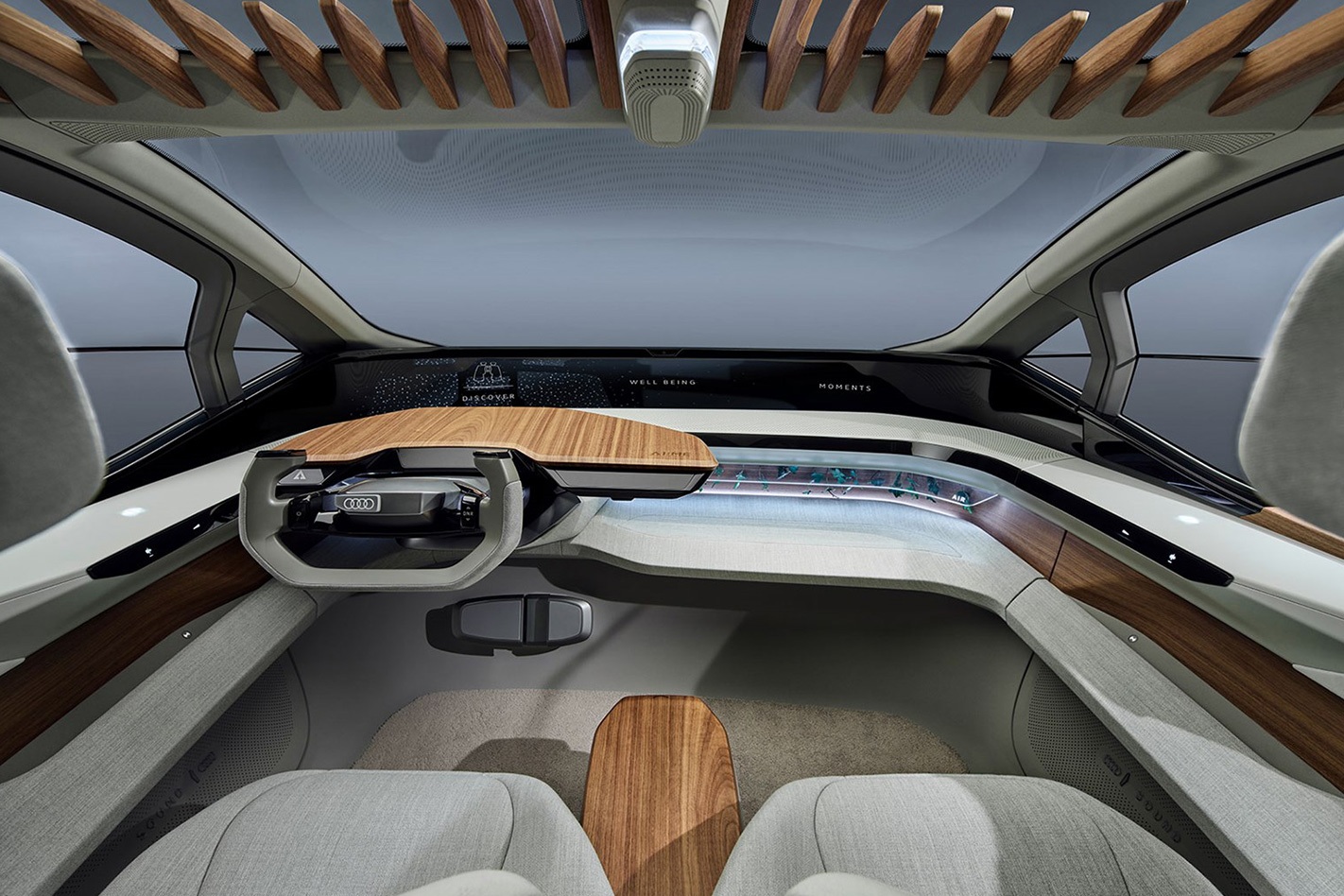
Audi AI:me interior and touchscreens for buttons
The interior is rather fabulous on this first evidence. It shows a truncated steering wheel more akin to a computer game helm (note the nifty gear selector for Drive, Neutral and Reverse as a simple thumb-wheel on the right-hand spoke). Plus the simple clear-black display acting as a volume control on the driver’s door.
Buttons are verboten and there’s a head-up display beaming most info a driver needs on to the screen ahead, with read-outs for traditional instruments but also wellbeing and occupant health. How very 2019.
The return of the Mazda 3 is shaping up to be one of the biggest car launches of the year for Australia, let alone Mazda themselves. But ahead of punters seeing the all-new hatchback in the flesh, we’ve assembled all the locally-produced photos we could find for you to pore over.
We’ve already spent some seat time in the new Mazda 3 and managed to pit it against the Volkswagen Golf small hatch benchmark.
See a full suite of images of the 2019 Mazda 3 hatchback in the gallery above.
For more information surrounding the release of the ever-popular Mazda 3, check out the content below:
2019 Mazda 3 pricing and specification revealed
2019 Mazda 3: everything you need to know
2019 Wheels Magazine Mazda 3 Review
We’ve seen Ken Block build many excellent drift machines for his Gymkhana series, but now someone’s taken a Block car and built it with… er, blocks. Enter the Lego Mustang Hoonicorn V2, built by Lachlan Cameron.
It’s incredibly accurate, or as accurate as a Lego model can be at that size, and is powered by electric motors to actually function as an AWD car.
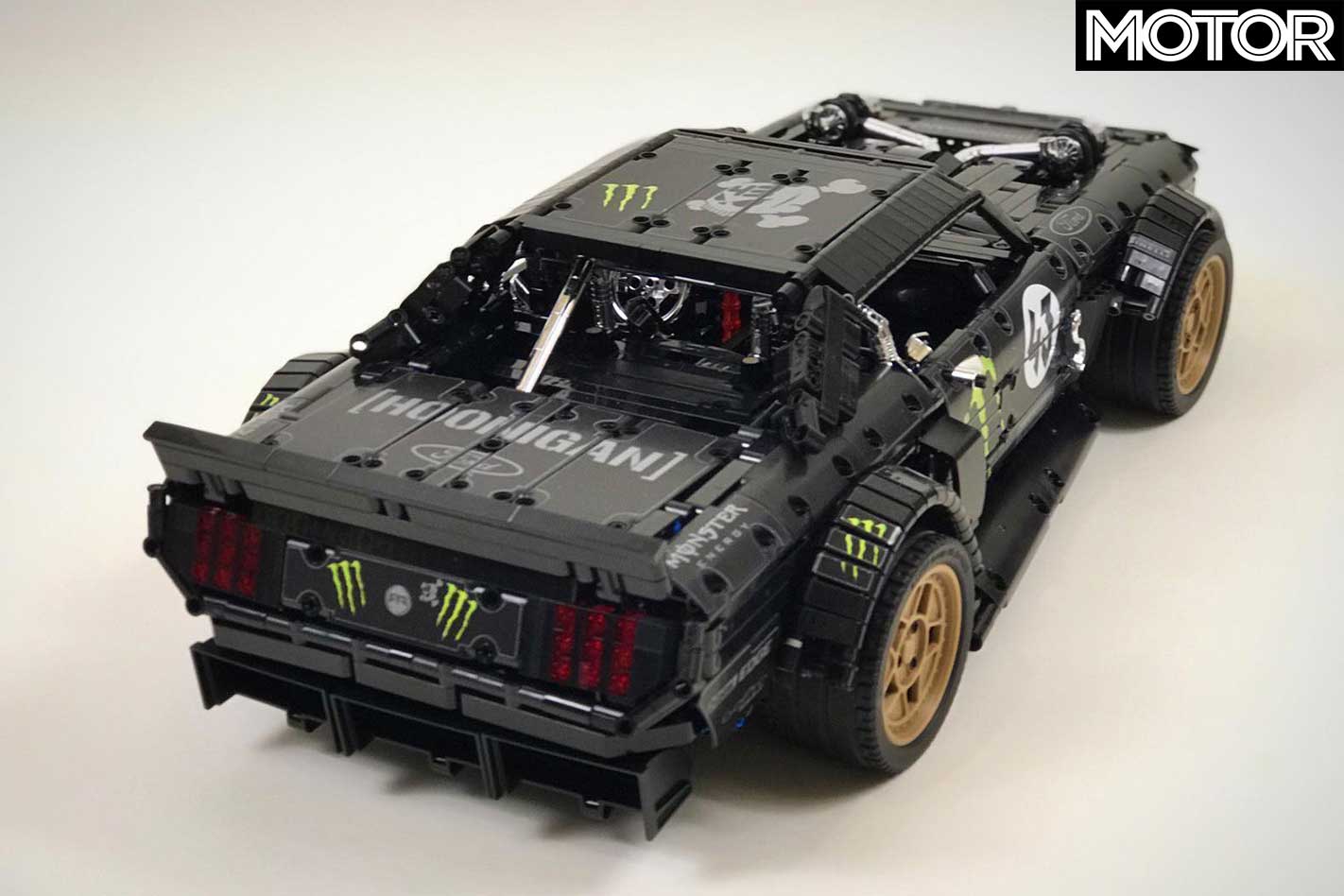
Using two remote-control BuWizz batteries designed for Lego models, the Hoonicorn can be controlled from a mobile phone app and even has functional steering.
Block himself was so impressed with it he even shared it across his own social media accounts, drawing plenty of attention and a strong ‘shut up and take my money’ sentiment.
Fortunately, the model’s designer Lachlan Cameron created a set of instructions and list of Lego parts needed to build your own.
Rather than submit his idea to the Lego Ideas website, Cameron has decided to monetise his creativity by selling PDF copies of the instructions.
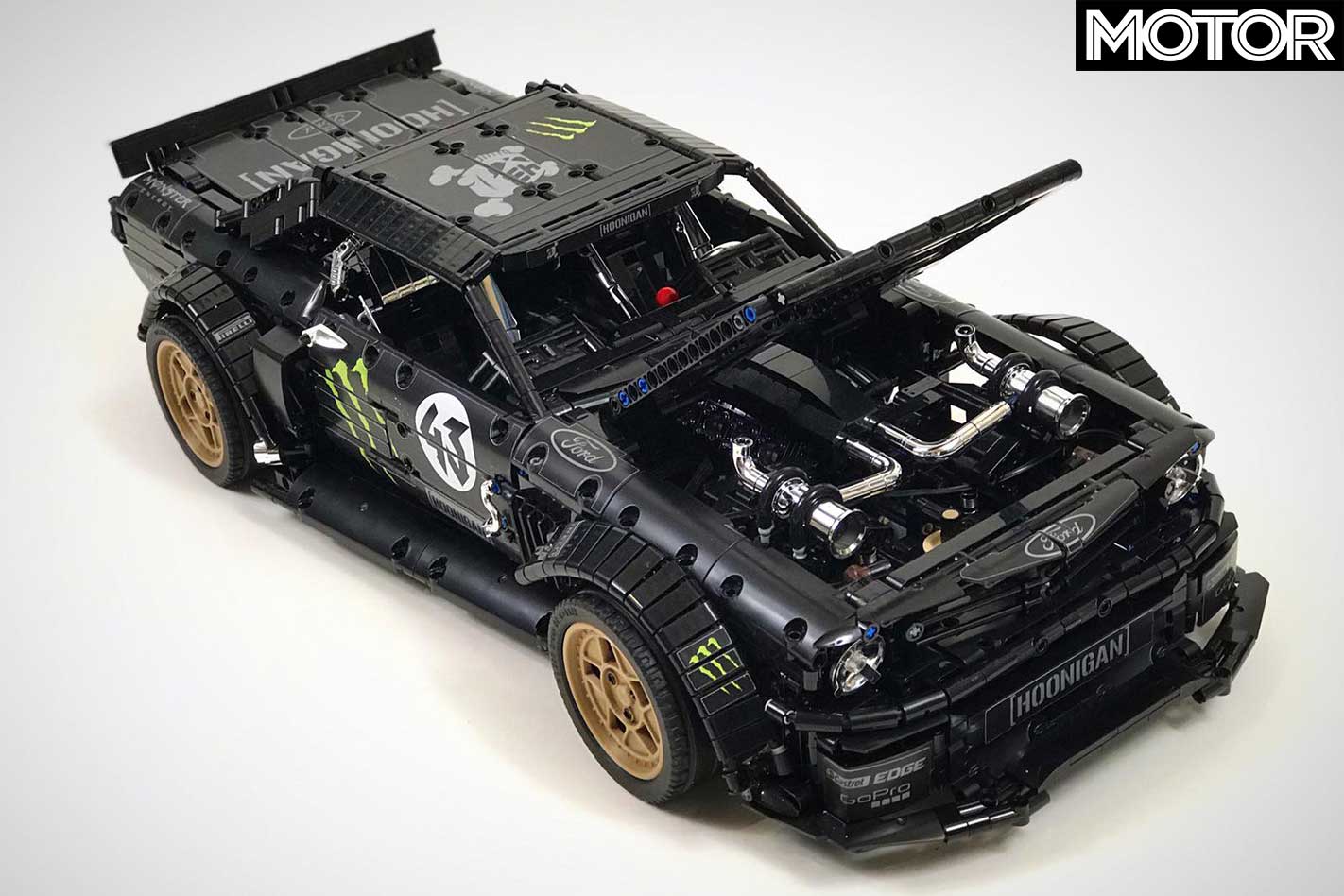
“This model RC Technic MOC [My Own Creation] comes loaded with options,” he says.
“Red shifter switches high/low speed, 4WD, V8, working steering wheel and steering, opening hood trunk doors, eight lights, brand new on-board suspension, single spring without torsion bar… chrome all over.”
He even did a side-by side comparison with images of the real car and his model to prove its accuracy.
https://www.instagram.com/p/Bu1Blv-njYE/?utm_source=ig_embed&utm_medium=loading
If you want to check out Lachlan Cameron’s Lego Hoonicorn creation, and even have a go at building your own (that’ll cost you!) you can buy instructions at his Sellfy online store or his Rebrickable account
BMW is edging closer to launching its new 1 Series, marking a departure of the last rear-wheel-drive straight-six contender in the segment
Spied in the metal by Bimmerfile, the upcoming M135i flagship hot hatch will also see a change in name hierarchy from the M140i-badged F20 currently on sale.
BMW’s new hatch is reported to be available only in five-door body style, and will be produced on a modified version of the UKL platform named FAAR. The biggest change will likely be the move from rear- to front-wheel-drive layout for base variants and a modified version of the xDrive all-wheel-drive system for sportier models such as this M135i.
The hot hatch also gets another big hit, losing its syrupy straight-six turbo engine for a tuned up version of the four-cylinder turbo B48, codenamed ‘B48A20T1’. Specifically, the crankshaft has been reinforced with larger main bearings, while the compression ratio has been reduced to turn up boost pressure. The result is an output of 225kW at 5000-6250rpm and 450Nm from 1750-4500rpm, down 25kW and 100Nm on the M140i. It essentially reads as a hatchback version of the new X2 M35i crossover to challenge rivals such as the Audi S3, Mercedes-AMG A35 and Volkswagen Golf R.
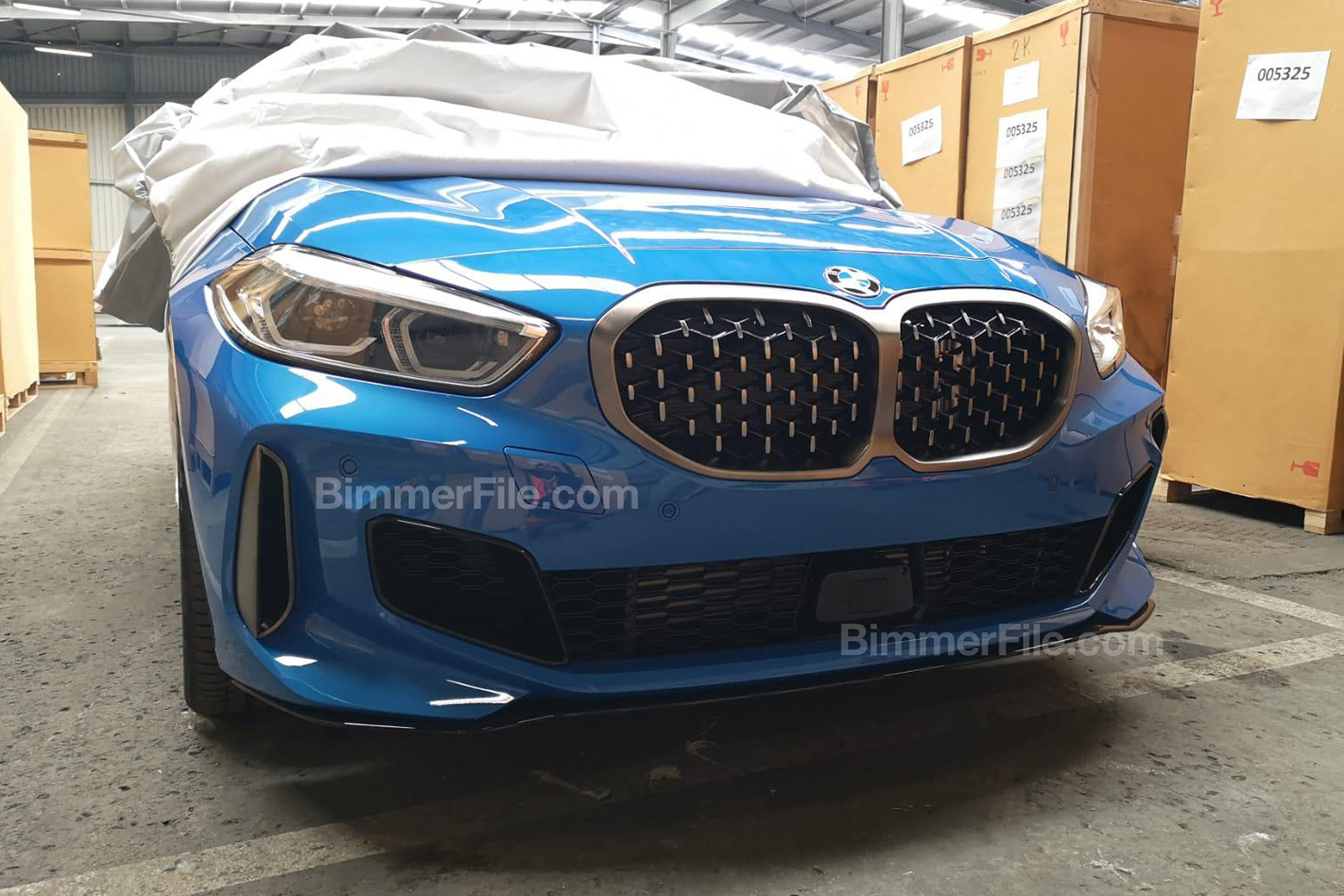
This particular model will also see an end to the six-speed manual transmission. It will be available with only a Japanese-supplied Aisin and not the traditional German-made ZF eight-speed automatic. However, the new transmission is reported to have been specially tuned for the M135i’s move to all-wheel drive, incorporating a front-axle M Sport differential that can apply up to 39 percent lock and coordinate with new slip mitigation technology known as ARB.
ARB takes learnings from BMW’s i3s electric vehicle, which uses a motor-integrated control system to prevent wheel spin and undesirable characteristics such as oversteer. Processing wheel slip and engine torque three times faster than a traditional ECU traction control system, ARB will reportedly remove understeer in all 1 Series variants.
Bimmerfest says that its sources claim the new model will be faster than the M140i around the gruelling Nürburgring Nordschleife circuit, which should put a cork in the mouth of doubters who suspect that the smaller engine won’t live up to standard. It’s hard to see, though, how it will match the enjoyment of that strong six-cylinder engine with a slick six-speed manual transmission feeding power to the rear wheels. BMW Australia says there is still M140i stock in dealers, representing the last of the rear-wheel-drive hot hatches to come out of Germany.
The new 1 Series is tipped to make its official public debut at the Frankfurt motor show in September.
For pet owners, there is something really special about being able to take your furry friend with you on the road, especially during the holidays when they get to spend the most time with the family. Keeping dogs entertained, calm and safe in a car is one thing, but also protecting your car from fur, muddy paws and drool is another.
So whether you’re travelling with a pet during the holidays, taking a road trip or enjoying a daily ride to the dog park, here are nine of the best and most practical dog-friendly car accessories, including the best buys to prevent your dog from jumping into the cabin and what you can do to help prevent travel anxiety on long journeys.
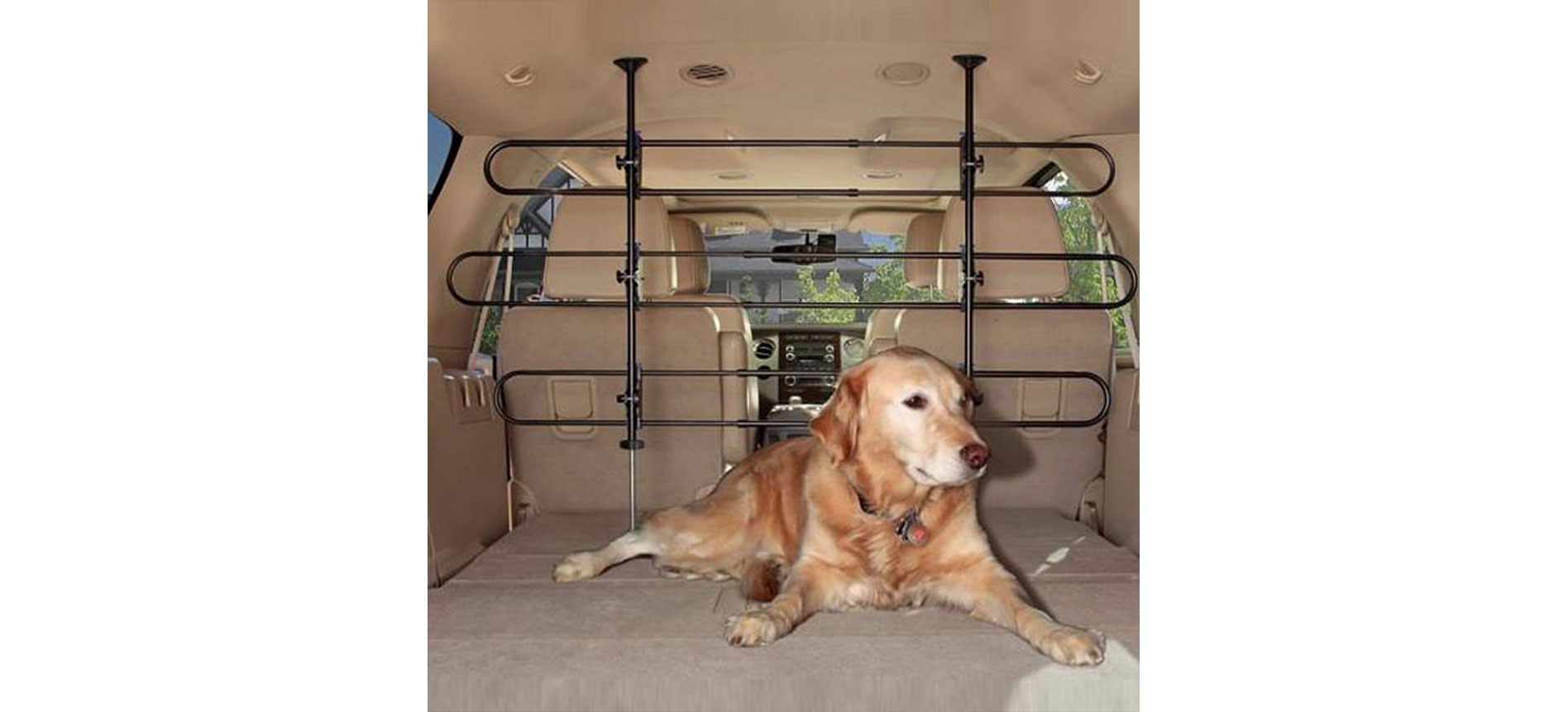
Backseat Barrier Prevent excitable pups from jumping into the cabin or distracting those in the front seat with one of these easy-to-install tubular barriers. Quick Connect Tubular Car Barrier, $149.95, worldforpets.com.au
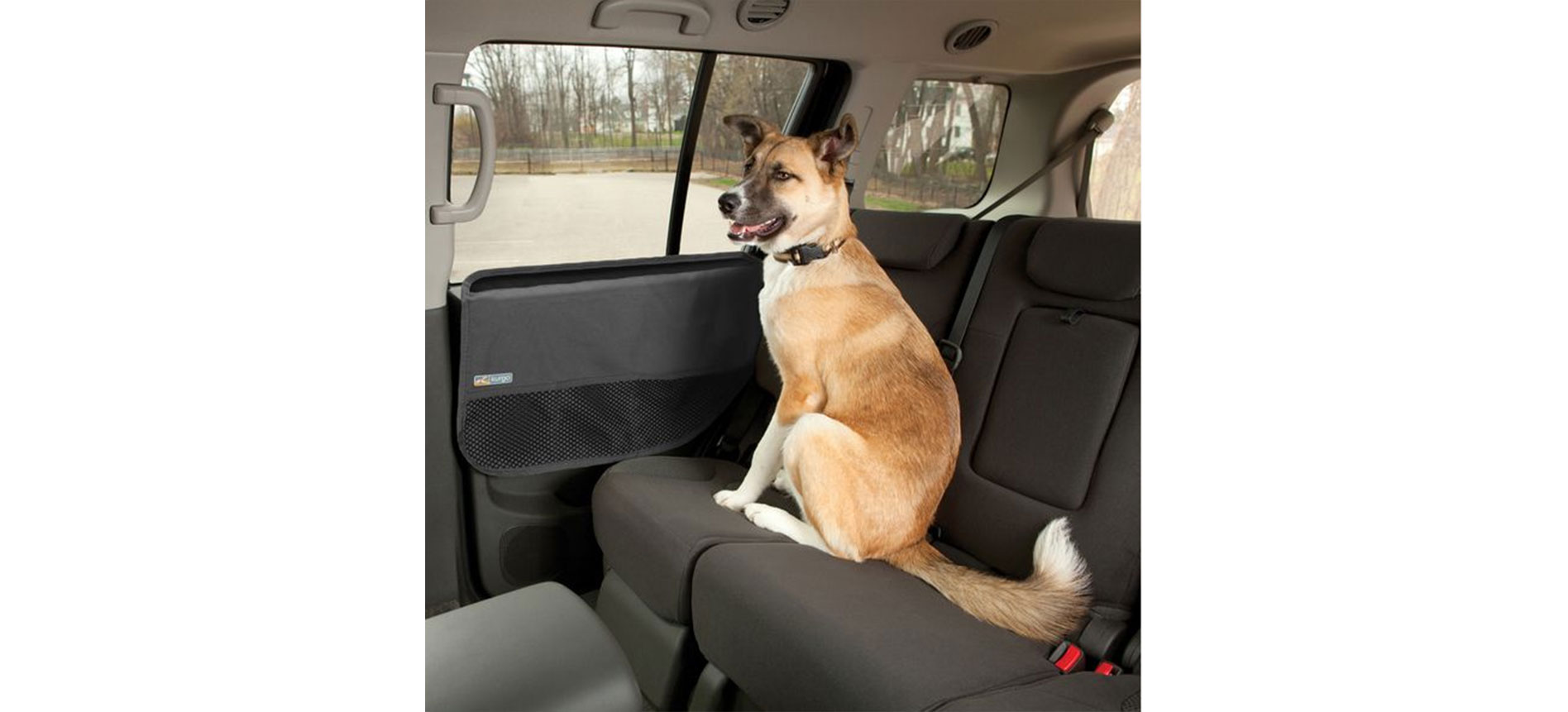
Car Door Guards Calling all drooly bois: If your dog leaves a trail of paw prints or drool marks down the side of your door, you’ll be thankful for a pair of these. Car Door Guards, $45.95, worldforpets.com.au
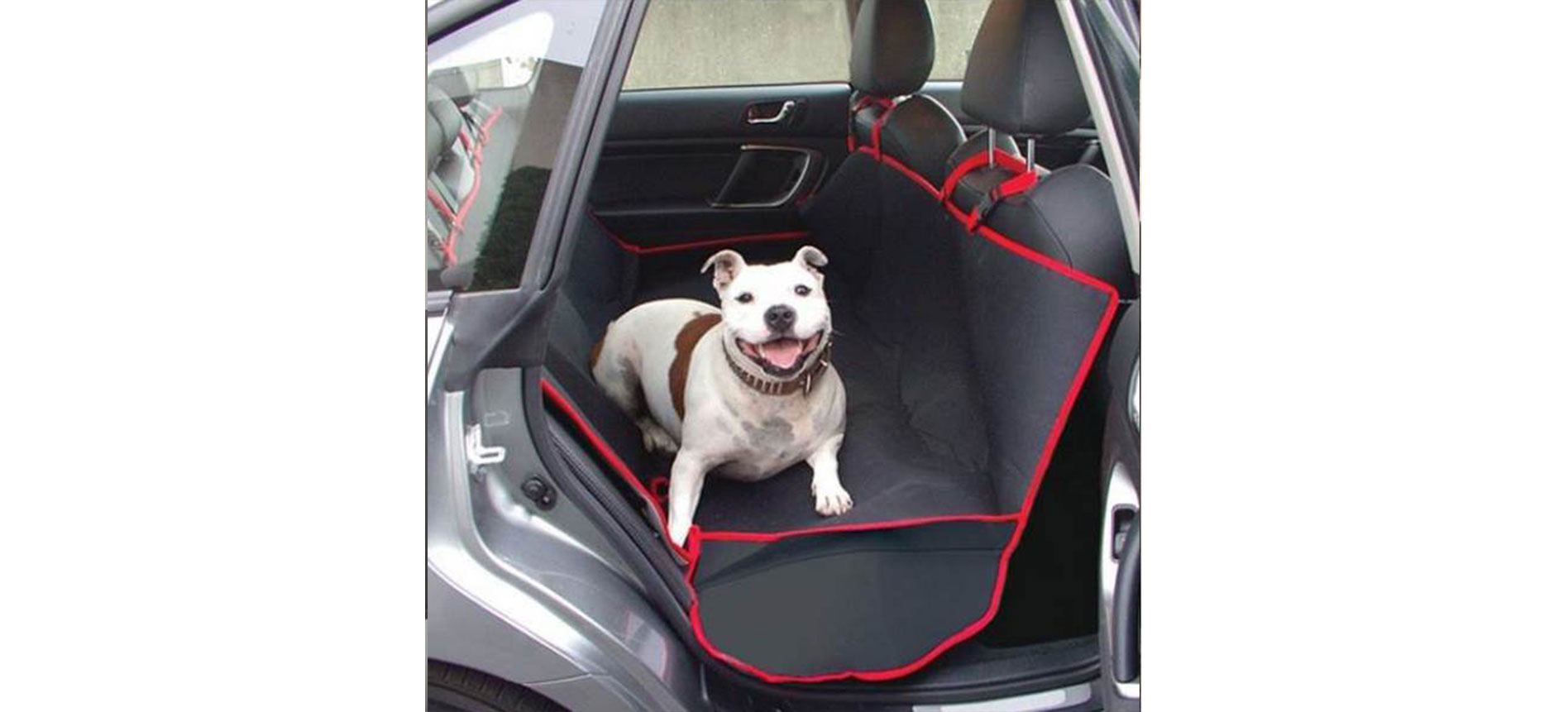
Waterproof Seat Cover With slots for seat belts and side protection, this waterproof hammock-style seat cover will protect your precious upholstery from fur, sand and muddy paws. Waterproof Hammock Pet Car Seat Cover, $39.95, dogculture.com.au
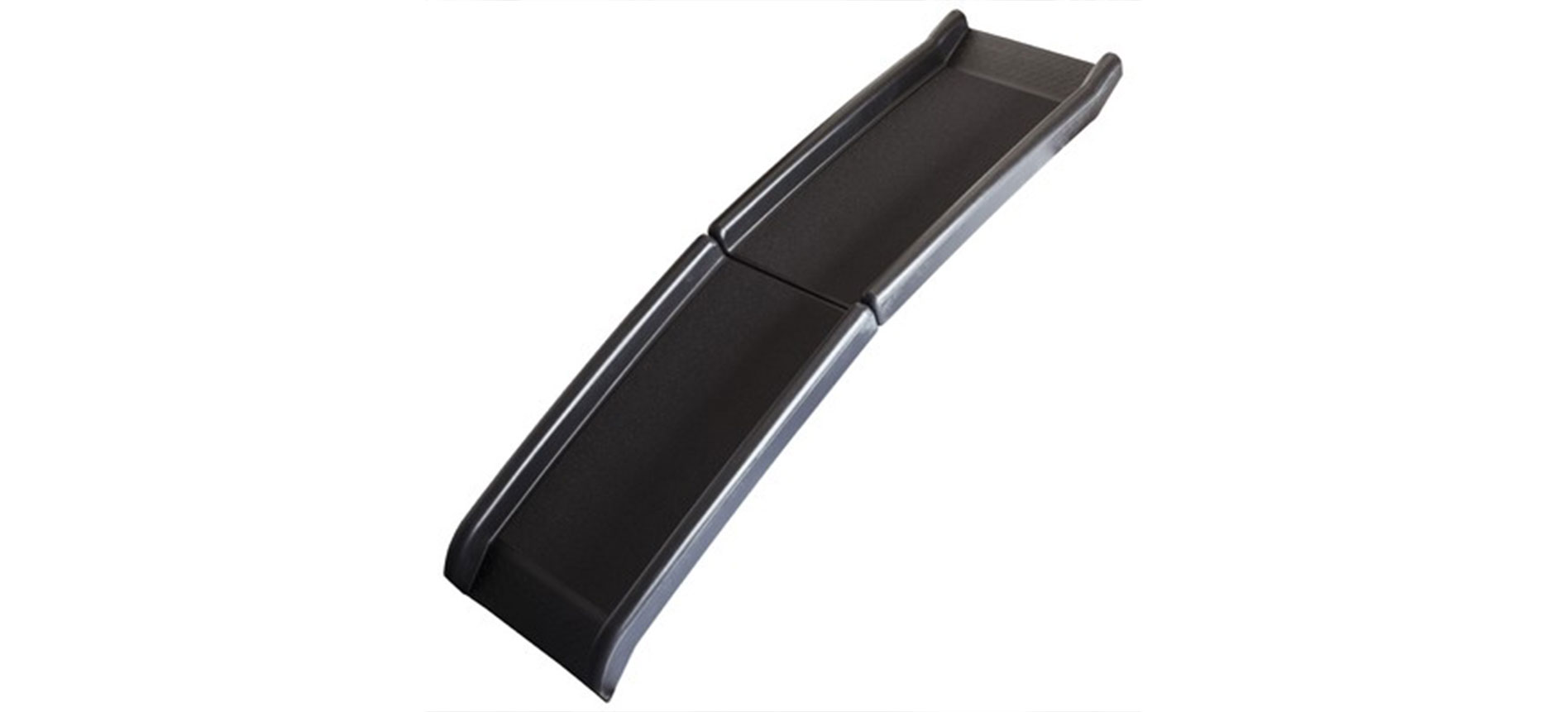
Dog Car Ramp Made for older pups, those with limited mobility or the vertically challenged who can’t jump high enough to get into their owner’s car, this non-slip ramp folds in half and can be used in any size vehicle. All for Paws Travel Dog Car Ramp, $169.99, mypetwarehouse.com.au
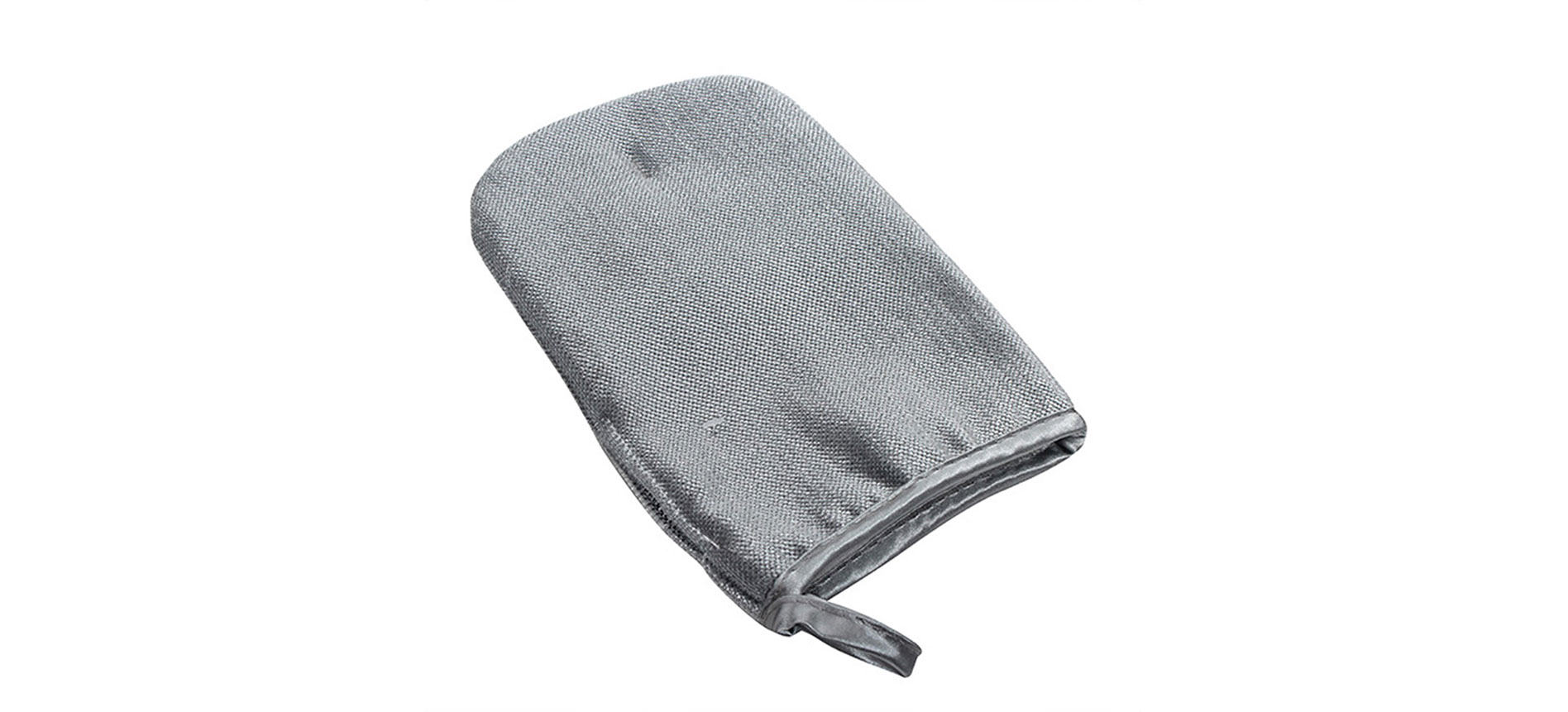
Pet hair removal glove This handy glove will remove pet hair from most fabrics, including seat upholstery, fabric-lined boots and clothing. Essential for shedding breeds. Mr Clean Pet Hair and Upholstery Cleaning Mitt, $8.30, Bunnings.com.au
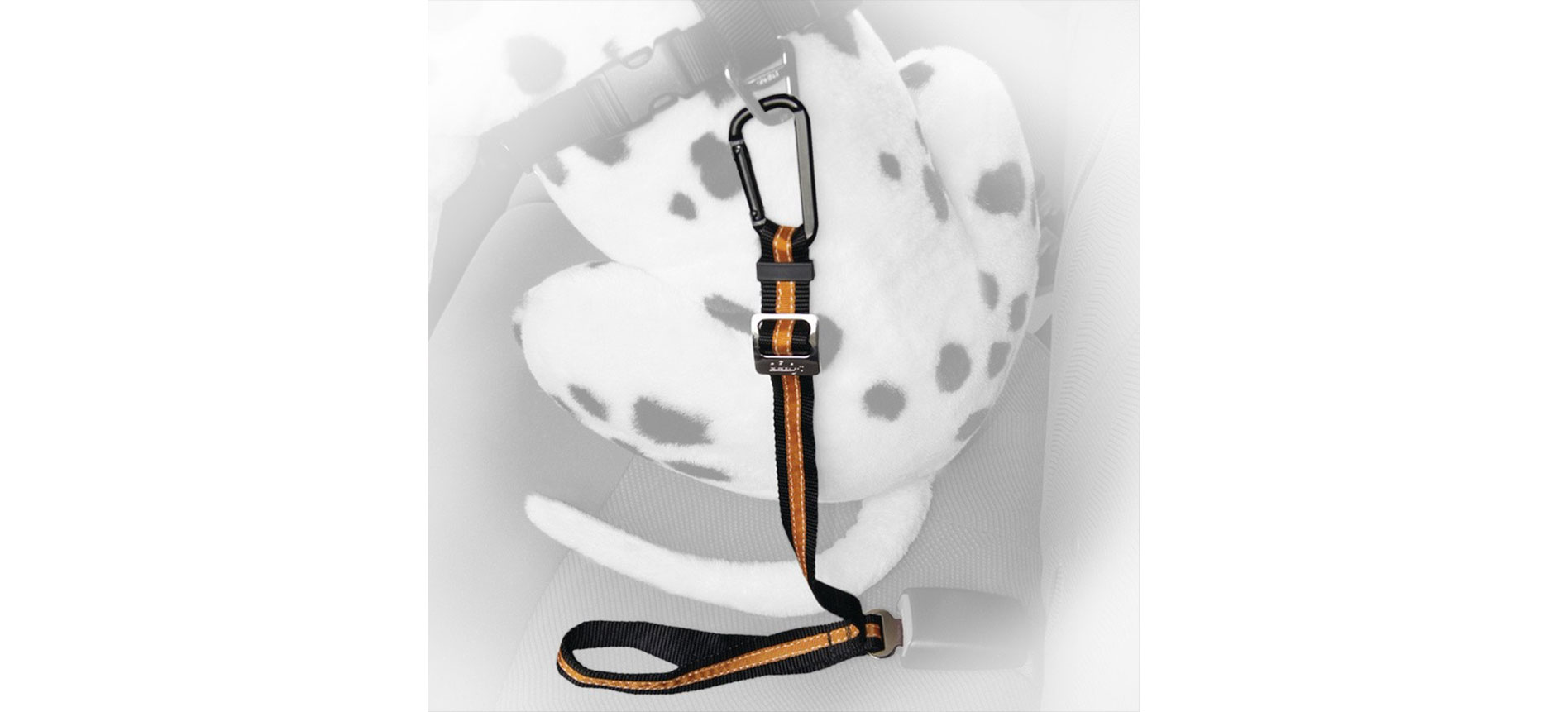
Seat Belt Safety Clip You wouldn’t ride around with your kids unbuckled, so why put your furry friend at risk? This seat belt harness keeps your dog safe and secure and simply clicks into existing seatbelt buckle. Kurgo Director to Seatbelt Tether, $24.99, PetBarn.com.au

Chew Toy Throwing in a tasty chew toy or bone will help tide restless pups over between stops, and may help relieve some anxiety for those who aren’t so crash hot on travel. Tasty Bone Nylon Bone, Lamb Flavour, $31.99, petbarn.com.au
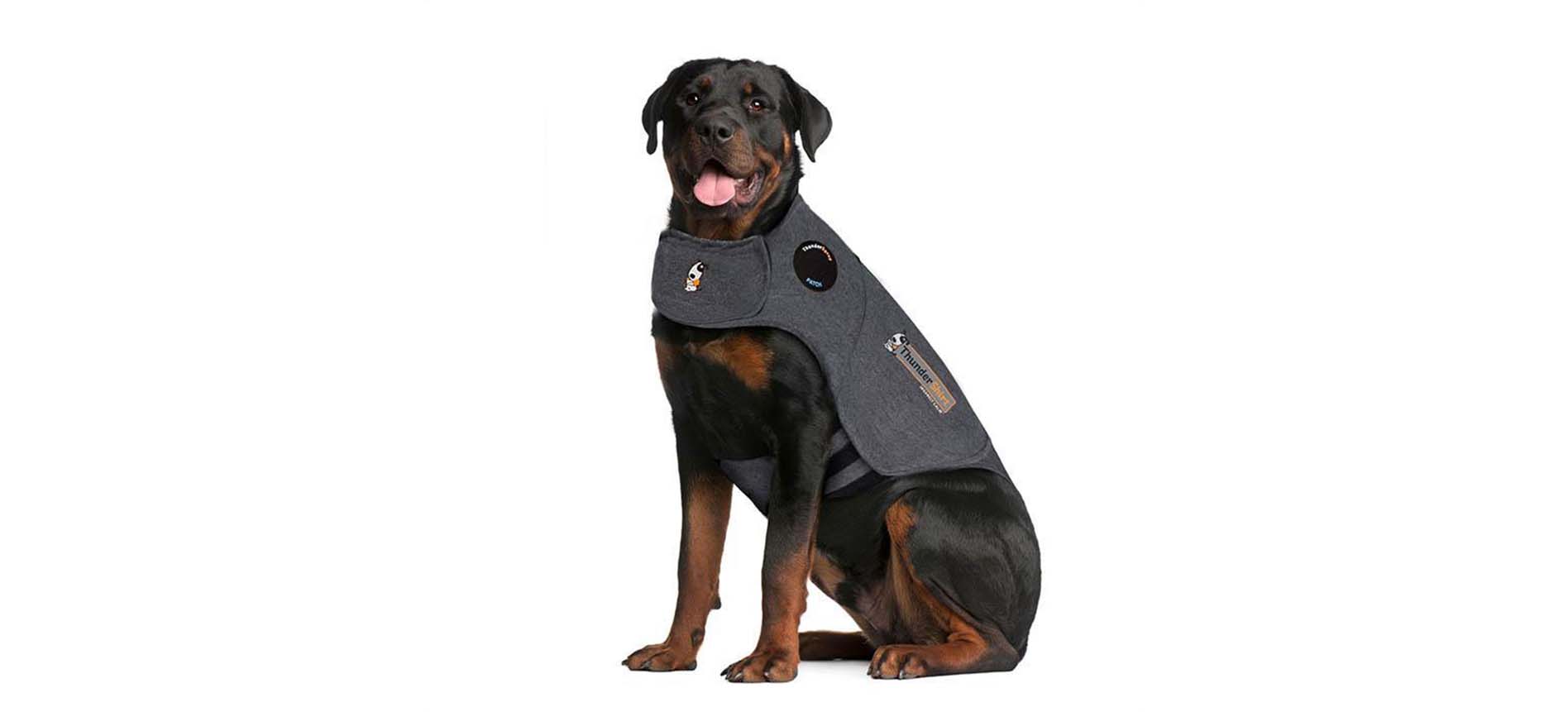
Anti-Anxiety Vest Speaking of anxiety, if your furry pal needs calming to get in the car, consider investing in a ThunderShirt. These all-natural shirts are recommended by vets around the world and act on constant pressure (the company likens it to swaddling an infant..) to help calm stressed-out animals as well as those who might be over-excited when in the car. Thundershirt, From $58.99, thundershirt.com.au
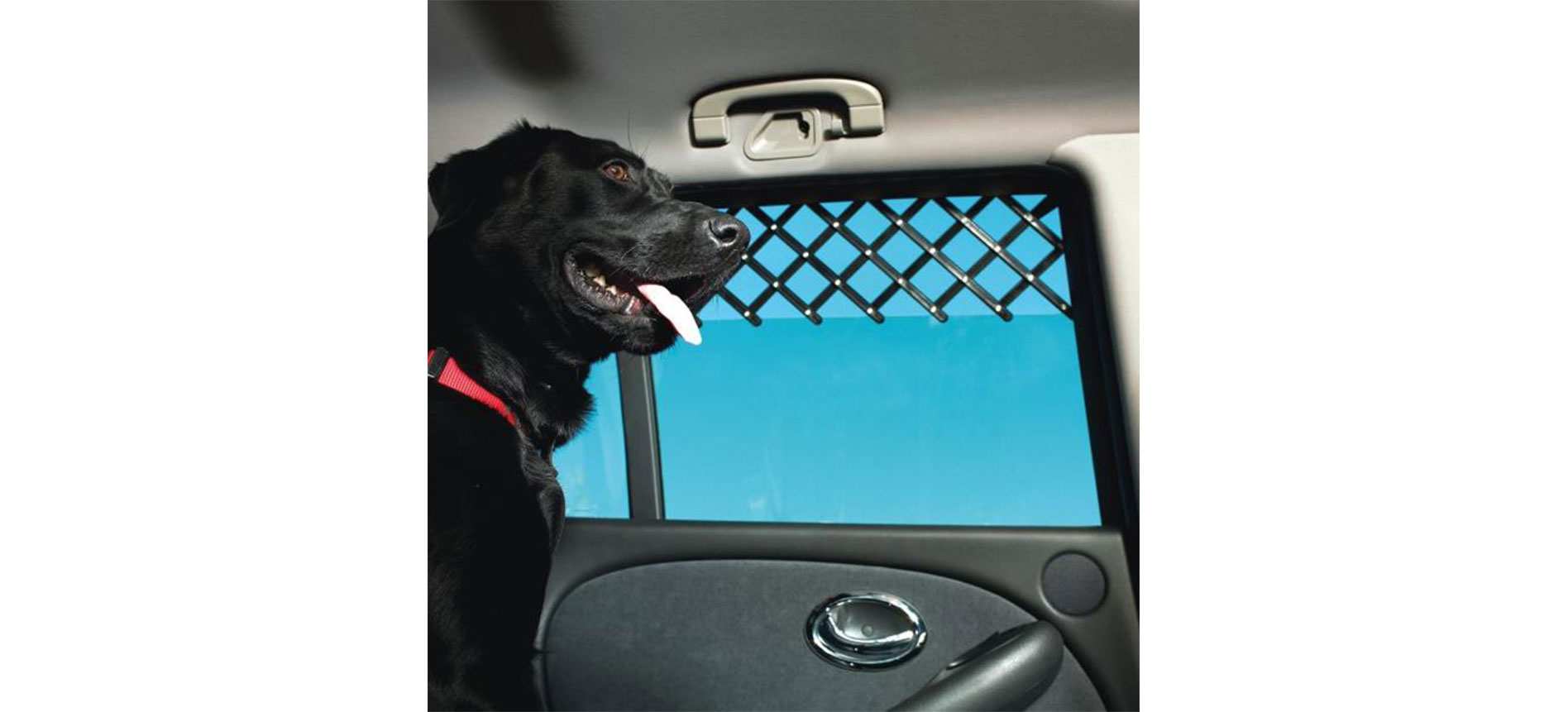
Car Window Vent While having your dog, tongue and all, hanging out the side window is cute, it’s not entirely safe… So keep your pet happy and flapping its ears in the wind with one or two of these expandable window vents which fit most passenger car windows. Mikki Dog Window Guard, $25.50, dogculture.com.au
Chinese SUV maker Haval is embarking on a charm offensive to woo more Australians into considering a Chinese SUV.
The company has commissioned a local advertising firm to create a multi-media marketing campaign to expand its visibility Down Under, even though it has no plans to release a new model here before 2021.
Part of the Great Wall Motor group, Haval sits on the fringes of the local vehicle market with its affordable but ageing range, which includes the uninspiring Haval H6 medium SUV, the H4 crossover and Toyota Prado-rivalling H9 large SUV. The company logged just 633 sales last year in total.
It’s a different story in China, where the company has already become the country’s number-one SUV brand with more than 850,000 sales in 2018, on the back of its vastly improved second-generation medium SUVs including an all-new H6, the F7 and the stunning Wey VV7 premium SUV.
The inexplicable decision not to produce any of these models in right-hand drive, though, means that Haval Australia will have to wait for either the third-generation H6 or second-generation F7 before it can offer anything capable of taking on the likes of the Mazda CX-5 and Toyota RAV4.
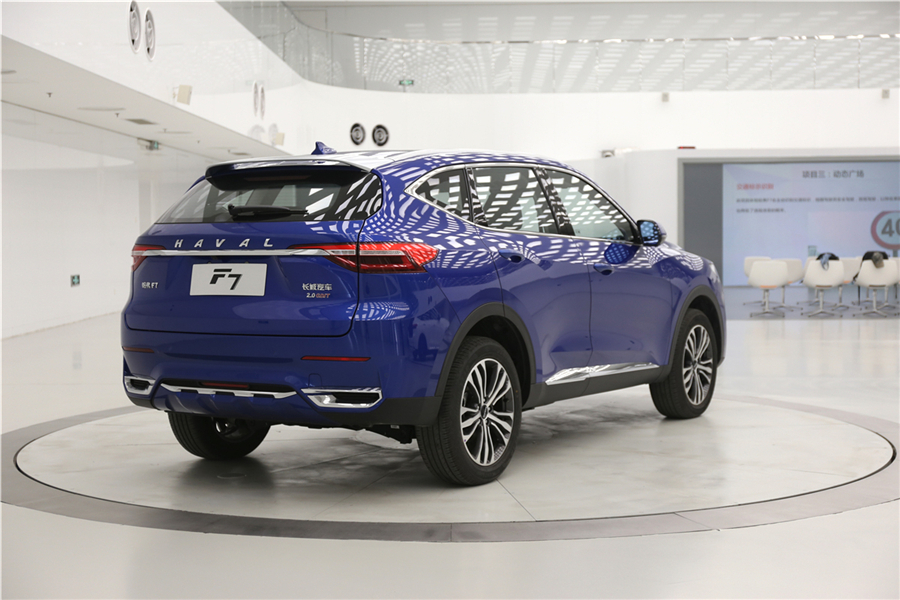
Haval F7
Haval has conceded that won’t happen for at least another two years, with the company still deciding which of the next-gen H6 or F7 will be offered to right-hand-drive markets.
While that seems like a long wait, it does give time for the brand awareness campaign to sink in, allowing Haval Australia to hit the ground running when the first new model finally does arrive.
It also gives sister brand Great Wall Australia an opportunity to market its new ‘Adventure’ dual-cab Ute (below), which is being revealed at the Shanghai motor show this week and is due to arrive in late 2020.
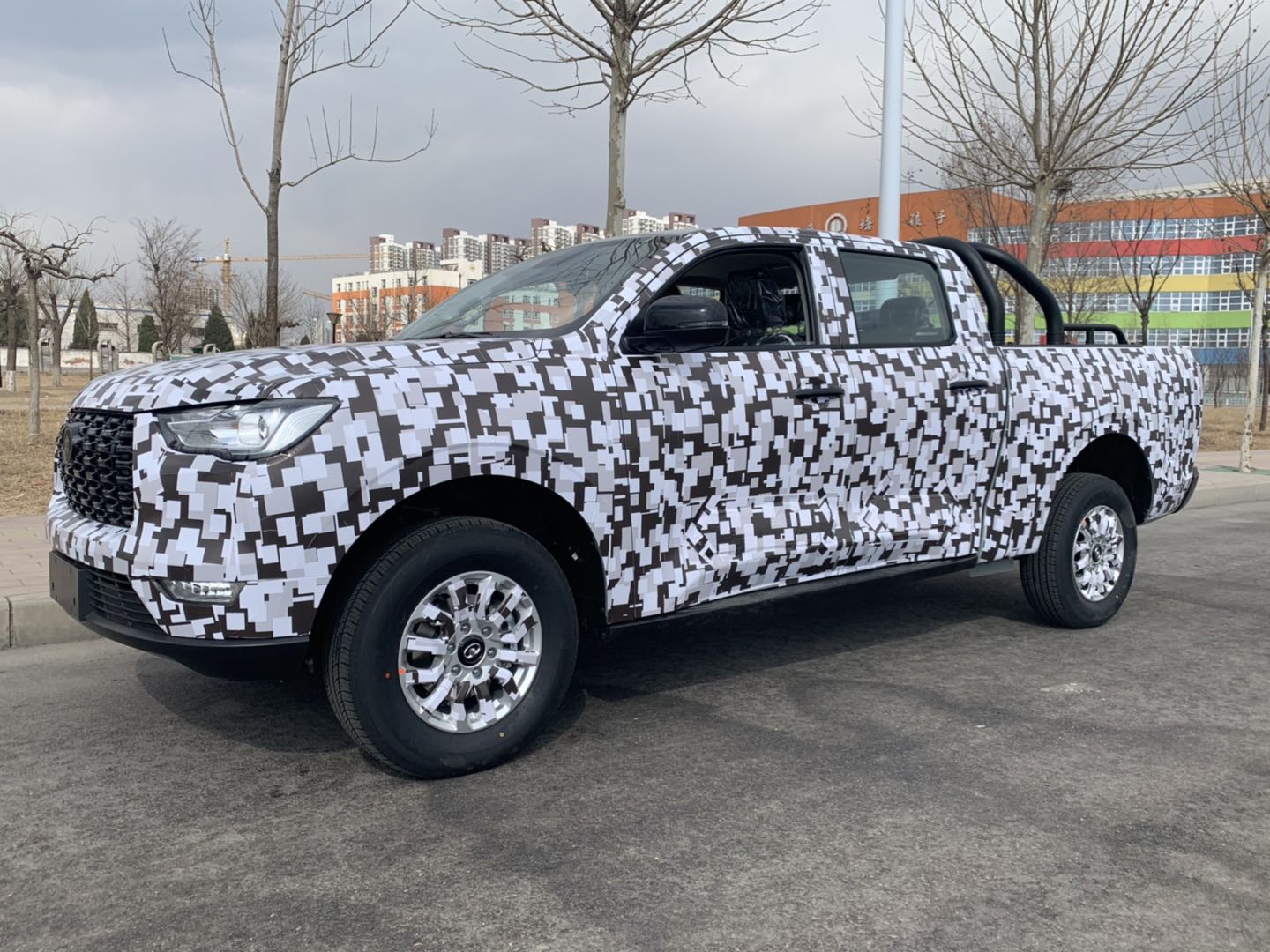
Great Wall ute prototype
The executive director at the advertising firm charged with turning around Haval’s image, Damian Royce of Havas Melbourne, said one of the main goals of the campaign will be to “tackle the internal debate people have when considering something new over what they’re used to”.
He said the campaign, which commences next month, will also present Haval as offering good value rather than simply being cheap while emphasising the number of well-respected brands that provide components for its “internationally engineered cars assembled in China”.
Both Royce and Haval Australia admit they have a big challenge ahead of them to win the hearts and minds of Australian consumers, but believe the job will become easier once head office chooses a new medium SUV for the Aussie market.
That will be a choice between the third-generation H6 or second-generation F7, both of which are yet to be unveiled.
What we do know is the chosen car will be built at Haval’s new factory in Russia, which would isolate it from any spikes in Chinese production demand.
WhichCar sampled the current Haval range at its vast proving ground in Baoding, China and found the company has come leaps and bounds since being formed in 2013.
While having limited opportunities to drive each model, it was immediately obvious that the 2.0-litre turbocharged F7 stood out as the one best suited to Aussie needs and tastes.
WhichCar understands that this is also Haval Australia’s preferred option.
Going by the current models, the F7 is sportier than the more conservative second-generation H6, with a sleek, clutter-free and well-considered cabin design, with both cars offering an excellent driving position, comfortable rear seats with plenty of legroom.
The F7 will also have a BMW X4-like coupe-styled SUV called the F7X which is also being launched at Shanghai this week, though it’s still unclear if this will be available in Australia.
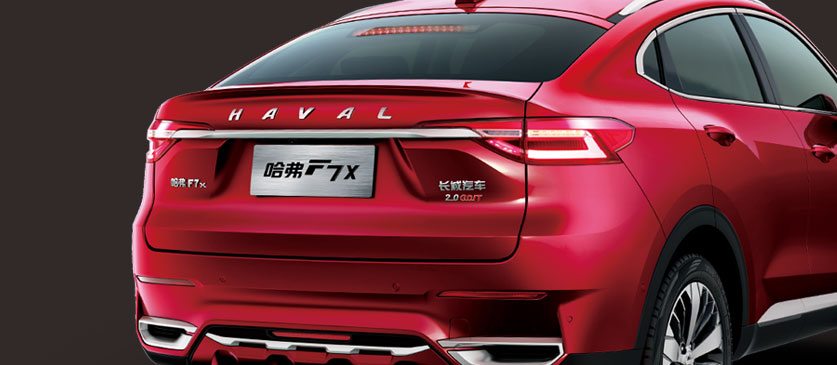
Haval F7x spy shot
Both F7 variants are equipped with a new 2.0-litre turbo petrol engine and seven-speed dual-clutch automatic gearbox that provides more grunt than the second-gen H6’s 1.5-litre 145kW/285Nm turbo four.
It’s likely that powertrain will carry over to the second-generation F7, which Haval says would undergo an extensive local tuning program for the Australian and New Zealand markets.
A Haval spokesman told WhichCar the new F7 is also likely to incorporate design elements from the head-turning Wey VV7, penned by former Land Rover styling director Phil Simmons who is now Haval’s global design director. His background is evident when comparing the VV7’s silhouette with the Range Rover Velar.
Unfortunately, Haval has no plans to produce a right-hand drive version of the VV7, which will soon be introduced to the US and European markets.
