
Hyundai Australia has announced it will run a factory-backed campaign the 2019 Targa Tasmania, with Brendan Reeves contesting in a Hyundai i30 N.
The brand’s first hot hatch, a 202kW turbocharged, rally-inspired front-driver, has been undergoing testing at the hands of factory development Reeves, who will be joined by his sister and co-driver Rhianon Gelsomino.
“We’ve been testing different setups and tyre compounds with the aim of tackling Targa this year,” Reeves said.
“The whole time we’ve been competing in the Tarmac Rally Sprint Series all we’ve been thinking about is Targa, and how we can best develop the car.
“I’m really excited about Targa because I’ve been working with Hyundai for over two years helping develop the i30 N as a road car, and now I get to race it in arguably the best tarmac rally in the world.
“I was excited about this car right from the start because it’s a hot-hatch and that’s what I’ve grown up rallying; it’s what I’m used to driving.”
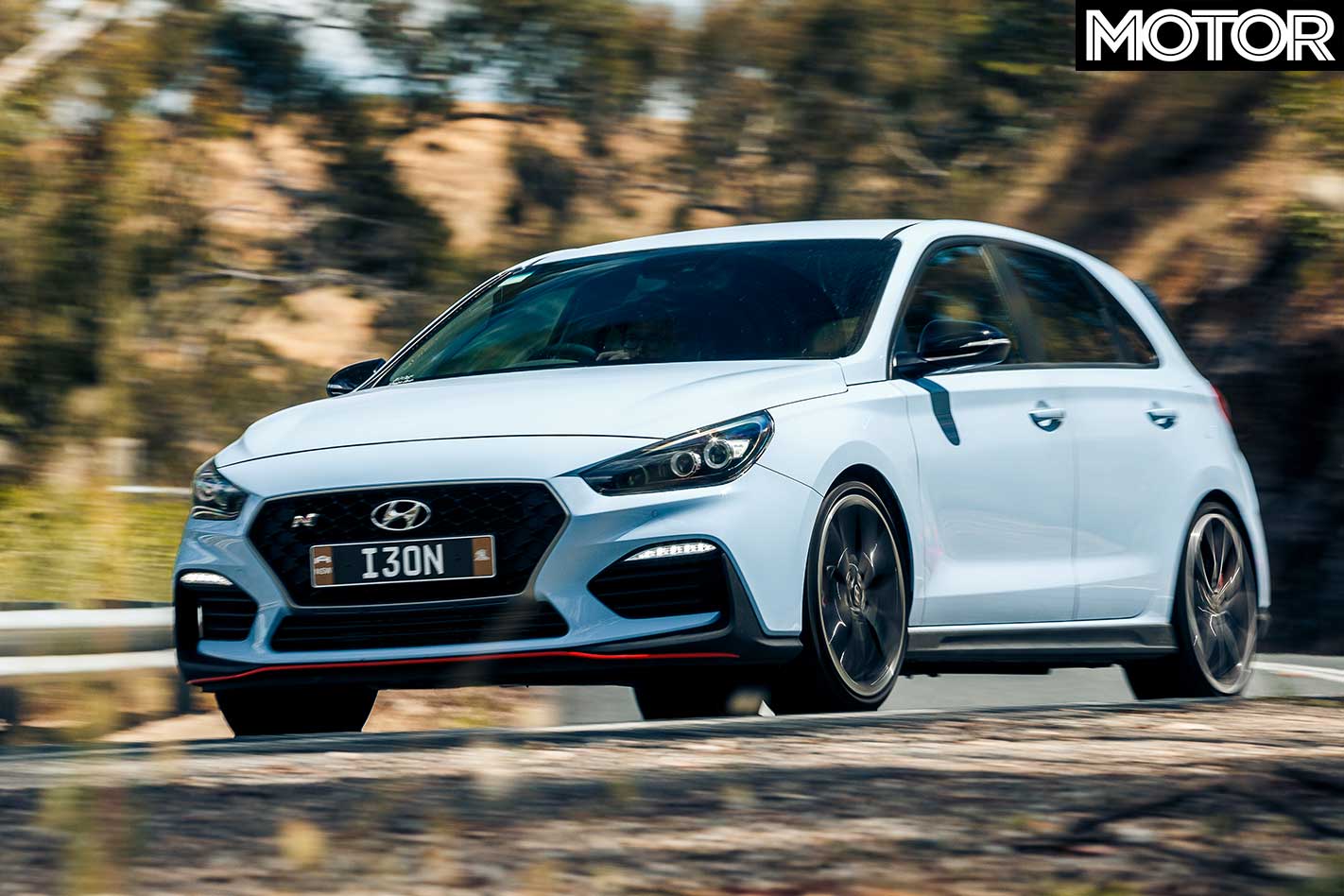
Reeves says the i30 N will be running the car’s normal suspension setup to make use of the adjustability of the dampers.
“It’s part of the plan to use the standard suspension so when it’s wet we can soften the car with the N custom mode, or when it’s dry we can stiffen the suspension up, just by touching a button.
“We’ll be in the GT2 class, which is effectively the outright class, so we’ll definitely be batting above our weight. We’re aiming for a top 10 result, and if we can get into the top five by the end of the week-long event that would be awesome.
“You’re racing against supercars, so it’s always a challenge, but if we can stay in there for the long haul and get to the finish, we should get a really good result.”
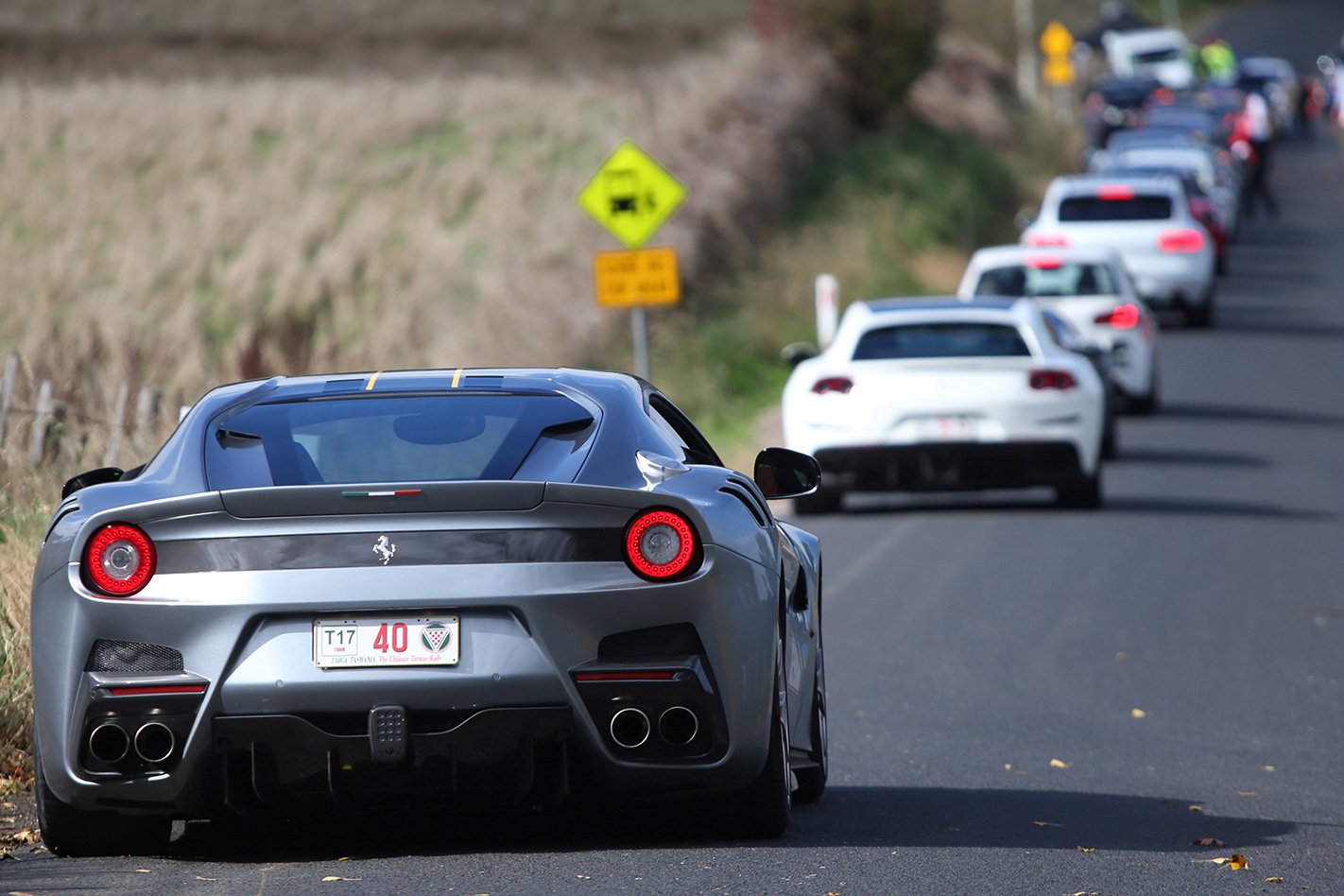
Reeves has competed in rallies around Australia, as well as internationally, for more than a decade, racking up numerous wins – in classes and outright – as well as podiums along the way.
He has contested Rally Australia as part of the Australian Rally Championship multiple times with a Mazda 2, and has driven Mazdas in Targa Tasmania numerous times – including once in an RX-8 SP.
The 2019 running of Targa Tasmania kicks off on Monday, April 29, and runs for six days until Saturday May 4.
Nissan is working on systems that would allow electric car owners to earn money simply by plugging their vehicle into a charger – but Australian energy providers are yet to get on board.
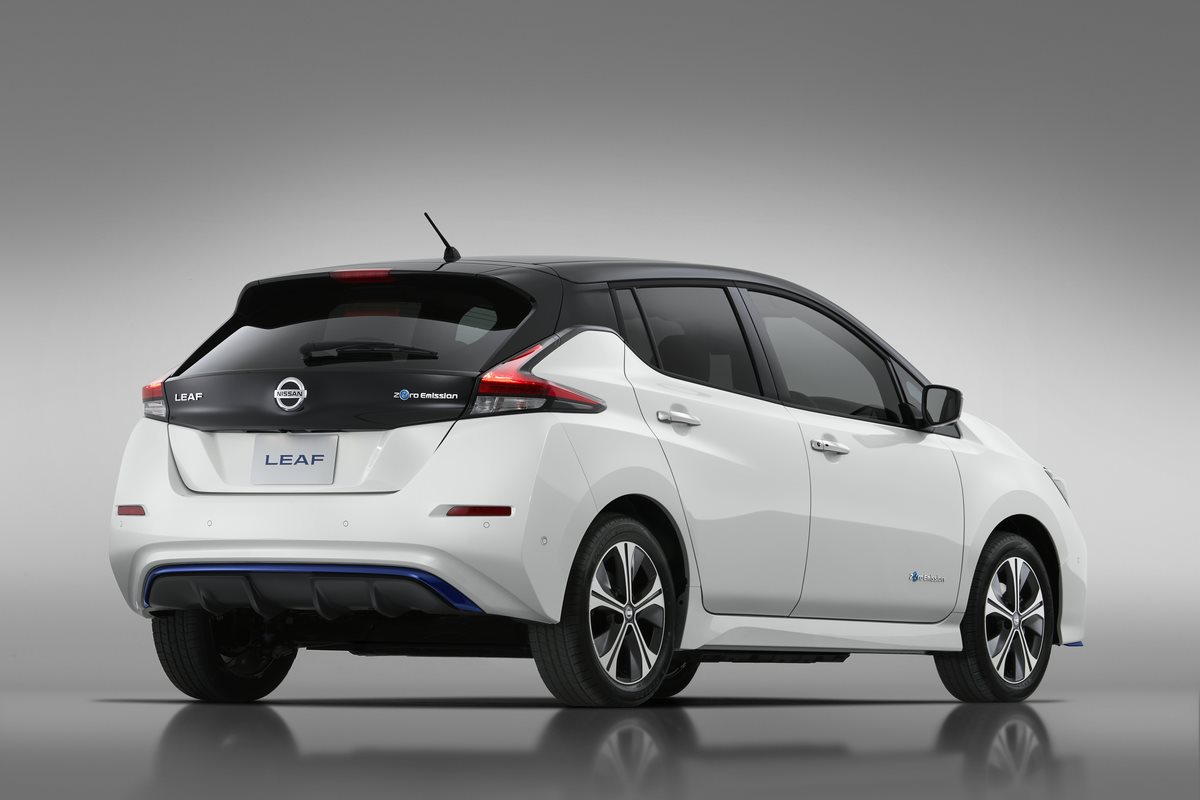
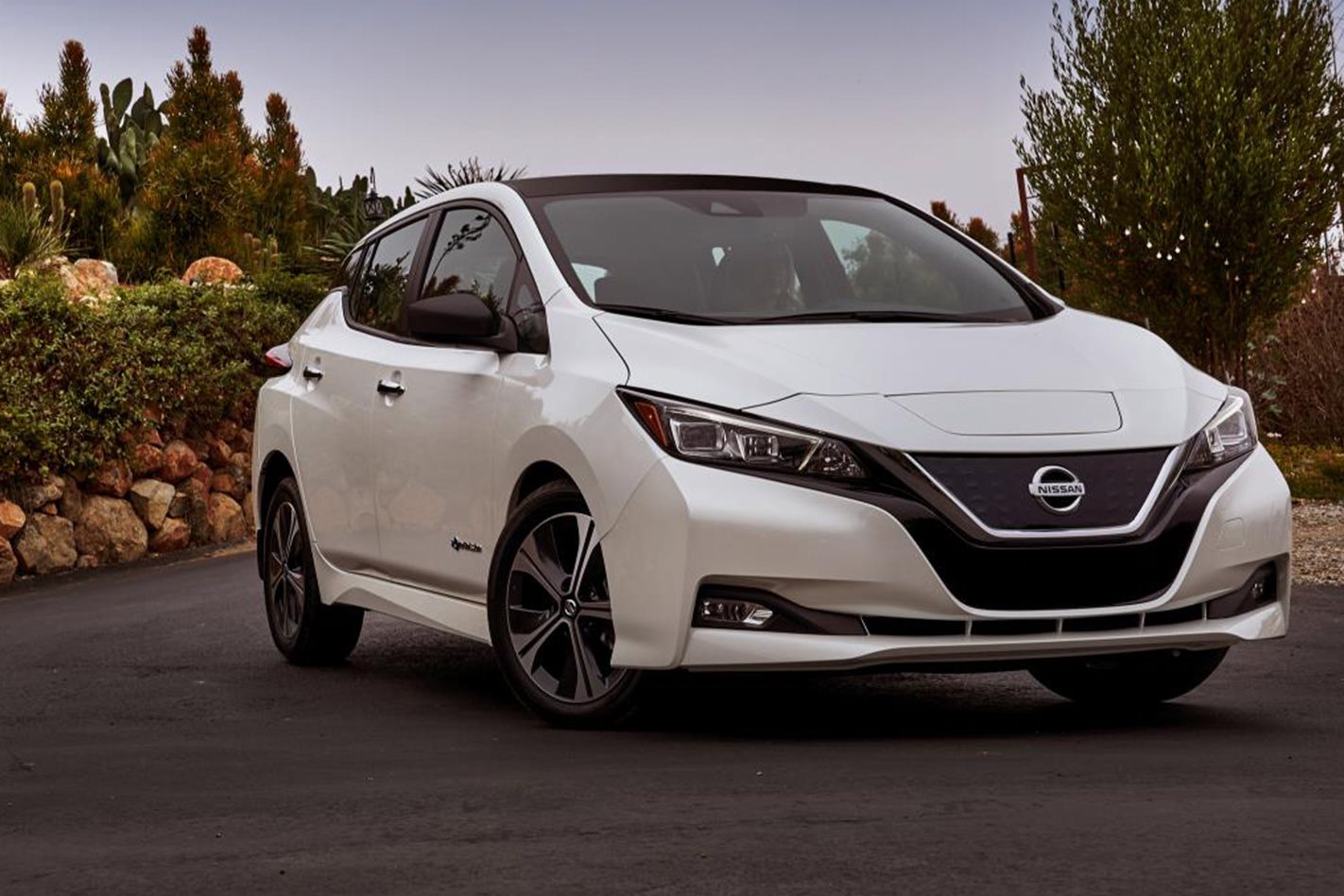
The plan would require the implementation of vehicle-to-grid systems, something that the second-generation Nissan Leaf is capable of with the aid of a bi-directional charger.
Nissan’s head of EV development says that owners of electric vehicles could potentially be paid to allow energy providers access to their vehicles battery during times of peak load. The Japanese manufacturer’s local arm aims to commence vehicle-to-grid trials locally by the end of the year.
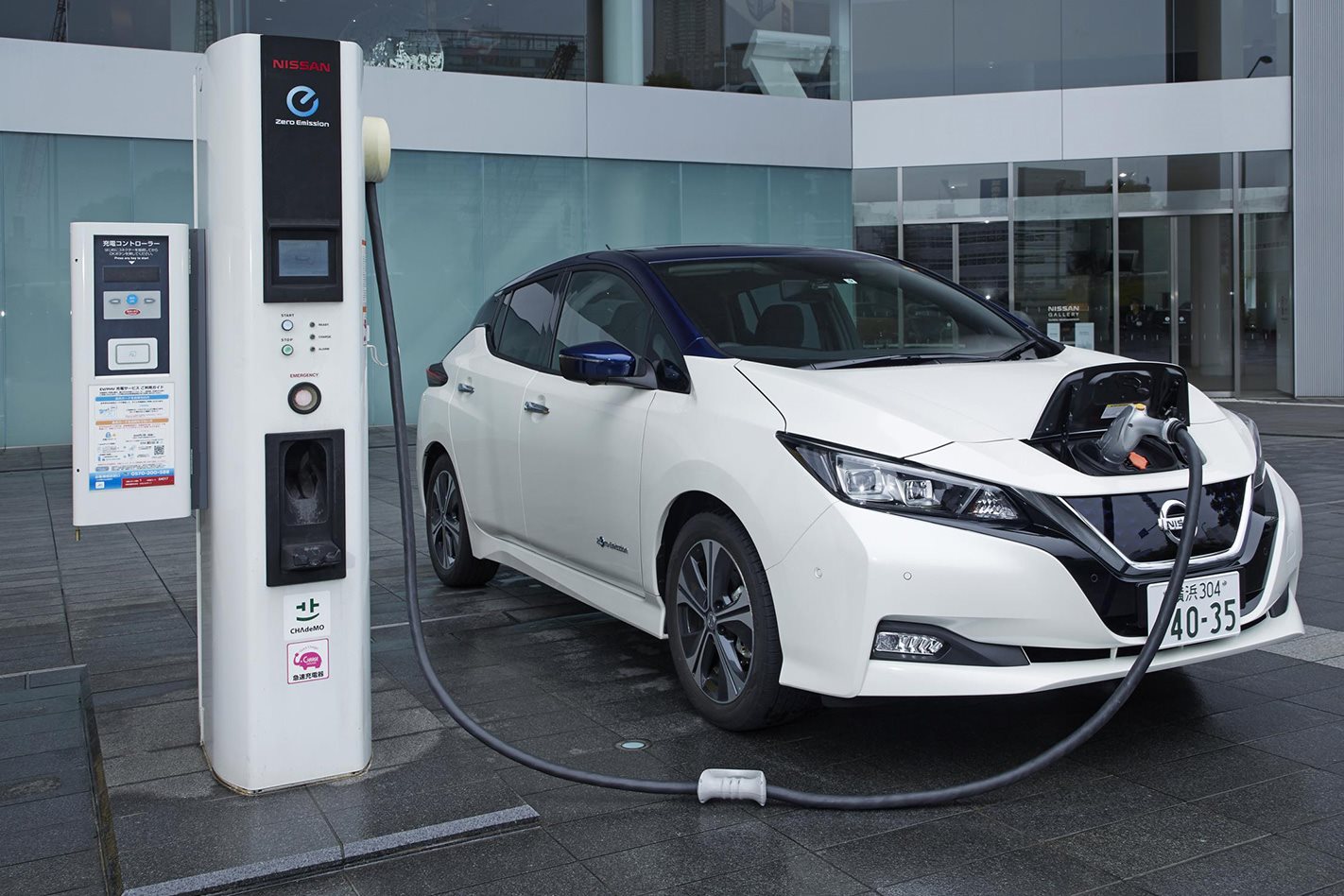
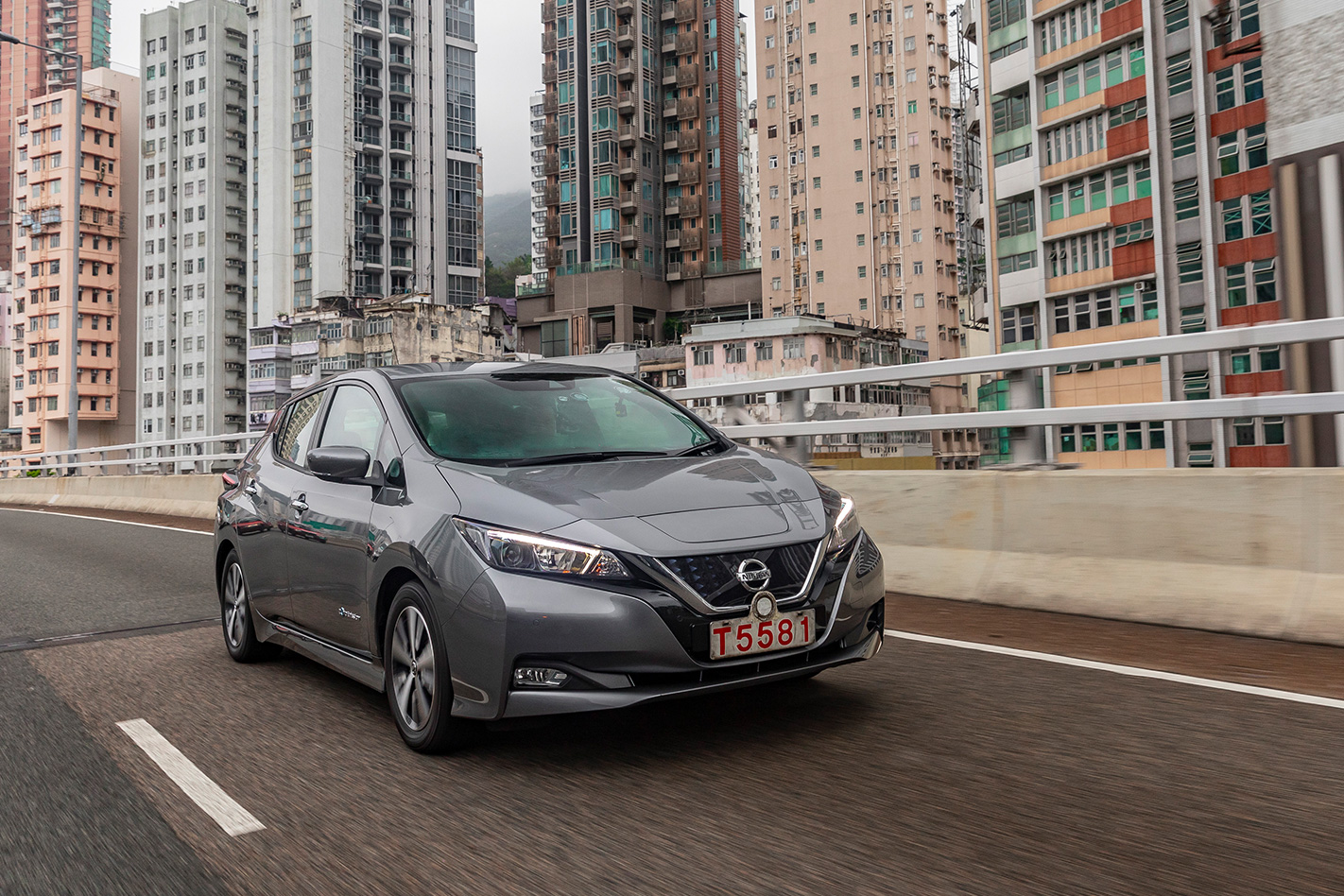
Nicholas Thomas, Nissan’s global EV program director, explained his ambitions to Australian media in Hong Kong.
“We can play with things like demand shift,” he said. “In electricity terms, there is a huge surplus of energy in the middle of the day, and the middle of the night.
“If we can charge EVs at that time, firstly, we can get very cheap energy, but actually if you go to the energy companies, which is my job, and say ‘I can give you control of when we charge EVs with customer consent’, they might actually pay you as a customer for taking the electricity, because they need to get rid of it.”
Thomas envisions stress on the public grid being lessened by energy companies utilising an EV’s battery through a bi-directional charger.
“We can actually say to electricity providers, or your local utility provider, or office, or school, or apartment building, that when there is extra energy such as solar being generated during the day, let’s put it into all of the EVs,” he explained.
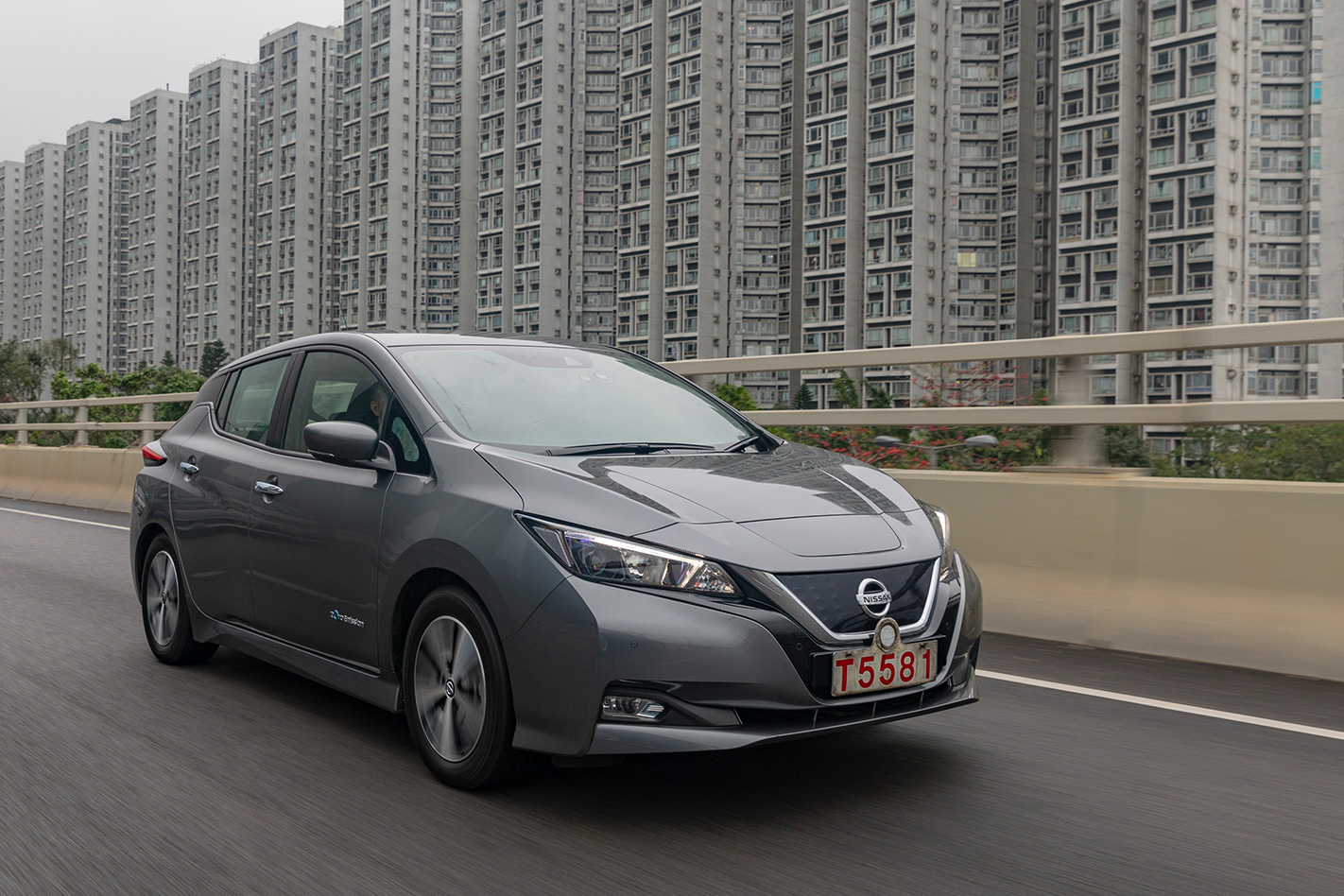
“Then in the evening when there is an excess of demand because everyone turns on their air conditioning, cookers, lights, etcetera, there is a big peak in demand. We can actually give a small amount of the energy stored in each battery back to the building or grid, and again customers could be paid for that.”
Tim Washington is the Director of Jet Charge, an Australian charging solutions provider which is eager to see vehicle-to-grid tech used locally.
“We are talking to logistics companies about how they can use their fleet to stabilise the grid,” he told Australian media in Hong Kong.
“Imagine you are a logistics company, and your drivers rock up to work at 6am, and leave at 4pm. All those vans are parked at a depot, doing nothing, from 4:30 in the afternoon until 6 the next morning. I can use the power capacity in those vans during power peaks, and then we can charge them up in two hours at 4am – that’s vehicle to grid.”
While the idea may sound good in theory, Australian electricity providers, and the local grid regulator were both caught off guard when Wheels began asking questions about local implementation.
Wheels asked Origin Energy for comment, but a spokesperson said it was “far too early for us to be offering any informed view”.
“Origin is actively trailing new technologies that help our customers find smarter ways to improve how they use and store energy and we’ll monitor emerging technologies that might achieve this objective,” they added.
The energy supplier suggested the Australian Energy Market Operator (AEMO) would be able to shed further light as the government body responsible for regulating the grid.
However, the AEMO wasn’t prepared to provide insights in regards to local vehicle-to-grid systems.
“At this point in time, it is still part of our analysis, and it is not something we are in a position to comment on right now, just because we are still working on forecasting reports,” an AEMO spokesperson told Wheels.
Nissan Leaf: before the bandwagon
While Nissan’s global executives, and local charging solution providers, remain bullish on vehicle-to-grid use locally, it seems those responsible for our grid are yet to commit publically to the technology.
Another barrier to vehicle-to-grid being adopted at the moment is prohibitive entry costs associated with the bi-directional chargers which are needed to ensure the system works.
However, Nicholas Thomas says this obstacle could soon be eliminated.
“Today [charger pricing] is the blocker,” he explained. “Today, those chargers are expensive.
“We will not build the chargers ourselves, we are working with charger manufacturers to bring that cost down. There are a number of different companies that are predicting that we could get a charger into the market in the second half of this year, at below US$3000 (A$4222)”
Tim Washington predicts vehicle-to-grid systems could be widespread in the “next five to seven years”.
The possible implications of vehicle-to-grid are significant, with Washington envisaging the technology helping lower the price of everyday goods, like those found in your local supermarket.
“I want to offer a world with vehicle-to-grid, where in my ideal scenario, I can offer zero marginal cost mobility,” he said.
“I want to be in a situation in the future that because of our ability to take energy from the car and put it back into the grid, that I can offer really big logistics companies the ability to run their fleet for free because of the services that they can offer to the grid.
“That would mean cheaper goods for everybody, and cheaper transportation for everyone.
“Imagine saying to Coles, ‘you will have no net marginal fuel bill for the year’. That is realistic, and possible in the next five to seven years.”
For vehicle-to-grid to reach its full potential, it will require a relatively large fleet of EVs on Australian roads. However, Washington predicts the critical number will be reached in half a decade if predicted sales figures of 10 percent market share for electric vehicles are reached.
“Depending on where the car market goes, that’s around 100,000 vehicles a year,” he added.
“The average charger draw is 7kW, so that’s 700,000kWh of potential power [if 100,000 vehicles are plugged in]. That’s a lot of power, that’s 700mW.
“Putting that into context, earlier this year Victoria went into rolling black outs, and the energy generation short fall at that point was 250mW. Essentially what we are trying to do is we are trying to say these cars can be used to plug the generation gap when it is needed in the middle of the afternoon as an asset to the grid.”
While electric vehicle sales may grow in the future, vehicle-to-grid will be unable to be utilised fully in Australia without the support of the grid regulator, and energy suppliers, who both remain uncommitted at the moment.
On the face of it, buying a car should be a pleasurable experience. It should be charged with excitement and optimism, filled with gratification and enthusiasm, and actually be memorable – for many people, buying a car may well be the only big-ticket item they purchase via their own financial independence.
And yet, somehow, car shopping has instead become one of the most laborious and stress-filled practices imaginable. What went wrong?
In the past, it was common practice in every retail scenario to be hounded by sales assistants or have to spend hours researching. Now, we simply open an internet browser and enter a few words into a search panel to find whatever it is we’re looking for.
We’re then met with reviews, clear pricing, comprehensive brand information, commitment-free return policies and, when it comes to big ticket items that warrant financing, (fairly) transparent financial commitments laid out for all to see.
When you look at our behaviours while shopping for anything else other than a car, the experience of visiting an automotive dealership and the actual bureaucratic process of signing forms, navigating the grey areas of upfront costs and so on, seems immensely archaic.
According to consumer forecasting agencies around the world, though, that is about to change. The days of the car yard, according to them, are numbered, and in order to survive car dealerships must move forward and transform to align themselves with a digital-first consumer.
“Today’s shoppers really expect to engage with brands and retailers in a seamless, immersive and personalised fashion,” says Conner Dial, a US-based strategist from future-focused agency PSFK, which just released a report on the shift and recently hosted a webinar on the subject. “Naturally, we’re seeing that car buyers and browsers are aligned with the same buying and browsing behaviours and these needs are not being met by current vehicle vendors.”
In general, today’s automotive consumers want to research and even purchase online, according to Dial. “They aren’t satisfied with the physical vendor experience – especially when information and specs are available online,” he adds. “They’re really looking for experiences that offer them immersive details about vehicles on digital channels.”
Most of all, consumers want more ways to cut down the up-to three hours spent at dealerships buying a car. And thanks to the internet, that is easier than ever.
Many makers are looking to streamline the buying process. This will happen through highly effective personalisation using data and by cutting out the middle man. You might remember recently that Tesla announced it would be closing many of its retail stores in the US (only to wind back a couple of days later), or when in 2012 Subaru bypassed the dealership with the BRZ dropping online only, or how last year Genesis made a move towards an anti-dealer sales model by showing cars in shopping centres, while the Volkswagen Group is in the midst of building a huge, deep, worldwide online buying platform that won’t even be ready for at least two years.
Buying a car online is not new, and we’ve written about it before… but what will the future of automotive retail actually look like? Aside from a shift in the marketplace towards subscription services and share-economy mobility services (which will also shake up whether or not we will all actually own cars at all), buyers will be able to order a car online and have it delivered to their door for a test drive in their own time.
It could mean more of an ongoing relationship with the brands you buy from, as well. This is something that luxury brands like Ferrari and Maserati already do very well via drive experience days and ongoing consumer interactions, but it’s something we are starting to see from more mainstream brands, as well.
This is especially true when you consider that most of the time the only post-sale contact we ever have with a brand is when something has gone wrong.
“Consumers also desire an ongoing relationship that is reciprocal not transactional,” says Dial. “Across all industries, we’re seeing that the point of purchase is not the end point for customers. They really want to look for things like loyalty and data sharing and extended value form the products they purchase.”
“The car-buying process, compared to other sectors, seems disjointed, opaque and complex,” notes Dial’s PSFK colleague, senior strategist Penn Whalin. “Pricing is confusing and financing is complicated and it really moves a lot of excitement from the purchasing process and consumers are already changing their attitudes and this calls for a major change in how cars are bought and sold in order to keep up with consumer expectations and these new emerging desires.“
Many brands have dabbled in the online space with mixed success, while the morass of state and federal legislation around stamp duty and other costs means that advertising the price of a car online is still not an easy thing to do. The digital tide, however, is relentless, and your next new car may only be a mouse click away.
What stands out?
The third-generation Suzuki Jimny is a low-cost, fun 4WD wagon that will go just about anywhere. It is built tough (on a truck-style chassis) and comes with dual-range gearing, which means it will thrive in off-road conditions that would stop or damage other small SUVs. As well, the Jimny’s compact dimensions make it easy to manoeuvre and to park in tight spots.This model was replaced in January 2019 by the fourth-generation Jimny, which will soon be the subject of a separate range review.
What might bug me?
That you can’t take the kids camping in your Jimny, without towing a trailer. The Jimny is tiny inside, seats only four at best, and has minimal luggage space – about enough for a couple of overnight bags. To carry much more you need to fold down the rear seatbacks, which leaves seating for just two.That rear passengers can’t get out unless you do. There are only two side-doors.How noisy it is on the highway. The engine is quite small and has to work hard at open-road speeds.That you can’t play music from your phone or iPod through the sound system, nor use your phone hands-free: Bluetooth connectivity is not supported.Depending on your shape, possibly that the steering wheel isn’t quite where you want it. You cannot adjust the wheel position at all – not even for height.Because the Jimny is so effective on rough roads and tracks, it might also bug you that you can travel only about 400km between fills of its small petrol tank. You won’t be going anywhere very remote without carrying extra fuel.
What body styles are there?
The Jimny comes only as a three-door, four-seat, SUV-style wagon. It has part-time four-wheel drive, which means you can drive all four wheels but only on soft or otherwise slippery surfaces. On normal sealed roads, the Jimny can only be used in two-wheel drive (via the rear wheels).You use buttons on the dashboard to select 2WD or 4WD, and you can switch between them while driving. To select low-range 4WD, which makes it easier to drive very slowly off road, you use another button but you need to stop the car first so that the low gears can engage.After introducing the car to Australia as the Jimny, Suzuki later added Sierra to the model name in its promotional literature, thus linking the car to its predecessor, the Suzuki Sierra. For the rest of this review, we’ll just call it the Jimny.The Jimny is classified as a small SUV, lower priced.
What features do all versions have?
Air-conditioning, and central locking (you can lock the doors by pressing a key-fob button). An audio system with an AM/FM radio and a CD player.Power-adjusted door windows and exterior mirrors.A 12-volt power socket, for charging devices such as mobile phones.Roof rails, which make it easier to mount luggage systems.Shiny wheels made from aluminium alloy, which are lighter than wheels made of steel. A full-sized spare wheel and tyre.Part-time four-wheel drive, with dual-range gearing (which allows you to drive comfortably at very low speeds off-road).Electronic traction control, which helps prevent wheelspin on slippery roads and off-road.Two airbags, and electronic stability control. (For the placement of airbags, and more on the Jimny’s safety systems, please open the Safety section below.)
Which engine uses least fuel, and why wouldn’t I choose it?
There’s only one engine available in a Jimny, a 1.3-litre four cylinder. It gives its best performance and economy on premium (95 octane) unleaded petrol, but it will run satisfactorily on regular petrol or E10.It is a smooth engine that propels the lightweight Jimny in a lively manner around town and supplies enough urge for secure highway cruising. You need to put your foot down on open-road hills.When the engine is mated to the five-speed manual gearbox it uses 7.1 litres/100km in the official government test, and around 9 litres/100km in the real world. With the optional four-speed automatic it’s about five per cent thirstier.
What key features do I get if I spend more?
The least costly Jimny comes with a five-speed manual gearbox and the equipment common to both Jimnys.The only feature you can spend more for is an automatic gearbox, in this case a four-speed unit.Automatic Jimnys perform better off-road. In addition, top gear on auto Jimnys is taller than it is on the manuals, which means the engine does not need to spin quite so hard in expressway or open-road driving. That reduces noise and helps the little car feel more relaxed.
Does any upgrade have a down side?
The down side of the auto gearbox is greater fuel consumption. Auto Jimnys use about five percent more fuel than the manuals.Only white paint is available without paying more money. The other colours are metallic, and cost extra.
How comfortable is it?
The overriding first impression when you climb into a Jimny is that this is a very small car. The tiny cabin is also sparsely equipped, although nicely finished with the typical Japanese attention to detail.The cabin is relatively tall however, and the upright seating position gives good vision over the bonnet and out to the sides of the car.The driver’s seat is comfortable but there is no adjustment for the steering wheel in any direction. The AM/FM radio and CD player is modest in its sound quality, and it can’t be hooked up to external music devices.The Jimny is light and easy to drive, especially as an automatic. Its compact size and great vision make it particularly easy to manoeuvre in tight carparks and the like, something that drivers who are inexperienced or not very confident will appreciate.The Jimny doesn’t have a lot of power but because it is very light it gets off the mark quite well. You can keep up with traffic in town without working it hard. Out on the open road it also gets along with the traffic, but it doesn’t have much overtaking power and on some hills you will need to work it hard. This means using a lot of accelerator, and changing down a gear or two to let the engine rev freely.
What about safety?
Safety is not a Jimny strong point by comparison with most other cars, although Suzuki has given it anti-lock braking and also electronic stability control. The latter can help you bring a skidding car back under control and is mandatory on all new cars.The Jimny has just two airbags, placed directly in front of the driver and front passenger to protect the torso and head in frontal impacts.Unlike the overwhelming majority of new cars, the Jimny does not have front side airbags – which protect the driver and front passenger from side impacts. Nor does it have curtain airbags, which do the same at head level and usually extend to the rear passengers also.There is no reversing camera, let alone any sophisticated active safety feature such as autonomous emergency braking, blind spot monitoring, or lane-departure warning.Despite it being around since 2005, the Australasian New Car Assessment Program (ANCAP) never tested the third-generation Jimny. It’s worth noting the fourth-generation Jimny, introduced at the beginning of 2019 only achieved a three-star rating despite the inclusion of autonomous emergency braking.
I like driving – will I enjoy this car?
The Jimny is a surprisingly fun car to drive in the city and suburbs, and even on a winding road – mainly because it’s so light and manoeuvrable.However, it rides high and sometimes feels a little unsteady on its truck-style chassis, which at each end suspends the wheels on a solid axle running across the full width of the car. All other small SUVs mount their wheels on shorter, lighter, hinged arms that allow them to move independently, and as a result bring you a smoother ride and more control on bumpy roads.The good thing about the solid-axle chassis is that it’s ideally suited to off-road driving, as it allows the wheels to move up and down a long way to maintain contact with rough ground.The Jimny also has plenty of clearance under the chassis, while the front and rear bodywork does not stick out far beyond the front and rear wheels – meaning you can nudge up to and over steep obstacles without grounding the bumpers.With all that going for it, and its low weight, the Jimny will just about go anywhere off road – sometimes to the embarrassment of a more expensive and sophisticated 4WD vehicle.For off-road driving, an automatic Jimny has an advantage over the manual on steep climbs (due to different effective gearing). It is also better on soft sand, where a manual will lose momentum when you engage the clutch to change gears.If you puncture a tyre, you can swap it for the Jimny’s rear-mounted full-size spare without unloading the car. Owners can also feel secure in the Jimny’s toughness and durability, and it has an excellent reputation for reliability.
How is life in the rear seats?
Access to the Jimny’s two rear seats is via the front doors – after the backrest of a front seat has been folded forward, and the seat-base slid forward. Getting in and out is easy enough for children and small, agile adults, but difficult for anyone else.Provided the front seats aren’t occupied by big adults, the leg room at the back is okay. But once either front seat is slid back to accommodate a tall person, there’s little leg room left at the rear.The tall cabin does however make for decent headroom in the back, and there’s also sufficient room for two adults width-wise.Getting small children in and out of car seats in the rear is hampered by the two-door arrangement.
How is it for carrying stuff?
There’s not much space in the back of the Jimny, and if you want to carry anything more than two or three backpack-sized bags you’ll need to fold down the rear seats.The two rear seats fold separately, so you have the option of folding down one seat to carry a long item while still seating someone in the other.Access to the luggage area is helped by the single rear door opening to the side and out of the way. There are however no cargo tie-down points in the rear. The rear door carries the spare wheel, which makes the door heavy to open on steep side-slopes.The Jimny is rated to tow 1300kg, which means it can haul a decent sized trailer. That offers some compensation for the paucity of luggage space inside.
Where is it made?
The third-generation Suzuki Jimny was made in Japan.
What might I miss that similar cars have?
That depends on what you think of as a similar car. The Jimny is the cheapest 4WD vehicle of its age by a good margin, and it is also the most capable small 4WD off-road. Nothing else will get you off the beaten track in such a cost-effective way. (The only small SUV that approaches the Jimny’s off-road capability is the much more expensive Jeep Renegade Trailhawk.)You will find many additional features in other small SUVs that are not good off-road. Most notably, nearly every other small SUV has cruise control, at least height adjustment for the steering wheel, Bluetooth phone connectivity, and support for connecting portable music devices.Most also have more space inside, for rear passengers and for some luggage. And most will carry you down the highway in a much more relaxed manner.On the safety front, you might want front-side airbags, to cushion front occupants from side impacts, and side-curtain airbags, to cushion the heads of front and rear occupants from side impacts. Most other small SUVs have these too.Some small SUVs – for example, the Toyota C-HR, Mazda CX-3 and Honda HR-V – also offer autonomous emergency braking, which can help you avoid rear-end crashes.
I like this car, but I can’t choose which version. Can you help?
The Jimny automatic is the pick of the two models. The automatic gearbox makes the Jimny easier to drive and more effective off-road, which is a big part of why you would buy a Jimny. The automatic gearbox also lowers the engine speed when you’re out on the open road, so that the car feels more relaxed.
When was this model Jimny last updated?
Aside from gaining electronic stability control in late 2014, which was required by law for the Jimny to remain on sale, today’s Jimny dates back to 2005 and was originally called the Jimny Sierra.No further changes were made until this model was replaced by the fourth-generation Jimny at beginning of 2019.
In 2018, Australia’s new passenger and SUV market fell by 4.6 percent – a decline foretold by a smaller but still significant 1.3 percent dip the year before and, if historical trends are an indication, the downturn is likely to last another 12 to 24 months.
But, while the slowing market might be a grey cloud for car brands, it could be a golden opportunity for customers looking to upgrade their car.
For a manufacturer facing the challenges of a cooling new car market, there are two distinct strategies: Batten down the hatches, cost cut, slash and burn the vehicle line-up and hope there is still something left to sell when the storm blows over.

But, says BMW, its opposite approach is reducing customer anxiety during periods of economic uncertainty which, in turn, is helping it minimise the inescapable sales downturn.
Speaking at the 2019 3 Series launch, BMW Australia CEO Vikram Pawah explained that the reasons for the slowing market are beyond the company’s control, but a positive reaction is better for customers and business alike.
“What is happening locally with us in terms of consumer confidence is driven by either real estate pricing, or credit availability, what’s happening politically, what is the rate growth that is happening, and plenty of other factors,” he said.“Can I control all of them? No. Can I expect the government to control them? Yes.”
While other brands may be adopting a ‘do nothing’ strategy until consumers are willing to resume larger purchases in a more settled financial landscape, Pawah said the company was avoiding over-analysing the market and instead maintaining a focus on its customers.
“For us, if we keep on thinking about what is going to happen to the market, I think we are going to go into a tailspin,” said Pawah. “These kinds of softening of the market happen all the time around the world, and we’ve seen that with a lot of other manufacturers.“We also know very strongly that we can overcome these things if you are offering the right value to your customers.”
That strategy includes the continued roll-out of fresh models and line-up bolstering variants within the current ranges. Notable new arrivals include a growing presence of hybrid variants which will take the iPerformance line-up to six options.
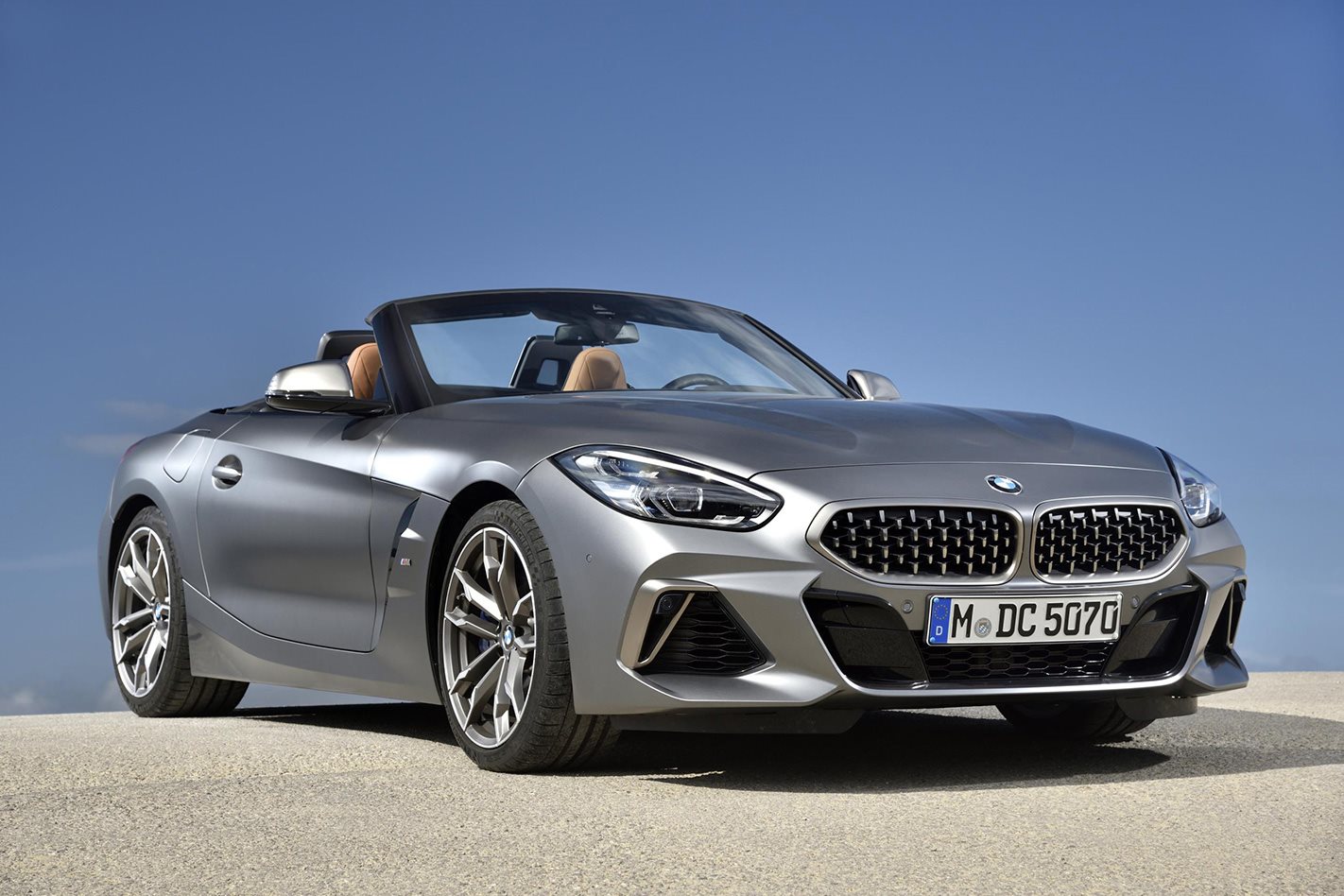
In May, an X7 upper-large SUV will blast in to local showrooms, the third-generation Z4 sportscar is here in March and the mighty 8 Series flagship coupe returns mid-year to name a handful of planned highlights.
“I think as we are launching new products, offering these new values to customers, there are still people interested in buying new products, that’s what gets foot-traffic into dealerships, we know that.“With this kind of product offensive, we are very confident we can beat the trend this year.
“I think it’s a cyclical thing. For us, we‘re focused on how we look at our customers, how we are being customer-centric, offering them value – and if we are doing that, we’ll find our way through this, easily.”
Beyond a product onslaught, Pawah revealed that BMW would not be winding back its investment in its dealer network, with last year’s $170m investment matched again in 2019 to ensure “the right experience throughout dealerships”.
And that bricks, mortar and glass will be staffed by more highly trained employees.
“We’ve got 50 product geniuses across our network now, who are there more consultative to a customer than just selling.“And a lot of other things we are going to roll out soon, we are trialing new things across the world and in Australia as well, which are more customer-centric, and you’ll get to hear more about it soon.”
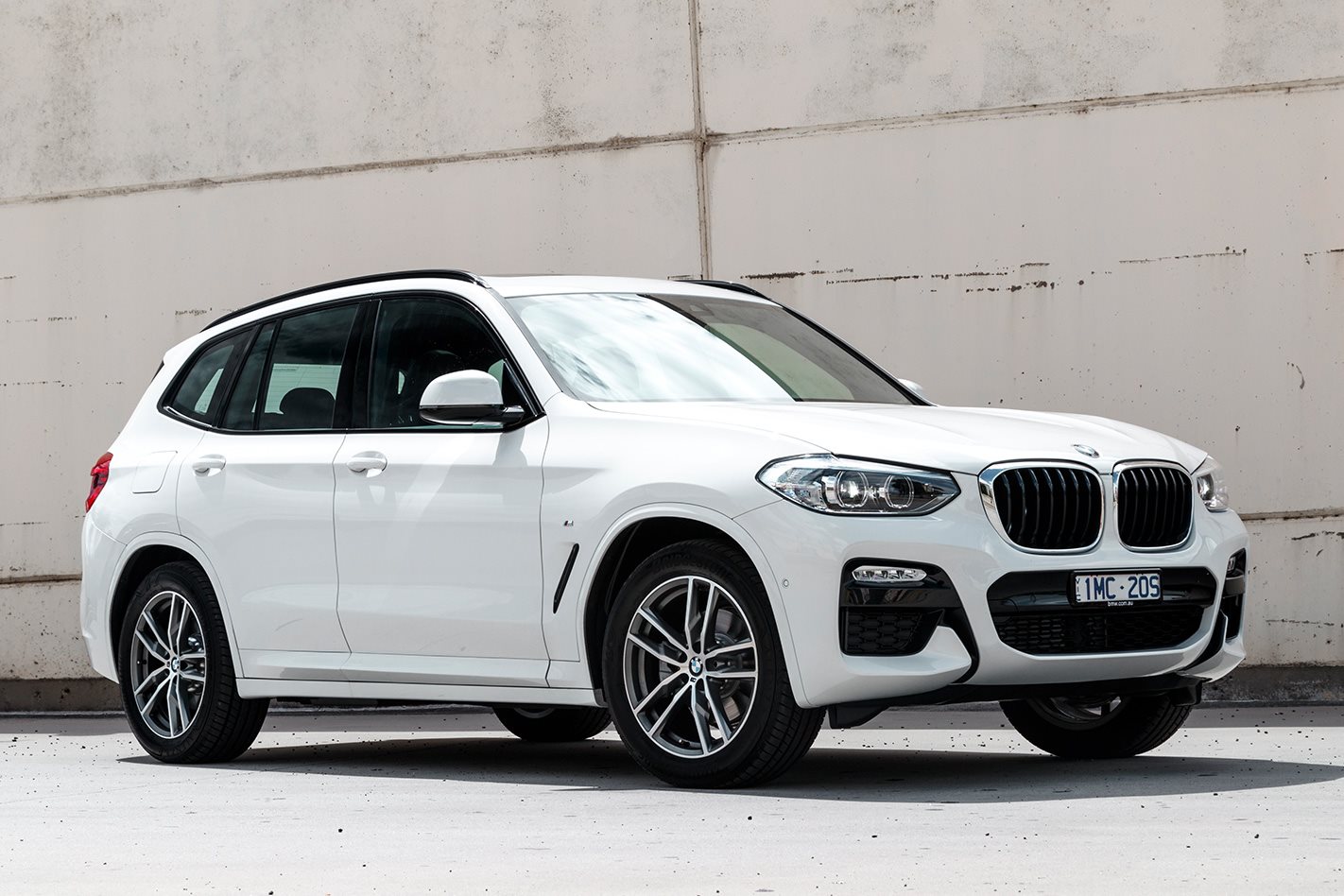
For now, the X3 mid-sized SUV continues to carry a majority of BMW’s weight, followed by its larger sibling – the X5 – contributing a combined total of 1350 sales to the company’s overall figure of 3907 to the end of February this year.
A recent report from the UK quotes Aston Martin CEO Andy Palmer as confirming two extra versions of the Aston Martin Vanquish production supercar due in 2022.
Top Gear says Palmer has Ferrari directly in his sights, with an Aston Martin Vanquish AMR and a Vanquish Volante convertible in the pipeline.
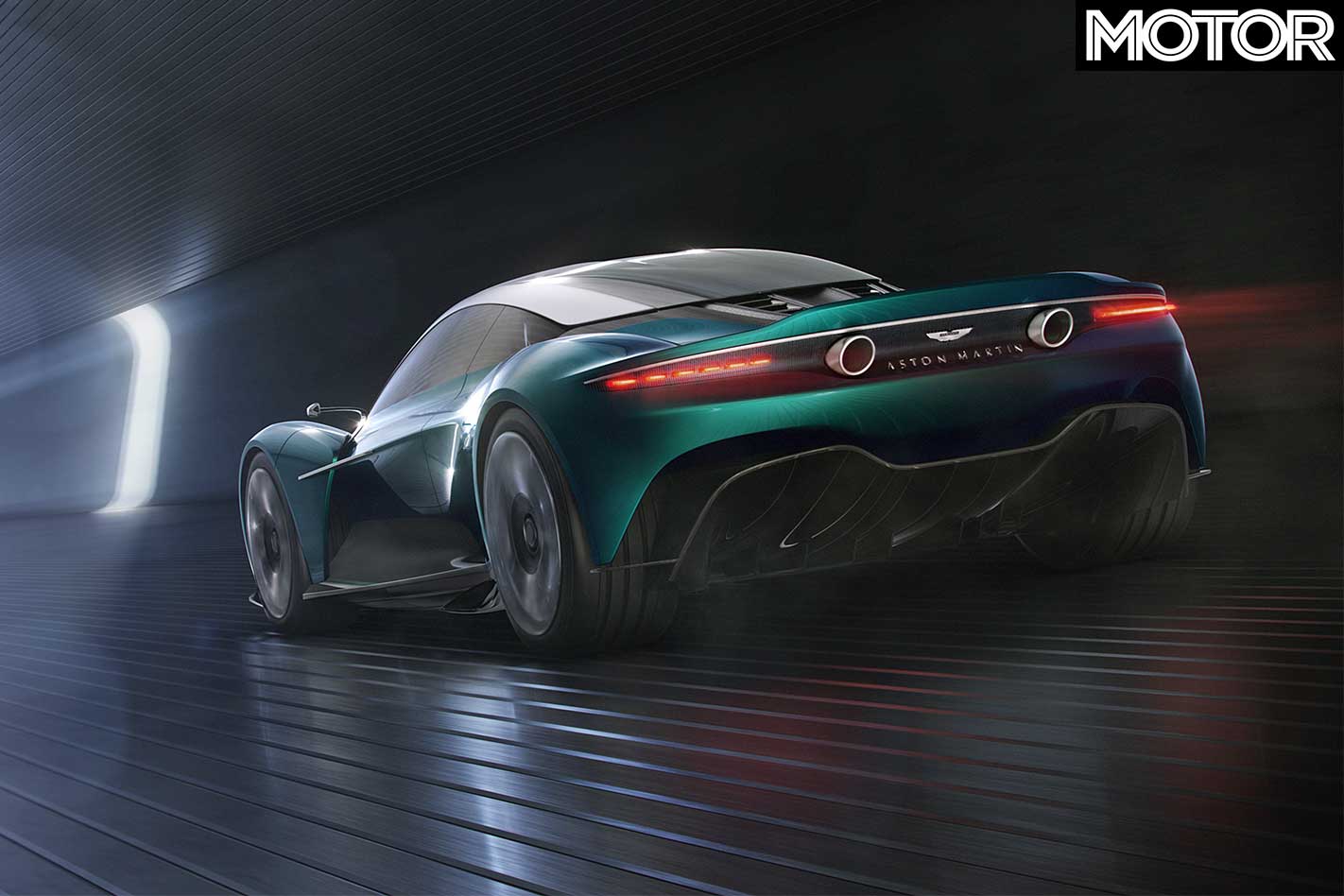
The mid-engined V6 hybrid will, Aston Martin hopes, draw sales away from mid-engine rivals such as Ferrari’s replacement for the 488/F8 Tributo, and McLaren’s next ‘720S’.
Revealed at the 2019 Geneva Motor Show, the Vanquish is the more road-friendly sibling to the ‘003’ hypercar, which will be limited to 500 units.
Speaking with TG, Palmer added that “the Vanquish is an important part of what the DB12 looks like,” suggesting this new look could be the design brief for creative director Marek Reichman from here onwards.
Not only does Aston expect to tempt some Ferrari buyers with the hardcore Vanquish or its topless variant, Reichman himself has told MOTOR in the past that ex-Ferrari engineers are working on it.
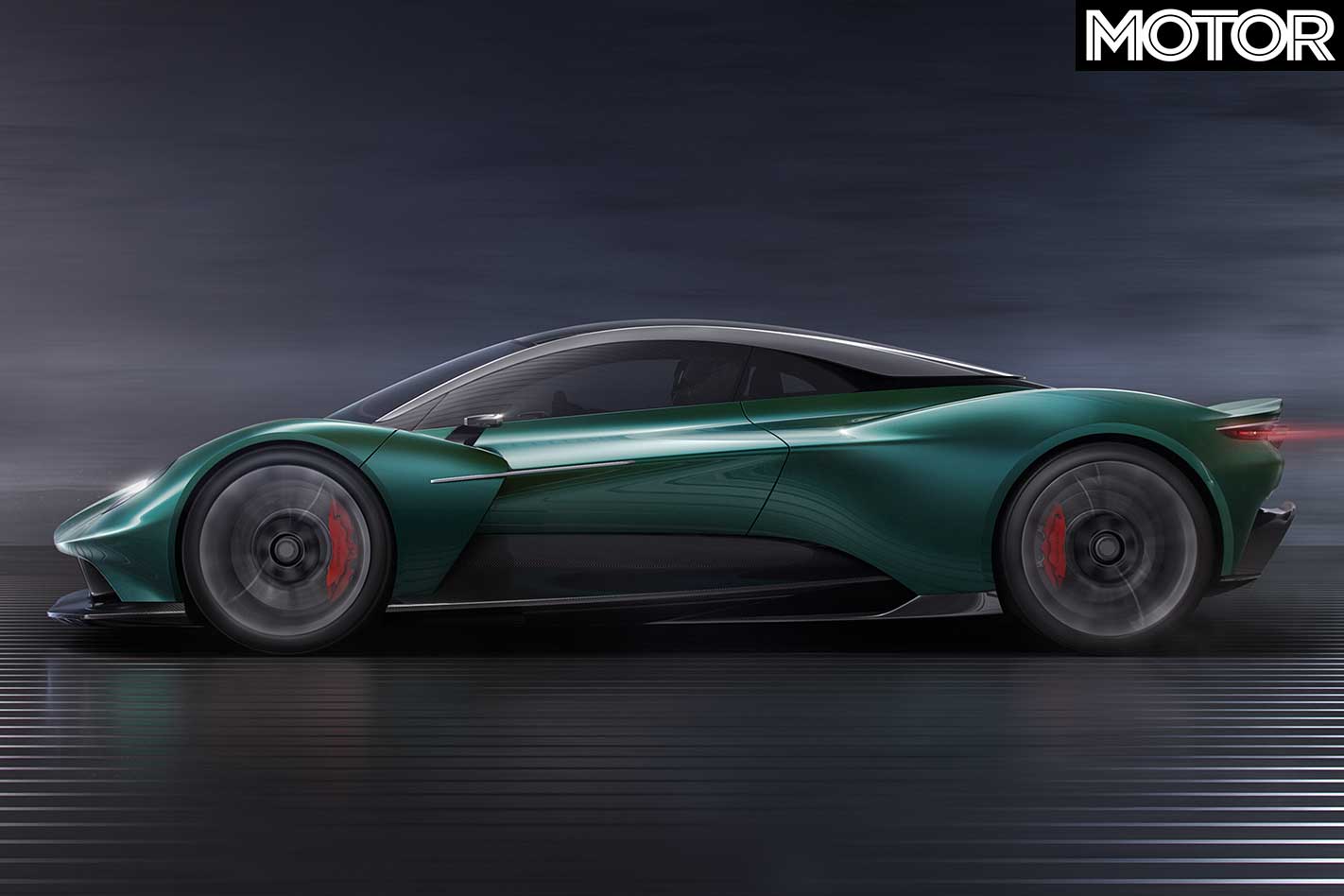
“What I can tell you is that, in terms of its performance capability it will be a true competitor to the market set at the time – whatever the 488 is, whatever the McLaren 720S is, wherever Lamborghini is, and we’re bringing in the expertise from ‘The Company That Makes Red Cars.’
“If you put that team together with beautiful design and the DNA of a Valkyrie, although a little bit further down the tree, then that’s the product you end up with.”
While 2022 is quite literally years away, it seems Aston is investing heavily in properly becoming part of the supercar (and hypercar) rumble.
The latest Queensland State Government figures show that while over the last financial year $396 million was poured into state coffers through fines and forfeitures, that number is expected to rise to $444 million for the 2018-19 period, according to a report by the ABC.
The State Government doesn’t expect that figure to slow, either, with projected revenue growing to $469 million in 2019-20, then jumping over half-a-billion in 2020-21, with a predicted addition of $518 million to state coffers in 2021-22.
That figure includes revenue raised by red light, mobile, and point-to-point cameras, speeding infringements handed out by police, as well as other fines handed out by the Department of Transport and Main Roads, along with the State Penalties Enforcement Registry.
Of the $518 million of projected revenue in the 2021-22 financial year, $237.2 million is expected to come from speeding fines, while the largest portion ($253.3 million) is linked to “other fines and forfeitures”. Red light cameras and other camera-detected offences are predicted to add $18.8 million and $8.7 million in the 12 month period respectively.
The current Deputy Opposition Leader, Tim Lander, described the projected revenue as “extraordinary”.
“We want to make sure that this isn’t just a way for the Palaszczuk Government to revenue raise,” he said according to the ABC.
“They need to ensure that these speed camera locations are directly linked with improving road safety.
“One way to ensure this is to end this practice of covert speed cameras — having high-visibility signage is as much of a speeding deterrent than a monetary fine itself.”
Speeding fine revenue alone is expected to grow by almost 50 percent, from an actual collection of $160.6 million in the 2017-18 financial year, to an expected $180.4 million in ’18-’19, before ballooning to $206.3 million, $222 million, and finally $237.2 million in a single 12 month period.
For a brand that made its name creating cars to grab every record in the book, Bugatti has always faced an existential question; what’s next after creating the world’s fastest and most expensive hypercars?
The answer, as reported by CAR magazine, is to revive the legendary Bugatti Royale nameplate as an all-electric uber-limousine.
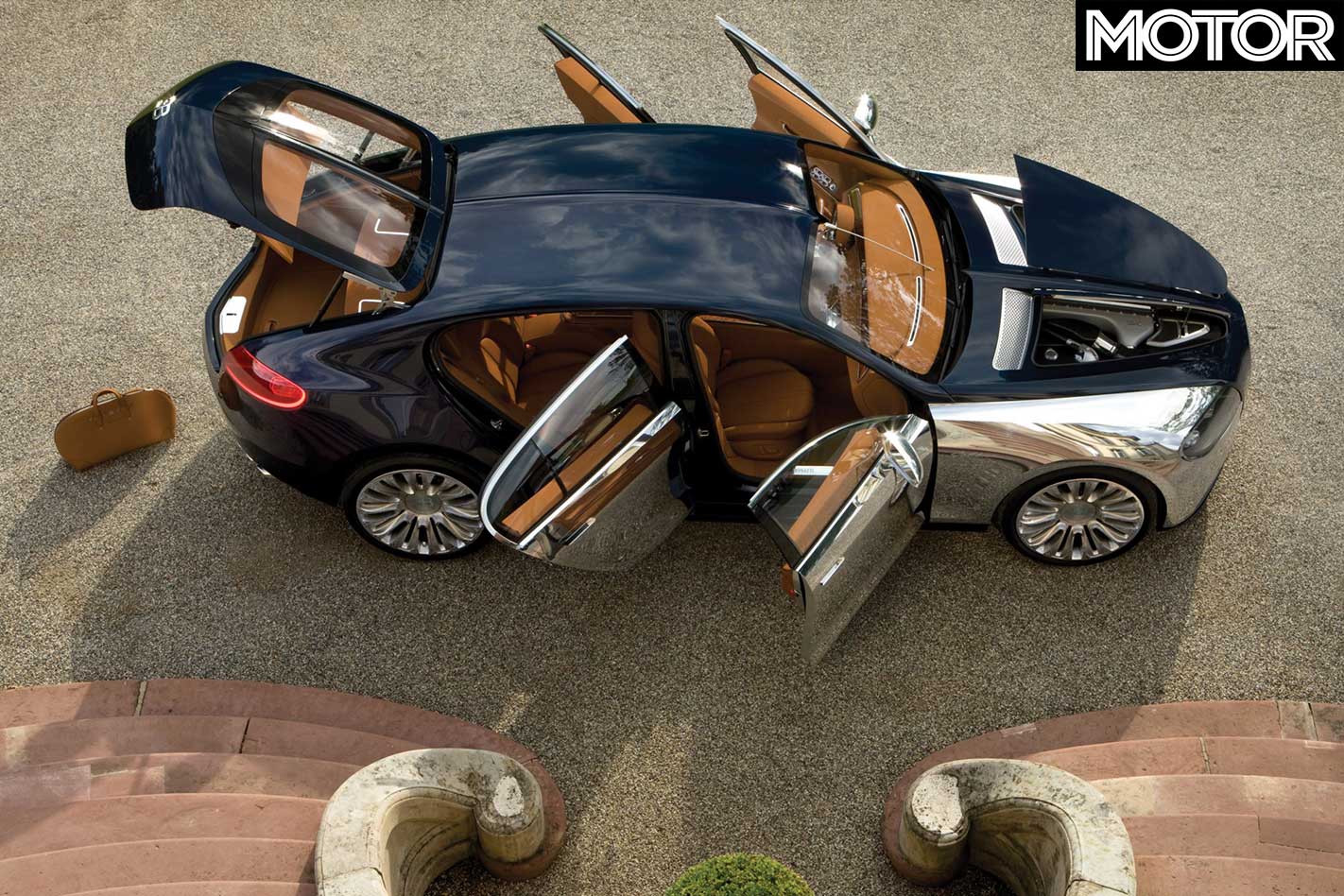
Expected to go on sale around 2023, the new Royale will allegedly be built on Porsche’s J1 platform, which will be used to underpin the brand’s Taycan all-electric sedan. Unlike the Taycan however, the Royale is expected to be bigger and much more luxurious than the Taycan, as befitting of its stature as the ultimate luxury limousine.
Also unlike the Taycan, Bugatti hopes that the Royale would be able to utilise solid-state battery cells instead of the conventional lithium-ion batteries used in nearly all present production electric cars.
Solid-state batteries are said to be more compact with better heat resistance and have a higher energy density than their lithium-ion counterparts. However, battery suppliers currently haven’t been able to mass produce it on a scale suitable for electric vehicle applications.

Regardless of the power source, the report claims that the Royale would have three electric motors producing 650kW that will be sent through all four wheels, will come loaded with Level 4 autonomous driving capabilities and sport a proposed price tag of €700,000 (AUD $1.1m).
According to the report, top-speed records aren’t in the Royale’s sights as Bugatti’s president Stephan Winkelmann wants to divert the brand’s focus away from top speed.
“From now on, we are going to put an emphasis on ultimate overall vehicle dynamics, light weight, and modern sustainable luxury,” Winkelmann said in the report.
The idea of a four door Bugatti isn’t new to the Volkswagen-owned company as it previously mooted the idea back in 2009 with the Bugatti 16C Galibier concept.

As for the ‘Royale’ name, it harks back to Bugatti’s pre-war Type 41 limousine. Built between 1927 and 1933, the Royale was touted to be the most luxurious car ever built. It is believed that ‘inspiration’ for the Royale came as a response to a customer who compared Ettore Bugatti’s cars unfavourably to those from Rolls-Royce.
Whether there is truth to the yarn is uncertain, but Bugatti certainly went to town in creating the Royale, and ended up designing a 6.4-metre long, 3-tonne leviathan with a 205kW 12.7-litre straight-eight engine that was also used to power a number of railcars operated by the French National Railway.
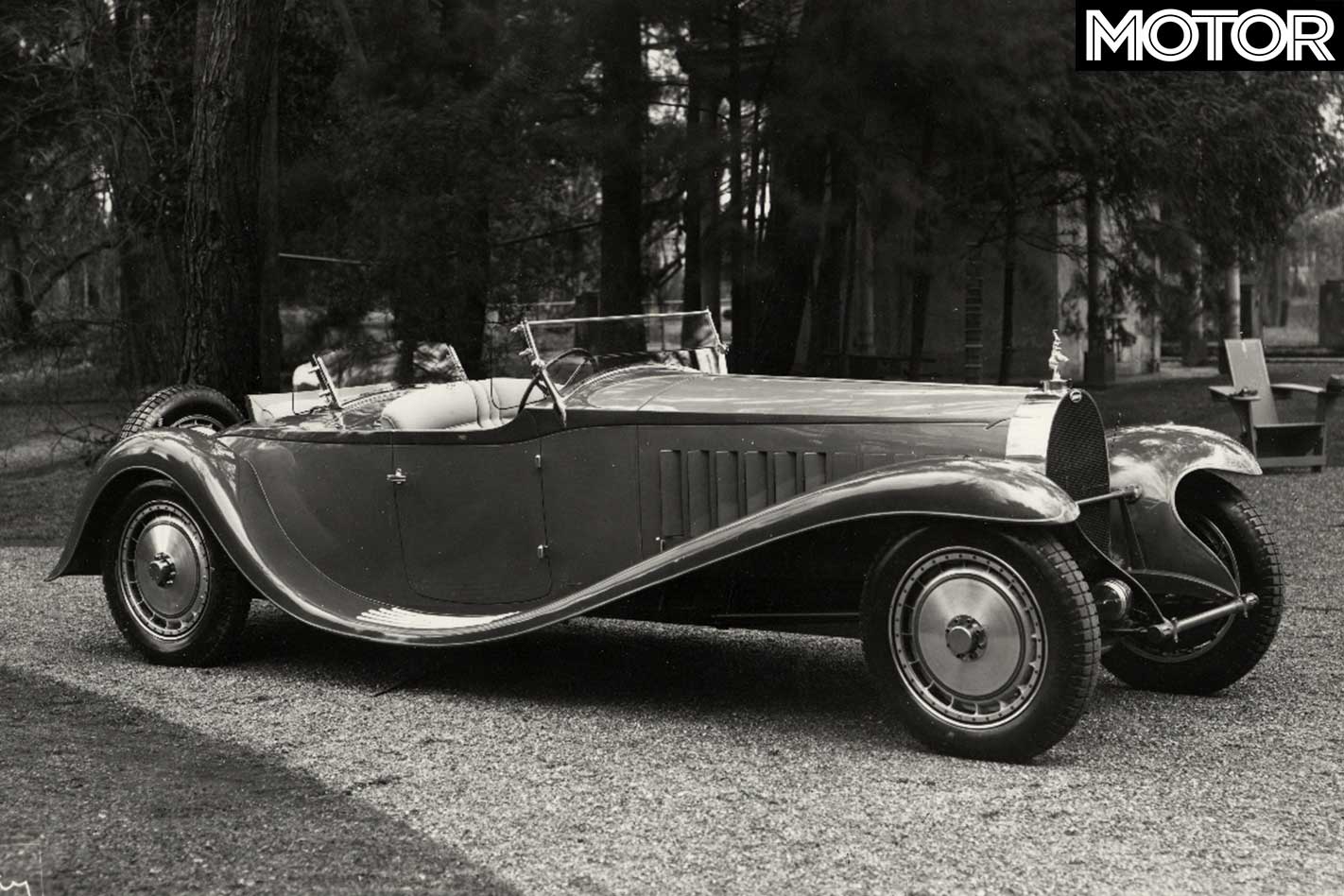
Unfortunately for Bugatti, the Great Depression rained on the Roaring ‘20s and reigned in customer spending. Of the 25 examples Bugatti intended to build, only seven Royales were ever produced of which six remain in existence today.
PORSCHE will resume the manufacturing of the 911 GT2 RS (for at least four cars) after an Italian container ship Grande America sunk off the coast of France, destroying four of the $645,000 supercars.
On March 12, the cargo liner succumbed to a fire that broke out in one of the containers on deck, taking over 2000 luxury cars with it.

In addition to the four GT2 RS’ lost, Audi Brazil reportedly confirmed that the ship carried a number of A3, A5, Q7, RS4 and RS5 models and Porsche Brazil was expecting 37 new cars total; including 718 Caymans and Boxsters, 911s and Cayennes.
Over 2000 tonnes of heavy fuel, containers of sulphuric and hydrochloric acid were also on board, creating somewhat of an environmental disaster for the coast of France.
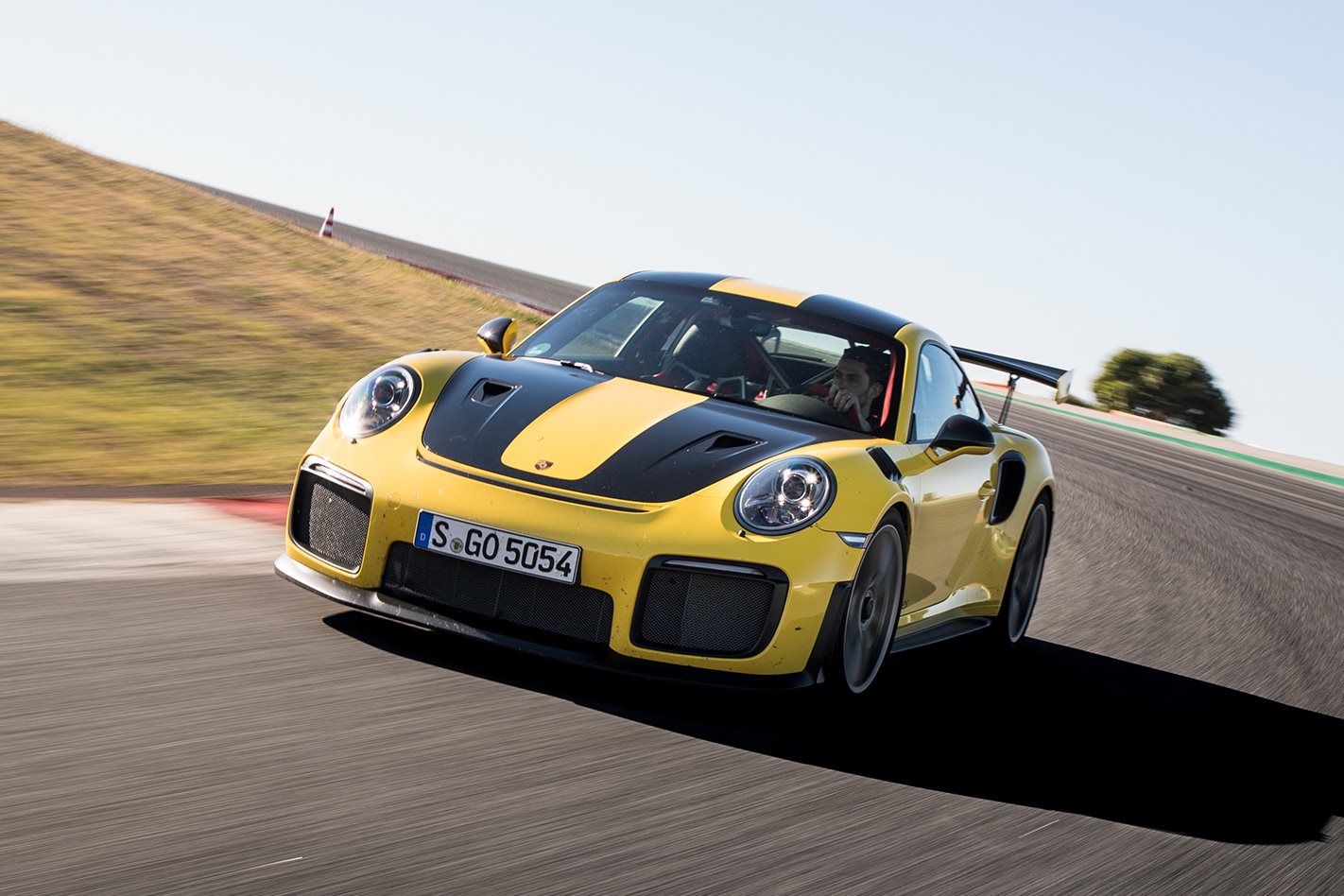
Porsche initially ended production of the GT2 RS in February, but a letter addressed to a customer obtained by Carscoops suggests that the factory intends to replace these cars.
Loosely translated, the letter reads:
“We are sorry to inform you that, due to a fire, a Grimaldi group ship, that was transporting your vehicle, sank on March 12, 2019. And for that reason, your GT2 RS cannot be delivered.
“As you may know, Porsche ended the 991 GT2 RS production on February 2019 and under normal circumstances, it wouldn’t be possible to give you another car. But, due to the nature of the situation, and considering that you’re a loyal and highly valuable customer for our brand, Porsche has decided to resume the GT2 RS production in Germany, and your vehicle will be produced in April, with delivery scheduled for June.”
Porsche officially spoke about the manner via Porsche Brazil, saying “in a special decision and to uphold its commitment to its valued Brazilian customers, Porsche has ensured that those units will be reproduced in the order in which they were originally confirmed.”
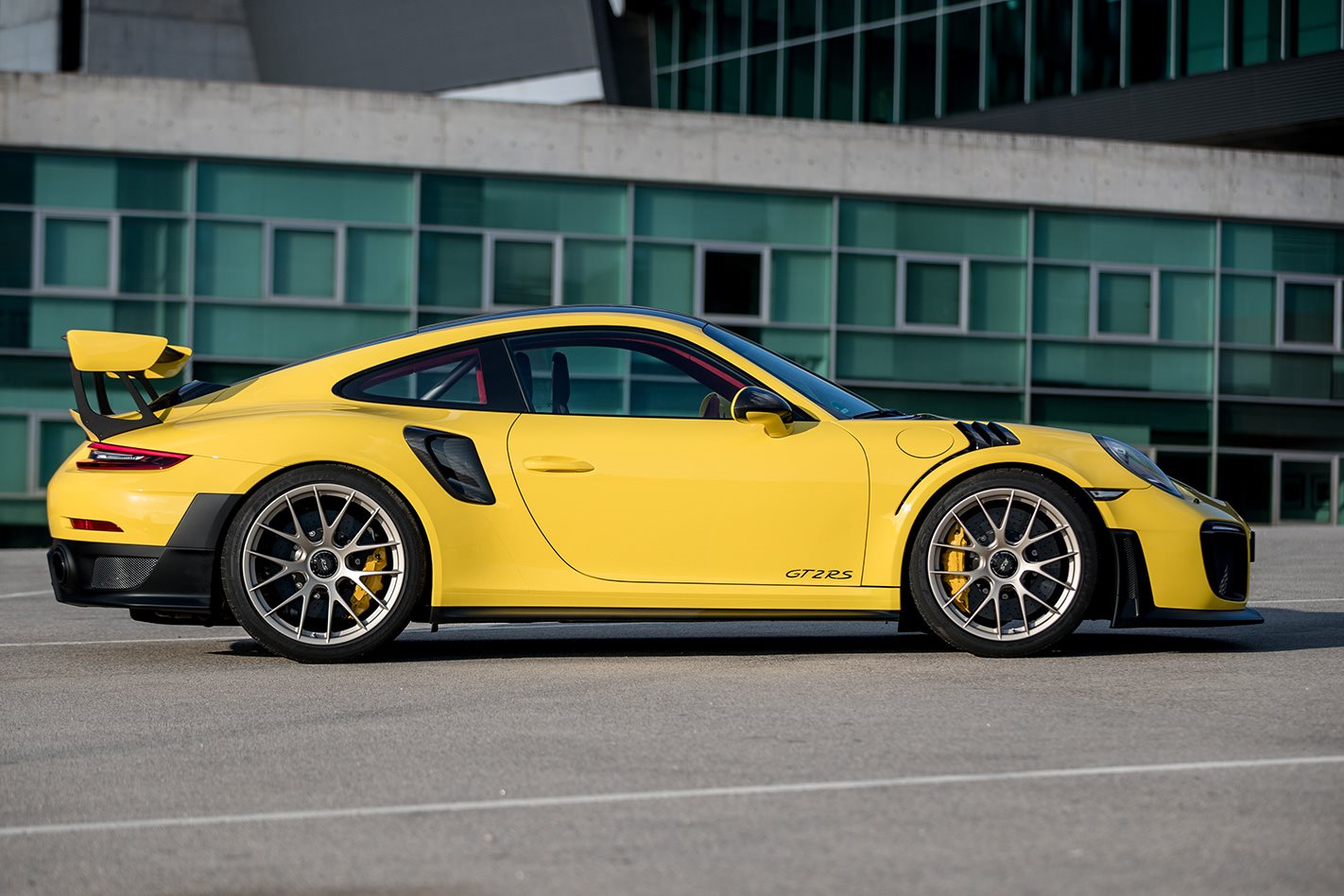
Setting the lap record at The Bend with a GT2 RS
Shipping company The Grimaldi Group says the cars are approximately 140 nautical miles southwest of Brest, France at a depth of 4500 metres, for those keen on going for a snorkel.
I’m a bit confused about my next car purchase. I live in rural NSW with my young family, and I’m looking at something like a dual-cab ute. However, I’m worried about leaving work items in the back of a ute tray unsecured, so I would be looking at adding a canopy or a cover.
However, I wonder if I should perhaps be looking at something like a Toyota Fortuner or a Mitsubishi Pajero Sport wagon? Can you please explain the difference? Would a ute with a canopy do the same job? There seems to be more choice in utes, especially at the lower end of the price spectrum.
Thanks,
Dave, Mudgee, NSW
Hey Dave,
Fundamentally, the only difference between, say, a Toyota HiLux and a Fortuner (or even a Mitsubishi Triton and a Pajero Sport) is the rear suspension layout. The wagons replace the ute’s stiffer leaf spring arrangement with a more passenger car-like coil spring to provide a more pliant, comfortable ride.
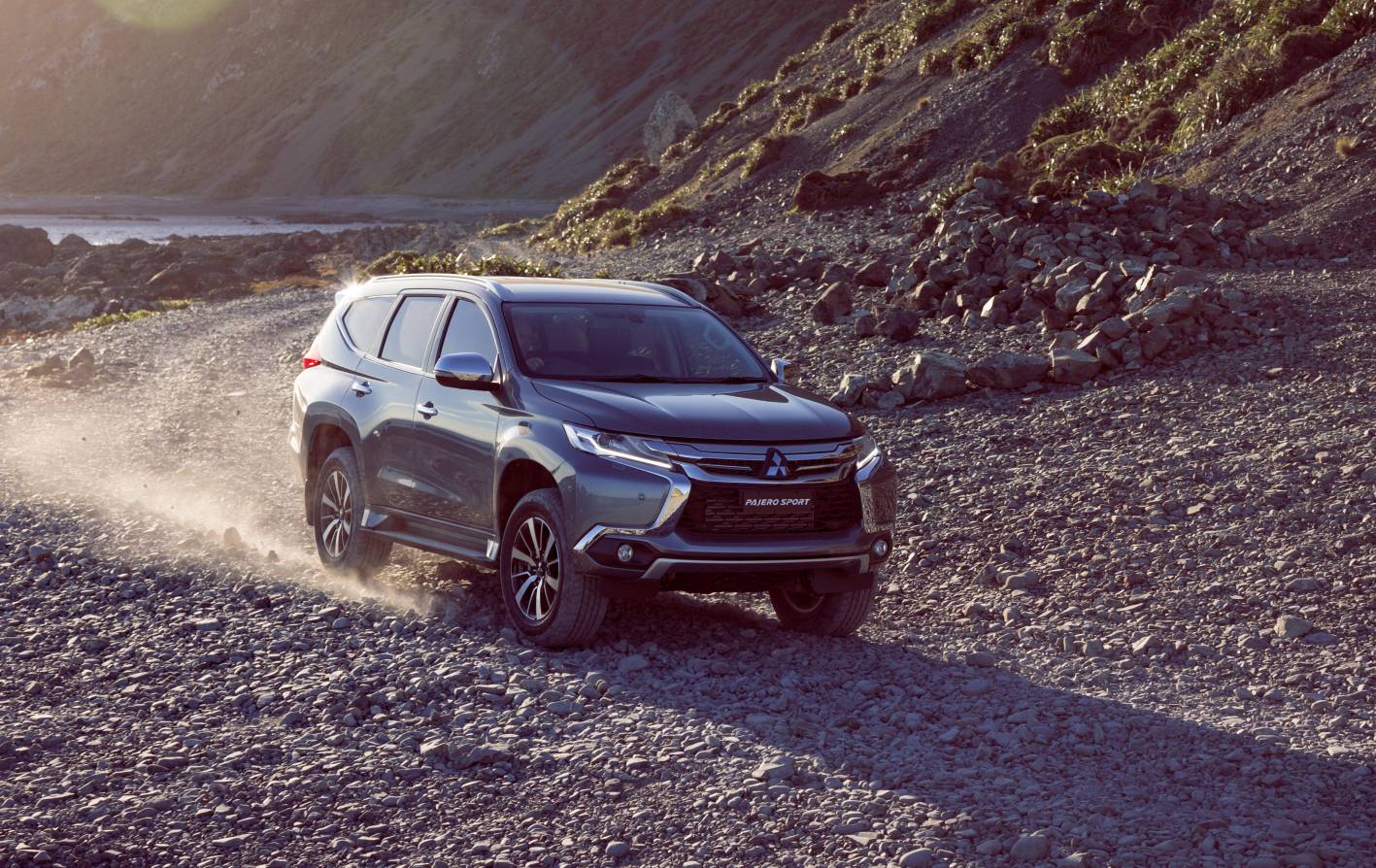
While exterior design and interior layouts may differ, under the skin they are virtually identical. The two examples listed above, for example, share the same powertrains and 4×4 layouts.
Towing rates and payloads (the total weight of cargo you can carry) are a little bit lower with wagons, thanks to their more softly-sprung rear ends.
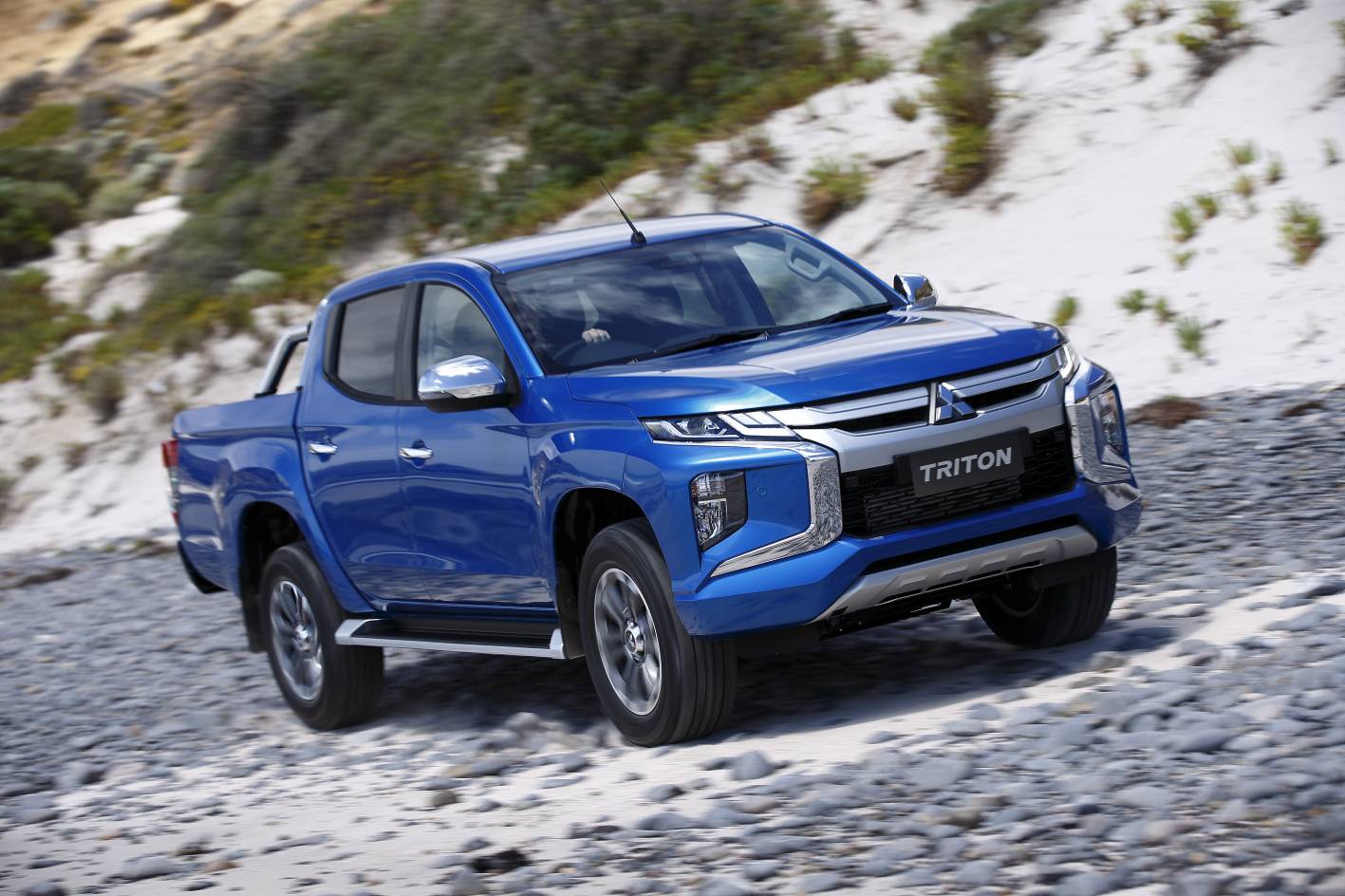
It really depends how you are going to view the car – a work ute that can take the kids around, or a family car that you occasionally use for work?
Depending on your work, a ute with a canopy will give you a secure ‘dirty area’ that’s completely sealed off from the passenger compartment, but could be – depending on how good your canopy is – subject to dust and moisture.
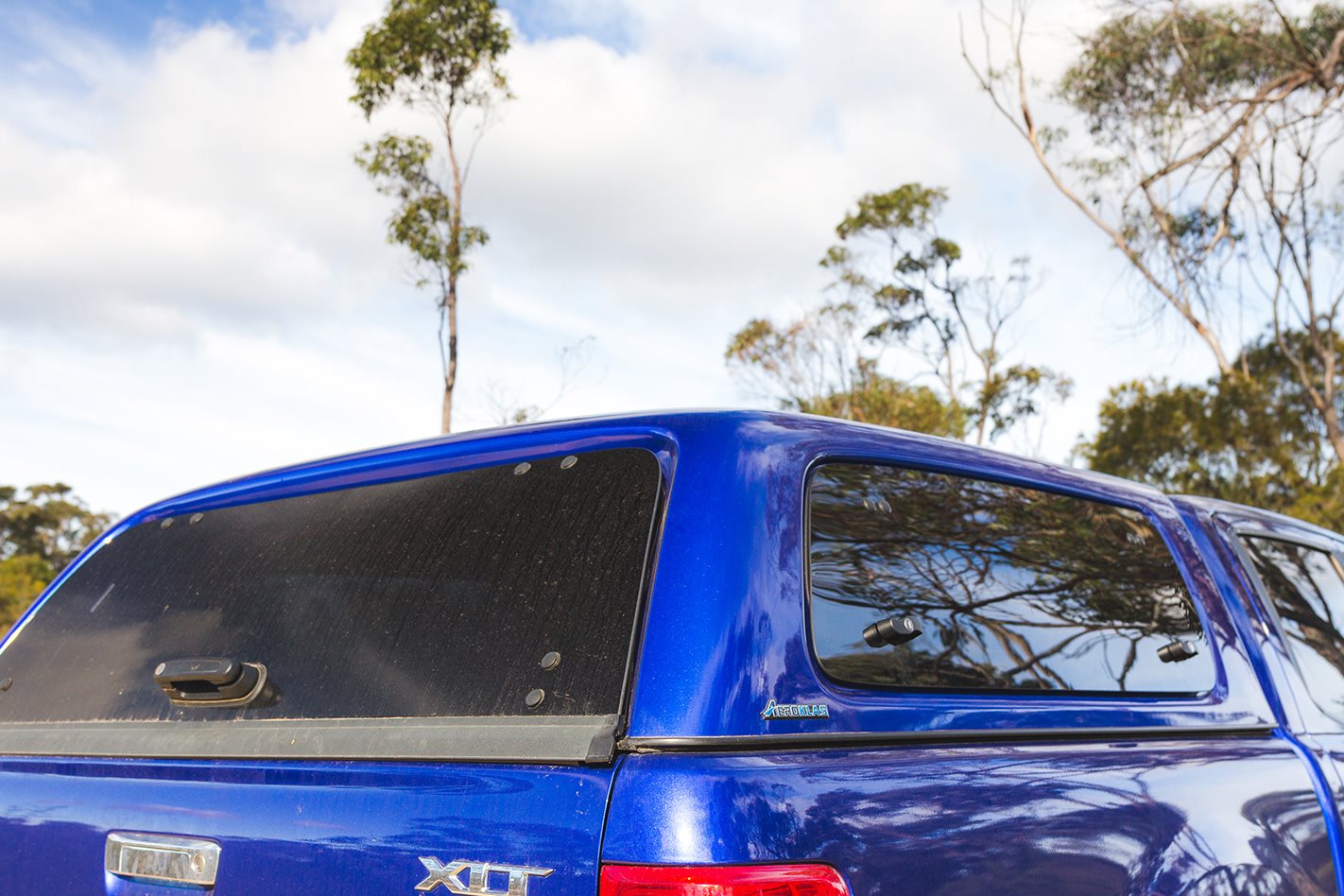
A roll-top cover for the ute tray is also an option, but many of them actually take away a surprising amount of the tray’s length.
A ute will also ride more harshly when it’s not loaded up, which might be an issue on longer drives.
A 4×4 wagon is pretty much like a regular station wagon, and offers the added advantage that you can increase the cargo area by dropping the rear seats when required. Because the cargo space isn’t sealed off, though, you may need to install a security screen to keep your work tools from flying through the cabin if things go bad, which does limit the wagon’s usefulness a bit.
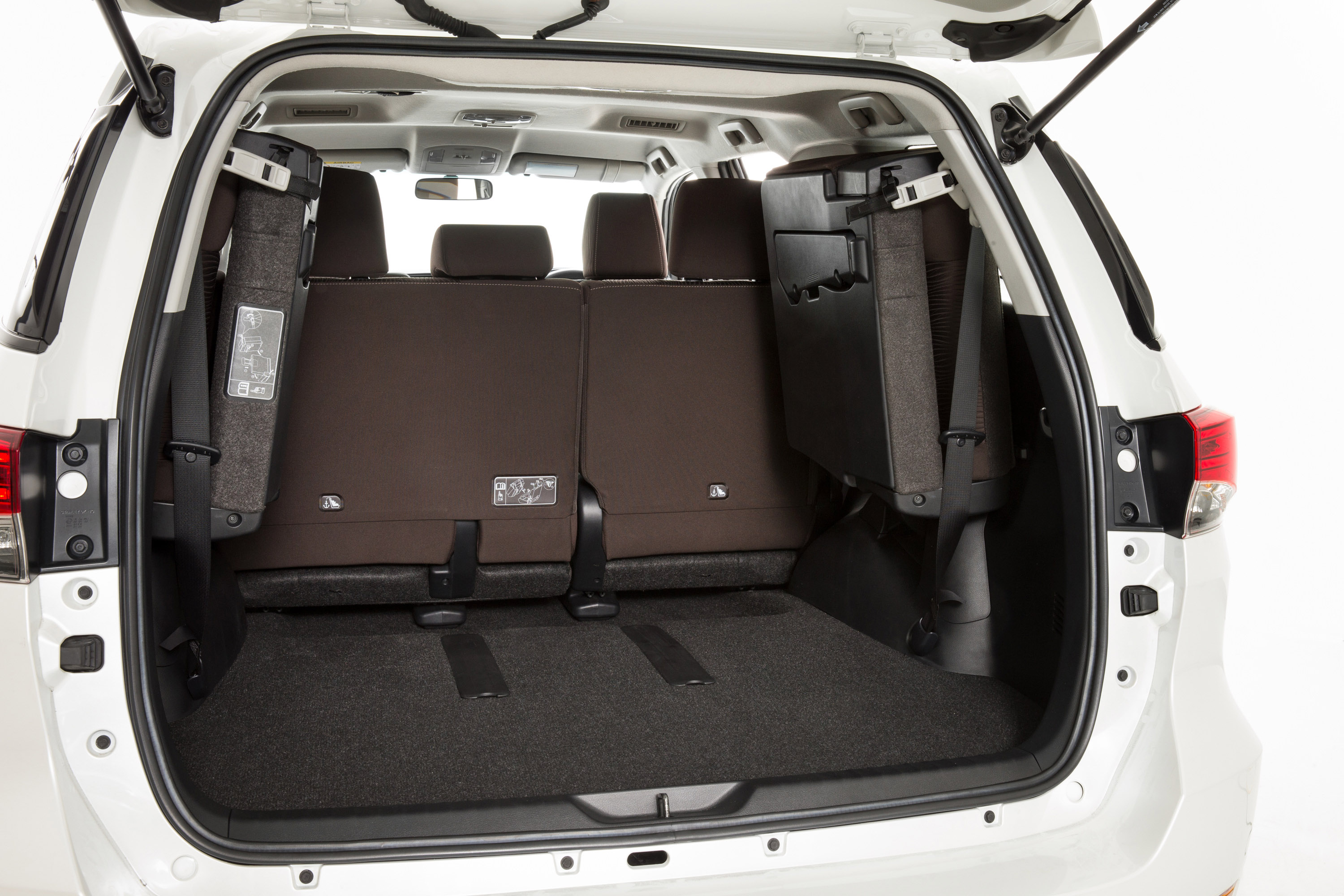
Adaptable: Toyota Fortuner seven-seater load space.
Both cars share the same features, like full-size spare wheels and all-terrain tyres, as well as the same limitations on things like advanced driver aids.
In general, a 4×4 wagon rides much more nicely on the open road, which is great on longer trips, and a lot of 4×4 wagons offer things like vents and USB chargers for rear seaters. You can also buy versions with a third row of seats, but they are, as you point out, more expensive.
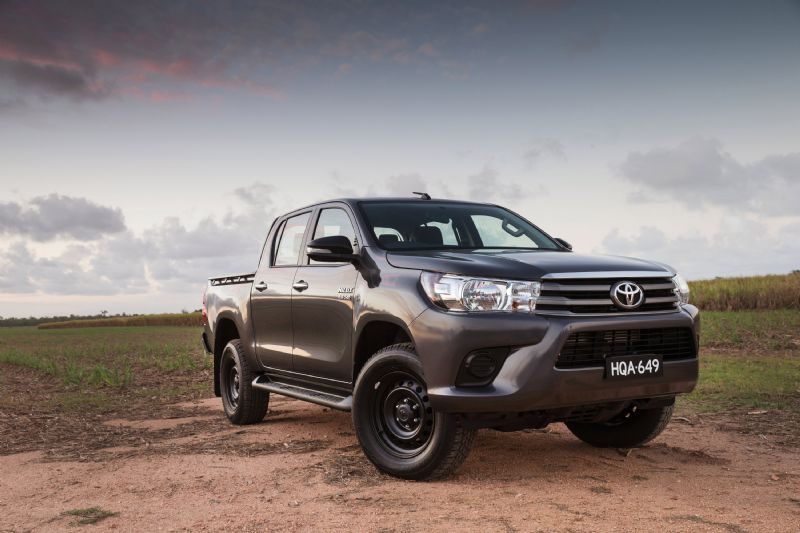
To put it in numbers, if you spend more than 70 percent of your time in town and you don’t have need for a ‘dirty area’, I’d suggest that a 4×4 wagon is a more practical choice. However, if your work life involves lugging bigger, heavier, dirtier tools, then perhaps a dual-cab with a canopy will be a better option.
