NEW 2.0-litre petrol ‘halo’ model brings more oomph to the Q2 line-up
WHAT IS IT?
A more powerful, performance orientated petrol version of Audi’s luxury small SUV. The Q2 arrived at the beginning of 2017 with two variants, the front-wheel-drive 1.4 TFSI Design and 2.0 TDI quattro sport, but this new model introduces Audi’s 2.0 TFSI petrol engine to the range.
WHY WE’RE TESTING IT
We reviewed the Q2 when it arrived early this year and were impressed with its overall design, and performance particularly from the 1.4 TFSI. The petrol turbo provided a perkier ride than the 2.0 TDI, but lacks the quattro drivetrain, so we were keen to see how it would fare with an extra 30kW, 70Nm and all-paw traction.
MAIN RIVALS
Audi holds up the Mini Countryman SD All4 as the closest rival, but you can also include the Mercedes-Benz GLA 250, BMW X1 25i and the Volkswagen Tiguan 162 TSI Highline, which shares the Audi’s MQB platform.
THE WHEELS VERDICT
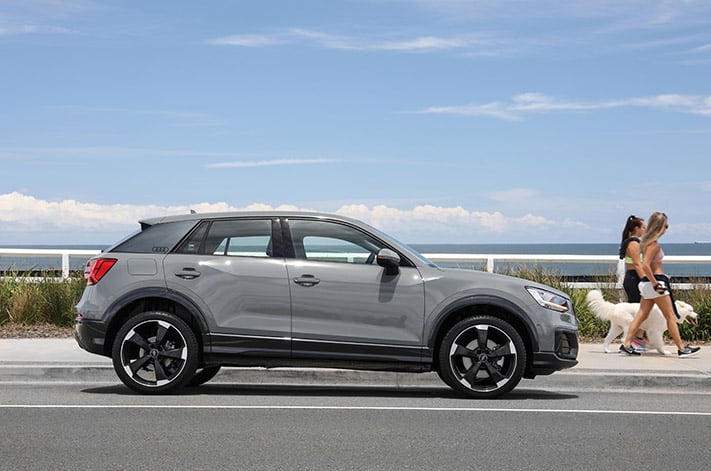
Despite its youthful looks, the Audi Q2 has attracted a diverse range of buyers and the sharper powertrain combined with quattro traction should attract more discerning drivers. The 2.0 TFSI is fun to drive, always has power in reserve and despite oozing urban chic handles rougher country roads with poise.
PLUS: Excellent powertrain; sharp handling; efficiency; equipment MINUS: Similar price to Q3 equivalent but less practical; tyre noise
THE WHEELS REVIEW
AUDI’s pokiest SUV has for too long lacked poke. The Q2 landed locally a year ago and, although the front-wheel-drive 1.4 TFSI petrol was just perky enough, it still uses a basic torsion bar back-end when even a half-price Volkswagen Golf scores a full multi-link independent rear suspension (IRS).
The pricey and porky 2.0 TDI quattro gained it, but it lacks any sort of real push. Enter the 2.0 TFSI, complete with quattro all-wheel drive and IRS – so, on paper, the Q2 should finally have the performance to match polished, rather than povvo, chassis hardware. The extra 600cc eeks an extra 30kW and 70Nm over the 1.4 TFSI to now tally 140kW/320Nm, with a 6.5-second 0-100km/h now a couple of seconds quicker and the 6.5L/100km combined-cycle consumption 1.2L/100km thirstier.
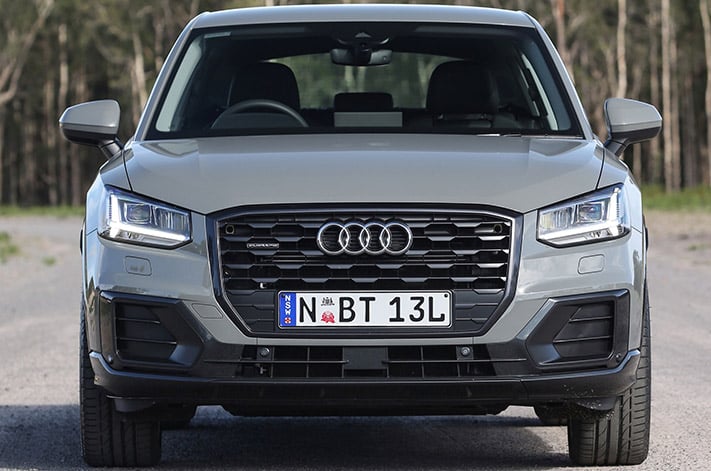
Throttle response is instant with little sign of turbo lag, and the petrol teams seamlessly with the seven-speed S tronic dual-clutch that’s standard on the Q2 trio. The quattro system, which can technically send 50 percent of torque to the rear wheels when needed, permits the throttle to be pedalled nice and early out of corners, and the ride is surprisingly poised – a bit jiggly on optional 19-inch wheels, but reasonably silken on standard 18s, with great control particularly over patchy bitumen at speed.
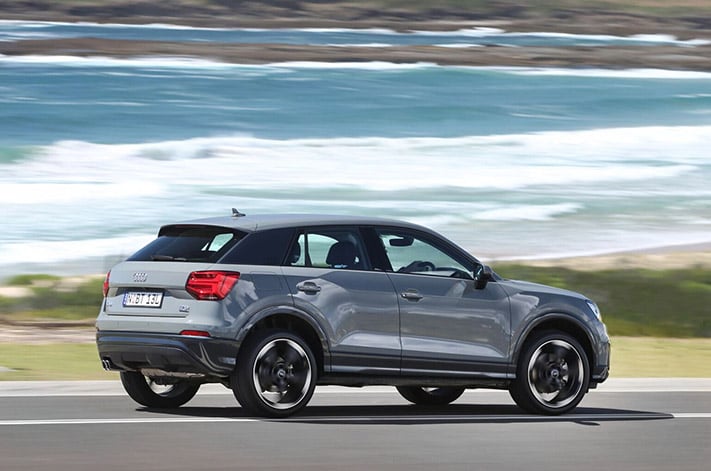
Value is the only real sticking point. For the new year Audi has added LED headlights across the range, but for the $6700 extra over the 1.4 TFSI, the $48,500 2.0 TFSI only adds larger 18-inch alloys (up from 17s), a blind-spot monitor, body-colour and silver exterior trim, and aluminium cabin inlays.
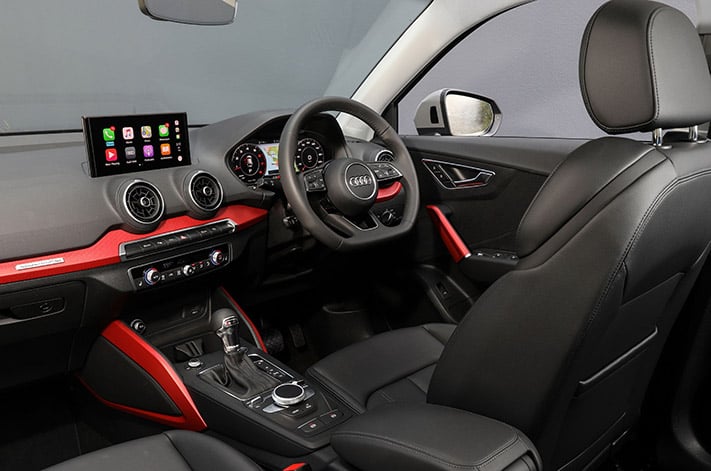
But Ingolstadt can get more from this engine, as the S3 shows, so an SQ2 is all but inevitable. This is the Q2 sweet spot for now, then, but another wait will be required for the next power push.
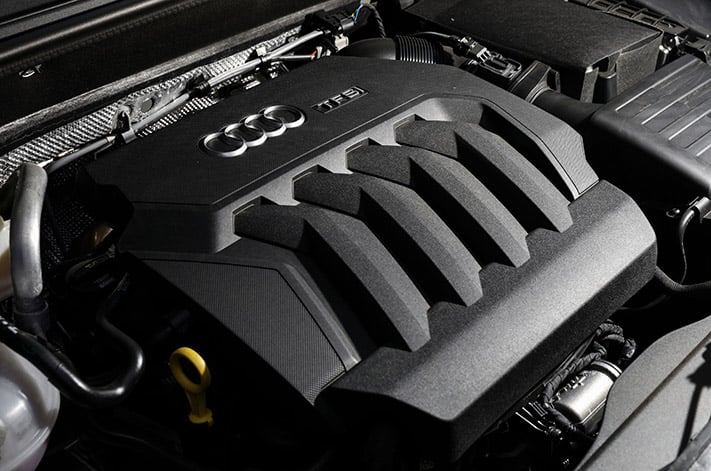
AUDI Q2 2.0 TFSI QUATTRO SPORTS SPECS Model: Audi Q2 2.0 TFSI quattro S-tronic sport Engine: 1984cc in-line 4, dohc, 16v, turbo Max power: 140kW @ 4200-6000rpm Max torque: 320Nm @ 1500-4200rpm Transmission: 7-speed dual-clutch Weight: 1430kg 0-100km/h: 6.5sec (claimed) Fuel economy: 6.5L/100km Price: $48,500 On sale: Now
A DECADE after the Mazda 6 MPS disappeared from Australian showrooms, a car worthy of the badge is about to make a comeback. Yep, the flagship sedan in the Japanese car maker’s line-up is about to add some real excitement with a turbo engine.
Mazda has announced it will pull the wraps off what it calls a “2.5T” version of the mid-size sedan as part of a major mid-life overhaul of the range that will be unveiled at the LA Motor Show, which kicks off late this month.
It will come to Australia in the second half of next year, but instead of marking a revival of the MPS badge to take on the likes of the Volkswagen Passat 206TSI R Line, Mazda Australia believes the Mazda 6 2.5T will answer the call of customers seeking more power and torque from the brand’s range-topping passenger car. The car maker is not yet ready to talk price, but the former MPS carried a $6K premium over the highest-priced 6 at the time.
Under the facelifted 6’s bonnet is the same turbocharged 170kW/420Nm 2488cc four-cylinder engine that’s used in the seven-seat, reigning Wheels Car of the Year champion CX-9 SUV, and tuned to 91RON fuel, mated to a six-speed automatic transmission and sending drive to either the front, or all wheels. That compares with 190kW and 380Nm produced by the former Mazda 6 MPS’s 2.3-litre turbocharged four-cylinder engine that last sold in Australia in 2007. The update will make the Mazda 6’s petrol engine as torquey as the range’s 2.2-litre twin turbo-diesel engine that only manages 129kW.
“The development team’s goal for this round of updates, the third since the model was fully redesigned in 2012, was to enhance the daily lives of people who love cars, incorporating premium details and new engineering concepts and technologies based on Mazda’s human-centered design philosophy,” Mazda said in a statement. “Producing torque on par with [a] 4.0-litre V8, this engine offers an effortless performance feel that is equal parts composure and excitement.”
No details have been released about the 2.5T’s performance figures, although the less torquey but more powerful MPS-badged 6 could dispatch the 0-100km/h sprint in around 6.6 seconds.The best the non-turbo engine in the current 6 has managed on test is 7.6 seconds. The engine isn’t expected to feature under the bonnet of the Mazda CX-8, a fastback-styled, seven-seat version of the CX-5 that is currently only on sale in Japan but confirmed for an Australian arrival sometime next year with a 2.2-litre diesel engine under the bonnet.
But Mazda has also announced changes are in store for the 6’s default 138kW/250Nm powerplant. Like other Skyactiv-badged cars in the line-up, its 2.5-litre atmo engine will add cylinder deactivation to help save fuel while cruising under light load – the same technology will be added to the CX-5 mid-size SUV.
The makeover continues inside, where Mazda says it woirked hard to “raise the quality feel of both the interior and exterior, resulting in a look of greater maturity and composure”.
“A new high-grade interior features Japanese Sen Wood, often used in traditional Japanese instruments and furniture, and other exclusive trim elements for an enhanced premium feel that is authentic to the brand,” it said. “Overall the design is more distinctive, premium, beautiful and dignified, as befits the flagship of Mazda’s passenger car line-up.”
Safety also gains a tweak to make it more user-friendly in hevy traffic, with the Mazda 6’s active cruise control adding a function that allows it to come to a complete stop behind the car in front, and take off again when the car in front moves away. The higher-spec models are also expected to gain a surround-view camera system that helps a driver identify any unseen obstacles while making low-speed manouvres – meanwhile, the cheapest Mazda 2 still doesn’t get a reversing camera as standard.
WHO wants a Drift Stick? You know, the Ken Block-developed, fun-loving, sideways-drifting enhancement for the Ford Focus RS that wasn’t about to come to Australia, and only because it wouldn’t be made in right-hand-drive configuration…
Time to turn that frown upside down, because thanks to Aussie Ford tuner Rob Herrod, there’s every chance it will. Herrod, who describes himself as the third largest Ford Performance dealer on the continental US and the largest outside of it, has called for expressions of interest from right-hook rally enthusiasts keen to ensure the Drift Stick isn’t lost in translation.
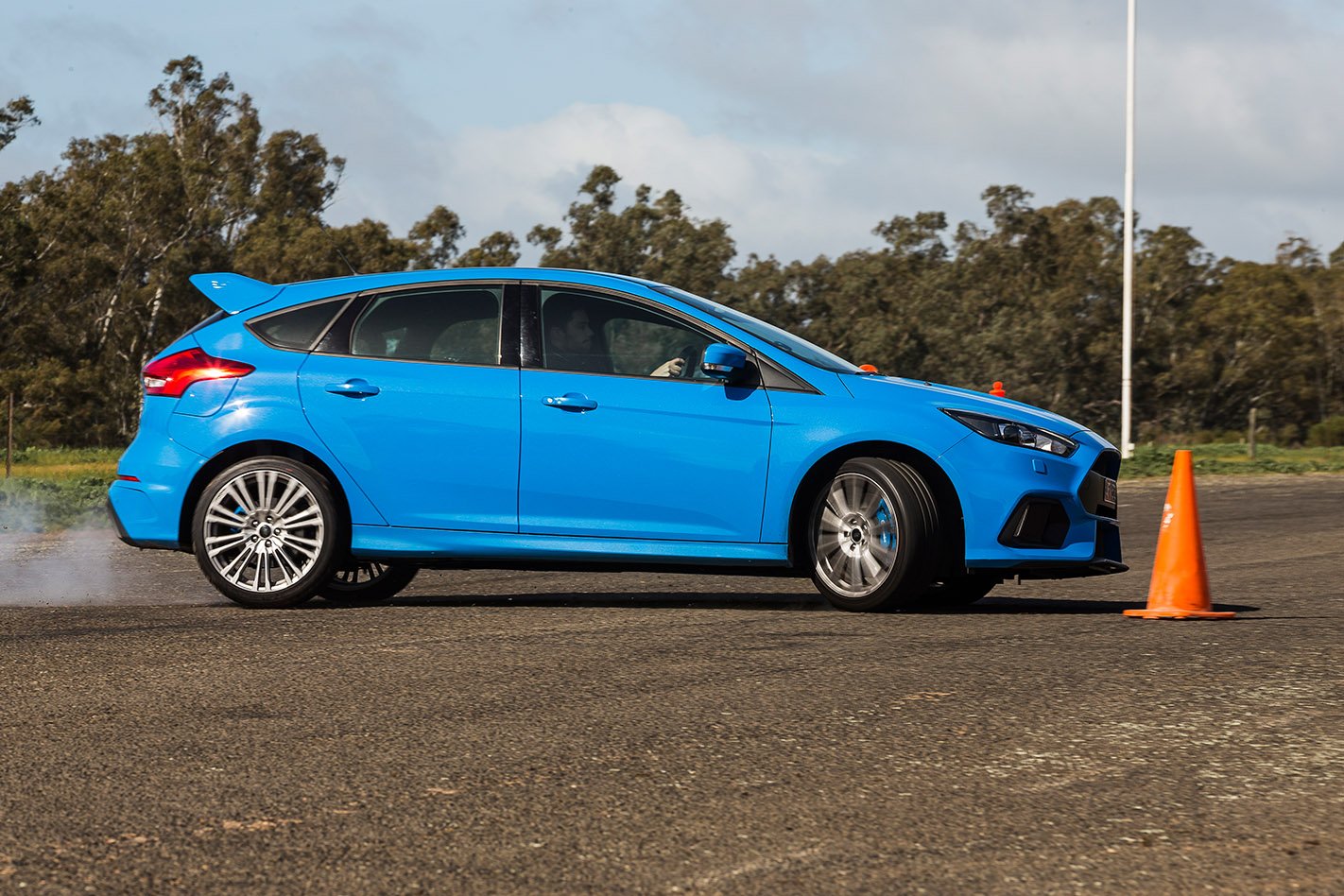
“I know all the people [at Ford Performance] who developed the Drift Stick, and I’ve had people from Australia contacting me while I was there [in the US] wanting it,” he said.
“But then I discovered it does not fit left-hand drive,” he said. “I’m back in Detroit early this month and we’re going to investigate it.”
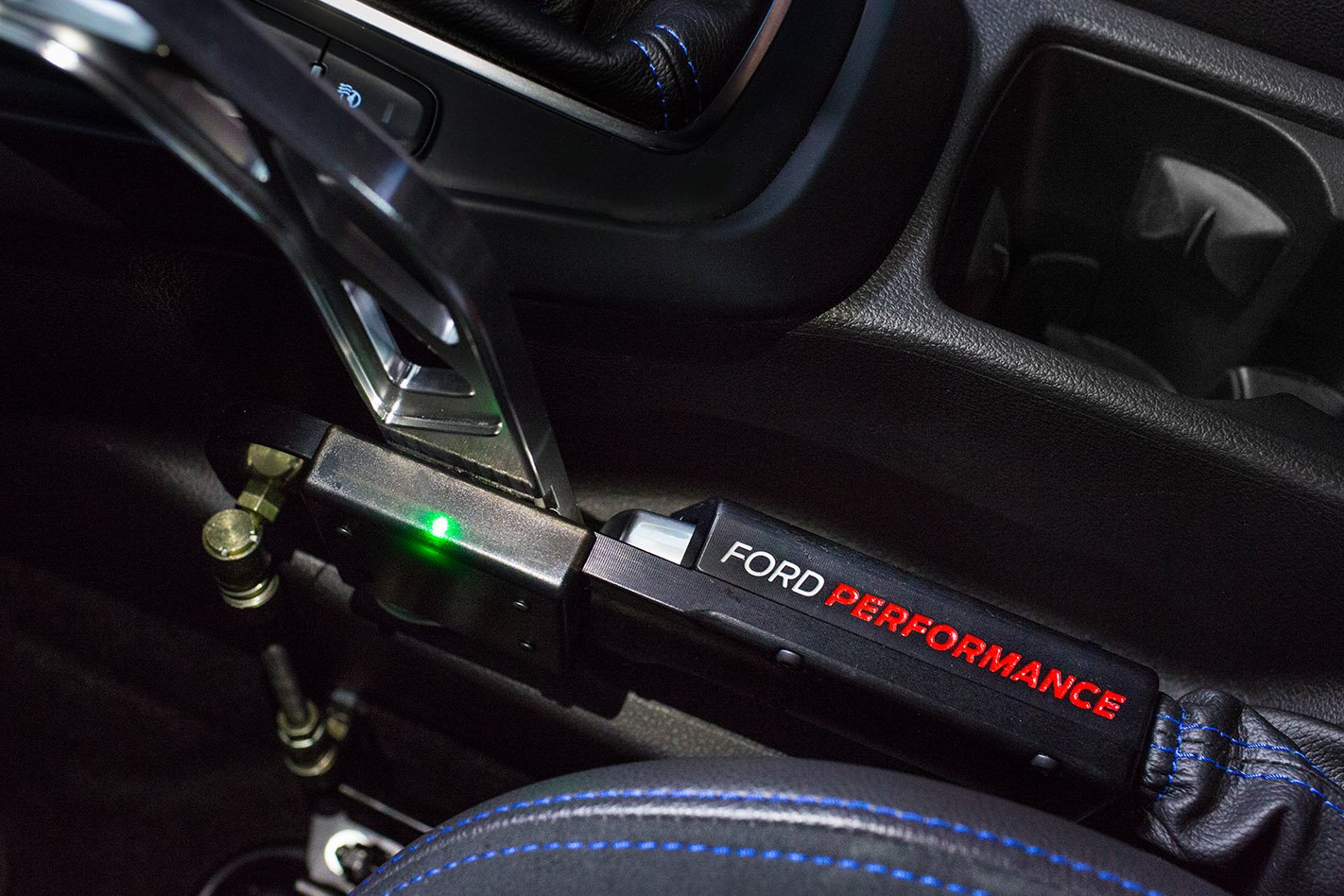
The left-hand-drive Drift Stick, which replaces the electronic handbrake lever in the 257kW Focus RS, doesn’t convert to right-hand drive because of the way the device is mounted to the floor and integrates with the car’s onboard diagnostic port.
It works by opening the rear wheels’ hydraulically controlled torque vectoring clutches and grabbing the rear brakes when pulled to allow for a clutch-free drift initiation. Pair it with the Focus RS’s Drift mode, and you have a recipe for plenty of oversteer action.
Herrod said if his bid to convert the Drift Stick to the other side of the transmission tunnel was successful, there was potential to sell the device into other right-hook markets globally.
We love a fast wagon at MOTOR, and the Mercedes-AMG E63 S Estate has just endeared itself to us a little more.
Despite the fact it’s something we aren’t able to buy here in Australia (we’re limited to the still-awesome sedan), its 450kW 4.0-litre twin-turbo V8 and claimed 0-100km/h run of 3.5 seconds still make it something to get excited about.
And now we know it can lap the Nürburgring Nordschleife Circuit in 7:45.19.
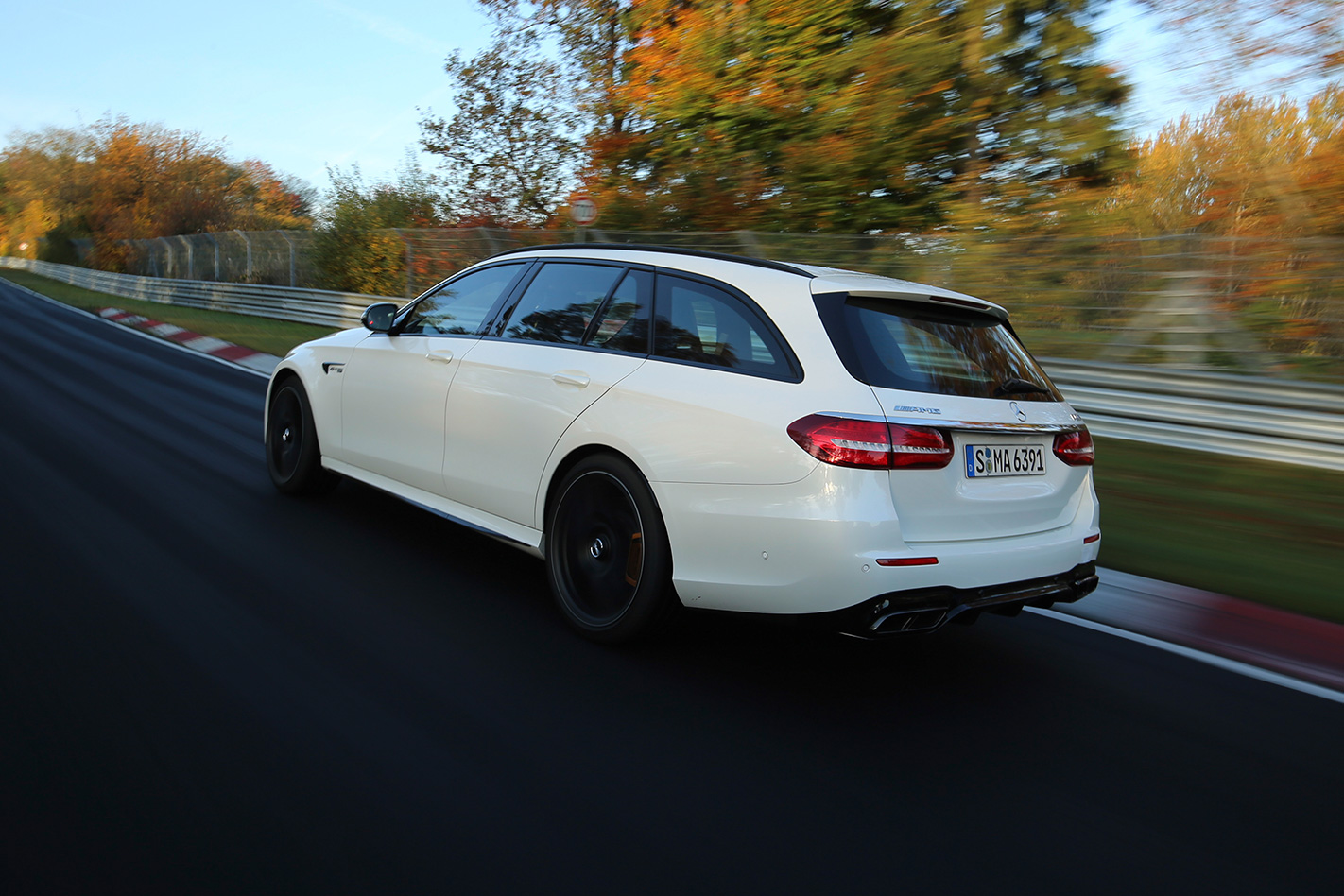
“It comes as no surprise that the Performance Estate showed off its most dynamic side in the super test of sport auto magazine on the Nordschleife Circuit.
“Optimal fine tuning on the extremely demanding “Green Hell” of the Nürburgring is part of the development programme of every model at Mercedes-AMG.”
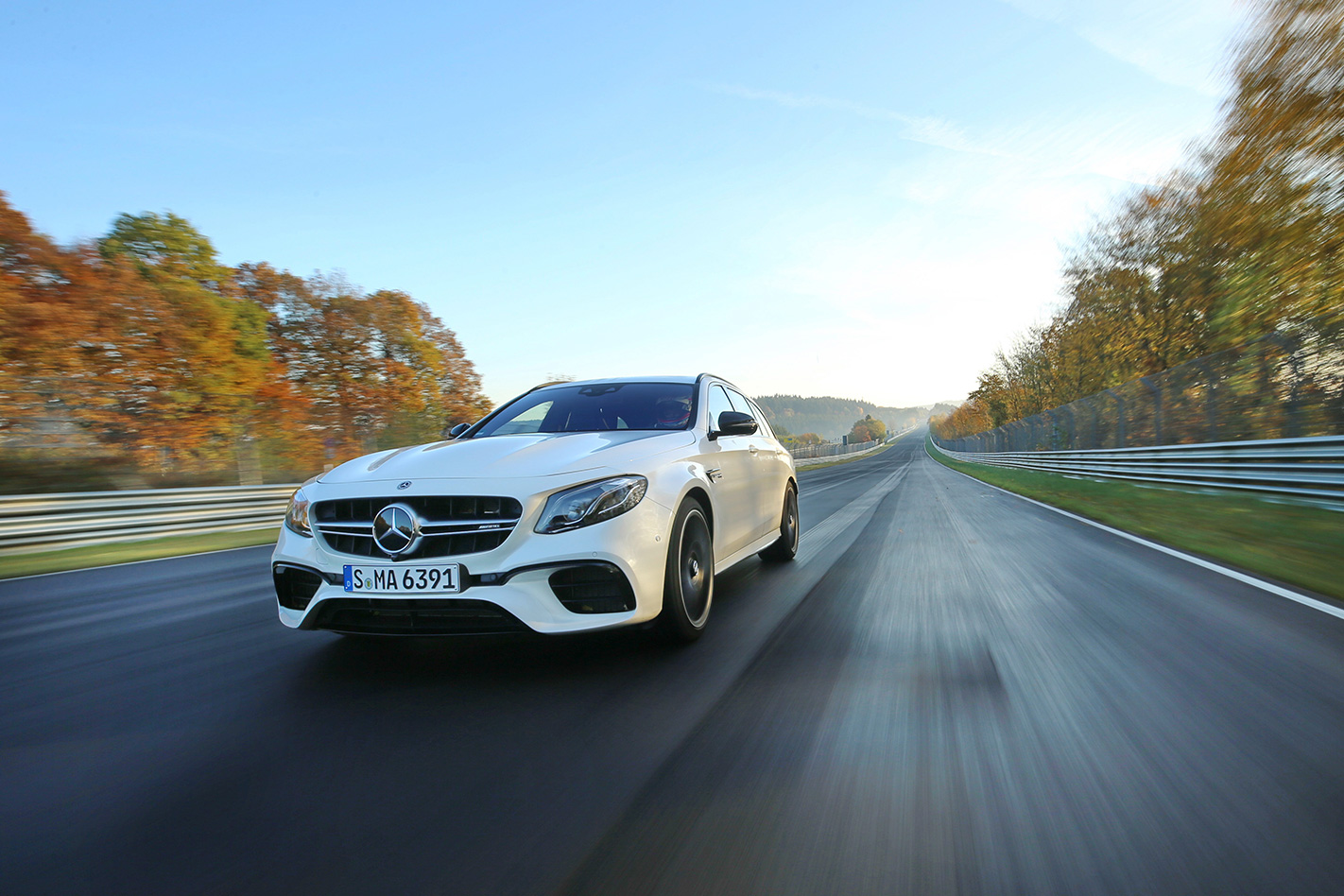
Given that the sedan is marginally faster than the wagon (and a little more dynamically oriented), we expect it to take the fight to the fastest four-door around the Nürburgring, the Alfa Romeo Giulia Quadrifoglio and its 7:39 lap time.
Though Mercedes doesn’t often partake in Nürburgring lap record attempts (this one was undertaken by German mag Sport Auto), it’d be interesting to see just how quick a factory-backed attempt could be.
TELL ME ABOUT THIS CAR
This is the flagship model for the new XC60 luxury medium SUV, which is a vast improvement on the previous version.
It is built on the same all-new chassis as the larger XC90, which has allowed Volvo to fit the XC60 with the same powerful “T8” 2.0-litre turbocharged and supercharged petrol engine used in the bigger SUV as part of a plug-in hybrid powertrain.
The range-topping R-Design spec brings an enhanced adaptive sports chassis and suspension giving its sport sedan-like road holding and corning.
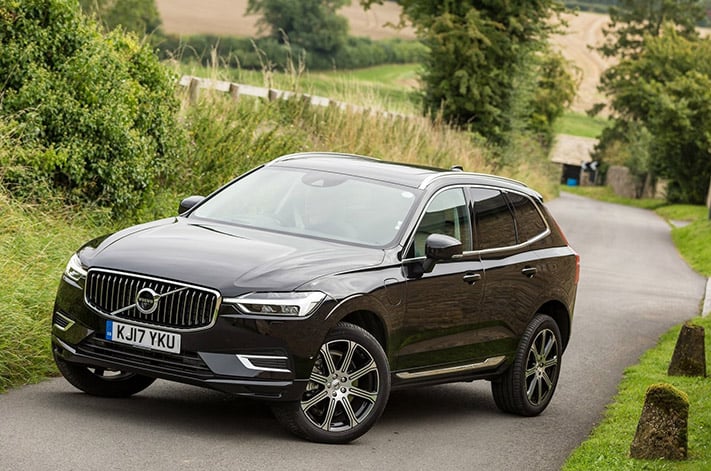
The XC60 T8-Hybrid R-Design is priced from $92,990 and comes with a scrolling list of standard features as well as a host of optional extras to take the price well beyond $100,000.
STRENGTHS
- It’s safe. You’d expect that from a Volvo, but the new XC60 has received the highest Euro NCAP crash test rating so far in 2017, scoring an “almost-perfect 98 percent” for the way it protected adults in a simulated crash. And its autonomous emergency braking scored maximum points in Euro NCAP low-speed tests “typical of city driving”, with collisions avoided at all test speeds.
- The R-Design spec comes with Pilot Assist and BLIS active safety as standard. Pilot Assist takes care of semi-autonomous steering, acceleration, and braking on well-marked roads up to 130 km/h, while BLIS takes over the steering to evade a head-on collision should the driver stray into the wrong lane.
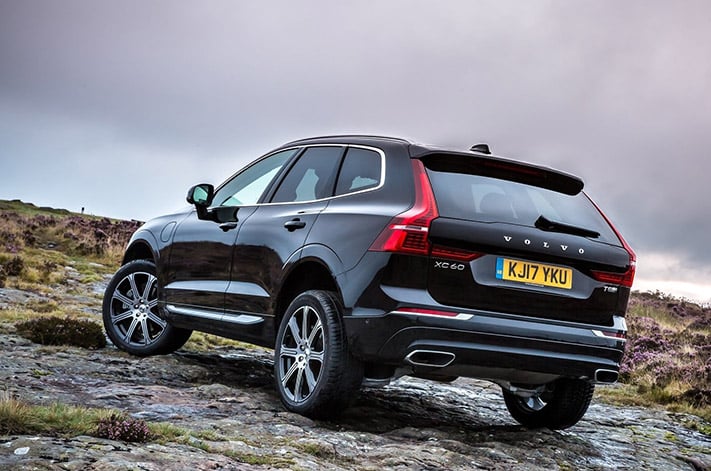
- It’s incredibly quiet. In many electrified vehicles the silence of running on batteries is often undermined by tyre or wind noise, but the XC60 T8 is incredibly quiet even when the engine is running. On batteries it is submarine silent and I actually found it quite soothing to drive without the radio or climate control fan on.
- There are several driving modes including Pure, which is all electric, Hybrid, which uses the electric motor and petrol engine to balance power and efficiency and Power mode, which uses the electric motor and (mainly) the petrol engine to make the most of the 300kW/640Nm on tap, including giving the SUV a 0-100km acceleration time of 5.3 seconds.
- Hybrid mode is the happy medium and in heavy urban freeway traffic it provides plenty of zip. I averaged around 8.0L/100km.
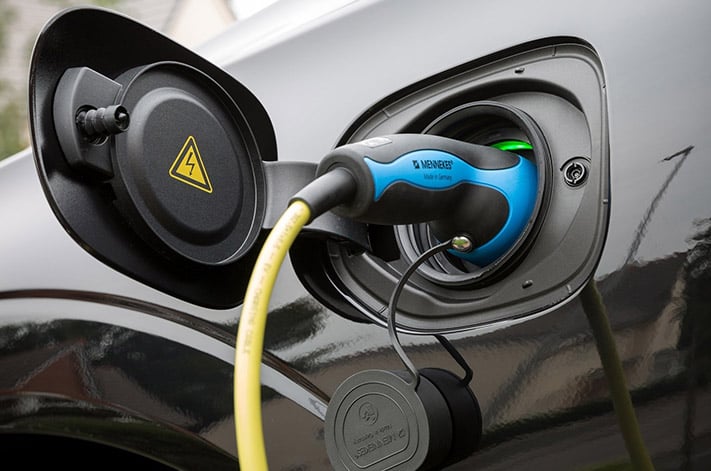
- If you’re able to charge it up every night, the theoretical Pure electric range is 45km, which would cover most trips to, and some from, work. That said that distance would be significantly reduced on a hot Aussie morning if you have the climate control cranked up.
- Apart from the raised driving position this doesn’t feel like you’re behind the wheel of an SUV. The chassis feels well planted around bends, with minimal body roll, and the adaptive suspension puts UN diplomats to shame with the way its finds a compromise between road handling and comfort.
- Get your head around its control and infotainment layout – particularly the multiple layers and modes of the swipe-and-push touchscreen – and there’s a fine mix of functionality and design.
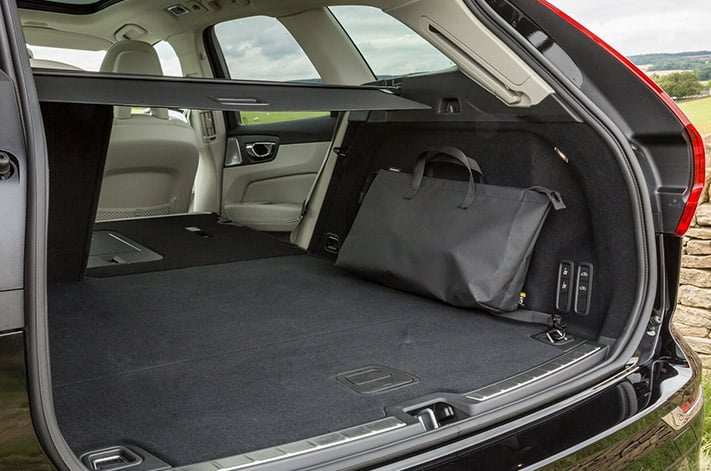
- Boot space is 505 litres, which is about average for a medium SUV, and the wide opening helps fit bulky loads.
WEAKNESSES
- It’s quite wide for medium SUV which can make it difficult to park within the lines. Helping you, however, are a 360-degree camera view and an automated parking assistant.
- The head-up display sits towards the centre of the windscreen, which can give the illusion that you’re too far to the left.
- Despite the hefty price tag you’ll have to fork out more for creature comforts that some models take for granted. Our test car was fitted with the Premium Pack that added heated front/rear seats and steering wheel, ventilated front seats, tinted rear glass, the active chassis with air suspension, and a Nappa leather interior. This costs $7500, taking the retail price to $105,340.
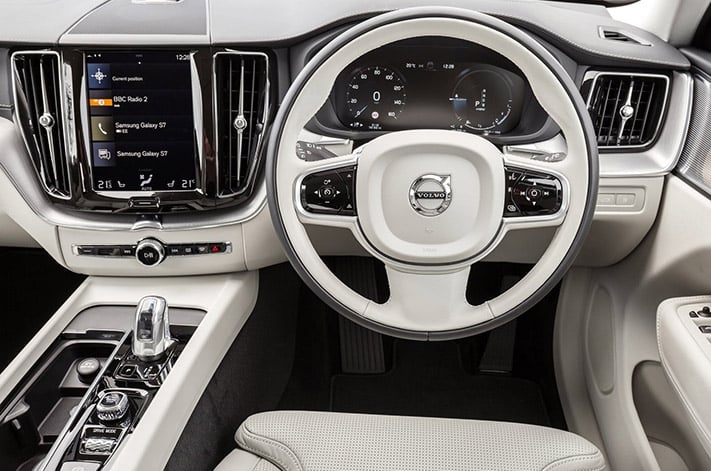
- The crystal-look gear selector looks a bit naff and gets very hot when the car is parked in the summer sun.
- There’s no spare tyre, so if you get a flat and use the tyre inflation kit, you’ll also need to replace the rubber after you’ve limped back home. Not great if it happens off road.
The XC60 has a host of rivals including the usual German and British suspects such as the Audi A5, BMW X3, Mercedes-Benz GLC, Jaguar F-Pace, Porsche Macan and Range Rover Velar. The list shortens significantly when confining it to electrified drivetrains, such as the hybrid Lexus NX300h Sports Luxury or the all-electric Tesla Model X 75D. BMW is believed to be making plans to one day have an all-electric version of its latest-generation X3 on sale; a plug-in version appears to have been shelved for now.
THERE is no better car to represent the Holden Special Vehicle ethos, and the passion of its employees, than the GTSR W1.
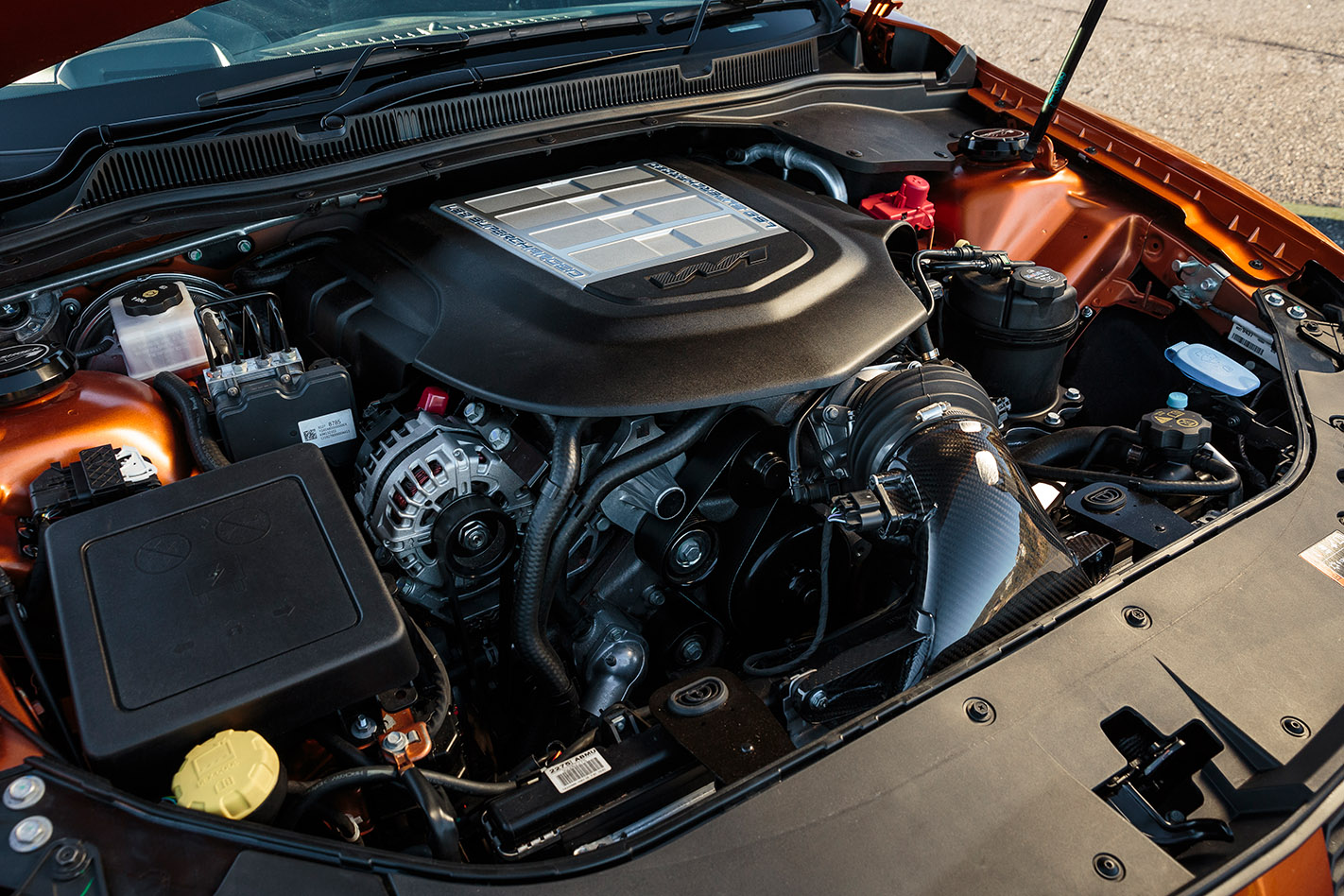
It’s a raucous, roaring tribute to Australian-built cars, with a stonking supercharged V8 sending buckets of power to the rear wheels. But sadly, HSV will have to send some of the$170K sedans it built to the crusher, LS9 engine and all.
It’s the tragic fate of all pre-production vehicles, and even though HSV scoured GM’s backlots to source 300 of the now-out-of-production LS9 powerplants, the first few W1s to come off HSV’s Clayton production line are destined for the scrap heap.
Part of the state-by-state rule that allows HSV to build and drive pre-production cars on the road in Victoria before they’re officially homologated is that once all the testing is done, they must be destroyed.
The W1’s iconic engine and gearbox, along with all interior trim, will have to go to the grave with the bodies, as legislation requires the pre-production models be scrapped with a “representative drivetrain”.
Engineering mules often receive hacks and modifications during the development process, and the government, along with manufacturers, are understandably eager to keep these unrepresentative vehicles from falling into the hands of road-going consumers (although in the early days, the prototypes were often sold to car company employees). These days, the development cars are referred to as “non-saleable pilots”.
Much scarcer are the “saleable pilots”, which don’t necessarily have to face destruction due to the less extreme modifications they receive, and their similarity to final production models.
While these cars can end up in the hands of the public and registered, that is a rare occurrence.
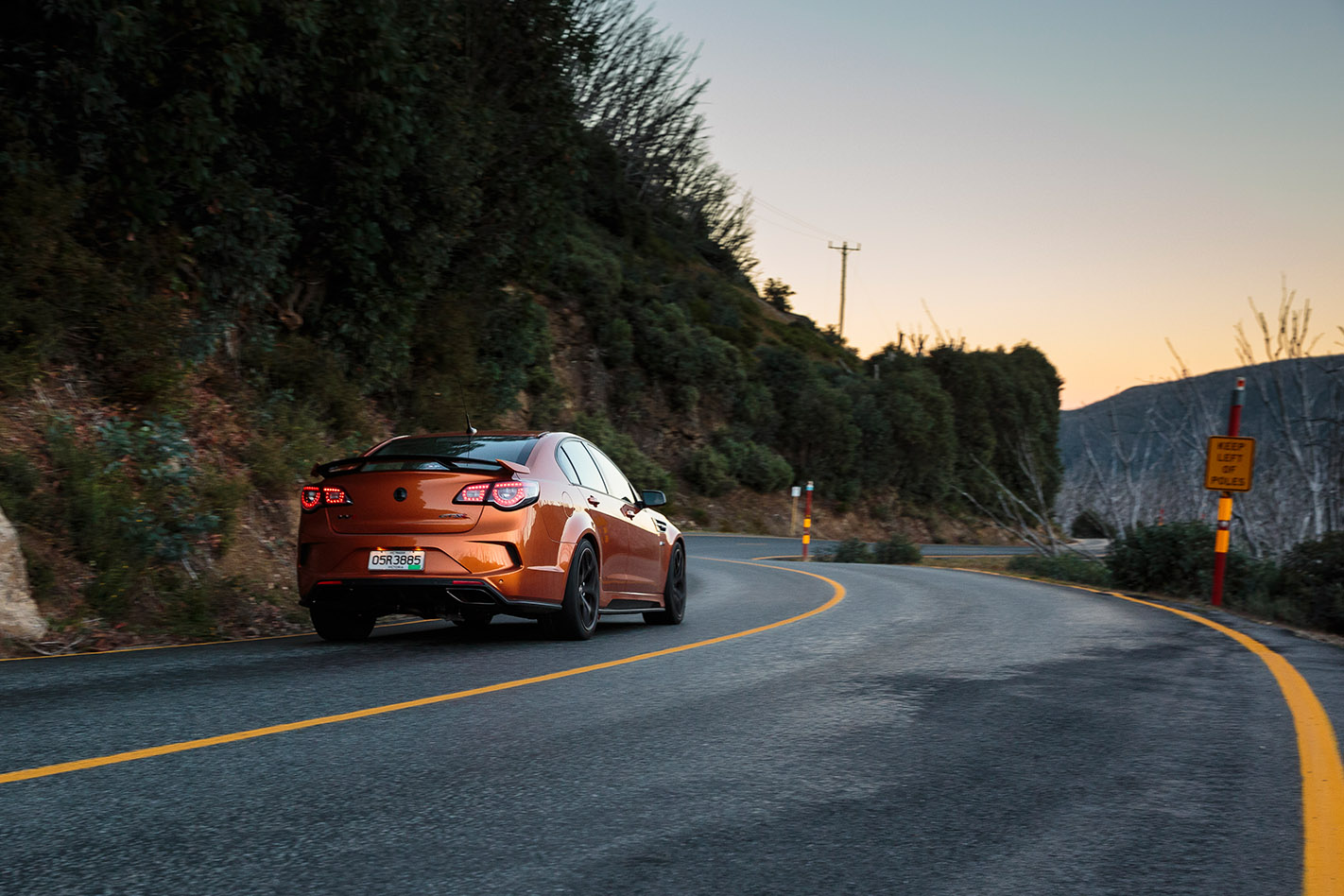
The GTSR W1 that HSV supplied for media duties is one such “saleable pilot”. However, it is also poised to be put out of commission.
While technically HSV could sell the car if it chose to, Wheels understands the hi-po sedan will share the same fate as its non-saleable siblings.
Wheels was the first outlet to get its hands on this particular Light My Fire Gold W1 for the feature drive seen in the May 2017 issue. More recently it was brought out of retirement to take part in testing for the 2018 Wheels Car of the Year award.
A HSV spokesman confirmed to Wheels the company won’t be retaining the pre-production model – instead it will preserve a pair of production-spec W1s for posterity.
So while it remains possible a lucky collector could swoop in to save the pre-production model (now with 13,000km on the odometer) at the last minute, it’s likely HSV’s farewell to the Commodore platform will come face-to-face with the crusher in what will be, for Holden fans at least, a tear-jerking end.
BMW Australia has expanded its i3 electric car family for 2018, with the existing i3 battery-electric and i3 with range-extender now accompanied by sportier i3s variants, bringing the range to four models in total. At the same time, a modest mid-cycle update also gives the cooking-model i3s a freshening-up for the 2018 model year.
Prices for the BMW i3 and i3 range extender have undergone a $600 increase, bringing the price of entry up to $68,700 for the base i3 and $74,700 for the i3 range extender. Opting for the i3s equivalent requires just $1200 on top of that.
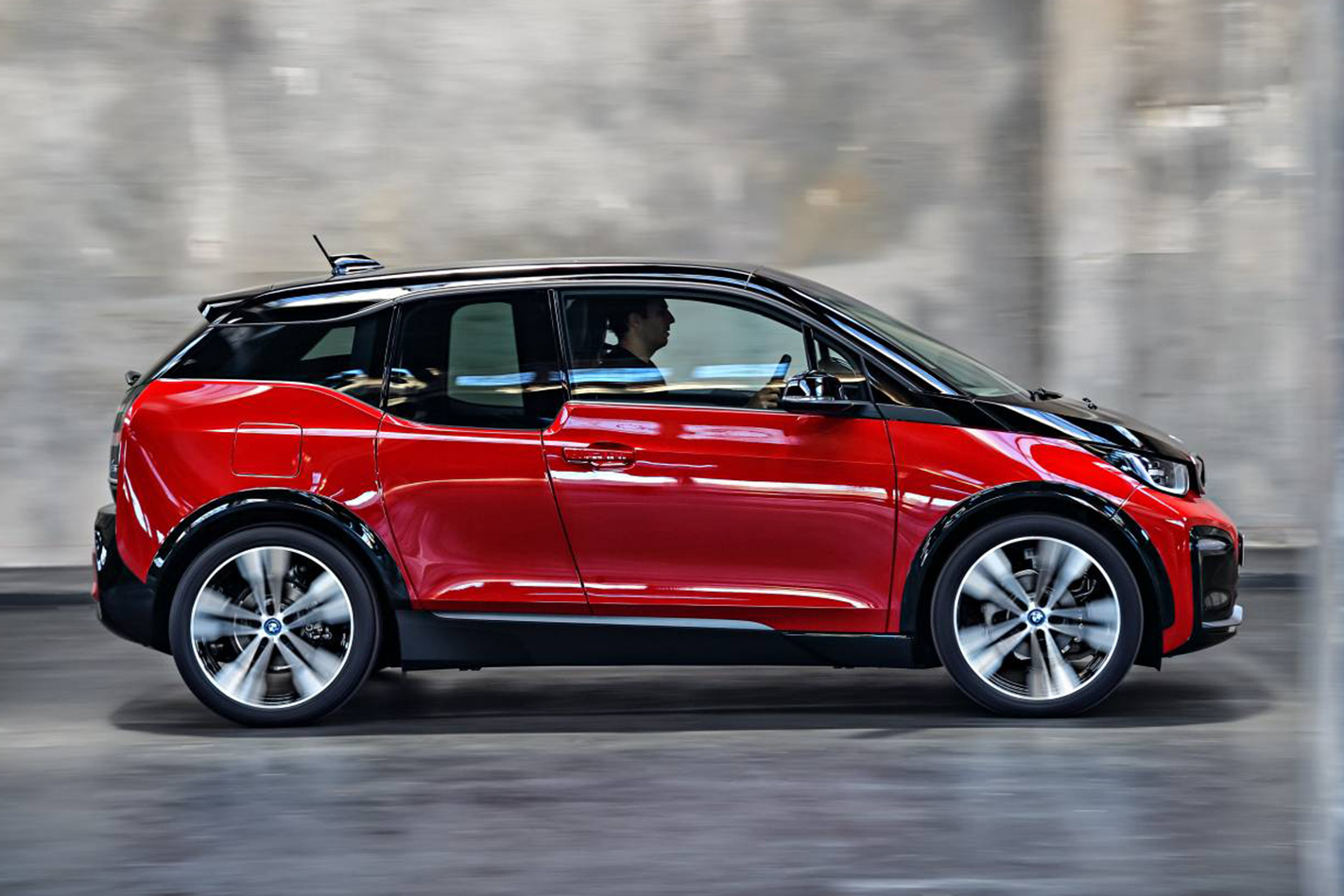
What do you get for that extra spend? It’s more than just badges and wheels – the i3s receives an uprated powertrain that generates 135kW and 270Nm (10kW and 20Nm more than the regular i3), and is able to sprint from zero to 100km/h in 6.9 seconds in pure EV form, or 7.7 seconds when lugging the extra weight of the range extender motor.
That’s a 0.4 second improvement on the regular i3 variants.
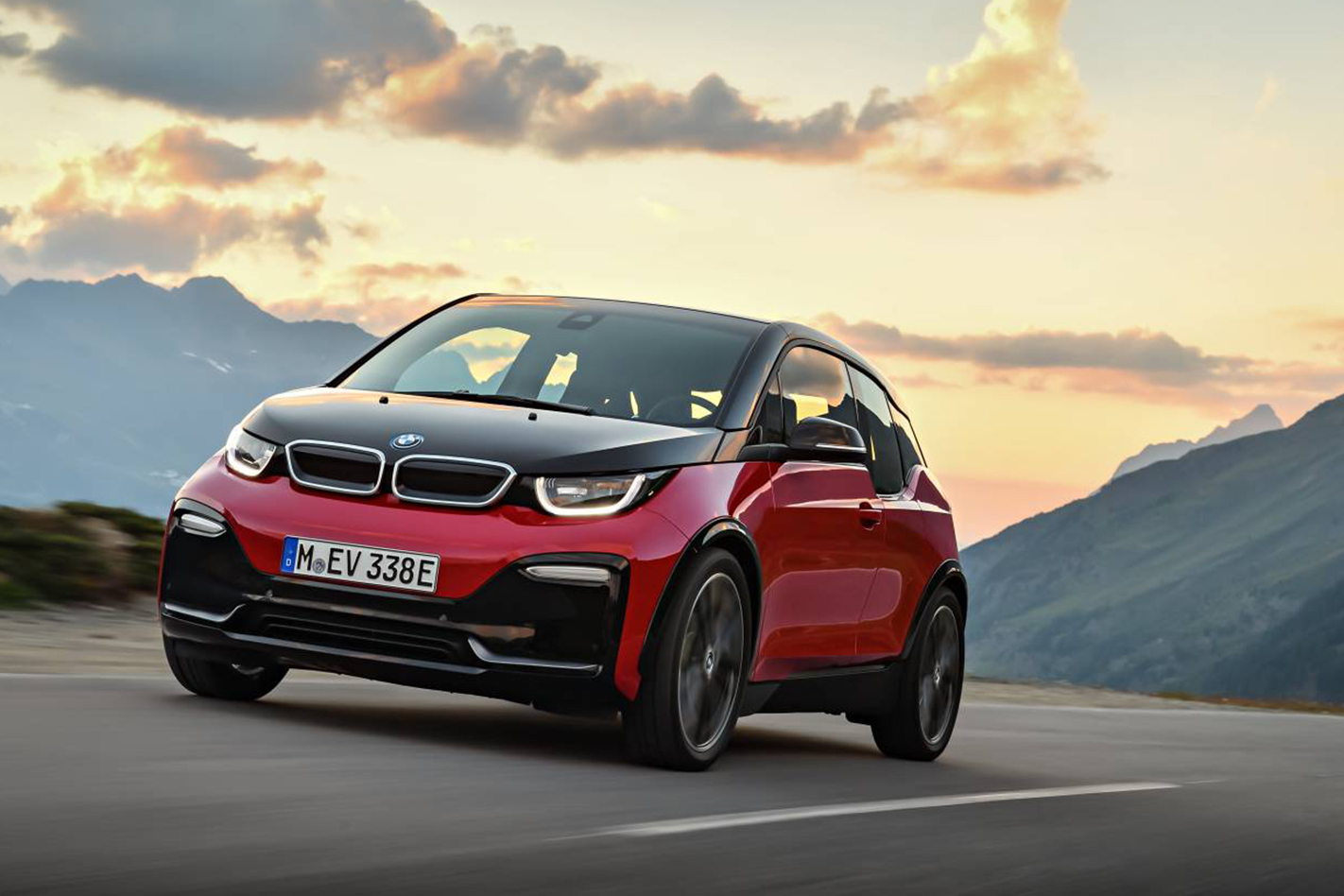
That extra performance doesn’t come at the expense of range, either. Driven under the same conditions, the battery-electric i3s has the same 200km real-world range as the normal i3.
With the range extender that rises to 330km for both the i3 and i3s, though the i3s has a slightly higher fuel consumption claim – 0.7L/100km to the regular i3’s 0.6L/100km.
Interestingly, both the i3 and i3s use the same size battery – a 27kWh lithium-ion unit – with the ‘s’ model’s extra performance coming from higher-efficiency control electronics and drivetrain hardware.
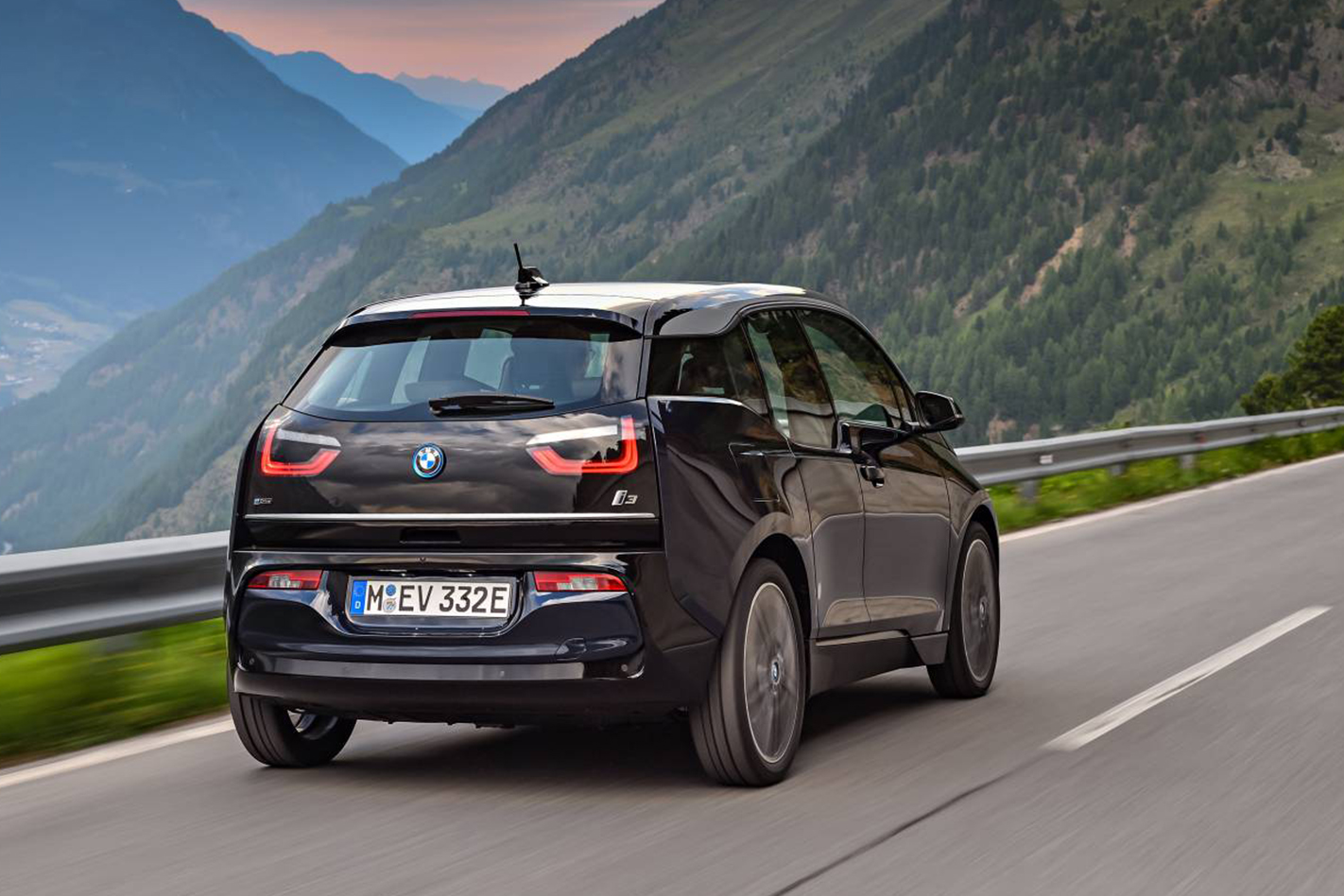
The i3s also flaunts more aggressive bodywork, a tauter suspension tune, 10mm lower ride height and a dedicated Sport mode that introduces a more responsive accelerator pedal and heavier steering.
Wider 20-inch alloys also replace the regular i3’s 19-inch wheels, and add 40mm to the car’s track width.
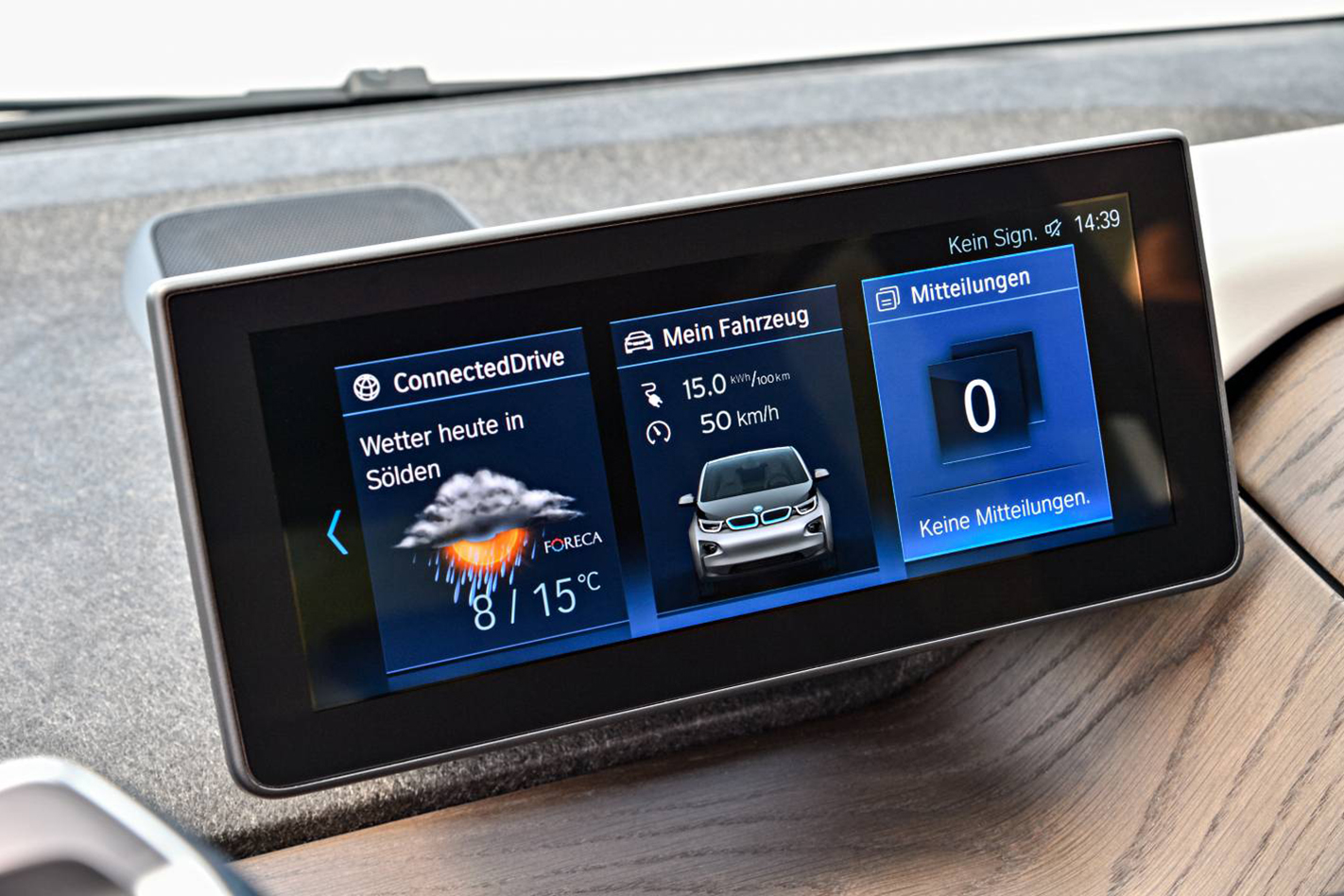
All i3 variants receive BMW’s latest infotainment hardware and software, which sees a 10.25-inch display grafted to its avant-garde dashboard and more intuitive software being used to control it. Voice control functions have been enhanced too, while Apple CarPlay smartphone mirroring is now available as an option, and can operate wirelessly.
Meanwhile, the car’s stability control software has been updated by BMW’s engineers, endowing the i3 with better traction in slippery conditions.
Two new exterior colours have been added, while the i3’s two-tone colourway has also been tweaked to enhance its aesthetic appeal.
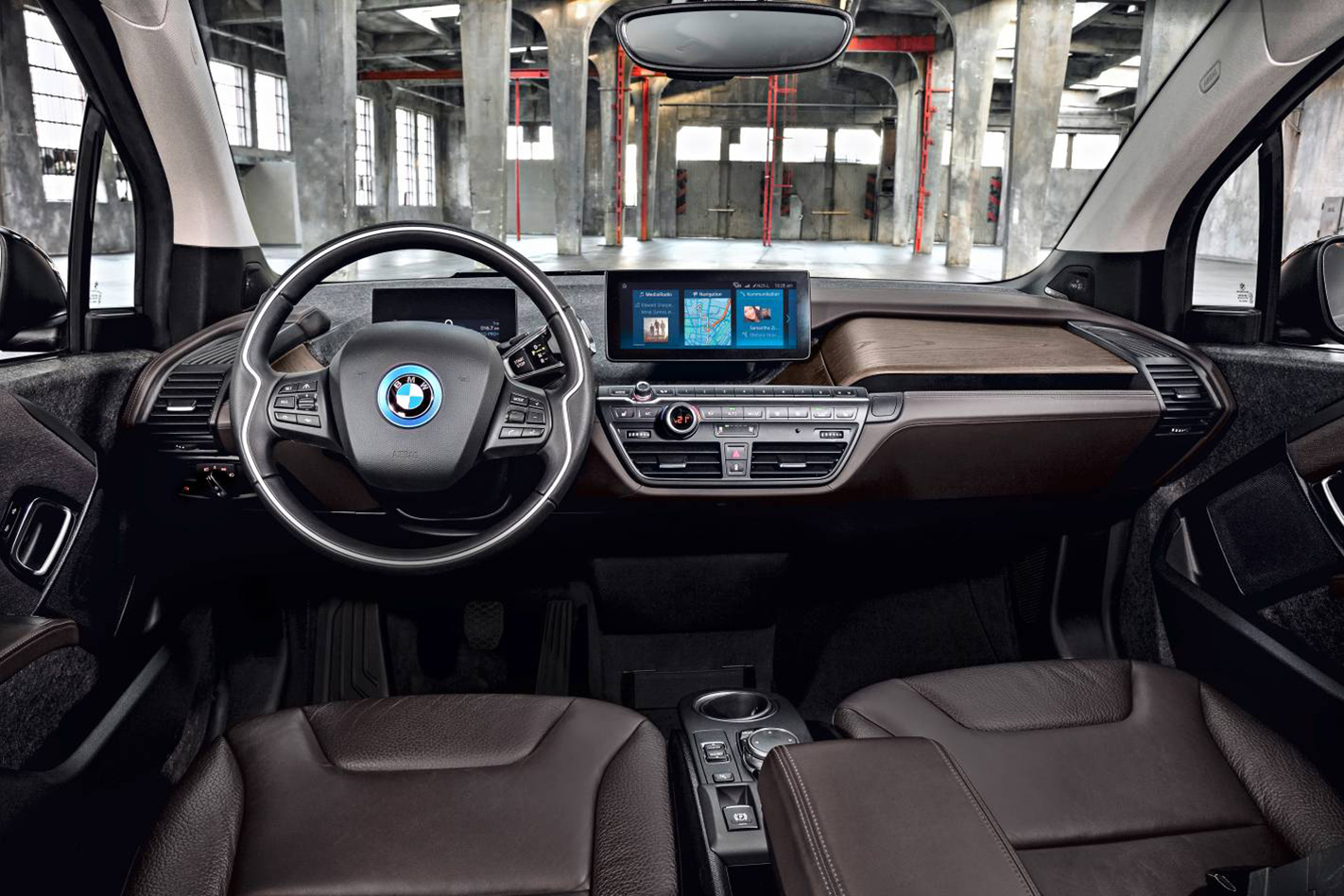
BMW i3 pricing
- BMW i3 $68,700
- BMW i3 with range extender – $74,700
- BMW i3s – $69,900
- BMW i3s with range extender – $75,900
IF YOU thought the Aussie high-performance ute met its demise with the end of Falcon and Commodore, think again.
Trade utes are huge business in this country, and, as the December issue of Wheels reveals, Holden, Ford, Mercedes-Benz and even Toyota do not intend to leave the high-riding, ‘go-fast, go-anywhere’ segment untapped.
Our journos have had their noses to the ground and ears pressed up to doorways to uncover precise details of the new wave of harder, faster trade utes. We won’t give too much away here, but for Holden fans, a hi-po version of the Colorado, powered by a potent twin-turbo V6 sourced from a GM premium brand, is certain to spark a huge reaction.
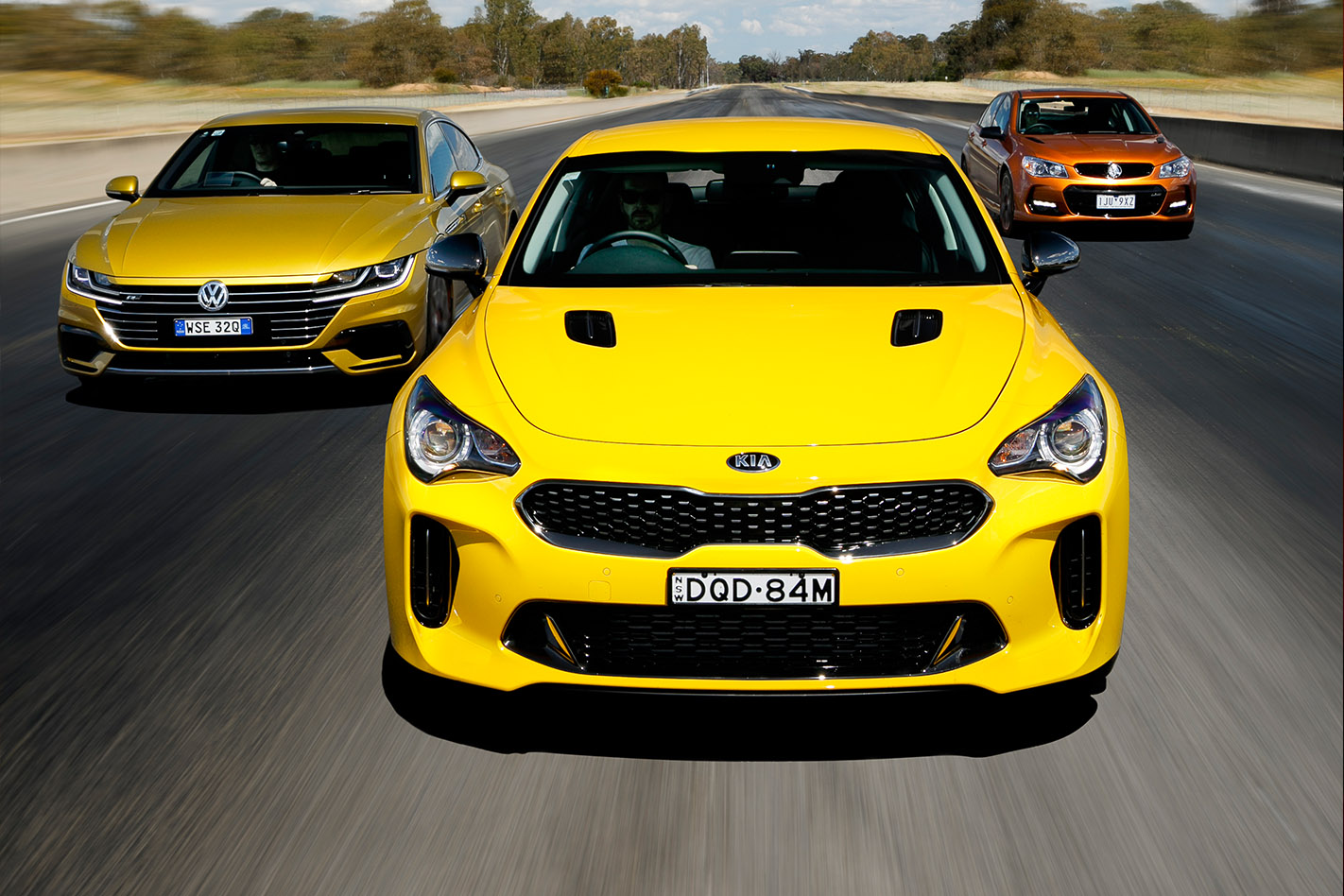
But if you prefer your motoring a bit from the ‘sealed section’ , you’ll want to grab December Wheels to read how Hyundai’s first true hot hatch, the i30 N, deals with being flung up and down Austria’s highest, finest mountain pass; the mighty Grossglockner. Hint: with zero sooking.
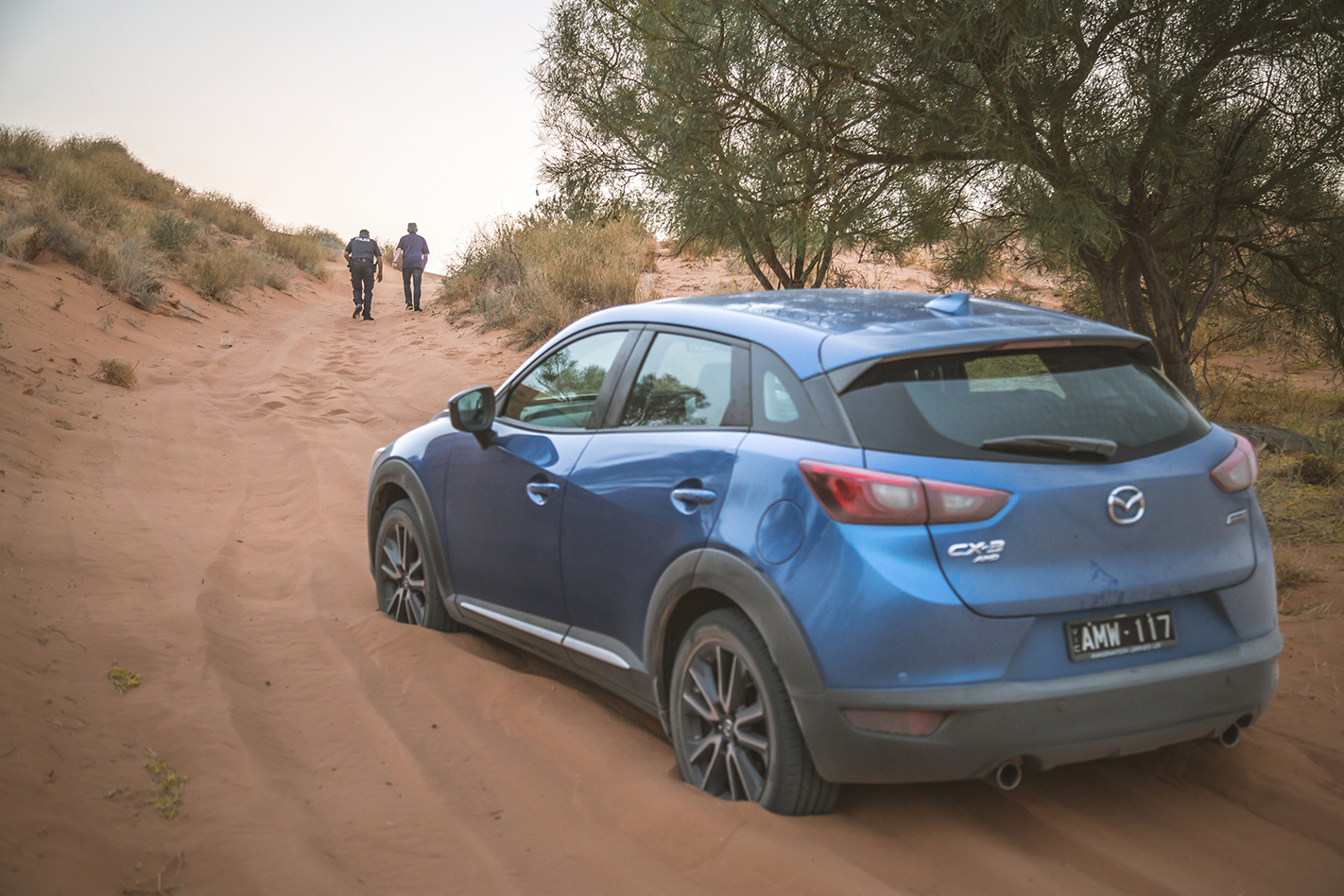
Then there’s our cross-Ireland thrash in the new Alfa Stelvio SUV, as well as Robbo’s visit to GM design boss Mike Simcoe’s awesome, retro-cool office, plus Corby’s unlikely bromance with Birdsville’s, only, lonely policeman. Oh, and a thunderous V8 salute to 50 years of AMG.
Phew. Is it any wonder we’re knackered and thirsty? Go on, buy a copy now; we could use the beer money.
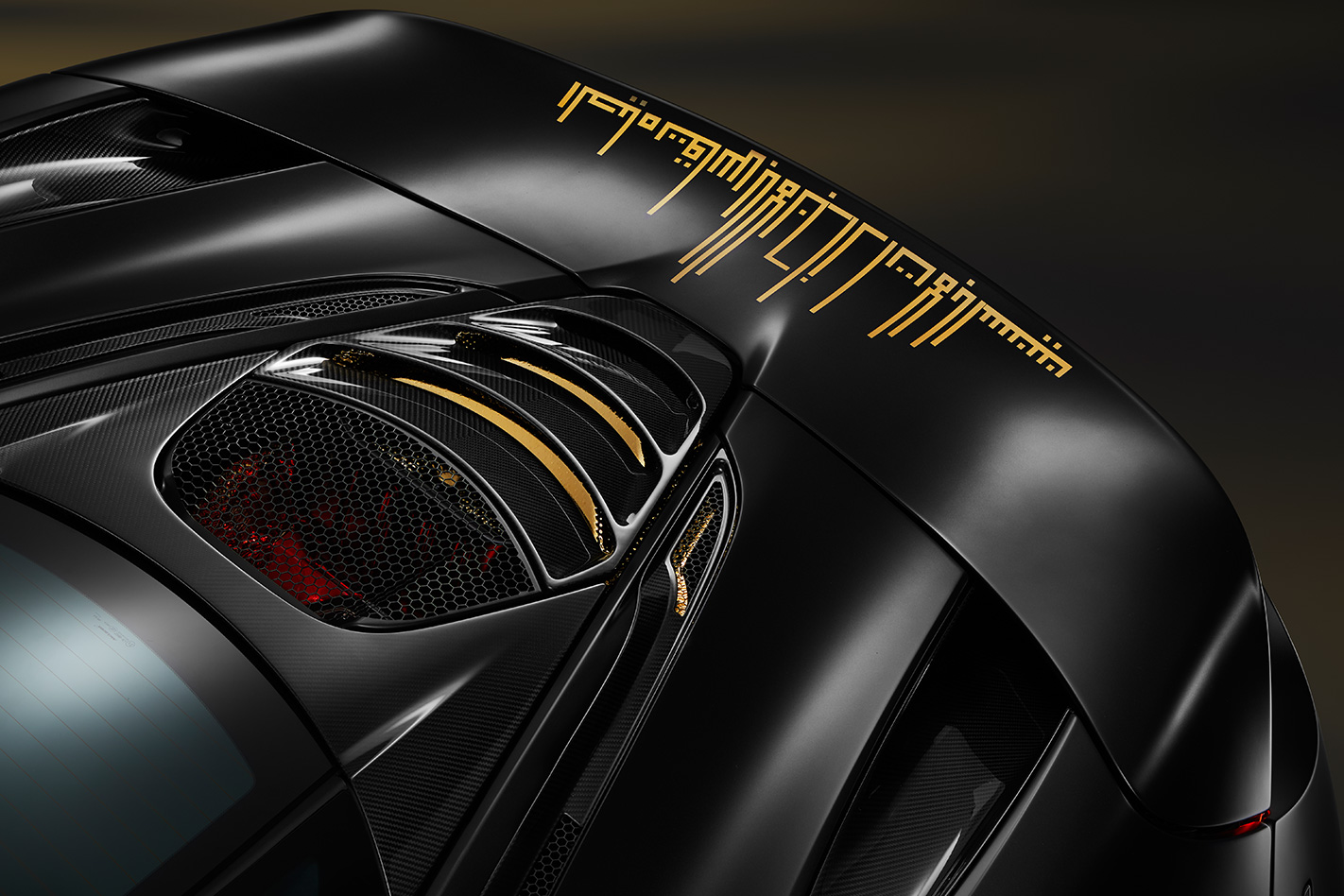
“Life is measured in achievement, not years alone.”
These are the words which are painted along the rear wing of this one-off McLaren 720S, which honours the man who spoke them, Bruce McLaren.
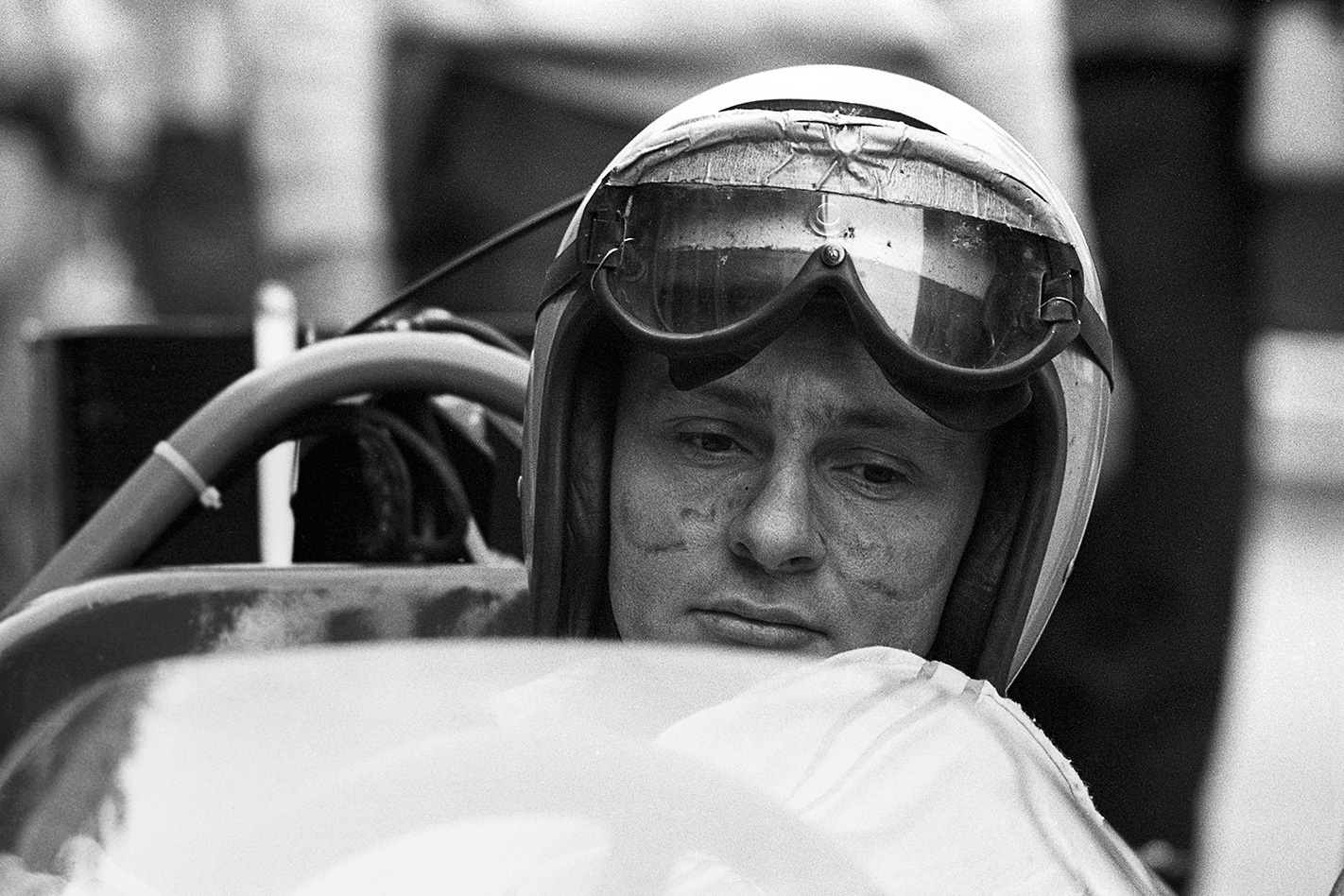
Unveiled at the Dubai Motor Show, the 720S was a special commission for McLaren Special Operations (MSO), which added “more than 120 hours” to the production of the car.
The words on the wing, which are part of the full quote: “To do something well is so worthwhile that to die trying to do it better cannot be foolhardy. It would be a waste of life to do nothing with one’s ability, for I feel that life is measured in achievement, not in years alone,” are written in Arabic script and stylised to represent the Dubai skyline.
“The quote from Bruce McLaren rings true not only of the history of McLaren, but also the achievements of the UAE and the Gulf states over the last four decades,” he says.
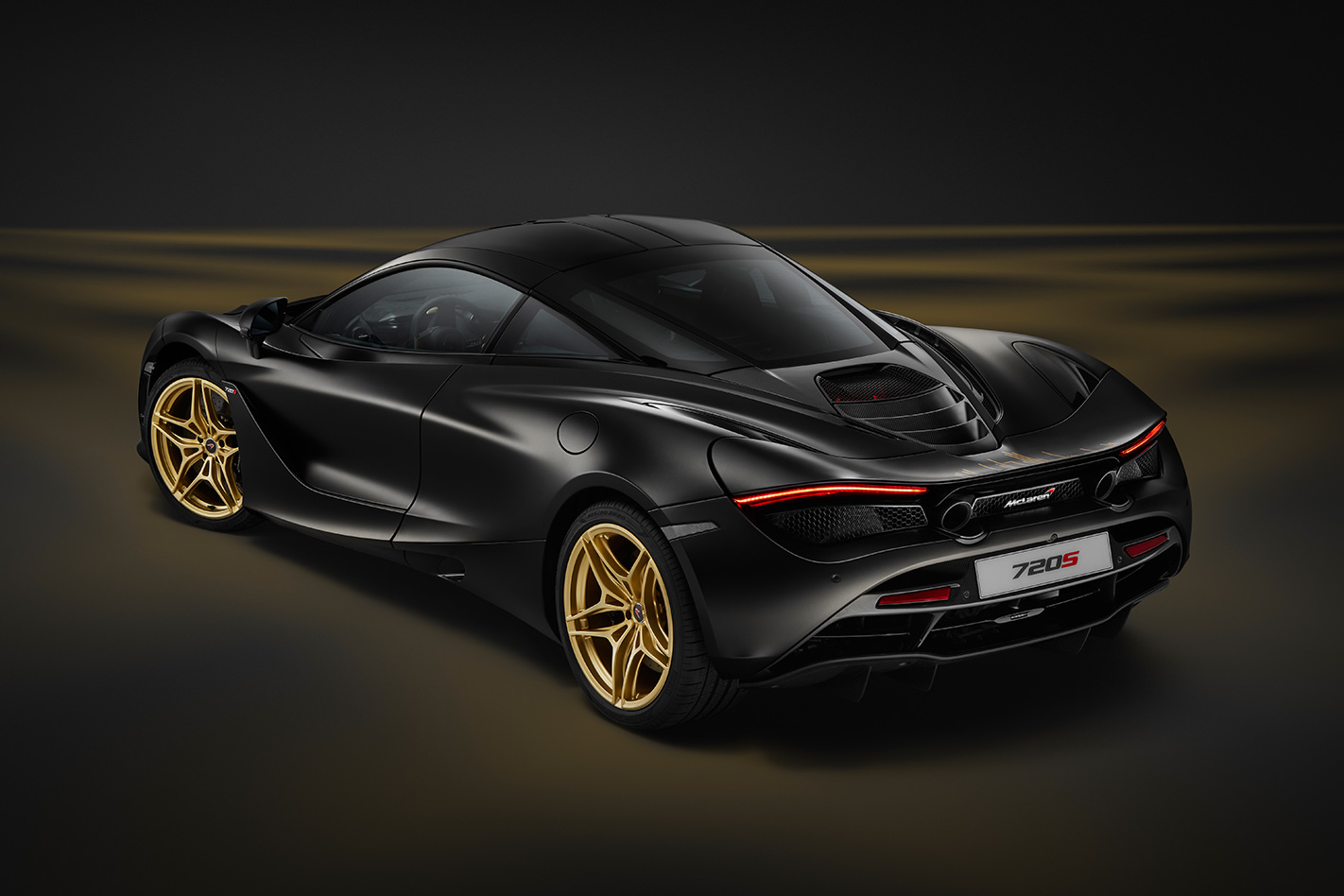
Mechanically, the car features the standard equipment with a 4.0-litre twin-turbocharged V8 pumping out 530kW.
Inside and out, however, it’s been given a black and gold treatment, with everything from the steering wheel to the engine cover copping gold highlights.
Mazda 2 takes a near flawless victory in this budget-conscious segment
1st: Mazda 2 Neo
The Mazda 2’s Gold Star Value campaign was almost flawless. Among the least-expensive to buy, with the strongest resale, it’ll lose less to depreciation in the first three years than any other light hatch.
It’s not quite the most economical, beaten by smaller-engined rivals, but there’s only a bit more than 100 bucks in it over a year. Elsewhere, the 12-month service interval (with lifetime capped-priced servicing) and bargain $682 annual comprehensive insurance are highs.
The three-year warranty is the norm (for now) and the only rivals that do better – Kia, Renault and Hyundai – aren’t near enough to the Mazda against other scoring criteria to mount a challenge.
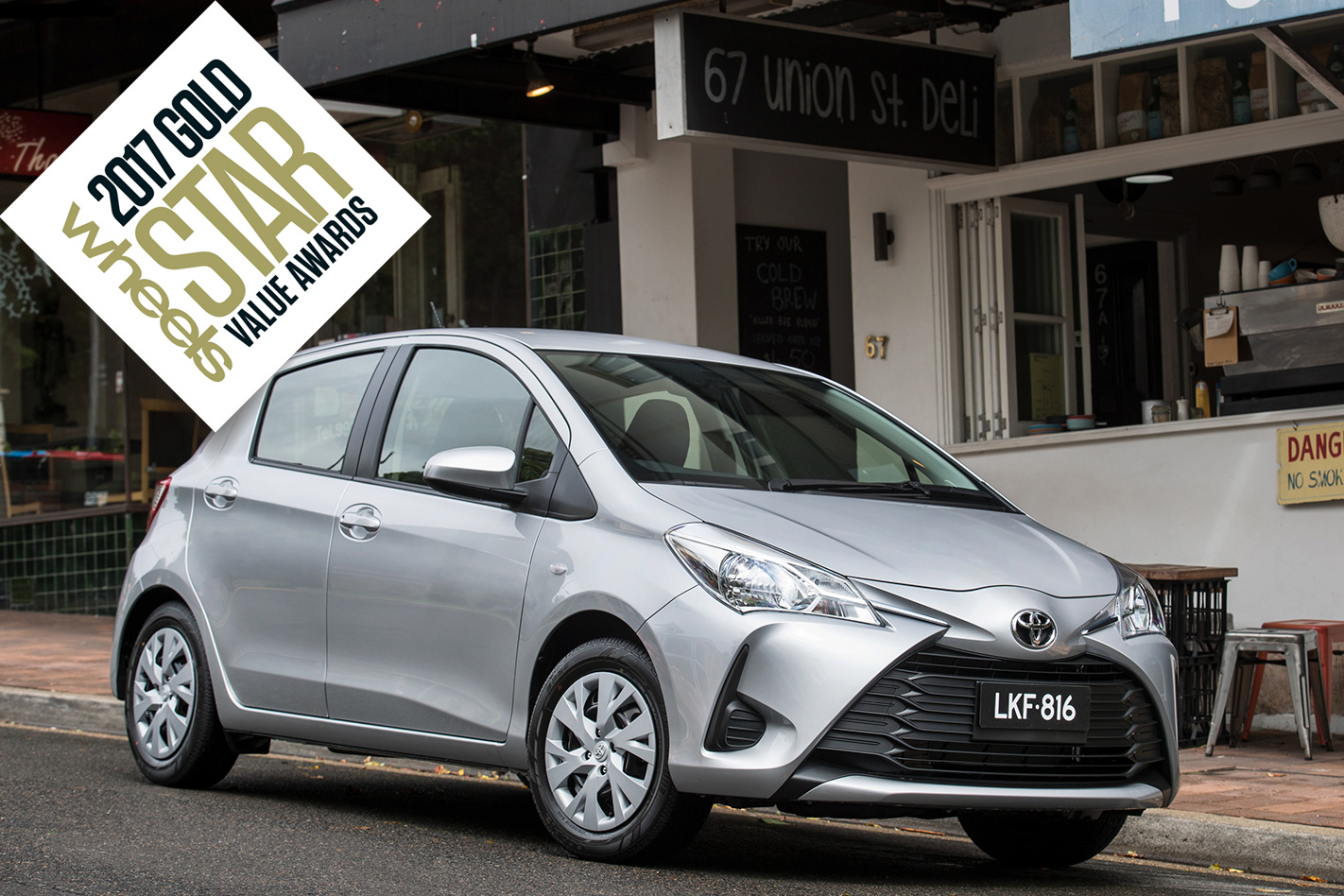
2nd: Toyota Yaris Ascent
The Yaris snags the silver by being reasonably competitive against each value criterion, rather than with any singular standout performance. Yet even if the trustworthy Toyota had a more generous warranty or service interval, it wouldn’t quite be enough for the gold.
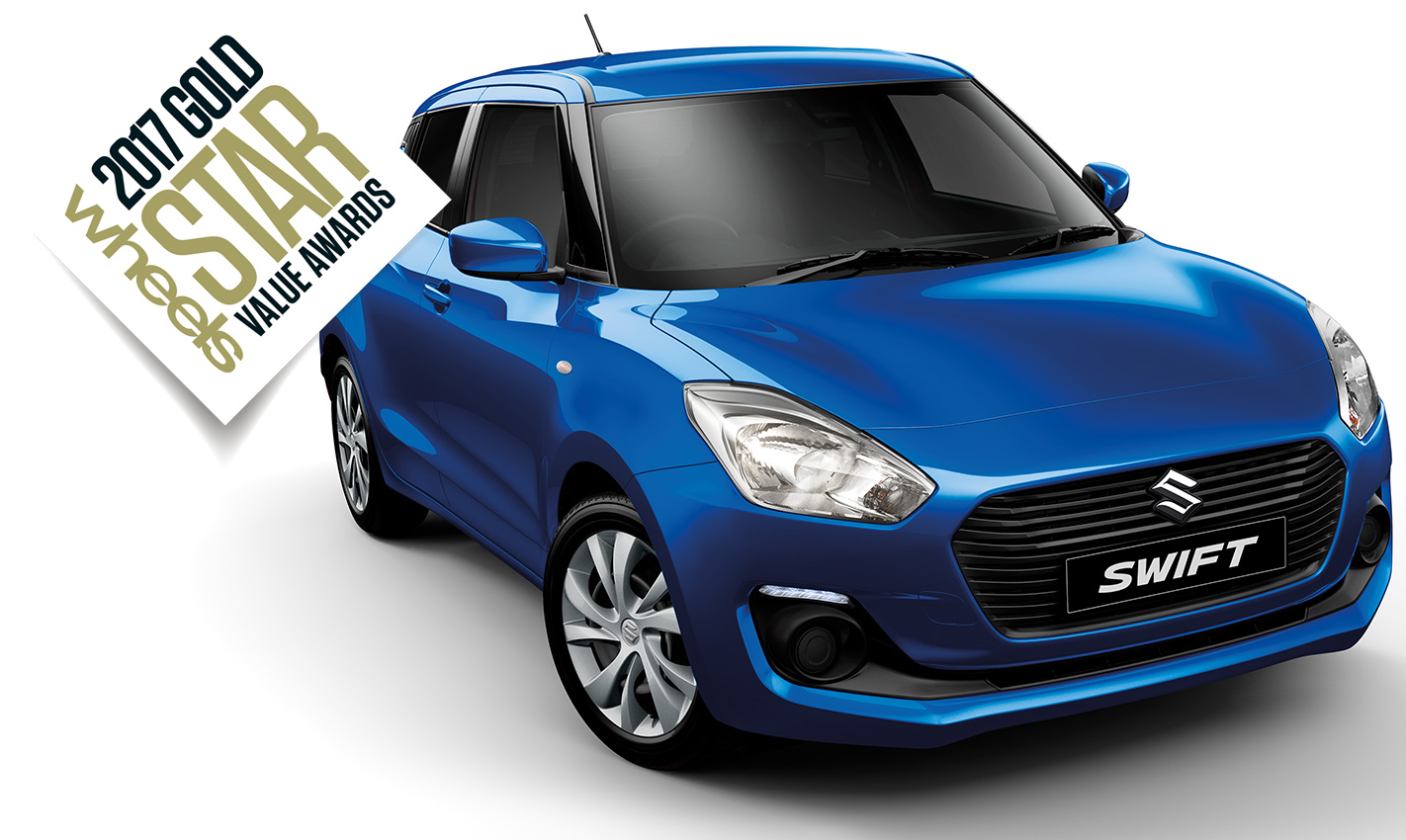
3rd: Suzuki Swift GL
A sprightly 1.2-litre four pulling a featherweight body gives the Swift its greatest strength – fuel saving. With a 4.6L/100km combined-cycle figure, it’s thriftier than even a 900cc three-pot turbo Renault Clio, and officially uses 35 percent less fuel than a 1.5 Honda Jazz.