
Jaguar is again on a Porsche prowl, with the F-Type coupe and convertible lobbing in a long-rumoured 2.0-litre turbo four-cylinder to challenge the 718 Boxster and Cayman.
The newly four-tified F-Type will cull Australian entry to the British sports car range by $12,000 when it lands in the fourth quarter starting at $107,300 plus on-road costs. That’s also $8200 under a 718 Cayman.
But the rivalry doesn’t end there. The twin-scroll turbocharged direct injection engine, an all-new all-aluminium design from Jaguar/Land Rover dubbed Ingenium, gets 221kW at 5500rpm and 400Nm between 1500rpm and 4500rpm – a single kiloWatt and 20Nm more than the ‘boxer’ engine of the same capacity in the Porker.
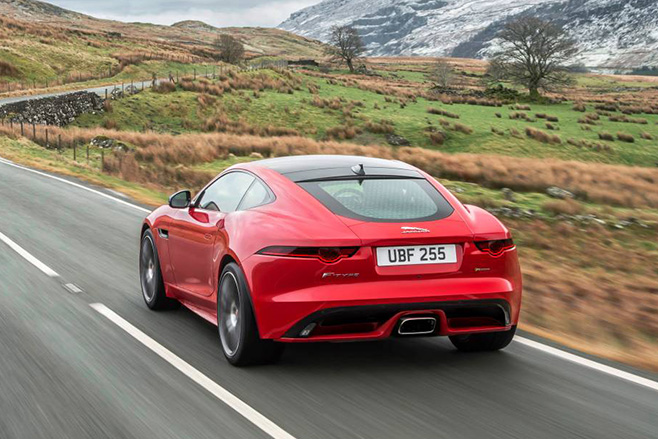
Neither a manual transmission or all-wheel drive (AWD) are available, with an eight-speed ZF automatic and rear-wheel drive (RWD) the single configuration. It claims a 5.7-second 0-100km/h, or seven-tenths adrift of the 718 Cayman and four-tenths behind the F-Type V6.
However, with a kerb weight of 1525kg, the four is also 52kg lighter than the six – meaning plenty of stout has been taken off the F-Type’s long snout. In accordance the front and rear spring rates have been backed off by four and three per cent respectively.
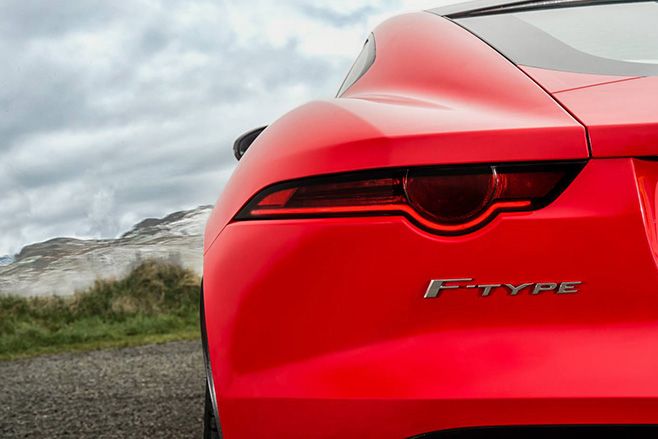
“Most of the weight reduction is over the front axle, making the car beautifully balanced and really agile to drive,” he added.
“As you’d expect, the car is really at home on beautiful twisty roads. Couple that with a four-cylinder exhaust note and this particular F-Type has a character all of its own.”
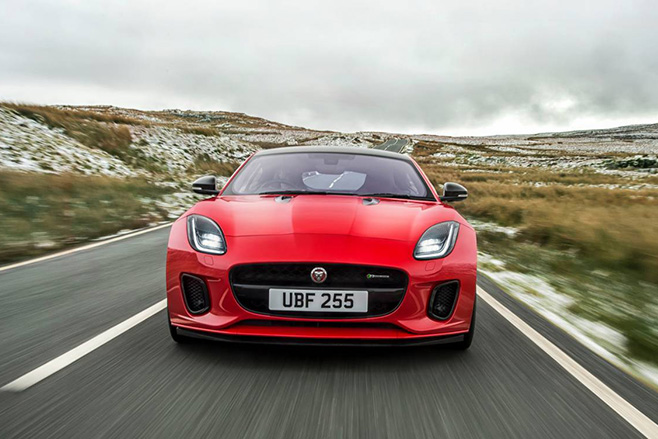
Although no further pricing has yet been made available, the Australian range will include both F-Type and F-Type R-Sport grades, each with a choice of four-cylinder (RWD auto), 250kW V6 (RWD manual or auto) or 280kW V6 S (RWD manual or auto, or AWD auto).
The next steps are all single model grades, with 294kW V6 dubbed F-Type Sport 400 (RWD or AWD auto), followed by the 404kW 5.0-litre supercharged V8 F-Type R (AWD auto, RWD has been dropped) and 423kW V8 F-Type SVR (AWD auto).
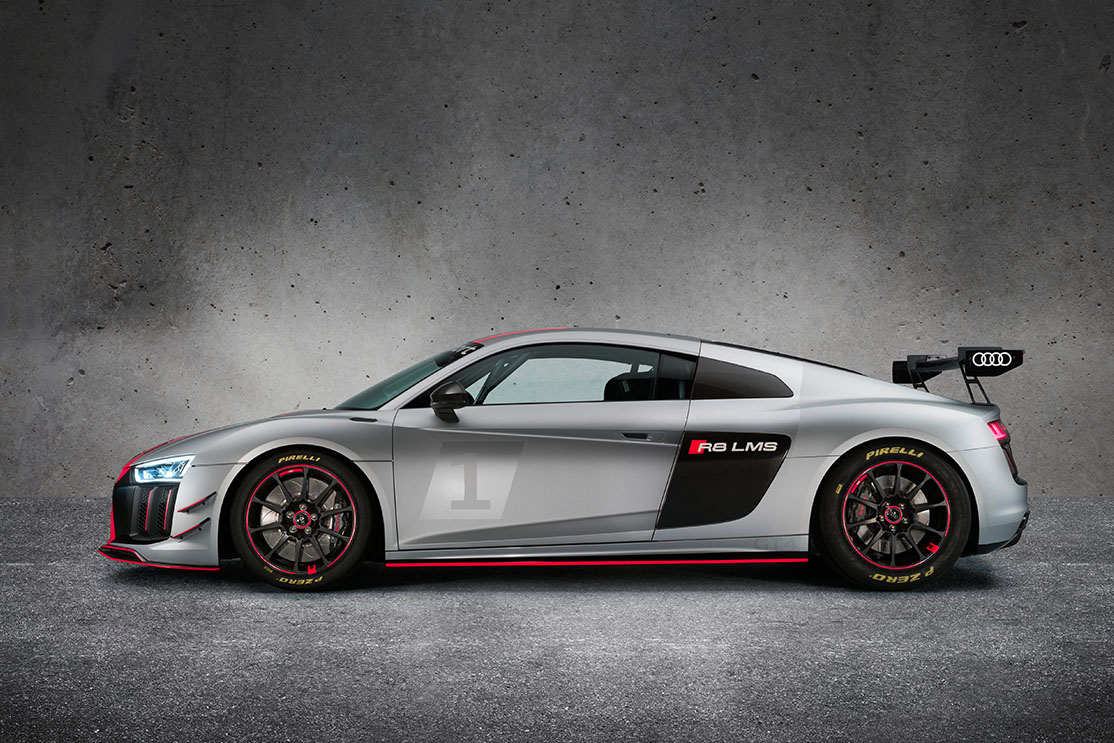
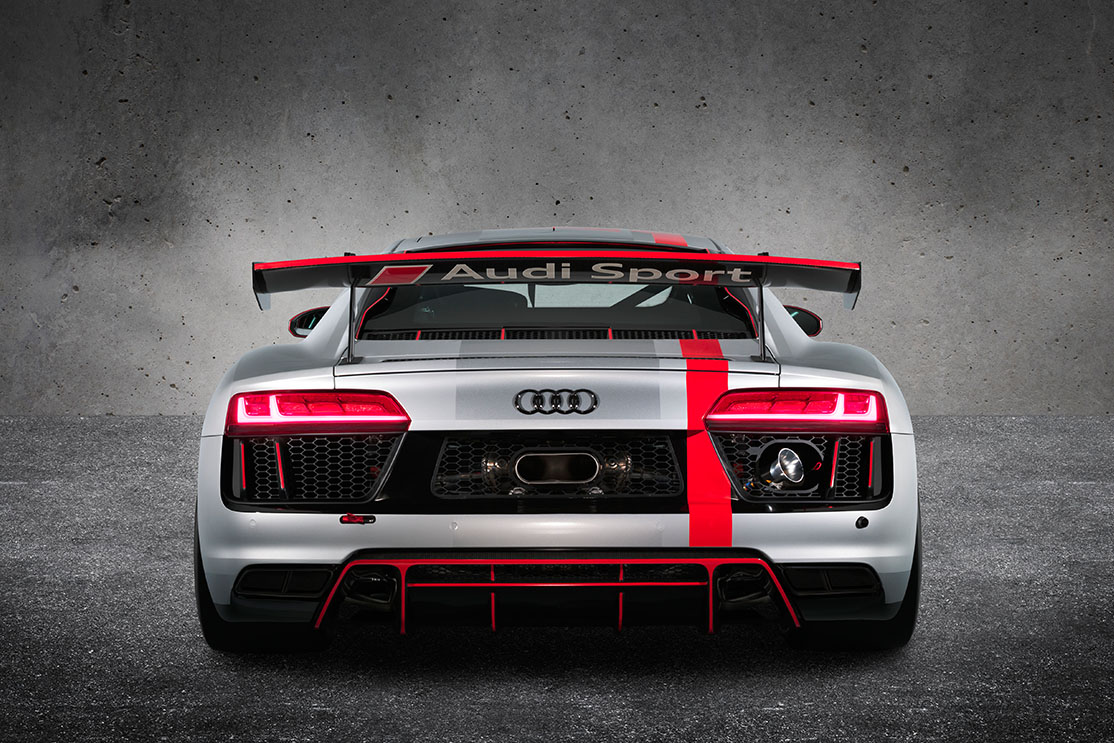
AUDI has unveiled another race car version of its V10-powered supercar at the New York Motor Show, the R8 LMS GT4.
And as the name suggests, this time around the two door, mid-engined R8 gets built with the less-hardcore GT4 category in mind. Previous iterations of the R8 LMS were designed for the faster GT3 category.
With less aero and less grip, GT4 cars sit below their big-winged GT3 siblings and are more closely aligned with the road-going variants that form their basis. In the R8 LMS GT4’s case, it shares more than 60-percent of its components with the road going version.
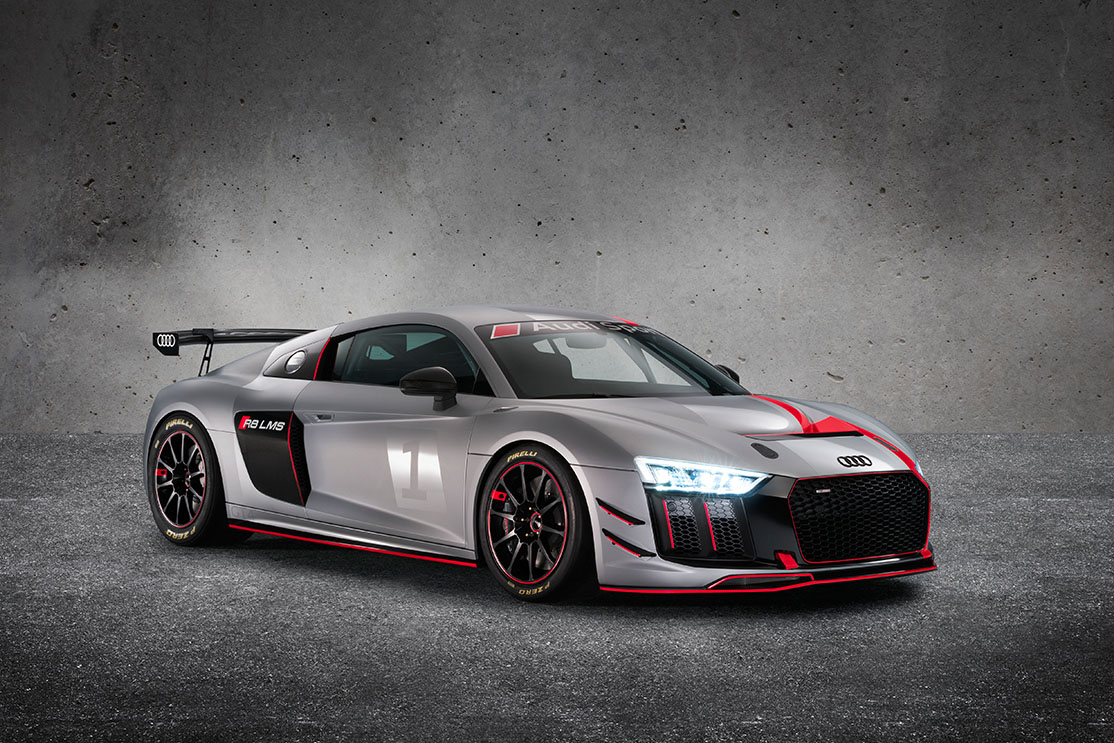
The GT4 ditches the road car’s all-paw quattro system, sending power exclusively to the rear wheels via a 7-speed dual-clutch paddle-shifted gearbox.
GT4 races are held across the globe, with the cars eligible for entry into the Bathurst 12 Hour in Australia, along with select Australian GT events.
“13 racing series in which GT4 models can compete worldwide already exist today worldwide,” says Stephan Winkelmann, Managing Director of Audi Sport GmbH.
“These fast-growing business segments and the DNA shared by our race cars and production vehicles underscore our ambition to become a true global player in the high-performance league.”
The car will make its competitive debut at the Nurburgring 24 Hours from May 25 to 28.
Rivals include the recently released Chevrolet Camaro GT4, and the Aston Martin Vantage GT4 which also competed at this year’s Bathurst 12 Hour.
“ALWAYS leave them wanting more,” reckoned Walt Disney.
As business mantras go it’s not a bad one and Disney certainly spun a huge empire off the back of cartoons featuring household vermin. Enzo Ferrari took up the theme, claiming that the company should always build one less car than customers demand. Yet as a whole, we car enthusiasts don’t like being short-changed. We like cars to be built over a long timescale, to be developed and honed to a point of perfection, and then debate how the older ones were better in any case.
Here are the first six of a dozen cars that we reckon died before their time.
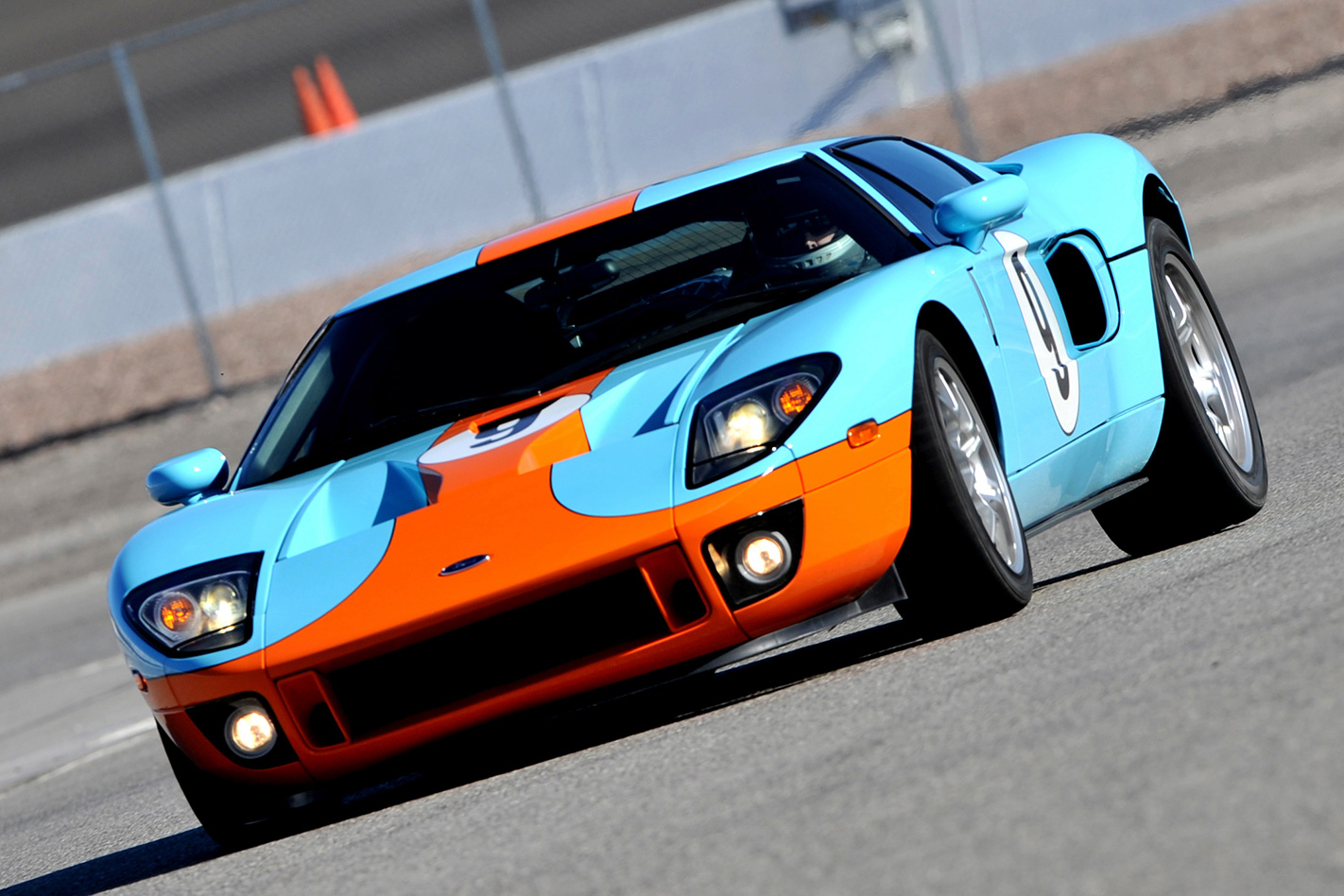
Ford GT (2004-06) Unashamedly retro, undoubtedly brilliant, Ford’s GT demonstrated that even the most blue-collar of brands could mix it with the likes of Ferrari and Lamborghini if the product was right. With a 5.4-litre supercharged V8 behind the driver’s right shoulder mated to a sweet Ricardo-developed manual transmission this car was brilliant straight out of the crate. Unfortunately, timing was against it.
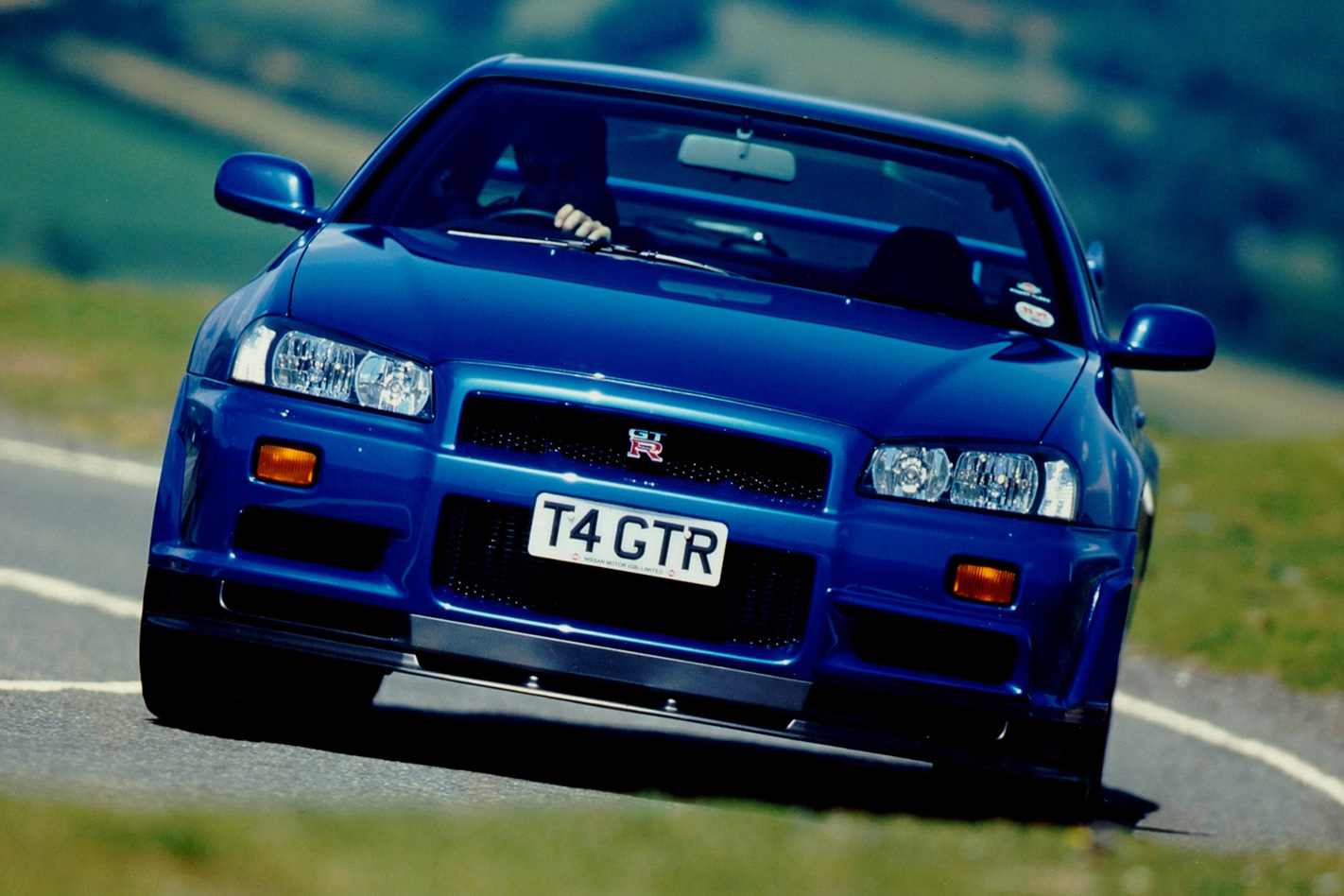
Nissan Skyline GT-R R34 (1999-2002) The Skyline GT-R is one of those cars that tends to divide opinion. To some it’s a Nurburgring-slaying, Gran Turismo generation embodiment of everything that’s exotic about Japanese tuner culture. To others it’s an overweight and ugly relic that’s had its day and is now a quaintly overpriced curio. The truth lies somewhere in between. Although the earlier R32 GT-R model might have represented the heyday of the Skyline in terms of technology and competition success, its cult status was cemented by the aggressive R34 GT-R. In Bayside Blue.
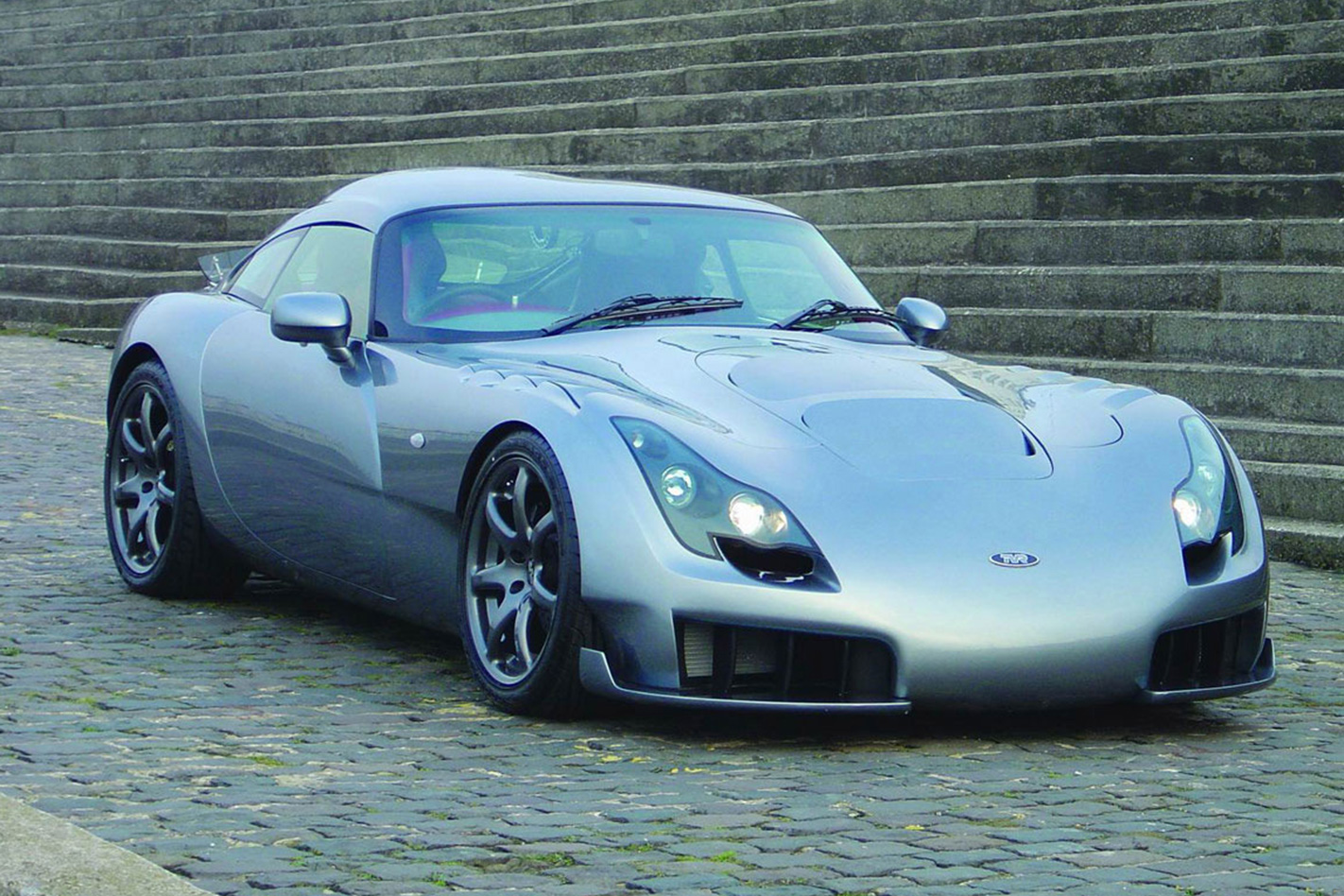
TVR Sagaris (2005-06) It used to be so easy to poke fun at TVR. I remember an owner’s forum where one frustrated Cerbera owner claimed that his car had let him down on every journey of more than 100 miles. When asked what feature would most improve his TVR, he replied: “A spare car in the boot.” While it’s true that the build quality of TVRs from the 1980s and ’90s could most accurately be described as horrific and most generously be portrayed as variable, quality improved in the company’s latter years. The Sagaris coupe is viewed by many as the most collectable of TVR’s contemporary output, yet even here there was that typical Wheeler-era bluster about it. With a claimed top speed of 195mph, it was pointed out by owners that any speed much above 150mph would result in the rear bonnet fixings and tailgate catches coming undone, with predictably disastrous effects.
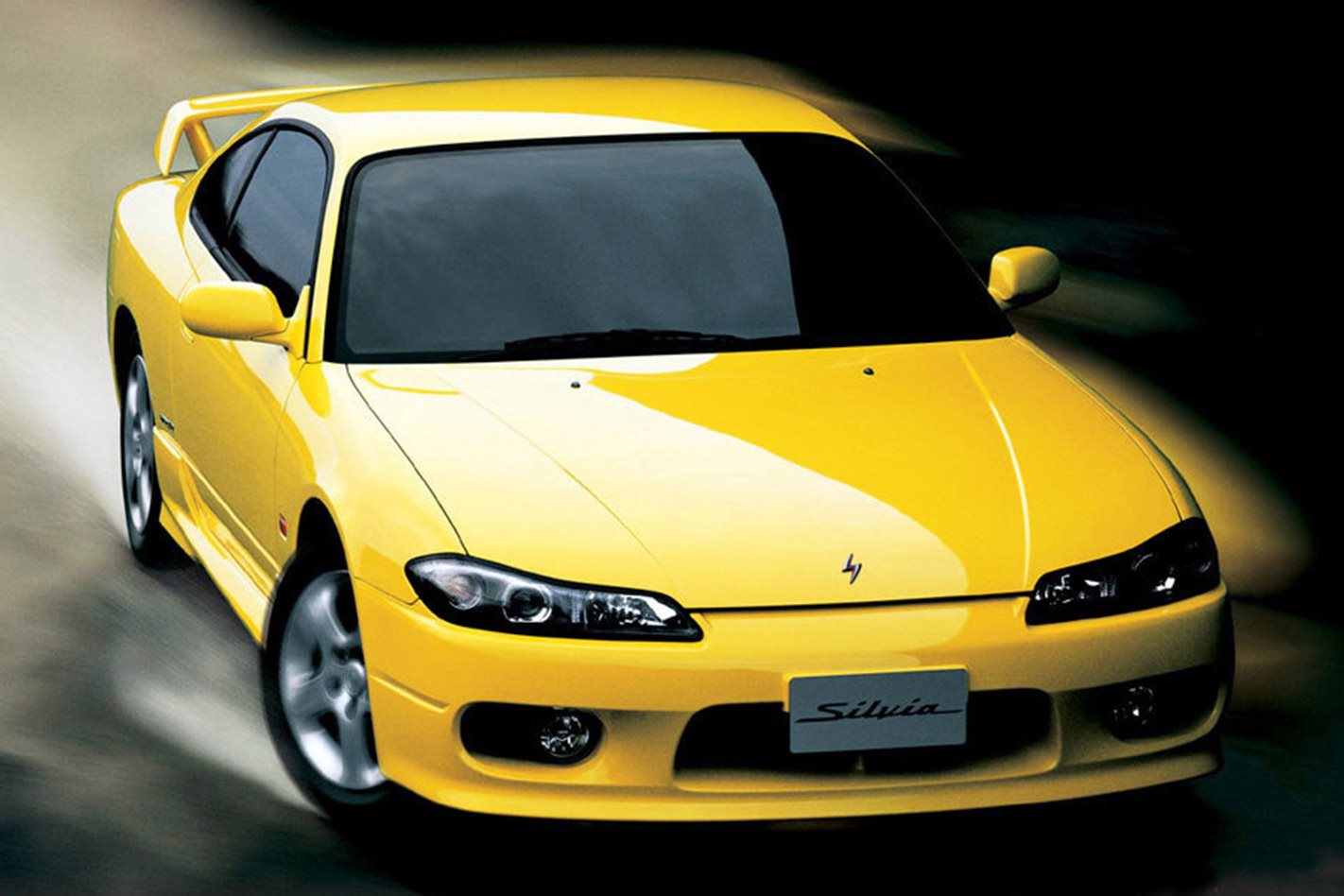
Nissan Silvia S15 (1999-2002) Now this is a bit of an odd ‘un. Nissan never brought this generation Silvia to this country. Had it done so, it would probably have worn a 200SX badge and its role in life would have been the same as the previous two generations of 200SX. It would have been bought by 40- and 50-somethings who wanted a vaguely handsome and reliable coupe that didn’t cost the earth. Some years down the line, it would then depreciate to a point when it would find its true calling in the hands of hardcore drifters who would equip them with a set of LingLong ditchfinder tyres and drive them sideways into said ditches in an explosion of tie-wrapped plastic and Lynx Oriental.
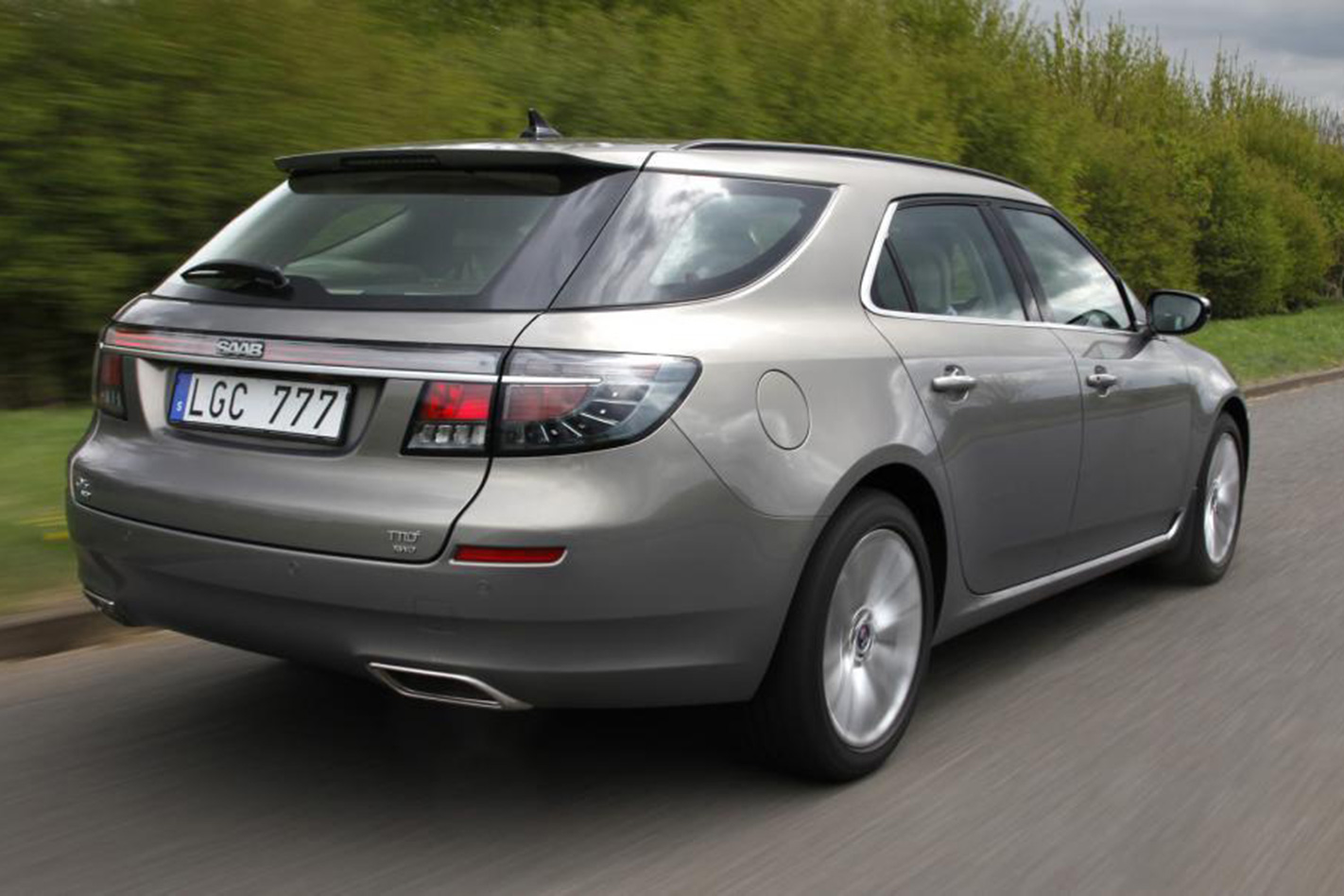
Saab 9-5 SportWagon (2011-12) “The much awaited SportWagon adds five-door versatility to the acclaimed attributes of the 9-5 Saloon, providing a distinctive, alternative choice for premium wagon customers. It is expected to become a major player in a vehicle segment where Saab has previously enjoyed sales volumes even higher than saloon levels.” So said Saab’s press blurb for the 9-5 SportWagon back in 2011. A year later it was history. Perhaps Saab’s downfall came because it never realised that there are really only two paths to happiness: improving your reality or lowering your expectations.
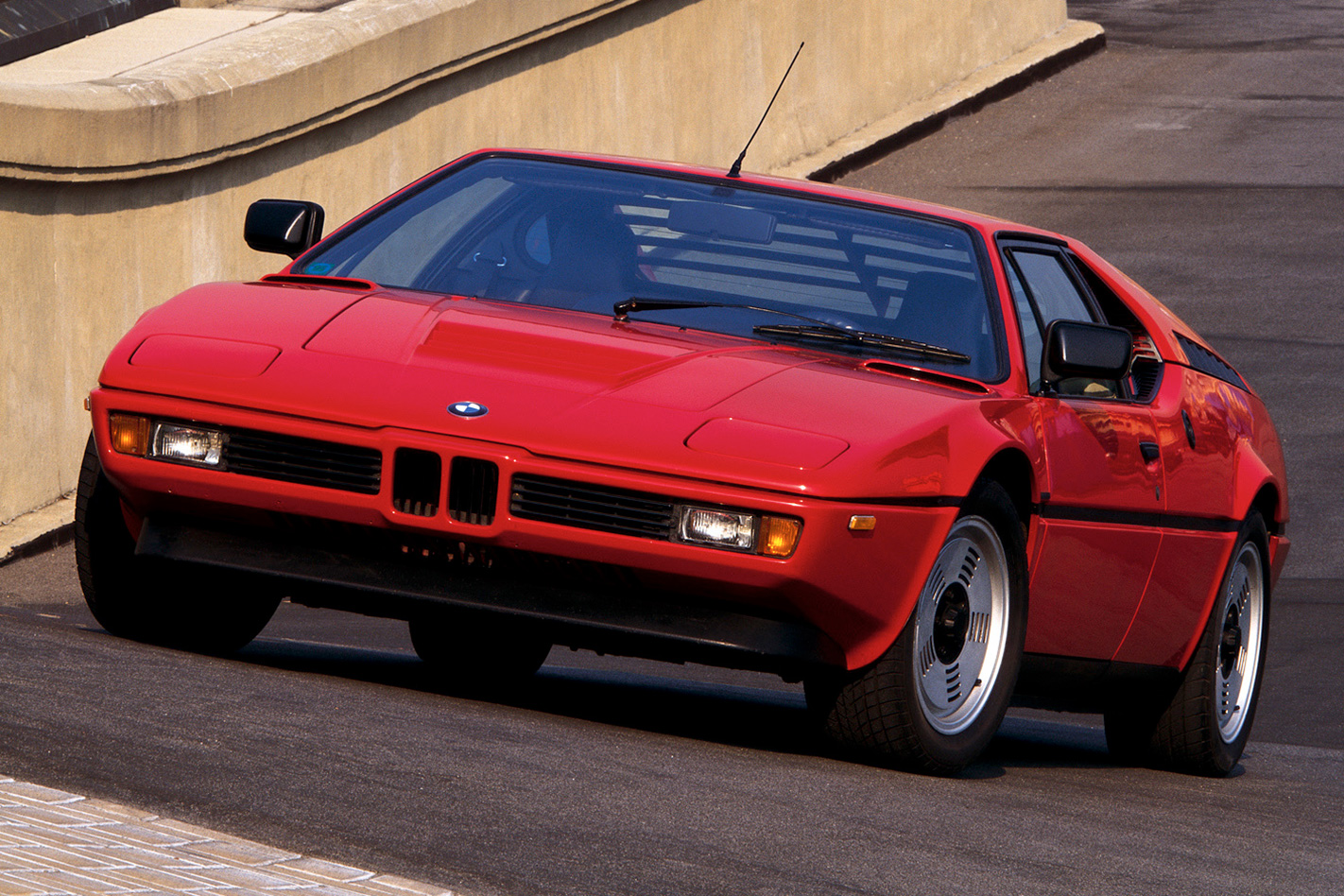
BMW M1 (1978-80) It’s hard to believe that the BMW M1, a virtual automotive deity today, was once regarded as an unmitigated embarrassment to the Bavarian company. Designed to originally represent BMW in a manufacturers’ championship based on cars with production silhouettes, rule changes meant that its development could never hit a rapidly moving target. Jochen Neerpasch, the man responsible for BMW’s racing program during the 1970s and the driving force behind the M1, found his career ruined by the M1. It was cursed almost from the outset. Lamborghini was contracted to build the car and then went bust. BMW retook control of the build process and commissioned Marchese to build the car’s tubular chassis and TIR to mould the fibreglass body after which ItalDesign would mate the two and fit the interior. The cars would then be shipped from Italy to Stuttgart, where Baur would plumb in the transmissions before BMW Motorsports would perform the final prep in Munich.
See part two here!
Any cars you think we’ve overlooked? Let us know!
QUESTION – RAY:
I have a 2011 Ford Focus Trend hatch and have looked at the Mazda 3 hatch, Subaru Impreza hatch, and Ford Focus hatch for everyday city driving and some highway driving.
BUDGET:
$25,000
ANSWER – SCOTT NEWMAN:
You’ve picked out three good choices here, but there are a few things to consider.The current Focus was introduced in 2011 so I’ll assume your current car is one of those. That means a new Focus will feel quite familiar. The Focus also now uses an excellent 1.5-litre turbo engine and Ford recently added extra equipment to the range. It’s also still a fine drive, so there’s plenty to recommend the Focus, however it can be a little bumpy on poor road surfaces and the SYNC2 infotainment system can be frustrating to use, though as an owner you may get used to its quirks.The Mazda 3 is also a fine car. With $25,000 to spend you’re probably going to be looking at a 2.0-litre model, though with a small budget stretch you could look at an SP25, which is fun-to-drive, good value and gets the bigger engine. It will use a little more fuel but will be a more relaxed drive as you won’t have to work the engine as hard. Road noise is still a Mazda weak point, too, so for highway driving it could be tiresome.We’d probably steer clear of the Impreza, primarily for the reason that the all-new Impreza is due to land towards the end of this year. That said, there could be an opportunity to score a very sharp deal on a current model as dealers try and clear stock, but you will still be stuck with a previous-generation model in very short order.
Two other models to consider would be a Volkswagen Golf 92TSI, which is probably still the best car in this segment, and the Hyundai i30, on which there has been some extremely enticing deals of late, plus you get a seven-year warranty.
My advice would be to test drive the Mazda and the latest Focus and see who can offer the best deal, though the VW is certainly also worth a look.
DO you desperately want to get your hands on Jaguar’s sultry and drool-worthy F-Type, but can’t quite stump up the almost $120,000 price for the entry-level V6 model?
Fret not, for the British manufacturer has your back. A new four-cylinder variant with a more palatable $107,300 price tag has been revealed in New York overnight, ahead of its arrival in the fourth quarter of 2017
The F-Type’s 2.0-litre turbo four-cylinder engine is also the first application of Jaguar Land Rover’s Ingenium petrol engine in the low-slung sportscar. It sends 221Kw and 400Nm to the rear wheels via an 8-speed automatic gearbox. That’s appreciably close the current base model F-Type V6’s 250kW and 450Nm outputs.

“Performance from an engine of this size is remarkable and is balanced with improved fuel efficiency and affordability, making the F-Type experience more accessible than ever before,” Ian Hoban, vehicle line director for the F-Type, said.

The four-cylinder Ingenium engine was developed in-house and manufactured in the UK at JLR’s Engine Manufacturing Centre. There are also 147kW, 184KW petrol, and 132kW and 177kW diesel four cylinders within the engine family.

“Most of the weight reduction is over the front axle, making the car beautifully balanced and really agile to drive – as you’d expect, the car is really at home on beautiful twisty roads,” Erol Mustafa, Chief Product Engineer, Jaguar Sports Cars, said.
The four-cylinder F-Type will be available in either coupe or convertible bodystyles, both of which were penned by Jaguar’s director of design, Ian Callum.
Toyota believes it has found some clear space in the small SUV segment with its FT-4X concept, a car claimed to go “from desktop to trailhead”.
Based on the underpinnings of the C-HR small SUV, the FT-4X amps up the off-road ability and chunky design with an FJ Cruiser-inspired look, right down to the nose that eschews the Toyota stylised badge for one that spells out the brand across the badge.
Created following weeks of interviews with “outdoorsy millennials” from the San Francisco Bay area, the FT-4X has low-range gearing and a mechanical four-wheel drive system (instead of the city focused part-time systems used in most SUVs), an indication it has some LandCruiser genes.
Not that Toyota is pitching the FT-4X – which denotes “future Toyota four-wheel drive” – as a proper off-roader.
Kevin Hunter is the boss of Toyota’s Californian design studio, Calty, and says the FT-4X is about unlocking new space in the SUV segment, a segment that now accounts for more sales than traditional passenger cars.
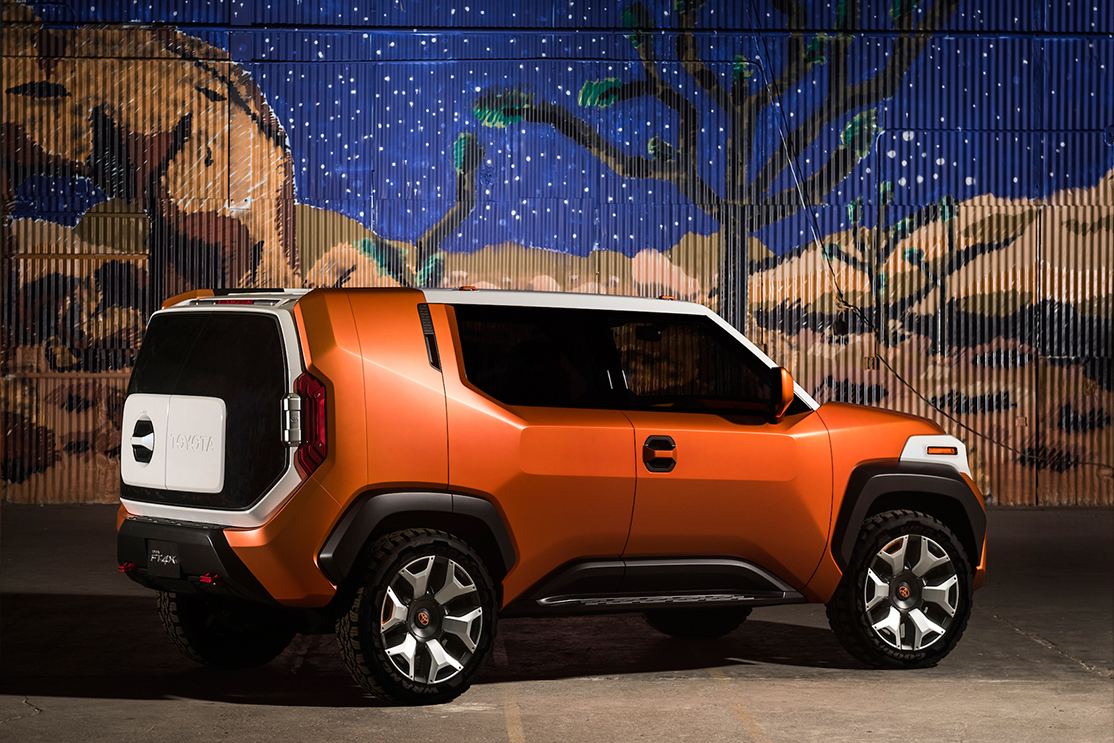
“We think it can do a lot and there’s a great spot for this in the market,” said Hunter. “We identified these millennials as casual users; they’re not interested in doing that [off-road] crazy stuff. This is perfect for them.
“[FT-4X] symbolises a new type of adventure vehicle for young urbanites, one that is compact enough to navigate around the city but capable of escaping into the wild at a moment’s notice, anytime, anywhere, always ready.”
Hunter said it wasn’t about going everywhere a LandCruiser could but that it would go further than other small SUVs, many of which only drive the front wheels.
“They [millennials] share the same desire to get away and explore, but their needs and appetites are less hard core and more of what we like to call casual core.
“In generations past, base camp symbolised the beginning of a journey but today for many millennials base camp has become the destination.
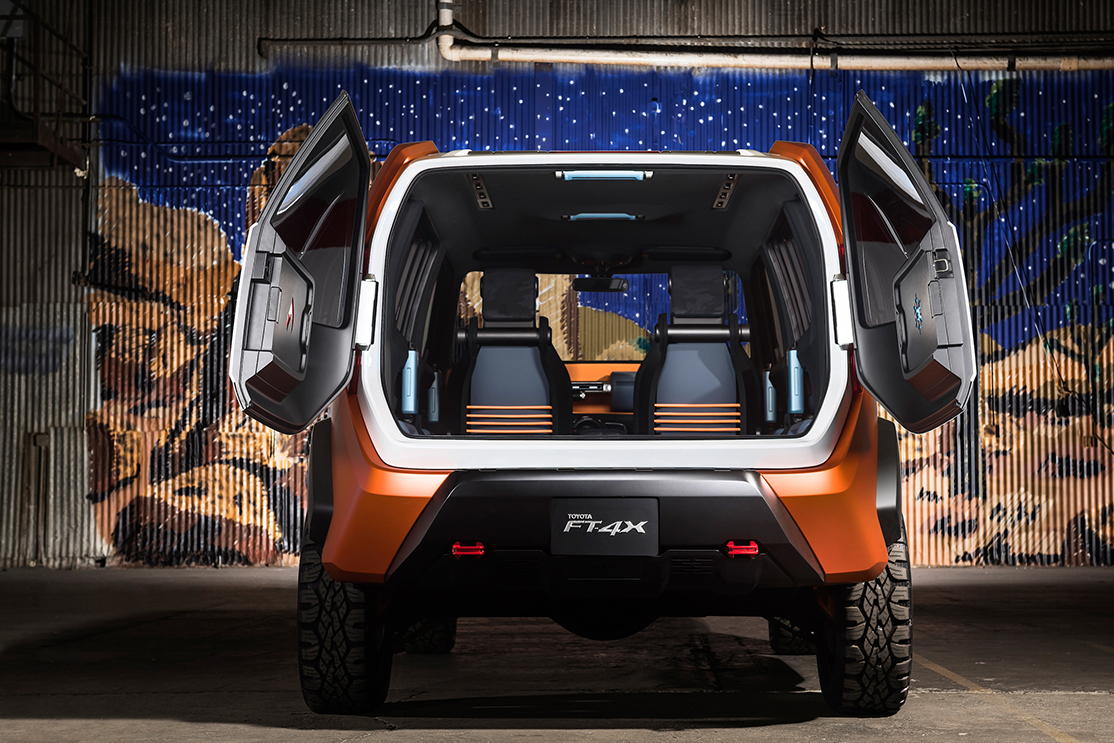
Hunter said the FT-4X wasn’t just about looking good but also being functional and ready for younger buyers, many of whom often had different requirements for a car.
“We talked to future customers of this car … they want to take gear with them but they don’t like to plan … they want to be very spontaneous.”
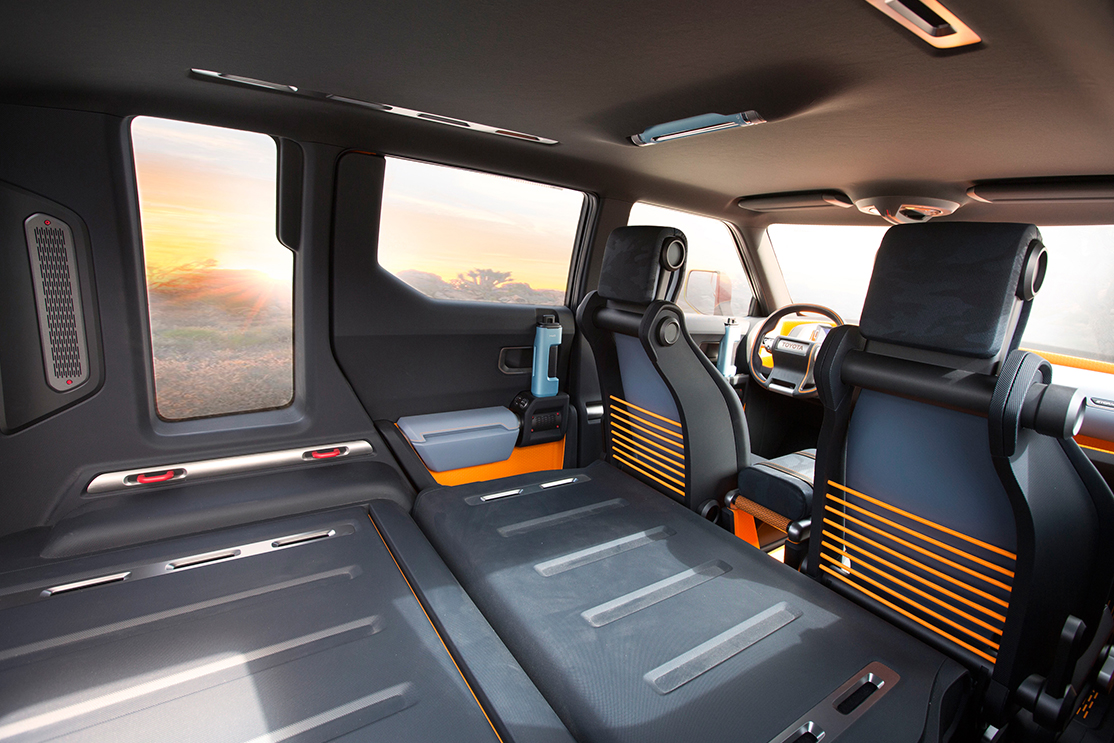
The FT-4X has water bottles built into the doors, a North Face sleeping bag that doubles as a centre arm rest and a GoPro camera built into the exterior mirror to capture the adventure.
The tailgate is also a work of art, able to open vertically or horizontally and incorporating heated and cooled drinks areas.
The boot has a sliding floor that doubles as a table or bench seat as well as wet gear storage underneath.
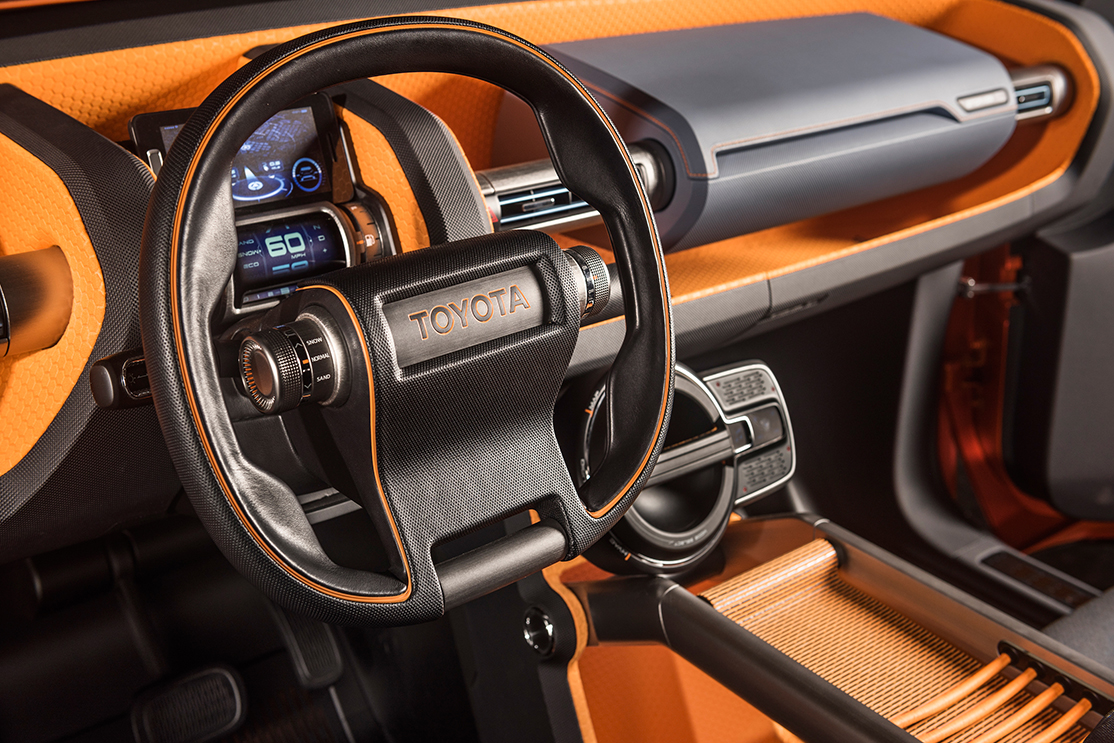
Instead of a traditional infotainment screen Toyota added a mobile phone mount and plans to allow third party app developers to create software tailored to the car and driving generally.
The car is purely a concept for now, but Toyota is clearly keen to bring it to showrooms, even outlining that it has Macpherson strut front suspension and double wishbone rear-end and a four-cylinder turbo, likely a version of the 1.2-litre in the C-HR.
Hunter said producing the FT-4X is “doable”.
“It depends on the reaction,” he said of the concept. “We designed it to be built on the C platform. We’re optimistic, maybe someday.”
And Calty design studio chief Ian Cartabiano reinforced it was realistic for production.
“Our production engineering has really stepped up its game … if we could make C-HR we could make this thing.”
HYUNDAI’S soon-to-launch luxury brand has flagged its intention to lead the way on hydrogen fuel cell technology in the luxury market with the GV80 concept revealed at the 2017 New York Motor Show.
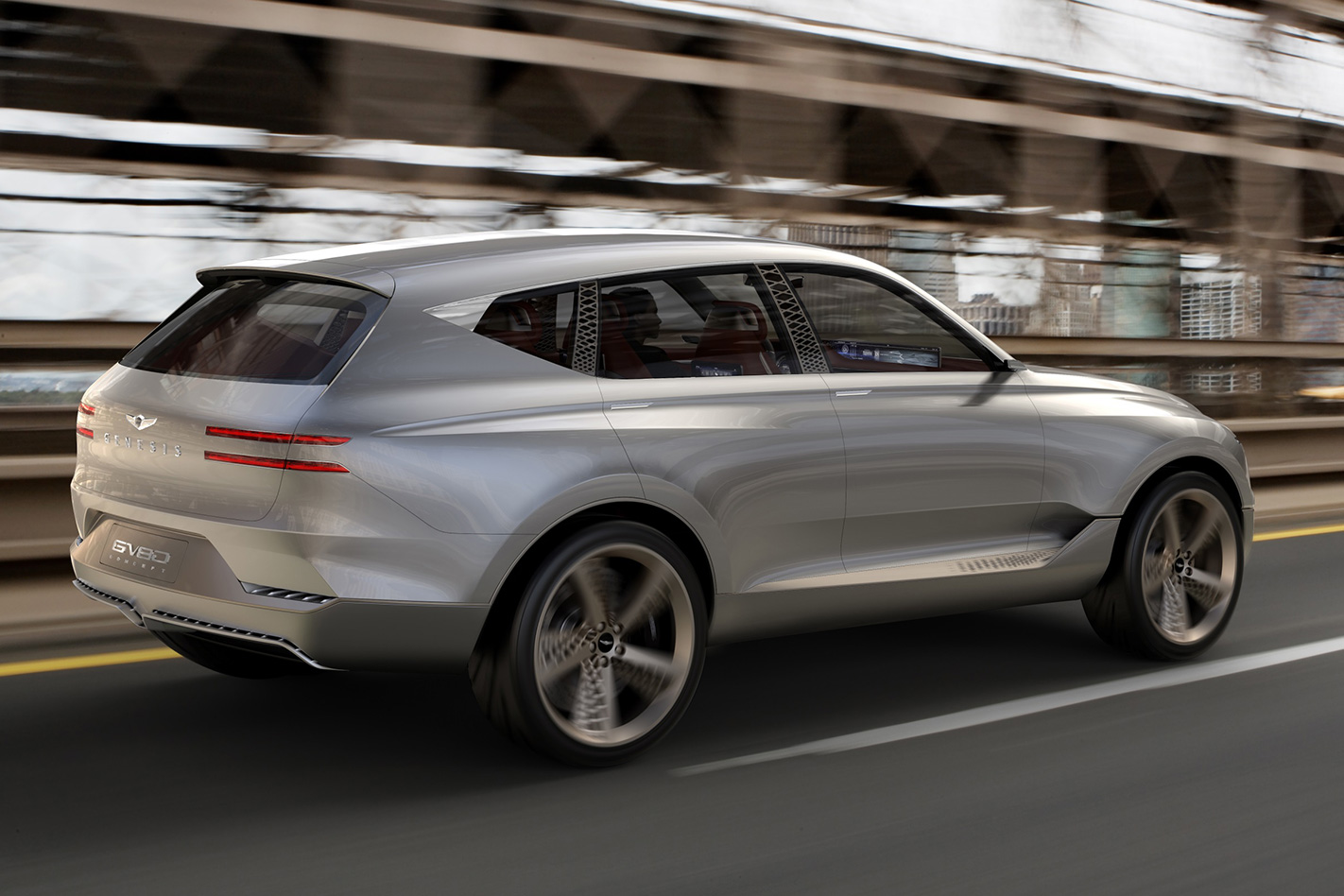
Combining electric motors and a rechargeable battery pack with a hydrogen fuel cell system, the GV80 ushers in a sleek new styling theme wrapped in a large SUV body.
But it’s the design of the GV80 that is most relevant to the future of the yet-to-launch luxury spin-off from Hyundai.
Styled under the guidance of recently appointed Genesis design chief Luc Donckerwolke, the concept sets the future design theme for the Genesis family that will start arriving in Australia late in 2017.
Clean lines and a Volvo SUV-esque shape team 23-inch wheels and a distinctive five-point grille taking up most of the front fascia to create a very different look to the Genesis G70 concept revealed a year ago.
“These are all characteristics that embody Genesis products and delicately reflect distinctive elements, which you’ll continue to see in future models from our brand.”
Genesis brand chief Manfred Fitzgerald described the GV80 as an important step in creating Genesis.
“This concept is an important milestone for the brand to share our vision of the future, introducing a further expansion of our product portfolio.”
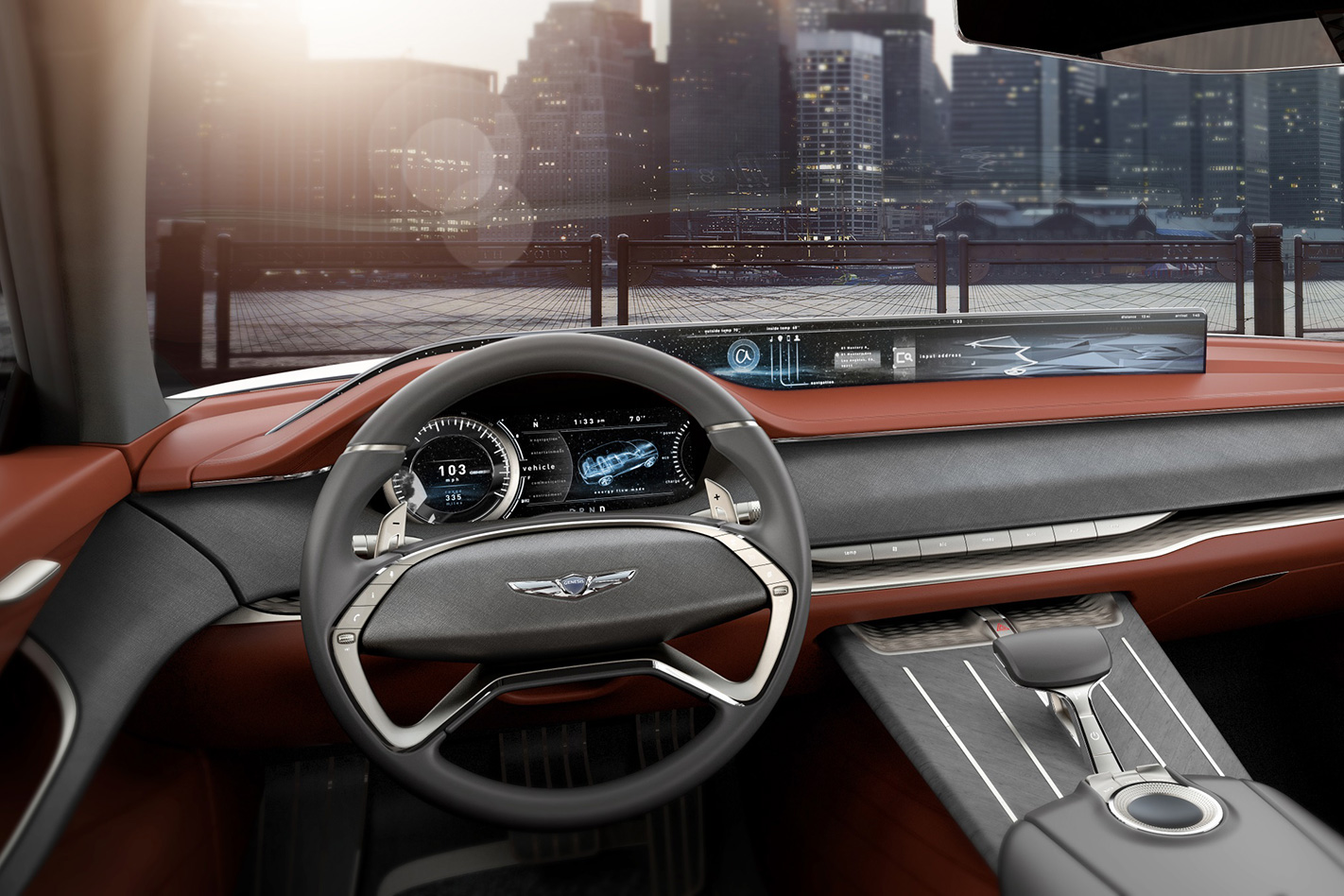
It’s under the bonnet where some of the most interesting technology resides.
Genesis has teamed a hydrogen fuel cell with batteries to create a fuel cell plug-in.
It allows recharging of the batteries at home and electric-only propulsion for short journeys before the fuel cell is used to create electricity for longer drives.
A brief press release stated the technology was employed to “fulfil the needs and explore the escapes of the urban adventurer”.
“Genesis will continue to study the benefits of similar alternative propulsion systems and eco-friendly technologies for future product applications,” it said.
Genesis as a brand – rather than a single Hyundai-badged model – will launch in Australia late this year to take on the established luxury players, from Lexus to Mercedes-Benz.
The updated version of the Hyundai Genesis will be known as the G80.
There will also be a smaller G70, which will utilise the twin-turbocharged V6 engine and rear-drive platform of the Kia Stinger.
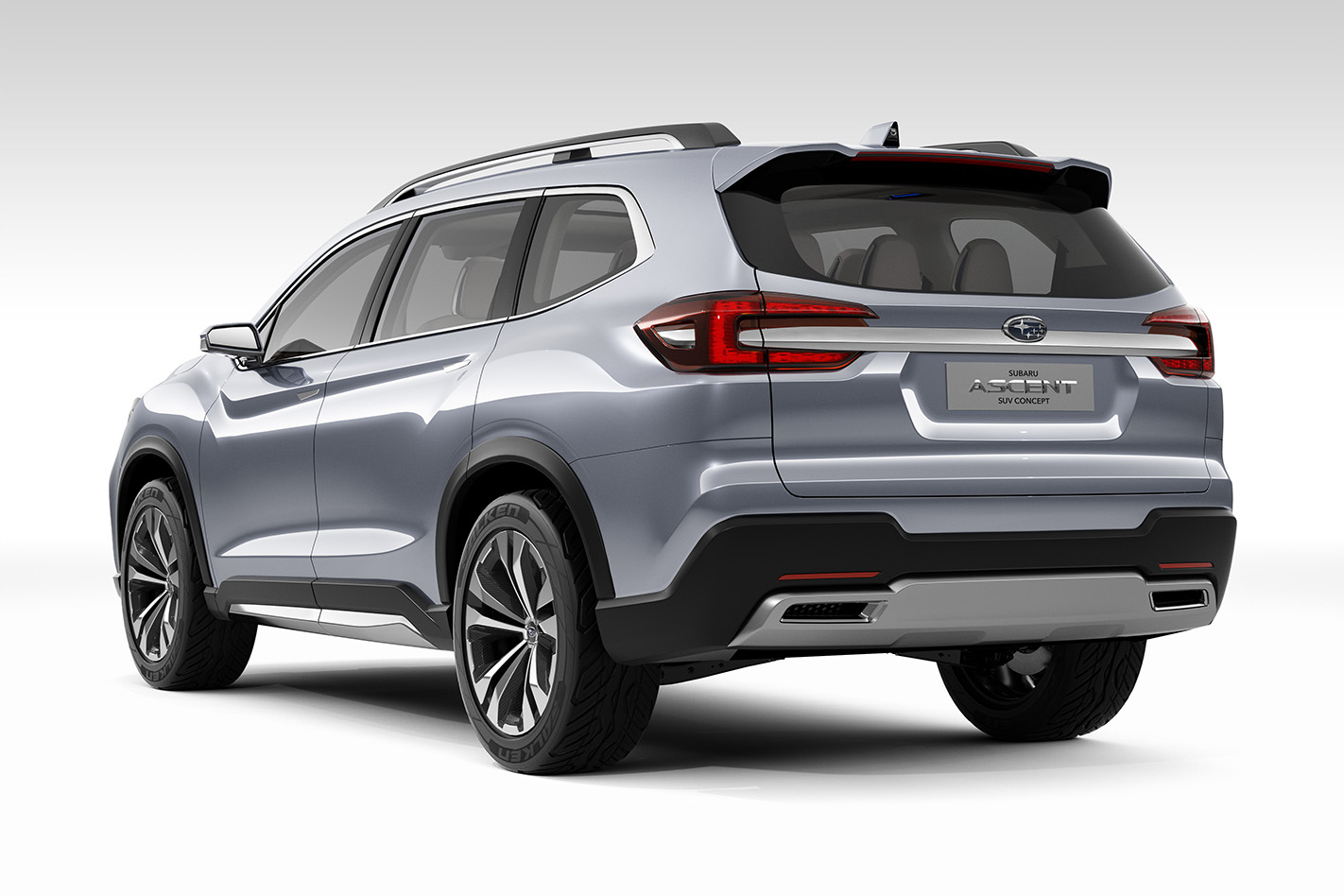
Subaru has revealed its largest car in the form of the seven-seat Ascent concept, a more fleshed-out version of last year’s Viziv 7 concept and the basis for an all-new large SUV that will arrive in American showrooms in late 2017.
The large SUV is a car Subaru Australia desperately wants but it almost certainly won’t get because there are no plans to tool up the US factory that makes the Ascent for right hand drive production.
Stepping in for the Tribeca that was primarily designed for America but also sold in Australia, the Ascent is longer, wider and taller that the car it effectively replaces, creating a spacious three-row wagon to compete with the Toyota Kluger, Nissan Pathfinder and Mazda CX-9.
It’s a car Subaru America describes as critical to its plans to step existing Subaru owners with expanding families into a larger vehicle.
“This car will allow us to get penetration into the three-row SUV segment, which is going to be growing with a lot of millennial people forming their families and having children … it’s a huge segment,” said Subaru America president and CEO Tom Doll.
“We have a lot of younger people that are attracted to our performance [products], like WRX and STI … Impreza does well and so does Forester … they can’t stay with us … now we’ve got a vehicle they can move to.”
The concept car featured familiar modern Subaru design themes, including distinctive headlights that evolve the look of the new Impreza, as well as a fresh interior that incorporates a sweeping touchscreen and a gear selector reminiscent of those used on hybrid Toyotas.
The Ascent is powered by a new 2.4-litre four-cylinder boxer turbo with direct injection, an engine family likely to find its way into other Subarus, including, possibly, the yet-to-be-revealed next generation WRX and STI.
While the Ascent is smack-bang in the middle of family SUV territory it’s unlikely to ever be sold in Australia.
In revealing the Ascent concept Subaru executives reiterated the line that the car is being produced solely for the American market.
Subaru Australia reiterated that thought in a short press release that in part stated: “The three-row midsize SUV is under development exclusively for the North American market.”
However, Subaru Australia has been told in the past it could not get certain models, including the three-row Liberty Exiga, a car that eventually arrived in local dealerships.
THE Audi Q5 2.0 TDI quattro Sport’s early arrival in Australia heralds a strong contender in the premium SUV segment.
WHAT IS IT? The second-generation of Audi’s hugely popular Q5 mid-sized SUV in 2.0 TDI mid-range trim – the one Audi predicts to be the volume seller.
WHY WE’RE TESTING IT The full range touches down in Australia in late June but a brace of the new version arrived early, offering us an opportunity to sample the car ahead of its full launch.
MAIN RIVALS Mercedes-Benz GLC, BMW X3
THE WHEELS VERDICT A tantalising first local spin has left us with a positive impression of the gen-two Audi Q5. Like its predecessor, the new model offers a compelling combination of classy styling inside and out with decent performance and practicality. Big improvements to areas that didn’t necessarily need improving, such as ride comfort, cabin noise levels and handling, set a new standard in the segment and herald a promising reception for the all-new version.
PLUS: Serene cabin comfort; excellent balance of handling, dynamics and ride comfort; typically sharp Audi interior; competitive pricing MINUS: Delayed idle-stop re-start
THE WHEELS REVIEW IF AUDI wants to keep up its tireless fight against arch rivals BMW and Mercedes-Benz, it can’t afford to put a foot wrong, and that applies even more so in the case of critical models such as the Q5 mid-sized SUV.
The model has been providing consistent and substantial volume for the German carmaker since its introduction almost eight years ago, and the successor is charged with the task of maintaining that strong performance.
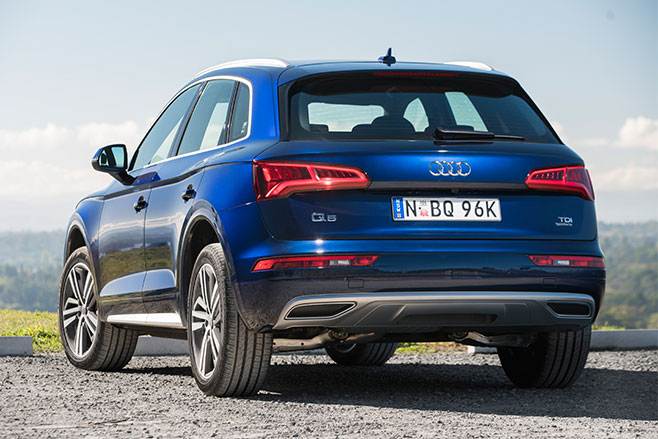
When we drove the second-generation Q5 last year in its birth country, Mexico, its cactus-dodging handling, dust trail-carving manners and likeable styling were a good taste of what Australia has to look forward when it arrives later this year.
And it seems local fans are already flocking to the car with 1800 pre-orders scribbled into Audi’s books.
As if that wasn’t enough excitement, the carmaker managed to secure a pair of the very first Australian-specification cars and flew them down under for an early sample of how the car will take to its surroundings.
Once again, it’s looking good.
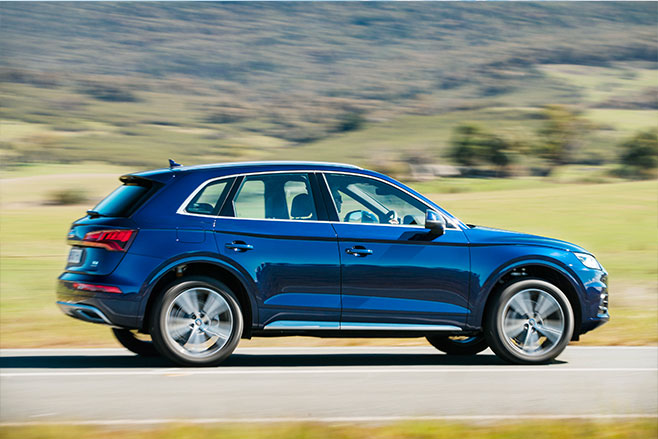
Heading out of the nation’s capital gave us a chance to pitch the Q5 against a couple of the scenarios it will likely encounter on a daily basis with some urban traffic followed by a blast along less cluttered freeways.
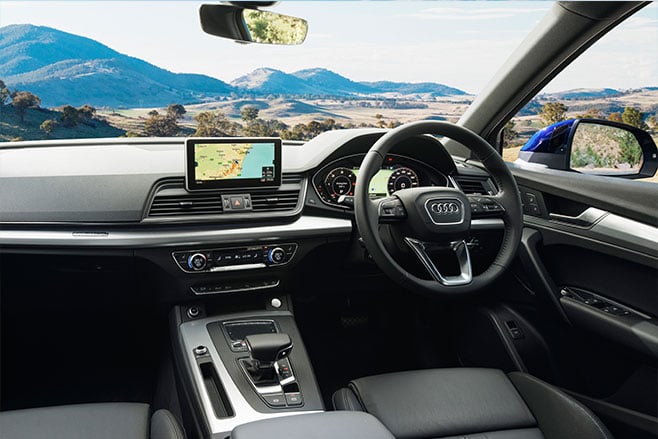
For a typical commute, the Audi’s combination of sharp interior quality and generous space – it’s bigger inside and out now – offers a pleasant place to be whether you are appreciating the cabin ambience or choose to distract yourself with driving.
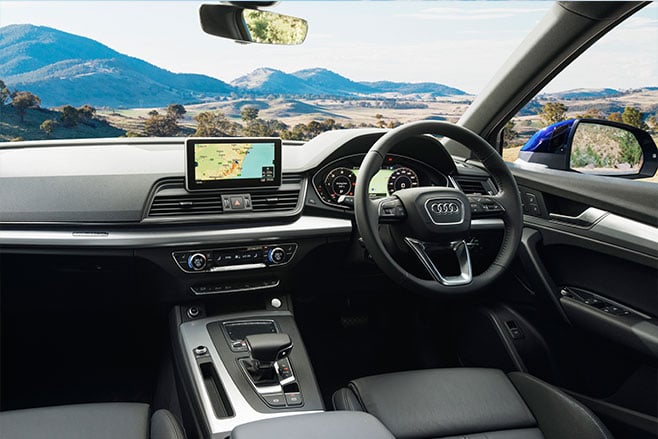
Once up and running, though, the 2.0-litre diesel lends respectable performance to the Q5 with 140kW/400Nm and a claimed 0-100km/h dash of 7.9 seconds, but its most notable quality is smoothness and low noise.
Its inconspicuous nature is added to by commendable NVH levels all around, resulting in a calm cabin and a relaxing ride both about town and when the roads turn to freeway.
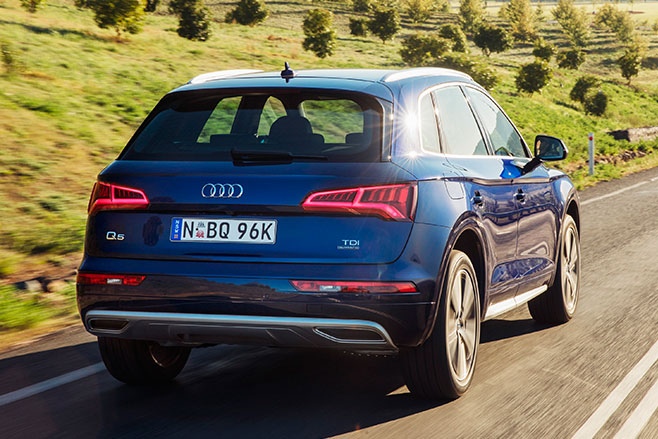
The slightly higher fuel use figure was also attributable to one particular section of our drive where the roads turned wiggly and prompted a more enthusiastic use of the throttle.
Some of the 90kg weight loss was stripped from unsprung weight – the weight not supported by the suspension – and this has resulted in significant improvements to the Q5’s handling and road manner.
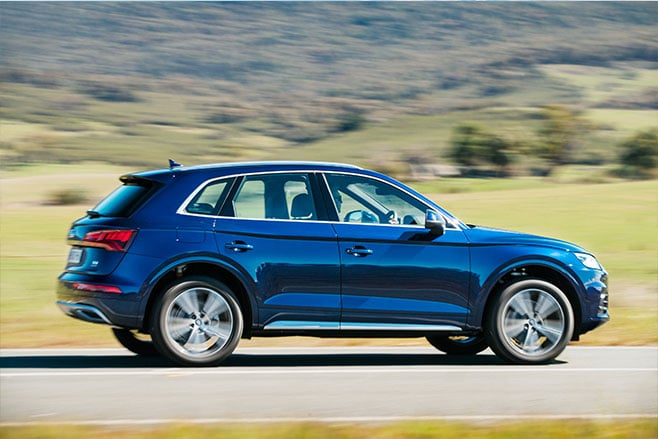
The Audi tracks through sweeping corners with an effortlessness and poise that was completely absent from the SUV world only a few years prior and is both fun and confidence-inspiring.
Unlike our arid Mexican mission, the New South Wales scenery provided a little moisture to test the quattro Ultra technology but ironically, the best thing about the new system that can completely disconnect the rear wheels for boosted economy or reconnect for added grip, was that we had absolutely no clue that it was doing anything at all.
At all times the Q5 offered an accomplished balance of sure-footed traction and lively handling.
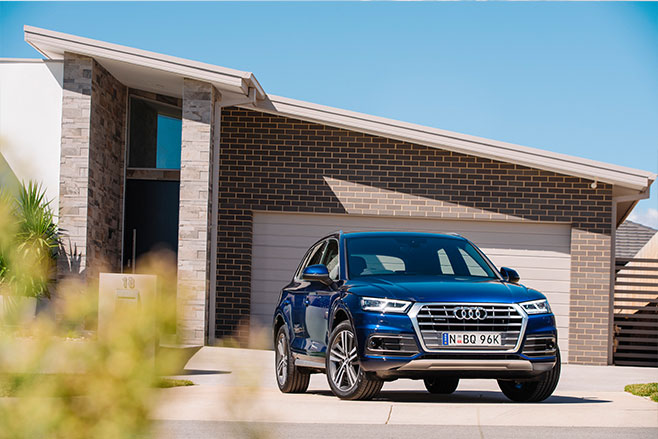
Pricing has taken a little inflation – up $2700 to $70,700 before on road costs and options even before you get customising, but that small increase is offset by a decent value-adding exercise.
Among a number of kit enhancements including new driver assistance technology, and the inclusion of Audi’s excellent virtual cockpit for the mid-range diesel. There’s also a 10-speaker, 180 watt sound system, which sounded great with some fresh tunes pumping through it.
Another small victory is the arrival of a colour new to the Audi palette. It may sound trivial to talk about paint for such a significant technological package, but catch a glimpse of the new Azores Green in bright sunlight and you’ll be locked into its gem-like lustre, just as we were.
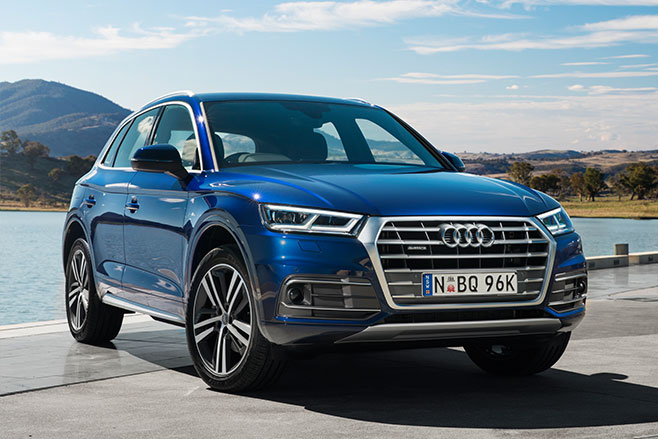
And that is what is so attractive about the new Q5. It didn’t really have to get any better to keep winning hearts and sales, but instead of offering more of the same in a lightly refreshed package, the gen-two car has come out, guns blazing, and offering one of the best premium SUV options on the market.
We can’t wait for a longer blast and in the complete range when they arrive to a hungry local audience in late July.
SPECS Model: Audi Q5 2.0 TDI quattro Sport Engine: 1986cc in-line 4cyl diesel Max power: 140kW 3800 rpm – 4200 rpm Max torque: 400Nm 1750 rpm – 3000 rpm Transmission: 6-speed automatic Weight: 1845kg Fuel economy: 5.5L/100km 0-100km/h: 7.9secs Price: $70,700 On sale: July 2017
The countdown to late June is on, when Audi will launch the second-generation of its popular Q5 mid-sized SUV, which promises to bring a host of features including performance, safety and comfort improvements for only a small price increase.
TELL ME ABOUT THIS CAR
In its first generation, Audi’s Q5 was a big hit, selling an average of 300 units per month in 2016 despite being on sale for eight years.
The new version isn’t quite here yet but, such is the anticipation of the gen-two Q5, Audi has imported a pair of the variants it says will be the top seller, to keep the hype machine running at full speed.
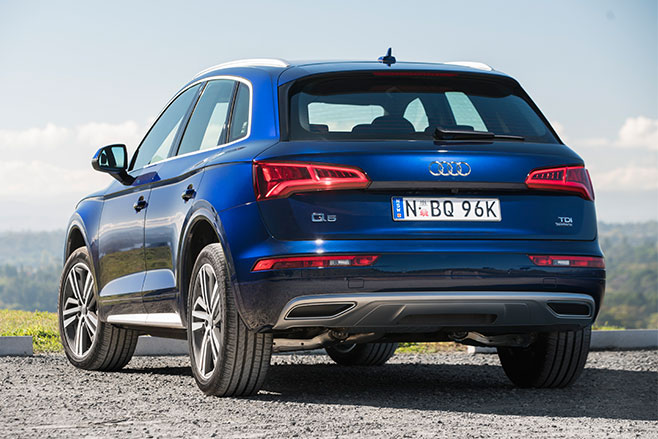
With a more powerful but frugal diesel engine, boosted space, more technology and up-to-date sharp Audi styling, the new $70,700 2.0 TDI quattro Sport promises to maintain, if not increase the sales momentum of the first Q5.
STRENGTHS
WEAKNESSES
ANY RIVALS I SHOULD CONSIDER?
Arch rivals in the German mid-sized SUV segment include BMW and Mercedes-Benz who weigh in with the recently updated X3 and GLC respectively.
The equivalent BMW costs $66,900 for the equivalent 2.0-litre diesel xDrive 20d, while Mercedes’ contender costs $65,990 for its 2.1-litre diesel GLC 220d.
