
What stands out?
Easy on fuel for a medium SUV, the popular Mazda CX-5 drives very nicely and is well equipped, with an exceptionally appealing cabin. Auto emergency braking is standard. The 2012-2016 CX-5 seats five and comes in front-wheel-drive and all-wheel-drive versions.Equipment detailed in this review reflects the first-generation CX-5 in its final form, as sold from October 2016 until it was replaced in April 2017. Prior changes are outlined briefly at the foot of the article.
What might bug me?
Driving below 80km/h on the space-saver spare wheel, until you can replace your full-sized flat tyre.Waiting for power from the 2.0 litre engine in 2WD CX-5s. Similar to the 2.0-litre engine in a Mazda3 hatchback, it feels a little soft when propelling the bigger car.
What body styles are there?
Five-door SUV-type wagon only.The CX-5 can be purchased as front-drive only or in all-wheel drive. It is classed as a medium SUV, lower priced.
What features do all versions have?
An infotainment system that you can operate from either a rotary controller or a 7.0-inch colour touchscreen, with auxiliary and iPod-compatible USB inputs, a CD player and an AM/FM radio. Internet radio integration (including the apps Pandora, Stitcher and Aha), and Bluetooth hands-free phone and audio connectivity.Cruise control, and a reversing camera.Height and reach adjustment for the steering wheel, and buttons on the wheel for operating the cruise control, sound system and your phone.A space-saver spare wheel. Tyre pressure sensors, which warn when a tyre has lost pressure. (This can give you time to have a slow puncture seen to.)Hill launch assist, which helps you start from rest on an uphill slope by controlling the brakes automatically.Electronic stability control, which can help you recover from a slide. All new vehicles must have this feature.Six airbags. A suite of active safety features comprising city-speed auto braking, a blind spot monitor and a rear cross-traffic alert. (For the placement of airbags, and for more on CX-5 safety systems, please open the Safety section below.)The Mazda CX-5 warranty is for three years, with no limit on kilometres driven.
Which engine uses least fuel, and why wouldn’t I choose it?
Of three engines available in a Mazda CX-5, the most fuel efficient is the only diesel, a turbocharged 2.2 litre four cylinder that consumes 5.7 litres/100km on the official test cycle (urban and country combined).The diesel is also a sweet performer. One key reason why you might not choose it is that diesels are available only as all-wheel drive autos, and choosing diesel over petrol adds significantly to the price of the car. The diesel is not available on the least costly version, the CX-5 Maxx.Of the two petrol engines, the more fuel-efficient is the 2.0 litre four-cylinder that is supplied with all front-wheel drive CX-5s, which returns 6.6 litres/100km on the official test. A close match for the 2.0-litre engine in the Mazda3 hatchback, it feels a bit tame in the CX-5 and needs to be worked hard for decent acceleration.The alternative petrol engine, a 2.5 litre four-cylinder fitted to AWD CX-5s, feels more effervescent and muscular. It consumes about 7.3 litres/100km on the official test. In real-world driving, a CX-5 GT with the 2.5 petrol recorded an average of 10.2 litres/100km in comparison testing of four popular mid-sized SUVs for the November 2015 issue of Wheels magazine. That left the Mazda the most fuel-efficient of the four vehicles reviewed.Only the CX-5 Maxx in front-wheel drive offers the choice of a six-speed manual or six-speed automatic gearbox. On every other CX-5, the six-speed auto is your only choice.
What key features do I get if I spend more?
The least costly CX-5, the Maxx, has cloth trim on the seats and rolls on 17-inch steel wheels.Spend more for a Maxx Sport and you get wheels of the same size but made from an aluminium alloy, which look nicer and are usually lighter. The Maxx Sport also has satellite navigation, and dual zone air-conditioning (which allows the driver and passenger to set temperatures independently). Headlights switch on automatically when it gets dark, and windscreen wipers operate automatically when it rains. The steering wheel and gear-shift handle are trimmed in leather.The CX-5 Grand Touring, or GT, rolls on 19-inch alloy wheels and on tyres with a lower profile, which quicken the steering response slightly on hard surfaces. The GT has a powered sunroof, leather trim, and power-adjusted front seats with heating. Brighter, bi-xenon headlamps swivel their beams to help light up corners. A Bose sound system plays through nine speakers. There are parking sensors front and rear, and the auto braking also works in reverse.The most expensive CX-5, the Akera, brings you adaptive headlamps, whose multiple LED bulbs dim selectively for oncoming drivers – retaining high beam in areas that won’t dazzle them. Automatic cruise control matches the speed of a slower vehicle ahead. And there is an expanded suite of active driving aids, which adds highway-speed auto braking, lane-keeping assistance, and a driver fatigue monitor.
Does any upgrade have a down side?
The lower-profile tyres on the GT and Akera ride more roughly on bumpy surfaces, as there is less rubber and air between the wheel and the road.Ordering all-wheel drive will increase your fuel bill a few per cent, compared with an equivalent front-drive CX-5.All colours but one are available standard: Soul Red costs about $200 extra.
How comfortable is it?
The CX-5 is not the biggest of the medium SUVs, but it’s a size that has won many buyers. Up front the colour touchscreen makes it easy to toggle between audio and navigation functions.Large, logical dials look after the ventilation system, the steering wheel is superb, and there’s decent storage in the centre of the car.Seats are supportive, even if complete comfort is elusive. The general level of cabin finish is as good as you will find in a medium SUV at this price.The suspension tends towards the firmer end of the scale, feeling a bit stiff-legged over sharp bumps, but it is not uncomfortable, dealing with humps and heaves succinctly and quickly before getting on with the next challenge.While there is some tyre roar on country roads, the CX-5’s cabin is quite well insulated.
What about safety?
Every CX-5 has six airbags, stability control, a reversing camera, city-speed autonomous emergency braking, a blind spot monitor, and a rear cross-traffic alert. These team with good crash protection to put even less costly CX-5s among the safer medium SUVs.Two of the airbags are placed directly in front of the driver and passenger. The driver and front passenger also get an airbag each on their outer sides at chest level , to protect them from side impacts. The final two airbags stretch down each side of the cabin at head level, protecting front and rear occupants from side impacts.The standard auto-braking scans the road ahead with a short-range laser-type sensor and is effective at speeds up to 30km/h. Mazda calls it Smart City Brake Support. If an obstacle is detected – typically another car that has slowed suddenly – the system will apply the brakes automatically if it believes you are at risk of a collision.The blind-spot monitor uses radar sensors to look rearwards down each side of the CX-5. When you indicate to change lanes, it will flash a light in the door mirror and sound a buzzer if a car is approaching in that lane from behind, perhaps in a blind spot.The rear cross-traffic alert operates in a similar way to detect vehicles approaching the rear of the CX-5 from either side. It is helpful when you are reversing out of a driveway or parking spot.On a CX-5 GT, the auto-braking also operates in reverse, preventing you from backing into an obstacle that you might not have seen.The CX-5 Akera supplements these safety aids with an extended auto-braking system, lane-keeping assistance and a fatigue monitor.The Akera’s auto braking – called Smart Brake Support – uses a radar and camera to scan the road at longer range than the city oriented system on the less costly cars. It is effective up to 145km/h, and will warn you of an impending collision before braking automatically if you don’t react.Its Lane-keep Assist uses the camera to monitor highway lane-markings. If it recognises that you are drifting out of your lane, it can apply some corrective steering while vibrating the wheel to alert you.Lane-keep assist is particularly helpful as protection from the consequences of distraction or sleepiness on long drives. The Akera’s fatigue alert takes this a step further and looks for signs of weariness in your steering movements. If it thinks you might be falling asleep, it will recommend you take a break.The Australasian New Car Assessment Program has awarded the CX-5 its maximum rating of 5 stars, most recently in October 2016.
I like driving – will I enjoy this car?
The CX-5 is among the better driving mid-sized SUVs. While it rides relatively high – part of its appeal for many – it is well controlled and does not lean too much in corners.With direct steering it’s also very user friendly, whether punting around the suburbs or driven briskly through a set of bends. Brakes, too, are responsive and reassuring. A CX-5 isn’t particularly encouraging of enthusiastic use until you begin to hustle it, when its cornering talents reveal deeper reserves.The 2.0-litre petrol engine can feel sluggish until you get used to it. The 2.5-litre petrol engine in the all-wheel drive models resolves that issue and makes for easier darting around town and more relaxed touring. The sweetly tuned six-speed auto gearbox supplies extra verve when you engage its Sport button, treading the fine line between keen and crazed with aplomb.The turbo-diesel offers superior urge from low engine speeds and nearly as much outright power. While it’s not as quiet as the petrol engines, it’s well behaved for a diesel.Four-wheel drive versions of the CX-5 are light-duty off-roaders, built to add confidence on gravel or snowy roads rather than to tackle steep or rough tracks. Should you damage a tyre, fitting the space-saver spare will diminish off-road performance.
How is life in the rear seats?
In the rear, space is generous, although head room starts getting tight for tall adults. There are no rear air-conditioning vents.
How is it for carrying stuff?
The boot is towards the smaller end of the medium-SUV spectrum, with a higher floor.But the space is cleverly used. All but the Maxx model get a 40-20-40 split-fold rear-seat setup that allows easy flipping. The luggage blind, too, is clever: it is integrated into the tailgate, so that it is raised automatically but conceals valuables.
Where is it made?
Mazda makes the CX-5 in Japan.
What might I miss that similar cars have?
Not much. The CX-5 is one of the standout medium SUVs and comes impressively equipped.It competes with a vast range of alternatives, among them the Nissan X-Trail, Honda CR-V, Subaru Forester, Ford Escape (formerly the Kuga), Volkswagen Touareg, Hyundai Tucson and Kia Sportage.
I like this car, but I can’t choose which version. Can you help?
The CX-5 Maxx Sport adds more stylish alloy wheels, satellite-navigation, dual-zone air-con and a leather bound steering wheel over the Maxx, for a reasonable premium.
When did Mazda replace this CX-5?
This first-generation CX-5 went on sale in 2012, and Mazda revised the range mildly in January 2015. Changes included an attempt to reduce tyre noise, and a more cohesive interior that included a bigger and more powerful touchscreen. About October 2016 the auto braking and blind-spot alert previously offered in an extra-cost safety pack were made standard on all versions. That is the car reviewed here.A second-generation CX-5 went on sale at the end of March 2017. The new car uses the same basic platform and engines but is quieter and more comfortable inside. It has more equipment, and its auto braking operates over a broader range of speeds.
ASTON MARTIN will forge ahead into new territory in 2019 when it launches the DBX, its first-ever crossover model. It will be a landmark moment for a brand that has, up until now, made ground-hugging sports cars its specialty.
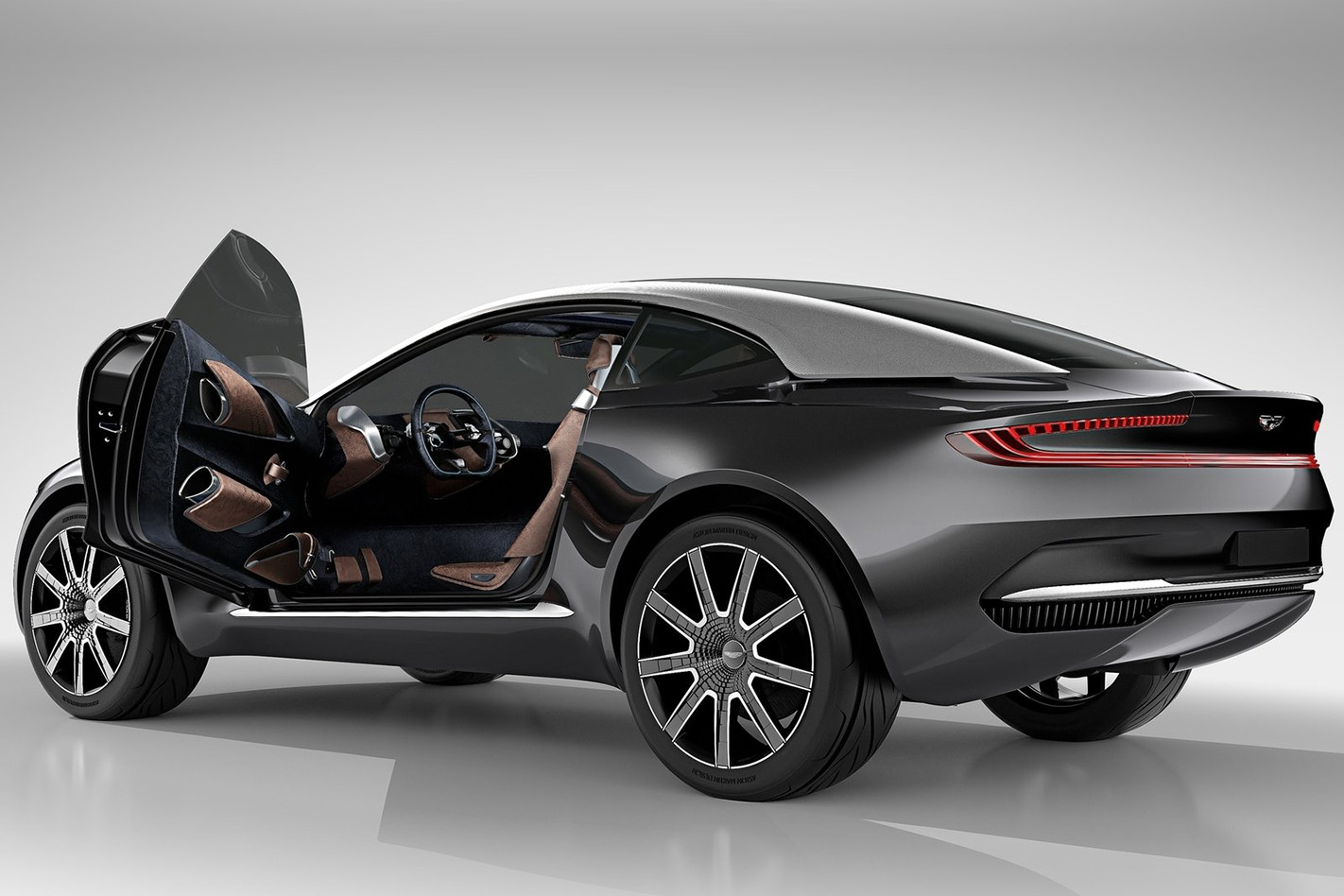
Right now, not a whole lot of detail has been provided on the DBX beyond its name, that it’ll be bigger on the inside than a Porsche Cayenne, and the fact it will be built in a decommissioned RAF aircraft hangar in Wales. Aston executives even freely admit that the DBX concept that debuted at the 2015 Geneva Motor Show (above) is not representative of the actual production car’s final form – not even close.
But nature, as they say, abhors a vacuum, and the online rumourmill has done its best to compensate for the lack of info about Aston’s incoming SUV. Aston is still keeping mum on the big details, however President and CEO Dr. Andy Palmer has refuted one of the bigger reports: that the DBX will be built atop the Mercedes-Benz GLE’s platform.
The theory went that the GLE platform would be provided to Aston Martin under the carmaker’s existing technology sharing agreement with Mercedes-Benz – an agreement that has already given Aston the use of AMG’s 4.0L twin-turbo V8 as well as Benz’s sophisticated vehicle electronics architecture.
It made sense too: after all, Aston would save megadollars by using a proven off-the-shelf platform already tailored to the unique demands of a full-size SUV. According to Palmer, though, that won’t be the case for the DBX.
Speaking to Australian media, Palmer confirmed that the DBX would share its architecture with Aston’s sports car range, and utilise a stretched and morphed version of the Aston Martin DB11’s bonded aluminium architecture.
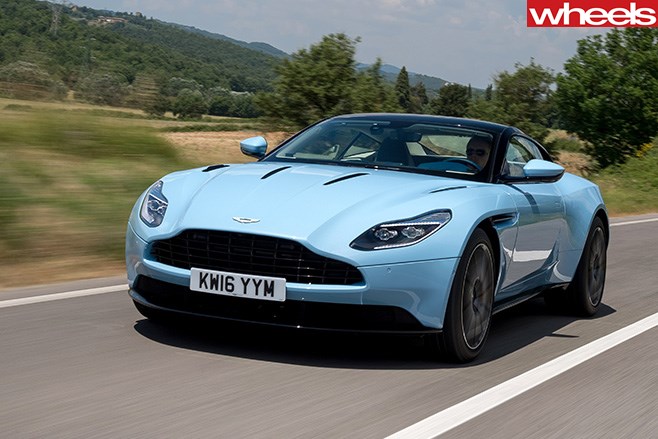
“We made the conscious decision that we would use bonded aluminium and that’s a decision that we’ve also made for our SUVs and for our Lagonda range, making us basically unique.”
And Palmer says Aston’s bonded alloy structures – which use aviation-grade glues rather than welds to join metals together – is not only lighter than a traditional steel body, but incredibly strong when compared with a welded aluminium chassis.
“It gives us light weight. It also gives us a great degree of [structural] integrity because we don’t get inclusions in welds.”

And according to Aston’s Design Director Marek Reichman (above), the architecture will be pivotal to making the DBX’s packaging work and enabling the company to deliver on the promise of Cayenne-eclipsing interior space.
“It’s about maximising the potential of what’s inside something by using structures, bonding methods and lightweight techniques to minimise the structure so you maximise the interior,” Marek said.
“That allows me the flexibility to generate form and shape beyond what a traditional SUV is.”
Renault’s mid-sized van contender, the Trafic has just expanded its horizons with the addition of a second row of seats. Traditionally the domain of couriers and tradies, this commercial van is now an option for those who want a dual purpose vehicle that works during the week yet can haul friends and family in comfort after hours.
What Stands Out
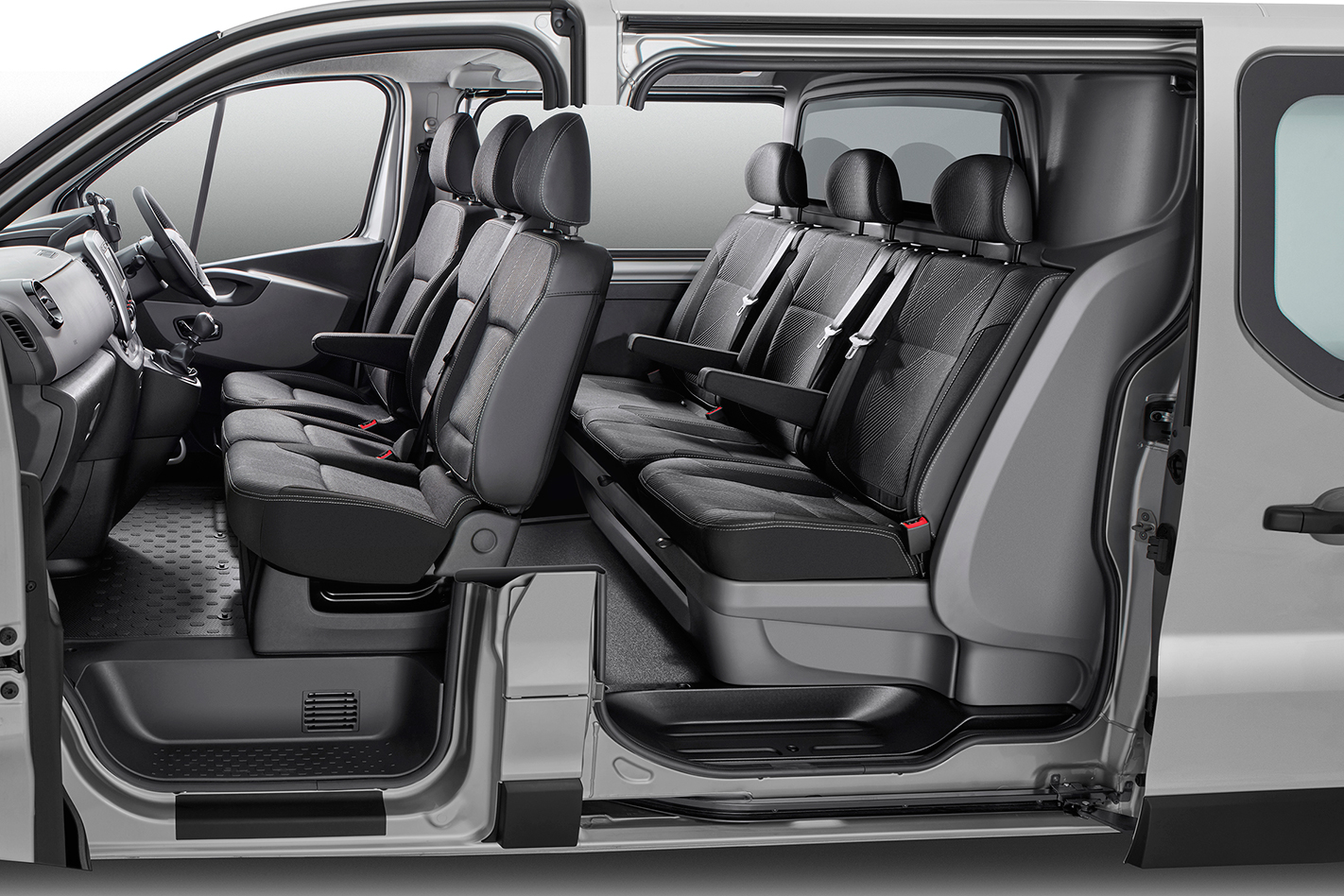
The Trafic Crew has room for up to six people yet still has four cubic metres of cargo space and can carry 1100 kilos. And if you want, you can even tow a couple of tons behind it. Seating in the rear is provided by three bucket-style seats and there’s a bulkhead separating the load area from the passenger compartment. It’s like a dual cab ute, but for van people.
A twin-turbo 1.6-litre diesel engine drives the front wheels and punches above its weight in terms of power output, but Renault reckons it’s a frugal sipper of diesel claiming just 6.2L/100km combined economy. It’s a quiet and sophisticated little engine that even manages to make a mildly satisfying turbo whistle when working. The big bug bear for some is the fact there’s no auto option. A six-speed manual is the only transmission available, but that said it’s a pretty slick shifter.
A Premium Pack adds some bling and equipment including a 7-inch touch screen multi-media unit with sat-nav and alloy wheels. But there’s also a Lifestyle pack that really aims to turn the working Trafic into something that could be used as a family car. Higher quality trim, climate control and LED courtesy lighting, plus rear 12-volt power outlets and even speakers in the rear help make the Trafic Lifestyle less van and more wagon.
What’s Inside
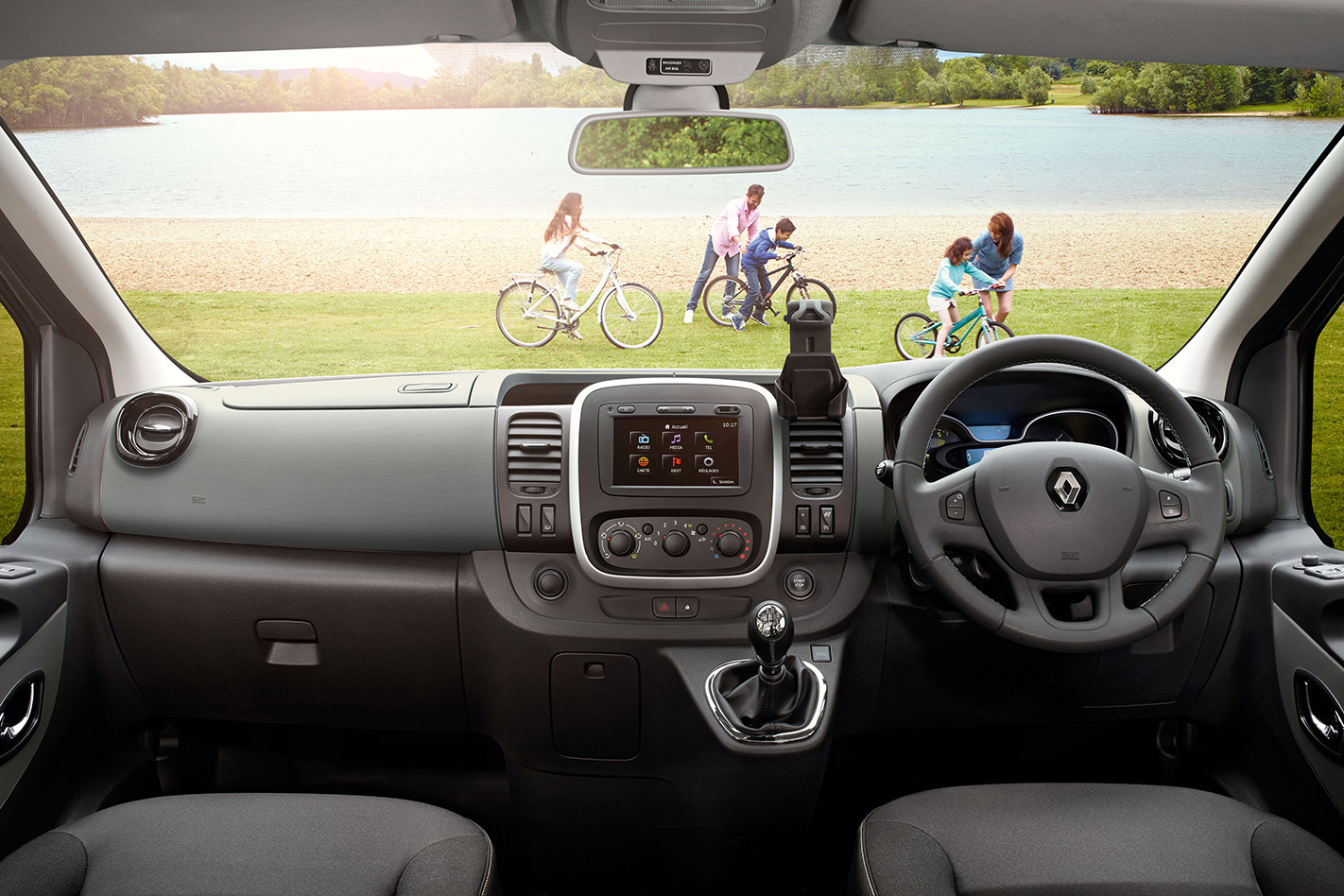
Up front there’s the option of either two bucket seats or a three-seater bench. One thing the Trafic most certainly does have is lots of little storage nooks and crannies. The rear view camera displays in the rear view mirror, which when you think about it makes perfect sense.
Rear seat ventilation is either from the rear sliding windows or the air con up front. There are no vents back there. Additional storage space is also available via the lift up rear seats. Getting in and out of the Trafic is pretty easy, though a couple of grab handles wouldn’t go astray up front.
Choosing Yours
If you need to haul both loads and people at the same time a crew van makes a lot of sense. They ride better than a ute and in some cases are cheaper to buy and run, they also offer more load space. The Trafic Crew has three levels of trim that should satisfy most buyers, from the work every day tradie, to those who have family and lifestyle commitments.
Summing Up
Regardless of trim level, the Trafic Crew makes a lot of sense as a dual purpose workhorse. It doesn’t have the bravado of a dual cab ute but it’s layout does have a lot of smarts.
There’s a lot of usable space yet it can accommodate passengers with relative comfort. The Trafic’s little turbo engine is frugal but torquey enough to make it useful around town and on the open road. The lack of an automatic transmission means that some buyers will just keep walking.
But if you’re prepared to take a closer look at this Renault, you might be surprised.
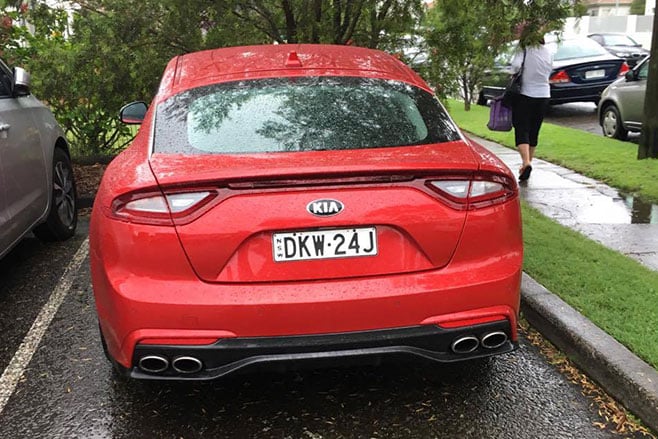
KIA’S game-changing Stinger sports sedan has been spotted on Australian roads undisguised and in the open ahead of its official local launch date in September.
Quick-shooting Wheels reader, Brad, spied the 2.0-litre turbo variant of the South Korean car maker’s flagship on Sydney streets but Kia has confirmed that a 3.3-litre turbo V6 version is also doing the rounds in New South Wales’s capital, dressed up in white.
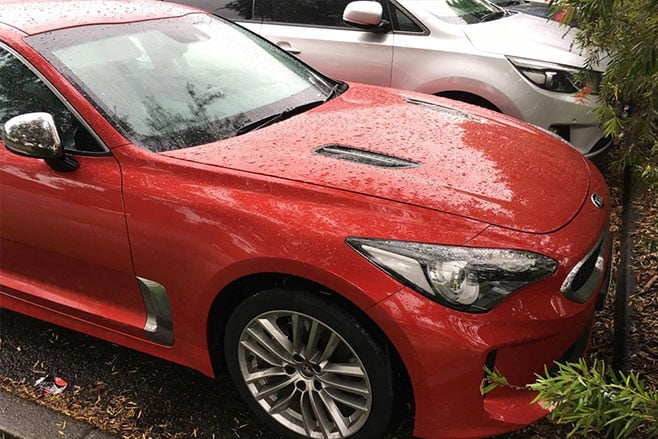
Kia Australia Media and Corporate Communications General Manager Kevin Hepworth told Wheels that the sporty pair were engineering assessment vehicles and clocking up Australian kilometres as part of the final chassis tuning that every Kia undergoes locally.
“They are here to fine tune the work that’s already been done in Namyang on the ride and handling,” he said. “They are first-build cars and their sole purpose in life will be to validate the ride and handling.”
Australian tennis fans may have already met the Stinger featured here when it made its local debut at the Australian Open tournament in Melbourne in January this year. Hepworth explained that the vehicles were “P1” cars and among the first to be built.
The pictures have coincidentally emerged on the same day that the Stinger made its Asian debut at the Seoul Motor Show in Kia’s native South Korea, along with a performance update for the rear-drive 3.3-litre version.
Before its world premiere at the Detroit show in January, Kia was reporting that the fastest version of the Stinger would manage the benchmark zero to 100km/h dash in 5.1 seconds, but it has now revised that to 4.9s – as fast as an Aston Martin V8 Vantage.
Heavier all-paw versions are expected to be closer to the original 5.1s educated guess.
The Seoul appearance also revealed a new rich yellow paint tone, highlighted by carbonfibre embellishments applied to the bonnet vents, grille, mirror caps and brake ducts.
Kia fans as hawk-eyed as Brad will notice that the Seoul show cars have ursurped the Kia bonnet badge in favour of a new design that is understood to be confined to the Korean domestic market but the Stinger will proudly wear the Kia brand in Australia.
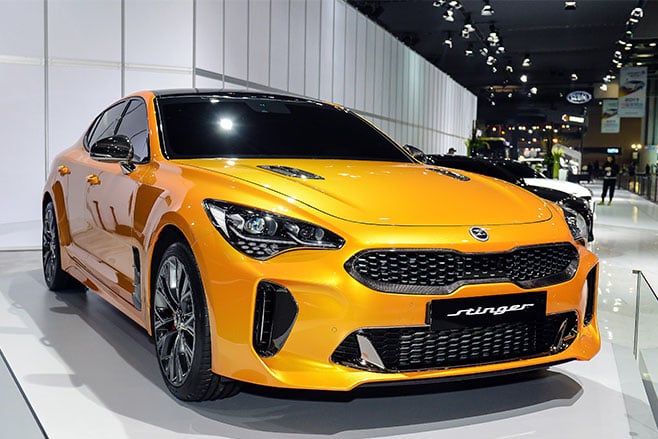
When it arrives in Australia in approximately six months, both the 272kW 3.3-litre and 188kW 2.0-litre are expected, with the entry-level offering priced somewhere in the $40,000 bracket.
A third 2.2-litre diesel will also be sold in other global markets, but is less likely for Australia.
MG Australia has reaffirmed its commitment to building trust with customers by offering a competitive six year, unlimited-kilometre warranty for its products.
MG, owned by Chinese automaker SAIC Motor, will offer one of the longest warranties on the market, along with six years of roadside assistance and capped price servicing.
What’s more, its new GS SUV comes with 10,000 kilometre scheduled service intervals, with no set time interval.
Danny Lenartic, Senior Marketing and Communications Manager for MG Motor Australia, says the warranty program is designed to build trust for the reborn brand Down Under.
“I think it sets a tone immediately with a six year warranty, roadside assistance, and capped price servicing,” he told Which Car.
“I think that sends a clear message and it allows people to trust you sooner rather than later.
“It is a big statement, and it is one that is really important to us. Globally, that warranty is aligned as well. So we are doing that across other countries.”
Lenartic says SAIC Motors and MG Australia are keen to dispel the myths surrounding Chinese-built cars.
“The phones you use, the technology we use, the clothes we wear, are all majority made in China,” he added.
MG is hoping to emulate the success of Korean brands Kia and Hyundai in changing public perceptions, along with Japanese brands before them.
“Engineering in China has come a long, long way, and I think the sentiment on Chinese-made product is softening,” Lenartic continued.
“I feel that with this brand we will help that, and hopefully propel it to another level where you are basing it on what you are seeing in front of you, and not perception.”
Kia currently offers the best warranty in Australia, with a seven year, unlimited kilometre offering with every one of its cars. French Brand Citroen also offers a six-year, unlimited kilometre warranty, while Chinese compatriot Haval has a five-year, 100,000km warranty.
Skoda’s Vision E Concept has finally broken cover with the company revealing details and sketches of a 225kW all-electric, five-door fastback crossover ahead of its official launch at next month’s Shanghai Motor Show.
The Tesla Model X-rivalling high-riding coupe has a top speed of 180km/h and 500km range with powerful lithium-ion batteries sending juice to two electric motors.
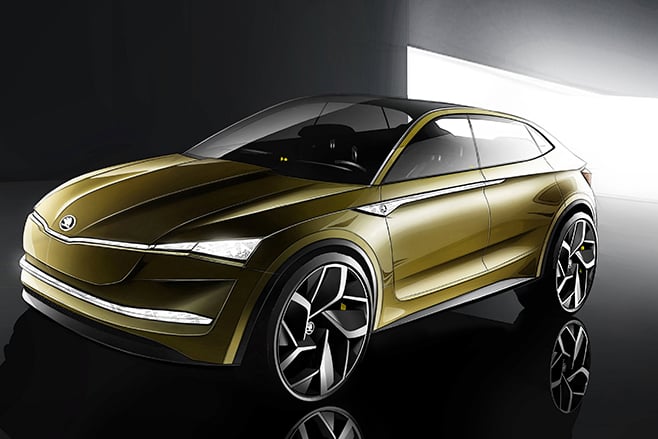
Built on the Volkswagen Group’s modular electric car (MEB) platform, the Vision E is 4645mm x 1917mm making it shorter but wider than Skoda Kodiaq with a 2850mm wheelbase and short front and rear overhangs that should result in decent interior space.
The Vision E is also a showcase of the Czech carmaker’s latest self-driving driving technology which achieves Level 3 autonomy. It can operate independently in traffic jams, go into autopilot on motorways, stay in lane and swerve, carry out overtaking manoeuvres, independently search for free parking spaces and park.
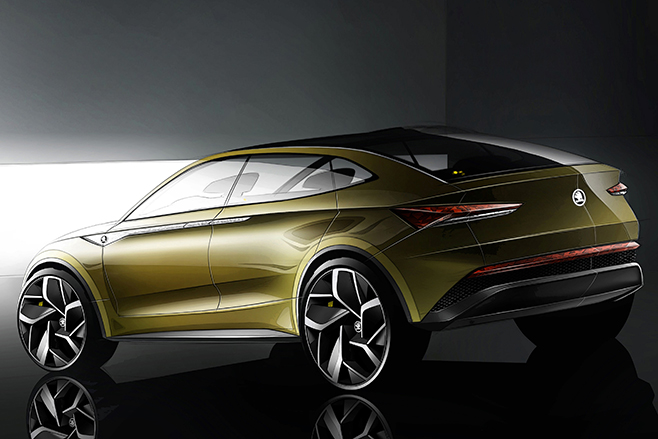
A production is expected to go on sale in 2020, the first of five purely electric models in various segments by 2025. The company will also release hybrid models including a dual-powered version of the Superb in 2019.
As well as being a springboard for Skoda to launch itself into EV production, the Vision E is also a preview of its evolving design language.
Inspired by traditional Czech crystal glass art, the Vision E’s styling will be dominated by crisp lines, “bold contours” and intricate, jewel-like detailing in the headlamps and tail lamps.
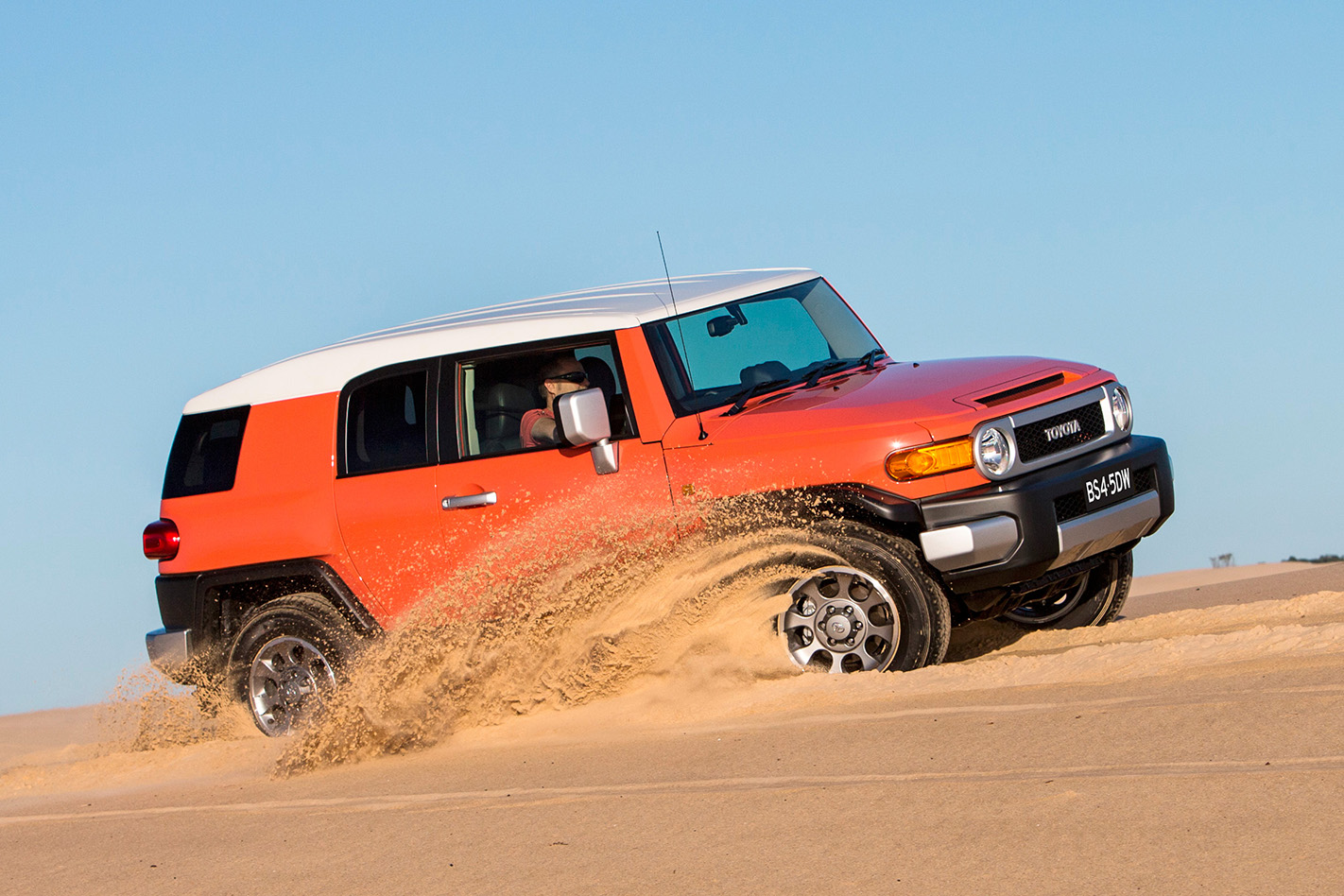
The now-departed Toyota FJ Cruiser was the perfect combination of rugged purposefulness and nostalgic appeal, and it now looks like that modern-day tribute to the original FJ-series LandCruiser could be in line for a reboot of its own.
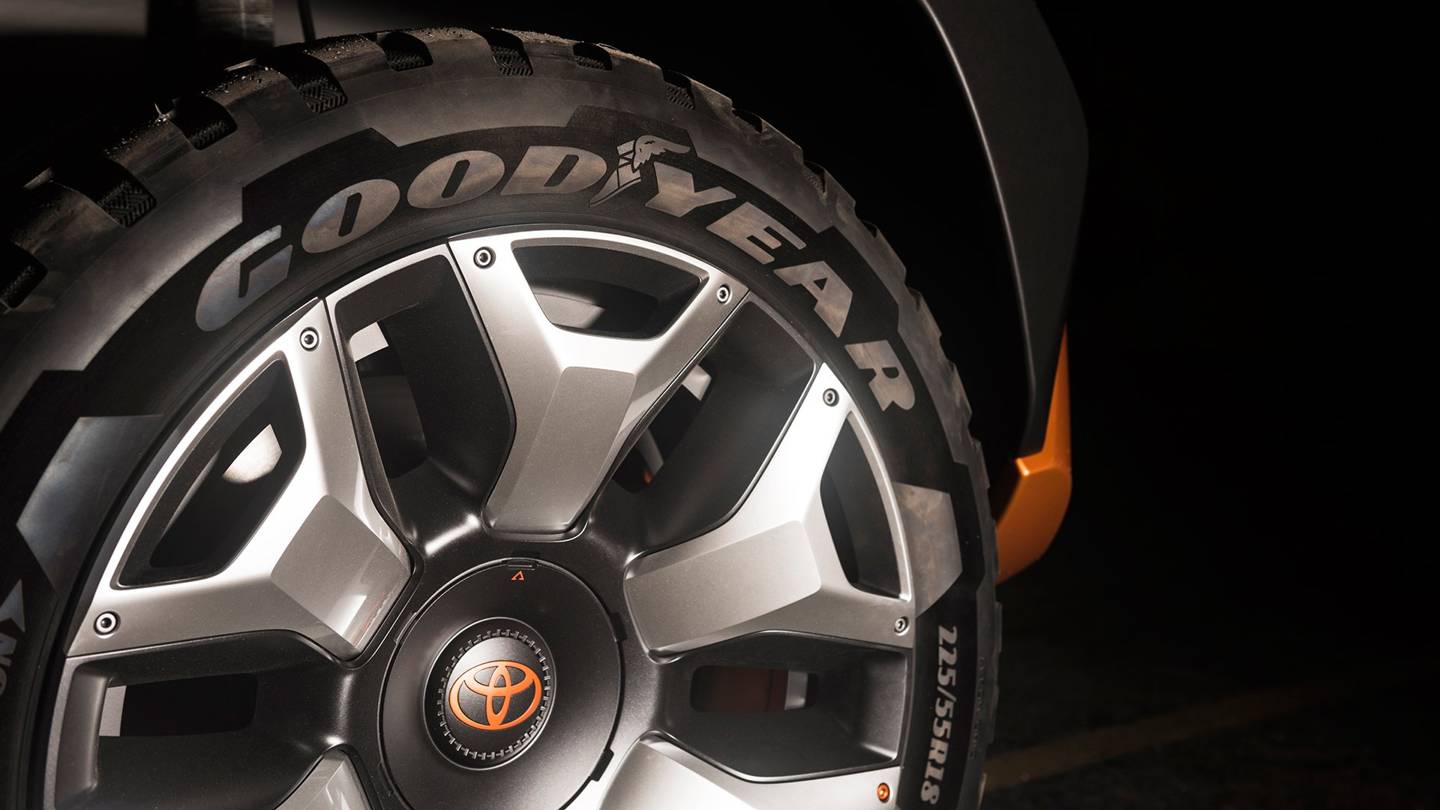
Two weeks out from its global debut at the New York Auto Show, Toyota has released the first teaser image of what it calls the FT-4X concept. It doesn’t show terribly much – just a chunky alloy wheel wrapped in Goodyear rubber sporting an equally-blocky tread pattern – but the styling language screams “off-roader”.
And so does the name. The ‘FT’ prefix is a well-established part of Toyota’s concept nomenclature, and simply stands for “Future Toyota”. What comes after it is usually a clue about the concept’s intent (the FT-86 foretold the arrival of the Toyota 86 coupe, for example), and ‘4x’ is a strong hint that this concept will be a four-by-four.
There’s also a glimpse of prominent black plastic arches, another offroader hallmark. That said, there’s the suggestion of curvier body styling and low-hanging bumpers here as well, and that doesn’t quite mesh with the theory that this is a successor to the FJ Cruiser, a car that was famous for its upright form and offroad-optimised design as much as its retro styling.
Pitched as Toyota’s answer to the Jeep Wrangler, the FJ Cruiser was built atop Prado-basedunderpinnings with a beefy dual-range driveline hooked up to a 200kW 4.0L petrol V6 and five-speed automatic. It didn’t push technological boundaries, but with an electronic rear differential lock and off-road tuned traction control it had genuine go-anywhere capabilities.
Production of the FJ Cruiser ended in August 2016.
Will the FT-4X concept follow in the FJ Cruiser’s tyre tracks, or is it a precursor of something entirely different? Whatever the case, Toyota reckons it’ll be “scene stealing”. We’ll find out at New York.
THE DUST has barely settled since the Geneva Motor Show, but the motoring world’s eyes are already focused on the New York event which begins on April 12. More than 1000 cars and trucks will be on display in the Big Apple including a few production models and concepts making their global debut – here’s a list of highlights.
Dodge Challenger SRT Demon This aptly named car would indeed be the chosen ride of Beelzebub, should he bother to get his licence. The supercharged version of the Hellcat produces 527kW (707 horsepower) from its 6.2-litre V8 and is designed for straight-line speed. To further facilitate this, it’s shod with barely street legal 315mm wide Nitto NT05R drag radials on all four corners. These will be the widest front tyres ever fitted to a production vehicle – 10mm more than previous record holders on the Camaro Z/28 which wore 305s front and back.
2018 Ford Explorer Not much has been revealed about the mid-life facelift of the fifth-generation of the Ford’s medium-large SUV. The Explorer has overcome problems including a deadly issue with its Firestone tyres at the beginning of the millennium (which earned it the Exploder nickname) to be one the Blue Oval’s most enduring SUV models. Previous model Explorers were sold in Australia before the locally produced Territory and there’s a chance the nameplate will return here with the 2018 model.
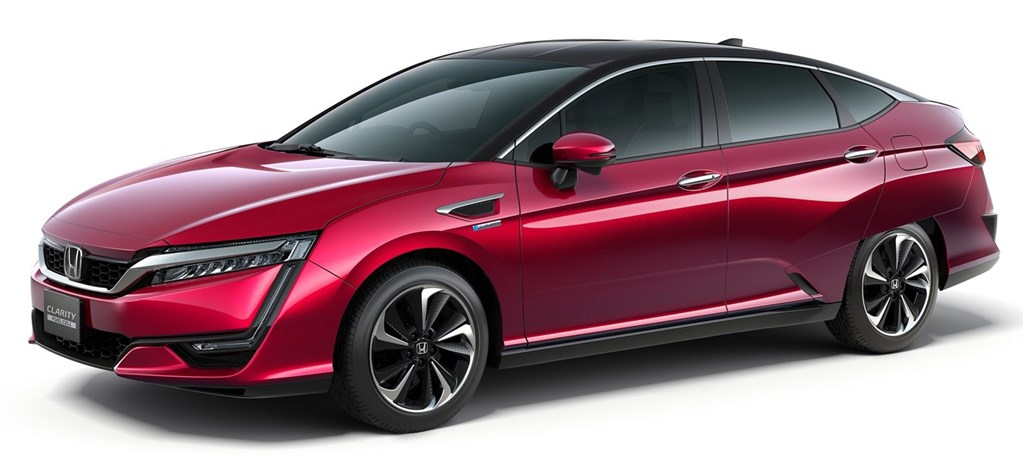
Honda Clarity PHEV/EV
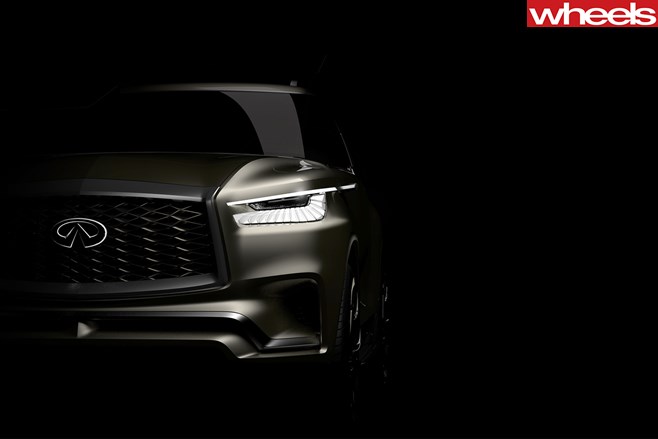
2018 Infiniti QX80
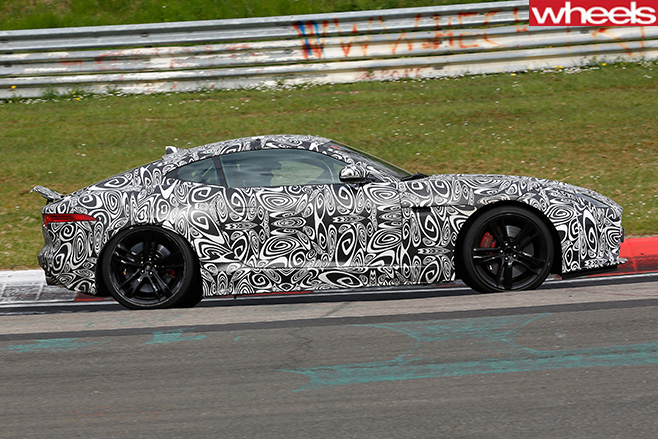
2018 Jaguar F-Type
Jeep Grand Cherokee Trackhawk
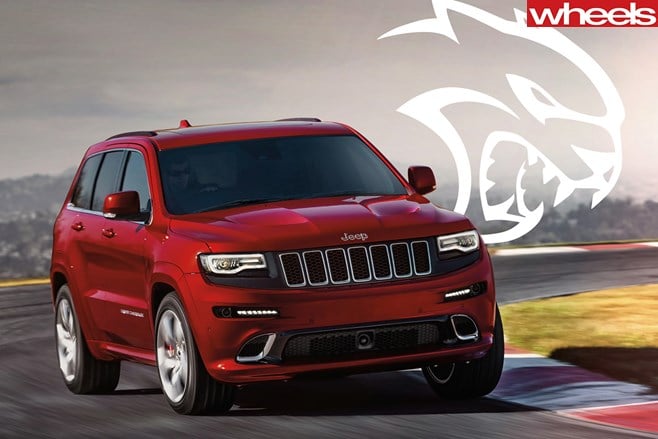
Expected to go on sale in the US later this year, Wheels’s sources last year confirmed it would eventually be sold in Australia to sit above the Grand Cherokee SRT that is also one of the quickest SUVs on the market with a 0-100km/h time of 4.8sec.
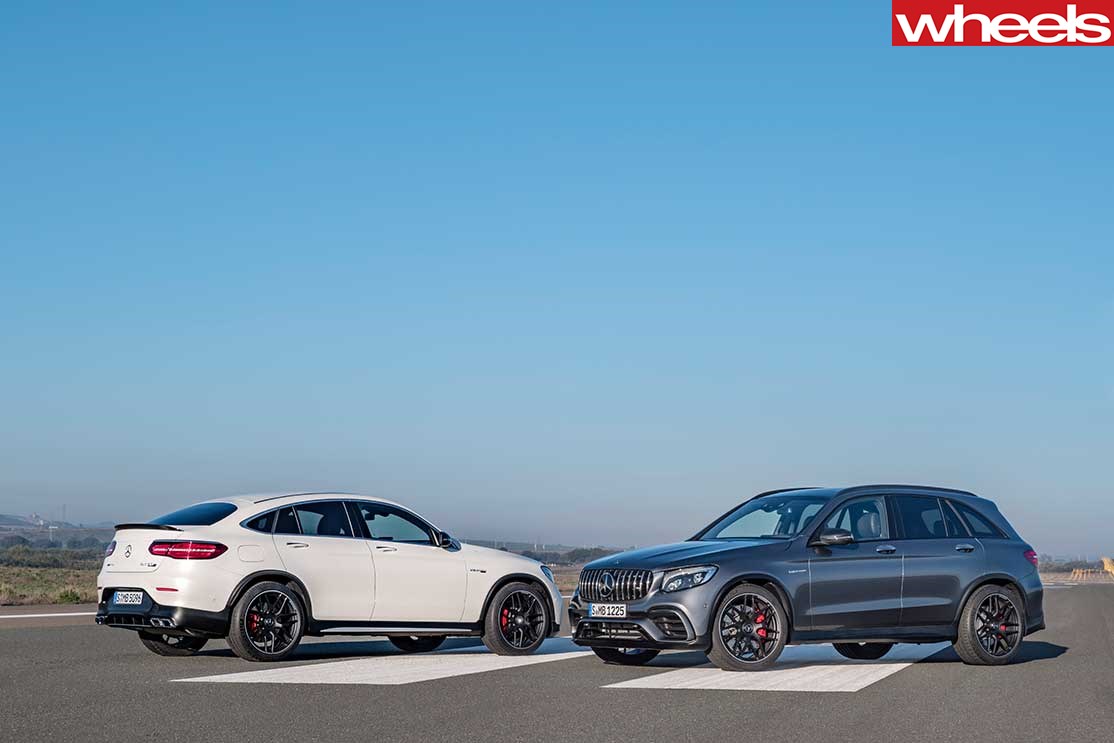
Mercedes AMG GLC63/GLC63 Coupe
Buying your first car is a daunting experience. You’re inundated with choices, features, add-ons, price variations, insurance and loan details, just to name a few – there’s a lot to think about.
Hindsight is a wonderful thing though and, as we all look back on our first car purchases, there are a few minor details we wish we had thought of before spending our hard earned cash on four-wheels and a steering wheel.
So, here are our handy top five tips to think about before you buy your first new car.
1. Think about the features you really want.
It’s easy to get talked in to all the new bells and whistles, so make sure you’re ready with a list of the features you really want in your car, and anything extra that still fits within your budget is a bonus. There’s no point spending an extra few thousand dollars on voice activated windows if they’re not really a priority (note: voice activated windows aren’t yet a thing).
2. Stick to your budget
Work out exactly what you can afford to spend per month, and don’t stray from this budget. Cars depreciate pretty quickly, and there’s no point stretching your day-to-day living for a car that serves the exact same purpose as the slightly smaller one you could have got for a cheaper price tag.
3. Do your research on price and deals available.
The more research you do before walking in to the dealership, the better off you’ll be. When a salesperson tells you he’s given you $3000 off the cost of your car, it may sound like a great deal, but imagine the feeling you’ll get when you leave the dealership and drive past another only to see they’re selling the same car for a lower cost still. Go in armed.
4. Don’t be shy
The trick to any good bargain is confidence. Don’t be persuaded in to something you know isn’t quite right. The dealers have a job to do, and that’s to make a profit but just as they see it as a business transaction. Ask to drive the car, or cars, ask about add-ons and other features and options.
5. Don’t rush it
Take your time. Chances are you don’t need a car yesterday – you’ve managed to get by this long without a car, you can hold out for a couple more days. Take your time to make sure you’re making the right choice. This is a handy trick when buying anything – walk away, give yourself a couple of days to think about it and then make a decision. It helps take the emotion out of the purchase.
A teaser shot released ahead of Lexus’s official NX update reveal suggests that the Japanese carmaker has gone light on its facelift, with only a slight headlight modification visible in the single front-end view.
A complete view of the car and the full extent of the refresh will be rolled out at the Auto Shanghai Show on April 19, but for now, NX fans will have to make do with the image that appears to show the various existing panels lifting off to reveal the changes underneath.
The compact SUV’s Nike-flash indicators and headlight outline appear unchanged, with only the internal light modules rearranged into a triple LED arrangement, with surrounding brushed aluminium highlights.
A closer look into the shady regions of the image might also reveal a small change to the trademark spindle grille with a more slender frame, which is not uncommon for any mid-life facelift.
No other information about the updated model accompanies the image apart from confirmation that the NX will get both interior and exterior changes.
“Now, with an updated exterior design, and interior enhancements that add convenience and functionality, the NX is poised to meet the needs of global luxury consumers,” the car maker said in a short statement.
In Australia, Lexus’s foray into the smaller end of the SUV market has received mixed feelings since it launched in 2014. To the end of February this year, the NX found 468 driveways.
