
The recently teased Dodge Challenger Demon was always going to be a tyre fryer and it’s going to have plenty more rubber to burn with barely street legal 315mm wide drag radials.
The Nitto NT05R tyres will be fitted to all four corners meaning the Demon will have the widest front tyres ever fitted to a production vehicle – 10mm more than previous record holders on the Camaro Z/28 which wore 305s front and back.
The huge Nittos are sized 315/40R18 with a broad sidewall complete with Demon logo. They’ll be fitted to 18 x 11-inch lightweight rims instead of the Challenger’s usual 20s.
Dodge reckons it will be the first production car to come with factory equipped drag radials, which will be about as slick as regulators will allow and probably won’t do you too many favours in the wet.
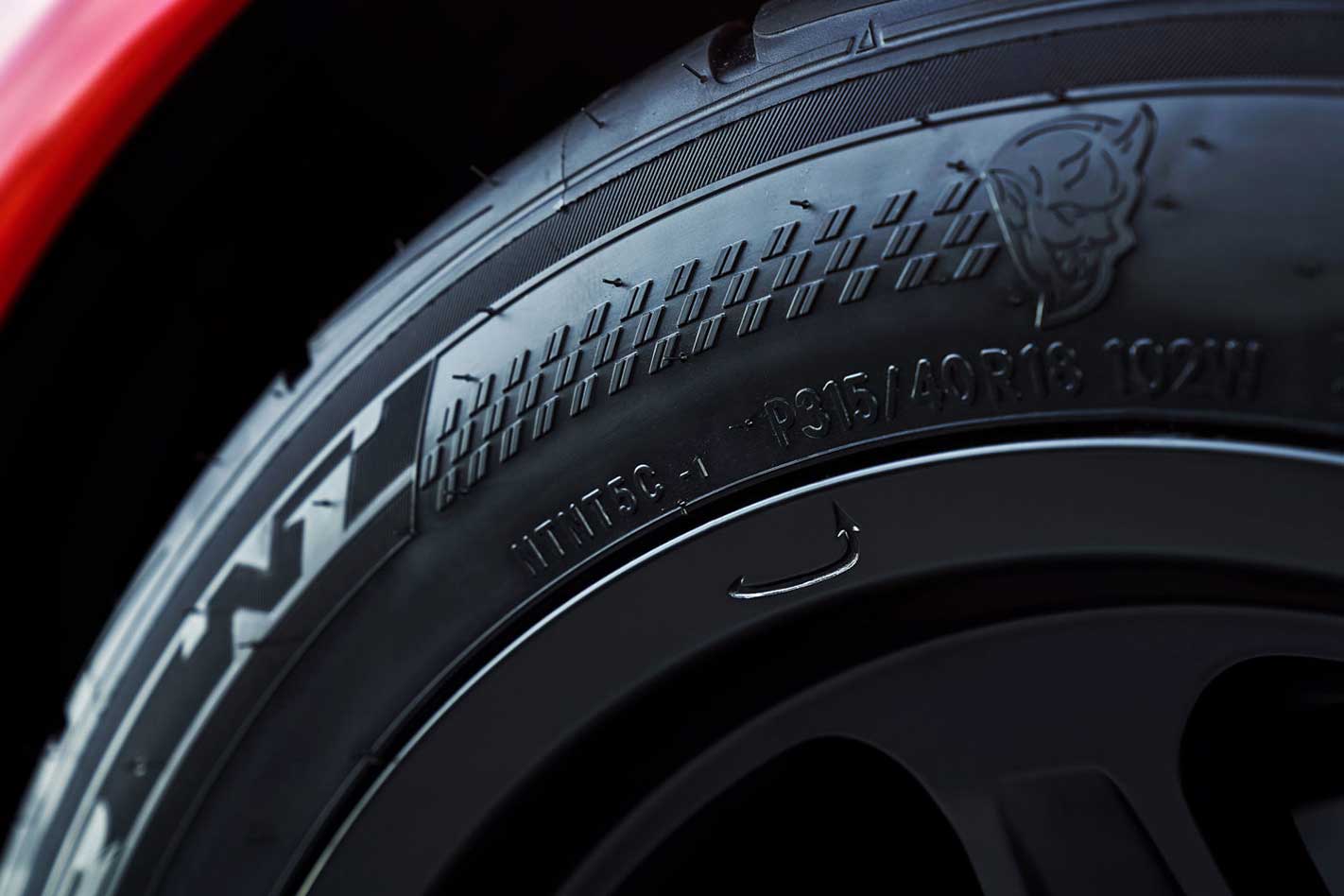
Fitting this bulging rubber inside the body will require decent flares, which are expected to add almost 90mm to the Challenger’s already considerable girth.
Not too much else is known about the Demon which is poised to sit above the 527kW 6.2-litre V8 Hellcat variants in terms of performance, with parent company FCA carefully releasing information in 12 stages.
It released a teaser website with a countdown for a series of videos, the 12th and final of which comes out just ahead of the New York Auto Show on April 10.
The sneak-peak of the Demon’s tyres confirm previous hints that it will be all about straight-line quarter mile performance.
Sadly, while FCA is slated to bring the Dodge Challenger and Charger to Australia, pending production of a right-hand version, it’s highly unlikely the Demon will be part of the line-up.
Click here to find out how to read the numbers on the side of tyres.
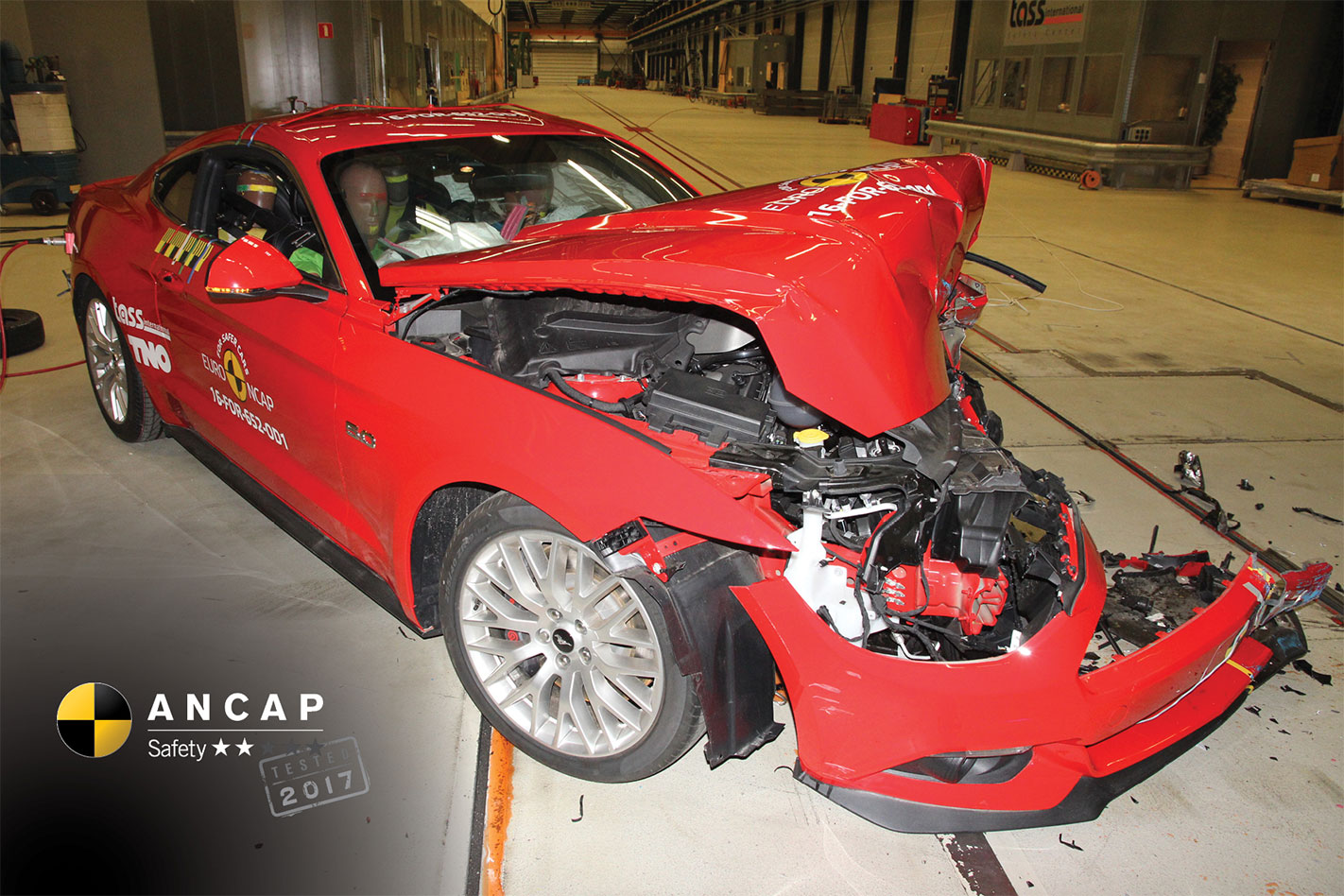
Ford Australia has responded to the Mustang’s dismal two-star safety rating as handed down by the Australasian New Car Assessment Program (ANCAP) this week, promising that fixes are on the way but also insisting its coupe remains a safe new vehicle.
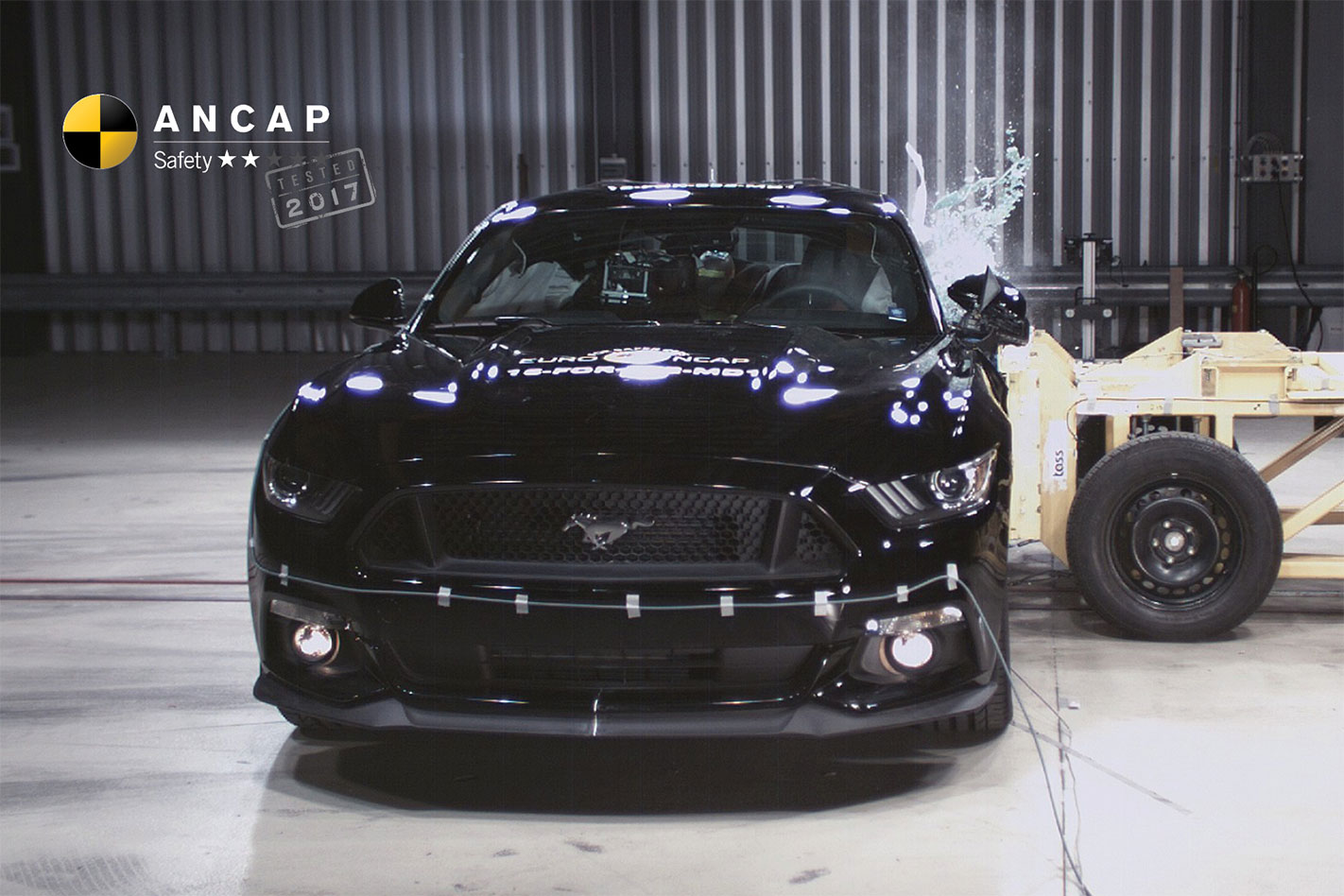
Although Ford’s muscle car achieved just two out of five stars overall, its frontal-offset-crash adult occupant protection was rated 72 per cent, equivalent to a four-star rating.
Its pedestrian protection rating was lower at 64 per cent, its child occupant protection rating tanked at 32 per cent, while its safety assistance systems rated just 16 per cent by Euro NCAP, ANCAP’s global partner that crashed the vehicle overseas.
An updated Euro NCAP/ANCAP testing regime left the Mustang with zero points awarded due to a lack of autonomous emergency braking (AEB), active cruise control and steering wheel-activated lane-keep assistance; while the four-seat coupe was only awarded two out of three points for having front but not rear seatbelt reminders.
“The overall Euro NCAP rating is based on four pillars, with a very strong focus on family car safety characteristics and specific safety assist features, which are usually not part of the standard equipment of cars in the Mustang category,” Ford Australia said in a statement.
“Mustang delivered a four-star result for the front occupants and a five-star result for pedestrian safety. However, the two-star result in the Active Safety Assist pillar determined the overall result of a two-star rating.”
Ford Australia added that Mustang fixes are on the way next year: “Ford is committed to continued improvement in vehicle safety, and the 2018 Mustang in Australia will be equipped with driver assistance features such as AEB and Lane Keeping Aid.”
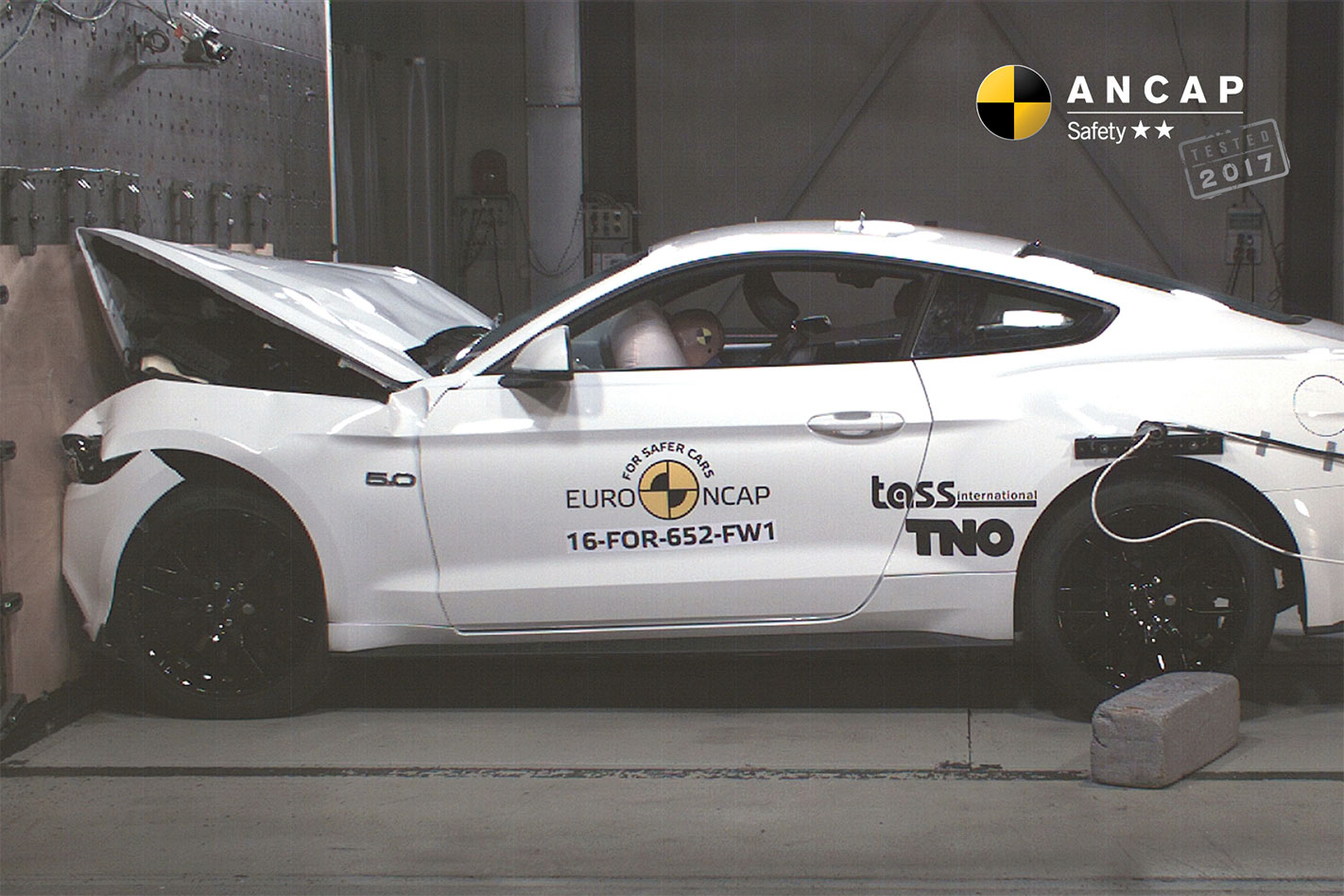
The testing regime found both the heads of driver and passenger to hit the dashboard owing to insufficient airbag pressure, although chest and leg protection was deemed solid. The rear passenger slipped under seatbelts that lack pre-tensioners and load-limiters in a phenomenon called ‘submarining’, while forward head movement was deemed weak.
“The Mustang is a safe vehicle, equipped with advanced safety features and a structure designed to manage crash energy under a variety of crash modes,” the company insisted.
ANCAP chief exective officer James Goodwin disagreed: “The full-width frontal test showed a risk of serious head, chest and leg injury for the rear passenger. There was also insufficient inflation of both the driver and front passenger airbags in the frontal offset test which allowed the driver’s head to contact the steering wheel and the passenger’s head to contact the dashboard.”
“This rating is not intended to shock or surprise – it simply presents the safety of this car against that of its contemporary competitors.”
However, it is rare for two-door, four-seat sports cars to have rear seat testing by ANCAP/Euro NCAP, with the likes of the Porsche 911 not having been tested. The only other four-seat coupe – the Toyota 86/Subaru BRZ – that has been tested by ANCAP, lacked a rear passenger rating or the active safety requirements set by the updated regime.
Asked whether Ford would like to see other coupes tested, it replied: “None of Mustang’s competitors (Nissan 350Z, Alfa Romeo 4C, BMW 4 Series) have been tested under this protocol so far. Some sports cars have been assessed according to previous protocols (Audi TT and Mazda MX-5 with four stars and BMW Z4 with three stars, all in 2015).”
THE Skoda Kodiaq SUV has thrown on some hiking gear, with a new off-road styled Scout set to be officially revealed at the Geneva motor show.
Similar to the smaller Octavia Scout wagon, this rugged version of the big seven-seater has extra underbody protection, distinctive styling, higher ground clearance and off-road inspired extra standard equipment including an AWD drivetrain.
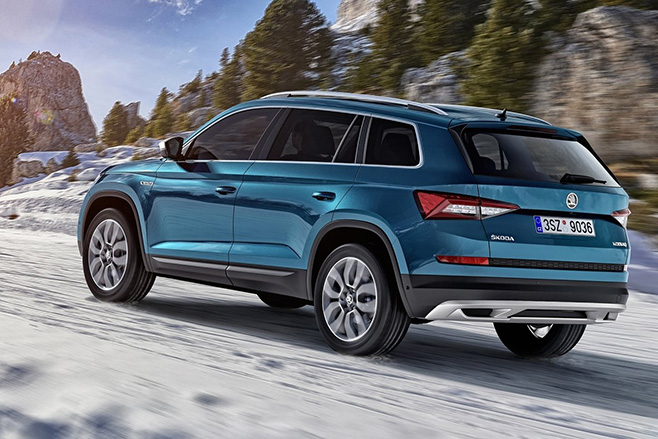
It also comes with 4WD-specific driver assist functions including Off-Road Assist, which adjusts the throttle response, dampers and diff lock for better traction, and hill-hold and descent control.
Other standard equipment will include Driving Mode Select, with Eco, Comfort, Normal, Sport, Individual and Snow modes selected on the fly.
Standard interior equipment includes Alcantara-covered seats and door trims, LED ambient lighting in 10 colours, multifunction steering wheel and Modular Infotainment Matrix (MIB) with eight speakers.
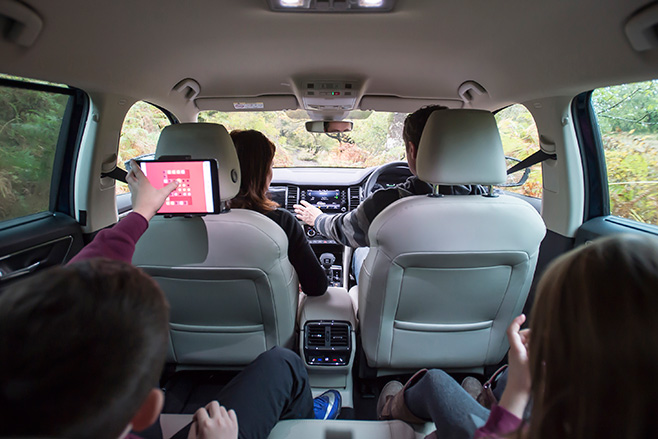
The Kodiaq Scout has four engine options although Australian models will only have the two most powerful coming with the rest of the Kodiaq range ‑ the 132kW/280Nm 2.0-litre turbo petrol (132TSI) and a 140kW/400Nm turbo diesel (140TDI).
Skoda Australia told WhichCar it was looking to add the Scout to its Kodiaq range, though it wouldn’t arrive before 2018.
Other Kodiaq models will start arriving this year with the 132TSI in July with the 140TDI soon after.
All Australian-bound Kodiaqs will come with all-wheel drive and seven seats.
CAN you believe it’s 25 years since the McLaren F1 wowed the world with its supercar looks and mind-boggling performance?
To celebrate, McLaren has released something special: rare, never-before-seen footage of the three-seater opening the throttle wide on its BMW-sourced, mid-mounted 468kW 6.1-litre V12 on its way to becoming the world’s fastest production car – a title it held for more than a decade.
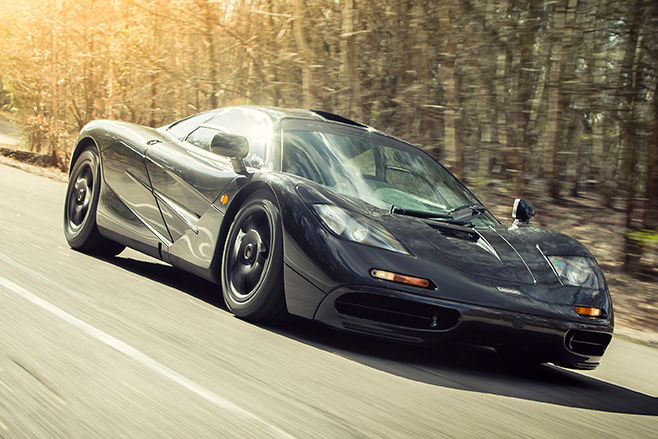
The video, released overnight, shows in detail how Le Mans-winning pilot Andy Wallace worked up to his incredible record-breaking 386.4km/h top speed run.
Designed by Gordon Murray and Peter Stevens, only 64 road-going versions of the carbonfibre-shelled McLaren F1s were built between 1993-98, and the 1+2 seater still holds the title as the world’s most powerful naturally aspirated road car. It originally sold for $US815,000; today, the cars are worth about $15 million.
McLaren’s 25-year celebration of the F1 also heralds the dawn of the original car’s successor, the BP23. Tipped to appear at March’s Geneva motor show, the BP23 hypercar – the “BP” stands for “bespoke project, the “2” denotes it’s the second car the specialist McLaren team called MSO has worked on, and the “3” refers to the three-seat layout that will mark it as a true modern-day F1.
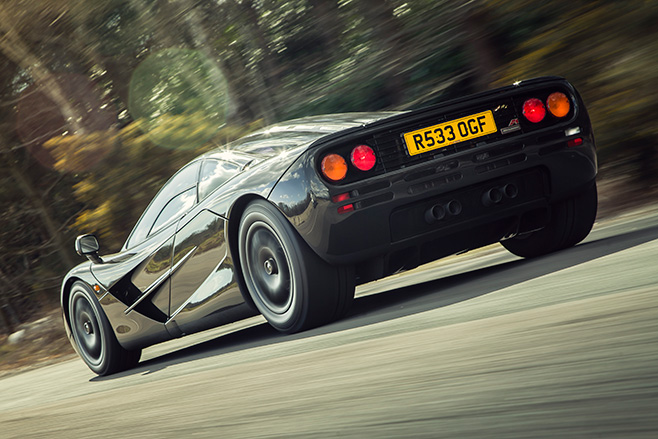
McLaren has announced it will build 106 of the BP23s – it counts a number of prototypes, including a longtail, and 28 GTR-badged racecars across the F1’s five-year production lifespan – at a cost expected to tip beyond $2 million each.
McLaren said the reborn hypercar would “borrow” the F1’s three-seat layout and central driving position, with the car’s three occupants “housed in a streamlined, shrink-wrapped carbon fibre body of great elegance”.
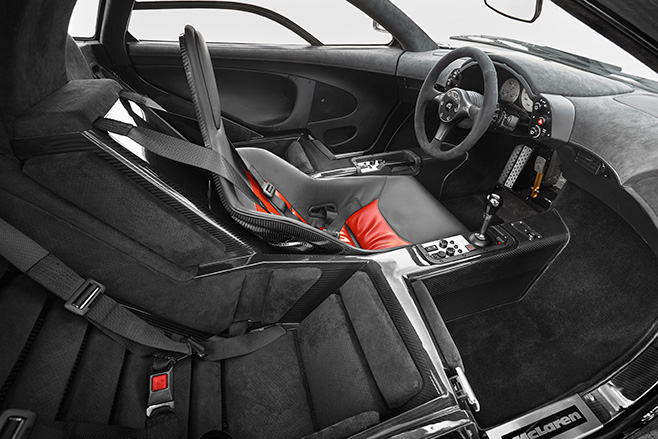
“A hybrid powertrain will make it one of the most powerful McLarens yet created but the car will also deliver the highest levels of refinement, enabling significant journeys to be undertaken with up to three people aboard,” it said.
The carmaker is yet to say when the first deliveries of the hypercar are due.
Honda Australia says the 10th generation of the Honda Civic is the “largest single model development programme in the company’s history.”
Undergoing a bold all-new re-design, the transformation comes off the back of strong European sales for the brand and according to Honda; it “demanded new thinking and new approaches to body construction, vehicle aerodynamics and chassis design.”
The result is a bold, polarising and eye-catching car that had our WhichCar Style Awards judges and panel of experts split.
- The exterior attempts to channel a sportier character. The Civic is larger in width and length than its predecessor, and it also sits lower to the ground. But judges described the Civic as “busy” with its sharp lines, front and rear air intakes and pronounced features make it look like Honda designers have tried to fit a lot of styling cues into one design. But it’s this daring exterior that had some judges applauding the Civic’s designers and others lamenting them.
- It’s this boldness, however, that made the Honda Civic an eye-catching design. The exterior design of the Honda makes a really powerful statement for the brand. As one judge said, the Civic’s design shouts ‘look at me. I’m a Honda, and I’m proud and I like to stand out from the crowd.’
- Inside, the interior of the Civic is spacious. It’s a functional, practical design. In fact, Honda claims its passenger and cargo spaces are class-leading in terms of style.
- While the exterior has a busy, somewhat over-designed façade, the interior manages to pull off a sophisticated look with premium fit and finish. This, however, creates a disconnect. While the shouty exterior screams for attention, the interior plays it safe.
Mitsubishi may be resurrecting the Eclipse name, but not as we know it, and we think it’s going to have sports car fans everywhere welling up with tears.
The Japanese carmaker has released a teaser image of its all-new crossover due to be revealed at the 2017 Geneva Motor Show in March.
The red silhouette gives a glimpse of Mitsubishi’s compact SUV which will sit between the car maker’s ASX and Outlander.
This will be the first crossover in Mitsubishi’s fleet, but at this stage, there’s very little we actually know.
The teaser image and accompanying press release reveal the crossover will have some similarities to the existing Outlander, and takes styling cues from the electric Mitsubishi EX Concept.
“Styling features include a wedge-shaped belt line, a forceful character line running through the side, a more steeply raked rear window, and a long wheelbase with short rear overhand proportions,” Mitsubishi said in an announcement.
It makes sense for the automaker to enter the booming compact SUV market, where the ASX is currently the most popular in the segment in Australia, marginally leading the Mazda CX-3.
The all-new Mitsubishi is rumoured to be taking the Eclipse name, which previously belonged the brand’s compact sports car, of which a 1995 model was featured in the Hollywood blockbuster The Fast and the Furious. While popular in the US, the car never made it to Australian shores.
The Geneva Motor Show is scheduled for 7 March, 2017, so we’ll have to wait and see whether the automaker has decided to revive the cult name in an entirely new form.
Inspired by spaceships, venomous snakes and jet fighters, Aventador S has transformed Lambo’s V12 flagship into a supercar with genuine driver appeal.
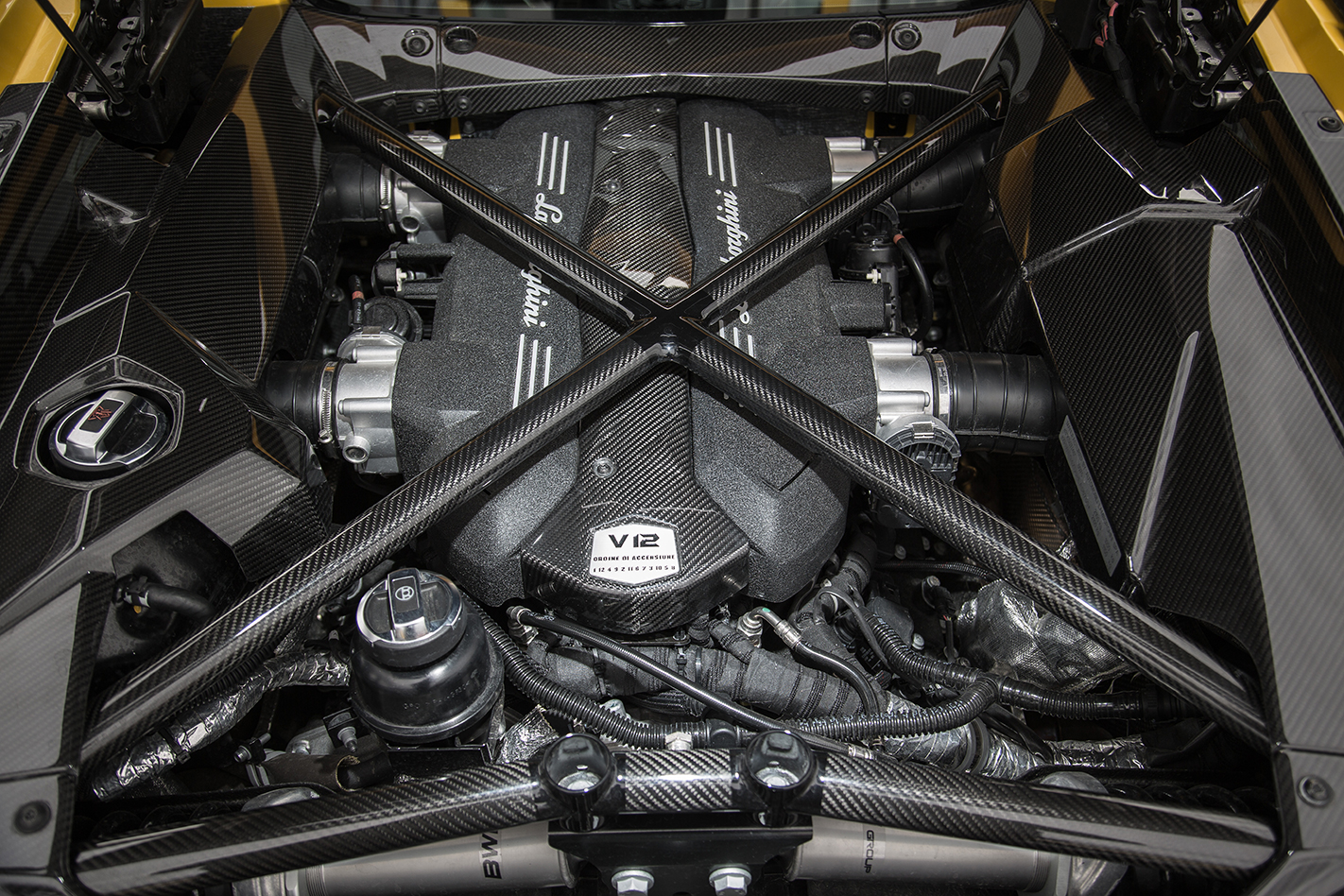
WHAT IS IT? This is Lamborghini’s flagship V12 supercar and the only Aventador coupe you can buy new now the SV is sold out. Wholesale revisions have given the S version more power, better dynamics, and an even sharper appearance.
WHY WE’RE TESTING IT Changes for the mid-life Aventador S update stretch far and wide, and bring technological and performance improvements that promise to revolutionise the already visceral drive experience.
MAIN RIVALS Ferrari F12 Berlinetta, McLaren 675LT, Bentley Continental GT Speed
THE WHEELS VERDICT Under its dramatic wrapping, Lamborghini has honed the Aventador’s raw materials into a dynamically brilliant supercar, fully and forcefully exploiting the potential of its colossal V12 centrepiece.
PLUS: Extravagant V12 engine, sharpened dynamics, dramatic styling MINUS: Flawed gearbox, unwieldy dimensions, cabin comfort
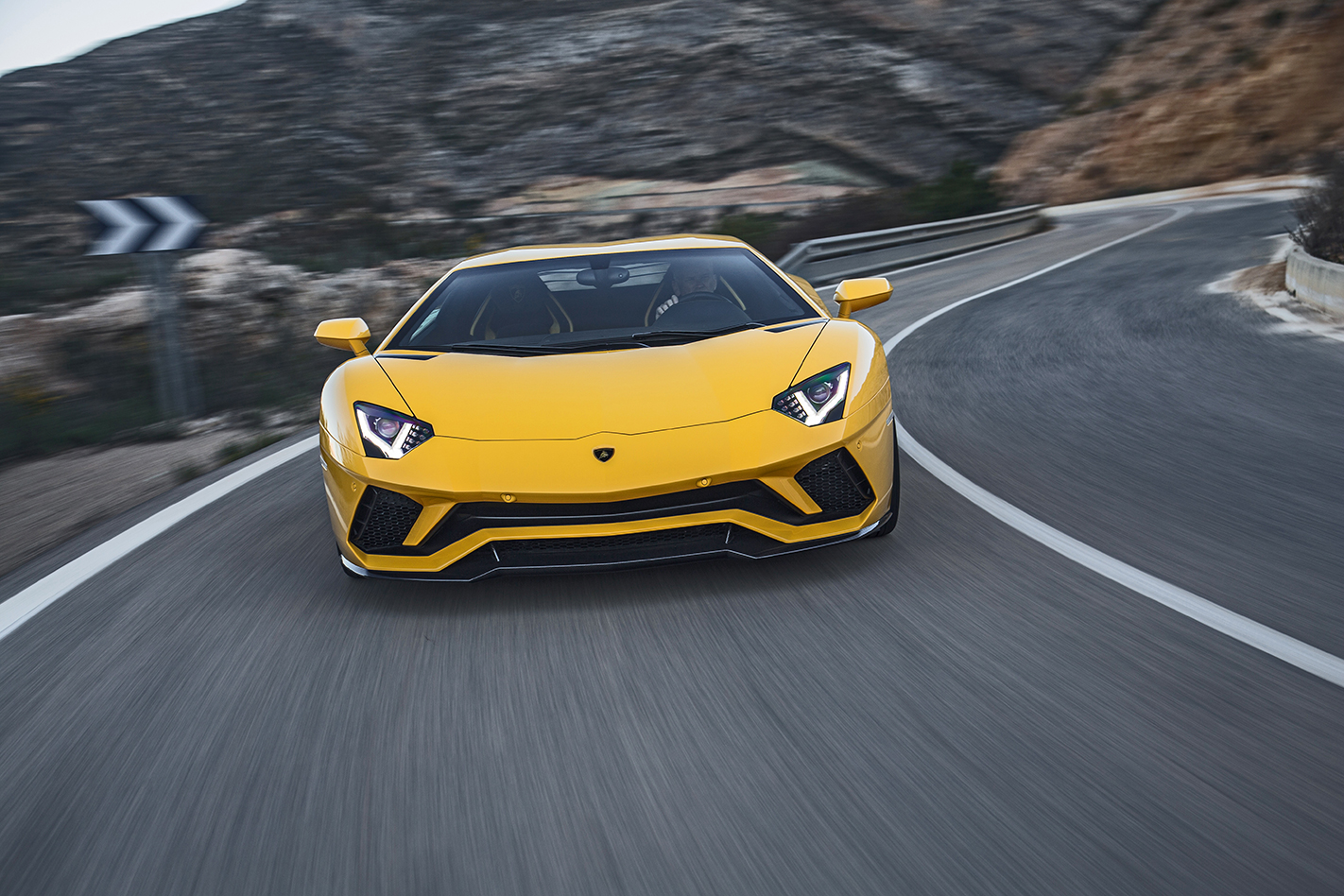
Lamborghini’s modern day icon emerged six years ago, yet it still magnetises like a concept car from 2030. It’s surprising then that its mid-life refresher is so expansive.
That additional S on the Aventador name could reference its wholly redefined suspension, steering and styling, but they’re peripheral to the big S – speed.
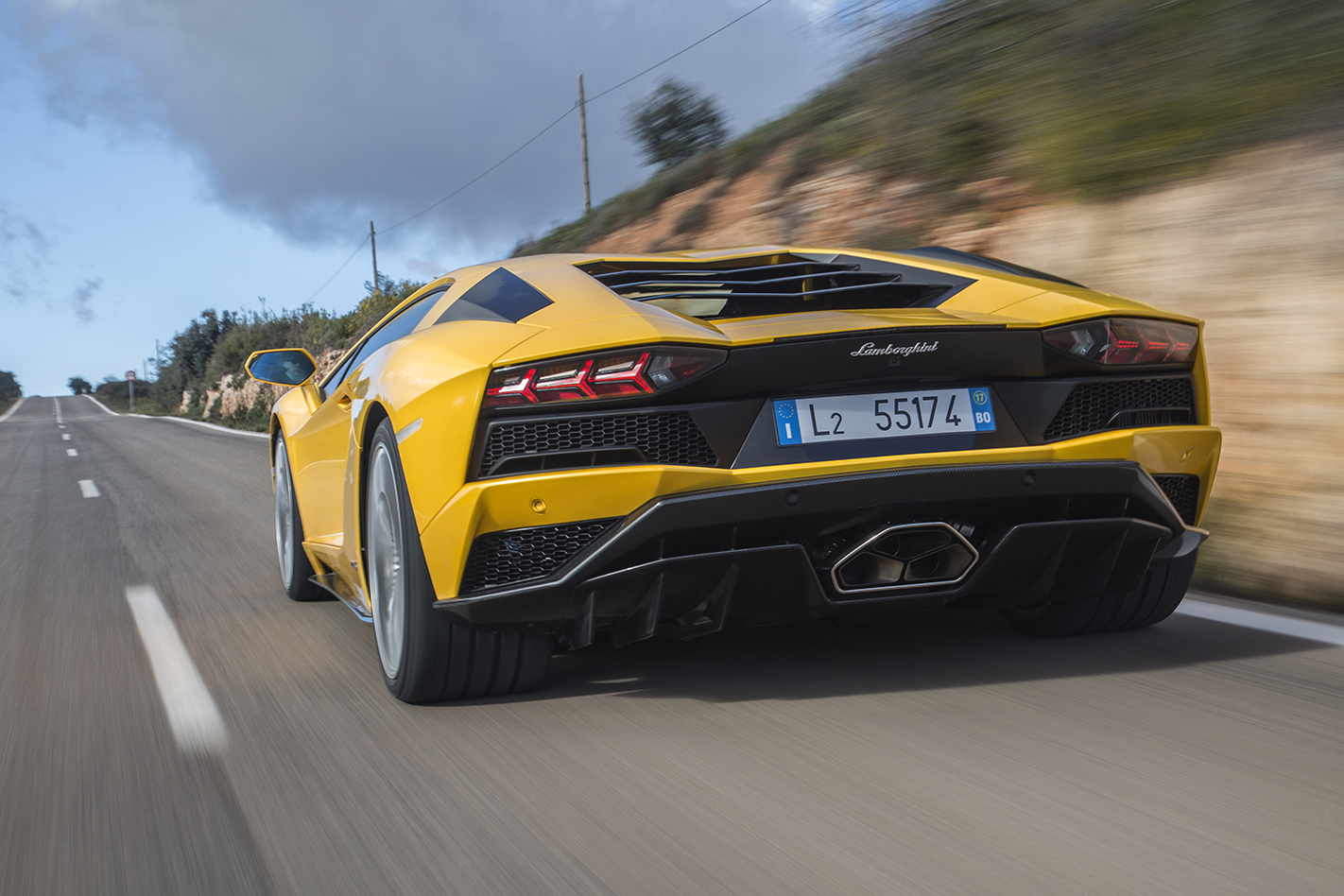
Peak power arrives 100rpm before the 8500rpm cut-out, chased by a shot of blue flame from its Saturn 5-inspired tailpipes. Valve timing tweaks deliver more torque late in the revs, too. Press in and the Aventador S is fearsomely physical to drive quickly.
Four calibration modes – including a customisable setting called Ego – manage power delivery to each wheel more capably than before. To save petrol, active cylinder management can shut off one bank of the V12 at cruising speeds.
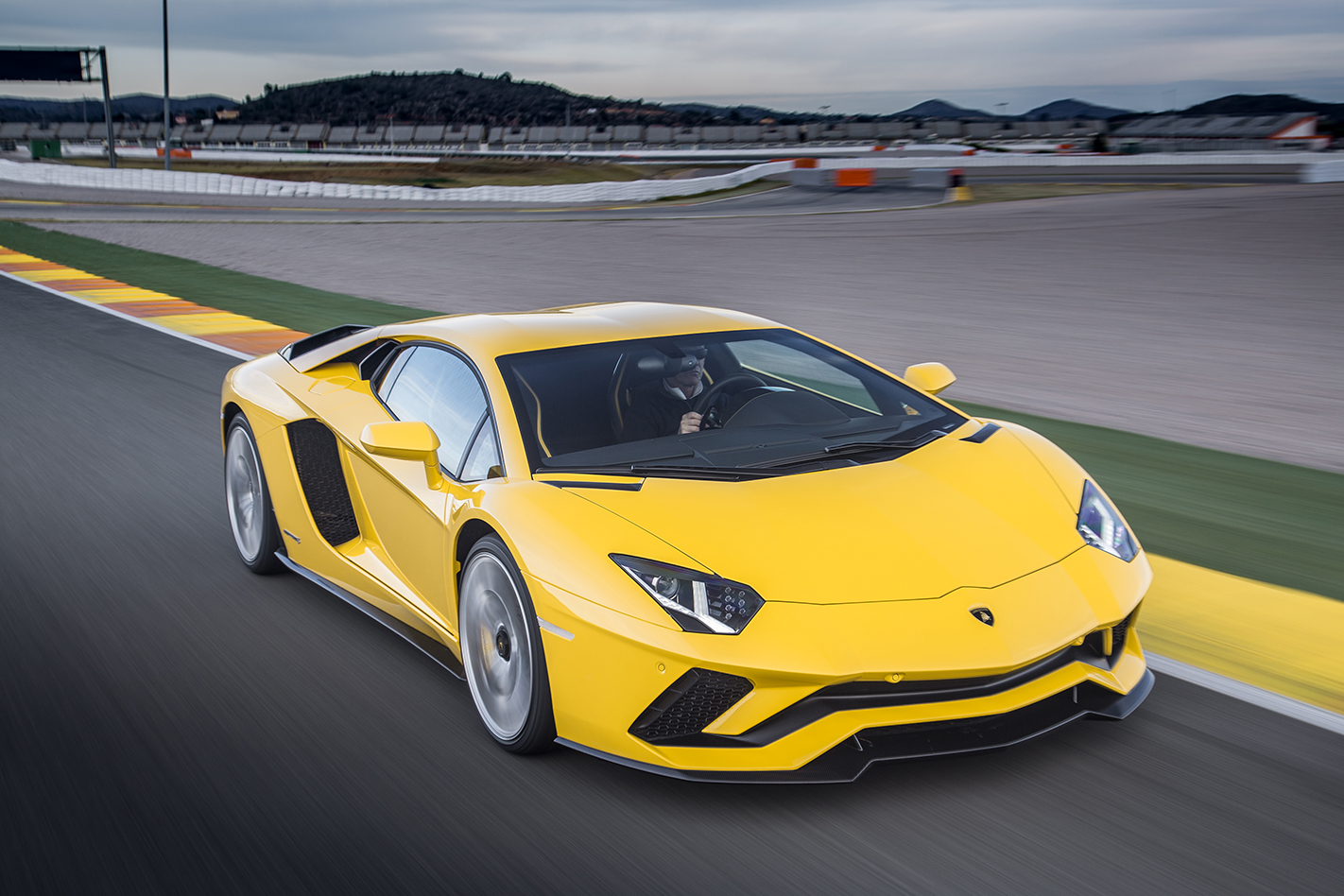
All-new four-wheel steering virtually extends the wheelbase by up to 700mm providing high-speed stability and a more rear-biased torque split, and shortens it by 500mm in slower corners allowing the enormous wedge to almost shrink in the driver’s hands.
Variable front-wheel steering now locks its ratio while cornering for a more natural feel. If the system isn’t noticeable, then it’s working well, and it wasn’t a handicap during our time with it.
Fear factor is now relative to its ferocious pace rather than the threat of imminent chronic understeer. This is a proper V12 Lambo, that much remains unchanged, but the Aventador’s dynamic improvements have, mercifully, made it a better road car.
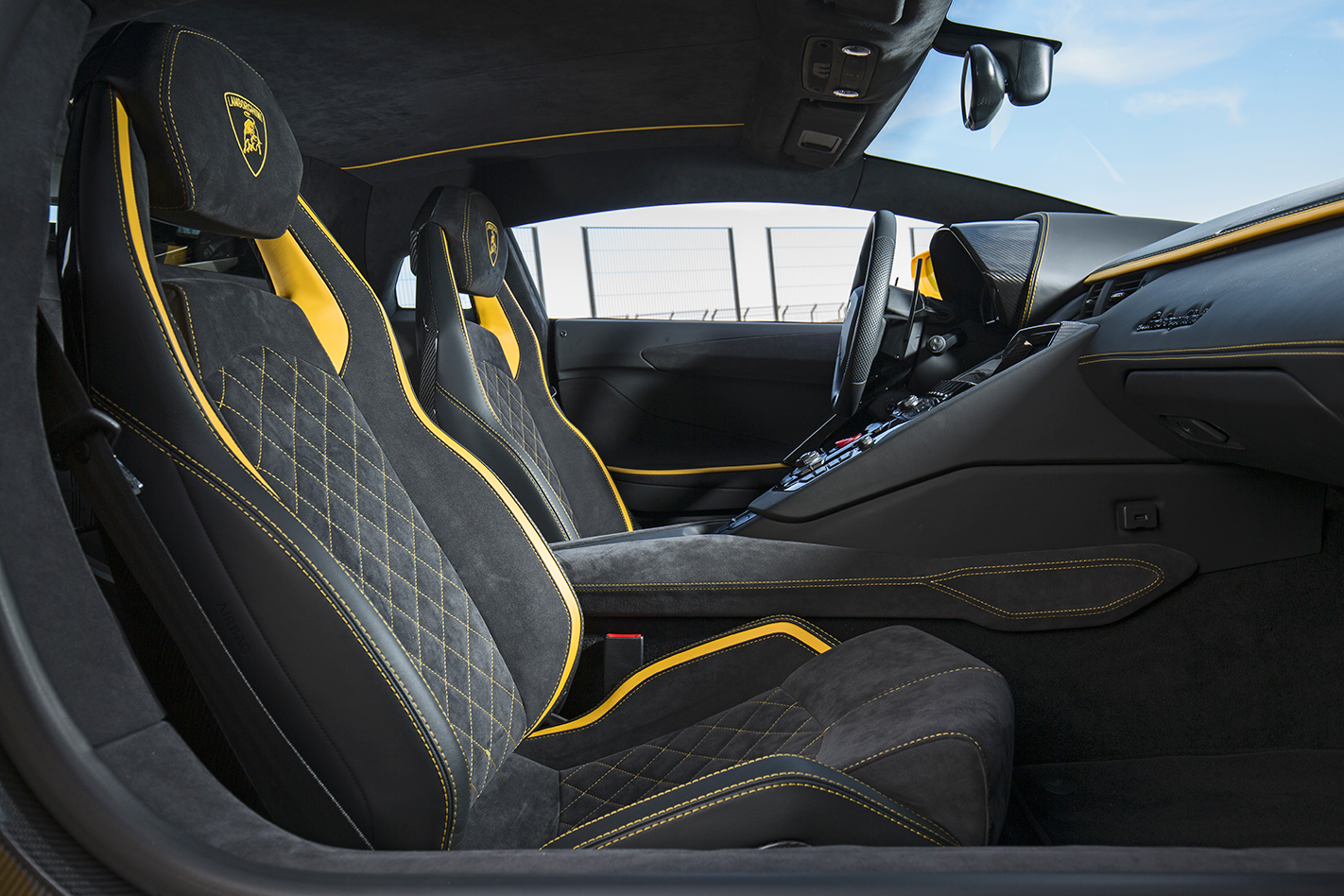
Standard adaptive suspension vastly upgrades ride quality. That’s good, because the seats are stiff as boards. Its magnetorheological dampers and rear-wheel steering add 6kg, which was compensated for with a lighter exhaust system to keep kerb weight for the carbon monocoque coupe at 1575kg dry.
On a racetrack in Corsa its shifts are addictively, violently forceful, but it lurches uncomfortably in the less extreme Strada and Sport modes. Its reprogramming has made automatic drive somewhat smoother than before, but the imperfect fundamentals are still there.
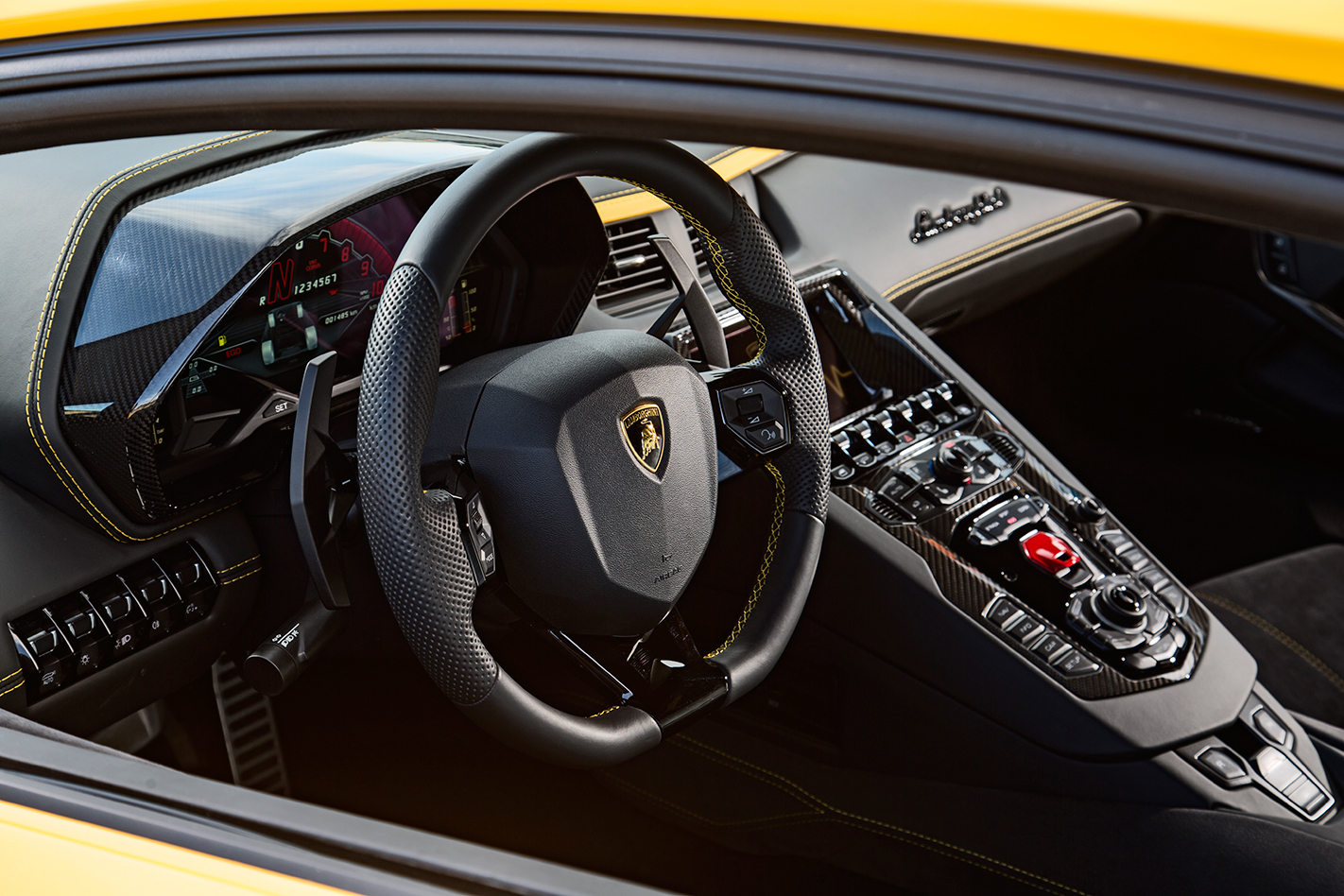
Comfort isn’t what it’s built for, and there are quirky reminders throughout the tiny cabin like an indicator stalk that sits at seven o’clock on the column, and a Lilliputian glovebox for storage, plus a rear view mirror that shows only heat haze off the engine.
Then there’s the unwieldy physical size of it. Visibility is no better than a battle tank, the brake pedal needs vigorous modulation to pull it up, and the throttle is too sharp at the top of its travel in even the most street-friendly mode. The Aventador S is not the car to drive if you just need to be somewhere.
But, if you allow driving to be the event then the Aventador S is a narcotic of unrivalled potency. And at the very least one of the most theatrically styled objects money can buy; an artwork in its own right.
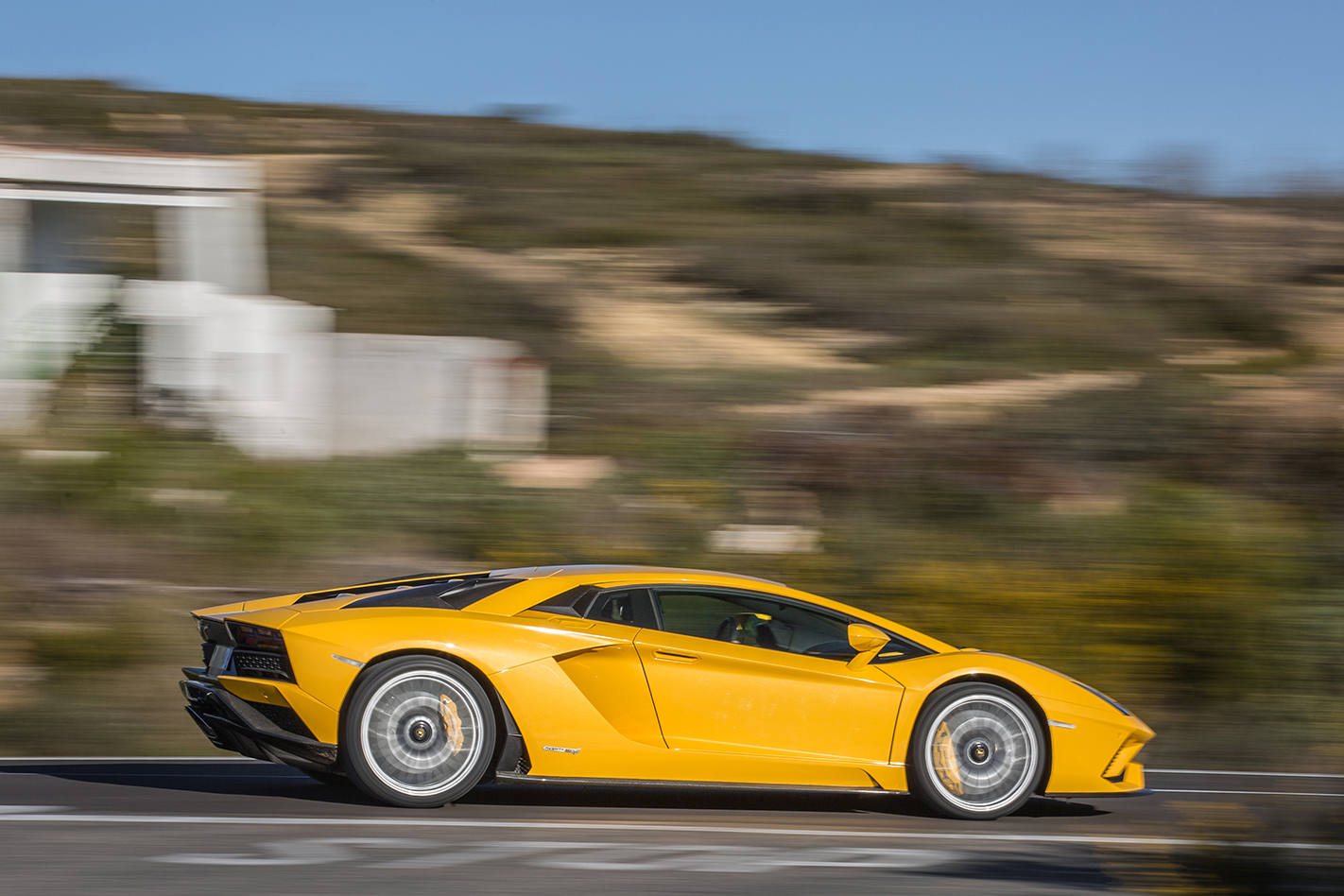
Uniquely, Lamborghini started drawing the Aventador S on paper rather than computers, and every line speaks to the V12 backbone they contain. In profile there’s a beautiful, accelerating arc that holds tension over the top of the car from front to rear.
These aesthetic characteristics are functional, too. The front bumper ups downforce by 130 percent and improves cooling, underbody vortex generators reduce drag and control brake temperatures, and an active, three stage rear wing makes more aerodynamically efficient use of air passing over it.
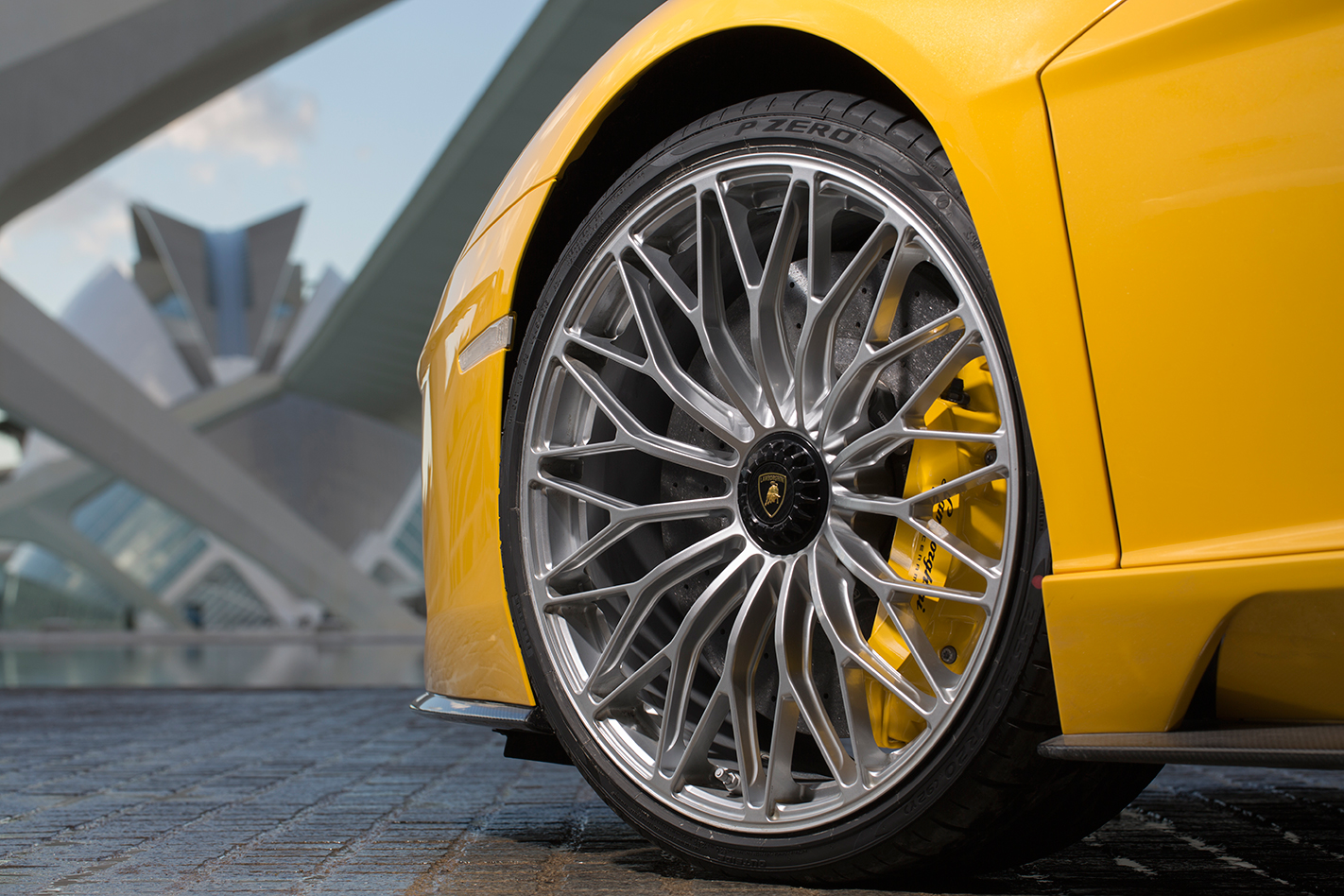
SPECS Model: Lamborghini Aventador S Engine: 6498cc V12, dohc, 48v Max power: 544kW @ 8400rpm Max torque: 690Nm @ 5500rpm Transmission: 7-speed automatic Weight: 1730kg (est.) 0-100km/h: 2.9sec Fuel economy: 16.9L/100km Price: From $789,425 On sale: Now
THE latest-generation Suzuki Vitara was introduced in 2015 as a stylish small SUV to take a fresh fight to the likes of the Mazda CX-3, Mitsubishi ASX and the Nissan Qashqai. We’re looking here at the front-driving $28,990 S Turbo variant that saves $4000 by not ticking the box for Suzuki’s on-demand all-wheel-drive system.
Tell me about this car
The Suzuki Vitara S Turbo uses a fuel-efficient 1.4-litre turbocharged four-cylinder engine paired with a six-speed automatic transmission to drag four people around in decent comfort – five at a pinch. On paper it’s the sweet spot in the Vitara range with a punchy engine (the other choices are a non-turbo 1.6 petrol and a 1.6-litre turbo-diesel), and if you never plan on going beyond the bitumen you won’t miss the all-wheel-drive gubbins. We’re seeing it wearing different paint to the car that was launched here midway through last year.
Strengths
- Decent performance. Turbocharging the 1.4-litre engine lifts performance to 103kW, or about the same as a bigger 1.8-litre engined Toyota Corolla while its maximum torque, all 220Nm of it, kicks in from a low 1500rpm meaning the Vitara S Turbo accelerates briskly from the traffic lights.
- Cracking fuel economy from the 1.6-litre turbo. The official numbers say 6.2L/100km on a mix of urban and city driving, and we managed to slightly better that on test, although with a bias to the more fuel-efficient rural part of the cycle.
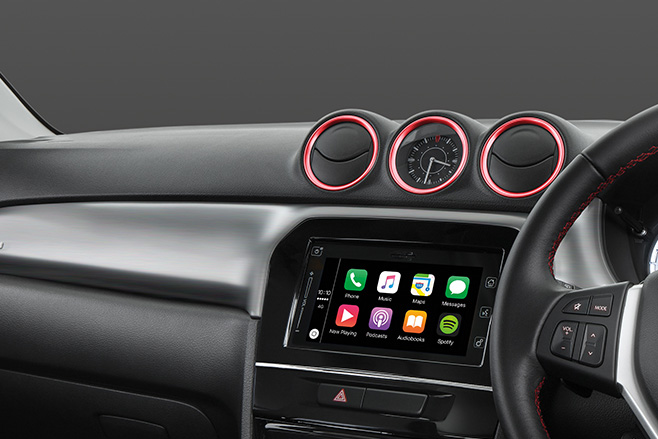
- Keyless entry (you just leave the key in a pocket or purse and push a black button on either of the front door handles or the hatch to unlock), a soft-touch tailgate release and keyless start all make the Vitara S Turbo more family-friendly.
- The interior’s red highlights, scattered around the air vents and leather-trimmed seats, do lift the cabin ambience.
- Paddle shifters mounted on the steering wheel add a bit of fun to how the Vitara S Turbo drives. It’s a bit rolly-poley around corners, but with the peppy engine you could almost imagine you were in a sports car.
- Suzuki now has a number of colour choices for the S Turbo. That’s in contrast to when it launched and you could get it in any colour, as long as it was red with a black roof.
- There’s safety in numbers: The S Turbo is by far the Vitara’s most popular model. When it launched mid-way through last year, the most powerfully engined Vitara variant accounted for one in every two sales. It’s fallen back only slightly to 45 percent today.
Weaknesses
- Interior plastics are almost all hard to the touch. The door skins feel flimsy, too, flexing even under gentle pressure. The only soft, inviting point is a padded patch on the door where an elbow occasionally rests.
- The faux brushed aluminium plastic strip that dominates the dash is highly reflective in bright sunlight.
- The centre console lacks a decent-sized lidded storage box that could double as a centre armrest, and there are no covers for the pockets in front of the gearshifter. Anything you want to hide away from prying eyes needs to go into the glovebox.
- The multimedia interface is a little dodgy to use. There’s no volume control knob, just a virtual slider to one side of the colour screen. Add in a bit of road roar from the low-profile 17-inch alloys and their tyres, and even at maximum volume the audio system lacks teen-friendly oomph.
- Rear-seat space is at something of a premium. If an adult jumps in the rear seat, a taller driver or front-seat passenger will need to crunch their seat forward to yield enough knee room behind.
- The Vitara has a 375-litre boot. That’s smaller than a lot of conventional hatchback passenger cars.
- The Suzuki Vitara S Turbo comes with a space-saver spare tyre. It’s only meant to allow you to limp around until the full-size tyre is either repaired or replaced, but as we know these things happen slowly in a busy life.
- Ride quality isn’t the best in the segment, and is a bit choppy, and floppy, at low speeds and with only the driver on board. It settles down a bit with more bodies on board, but still isn’t class-leading.
- There’s next to no driver assist technology. Competitors offer features such as blind-spot monitors or automatic city braking, but the S Turbo has nothing similar on offer. That said, a reversing camera and seven airbags are standard.
Any rivals I should consider?
The Australian market seems to like the Vitara, buying almost 6000 of them last year. That’s still a long way behind the segment’s bestsellers, though – the fairly new Mazda CX-3 and the ageing Mitsubishi ASX both sold double the Suzuki’s numbers. The Mazda CX-3 drives and rides nicely, but lacks the turbocharged pep of the Vitara’s engine, and the ASX is now stretching into its sixth year, selling mainly on price – as does the Holden Trax. The Nissan Qashqai is a decent all-rounder that’s well-equipped and spacious, although narrow, and it offers better driver safety systems. A new generation of the taut but underpowered Subaru XV has just been teased ahead of a Geneva Motor Show reveal in a few months’ time.
Car of the Year judging is a tough gig. It may not look like it, but an entire week of gruelling, unforgiving tests takes a lot of effort and co-ordination. At the centre of all the hubbub are these seven individuals, who between them will yell, swear, throw water bottles, and squabble over which of the contenders is worthy of the coveted Wheels Car of the Year crown in 2017.
So without further ado:
John Carey
Avoid blood-level spikes in his caffeine stream and keep expertly engineered cars coming, and Carey’s an affable gent. But while this is a way of life in his adopted Italy, it’s far less do-able at COTY, in rural Victoria, where ‘baristas’ favour Blend 43 and a dynamic range encompassing “total crap” is a given. As a result, JC will reduce a dud spade to an “utterly effing useless attempt at a soil-shifting device.”
Alex Inwood
A comprehensive skill set has seen Inwood scale the motoring ranks with supercar pace. A graduate of the grind of weekly deadlines on Auto Action, the boy from Bathurst joined Wheels in 2013 and made his COTY debut in 2015. This year, as acting editor, Inwood steered the ship from the coveted COTY throne. The dunny, that is, where history dictates votes are tallied.
Nathan Ponchard
Ponch reckons his once steel-trap mind has given way to a softer wit, more like a fine French suspension or an absorbent undergarment; says it happened in early June 2008. On a Tuesday. Incisive road-test analysis delivered with turn of phrase to make Kevin Bloody Wilson blush. A solid penchant for shirtless dancing. Recent style suggests salmon out; ripped, Bros-inspired shorts in for season ’17.
Toby Hagon
The hard-charging Hagon has come a long way from his roots on Fast Fours & Rotaries and early motorsport exploits in the ’90s Suzuki Swift GTi Cup series. You’d know his dad, Will, if you’ve had even a passing interest in Aussie motoring over the past several decades and, increasingly, that’s also true of the clued-up, switched-on and enviably well-connected Toby.
Byron Mathioudakis
Quite possibly a Westworld-style android modelled on Dustin Hoffman’s character in Rain Man, and preferring to go by the name of Maureen Glory these days, Byron is a constant star of his own Wacky Races episode. Having snatched the infectious-enthusiasm baton from Robbo, he also brings a century of car knowledge (and the menagerie of old shitboxes he owns) to the COTY table.
Mike Duff
The rarest of Englishmen – one who hardly whinges and appreciates beer not served at the same temperature as tea. Knows his way around cars, thanks to stints on the UK mags that count – Autocar, Evo and Car – and, after countless laps, the way around the You Yangs. On day one fellow judges took to chanting a motivational ‘Up the Duff!’ to buoy the jet-lagged Mike, and it’s stuck.
Nadine Giusti
Not known for suffering fools or beating around the bush, debutante Giusti brought a raised eyebrow to COTY, backed by broad PR and marketing experience with brands from Saab, Honda, Peugeot, Mini and BMW to Audi. Nads’ ability to cut to the core of a debate proved invaluable; recent time at the helm of mine trucks gave necessary context for her frequent verdict of ‘light’ steering.
Toyota loves stretch targets – such as the one to sell one in every four cars in Australia – but 2016 was an indication of the headwind the brand faces.
Sales came off slightly, mainly with the company’s two big players, Toyota Corolla and Camry. That was countered by some growth from RAV4, although Prado and Kluger eased slightly. The arrival of Fortuner late in 2015 accounted for Toyota’s modest growth, proving there’s a market for a serious off-roader more affordable than Prado. The Hilux ute was set to hold top spot in ute sales – and, possibly, overall – but mainly off the back of the tradie-focused 4×2 cheapies, a market its closest rival Ford doesn’t play in as heavily; in the 4×4 ute segment, Ford was 158 units ahead with a month to go.
RANK: 1ST 2016 SALES: 210K 2016 YTD RESULTS: 189,685 sales, up 2.5%, 17.6% market share 2017 FORECAST: 210K RANKING: 1st; 210,000 sales (even), 17.5% market share GRADE: A-
Opportunities
Despite its dominance in SUVs – Toyota sells one-third more than its nearest competitor – Toyota’s mix is relatively low, at 31 percent of sales (well below the industry average of almost 38 percent). Blame that on increased competition but also the growth of small SUVs, a market Toyota currently doesn’t play in. That will change in February when the C-HR arrives, providing a crucial entrant in a segment now accounting for almost one in 10 sales. It’s a big play for Toyota, and one that will more than offset the demise of the Toyota FJ Cruiser. Now that the Toyota LandCruiser 70-Series single-cab ute has five-star ANCAP status, it’s back on the shopping list of big fleets, including mining companies, so it should lift.
Challenges
The late-2017 end of manufacturing is Toyota’s biggest challenge and could consume valuable headspace usually devoted to selling cars. Toyota will also have to manage the arrival of the Toyota C-HR to ensure it doesn’t simply steal sales off existing models. Another challenge is transitioning Camry buyers to the new imported model, due in 2018. Yes, it’ll be the same formula, but prices will increase because discounts are currently offered (and losses incurred) on locally made Camrys. Toyota also needs to up the style and sexiness of its cars; its reputation for reliability and quality has helped position the brand, but competitors are catching up or matching it in many cases, something that has eroded that USP.
Summary
A dominant top-seller, but with cracks appearing. Often it seems Toyota is keen to do as little as required to maintain market share rather than innovate and push to cement its lead.
