
Pictured top of page: We’ve transformed the new 5-seat Tiguan into a 7-seater! Could the Tayron’s looks be as simple as this? Probably not. Expect it to be bigger than the Tiguan in every direction – not just longer.
AFTER a turbulent period of takeovers, failed acquisitions and heavy debt, the South Korean automaker Ssangyong has rebranded itself to KGM Ssangyong in Australia as it prepares to launch its all-new Torres midsize SUV, more than two years after it was revealed overseas.
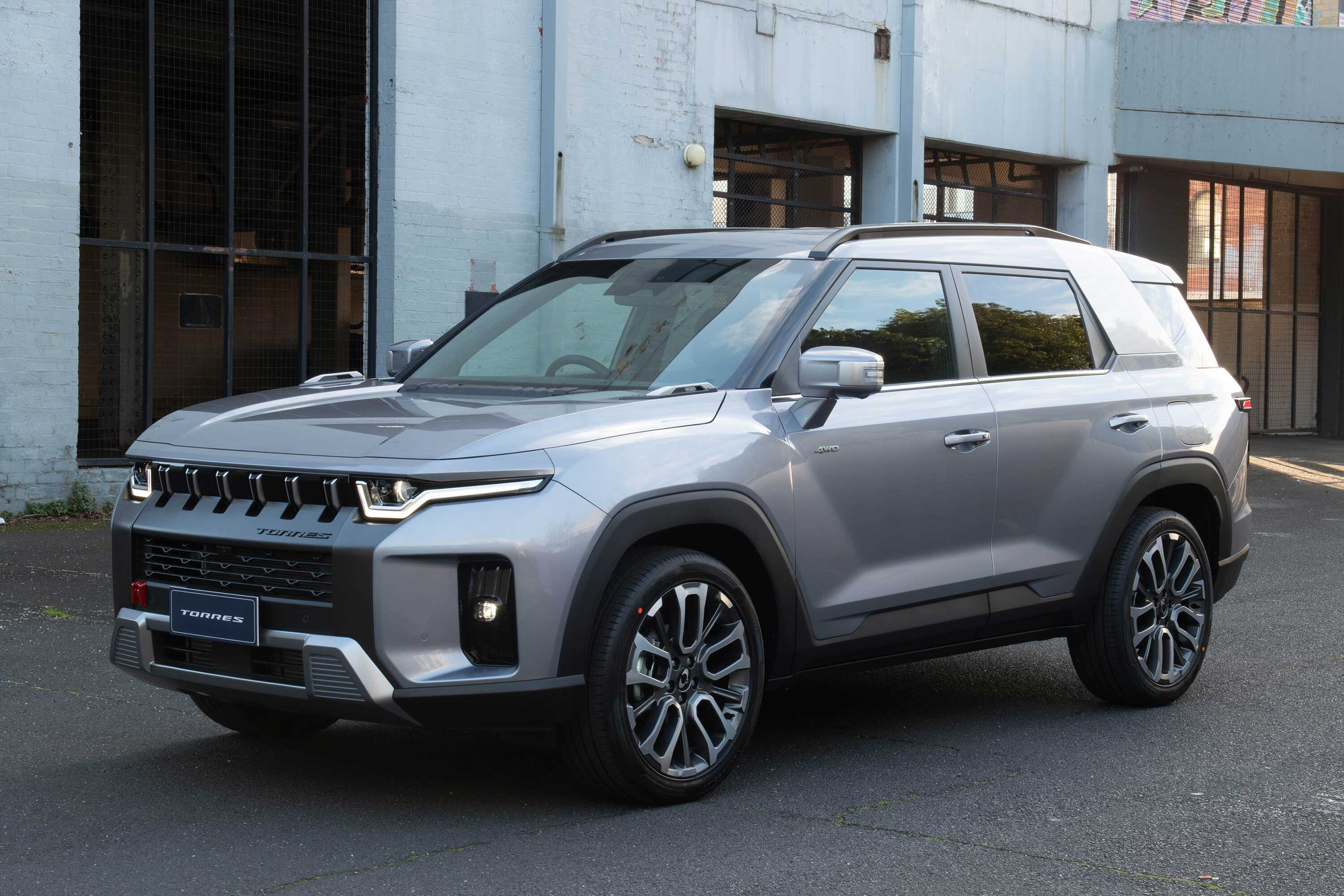
Due to commence deliveries in October, the Torres launches with an opening price of $38,000 for the front-wheel drive Torres ELX, and is offered in a three-tiered range that tops out at $47,000 for the Torres Ultimate AWD. In the middle lies the $43,000 Torres Adventure which, like the ELX, is only offered in front-drive form.
2
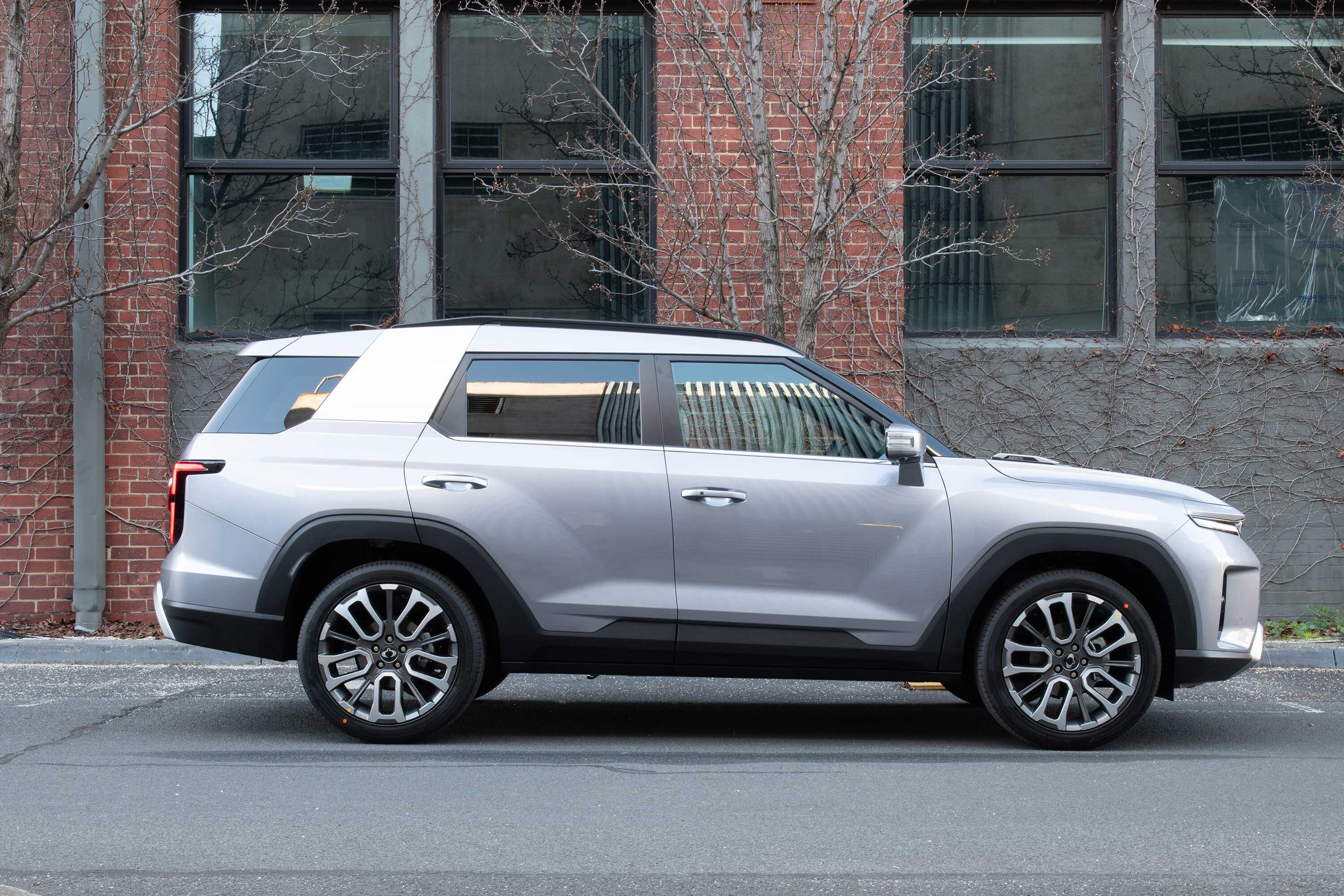
With chunky styling and plenty of offroad-ish design cues packed into its 4.7-metre long body, the Torres occupies a longer and wider footprint than many of its rivals, including the segment dominating Toyota RAV4, the Subaru Forester and Nissan X-Trail. Only the Mitsubishi Outlander is longer, and even then only by less than a centimetre.
But while it can boast a size advantage, there’s not much in the way of powertrain diversity just yet. No matter what trim level or driveline, all Torres variants are powered by the same 1.5-litre turbo petrol four-cylinder, producing 120kW and 280 and taking power to the front or all four wheels via a six-speed Aisin automatic with paddle shifters.
Unlike more rugged KGM Ssangyong models like the Musso ute and Rexton large SUV, the Torres forgoes a body-on-frame construction in favour of a more carlike unibody architecture, per the segment norm. That said, KGM Ssangyong does equip the AWD Torres Ultimate with a couple of offroad-lite features, with an AWD lock mode that sends an equal amount of torque to all four wheels in slippery situations, and the ability to ford water to a depth of 300mm.
2
Fuel economy is a claimed 7.2L/100km on the combined cycle for the FWD ELX and Adventure, or 7.9L/100km for the AWD Ultimate. Too thirsty or dirty for your liking? The all-electric Torres EVX will make it to our shores before the end of 2024, toting a 73.4kWh battery and a maximum range of 462km on a single charge. The EVX will be powered by a 152kW/339Nm electric motor, however will be strictly a front-wheel drive proposition.
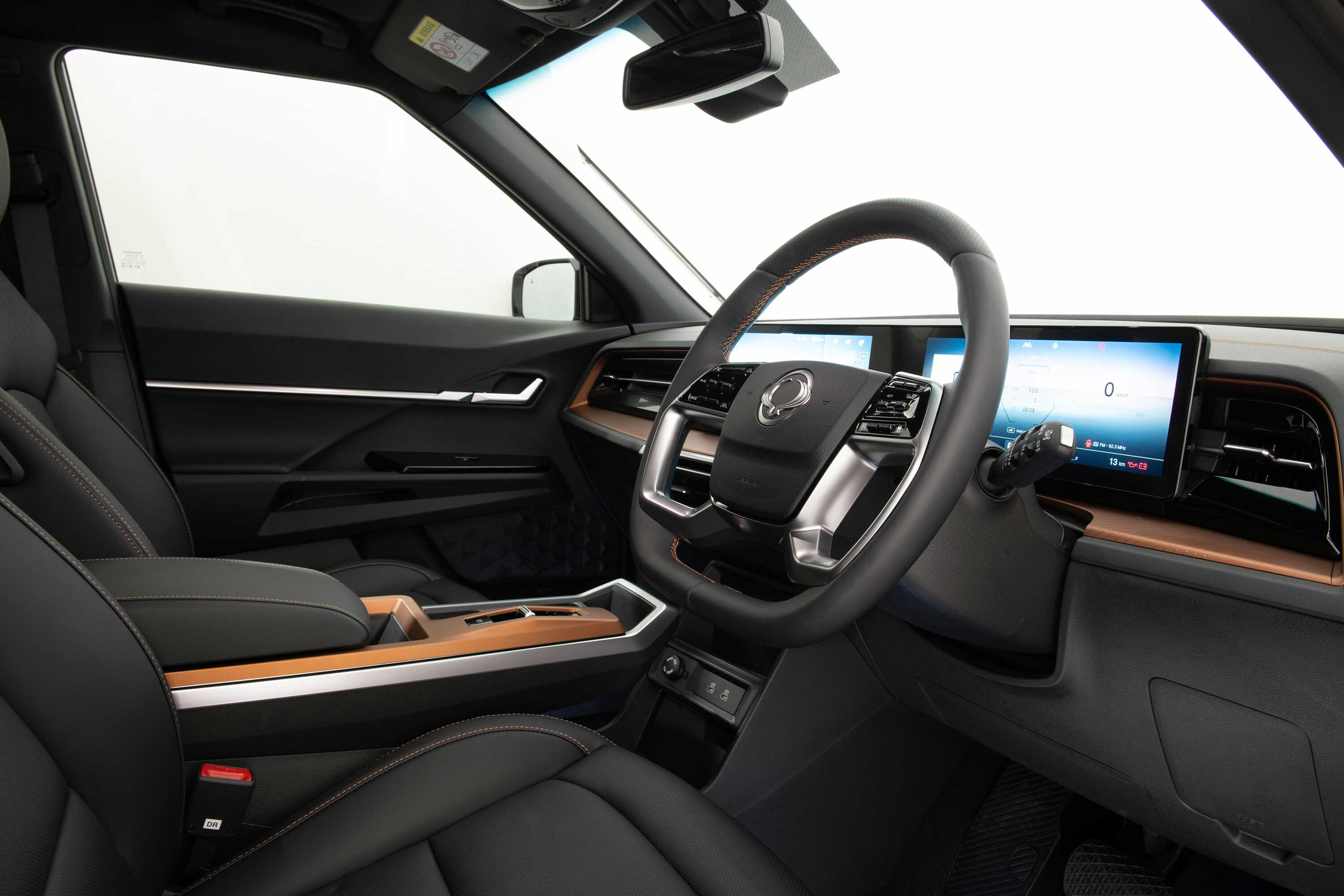
The base Torres ELX’s equipment list includes a twin 12.3-inch infotainment/instrument panel arrangement, dual-zone climate control, LED headlamps with LED daytime running lamps, a rear view camera, heated and power folding wing mirrors, privacy glass, 18-inch alloy wheels, an electronic parking brake and front and rear parking sensors.
4
The Adventure builds on the above, with a powered tailgate, heated front seats, a heated steering wheel, faux leather upholstery, LED foglamps, blind spot monitoring, rear cross traffic alert and tyre pressure monitors.
Moving up into the range-topping Ultimate brings the aforementioned all-wheel drive system, a 360-degree parking camera, adaptive cruise control, a power sunroof, actual leather upholstery, eight-way power adjustable front seats with ventilation (and with lumbar adjustment for the driver), heated outer rear seats, and 20-inch alloy wheels.
2025 KGM Ssangyong Torres pricing
The Torres is covered by KGM Ssangyong’s 7-year, unlimited-kilometre factory warranty, with servicing pricing still to be announced.
- KGM Ssangyong Torres ELX FWD – $38,000
- KGM Ssangyong Torres Adventure FWD – $43,000
- KGM Ssangyong Torres Ultimate AWD – $47,000
- Metallic paint – $595
The Volkswagen Tayron large SUV will replace the long-wheelbase Tiguan Allspace in 2025 as the brand’s midsize three-row family hauler in Australia. Here’s what we know.
On October 10 2024 Volkswagen will whip the covers off its all-new Tayron midsize SUV, which will be offered side-by-side with the third-generation Tiguan as a longer-bodied three-row, seven-seat alternative, taking the place of the existing Tiguan Allspace in the brand’s local lineup.
We’ve yet to clap our eyes on the Tayron, but a teaser video released by Volkswagen (below) gives a few clues. Come October 10, don’t expect an elongated Tiguan with a new badge – the Tayron will sport its own unique sheetmetal.
It’s also got a rough release date for Australia.
“I can confirm that the Tiguan Allspace’s replacement will be named Tayron in Australia,” said Volkswagen Australia’s head of passenger vehicle product Michelle Rowney.
VW Australia says the Tayron will arrive in Australia towards the end of 2025, following the launch of the five-seat Tiguan mid-size SUV in the first months of 2025.
Expect the new three-row VW to grow in every dimension relative to its Allspace predecessor, placing it closer to established seven-seat rivals such as the Kia Sorento, Hyundai Santa Fe, the upcoming Mazda CX-80, and the related Skoda Kodiaq.
It also provides Australian and European buyers with an alternative closer to the larger three-row Volkswagen Atlas, which is sold in North America, China and the Middle East.
For context, the new Kodiaq measures 4758mm long (+24mm over Tiguan Allspace), 1864mm wide (+25mm) and 1657mm tall (-8mm), with an unchanged 2791mm wheelbase.
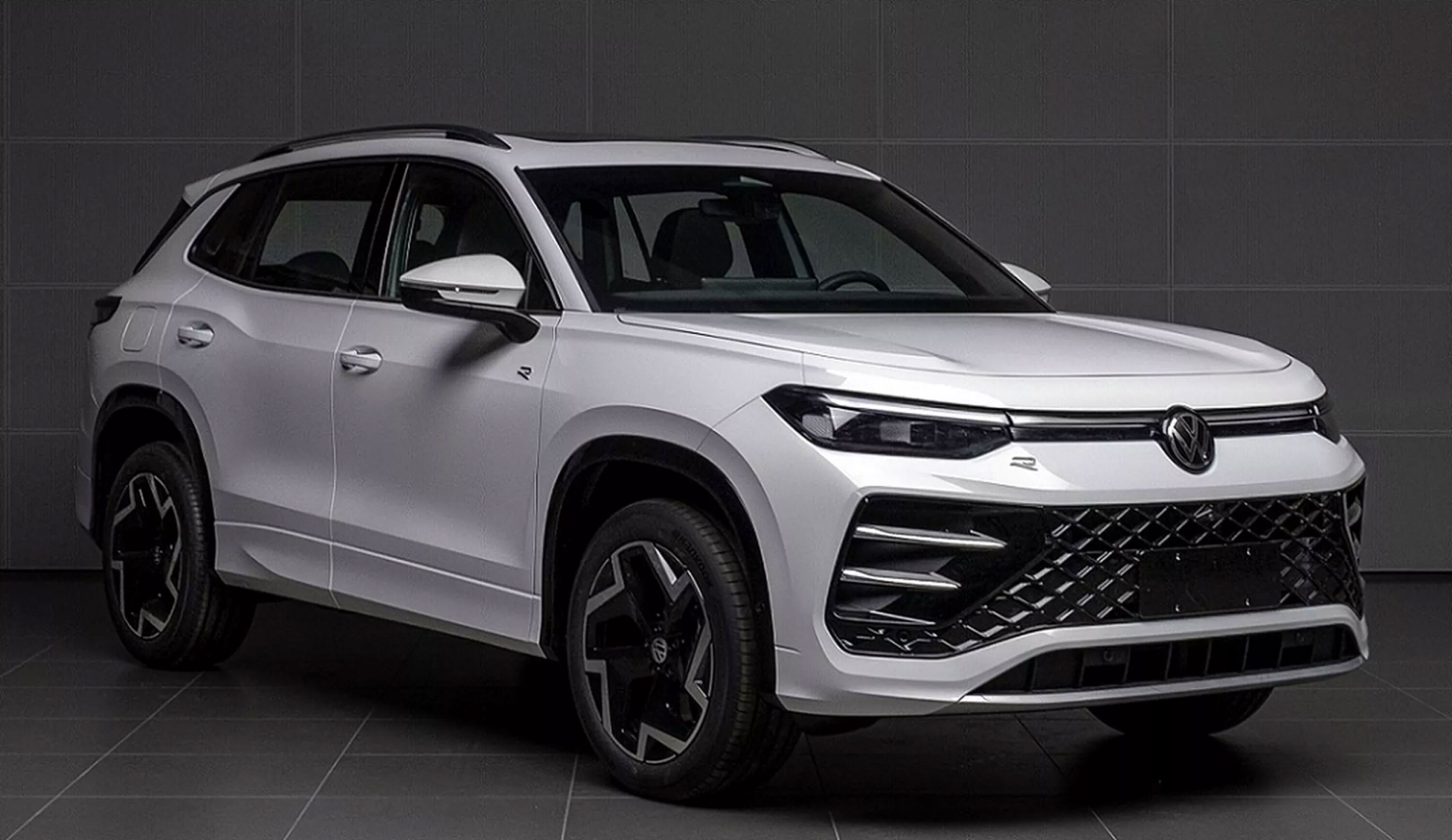
The Chinese-market Tayron L may have already let the cat out of the bag. A distinct model from the five-seat Tayron that’s also offered in China, the Tayron L is believed to share much of its structure with the European-market Tayron that’s destined for Australia – and images submitted to Chinese authorities of the new-gen Tayron L (below) provide a strong indication of what to expect for the global model.
3
Inside, it’ll offer a similar setup to the Tiguan, with larger infotainment screens up to 15 inches, a new windscreen-projection head-up display, a rotary controller to adjust vehicle functions, and a new digital driver display with anti-reflective coating.
The steering wheel also ditches controversial touch-sensitive controls for physical buttons, and it’s joined by a Mercedes-style column-mounted gear selector.
Under the skin, the Tayron will ride on Volkswagen’s updated MQB Evo platform shared with the Tiguan and Kodiaq.

1
Expect the Tayron to offer a range of powertrains in Europe, including turbo diesel, turbo petrol, mild hybrid and plug-in hybrid (PHEV) options.
However, in line with the Tiguan, Australia is likely to only receive the 2.0-litre turbo-petrol in several tunes.
The seven-seat 2025 Volkswagen Tayron is due to commence production in Germany next year, with more details due in the coming months.
Chery has been the largest exporter of cars from China for the past 21 years – yet the 2024 Omoda E5 five-seat SUV is the brand’s first electric car in Australian showrooms since it returned in early 2023.
The Omoda E5 – ‘E’ for ‘electric’ of course – uses the same ‘T1X’ underpinnings as the car maker’s best-selling model in Australia, the Omoda 5 SUV, but adds electric power, retuned chassis and unique styling inside and out. That means you won’t mistake the electric Omoda for its petrol sibling in the car park, with 50mm additional length (4424mm) – although it has an identical wheelbase, tracks, overall width and height.
JUMP AHEAD
What you get
The Omoda E5 starts at $42,990 plus on-roads – where the petrol Omoda 5 kicks off at $27,990 driveaway – making it more than the similarly sized MG ZS EV but undercutting the entry-level BYD Atto 3 electric SUV’s $44,449.
That gets the entry-level BX – the first of two trim levels – including 18-inch alloy wheels, dual 12.3-inch screens and wireless smartphone connectivity as standard. There’s also seven airbags – including a front centre airbag – as standard, and while an ANCAP test is yet to take place, AEB, Adaptive Cruise Control with Traffic Jam Assist, Lane Departure Prevention and Rear Cross Traffic Braking are fitted across the line-up.

1
The higher spec Omoda E5 EX adds a gloss-black exterior beltline, synthetic leather trim, a 360-degree camera, upgraded audio, powered tailgate and sunroof for $45,990.
Both use the same 150kW/340Nm single electric motor sending drive to the front wheels with a 61.1kWh lithium-iron phosphate battery and WLTP range of 430km – 10km more than the Atto 3 Standard Range – and 155kWh/km consumption.
We didn’t get near testing those broader capabilities on our brief introductory drive around the Australian Capital Territory (ACT) mainly on highway roads.
Interior
In the driver’s seat, the dual 12.3-inch screens – larger than the petrol version’s 10.25-inch displays – dominate the cabin, which has been given a premium push as the Omoda 5 line-up’s new flagship, with no physical knobs or switches beyond the steering wheel-mounted controls.
Only the steering wheel and seats carry over from the petrol Omoda 5 and the overall fit and finish is good with little separating BX and EX trim levels, with the same centre console gloss ‘woodgrain’ and piano black inserts on both.

1
The base model’s horrible plastic steering wheel is ditched from a much nicer synthetic leather wheel on the higher spec, which also covers the seats instead of the base car’s black cloth. Those seats are quite supportive and the driving position good – although there could be more seat adjustment, especially on the base car which has manual levers against the BX’s electric front row.
Once set, there’s a decent sized side centre mirror which you’ll need as the view out of the rear windscreen is narrow – interrupted by the three rear head restraints – with the smaller side mirrors adequate but seemingly tuned more towards extending range rather than vision.
The cabin is spacious up front while at the rear there’s 60/40 split-fold seats, slightly more cargo space – 1079L – than the petrol model and includes a full-size spare wheel. There’s also additional 19L cargo space under the bonnet in the E5’s front trunk.

1
On-road performance
There’s no ‘Start’ button – instead a ‘Ready’ status once the proximity key is detected and a driver behind the wheel – with Eco, Normal and Sport drive modes to choose from.
Acceleration is strong – the 6.7-second 0-100km/h claim entirely believable – but there’s a lot of nose lift and torquesteer as the unwieldy front-end and vague steering combine to have you working to keep the vehicle in a straight line under heavy throttle.
Being gentle is the key, but even in the Normal drive mode and the lowest of three brake regeneration settings, seemingly minor accelerator pedal lift brings over-zealous recoil, demanding constant footwork.

2
The suspension tune developed by Chery Europe has undergone further local testing, but perhaps only underlines how bad Australian roads are as the 18-inch alloys fitted on all models managed to bring small bumps and ruts into the cabin we didn’t even see coming.
Yet the E5 was slow to settle over high-speed corrugations, with the softness also serving up a large amount of body roll – not overly well controlled – around roundabouts and longer corners for the 1776kg SUV, while in a straight line there was plenty of road noise.
Our sample drive was not enough to reveal a significant difference between the three drive modes, which alter steering and throttle behaviour. It was enough to be interrupted by the highly-strung fatigue warning after only a short distance – while some test cars in our group had an insufferably loud indicator chime which thankfully can be turned off.

1
VERDICT
With a seven-year unlimited warranty – eight on the battery – the Omoda E5 is a strong on-paper contender, but its lack of polish behind the wheel makes it less convincing in the metal.
However, for many buyers, its value alone will be more than enough to overcome its shortcomings.
| 2024 Chery Omoda E5 EX specifications | |
|---|---|
| Price | $42,990 plus on-road costs |
| Electric motors | One permanent magnet synchronous |
| Battery | 61.1kWh lithium-ion-phosphate |
| Drive | Front-wheel drive |
| System power | 150kW |
| System torque | 340Nm |
| Transmission | 1-speed reduction |
| L/W/H | 4424/1830/1588mm |
| Wheelbase | 2610mm |
| Track(f/r) | 1550/1550mm |
| Weight | 1776kg |
| Boot | 380 litres + 19L front |
| Range | 430km (WLTP) |
| Efficiency | 155kWh/100km (claimed) |
| Suspension front | Struts, coil springs, anti-roll bar |
| Suspension rear | Multi-links, coil springs, anti-roll bar |
| Steering | Electric power-assisted |
| Front brakes | Ventilated disc (306mm) |
| Rear brakes | Solid disc (311mm) |
| Tyres | Kumho Ecsta PS71 |
| Tyre size | 215/55R18 (f/r) |
| ANCAP | Unrated |
| 0-100km/h | 6.7sec (claimed) |
MORE
Everything Chery
MORE
Midsize SUVs
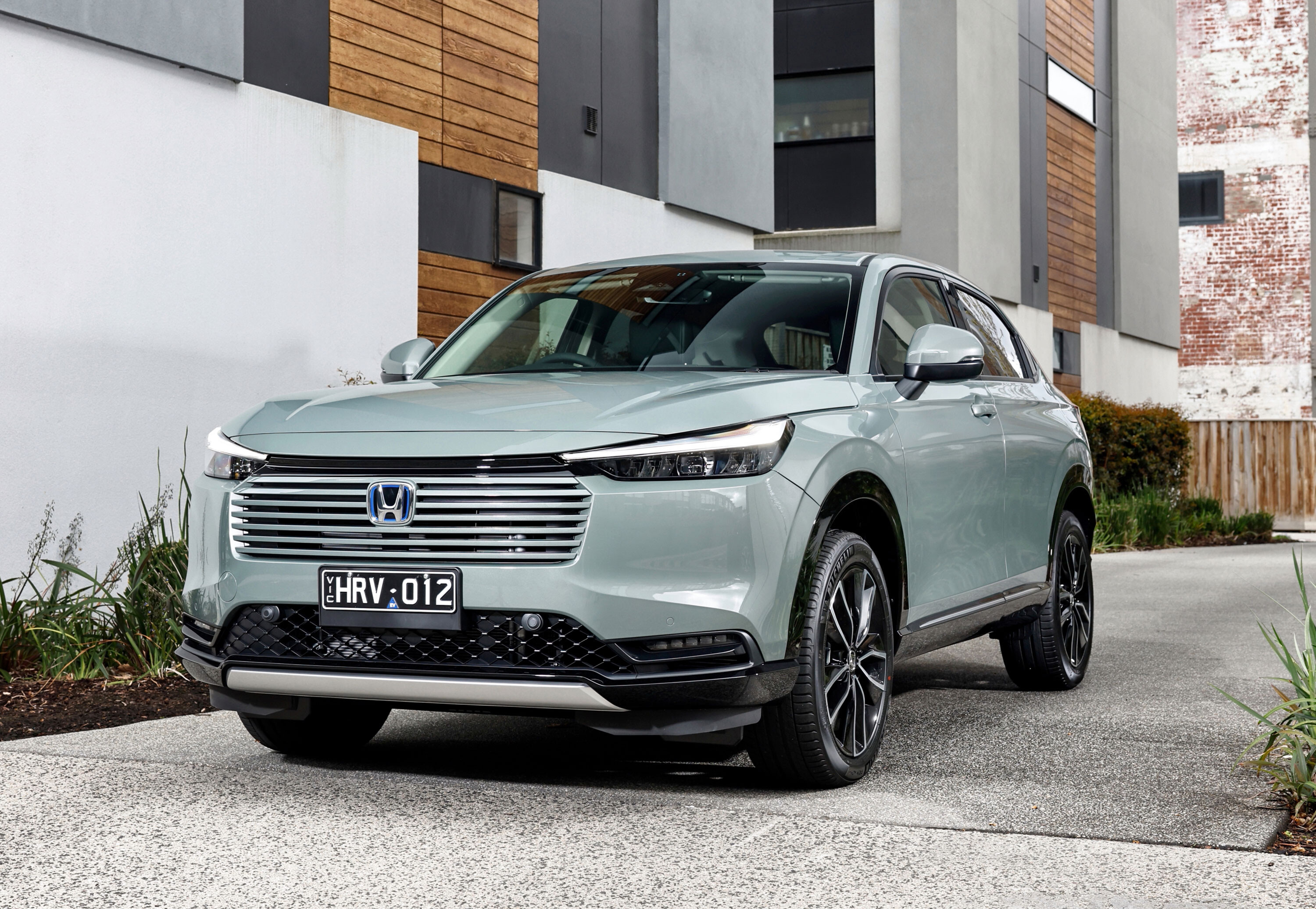
THE product planners at Honda Australia have sharpened their pricing pencils, with the 2025 update for the company’s HR-V compact SUV seeing the introduction of a more affordable hybrid variant as well as pricing tweaks that enhance the value proposition.
Set to go on sale from October 1 this year, the 2025 Honda HR-V range will be bulked up with the arrival of the HR-V e:HEV X, a petrol-electric hybrid that will bridge the gap between the existing petrol-only HR-V Vi X and the range-topping HR-V e:HEV L.
Priced at $39,900 on-the-road the e:HEV X gives HR-V shoppers a sub-$40K hybrid option for the first time, allowing Honda to take the fight to more budget-friendly rivals like the Subaru Crosstrek Hybrid, Hyundai Kona HEV and Haval Jolion Hybrid.
2
The existing e:HEV L hybrid also gets a boost in showroom appeal, dropping $1000 from its on-the-road pricing to sit at a new sticker of $42,900. The entry-grade HR-V Vi X, meanwhile, stays at its old $34,900 price point. It’s worth noting that all of these prices are a national drive-away price, with Honda’s agency distribution model working off fixed, non-negotiable pricing for all of its vehicles.
Externally, the 2025 HR-V range gets a revised front grille and restyled tail lamps, while both of the hybrid variants feature adaptive headlamps as standard. Two new colours also join the palette, with Slate Gray and Botanical Green (the latter a hybrid-exclusive colour) available for the 2025 model year, bringing the total number of exterior colours to five.
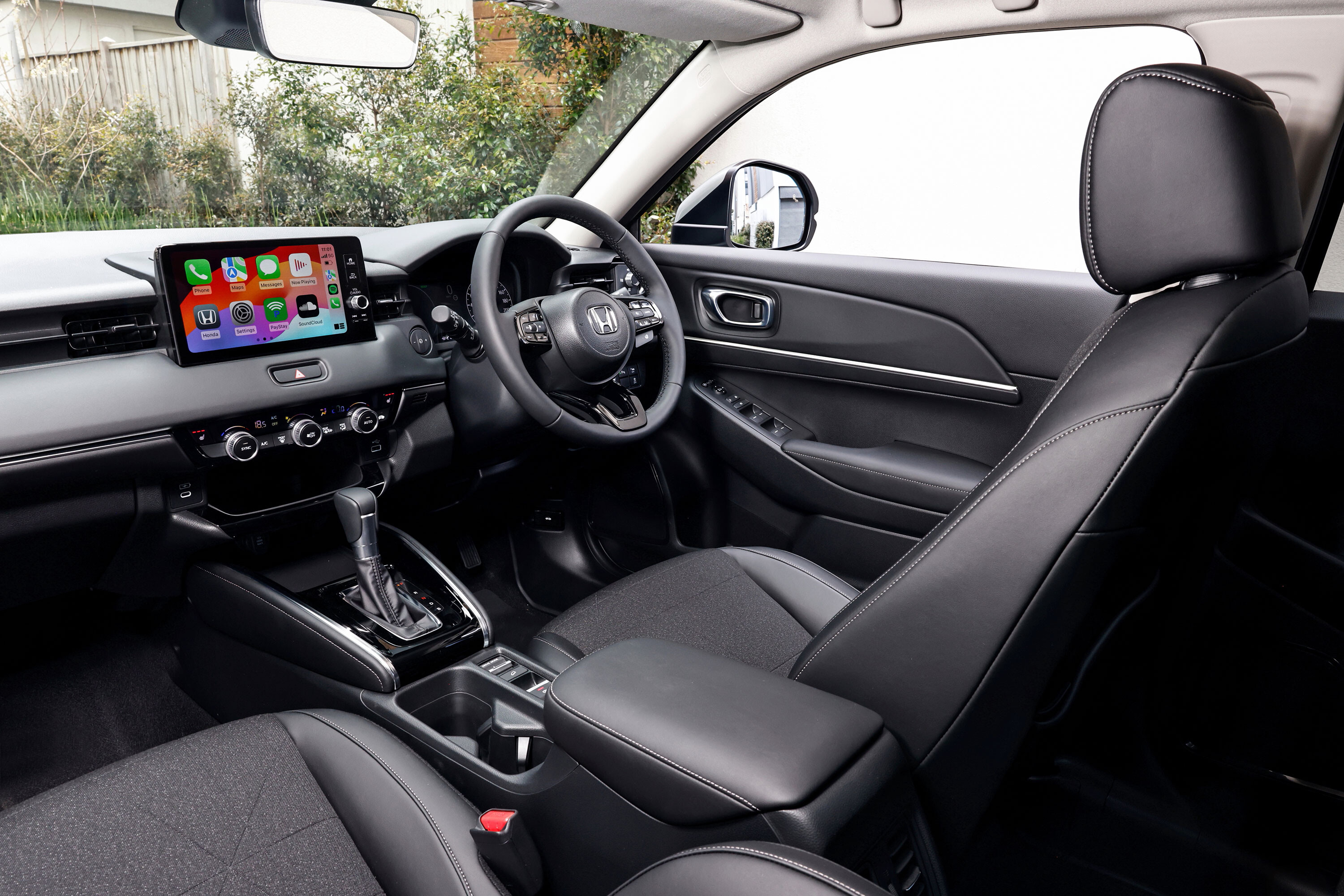
On the inside a subtle rework simplifies the centre console, with a larger upper tray to better accommodate modern smartphones, and improved access to the lower tray from the passenger side. A USB-C port has also been grafted into the dash, joining the existing USB-A port.
There are under-the-skin changes for 2025, too. The electric power steering tune has been fiddled to improve high-speed stability and impart a more “predictable steering feel”, and sound deadening material has been improved to help quell engine and road noise.
2
Hybrid variants also gain new damper tuning for better body control and compliance over bumps, plus revised control software for the hybrid powertrain to smooth the transition between petrol and electric drive, as well as more direct throttle response in EV mode.
For both powertrains, the active safety suite gets a tech tweak. The autonomous emergency braking system is now able to detect pedestrians and cyclists in a cross-traffic (travelling perpendicular to the car) scenario, as well now being able to sense motorcyclists approaching head-on. Road departure mitigation has also been added to the suite, as has traffic jam assist, while the active cruise control software has been adjusted to improve braking control and how it follows traffic in congested conditions.
There are no changes to the powertrains, with the base Vi X being powered by a 1.5-litre naturally-aspirated petrol four-cylinder with 89kW/145Nm, with the hybrids making use of an Atkinson-cycle 1.5-litre petrol with twin electric motors, producing a combined output of 96kW and 253Nm
PRICING
- 2025 Honda HR-V Vi X -$34,900
- 2025 Honda HR-V e:HEV X hybrid (new model) – $39,200
- 2025 Honda HR-V e:HEV L hybrid – $42,900 (down $1000)
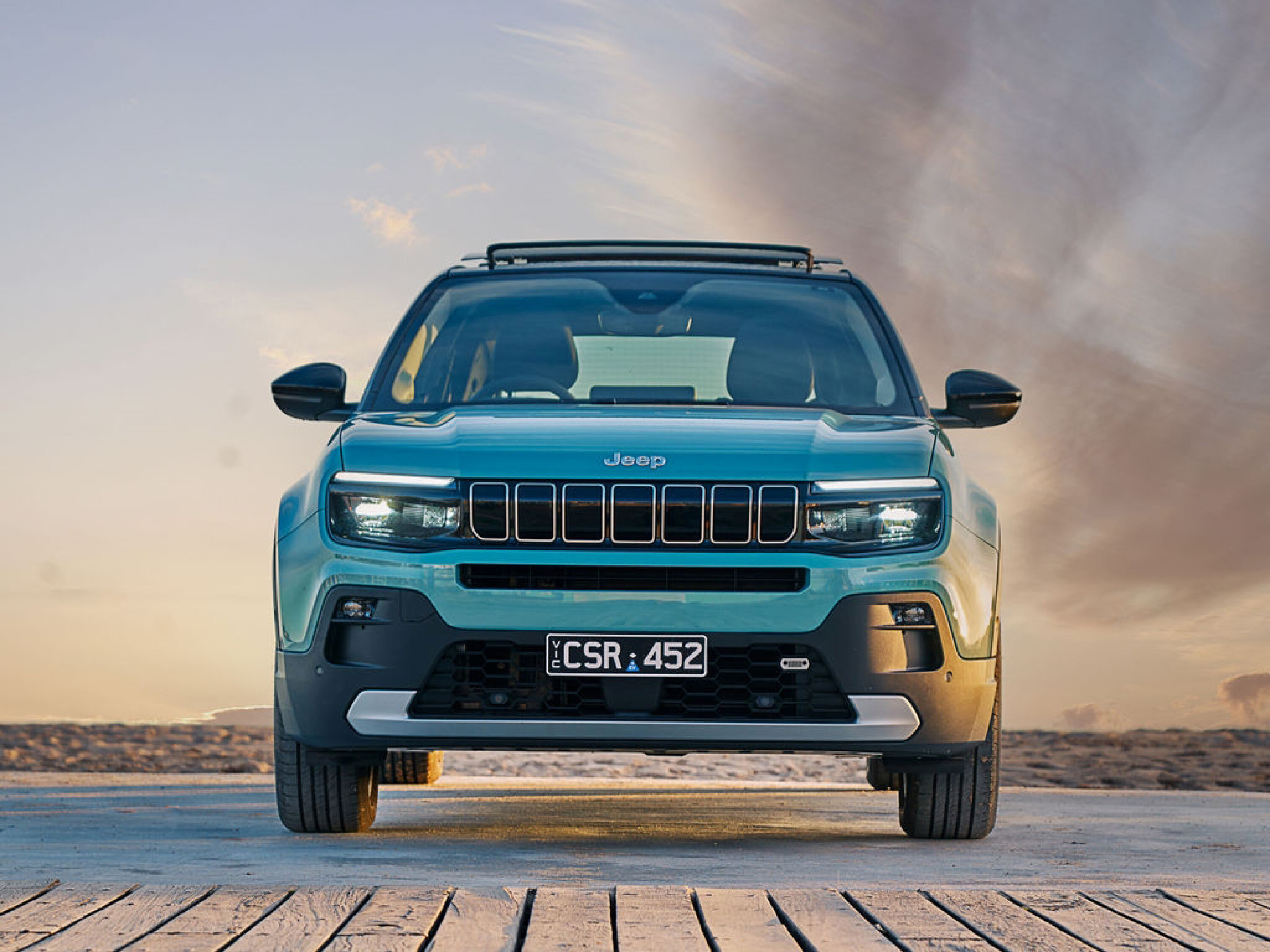
JEEP Australia is bargaining extra hard with its first-ever all-electric SUV, with the company cleaving thousands off the sticker price of the Jeep Avenger before it’s even landed in showrooms.
It’s certainly good news for EV buyers, with the Avenger’s new opening price of $49,990 (down by $4000) for the Longitude grade allowing Jeep’s new arrival to sneak under the $50K barrier and clinch a pricing advantage against key EV SUV competitors like the new Mini Aceman, Renault Megane E-Tech, Kia Niro Electric and Hyundai Kona Electric. It’s even within striking distance of high-spec variants of popular Chinese EVs such as the BYD Atto 3 and MG ZS EV, with the latter’s flagship ZS Long Range retailing for the same amount of coin as the Avenger Longitude.
3
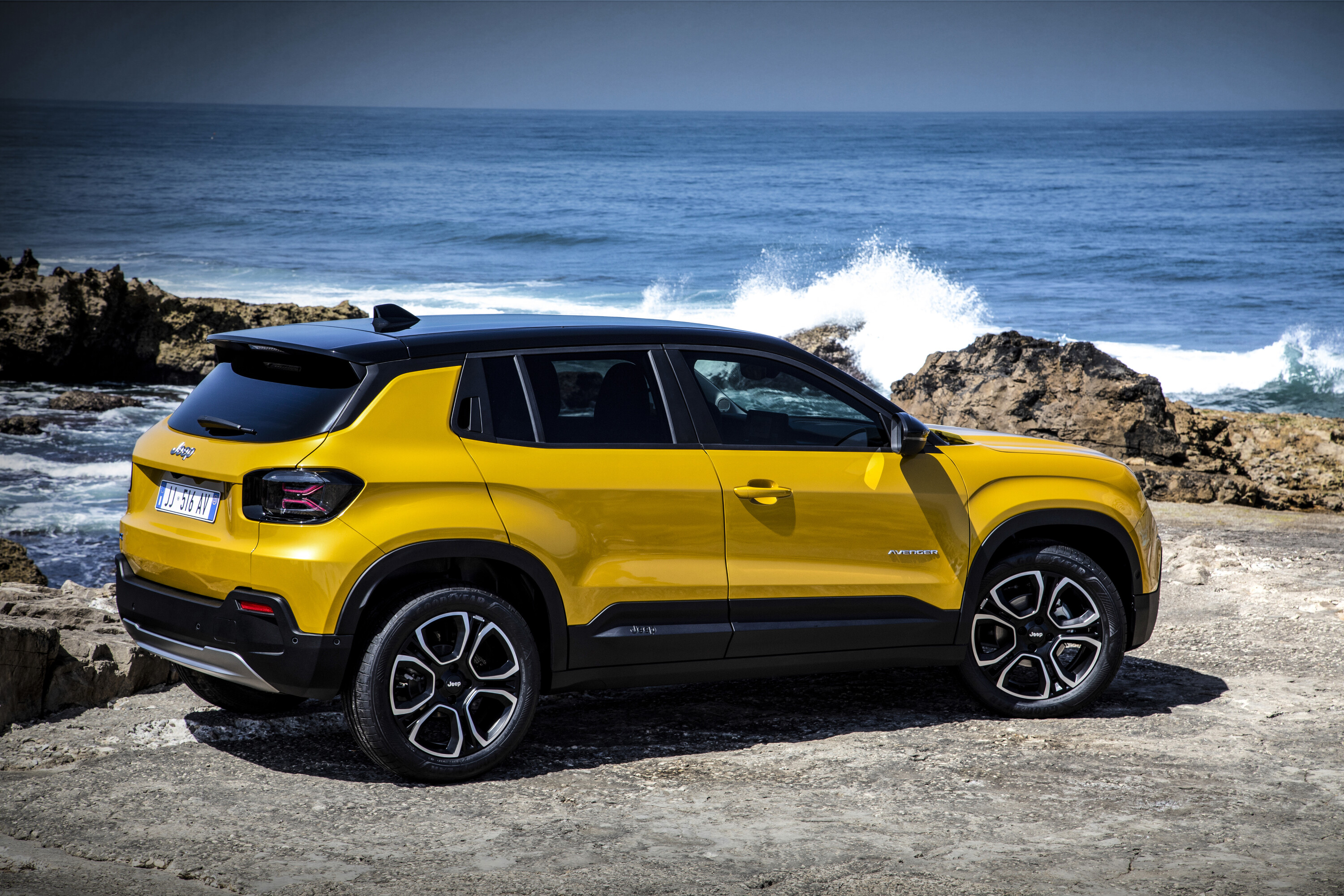
Offered in a three-grade lineup, the Avenger can also be had in mid-spec Limited ($54,990 RRP) and top-shelf Summit ($60,990 RRP) grades, though all variants are mechanically identical with power supplied by a 54kWh battery and drive provided by as single 115kW/260Nm 400-volt motor on the front axle. Prices are down by $3000 for both of those variants versus the original pricing that was announced back in March.
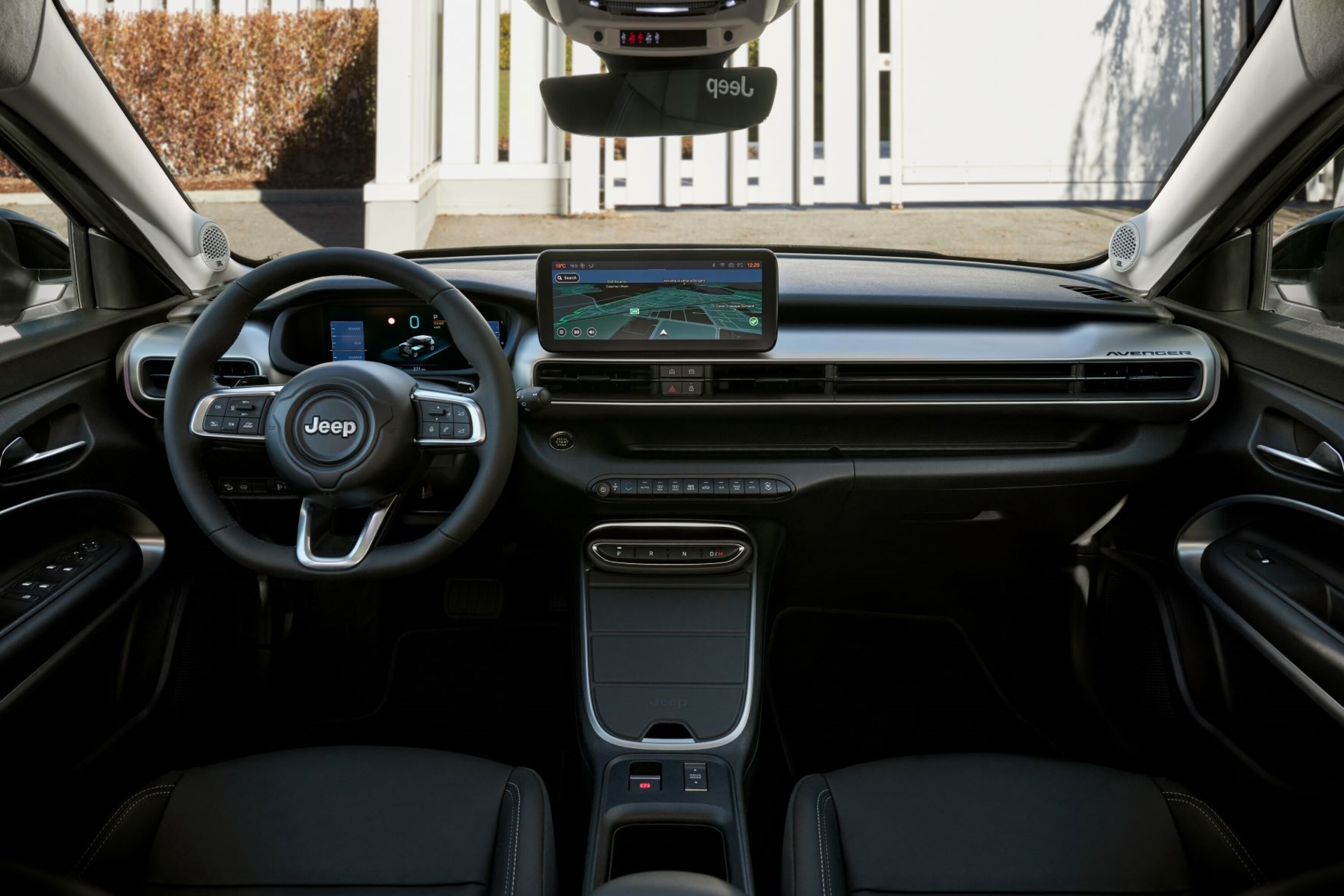
All variants receive a 10.25-inch infotainment display, wireless smartphone mirroring via Android Auto and Apple Carplay, alloy wheels (18”s for the Longitude and Limited, 19”s for the Summit), a 10.25-inch electronic instrument panel, adaptive cruise control, rear parking sensors, a reversing camera, and auto high-beam.
3
Moving into the Longitude also nets you a wireless phone charge pad, a powered tailgate, adjustable height boot floor, USB ports for the second row, keyless entry, front and rear parking sensors, lane keep assist, blind spot assist, keyless entry and heated wing mirrors.
For the Summit, unique equipment includes leather upholstery, LED headlamps and tail lamps, a sunroof, privacy glass, a power-adjustable driver’s seat with massage function and lumbar support, heated front seats and a heated windshield.
3
Built on the same e-CMP2 platform as the Peugeot e-2008 and incoming Alfa Romeo Junior, the Avenger bucks the trend of corpulent EVs, with a relatively svelte 1520kg kerb weight. That low mass (and a compact frontal cross-section) allows it to deliver a WLTP efficiency number of 15.6kWh/100km, which translates to a maximum range of 396km on its 54kWh battery.
Unusually for a Jeep, there’s no AWD selector in sight inside the cabin. The Avenger is strictly a front-driver, however its 200mm ground clearance and the provision of Selec-Terrain and hill descent control means it shouldn’t struggle on mild dirt trails. More relevant to most buyers, though, is the Avenger’s turning circle, which measures at an ultra-tight 10.5 metres.
On a regular household outlet, the Avenger’s battery takes 26 hours to charge from zero to full. That drops to just under eight hours on a 7.4kW AC wall box, 5.5 hours on an 11kW AC charger, and just 24 minutes on a 100kW DC fast charger.
The 2025 Jeep Avenger range is available now with deliveries commencing this month.
Mitsubishi Australia currently has a stack of offers running to help clear out stock in its showrooms across Australia. With the help of The Beep we’ve dissected the data to outline the best current offers across the Mitsi range ?
Mitsubishi Eclipse Cross
Mitsubishi Australia currently has a few deals on offer until the end of September 2024 for its compact SUV.
Customers who sign on the dotted line for an Eclipse Cross ES (starting at $34,690 driveaway); LS ($37,690 driveaway); Black Edition ($40,120 driveaway); LS AWD ($41,410 driveaway); Aspire ($41,150 driveaway); Exceed ($45,270 driveaway); or Exceed AWD at ($47,850 driveaway) will also receive a $1000 bonus cash card (prepaid Mastercard) and three years of free servicing.*
Opting for an Eclipse Cross plug-in hybrid EV ES (from $51,790 driveaway); EV Aspire (from $56,480 driveaway); or EV Exceed (from $61,470 driveaway) will still get buyers a $1000 bonus cash card, but Mitsubishi is not offering three years of free servicing with its Exceed Cross EVs.*
Mitsubishi Outlander
Leave a Mitsubishi showroom behind the wheel of a new Outlander and you’ll also have a $1500 bonus cash card (prepaid Mastercard) in your pocket. Plus you’ll also get three years of free servicing. However, the offer doesn’t apply to PHEV variants. This deal will end on September 30, 2024.*
Mitsubishi Pajero Sport
The same deal applies to Mitsubishi’s family SUV, with new owners receiving a $2000 cash card and three years of free servicing when they secure a GLX 4WD (from $54,340 driveaway); GLS 4WD ($59,240 driveaway); Exceed ($65,640 driveaway); or top-spec GSR (from $67,890 driveaway). Again, this offer expires on September 30, 2024.*
Mitsubishi Triton
A loyalty bonus is currently on offer if current Mitsubishi owners stick with the brand and buy a new Triton. Buy a lower-spec GLX or GLX+ and you’ll get a $1000 bonus, or sign for a top-spec GLS or GSR and you’ll receive a $2000 bonus. Of course, this offer only applies if you already own a Mitsi. Three years of free servicing is also on offer, with the deal expiring on September 30, 2024.*
NBL offer
As a major sponsor of the NBL, Mitsubishi Australia is currently offering a bunch of bonuses to NBL and NBL1 club members. This extended offer is running until March 31, 2025.*
- Members will receive a $1000 prepaid Mastercard, $2000 fuel card and $2000 bonus towing package when purchasing a Triton or Pajero Sport.
- Members will receive a $500 prepaid Mastercard and $1000 fuel card when purchasing MY23 Eclipse Cross and Outlander petrol models.
- Members will receive a $500 prepaid Mastercard for the purchase of any other model.
Find more deals at The Beep!
IT’S somewhat unusual that the only model in Subaru’s modern lineup to wear the vaunted STI badge, a symbol of the brand’s rallying prowess and a mark of motorsport pedigree, is now the Forester.
With the arrival of a new special-edition Forester variant, Subaru’s high-riding family hauler is the sole bearer of the STI badge – at least until Subaru’s local operation sees fit to retire the fairly anonymous ‘tS’ branding of hotter BRZ and WRX variants in favour of the STI Sport labels they already use in the Japanese market.
1
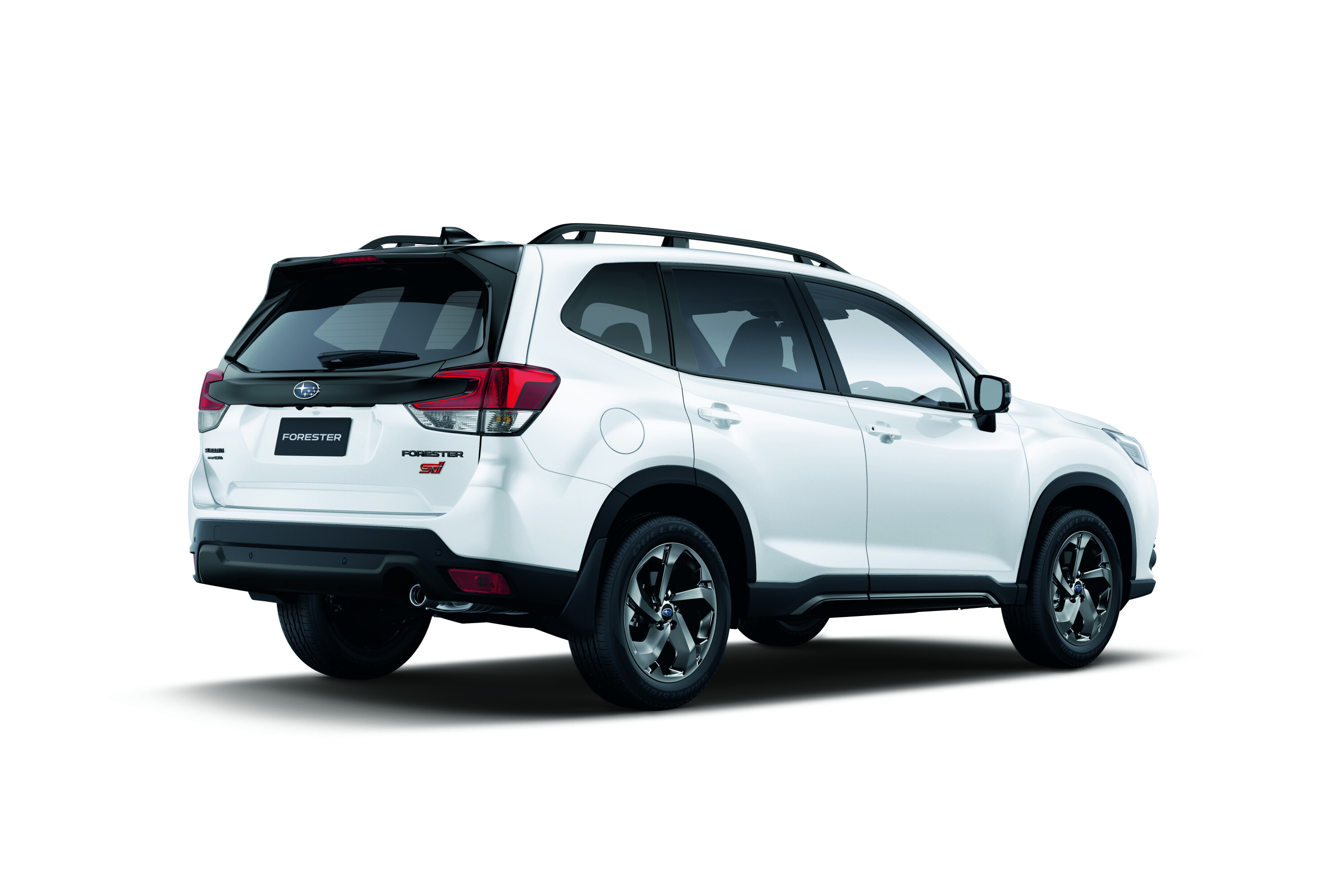
Curiously, the Subaru Forester STI Sport that’s just landed in Australia as a value-enhanced limited-edition actually carries the same branding as its Japanese-market equivalent, possibly indicating that Subaru Australia may be pondering adopting STI branding for its true performance cars as well. It’s also not a mere ploy to sex up the Forester by slapping a saucy STI badge on its tailgate, for behind the badges lies some STI-specific engineering.
The Forester STI Sport brings a unique suspension tune, which Subaru says was concocted by its STI engineers to “enhance control, stability and balance”, and should translate into slightly sharper dynamics. Springrates are untouched, however, with all of the STI magic concentrated in the front and rear damper valving.
1
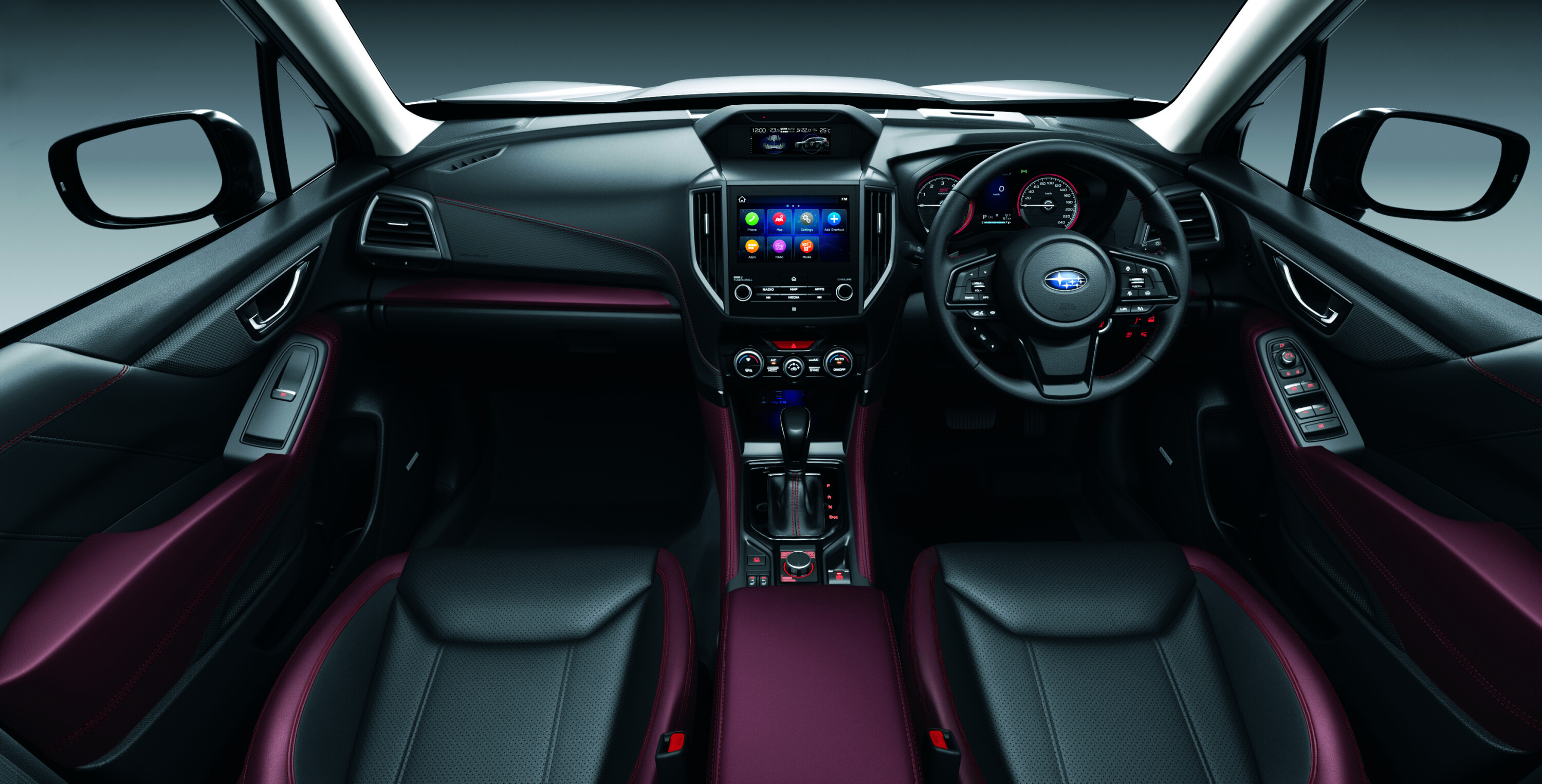
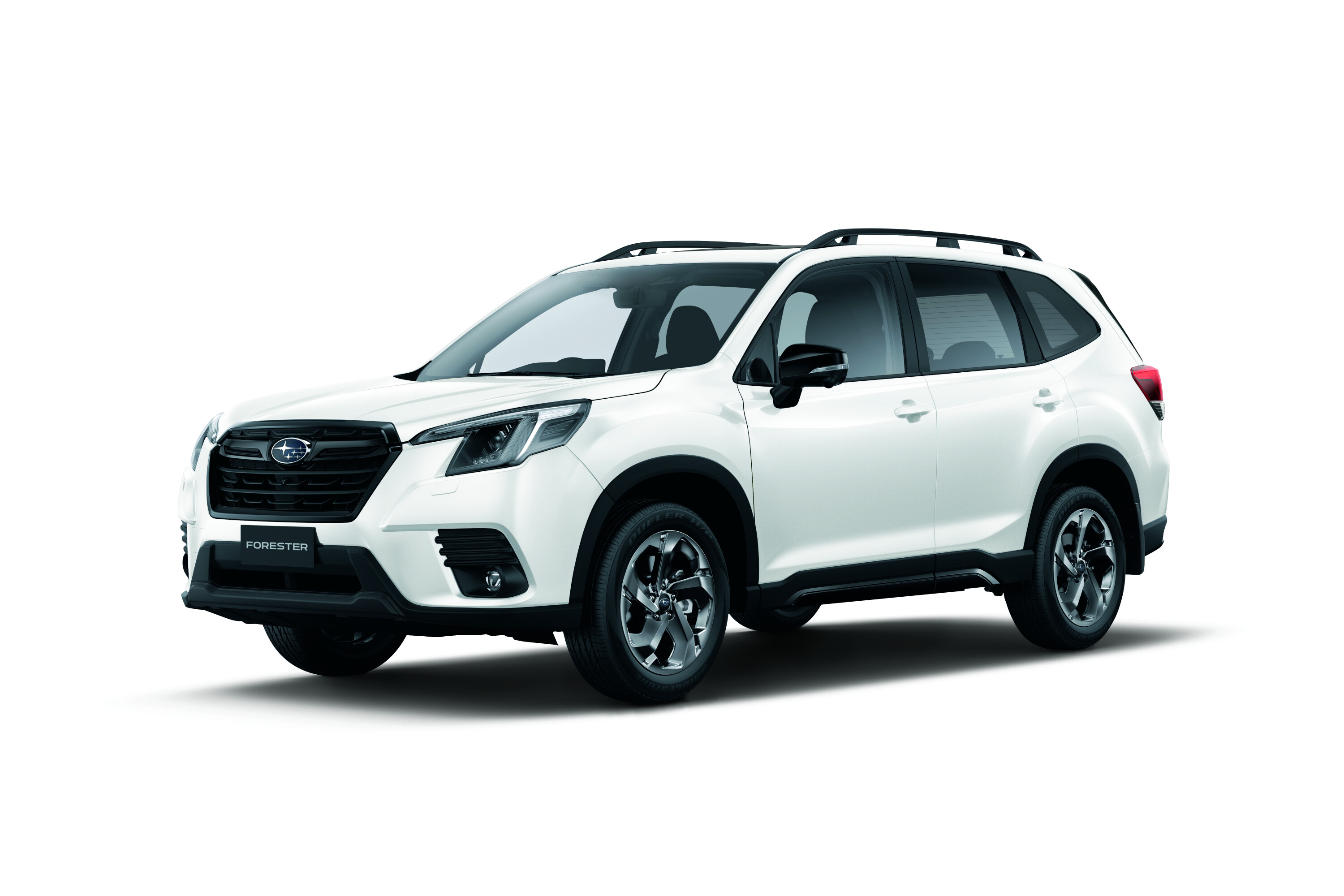
On top of the suspension gear, the Forester STI Sport receives a unique design and dark grey colouring for its 18-inch alloy wheels, as well as black-painted exterior elements like its grille, roof rails, mirror caps and foglamp surrounds. Interior features include a black and Bordeaux colour scheme with red contrast stitching for its Nappa leather upholstery, while STI branding appears on the instrument cluster and tailgate.
However, while the Forester STI Sport in Japan is available with a 1.8-litre direct-injection turbo flat-four engine with 130kW and 300Nm, Australia-bound examples, which are due to arrive in late September, will instead use the same powerplant as the regular Forester range, a 2.5-litre naturally-aspirated boxer four with 136kW and 239Nm. There won’t be a hybrid option for the STI Sport either.
1
Priced at $48,640 before on-road costs, the Forester STI Sport sits at the top of the non-hybrid Forester range, slipping between the 2.5i-S grade and the range-topping Forester Hybrid S.
Next year, Subaru is expected to bring its next-generation Forester to Australia. The sixth-gen Forester was revealed in late 2023 and went on on sale in the USA earlier this year, with the all-new SUV coming to our shores in 2025 with a familiar naturally-aspirated petrol and petrol-electric hybrid powertrain lineup. Later on, a turbo petrol engines and a rugged outdoorsy Forester Wilderness variant may join the range, with the former potentially seeing the return of the powerful ‘XT’ grade – or perhaps another iteration of the Forester STI Sport.
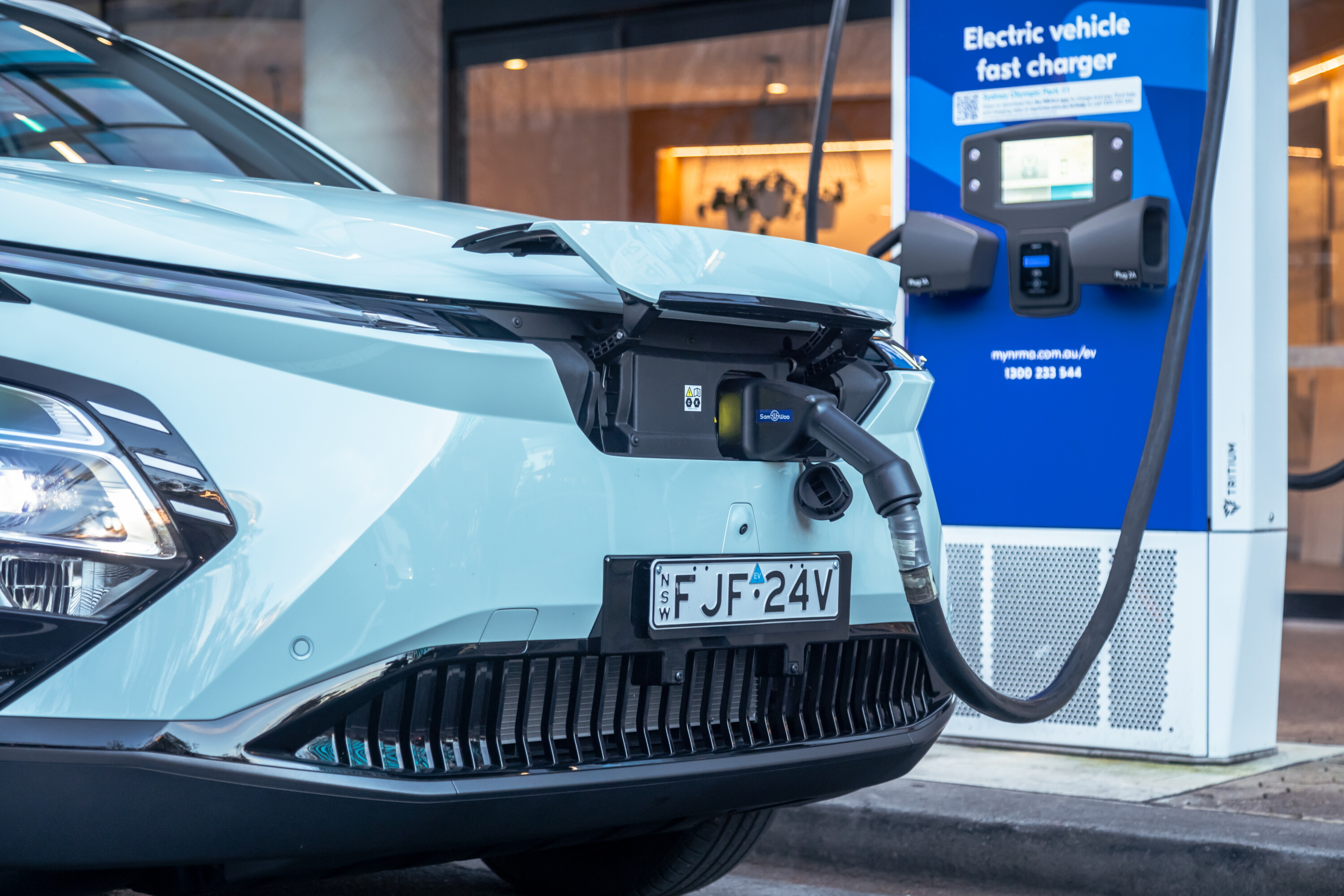
Chery Australia has officially confirmed pricing for its Omoda E5, with the entry-level BX starting at $42,990 and the top-spec EX starting at $45,990.
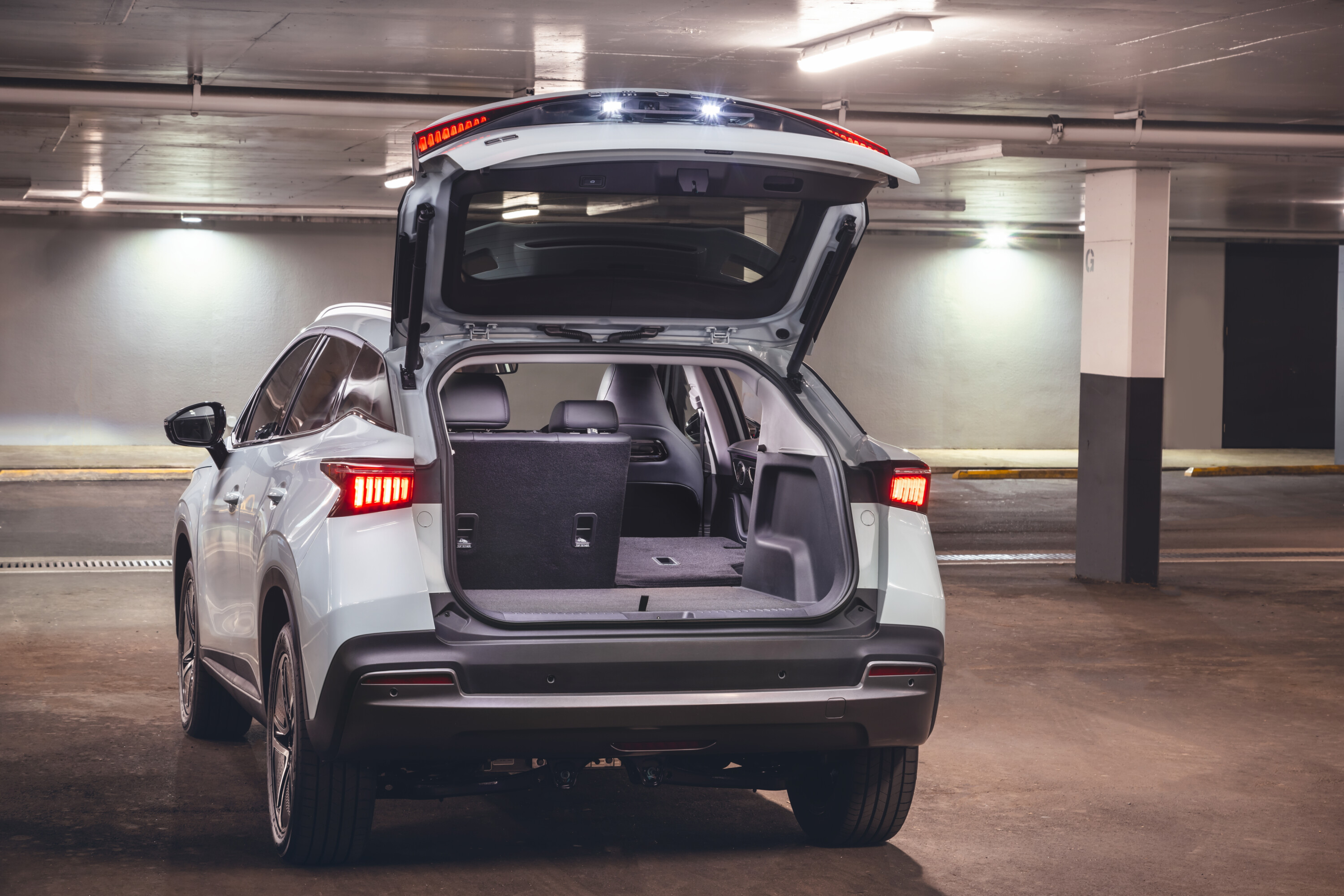
Despite its entry-level status, the BX is highly equipped with premium kit including dual 12.3-inch screens, 18-inch alloy wheels, wireless Apple CarPlay and Android Auto, a wireless phone charger, and a full-size spare. For an extra $3000 the EX adds two extra speakers, synthetic leather pews (heated), a powered sunroof, and a 360-degree camera.
Both E5 models are powered by a front-wheel-driven single electric motor that generates 150kW and 340Nm. Chery quotes power consumption of 155Wh/km and states the EV has a range limit of up to 430km. It can be charged from 30 to 80 per cent in less than 30 minutes when using a DC fast charger
1
Features: BX
| 18-inch alloy wheels | 18 advanced driver aids |
| Dual 12.3-inch Instrument and Infotainment screens | Inbuilt sat-nav |
| Three drive modes | Intelligent voice command |
| 6 speaker Sony sound system | Apple CarPlay and Android Auto |
| DAB+ radio | Wireless phone charger |
| LED exterior lighting | Fabric seats with synthetic leather bolsters |
| Full-size spare wheel |
EX adds or replaces:
| Power tailgate | 8 speaker Sony sound system |
| Puddle lamps | Ambient interior lighting |
| Black synthetic leather seats | 360-degree camera |
| Heated front and rear seats (outboard) | Synthetic leather steering wheel |
| Powered sunroof |
“We’re thrilled to introduce our first electric vehicle, a testament to our commitment to innovation and sustainability,” said Lewis Lu, CEO of Chery Australia.
“We’re proud to offer a vehicle that not only delivers outstanding performance and range but also helps reduce our carbon footprint. This launch is a significant milestone in our journey towards a greener and more sustainable future.”
1
The E5 features a total of seven airbags (driver, passenger, centre, front side and side curtain), and a long list of driver assist functions including adaptive cruise control (ACC), autonomous emergency braking (AEB) and lane keeping assistance (LKA).
The all-electric crossover is covered by Chery’s comprehensive seven-year/unlimited kilometre warranty, seven-year capped price servicing and up to seven years of roadside assistance. Battery warranty is 8 years. It will be in local showrooms this month.
Pricing
| BX | $42,990 |
|---|---|
| EX | $45,990 |
Extras
| Premium paint | $500 |
|---|---|
| Black roof | $600 |
MORE
Everything Chery
WERE you wondering whether Volvo was turning its back on the humble sedan?
We wouldn’t blame you, the XC and EX prefixes that are Volvo-speak for ‘SUV’ now dominate the Volvo lineup, with the S60, V60 and C40 the only exceptions (and let’s face it, the C40 is really just an SUV cosplaying as a hatchback).
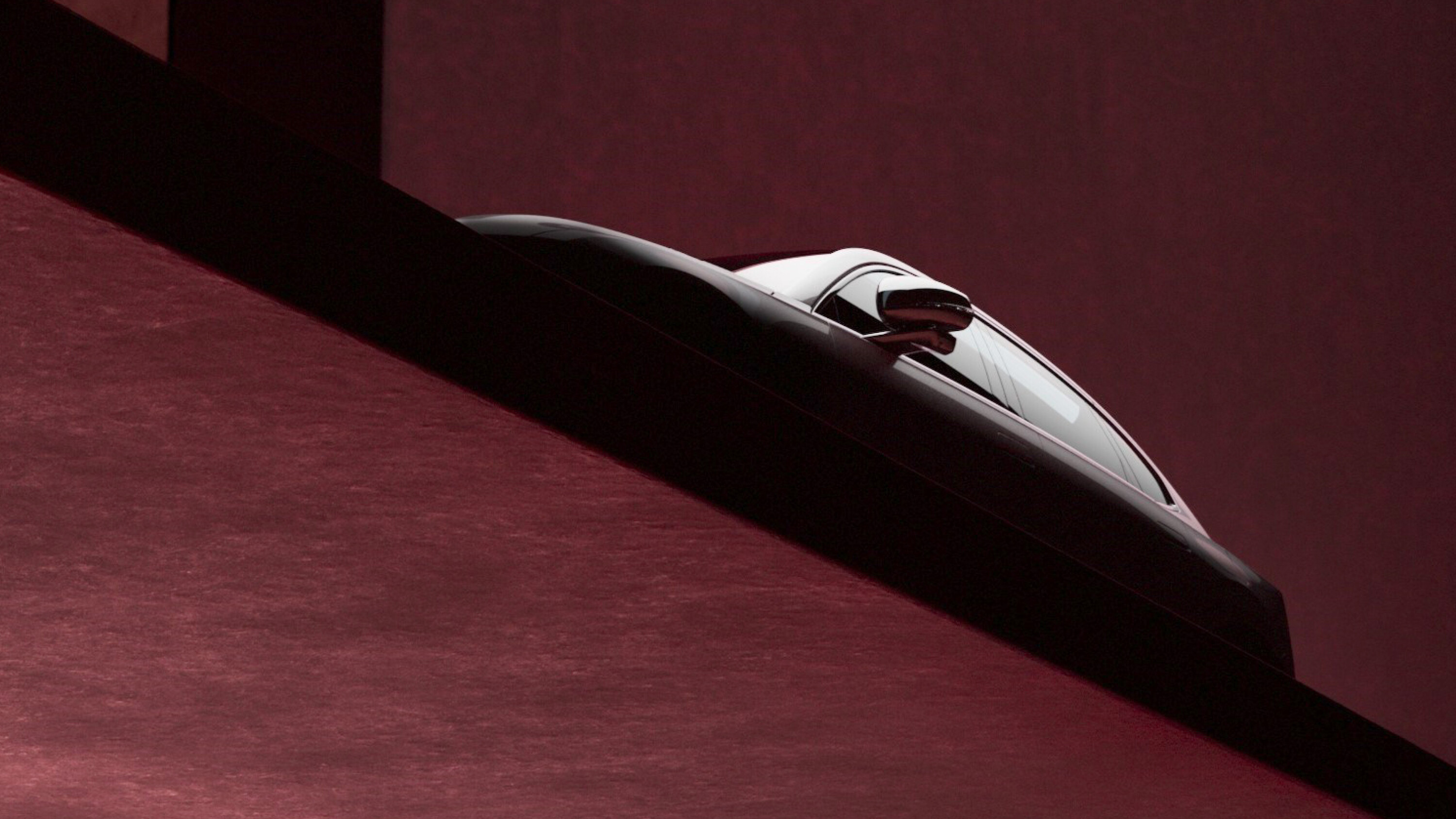
But we’ve got good news: a three-box Volvo is back on the menu, with Volvo letting slip its first teaser of the ES90 large sedan this week – a spiritual successor for the S90.
1
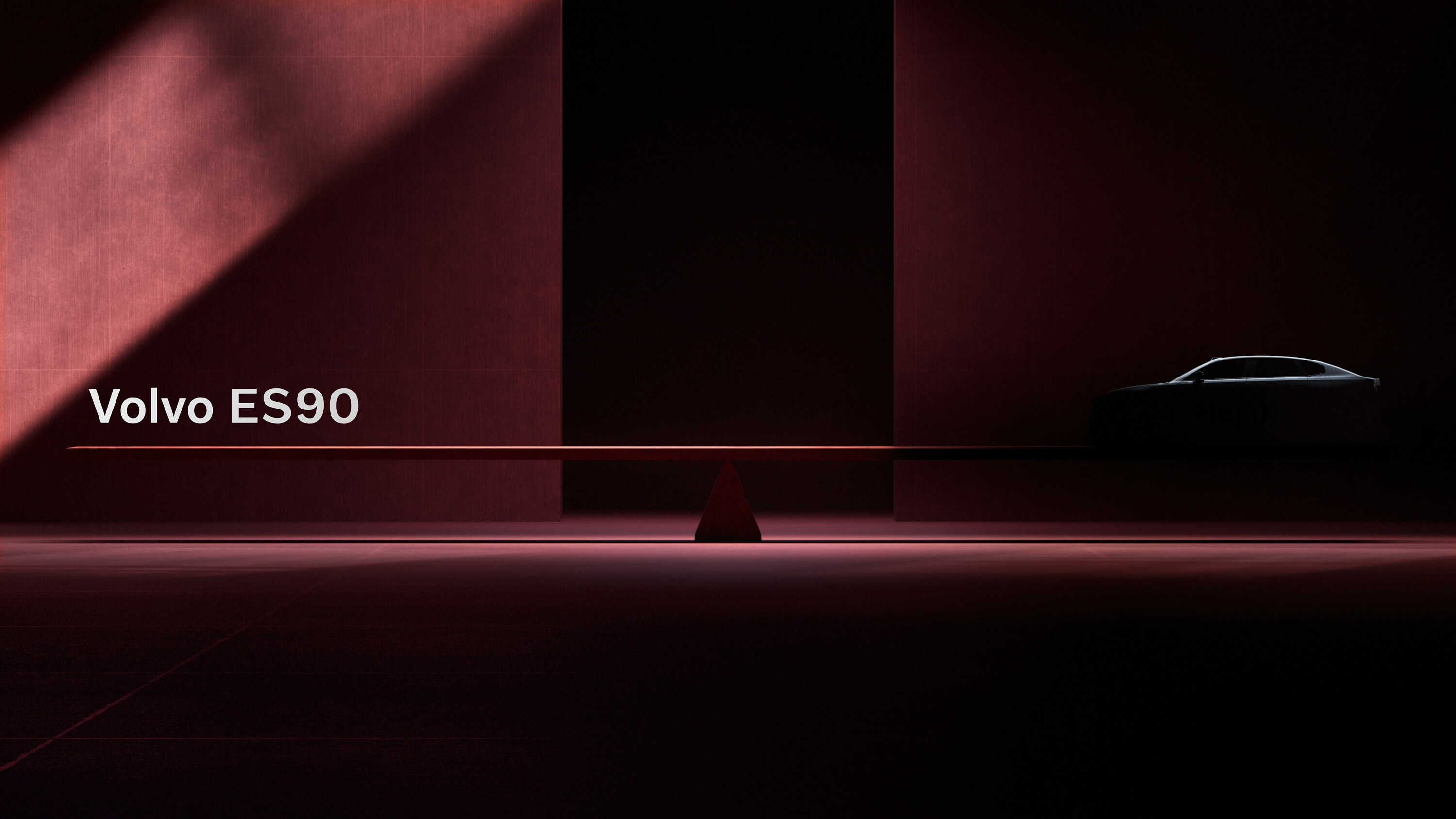
Due to make its global debut next March in Sweden, Volvo’s Australian arm has already confirmed the ES90 will arrive in showrooms in late 2025. As for what to expect, no details have been revealed besides the general outline of the new car’s profile – and the fact it will be electric.
Under Volvo’s new nomenclature, the ES90 stands for Electric Sedan, with the numerics indicating it will sit alongside the newly-released EX90 large SUV in terms of size. The ES90 will use the EX90’s SPA2 platform, and will also follow its high-riding sibling as the second Volvo vehicle to make use of the company’s newly-developed Volvo Cars Superset modular architecture.
It may also be the last Volvo to use SPA2 underpinnings, with the next model in Volvo’s product plan, the EX60, to debut the company’s all-new SPA3 scalable architecture.
1
Comparing the silhouette presented by Volvo’s teaser with images of the outgoing S90, we can see that Volvo’s flagship sedan will retain its distinctive C-pillar with its generous quarterglass, though the transition from the rear windscreen to the bootlid is substantially softer than before.
The rear doors also appear to have grown markedly to become as long – perhaps even longer – than the front doors, while flush-fit door handles blend smoothly with the sheetmetal. At the front, there appears to still be a good distance between the front axle line and the front door, however it looks like frontal overhang has undergone a sizable chop.
1
Tech specs are still far from being officially announced for the ES90 but expect a similar fit-out to the EX90, which offers a massive 111kWh battery pack and a dual-motor powertrain producing 380kW and a massive 910Nm. Performance stats include an impressive 4.9-second zero-to-hundred blast, and a maximum range of 590km on the WLTP cycle for the EX90, and with less frontal area and potentially less weight, we’d expect the ES90 to improve on those metrics.
In other markets the EX90 will be offered with a less powerful 300kW/770Nm twin-motor configuration with a 600km max range, which would also be a likely candidate for the ES90.
However, though Volvo has just recently walked back on its goal to go all-electric by 2030 and will instead continue offering plug-in hybrids for the forseeable, don’t expect the ES90 to arrive with a petrol-electric powertrain option: the SPA2 platform it’s built on is EV-specific, with no provision for combustion engines.
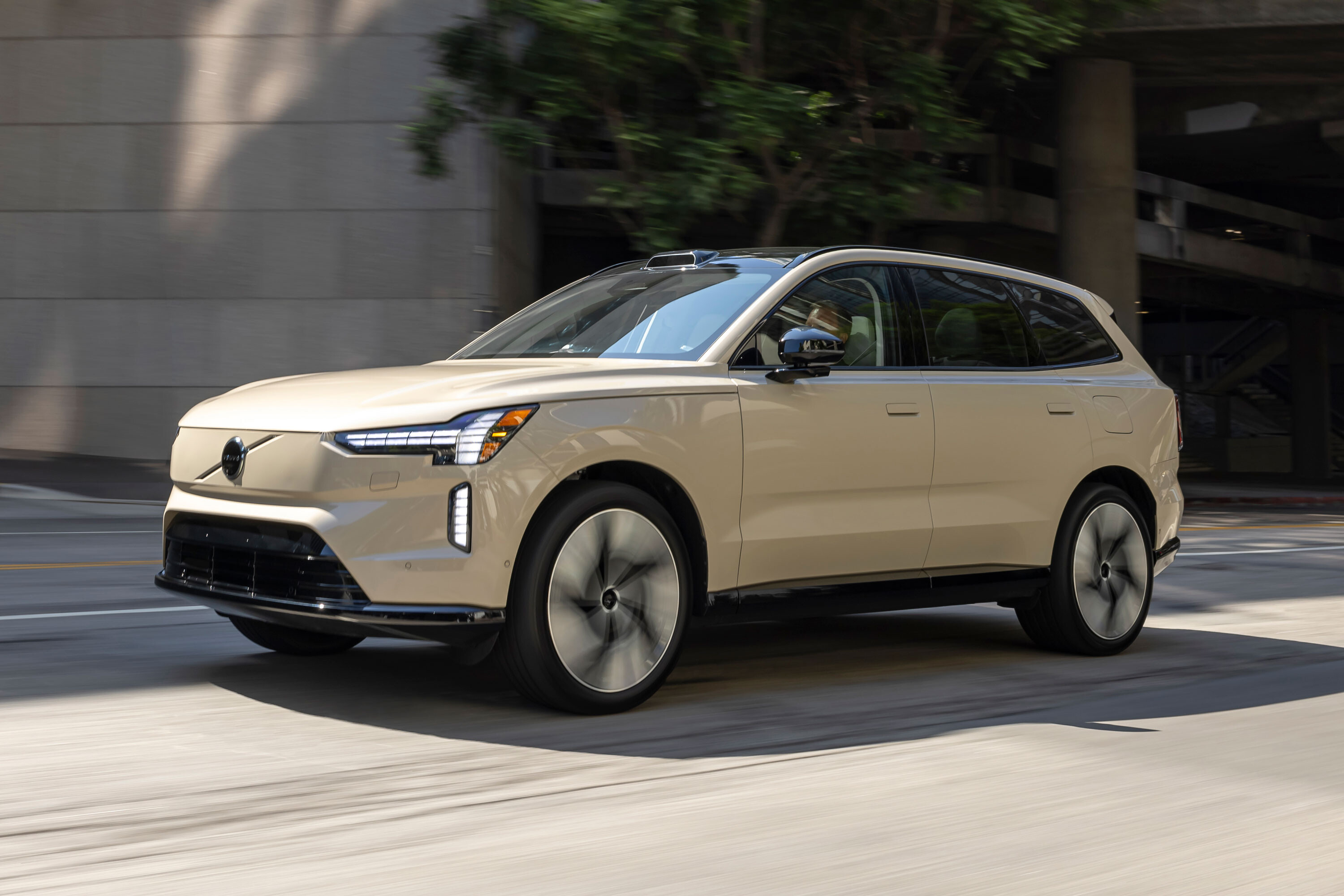
VOLVO’S plan to only sell fully-electric vehicles globally by 2030 was always an ambitious one, but the Swedish automaker has now, just three years after revealing that plan, walked back on its target.
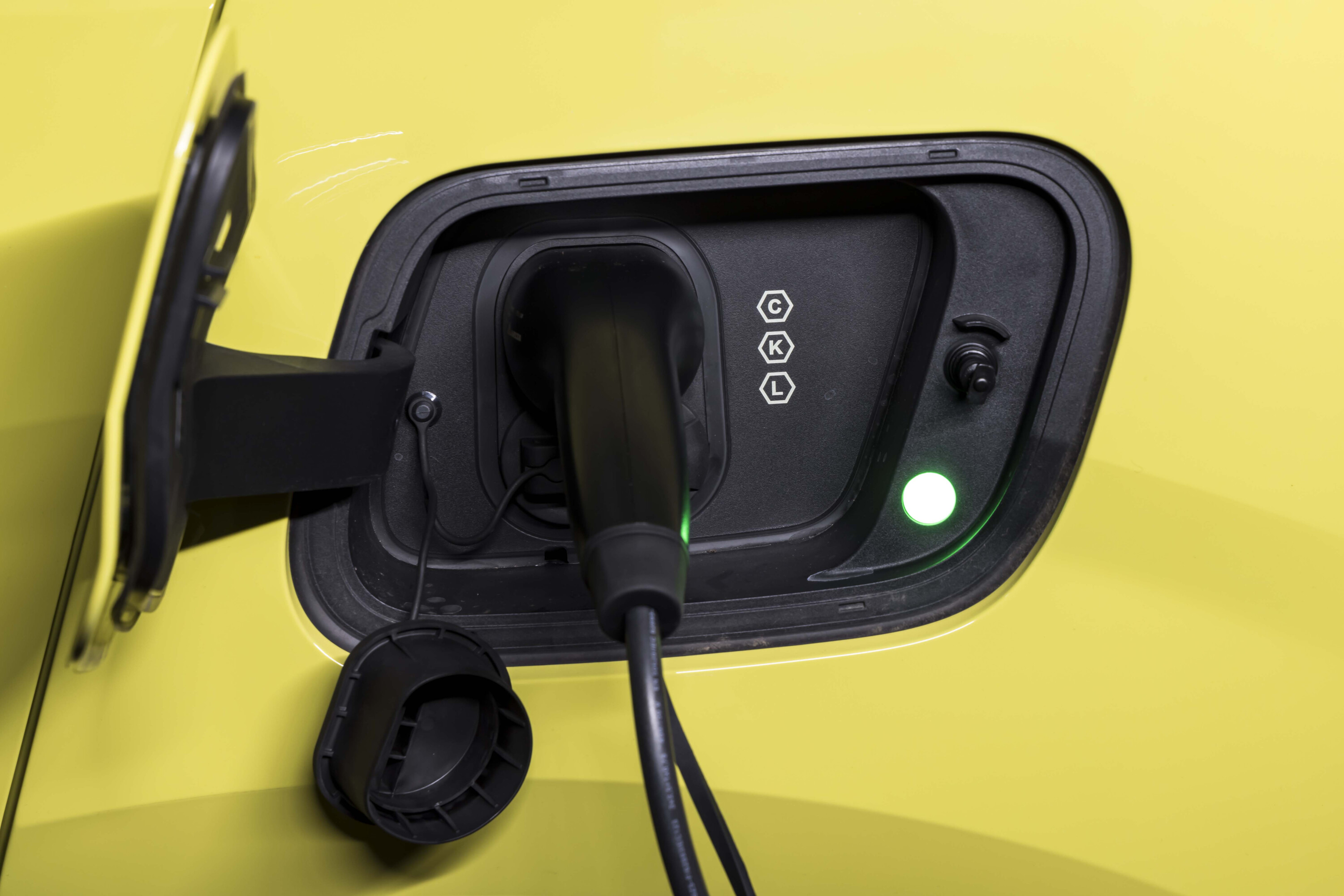
Instead, Volvo has adjusted its electrification goal to something a little less rigid. Between now and the end of the decade, the brand will aim to make 90 to 100 percent of its global sales ‘electrified’ rather than purely electric vehicles (EVs), meaning not just EVs but also plug-in hybrids (PHEVs) will count towards its eco-car target. In Volvo’s own words, “all cars with a cord”.
1
The remaining zero to 10 percent will be mild hybrid models, which are expected to remain relevant in parts of the world where electrical infrastructure and/or the cost of liquid fuels are impacting uptake of EVs and PHEVs.
However, the company remains committed to a long-term aim of going all-electric, even though it no longer has a hard timeline for when such a transition will be completed. That said, Volvo is still gunning for a net-zero CO2 timeline that should see all of its carbon dioxide emissions from manufacturing become neutral by 2040.
5
“We are resolute in our belief that our future is electric,” said Jim Rowan, chief executive of Volvo Cars.
“However, it is clear that the transition to electrification will not be linear, and customers and markets are moving at different speeds of adoption. We are pragmatic and flexible, while retaining an industry-leading position on electrification and sustainability.”
The softening of demand for EVs is one that’s been seen in Australia as well as overseas, as the latent demand for EVs that drove strong sales of battery-electrics in recent years tapered off and was replaced by more gradual growth as the early-adopter crowd took delivery of their first EVs.
Volvo pointed to slow roll-outs of charging infrastructure and the removal or reduction of government incentives as other factors in its decision to move away from its all-EV-by-2030 promise, with protectionist tariffs being highlighted by the company as another barrier. Volvo produces a large number of its EVs in China, a country that has been targeted with high import tariffs by a number of countries, including the commercially-critical US and European markets.
8
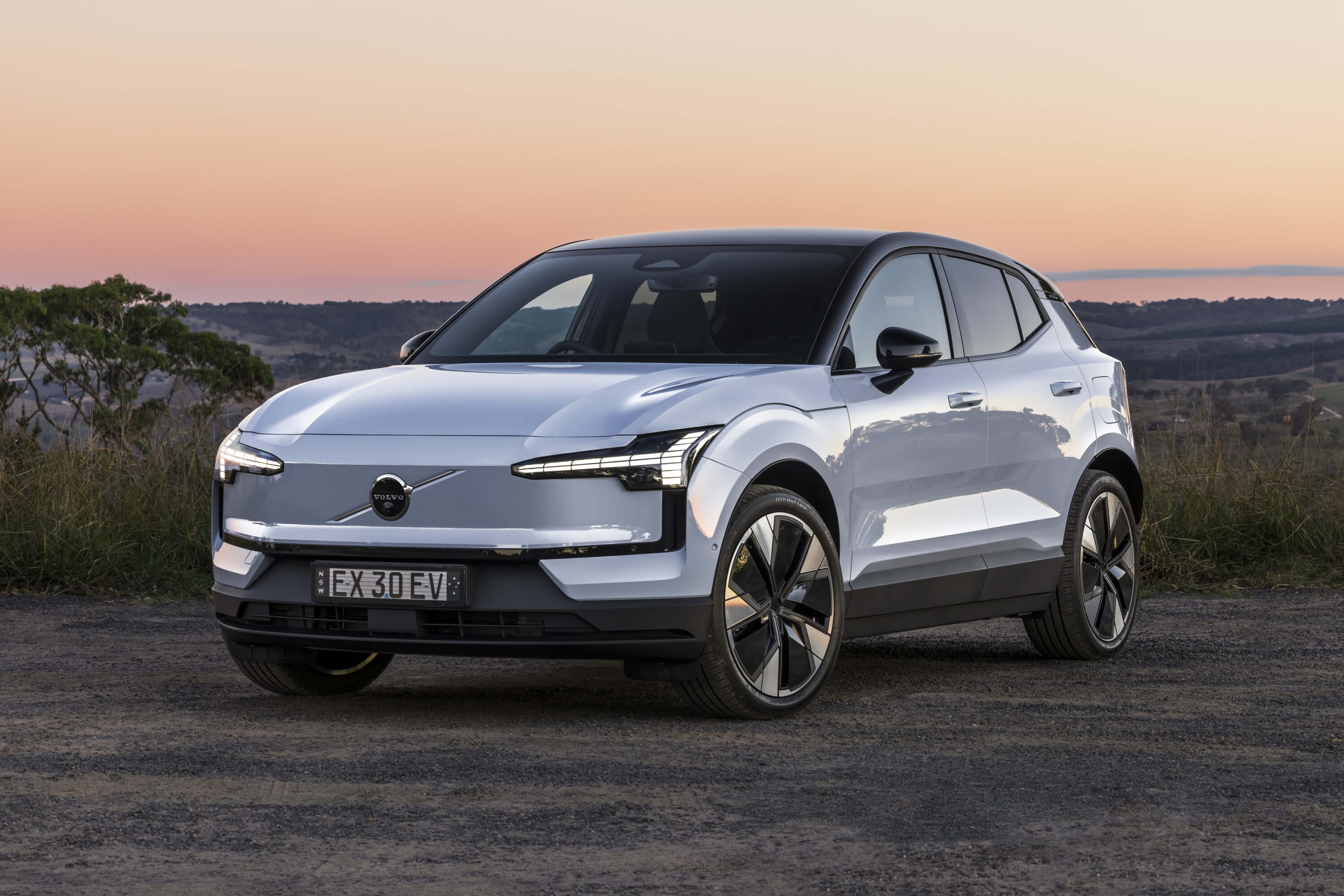
Volvo currently has five all-electric models in its global product portfolio (including the just-launched EX30 small SUV and EX90 large SUV), with another five currently in development – the ES90 luxury sedan being the next off the rank.
In Australia, the local range was slated to switch over to a pure EV lineup from 2026 onward – Wheels has contacted Volvo for comment on what implications the global strategy change will have for the Australian product plan.
For the rest of the world, Volvo is expecting the percentage of EV and PHEV sales to fall somewhere between 50 and 60 percent of its global total by the start of 2025, giving it five years to convert an additional 30-40 percent of sales to cord-having models. For the second quarter of 2024 the total percentage of electrified sales for Volvo was 48 percent, while pure EVs only accounted for 26 percent of the global total in the same period.
New electric platform to be key
The day after it announced it would no longer pursue an EV-only target for 2030, Volvo also announced that its future electric vehicles would be derived from a single “technology stack”. The new architecture, which combines both the physical and electronic architectures of the car, will provide the basis for all of its EVs going forward, beginning with the EX90 and the incoming ES90 luxury sedan.
Dubbed the “Volvo Cars Superset”, the tech stack allows Volvo’s engineers to combine modules together much like that other Scandinavian innovation: Lego. The end result is trimmed development times, lower development costs and increased production line flexibility. The SPA2 platform of the EX90 is the first Volvo architecture to use the tech stack approach, and will be followed by the ES90. The next all-electric model in the pipeline will be the EX60 – the successor to the popular XC60 midsize SUV, which will be the first model to use Volvo’s next-generation SPA3 architecture.
