
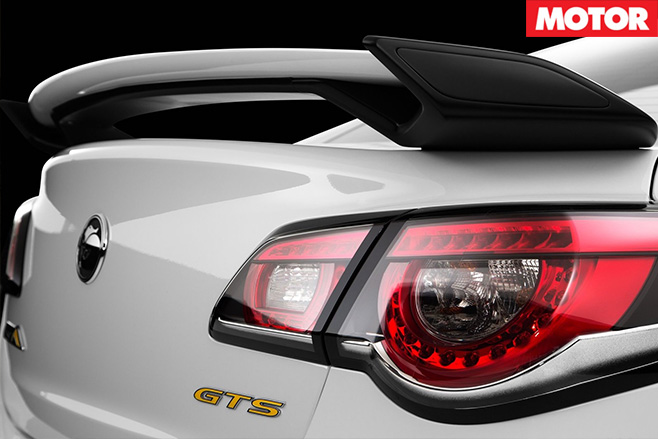
This month marks three years since the HSV Gen-F GTS launched Down Under and that means three calendars of 430kW supercharged depreciation to now tempt enthusiasts.
A 740Nm blown 6.2-litre Gen-F GTS that (in manual form) runs 0-100km/h in a Vbox-verified 4.31 seconds and lobbed new for $92,990 plus on-road costs, can now be purchased from $63,000 before haggling. Call it $60K and a handshake.
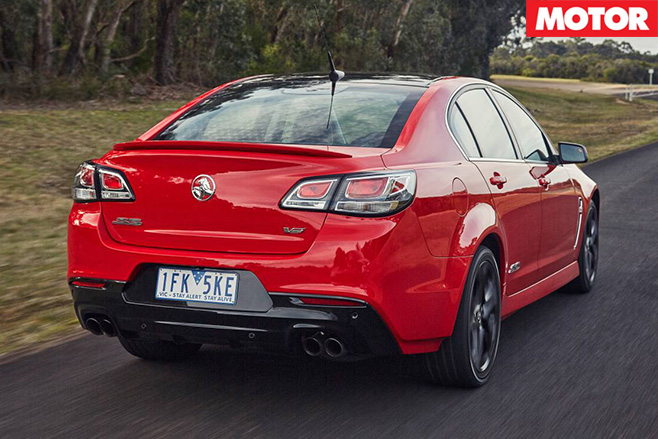
MOTOR rates the GTS very highly. But then we also love the $54,490 plus on-road costs, 304kW/570Nm atmo 6.2-litre Commodore SS V Redline that is in isolation an absolute bargain at sub-$60K on-road, with 4.9-second 0-100km/h claimed performance.
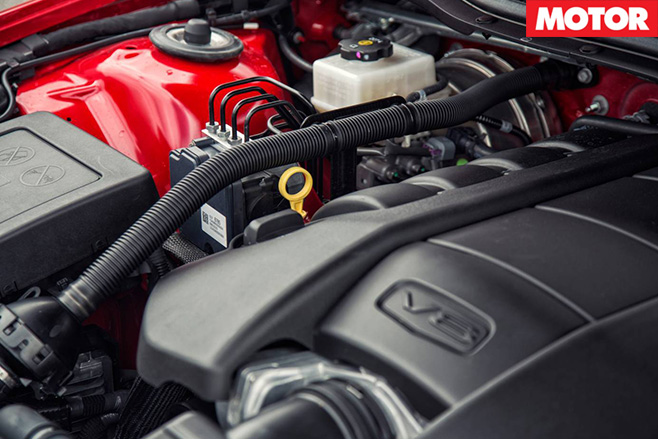
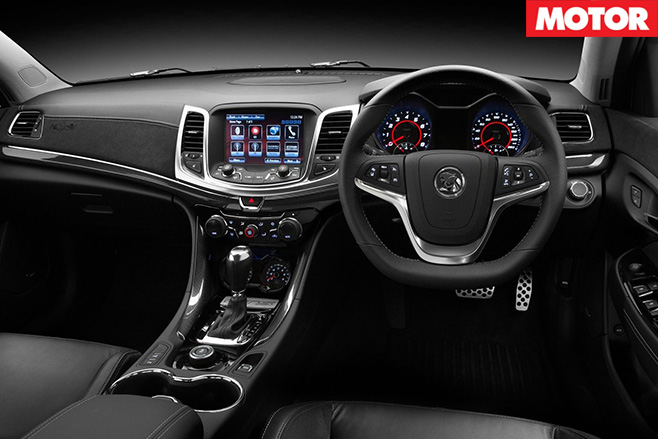
However, in terms of interior ambience the Holden is the pick, at least until Gen-F2 GTS models start arriving on the used market having deleted the tacky ancillary gauges mounted below the climate controls. This is not a $100K interior.
It may be three years since the GTS arrived, but it’s also another year until Holden calls it quits on Australian manufacturing. There are deals to be had on a VF Series II SS V Redline right now – we saw $53K driveaway at one dealership – and that leaves a reasonable $10K gap to a 50,000km-old Gen-F GTS. But the GTS should have a bit further to fall – we hope – in the next 12 months.
Sauber’s financial brinkmanship appears to be over – at least in the short term – with news that an obscure investment company has taken over as owner of the besieged Formula One outfit.
The Swiss team has been beset with financial strife this season, with serious cashflow problems and an operating budget well below its rivals on the grid.
Little-known Longbow Finance SA has acquired Sauber Holding AG, the holding company of the Sauber Group. Longbow Finance SA is incorporated in Switzerland and apparently active in financial investments for more than 20 years. It has been driver Marcus Ericsson’s prime backer for some years.
Sauber says there will be no changes to the team name or the company. However the new ownership means that Peter Sauber will retire, relinquishing his role as president of the board of directors. Sauber will be succeeded as chairman of Sauber Holding AG by by Pascal Picci, the president and CEO of Longbow Finance.
Monisha Kaltenborn will remain on the board and continue to lead the company as CEO and team principal.
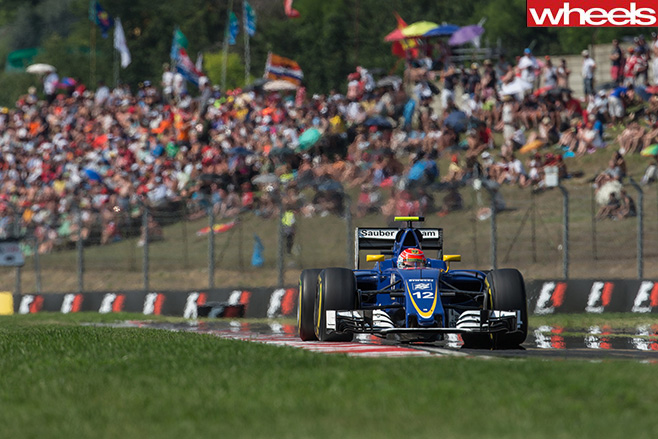
The news provides a boost to the struggling team, which F1 insiders feared might not survive much longer.
Cashflow issues meant employee salaries were paid late for four successive months.
Sauber has also been unable to upgrade its car through the current because of a lack of money. It withdrew from both in-season tests, with a lack of new parts to test one of the key reasons.
Neither of its drivers – Marcus Ericsson and Felipe Nasr – has scored points this season and Sauber currently languishes in 11th place in the constructors’ title standings.
Peter Sauber’s team originally entered F1 in 1993. BMW subsequently bought it and it ran as the German manufacturer’s factory squad from 2006-09, with Sauber then stepping back in to rescue the team when BMW decided to quit the championship.
THE first woman to ever drive a car has been inducted to the Automotive Hall of Fame more than a century after she snuck behind the controls of her husband’s fledgling three-wheeler and went to visit her mother.
The Detroit-based institution honouring all things cars announced late last week that Bertha Benz, the wife of the man who invented the automobile would join her husband Carl among the industry’s recognised luminaries. The wait to recognise Bertha’s role in her husband’s success has been a long one; Carl was added to the register in 1984.
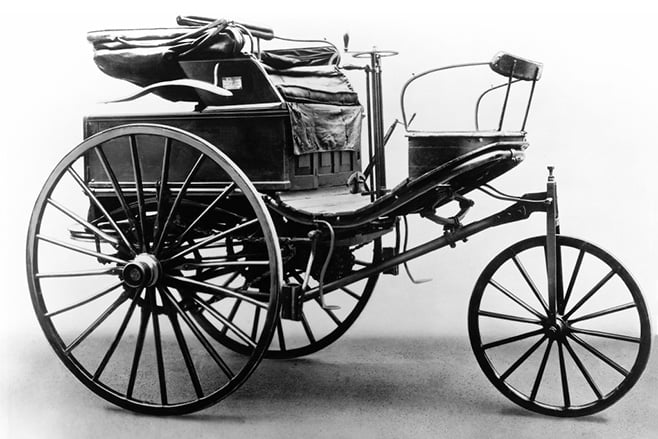
Bertha (pictured above next to Carl Benz) famously invested her inheritance in her husband’s company, allowing him to build in 1886 what is now recognised as the world’s first car – the three-wheeled Patent Motor-wagen Typ I.
However, Carl struggled to convince compatriots that the motor-wagon was the way of the future. Bertha, as it turned out, had the solution.
In August 1888, Bertha borrowed her husband’s car to make a 100-kilometre round trip to her mother’s house, taking a full day to get there. Along the way she had to solve a number of problems, including clearing a blocked fuel line with a hatpin, used a garter to insulate an ignition wire, asking a cobbler to nail leather patches on the wooden blocks used as brakes to make them work better, and asking a blacksmith to mend a broken drive chain.
According to Mercedes-Benz, the mother of four hid her husband from plans to use the school holidays as an opportunity to drive through the German countryside with her sons Eugen and Richard in tow.
“They pushed the three-wheeled motor car for the first few metres as they didn’t want to start the .75 hp (0.55 kW) single-cylinder four-stroke engine until they were out of earshot of the house in order not to wake the inventor from his slumber,” the company says.
“When Carl Benz later entered the kitchen, he would find a message telling him about the journey they had set out on to Pforzheim.”
Along the way, she also had to top up the engine’s cooling system with water, and refuel the engine’s 4.5-litre tank with a cleaning solvent – ligroin – which was only available at chemist shops. The Patent Motor-wagen’s two gears were also too tall for climbing hills, and the car often needed to be pushed up them.
Bertha kept her husband informed of their progress by telegram.
Returning several days later, Bertha used the experience to help her husband improve the motor-wagen. This included adding another gear to help the car climb hills.
Her improvements to Carl Benz’s design would eventually help him to sell 25 of the cars, which included some versions converted to four wheels as an experiment.
A Patent Motor-wagen believed to be the one driven by Berta Benz today belongs to London’s Science Museum. It is on show in Germany.
SPECS Model: Patent Motor-wagen Typ III Engine: 1660cc single-cylinder four-stroke, 2v Power: 1.8kW at 500rpm Transmission: Two-speed fixed pulley, two forward gears Front suspension: Front wheel in control fork with no springs Rear suspension: Rigid axle, full-elliptic springs Steering: Rack-and-pinion steering Brakes: Hand-operated wooden blocks, rear wheels only Wheelbase: 1575mm Track: 1250mm Wheels: 800mm (front), 1125mm (rear) Weight: 360kg Top speed: 16 km/h Fuel use: 10L/100km (est, ligroin fuel)
Want more? Check out nine famous female racing drivers.
The limited edition Porsche 911 R hasn’t even reached Australia yet but is already racing up to A$1.65 million in value on the Europe’s used-car market.
A supercar financing company has told UK media agency Motoring Research that the car marketed as the purist’s 911 is selling at up to seven times its original British price tag.
Prices for used 911s have been rising in recent times, though Magnitude Finance believes the appreciation rate is a record for any new car based on a percentage of its original value.
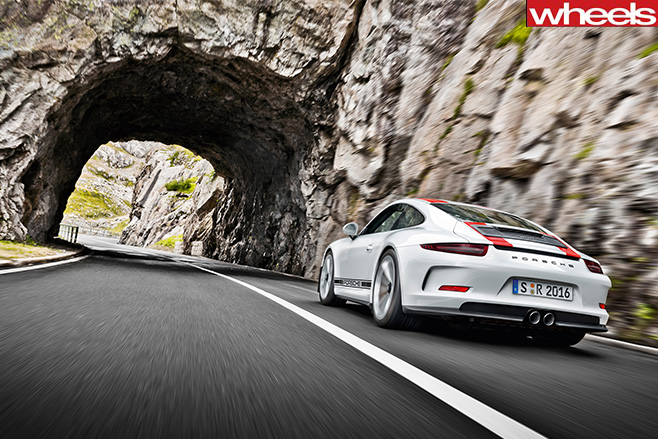
Porsche is building just 991 examples of the 911 R – a number reflecting the model’s series code.
The R stands for racing and marks a model that is the lightest in the 911 line-up. A further reduction in sound-deadening materials and removing the rear seats help it shed another 50kg over the GT3 RS for a 1370kg kerb weight.
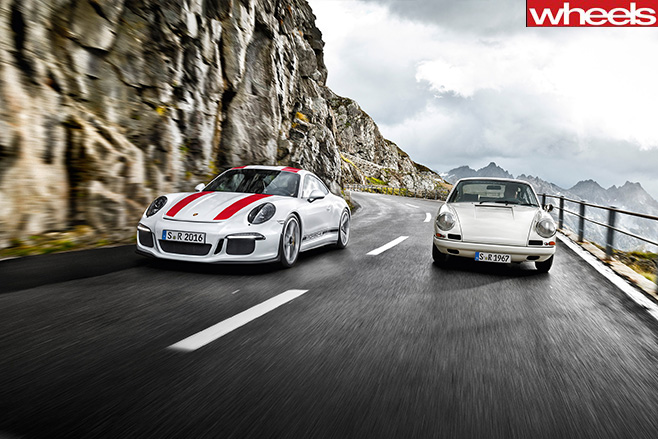
The 911 R will already cost Australians more than it does in the UK or Europe, with a A$404,700 sticker before on-road costs are added.
It is due towards the end of 2016 but Australia’s allocation of just 25 units is already sold out.
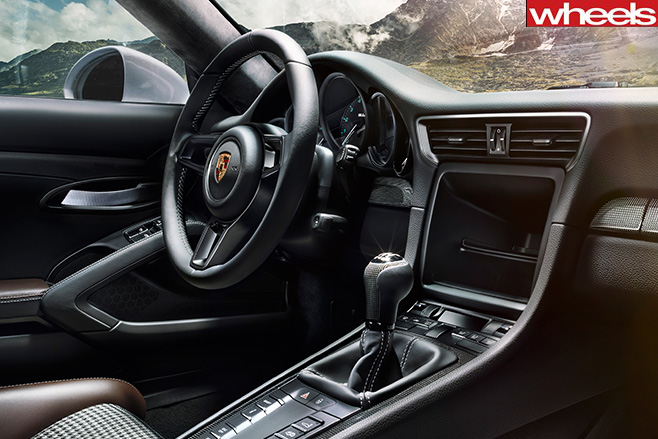
“We could have sold them 10 times over,” said company spokesman Paul Ellis. That might be an exaggeration but we could have sold significantly more than we were allocated.
“We’d be the last to know [about any attempts to on-sell Rs before being delivered], but if we did, we would cancel their order.”
Porsche built just 19 units (plus four tests cars) of the original 911 R in the 1960s. The car competed in various rallies, including the famous Targa Florio.
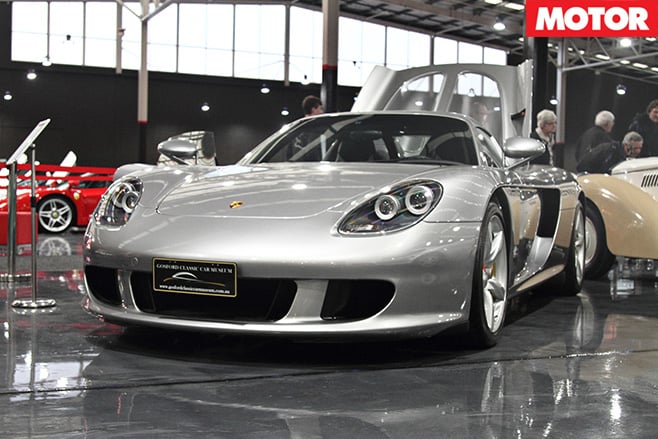
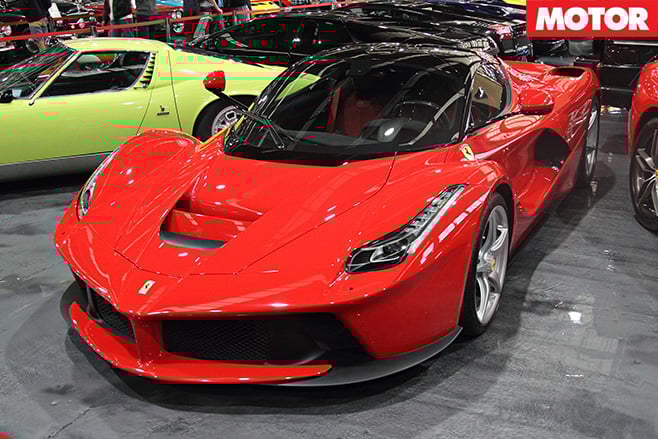
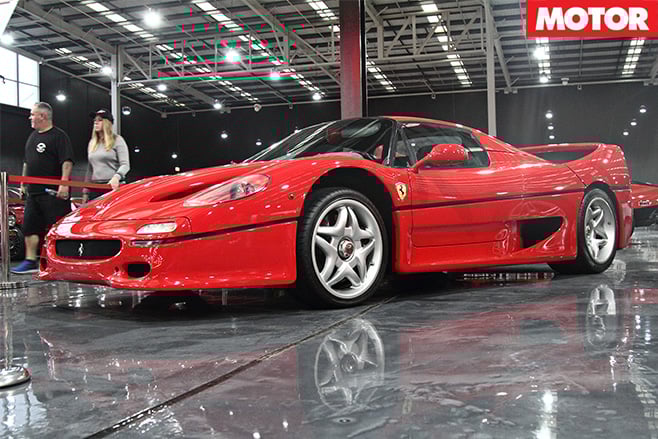
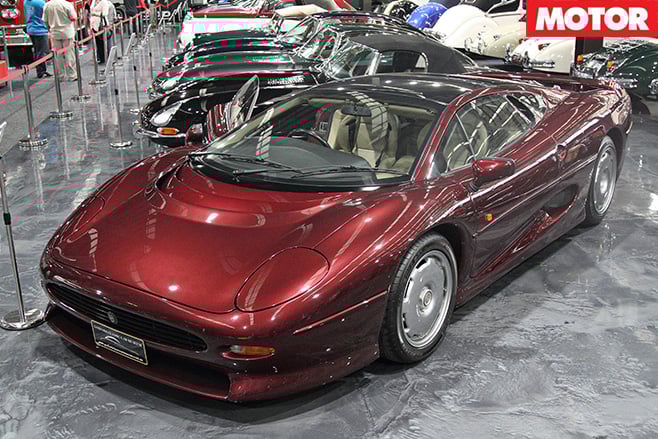
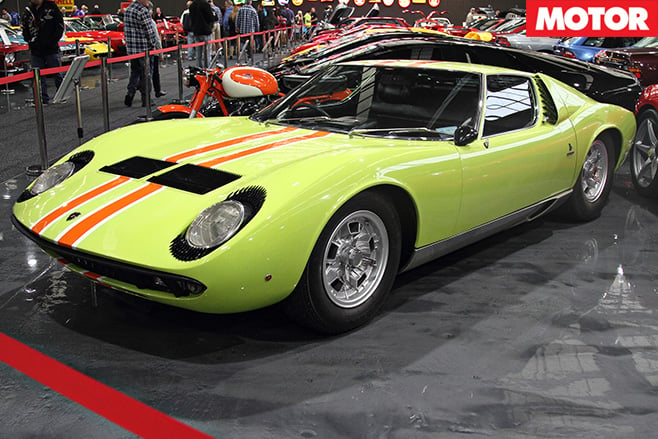
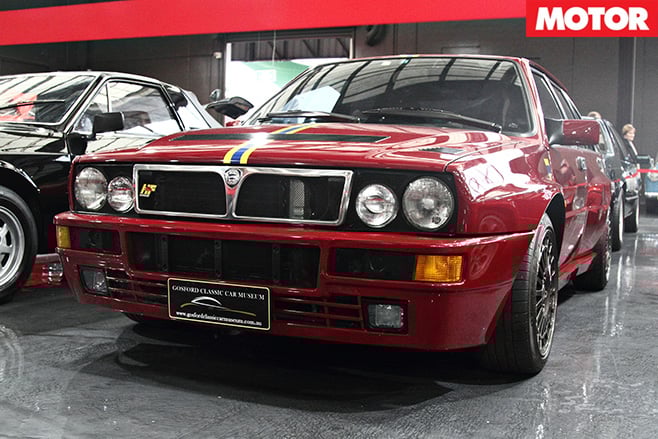
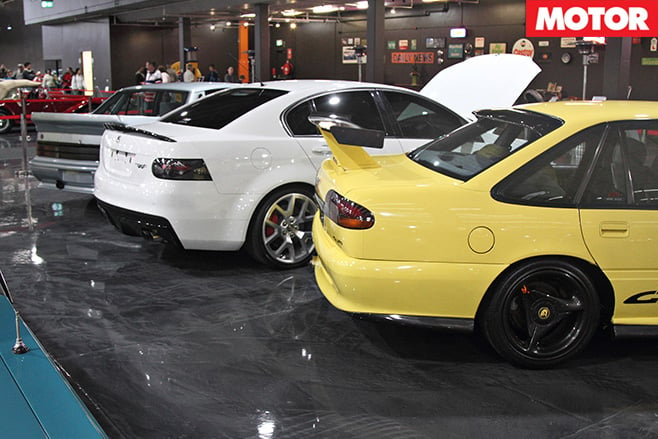
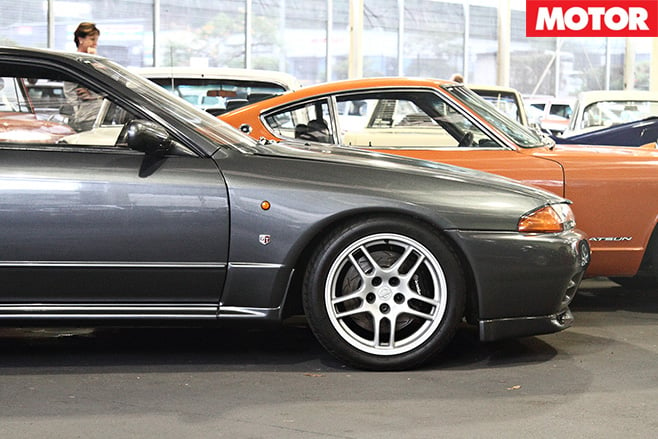
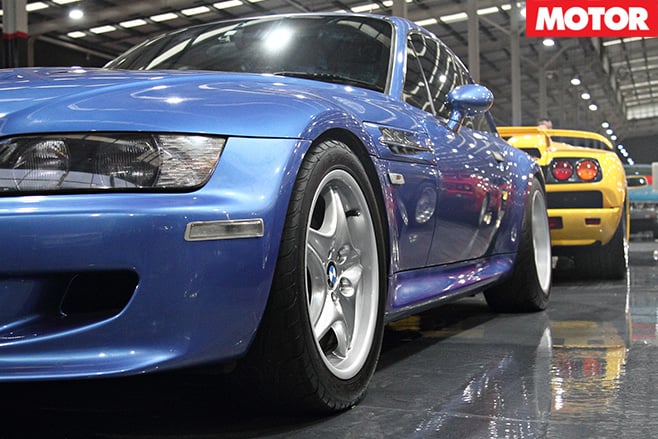
Take one Bunnings Warehouse, remove all horticulture and fill with 400 exotic cars from a LeFerrari and F40 to a Porsche Carrera GT to a Lamborghini Muira to a Jaguar XJ220.
That is exactly what one millionaire has done to create the Gosford Classic Car Museum on the Central Coast of New South Wales, about an hour’s drive north of Sydney.
MOTOR visited the museum – open Wednesday to Sunday, 9am till 5pm, with $20 adult entry – and found not only high-priced exotics filled the halls, but everything from Aussie HSVs to (we’re not joking) Communist-era Skodas to 1960s American muscle cars and even a DMC DeLorean everyone can sit in and pretend to be Marty McFly.But here are our top eight collections…
1. Porsche Carrera GT 2004 V10 manual hypercar one of only 1270 produced, none for Oz
Photography by Alex Bryden.
The Porsche 718 Cayman essentially a mid-life update for Zuffenhausen’s 981 Cayman. Far from being a nip here and a tuck there, the suspension and the interior have undergone some wide-ranging tweaks and boasts an all-new smaller capacity turbocharged flat-four, which replaces Porsche’s celebrated atmo flat six.
1. It comes from a long line of flat-four-engined Porsches including the car that began the dynasty, the 356 (1948-65), and its replacement, the flat-four 912 (1965-69), which was a 911 with the 356’s four-cylinder engine mounted in its rear.
2. It might look similar to its six-cylinder 981 predecessor, but the 718 Cayman is virtually all new, sharing only its windscreen, roof, and luggage tailgate with the previous car.
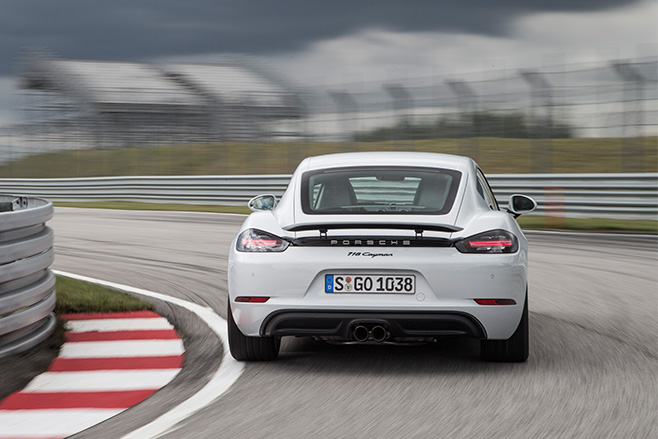
3. Porsche has deliberately brought the 718 Cayman visually closer to the 718 Boxster, much like a 911 Coupe is to a 911 Cabriolet. Previously, the Cayman was more expensive than its rag-top relative (it’s now the reverse) and featured different bumpers, rear taillights and detailing.
4. If you option ‘sport chrono package’ on a Cayman with the PDK gearbox, a ‘sport response button’ becomes available. Mounted in the centre of the little sport chrono dial hanging off the steering-wheel hub, it primes the engine and transmission for maximum “spontaneous” responsiveness (eg. for fast overtaking) for a period of 20 seconds.
5. Not only is the turbo-four Cayman considerably faster than its atmo-six predecessor, it’s significantly more economical. The standard Cayman PDK drinks 6.9L/100km on the official government cycle (compared to 7.7) while the Cayman S uses 7.3L/100km (was 8.0), though its fuel tank is also 10 litres larger than the base Cayman’s (64 litres v 54).
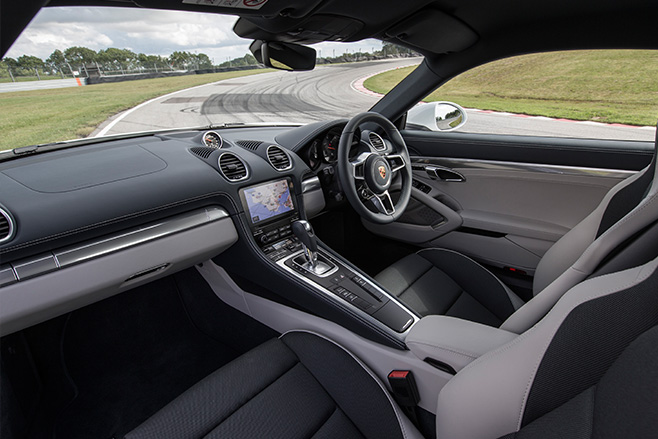
6. Despite rumours to the contrary, Porsche will continue to offer manual gearboxes in its cars, unlike sports-car marques such as Ferrari and Lamborghini. The six-speed manual makes up around 30 percent of Cayman/Boxster sales in Europe, though that percentage is much smaller in Australia.
7. Fears that the new turbocharged flat-four would fail to match the free-revving magnificence of the old flat-six have mostly been unfounded. While the new engine produces maximum power at 6500rpm, the boosted four’s redline remains at 7400rpm and its rev cut-out at 7500, just like the old six.
NOT for the first time, Saturday’s qualifying proved more entertaining than race day when the unpredictable Formula One circus set up camp near Budapest for the Hungarian Grand Prix.
Qualifying in particular was wild and whacky, although it still ultimately uncorked a not unfamiliar result – a Mercedes-Benz lockout of the front row.
Right until the end of qualifying, the shootout threatened a boil-over.
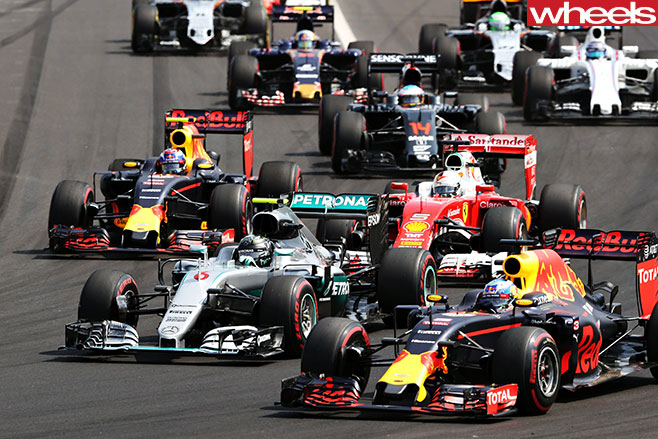
By the end of Q2, the drivers were on slicks and then with a dry line obvious and just a couple of perilous damp patches to be leery of, all 10 survivors were on an equal footing and Supersofts for Q3.
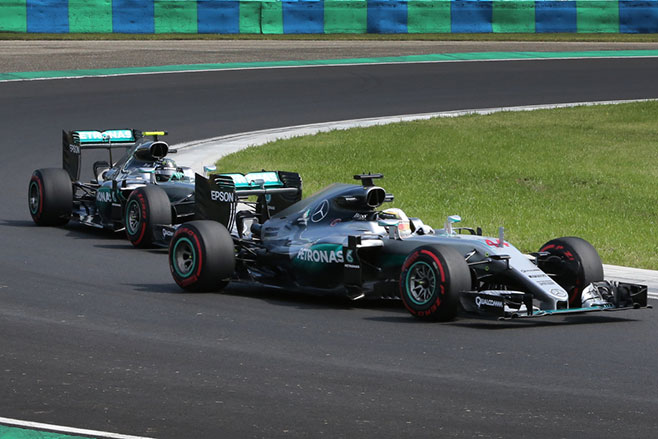
So the order was: Rosberg, who earlier signed a new two-year contract with Mercedes, Hamilton, Ricciardo and Verstappen, ahead of Sebastian Vettel, Carlos Sainz, Alonso and Jenson Button.
“I think we had better than a 19.9 [time] in us,” said Ricciardo. “We don’t get many opportunities to get a pole from Mercedes, but I thought today there was definitely a chance.”
But Hungary was always a circuit that brought confidence to the Red Bull camp. After Friday’s practice, when he was second-fastest to Rosberg, our man Ricciardo ventured to suggest: “We have to target top three; the last two years we have had podiums here.”
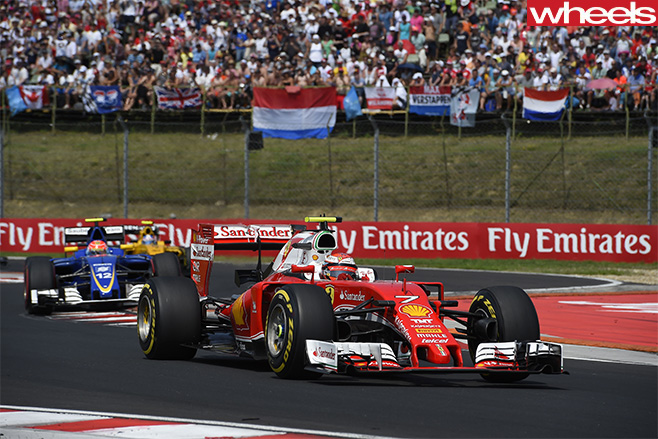
As is all too often in F1, the race was virtually decided in the first couple of corners. The rest of the race was snoozy, large periods of processional activity only broken in the concluding stages by a frustrated Raikkonen making an occasional lunge at an overly defensive fifth-placed Verstappen. One resulted in Raikkonen losing part of his front wing.
“It’s not my job to determine if he was correct or not, but I have seen people penalised for much less.”
At the start, Ricciardo made a blinder from third and fired around the outside of Rosberg to get his nose in front… for the barest of moments.
Hamilton charged through to the lead in the usual scrimmage, and there he would stay, in so doing grabbing a six-point margin over Rosberg in the fight for the world championship.
Rosberg later grumpily declared he couldn’t pass Hamilton on the Hungaroring, while Ricciardo was clearly enjoying delivering a cuff behind the ear to his upstart Red Bull child prodigy team-mate, and at the same time beating home the Ferrari of Vettel.
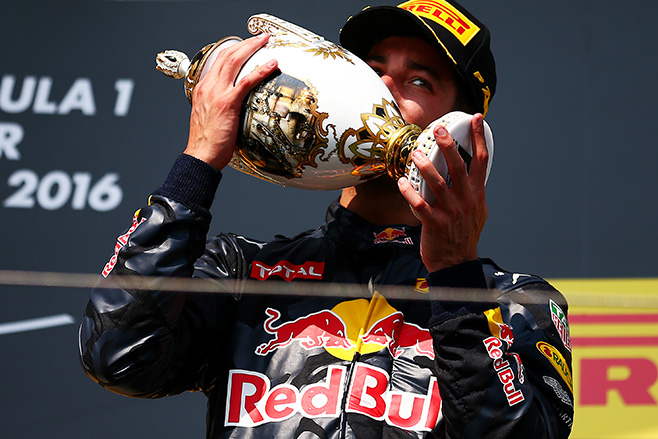
“I think even if we had got the lead, their pace was good so they could have even over-cut us if they stayed out an extra lap. Third was the best we could do and Seb (Vettel) got really close in the last three laps.”
Lowndes, van Gisbergen snare Supercars wins at Ipswich
It was a weekend of two very different parts but one team was absolutely dominant
Shane van Gisbergen led home a crushing Triple Eight Race Engineering one-two-three in Saturday’s Australian Supercars Championship 120km sprint at Queensland Raceway, catching and passing struggling Jamie Whincup and Craig Lowndes in the closing stages.
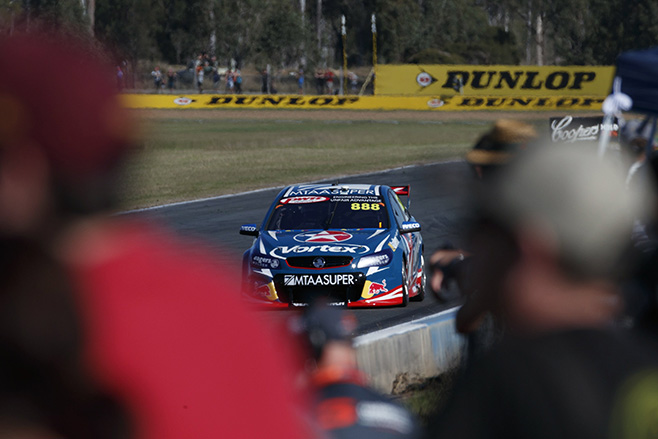
Ipswich, aka known as Hansonville, has been a happy hunting ground for Lowndes across many years.
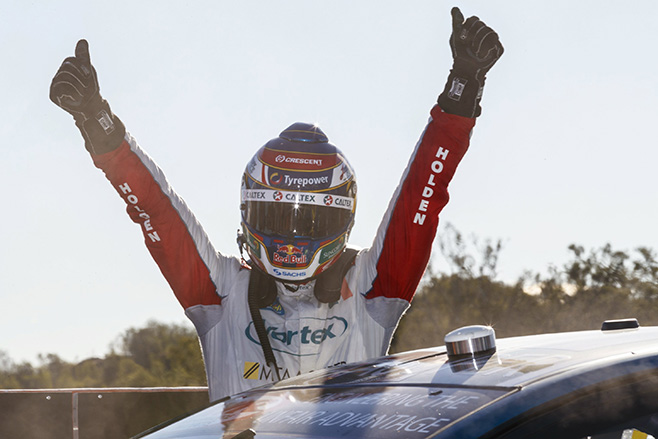
Not that Whincup was too aggrieved. His pair of second places across the weekend pushed out his lead in the championship ahead of van Gisbergen, Mark Winterbottom and Lowndes.
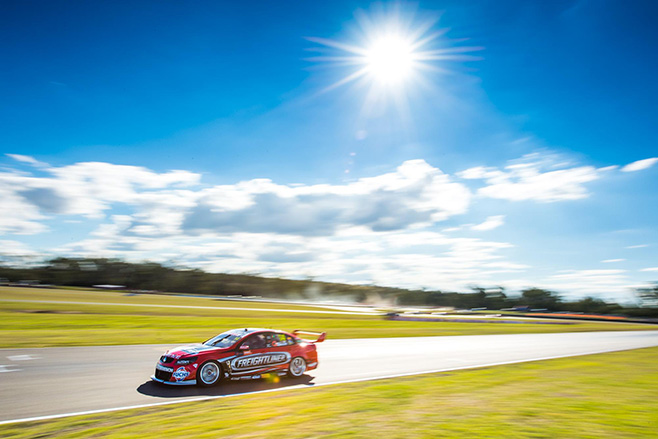
Van Gisbergen was in the mix on Sunday until he made an instant call to pit after seeing Scott Pye fire into a gravel trap and assumed a yellow caution flag would be inevitable. It wasn’t. Van Gisbergen headed into the pit lane to complete a pit stop – only to have to double-stack behind teammate Whincup. It was a costly move.
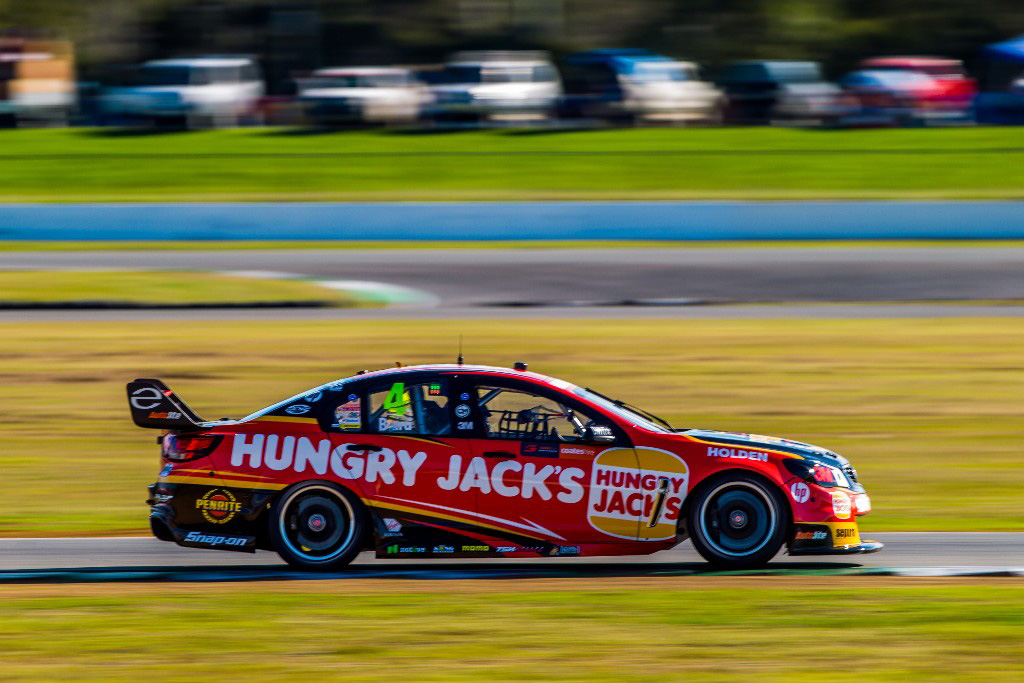
Saturday’s sprint race was way more entertaining, helped by some lively preceding activity.
Kudos to Chris Pither, the Kiwi rookie who claimed a surprise but well-earned pole. Luck didn’t come into this process.
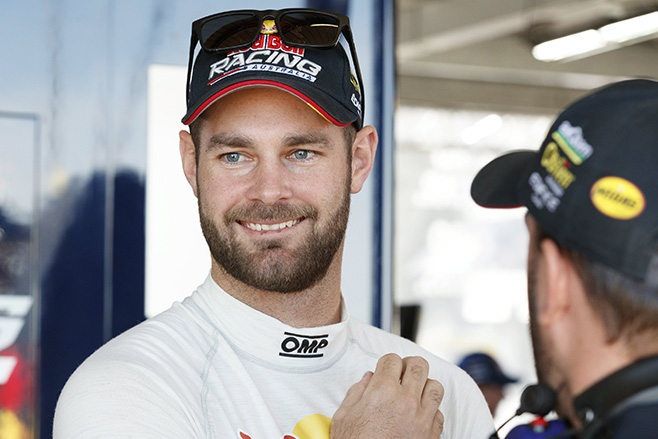
Six-time Australian Supercars champion Jamie Whincup’s looked to have control of the Saturday race, but his late-race pace was compromised by older tyres and a need to conserve fuel, allowing the fast-finishing van Gisbergen to snatch victory on the penultimate lap.
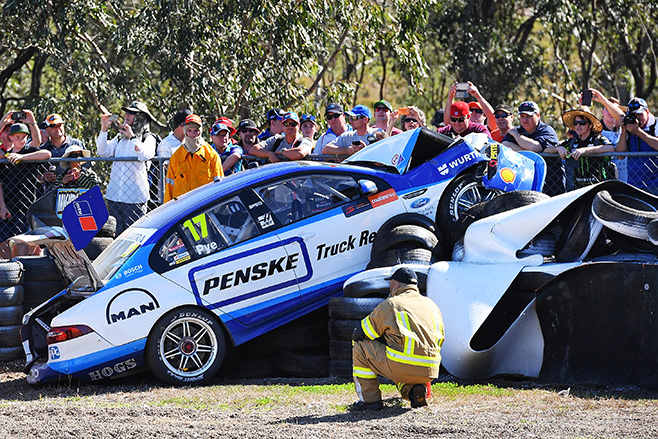
The championship situation is now: Whincup leads van Gisbergen by 110 points, with Winterbottom another 10 further back in third, and Lowndes fourth (-150).
Webber, Porsche claim back-to-back victory at Nurburgring WEC
Fighting back from a puncture in the first hour, Mark Webber, Timo Bernhard and Brendon Hartley have sensationally taken the #1 Porsche 919 Hybrid to victory in the 6 Hours of Nurburgring, round four of the World Endurance Championship.
It was the first win of the season for the reigning champions who took the lead late in the race when the #2 Porsche of Neel Jani/Romain Dumas and Marc Lieb collided with a slower LMGTE Am car, denying them a likely victory.
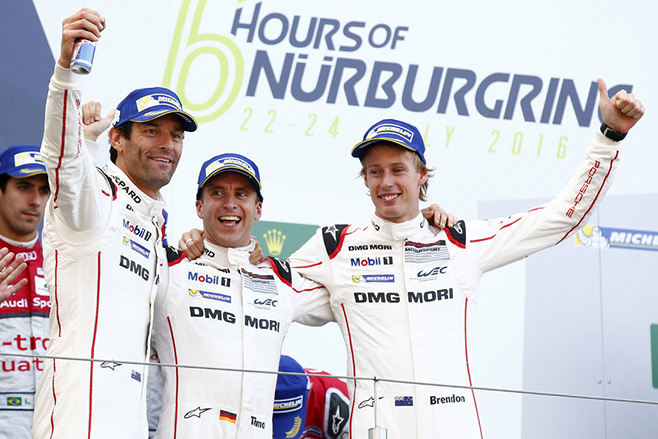
Webber emerged in front.
The #2 Porsche finished fourth, two spots behind the #8 Audi Sport Team Joest R18 of Loic Duval/Oliver Jarvis and Lucas Di Grassi, which has reduced the points gap to the Jani car in championship.
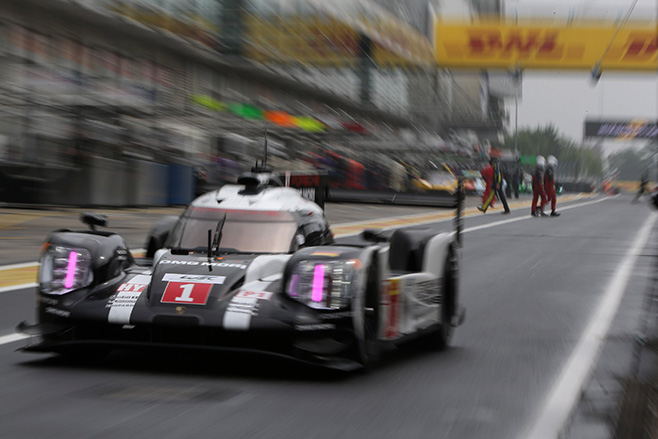
There was no post-Le Mans joy for the Toyotas, which finished fifth and sixth after tough race.
Mawson wins again in German F4
Australian Joey Mawson has enjoyed another successful weekend in the German Formula 4 Championship, scoring a win, a third and a fourth in the three races held at Austria’s Red Bull Ring.
Mawson now holds a 254 to 208 points advantage over nearest rival Mick Schumacher as the series moves into the second half of the season.
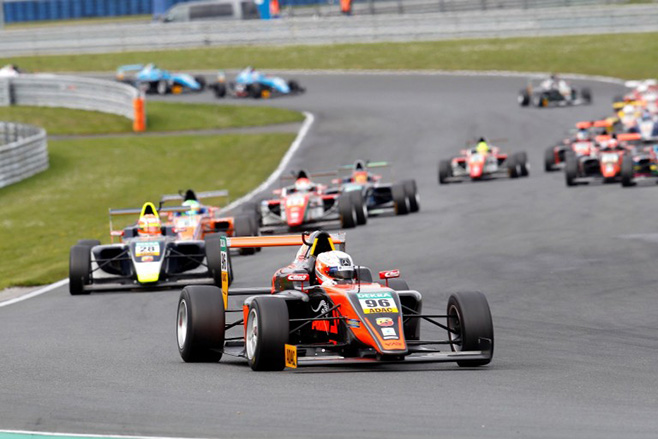
He took a fighting fourth to get his weekend off to a strong start.
From pole for race two, Mawson led away and won easily by six seconds.
The final race of the weekend was a tough one from position seven, but secured another podium finish in the closing laps.
Mawson has increased his lead of the championship to 46 points over Mick Schumacher while also taking his podium tally to 11 from 15 races this season.
The next round takes place at the Nurburgring.
If you take a modern disc brake apart, you’ll find it’s made up of three main parts. There’s the rotor (or disc); the big, round shiny thing that looks like a metal boater hat. Then there’s the caliper which is the part that wraps over the edge of the rotor and when you press the brake pedal, grabs the rotor like a fist closing over it. Inside the caliper is the third part. Actually, it’s usually two parts; the brake pads, and one lives inside each half of the caliper, pressing against both sides of the rotor. These are the actual bits that create the friction that slows the rotor down (and therefore the wheel and tyre) when you need to stop.
Why are these separate from the caliper when they work in unison? Because the brake pad is the consumable, wearing part; the bit that can be thrown away when it’s worn out (by the friction inherent in the way car brakes work) and replaced cheaply (because you don’t have to replace the entire caliper).
You may remember in the old days when your shoes wore through at the bottom, they weren’t thrown away. Instead you took them to a cobbler and he or she re-soled them. Replacing brake pads is like re-soling shoes; it gives the same old shoe a new lease on life. The trick is to keep an eye on how worn they are so you can replace them before they wear out completely and stop working.
Now find out about how ABS works.
The latest generation Hyundai Sonata, which hit Australian dealerships yesterday, mightn’t appear vastly different to its predecessor but it’s the things you don’t often look at, which are the beneficiary of the model’s mid-life update.
Hyundai has adding steering wheel-mounted paddle shifters as standard across the range for the Sonata’s six-speed automatic gearboxes and Elite and Premium buyers now have a beige leather trim option inside.
Hyundai has looked to improve the tyre package for the Sonata. For the Active and Elite models, the 17-inch alloys will come with Continental Premium Contact 5 tyres replacing the standard Kumhos, while Michelin Pilot 3 boots will be fitted to the Premium variant. Hyundai believes the new tyres are better suited to Aussie roads; improving grip and ride comfort, and reducing road noise.
The entry-level Sonata Active is the model to receive the fewest changes apart from the tyre upgrade, which is reflected in $600 increase – taking the current list price from $29,990 to $30,590.
The mid-level Elite model benefits from the addition of rain-sensing wipers, an electronic parking brake with auto hold function, front parking assist, heated front seats and the option to fit the panoramic roof that remains standard in the top-of-the-range Premium. The upgraded Elite now carries a $38,350 list price.
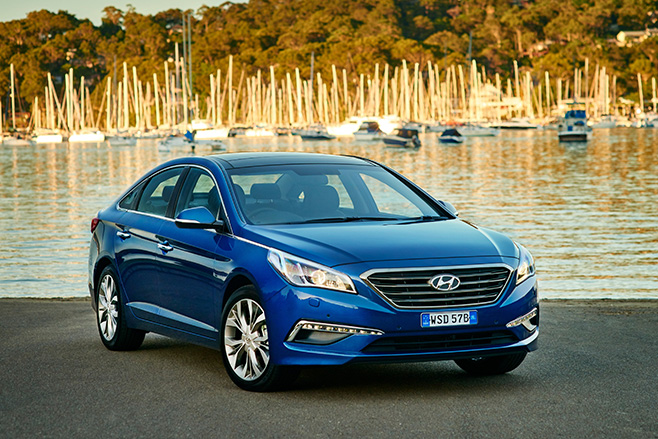
At the higher end of the scale, the Premium gets a bevy of electronic driver aids included in its latest update. Among the list of improved safety features are lane-departure warning, blind-spot detection and the firm’s smart cruise control system, as well as lane-change assist and rear cross traffic alert which is similar to the blind-spot detection system, but activates when you’re in reverse.
The Premium sees the largest increase to its list price, rising to $45,490: an increase of $3500 on the 2016 model.
Under the bonnet, the front-wheel-drive engines in all three variants remain unchanged; the Active maintains its 138kW 2.4-litre petrol engine and the 180kW 2.0-litre turbo petrol power plant for the Elite and Premium variants stays.
The Elite and Premium models keep their eight-inch multi-media touchscreen while the Active’s five-inch system also goes unchanged.
The firm sold 939 brand-new examples of the Sonata in the first six months of 2016, a result which represents a 35 percent increase over the same 2015 period. Hyundai Australia says it hopes the update will improve on an already strong result in the last half of the year.
“The upgrade, particularly with the Premium model and it’s more advanced safety features, will make the model far more competitive in the segment and we definitely feel there will be a renewed interest in the Sonata,” Hyundai Australia’s Guido Schenken said. “An interest that we believe will be reflected in the sales”.
ON PAPER this car sounds like something we might make up for our Sweet Dream section.
Rear-wheel drive, $50K cheaper than the ‘normal’ Huracan and with a suite of subtle changes aimed at making it more fun for people like you and me. And now, we’ve driven it on Aussie soil.
Much like the all-wheel drive Huracan the LP580-2’s 5.2-litre V10 is truly one special donk, indisputably one of the best engines on-sale today. For punch, noise and character, the LP580-2’s V10 is nothing short of epic, a fair whack of the car’s personality.
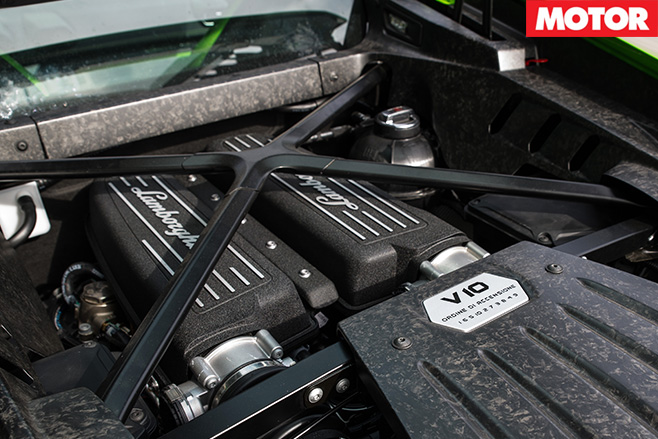
And the changes aren’t just removing the front claws (which saves 33kg), Lambo fitting 19s instead of the usual 20s because the bigger, flexing 35-profile sidewalls offer more steering feel. On top of that they’ve redone the electric steering software for the same reasons.
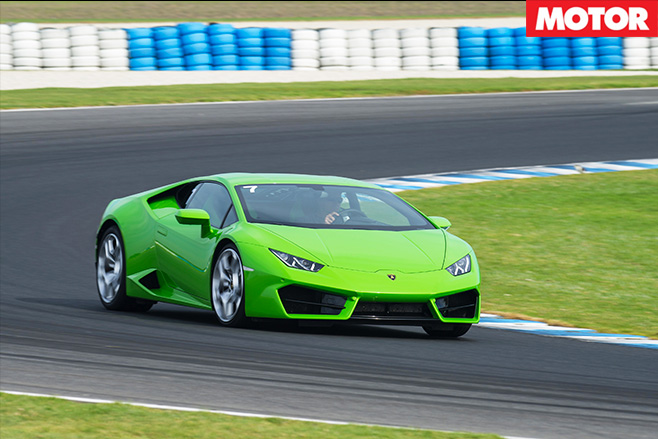
It’s lucky our first Aussie taste of the LP580-2 was at Phillip Island because around Wakefield Park you’d sooner know what a killer whale feels like in a tank at SeaWorld. Much like the all-wheel drive Huracan the 580-2’s span of available performance is otherworldly vast compared to the kind of cars we might have at Bang For Your Bucks.
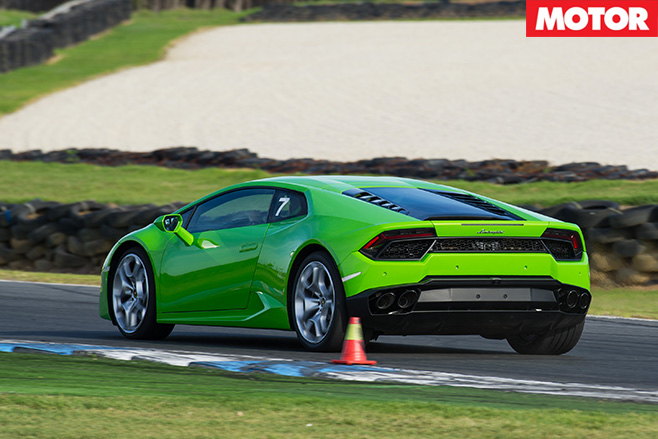
The only hint you get that it’s bipedal is the most nagging traction control light in the world. Pick up the throttle out of corners in what you might presume is a conservative manner and the power is being subtly trimmed as the ESP light flashes away. This thing must be a right handful with the systems off, you’re liable to think.
We don’t know, because on the day Lambo wouldn’t let us switch them off. But it says something that one of the instructors spun a car while giving a hot lap to a passenger.
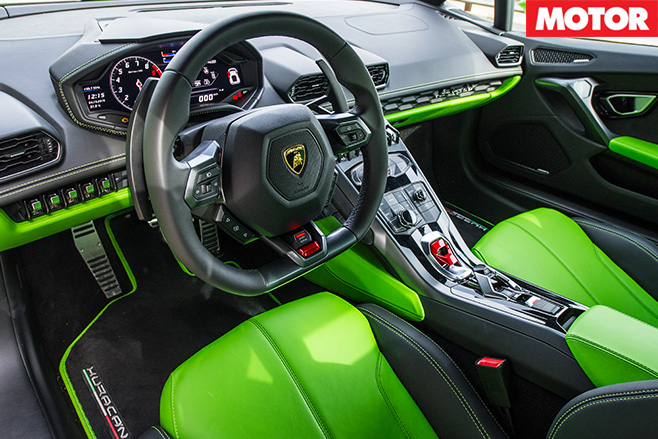
But this is for the better if we’re asked. The 580-2 almost feels truer to old Lambo values of feral-ness than the regular Huracan. You’d buy it just to pocket $50K and with the ESP fully on it’s just as much a pussycat as the all-wheel drive model.
You could buy an SS Commodore with the change and just use it for drift days. But then there’s the dilemma of which you take, it or the 580-2
LIKE: Awesome performance, noise, the idea DISLIKE: Bit bitey (also a good thing?), too inyerface for us
SPECS Engine: 5204cc V10, DOHC, 40v Power: 427kW @ 8000rpm Torque: 540Nm @ 6500rpm Weight: 1389kg (dry) 0-100km/h: 3.4sec (claimed) Price: $378,900
