
A Chinese-built vehicle is still yet to earn ANCAP’s highest rating for crash safety.
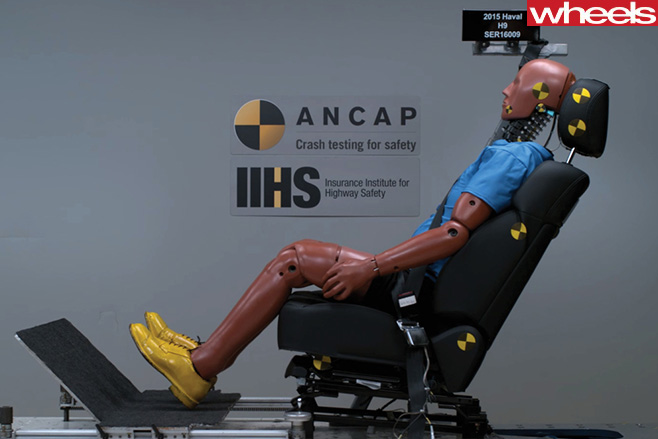
Chinese SUV manufacturer Haval is “very surprised” today after its flagship vehicle failed to achieve ANCAP’s five-star crash safety rating. ANCAP awarded the Haval H9 SUV a four-star score of 30.65 points out of 37.
Haval, a subsidiary of Great Wall, is one of the newest brands to enter the Australian market. It is China’s leading manufacturer of SUVs and sells three models locally; the H2, H8 and H9.
The H9 seven-seater is its largest vehicle, and was found lacking in ANCAP’s frontal offset forward collision test. It scored a single point out of a possible four for lower leg protection. ANCAP also notes a “slight risk of serious chest injury for the driver” in the H9’s technical report.
“Our engineers have been working very hard to deliver a five-star safety rating and all our testing indicated that we would achieve this result. The results of the ANCAP test were clearly unexpected,” said company spokesman Andrew Ellis.
“We have to go back and look at everything we’ve done,” said Ellis. “The data from the test is with the head of R&D, it’s on his desk. We’ve taken it to the top person we can.”
Haval intends to retest the H9 as soon as possible but it’s not clear how soon that will be.
“Our engineers are looking at the model cycle plan for when things are going to happen,” said Ellis. “It’s going to depend on ANCAP protocols. There will have to be some extra safety features added in to qualify for a testing by ANCAP.”
But ANCAP responded saying that additional equipment was not necessary.
“[Haval] would have to make structural improvements, change construction and provide evidence in order to qualify for a re-test,” said ANCAP’s spokeswoman Rhianne Robson.
“[H9] didn’t fall down in any other areas. It’s not lacking in technology. If Haval make structural changes and frontal offset tests improve, it will then need to do a pole test and it should be in the realms of five stars.”
Hyundai went through a similar process with its Tucson SUV.
“Tucson underperformed in the same frontal offset test. Hyundai implemented changes, provided evidence then applied for re-testing and achieved five stars,” said Robson
ANCAP’s push for Australian buyers to “accept nothing less” than five-stars puts pressure on Haval to improve its product.
“We’re committed to a five-star rating,” said Ellis.
A four-star score for the H9 is a marked improvement for Chinese-built vehicles, though. Haval’s parent company Great Wall copped a two-star ANCAP rating for its V240 dual-cab ute in 2010.
Suzuki has extended the touring range of its Vitara small SUV, introducing a diesel version that could take you well over 800km between fuel stops.
The Vitara RT-X Diesel, announced yesterday, has a 1.6-litre turbo-diesel engine that uses a miserly 4.9 litres/100km on the official fuel consumption test (combining city and rural cycles).
With real-world fuel consumption in highway driving commonly approaching combined-cycle test figures – and diesels notoriously efficient in steady cruising – it’s plausible some owners could exceed 800km easily on the Vitara’s 47-litre tank once out of town.
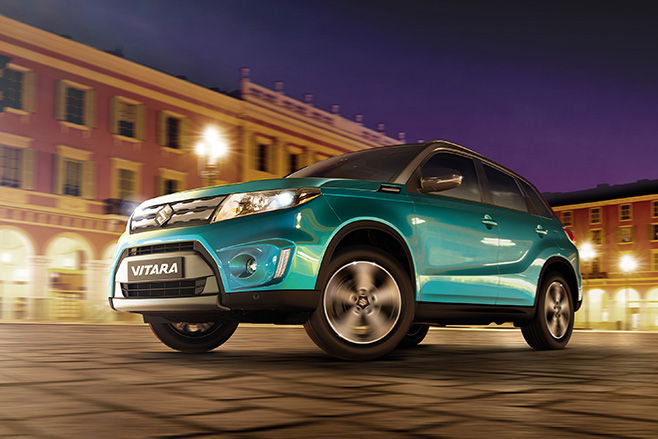
The RT-X Diesel will be the most expensive Vitara, going on sale at $35,990 plus on-road costs.
It will come with all-wheel drive and the only gearbox offered will be a computer-controlled, dual-clutch, six-speed automatic, which maximises fuel efficiency in highway use.
In contrast, petrol-engined Vitaras use conventional six-speed autos which are less efficient but tend to feel smoother in stop-start driving.
The RT-X diesel uses a variable-geometry turbocharger to deliver power and torque figures of 88kW and 320Nm.
The high torque figure suggests it will feel at least as responsive in normal driving as the turbo-petrol Vitara S Turbo ($32,990 in all-wheel-drive form, and $28,990 in front-drive only), and much stronger than the non-turbo front-drive Vitara RT-S ($23,990 in auto form, or $21,990 with a manual gearbox).
Fuel consumption of the AWD Vitara S Turbo is officially rated at 6.2L/100km (combined).
On paper, the Suzuki diesel also offers more power than the slightly smaller (1.5-litre) diesel offered in Mazda’s small-SUV alternative, the CX-3 (77kW and 270Nm), while using marginally less fuel.
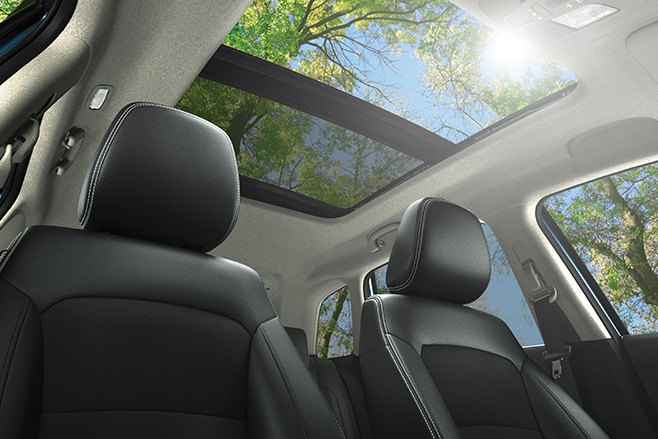
In keeping with its touring orientation, the RT-X diesel will become the only Vitara with a standard sunroof, Suzuki having dropped the similarly equipped petrol Vitara RT-X.
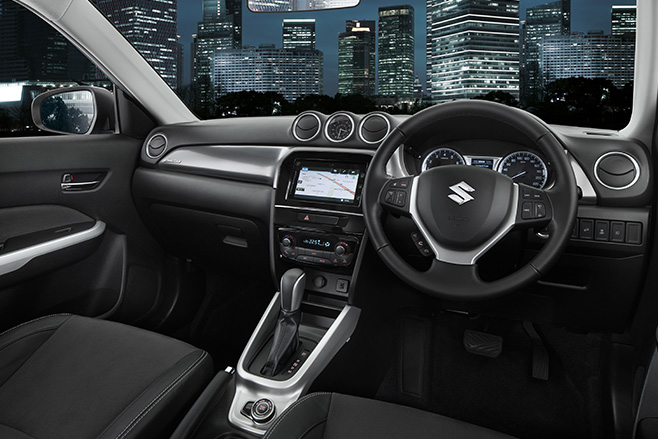
Multimedia features will include support for Apple CarPlay, which allows the Vitara to display apps from compatible iPhones on its 7.0-inch central touchscreen.
The Vitara RT-X diesel also comes with partial-leather seats, satellite navigation and 17-inch alloy wheels.
Click here to read the full review on the Suzuki Vitara.
A leaked image appears to show the new face of Mazda 3, called Axela for the Japanese domestic market.
Changes are slight and evolutionary, bringing the popular hatch into line with more recently released Mazdas like the Mazda CX-3 and CX-9.
A redesigned grille now fully encompasses the Mazda badge, and no longer extends above the headlights, instead meeting them at the lower corners and merging into the remodelled lamps themselves.
The current Mazda 3 (pictured below) has been on sale since 2013.
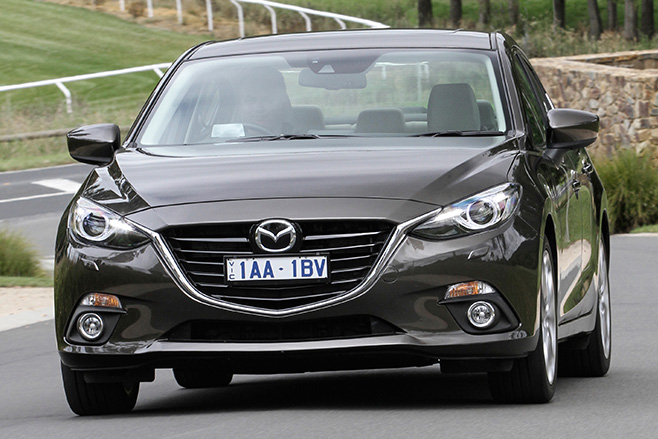
The bumper bar has a restyled air intake beneath the grille, and simplified light clusters on either side with what appear to be LED driving lights rather than the conventional fog lights of the current car (pictured above). Reshaped turn signal indicators sit above the driving lights and have been added to the side mirrors.
According to the text on the leaked brochure, the car pictured features Mazda’s 2.2-litre twin-turbo diesel engine.
The current Mazda 3 arrived in 2013 and is yet to receive any visual tweaks, so the timing is about right as far as mid-life updates go. Alterations to the interior and rear of the car are also expected.
If the leaked image is the real deal, an official debut of the refreshed Mazda 3 is likely to happen in the second half of this year, with an Australian arrival closer to 2017.
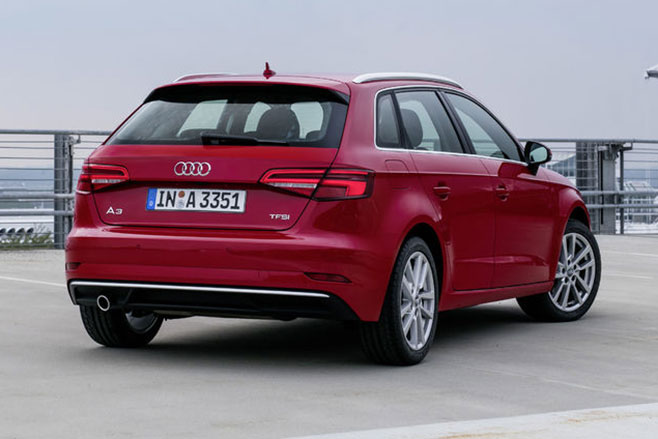
AUDI hopes to keep its bestselling model, the A3, ahead of the popular Mercedes-Benz A-Class/CLA duo with this mid-cycle facelift. New engines, updated interior, more kit, and some sharp styling tweaks keep the German premium small-car competitive.
WHAT IS IT? The A3 is about to lose the popular 92kW 1.4 TFSI with October’s facelift, probably for a fresh 1.0 TFSI three-pot turbo – but only if the reviews are good, Audi says. The changes also include the option of high-tech instrumentation, upgraded multimedia, more safety, and an all-new 2.0 TFSI replacing the outgoing 1.8 TFSI.
WHY WE’RE TESTING IT We’ve long rated the current A3 based on its superb dynamics, powertrains, and an interior gorgeous enough to justify the extra outlay over the Volkswagen Golf. The upcoming facelift builds on that with updated driver-assist tech, multimedia, and powertrains, but the all-new 1.0 TFSI turbo triple that will most likely replace the discontinued base 1.4 TFSI loses the multi-link rear for a simpler torsion beam, which isn’t very Vorsprung Durch Technik.
THE WHEELS VERDICT While the German premium small car segment is fiercer than ever, the longest-running player, Audi’s A3, is still one of our favourites. It combines tasteful design, excellent quality, slick performance, impressive efficiency, and involving dynamics better than any of its also-accomplished competitors. No wonder then that Ingolstadt’s car has been the long-term segment bestseller. The 2017 facelift does bring worthwhile progress in the areas of driver-assist tech and the compelling “Virtual Cockpit” from the TT, but it is the basic things that the Audi still does so right that keeps it in our good books. However, while we’re fans of the bolshie new 1.0-litre three-pot turbo engine, it (along with the 1.6 TDI) ditches the excellent multilink independent rear suspension for a lesser torsion beam arrangement. The end of the 2.0 TDI option is also disappointing.
PLUS: Design, dynamics, cabin presentation, performance, efficiency, sheer range choices MINUS: Muted steering, noisy 1.0 TFSI when extended, inferior torsion beam rear on 1.0 TFSI/1.6 TDI
THE WHEELS REVIEW AUDI reckons it invented the premium small car with the original A3 in 1996. Fans of the ’60s era Mini-based Riley Elf and Wolseley Hornet might have something to say about that, but look where those brands are today. Clearly, Ingolstadt knows how to make something stick.
Now, four years and a million cars later, the third-gen A3 has just undergone a facelift. Not Renee Zellweger levels of vast visual transition, but enough to keep the hard-charging Mercedes A-Class at bay, it’s hoped, when Aussie sales start in October.
Along with a flatter and squarer grille, there are redesigned (all-xenon or optional LED ‘Matrix’) headlamps, bumpers, air intakes, tail-lights, and diffuser. The aim is to give the Sportback, Sedan, and Cabriolet a more contemporary A4-esque look.
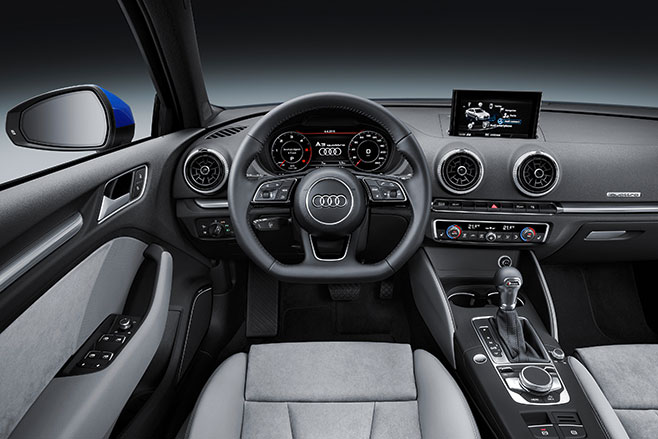
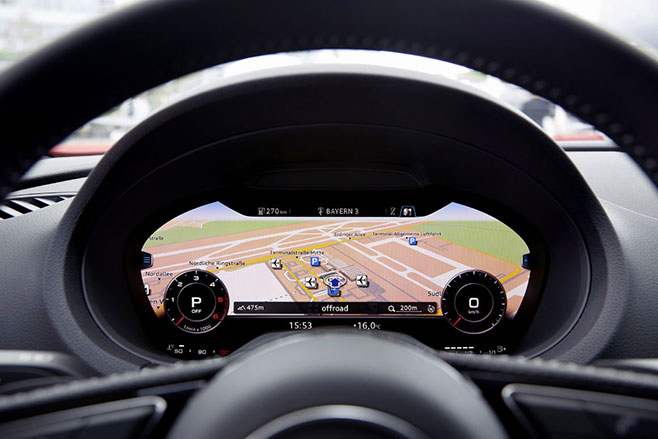
Also fresh is the optional Virtual Cockpit instrumentation. Said to have been a huge challenge to fit within the carryover dashboard architecture, it brings a configurable multimedia TFT screen in lieu of regular dials. The iDrive-style MMI remote controller also has been modernised. Both work seamlessly.
A 40:20:40 split rear backrest, Apple CarPlay/Android Auto, on-board WIFI, inductive charging, a new steering wheel, and revised colours and trim complete the makeover. As expected, the quality remains Audi-level OCD.
Speaking of control, the A3’s chassis is largely left alone, with the MQB-based MacPherson strut front/multilink rear suspension architecture in most versions deemed sufficiently sorted. As is, the electric power steering, while light and remote at lower speeds, firms up satisfyingly as the pace picks up, for crisp, involving, and secure handling. Unfortunately, ultra-smooth German launch roads precluded ride quality analysis, so we’ll reserve judgement until we drive it here.
Big changes do lurk in the engine line-up, however, with the lovely base 92kW/200Nm 1.4 TSI four-pot turbo turfed out for… either the continuing (and best-selling) 110kW/250Nm 1.4 TFSI sweetie with fuel-saving Cylinder On Demand tech, or – and this is a maybe – the A1’s terrific 85kW/200Nm 1.0 TFSI three-pot turbo.
Audi isn’t sure if Aussie buyers are prepared for such dramatic downsizing. We disagree in principle, since this is a smooth and punchy performer, sprinting off the line eagerly (perhaps too much so, with some axle tramp experienced in wet conditions), and pulling away energetically up through the rev range via a polished seven-speed dual-clutch S-tronic.
Our reservations rest with the unexpected level of engine noise when the engine is fully extended – and that would be a regular annoyance when loaded with passengers or over hilly terrain. Not very premium. Additionally, choosing the 1.0 TFSI (or the 1.6 TDI for that matter) brings an inferior torsion beam rear end. Both are retrograde steps over the outgoing entry 1.4 TFSI spec.
Also gone is the spirited 132kW/250Nm 1.8 TFSI/six-speed S-tronic combo, but the succeeding all-new 140kW/320Nm 2.0 TFSI/seven-speed alternative (also from the A4) is more than worthy – it leaps into action and is muscular across the board with delicious polish. In either front-drive or quattro AWD, the 2.0 TFSI’s performance didn’t feel that far adrift from the EU-spec 228kW/400Nm S3 Cabrio also sampled. The latter now sports more oomph, the seven-speed S-tronic, and firmer suspension, though ours will use a neutered 213kW/380Nm version due to hot-weather compromises. As for the facelifted RS3, well, that has yet to surface.
Prices, we’re assured, will remain “in line” with the outgoing versions, which start from $36,500.
In summary, then, the facelift’s changes – all 2300 of them – run deeper than the samey styling suggests. Clearly, Audi intends to keep dominating the segment it reinvented. But we’re not sure if the 1.0 TFSI/torsion beam combo is the right move. After all, no-one wants the A3 to go the way of Riley.
SPECS Model: Audi A3 Sportback 1.0 TFSI S-tronic Engine: 999cc 3-cyl, dohc, 12v turbo Max power: 85kW @ 5000-5500rpm Max torque: 200Nm @ 2000-3500rpm Transmission: 7-speed dual clutch Weight: 1170kg 0-100km/h: 9.7sec Fuel economy: 4.7L/100km (est) Price: $37,000 (est) On sale: October 2016 (est)
So we’re well into 2016 – well past the deadline set by Marty McFly – and we still don’t have flying cars. And I think I know the reason… Darwin.
Not the city, although, let’s be honest, their contributions to transport technology start and end with beercan boats. No, the reason is Darwinism. Evolution. Or more specifically, devolution.
For the first six or seven decades of the auto industry, cars got constantly faster, more capable, and… well, cooler. And the driving public evolved with them, cheerfully driving faster and further every year, even when it meant being fired through the windscreen during every minor bingle.
Now modern cars have more computing power and more high-tech materials than the Eagle Lander that put Neil Armstrong on the moon. But most drivers are less competent, and have less understanding of how a car works, than ever before. Because they don’t need to.
Cars are evolving faster than the drivers who control them. The modern driver is like a Space Odyssey ape-man pawing at a high-tech monolith he isn’t sophisticated enough to understand. And instead of pushing forward the boundaries of what cars can do – aka flying cars – auto makers just make it easier for drivers to do as little as possible.
For the slowly devolving masses, car makers now give a man a fish, instead of teaching him how to fish; so instead of flying cars, we get self-parking cars, radar-lane-assist cars, and yes, soon enough, driverless cars.
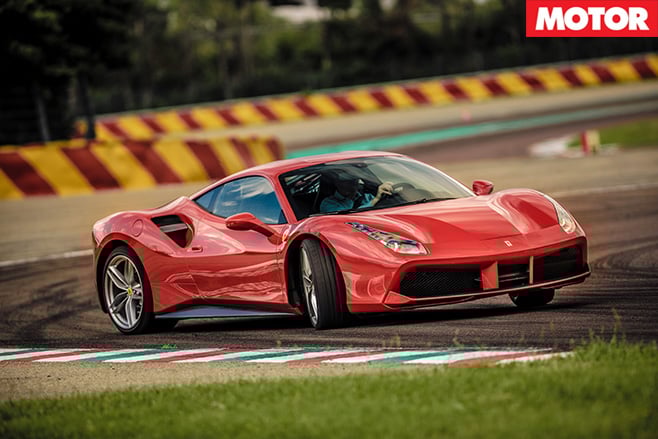
“Oh, but flying cars would be so dangerous,” moans the nanny brigade. If the hand-wringers had been around in the 20s, speedometers would still top out at 35km/h, because driving at 110km/h is too dangerous. Back then, engineers focused on how to make cars faster, not safer, even if that meant going over a speedhump too fast would spear the steering column through your sternum. (Just kidding. They didn’t have speedhumps back then. They had the Mille Miglia.)
If those engineers were here now, and had access to CAD, and windtunnels, and carbonfibre monocoques, and hybrid KERS units… well, the LaFerrari would be able to fly. You know why the aeronautical industry went from Kitty Hawk to the moon in just 66 years? Because the pearl-clutchers don’t fly planes.
So if we want flying cars – and let’s be honest, we do – what’s the answer? This is going to sound harsh, but bear with me.
Since cars are evolving faster than drivers, we need to reintroduce the motivating force of evolution. We need to bring Darwinism back into motoring.
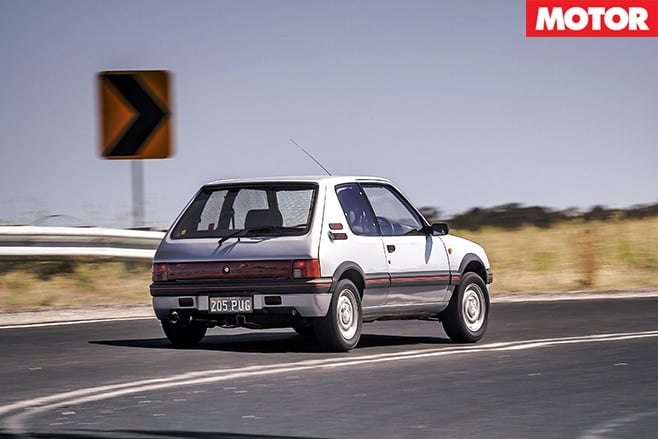
The unrestricted speed zone outside Alice Springs – surprise surprise – reduced accidents despite the moans of the motoring anti-Darwinists. Why not introduce it everywhere, and let the fittest survive? (Not literally the fittest, though, or I’m screwed.)
And while the feeble are going the way of the dodo, at the other end of the evolutionary scale, you have the eagle: not anxious meat-cushions relying on the absence of risk to keep them alive, but self-sufficient alphas, masters of their environment.
In motoring terms, we’re talking about drivers who can reverse park. Keep in their own lane. And quite possibly do their own damn side slip control. You, in other words.
Instead of living in a world where an army of meek dodos have not only inherited the earth, but have started suggesting that birds don’t need wings anyway, we could go back to an age of breaking boundaries and going further… higher. And you know what that means. We, the evolved alpha birds, get to do what we were born to do: fly.
The steel coil springs that most cars use for suspension these days do a great job of smoothing out the ride and keeping the car’s tyres on the road. But they’re not very good at staying in one place, so the typical suspension system also consists of a series of arms and links to locate the spring.
These arms and links hold the spring and attach it to the car at various points. The arms pivot off these points and allow the springs to compress and do their job. Sometimes the pivot point is a simple hinge, other times it’s an attachment that allows for movement in multiple planes.
Suspension arms can also work as fulcrums, maximising the effect of the spring without making the spring itself too bulky or large. Any movement in the suspension arms beyond their design will cause a car to feel ‘loose’ and rattly. In some cases, this excess movement can lead to the car actually steering itself randomly… when the driver would really rather go in a straight line.
The new Subaru Forester tS will be the sportiest and most expensive version of the Japanese brand’s SUV when it goes on sale in June.
Subaru Australia has announced a $54,990 price tag for the tS, which is a collaboration between the company and its performance division, Subaru Tecnica International.
It costs $7000 more than the Subaru Forester XT Premium on which it’s based, though Subaru says a long list of mechanical and aesthetic upgrades are worth $12,000.
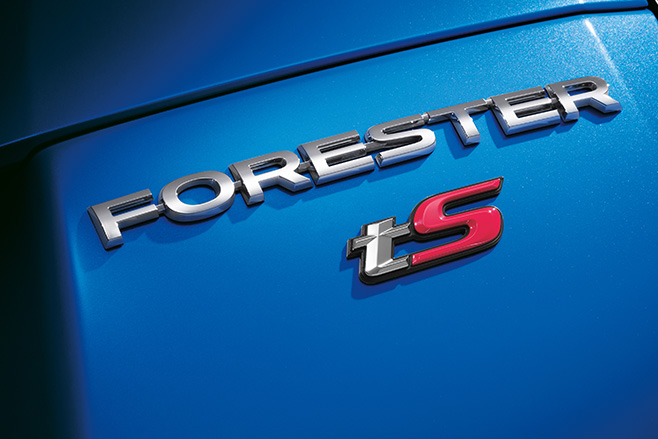
The tS – for ‘tuned by STI’ – modifications include front and rear brakes from specialist supplier Brembo, lightweight 19-inch Enkei rims, and a significant suspension overhaul.
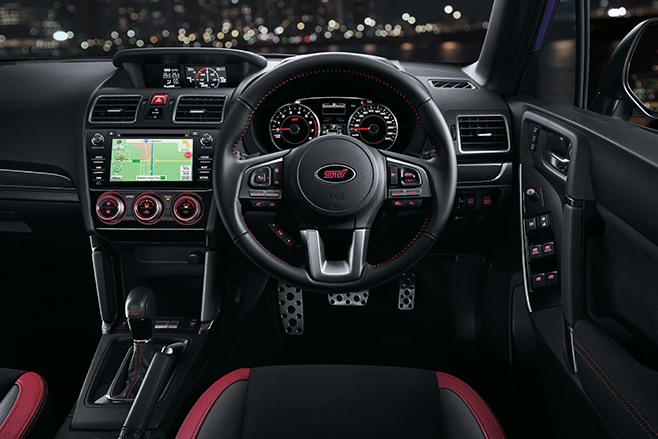
Additional bushings, a rear subframe support, flexible shock absorber tower bar and flexible draw stiffeners are all designed to help improve steering response, cornering stability and ride comfort. The Forester’s springs are also lowered by 15mm, and the shock absorbers tuned for sportier handling.
Disappointingly, there are no changes to the engine despite the signature cherry-red STI badge appearing on the tS.
The turbocharged four-cylinder produces the same 177kW as the XT rather than the 221kW of the company’s famous WRX STI. It’s teamed with a continuously-variable automatic transmission, with no manual gearbox option.
In addition to the STI and tS badges, the flagship Forester gains an STI front spoiler and roof spoiler.
STI logos are also prominent on the steering wheel, engine starter button, gear lever, instrument cluster and seats.
Red stitching is applied to the leather/suede seats, leather steering wheel, door trims and centre console lid.
Subaru Australia says it has ordered 300 units of the Forester tS for the local market.
Now read 7 things you didn’t know about Subaru Forester.
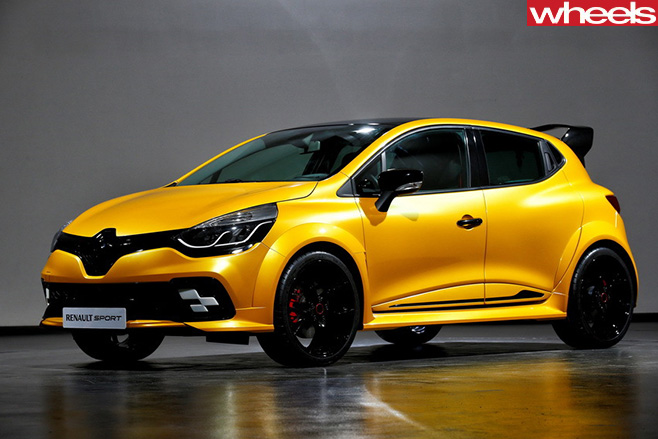
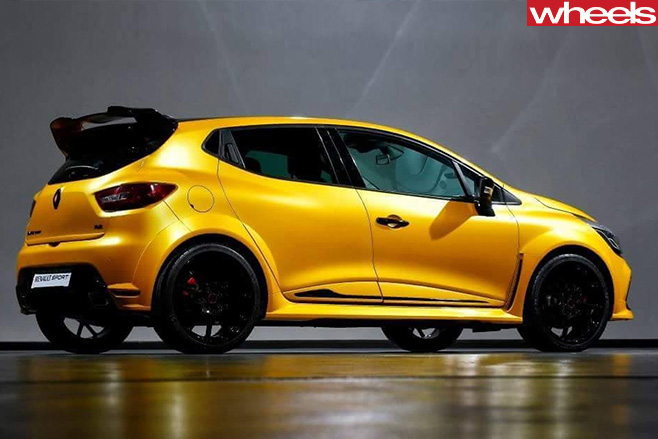
A madder version of the Renault Sport Clio will be unveiled at the Monaco Grand Prix later this week.
Renault has issued a single official image of the car that may be badged RS16, following the leak of several pictures on a Greek website.
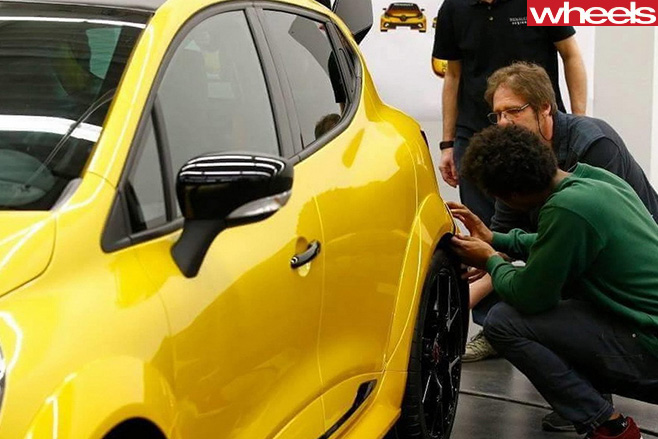
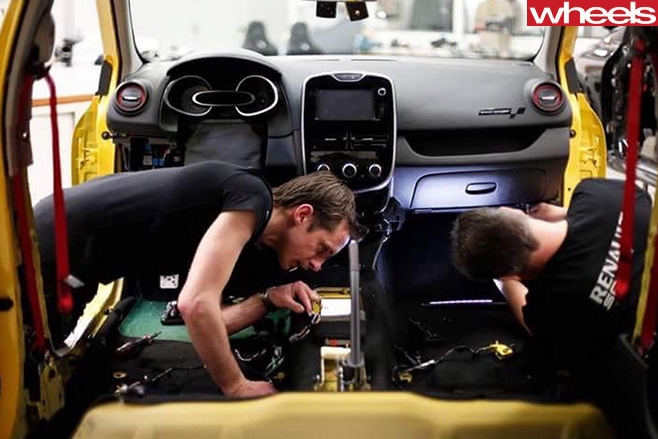
Renault’s only comment so far is from Renault Sport Cars MD Patrice Ratti.
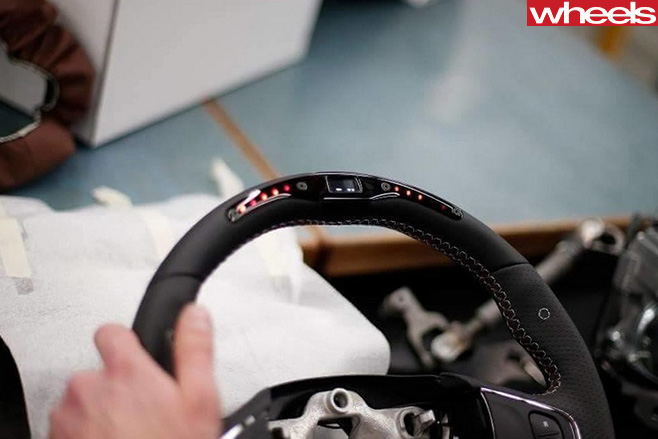
The leaked images suggest the model may adopt the same RS16 decals as Renault Sport’s Formula One car.
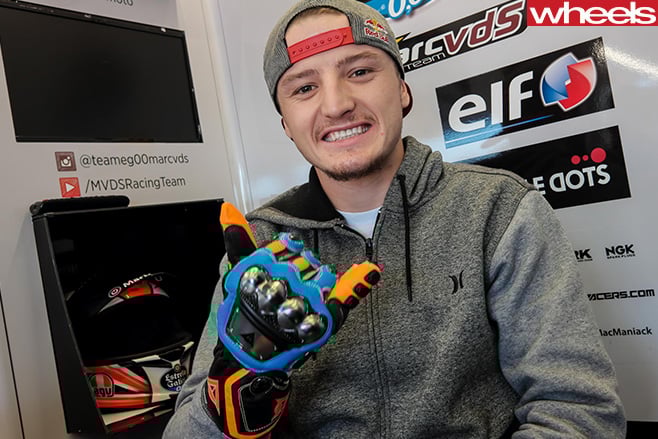
No factory ride for Aussie Jack Miller in reshuffled deck.
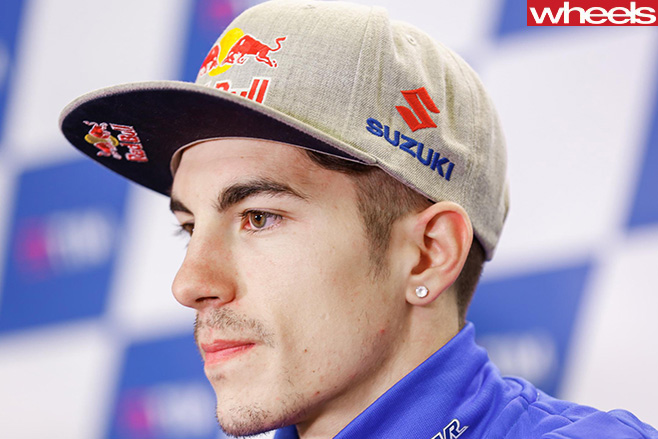
THE speculation was right on the money. Hot young property, Spaniard Maverick Viñales, has been confirmed at the Movistar Yamaha MotoGP team for 2017 and 2018, replacing the departing world champion Jorge Lorenzo, who will lead the Ducati factory squad from next season.
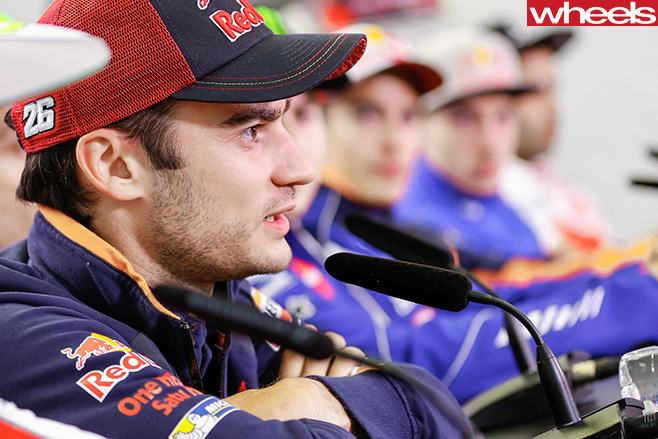
Ducati has finally made the choice between its two Italian riders with Andrea Dovizioso confirmed for 2017 and 2018 ahead of fast but crash-happy Andrea Iannone, aka The Maniac, who is now heading to the much-improved Suzuki team.
Google has revealed it wants to coat its self-driving cars in sticky goo so that if it collides with a pedestrian they will stick to the bonnet rather than be thrown to the ground.
An application from the search, mapping, and software giant, approved by the US Patent Office this week, proposes a safety system that would coat the bonnet and front fenders of its autonomous cars with a sticky layer covered by an eggshell-like surface.
The idea is that if an autonomous car hits a pedestrian or cyclist, the surface will break, attaching the pedestrian/cyclist to the car and preventing more serious injuries from a secondary impact.
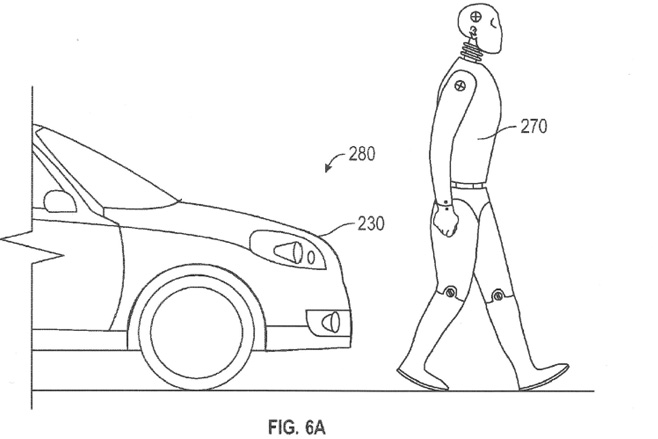
The patent reads: “Injury to the pedestrian is often caused not only by the initial impact of the vehicle and the pedestrian, but also by the ensuing secondary impact between the pedestrian and the road surface or other object.”
Google has even suggested that autonomous cars’ windscreens could include a tacky sub-layer that grabs onto and holds objects that hit them. Perfect for those nights your car is parked under a tree and you want to add to your leaf collection…
But other questions need to be asked about gluing a human to the bonnet of a moving car, which sounds like some kind of torture method in an action movie to us.
The protective layer over the adhesive is to ensure the bonnet is shielded from road debris, dirt, water and other external factors and is only meant to break upon impact. According to the patent, Google also wants the adhesive coating “to release after a short period of time to allow for the removal of the pedestrian from the vehicle.” So that’s two hurdles solved.
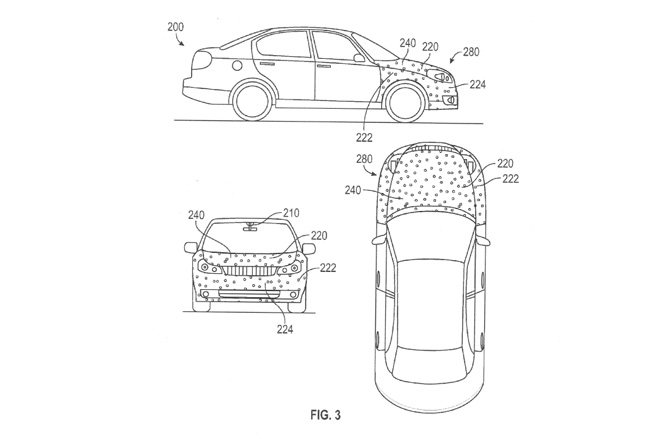
But what if, for example, the vehicle spirals into another object after the initial car/pedestrian prang, like a tree? The object or person stuck to the bonnet has no chance.
And what happens to the eggshell bonnet if the car hits an animal? Aside from dealing with the trauma of killing Fido or Fifi, you’re left to fork out money to replace the bonnet. And we doubt a fancy sticky bonnet will be cheap.
Then there’s the mental image of a large bird landing forcefully on a bonnet, only to spend the rest of its days flapping about like a Rolls-Royce Spirit of Ecstasy mascot come to life.
Thankfully, outlandish patents don’t always make it to actual consumer products but at the very least, it’s comforting to know car makers are investing time and money into road safety.
