
V8 Supercars is still Australia’s top motorsport category, but for how long? CEO James Warburton talks candidly to Wheels about the rising GT3 threat, a future without Falcons and Commodores, and more.
James Warburton took over the running of Australia’s premier racing category in mid-2013 at a challenging – some say desperate – time in its history. He faced the real possibility of grabbing the controls of a potential train wreck.
Private equity firm Archer Capital had in 2011 controversially bought a majority shareholding in V8 Supercars Australia in a $130 million deal overseen by bombastic founding chairman Tony Cochrane. The teams were initially thrilled to divvy up a large pile of money from the sale, but quickly became concerned about Archer’s motives and its lack of motorsport expertise, leading to poor ongoing returns.
From the very start, the savvy, grown-up media had been distrustful of V8 Supercars’ imaginative attendance figures and TV ratings claims. A succession of off-shore races powered by Cochrane’s enthusiasm and intemperate aspirations for global dominance had tanked badly. Hello and goodbye Shanghai, Bahrain, Abu Dhabi, Hamilton and Austin. There was a stench about a government-supported street race at Sydney’s Homebush ramrodded by Cochrane and disgraced former NSW Labor minister Ian Macdonald. Many V8 Supercars staff, including some good people, were let go as Archer sought to stem fiscal haemorrhaging.
The Car of the Future, successor to the original and passionately tribal Holden versus Ford formula, bowed to a mixed reception in 2013. Though too late and too expensive, CotF did at least achieve some of its aims by attracting Nissan, Volvo and AMG to play alongside the founding ‘Aussie’ brands. But now Ford is officially out, and there will be no more Australian Holdens from next year.
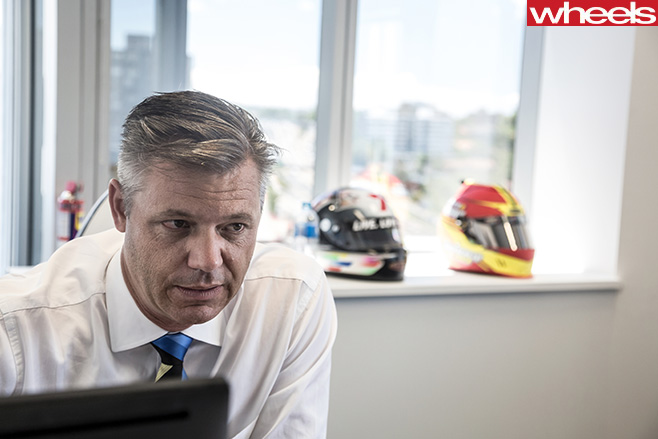
The alarm bells were sounding. Loudly. Welcome to V8 Supercars, James….
A former advertising and then television industry executive once tagged Mr Ambitious by Seven’s larrikin former boss David Leckie, Warburton has had to deal with more than one master and plenty of peripheral naggers and snipers in his two and a half years in the role. As well as Archer wanting a positive outcome, and the tough demands of team owners, there are hard-to-please fans firing away on social media. Plus some pesky media who, damn them, ask tricky questions. Try keeping that lot under control.
Using a generous array of marketing-speak, the impressively numerate Warburton paints a way rosier picture of V8 Supercars while rattling through a range of outcomes, all with a dollar value and growth included. His favourite word could be “incredible”. He sells hard and with a touch of evangelical conviction.
Warburton says the situation now is a far cry from the dark days of 2013 and 2014, when it was all in danger of falling over. “We’ve had a massive turnaround, anchored by a crucial new television deal with Foxtel [with marquee races also live on Ten] at the end of 2014. We’ve spent a long time professionalising the sport.”
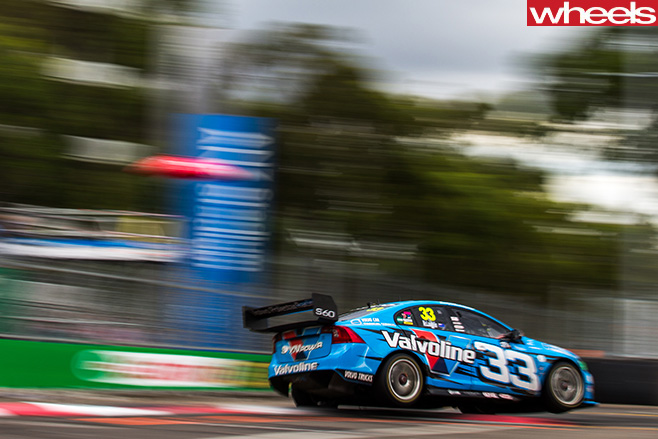
He anticipates participation by four or five “as mainstream as possible” brands by 2018-19. Holden is a certainty with a V6 turbo under development as an alternative to the current 5.0-litre V8. Highlighting a poor return on investment, the global head of Ford Motorsport has ruled out any return to V8 Supercars with Mustangs, which are eligible from 2017, but Warburton says Prodrive (previously FPR) may run non-factory Mustangs. He also says he won’t accept Ford’s decision as final until team co-owner Roger Penske, an influential figure in Detroit, tells him the Blue Oval is out irrevocably. With Betty Klimenko mothballing her AMG E63s in favour of Commodores, the tenuous Mercedes presence is over. And we know neither Lexus nor Mazda will be playing.
Gen2’s arrival represents a widespread opportunity to greatly reduce costs, says Warburton, with smaller teams given the opportunity to go from bespoke V8 programs to off-the-shelf offerings. There has been valid criticism that the CotF has been ridiculously expensive ($700,000 for a single car), forcing some V8 teams to live beyond their means. Holden and Ford 5.0-litre V8 engines cost about $100,000. Klimenko certainly paid way more than that for her AMG V8s. According to Warburton, team owners like Lucas Dumbrell could consider Holden’s Gen2 V6 turbos, saying they will be closer to $20,000. Sounds unrealistically cheap.
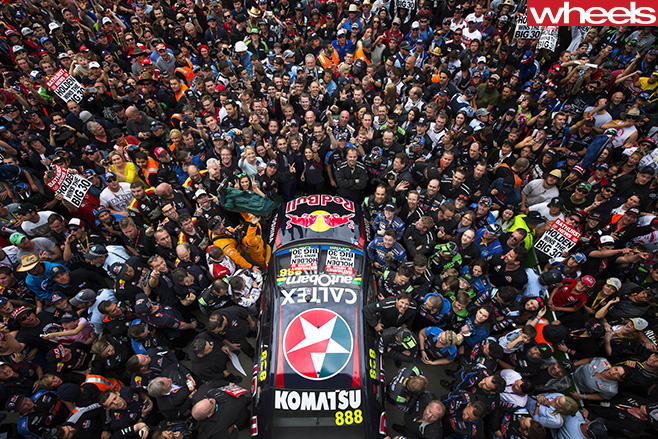
Archer, recently the subject of persistent rumours of wanting to sell, is now pleased with the returns, he says, adding: “If the business was for sale, I guarantee I’d know about it.” A recut profit-sharing deal with the shareholders has helped quell unrest among the teams; they welcomed a solid Christmas 2015 payment.
Warburton says race attendances were up three percent last year, and the audience watching on Foxtel/Ten were within one percent of the Seven numbers in 2014 (though well below the golden era of exclusively free-to-air telecasts). There are also the magazine shows on Foxtel and Ten, some replayed to death, on the TV boast sheet. Hold it, though, Jimmy; how many times can you count the same viewer?
“The Foxtel deal is one of the best integrated packages you can get with a broadcast platform – and we control it. Last year was a proof point for the new arrangement. But we always knew we’d be better off than with Channel Seven,” he adds before machine-gunning another bunch of numbers.
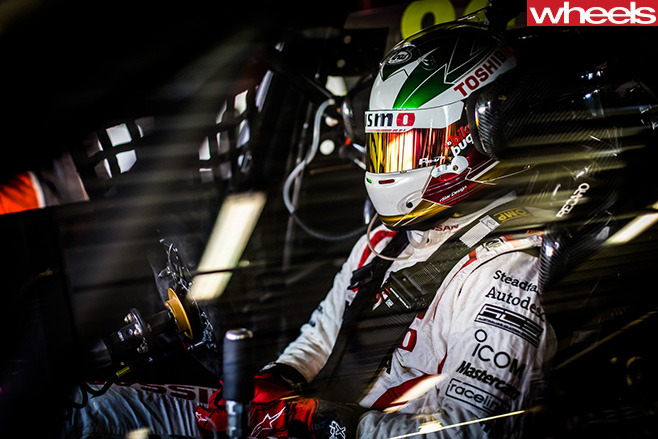
Punters certainly blasted Warburton on social media for swapping free-to-air eyeballs for big dollars from Foxtel, and initially vowed never to pay for what was traditionally free. They’re slowly coming around. Subscriptions are creeping upwards. Elsewhere, Facebook engagement is second only to AFL. Market researcher Repucom has produced a raft of charts bannering the glowing health of the V8 Supercars business.
“It was a big mountain to climb in terms of the health of the sport moving to a new broadcast model and getting back team and series sponsorship levels, and the income to teams, to a much stronger level. We had close to an 80 percent improvement in profitability, with 65 percent of those funds going back to the teams. It has had a stabilising effect across the field.”
With no prompting, Warburton declares his enthusiasm for the V8s revisiting the international stage with a street race in Kuala Lumpur in August. So it’s onwards and upwards, but watch where you step…
He seems unfazed when reminded of the consistent fails at all previous attempts to push into foreign parts. Are these guys slow learners? Warburton argues that the Abu Dhabi foray worked for V8 Supercars, at least financially. Surely, though, it’s not just about dollars and the prestige of racing at an F1 venue? None of these overseas races, including Abu Dhabi, made money for the promoter. Attendances were sparse everywhere bar Austin and Hamilton, and the time zones often didn’t suit Aussie viewing.
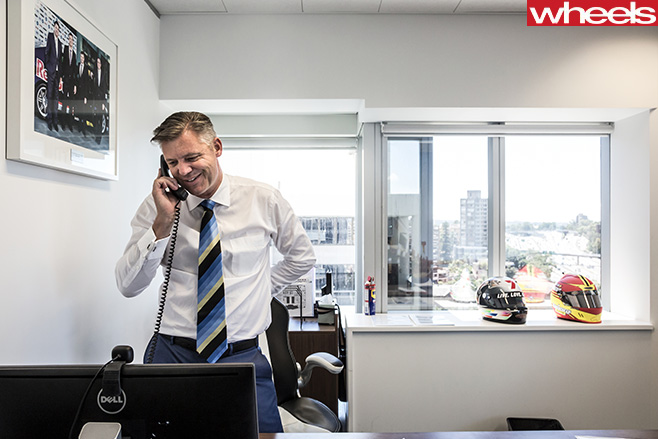
Asked why they shouldn’t just focus on keeping hard-core Aussie and Kiwi fans happy, Warburton declares: “For clarity, we are an Australian series with [potentially] a couple of international races a year… we’re not talking about dominating the region or anything ridiculous.”
While one new overseas venue is added to the calendar, a local one is heading for oblivion. Amazingly, after Cochrane fought and lobbied so fiercely to secure a race on the streets of Australia’s largest city, the current regime is about to euthanise the costly (to taxpayers and V8 Supercars) and unsuccessful Homebush experiment.
Warburton blames the failure on a poor venue choice and having four different stakeholders on site – the Olympic Park Authority, Royal Agricultural Society, Acer Arena and the Stadium.
“To be honest, Homebush was always a dud. It was a poor choice of venue. It worked the first year but it was dodgy from the start, crowd figures were bullshit, it never made money, it was such a blind obsession… The track is too flat, it’s too hot, GA [general admittance] spectators can’t see and it’s held too late in the year.”
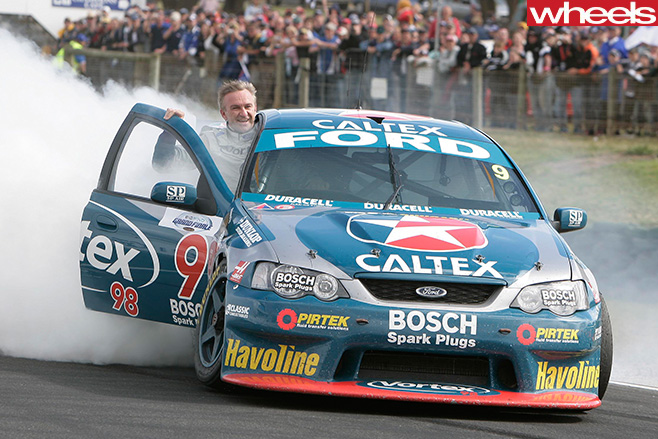
Sydney is indeed a tough, fickle market, more so when the venue is a dog. But Supercars is now committed to remaining at Sydney Motorsport Park, a policy at odds with Cochrane’s politically motivated, publicly declared distaste for the venue.
The Sydney SuperSprint at SMP is one of nine race weekends on the calendar where V8 Supercars also acts as the event promoter. There are plans for a night event there, but the obvious question is who will pay for the floodlighting? “Lights there can be very cost-effective because it opens up significant amounts of extra trading time. The ARDC has a proposal into government. SMP is important to us. It’s a great facility. We’re thinking about a different approach there… a Big Bash-style show. It could happen as early as 2017, but it’s out of my control.”
Warburton is expressly animated about the season ahead: “Fans are going to see one of the most highly competitive seasons ever, with kick-arse racing right across the field.” The drumbeaters always say that, don’t they?
Still, he emphasises that Nissan is now making the power it needs to be at the pointy end and Volvo has its reliability issues sorted. As well, off-season musical chairs have set up some fascinating scenarios with spicy intra-team rivalries, which Warburton senses will create additional human interest stories.
“It’s fantastic to see the deck shuffled,” he remarked, rattling through several tantalising possibilities. For starters, Jamie Whincup versus Shane van Gisbergen versus Craig Lowndes at Triple Eight. And at Prodrive, Chaz Mostert mended and back to take on reigning champ Mark Winterbottom and talent-abundant newcomer Cameron Waters.
“What we say about our category is that any one of the drivers can win at any time.” Some 18 of the grid of 26 are already V8 Supercars winners. “We love to see multiple winners but not gimmicky or manufactured racing. We’ve got the tyre allocations back to where they should be and the Saturday sprints have tyre stops. So there’s a fair degree of change this season.”
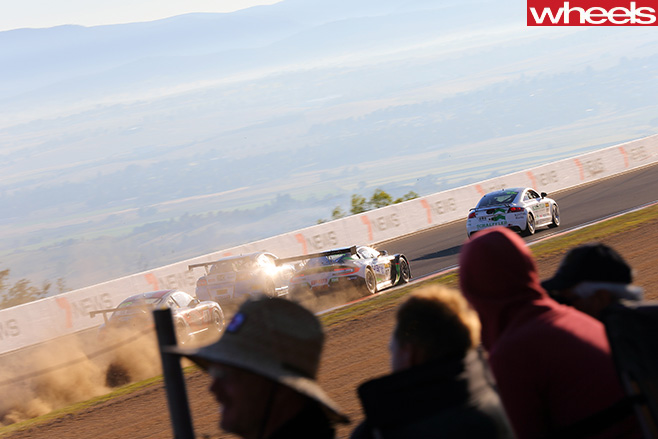
“In my time in television I worked with many athletes – Olympians and all the codes – and without doubt V8 Supercars drivers are the best to work with by a mile,” Warburton volunteers. “We need to work harder to drive our characters into the mainstream, to be prominent parts of our permanent sporting culture.”
Undoubtedly the drivers conduct themselves a little better than some of the not-so-smart stars of the footy codes….
“Our drivers are incredible role models but also great athletes with a high level of commitment to the sport. And, helped by the dollars that flow to them, the teams are incredibly professional.
“Behind garage doors too is a high level of collegiate business people. Having Roger Penske joining us last season [creating DJR-Team Penske] was a fantastic fillip for the series and a great endorsement when they expanded to a two-car team for 2016.”
But he concedes there is always room to improve and says his team is constantly analysing the product and asking itself the hard questions. Is that exciting high-octane entertainment? Is this the best touring car series in the world? Are the fans getting value?
The new season launched recently with a rapid-fire six events across 12 weeks thanks to a calendar compressed to make a powerful media impact.
Still, along the path back to rosy health, V8 Supercars has had to wrestle with the major sports – the football codes, cricket and tennis – for corporate bucks and media reportage. It also has constant struggles with cost containment while hard-core fans have to watch their race weekend budgets.
The series’ on-going challenge is the perception in many quarters that V8 Supercars is a show primarily for working class fans. It’s an image carried over from the two-make era of Holden versus Ford. This demographic positioning lingers at a time when consumers right across Australian society are increasingly demanding and buying more sophisticated, more upmarket products. Not just more premium cars, either.
Warburton argues that, like consumer expectations, Supercars is changing, evolving: “Our fans are no different to AFL and NRL. It’s family friendly. We are seeing more families to the street circuits, and like all sports we’re judged by our growth. In 2013-14 we’d plateaued; now we’ve got our mojo back.”
Attracting brands, especially those at the premium end, will continue to be tough. On the back of the news that Lexus is not jumping in and Erebus has dumped Mercedes-AMG, the global boss of Volvo Cars has indicated he’s not sure whether its commitment will extend beyond this year as it moves its Polestar performance division away from big engines towards power generation from electrification.
Nissan entered the category in 2013 and is now assessing its commitment to Gen2. It could swing away from the Altima body to a different model. It could switch powerplants, or stick with the V8 engine. Decision time is the end of March.
In light of the eternal battle to attract manufacturer support and satisfy the shareholders, Wheels asks why V8 Supercars doesn’t simply bin the current expensive regulations and adopt the increasingly popular international GT3 formula. Real supercars. With real benefits: cars are off-the-shelf units supplied by the manufacturer, and no more expensive than today’s V8 Supercars; the expensive parity process is overseen by the FIA; the large array of participating cars are poster exotics that today’s kids adore; and drivers relish jumping into these thoroughbred glamour machines. Opportunities would open internationally and regionally for the category and drivers.
Warburton seems bemused by the suggestion, acknowledges it would be a nice easy solution, but emphasises that ultimately it would not be a particularly successful one. His tranche of retorts starts with the statement that V8 Supercars doesn’t need a massive reset, and in any case he doubts the GT3 category would hit the spot with the heartland. TV rights would be an issue too. Six races might be doable, but 16 with a two-week turnaround on current budgets? Nup. Think of the repair bills. Forget it.
On a path to broaden the category’s appeal, Warburton also urgently prioritises female participation in Supercars, “hopefully by 2017” and not just as a publicity ploy. “We want a female driver on the grid on merit.”
Warburton insists he is also awake to the lightning technological change in the motor industry, and the need for Supercars to stay relevant to manufacturers into the future. He rules nothing out, including hybrids. But what of diesels, EVs and fuel cells (hydrogen)?
“The market relevance of V8 Supercars to manufacturers will be a key factor in the category’s continued future success in Australia and the region. Therefore we must be open to consider all types of powertrains in the future, in line with technical developments that occur within the automotive industry globally and in other motorsport categories.
“The potential to accept any new powertrain configurations will still require thorough assessment on the grounds of on-track performance, parity, costs, safety and market relevance,” he cautions.
And Warburton answers a final, obvious, question: “No, I don’t believe we will ever see a day when we don’t have V8 engines in the category.”
A car’s suspension has to move up and down if it’s to do its job, and since the suspension has to be attached to the rest of the car – at various points – some of that movement (particularly in the form of small vibrations and decibels) is transferred into the car’s cabin. But there’d be a lot more noise, vibration and harshness inside the car if it weren’t for the suspension bushes.
These are small, tubular-shaped blobs of (usually) rubber that form a slightly squishy link between the suspension and the car and, in the process, isolate a lot of the transmitted noise and vibration from the cabin.
Smack a normal steel hammer into the concrete, and now do the same thing with a rubber mallet. You can easily feel and hear the difference.
Suspension bushes are like little individual rubber mallets at each suspension mounting point. Without them, a car would be noisy and harsh with every little road imperfection able to upset the serenity inside the cabin.
Rubber bushes need replacing once they’ve worn out and are allowing excess movement at the point of attachment.
Age wears them, as does the constant pounding of kilometres over the years, but oil (usually leaking from the engine or transmission) also attacks the rubber compound and reduces its lifespan. So that’s one more reason an oil leak needs to be fixed.
Can’t get enough? Now learn about how rain-sensing windscreen wipers work.
Rolls-Royce has released a limited edition Phantom Coupe and convertible Drophead as the luxury carmaker prepares to bid farewell to the duo.
The Phantom Zenith Collection, of which there will only be 50 ever made , will mark a final hurray for the Phantom Coupe and Drophead, celebrating the cars’ near decade of existence.
Owners of these bespoke Rolls-Royce models will be able to pull over anywhere and still enjoy some of life’s finer luxuries. Like, champagne from the boot-mounted fridge that is large enough to fit two standard size bottles, poured into one of the eight, Rolls-Royce flutes.
While the champagne rests on the pull-out glass shelf, owners can enjoy the view from the comfort of a leather padded seat housed in a section of the split rear tailgate.
Of course, no road-side stop, or fox hunt, is complete without a tailor-made hamper to match the exclusive specs of the individual cars.
The Zenith Collection also features some neat little Easter-egg features, like the map of Lake Como and Lake Geneva etched into the door handles as homage to the location of each model’s concept debut. Or there’s the one-off aluminium, polished case that holds a piece of the cars’ assembly line.
Pretty cool, right? Just don’t expect to see many on Aussie roads. Just one of the 50 Zenith special editions is destined to come Down Under, priced at over a million dollars.
There are roughly 1500 active volcanoes quietly burbling away on the earth’s surface and the snow-capped peak in full view over my shoulder is a reminder one of them lurks close by.
It’s better known as Mount Fuji, however, right now I couldn’t care less if a cataclysmic eruption is imminent. My attention is focused instead on a bizarre-looking Skyline that’s squaring up the inside of the bus I’m aboard.
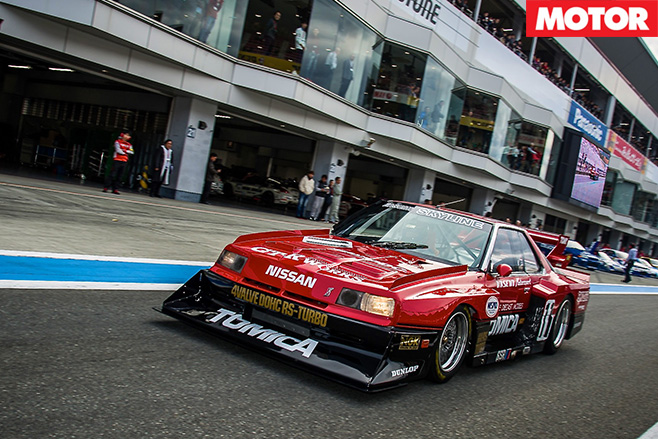
MOTOR’s at Fuji Speedway for the NISMO Festival – an annual motorsport party Nissan’s thrown for loyal petrol heads every autumn since 1997. About a two-hour drive west of Tokyo, Fuji Speedway’s NISMO Festival spans two days and this year attracted 30,000 spectators. Not an enormous crowd by perhaps V8 Supercar standards but quite a turnout nonetheless, and attracting punters from all over the world.
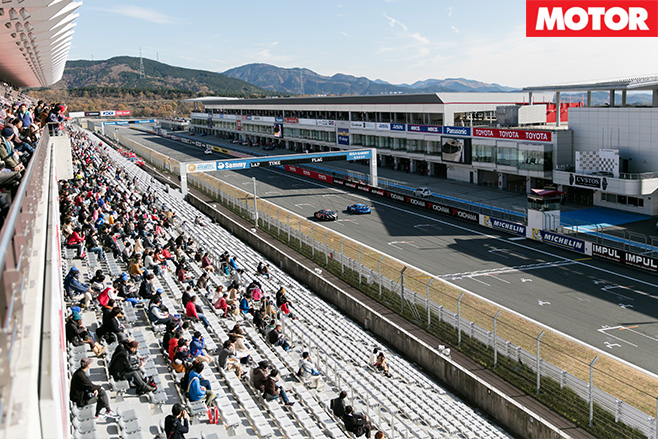
Japan’s written attempts at English are often more comical than informative, so I dismissed the ‘Circuit Safari’ written in my schedule with a chuckle as nothing more than some poorly translated ‘Japlish’.
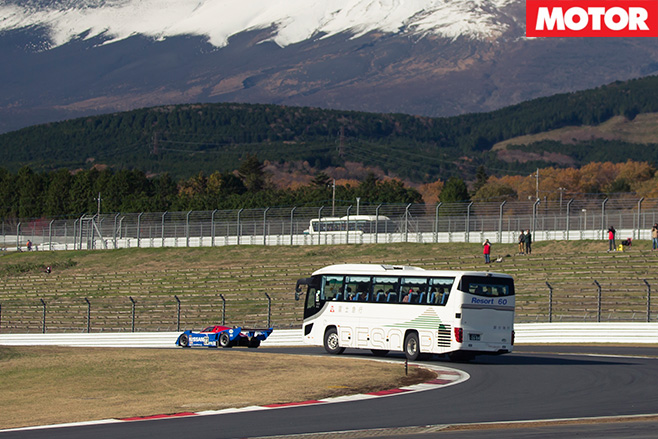
They looked lost, or perhaps part of some strange Speed tribute demonstration, unable to drop below 50mph, but it wasn’t until our 30-strong group was installed on a similar bus, watching in awe as the priceless Skyline vanished in a turbocharged rush that the words ‘Circuit Safari’ clicked.
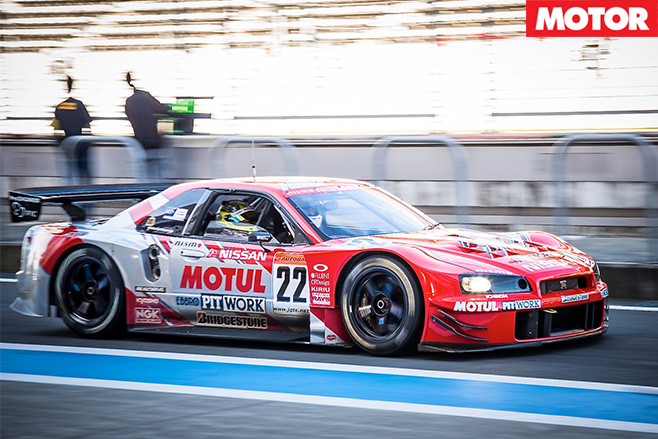
It’s followed in quick succession by its big brother, one of this year’s GT500 GT-Rs (the number stands, roughly, for the horsepower produced) then a 1969 V12-powered R382 Can Am racer and the R390 GT1 that took Nissan to the Le Mans podium in 1998.
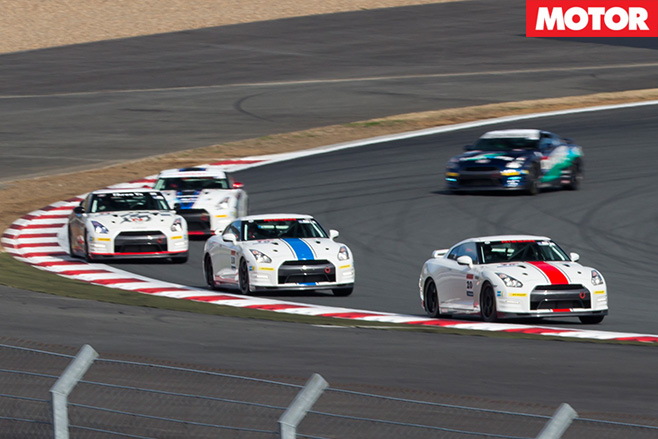
That Nissan would thrust us on track with priceless racing artefacts tearing around at such speeds, some just so we can see them in the ‘wild’, should be all the convincing you need to attend the NISMO Festival.
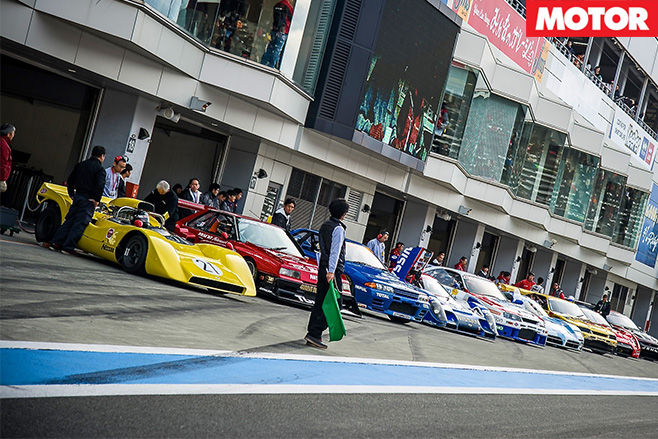
The circuit schedule moves on to historic runs and one-make races. I meander past the garages, where the safari wildlife rest, to end up in the bustling paddock.
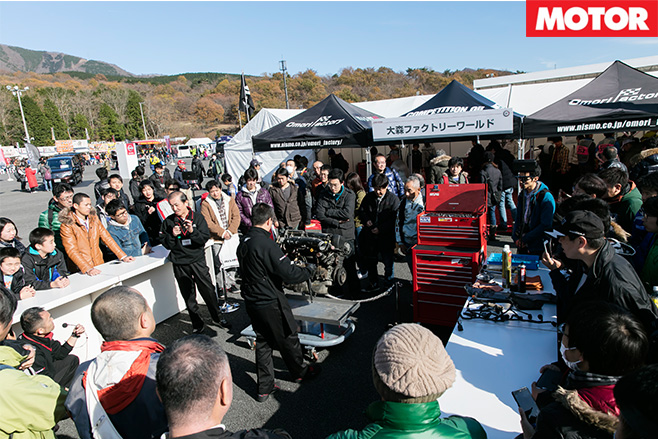
I spot some punters poking around a modified Silvia crate engine. Japanese tuning gods Tomei are raffling off a swathe of goodies. It’s all happening.
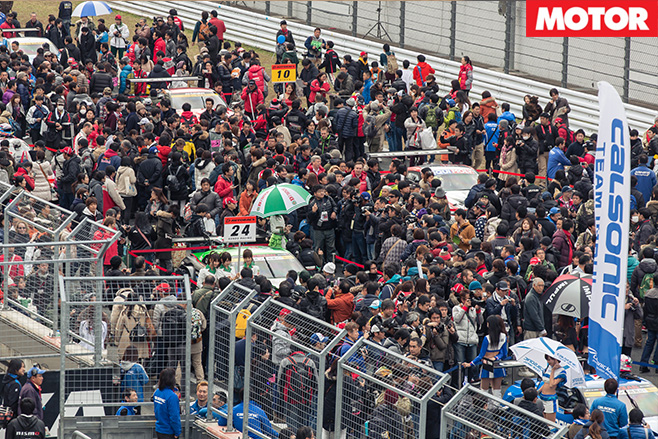
For me, it’s this sight that is the most powerful image I take away from the NISMO Festival. Today more than 30,000 people will flood the grounds of Fuji Speedway. But they haven’t made the biggest effort today. Nissan has.
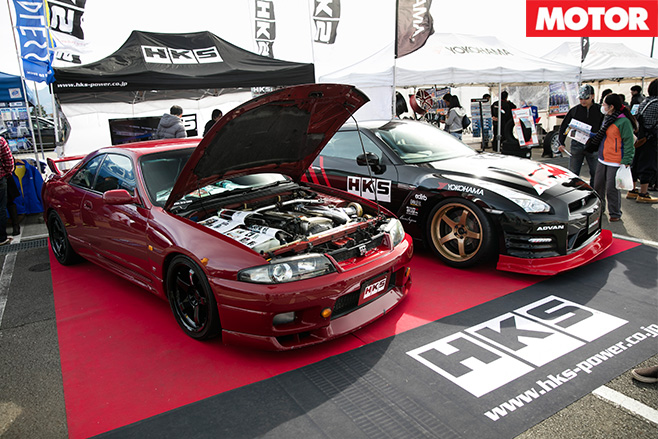
Fans will meet their hero drivers this afternoon during the grid walk for the NISMO GP, watch pit stops from mere metres away, and see Nissan’s precious competitive cars tussle on track.
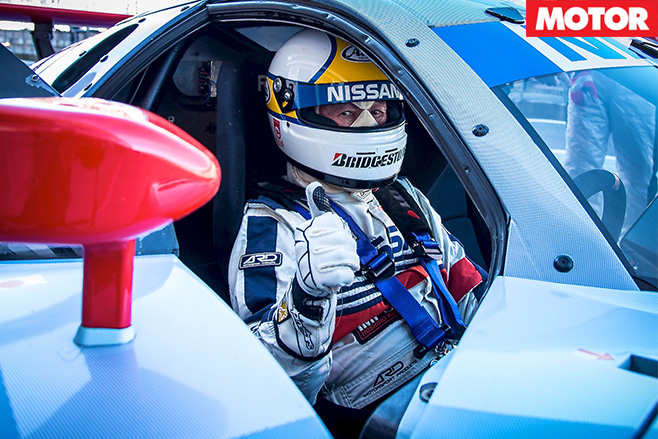
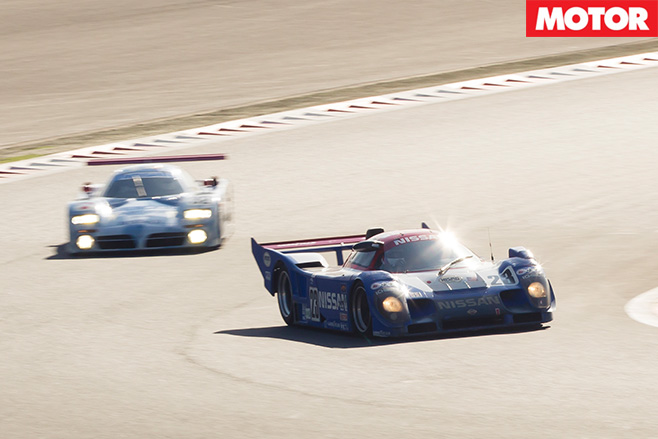
It may take place at the foot of an active volcano, but it’s the eruption of passion that will keep Nissan fans returning to the NISMO Festival for years to come.
GET ready for the Holden Commodore hatch!
That’s right, the first fully imported Commodore, to be revealed in Europe late this year ahead of a 2017 arrival Down Under, will come only in hatchback and wagon body styles.
For the first time in 38 years, there will be no Commodore sedan.
Wheels can exclusively confirm that the Opel Insignia that will form the basis for the Commodore range beyond 2017 will come off the Russelsheim production line in Germany as a hatch and wagon – including a higher-riding allroad-style all-terrain wagon. There will be no three-box sedan.
The hatchback layout is aimed primarily at European markets but may also play well locally, with Australian buyers increasingly giving sedans the boot.
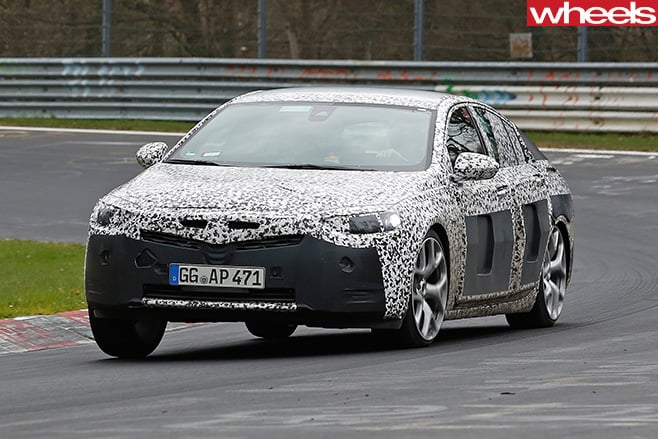
The closest thing to a Commodore sedan in the GM future-model closet is the Buick Regal, which shares the Insignia’s E2XX platform. But Wheels understands that body style will not come from Russelsheim.
While the death of the Commodore sedan may shock the Holden faithful, the reality is Australians are shifting away from traditional three-box cars.
Two-thirds of the 300,000-odd small cars sold here each year are hatches, with younger buyers in particular more attracted to the flexibility and design of a lifting hatch. And mid-size sedans continue to perform poorly against the growing number of SUVs.
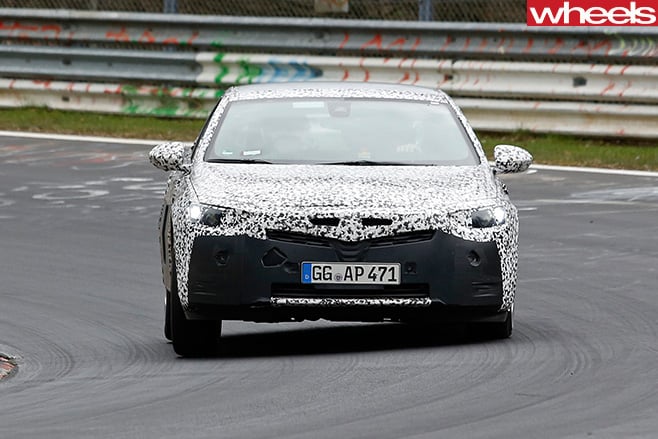
Holden has also toyed with the idea of a Commodore hatchback more recently (see breakout).
The Commodore hatch will be anything but small. Wheels has learned that the new Commodore will be slightly longer than the current VFII that ceases production in late 2017.
The Insignia will be about 150mm longer than the current model – sold briefly in Australia under the Opel flag – making it about 30mm longer than the current Commodore SS.
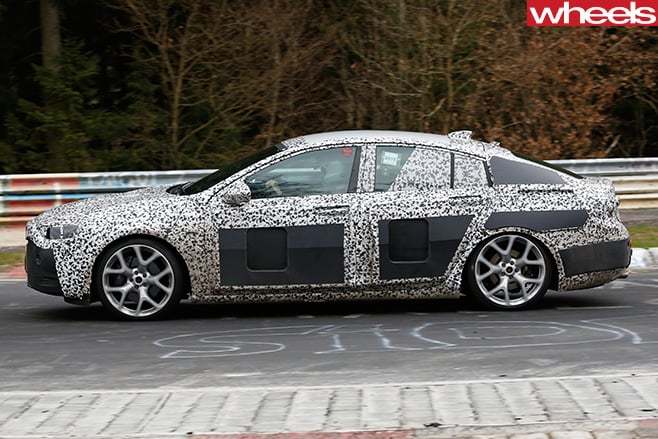
The wheelbase is likely to be about 2830mm, a full 85mm less than VFII. It’s also likely to be slightly narrower, the first time a Commodore has shrunk in width.
So expect a bit less interior space, although designers have worked to maximise packaging to maintain a spacious cabin – long the drawcard of locally produced Holden large cars.
The Commodore will also be lighter, though only just. Our spies tell us the twin-turbo V6-engined SS, which won’t be available here at launch, will weigh a smidge over 1700kg, not much below the 1744kg kerb weight of an auto V8-powered Commodore SS.
Blame that partly on the all-wheel-drive system, something that will help the imported SS get close to the current V8 SS’s 0-100km/h time of 4.9sec.
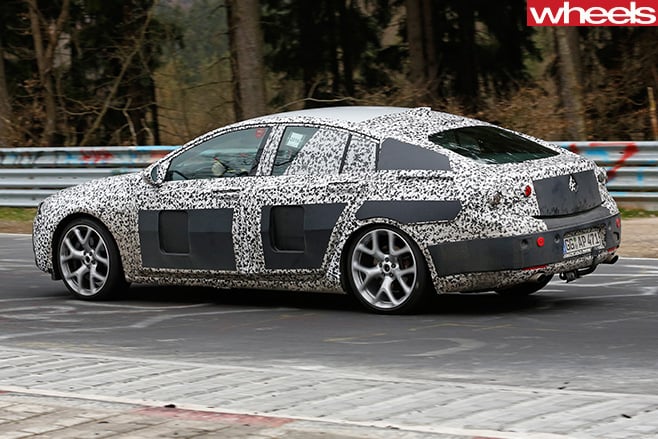
But performance gains will come from an eight-speed automatic (a torque-converter unit, not a dual-clutch) adding another two ratios over the current Commodore.
Other models will be much lighter; the base Insignia for Europe – utilising the Astra’s 1.4-litre four-cylinder turbo – will weigh less than 1400kg.
The base engine for Australia is expected to be a 2.0-litre turbo four, producing about 170kW/350Nm. There will also be a naturally aspirated V6, likely the latest 3.6-litre, ensuring an affordable SV6 model.
History repeats
This won’t be the first Commodore hatch. Holden first showed an all-paw hatchback in 2002 – the SSX concept, a VY Commodore-based liftback with a wider track, pumped guards and a clever rear sliding drawer. It again explored the hatch concept in 2004 with the TT36 (pictured), a mid-size five-door considered at the time a spiritual successor to the Torana, But which actually previewed the VE Commodore.
Commodore Sports Tourer
One thing that will remain a constant in Holden dealerships is the wagon.
Opel is readying a Sports Tourer version of the Insignia, giving Holden an entrant into the dwindling – but still strong – wagon segment.
To be unveiled in 2017, the new Commodore wagon will also spawn a mild SUV version along the lines of the Subaru Outback and Audi Allroad.
With a higher ride height and styling add-ons, the softroader wagon will supplement Holden’s expanding SUV line-up and aim to steal vital private buyers from the likes of Subaru and Mazda.
As for a name, one option is to revive the Adventra badge created in 2003 for the high-riding Commodore wagon that at the time was Holden’s rival to the Ford Territory.
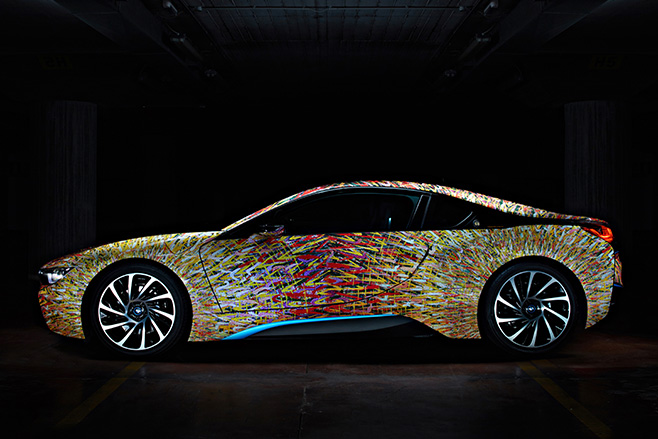
BMW is celebrating 50 years in Italy with the release of an exclusive i8 Futurism Edition created by BMW Italy and Garage Italia Customs.
The multi-coloured i8 is inspired by Giacomo Balla’s painting ‘Lampada ad Arco’, currently on display at the Museum of Modern Art, New York. The artwork is said to represent an electric street lamp under moonlight in the early 1900s when electricity was still a relatively new technology, and therein lies the link to the BMW i8.
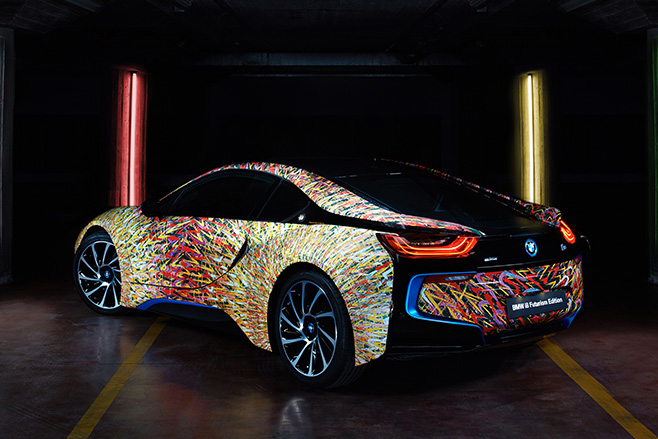
According to Sergio Solero, President and CEO of BMW Italia, the BMW i8 Futurism Edition “represents the pairing of a sports car of the future with Italian creativity and art.”
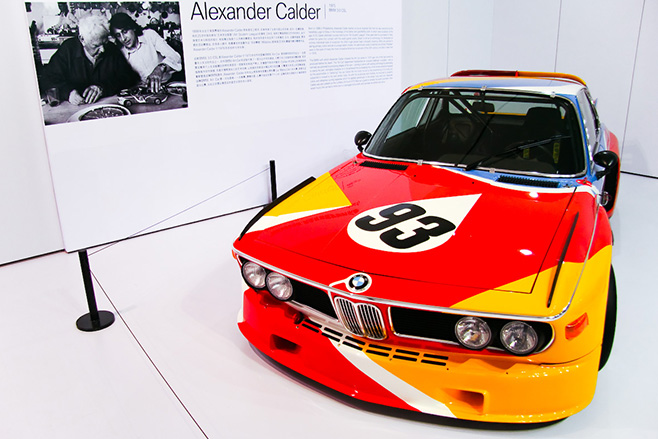
This brilliant one-off i8 evokes the days of the BMW Art Car – a project that was started in 1975 by French racing driver Hervé Poulain. He commissioned American sculptor, Alexander Calder to paint the BMW 3.0 litre CSL he was going to race in the ’75 24 Hours of Le Mans endurance race. Calder died a year later, in 1976; the BMW was his last work of art.
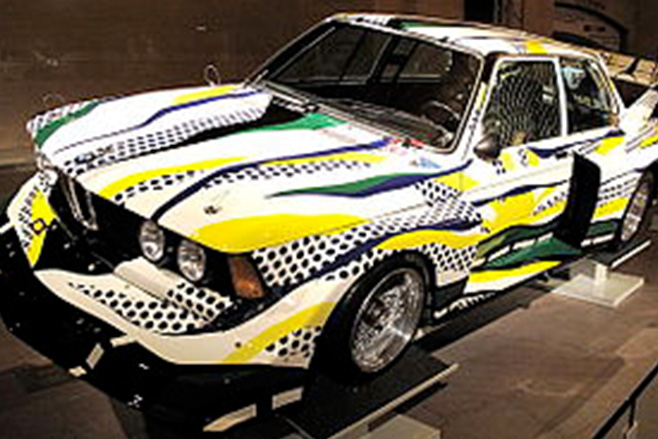
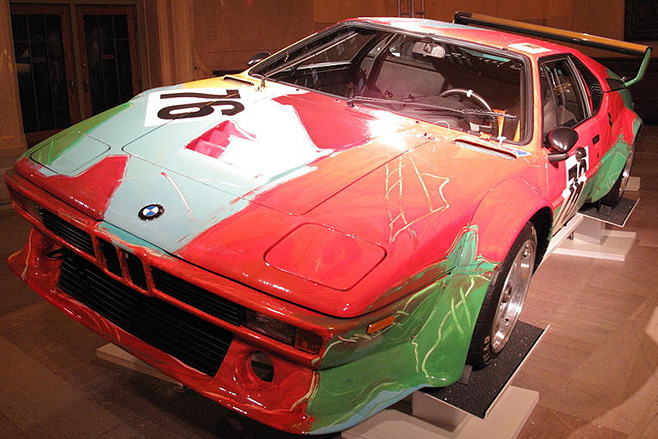
Poulain raced two other Art cars; Andy Warhol painted a 1979 BMW M1 which finished sixth overall and second in class. During the race the car was in several minor collisions – luckily, Warhol had painted spare bumpers and body panels. Poulain also drove the Roy Lichenstein Art Car – a Group 5 BMW 320i, which won its class in 1977, becoming the most successful racing Art Car of all.
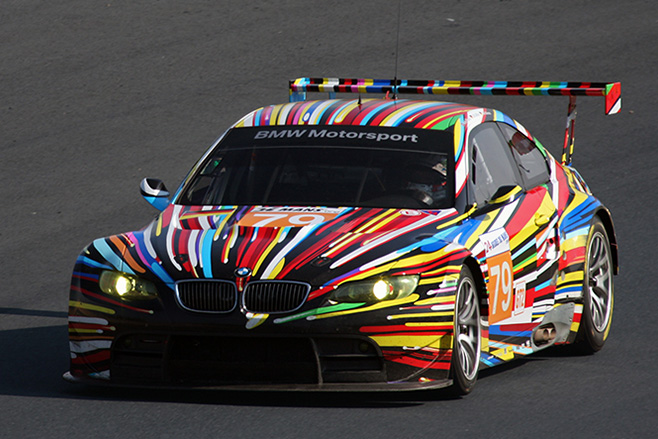
In total there were 17 BMW Art Cars, the last one being a vibrant BMW M3 GT2 painted by artist Jeff Koons in 2010. One was a temporary exhibit using ice and the H2R hydrogen-powered Land Speed Record-setting car. Two Art Cars have been painted by Australian artists: Michael Nelson Jakamarra is a Walpiri man and painted an M3 in 1989; Ken Done painted an M3 racer in the same year.
While the i8 Futurism Edition may not be part of the official BMW Art Car series, it’s still a work of art.
1. 1975 BMW 3.0 CSL by Alexander Calder
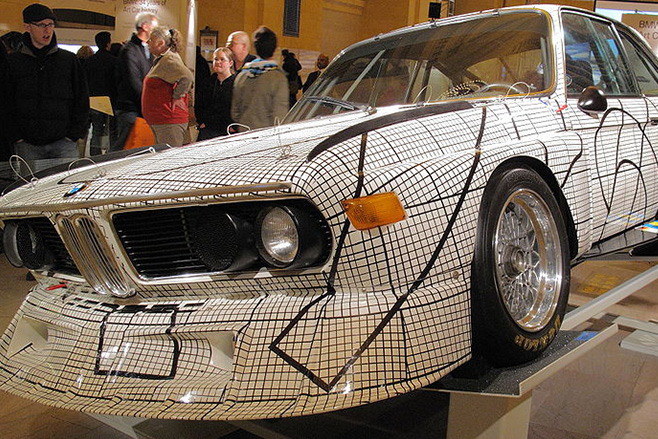
2. 1976 BMW 3.0 CSL by Frank Stella
3. 1977 BMW 320i Turbo by Roy Lichtenstein
4. 1979 BMW M1 Group 4 by Andy Warhol
5. 1982 BMW 635 CSi by Ernst Fuchs
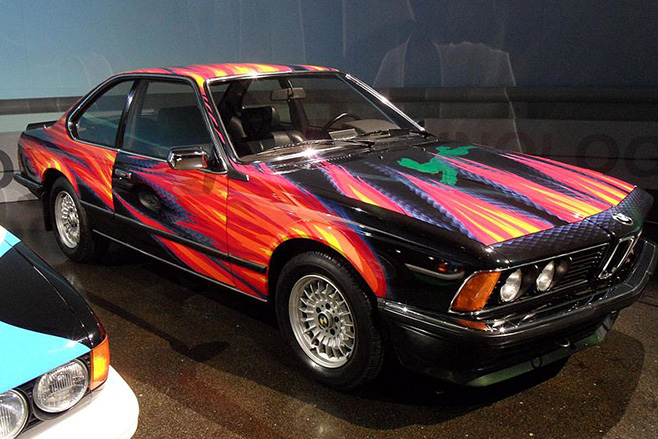
6. 1986 BMW 635 CSi by Robert Rauschenberg
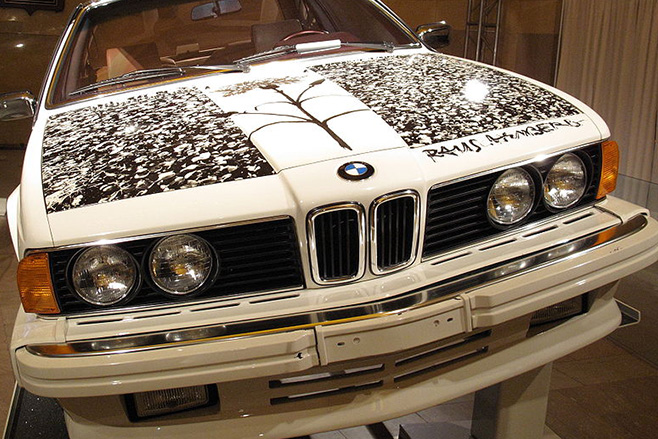
7. 1989 BMW M3 by Michael Nelson Jagamarra
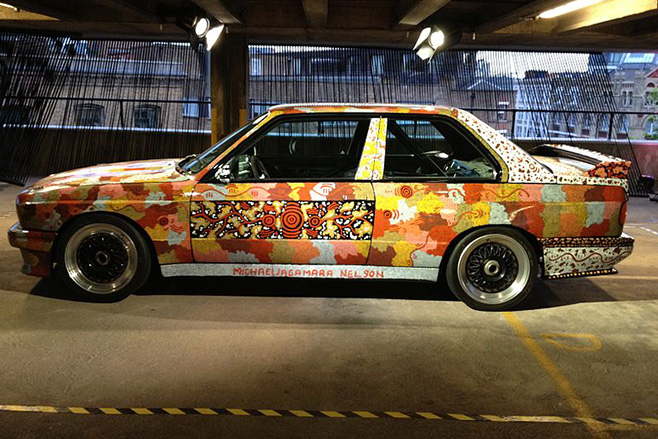
8. 1989 BMW M3 Group A by Ken Done
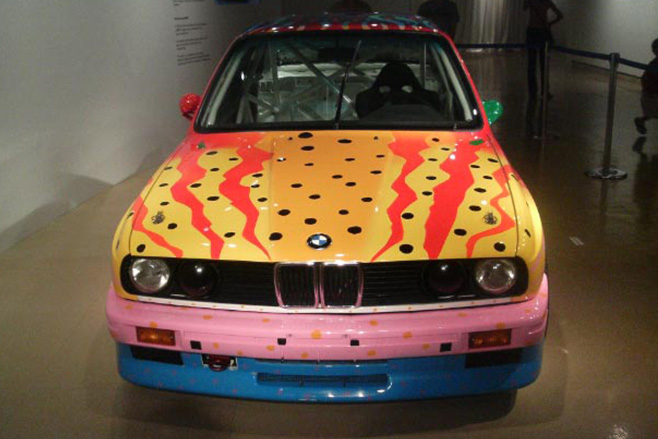
9. 1990 BMW 535i by Matazo Kayama
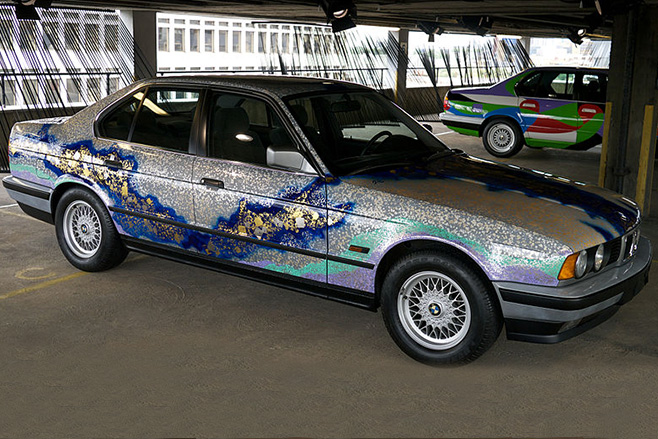
10. 1990 BMW 730i by Cesar Manrique
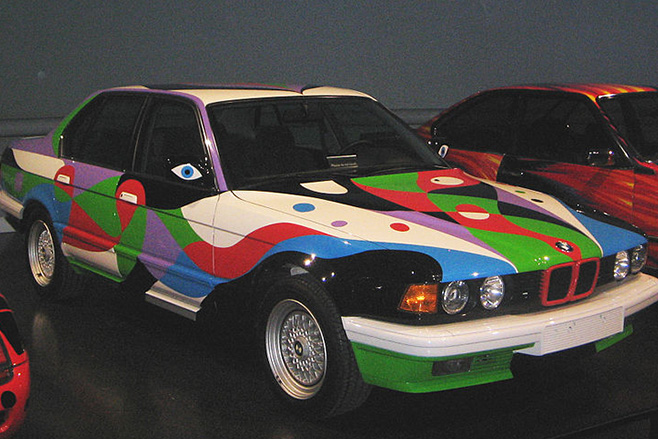
11. 1991 BMW Z1 by A. R. Penck
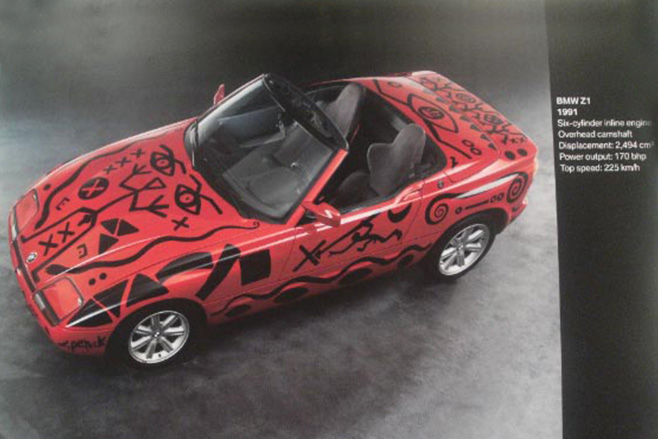
12. 1991 BMW 525i by Esther Mahlangu
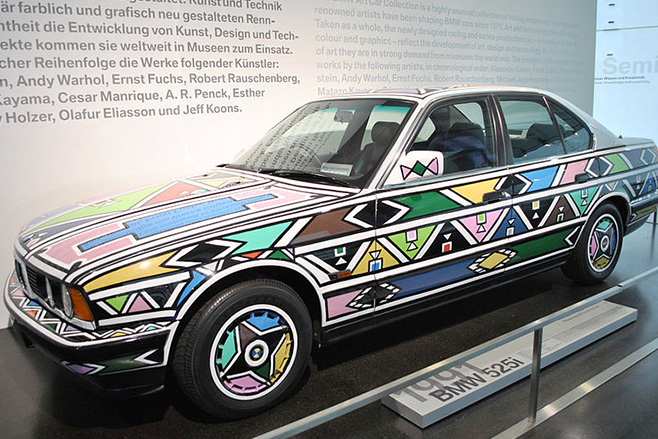
13. 1992 BMW M3 GTR by Sandro Chia

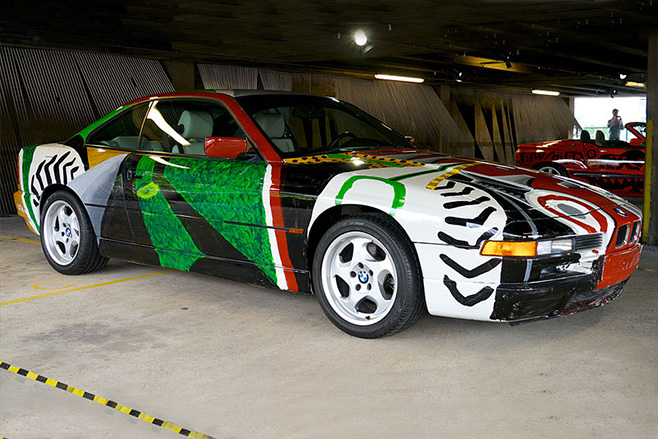
14. 1995 BMW 850 CSi by David Hockney
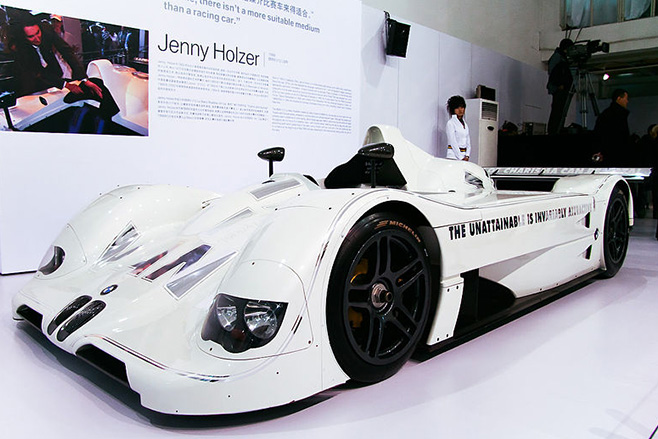
15. 1999 BMW V12 LMR by Jenny Holzer
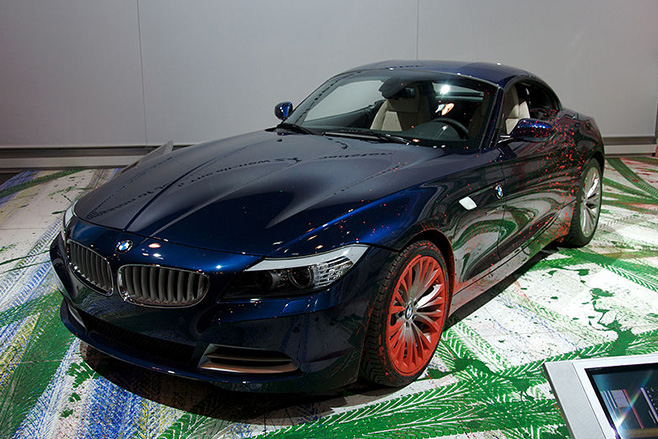
16. 2009 BMW Z4 by Robin Rhode
17. 2010 BMW M3 GT2 by Jeff Koons
A COUPLE of years ago Koenigsegg was chest beating about its new 1000kW ‘megacar’ – the One:1 – and promising it could snag the Nurburgring road car lap record. Then the Nurburgring added speed limits and effectively banned lap record attempts.
Those restrictions have now been lifted, and it’s open season with manufacturers back out there testing their metal… and mettle.
So, Koenigsegg is making good on its word, and has been caught testing at the ‘Ring with its One:1. Photographers at the famed Green Hell circuit have captured video of it lapping at maximum attack.
Company boss Christian von Koenigsegg dropped hints about it recently, along with a few cautionary words.
“Will we gun for a record this year? Maybe. Don’t get too excited, however. This is a long road we’re on, and it ain’t over ‘til it’s over.”
Seems he is still confident the One:1 can deliver a sub-6min 48sec lap and topple the current podium of Porsche 918 Spyder in third, and the even more track-focused Radical SR8 and SR8 LM in second and first respectively.
Koenigsegg named the One:1 after it’s horsepower-to-kilogram ratio – 1340hp:1340kg. Its huge power comes from a twin-turbo 5.0-litre V8 engine, propelling it from 0-100km/h in just 2.8-seconds.
But the One:1 is much more than a skateboard with a jet engine. It can carve corners as well, thanks to an active carbonfibre chassis and active aerodynamics, unique long wishbone suspension, F1-style traction control, carbon wheels and a swath of cutting-edge 3D printed parts.
Koenigsegg has said that monster power and straight line speed is actually not that interesting to them. The company’s engineers are more challenged by the car’s insatiable thirst for downforce and mechanical grip.
The One:1 has already claimed fastest production car lap records at Spa and Suzuka. It’s a serious contender, then, and has a real chance of succeeding. All we can hope is that Koenigsegg comes clean and reveals the official time. That would be more than McLaren did with the P1.
SUZUKI is the latest car manufacturer to admit it incorrectly tested vehicles to make their fuel economy figures appear better than they actually are.
The Japanese company says it conducted rolling resistance testing on 2.1 million vehicles that focused on individual components “such as tyres, brakes and transmission” rather than complete vehicles. This testing was carried out inside a special facility because its proving ground in Sagara is located “on top of a hill close to sea, where it is significantly affected by weather conditions such as the influence of wind.”
Suzuki denies intentionally deceiving the public and Japanese authorities, instead saying it used the improper method because carrying out tests in accordance with Japanese protocol was “difficult” and produced inconsistent results.
Suzuki’s CEO Osamu Suzuki told reporters at a news conference in Tokyo, “The company apologizes for the fact that we did not follow rules set by the country.”
15 cars were retested in proper fashion by Suzuki after the discrepancy was uncovered. It said the correct numbers were not greatly different from those originally recorded, claiming them to be “within the range of measurement deviation.”
Suzuki has said it will not be removing any vehicles from sale and won’t update consumption figures for cars sold within the Japanese domestic market. It also doesn’t expect the findings to have an impact on sales forecasts.
However, Japanese authorities have described the use of unsanctioned testing as “outrageous” and requested additional information from Suzuki about the breach before the end of the month.
The cheating was uncovered after Japan’s transport authority ordered the industry to resubmit fuel efficiency data. The demand came in reaction to Mitsubishi’s admission last month that it fraudulently tested the fuel economy of four vehicles.
Other Japanese manufacturers Toyota, Nissan, Honda, Mazda, Daihatsu and Subaru have all said that their existing numbers are clean.
Suzuki is Japan’s fourth largest automaker behind Toyota, Nissan and Honda. Up to 15 percent was wiped from the company’s share value in the day after the announcement, later stabilising at nine percent down.
The RS badge carries a weight of expectation about it. Can the Honda Civic RS live up to it?
WHAT IS IT? It’s the 10th generation of Honda’s small city car, arriving here initially as a sedan and ahead of an all-new hatchback’s arrival next year.
WHY WE’RE DRIVING IT This is an important model for the Japanese carmaker. It’s a ground-up reinvention of the traditionally strong-selling model, and exposes us to our first taste of Honda’s “Earth Dreams” technology – the name it gives to its latest-generation drivelines.
MAIN RIVALS Mazda 3, Toyota Corolla, Ford Focus, Nissan Pulsar, Mitsubishi Lancer Sportback, Holden Cruze
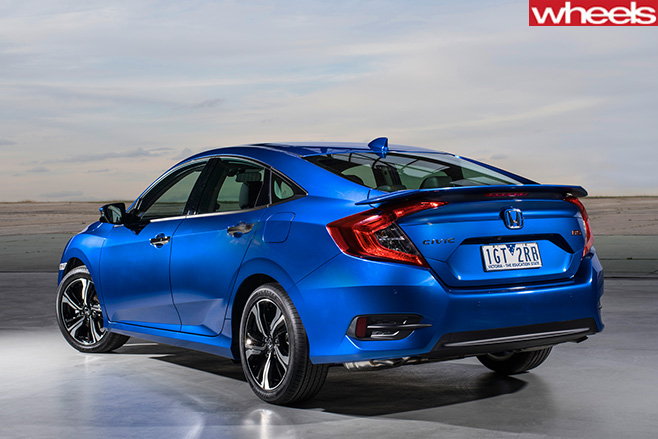
PLUS: Composed ride and handling; spacious; good comfort behind the wheel MINUS: Price a bit high compared with rivals; engine can get a bit vocal high in the range
THE WHEELS REVIEW THINK ‘RS’ and a ballistic Ford hatch may come to mind, or a winged Porsche 911. Not so here: this 2016 Honda Civic is the most important car for a decade from the Japanese maker, and in this case the two famed letters apply to the niche in the line-up formerly known as the Civic Sport.
The Civic sedan has arrived ahead of next year’s hatch, and everything about this car is new: from the platform, engine and transmission to the lightweight body. It’s the first ground-up new car from the maker in the wake of the 2008-09 global financial crisis, and comes with an unprecedented five-year investment after Honda Japan admitted the last Civic missed the mark.
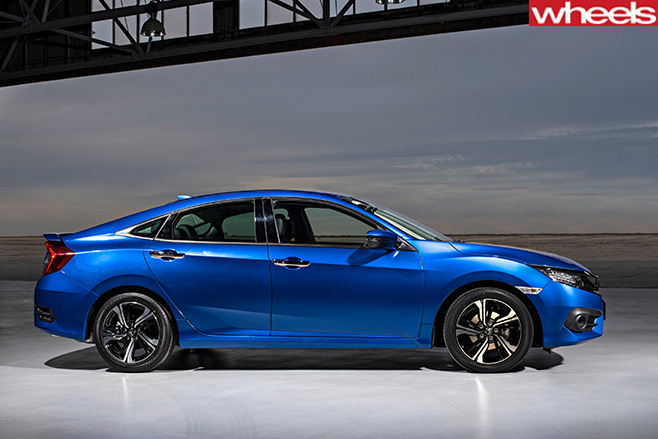
It’s bigger, too: 104mm longer to stretch 4644m; 44mm wider at 1755mm; but it sits 19mm lower. The wheelbase is stretched 30mm to 2700mm – longer than the original Accord Euro – for 55mm extra rear legroom, where there’s genuine space for three adults, and a huge 517 litre boot. This is a truly mid-size car, far from the demure city-centric 1972 original.
That means more space up front, too, in an interior that easily eclipses the current car’s. There’s an excellent driving position, with loads of (electric) adjustment for the supportive, well-bolstered driver’s seat with rake and reach for the steering column as well. The A-pillars are angled for maximum visibility.
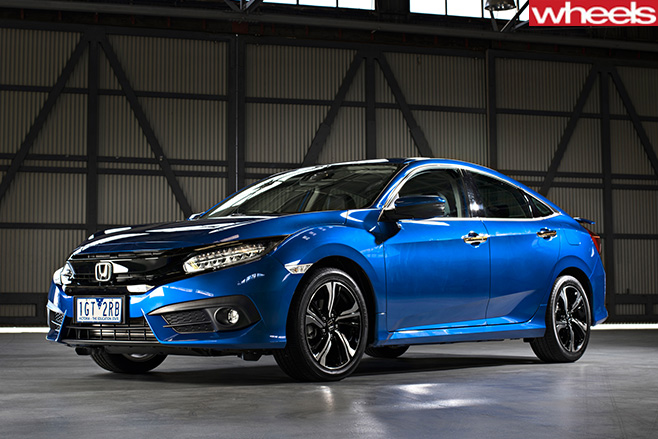
The RS comes with one of two engines. A carryover 1.8-litre four powers entry-level Civics, but an all-alloy, direct injection 1.5-litre turbo four-cylinder mated exclusively to a new CVT powers RS and higher-spec models. It’s the first complete ‘Earth Dreams’ drivetrain. On paper, it stacks up: 127kW is one of the most potent in this class, 13kW more than its predecessor. Better is that fact that it uses 1.5L/100km less fuel, at an official 6.0L/100km.
On the road, it proves a winning combination, pulling strongly with 220Nm of torque from 1750rpm right through to 5500rpm. The CVT has stepped ‘gears’, accessed by steering-wheel mounted paddle-shifters. It’s smooth and doesn’t loiter at high revs like many CVTs, behaving more like a conventional automatic.
The throttle’s easily modulated, and there’s plenty of power for overtaking, but high in the rev range this engine is a little vocal. That would be acceptable, but the boisterous note lacks the character or verve typical of heyday Hondas. It’s a minor criticism of an otherwise polished driveline.
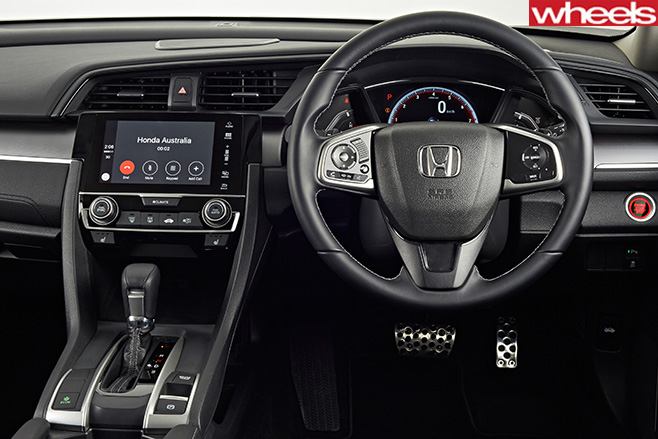
Adding to that is the high level of refinement. With no rattles or squeaks from the tight cabin, you’ll find yourself meandering higher up the speedo.
Honda has indeed found its mojo. To some the new Civic RS may not not perfect – the looks can be a bit polarising, the engine could have more charm and its price isn’t as sharp as some rivals – but it’s a seriously accomplished, convincing sedan. It has an exceptional ride, superbly tuned chassis and is a ball to drive quickly, while offering a practical and spacious package.
The new Civic RS is a convincing return to form for Honda.
SPECS Model: 2016 Honda Civic RS sedan Engine: 1498cc 4cyl, dohc, 16v, turbo Power: 127kW@5500rpm Torque: 220Nm@1700-5500rpm Transmission: CVT automatic Weight: 1331kg 0-100km/h: 8.0sec (estimated) Fuel economy: 6.0L/100km Price: $31,790 On sale: June
It was a unique car when it first arrived, and though it lacks some of the glitz and glamour of its fresher competitors, it’s still one to look at for anybody chasing a rugged, go anywhere wagon that’s safe and practical.
WHAT STANDS OUT
Subaru’s trademark all-wheel drive system makes the high-riding Forester handy on gravel trails. It’s well-mannered around town yet able to tackle loose terrain with its X-Mode driving functions.
Forester’s ride, handling and steering are well above average. In fact, in its price range Forester is one of the best SUVs to drive. Only the base, petrol model has a manual gearbox. All others come with a CVT auto as standard.
WHAT’S INSIDE
A spacious interior and excellent visibility are highlights of the Forester. It has a big back seat, flexible seating and steering wheel positions, and even the least expensive model is comfortable inside. It feels well-made and durable. All foresters have seven airbags and a reversing camera, and this most recent model was upgraded to make it quieter inside.
The XT Premium and 2.5i-S models get a package of active safety technology called EyeSight. It includes radar cruise control, fatigue alerts, lane keeping assists and collision avoidance systems. Top-tier models also get a powered tailgate, leather seats, LED headlights and satellite navigation. Infotainment in other models is fairly basic.
CHOOSING YOURS
Forester has a range of petrol and diesel engines to choose from. The 2.0-litre diesel is our pick. Its fuel efficient, powerful enough to tow a camper trailer or boat, and feels quick around town with its low-down torque. If your budget stretches to the ‘S’ model, you can get the diesel in a more luxurious package with lots of standard equipment.
If you’re after an SUV with even bigger engine performance, you shouldn’t go past the Forester XT and its turbocharged petrol engine taken from the WRX sedan.
SUMMING UP
Keen drivers who need the practical abilities of an SUV but still wanting something that’s good to drive will be encourage to learn that you can have both. The Subaru Forester is capable, safe and won’t leave you feeling bored behind the wheel.
Click here to read the full review on the Subaru Forester range.
