
AUSTRALIA may have to wait up to seven years to get Hyundai’s Santa Cruz lifestyle utility, which Wheels revealed has been confirmed for production.
Wheels has learnt the significant development push and investment from Hyundai’s North American division almost certainly rules out any chances of the Santa Cruz being developed for right-hand-drive markets in its initial instalment, which could be as early as 2017.
While the Santa Cruz is ultimately being planned for export markets – “from our perspective it’s a vehicle that will be exported to other markets,” says Hyundai product planning vice-president Mike O’Brien – initially the ambitious Korean brand is keen to cement it in the US, where most sales will be made.
The prospects of a right-hand-drive model lie with a likely update around 2020 or – more likely – a second-generation Santa Cruz around 2023, at which time Hyundai hopes to have proven the concept and readied its development for a global market.
Additional development costs ensuring the Santa Cruz is suitable for a global market – including the significant cost of right-hand-drive models – mean the US will likely prioritise its home market.
Key to the concerns about making the Santa Cruz a ute for all markets from the get-go are its DNA and market positioning.
The Santa Cruz is a lifestyle ute that’s more about surfboards or mountain bikes than horse floats and gun racks. It’s designed to be friendly to drive on-road but with less space and a much lower load capacity than traditional American pick-up trucks.
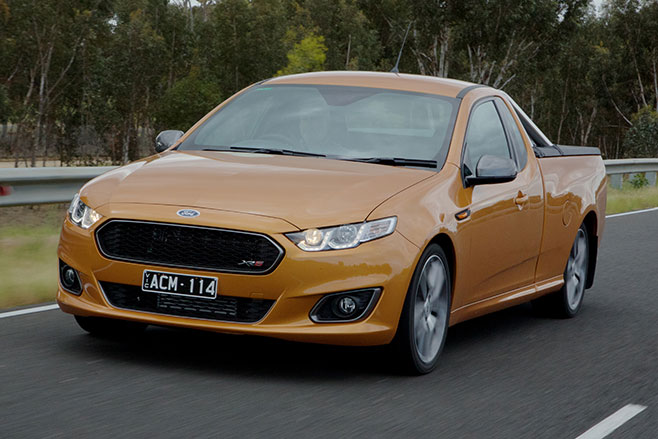
While the lifestyle ute concept is not new – Subaru previously offered the Outback-based Baja in America and locally we have the Holden Commodore and Ford Falcon – America has typically backed away from anything that isn’t big, brash and beefy when it comes to utes.
The Baja never got close to its sales targets and the Commodore Ute – also a stylish ute that’s more about driving enjoyment and lifestyle – has seen sales slide for more than a decade, with just 4936 sold in 2015, down from a high of 22,372 in 2004. Plans to export the Commodore to the US were also shelved as General Motors entered bankruptcy in 2008.
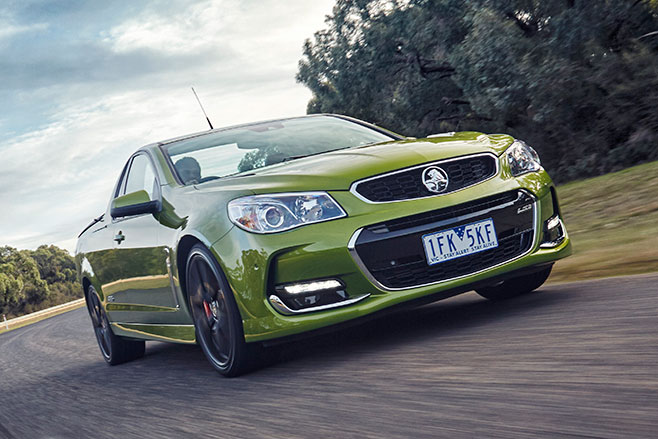
But O’Brien believes the Santa Cruz could start a trend towards lighter-duty utes that are more fuel-efficient and driver friendly.
“I can easily imagine the pickup market in the US bifurcating,” he says. “You can easily imagine in the future, true work trucks, heavy duty pickups. And the rest of the market, maybe they don’t need a vehicle to tow 5000 pounds (2.3 tonnes).”
Not that Hyundai is concerned about finding American buyers for the Santa Cruz.
“Fact is, there’s huge demand for a more affordable, open-bed utility product,” says O’Brien. “Not everybody’s hauling a gooseneck trailer with a head of cattle in it. Not everybody’s got a horse trailer. Not everybody’s hauling a thousand pounds of concrete. Some people just need the utility of an open bed.
“So we found out there’s this big market of people buying CUVs (crossover utility vehicles) that it’s not their first choice. They’re active people, kayakers, rock climbing, hiking, mountain bikers… They hate the idea that they put their dirty gear in the back seat of the SUV where the child seat goes Monday morning.
“At the same time, they seek something that works in their urban lifestyle, that’s easier to park, that’s easy on fuel economy, and they want something with a sportier image.”
O’Brien also highlighted women as a key target market for the Santa Cruz.
“Most market segments in the United States are split fairly evenly male-to-female, within a 10 percent range, except pickup trucks and supercars.
“Pickup trucks are 80 percent male buyers. It seems silly, doesn’t it, because men and women have the same needs. You want to go pick up a piece of furniture, Home Depot, etc, it’s not just men that do that. Women generally find maneuvering pickups too much, too hard to see out the sides, the back, and so women tend to avoid them.”
Younger buyers, too, will be on the Santa Cruz hit list.
“There’s this completely untapped market for millennials looking for something more than a CUV. They don’t need a full-size pickup and they don’t need the [fuel consumption] that goes with it.
“Most buyers, they just like the feeling of extra durability that comes with the extra ground clearance and bigger wheels. They like the command seating position. They don’t need body on frame.
“The Santa Cruz, I really believe that there’s a market that’s unmet at this moment.”
O’Brien wouldn’t be drawn on production details but admitted the Santa Cruz would likely run down a US production line, avoiding the 25 percent “chicken tax” applied to imported pickups.
While the original concept was based on the larger Santa Fe, the production car will use both the the mid-size Tucson SUV platform and drivetrains.
“Quite frankly we’re trying to do platform sharing to be a little clever with it,” says O’Brien. “To deliver a price but also deliver the potential for manufacturing flexibility.”
HERE is the fifth and last group of candidates for Car of the Year 2016. Vote here for your Group 5 winner.
This poll closes at noon (Eastern Daylight Saving Time) tomorrow, Friday January 15 – as do the other four.
The cars leading each group at that time will comprise the field for the People’s Choice final.
Last time we looked, the Ford Everest led Group 1, and the Honda HR-V was neck and neck with the Mazda MX-3 in Group 2. The Mazda MX-5 roadster was heading the coupes in Group 3, and the Kia Optima had the jump in Group 4.
If you’ve not voted on those earlier groups, you can still influence the outcome. You’ll find the first four polls on Wheels’ Car of the Year page.
For Group 5, cast your vote on these premium (mostly) Europeans.
You can find a brief explanation of what each brings to the contest in our introduction to the contenders. It presents the full field of 25 cars in alphabetical order, by maker. Or for a more concise description and a look at the cars, just scroll past the poll below.
Remember, this is not a beauty contest. Wheels judges the contestants under five strict criteria, refined over half a century:
Function – how well a car does what it is intended to do. Efficiency – in all aspects. Use of resources in producing the car and in running it. Value – both against its rivals and against the wider new car market. Technology – does it offer a tangible advantage over its rivals? Safety – We’re talking passive and active.
Thank you for voting, the poll has now closed.
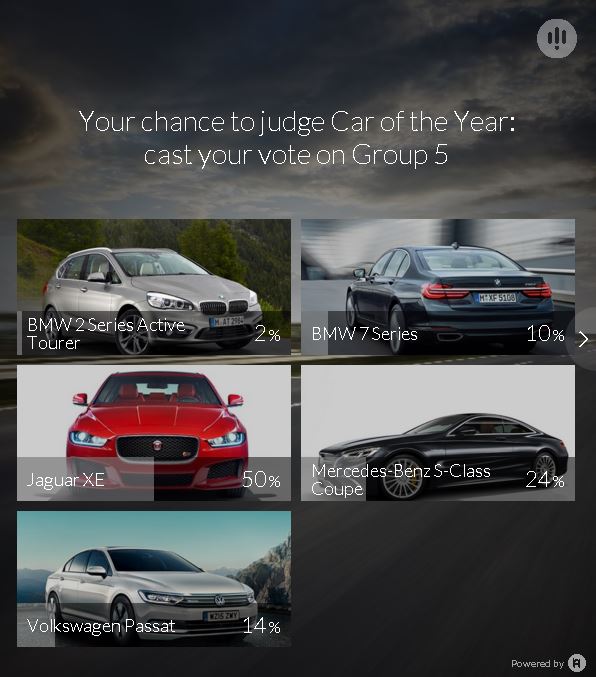
BMW 7 Series

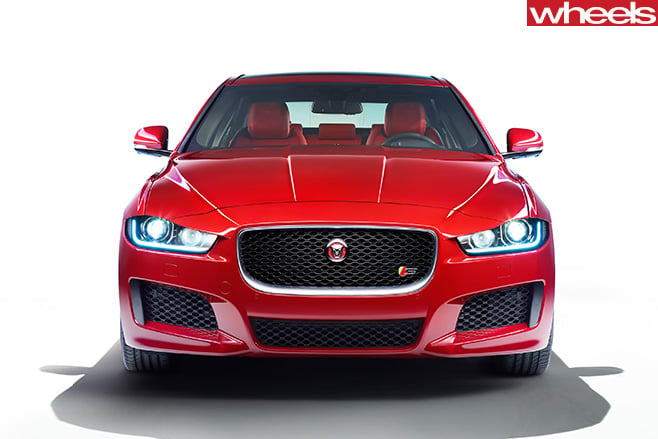
Jaguar XE
Mercedes-Benz S-Class Coupe

Volkswagen Passat

There’s something not quite right about this relationship. On paper, the F56 Mini Cooper should be right at the top of anyone’s RSVP feed. It’s small and sporty, punchy and pointy, and seemingly perfect for urban manoeuvrability. It has all the engineering genes to produce a frigging brilliant little hatchback, yet when Robbo recently asked me how we were getting along, and I paused, he said, “You’re not in love with it.” And he was right.
What the three-pot Mini Cooper lacks, and the four-pot Cooper S delivers, is a genuine high. Something that could see us bond like chewing gum to hair. After nearly 2000 kays in my six-speed manual Cooper, I’m struggling to find something I truly, genuinely love. But here goes.
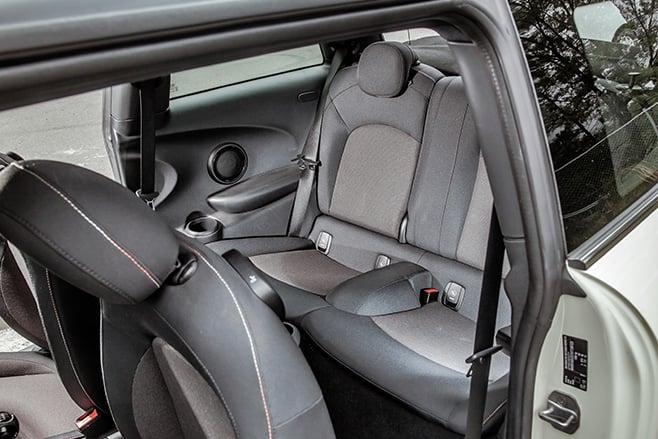
Contrary to what others think, I quite like the rear styling of the latest Mini, particularly its blobby tail-lights, and I’m always a sucker for frameless doors (until the seals stop sucking at highway speeds – ask any old Subaru owner). The Mini’s front cupholders are great for phones and keys and what not, while the one-litre Tupperware bottle I cart everywhere sits perfectly in the recess next to the handbrake. So practicality-wise it’s usefully inoffensive, even though its watered-down interior design means the new Mini is a little less Mini than it used to be.
It’s the dynamic aspect, though, that’s leaving me numb. Every now and then you get a taste of its delightful rear-end adjustment as it tucks into an urban corner, courtesy of super-keen steering and a neat leather wheel. But out on the open road, it simply doesn’t gel as well as it should.
Even on its non-run-flat 195/55R16 Hankooks, the Mini Cooper’s urban ride is rubbish, yet at speed on a typically bumpy Aussie freeway, there’s virtually no improvement in its bump absorbency. If you like a jiggly, constantly jostling ride, then here’s your car! And the Mini’s steering is arguably too reactive on a twisty road, especially when it’s wet, because those Hankooks don’t quite keep up with the steering’s demands.
So, highs that aren’t satisfying enough, mixed with a ride-quality low that’s borderline hateful. If the Cooper sounded raspy and keen, like a three-pot Mini should, then I could forgive some of its flaws, but it doesn’t do that either. If only it were a Cooper S manual with adaptive dampers.
DOLLARS AND SENSE
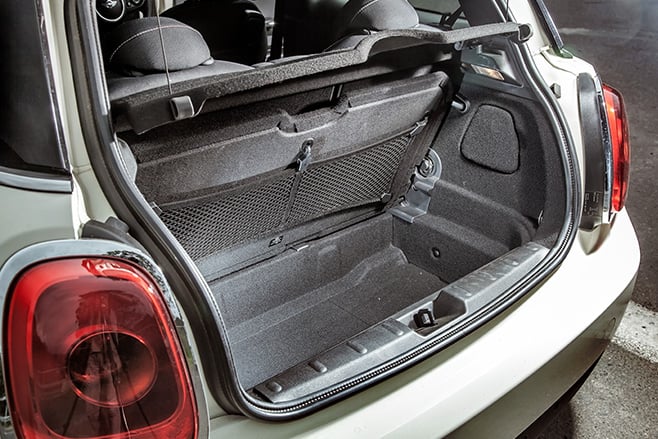
A $500 grocery shop is a big ask, not least for your wallet, but with a visitor staying for a fortnight, the new Mini’s increased cargo flexibility had a chance to prove its worth. I laid copious amounts of mineral water and anything else that would fit beneath the dual-height adjustable boot floor, and wedged the rest as tight as possible in the upper level. A few bags had to ride shotgun with the rear-seat passenger, but the little Mini did an admirable job.
This article was originally published in Wheels February 2015.
The V8 Supercar grid will be less one manufacturer this year with Erebus Motorsport announcing today that it will switch to Holden for the 2016 season.
Former Ford driver David Reynolds, fourth in the 2015 championship, will steer the Penrite-sponsored VF Commodore following his exit from the Ford Performance Racing fold.
“I made my V8 Supercars debut in a Commodore, but since I last raced a Holden the series moved into the Car of the Future era,” said Reynolds in a statement released by the team.
“Since then, the VF Commodore has proven to be the car of choice and I see the change to Holden as a positive for Erebus Motorsport.”
The VF Commodore is currently second on V8 Supercars’ all-time winningest models list with 74 wins.
Erebus has previously run privately-entered Mercedes-Benz E63 AMGs, however success proved elusive, the team securing just two wins in its three seasons of competition so far.
Will Davison was the highest-placed Erebus driver in 2015 securing 15th place in the championship.
It might not have been conceived with the quarter mile in mind, but it seems that Toyota’s 86 makes one mean drag car.
Ok, so just how much 86 remains in this beast is debatable, but you can’t argue with the results. Built by Bahrain-based EKanoo Racing, this 86 runs a mega-horsepower 2JZ lifted from the JZA80 Toyota Supra.
According to its website, EKanoo helped set up the first ever Bahrain drag meet back in 2004. The sport may have only been around for about a decade, but it seems the team at Ekanoo are fast learners.
In addition to the world’s fastest 86, EKanoo claim to build the world’s fastest Supra and the world’s fastest tiptronic Porsche.
It does a fine line in R35 drag cars as well, as the video above illustrates (the car has since gone even faster).
It doesn’t always go smoothly, however, and when you’re dealing with this much power and speed accidents tend to only come in one size.
HYUNDAI is working on a top secret supercar as a flagship to its new Genesis luxury range and upcoming N performance models.
Wheels has learnt the yet to be announced Genesis supercar will have Porsche, Ferrari, BMW, Audi and Mercedes-Benz in its crosshairs when it finally breaks cover as a halo machine for the fast-growing Korean carmaker.
Speaking at the 2016 Detroit Motor Show, Hyundai vice-president of product planning Mike O’Brien all but confirmed a supercar was in the wings.
When asked if a halo car could be used to shine a spotlight on the Hyundai brand, in much the same way as Lexus used the LFA and Honda the US-branded Acura NSX, O’Brien was forthright.
“Absolutely,” he said. “And [newly appointed Hyundai performance chief] Albert Biermann, who we hired from BMW M, is actively working on that right now.”
When asked specifically if Hyundai could produce a supercar – to be sold under its recently announced Genesis luxury brand – O’Brien was more cautious.
“Well, you’ve heard discussion about the N brand … it’ll be what you expect, let me say that.
Albert Biermann, the former BMW M division boss, is one of a number of engineers and designers the ambitious Korean carmaker has poached over more than two years as part of a top secret plan to make its high performance supercar come true.
When quizzed about all-wheel-drive performance cars the respected German engineer gave a tantalising clue to the upcoming supercar.
“Are there really so many all-wheel-drive cars out there that are fun to drive?” he questioned. “I think one can, but it’s not out there yet. You need to wait until then…”
As for what would power the Hyundai/Genesis supercar, Biermann was guarded.
He confirmed emissions regulations would likely force the shift to a turbocharged V8 for some N models.
“I cannot comment on that today. But for the future … if you go to performance area it might be you need to go to turbo.”
Biermann said there were other models ahead of any supercar.
“We have a nice roadmap for the next five years working so there will be [a] Genesis car included,” said Biermann, suggesting early 2018 as a likely start for the N sub-brand.
“The first N car will be on the road in two years from now.”
That car is expected to be a Volkswagen Golf GTI-rivalling version of the next-generation Hyundai i30.
“[The first N car] is a car more focused on Europe, and then the next car will be focused on the US and so we take an easy start,” said Biermann. “We don’t go to full blast on the first car but the philosophy, the jobs, how we approach a high-performance car, how we develop it, the thinking – it’s all full high-performance.”
Biermann said any Hyundai or Genesis high performance N car would be about driving enjoyment – and stretching that all the way to the race track.
“There’s for our company some new technology but it’s much more the way we are working on the project and it’s all about the driving fun. That’s on top of everything else – fun to drive.”
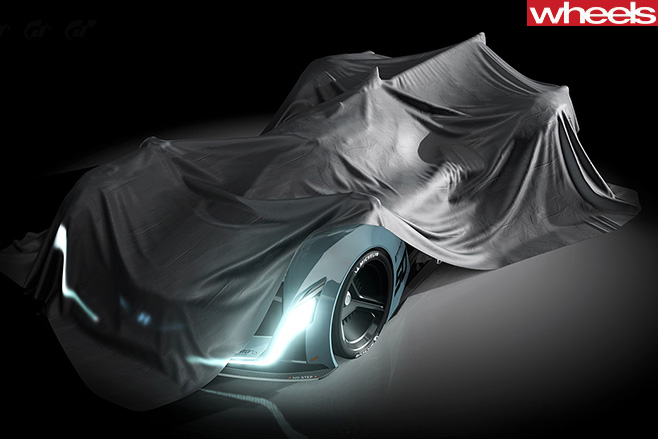
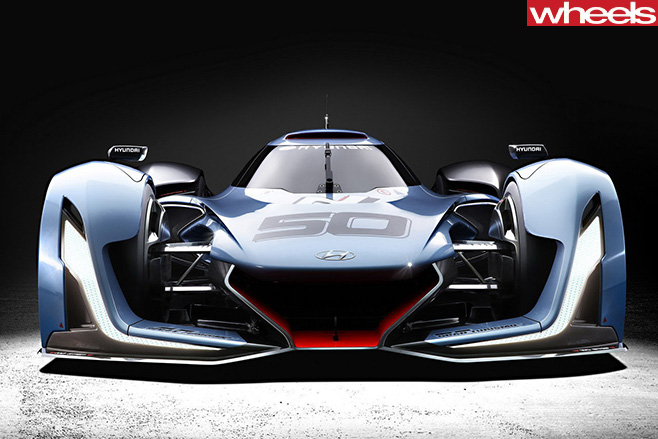
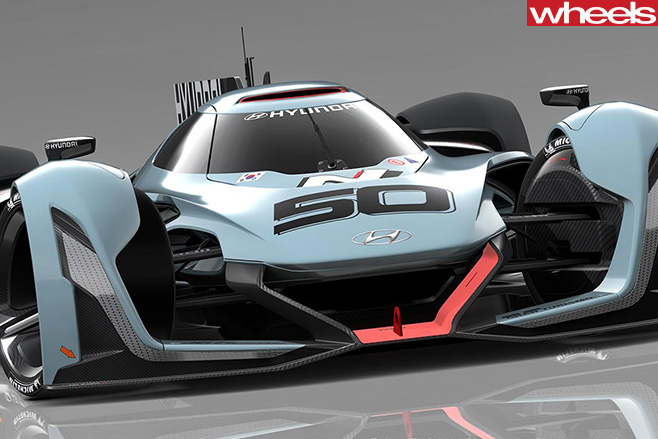
Hyundai has already shown how far it can push its N brand with the Vision N 2025 concept car from the 2015 Frankfurt motor show. While the hydrogen fuel cell-powered virtual racer has no prospect of production, it demonstrates the car maker’s radical thinking.
Hyundai America president and chief executive Dave Zuchowski said the N sub-brand was a big spend and that the end result would be cars that “are going to be outstanding”.
“If you think about it, we have a completely separate R&D function in our group now to focus on,” said Zuchowski. “We have a completely separate design function to focus on. This isn’t just something we’re talking about – this is something we’re throwing considerable resources, people and dollars, against.”
As well as Biermann, late last year Hyundai also snared former Lamborghini design chief Luc Donckerwolke, a man who also headed Bentley design. And only weeks ago Hyundai tempted former Lamborghini design and brand director Manfred Fitzgerald to join its expanding performance team.
Adding to the supercar speculation is activity at the brand’s Namyang proving ground in Korea. Hyundai has spent up big on cars as diverse as a BMW M3, Porsche 911 and Porsche 911 Turbo as benchmarks for its upcoming supercar assault.
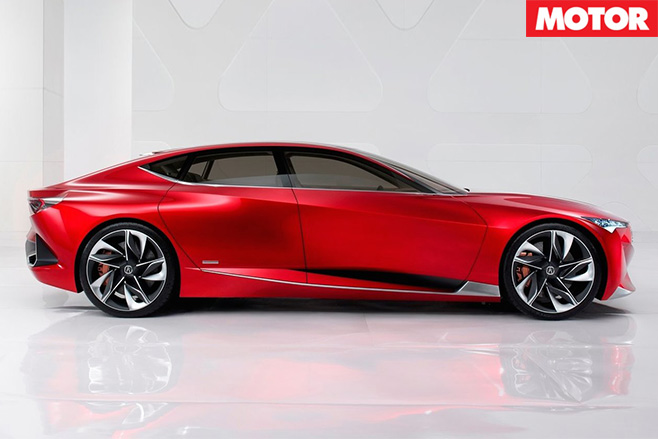
Honda has been emerging from a slumber lately and its US luxury brand Acura is clearly part of the re-awakening if this sexy Precision Concept is anything to go by.
It is claimed the styling of the Precision Concept will directly influence the future of Acura vehicles – some of which, like the Accord Euro and new NSX, have or will become Honda models for our market.
Fingers crossed, too, because the Precision Concept is a large-sedan looker that could become the next Acura RLX, also known in Japan as the Honda Legend we’ve been familiar with here before.

That broad dash-to-axle ratio indicates it could be rear-wheel drive, while the 22-inch Michelin Pilot Super Sport rubber could certainly handle the power of, say, the 373kW 3.5-litre twin-turbocharged V6 from the NSX. Paddleshifters and an Integrated Dynamics System (IDS) button on a “race-inspired” sports steering wheel are further hints at strong performance within.
“The Acura Precision Concept is more than simply a concept vehicle, it is a design study model that literally will shape the direction of all future Acura products,” the brand added.
“[It] is the leading edge of a renewed commitment to delivering Precision Crafted Performance in every facet of the product experience and creating a powerful and very exciting direction for the next generation of Acura models.”
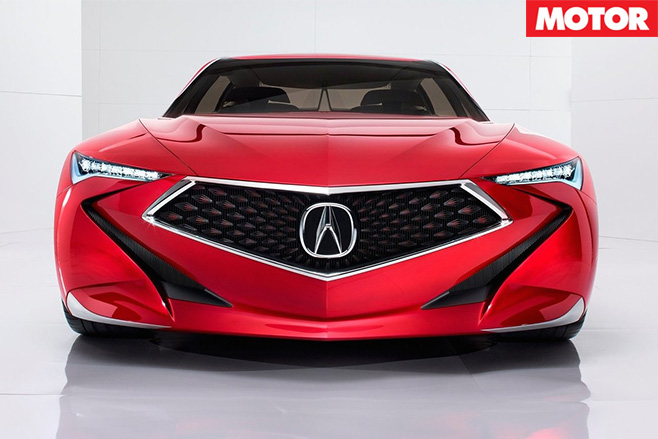
The NSX supercar is due in Australian showrooms in the third-quarter of this year as a Honda, expected to be priced around $200K. We can only hope a production version of this coupe-like sedan follows the same path and remains more exciting to look at (and drive) than the Legend we last saw locally in 2013.
Super-efficient EV SUV to be ready by 2020 as Audi chases hydrogen future
A PRODUCTION version of Audi’s h-tron quattro concept will hit public roads by 2020, says Audi AG chairman Rupert Stadler.
The bright yellow concept was revealed ahead of the 2016 Detroit motor show as a hydrogen-powered, pure electric SUV. It combines the body of the e-tron concept with a development of the technology first seen in the Audi A7 Sportback h-tron, which was displayed at the 2014 Los Angeles motor show.
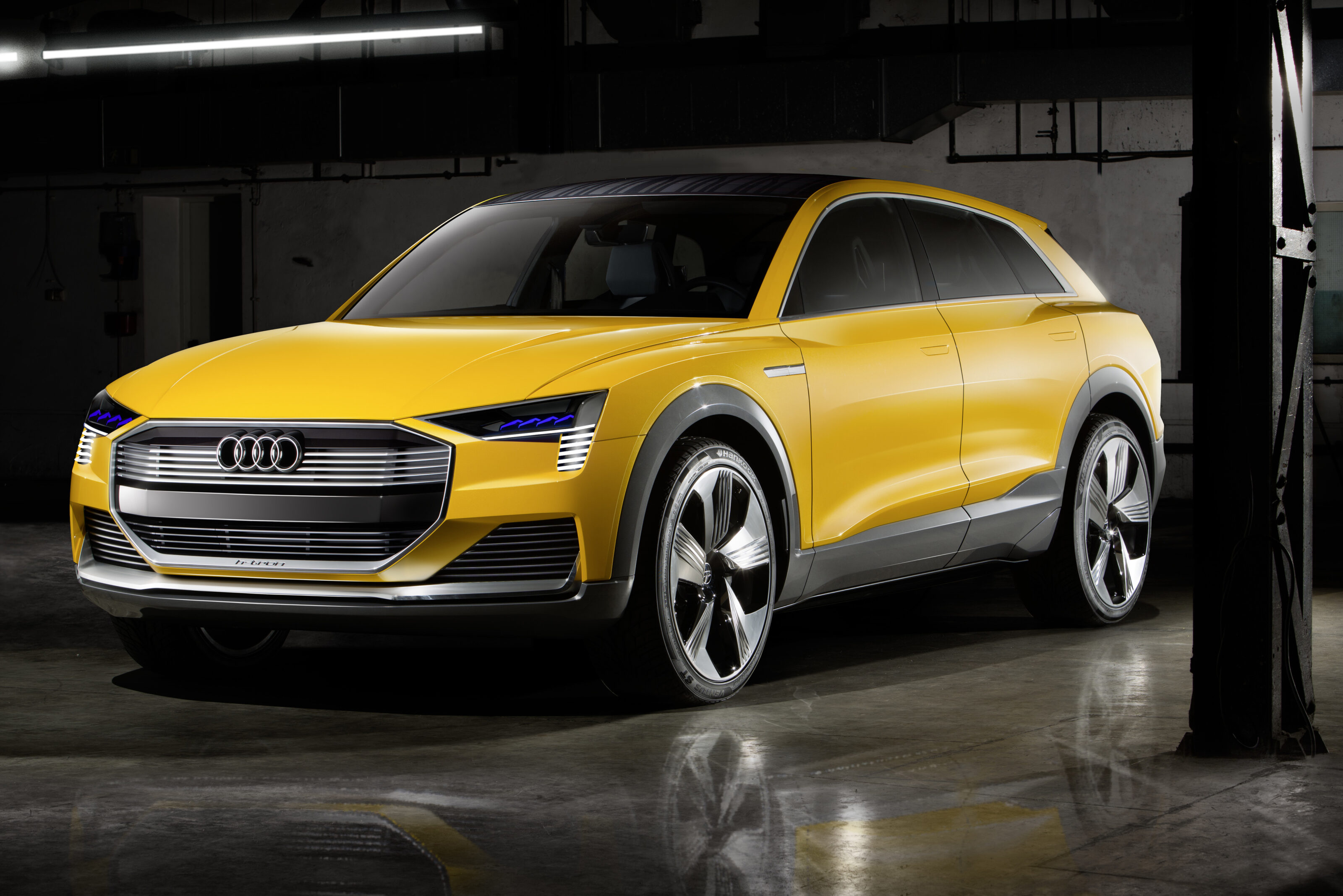
Speaking to Wheels at the h-tron’s global reveal in Detroit, Stadler confirmed Audi’s zero emission hydrogen technology will be ready by the end of the decade.
“I would say we’ll talk about 2020,” he said. “First of all we are preparing a fully-electric car in 2018 and then afterwards the next-step will be the hydrogen model.”
The bold, eye-searing yellow Audi h-tron concept on the Detroit show stand boasts a range of 600km from a trio of hydrogen tanks, which can be refilled in a swift four minutes. That’s 100km more than the 2014 Audi A7 Sportback h-tron.
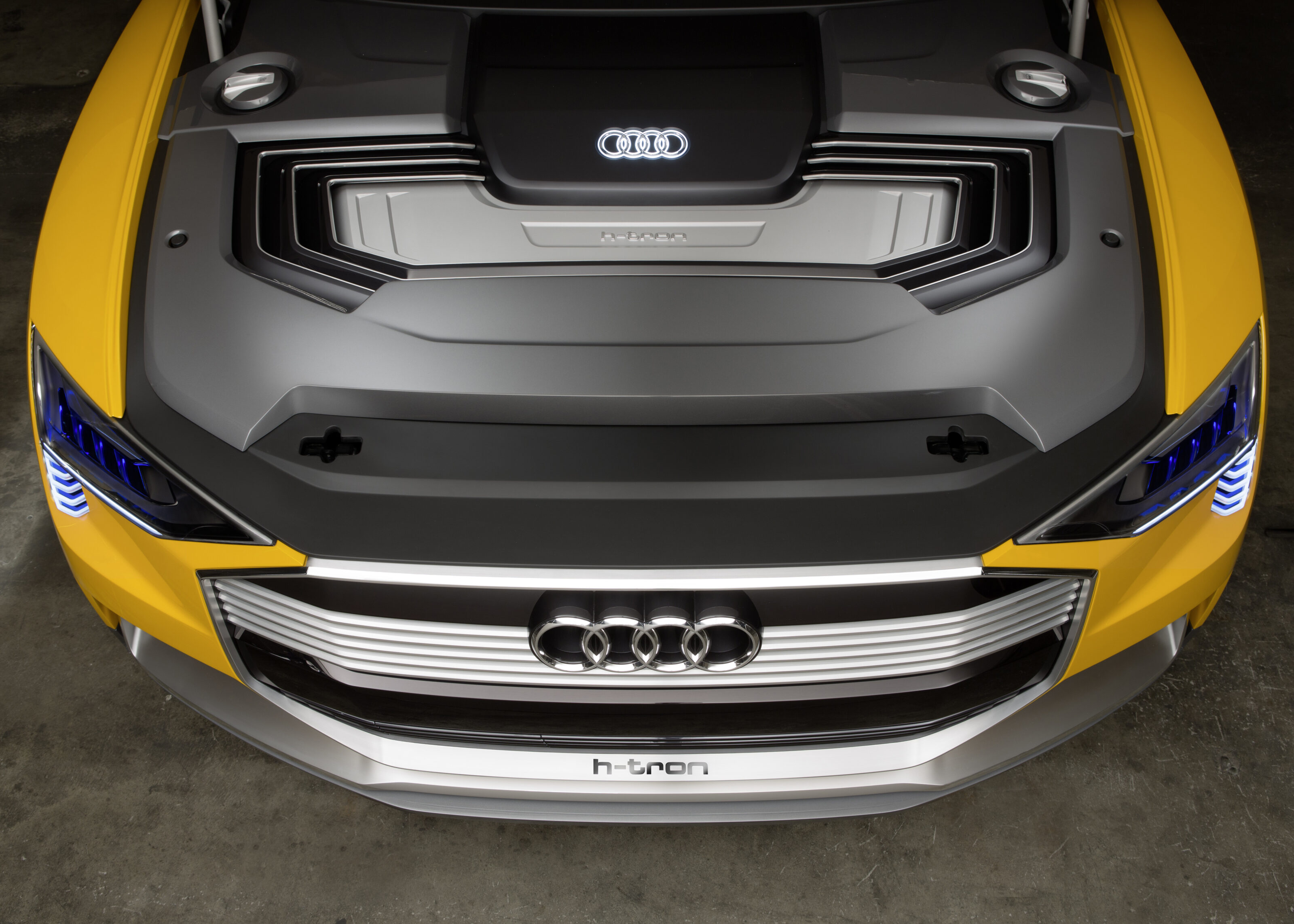
The parsimonious SUV – which has a body that shows yet another evolution of a potential BMW X6 rival – can also hit 0-100km/h in 7.0sec, almost a second faster than the 2014 LA show car.
“We are already in the development process of the hydrogen technology and we are now in the fifth-generation of these drivetrains, so we are improving year on year,” said Stadler.
The fuel cell, which is housed in the engine bay, provides 100kW of power, while a battery pack provides a 100kW boost to the electric motors, with one mounted on each axle.
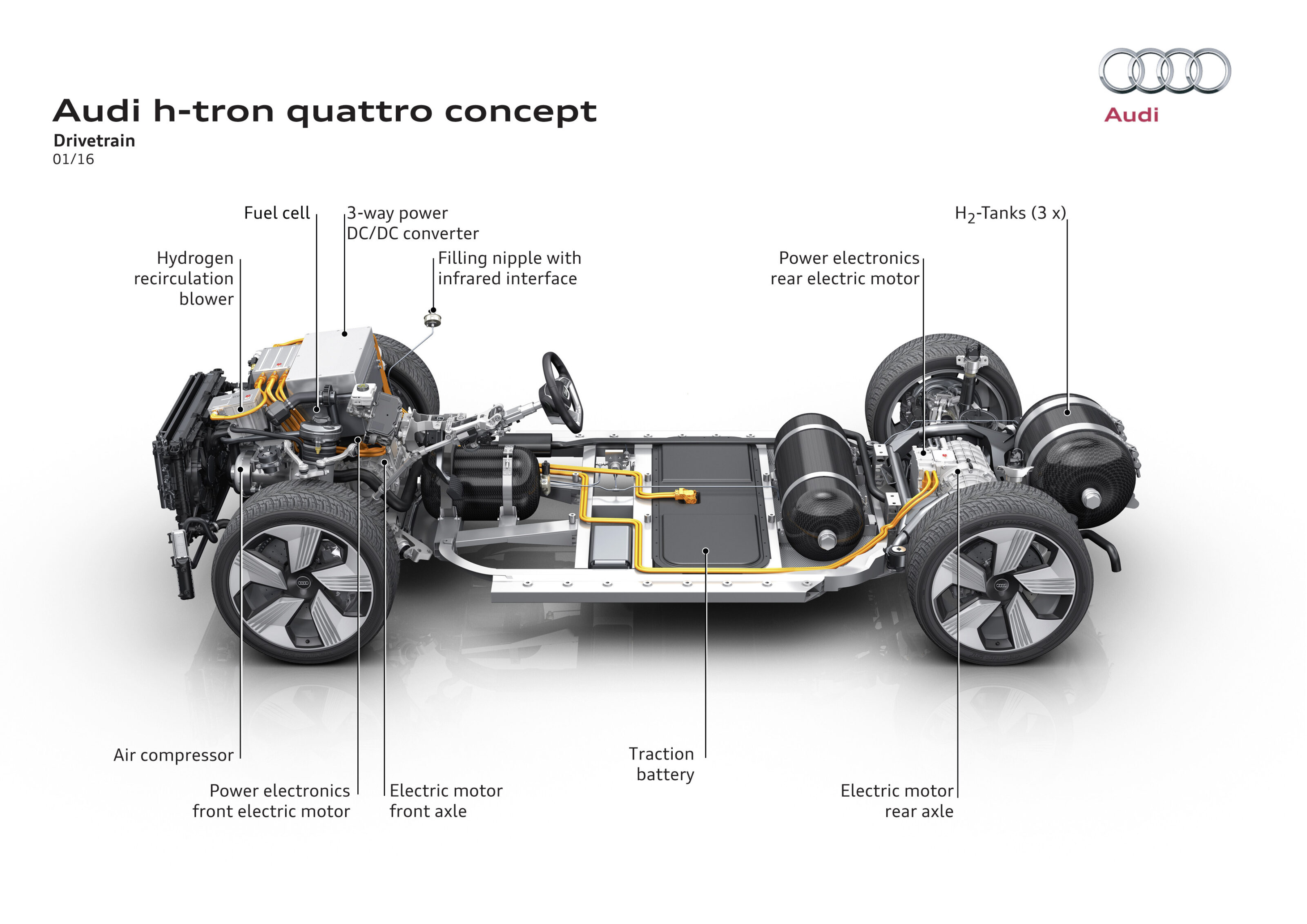
Combined torque is a considerable 500Nm, and being an Audi it’s all-wheel drive. While most of the grunt can be sent to the rear, the h-tron is front-wheel drive at low speed, where recuperative braking and a roof-mounted solar panel help to maximise efficiency.
The Detroit concept also shows off a suite of autonomous technology too, which Stadler confirmed will go into production in the brand’s flagship saloon, the Audi A8, in 2017. “We are sure that from 2017, with the new A8, we are prepared to go to the market as an autonomous car.”
America’s newest V10 supercar revealed at the Detroit Show is one Aston Martin didn’t want anyone to see.
Called the Force 1, it’s been lobbed by VLF Automotive, a brand new American luxury car manufacturer owned by Gilbert Villareal, former GM Vice Chairman Bob Lutz, and importantly, designer Henrik Fisker.
Fisker’s design nous has been employed by Aston Martin in the past, which might explain why – as Automotive News reports – he last week sued the British automaker for trying to veto the Force 1’s reveal.
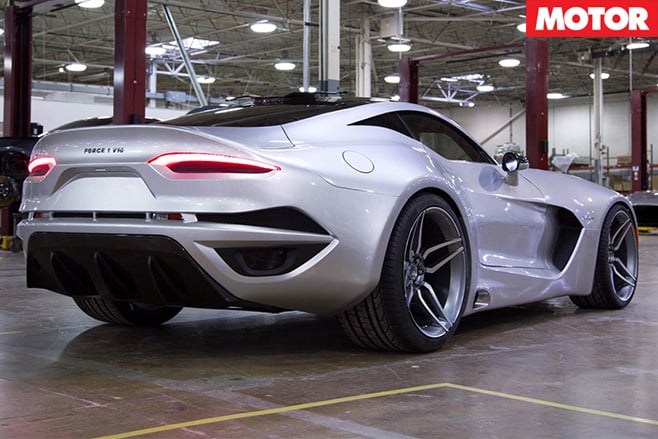
The two-seat coupe’s popular Detroit Show appearance proves Aston Martin wasn’t too successful with such allegations. And we’re glad, because the Force 1 sounds wonderfully unhinged.
With a Dodge Viper lurking under its bodywork, the original 8.4-litre V10 has been massaged to produce 555kW. That’s 80kW more than the stock car.
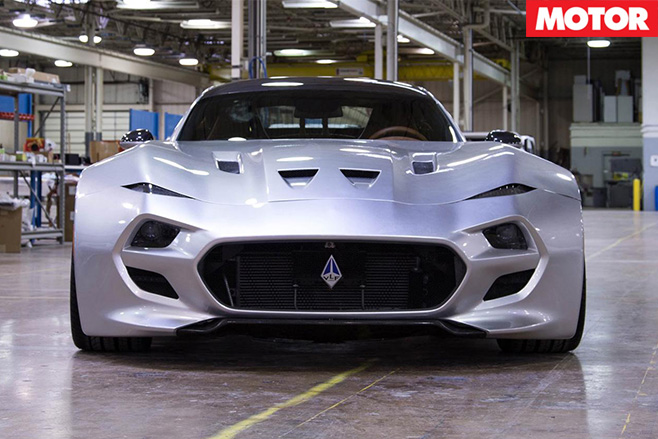
Either way, we’re hearing 97km/h disappears in three seconds before the Force 1 charges on to a 351km/h top speed.
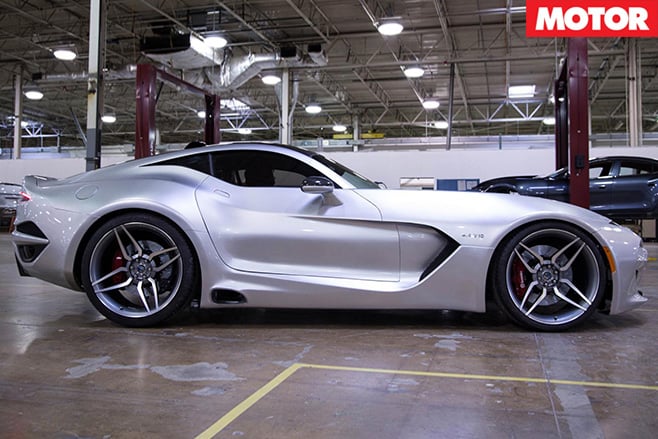
Then there’s its design. You can judge for yourself whether any Aston Martin hides in the bodywork. But there’s no denying its presence.
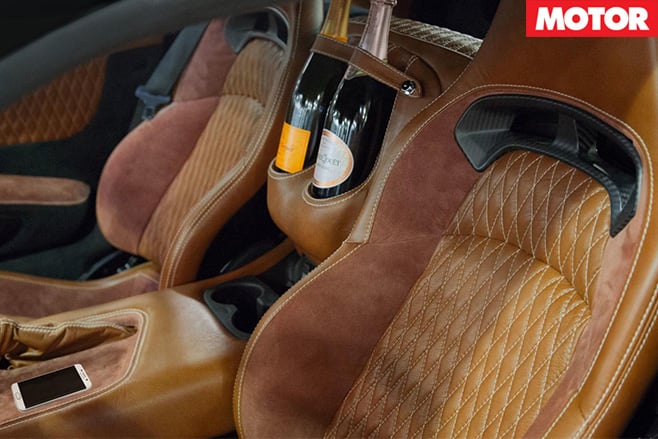
Abound with leather and suede, the interior makes the biggest statement about the car’s upmarket ambitions with champagne bottle holders that feature between the front seats.
The Force 1 will be priced at US$268,500 and go on sale this May.
Mercedes-AMG has revealed what is the most powerful S-Class cabriolet ever at the Detroit Motor Show overnight.
Employing the work of the company’s ubiquitous 6.0-litre twin-turbo V12, the new S65 chop-top makes 463kW and a colossal 1001Nm.
That’s enough torque to twist the most powerful bygone S-Class Cabriolet, the 1969 300SE, in to a fusilli stick.
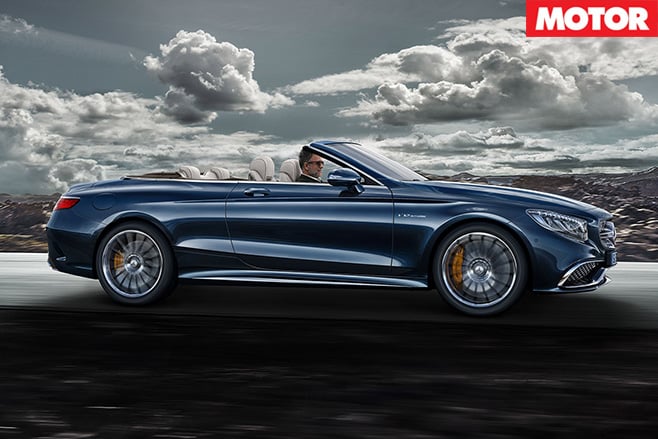
The AMG driver’s package, standard on US vehicles, will raise that limit to 299km/h. A ceiling it could easily surpass.
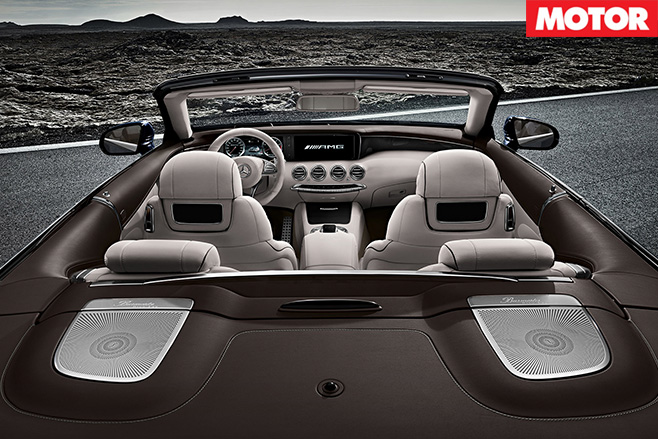
Chrome lathers its front badge, side flics, front splitter and front grille. “V12 Biturbo” also features on its wings, and high-sheen ceramic wheels under its guards.
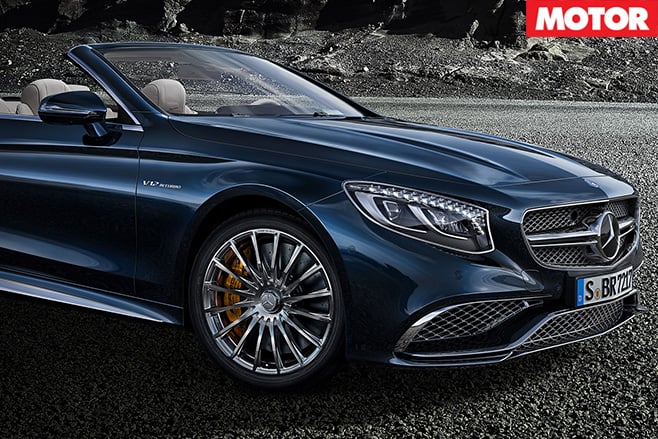
The AMG S65 will launch in the US this June, but expect to see it land in Australia for more than the S65 AMG Coupe’s $498,610.
