
Since joining Wheels two and a half years ago, I’ve enjoyed a golden run of long termers. Even as the office junior I managed to wangle a Toyota 86, then a Range Rover Evoque, and most recently a Volkswagen Golf GTI Performance.
Lofty heights, you’ll agree, so the news that my next long termer would be a Mazda 2 – a budget city car – was difficult to swallow.
Granted, this makes me sound like a massive snob. I shouldn’t have worried; this Mazda 2 is seriously impressive.
The model I have here is the range-topping Genki, which, thanks to $200 of premium paint costs $20,190. That’s a five grand hike over the base $14,990 Neo, but there’s plenty of bling for your buck, like 16-inch alloys, automatic wipers, an enormous and intuitive 7.0-inch infotainment display, cruise control, Bluetooth, sat-nav and the same head-up display system as an up-spec Mazda 3.
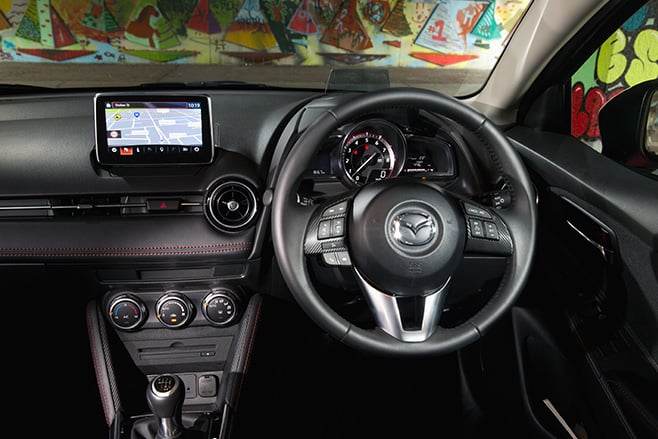
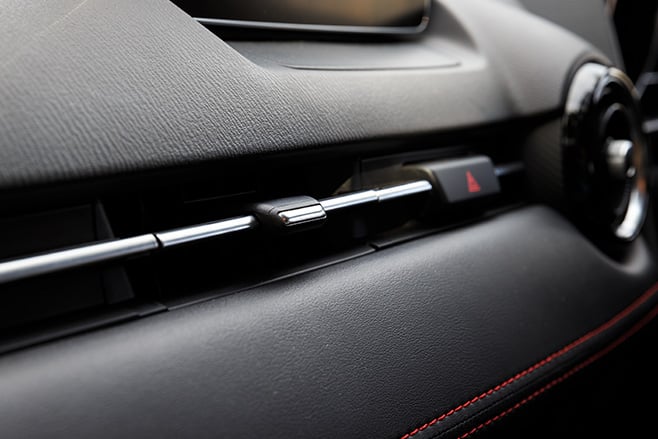
It also has one of the best small-car interiors around. It might be a ‘light car’, but the Genki’s carefully executed interior is wonderfully premium. The dash design is a masterstroke, as are the digital/analogue instruments and leather multi-function steering wheel. Even the Audi-esque circular air-con vents scream class.
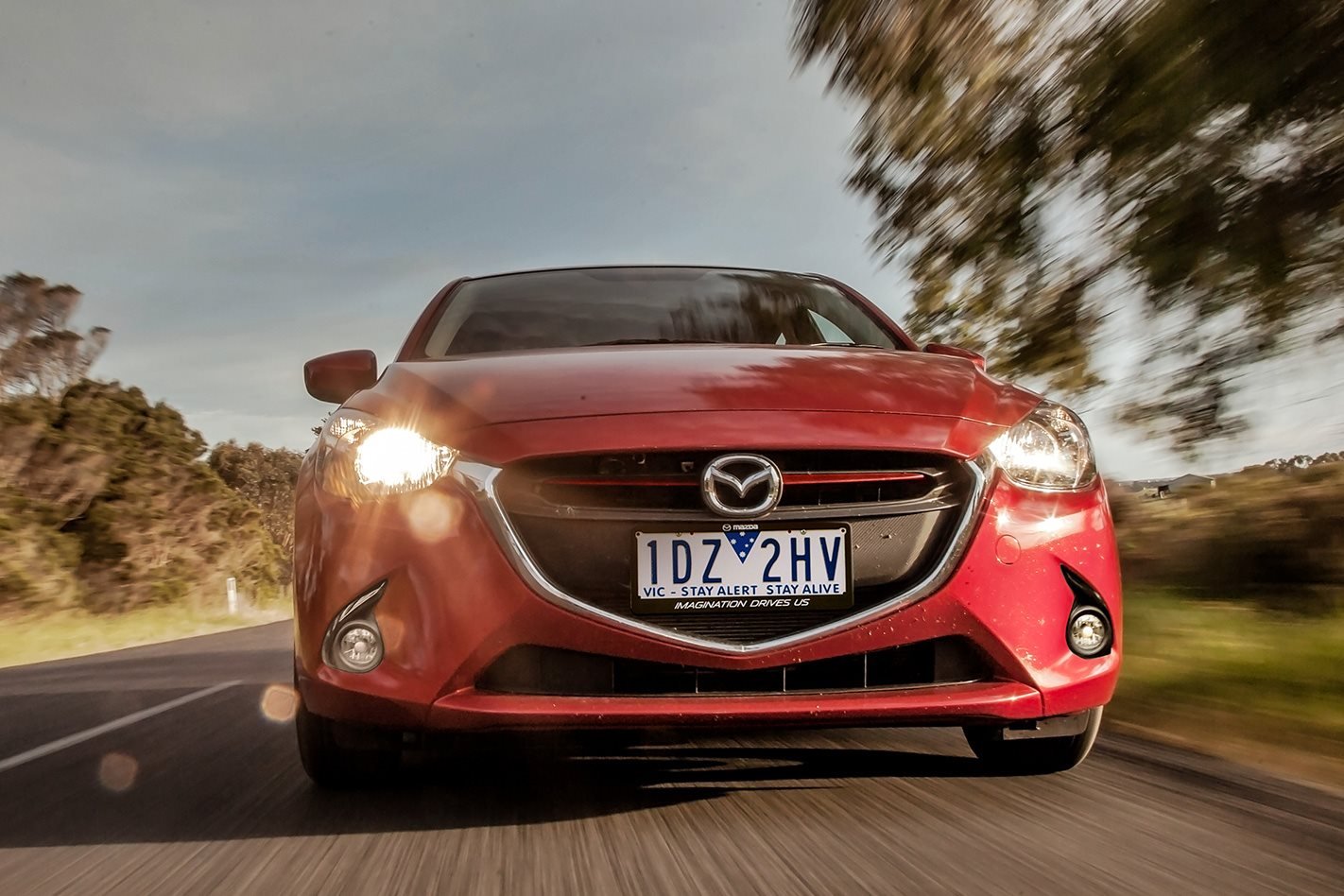
The exterior design is a highlight, too. The old 2 was a soft, feminine thing to look at, but this new car, infused with Mazda’s Kodo design language and a new, angular front, is suitably handsome.
Where the 2’s magic really lies, though, is under the bonnet. After six months in the king of all Golf GTIs, I feared the 2’s engine would feel gutless. Again, I was wrong.
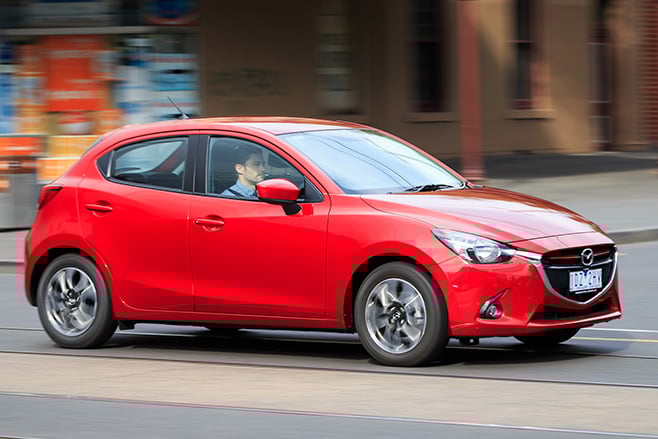
Genki and mid-spec Maxx variants run a higher output, higher compression (13.0:1) version of Mazda’s new 1.5-litre naturally aspirated four and it’s a gem. Muscular, flexible and almost unbelievably tractable, it’s easily one of the best applications of Mazda’s SkyActiv engine tech.
True, given its modest 81kW and 141Nm outputs, the Genki is no powerhouse, but select the right gear and it never feels underpowered, even on hilly roads. And swapping cogs in the 2’s crisp six-speed manual ’box is no hardship. In fact, the beautifully oiled, mechanical-feeling gearshift is so sweet I’ve found myself changing ratios unnecessarily, purely for fun.
The one glaring chink in the Genki’s armour is the lack of a reversing camera, which is a $420 option. This oversight is a shame, not only because competitors such as Honda’s base $14,990 Jazz include one as standard, but because the 2’s narrow, sweeping glasshouse and thick C-pillar mean you really need one. Reversing out of angle parks is a rather tricky experience.
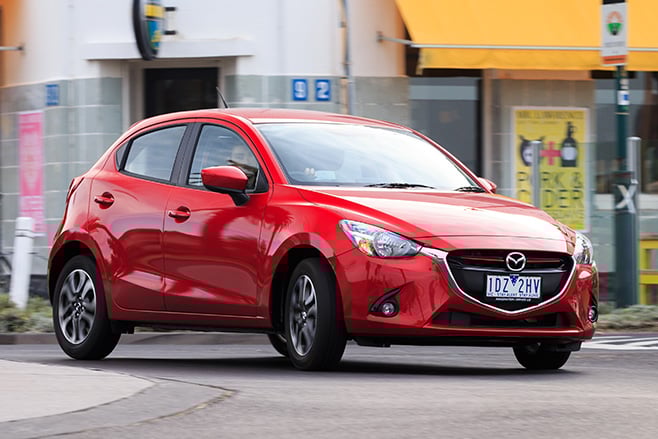
Still, I can honestly say that, so far, I’m rapt in the little Mazda. It’s so convincing that if I’d just dropped $20K of my own hard-earned on it, I wouldn’t be disappointed. It not only boasts remarkable value and an involving, economical drivetrain, but thanks to its stylish new look and superb interior, it has character and personality, too.
Reality check? Pah, seems my golden run of long termers continues.
Model split
The top-spec Genki we have here might bristle with high-tech toys and a stunning interior, but Mazda says the most popular variant will be the base $14,990 Neo, which will account for a whopping 60 percent of sales. Mid-spec Maxx and Genki models will each draw 20 percent of buyers. Neo models make do with a lower-output 79kW/139Nm 1.5-litre atmo four, roll on 15-inch steel wheels and, thanks to a plastic steering wheel and different instrument layout, lack the Genki’s interior sparkle.
Is bigger better?
New Mazda 2 is larger than its predecessor everywhere except width. Overall length has grown 160mm, it’s 20mm taller and the wheelbase is 80mm longer. Its wheels now sit closer to the car’s corners, and while the new 2 isn’t necessarily roomier, it’s a lot more comfortable. Front seats, which come from the Mazda 3, are wide yet supportive, as is the rear bench.
Update 1
Alex (and his car) sound off about getting hitched.
It’s taken seven tortuous hours, a screeching bird, a huge dress and the blare of a truck’s horn to do it, but I finally say the words that have been haunting me for months: “Getting married sucks!”
The words ricochet around the Mazda 2’s cabin like a bouncy ball, but mercifully don’t wake my beautiful wife-to-be, who’s doing her best impersonation of a sleeping zombie in the passenger seat.
We’re en route from Melbourne to Sydney to get hitched, an overnight road trip that’s been 18 months in the planning, and one I now realise is a mistake. The road trip part, not the married bit.
It’s 10pm, I’m tired after a full day at work and the little 2 is so crammed with wedding paraphernalia it feels like a coffin. Even worse, as good as the 2 has been in suburbia, it’s less convincing on the freeway.
This is the second intestate dash we’ve tackled in the 2 (oh, the joys of planning a Sydney wedding from Melbourne) and both trips have been plagued by road and wind noise, a bugbear of Mazdas for many years. The roar is so pronounced I actually pulled over on our first trip to ensure the boot and rear doors were closed. Sadly, they were.
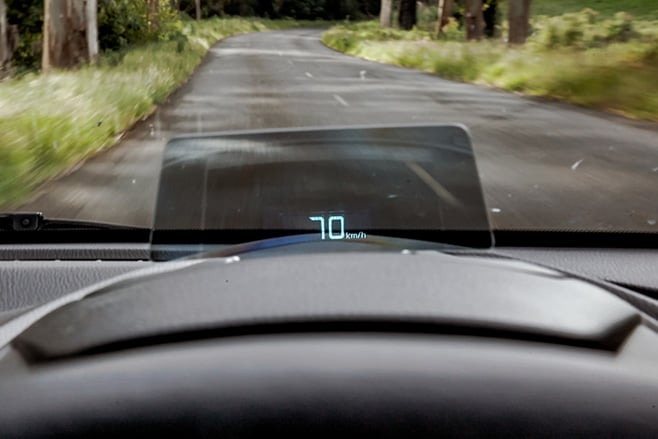
But while your ears take a pummelling, I can’t fault the 2 for interior comfort. The cloth seats are supportive and well made, the driving position excellent, the air-con freezing and faultless, and I absolutely love the head-up display, which still feels like a novelty in a $20K city car. It means that, while its below-par NVH can be tiring, even tall blokes like me can clamber out after a 10-hour stint without a sore back or stiff legs.
Then there’s how much crap the 2 can swallow. Its 250-litre boot capacity is hardly class-leading, but with both the rear seats folded flat I’ve managed to squeeze into the cabin two suitcases, all our wedding equipment and a wedding dress so large it has several moons. There’s even room in the back for a small birdcage occupied by a screeching cockatiel named Alfie, which my future wife is ferrying to its new home in Sydney. Bless her.
Another blessing is the 2’s frugal economy, with its amazing 1.5-litre donk sipping just 5.5L/100km up the Hume. On the freeway the atmo four cruises quietly and effortlessly, and is so flexible you just leave it in sixth. Only the hills around Yass require some quick downshifts back to fourth.
Lots of positives, then, but the 2’s lack of refinement at highway speeds is hard to ignore. It’s a shame, not only because the rest of the package is so convincing but because, after 10 hours of slogging on the freeway, it’s enough to drive you spare.
Just like wedding planning.
Update 2
Mazda’s city car stakes a claim for residency.
If I’d known it was going to consume so much brain power, I’d have quashed the thought as soon as it entered my mind.
But I didn’t. And now I’m bitter, twisted and confused, all over six seemingly innocent words: “Should I buy a new car?”
The question arrived as I was washing my beloved Mk5 Golf GTI, prompted by a terrible realisation – I couldn’t remember the last time I took my personal hot hatch for a proper drive. Between supplied test cars and long-termers, the Golf had faded into obscurity, forcing me to consider a hard truth: I should sell it.
But what to buy? I decided it should be something old, interesting and oozing with character, like an original Mk1 Golf GTI, an Alfa Spider or a VW Kombi, but then my wife muddied the waters even further by suggesting the Mazda 2.
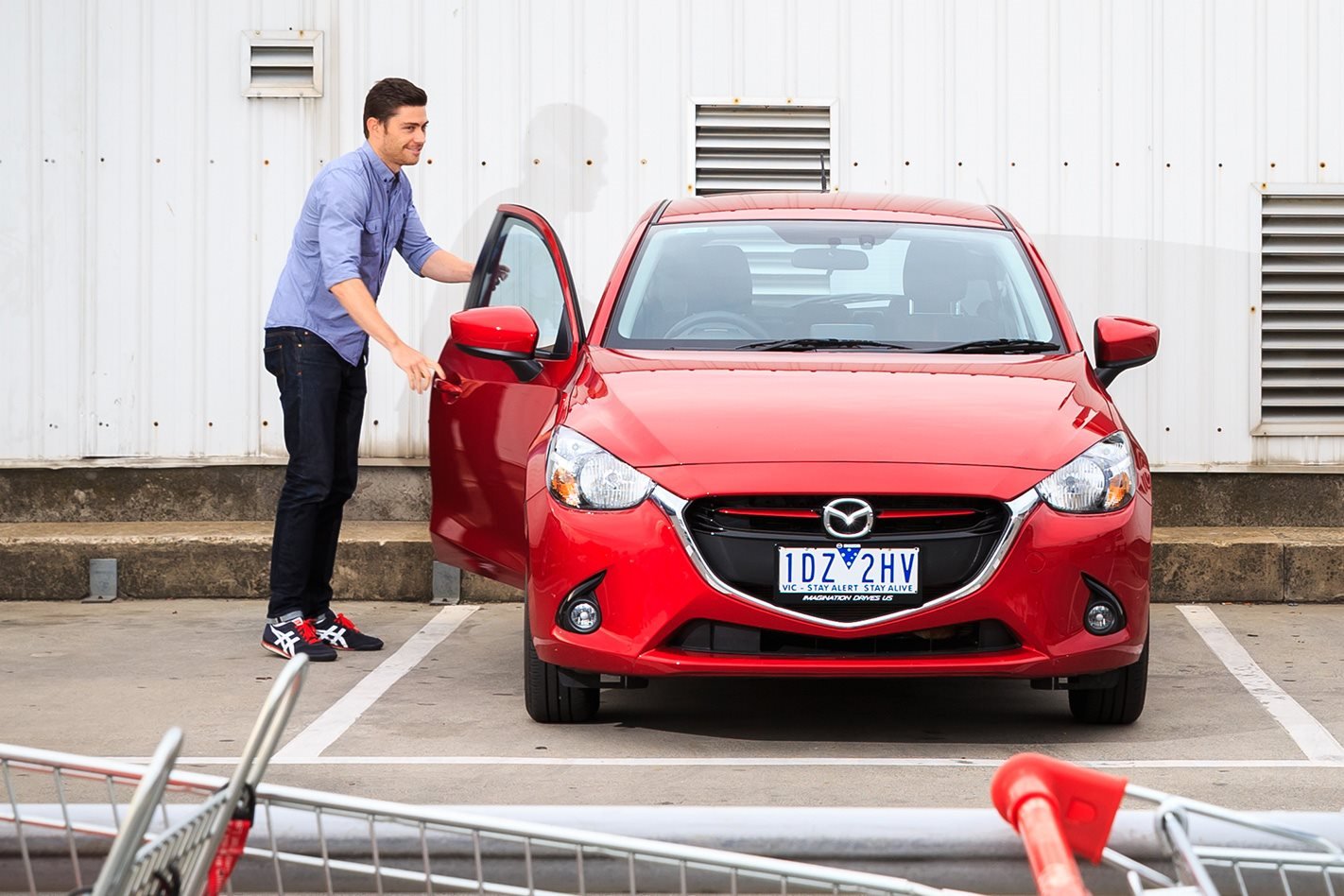
Our red Genki goes back to Mazda next week, meaning that after three months it’s time to level the only question that matters at the end of a long-term test: Would I buy it? The answer, which mercifully could put an end to my night-time detective work, is a full-bodied and resounding ‘Yes!’.
It would have to be a Genki – I love my long-termer’s premium interior and sharper-looking alloys too much to slum it in a Maxx or base Neo – and I’d definitely option the $420 reversing camera and the six-speed manual ’box, but Mazda’s SkyActiv city car has won me over.
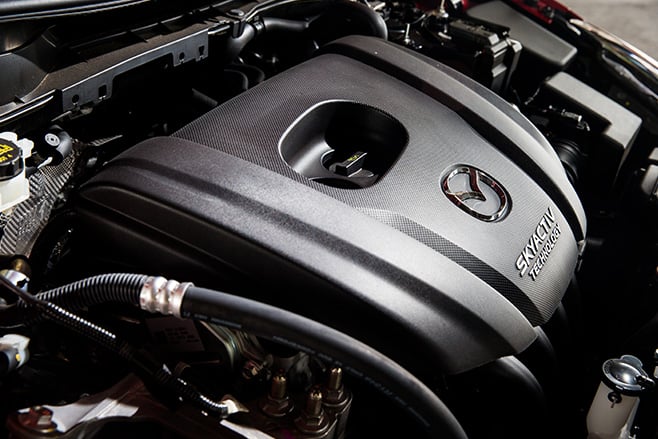
Key to this bond has been the 2’s 1.5-litre engine, which has not only been efficient (my three-month average of 5.8L/100km, mostly in city traffic, is impressively close to Mazda’s 5.2 claim) but oozes personality. Yes, its incredible tractability means it’s happy to slip effortlessly through city traffic with minimal gearchanges, but throw the 2 some revs and the drivetrain can also be engaging. The little unit pulls hard and cleanly while emitting an endearing whine that, high in the rev range, makes it sound supercharged. It’s a drivetrain that, like the 2’s polished interior, gives it a sense of solidity and, unlike some of its rivals, means it never feels like a car built to a price.
Even the cabin has character, with bright red stripes on the seats and a head-up display system that, thanks to sharp moulded triangles on the dash, makes the 2’s instrument cluster feel like a fighter jet’s.
The one stumbling block is the 2’s image. Almost everyone in my social circle has said, “but isn’t that a girl’s car?” Admittedly this is a criticism I myself applied to the previous Mazda 2, and technically my mates are right; Mazda says 76 percent of 2 buyers will be female. But surely no one could label my Genki’s pumped-up, muscular styling and angular grille as feminine? Imagine how good it would look in bitch black, or stark white, with a slightly lower ride height and some BBS wheels.
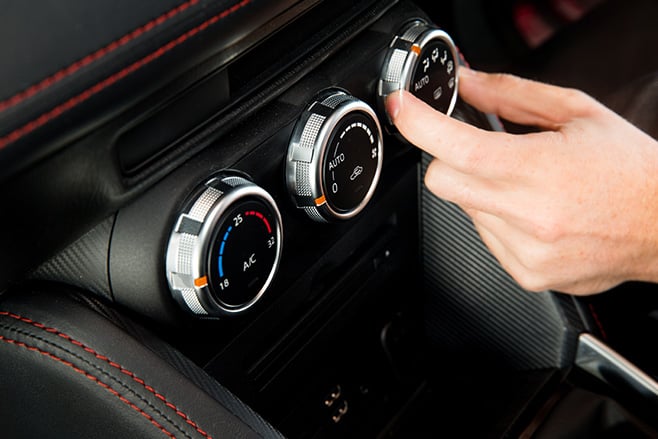
After three months together, I’ve bonded with the little car from Hiroshima. Girl’s car or not, it’s a city car I’d buy in a heartbeat.
Gauge rage
At the start of every fill, the 2’s fuel tank feels like a never-ending packet of Tim Tams. For the first 200km, the fuel gauge resolutely reads full, making the driver think the entire tank will last… forever. Of course, this is a cruel trick. Each quarter of the tank is split into three bars and once that first one drops, the rest of the bars disappear quickly. The furthest I travelled on a tank was 644km on the freeway, meaning each of the remaining bars lasted just 40km.
Driver distraction is a contributing factor in a quarter of crashes and near crashes on Australian roads. Using a mobile phone while driving is highly distracting, and it’s thought to increase your risk of a crash four times over — it’s no coincidence that a texting driver looks away from the road about four times more than a non-texting driver. Not to mention it’s illegal. But, we still do it — about one-third of drivers admit to texting and driving, and around two-thirds of those drivers were under 25.
While this guilty bit of lawbreaking seems innocent enough to some, scanning a text or tapping one out while driving is the equivalent to shutting your eyes for two to three seconds at a time, sometimes more. If you shut your eyes for just two seconds at 110km/h, you would have been flying blind for 60 metres.
Porsche teamed up with EX-F1 pilot and current Porsche works driver Mark Webber to find out what happens when you text while trying to navigate a racetrack.
So, if it’s not possible to read texts or reply and send them while driving, what are the alternatives? The obvious, safest option is still to pull over and stop the car to answer calls or return messages, or better still, wait until the journey has been completed. Of course, this is a luxury some of us on long hauls or rushing about town feel we cannot afford, and the temptation to answer and sneak in a quick text is but a finger away.
There are new technologies coming on to the market that can help, such as text-blocking devices, which could be released in Australia by the end of the year. For example, the Groove Jammer is an initiative gaining the support of the major telco’s, which connects the car to the Internet via a dongle in the ECU port (for vehicles built in the past 20 years). It then blocks incoming notifications, texts, and even calls on their mobile phones while the car is in operation, while allowing connected options such as GPS to still be operational. It could also have the added bonus of assisting with insurance premiums, as mobile phone distraction is high on insurance companies’ radar as a cause of bingles. But ultimately, it is still a self-regulating device. It isn’t too hard for us, or our children, to simply reach under the dash and pull the dongle out.
There are mobile apps that do the same job of blocking incoming messages and phone calls, and even reply to texts and mobile calls with a message saying you are on the road — another self-regulating exercise. The more refined driving apps assist the driver in staying connected with a form of text-to-speech, so messages are read aloud to the driver as they come in, and some give the option via voice command to respond back.

However, this is still a distraction from the road. Studies have proven that holding a conversation with a passenger in the car is still half as likely to cause the same distraction as a conversation over a mobile phone, predominantly because a passenger can assess driving situations and risks, and pause the chat as the driver focuses on the road ahead. While you can tell a person on the end of the line to pause the conversation, a machine or program may not (ever tried to interrupt Siri or S-Voice?).
In the past decade, we have seen the development and release of inbuilt internet in the cars themselves. These early offerings from Audi, Fiat/Chrysler and GM turn the car into a rolling wireless hotspot with the aim of connecting not just the phone, tablet or computer (for the passengers!), but to offer live traffic information, update the car software remotely, and other nifty initiatives. Text messages can be dictated as they come in, and sent the same way. But while it is ‘hands-free’ texting, it is still taking some modicum of focus away from the road.
Full circle on this topic of conversation is this: while technology can assist us to stay connected and stay focused while driving, it is still better to be as free of distraction as possible, and sometimes this means turning off the tech and keeping the hands free to hold the wheel… and nothing else.
Standing out in today’s supercar crowd isn’t easy.
Defining Extreme Vehicles Car Industry L.L.C, however, has found a way to capture everyone’s attention, and it hasn’t even built a complete car yet.
Rather, it’s had someone build an engine, but not any old donk; it’s a V16 which boasts a capacity of 12.3-litres and spools four massive 81mm turbochargers.
Saying it doesn’t believe in using other manufacturer’s engines, it’s asked Steve Morris Engines to create a custom billet block and a single crankshaft to orchestrate all sixteen cylinders.
What ensues is power, lots of it, as you’ll be able to watch the V16 max out an engine dynamometer with 3367kW in the video above.
However, it’s claimed the V16’s capable of even more, producing 3728kW and 4746Nm when drinking race fuel and sucking 36psi of boost.
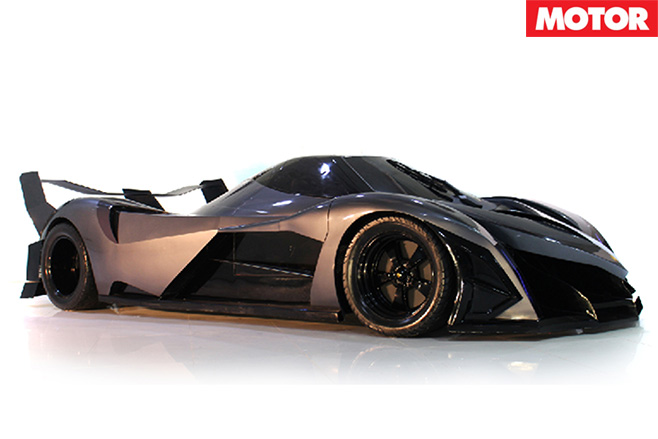
“Devel Sixteen is born with extreme performance and unimaginable outstanding power of ten super cars, to pioneer a new era that never have been achieved before,” the Dubai company’s video states.
Big words, but then again, the engine’s already proved it can make the big numbers.
This should be a no-brainer. After all, both of these German turbo all-paw rockets have highly efficient launch control systems, so surely picking a winner is as easy as reading the spec sheet?
In which case the laurel will go to the new Mercedes-AMG A45, its updated 280kW/475Nm 2.0-litre turbo four rocketing it to 100km/h in just 4.2sec, a tenth up on Audi’s new 270kW/465Nm 2.5-litre turbo five-pot RS3.
As it turns out, it’s not quite that simple, as one of these cars is capable of beating its claim by a big margin. But which one? Watch and find out.
Porsche will rename its entry twins the ‘718’ Cayman and Boxster next year as flat-four turbocharged engines are confirmed for the facelifted duo.
Porsche is shouting from the rooftops that it has history with four-cylinder engines, with the 718 designation reviving the name of the 1957 successor to the 550 Spyder that took multiple honours at Sebring, Targa Florio and Le Mans. Today, the brand also uses a 2.0-litre turbo V4 to power its Le Mans-winning 919 Hybrid LMP1 racecar.
Apparently we shouldn’t be afraid of a Cayman and Boxster with four cylinders. That’s now the order we’ll know them in, too, because for the first time Porsche says, “the roadster will be positioned at a higher price level than the coupe – as is done for the 911 models.”
The 718 duo will be released “over the course of 2016” but neither are expected to drop substantially in price compared with the existing $104,500 Boxster and $106,200 Cayman.
Rather than the four-banger being a budget entry-level grade, Porsche says that, “In the future, both will have equally powerful four-cylinder flat engines with turbocharging.”
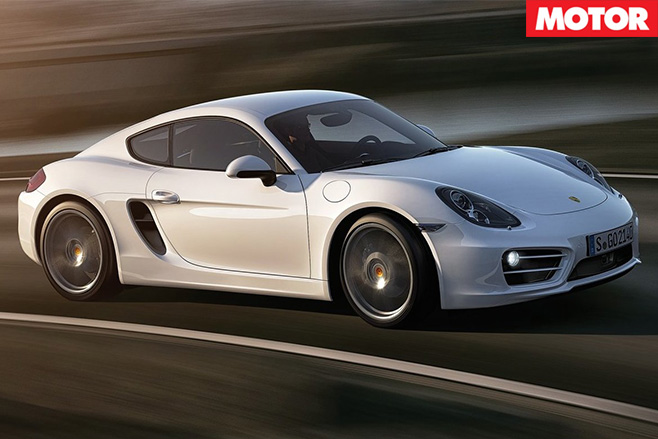
Each are expected to improve on the 202kW/290Nm maximum of the existing 2.7-litre flat six-cylinder (in Cayman) and 250kW/380Nm peak of the current 3.4-litre flat six (as in the Cayman GTS).
The equivalent Boxster will no longer cop marketing-led, nominally lesser outputs, either.
The Volkswagen Group currently produces in-line four-cylinder turbo engines of 2.0-litre capacity with beyond 200kW and 380Nm, while the in-line five-cylinder turbo engine of 2.5-litre capacity in the Audi RS3 makes 270kW and 465Nm.
Porsche will play a tricky balancing act to look competitive within the Group, without impinging on the 272kW/450Nm and 309kW/500Nm outputs of the new 3.0-litre turbocharged flat six-cylinder in the latest 911 Carrera.
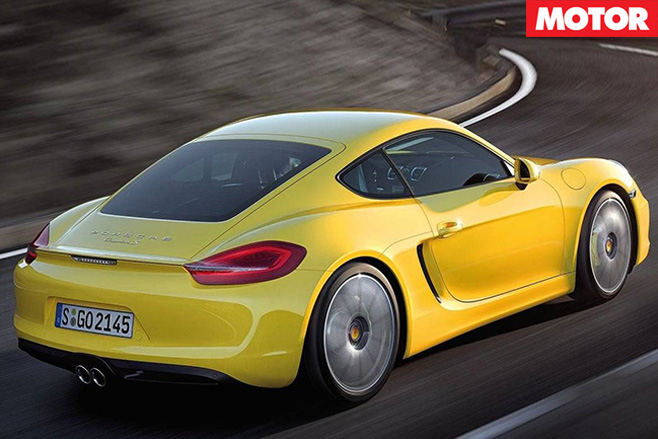
Loftier versions of the 718 Boxster and Cayman, such as GTS and Spyder, will likely get the 911’s turbo six, though the hardcore Spyder and GT4 iterations will almost certainly stay with naturally aspirated units.
Either way, expect a faster and fitter mid-engined Porsche roadster and coupe sometime next year.
Note: existing Cayman S pictures shown.
So, what is it?
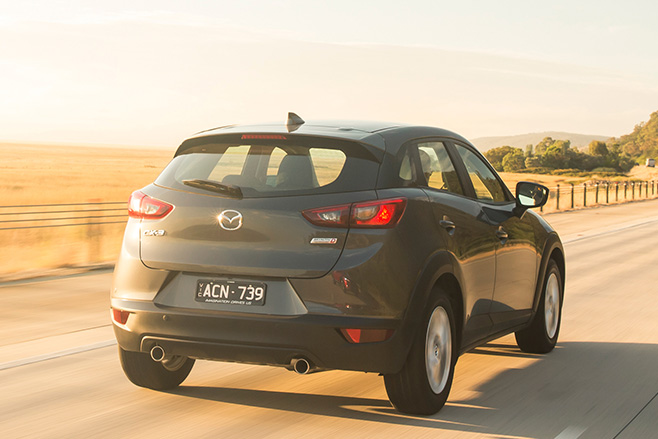
While just about every brand under the sun has been pumping little soft-roaders into the compact SUV segment (the fastest growing part of the Australian car market), Mazda Australia’s been on the bench, waiting for a nod from the coach in Hiroshima to leap into the hottest game in town.
Appreciably smaller than its big brother CX-5 (the best-selling SUV in the country), it measures 4.3m long, 1.8m wide, 1.5m high (about average for the class), and is offered with a choice of two four cylinder engines – 109kW/192Nm 2.0-litre naturally aspirated petrol, and 77kW/250Nm 1.5-litre turbo-diesel.
The CX-3 also comes in front or all-wheel drive, as well as with a choice of six-speed manual, or six-speed automatic transmission, across four model grades – Neo, Maxx, sTouring, and Akari.
It’s the fifth Mazda to reflect the brand’s distinctive Kodo ‘Soul of Motion’ design language, and benefit from ‘Skyactiv’ engine efficiency, light-weighting and aerodynamic tech.
Why should I care?
If you’re a young single, or part of a pre-child couple, Mazda reckons this car is for you, and among a field of more than 20 small SUV’s battling for your bucks, CX-3 pricing is sharp, with a spread of close to $18K from the entry point Neo petrol FWD manual at $19,990, up to $37,690 for the Akari diesel AWD auto.
What’s new about it?
It might be based on a modified version of the Mazda 2’s platform, but its designers are adamant the CX-3 shouldn’t be underestimated as an SUV version of the 2. It’s been developed to project cutting edge design and engineering, with a special focus on quality, looks, feel and function.
That’s all fine, what’s it like to drive fast?
A lengthy launch drive gave us an opportunity to sample both engine and drivetrain combinations across Maxx, sTouring and Akari spec levels. And no matter which engine was sitting under the bonnet, the first thing that became clear is that more grunt would be welcome.
The 1.5-litre diesel (powering the 2 in other markets) is smooth and quiet enough, but even with 250Nm from as little as 1,600rpm, it takes it’s time on highway overtaking. The 2.0-litre petrol (also used in the Mazda 3) feels crisper and more willing, but even then the need for extra oomph is clear. The upside is excellent fuel efficiency.
Steering feel is good and the chassis manages to combine a planted feel with nimble responses. Maybe because there’s less weight over the front axle, petrol variants have a dynamic edge, with AWD versions adding an extra sense of security and balance.
And driving home from the city?
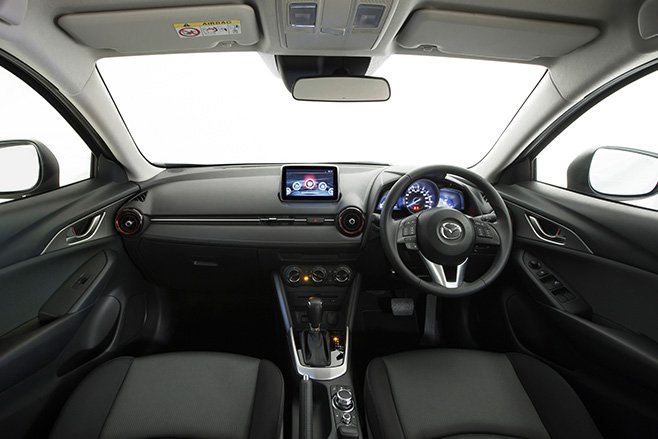
IKEA’s proved good design doesn’t have to cost the earth, and Mazda continues to embrace that ideal, creating a beautifully simple, sleek and comfortable interior.
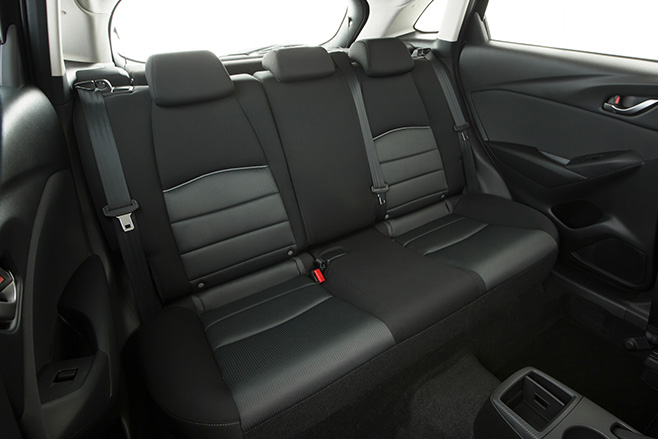
It might be small on the outside, but cabin space is generous, with more than adequate rear leg and headroom for two full-size adults. Put three burly blokes back there and you’d be in trouble though. Cargo volume of 264-litres with rear seats up, 1,174-litres with the (60/40 split-fold) second row folded is relatively modest.
Ride comfort is excellent, noise levels are low, and despite the car’s sloping rear roofline, all-around vision is fine.
Anything bad about it?
That’s that need for more power, occasional front end bounciness on the highway, plus there’s no front centre armrest, a lack of ventilation outlets for rear seat passengers, and the lever to adjust front seat backrest angle is awkward.
How much would I have to pay? And is it worth it?
The CX-3 delivers plenty of tech, luxury features and safety bang for your buck. At $19,990 cost-of-entry, the Neo features air-con, cruise, four-speaker MP3 compatible audio, Bluetooth compatibility, keyless start, six airbags, rear parking sensors, and HLA (hill launch assist).
Then the Maxx (from $22,390) adds 16-inch alloys, leather trimmed wheel/gear-shift/handbrake, 7-inch colour touch screen with MZD Connect infotainment, six-speaker audio, internet radio, multi-function ‘Commander Control’, sat-nav, and reversing camera.
Step up to the sTouring (from $26,990) and you’ll pick up 18-inch alloys, front fog lamps, LED head and tail lights, and climate-control air. And on the top-shelf the Akari (from $31,290) is loaded with power slide and tilt glass sunroof, black leather and suede trim, Blind Spot Monitoring (ABSM), High Beam Control (HBC), Lane Departure Warning (LDW), Rear Cross Traffic Alert (RCTA), and Smart City Brake Support (SCBS).
Would you take the CX-3 or Mitsubishi ASX?
Thanks to its sharp pricing and value, good looks, quality engineering, and impressive dynamics, the CX-3 will undoubtedly shake things up in the compact SUV market. All of a sudden the Mitsubishi ASX is looking ancient, and we’d take the Mazda in an instant.
Click here to read the full range review on the Mazda CX-3.
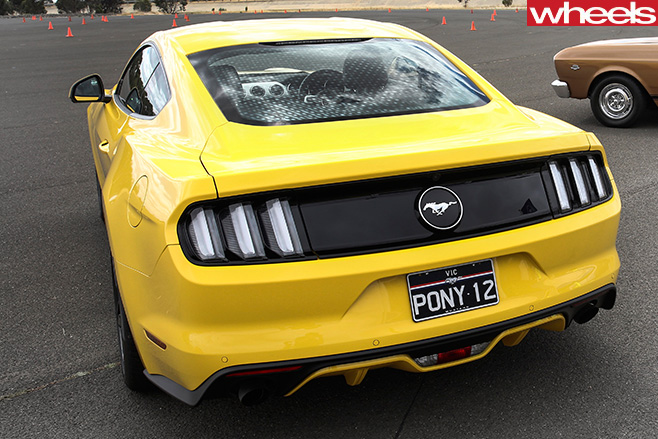
A WEAKER Aussie dollar has upped the price of the Ford Mustang even before the first of the iconic US muscle cars appears in a customer’s driveway.
The carmaker has blamed the US exchange rate for upping the price of its entry-level four-cylinder Mustang by $1000 to $45,990, while the V8 versions rise by $2500 to start from $57,490.
However, in good news for those 4000 customers who have already dipped into their wallets to lay down money for one, Ford says they will not be asked to pay the higher price.
“One of those is exchange [rate], and that drives your revenue assumptions in US dollars, and also your material cost assumptions,” he said.
The Aussie dollar has suffered a spectacular fall from grace after stretching beyond parity with the US dollar just three years ago, hitting a high of around $1.10. It has since dropped to hover around the 70 cent mark.
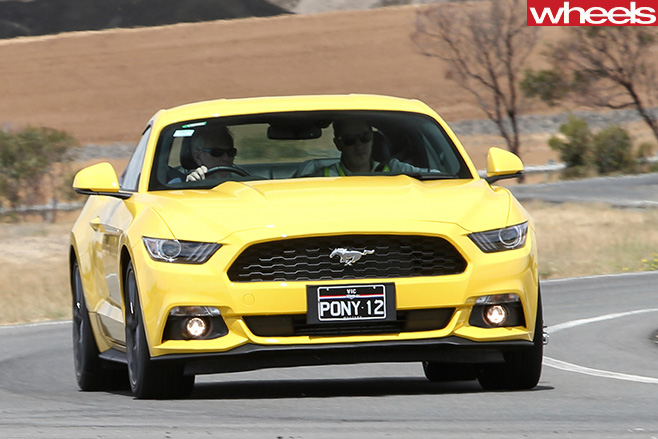
All markets – including right-hand drive countries such as Australia – will source Mustang from the same Flat Rock, Michigan factory in North America.
“We priced the vehicle pretty aggressively from the outset,” said Ford Australia boss, Graeme Whickman. “We wanted to get some good traction and I think we really have, and I think that demand and supply suggests that there’s a little bit more pricing we have there, and at the same time we have to combat things like exchange.”
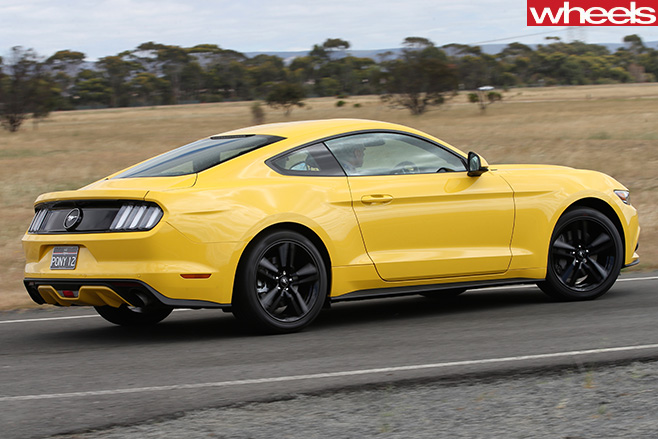
“I think the car’s originally well specified, and I think most of the customers are looking for that kind of specification… at the end of the day, when you’re talking about the EcoBoost, you’re talking about a $45-and-a-bit thousand dollars, and that’s an affordable pony car.”
TWO BMW M6 GT3 racecars will be part of an officially sanctioned entry into the 2016 Australian GT Championship.
To be operated by 2015 Bathurst 1000 winner Steven Richards, who will drive one of the cars and whose father won the Australian Touring Car Championship for BMW in 1985, the two-car attack will position the BMW M6 as the global spearhead of BMW’s 2016 motorsport campaign.
BMW Australia was approached by several V8 Supercars teams keen to establish the brand in the category, but GT racing was chosen as the best platform to promote the brand, and ultimately sell more cars, BMW said.
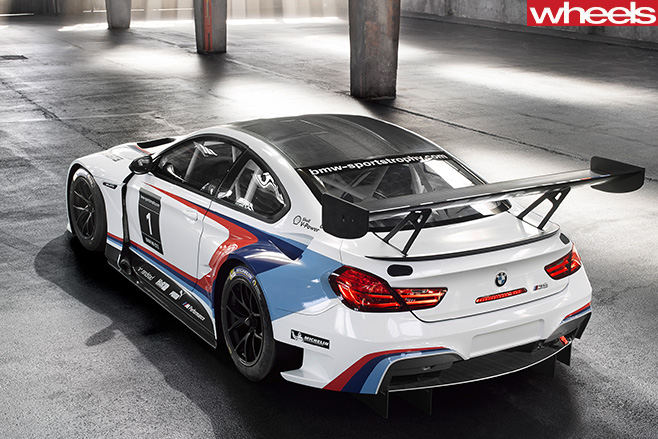
“We have initial discussions with a couple of opportunities that came up during the year, however when we saw what was coming out of Europe as far as this global approach for our GT customer racing is concerned, we said that this is the best fit for Australia going forward.
“That’s why we ruled out any other motorsports engagement – I truly believe that this is the best way forwards.”
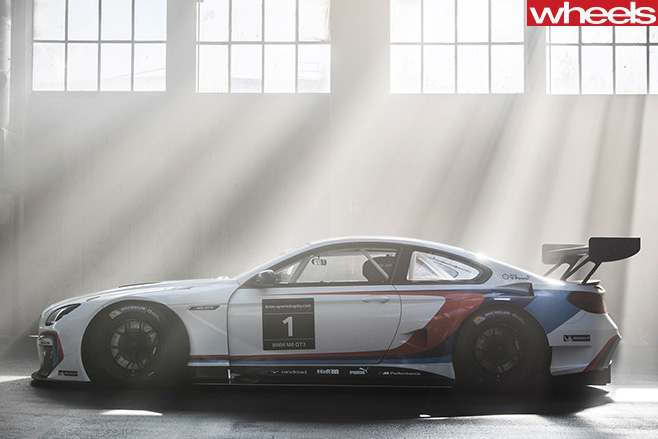
The first car is expected to arrive in February, and accompanied by strong publicity to promote BMW’s new performance products, which include the BMW M2 and the BMW M4 GTS in Australia for 2016.
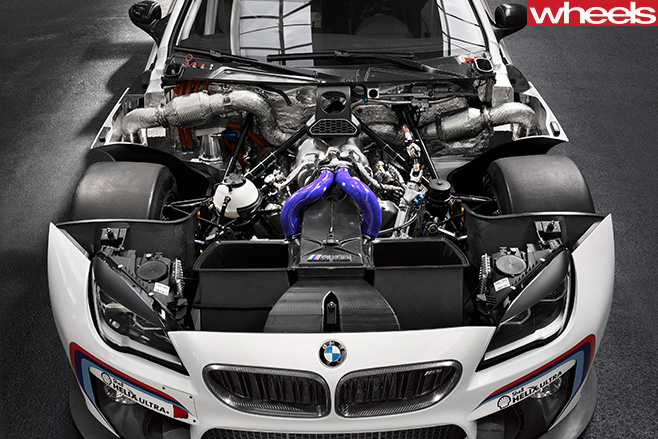
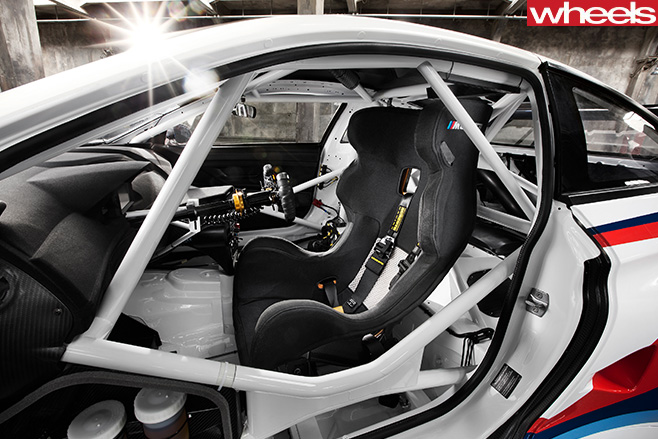
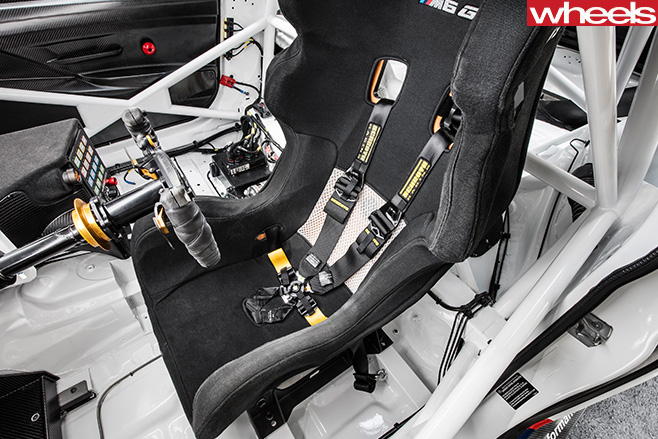
The BMW M6 GT3 was shown at the Nurburgring 24-hour race in Germany earlier this year before being officially unveiled at the Frankfurt motor show. With a homologated weight of less than 1300kg, BMW says that the M6 is a more drivable GT3 car than the Z4 it replaces, and is powered by a twin-turbo 4.4-litre V8 with a six-speed transaxle, producing around 430kW. It’s available to customers in Europe for €379,000 ($573,000).
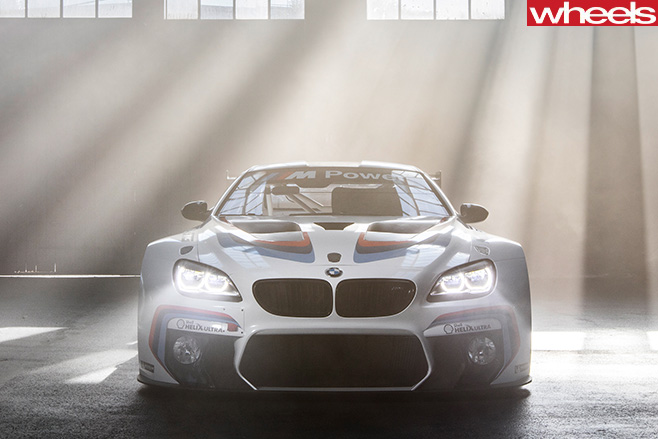
The global approach to the GT3 means that Richards hopes to attract an international driver line-up for events such as the Bathurst 12-hour, for which the car will be eligible in 2017. Next year, it will compete in multiple sprint rounds and the full four-race endurance series in Australia and New Zealand.
Yet it won’t simply be a race seat for Richards, who in 2016 will also continue to campaign Porsche Carrera Cup racecars from his workshop and will once again co-drive at the Bathurst 1000 with Craig Lowndes, who he won his fourth Bathurst with in October this year.
“With SRM Team BMW, we will provide other potential M6 GT3 owners on and off-track support for their own racing programs, and utilise our experience to help reach their full driving potential.”
Richards and BMW are hoping that the success of the program is the start of a long relationship. “You don’t do these sort of things believe that you’re only going to be around for 12 or 18 months – for me, this is where I see Steven Richards Motorsport evolving to in the future,” Richards said.
The BMW M6 will compete not only in GT3 and IMSA championships around the world, but a third version will also tackle the German touring car championship (DTM). It will take over from the M4 in the series, which helped BMW win the 2015 DTM manufacturers’ title.
BMW’s has a solid motor racing history in Australia, with Jim Richards – who was present at the announcement with son Steven – winning the ATCC in 1985 with the BMW 635CSi to beat Dick Johnson and Peter Brock.
The first M3 was also the car of choice for Peter Brock following his infamous split from Holden, with Jim Richards joining him as teammate for the 1988 ATCC season. BMW then won three Super Touring titles in the 1990s, crowned with a victory at the 1997 Bathurst 1000 with David and Geoff Brabham behind the wheel.
Want a V8 Volvo that sounds like an AMG? Step this way.
A YouTube user in Poland has posted video of his 2007 4.4-litre V8-powered S80 with straight pipes.
True, the pipes aren’t straight the whole way (and these videos are a year old) but user V-Told is still working away on his custom system. And did post a video without any mufflers at all.
“This is what it sounds like with everything after first catalytic converters removed,” he says. “Insane sound, lacks deep tones though.”
A Volvo that sounds like a NASCAR, and that’s only revving to 6000 of a possible 7000 rpms.
In a sense it’s not surprising, as the S80’s B8444S V8 is the same one in the Volvo V8 Supercar.
That engine, though, is obviously mounted north-south and rear-drive. The road car’s is east-west, and hooked up to an all-wheel drive system.
The road car has a lot less power, 232kW and 440Nm, but with this custom set-up sounds better than most bog-stock V8 Commodore we’ve tested.
It was at 2:50 in this video we had to pause to check if any V8 S80s were for sale.
The exhaust is custom – the rear cats, gone (not that we endorse that), and the centre mufflers replaced with straight pipes (that, we might endorse).
Two custom mufflers with “very, very little soundproofing material” are all that sits between a nice bellow and tinnitus.
“This exhaust will be further modified so I expect some more videos to come,” said V-Told a month ago.
We’ll be watching – or listening, more like it.
(And by the way, V8 S80s were $95,950 brand new. There’s one for $17K in South Oz with 180,000km.)
Wazza. Designated Adult. Fluffy. Hollywood. There’s a slew of nicknames Warren Luff has collected in 10 years as part of the MOTOR family. The firm favourite, though, is Our Luffy.
The 39-year-old Gold Coast local, Carrera Cup front-runner, V8 Supercar endurance specialist and Movie World stunt driver first fell into the MOTOR world during PCOTY 2004. “Like a stray dog, I just stayed around,” he jokes.
Many in the MOTOR pound would swear the fastest pooch on our block isn’t getting older and has certainly learnt a new trick or two.
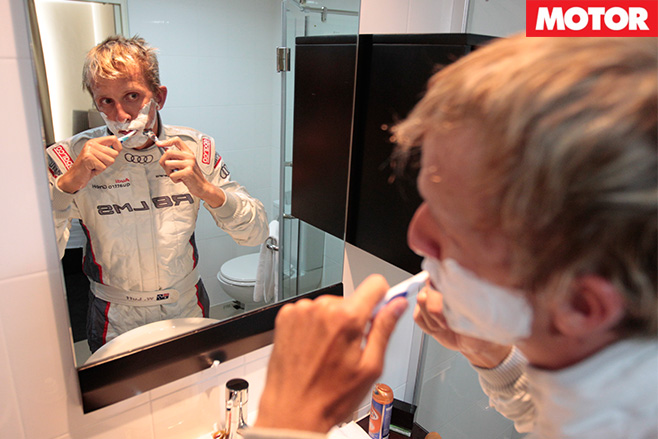
Those inside his professional and personal circles note that his one-liners have become quicker, his wit sharper, his tongue buried ever further in his cheek. You’ve changed, Wazza. Even your email and text attachments are now suitable for the workplace. Well, some of them…
What stands unwavering are Luffy’s professionalism, work ethic and humility. On tour, he’s first to man fuel pumps, wash cars, stuff show bags or volunteer for unglamorous duty. And he’ll party as hard as anyone once stumps are pulled.
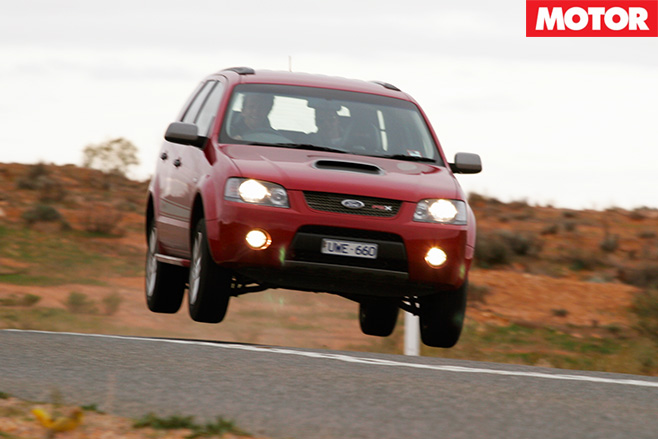
Believe us, we’ve tried. We’ve paired plenty of big-name hired guns on track with our resident hot shoe during car tests and none seem able to match his combination of pace, feedback and consistency.
“Over the years, I’ve driven so many different cars that I now find it easy to get in and find the limit,” he explains. “You don’t have to kill the car to get the best times. I usually do one warm-up lap and two flyers. More often than not, the first flyer is the quickest.”
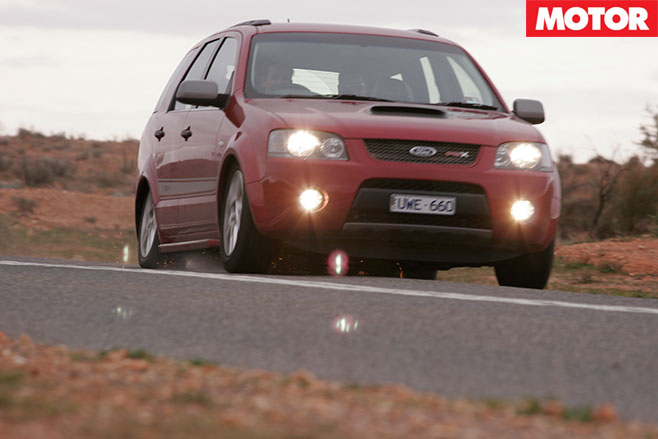
My personal measure was less scientific. Once, riding shotgun in Audi’s R8 LMS GT3 around Mount Panorama, I watched Wazza slice an armful of opposite lock in correction before I even felt the tail snap.
Where does his speed come from? “Racing my whole life, I’m probably more comfortable with a car on its limits than most,” he responds. It’s the simple answer. But circumstance and conditioning are key to a longer explanation. The son of larger-than-life ex-racer and gun driving instructor Ian Luff, junior was born closer to apexes and deeper in the braking zones than most.
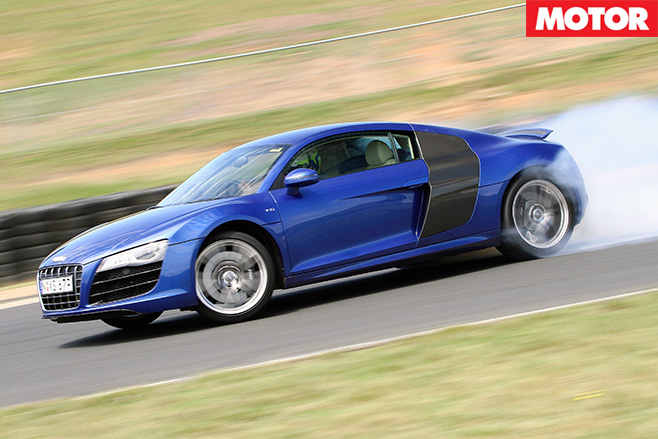
“Dad was a huge influence, not just in my early years, but as a great mentor throughout my career. I grew up around cars, watching Dad race and running the driving school, so at a young age throwing cars around circuits seemed just like a normal thing you do.”
Wazza doesn’t remember a point of decision to turn ‘pro’: “I loved cars, loved motorsport, so it’s been a fortunate journey. Even today I don’t see myself as a pro driver, just a big kid who never stopped playing with cars that got bigger and faster along the way.
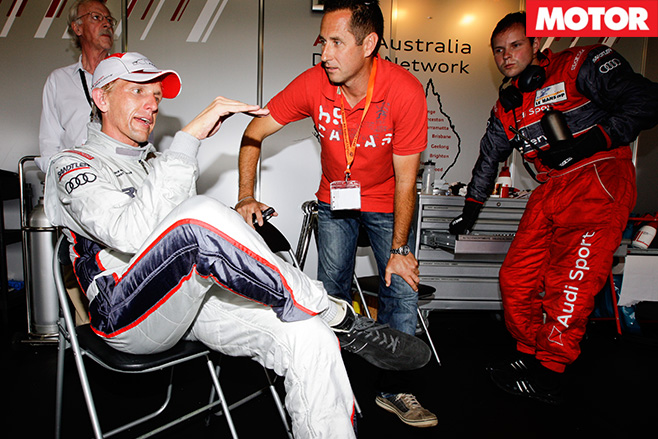
“The early days were like everyone else’s, though, tough trying to get sponsorship for that next drive. I was lucky that, through Dad’s business, I met a lot of people in positions to help me with my racing. Without them, I’d be nowhere.”
These days, Wazza certainly feels somewhere. “I’m really happy right now driving for McElrea Racing in Carrera Cup and doing the V8 Supercar endurance races with HRT,” he beams. “I couldn’t be happier.”
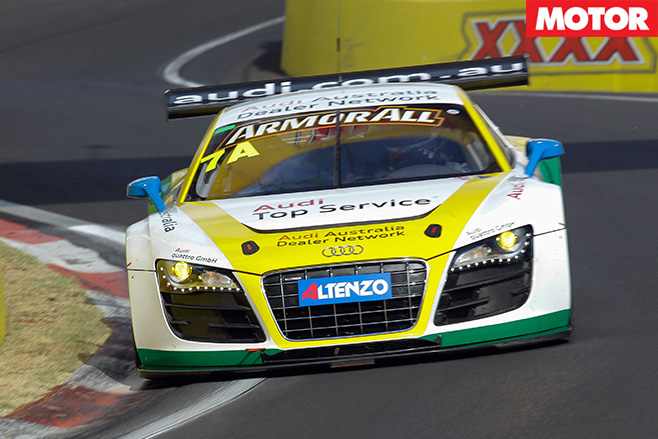
That peak, however, doesn’t negate the security of a day job. But his gig at Gold Coast’s Movie World certainly isn’t flipping burgers.
“A friend told me Movie World was auditioning for stunt drivers while I was checking in to fly to Germany to race the Nurburgring 24 Hour. The applications closed that day, so I hastily emailed my CV moments before I boarded the plane. Of the 200 applicants, I was one of 10 who were picked for the show. After six years, I’m still loving it.”
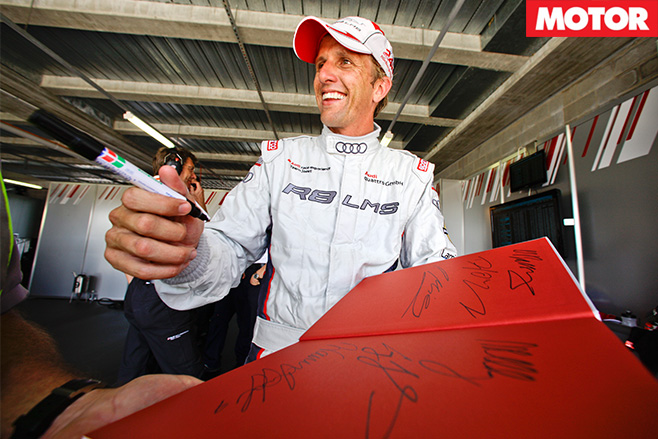
We used to do a two-wheeled right turn in the show with the car so cocked up you could reach through the side window and touch the ground with your hand.”
Our Luffy has had his fair share of ‘moments’ and close calls wearing motorsport Nomex.
His biggest off chasing the chequered flag was at a four-hour race at the Nurburgring. “I was on slicks in practice and it started to sprinkle, so I lifted on a kink you normally take flat at 270km/h. The car took off at about 250. I don’t know how many 360s I did, but it was a miracle that I didn’t hit anything. Complete luck and zero skill involved [laughs].”
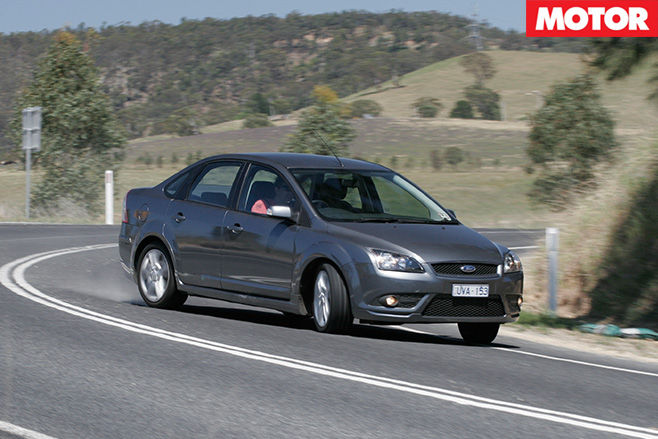
Most are writ large in our unpublished folklore, pub banter if you ever have a beer with us. Some – only some – are occasionally teased as cryptic references in print.
“I’ve had some close calls at MOTOR. Hitting a seagull in a Lamborghini Gallardo at Phillip Island at 260km/h is right up there. And once I had a huge spin in a Porsche 911 Turbo coming onto Winton’s old pit straight and somehow managed to not hit anything – it seems someone thought 45psi in the rear tyres was a good thing…”
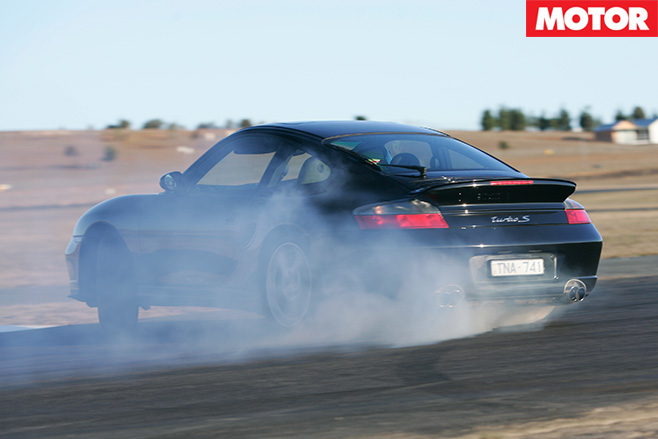
Wazza reckons the time a certain little French car grenaded its engine tipping into Turn One at The Circuit Formerly Known As Eastern Creek (now Sydney Motorsport Park) was more “spectacular than scary”, and not a patch on the hard-tuned Golf at Hot Tuner one year that was travelling much quicker when it had “a massive ABS sensor failure” in the same corner. “Only one wheel had braking and it was the right-front, which locked up anyway. Somehow I made it through, but the right-front tyre looked like a 50 cent piece.”
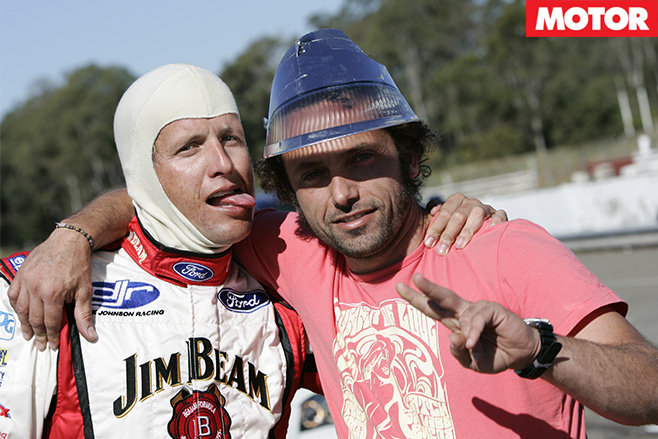
“It was still sliding all over the place at the 350-metre mark when it blew a radiator hose, spraying coolant under the rear tyres. The car started in the left lane, was completely sideways at the 400[m] mark, and I only just caught it as it almost went into the right-side concrete wall.”
Speaking of walls, MOTOR’s now-defunct Sydney office pinboard was once festooned with evidence of hi-jinx not fit for publication.
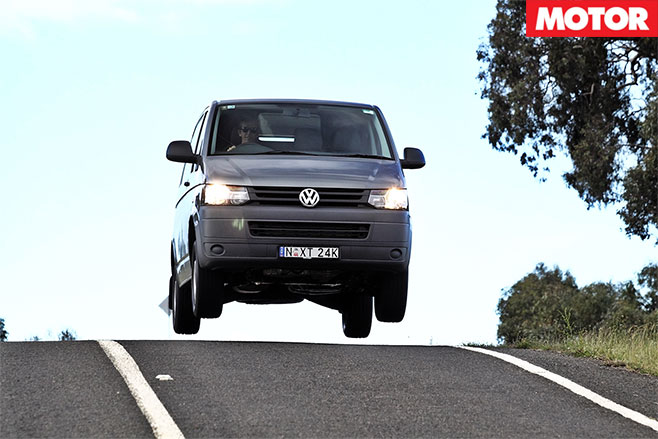
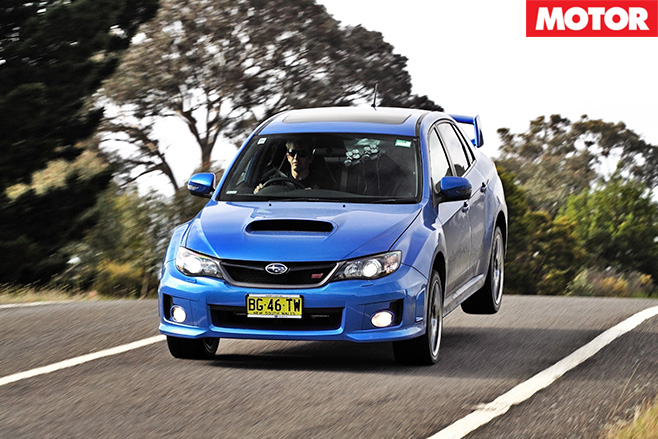
We’d tried the jump a few times in a WRX when shooter Thomas Wielecki and I spotted the van; we looked at each other and then knew it had to be done.”
The Wall of Fame (or Shame, depending on your viewpoint) also documented much proof of MOTOR after-hours shenanigans, with Our Luffy rarely far from the crime scenes.
Wazza can also lay claim to inventing a custom Chilli Vodka Cruiser for the benefit of a visiting British journo who was none the wiser. “He couldn’t feel his lips for days,” Luffy laughs.
So what has he learnt in his 10-year tenure at MOTOR? “Well, firstly, never open a styrofoam Esky that ex-editor Amac has had in his possession,” he advises, shedding a dim light on perhaps one of the darkest incidents in MOTOR infamy. I was there. And I’m not saying, either…
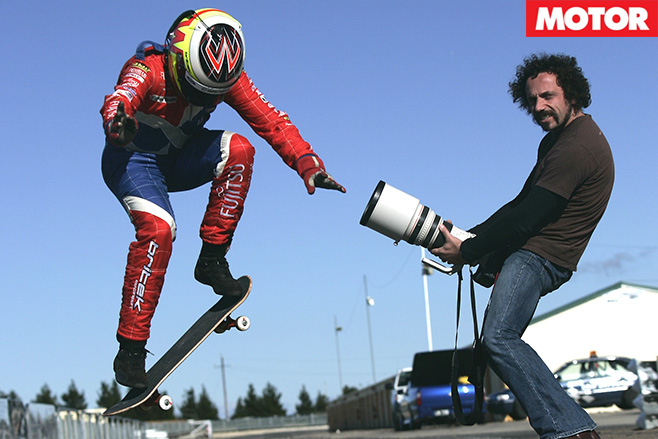
The Wise One. Friend. Ally. Comrade. I’m sure we’ll come up with a few more labels for Our Luffy in the coming decade to add to the tally.
