
MEET our new-age ‘Rex’, a different flavour of Rex to the type we’ve been used to in the Wheels office over the past 20 years.
The BMW i3 REx does without its Subaru namesake’s all-paw traction and barking boxer engine. In fact, in some guises it does without an engine at all.
This Rex isn’t about tearing through forests; it’s more about hugging them.
It’s also the reigning Wheels Car of the Year, the first electric car to claim the coveted gong. There’s added pressure jumping into a COTY winner to evaluate it over an extended period. After all, as intensive as the COTY test is – seven days, 15,000 kilometres, 522 coffees and 79,000 lost arguments – there’s a chance my few months behind the wheel could end up not entirely agreeing with the 100-plus years of testing experience.
Still, it’s a challenge I’m prepared to take on.
First step was to come to terms with this thing. It is, after all, unique on the eye and not the most muscular of machines. The front tyres are just 155mm wide and with the steering on full lock they look ready to slice through a wedge of camembert. At least they’re shod on 19s.
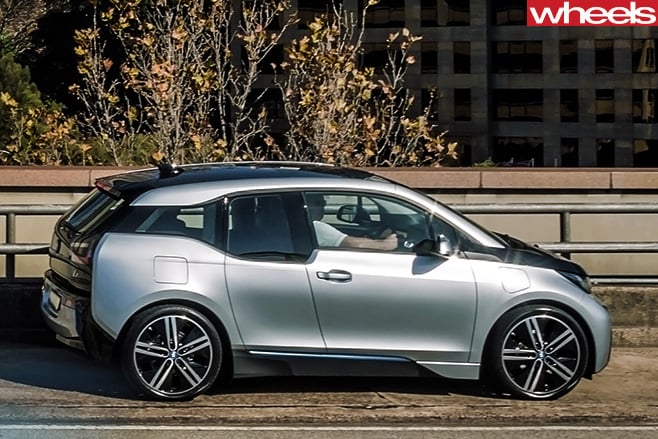
So it stands out. And it’s futuristic. The blue tinges (remember, blue is the new green) and distinctive LEDs front and rear look more concept car than showroom star.
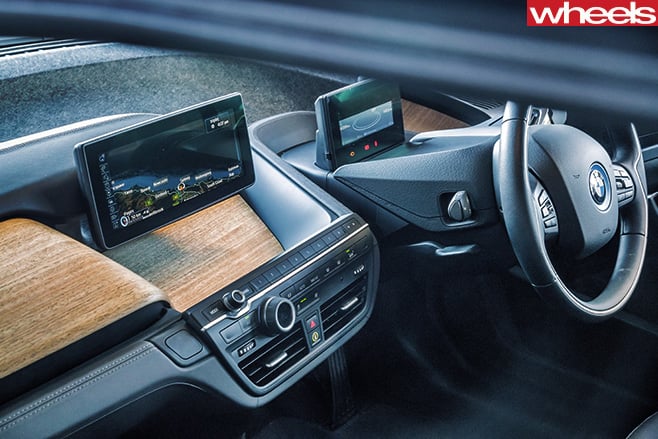
But it’s not until you fling the door open that you see the matte carbonfibre chassis, bamboo dash and scratchy plastic door trims that look as though someone’s forgotten to run it down the final trim line.
The i3 is certainly an acquired taste, but I’m a fan. It’s different and fresh, yet still has enough BMW flavour.
Most of the controls match garden-variety BMWs, with the occasional hiccup. No smart key, for example, something I learnt by almost tearing the door handle off on the assumption a luxury car costing $70K would have all the features fitted to Japanese cars at half the price. So much for the future of motoring.
Big tick for the Connected Drive system, though, which allows you to monitor the car using a phone or tablet. There’s some dicking around to get it all hooked up, but once done it makes for a fantastic party trick. Fire up an app and I can remotely monitor how much charge remains, locate it on a map, work out where the next charge is, even flash the headlights or unlock the doors.
The regenerative braking is a bit of fun, feeling like you’ve dumped it into second gear at 100km/h. But if you want a quick rest of your right foot, it can lead to passenger head noddies. My better half was concerned she’d be rear-ended, such is the aggression of the lift-off braking. For the most part you can get away without using the brakes, although the brake lights still illuminate. To cars following, it can make you look like a Sydney cabbie – from 2040.
No complaints with the performance. The 250Nm of thrust is addictive and something that shocks much fancier machinery. And that’s the bit I’m most looking forward to over the next few months.
The price of extending
THE i3 is available as a pure electric model (BEV) or a range extender (REx). Mine is a REx, with a two-cylinder 647cc scooter engine that acts as a generator if you run out of charge. The additional 120kg reduces the performance (the 0-100km/h time extends from 7.2 to 7.9sec) and lops 20km off the claimed electric range (190km versus 170km). Yet the i3 is no great seller. Only 110 have been registered in its first six months on sale here, though that’s more than BMW’s forecast annual tally.
Weighty issue
BMW’s i3 may be all tree-hugging and in touch with its bluey-green side, but it still adheres to that classic BMW rear-drive layout (even though the 2 Series Active Tourer put an end to all that). And while the weight distribution isn’t the 50/50 ideal BMW has touted for decades, the 44/56 rear bias at least swings it in the direction of an F1 car rather than those horrid front-drivers BMW spent so long deriding. That’s because the engine sits in the rear, alongside the electric motor.
Read part 2 of our BMW i3 long-term car review.
Muscley all-wheel drive rockets already flood the hot-hatch market, but none will buy you the providence attached to this classic homologation special.
Planned to be sold during auction, RM Sotheby’s London currently has itself a 1984 Peugeot 205 T16, one of 200 created to help the manufacturer thread WRC regulations in the early 1980s.
That means, much like any supercar of the era, its turbocharged 1.8-litre 16 valve four-cylinder engine was located transverse in the back where you might find seats or a boot in a regular hatch.
Producing 147kW in road trim – the WRC Group B competition 205s were wrung out to 373kW – the engine was mated to a viscous coupling all-wheel drive system that helped those four tyres hiding under its bulging sleeves claw at whatever surface it rolled over.
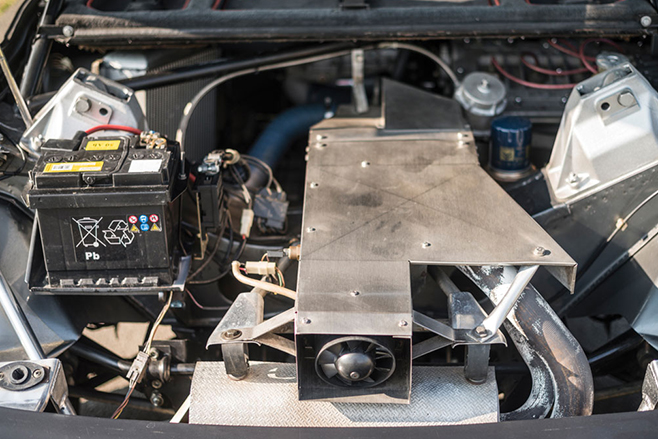
Its wheelbase was a wieldy 2481mm, and combined with the widened tracks the T16’s bodywork took on a very different form to a road-going 205 GTi’s. Besides its ludicrously wide stance, various openings gaped from the car’s rear haunches, C-pillar, and bonnet to feed air to necessary radiators.
Also hiding underneath was a tubular ‘structure’ mated to its chassis that provided a sturdy framework for Peugeot to conjure its rally car from.
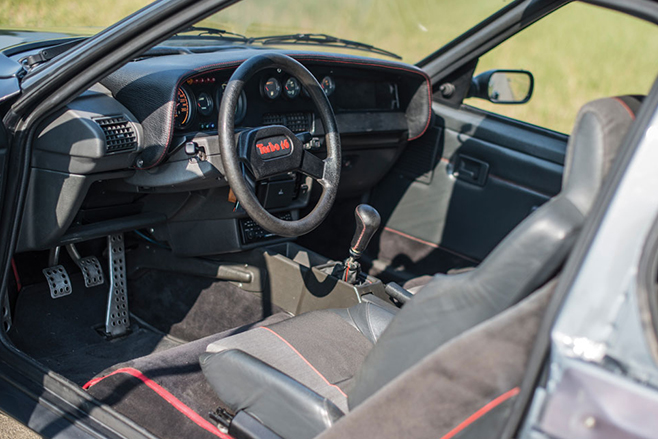
Inside, drilled pedals, bright harnesses, and a leather dash board now stand out from what’s an aged cabin. Obviously, couture wasn’t a priority for the original car, but that didn’t stop someone adding a Nardi steering wheel and magnesium wheels along the way for this one.
This particular example is said to be the 152nd built by Heuliez, the French design company contracted by Peugeot to build the road specials, and to have served as a press car in Italy for the first period of its life. It’s also just received new brakes, dampers, and a brake servo from Italian rally gurus R3.
If you’re interested, this T16 will step up to the auction stage on September 7 with an undisclosed reserve price attached to it. However even if you front up with a lot of cash, we wouldn’t expect much change from $350,000.
(Picture credit: RM Sotheby’s)
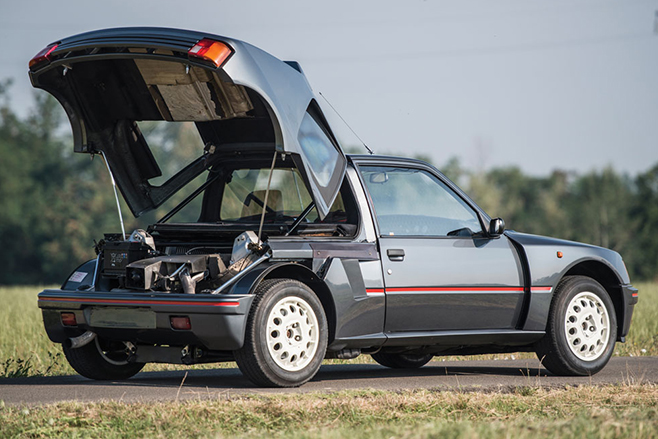
TWO months, two milestones: record sales for July saw Australians buy 92,308 vehicles, extending the new-car frenzy that generated historically high figures in June.
That was an increase of 2.7 percent on July last year, or 2443 vehicles – more than 90 additional cars sold per day. It was the best July result on record.
The Toyota Corolla resumed its position as the best-selling car for the month with 3573 sales, shadowed by the Mazda 3 (2825) and Hyundai i30 (2750).
A shake-up in June had seen the i30 on top by some margin, but in July sales settled into more familiar patterns. That meant a fall from June’s 125,850 sales spike as the financial year ended.
Passenger car sales are down 3.0 percent for the calendar year so far. But the total new vehicle market is up 3.2 percent for the year, driven by SUVs and commercial vehicles.
The top two commercials, the Toyota HiLux and Mitsubishi Triton, stand in fourth and fifth place for sales of all vehicles.
Australia’s penchant for SUVs shows no sign of waning, with total SUV numbers up 13.7 percent this year. Every other passenger car segment has sold fewer cars this year than last year.
Toyota remains Australia’s best-selling brand, with 118,554 sales for the first seven months of the year, well ahead of next-best Mazda (65,947), third-placed Holden (59,632) and fourth-placed Hyundai (58,610).
Holden slipped to fourth overall brand for July. Among models, the Holden Commodore, a regular podium finisher, dropped to sixth with 2030 sales. The Commodore was outsold by the Mazda CX-5 (2223) and the Toyota Camry (2124), as well as the Corolla, Mazda 3 and Hyundai i30.
Ford placed fifth, with 40,557 sales for the year and 5747 for the month. The Ranger continues its strong sales but the new Mondeo (161 sold) is yet to make an impact. After Ranger, the locally built Territory (871) and Falcon were Ford’s best sellers. Impressively, the Falcon posted an increase over its June sales of 531 cars, with 625 sedans sold in July.
The standout contests of 2015 so far include the feud between Mercedes-Benz, BMW and Audi. All three are up but it’s Mercedes on top – and not only in sheer volume with 20,941 sales, but with an impressive 19.5 percent growth for the year.
BMW follows, with 14,613 sales and 14.6 percent growth, while Audi’s 13,103 sales represent 17.0 percent growth.
Honourable mentions must also go to Lexus (+30.3 percent YTD), Mitsubishi (+8.8 percent), Mazda (+10.0 percent) and Kia (+9.4 percent). All have outperformed the market so far this year, as has Skoda, with sales up 26.5 percent at 2777 year-to-date.
Porsche is kicking goals, too, with its 2458 for the year up from 1565 this time last year – a 57.1 percent rise. That’s ahead of key new models expected over the next 18 months: updated versions of its bedrock 911, and more affordable Boxster/Cayman twins.
Porsche’s growth can’t match that of Ferrari, which has posted a 72.6 per cent increase for the year with 107 sales. That’s already more than its 2013 total (106) and close to last year’s full-year sales of 113.
Sign up here to receive the latest round-up of Wheels news, reviews and video highlights straight to your inbox each week.
Who ate all the pies? We’re looking at you, MX-5.
By the third generation NC, a muffin top bulged below MX-5’s tightening little shirt. No harm in eating the occasional airbag, it thought. A little extra chassis bracing at dinner, perhaps some speakers for dessert. Next minute, 1110kg, 170kg more than the NA launched in 1989.
But now it’s 2015 and the ND is here. The fourth-gen MX-5 scores two engines, one with grunt and one without, and it’s that latter one we’ve just punted on Aussie roads for the first time.
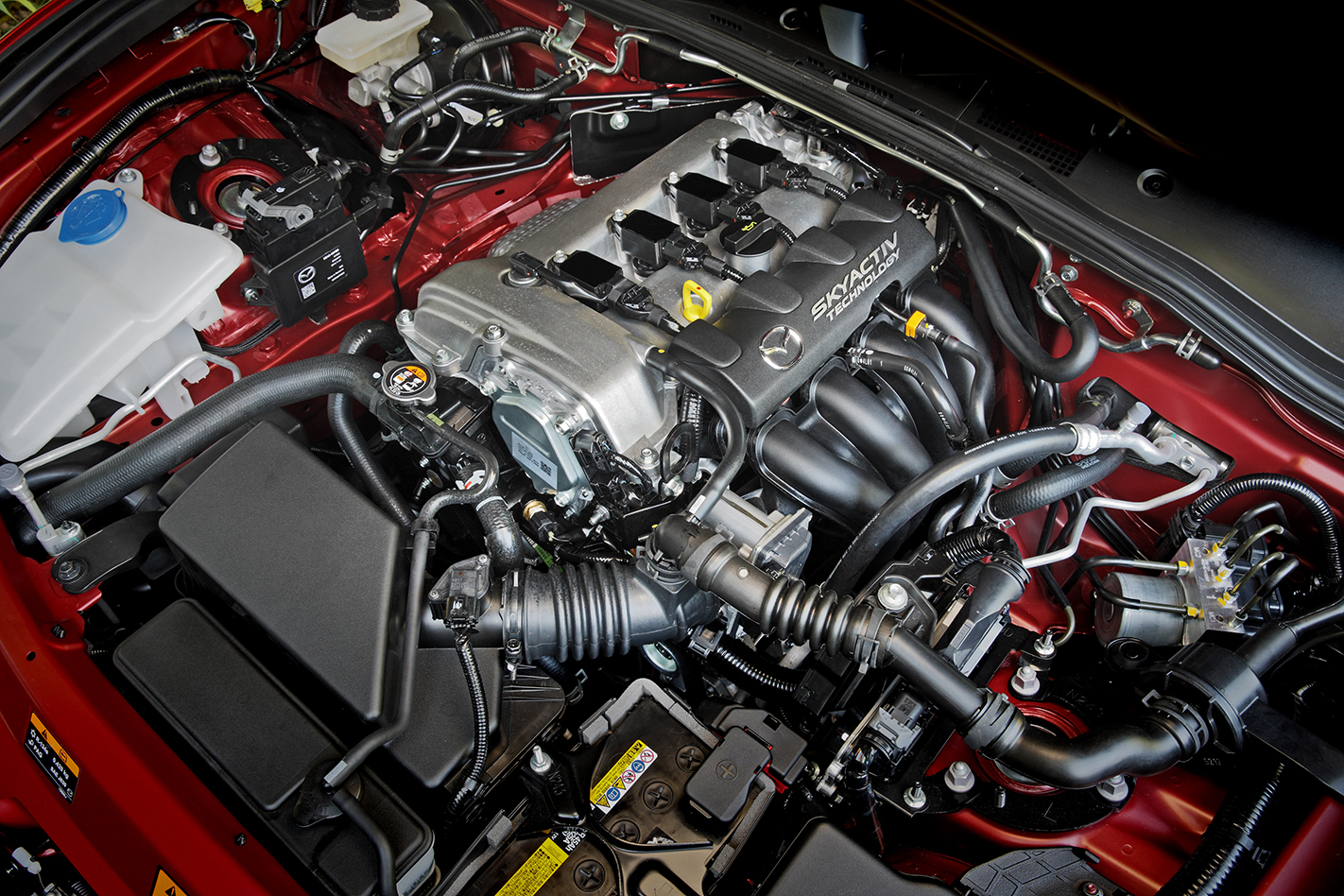
With just 1.5 litres, 96kW and 150Nm, Mazda could sell the engine to Janome for fitment into sewing machines. But, you see, the MX-5’s had lap band surgery.
YOU’VE LOST WEIGHT The previous, binge-eating 2.0-litre (five-speed) manual NC MX-5 weighed 1110kg. The new one, in 2.0-litre (six-speed) manual form, weighs 1033kg. That’s 77kg lighter – super impressive when you consider the engineers were very likely expected to make the car safer, and fit more equipment.
Mazda went a bit nuts with the weight reduction, and fair enough when you think about the benefits to acceleration, braking, handling, fuel consumption, wear and tear on consumables like brake pads and tyres.
With increased use of aluminium over steel, and cutting steel by using higher-tensile versions, Mazda saved 20kg from the chassis. Meanwhile the razor was taken to the suspension hardware, 12kg saved there. The reinforcing ribs of the 2.0 engine block were thinned and reshaped, saving 8kg. The new gearbox and casing were delicately designed to spurn any unnecessary metal, saving 7kg. The diff housing was given the same treatment, saving another 7kg. Already we’re up to 54kg – the rest is thanks to a shave here and a trim there, strategic employment of under-the-skin aluminium bits, and body panels themselves, and many other small tweaks
A lot of that surely came down to Mazda tightening the MX-5’s dimensions back up. It’s a whopping 105mm shorter than the NC (in fact, the ND is even 40mm shorter than NA), it’s 10mm wider than NC, 10mm lower, and its wheelbase is 15mm shorter. Yet interior space has grown by the smallest of fractions. We’re impressed.
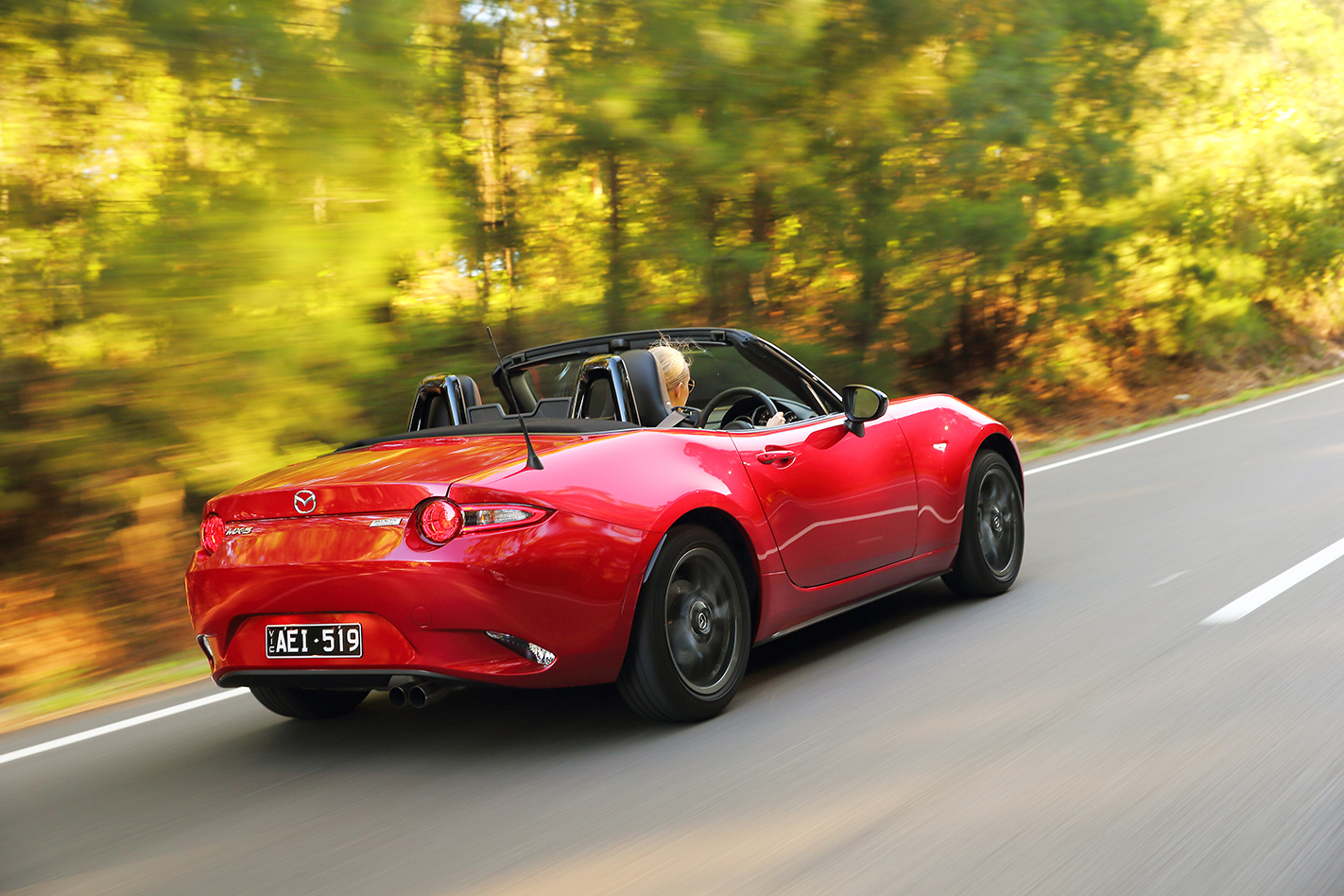
AAAND BREATHE IN That said, slinking down into MX-5 Version 4.0, the first thing you notice is there’s no steering wheel reach adjustment. Goneski, to save weight. Never mind, move the seat forward and you find it’s tolerable, yet your legs (at least, mine, and I’m 173cm) weren’t cramped at all. Or much.
Rather than being able to pull the steering wheel nice and close to your chest, it lives just in front of the instruments and you move your seat closer to the dashboard. And it’s at that stage you realise, it’s tight.
Mostly for better rather than worse, the gear lever feels like it’s right next to your left knee. The rear vision mirror feels about 20cm from your head. Meanwhile you’d need to put the roof down to wear a helmet for track action. Unless you’re a hobbit.
The ND’s interior is tight like the car’s been gently shrink-wrapped around you. Large Humans, this is definitely one car you sit in before purchasing.
That said, you’re hardly rubbing shoulders with your passenger. In fact, the MX-5 is reasonably generous in its cabin width, so that the centre console is large enough for two cup holders and the entertainment controls. But in the driver’s seat, you’ll be chicken-winging your left arm to reach both.
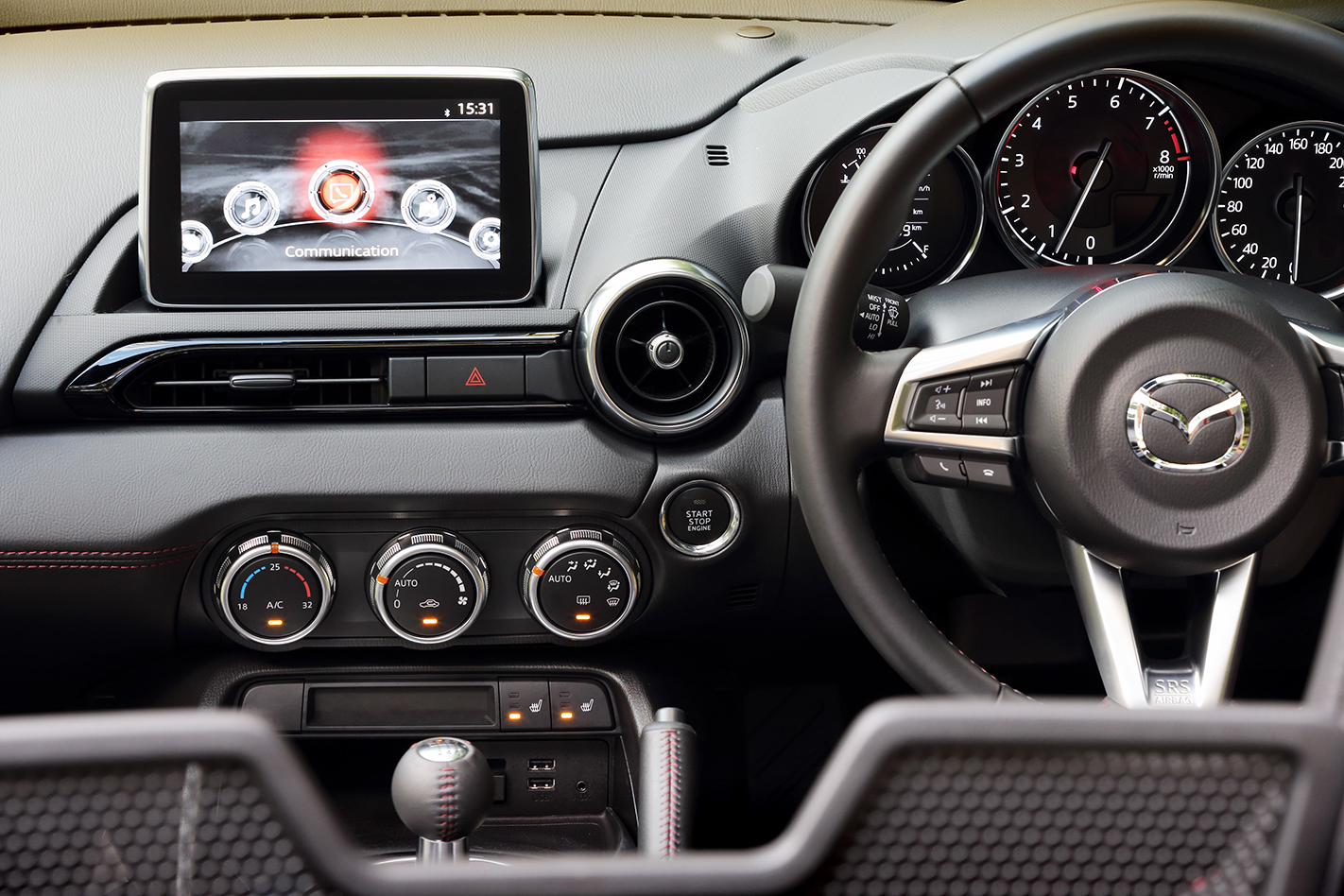
I’M GOING HOW FAST? Okay, out on the road, let’s get two things straight about the new 1.5-litre MX-5: it doesn’t have much power, and it doesn’t have much grip. If you’re after something that, under full throttle, will squeeze you into your chair and hurl you at the horizon, the MX-5 isn’t for you, particularly this 1.5-litre version. Come on, it has 96kW – a 147kW Toyota 86, which itself can struggle up a steep incline, has nearly 50 per cent more power. And if you want your face to distort in a high speed corner, because of Velcro-like grip levels, again, the 1.5 MX-5 isn’t for you.
In fact, it would probably be a bit boring around a track like Phillip Island. But the core thing is – and this is important – it tries hard to keep the driver entertained, occupied and engaged at any speed under 120km/h.
Perhaps, being a road car bound by speed limits and all, there’s a case for this being more relevant. The controls are satisfying to use, and feel natural and well calibrated, which is helpful, as you use them often. And while the power isn’t mind-blowing, the revvy, naturally-aspirated engine is at least an enthusiastic participant, and sounds kind of good, but most of all, it suits the car’s level of grip, of which there is more than the power could ever overwhelm.
But the interesting thing is, the lowly power and grip don’t necessarily feel like shortcomings of the car, or downfalls. It’s impressive how the MX-5 takes low power, and low grip, and still puts a silly grin on your face. It feels faster than it is, and it says, come on, let’s do this driving thing together. Unlike so many other performance cars, the 1.5 MX-5 goes out of its way to involve you, rather than isolate you in the process of driving (sort of) fast.
YOU’RE ITS BRAIN The MX-5 is obedient to your inputs and commands as driver. And a lot of that comes down to the way the controls feel.
The electric steering is light but feels natural, honest and enthusiastic, imbuing the front of the car with a sharpness, a keenness to point. It’s really nice to use.
Meanwhile the gears are short (although given how slowly the engine is revving, they can feel oddly long), so you’re constantly interacting with the gearbox, you’ve constantly got something to do, and this is a good thing, as the gear selection and pedals are a pleasure to use. The gearchange is short in throw, oily, tight, precise and easy to use. The clutch has plenty of feel, so does the brake, whose stopping power mightn’t tear the fabric of spacetime, but feels meaty and communicative.
Generally the controls feel ‘right’ and natural – perfect for confidence when driving hard, and help make the car feel like an extra-sensory extension of your body, rather than some machine that’s reluctantly doing as you ask. The result is that mysterious thing you’d be surprised is lacking in so many performance cars: connectedness. Given you’re not going particularly fast, the 1.5-litre MX-5 is perhaps one of the easiest cars to feel confident driving fast.
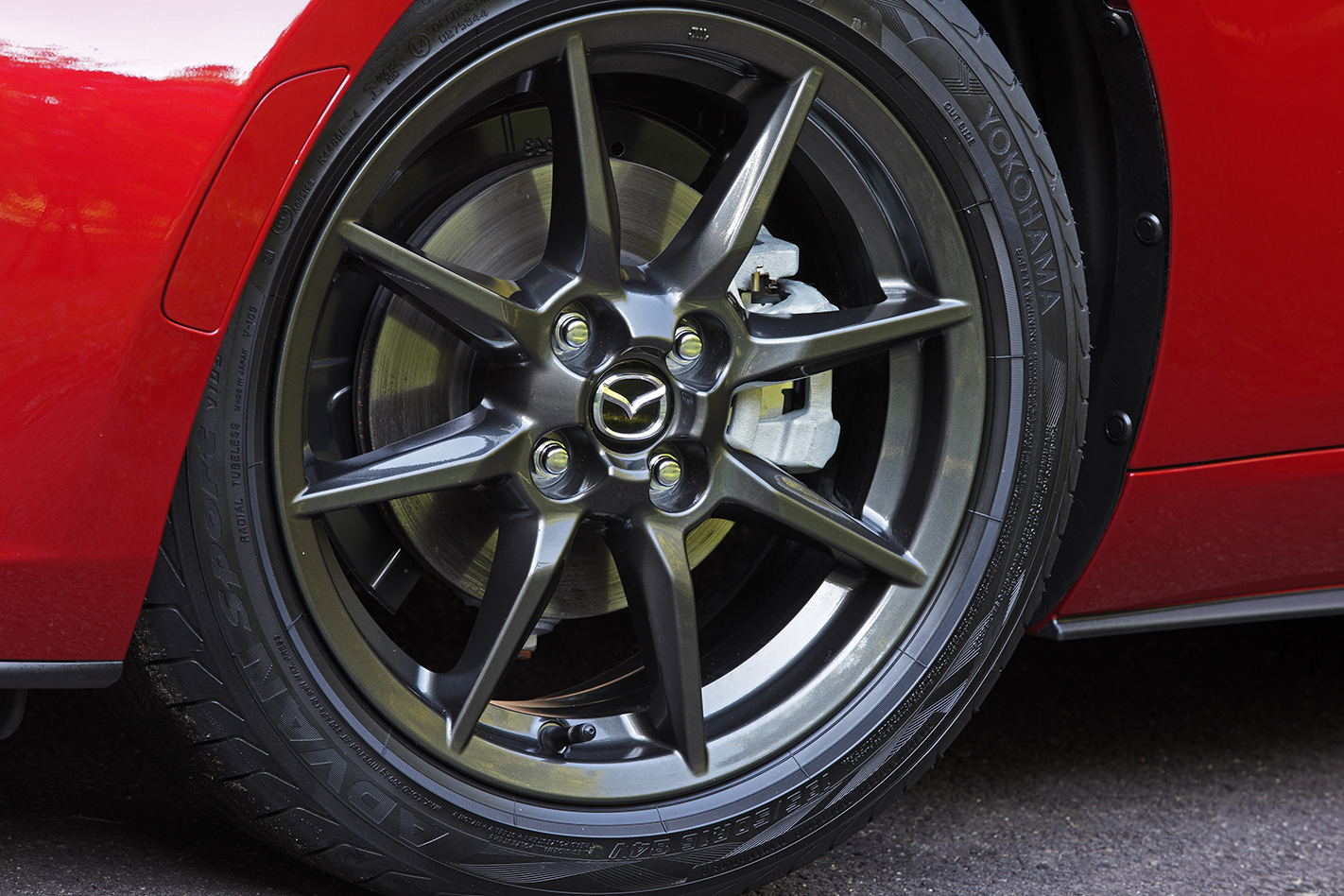
KEEP ROLLIN’ A tighter, slower kind of road will suit the 1.5 MX-5 best – and after just one or two corners, you’ll notice the MX-5 is softly sprung. It definitely doesn’t sit flat through corners.
It would be easy to pick on the MX-5 for its body roll, but the upside is not only an acceptable ride quality, but impressive compliance – drive the MX-5 fast up a bumpy road and it takes it in its stride. It doesn’t get upset, so you feel confident pushing. Of course, you’re not going that fast.
Sure, the MX-5 is on the softer end of the body roll spectrum, but it moves through its roll axes smoothly and naturally. It’s a car that appreciates silky smooth inputs and would get upset by aggression. This is not a car you grab by the scruff and manhandle through corners.
THE FIDGETY TYPE That said, while the MX-5’s ride is far from firm and punishing, it’s far from silky smooth. At all times, particularly on Aussie country roads, the MX-5’s suspension is always transmitting something into the cabin. It could be called fidgety or busy, and never seems to relax until you’re on billiard-smooth bitumen. Perhaps this, combined with elevated general road noise, could be why the MX-5 makes you feel like you’re going faster than you really are. But they could also contribute to the MX-5 being a bit draining after a long drive.
Still on the topic of everyday stuff, we were impressed with the fuel consumption. Despite enthusiastic testing the trip computer reported 6.9-7.2L/100km. Of course, it could be optimistic, but it’s safe to say oil prices are unlikely to keep 1.5 MX-5 owners up at night.
THE LAST LAUGH In a world of cars obsessed with power, it’s refreshing to drive something that’s focussed more on the experience of driving, than excluding the human bit or substituting it with technology, in the name of simply going fast. The key thing with the ND 1.5-litre MX-5 is that it says, up front, ‘look, I’m not going to blow you away with my power, but I’m keen to have fun anyway’. Drivers of all experience levels will get a lot out of the 1.5 MX-5. Perhaps more experienced drivers will be unable to resist at least browsing for stiffer suspension, wider wheels and tyres, and if not looking at forced-induction kits, regretting they didn’t get the 2.0-litre. We haven’t driven that one yet, but with 118kW and 200Nm, we’re looking forward to it. It was perhaps fortuitous for the 1.5-litre that we drove it in isolation. With a playful, engaging, low-grip chassis, it underlined the argument that power isn’t everything. Given the 2.0 is a modest $2500 premium, we’ll hold off our final verdict on the 1.5 until we’ve had a crack in its more powerful sibling. A little extra power never did anybody any harm, surely?
Four out of five.
MAZDA MX-5 1.5L ROADSTER MANUAL Engine: 1496cc naturally-aspirated inline four-cyl Power: 96kW @ 7000rpm Torque: 150Nm @ 4800rpm Weight: 1009kg 0-100km/h: 8.3sec (claimed) Fuel: 6.1L/100km (combined, claimed) Price: $31,990
Click here to read the full range review of the Mazda MX-5.
PLUS
- Handling. The Amarok is a delight to drive both on and off the road. If you happen find yourself on a windy mountain road with other four-wheel drives, you’ll notice the Amarok hugs the corners almost effortlessly while other drivers wrestle their steering wheels to keep up.
- Performance. The Amarok’s engine is smooth, quiet and refined, but doesn’t lack power. That’s helped by the eight-speed automatic, which changes between gears quickly and purposefully.
- Styling. More is more, especially when it’s made to look less. It’s hard to pull off the unadorned look without looking cheap. But the Amarok does it perfectly. It looks practical, but not ugly. It looks stylish, but doesn’t scream for attention. And this is why it gets it.
- 4×4 made easy. The Amarok’s single-range 4×4 system shouldn’t work in steep and slow-going off-road conditions, but it does. Its clever 4×4 system automatically adapts to the driving conditions – whether you’re on the highway or a muddy hill – without the driver ever having to touch a button or a lever. No matter what we have thrown at the Amarok, it has never let us down.
- The cabin. The visibility from inside the Amarok is great. This, combined with the seating position, gives you a feeling of confidence and control. It’s not trying to be a sports car, even if it handles more like one than other utes in its class. The cabin is spacious and comfortable, but in an understated way, typical of German design.
- A big tub. The Amarok has one of the bigger trays in its class. It also has well placed tie-downs, which might not seem like a big deal, but when you’re moving something, and you need to secure it fast, you’ll be grateful.
- Towing. The Amarok has a low tow rating compared to some other utes in its class. But it’s still a decent 3000kg – more than most people will ever need.
- Price. The Amarok is one of the more expensive utes. But that’s because it does most things better than any of its competition. You get what you pay for.
- Too-easy 4×4. Serious 4x4ers might want to see the auto gearbox and full-time 4×4 system offered with dual-range gearing. But that’s not because the current system lacks anything. In fact, it works brilliantly.
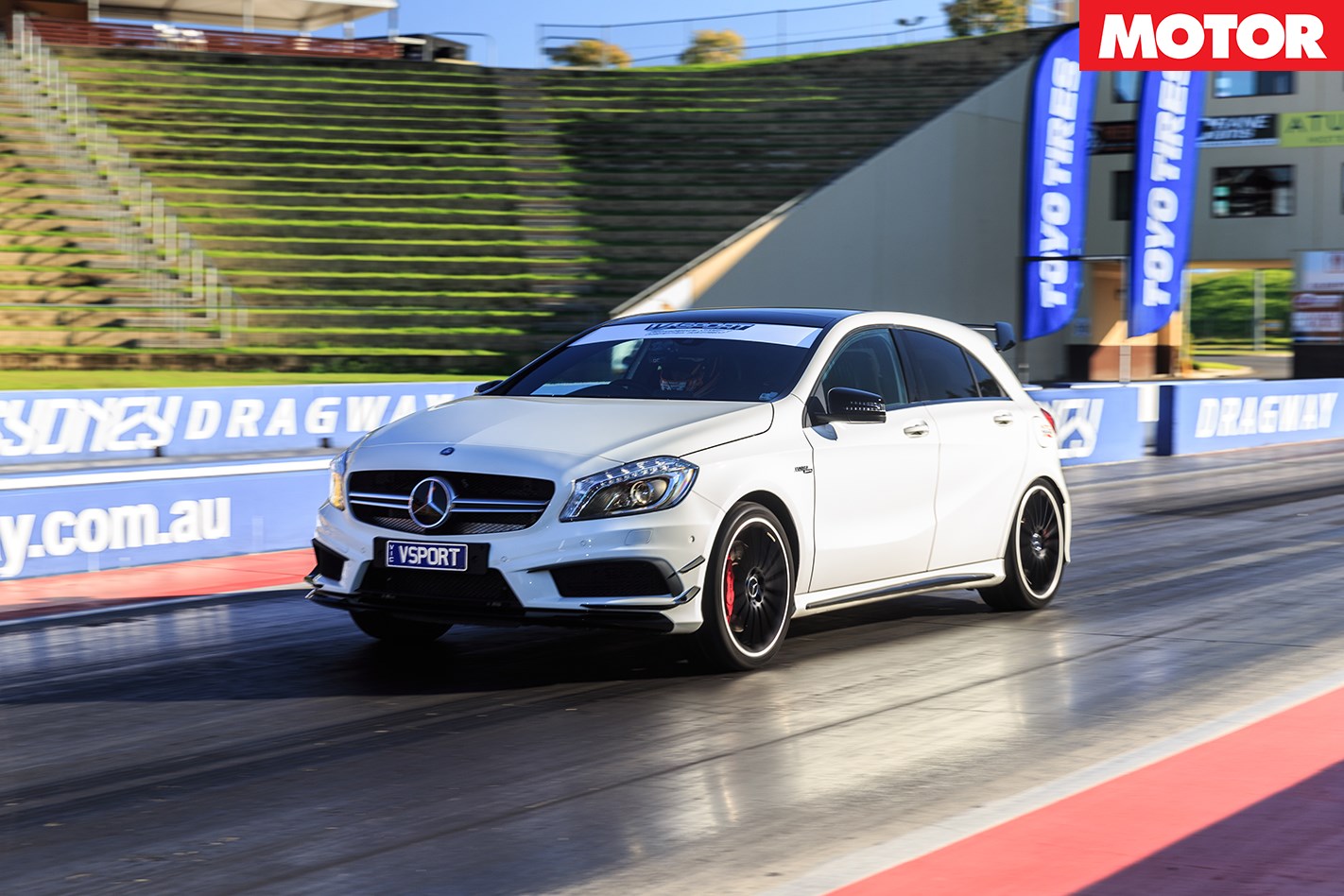
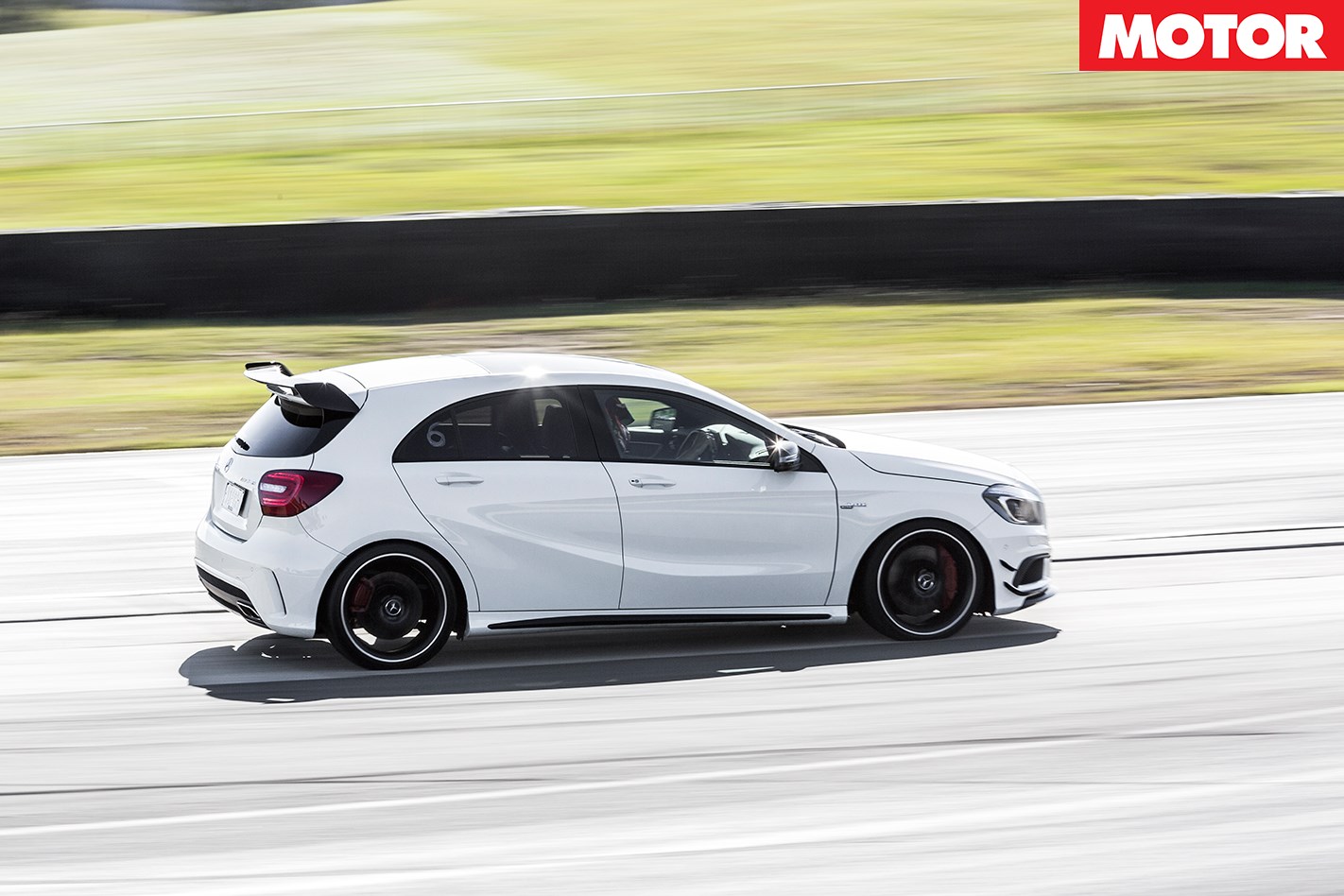
Despite spending the lowest modification costs in the Hot Tuner field, V-Sport’s A45 AMG finished 1st in Shortest Stopping Distance and an overall 2nd place. The team at V-Sport proves you don’t need to spend big dollars to significantly improve your car’s performance.
We talk with V-Sport’s Hot Tuner Challenge Veteran John Healey.
What was your strategy with the A45 AMG?
We were confident in the standard A45’s overall performance, and wanted to prove that with some simple and effective modifications we can make a huge performance difference to any street car. We are very happy with what we have achieved at the Hot Tuner Challenge.
What did you do to get such an impressive braking distance of 33.85m from 100-0km/h?
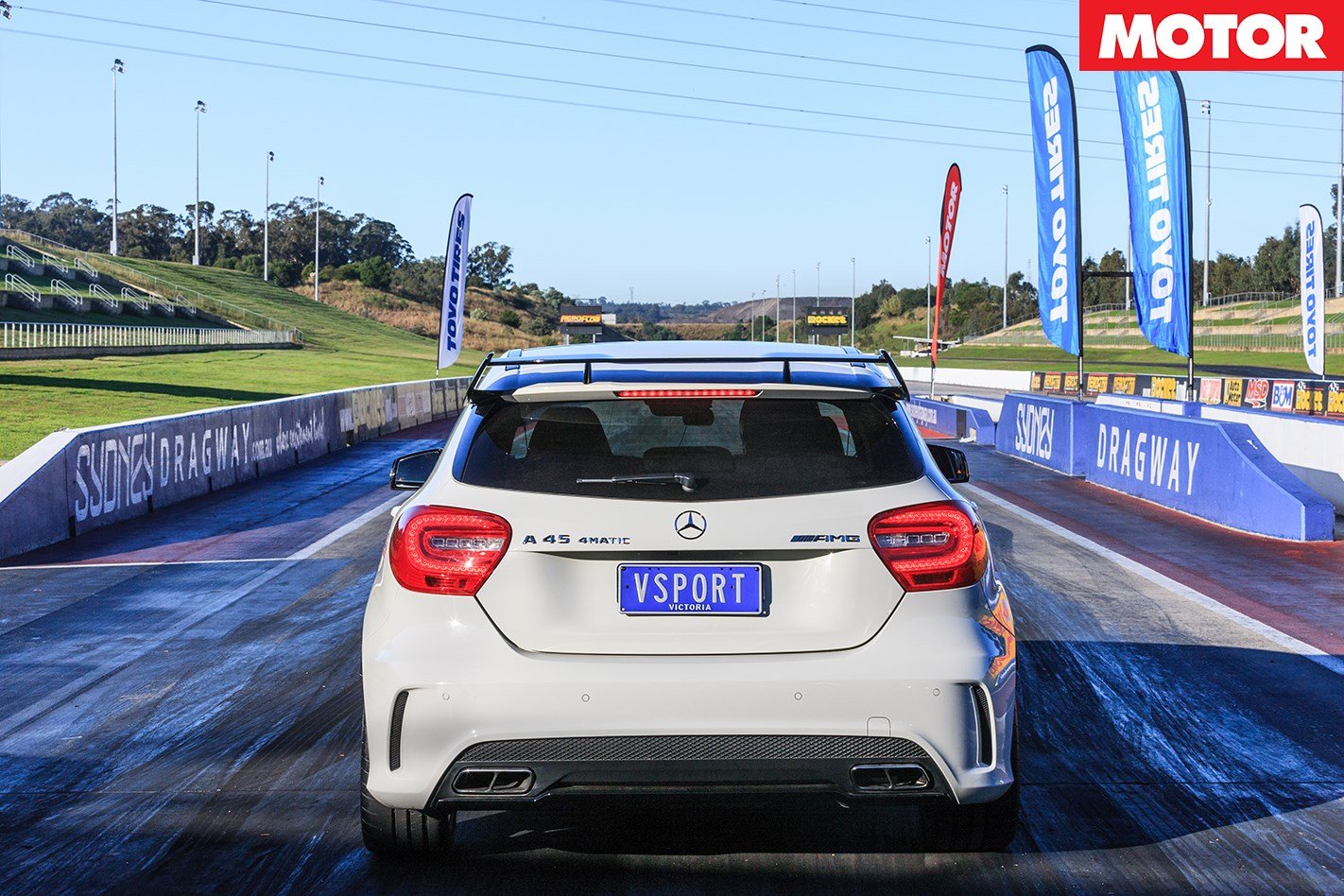
The A45 comes with a competent 4 piston calliper as standard, so it was a simple change of Brake Pads and upgrading the Brake Fluids to get it ready for the Hot Tuner Challenge.
We chose the Endless CCRg brake pads because it is one of the most versatile track compound on the market. It offers strong initial bite, excellent pedal feel, modulation and consistency even in temperatures over 800 deg C. Pad life is also great with low rotor wear.
We opted for the Endless RF-650, it is the same Brake Fluid that is used in Formula 1 and the WRC. It works as well in a street car as it does in a F1 car. It stays stable and precise regardless of the temperature.
When it comes to Braking it’s important to choose the right Brake Pads for the situation and one that will complement the Braking system. Brake fluid is also something many overlooks when competing. High quality fluids that are fresh will improve braking consistency on and off the track.
Other than brakes, what else was done to the car?
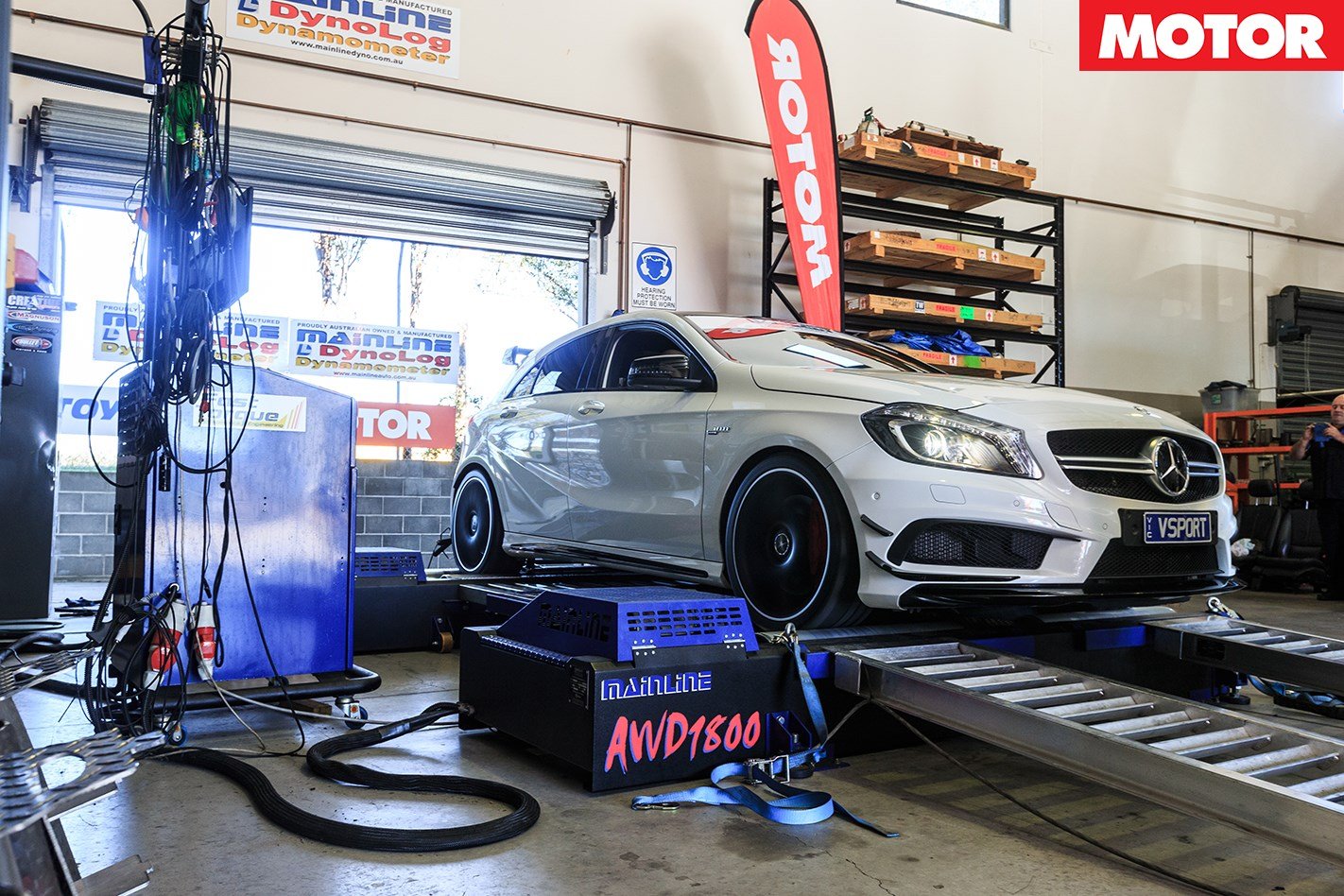
We installed the Willall Racing Phase 2 kit for the A45 AMG – including ECU upgrade, upgraded intake system and intercooler. We also adjusted the suspension setup by our in house technicians.
Tell us more about the Willall kits, why did you choose it?
The Willall ECU mod is designed to be a complete daily driven performance upgrade that unlocks the A45/CLA performance potential without sacrificing durability or driveability. It can be easily installed and removed by a professional without any trace of modification. The Willall kit is not only Australian made and developed but it is also one of the best tuning kits available for Mercedes Benz.
The Willall kits have the following advantages over competitors
- Local support from Willall Racing technicians
- Software can be upgraded and altered locally
- Greater number of parameters can be adjusted and tailored than other systems
- Greater power and torque gains than other products
Sit back, stretch out and power onto an autobahn faster than any other limousine – that seems to be the brief for the new Audi S8 plus.
‘Plus’ is an apt addition, because an extra 63kW of power and up to 100Nm of torque have been found in the 4.0-litre twin-turbo V8 engine that powers the S8 we’ve seen for a couple of years now. Modifications were made to charge pressure, exhaust valves and the inner geometry of the turbochargers.
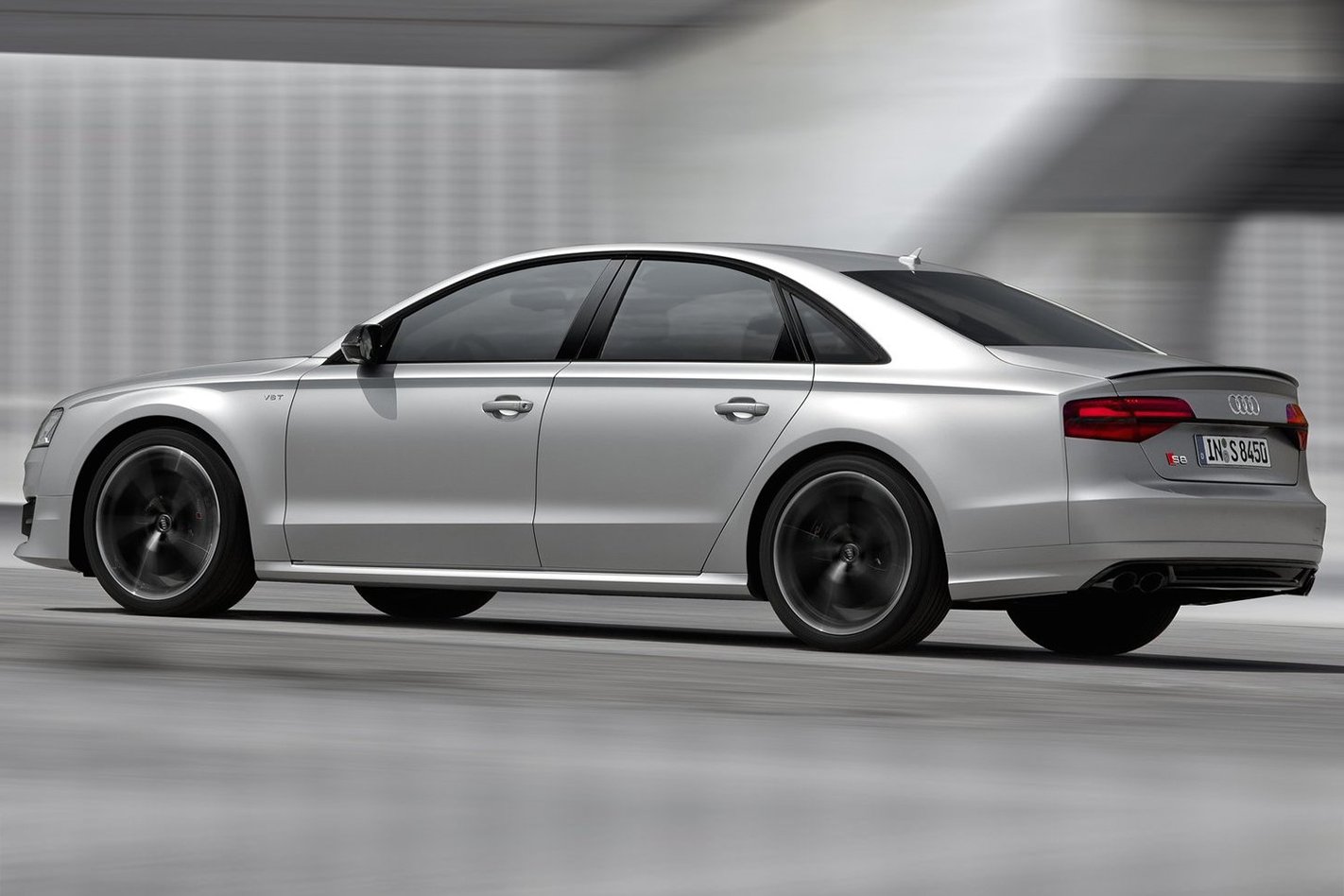
On overboost, the engine can provide 750Nm over the standard state 700Nm, while 445kW is the most we’ve yet seen in any application of this powerhaus. The RS6 Avant and RS7 Sportback only get a piddling 412kW.
Driving all wheels via an eight-speed automatic, standstill to 100km/h is reached in 3.8 seconds, three-tenths faster than a non-plus S8.
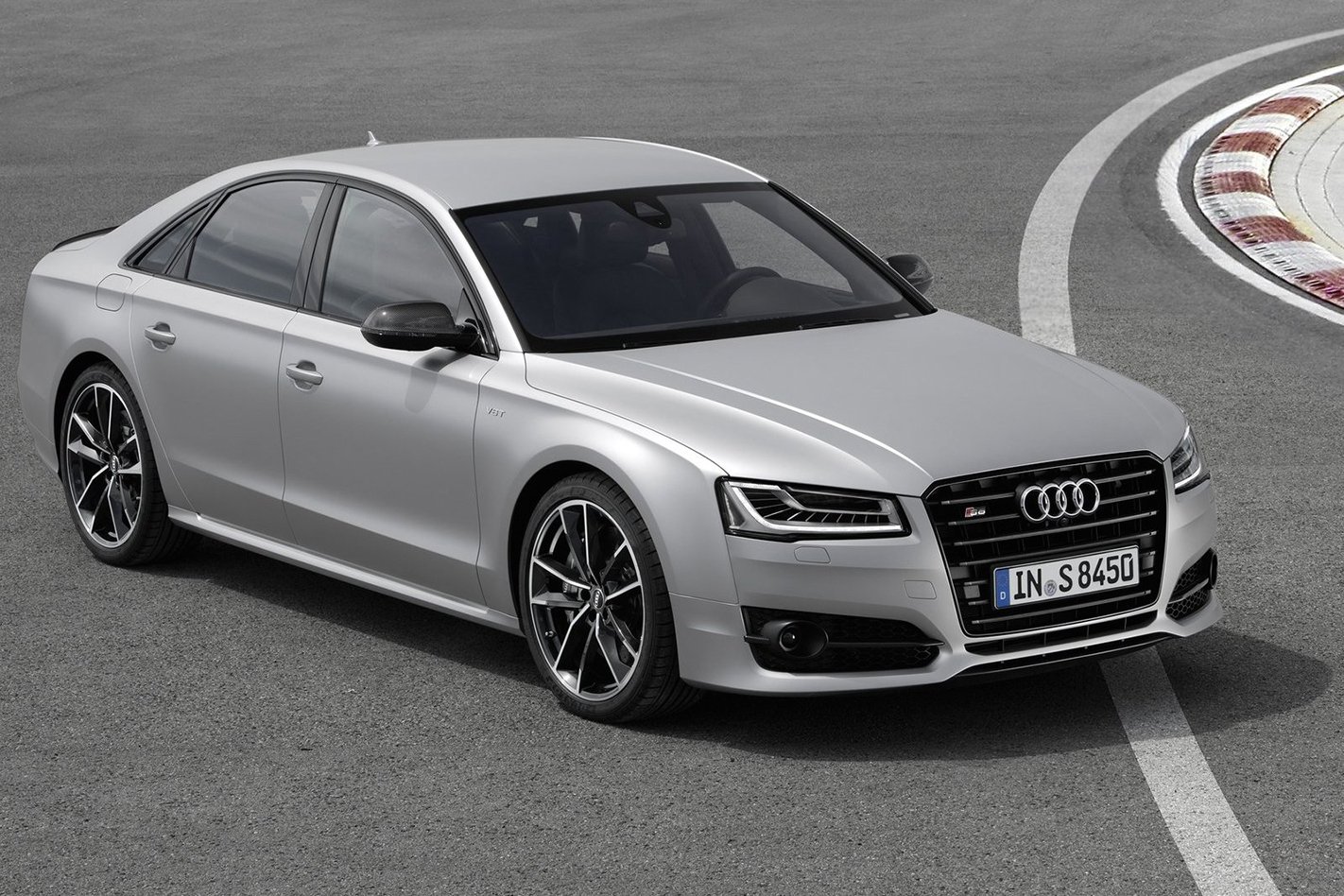
A 250km/h top speed is standard, with a 305km/h limit optional in all countries except Germany where it is standard for a reason that is blindingly obvious.
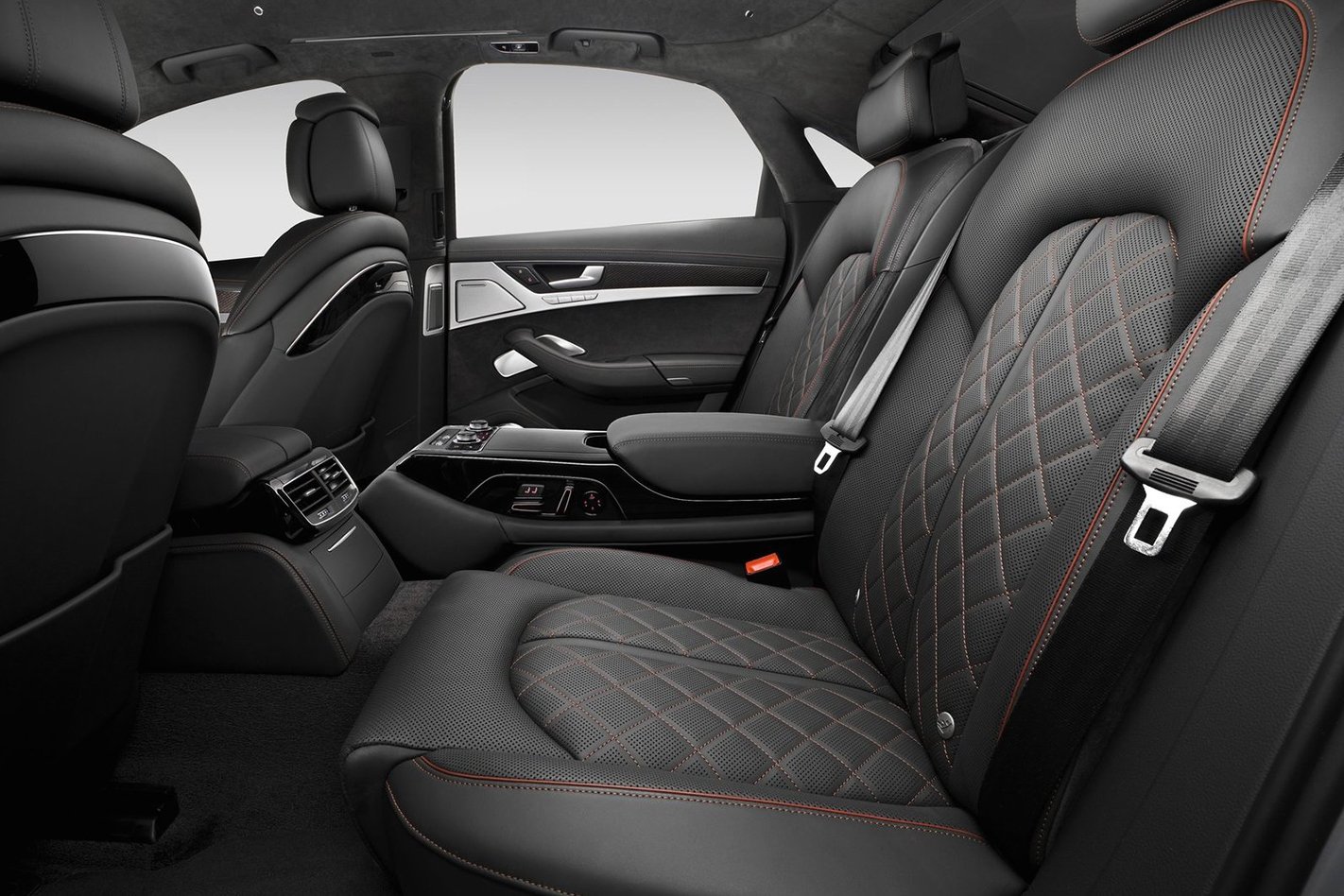
As with the regular S8, sports adaptive air suspension and dynamic steering are standard, while the main interior differentiator is red-stitched leather.
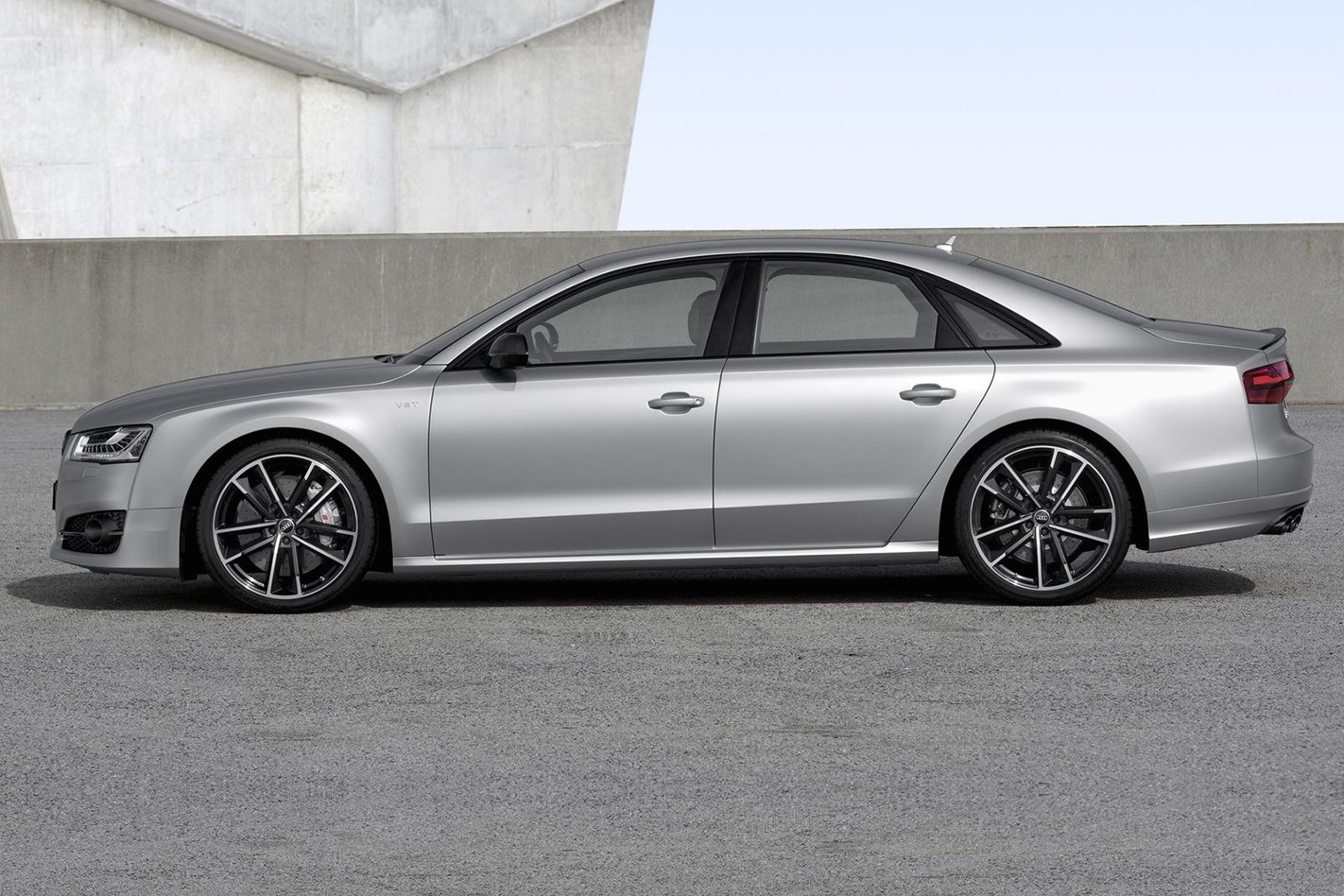
Meanwhile unique 21-inch alloy wheels with monster carbon-ceramic disc brakes behind them, carbon diffuser and mirror caps, a lip spoiler and darkened grille surround are indicators to other limo drivers that they shouldn’t pick a fight from the lights leading onto an autobahn.
Only a Porsche Panamera Turbo S will keep pace to 100km/h, but it misses the lounging-room bit of the limo brief. Even a Mercedes-AMG S63 with 900Nm and all-wheel drive (not available in Australia) will be two-tenths off the pace of the S8 plus. Any BMW 7 Series is nowhere to be seen.
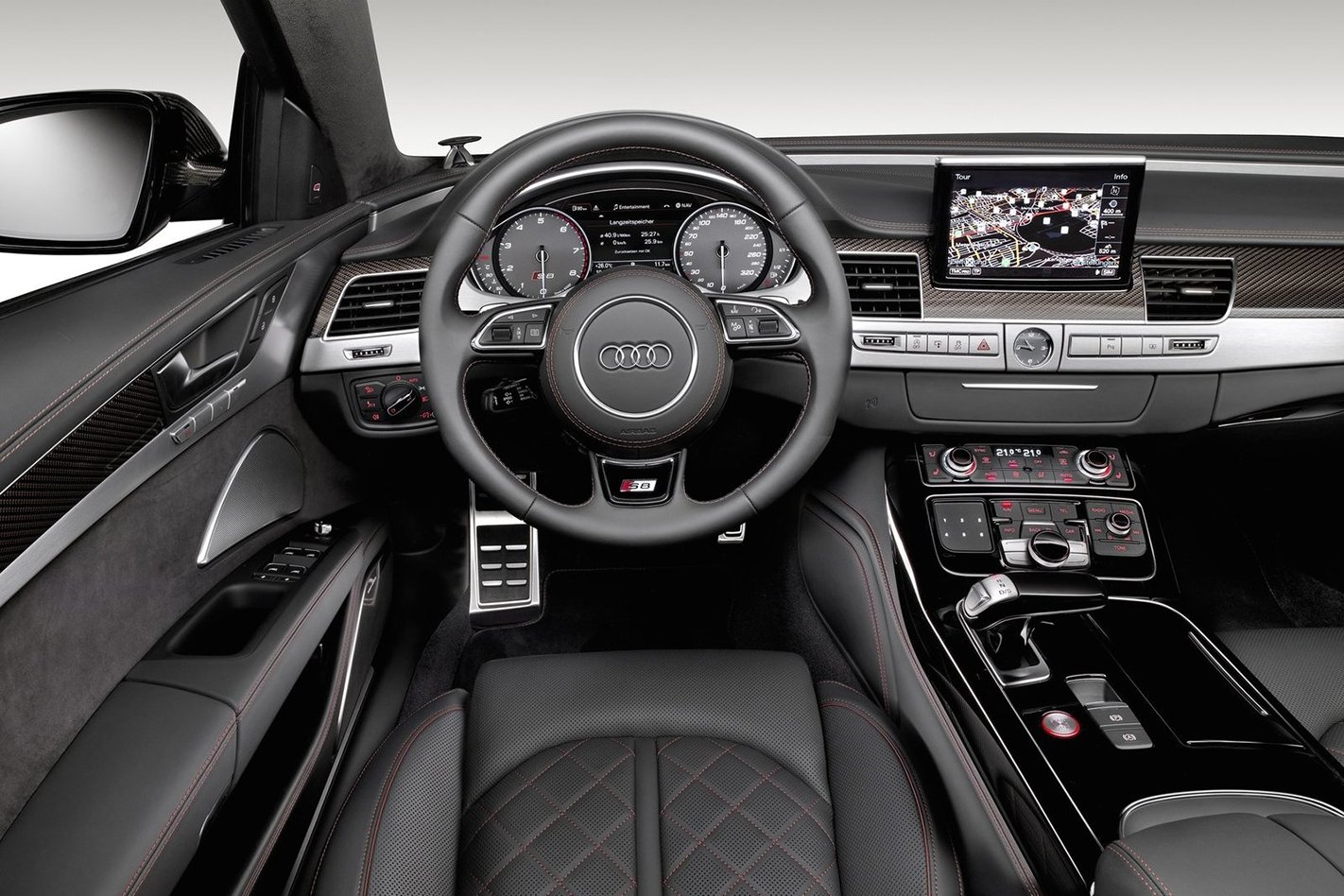
That leaves (gasp!) a Tesla Model S P90D to keep a four-ring driver honest, if not a rear passenger comfortable.
The Audi S8 plus will come to Australia mid-2016 with an obvious increase on the $279,000 pricetag of the standard S8. No word yet on what that hike is, but even if it nudged a ‘3’ it would still make the S8 plus $100K less expensive than an S63 AMG and $145K less than a Panamera Turbo S.
BMW’s released juicy details on its new M6 GT3 ahead of its debut at the Frankfurt Motor Show this September.
Most notable is the GT-turned-race car’s price, which will ask for 379,000 euros when it’s made available to order this September 15, or $562,000 when converted to local dollars.
BMW has modified the road car’s 4.4-litre twin turbo V8 for track duties with measures like dry-sump oil lubrication, and touts it can produce up to 430kW in competition, the final figure depending on race regulations.
BMW also says the new turbocharged powertrain has cut running costs by 30 per cent over the outgoing BMW Z4 GT3’s, which relies on a 4.4-litre natural breathing V8.
Besides the engine, the $562K price also buys you an extensively modified GT-chassis that sees the M6 stripped, fitted with a steel roll-cage, and wrapped in a wind-tunnel tested carbon fibre body bits.
BMW claims the M6 GT3 weighs less than 1300kg, which means it fares better than competitors from Nissan and Bentley on the scales, but it’s unlikely it’ll match Ferrari’s or Audi’s GT3 machines for mass.
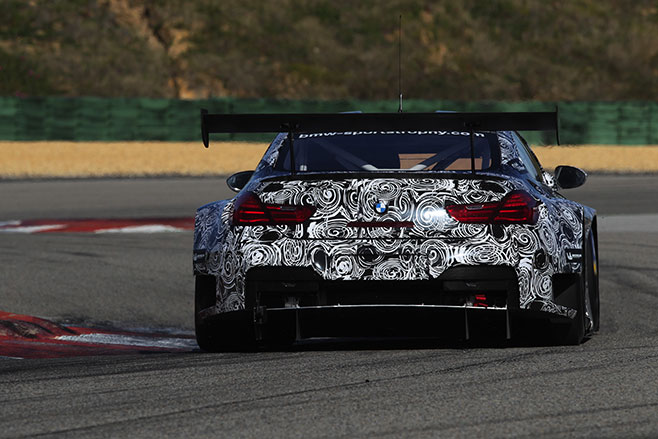
It also says its new GT monster is designed for the GT3 category beyond 2016, with only a few last steps left in its development, as BMW Motorsport Director Jens Marquardt puts it: “We remain completely on schedule with the development of our new figurehead on the GT racing scene. The basic work of the past few months is now followed by a period of fine-tuning.”
Come September we’ll catch our first glimpse of what the car’s low, wide body looks like without a concealing camouflage. But the most interesting spectacle will be on track in 2016, where BMW’s newest creation will meet the next-gen GT3 weapons from Audi and Mercedes-AMG…
Here is a glimpse of what a Holden Astra performance model may look like in the brand’s fully imported era after 2017.
This Astra doesn’t wear OPC, GTC or VXR badges that we’ve usually come to associate with European Opel-derived performance Holden models, but rather is tagged TCR – the official name of an affordable customer racing series that began this year across the Continent and some parts of Asia.
Opel is already preparing to take the next-gen Astra for its first public outing at the Frankfurt motor show in September, despite the small hatchback having only just landed in Australia again wearing the encircled Lion on its snout.
In a similar one-step-ahead move, the Opel motorsport division has got to the new Astra before its road-going sports division Opel Performance Centre (OPC) has released its newest hottie.
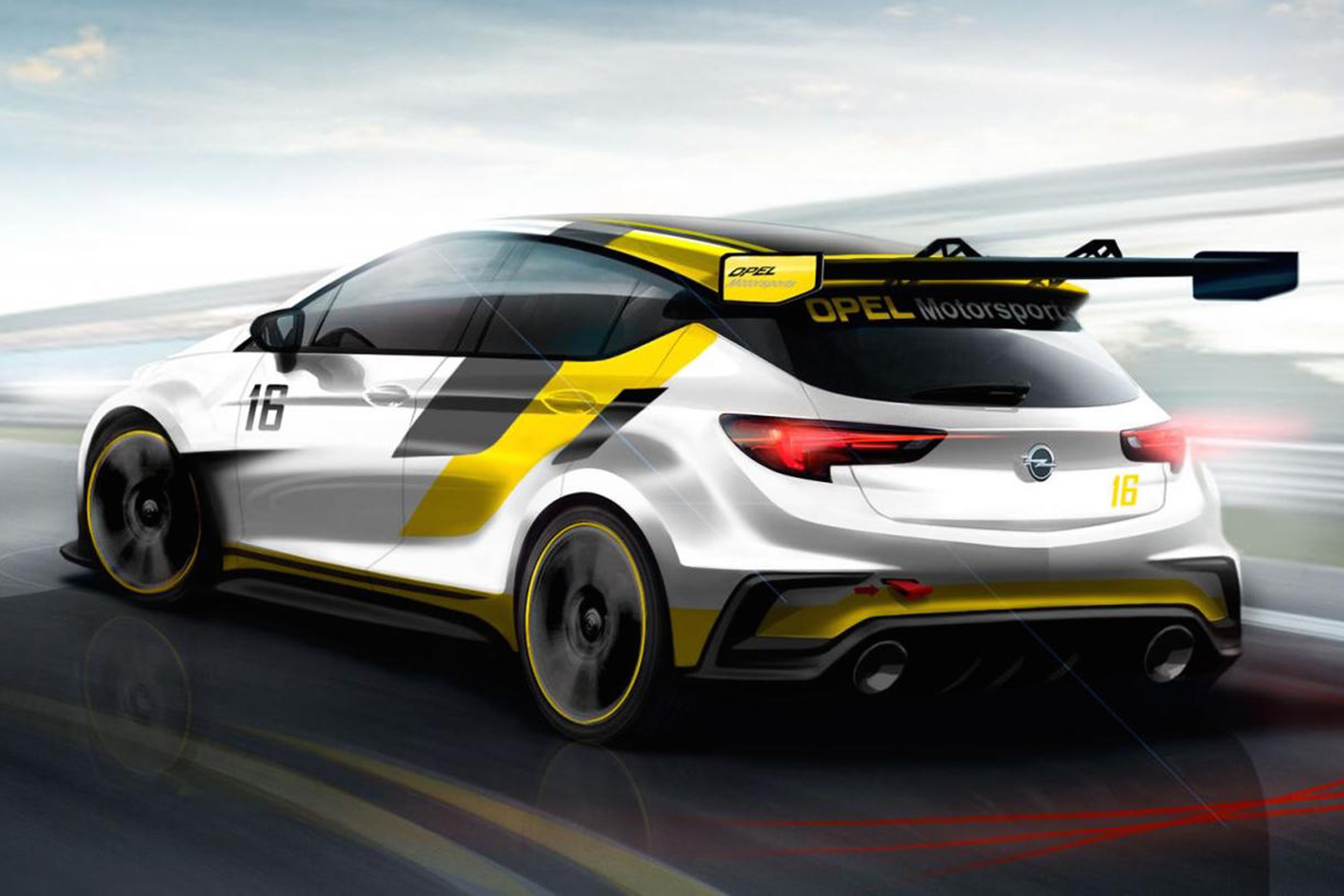
While it is those OPC production versions that will be most relevant locally – the current Holden Astra VXR is a carbon copy of the Opel Astra OPC – this motorsport TCR version does run a 2.0-litre turbocharged four-cylinder engine producing 246kW and 410Nm.
TCR international series rules keeps racing cheap by mandating that models entering be heavily based on a production car with 2.0-litre turbo capacity. There is no such new performance Astra yet, although the current VXR makes a similar 206kW/400Nm. The new VXR should make similar numbers, yet it is guaranteed to follow the regular versions of the new generation model by weighing much less than the portly 1543kg of the current car – so expect faster times.
The styling cues certainly show what a future fast Holden hatchback will look like. If the next Astra VXR is a year or two behind the regular models shown at Frankfurt, as is expected, then the new model should lob around the same time that local Commodore production ends in 2018.
The Astra TCR will also be shown at Frankfurt before beginning testing in October and racing from 2016 against the same competitors it lines up against on the showroom floor, such as Civic and Focus.
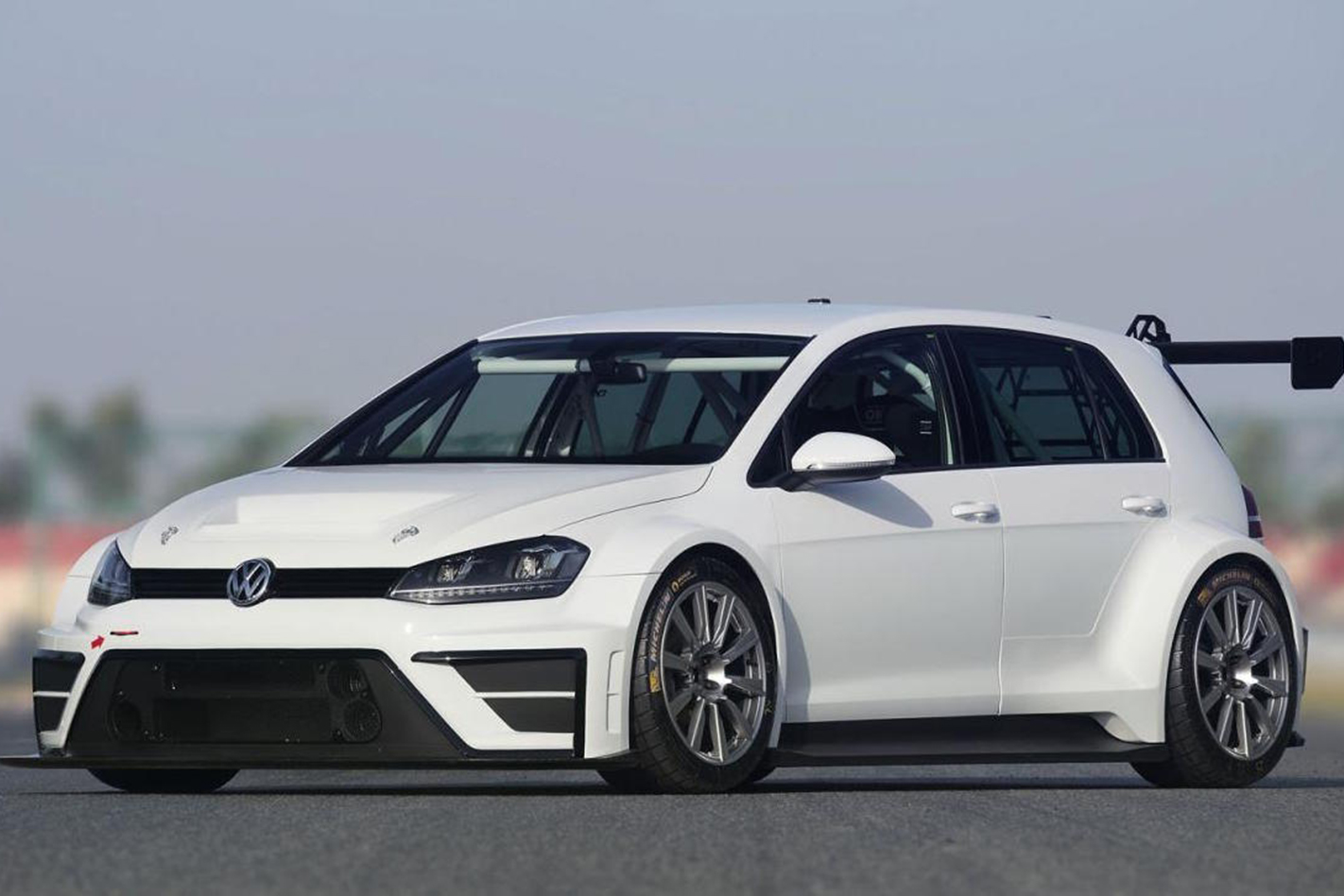
Volkswagen has also shown off its next-year entrant, a Mark VII Golf racer that uses a 243kW/410Nm version of the Golf R engine, but in a Golf GTI front-wheel drive chassis (widened by a massive 40 centimetres).
The series takes to circuits such as Sepang (Malaysia), Monza (Italy) and Salzburgring (Austria).
Get your free weekly report from the world of fast cars – subscribe to the MOTOR newsletter!
BLAME Bathurst. That’s where the Aussie affair with V8 power really took shape. And that shape, when it arrived in 1967, was the four-door XR Falcon GT. Tweaked with chrome wheel trims and GT Gold paint, the XR was hailed for its “Mustang-bred styling” and, of course, the 4.7-litre Windsor V8 also wrangled from the rock-star American coupe.
If there was to be a Mustang four-door, our Ford Falcon was apparently going to be it. We’d already seen the real deal in a handful of high-profile racing Mustangs – all of them soon upstaged by Allan Moffat’s awesome 1969 Trans-Am, the most exotic of them all – but what mattered to the punter in the street was Bathurst, the showroom showdown among Series Production touring cars like you and I could buy.
Even when local pony-car coupes followed, the financial reality for most Australian families was still one car: a locally-built sedan that could have the guts, or at least some of the gloss, of a Bathurst winner. And so, to Australians, a muscle car has four doors.
Now the Falcon faces the chop at the end of 2016. That sucks, but Ford is determined to show the upside. The broad-shouldered local, currently covering roles from taxi-spec EcoLPi six through to the stonking 335kW supercharged XR8 grand tourer on this page, can hand over to two or three imported models that might better fill each niche. The first of them, arriving at the end of this year after a mere 50-year wait, is the real-deal Mustang.

But we’ve saddled-up early. This 2015 Mustang GT comes to you from Craig Dean of Mustang Motorsport, long-time converter of current-model Mustangs, Shelbys, Saleens and Ford GTs, along with hot GM and Chrysler import iron.
The Triple Yellow Tri-coat example is one of two 2015 models Dean has been quick to convert, and is therefore likely to differ in some ways from the factory-built right-hook cars.
This one’s a standard GT, carrying the 5.0-litre V8 with 324kW and 542Nm and a six-speed automatic transmission. It’s fitted with 20-inch wheels in place of (US) stock 18s. But all factory Oz Mustangs will come standard with a GT Performance Package, which brings 19-inch wheels, larger brake rotors and six-piston front calipers, a front strut brace, Torsen limited-slip diff and shorter (i.e. lower-geared) final-drive ratio.

There’s also the price. Dean’s converted example was quick to sell at $125,000. It was bought by a lively 73-year-old lady who, Dean says, has been a serial modern Mustang customer. Pricing for Ford’s Australian dealer-delivered Mustangs will range from $45,000 for the four-cylinder turbo EcoBoost to $55,000 for the V8 GT, with six-speed autos adding $2500 in both cases. Meanwhile, an auto-only Mustang Convertible will go for $64,000.
Interestingly, those V8 prices put the Mustangs only a grand upwind of the Falcon XR8, with which it will share showroom space for 12 months. We’ve brought along a Victory Gold six-speed auto XR8, keen to see how the long-legged (and large-lunged) Aussie sedan differs thematically from its American cousin.
The Falcon is so warmly familiar: the full five-seater comfort, the high-riding vision, the relaxed way in which the blown ‘Miami’ V8 cranks on the turn of the key and responds to the first prod of the throttle. Got 335kW in here, mate. Nothin’ to prove. But if you wanna step outside…

How’s this for irony: When the US Falcon died in 1970, the Aussie Falcon set off on its unique path and thrived. And 45 years later, as the axe was suddenly raised over the Falcon, the Mustang marked its 50th anniversary with a whole new lease of life.
Throughout its career, the Mustang had lagged behind – and well behind Falcon – with antiquated, live-axle underpinnings. Thankfully, the engineers finally beat down the bean-counters and, while retaining the wheelbase of the landmark 2005 “retro” Mustang, endowed the 2014 car with a new, multi-link rear end. This begat a largely new strut front end, new subframes, brakes, the whole nine yards. It’s said they initially experimented with the Falcon’s Control Blade IRS, adapted here in Oz from its European front-drive origins. Mustang instead ended up with an ‘integral link’ set-up, derived from the Ford Fusion.
The Falcon-Mustang relationship is nothing like the intimate Commodore-Camaro kinship over at rival GM. About all the Fords evidently have in common are a 5.0-litre V8 (the atmo Stang just 11kW and 28Nm shy of the XR8’s blown version), the carryover SYNC2 cockpit touchscreen display and front seats that look similar but, er, aren’t.

Nope, the Mustang’s influence is all Mustang. So much so that the only Ford logo you’ll notice, eventually, is the one in the windscreen epoxy near the interior mirror. The iconic fastback shape appears initially not so different from the ‘retro’ of 2005 – in turn, recalling the 1969 Mach 1 fastback – but it’s notably lower, wider and edgier in every area.
On the road, the Mustang has a Transformer-bot presence, a bad-assness that’s thoroughly modern-American. I was trying to fit it to one or another of the modern Marvel Comics movie characters, when Commissioner Gordon projected the Mustang spotlight onto the ground near my feet.
The view through the windscreen says much about Mustang’s global ambitions: the long, thrusting bonnet is a classic pony-car cue, but its ridges and reverse-angles seem to whisper in Lamborghini language.
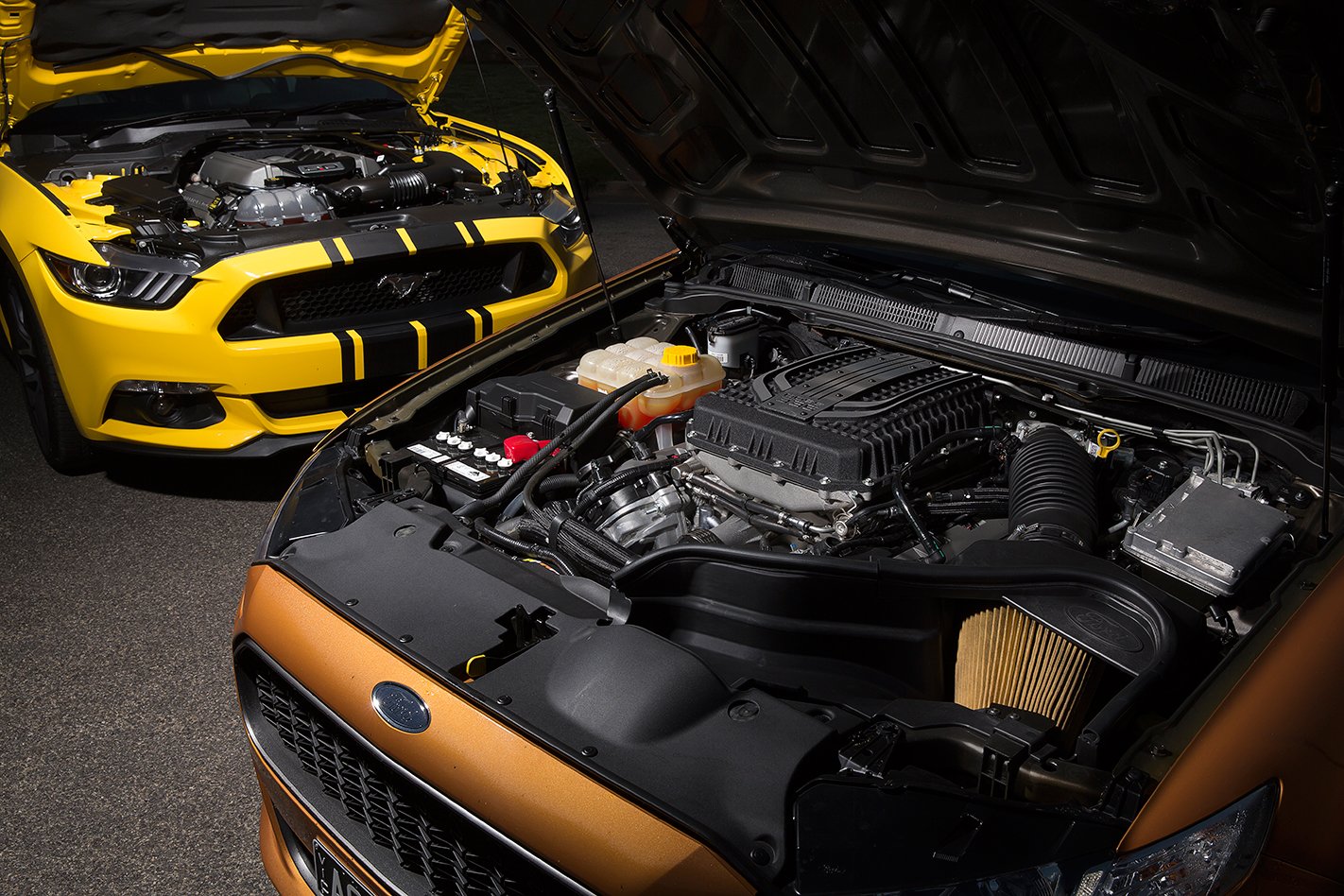
Inside, there are several design conversations going on, with German seat styling, American pony-car asymmetric dash top, Italian torpedo-tube instruments, latest-gen Asian HVAC controls and, below that, four toggle switches reminiscent of the Ford GT40. Various fake metals also interact.
Materials quality ranges from superb, as on seats and door trims, to sorta sketchy, like the plastic on the A-pillars. The minor controls still feel more Ford than Ferrari.
The front seats are as supportive as they look, and whirr back and forth to ease entry and exit. There’s a huge range of seat adjustment, and the slightly oversize steering wheel offers height and reach adjustment. The spacious cockpit includes you as a coupe should.

Rear seat occupants get a rougher deal. There’s just enough foot and knee room back there, but heads are squished against the rear glass. With fixed windows, no grab handles and awkward access, it’s definitely a 2+2 coupe rather than a Falcon fastback.
The console-mounted Start button, at least in this converted car, is obscured by the gear knob. The exterior mirrors, too, are annoyingly small. But from the very first rumble through the exhaust, the Mustang has a feeling of focus, a hard edge that’s long been muted in the tool-for-all-tasks Falcon.
The Mustang’s atmo V8 is truly responsive underfoot; its 542Nm is nothing to sneeze at, and the coupe’s kerb weight of 1728kg is about 130kg less than the four-door Falcon. The Mustang’s Ford-built six-speed auto exploits it with a Sport slot at the base of the gate and steering-wheel-mounted paddles. It’s more involving than the Falcon ZF unit’s parallel manual gate.

Stomping the Stang really does bring a sensation of the pony car’s hot-rodding roots. The long bonnet rears up (cue sound effects of horse whinnying), massive forces hook up deep in its bowels and the coupe lunges forward, the squirming rear end adding to the theatre. It’s refined, it’s efficient, but it’s still there. If this was a manual, I reckon I’d be in danger of throttle-blipping on the upshifts, Bullitt-style.
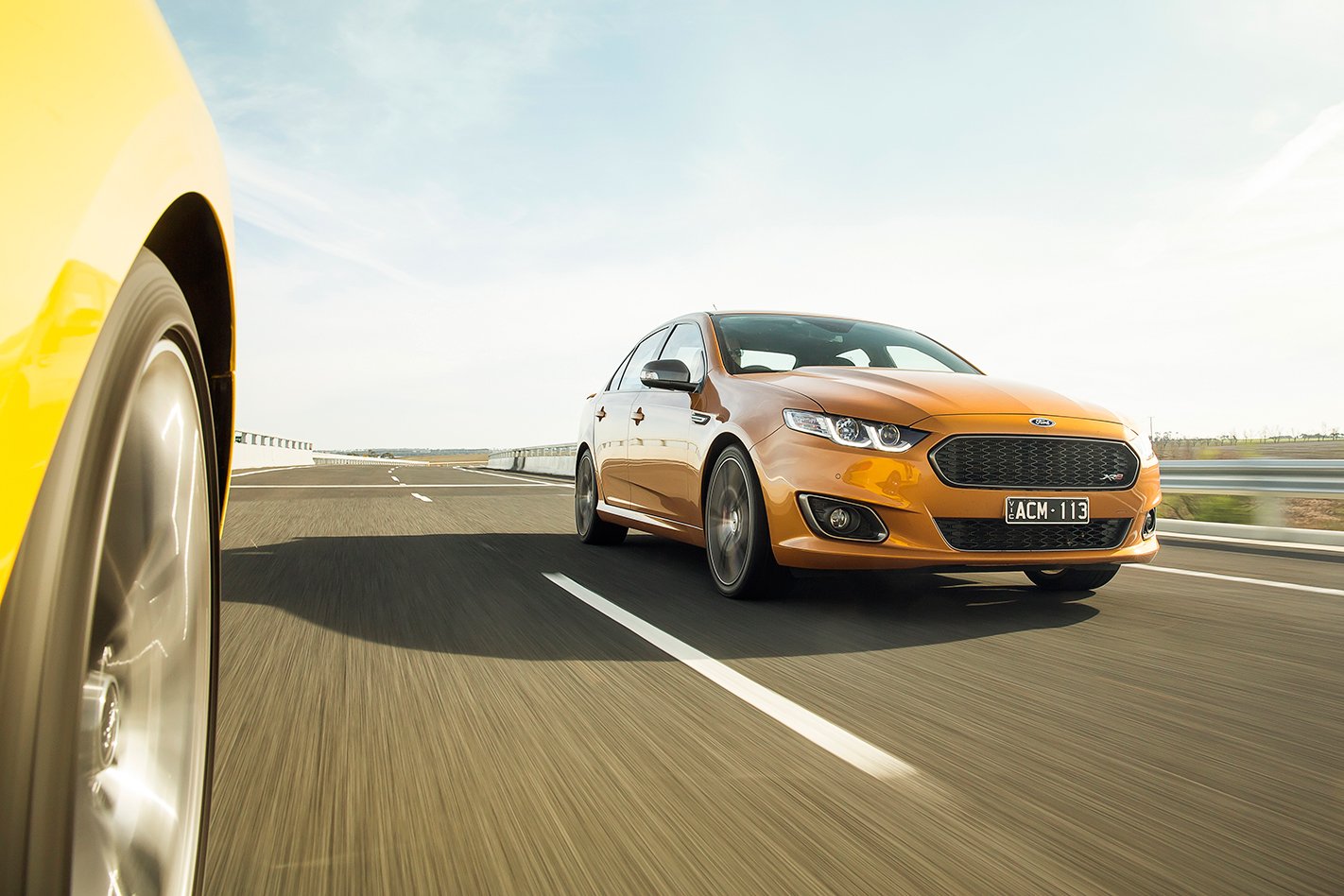
A traditional American muscle car would still be sitting there, smoking tyres and axle-tramping its diff through the floor. An Aussie V8 would impart only half the idiot-grin factor. But the Aussie sedan would be running right alongside the Mustang. The XR8’s acceleration figures all the way to 160km/h and across the 400-metre mark remain consistently within three-tenths of a second of the supposedly thoroughbred coupe’s.
Numbers on paper are about all there is to compare. The tight-bodied Mustang shows the XR8 as a fits-all family sedan engineered down to a price, then geniused-up to an effortless, highway-hoovering grand tourer. That tradition – and forgive us a little romance, for it’s well warranted – really does trace a line straight back to famous forebears like the XY GT-HO Phase III.

Just consider the Falcon XR8, in this final FGX guise. While we’re gushing about the Mustang and its incredible value, here’s a 335kW supercharged V8 available in either six-speed manual or auto, a full five-seater executive express that’ll do low-13sec quarters, at about $55K.
The XR8 acquits itself pretty well through the twisties, too, though the steering feel is lazy and bouncy, and the chassis never seems to truly hunker down. As Ponch has previously observed so accurately, you always feel you’re sitting on the Falcon, rather than really in it.
The XR8 doesn’t immediately feel that quick – until you’re suddenly going really quickly. The big sedan takes a fraction longer to shift its bulk off the line: auto for auto, the Falcon doesn’t have the kick of the toey Mustang, and can’t quite match its 0-100km/h time. After that, though, the four-door hits its stride, and comfortably surges forward.

The XR8 feels like it was built to do 180km/h all day on the Hay Plain. It’s not hard to imagine Ford Australia’s test engineers chuckling knowingly to each other at that, but there’s debatable logic in engineering a car to excel at 180km/h in our over-policed nanny nation. It’s not that Ford Australia had its sights set on exports to Germany; rather, the flattened response to initial throttle inputs, the long, lazy pedal travel and an eager (but seamless) ESC system hint strongly at having to rein-in power for a chassis not truly up to it.
Why, the next-nearest thing in the Ford catalogue to the XR8’s 335kW is, or soon will be, a purpose-designed performance coupe. And the Mustang has few compromises – at last – with a palpably tight body, a truly well-controlled and comfortable (if firm) ride and, certainly in this standard guise, a surprising measure of nuance to its handling.
Aided immensely by this car’s Pirelli P Zero 265/30R20 rubber (same size front and rear; the Oz 19s will be staggered sizes), the Mustang on its standard suspension left us wanting for little in its combination of turn-in urgency, cornering balance and feedback. The chassis really rips into a corner, the quick steering prompting a perceptible weight shift in the rear. But braking into corners is mighty, grip is abundant, and the Mustang just digs a furrow through the corner, inspiring huge confidence.

It still feels a bit heavy when changing direction, but it’s not the blunt instrument you might expect. It makes you want to go and find a Toyota 86 and push it over in the playground.
The steering offers three settings: Normal, Sport and Comfort. While never achieving Porsche-like levels of feel, Normal mode provides a sneeze-factor at centre and a cheek-slapping turn-in. Sport mode adds more linear response from centre and more weight, even to a slightly leaden extent. We kinda preferred Normal.
Our American correspondent Aaron Robinson reports that their standard GT is a little soft and drifty, but the US cars wear lower-spec, all-season Pirelli P Zero Nero 19s. Given the way our car’s 20s allowed the suspension’s subtlety and body control to shine through, we hope it bodes well for an Australian-spec GT with Performance Package on 19s.
Indeed – and we didn’t expect to be saying this of a Mustang – we’re itching to try the EcoBoost four-banger. Ford has yet to publish kerb weights in Oz-spec, but the turbo four is believed to be about 100kg lighter than the V8.
If you want a Ford V8 performance car, put it this way: the Mustang is a far better Mustang than the XR8 is, or than any high-performance Falcon ever has been. The two nameplates went their separate ways a long time ago, and our performance sedans have changed their theme since, evolving from base-spec, big-engined Police-pack specials to luxury sports sedans.
Let us never forget, when the sun goes down on 2016, that for covering vast distances, carrying five folks and dishing out massive bang for the buck, nobody in the world has done it better.
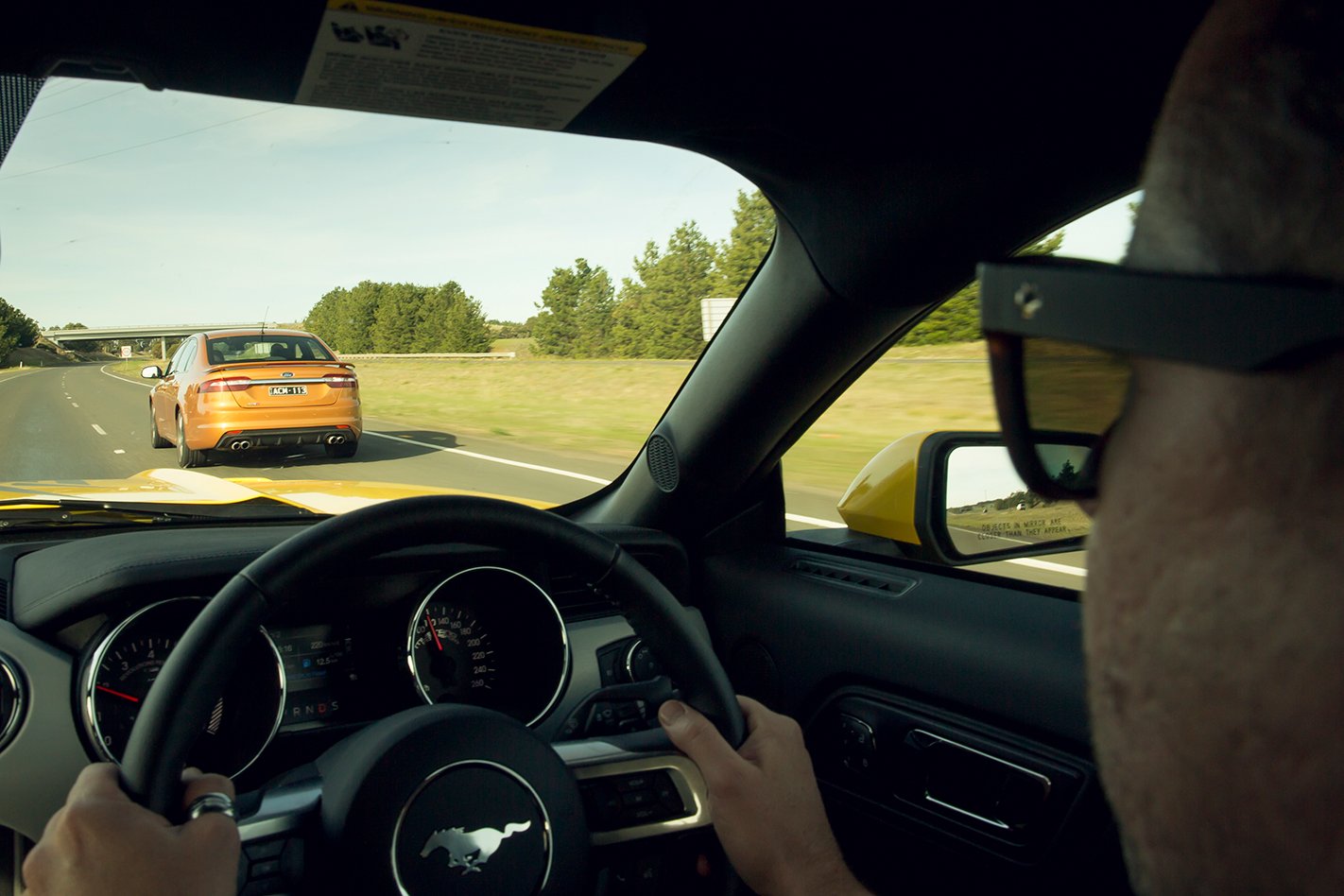
SPECS Model: Ford Mustang GT Engine: 4951cc V8 (90°), dohc, 32v Max power: 324kW @ 6500rpm Max torque: 542Nm @ 4250rpm Transmission: 6-speed automatic L/W/H: 4783/1915/1382mm Wheelbase: 2720mm Kerb weight: 1728kg 0-100km/h: 4.6sec (claimed) Fuel economy: 13.1L/100km (test average) Price: $125,000* On sale: December *Converted car by Mustang Motorsport
Model: Ford Falcon XR8 Engine: 4951cc V8 (90°), dohc, 32v, S/C Max power: 335kW @ 5750rpm Max torque: 570Nm @ 2200-5500rpm Transmission: 6-speed automatic L/W/H: 4949/1868/1458mm Wheelbase: 2838mm Kerb weight: 1861kg 0-100km/h: 4.9sec (estimated) Fuel economy: 12.8L/100km (test average) Price: $54,690 On sale: Now
Mustang Motorsport
CRAIG Dean’s passion for US muscle cars began when his dad gave him a Camaro. After a stint in the RAAF as a mechanic, Dean set up Crossover Car Conversions in 1990. The Ferntree Gully (Melbourne) hot shop kicked off with Camaros, but now fettles Corvettes, Dodge Challengers, Vipers, Ford GTs and F-series trucks.
“Nobody was doing Mustangs right,” Dean says of starting the offshoot, Mustang Motorsport. As well as being the only accredited Shelby modifier outside the US – he also carries Roush performance gear – Dean ponies-up for tarmac rallies in his own supercharged 2006 Saleen S351.
Aussie Mustangs
WHEN the new Mustang lands at the end of this year, it will be a mere 50 years since Ford Australia first officially imported the nameplate. In July 1965, just over a year after the Mustang’s debut at New York’s World Fair, Ford Oz imported 48 examples and had them converted at its Homebush plant in Sydney.
The arrival of the “Mustang-bred” XR Falcon in ’66 prompted a further batch of Mustangs that year. It’s believed that all the Oz Stangs were hardtop coupes, and 4.7-litre automatics. Ford Australia then engaged in an ill-advised program in 2001 that saw the already ageing fourth-generation model brought here and converted by Tickford (the predecessor to FPV). The expensive – $85K for the coupe – and underperforming model quickly disappeared without a trace.
