
HSV’s wildest ever ute, the GTS Maloo, is now sold out.
At time of writing, just two of the initial 250-strong build run are left in dealer land and both have customers’ names next to them.
Despite the $87,990 price tag ($90,490 for the auto), demand was strong for HSV’s super ute. And why not? At last year’s Performance Car of the Year test, the mighty Maloo smashed through 0-100km/h in just 4.46sec and demolished the quarter mile in 12.54sec – outrageous numbers for a trayback.
The GTS Maloo shared many of its parts with its sedan sibling, including the 430kW/740Nm 6.2-litre supercharged LSA V8, massive AP Racing brakes and huge 9.75-inch rear differential with torque vectoring.
The only real mechanical difference between the two was the lack of MRC adaptive dampers in the Maloo; the limited build run meant recalibrating them for the ute’s different weight distribution and wheelbase was not cost effective.
Sadly, despite being so similar on paper, something was lost in translation from sedan to ute, and the GTS Maloo never felt as agile or anjoyable as the four-door. You can read our full review here.
That said, it’s a helluva way to cart tools around and is guaranteed to be a sought-after collectable in years to come.
Get your free weekly report from the world of fast cars – subscribe to the MOTOR newsletter!
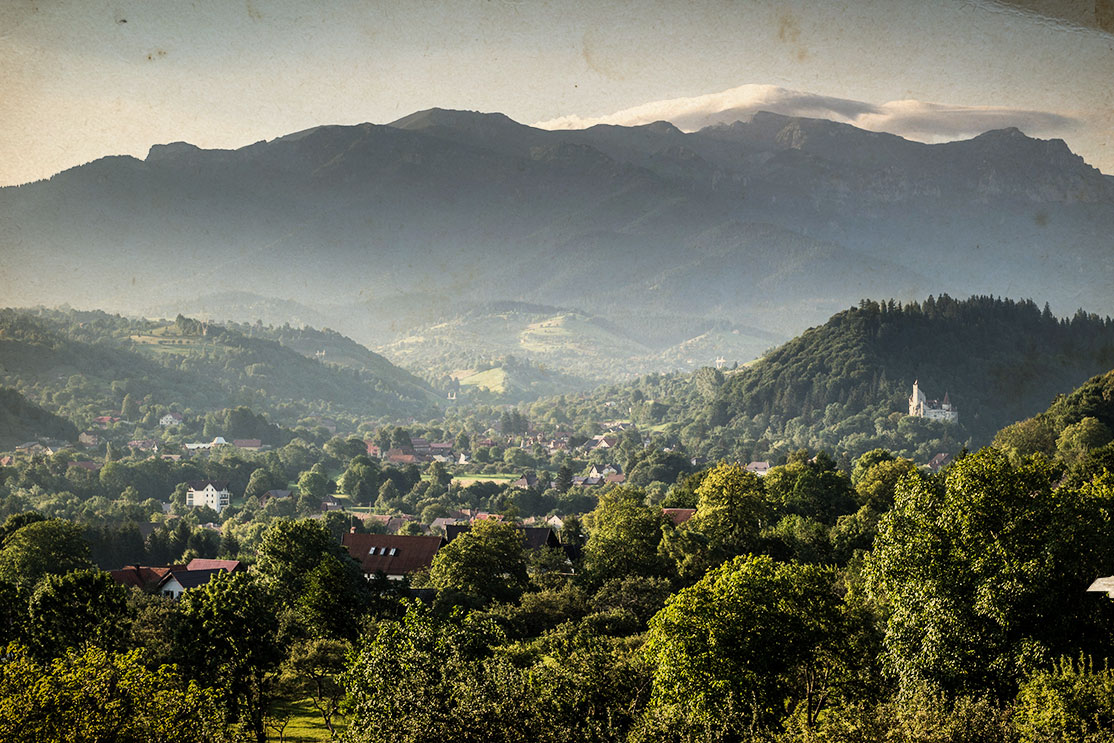
Sharp as a vampire’s fangs, but not nearly so neat and even, the Fagaras Mountains poke holes in the darkening Romanian sky. This small nation is known as the homeland of Dracula. Or, more accurately, where the historical figure used by the author who created the enduringly popular blood-sucker lived.
Romania isn’t a rich country, and the Dracula story is perhaps its most powerful tourist magnet. Unsurprisingly, they try to make the most of the connection.
But there’s much more to this little, and little-known, nation of Eastern Europe than dodgy links to Dracula. Romania is supposed to have some legendary driving roads. In the centre of the country are the Transylvanian Alps, which form the southernmost section of the Carpathian Mountains, a 1500km-long semi-circle of peaks extending clockwise from the Czech Republic through Slovakia, Poland and Ukraine to Romania.
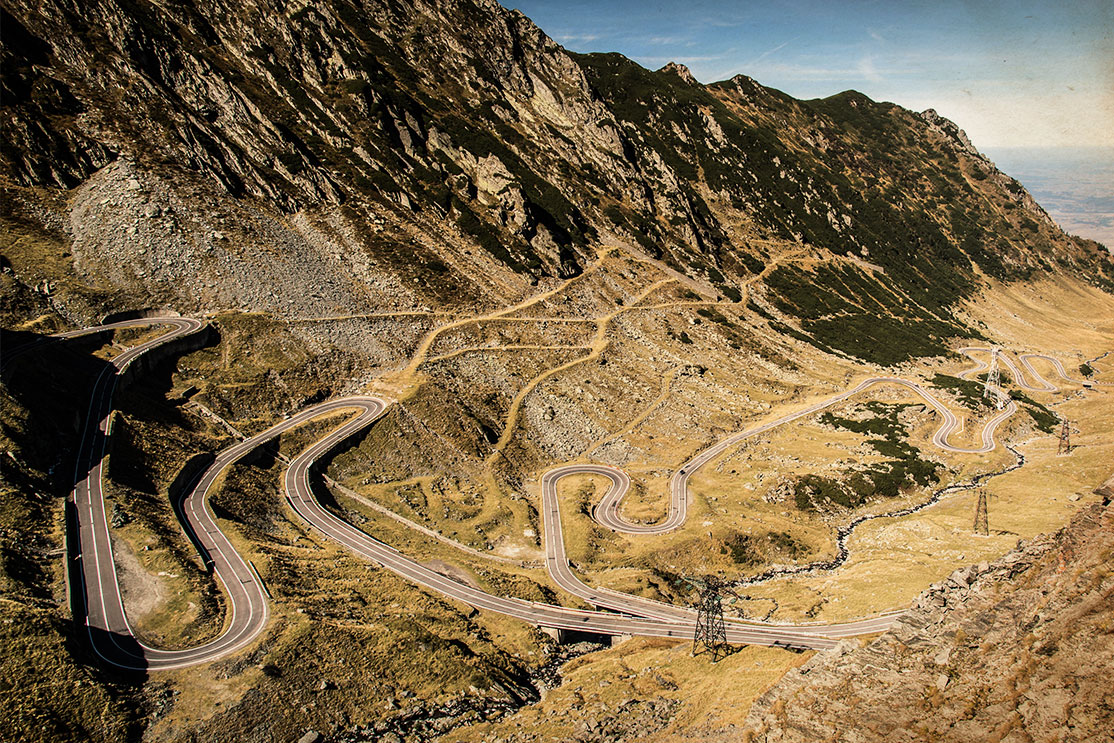
Most likely for military reasons, Romanian leader Nicolae Ceausescu ordered the construction of a new road in the early 1970s. It was to wind its way through the Fagaras Mountains section of the Transylvanian Alps, providing a new link between Romania’s south and north. Threading its way between a maze of 2500m-plus peaks – taller than our Mount Kosciuszko – the Transfagarasan was completed in 1974, though it was years before it was all asphalted.
Ceausescu’s quarter-century reign came to a brutal end on Christmas Day 1989. After a brief military trial, he was executed by firing squad. It was a bloody end to the bloodiest of the revolutions that ended Communist regimes across Eastern Europe after the fall of the Berlin Wall.
Romania snuggled up close to Western Europe after the revolution. With the openness came tourists, who began to spread word of the country’s attractions, including the Transfagarasan Highway, which began to earn a reputation as a rival to Italy’s famed Stelvio Pass. Could this be true? The Stelvio is a road I know well. I’ve been over it on two wheels and four, and it ranks among the world’s most spectacular drives.
The Transfagarasan is the main reason we’ve flown into Romania’s capital, Bucharest, where a Mazda 6 is waiting for us. Now, heading for our overnight stay in the city of Sibiu, we can see the Fagaras Mountains on our left. In the late afternoon light, the jagged, snow-capped peaks appear toothy yet enticing.
Leaving Bucharest’s morning rush hour behind us, we head north on a multi-lane highway to Ploiesti. It’s not long before we overtake our first horse-drawn wagon. Romania may have grown wealthier in the quarter century since the end of Communist rule, but not everyone can afford to own a Dacia. Even a second-hand one.
Romania’s very own car brand has become a huge success story. Bought by Renault in 1999, Dacia now turns out more than 400,000 cars a year, mainly for export, and makes good money for its French owner. It enjoys a 30 percent-plus share of its home market, but had even more during the Communist years.
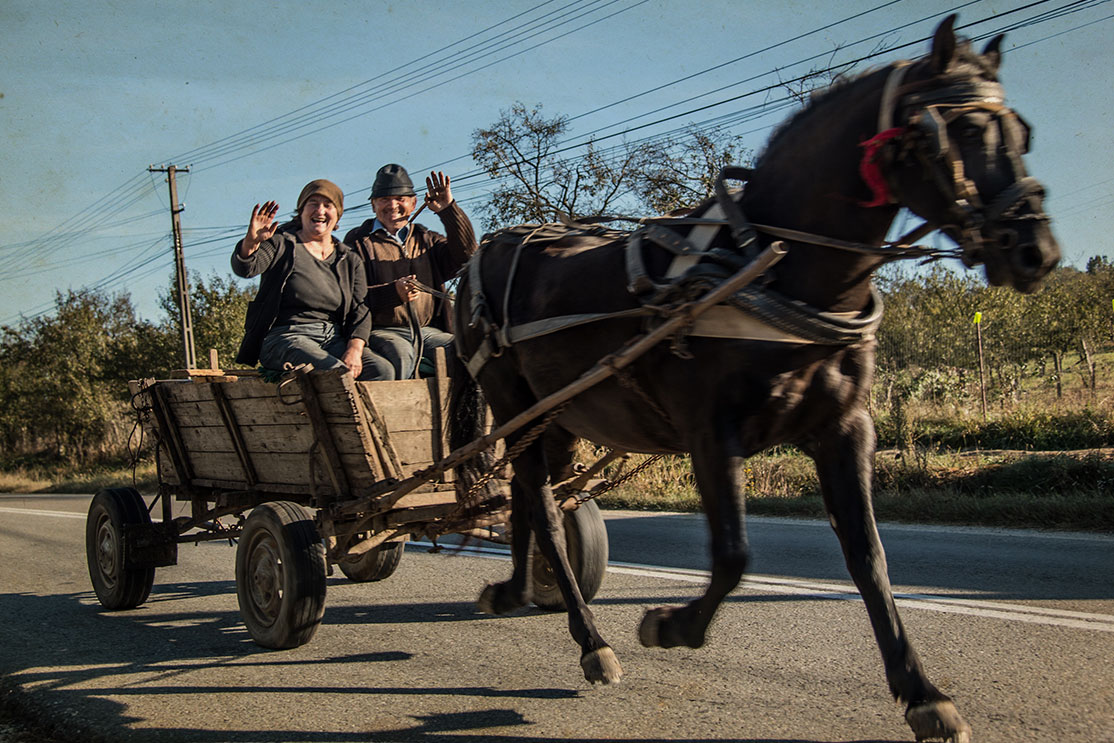
Most numerous are the licence-built Renault 12 copy that was in production for more than three decades from 1970. These things are survivors, and a step up from a horse-drawn cart, even one with pneumatic tyres.
Dodging Dacias, we drive into the centre of Ploiesti. This city 60km north of Bucharest is where, in 1857, the world’s first large-scale oil refinery was constructed. Romania beat the US into the big-oil business by two years. By luck, we stumble across Romania’s National Oil Museum. Many of the exhibits have a dusty, Communist-era feel about them, and Ploiesti these days doesn’t pump much black gold, but this was once gusher-ville.
English-speaking guide Gabriella explains that the area was well known as a source of oil for centuries before people began extracting it in large quantities. It literally seeped from the ground. Romania’s pioneering role in the industry meant that many early technical advances in oil extraction were invented here, including the valve that stops a gusher gushing.
But Ploiesti’s success made it a target. After first trying to remain neutral, Romania joined World War II in 1940 on the side of Germany. By 1943, the city’s refineries were estimated by Allied intelligence to be producing more than a third of the fuel used by Hitler’s armed forces. With Ploiesti pumping lifeblood into the Nazi war machine, the US Army Air Forces decided to drive a stake through its heart.
As a World War II aviation tragic, I know Ploiesti as the target of Operation Tidal Wave. This raid, in August 1943, was the most famous of the attacks against the city’s refineries. For all the wrong reasons.
After taking off from Libya, 162 four-engined B24 Liberators attacked nine refineries around the city, flying very low to improve bombing accuracy. It was a brave tactic, and an expensive one. Little more than half the aircraft made it back to Libya. Some landed in Turkey or Cyprus, many were shot down by German and Romanian fighter planes or anti-aircraft guns over Ploiesti and some crashed or were ditched as they struggled homeward. More than 300 American airmen died, the worst toll in any single USAAF bombing mission. The survivors called it Black Sunday.
But Operation Tidal Wave was a strategic failure, and so the bombing of Ploesti continued. According to our guide Gabriella, later high-level bombing destroyed much of the centre of the town.
No bombs have ever disfigured Bran Castle, 110km further north. It’s promoted as ‘Dracula’s Castle’, mainly because it looks perfect for the role. Or it would on a windy, wintry night with a full moon high in the sky. It’s a sunny afternoon when we arrive in the village of Bran.
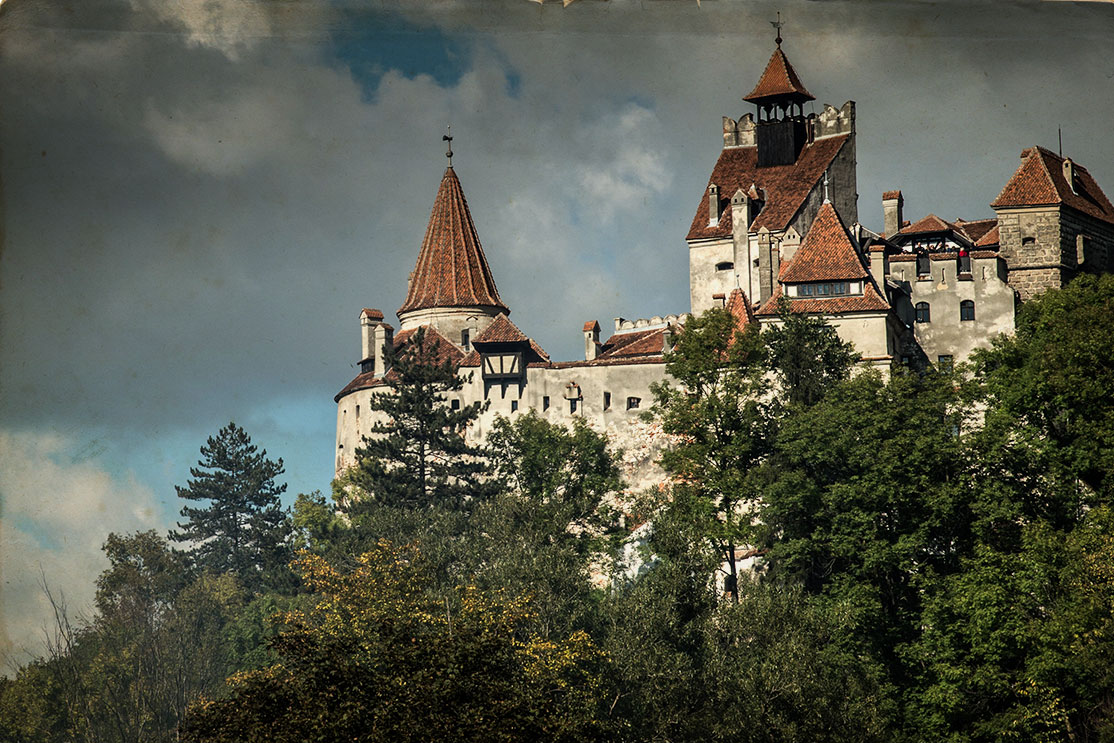
Mingling with flocks of noisy American and Chinese tourists, we tour the castle and browse the souvenir stalls around the entrance. Most offer a lot of Vampire-themed stuff, plus local crafts and foods.
Bran Castle’s links with Dracula are skimpy, to say the least. The author of the 1897 novel that kicked off the count’s career, Irish journalist, critic, theatre manager and writer of horror classics Bram Stoker never actually visited Romania. But the castle apparently is the only one in all of Transylvania that’s a close match with the book’s description of Dracula’s home.
Stoker certainly borrowed the name of Dracula for the central character of his best-known work, but there’s little resemblance between the world’s favourite vampire and the real-life 15th century nobleman named Vlad to whom it belonged. Dracul is Romanian for dragon, and young Vlad’s dad, also Vlad, was a member of the Order of the Dragon, a knightly fellowship sworn to defend Christianity. The old man became known as Vlad II Dracul because of his membership, the young ’un as Vlad III Dracula, or son of Dracul.
As ruler of Wallachia, the kingdom neighbouring Transylvania, Vlad III Dracula was a robust defender of his realm against invading Ottoman Turks. Despite being a good Christian lad simply doing his best in difficult times, he was posthumously given the terrible tag Vlad the Impaler. It’s possibly true he had thousands of his enemies impaled on pointy wooden sticks, an accepted means of execution at the time. Less certain is that he was fond of drinking blood, and he certainly did get around in daylight.
Our image of Dracula, then, is mostly the creation of Bram Stoker, who apparently planned to call his book ‘The Un-Dead’ until he heard the name Dracula from a Hungarian writer acquaintance with tales to tell from the Carpathian Mountains.
Next morning, having overnighted at Sibiu, we get closer to the Carpathians than Stoker ever did. It’s foggy as we head up the valley to the northern end of the Transfagarasan Highway, but the mist burns away as we approach the beginning of the climb.
It turns into a bright, clear day. And the road is magnificent. By the time we reach the top, I’m ready to declare the Transfagarasan Highway a better drive than the Stelvio Pass. There’s less traffic, which is an aid to driving enjoyment, but the twists and turns contribute more. This Communist-era creation flows more sweetly than the best bits of Stelvio. There’s more variety in the curves than the repetitive hairpins of Italy’s legendary pass.
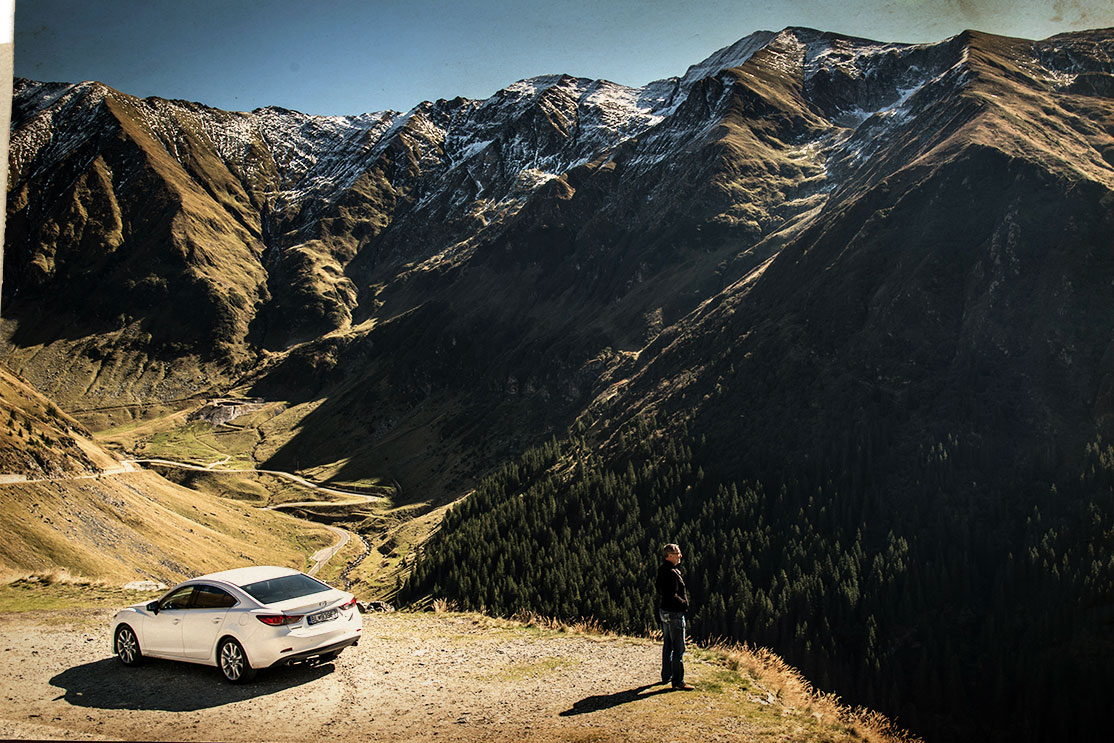
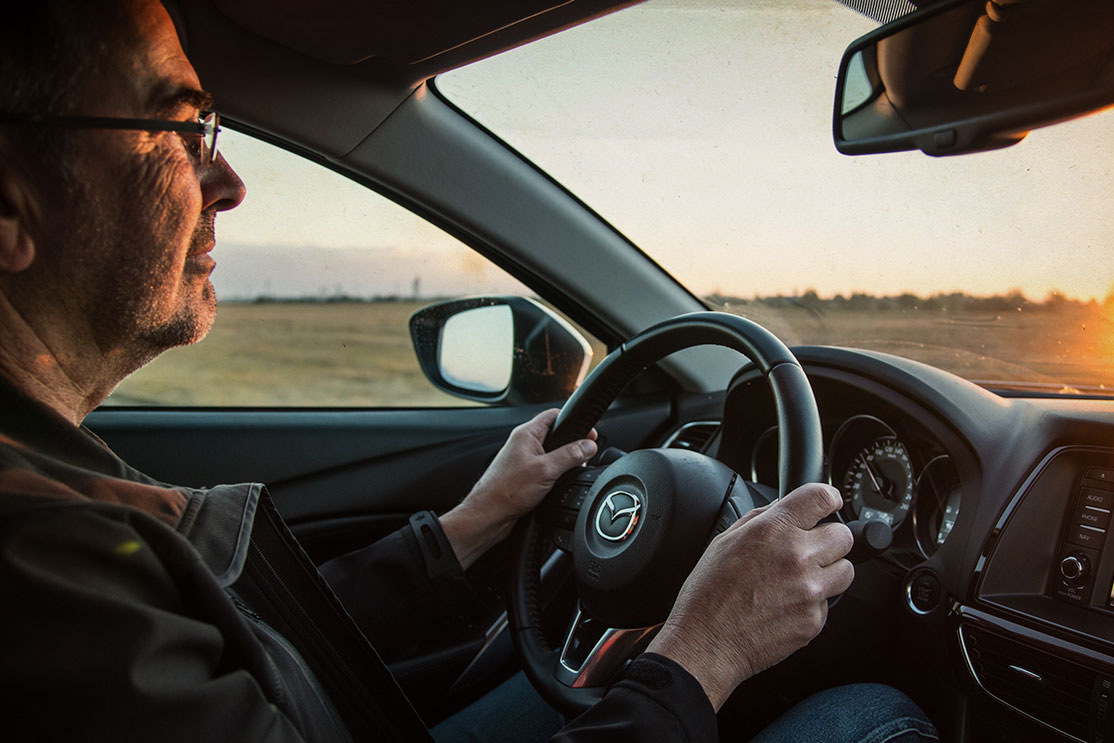
The 6 sedan seems to enjoy it, too. One of the reasons Mazda’s large-medium sedan remains a Wheels favourite is its fine handling. This is a car that works with, rather than against, a keen driver. It understeers a little both into and out of corners, but this slight degree of clearly signalled front-end slip isn’t troublesome. Instead, it’s an encouragement to push the 6 to its limit. Ours is a 2.5-litre auto. The 138kW 2.5-litre four makes it an enthusiastic climber and the six-speeder, which holds the selected gear no matter what, is the right kind of automatic for spirited driving.
The only disappointment of the drive is that, at the top, the Transfagarasan Highway tunnels about 800m through to the other side of the sharp-edged ridge. Consequently, the views aren’t quite as majestic as those from the open-air high point of the Stelvio.
A bunch of stalls are set up around the northern entrance, where there are remnants of snow in shady spots. I buy some mutton sausages from a stall run by a jokey young guy with some English. Butchery of the cured meats on display looks rather primitive, like the animals were pulled apart with tractors, but the sausage I’ve bought tastes good.
Having conquered the brilliant Transfagarasan, the plan is to head back down the way we came to tackle the only other road in Romania that’s higher. The Transalpina Highway tops the 2034m maximum altitude of the Transfagarasan by exactly 111m.
We head west through Sibiu, to Sebes at the northern end of the Transalpina, on what seems to be Romania’s newest freeway. But not long after beginning the Transalpina, I start to wonder if this is a good idea.
There are rock falls, road subsidence and bridges with half their surface removed to a rim-shattering depth of 10 to 15cm. In many places poorly filled-in trenches have been cut across the road. Diversions to get around major problems are often rough and ready.
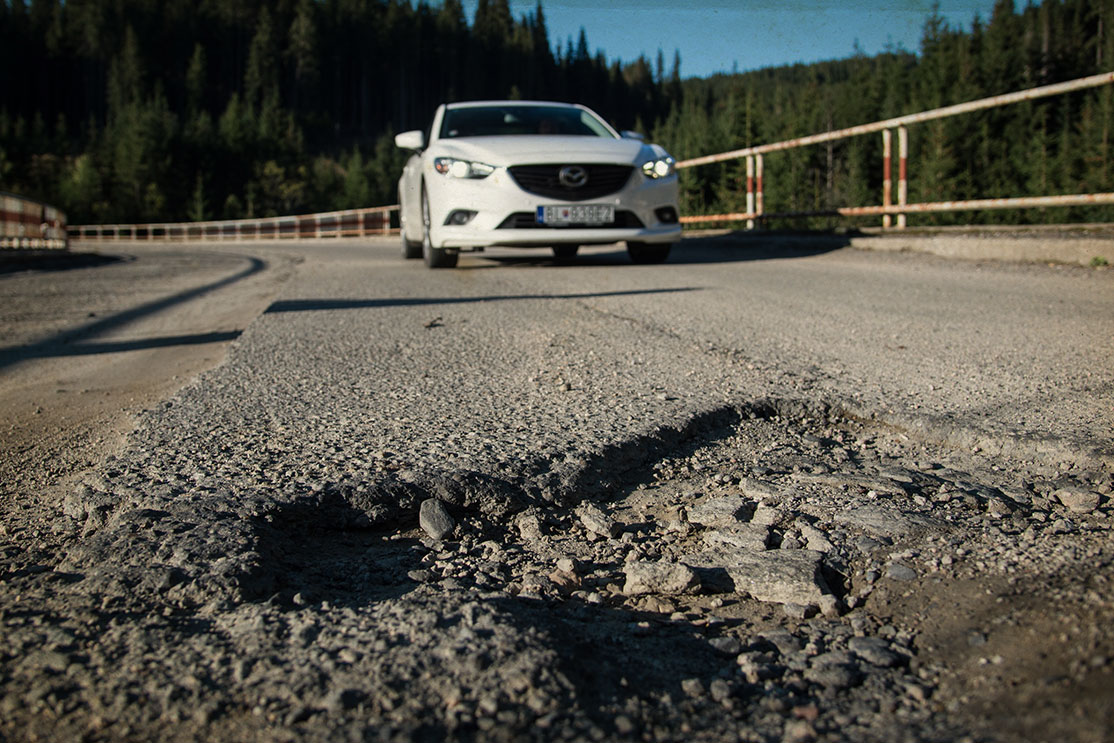
Later, I read on the informative Romanian-Insider website that the Transalpina isn’t actually finished and that a businessman described as Romania’s Asphalt King is being prosecuted for failing to complete work on the road he had been paid to do. You can get through, but only with care.
Our progress is slower than hoped, which means we reach the Transalpina’s high point at exactly the right time. The slanting afternoon sun bathes the grassy high country in a magical light. There are rustic-looking shepherds watching many sheep. And we’ve at last reached a section where the Asphalt King actually did some work.
But the sun goes down, and it’s after dark when we encounter a large flock of sheep being driven down the bitumen. Presumably they’re being brought down ahead of the autumn snows. In the Mazda’s bright headlights, the heaving, woolly mass looks surreal. A sprightly shepherd and his dogs move the sheep a little to one side so we can squeeze through.
It’s late when we reach our old-fashioned hotel in the arty area around the small town of Horezu. Tomorrow we must head down the motorway to Bucharest and return the Mazda 6 before catching homeward flights.
Our journey to Europe’s wild east has shown us that the Transfagarasan Highway truly is one of the world’s best and most beautiful roads. And if someone finishes what the Asphalt King has started, the Transalpina Highway may one day be its rival.
But Romania is a country with more to offer than memorable mountain passes. For me, Ploiesti was a highlight. It isn’t London or Leipzig, Hamburg or Hiroshima, but the refineries that still surround the city are a reminder that it was once a more worthy World War II target than any of these. From long-ago leaders like the prince called Dracula to more recent hard men like Ceausescu, many have left their mark on this small, Victoria-size nation.
Dacia, it seems to me, is the perfect metaphor for Romania today. This carmaker left behind a dreary past to transform itself, under Renault guidance, into a cost-competitive yet profitable brand.
Maybe they’ll one day produce something a young Romanian bloke might enjoy whipping up the Transfagarasan’s curves to his summit sausage-stall workplace. A hot hatch that bites like Dracula, but doesn’t suck, say. And it should have a name to hint at its place of origin. Chevrolet might even let them call it Impaler…
SNOW BUSINESS Like alpine roads in Western Europe, Romania’s brilliant Transfagarasan and challenging Transalpina aren’t open all-year round.
June to October is the typical open season, although the Transfagarasan can close as late as November if snow comes late. Unseasonal snowfalls apparently can cause temporary closures of both, even in summer.
Although it’s shorter – 90km compared with the 148km of the Transalpina – the Transfagarasan is the pick if you have time for only one Carpathian high road. As a local told us: “The Transfagarasan is the pearl of Romania.”
DRIVE ROUTE Our Romanian ramble was an anti-clockwise loop beginning and ending in the capital Bucharest, totalling around 900km. While there are some modern motorways, most of this route is two-lane road. These are often crowded, and the traffic mix includes horse-drawn carts and heavy trucks, but is mostly Dacias that refuse to die.
This article was originally published in Wheels March 2015.
Executive clean-out at Ferrari set to continue with expected retirement of Amedeo Felisa
REPORTS from Italy suggest that 69-year-old Amedeo Felisa is about to announce his departure from Ferrari.
No official announcement has been made, but the rumours that the Ferrari CEO is leaving – or has indeed already resigned – continue to circulate.
This has kicked off spiralling speculation for the reasons Felisa may exit Ferrari, particularly in the wake of former Ferrari chairman Luca Di Montezemolo’s ousting only 10 months ago by Fiat Chrysler Automobiles chief Sergio Marchionne.
With Montezemolo’s 23 years as Ferrari president – and the success in both Formula One and the road-car division under his leadership – his removal shows Marchionne, 63, as a ruthless leader with little regard for legacy and history, evidenced by his callous behaviour towards Montezemolo in front of the media at last year’s Paris motor show.
Felisa may also have fallen victim of Sergio’s whim. He had been expected to replace Montezemolo as president, but instead Marchionne himself took up the role.
Felisa joined Ferrari in 1990 as head of product development, rising to become general manager in 2006. He has been Ferrari CEO since 2008, replacing Jean Todt, the Frenchman who led Ferrari to five consecutive F1 World Championships with Michael Schumacher.
The timing of Felisa’s exit, if it is indeed true, comes as Ferrari prepares to list on the New York Stock Exchange, Marchionne valuing the company at “at least” $US11billion ($A14.8bn).
Earlier this week, the FCA boss told media the listing was merely “days away”, at the same time ruling out a potential merger with General Motors.
Sign up here to receive the latest round-up of Wheels news, reviews and video highlights straight to your inbox each week.
While the rip-snorting Quadrifoglio has hogged all the headlines, here’s a preview of the everyday version that might just have the BMW 3 Series crowd cowering
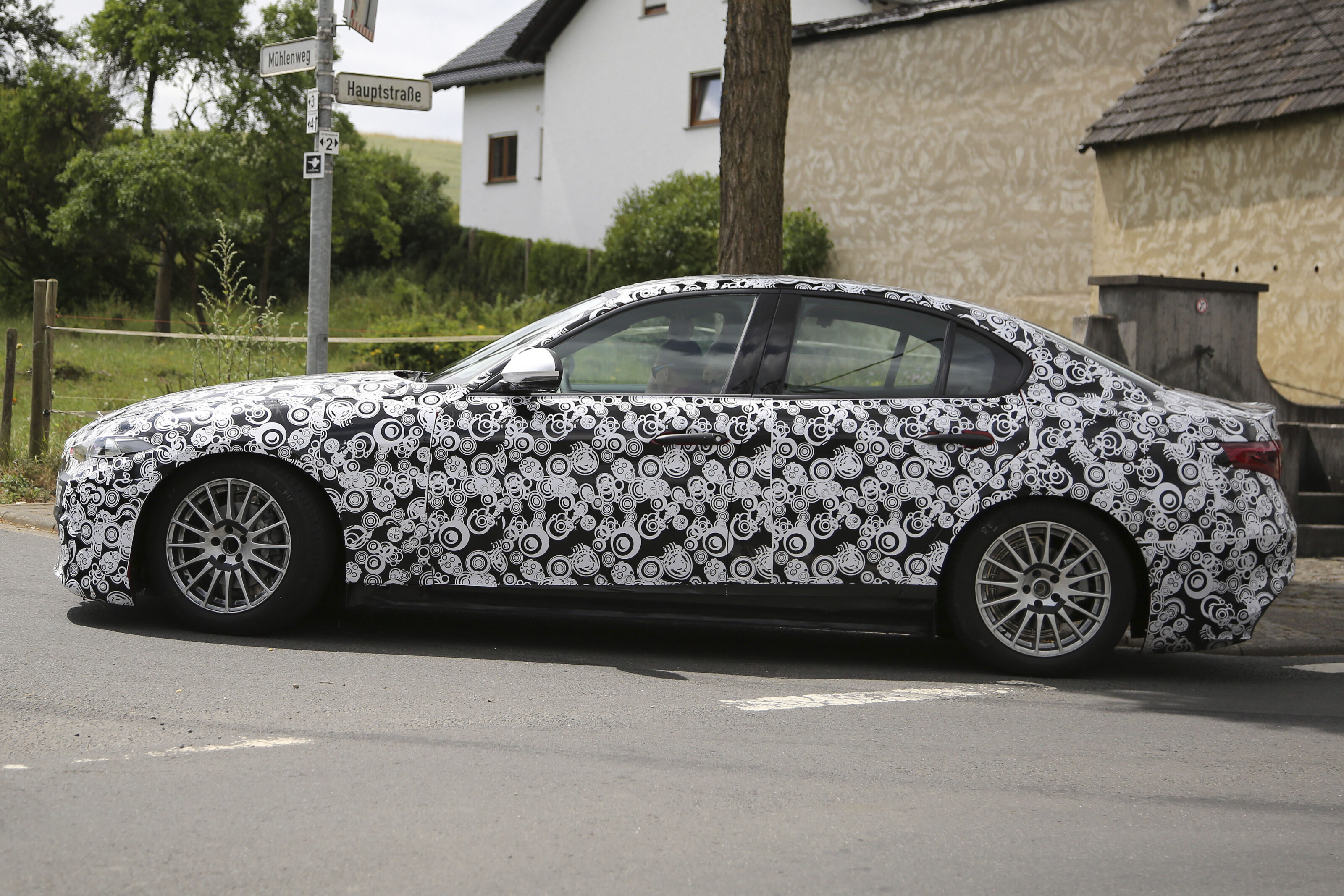
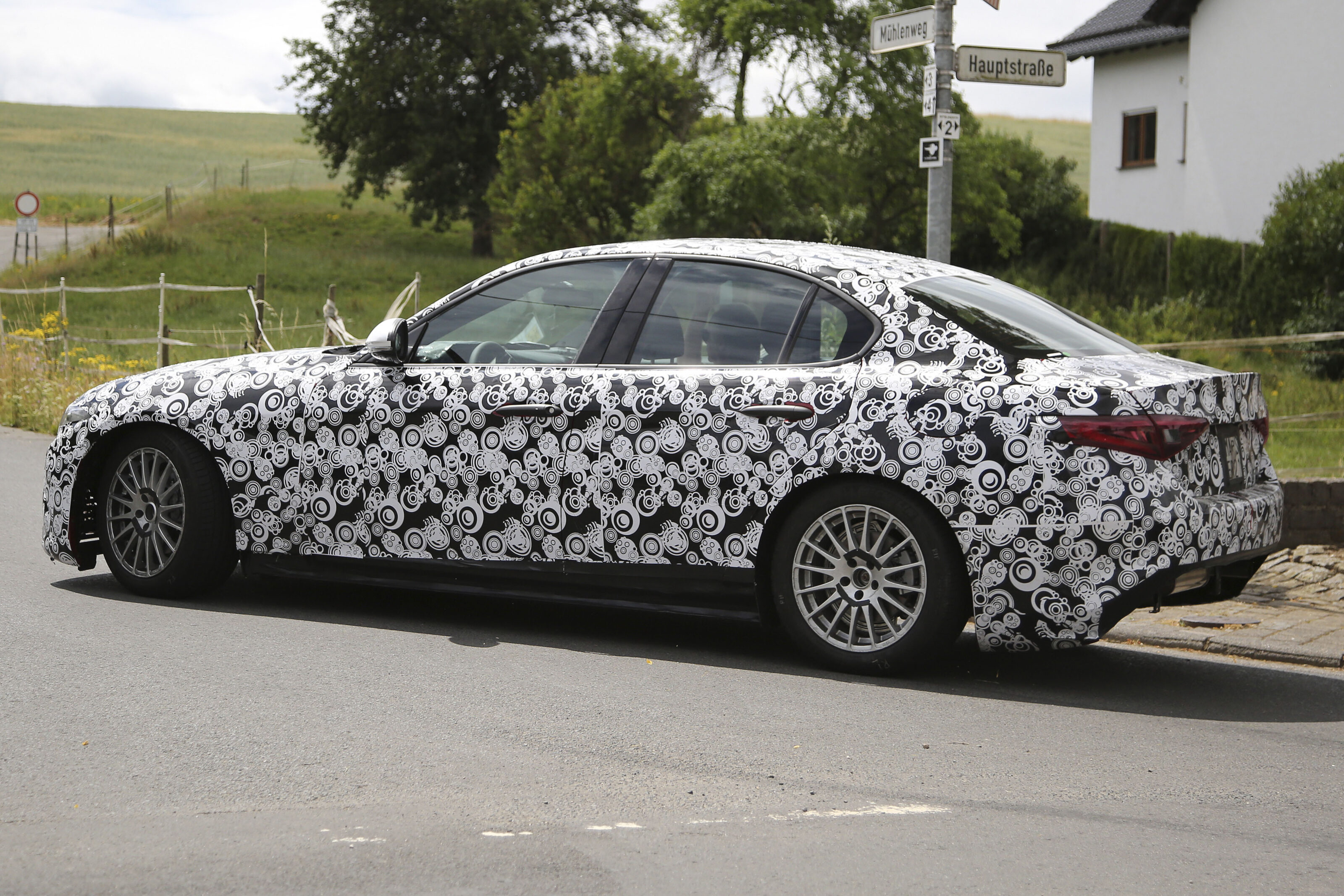
IT MAY NOT streak past a BMW M3 to 100km/h in 3.9 seconds like the Alfa Romeo Giulia Quadrifoglio version unveiled last month can, but the lightly disguised 2016 Alfa Romeo Giulia snapped here is the bread and butter hero that will make or break the Italian carmaker once and for all.
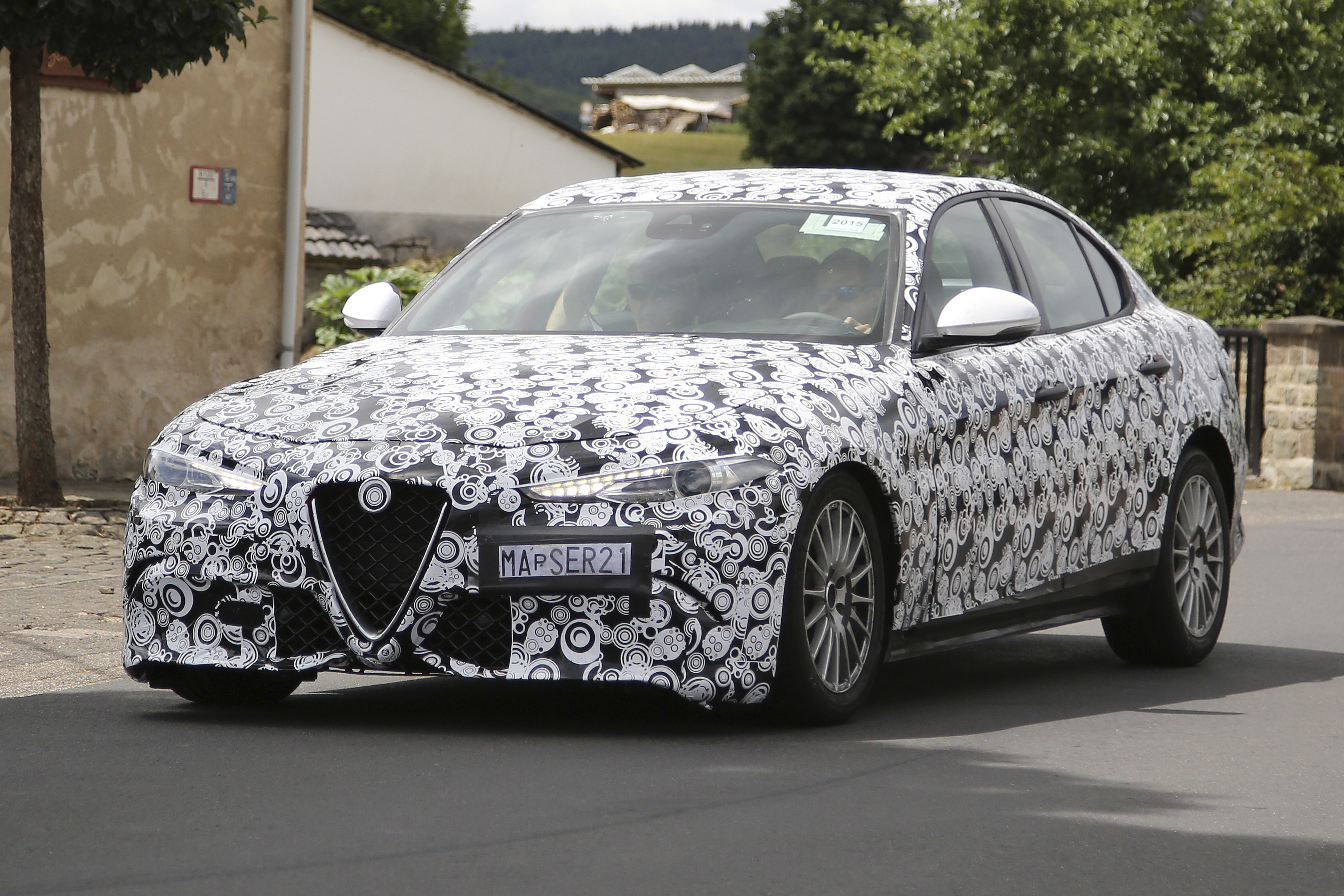
With the volume-selling just updated BMW 3 Series, Mercedes-Benz C-Class, Audi A4, Lexus IS, and Infiniti Q50 in its crosshairs, the four-door sedan seen here – codenamed Type 952 – is devoid of all the go-faster bits of the hot QV version. Gone are the extra air vents, body skirts, rear spoiler, stacked exhausts, and massive wheels and, stripped naked, the Giulia’s basic form is a much cleaner, lither look than the somewhat overblown 380kW 3.0-litre bi-turbo V6 performance flagship, restoring the faith in Alfa’s designers.
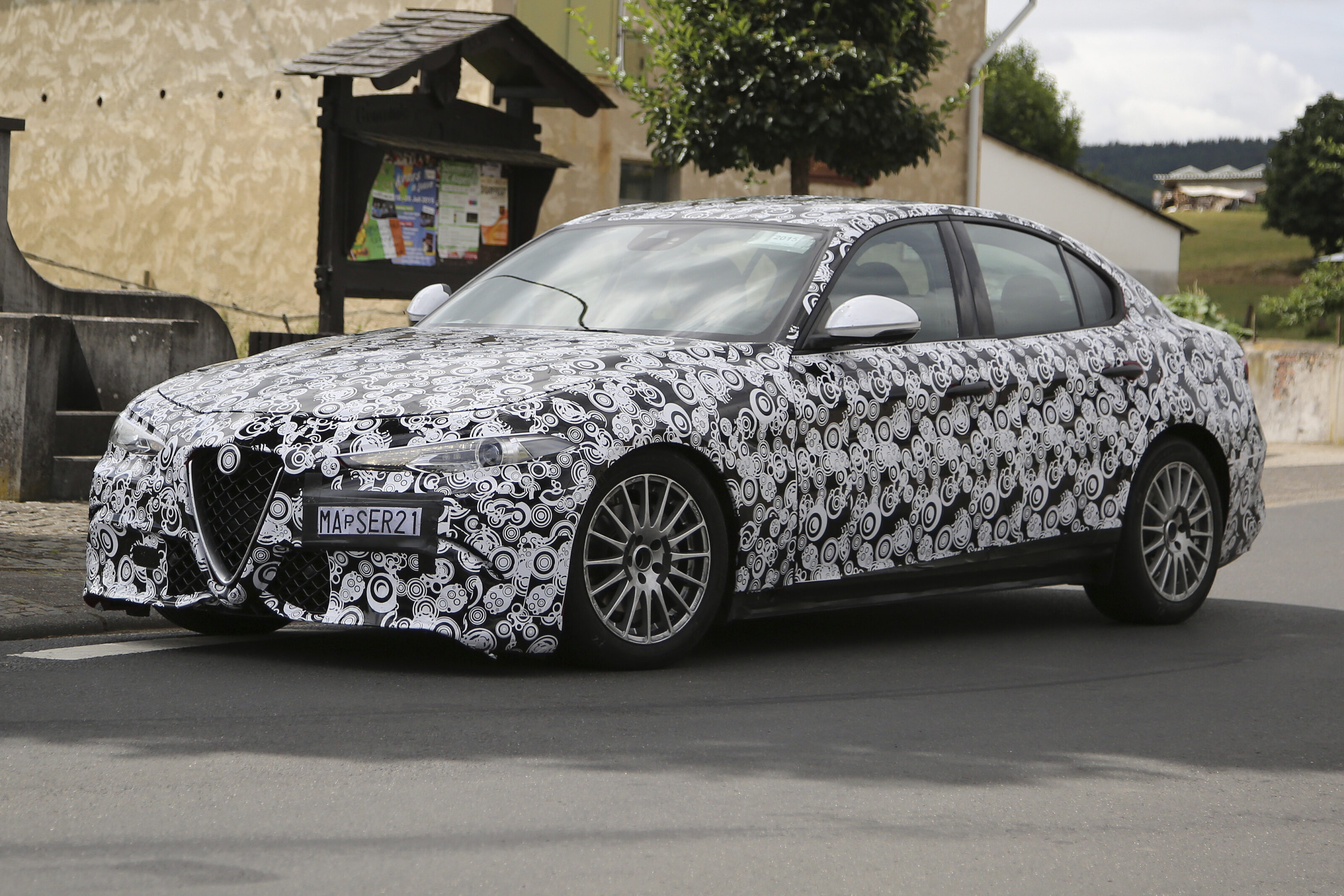
Of particular interest is the profile shot’s very obvious long-bonnet/short tail silhouette, highlighting the Giulia’s rear-drive bias with a deliciously extended dash-to-axle ratio.
Better still, for traditionalists, there is something of the beautiful Alfa Romeo 156 about the overall shape’s curviness, which should count for plenty in a class dominated by crisp but cold Teutonic design. We can’t wait to see the upcoming wagon version as clearly the Italians are leveraging their inherent styling strengths with tasty results.
Just as important is what’s beneath that shapely bonnet, with a range of 1.6-litre to 2.0-litre four-cylinder turbo MultiAir (petrol), as well as 2.2-litre and 3.0-litre V6 MultiJet (diesel) engines, said to be driving those rear wheels… as well as the majority of the Milanese midsizer’s demand.
With the Alfa Romeo Giulia still up to 12 months away from an Australian launch, nobody’s talking about official pricing just yet, but expect the entry-level model like the one you see here to kick off from about $55,000, while the Quadrifoglio will most likely catapult way past the $130K mark.
Have spy pics of your own? We’d love to see them. Send them to [email protected]
We realise “world’s craziest Subaru” is a bold claim, but we also dare you to prove us wrong.
Gobstopper II is the work of Roger Clark Motorsport in the UK. Roger Clark was one of Britain’s finest rally drivers, and he passed on both his talent and love of cars to his sons Olly and Matt.
As the name suggests, Gobstopper II is the second wild creation from RCM, with the original GC8-based Gobstopper wowing crowds for years in a variety of events thanks to Olly’s flamboyant rally-derived driving style.
However, for the company’s reintroduction to the flat-out world of Time Attack racing, Olly and Matt needed a new project, and thus Gobstopper II was born.
A blog on the company’s website details the build and we strongly recommend you check it out, as the the attention to detail and level of engineering poured into this car is beyond staggering – WRC bodyshell, carbon panels, integrated roll cage, paddle-shift gearbox, nitrous-assisted engine, the list is endless.
Perhaps the crew at Roger Clark Motorsport could be convinced to put Gobstopper II on a boat and take on the best Australia has to offer at Sydney Motorsport Park’s World Time Attack?
Get your free weekly report from the world of fast cars – subscribe to the MOTOR newsletter!
THE Mercedes-AMG GT S is having its first official outing in Australia at the home of Aussie motorsport, with customers also able to take a number of AMG-badged models for a blast around the mountain.
One thing we’re betting they didn’t count on was snow. Lots of it. Here’s what they saw first thing this morning.
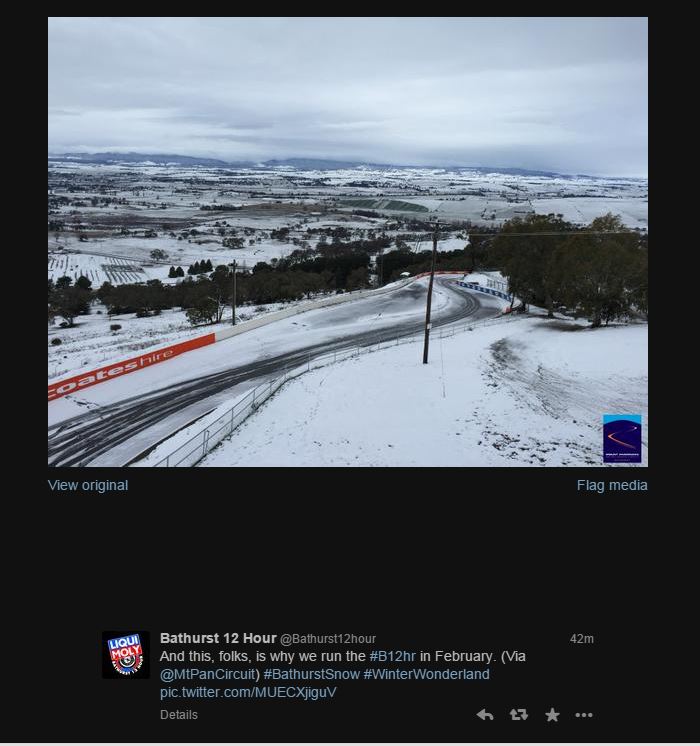
Update: Mercedes-Benz says once everyone has eaten lunch, the whole circuit reopens.
Mercedes-Benz Australia spokesman Matthew Pasiopoulos told Wheels that instructors and track officials woke up to a cover of about 5cm of snow, with just the odd patch of grass peeking through.
He said the snow had started to melt, allowing instructors to use the lower sections of the track, although track officials were currently asessing if the top part of the circuit was safe enough to re-open.
V8 Supercars driver Tony D’Alberto tweeted this from the bottom of the track.
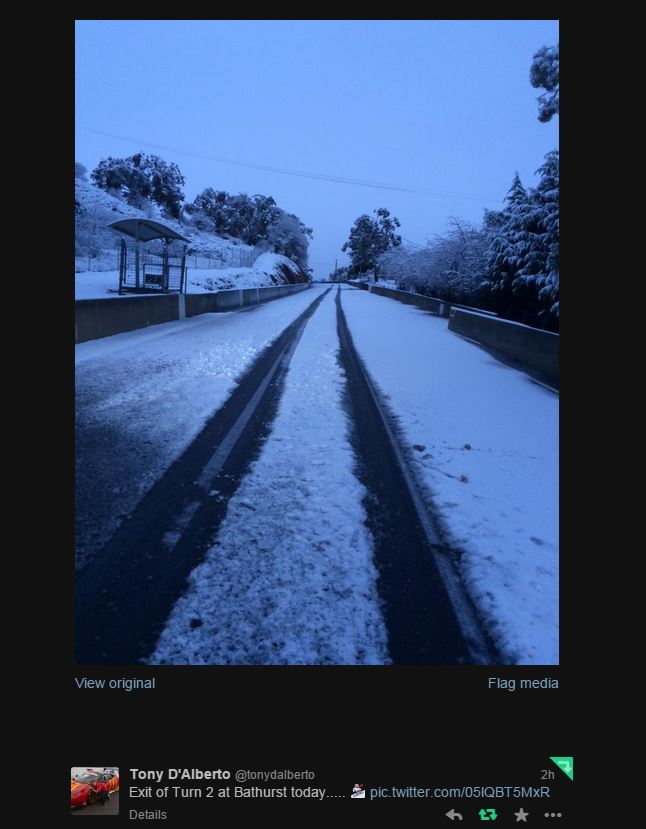
“It was about minus two or three overnight, and when we woke up there was a blanket of snow covering everything,” Pasiopoulos said.
“The sun’s come out now and most of the snow has melted, but at the very top there’s still a little bit of snow left.
“We’re expecting that in the next one or two hours it will all be melted and we’ll just have a bit of a damp track by the end of it.”
Pasiopoulos said instructors had done “a couple of laps” with snow covering the circuit “just to see what it was like”.
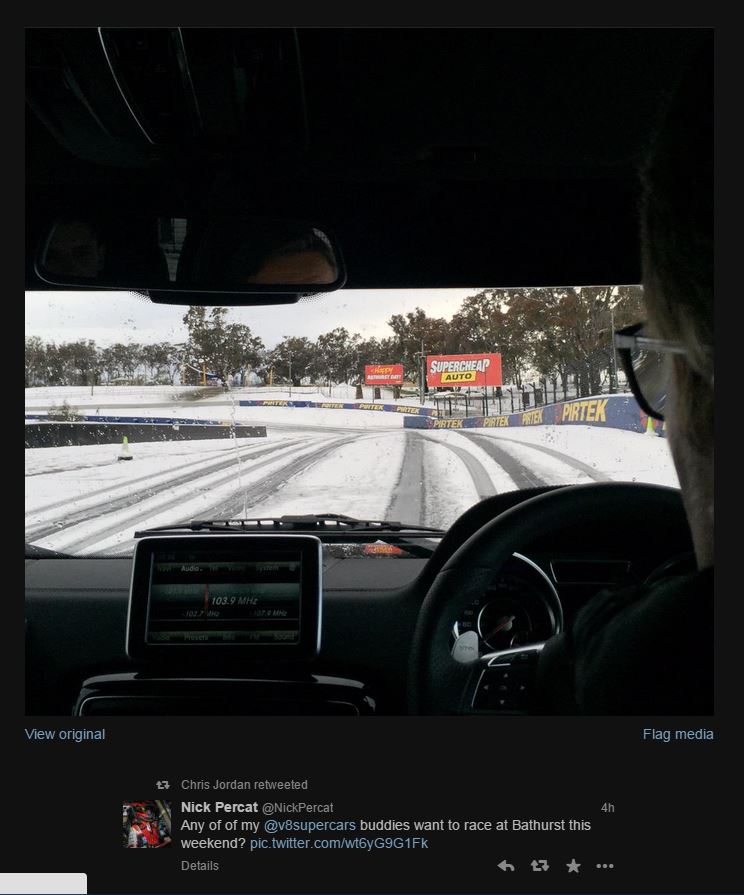
He said nature chucking down snow would not be an opportunity for the drivers attending the day to get sideways at The Chase or Skyline.
“The instructors are very safe, and if anybody steps out of line they will pull them up straight away,” he said.
Sign up here to receive the latest round-up of Wheels news, reviews and video highlights straight to your inbox each week.
PLUS
- For those less concerned about the power and more worried about the environment, its fuel-efficiency and greener reputation of its petrol-electric hybrid engine will be more appealing.
- As you’d expect from a Lexus, its luxurious interior is an added bonus to its high level of standard gear.
- It’s up there in the value stakes offering electric steering wheel adjustment, heated seats and reverse camera.
- For those who love their music, there are 10 speakers scattered through this car. So be sure to turn it up.
- We like the Lexus Enform communication system, which connects to your smartphone and also does pretty clever things like tell you the weather, locate the closest petrol station or even contact Lexus.
- It doesn’t boast a lot of space, but nor is it notably uncomfortable.
- There could probably be a bit more depth in the seats, but it’s not really a deal breaker.
- The absence of a diesel option means this SUV lacks grunt.
- It’s also loaded with a whole heap of safety gear adding to the family appeal.
- The NX features Lexus’ newest technology in the ‘Lexus Remote Tough’ interface, which is essentially a touch pad. While it’s a pretty cool feature, it’s very sensitive and takes a bit of getting used to. It kind of sits in the middle ground.
Click here to find out more about the Lexus NX300h.
BMW’s baby SUV brings new engines, boosted space, more equipment and a uniquely Aussie look.
WHAT IS IT? A vast improvement, that’s what it is. New from the ground up, the second-generation X1 moves to BMW’s versatile UKL platform and boasts new engine technology, improved packaging and, yes, front-drive models.
WHY WE’RE TESTING IT While the original X1 was never going to win any beauty contests, there’s no denying it was popular. At times the X1 was BMW’s fourth-bestseller worldwide, meaning this new one, which arrives Down Under in October, is important.
MAIN RIVALS Audi Q3, Mercedes-Benz GLA, VW Tiguan, Ford Kuga
THE WHEELS VERDICT It lacks the dynamic panache of its predecessor, but new engines, a roomier interior and a sharper look mean the second-gen BMW X1 is a stronger all-round performer.
Plus: Improved looks; gutsy, more efficient engines; interior space and quality; designed by an Aussie Minus: Sound; most of the new tech is likely to be optional; no three-cylinder donks for Oz
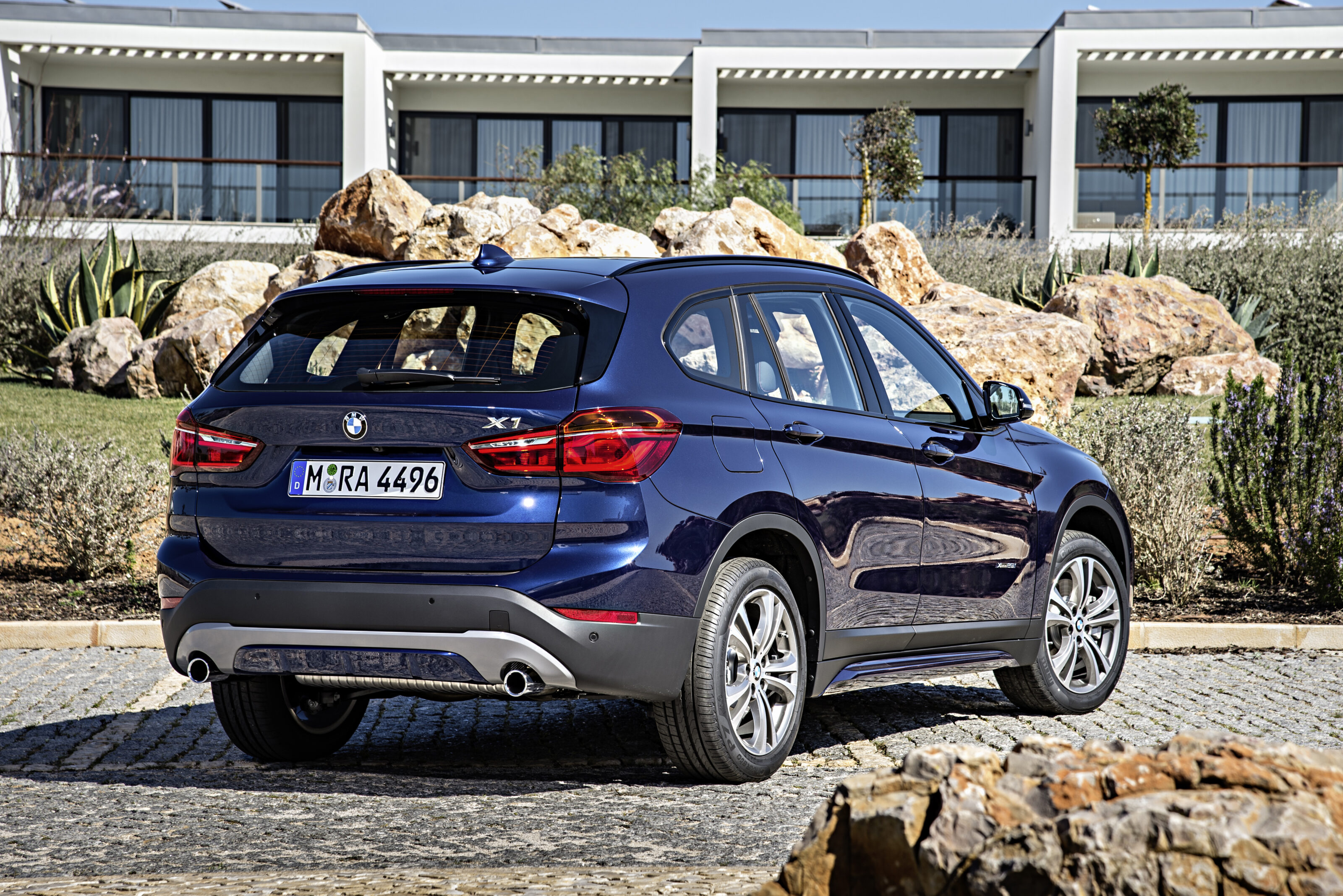
THE WHEELS REVIEW YOU can’t see it in the pictures, but this is a car that wears an Akubra and stinks of Vegemite. It’s the second-generation BMW X1, and it was penned by a bloke who, as well as being one of BMW’s hottest up-and-coming exterior designers, just happens to be an Aussie.
Calvin Luk hails from Sydney, and the X1 is the 29-year-old’s first clean-sheet design to make production since he joined BMW seven years ago.
He’s done a good job, too, ditching the original X1’s snouty, oversize bonnet and ungainly stance for a look that’s well proportioned and, especially from the front, handsome.
New from the ground up, the second-gen X1 is an altogether different beast to the original, courtesy of a switch to BMW’s flexible UKL architecture. Where the old car was based on the 3 Series Touring and offered in rear- or all-wheel drive, the X1 now has the choice of all-paw grip or (gasp) front-drive sDrive variants.
The shift in platform, which is shared by the BMW 2 Series Active Tourer and latest Mini range, has also allowed BMW’s boffins to address an X1 flaw – its packaging.
Now 53mm taller, 21mm wider and standing on a wheelbase stretched by 90mm, interior space front and rear has improved, as has boot space, which has swollen by 85 litres to 505L, meaning the X1 now trumps the Audi Q3 and Benz’s GLA for load lugging.
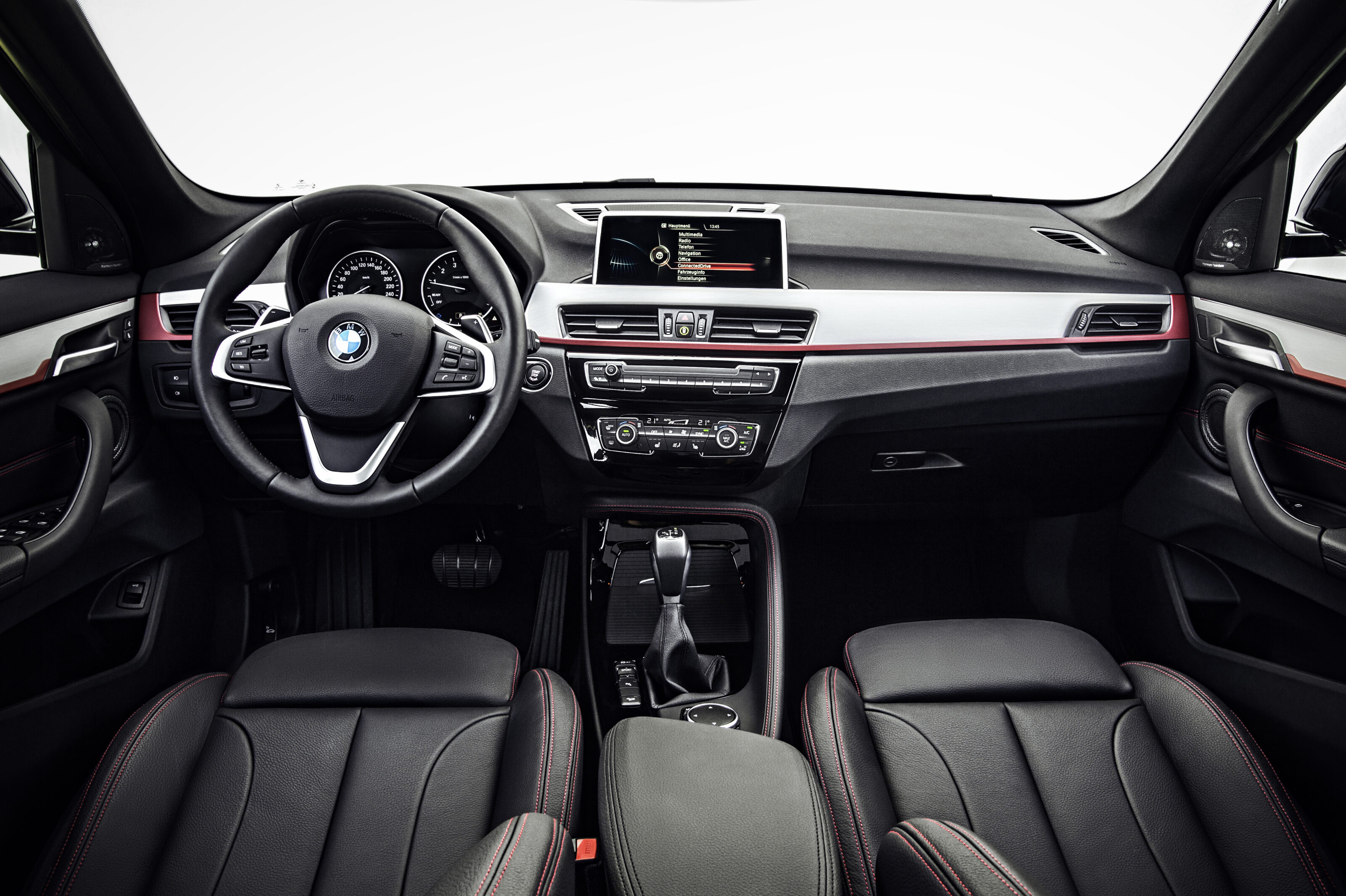
A comfortable rear bench that slides up to 130mm brings further flexibility, as does the inclusion of an optional automatic tailgate, head-up display and BMW’s Driver Assist Plus, which adds active cruise control, lane departure alert, collision warning and auto emergency braking.
Power comes from a suite of four-cylinder petrol and diesel engines, all taken from BMW’s modular B48 engine family, with two available from launch in October: the 170kW/350Nm xDrive 25i and 140kW/400Nm xDrive 20d.
Two front-drive models will arrive in early 2016, the 110kW/330Nm sDrive 18d and 141kW/280Nm 20i.
A higher-output (170kW/450Nm) 25d could also come here, but don’t hold your breath for the more efficient, and potentially more affordable, three-cylinder petrol and diesel units that will launch in Europe from November – the sDrive 18i and 16d – because BMW Oz says that, for now at least, we’re not getting them.
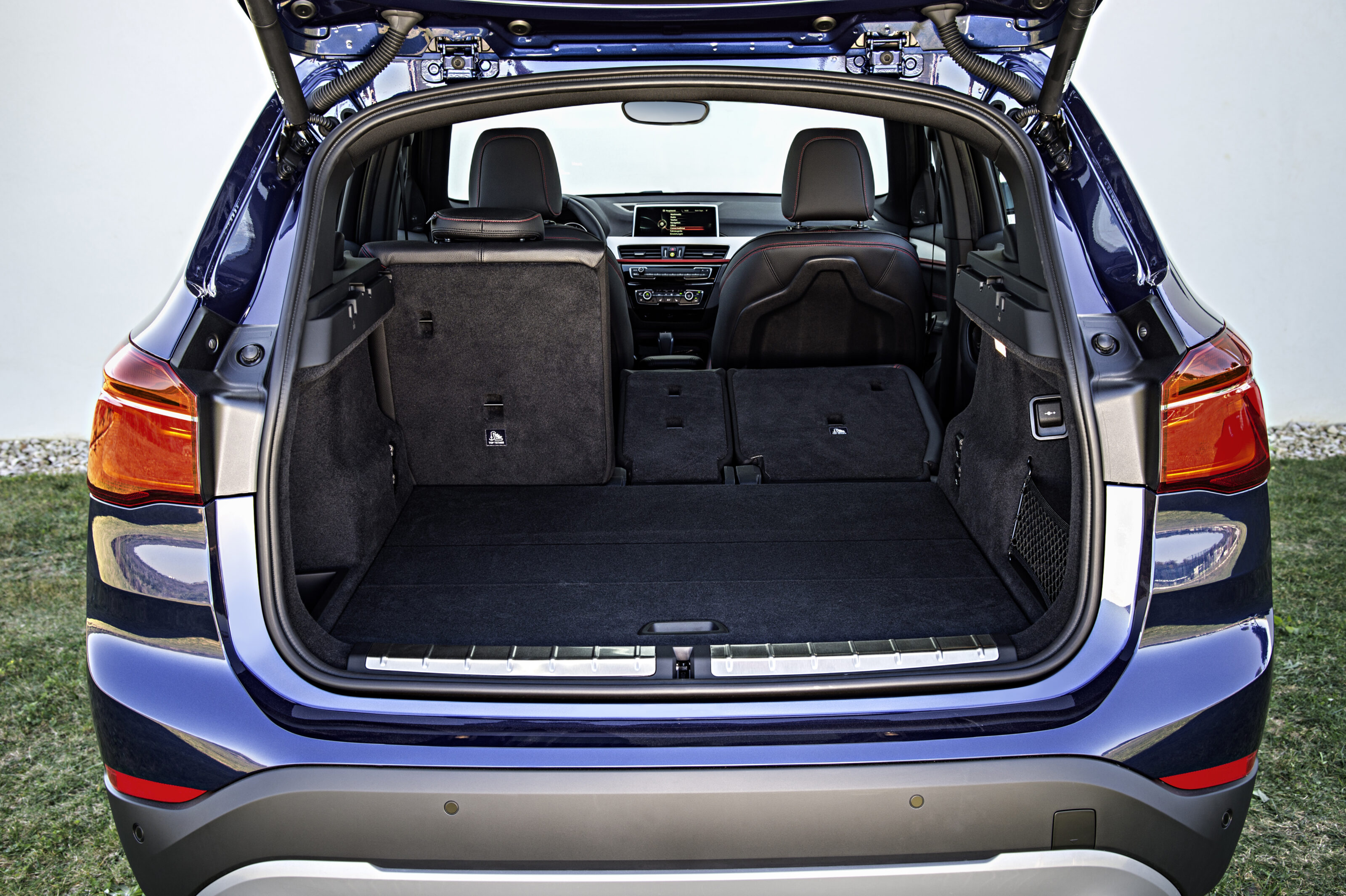
Only the top-spec xDrive 25i was available to test at the international launch in Austria and dynamically there’s no escaping the X1 is now more SUV-like than ever. You sit higher than before on front seats raised by 36mm, and even with the optional Adaptive chassis, which as well offering three driving modes (EcoPro, Normal and Sport), adds adaptive dampers to the X1 for the first time, there is some body roll on mountain roads. Those chasing sharper dynamics can opt for a stiffer M suspension tune that lowers the ride height by 10mm.
Yet the chassis is nicely balanced, the steering fluid and sharp, and the new 2.0-litre petrol not only uses 0.1L/100km less fuel than the outgoing 28i but bristles with a muscular mid-range and engaging exhaust note, at least high in the rev range. A letdown is how the donk sounds below 2000rpm, where it feels mechanical and unrefined under load.
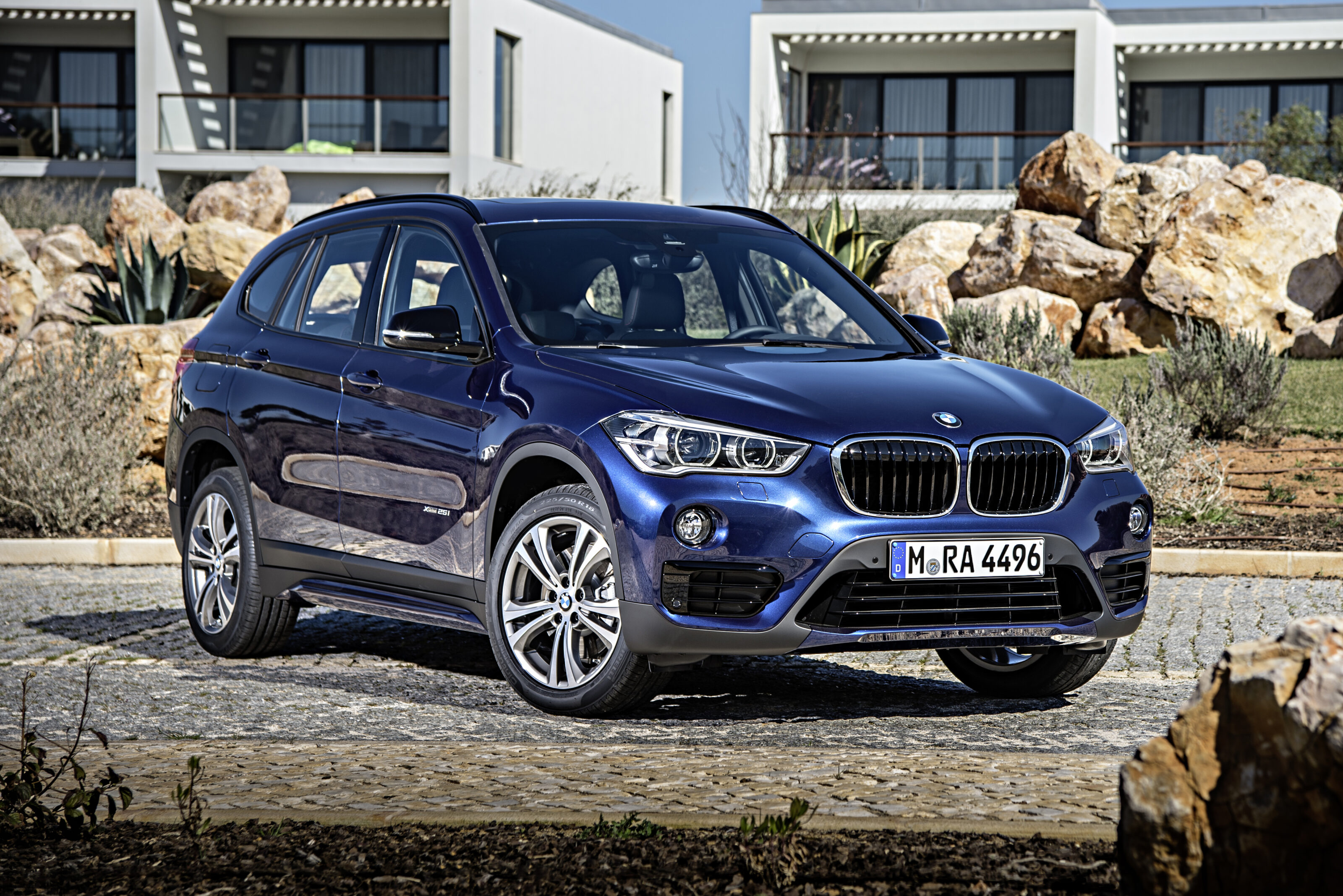
BMW has worked to widen the gap between Comfort and Sport, yet even in the harder of the two settings and on optional 18-inch wheels (all X1 variants are shod with 17-inch alloys as standard), the X1’s ride is compliant and well controlled. A positive helped, no doubt, by glassy European roads.
We’ll see how the X1 performs on our shonky, pockmarked tarmac when it lands here in October, but until then there’s little doubt the X1 is now a far more convincing small SUV. It might lack the car-like dynamics of its predecessor, but in a segment where practicality, equipment, efficiency and usability carry greater weight than on-the-limit handling, the X1 is a marked improvement.
Model: BMW X1 25i Engine: 1998cc 4cyl, dohc, 16v, turbo Max power: 170kW @ 5000-6000rpm Max torque: 350Nm @ 1250-4500rpm Transmission: 8-speed automatic Kerb weight: 1540kg 0-100km/h: 6.5sec (claimed) Economy: 6.4L/100km (EU) Price: $60,000 (estimated) On sale: October
New-car launches don’t come much bigger than the 3 Series, BMW’s top-selling model globally.
WHAT IS IT? The most important model BMW will launch in 2015, and not just because the BMW 3 Series is such a sales juggernaut. With newer and potentially better rivals from Mercedes, Audi, Jaguar and Alfa Romeo in the mix, the facelifted 3 Series needs to be good.
WHY WE’RE TESTING IT BMW sells more 3 Series worldwide than any other model and this updated version offers new engines, a sharper look and the promise of better steering and handling.
MAIN RIVALS Mercedes-Benz C-Class, Audi A4, Jaguar XE, Alfa Romeo Giulia
THE WHEELS VERDICT New engines, a smoother ride and a sharper look boost the 3 Series’ showroom sizzle, but improved dynamics are let down by artificial steering.
Plus: Sharper dynamics; improved ride; creamy smooth turbo six in 340i Minus: Artificial steering; only minor visual changes; newer, potentially better, rivals
THE WHEELS REVIEW THE Alps are glowing, the champagne flowing and the cars are shining, yet still a question raises its ugly head: Has BMW done enough?
I’m in Austria for the launch party of the updated 3 Series LCI, which stands for Life Cycle Impulse in BMW-speak, or mid-life update for the rest of us. It’s one of the most important cars BMW will launch this year, and not just because the 3 Series remains the brand’s most popular model worldwide.
The F30 3 Series, originally released here in 2012, is suddenly facing stiff competition from newer rivals like the Mercedes C-Class, all-new Audi A4 and incoming Jaguar XE and Alfa Romeo Giulia. So this mid-life update needs to be good.
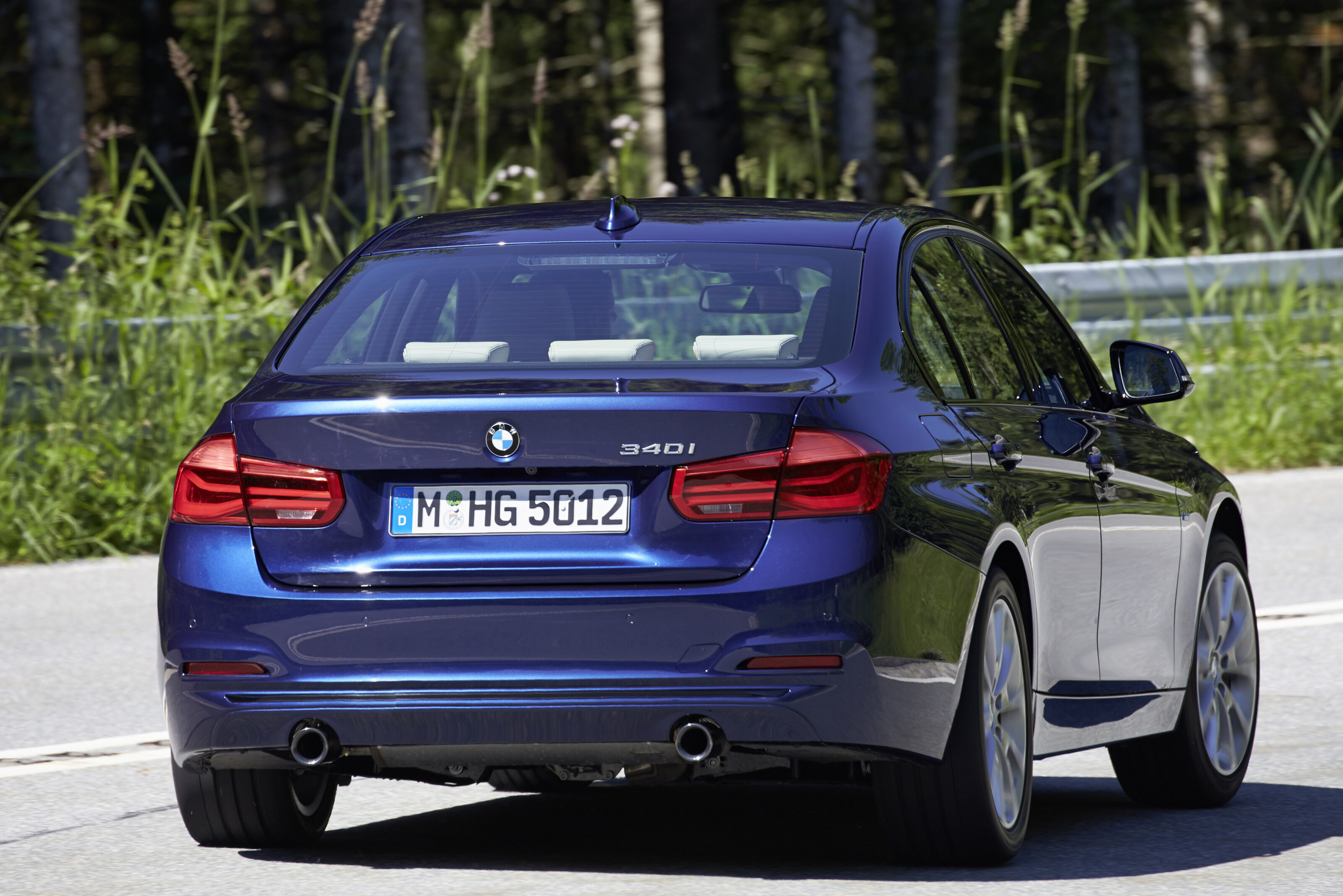
Visually, though, changes are minor. Up front there are new LED running lights and the option of full-LED illumination (a 3 Series first), while a tweaked front bumper also sports larger air intakes for a wider and more aggressive look. At the back, a new rear bumper includes standard LED tail-lights arranged in BMW’s latest L-shaped design.
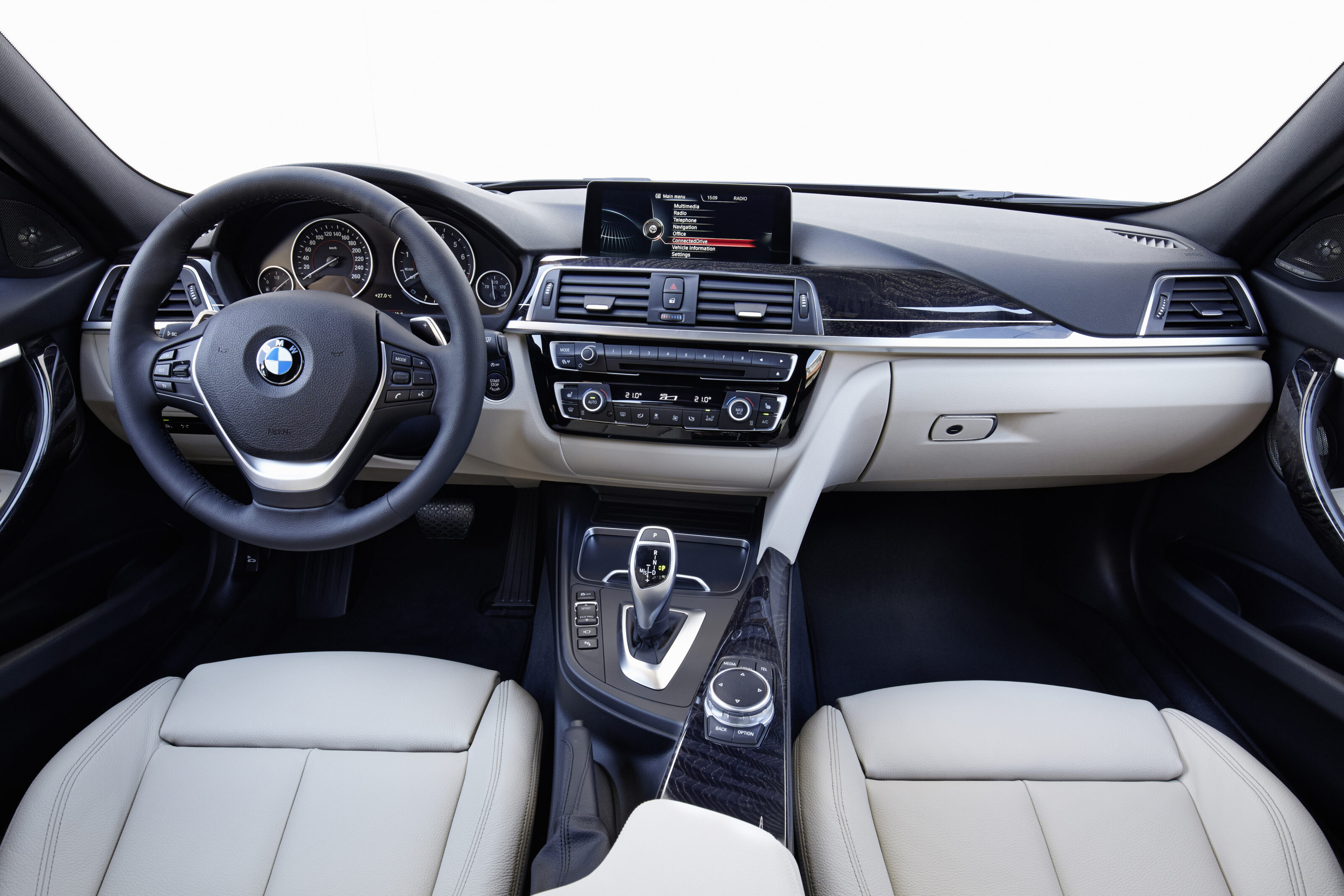
Changes to the interior are equally restrained, bringing lashings of high-gloss plastics and chrome, plus new ambient lighting. Oh, and the central cupholders now get a lid.
Where BMW has really upped the ante is under the bonnet. Every engine in the updated range is new, bar the six-pot diesels, with the entry-level 318i now powered by a, wait for it, 100kW/200Nm three-cylinder petrol. It’s the same unit already used by Mini, or if you’re boasting to your mates at the pub, the one used in BMW’s i8 sports car, and it brings a 0.5L/100km fuel saving and lowers the 318i’s 0-100km/h time by 0.1sec.
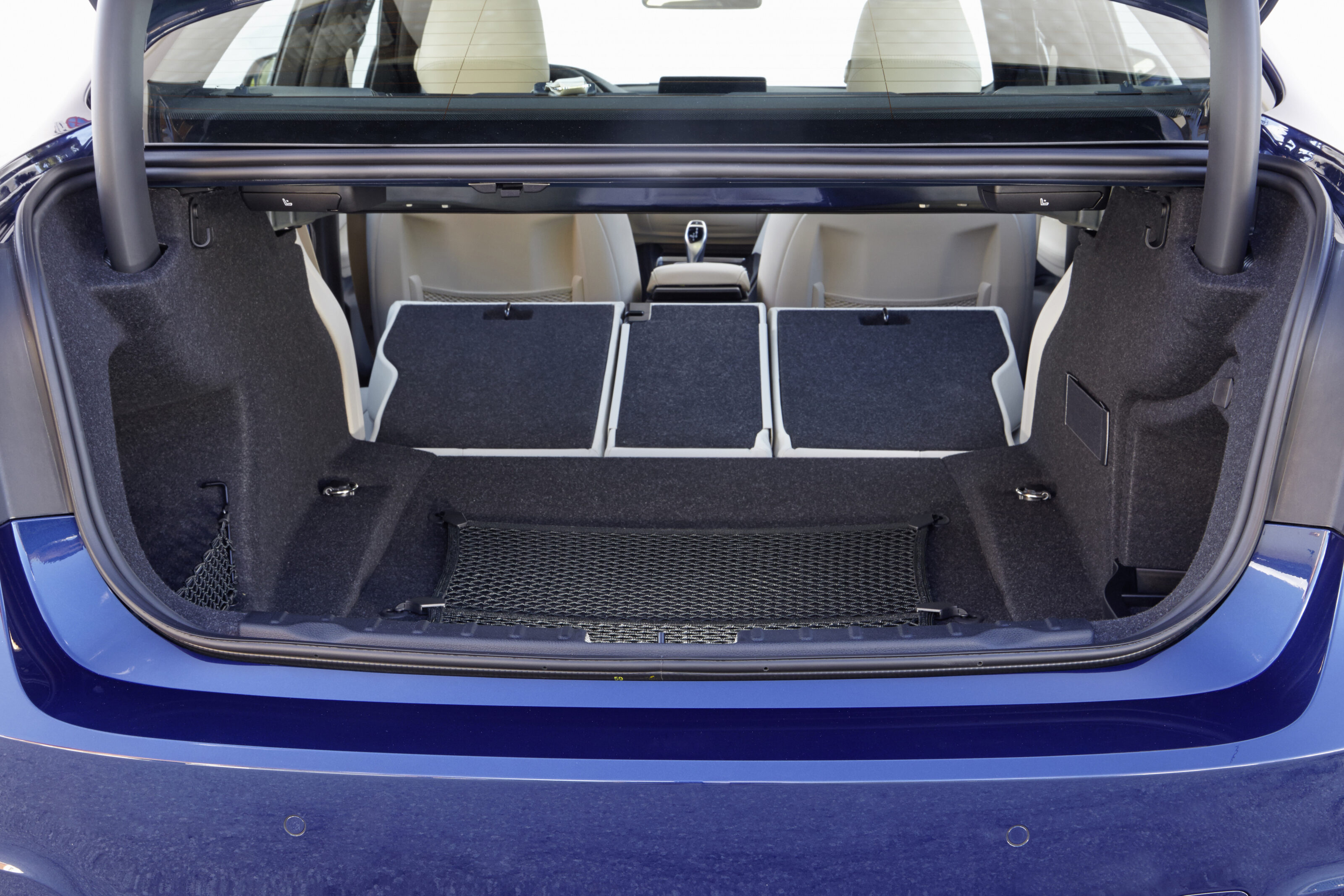
An even more efficient 185kW 330e hybrid will debut in Europe in early 2016, though performance junkies will be most interested in the variant sampled here, the range-topping 340i.
It replaces the old 335i flagship and its new 240kW/450Nm turbocharged 3.0-litre six is a gem. Smooth, strong and with a rorty exhaust note, it’s a unit that manages to feel both wonderfully linear, yet deliciously torquey from below 2000rpm.
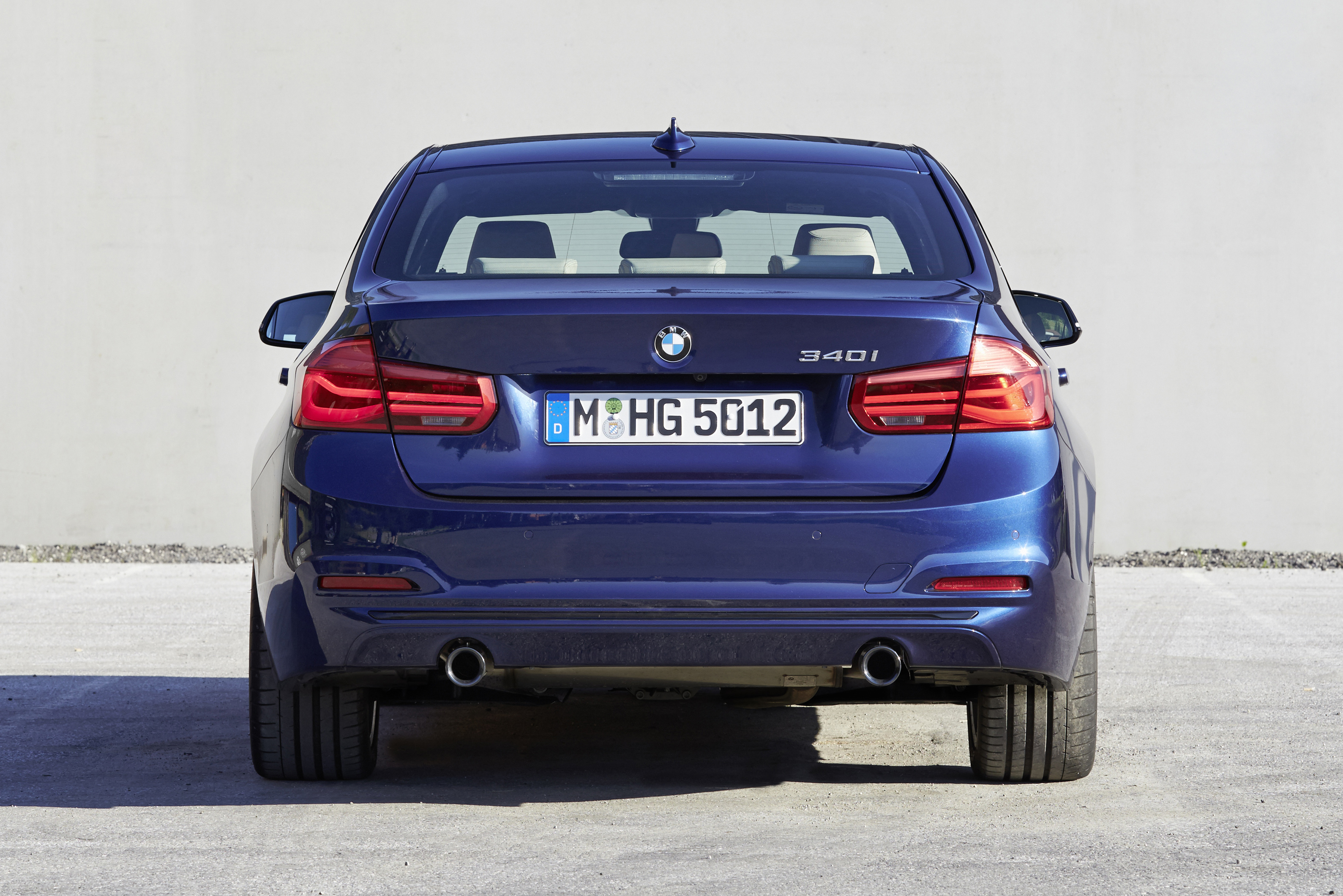
A recalibrated, silky-smooth eight-speed automatic completes the drivetrain, with BMW’s engineers working tirelessly to ensure this new 3 Series is “sportier than ever”.
All three grades (Standard, M Sport and Adaptive) boast stiffer suspension, revised damping and fettled steering to not only provide sharper dynamics, but improve body control and ride comfort. And the results, at least on these suspiciously smooth roads in Austria where the ride feels controlled and compliant, are positive.
Another welcome addition is an increased difference between Comfort and Sport on Adaptive models.
Letting the package down is new steering that, despite BMW’s efforts to make feedback more linear, feels inconsistent and artificial off centre, at least on the 340i with its sporty Michelin-shod 18-inch wheels.
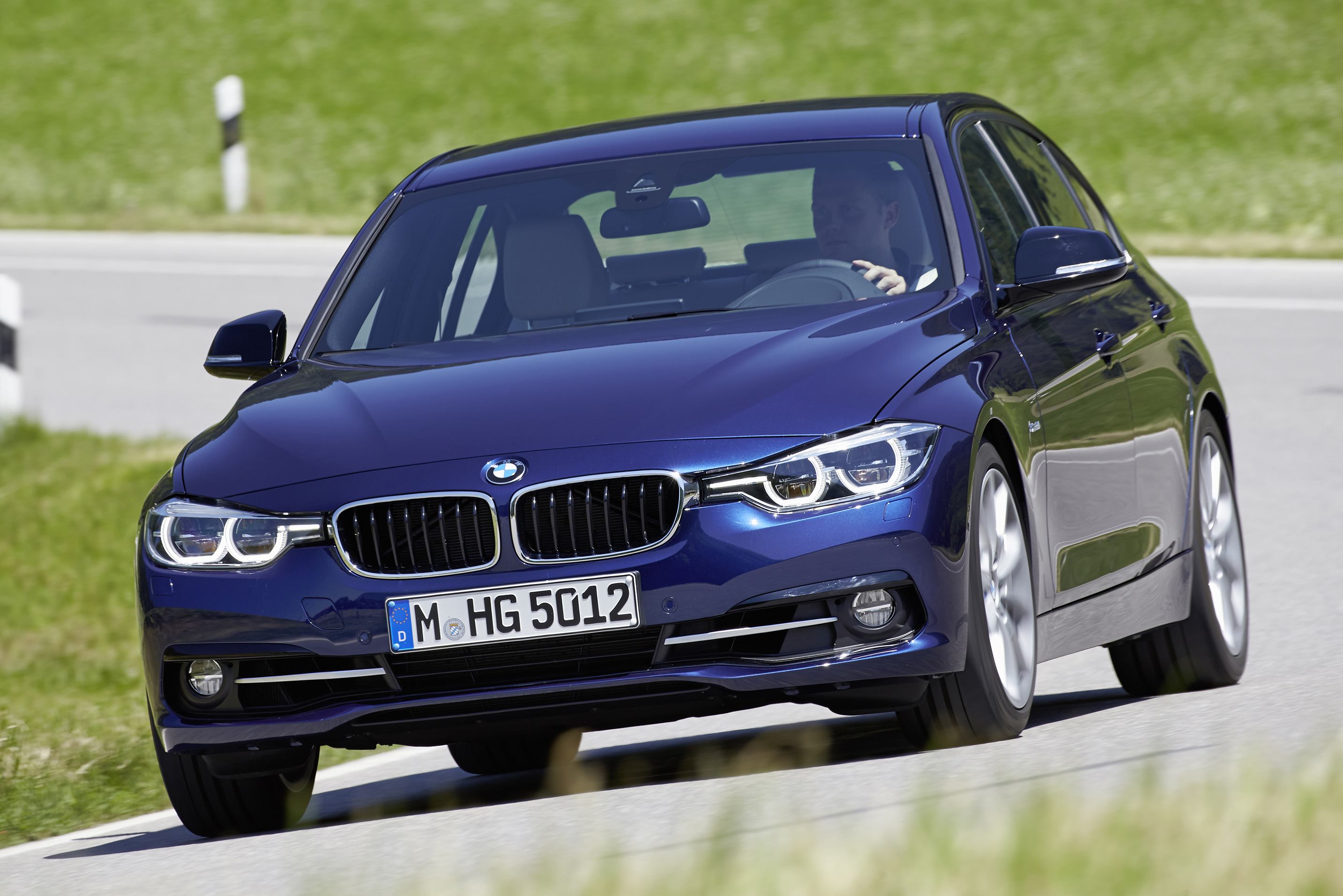
Disappointing steering aside, it’s clear the new 3 Series is more than just fresh tinsel on an old tree. New engines that provide greater efficiency and new technology only broaden the car’s appeal, as do the promises of even greater performance and improved dynamics.
And, while its visual changes are hardly groundbreaking, they do result in a sharper, more aggressive look to give the 3 Series facelift the showroom sizzle it needs against newer rivals.
SPECS Model: BMW 340i Engine: 2998cc in-line 6cyl, dohc, 24v, turbo Max power: 240kW @ 5500-6500rpm Max torque: 450Nm @ 1380-5000rpm Transmission: 8-speed automatic Kerb weight: 1530kg 0-100km/h: 5.1sec (claimed) Fuel Economy: 6.8L/100km (EU) Price: $94,000 (estimated) On sale: October
Click here to read the full range review of the BMW 3 Series
Honda adds 90,000 cars to the 850K Australia-wide already earmarked for a fix
THE number of vehicles plying Australia’s roads with potentially dangerous airbags is racing towards one million, with Honda adding another 90,000 cars to the list of affected models overnight.
Honda’s 92,274 recalls pushes the overall tally related to Takata airbags that can either split on inflation or fire bits of plastic and metal at occupantsin a crash to about 940,000 – almost the same number of all recalls across all makes in 2014, which itself was a 10-year high for the industry.
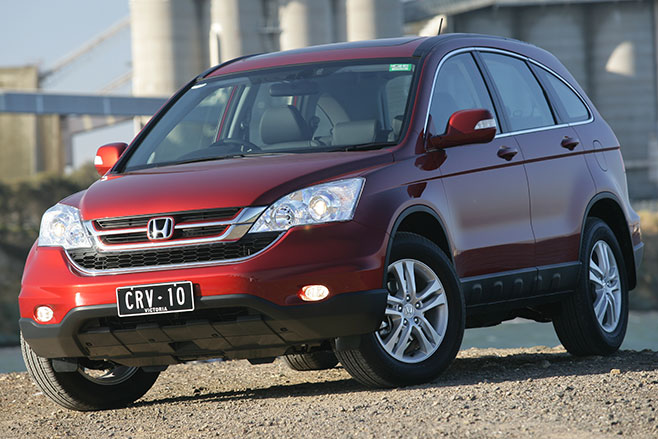
Most of the latest round of recalls relate to versions of the Honda Jazz light city car sold between 2006-12, including three Jazz hybrids sold in 2012, and the Honda CR-V small SUV sold between 2007-11.
Also affected is every Honda Insight sold in Australia between 2010-12, and the Honda City compact sedan.
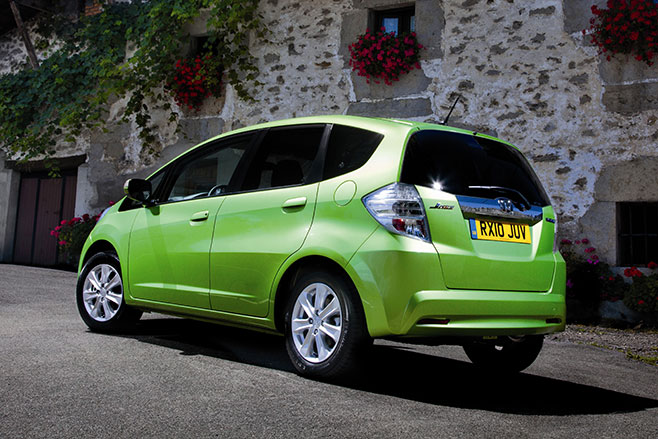
“As a result of investigating parts returned from the market, some driver’s front SRS airbag inflators were confirmed to have wide ranges of density variation within propellants,” Honda said in a statement.
“Although the cause has not been determined and since there is a risk of abnormal airbag deployment, relevant inflators will be replaced with new parts as a precautionary action.”
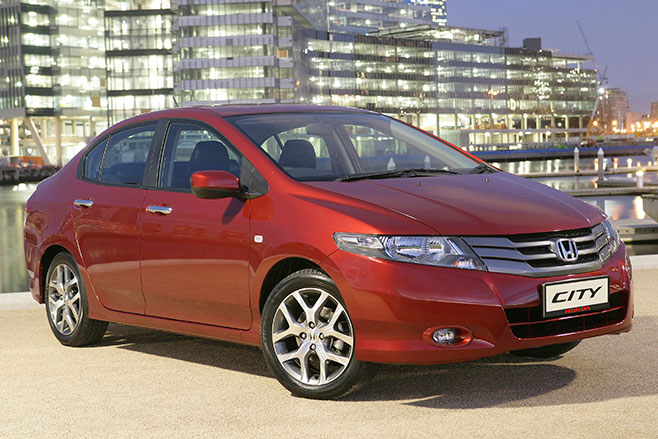
Last month, Mazda and Nissan added their tally to what has become the biggest recall in Australian history related to a single component, identifying almost 195,000 vehicles on top of the 640,000 already earmarked by carmakers as needing the airbag unit replaced.
Even more are expected to be added as the impact of overseas recalls – in the US alone, the tally has pushed beyond 33 million vehicles – continues to trickle through to other markets, including Australia, and as brands here source enough replacement parts to issue a recall.
Affected Honda Australia models and number of units:
- 2010-12 Insight: 1,298 units
- 2006-12 Jazz (petrol): 43,743 units
- 2012 Jazz Hybrid: 3 units
- 2009-12 City: 7,737 units
- 2007-11 CR-V: 39,493 units
